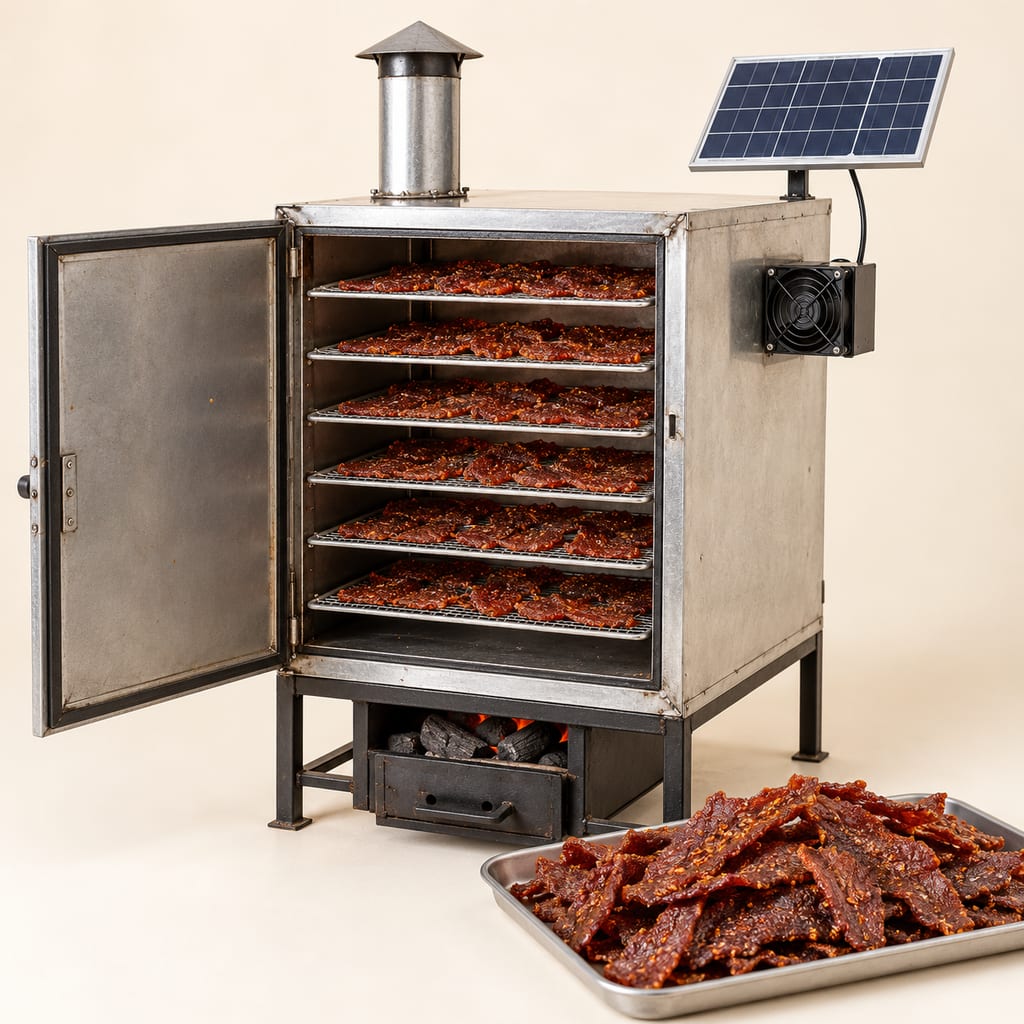
Charcoal-fired kilishi dryer (modified six-tray cabinet)
A six-tray charcoal-fired cabinet, modified at Ahmadu Bello University to dry kilishi with insulation, a DC fan on a photovoltaic panel and a relocated chimney.
 FermenteaWhere food goes to change
Kilichi · Kilishi meat · Nigerian dried meat
Kilishi is a Hausa-land dried meat from northern Nigeria and southern Niger: thin slices of beef or other meat, dried, coated in a spiced groundnut paste and dried again.
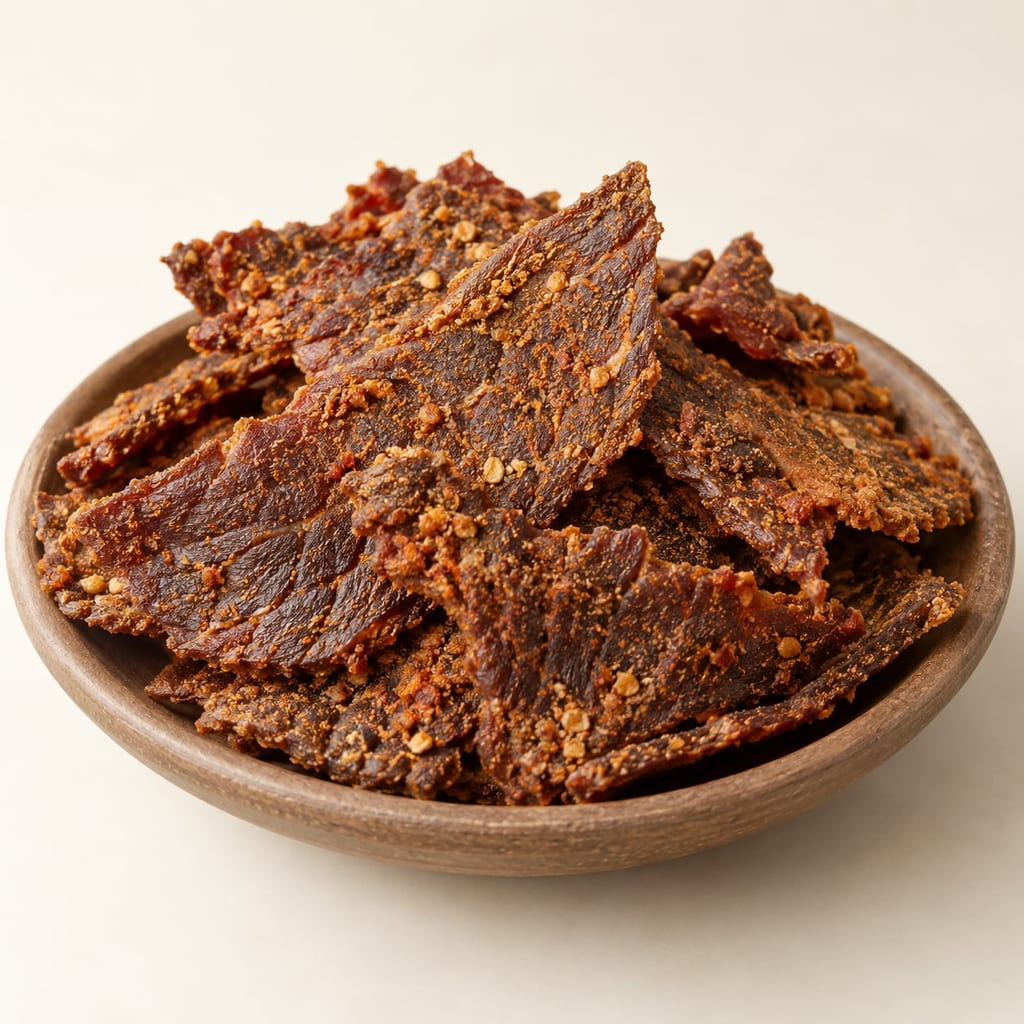
Kilishi is a thin, dried meat from Hausaland, the area that covers southern Niger and northern Nigeria. The meat is sliced into sheets, dried, coated with a spiced groundnut paste and dried again. The finished product is a firm dried sheet that keeps for a long time. It is close to jerky, but its coating is what makes it recognisably Hausa.
The name is also written kilichi or kilishi meat. Its closest relative in the region is suya, the grilled meat skewer, and kilishi is often described as a dried form of suya. Both use the same meats and the same spice family, but kilishi is dried and kept, rather than cooked and eaten at once.
Kilishi is usually linked to the herders and traders of the Sahel. The account in the Wikipedia article places its origin in Hausaland and ties it to a period of movement, when cattle were moved to new grazing for safety and drying became a practical way to stop meat from spoiling. A Leadership feature suggests it developed among the nomadic northern Fulani and Hausa herdsmen as a way to preserve meat without modern facilities.
Traders who crossed the Sahara needed meat that would last the journey. Kilishi answered that need: it holds for months with little change in taste. One account places its birthplace in Kano city, and says the product is also made in other northern states. Another suggests it may have grown out of an older dried meat called kundi. No dated first attestation is recorded in the material.
Beef is the usual meat, and lamb, mutton or goat meat, called chevon, are also named. A photograph captioned camel kilishi from Maiduguri in north-eastern Nigeria shows that camel meat is also dried this way. The leanest cuts are the ones that dry well, and fat is trimmed away before slicing, because fat does not dry and can turn rancid in the coating.
The cut shapes the result. Thin sheets dry faster and more evenly than thick pieces, so the slicing or pounding step is where the product is made. The sheets must be thin enough to dry through, but not so thin that they tear when they are turned on the mat.
The sheets are laid on corn or papyrus mats and dried in the sun. The first stage is long, and the sheets must be turned often, by the hour, so that they dry evenly and do not stick. The dry season is more favourable than the rainy season, when moisture and humidity slow the drying and raise the risk of spoilage.
Wikipedia describes the sun drying as lasting only a few hours before the coating goes on, while the other account describes a longer first stage. The two descriptions do not agree on the length of the first drying, and neither gives a measured endpoint. Dryness has to be judged by the cook, and that judgement is not a validated test.
The coating is called labu. It is made by diluting groundnut paste or groundnut cake with water until it is a slurry. Salt, ground onion, garlic and spices such as black pepper, cayenne and ginger are stirred in. Some cooks add a sweetener, honey or dates, and the tigernut version uses tigernut meal in place of groundnut. Bouillon is added in some recipes.
The coating does two jobs. It gives the flavour that makes kilishi what it is, and the other account says the seasoning also acts as an antimicrobial. The sheets are dipped one by one and laid out to dry again, turned frequently, for several hours. The quantities are not recorded in the material, and the spice mix varies from cook to cook.
After the second drying, the coated sheets are flame-grilled or roasted over high heat for a few minutes. The grilling gives texture and is part of the preservation, according to one account. It does not replace the earlier drying: a grill applied to damp meat does not make it dry.
A finished kilishi is dry and firm. It is eaten as an appetiser, as a main course or as a side dish, most often with pap and garri, which are both common accompaniments in the region.
The product spreads beyond Hausaland. Kilishi is also made in Cameroon and Chad, and in Ethiopia and Eritrea the same kind of dried meat is called qwanta. Methods vary across the region, so a Cameroonian kilishi may use different spices or a different drying routine from a Nigerian one.
The tigernut version is an adaptation. Tigernut meal is said to have come from the leftovers of a tigernut drink, kunun aya, to reduce waste. The version is a documented variant, not the original recipe.
The product's long keeping made it a travel food and a military food. The kitchenbutterfly account describes it as war food for emirs and warriors, because of its long shelf life. Its use by merchants crossing long distances and its place in the trade routes of the Sahel are the strongest parts of the record.
The modern sale of kilishi continues in markets and roadside stands across northern Nigeria, and the image set includes photographs taken at markets and stands in 2017 and 2024.
Kilishi is a dried meat, and the drying is the only control that keeps it from spoiling. The sources do not record a validated microbiological endpoint, and the studies on microbiological quality of kilishi, cited in the source list, cover processing techniques without establishing critical limits. The traditional description is not a validated safe process.
A finished kilishi that is dry and crisp is not proof of safety. Smell and appearance cannot show that spoilage organisms are absent. Storage and moisture are the controls to name first: keep kilishi dry, cool and protected from insects, and treat any soft, damp or off-smelling piece as unsafe. The material gives no storage limit.
Kilishi is described as a Hausaland product from southern Niger and northern Nigeria, eaten with pap (akamu) and cassava flakes (garri). One account says it may have evolved from an older dried meat called kundi. Wikipedia suggests that drying was a practical response to hot climate and to storing large amounts of meat. No source gives a dated first attestation or a single inventor.
Scaling: source batch only
The sources describe traditional drying and a laboratory study of microbial quality, not a validated process with critical limits for kilishi.
Hazard sourceDo not treat the traditional description as a validated safe process.
Sun or open-fire drying times are not endpoints; a verified water activity or equivalent measure is needed for any production.
Wikipedia places the product in Hausaland; the sources do not give a single village or inventor.
Where an uploader photographed kilishi being prepared; one market visit, not a general statement.
A six-tray charcoal-fired cabinet, modified at Ahmadu Bello University to dry kilishi with insulation, a DC fan on a photovoltaic panel and a relocated chimney.
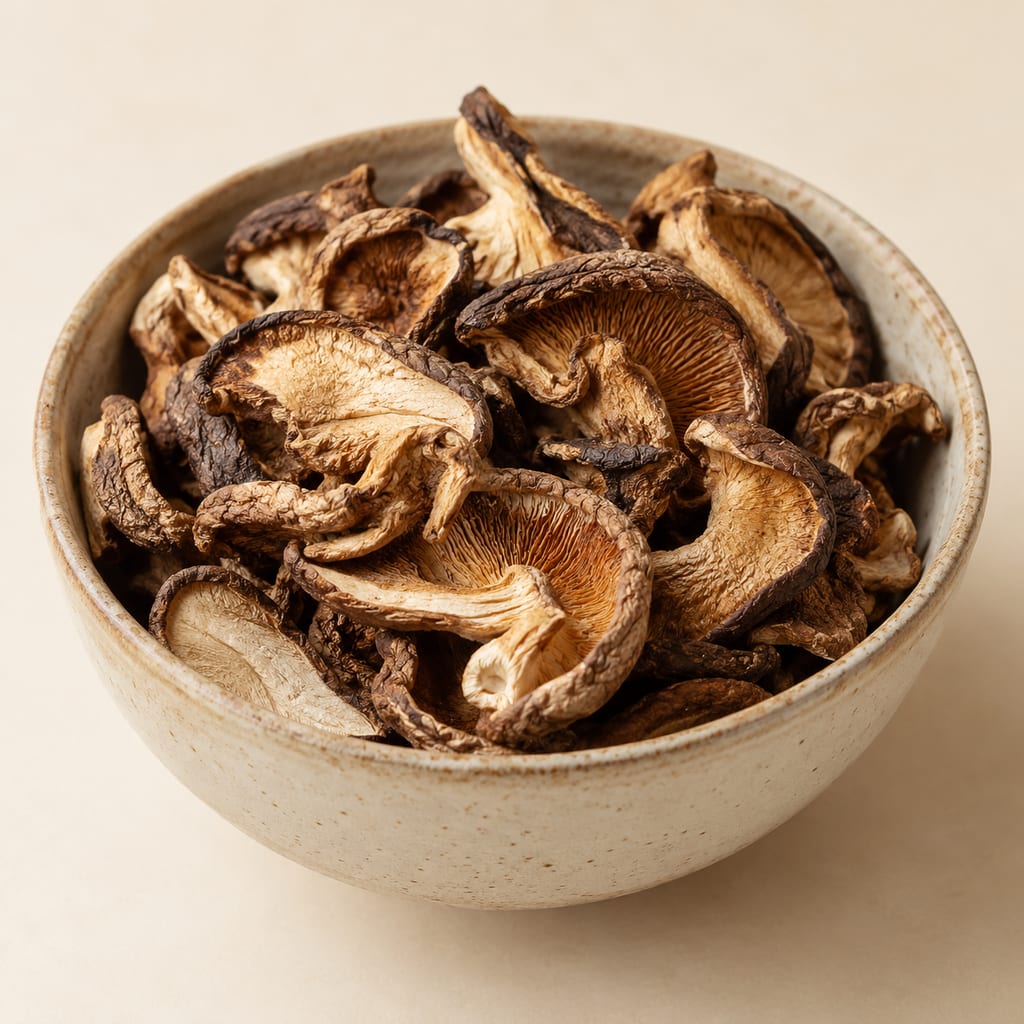
Sun-dried mushrooms are mushrooms spread in open sunlight and left to lose their water to solar heat and moving air, a method recorded in Nigeria, Tanzania, Mexico and among Algerian desert truffle gatherers.
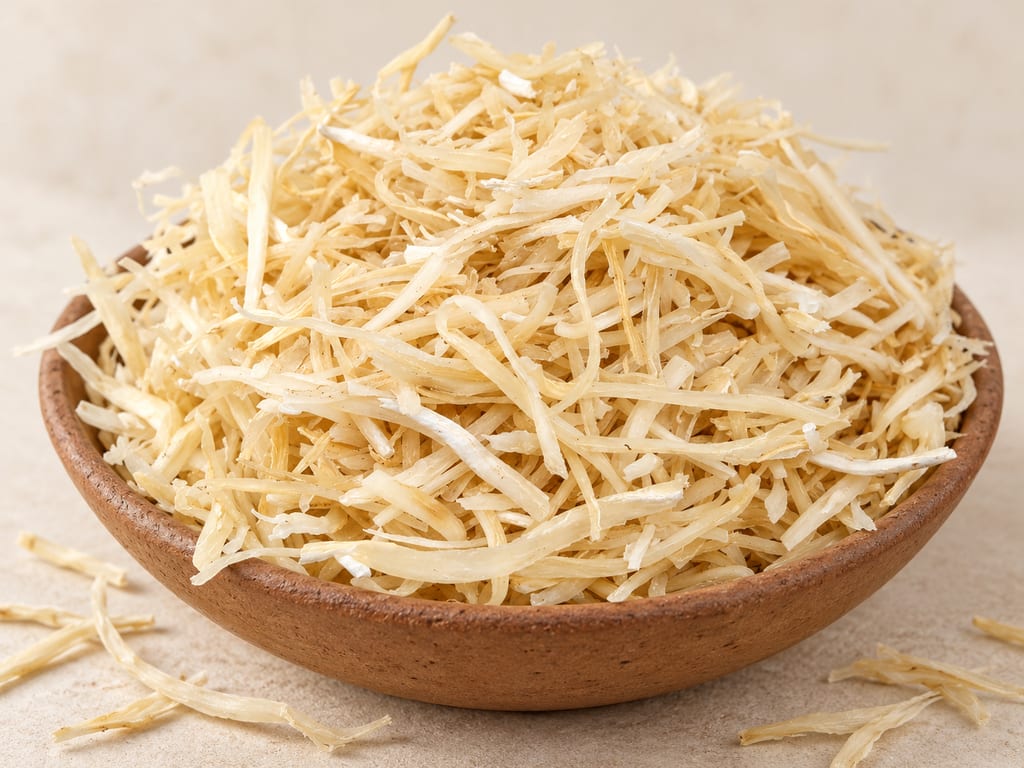
Abacha is a fermented cassava-strip preparation from southeastern Nigeria, sold wet or dried and later rehydrated for meals such as African salad.
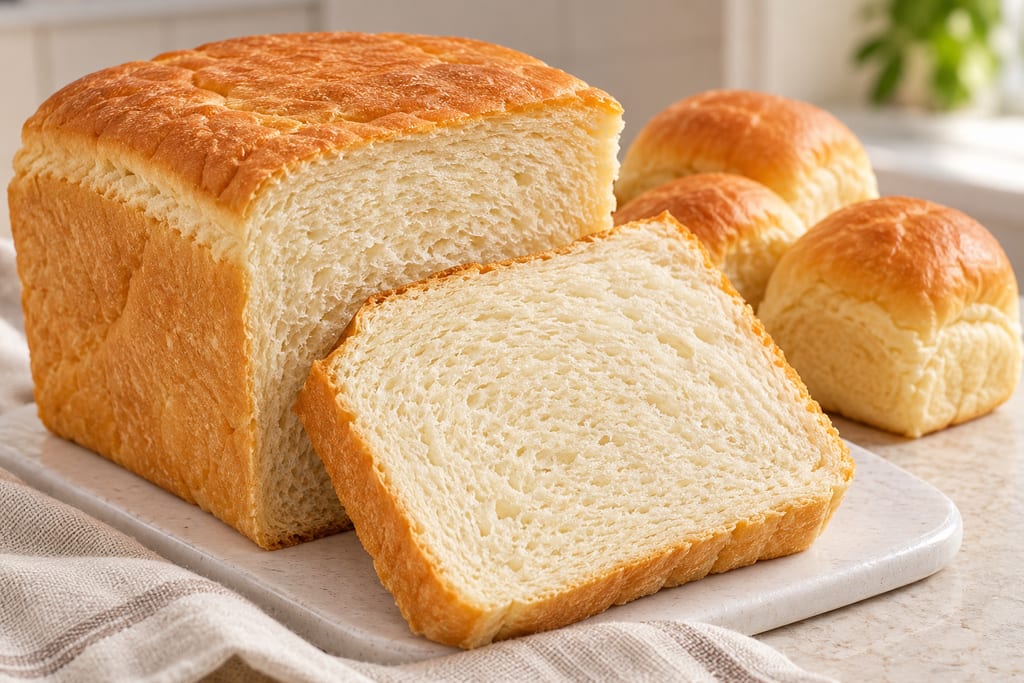
This softer home-style Agege bread uses a scalded flour paste, an enriched yeast dough and a 9×5-inch loaf pan, with rolls from the extra dough.
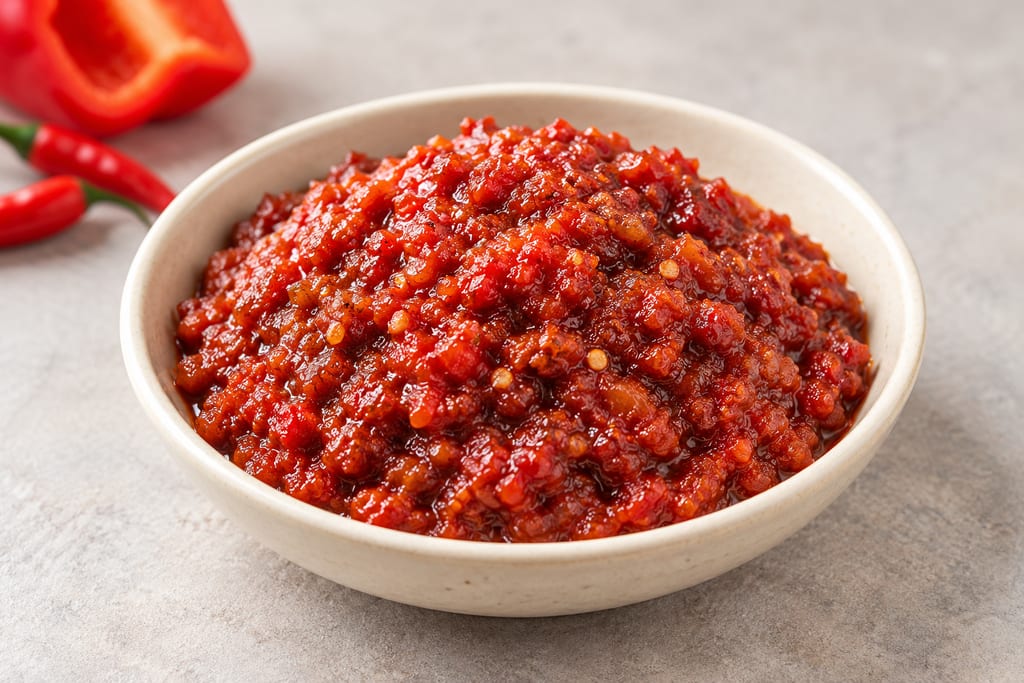
Ata dindin is the Yoruba fried pepper sauce: chillies, red bell pepper and onion blended and cooked down in oil until the oil separates. The same name is also given to a finished stew built on it.

Eba is a West African dish of cooked gari, stirred into hot water until it forms a thick paste. It is a cooking stage with no new fermentation, served with soup.
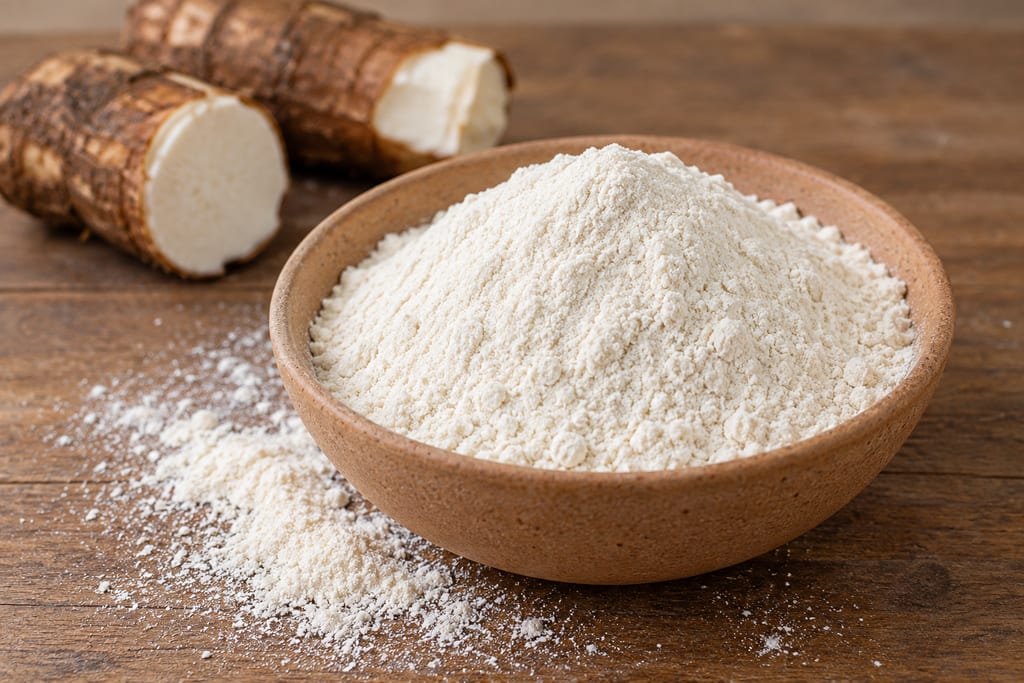
Lafun is a Nigerian fermented cassava flour described in historical accounts. This record documents reported processing stages, not a validated household method or a batch-specific cyanogen and moisture safety endpoint.
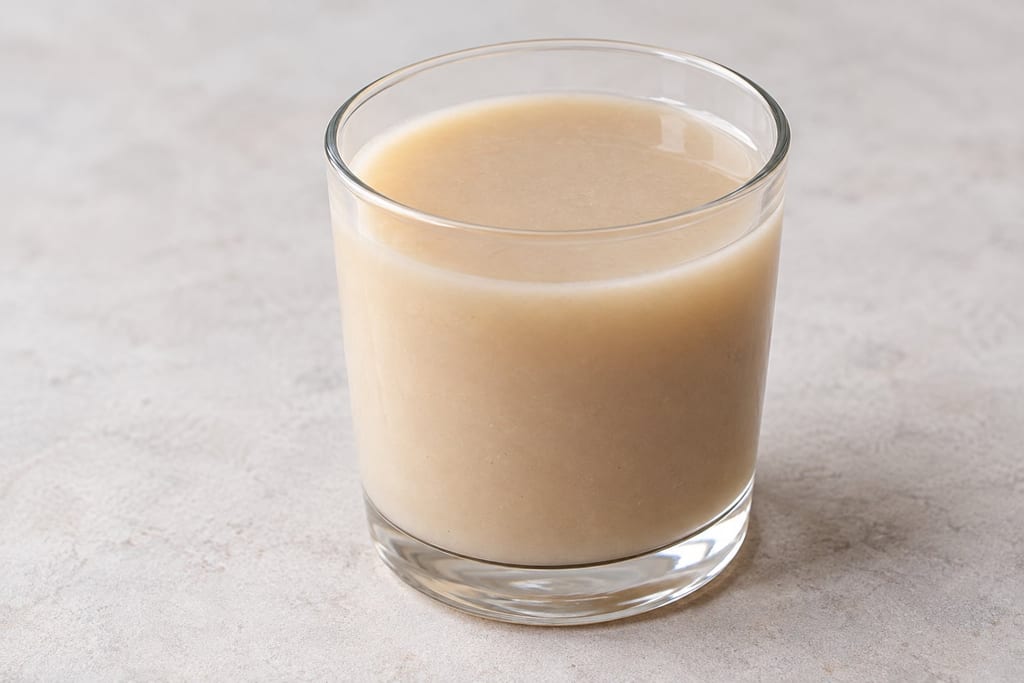
A thick, spiced northern Nigerian drink of pearl millet in which only part of the fermented slurry is cooked, so raw starch and gelatinised starch are recombined.
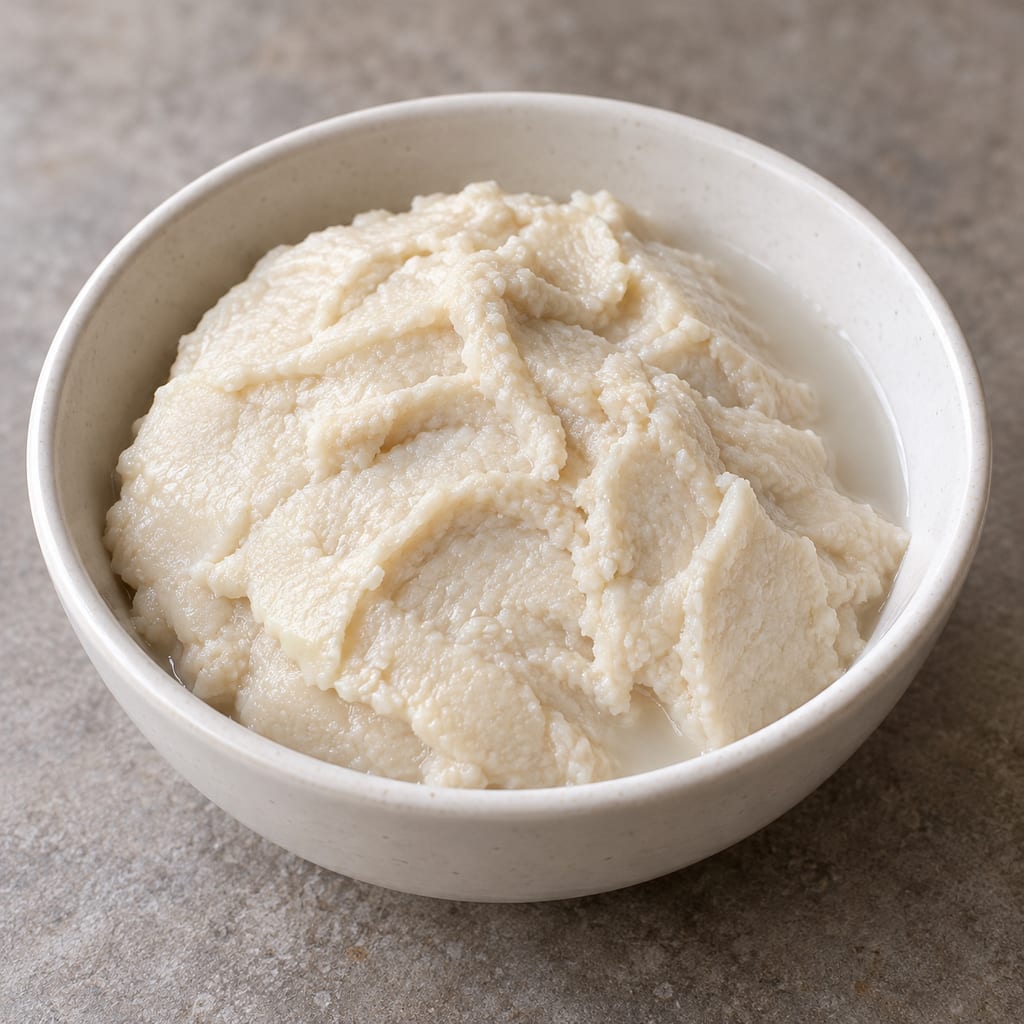
Ogi or akamu is a wet fermented cereal preparation documented in Nigeria and Benin. Grain or maize starch is steeped, milled or sieved, then fermented by process-specific routes; evidence supports no universal method or safety limit.
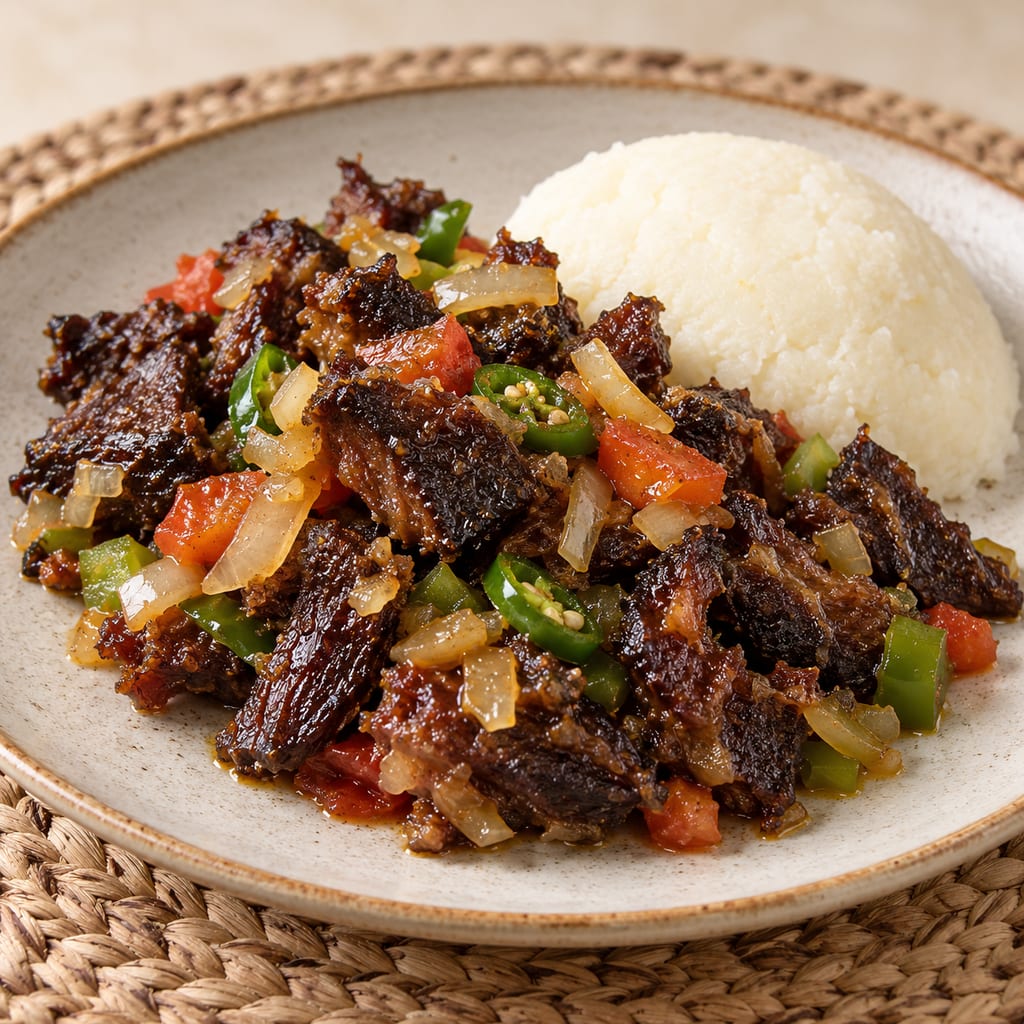
Alina Magano Johannes’s Oondhingu is a family dish from Onyaanya, Oshikoto, in northern Namibia: softened dried beef fried with vegetables and served with pap.
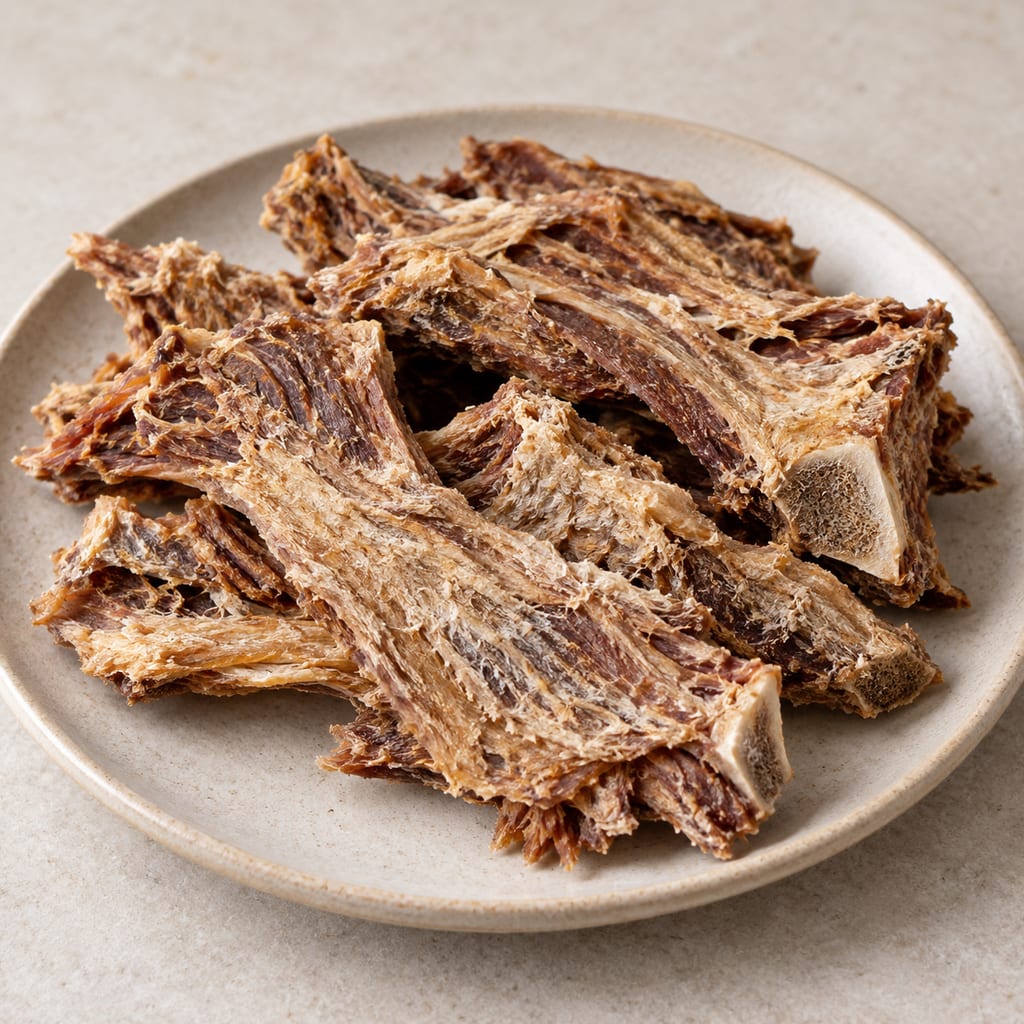
Alpaca charqui is Andean dried meat, made from camelid meat exposed to hot sun by day and frost by night at high altitude, the ancestor of the modern word jerky.
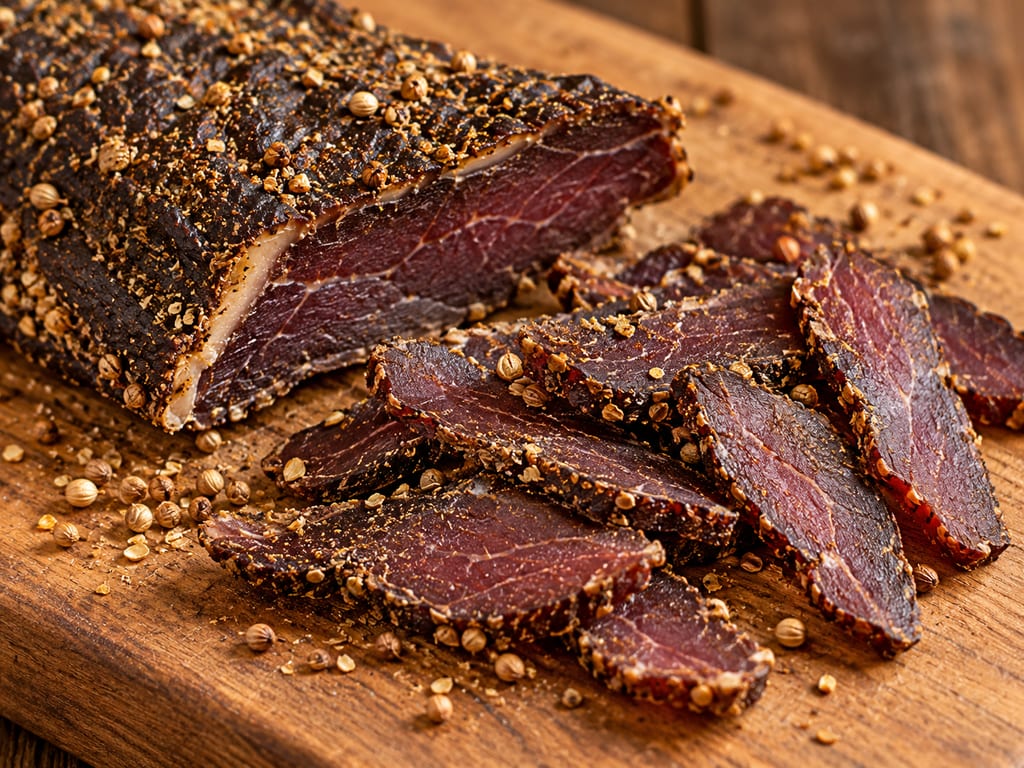
Strips of whole-muscle beef or game seasoned with salt, vinegar, roasted coriander and pepper and air-dried without cooking, sold anywhere from soft and moist to hard and very salty.
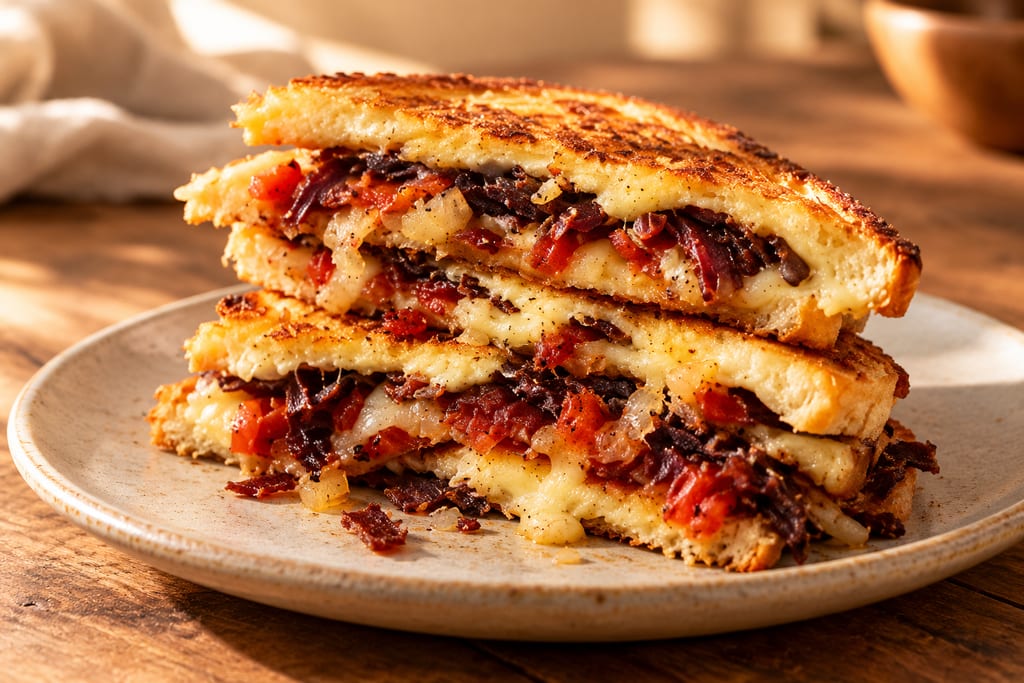
Chopped biltong, sweet onion, cream cheese and Cheddar fill bread toasted in a hinged grid over gentle coals, then finished with biltong dust.
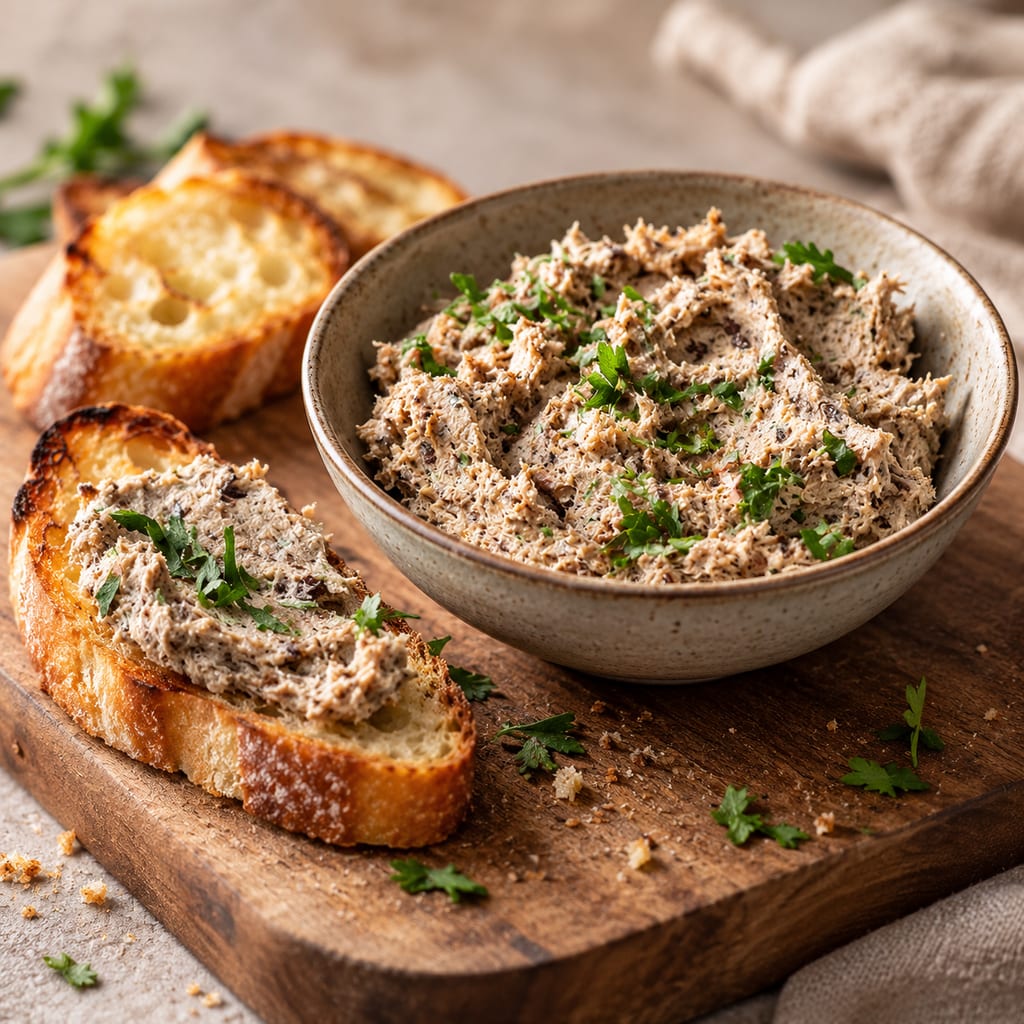
A cold biltong spread with sour cream, mayonnaise, mustard, lemon and herbs; serve it with crackers, crostini or bread.
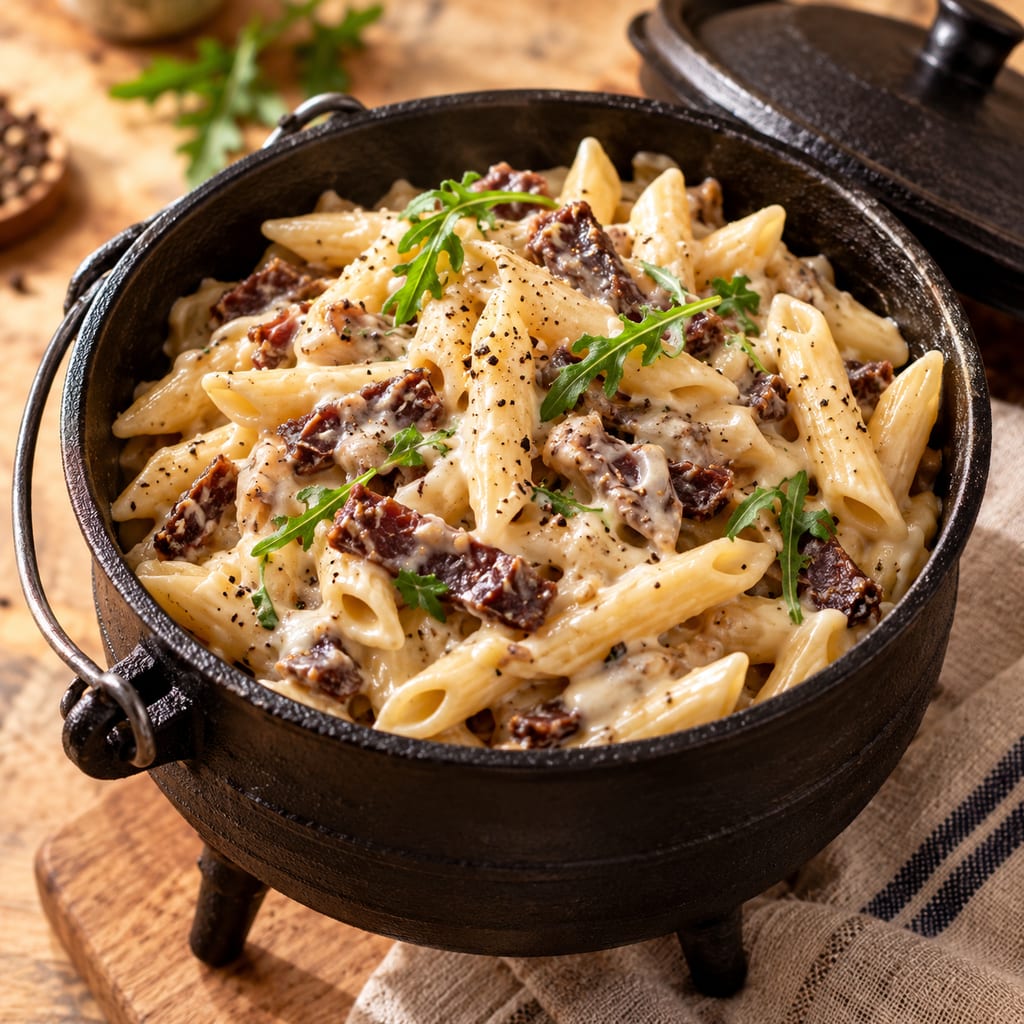
Biltong, bacon and vegetables simmer in tomato-herb stock, then join cooked pasta, milk, cream and Cheddar in this outdoor potjie.
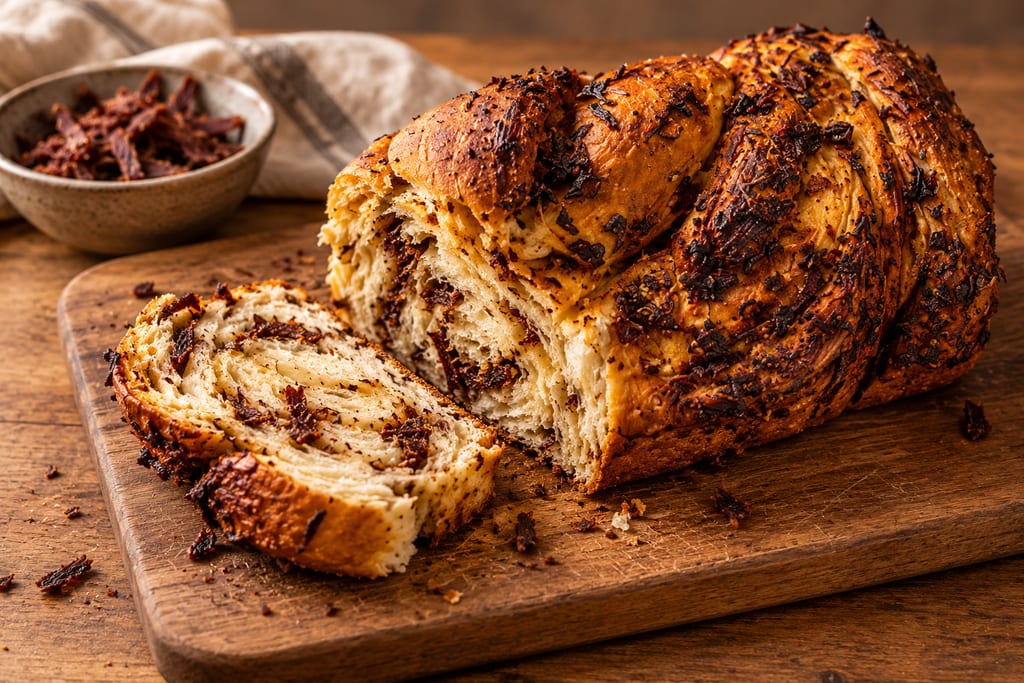
Yeasted bread wrapped around biltong, tomato pesto, Cheddar and feta, split lengthwise into a braid and baked; served with chilli-biltong butter.
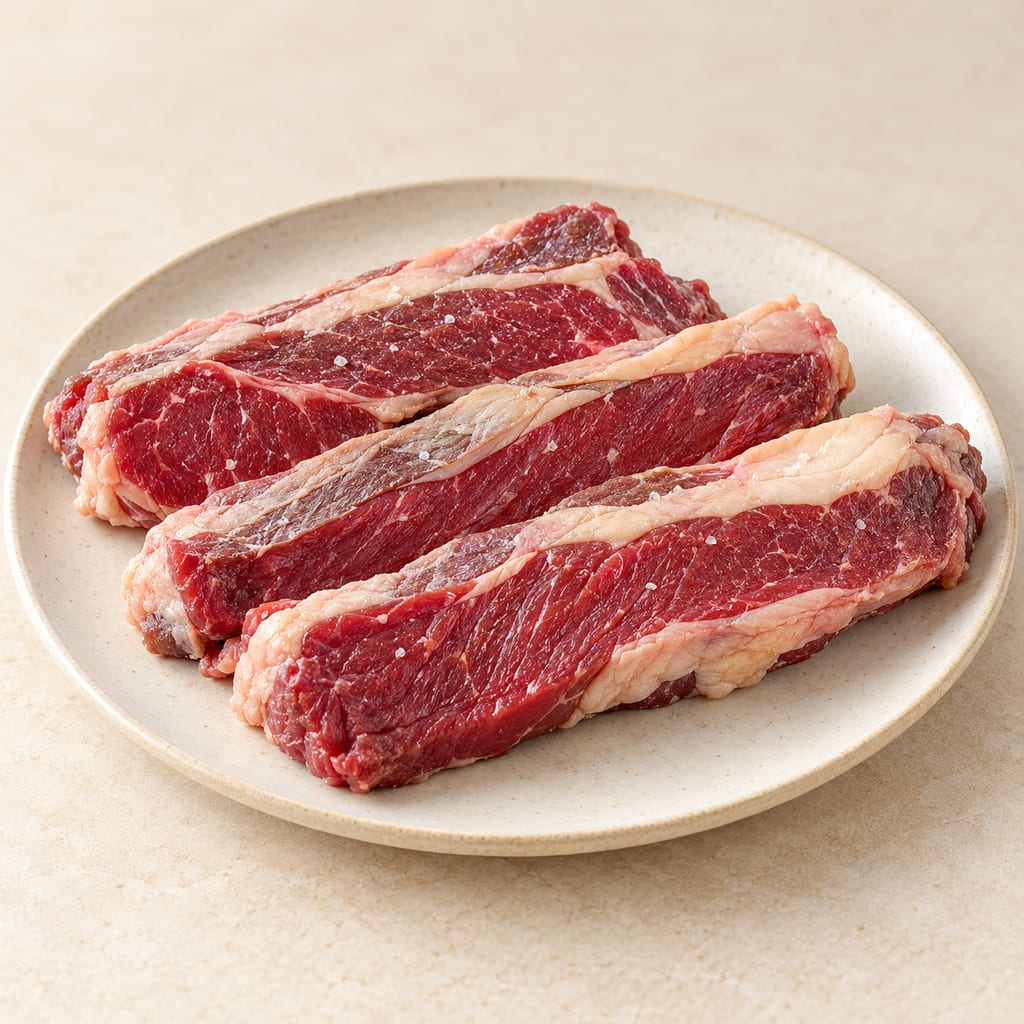
Beef given limited salt and partial surface drying, a short-keeping Brazilian meat that is much less durable than fully dried charque and is treated as a cold-chain product.
No community contributions have been published for this entry yet.
Sign in to contribute. Published comments and photos are free to read.
WikipediaHistory · Method · Geography
KilishiHausaland origin and area of southern Niger and northern Nigeria
Beef, lamb, mutton or chevon; seasoning with salt, pepper and spices; smoking and sun-drying for storage
Eaten with pap (akamu) and garri
Cited in: What kilishi is; Origins and the story; The meat; The first drying; The labu coating; Grilling and finishing; Variants and spread; History as a food for travel and war; Reading the result and its risks
Leadership.ngHistory · Method
THINGS REMEMBERED: Kilishi: Still A Favourite Snack In NigeriaPossible evolution from older dried meat kundi
Thin slices dried, coated with spiced groundnut paste and dried again
Spice-paste ingredient list
Cited in: Origins and the story
ResearchGateSafety · Method
Effect of Processing Techniques on the Microbiological Quality of Kilishi - A Traditional Nigerian Dried Beef ProductStudy of microbiological quality across processing techniques; cited for the safety note only
Cited in: Reading the result and its risks
ResearchGate (Proceedings, Nigerian Institution of Agricultural Engineers)Method · Equipment
Modification and Performance Evaluation of a Charcoal-Fired Meat (Kilishi) DryerSix-tray charcoal cabinet modified with ceramic insulation, DC fan and PV module, relocated chimney; product quality not yet assessed
Wikimedia CommonsImage
Kilishi heaven (Wikimedia Commons)Kaduna central market photo of kilishi preparation, CC BY-SA 4.0
Kitchen ButterflyMethod · History · Variants
On Kilishi: With Tigernuts & With PeanutsTrim visible fat; slice or pound to less than half a millimetre; lean cuts such as chuck, round and brisket
First drying on corn or papyrus mats, turned often; dry season more favourable than rainy season
Labu from nut cake, water, bouillon, salt, garlic and spices; seasoning acts as an antimicrobial
Dip, dry again, turn frequently; flame-grill a few minutes for texture and preservation
Kano birthplace; nomadic Fulani and Hausa herdsmen; tigernut meal from kunun aya leftovers; war food for emirs and warriors
Cited in: Origins and the story; The meat; The first drying; The labu coating; Grilling and finishing; Variants and spread; History as a food for travel and war
Wikimedia CommonsImage
Camel Kilishi Maiduguri.jpgCamel kilishi, Maiduguri, Nigeria, June 2017, CC BY-SA 4.0