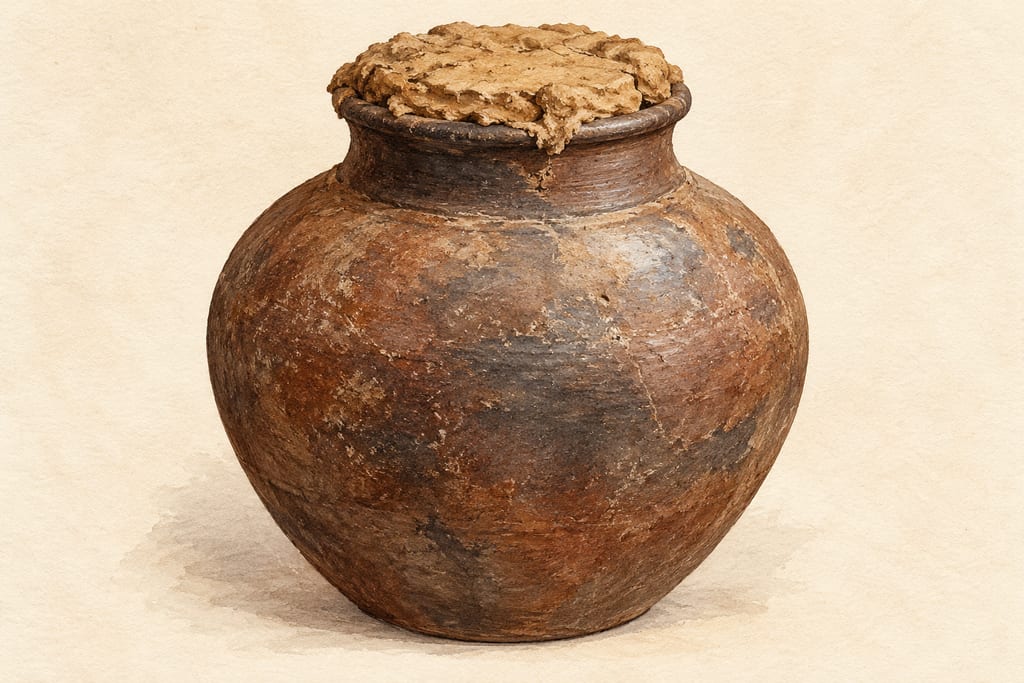
Ngari earthen jar
A chaphou is an old, narrow-necked earthen jar used to ferment ngari, the Manipuri fish product. A 2020 study documents tightly packed dry fish sealed with mud; it gives no standard jar size or age.
 FermenteaWhere food goes to change
Ngari fish
Ngari is a Manipuri fermented fish condiment made from small sun-dried fish, usually Puntius sophore, packed for fermentation. A biochemical study describes a salt-free method; it works as a condiment and ingredient rather than as a filtered sauce.
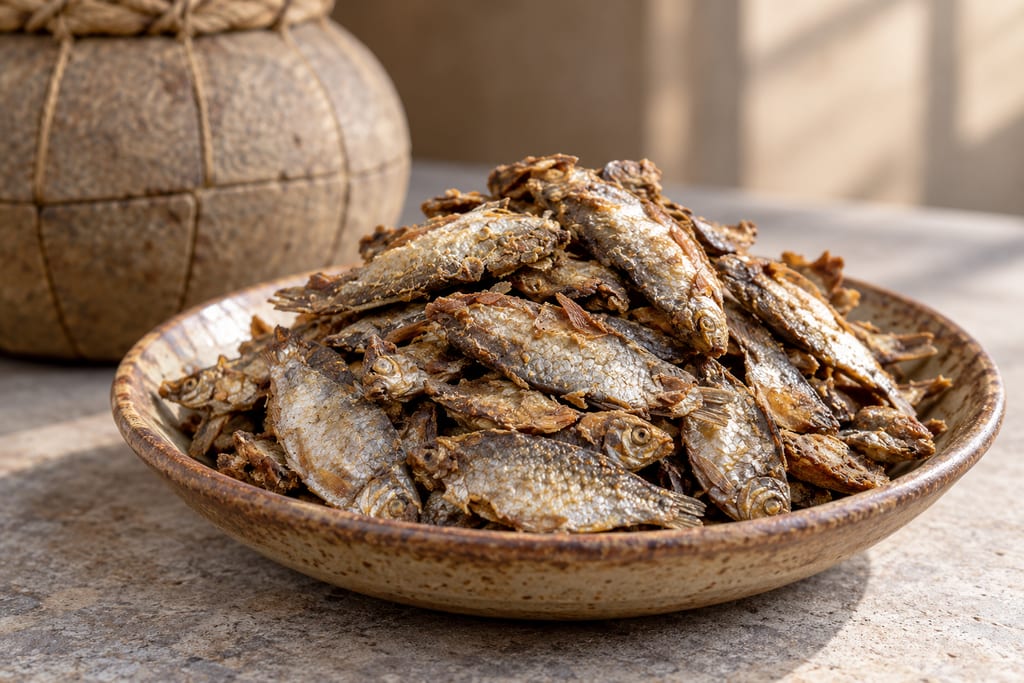
Ngari is a fermented fish condiment from Manipur in north-east India. It is made from small fish, most often Puntius sophore, which are sun-dried and then packed to ferment. Unlike many fish sauces, it is not primarily a filtered liquid. It is used as an ingredient and a condiment in its own right.
The biochemical study describes a salt-free method: the fish are sun-dried and packed for fermentation. The sources supplied here do not give a salt ratio, a fermentation temperature or a duration, so none is set out on this page.
A salt-free fish ferment is not, by itself, a controlled process. Without measured end points, home production cannot be treated as safe, and the page does not supply a safety limit.
Ngari sits in the same north-eastern Indian family as shidal and hentak. Those products differ in fish species, the presence of plant material such as aroid, and timescale, so they should not be treated as one preparation.
The study documents ngari in Manipur as a fermented fish preparation. It does not date its origin.
Regional documentation; the source does not give an origin date or a single village.
A chaphou is an old, narrow-necked earthen jar used to ferment ngari, the Manipuri fish product. A 2020 study documents tightly packed dry fish sealed with mud; it gives no standard jar size or age.
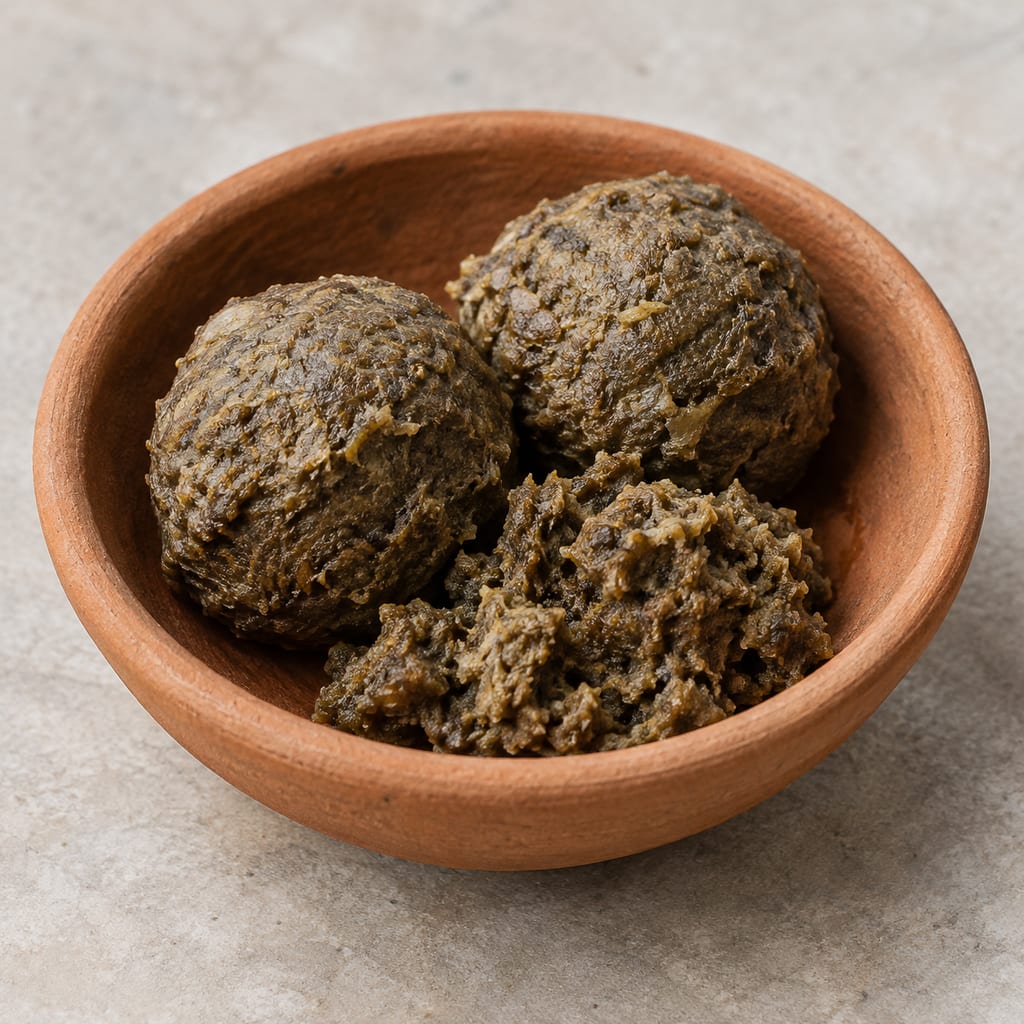
Manipuri fermented fish-and-aroid paste, formed into balls or kept in an earthen pot, used to season Manipuri dishes. Its method is documented in outline only.
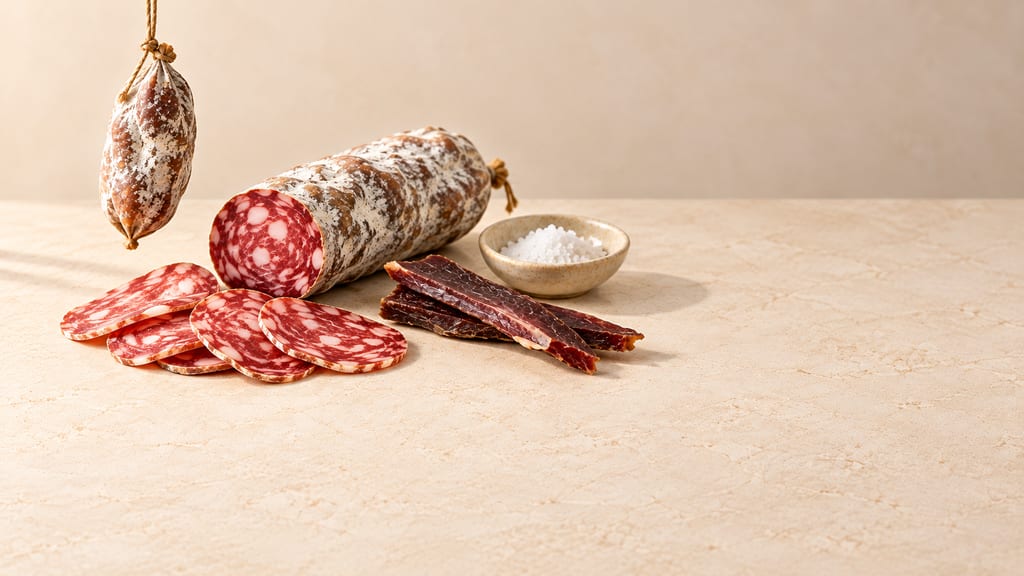
Dry salami, sour pork with rice, matured sheep and aged blubber follow different paths from animal to food. Their stories connect microbes with climate, slaughter, migration and the meals people share.
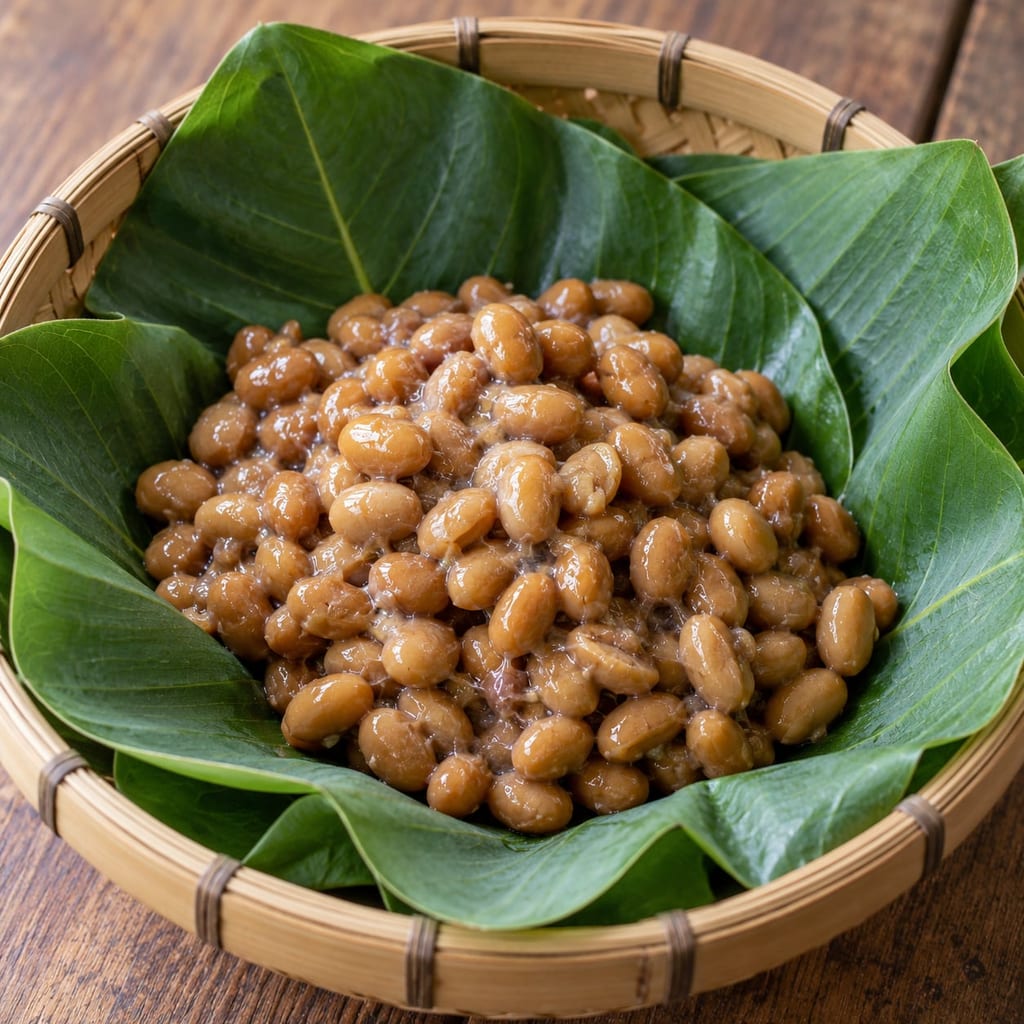
A sticky fermented soybean food of Manipur, made by packing cooked soybeans in leaf-lined bamboo baskets and keeping them warm, related to but distinct from Bekang and Akhone.
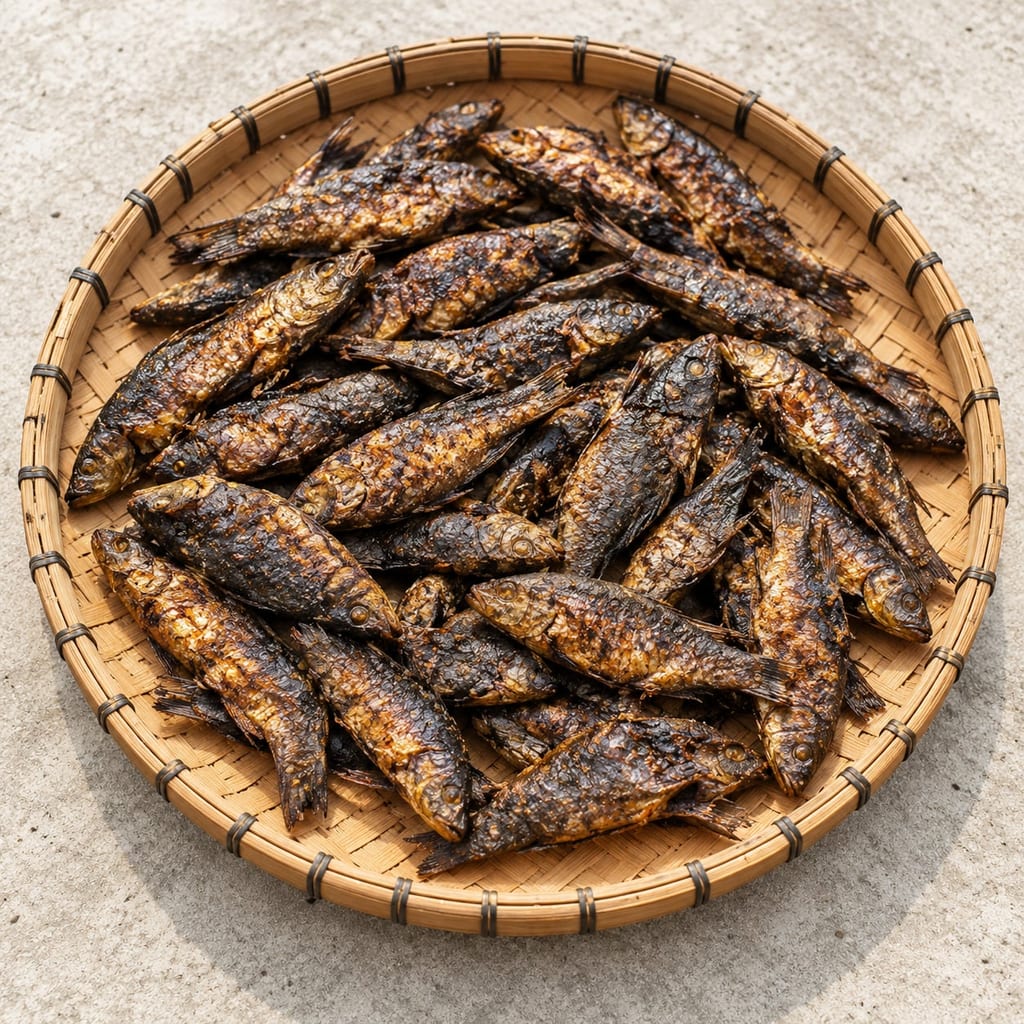
Leirou is fish smoked in a prepared kiln or room by processors around Loktak Lake in Manipur, India, a method the local survey keeps apart from open-flame ngaphak.
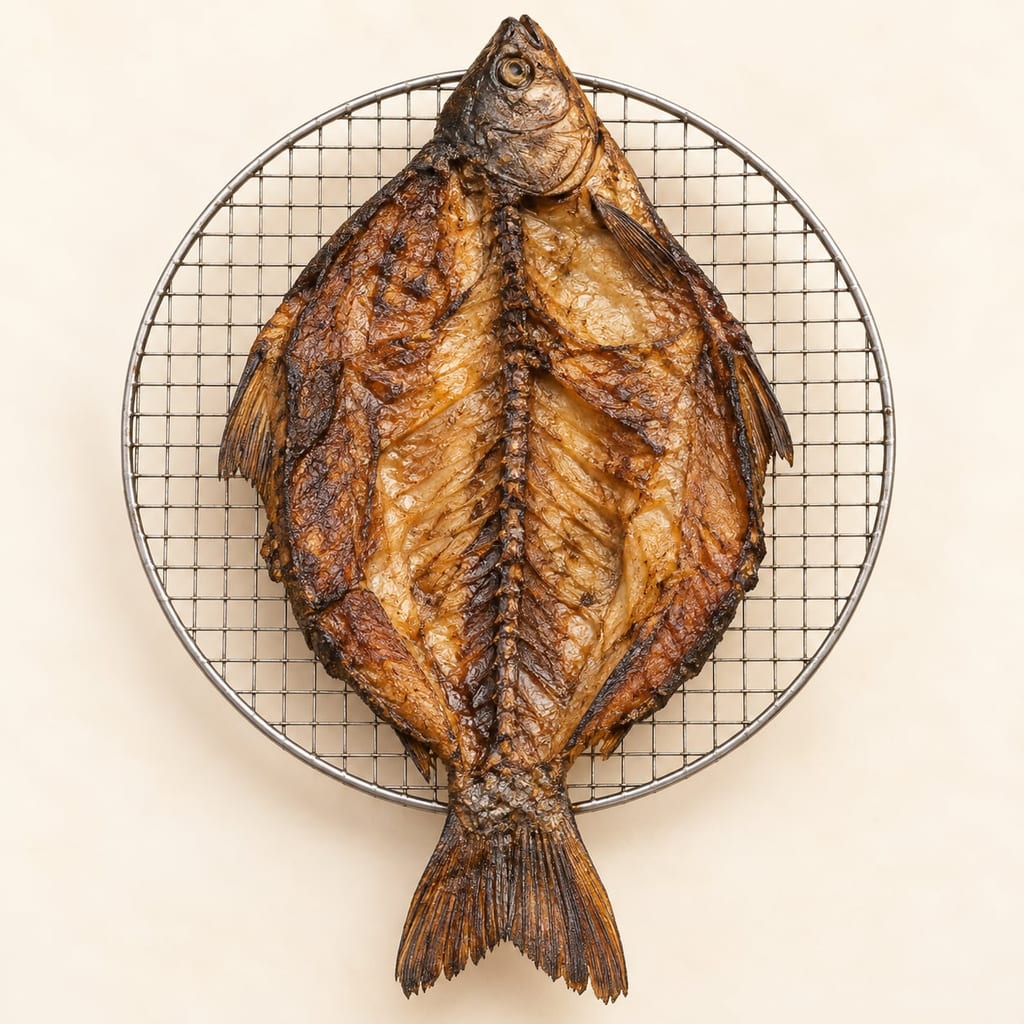
Ngaphak is fish split, flattened and roasted and smoked over an open flame on a wire net or woven bamboo mesh, as practised by fish processors around Loktak Lake in Manipur, India.
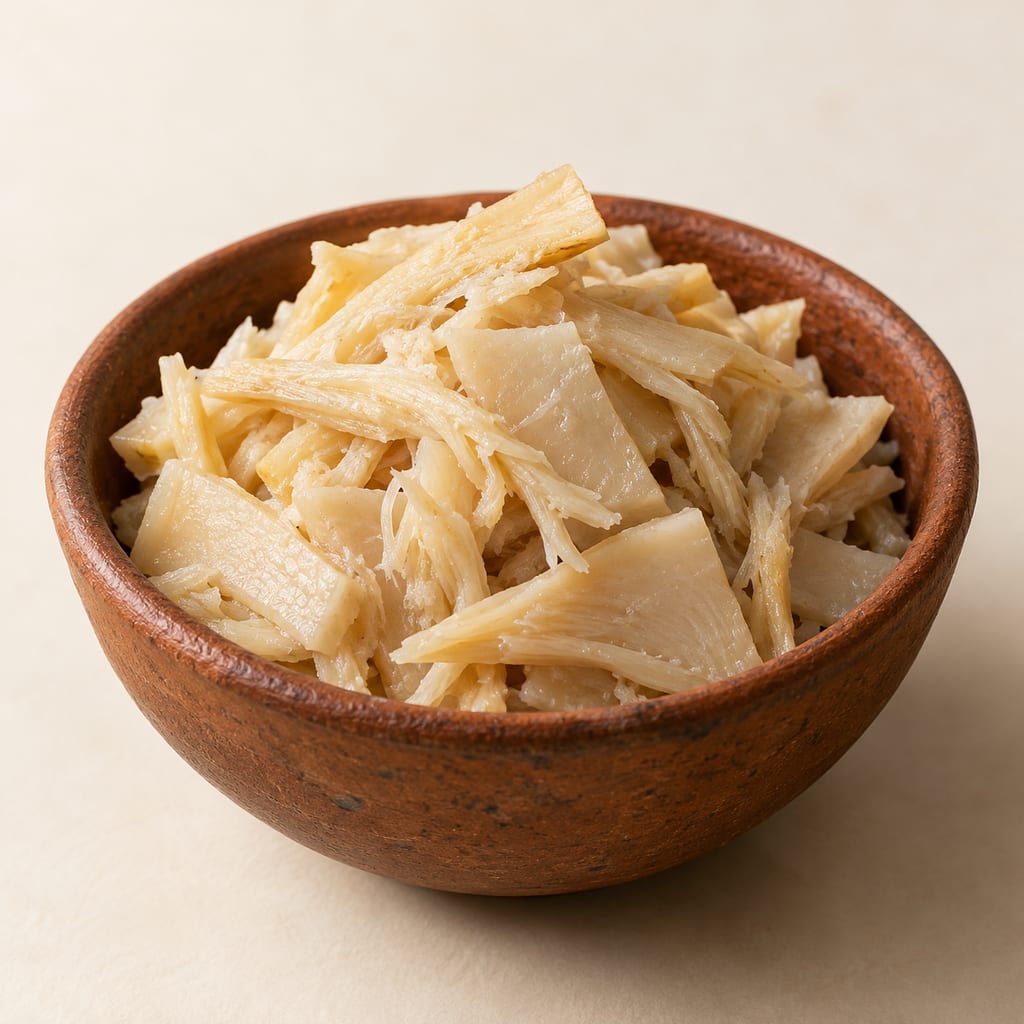
Thin slices of juvenile bamboo shoots fermented for six to twelve months in Manipur, eaten as a sour side dish with rice.
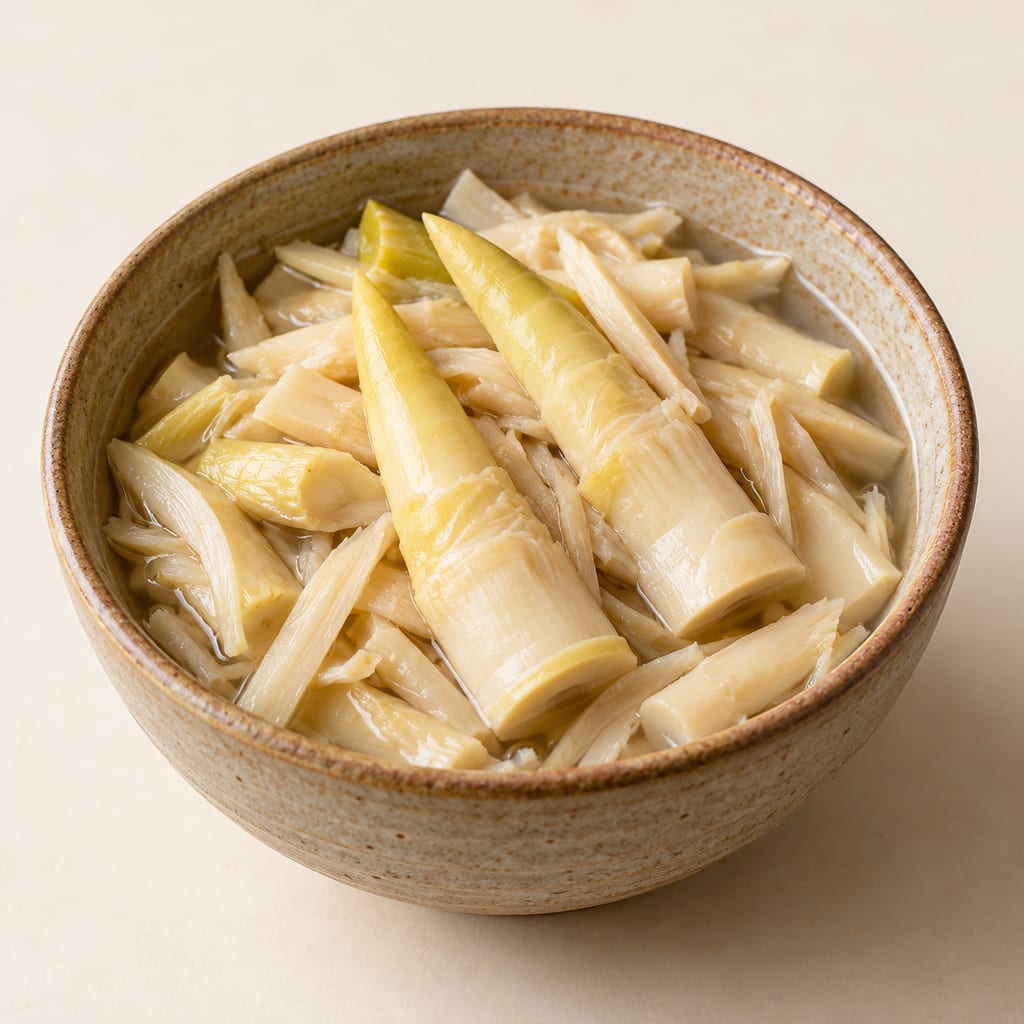
Fermented tender bamboo-shoot tips from Manipur, started with the sour liquid of an earlier batch and eaten in chutneys and curries.
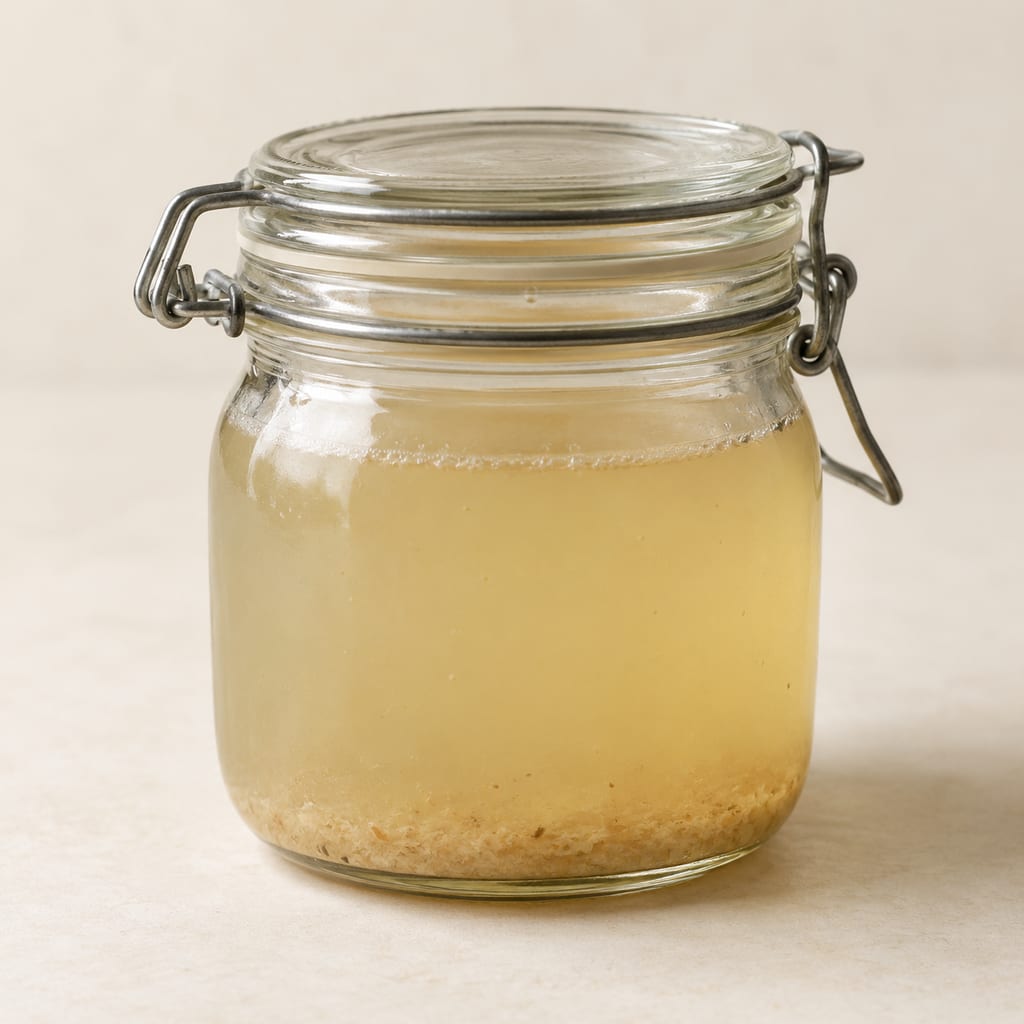
The sour liquid that forms during Manipuri Soidon fermentation, kept to start the next batch and used to sour curries.
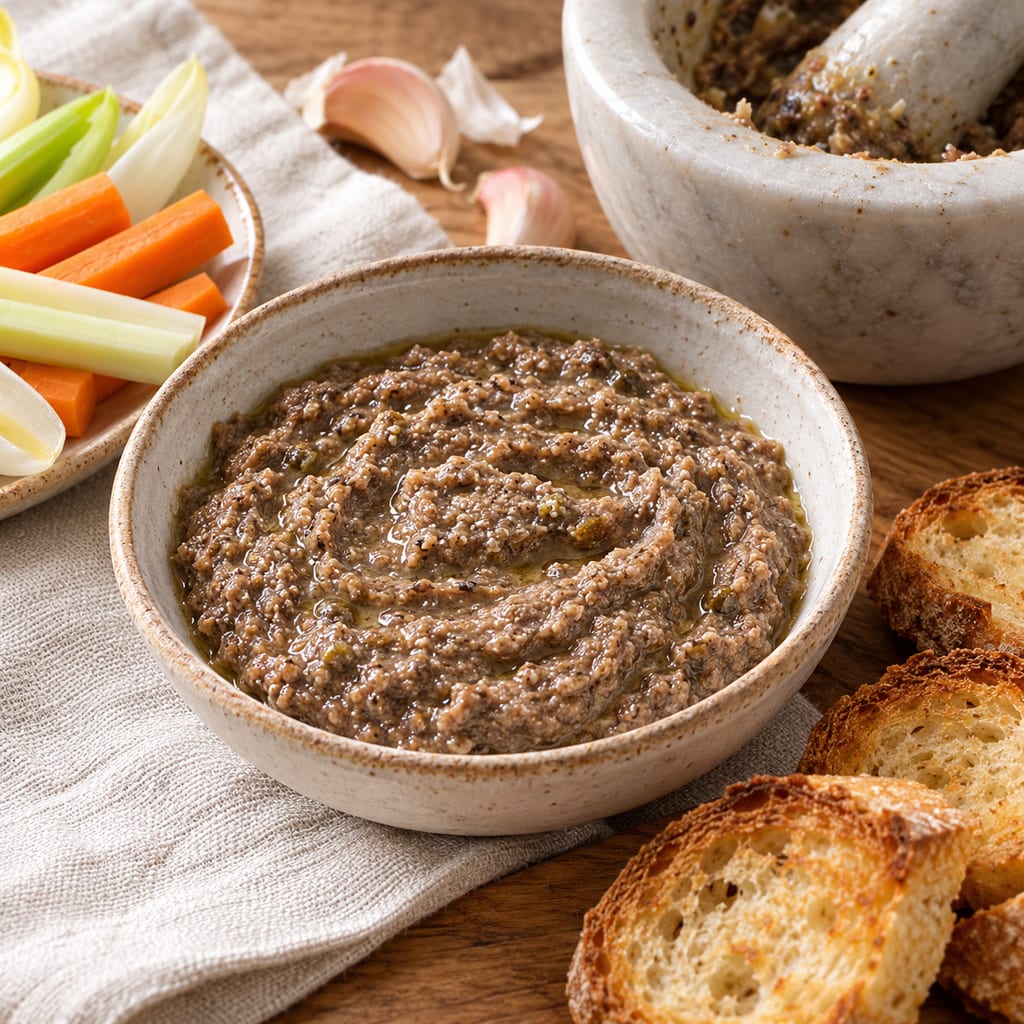
A Provencal dip of anchovies, garlic, capers and olive oil, pounded or blended to a creamy paste and served with raw vegetables, bread and eggs.
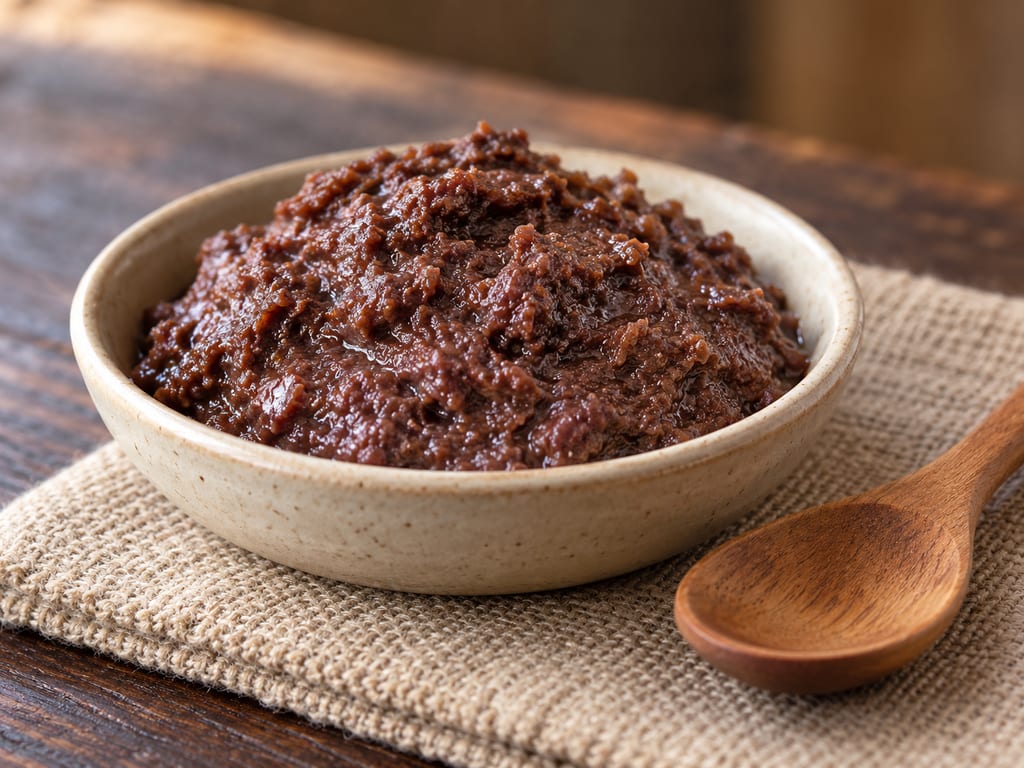
Bagoong isda is a Philippine fish paste: whole small fish salted and left to ferment for a month or more in earthen jars. It is the fish counterpart of bagoong alamang.
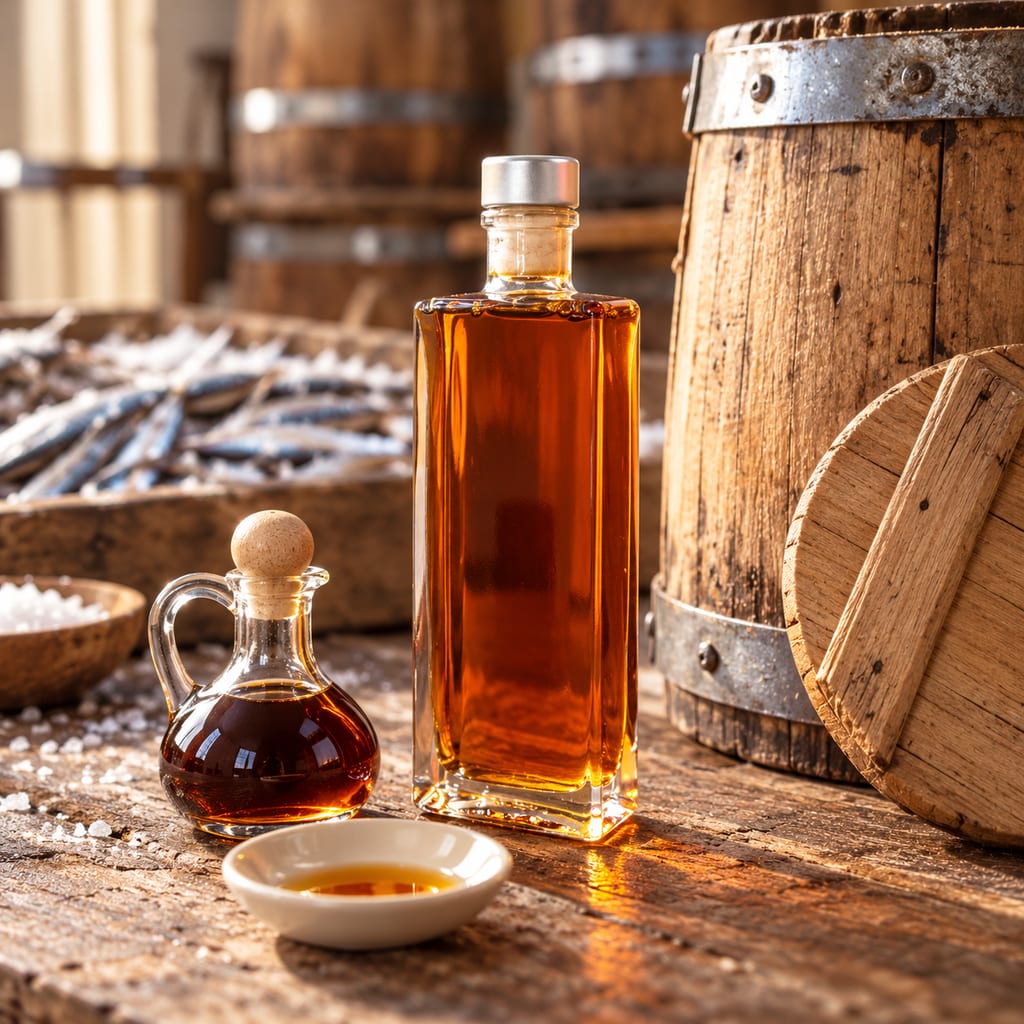
Colatura di alici is the amber liquid drained from salted anchovies matured in wooden containers in Cetara, on the Amalfi coast of Campania, and sold under a protected designation of origin.
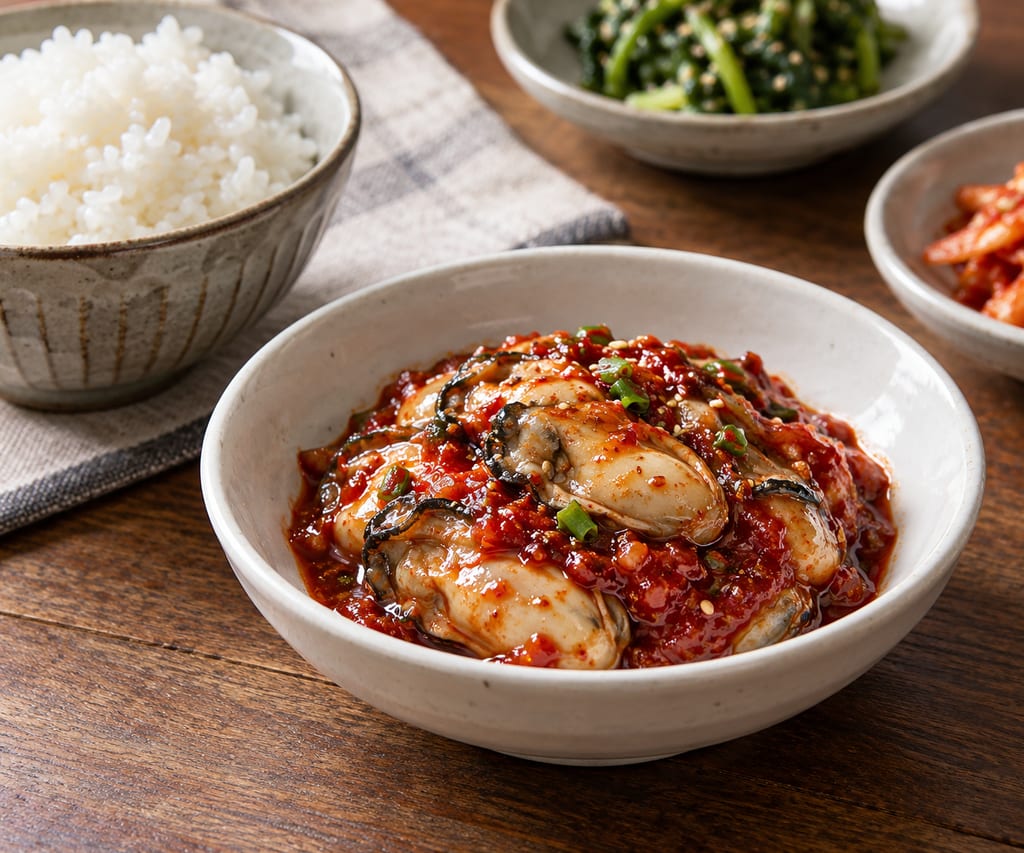
A Korean salted-oyster jeotgal seasoned with chili, associated especially with Seosan and Ganwoldo. This page records its food culture, not a household preparation method.
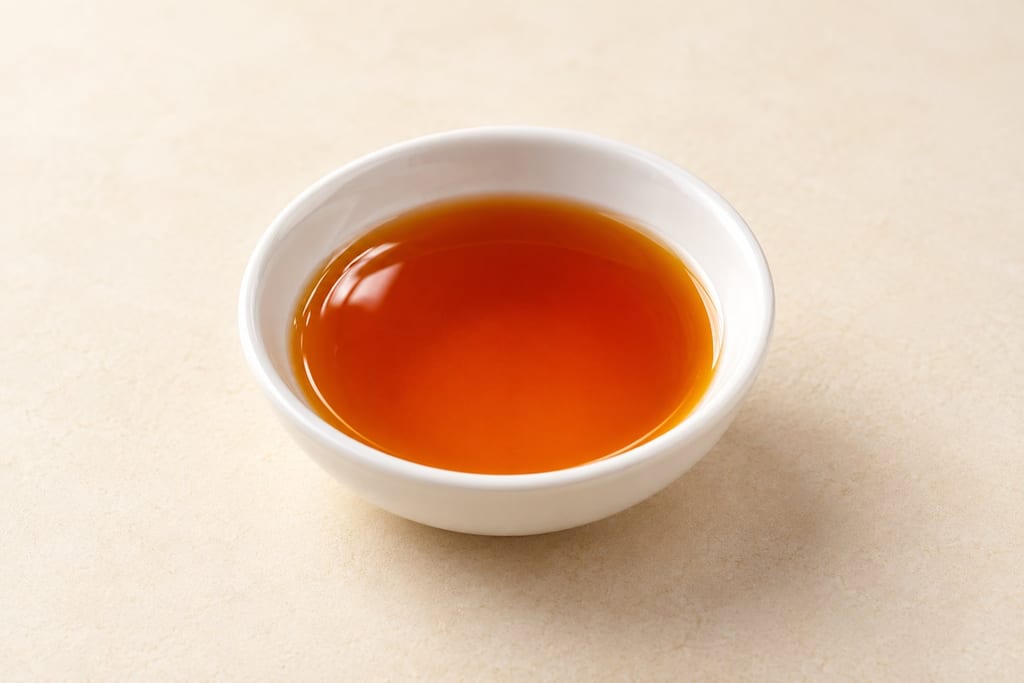
Fish sauce is a clear, salty seasoning made by maturing fish with salt and drawing off the liquid. The broad family includes distinct regional sauces rather than one interchangeable method.
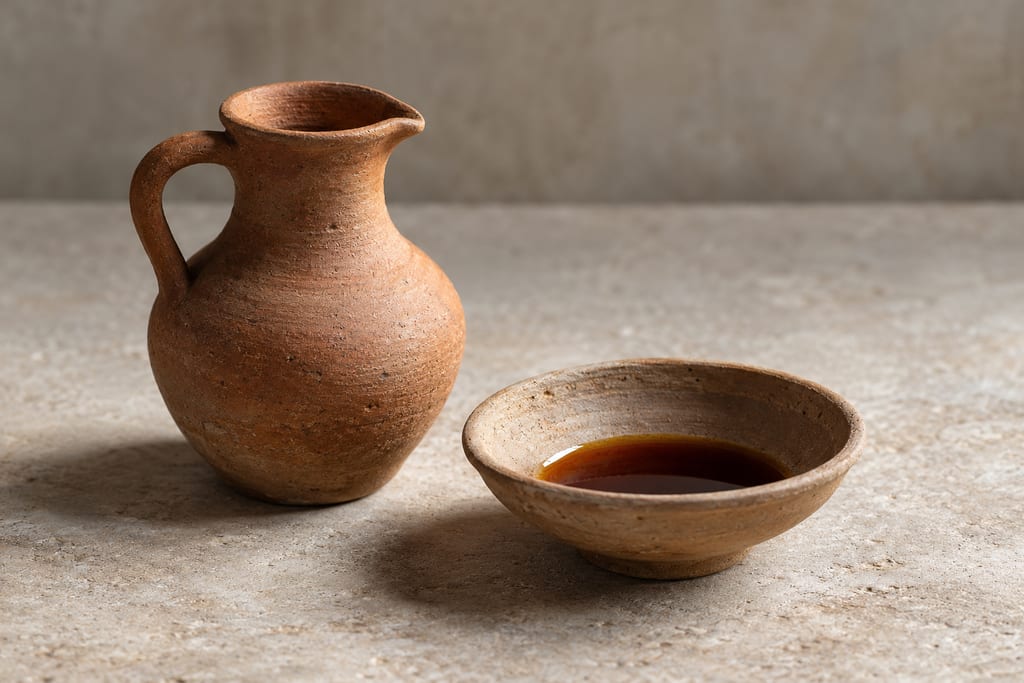
Garum, Greek garos and Latin liquamen, was the fish sauce of the ancient Mediterranean: fish and viscera salted and left in the sun, then drained off as a savoury liquid.
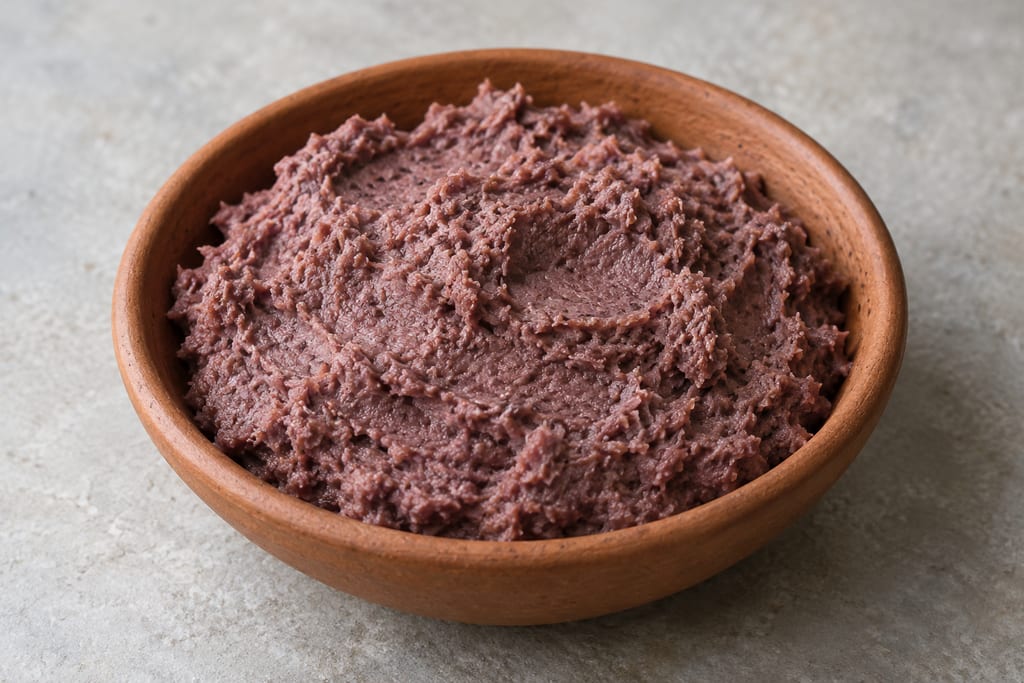
Guinamos is a shrimp paste made on Guimaras in the Philippines: small shrimp salted by hand, sun-dried and trodden by foot until it turns smooth.
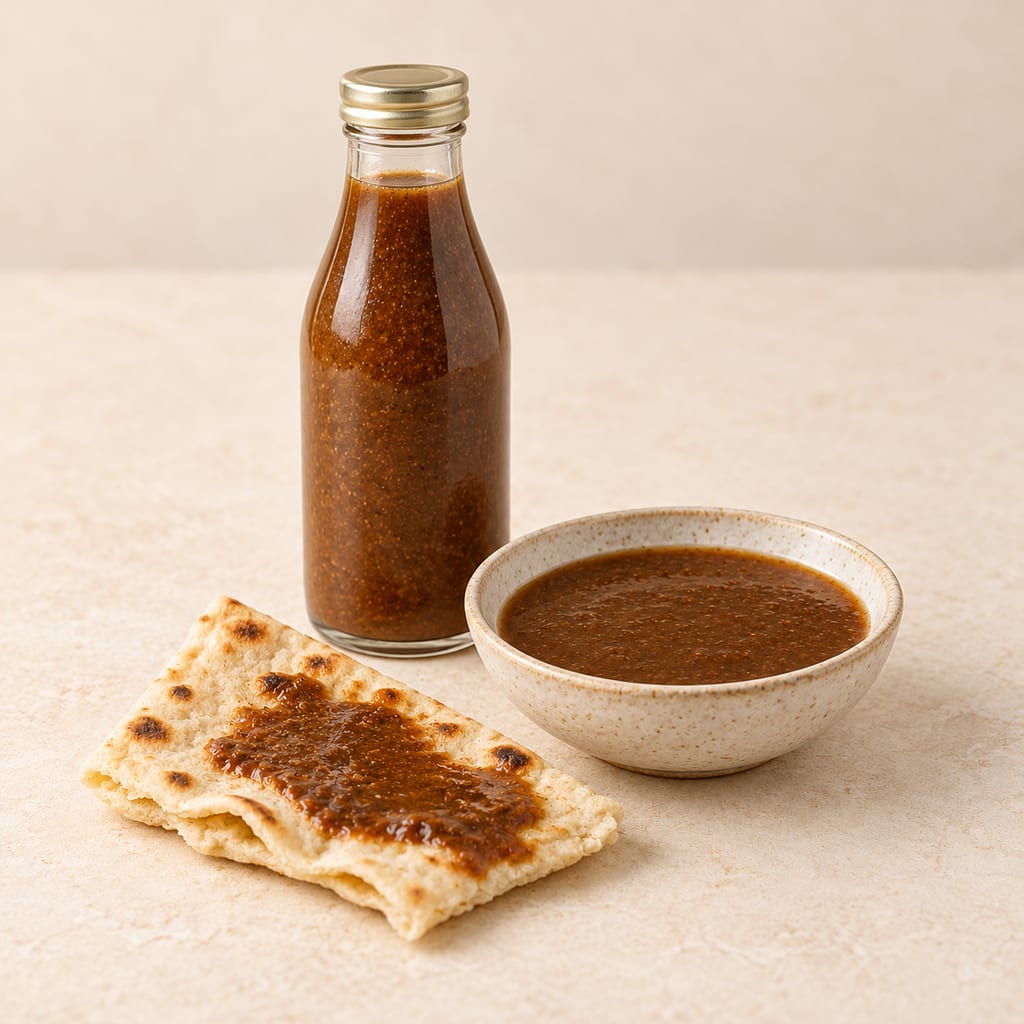
Mahyawa, also written mahyaveh, is a traditional fish sauce from southern Iran, made by salting small sardines or anchovies in water, maturing them in jars and seasoning the filtered liquid with mustard and spices.
No community contributions have been published for this entry yet.
Sign in to contribute. Published comments and photos are free to read.
PubMed CentralMethod · History
Biochemical study of salt-free fermented fish from Manipur (PMC4648893)Small fish, particularly Puntius sophore, sun-dried and packed for fermentation
Salt-free method described
Ingredient and condiment rather than principally a filtered sauce
Cited in: What it is; Method in the source; Relation to related products