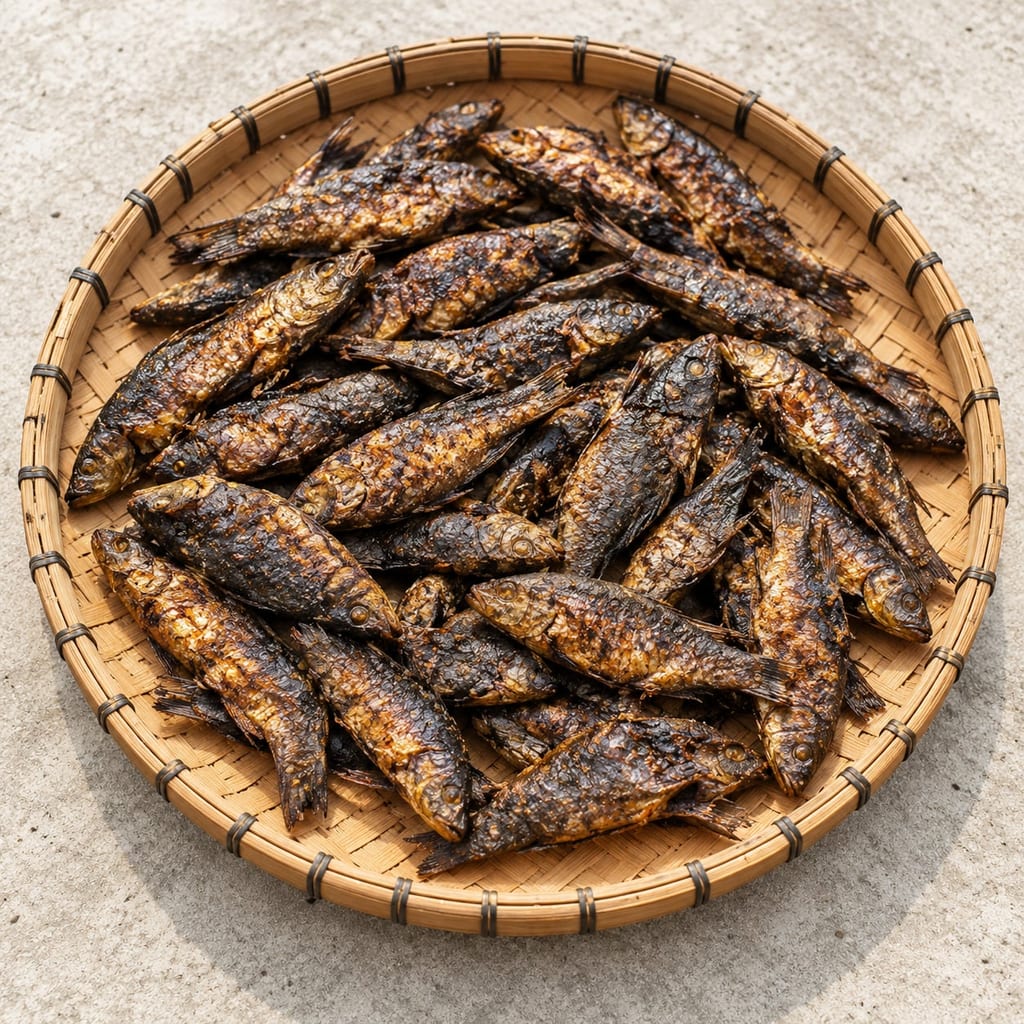
Leirou
Leirou is fish smoked in a prepared kiln or room by processors around Loktak Lake in Manipur, India, a method the local survey keeps apart from open-flame ngaphak.
 FermenteaWhere food goes to change
ngaphak · Loktak roast-smoked fish
Ngaphak is fish split, flattened and roasted and smoked over an open flame on a wire net or woven bamboo mesh, as practised by fish processors around Loktak Lake in Manipur, India.
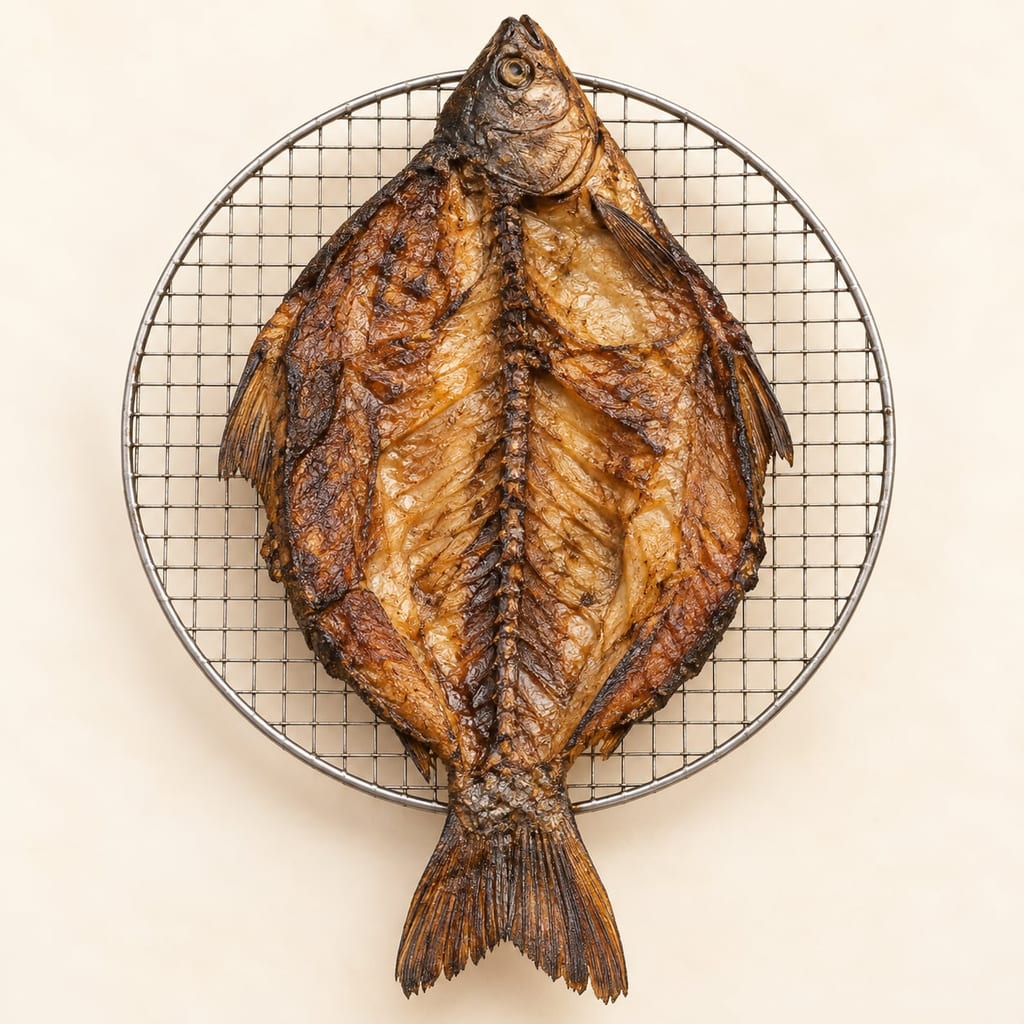
Ngaphak is a way of finishing fish by fire. The larger fish of Loktak Lake are split and flattened, laid on a wire net or a woven bamboo mesh and held to a flame, so that the same heat both roasts the flesh and smokes it. The name belongs to the processors who live in and around the lake in Manipur, in north-eastern India, where smoking is one of several ways of handling the catch.
Splitting and flattening matter for a large fish. An opened fish presents a flat surface to the fire and the smoke and has no thick body cavity to cook through, so it can be handled on a net or mesh the way a fillet or a butterflied fish would be. The survey that records the method describes this arrangement and nothing more: it does not give times, distances from the fire or a finishing test.
A survey of 50 fish processors around Loktak Lake separates ngaphak, roasting and smoking after splitting, from leirou, smoking in a prepared room or kiln, and treats fermentation as a third category. The sorting is the survey authors' and the processors', not a universal Manipuri taxonomy. The survey does not state the ethnicity of every respondent, so the practice is placed in the surveyed area, not assigned to one community.
Ngaphak is not a fermented food. Where fermented fish is meant, the survey uses a different category. Smoked fish of this kind also turns up in cooking: a community recipe for chagem pomba, a dish of broken rice, fermented soybeans and greens, uses smoked fish and smoked prawns. That page names only generic smoked fish, so it cannot show which process produced the fish in the pot.
The survey reports observed practice. It does not measure the flame or the smoke, give a finished-food storage limit or describe a method a home cook could follow to a safe endpoint. The survey counts are for 50 processors and are not prevalence figures for the whole region. The species of fish, the fuels used for ngaphak and the age of the method are not given in the material used here.
The method is documented in a survey of fish processors around Loktak Lake. The survey gives no date for its beginning.
Scaling: source batch only
Roasting and smoking over an open flame is not shown by the survey to make fish shelf-stable, and the survey gives no storage limit.
Hazard sourceOpen-flame smoking deposits smoke compounds on the food; the survey reports no measurement of them.
Hazard sourceTreat the survey as a description of local practice, not a validated preservation process.
Control sourceThis is not a validated home-preservation recipe.
Do not judge safety or shelf life by smell, appearance or taste.
The survey covers processors living in and around the lake and does not identify every respondent's ethnicity, so the practice is tied to the surveyed area and not to one community.
Leirou is fish smoked in a prepared kiln or room by processors around Loktak Lake in Manipur, India, a method the local survey keeps apart from open-flame ngaphak.
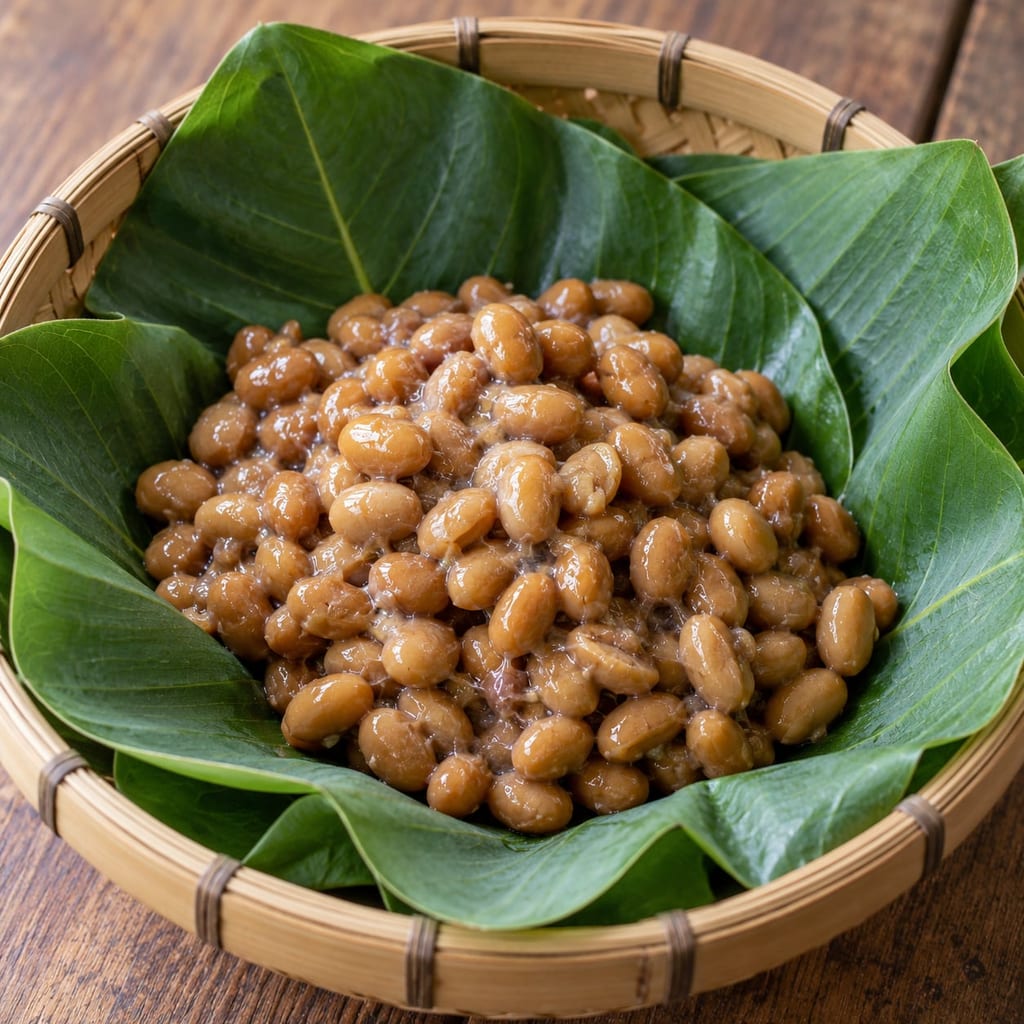
A sticky fermented soybean food of Manipur, made by packing cooked soybeans in leaf-lined bamboo baskets and keeping them warm, related to but distinct from Bekang and Akhone.
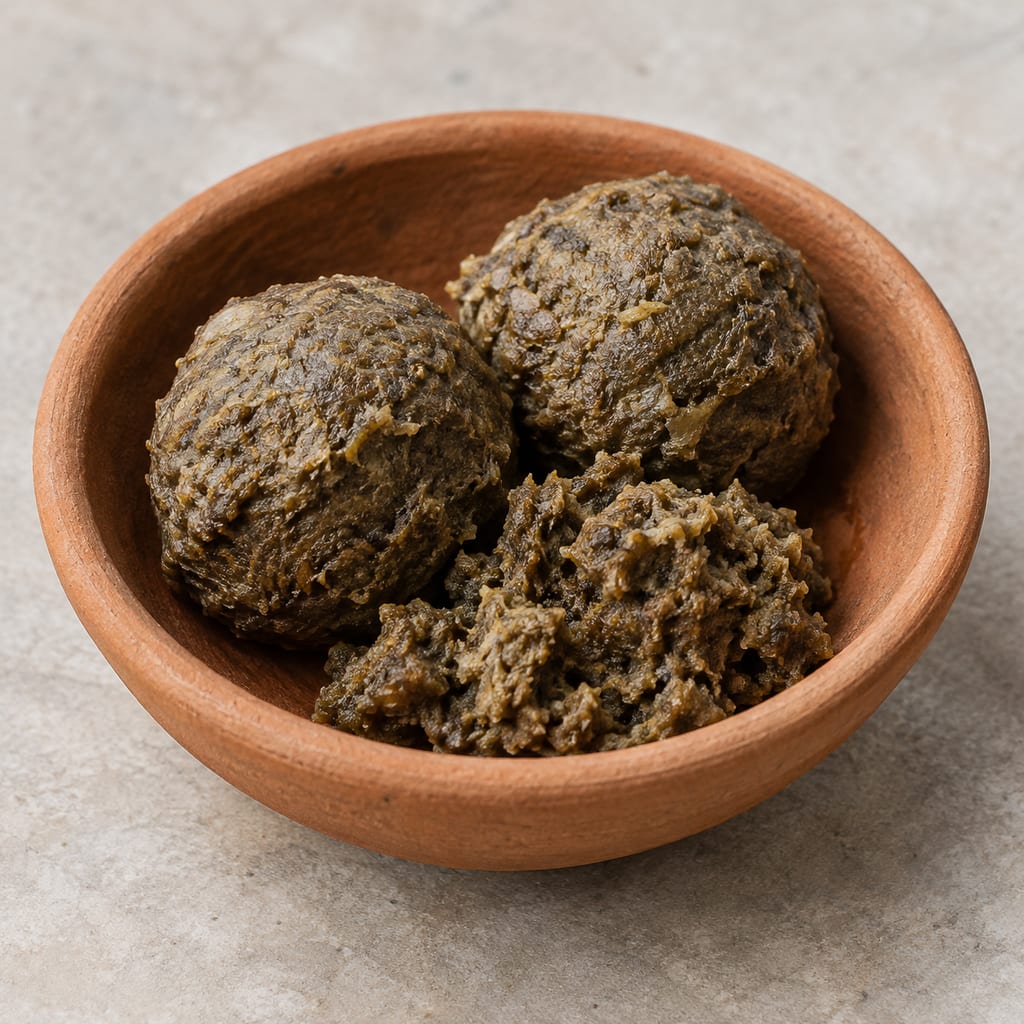
Manipuri fermented fish-and-aroid paste, formed into balls or kept in an earthen pot, used to season Manipuri dishes. Its method is documented in outline only.
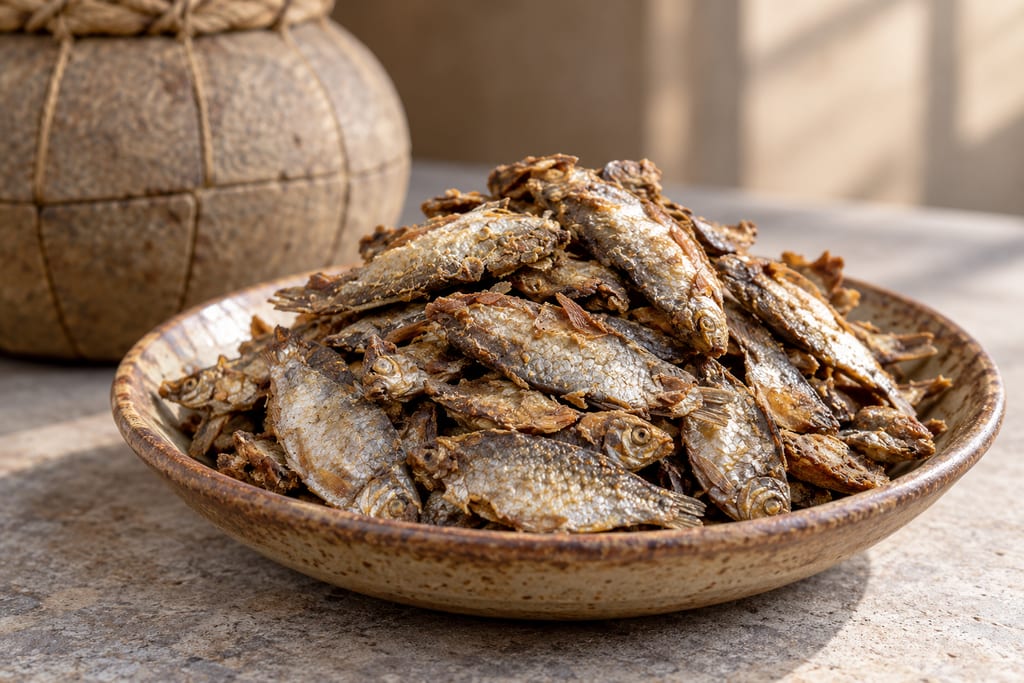
Ngari is a Manipuri fermented fish condiment made from small sun-dried fish, usually Puntius sophore, packed for fermentation. A biochemical study describes a salt-free method; it works as a condiment and ingredient rather than as a filtered sauce.
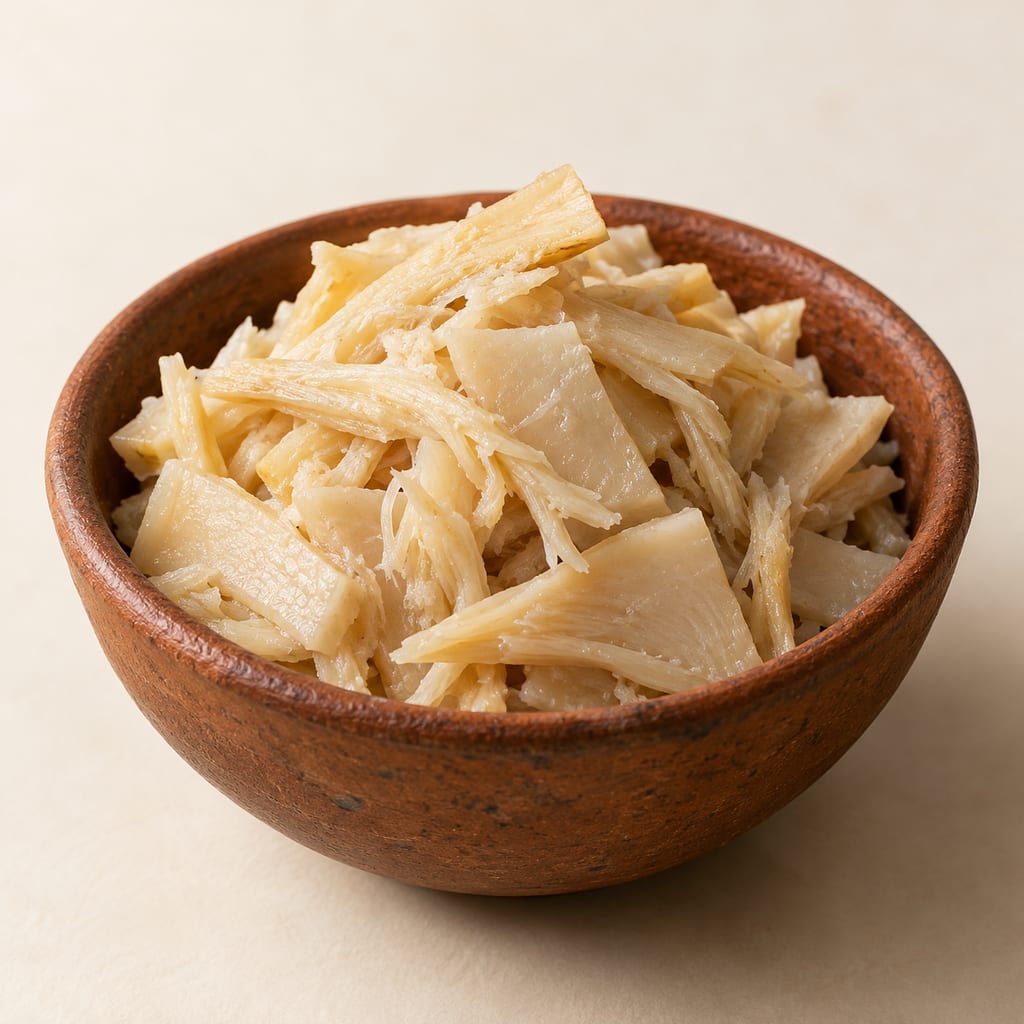
Thin slices of juvenile bamboo shoots fermented for six to twelve months in Manipur, eaten as a sour side dish with rice.
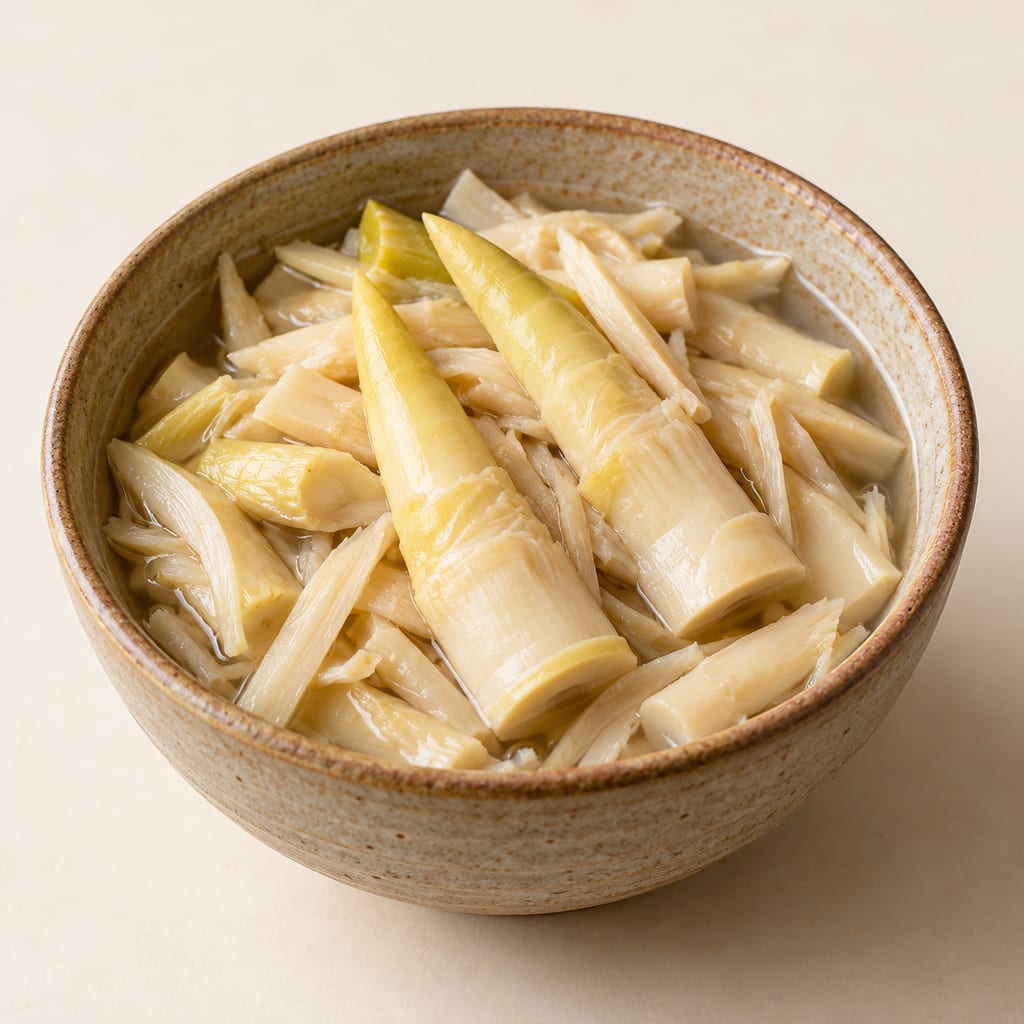
Fermented tender bamboo-shoot tips from Manipur, started with the sour liquid of an earlier batch and eaten in chutneys and curries.
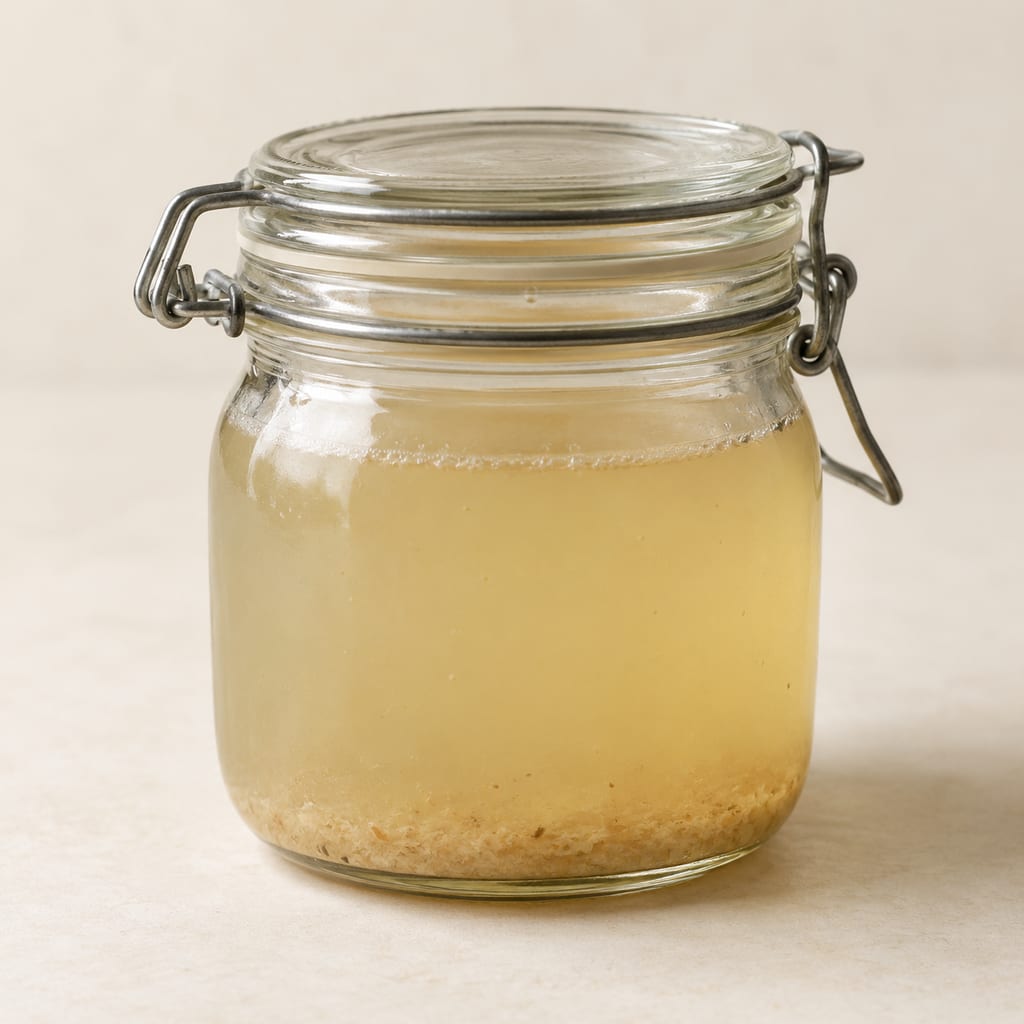
The sour liquid that forms during Manipuri Soidon fermentation, kept to start the next batch and used to sour curries.

Japanese skipjack tuna cooked, then repeatedly smoked and dried over a wood fire by the hand-fired tebiyama method into a hard block for shaving into dashi: the first stage of katsuobushi.
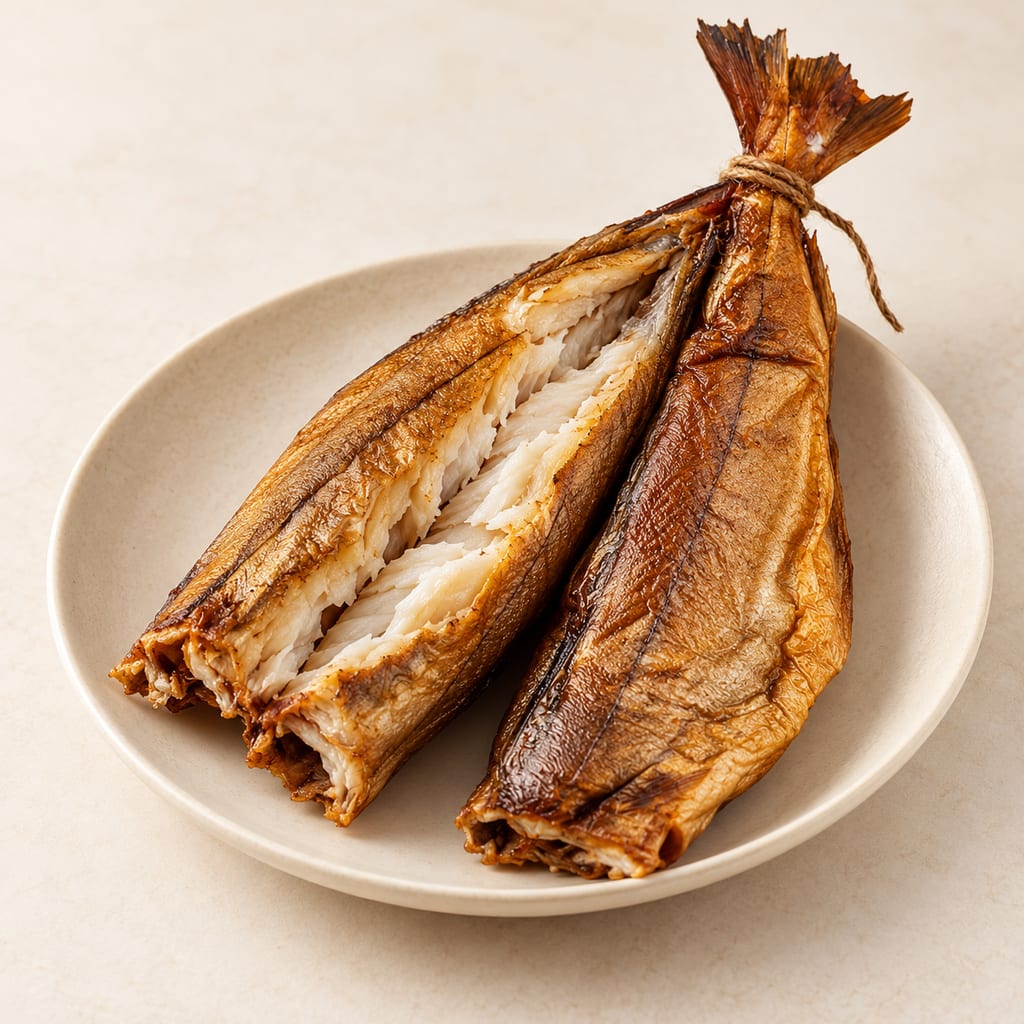
Arbroath smokies are whole haddock dry-salted, paired by the tail and hot-smoked in a protected coastal area. Their recorded history links Auchmithie and Arbroath, though the exact origin is unsettled.
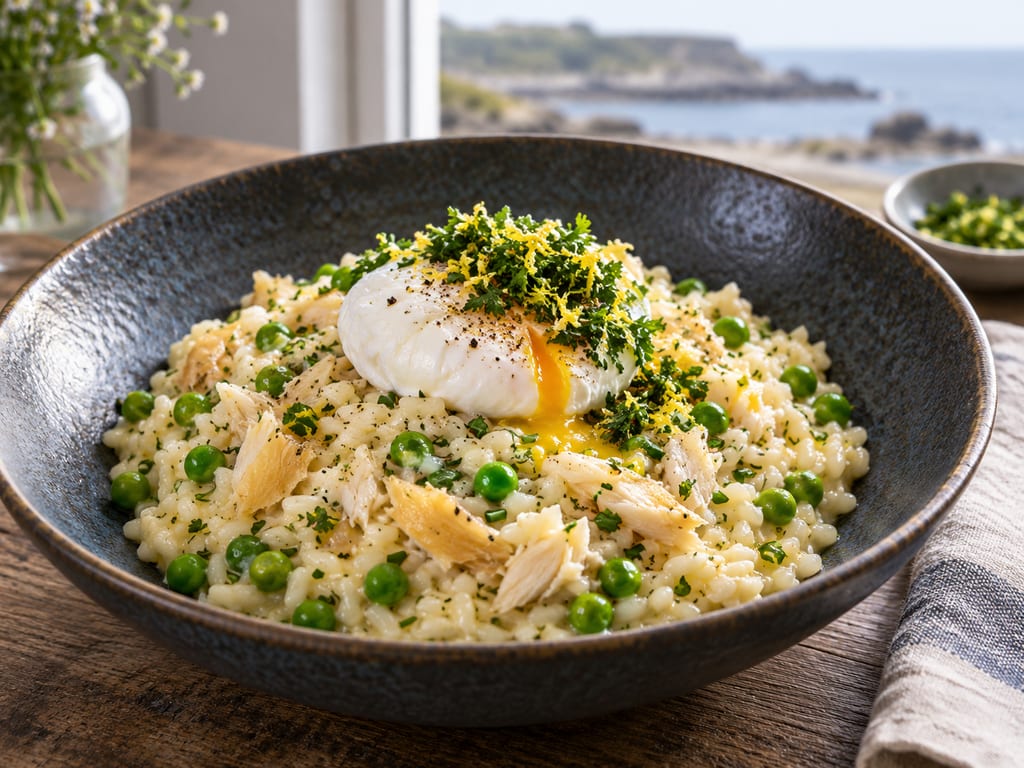
A four-serving risotto published in the 2014 Arbroath Smokie Trail booklet and credited to Hayley Wilkes. It cooks with finished Arbroath smokies; it does not describe smoking fish.
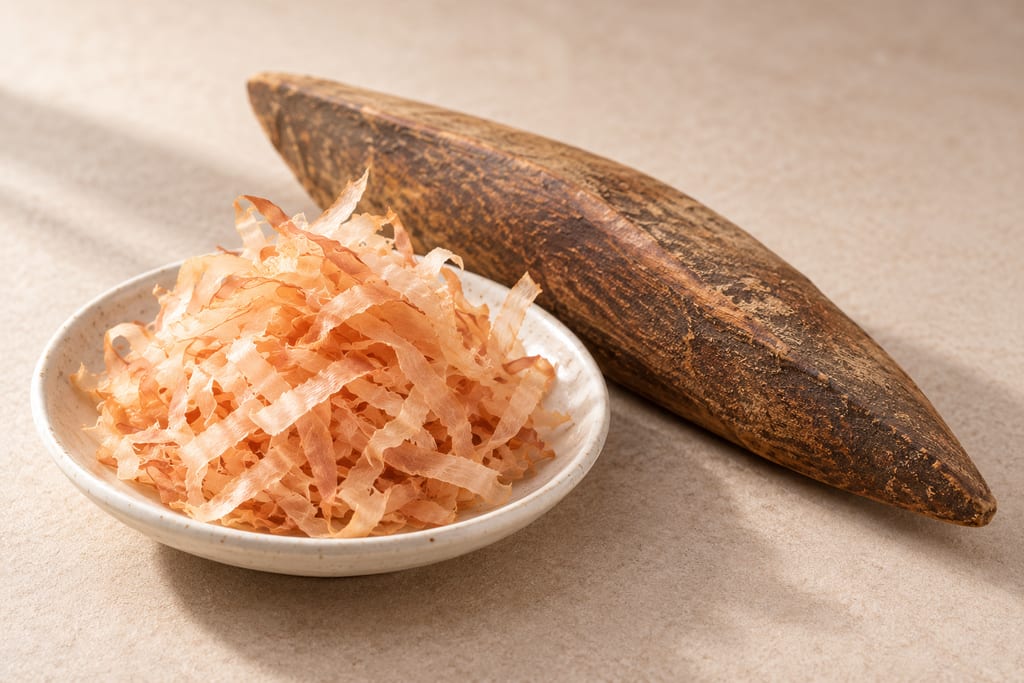
Katsuobushi is skipjack tuna cooked, smoked and dried into a hard block that is shaved into flakes for dashi and toppings. Some styles stop at the smoke-dried stage; others receive carefully managed mold maturation.
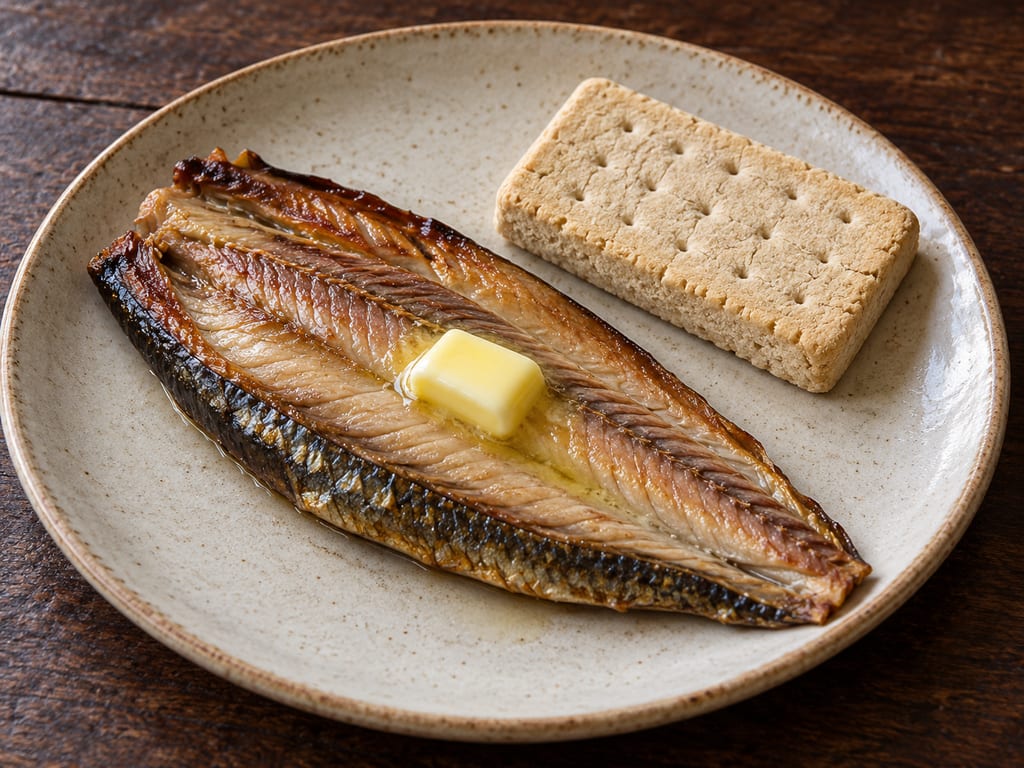
A Victorian way with Great Yarmouth bloaters: the lightly salted, cold-smoked whole herring is broiled and served with fresh butter and a warmed captain's biscuit.
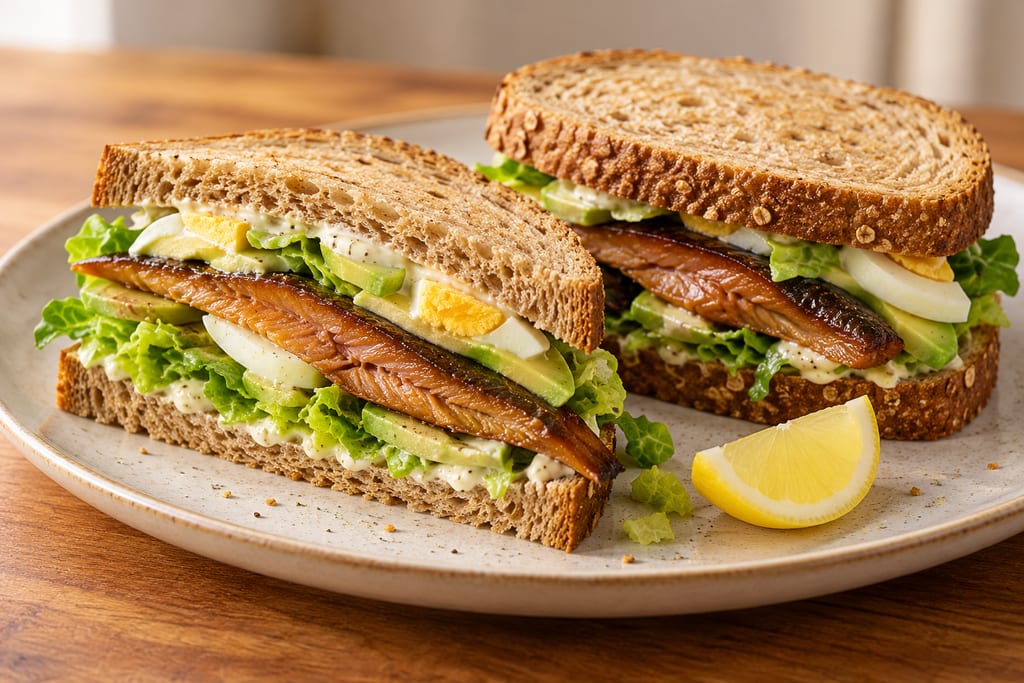
A warm club sandwich of oak-smoked Craster kipper fillets layered with soft-boiled egg, romaine, avocado and lemon mayonnaise on brown bread.
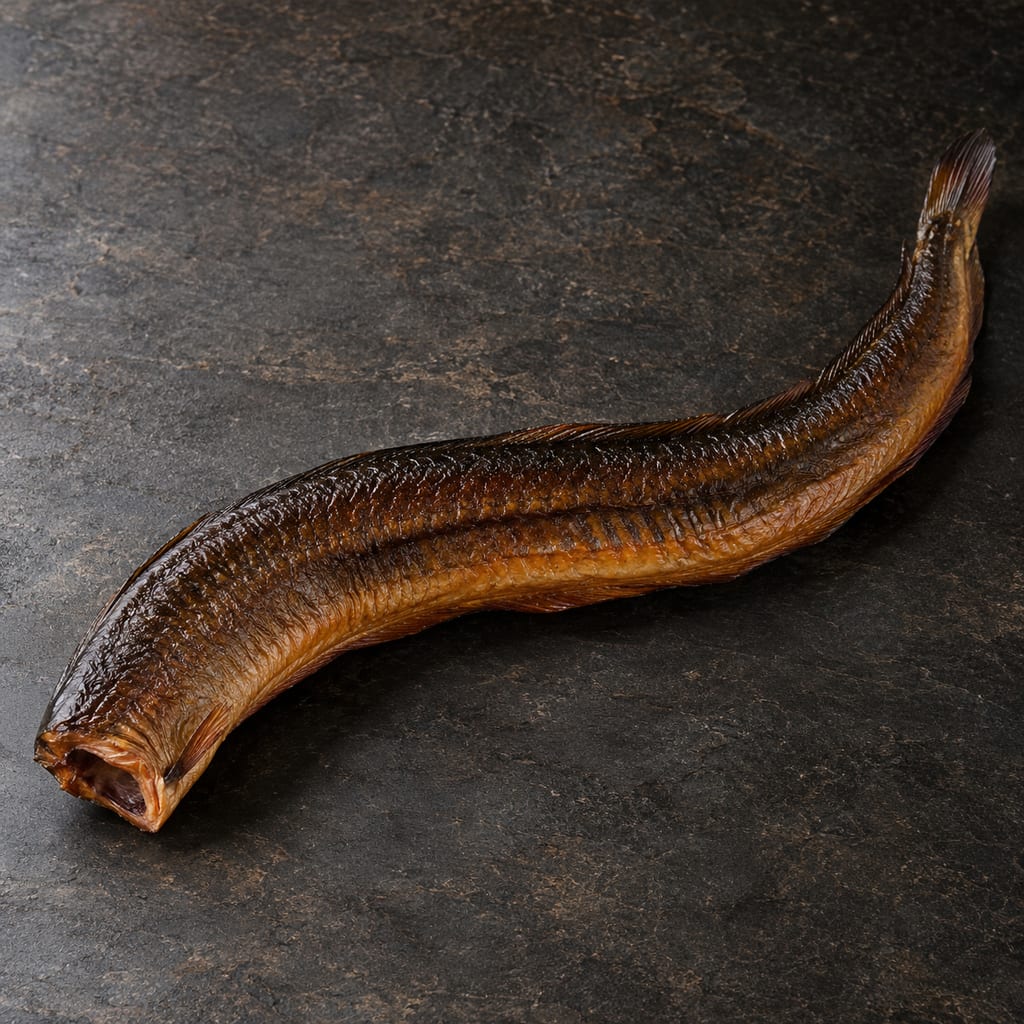
Short-finned eels, kooyang, smoked for a sustained period in the hollows of large trees at Budj Bim in south-western Victoria, a combined heat, smoke and drying method of the Gunditjmara people.
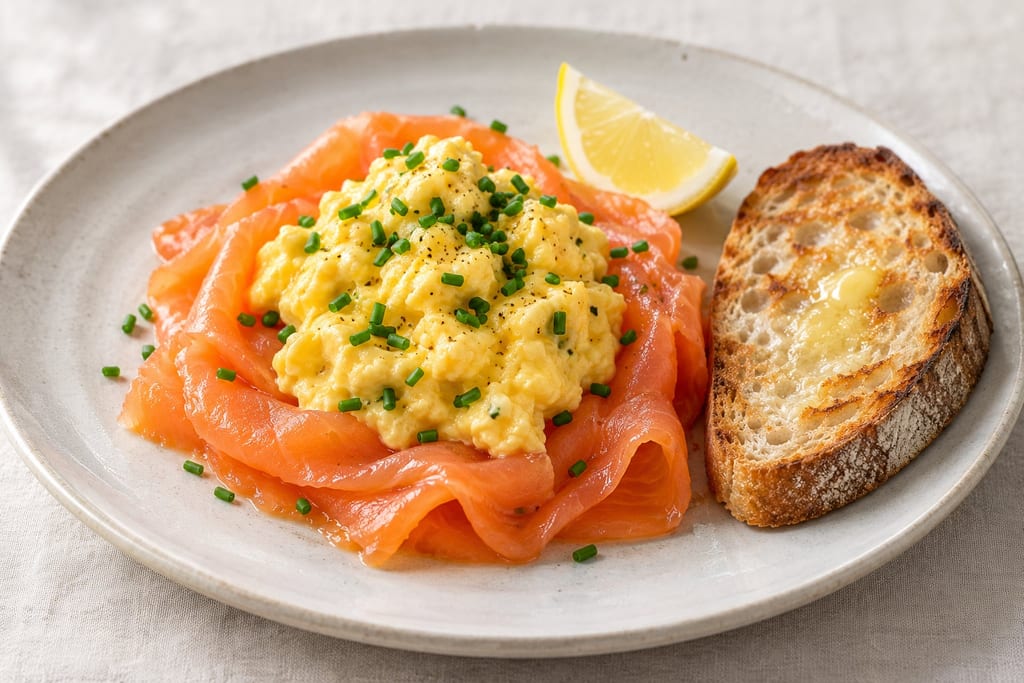
Softly scrambled eggs enriched with cream and butter, served with cold-smoked salmon, chives, lemon and sourdough toast as a British breakfast dish.
No community contributions have been published for this entry yet.
Sign in to contribute. Published comments and photos are free to read.
Sustainability, Agri, Food and Environmental Research, vol. 12(2); Jogesh Laishram and Mithra DeyMethod · History
Fish processing methods practiced by the people living in and around the Loktak lake, Manipur, IndiaSurvey of 50 fish processors living in and around Loktak Lake
Ngaphak: larger fish split and flattened on wire net or woven bamboo mesh and exposed to flame, roasting and smoking
Leirou is a separate smoking method in a prepared room or kiln; fermentation is a separate category
The survey does not set safety endpoints and its counts are not population-wide prevalence
Cited in: Fish roasted and smoked at once; Where the name comes from and what it is not; What the record does not settle
Mathou Khangembam, Lukthel (2022)Use
Chagem PombaA meal combining smoked fish and smoked prawns with broken rice, fermented soybeans and greens
The page names generic smoked fish, not ngaphak
Cited in: Where the name comes from and what it is not