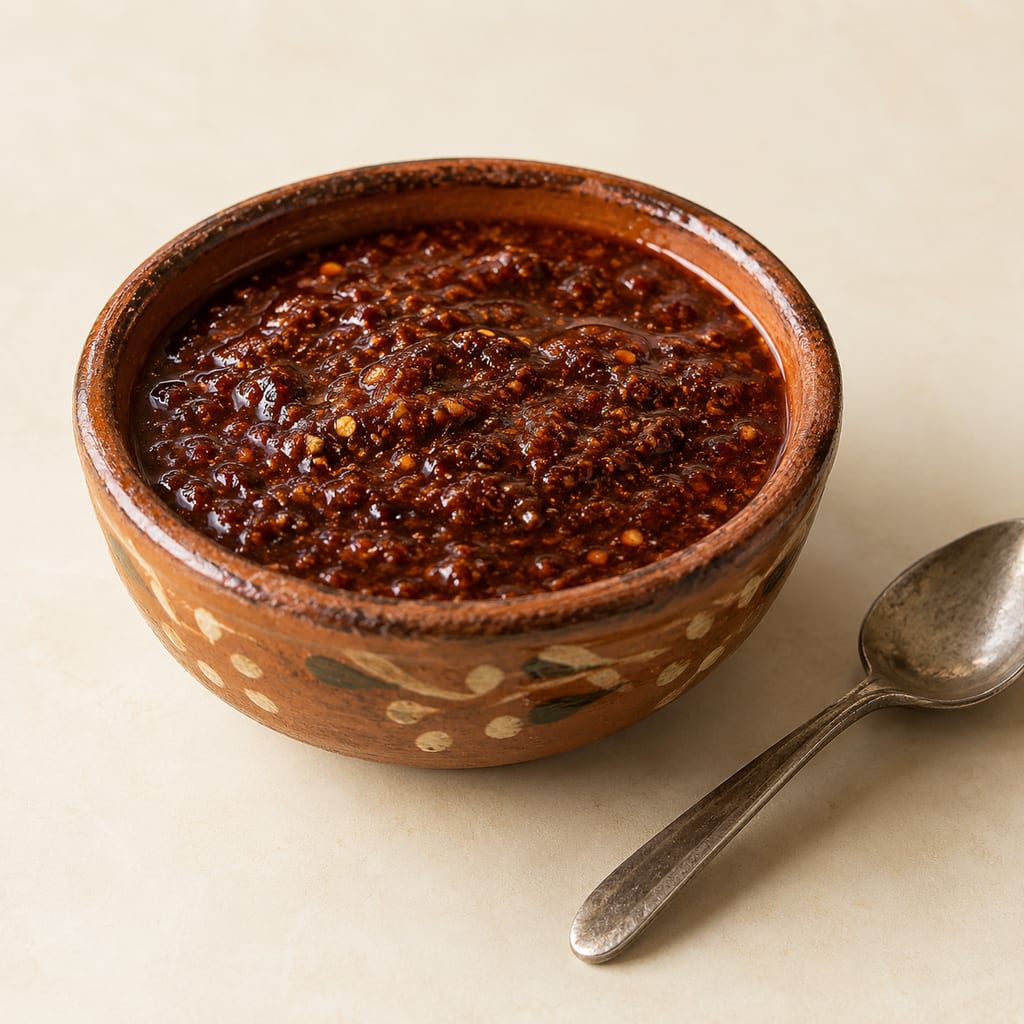
Salsa borracha
A chile sauce of dried pasilla peppers whose liquid is an alcoholic drink, pulque in the old form and beer where pulque is not available. It is served with barbacoa in Mexico City and the central states.
 FermenteaWhere food goes to change
Recipes by the places recorded in their sources.
A chile sauce of dried pasilla peppers whose liquid is an alcoholic drink, pulque in the old form and beer where pulque is not available. It is served with barbacoa in Mexico City and the central states.
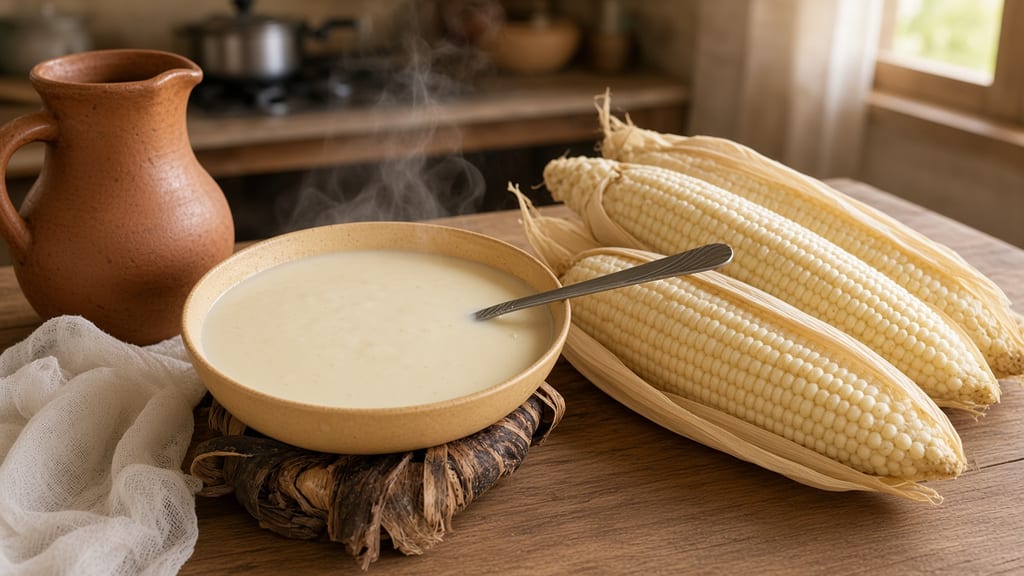
A hot, sour maize drink from Tabasco made from maize that is not lime-cooked. The ground grain sours for half a day, then makers strain it and boil it until thick.
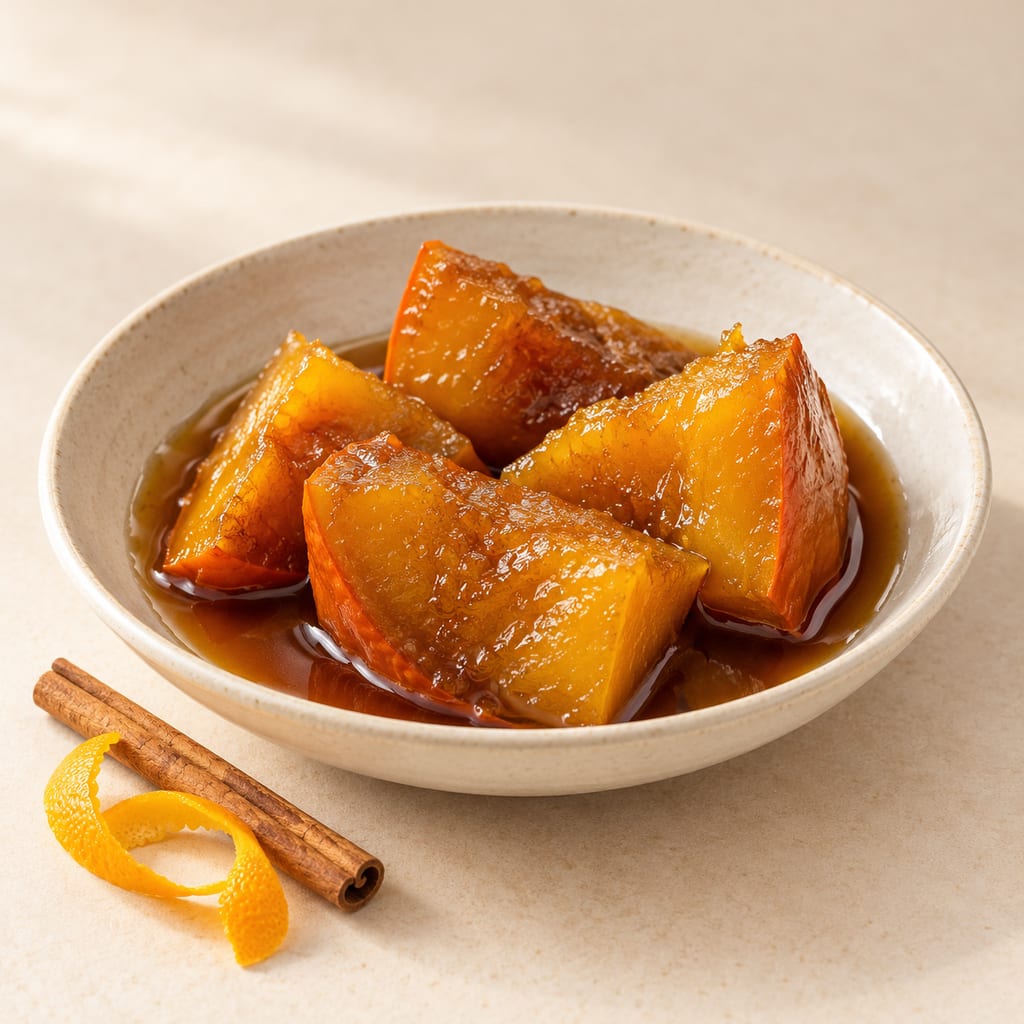
Rind-on pumpkin simmered with piloncillo, orange and cinnamon until glazed. This Mexican sweet keeps refrigerated for up to one week.
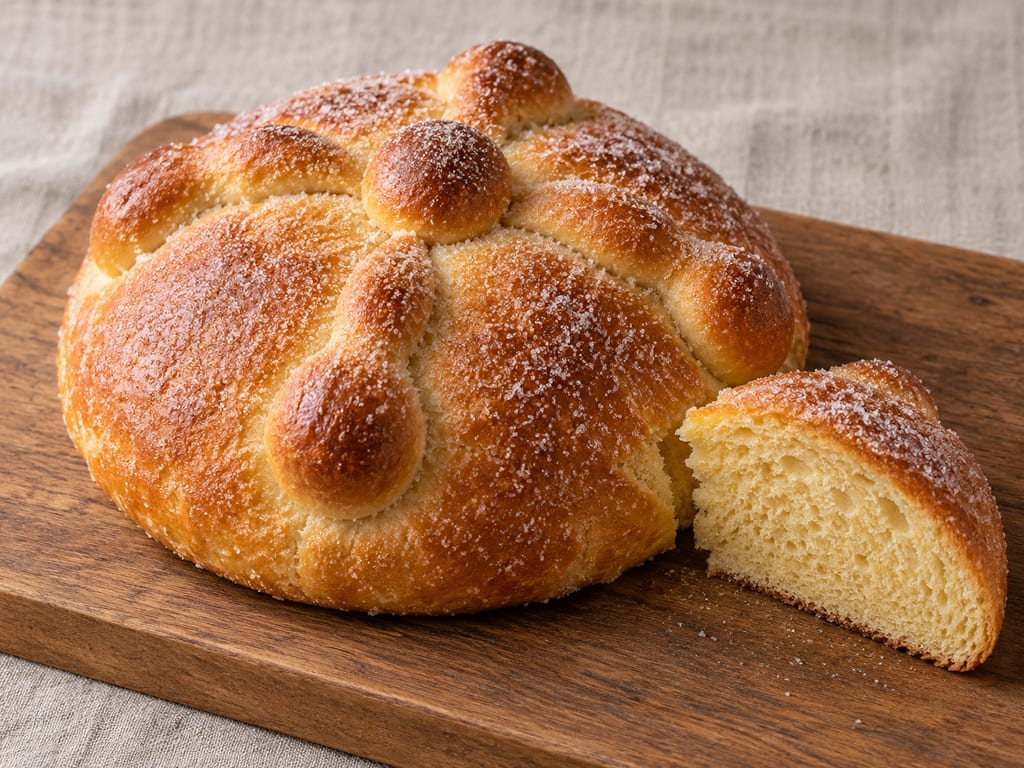
Two enriched, orange-anise loaves shaped with crossed dough bones and a central round, baked for Día de Muertos and finished with butter and sugar.
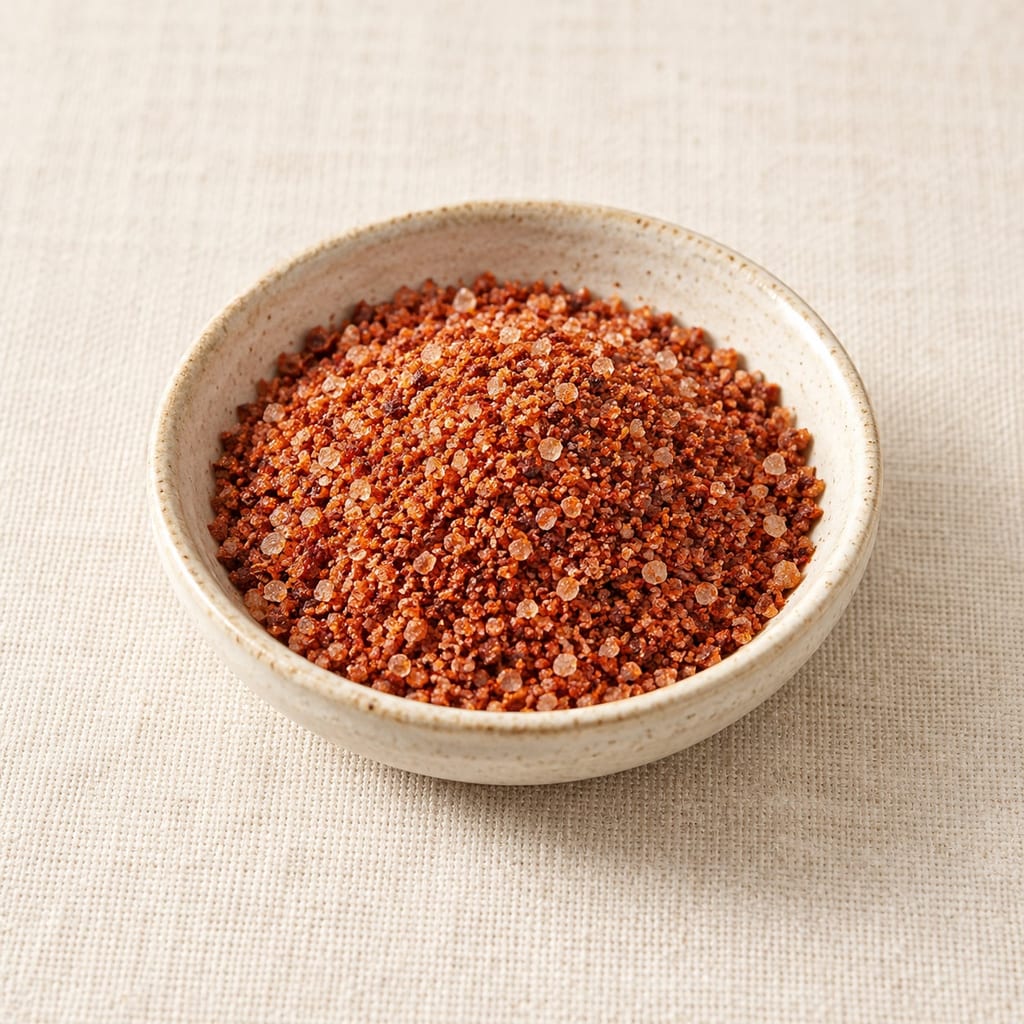
A dry Mexican seasoning of maguey worm, salt and chile, most closely associated in published accounts with Oaxaca and commonly served with mezcal, citrus and fruit.

Pozol is lime-cooked maize ground to dough, shaped into balls, wrapped in banana leaves and fermented for days, then stirred into water as a sour drink in southeastern Mexico.
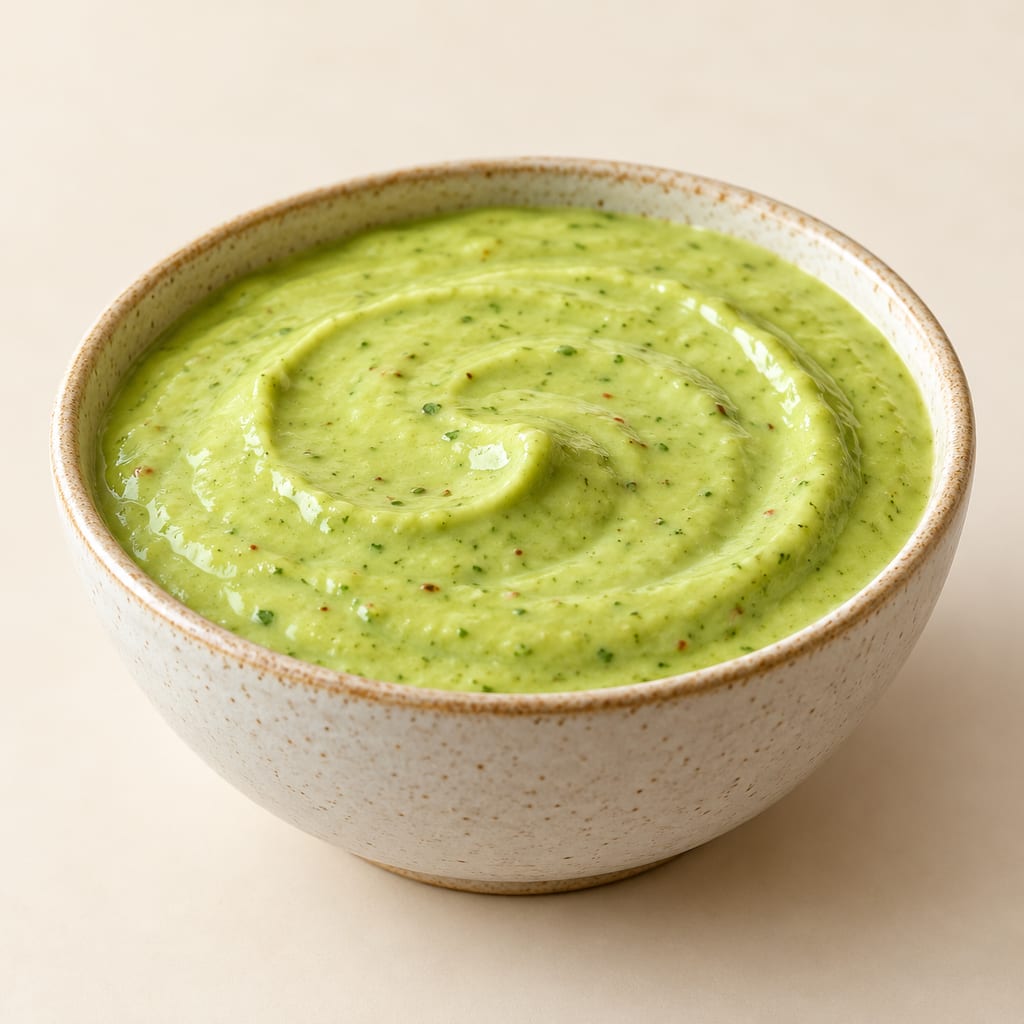
A pourable sauce of ripe avocado, lime, chile, herbs and onion, blended or mashed to a smooth body. It is an avocado sauce, not every green taquería sauce.
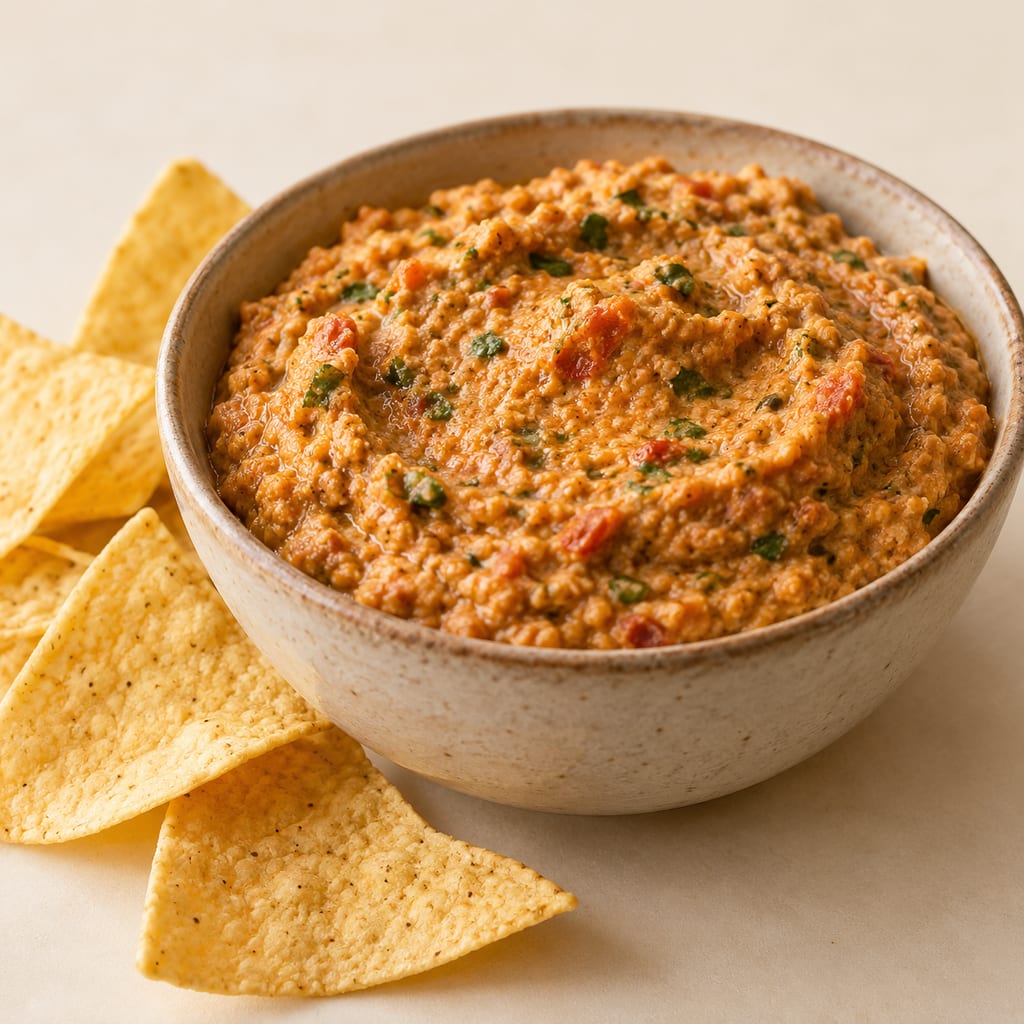
Sikil p’ak is a Yucatecan dip of toasted, ground pumpkin seeds mixed with roasted tomato, habanero, onion and herbs, served with tortilla chips or warm tortillas. Its name is built from Maya words for pumpkin seed and tomato.
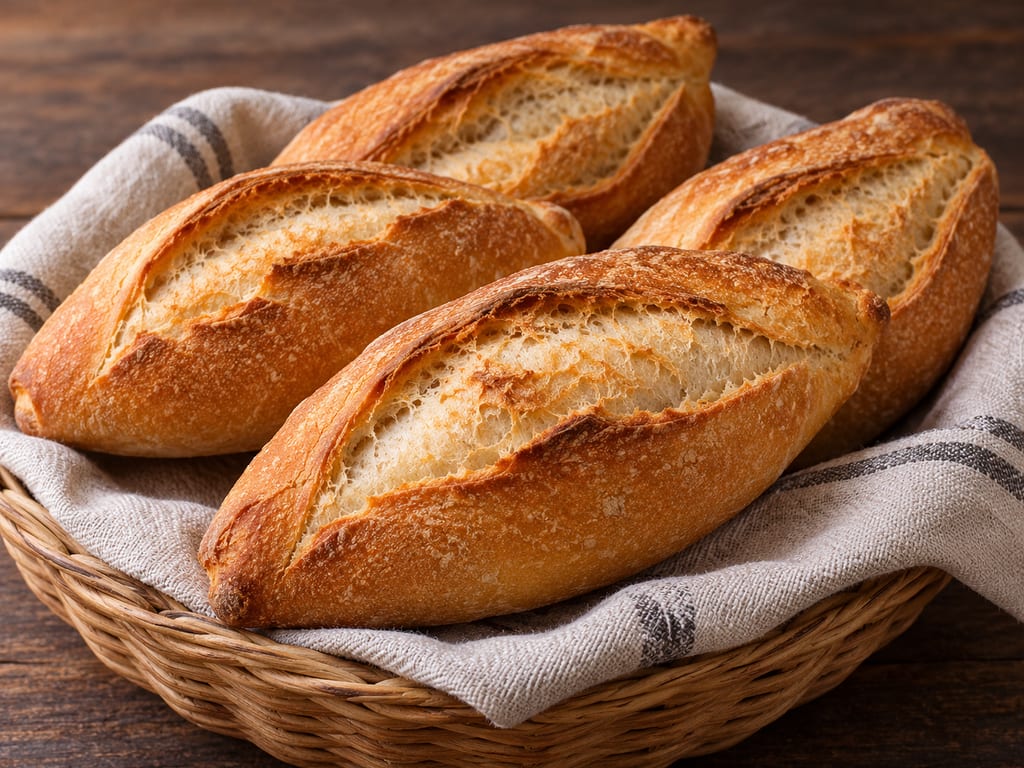
A measured, commercial-yeast home method for Guadalajara-style birote salado, with a six-hour preferment, shaped rolls and a two-temperature steam bake. This formula contains no egg.
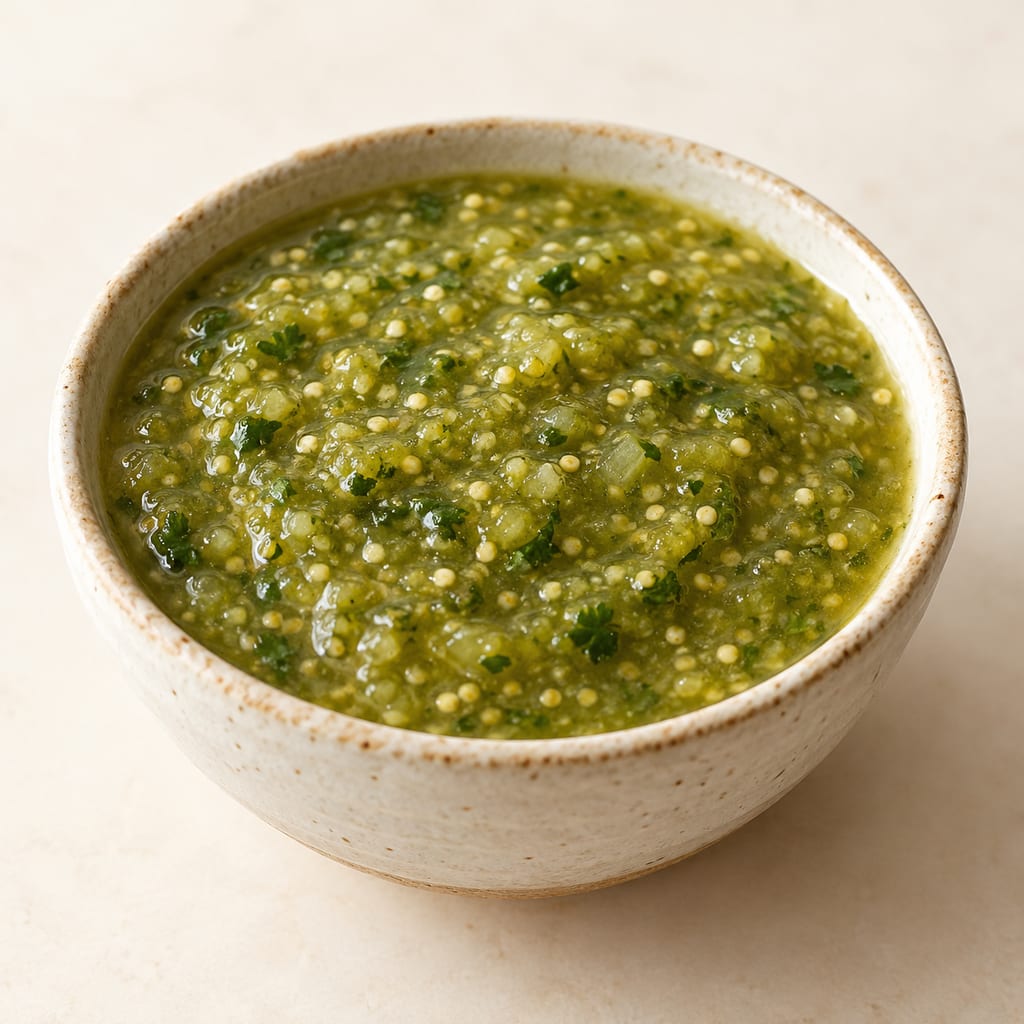
The green Mexican sauce of tomatillos and green chiles, which may be raw, boiled or roasted before grinding. It is distinct from European herb-based green sauces.
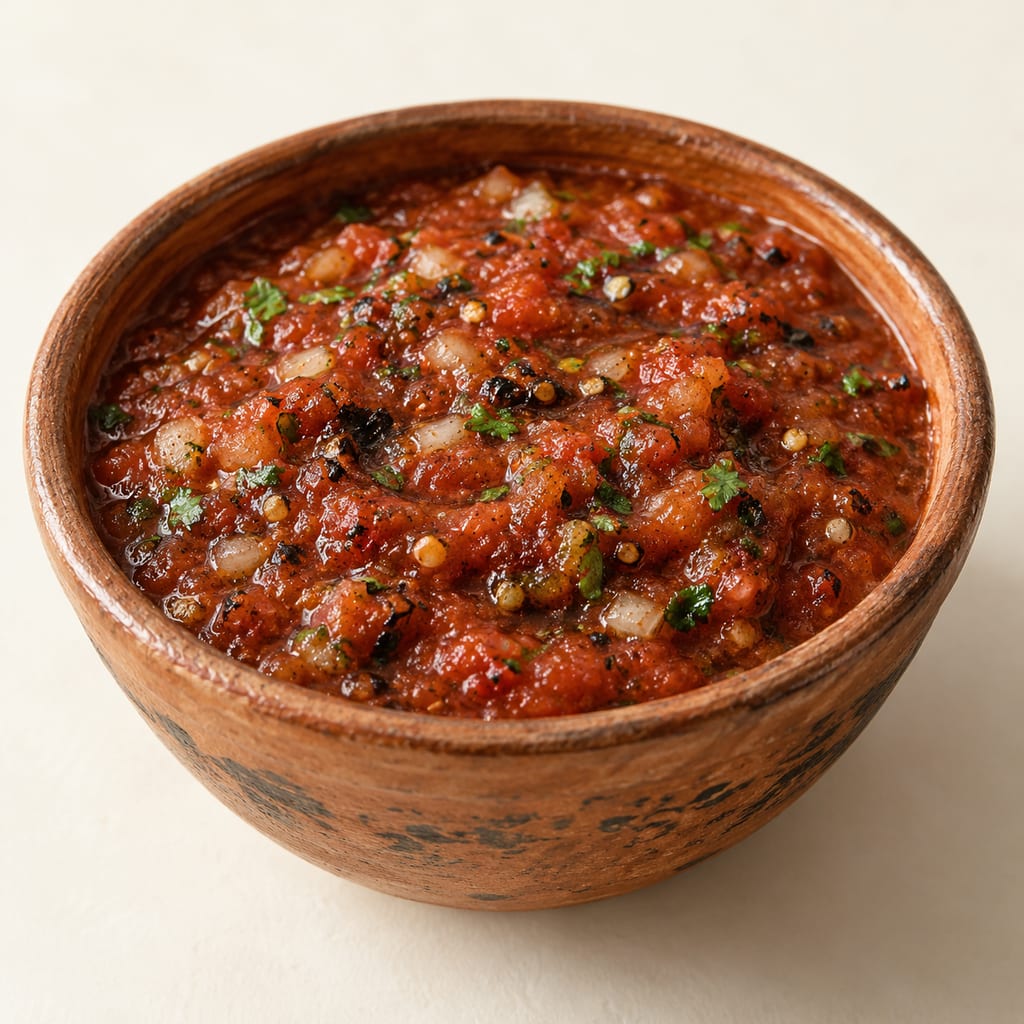
The red tomato and chile sauce of Mexican tables, most often cooked or charred before grinding. It is a family of preparations, not one formula.
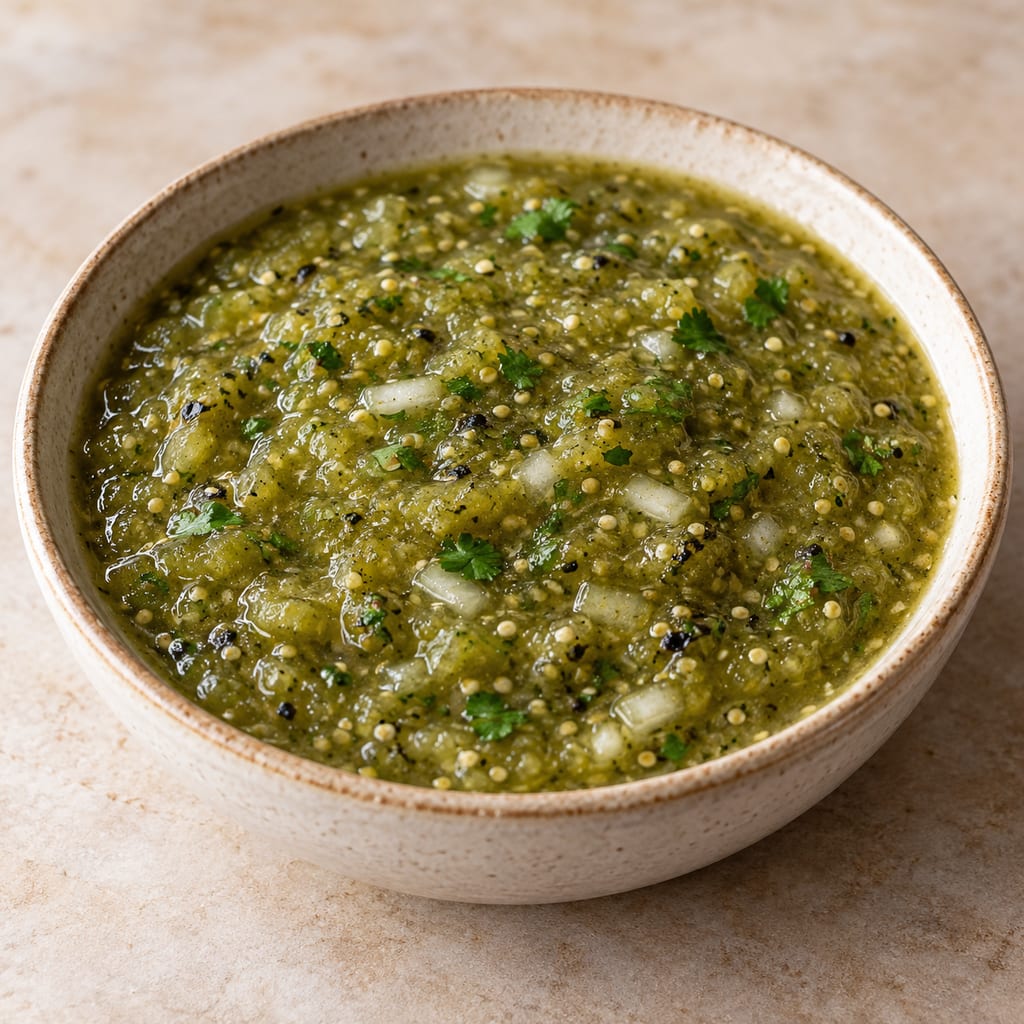
A modern small batch of roasted tomatillos and green chile finished with raw onion, coriander, lime and salt. Its measured weights are an untested adaptation; this is fresh salsa, not a canning recipe.
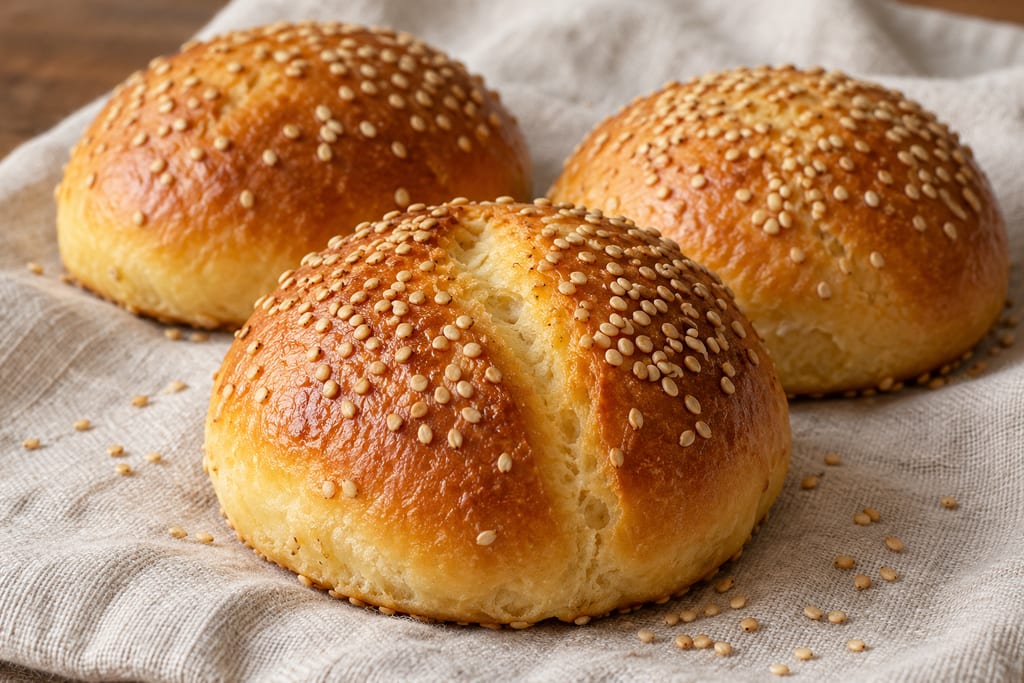
This Oaxacan yeast bread enriches wheat dough with eggs, extra yolks and butter, then shapes it into sesame-coated rounds for a long rise and a hot bake.
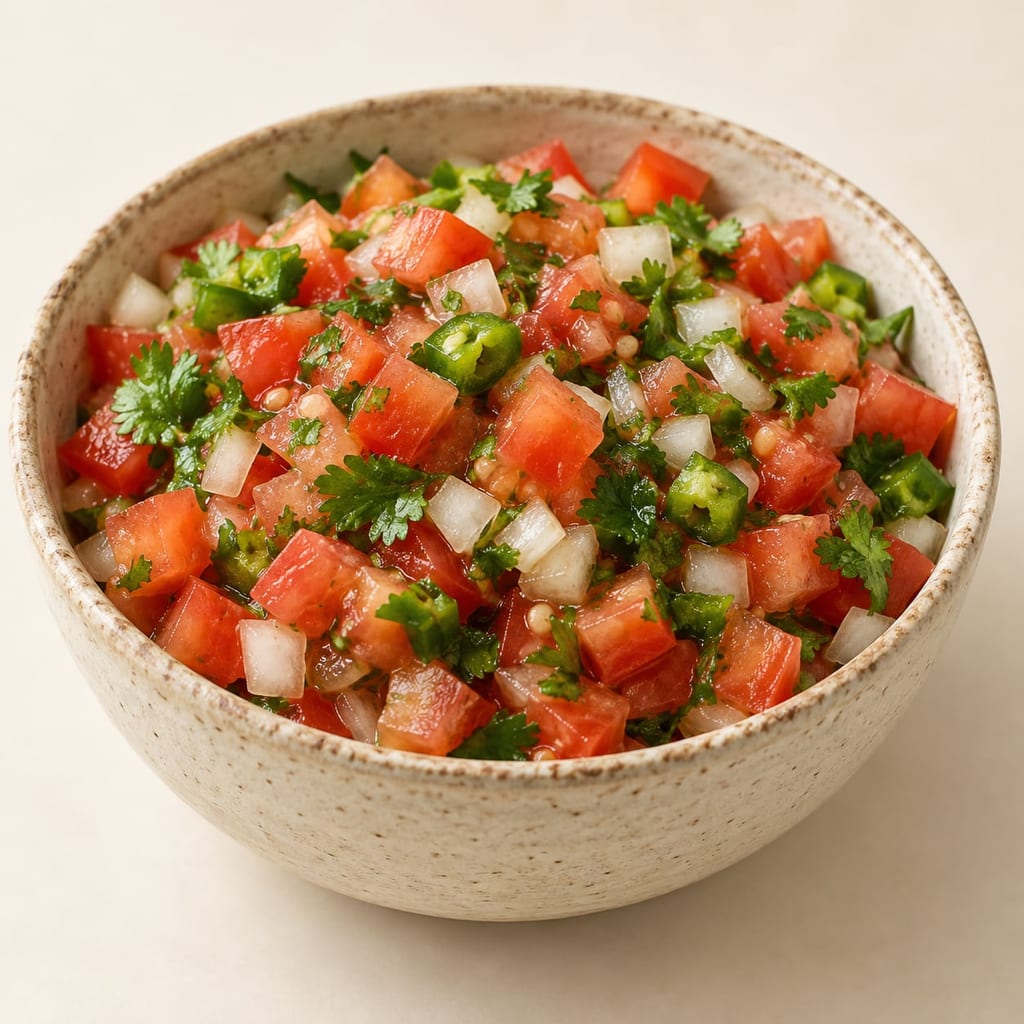
A fresh Mexican condiment of chopped tomato, onion, chile, cilantro and lime, served raw so that its pieces stay distinct. Its name translates as rooster's beak, and its origin is disputed.
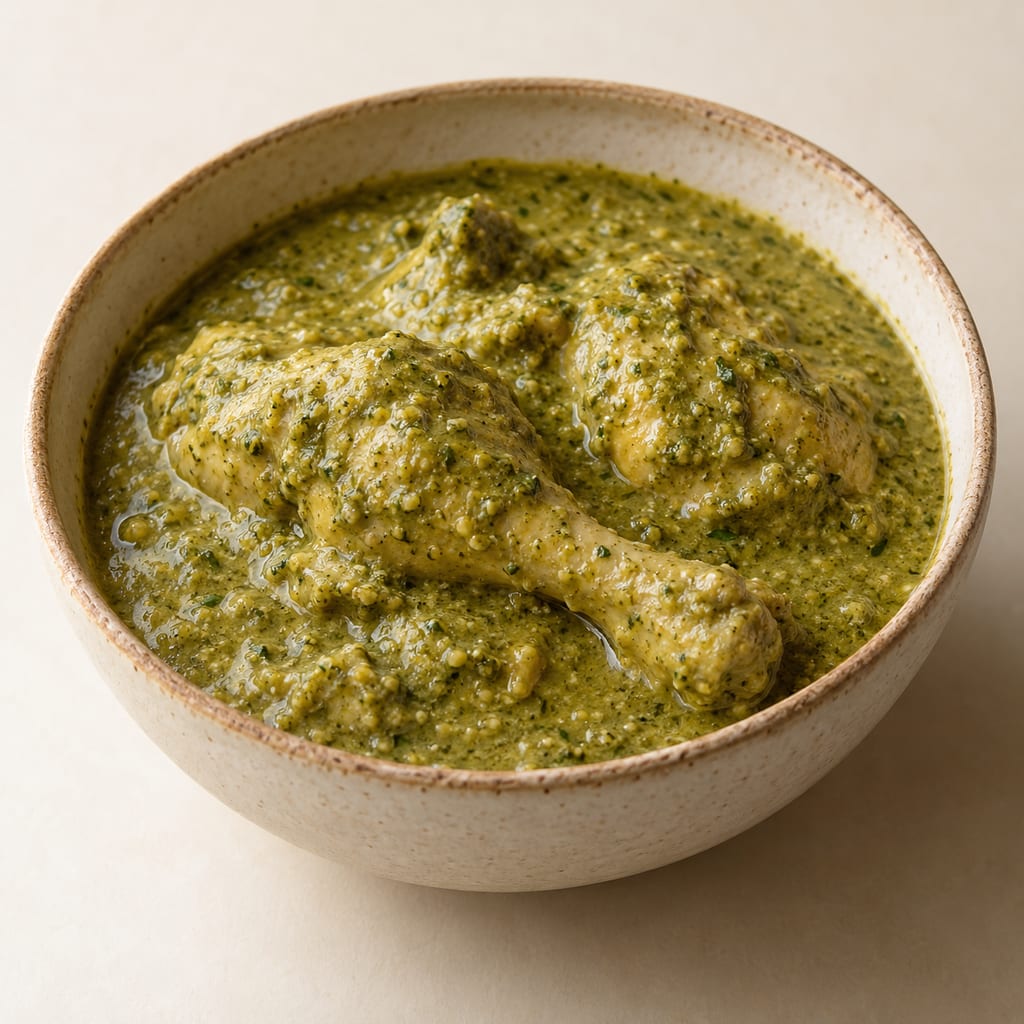
Pipián is a Mexican sauce family built on ground squash seeds, cooked with tomatillo or chile and herbs. The green version uses tomatillo and hoja santa; red versions add peanut, sesame and dried chile.
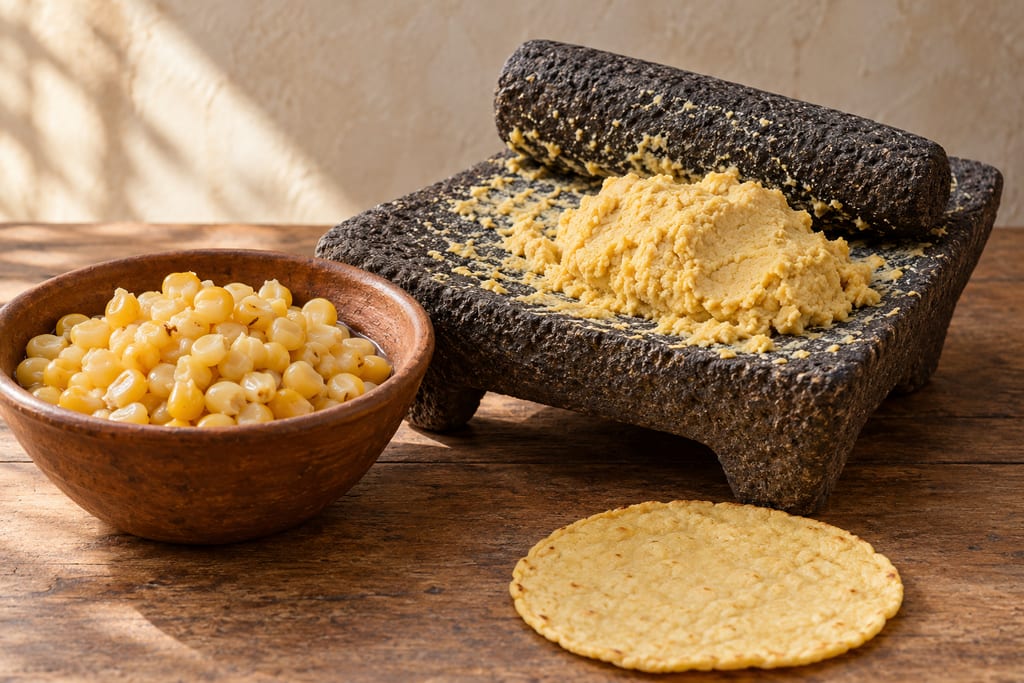
Whole maize cooked and steeped overnight in lime water, washed of its skins and excess lime, then ground into the moist dough used for tortillas.
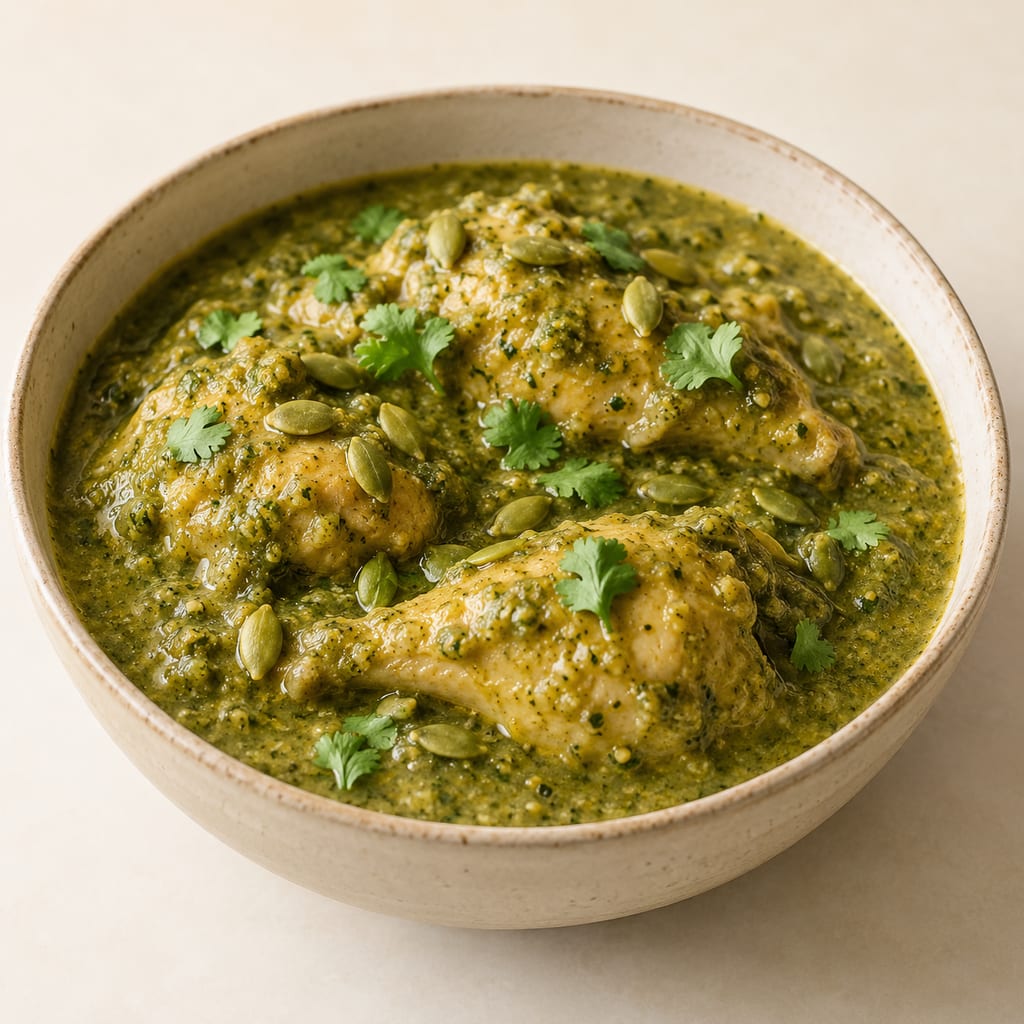
Mole verde is a green mole from Mexico and Oaxaca, built on tomatillos or green tomatoes, fresh herbs such as epazote and hoja santa, and ground pumpkin seeds or masa, with no need to toast dried chiles.
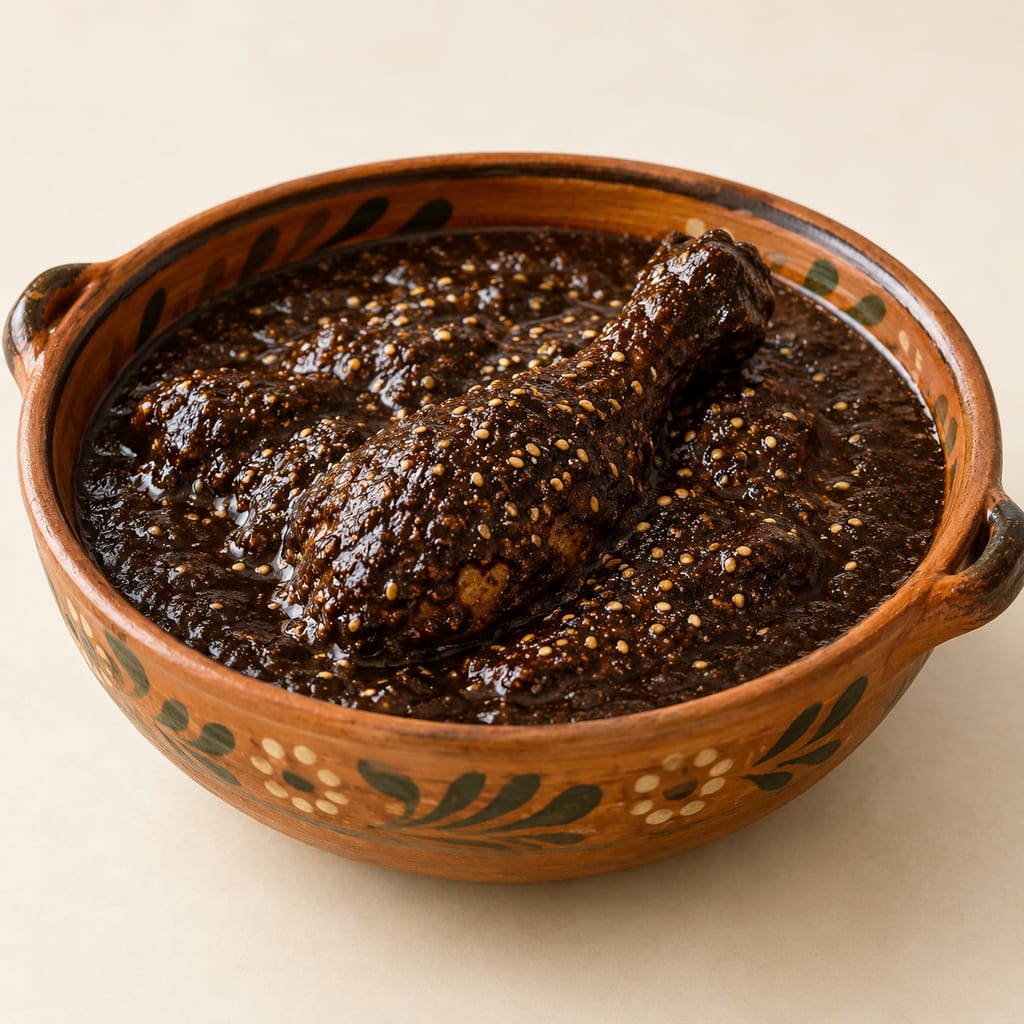
Mole negro is the darkest and most elaborate of Oaxaca's seven moles: dried chiles and seeds are toasted and charred, ground with nuts, spices, bread and chocolate, then fried and simmered into a thick black sauce.
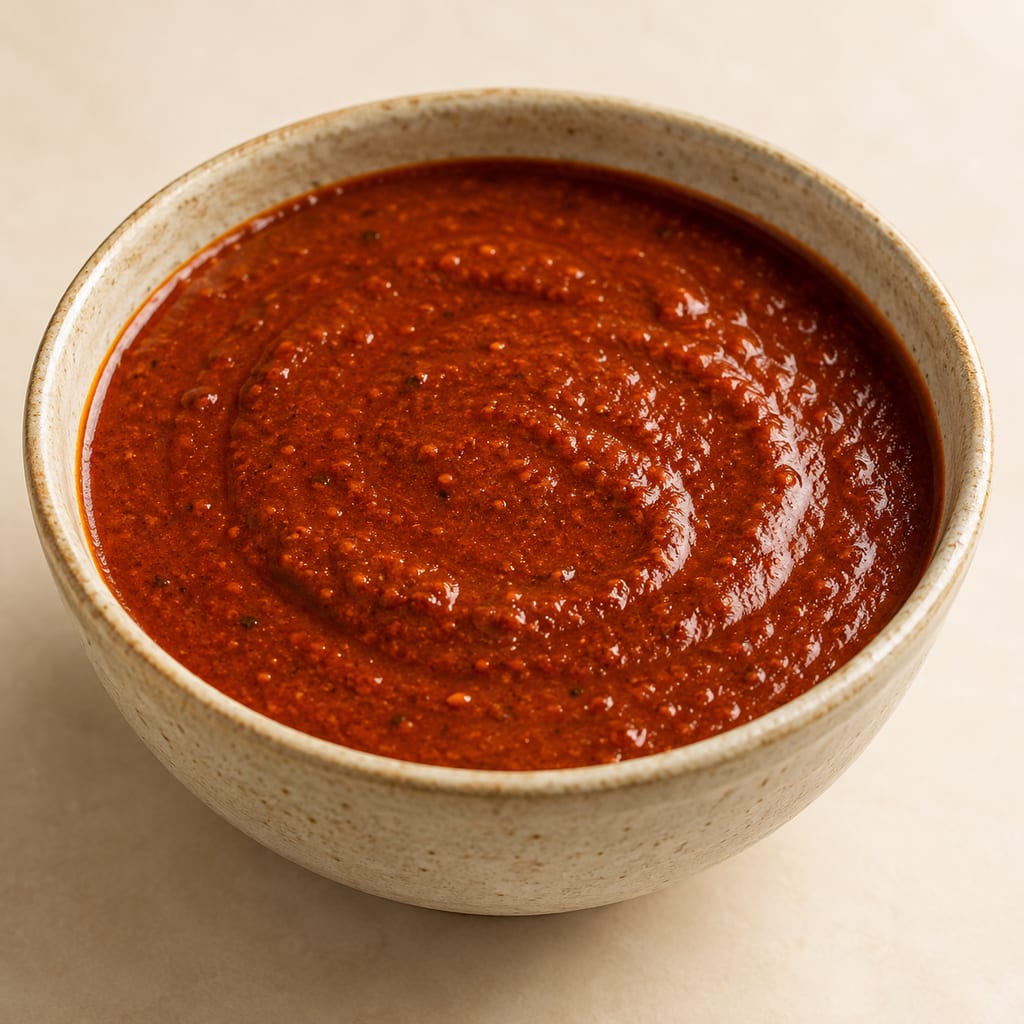
Mole coloradito is one of Oaxaca's seven moles: a brick-red sauce built on ancho chiles and tomato, thickened with ground seeds and nuts and sweetened with fruit, served in a lighter, thinner form than mole negro.
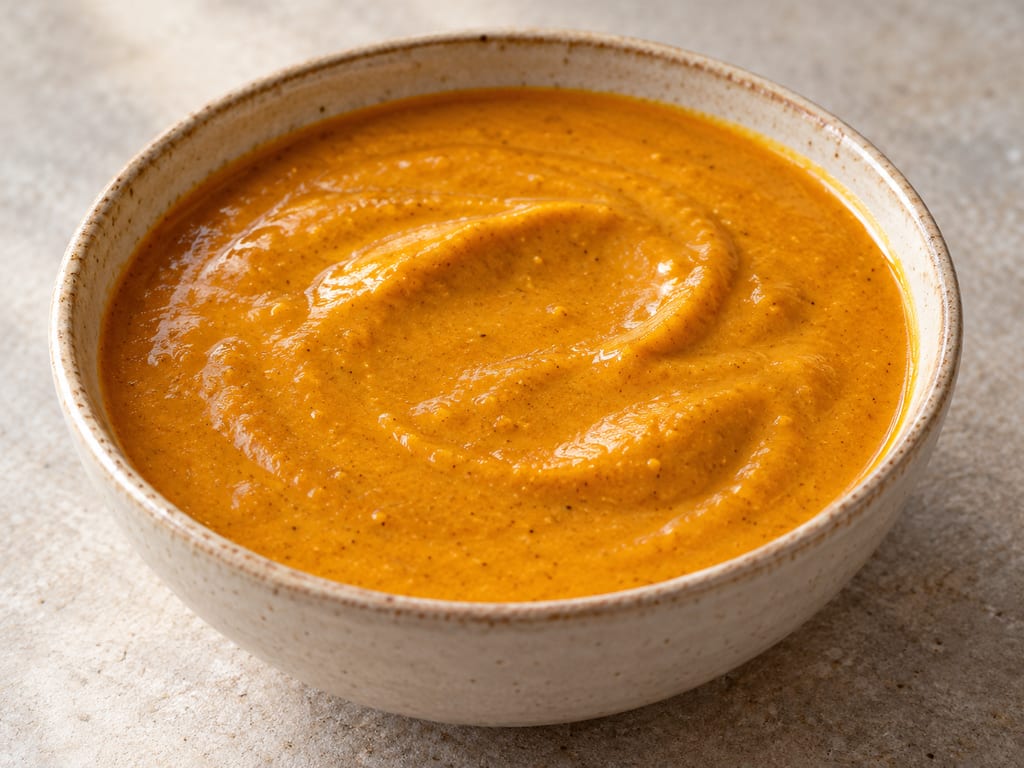
Mole amarillo, also called amarillito, is a yellow to orange Oaxacan mole built on cooked chile purée, thickened with corn masa and flavoured with herbs such as hoja santa, with no chocolate or dense nut mixture.
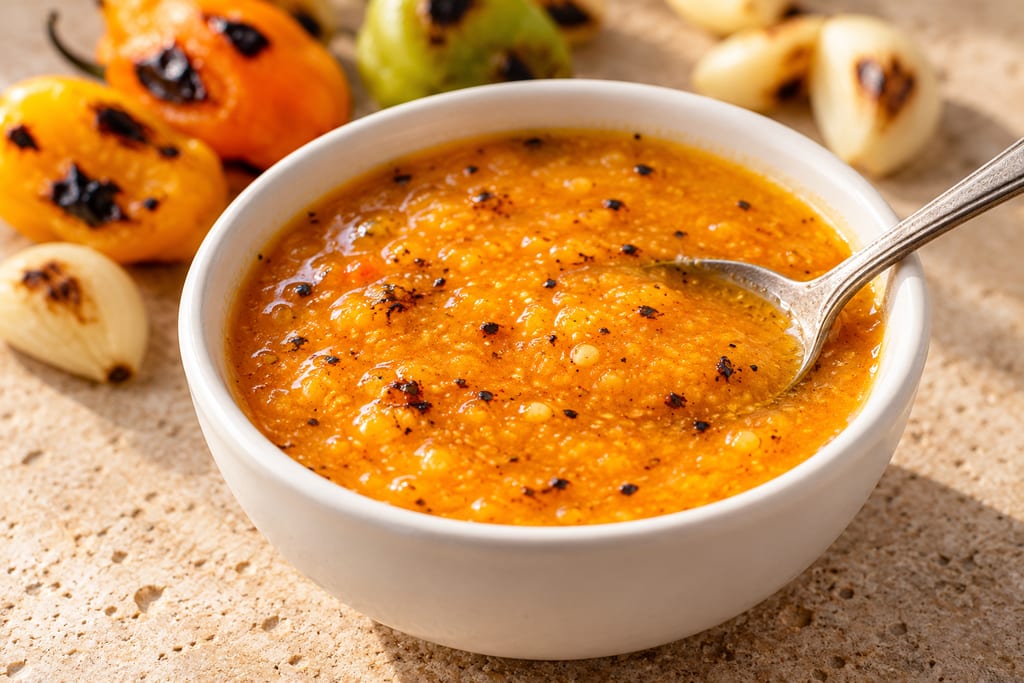
A hot, fruity chile sauce of the Yucatán, built on habanero peppers and often charred with garlic. It sits on the table as a condiment, and the recipes vary widely.
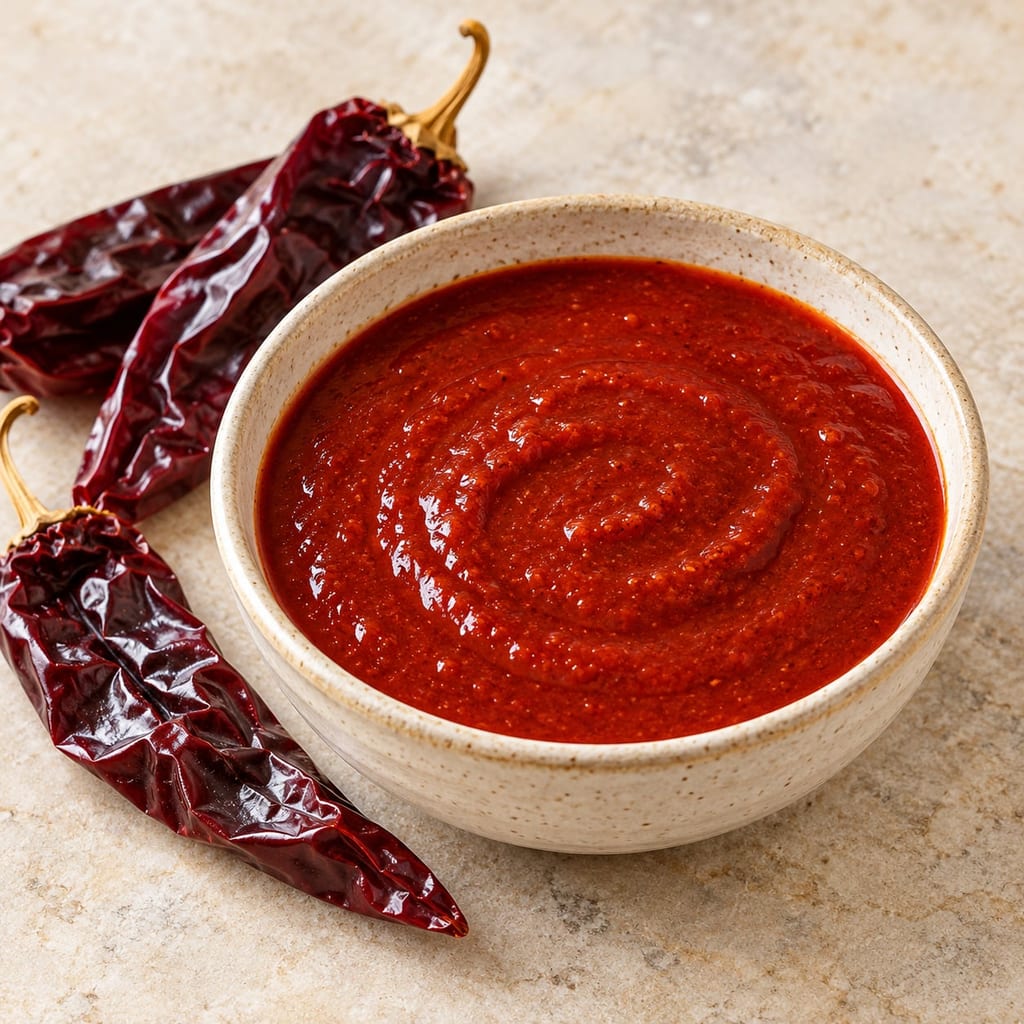
A Mexican sauce in which dried guajillo chiles, toasted and softened in hot water, supply most of the flavour. It is a family of dried-chile salsas, not a tomato sauce with chile added.
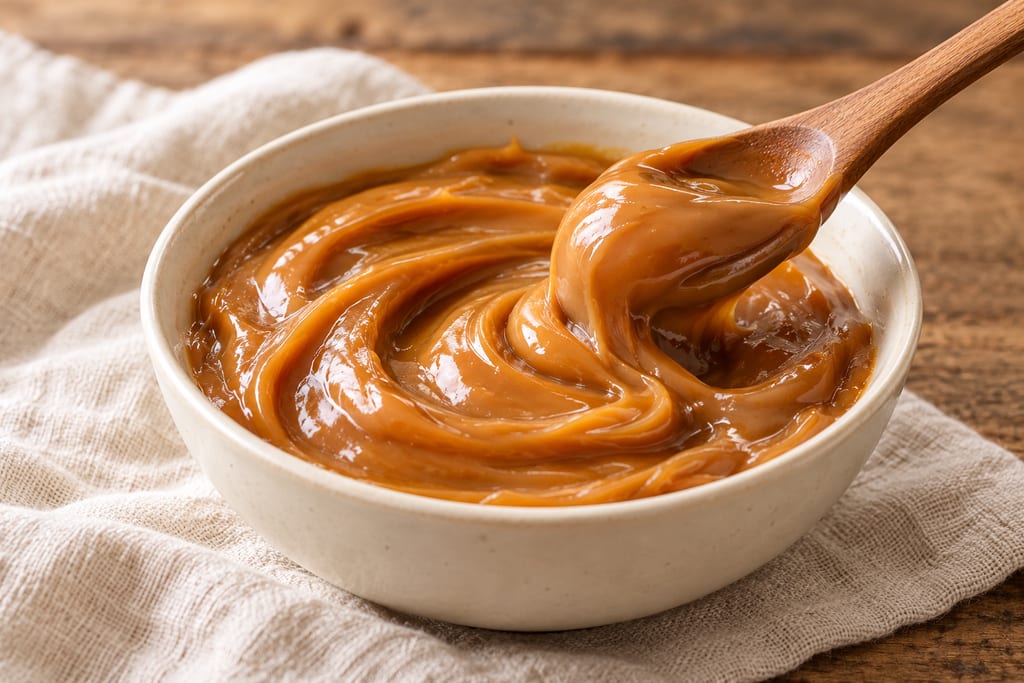
Dulce de leche and its relatives, including Mexican cajeta from goat's milk, are milk and sugar cooked slowly until thick and brown. The name changes across Latin America, and the browning gives each its character.
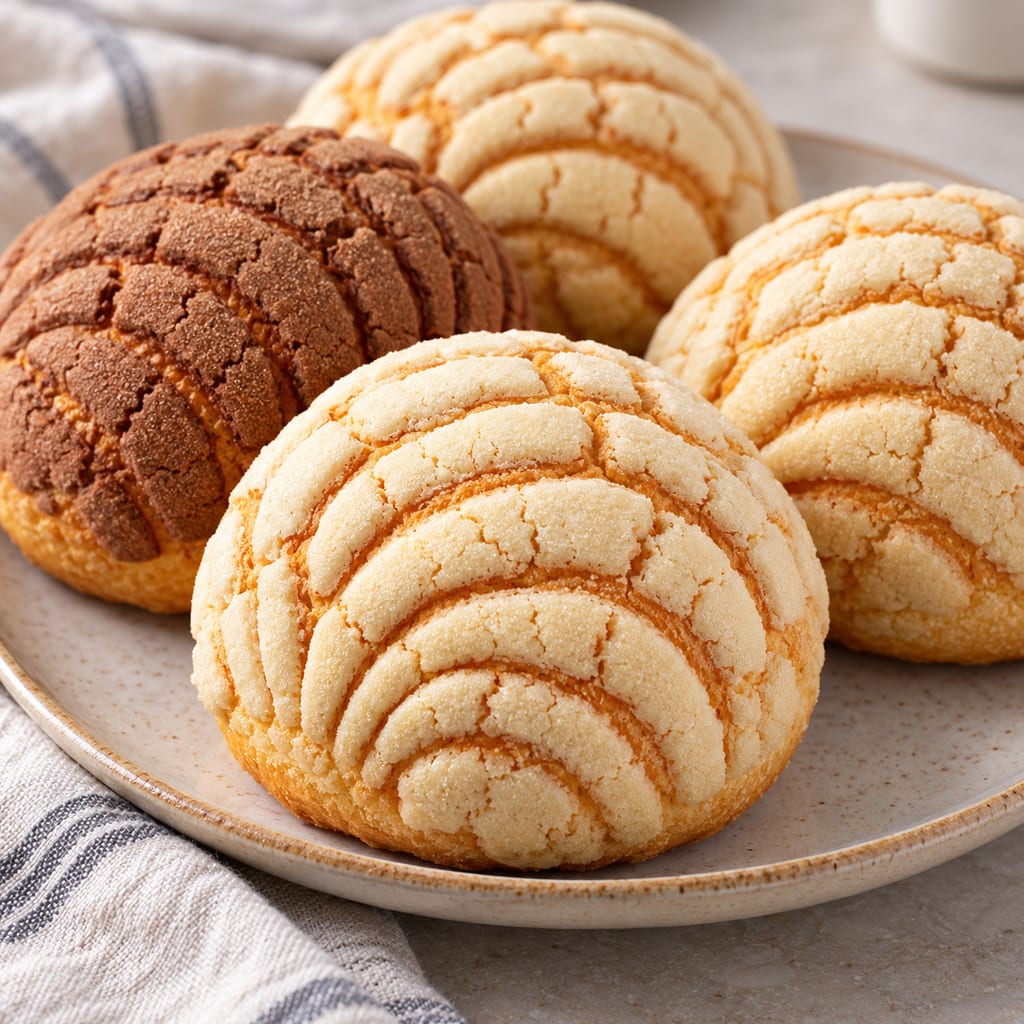
Mexican sweet rolls with a soft enriched yeast dough and a separate scored sugar-flour topping shaped like a shell. This version makes 15 rolls and uses a chilled dough rest before final proofing.
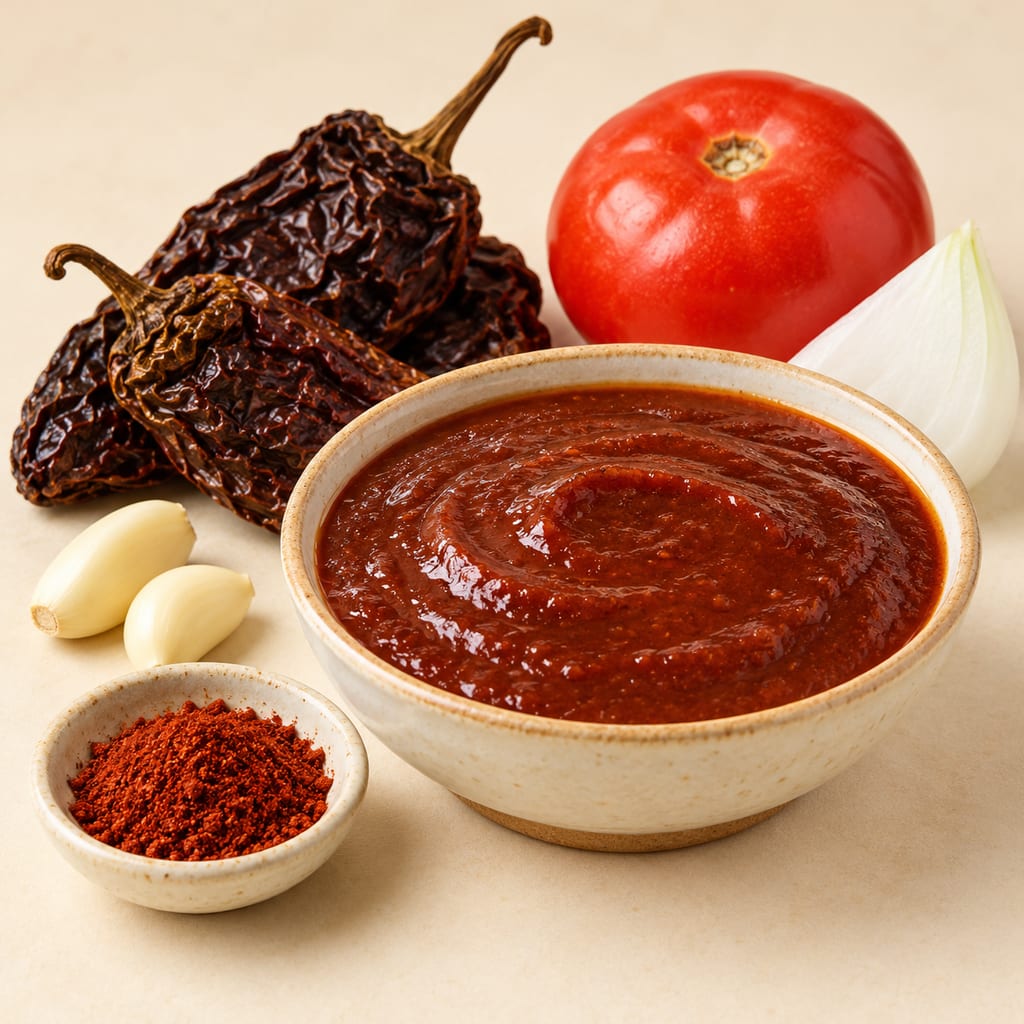
Chipotle adobo is a cooked sauce of smoked chipotle chiles, tomato, onion, garlic, dried chile powder, spices and vinegar, the form in which chipotles are most often sold in the United States.
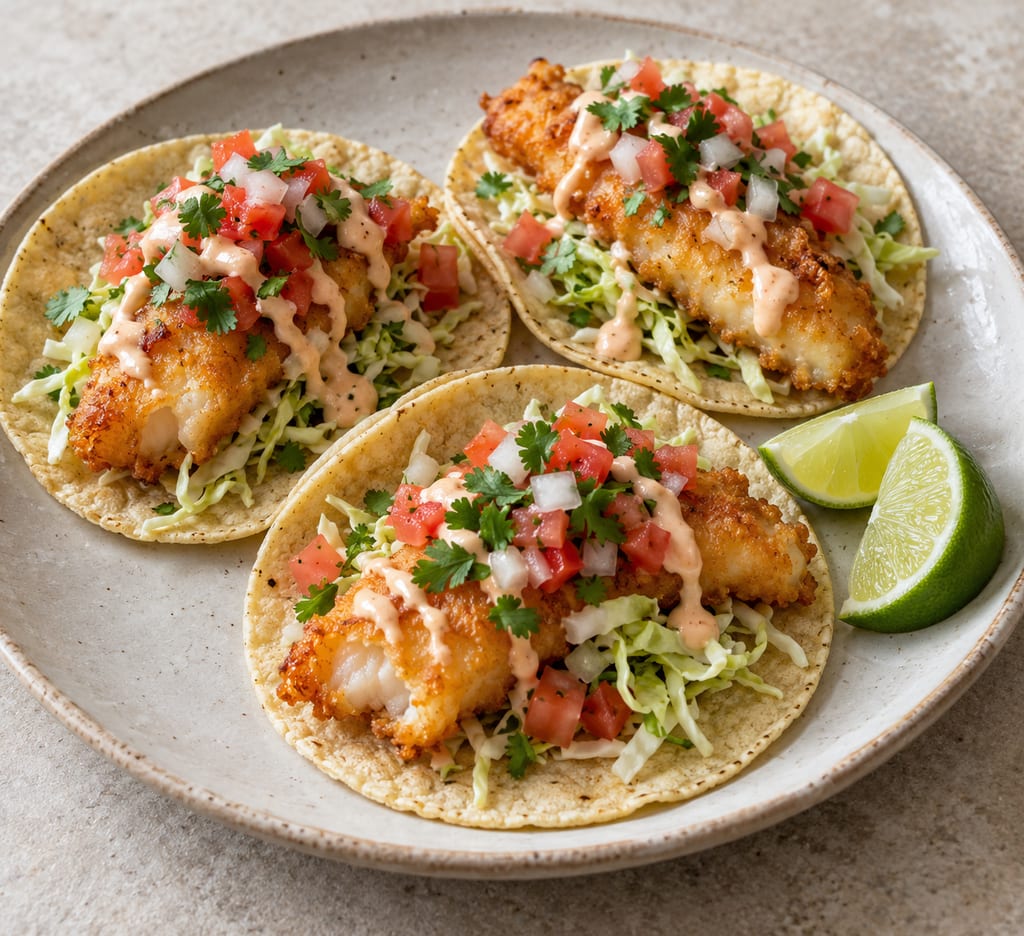
Crisp battered white fish in warm corn tortillas with shredded cabbage, lime and fresh salsa. This home version draws on the Ensenada style without claiming to be a definitive historic formula.

Chipotle is a ripe jalapeño pepper smoke-dried in a wood-fired cocedor. Camargo, Chihuahua, documents a large-scale version of the process; its source accounts do not establish a complete home batch or validated safety endpoint.
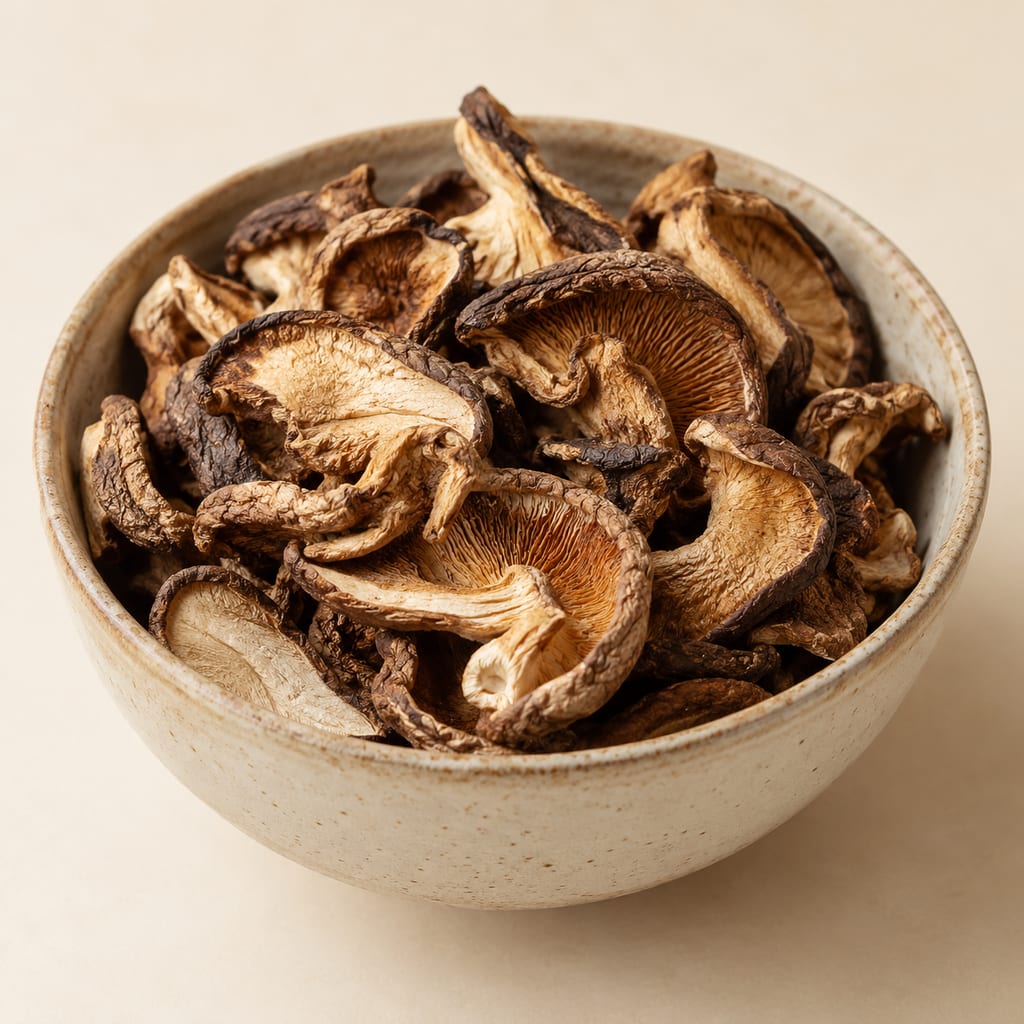
Sun-dried mushrooms are mushrooms spread in open sunlight and left to lose their water to solar heat and moving air, a method recorded in Nigeria, Tanzania, Mexico and among Algerian desert truffle gatherers.
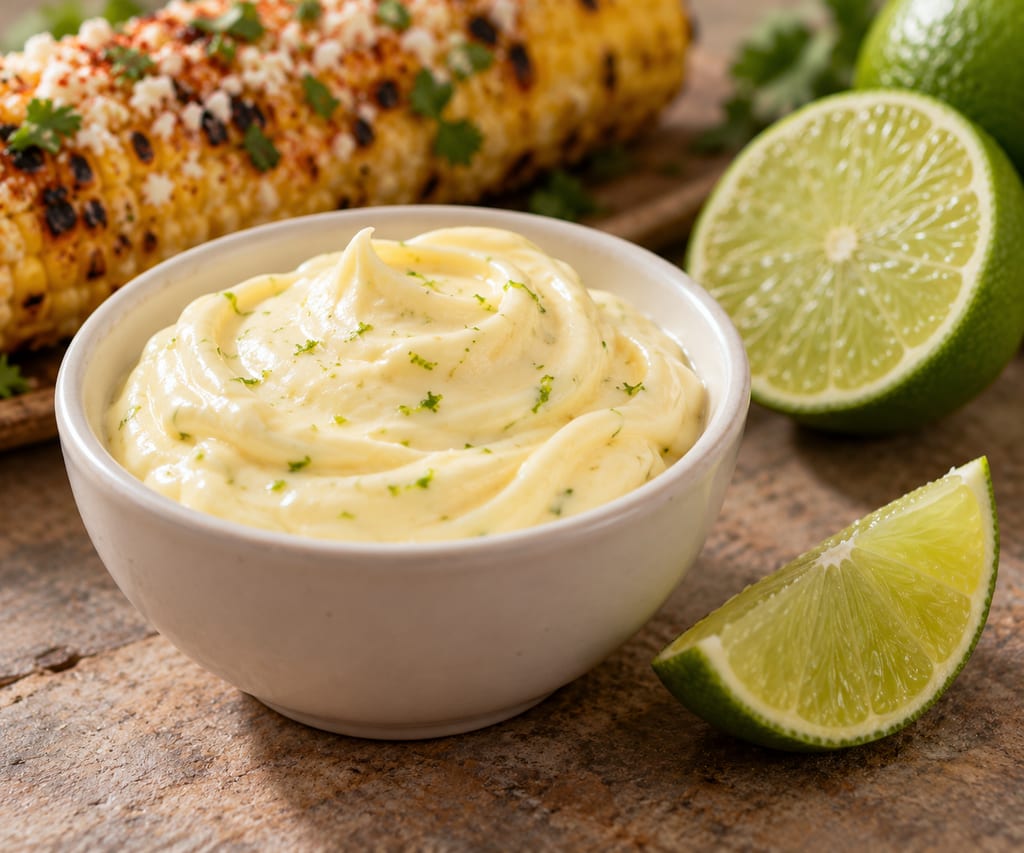
An untested mayonnaise variation that replaces part of a neutral base’s vinegar with lime juice and finishes with optional lime zest.
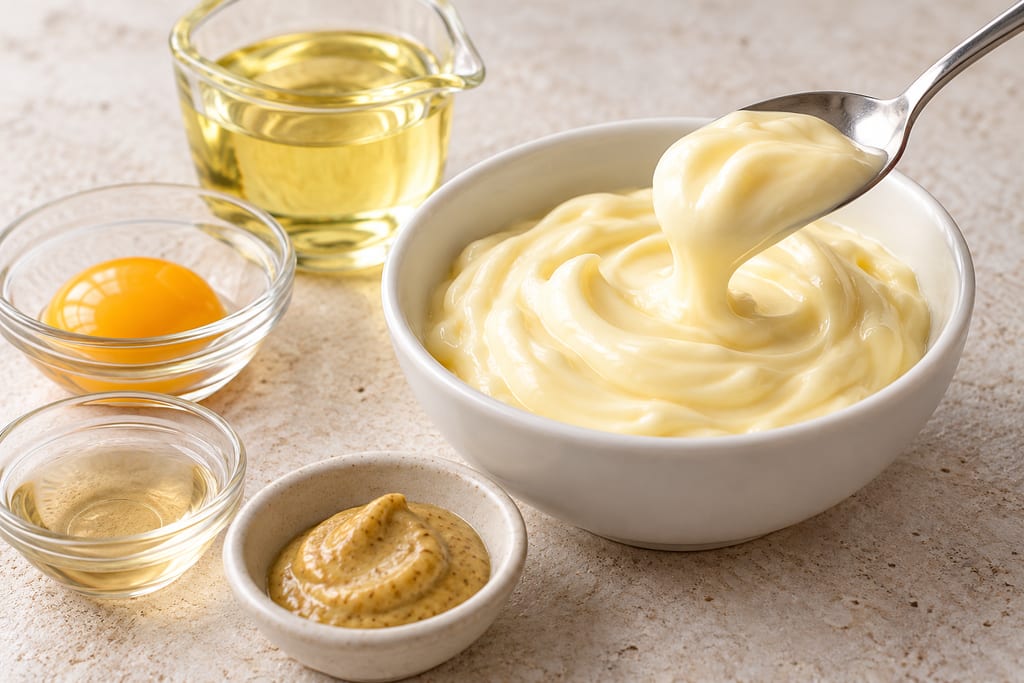
A plain mayonnaise of 200 g refined neutral oil emulsified into pasteurised yolk, vinegar, water and a little Dijon mustard: a clean base for tasting, comparing and flavouring.
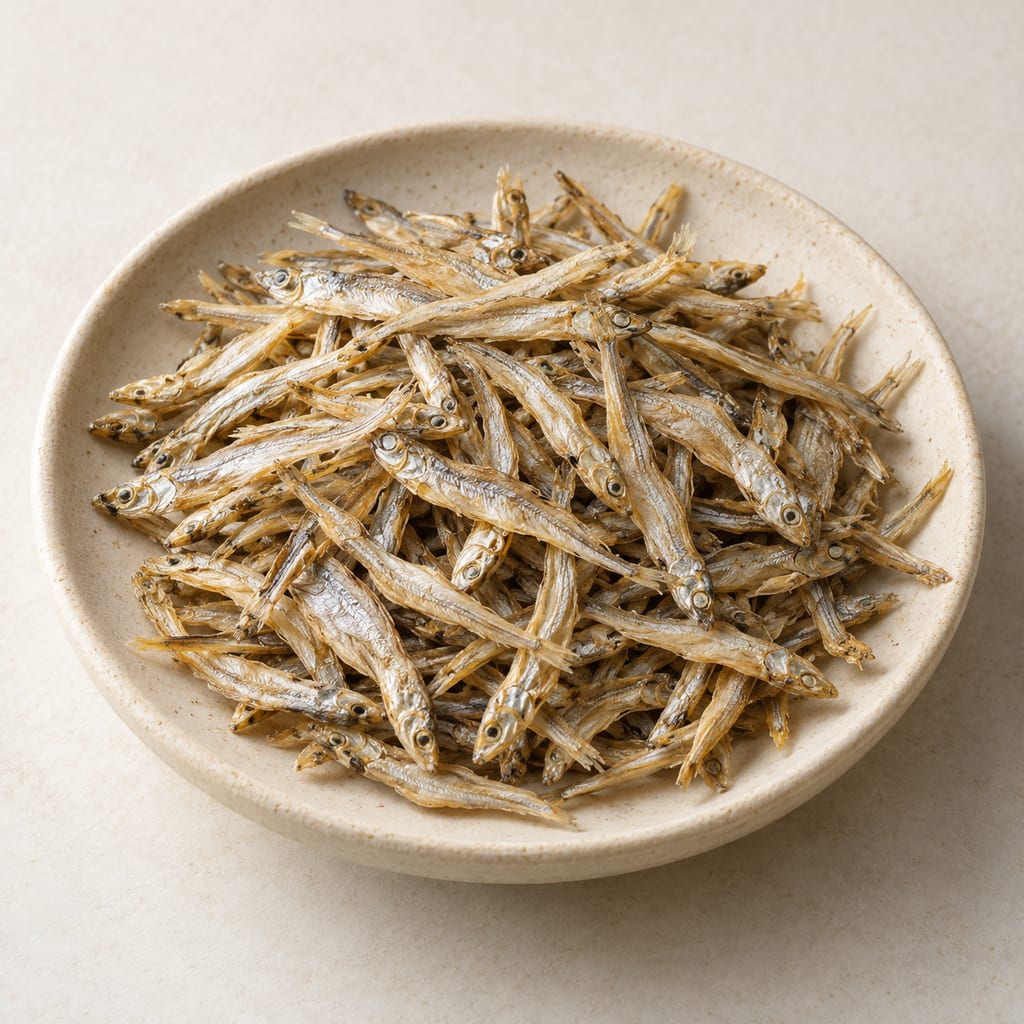
Small central-Mexican lake silversides, Chirostoma spp., dried whole and sometimes salted, then fried, roasted or simmered into Lenten tortitas and snacks.
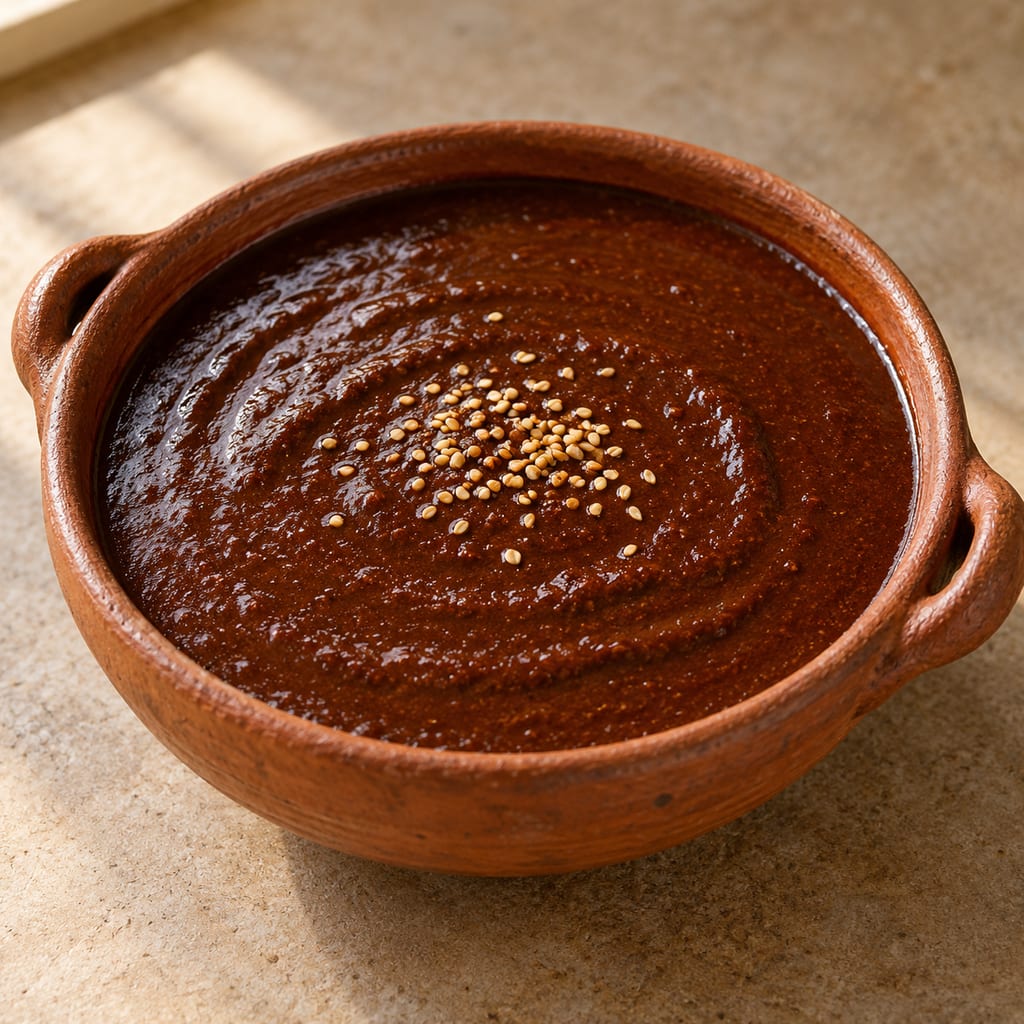
A complex Mexican sauce from Puebla of dried chiles, nuts, seeds, spices and often chocolate, roasted, ground and simmered for a long time. Chocolate is one component, not its definition.
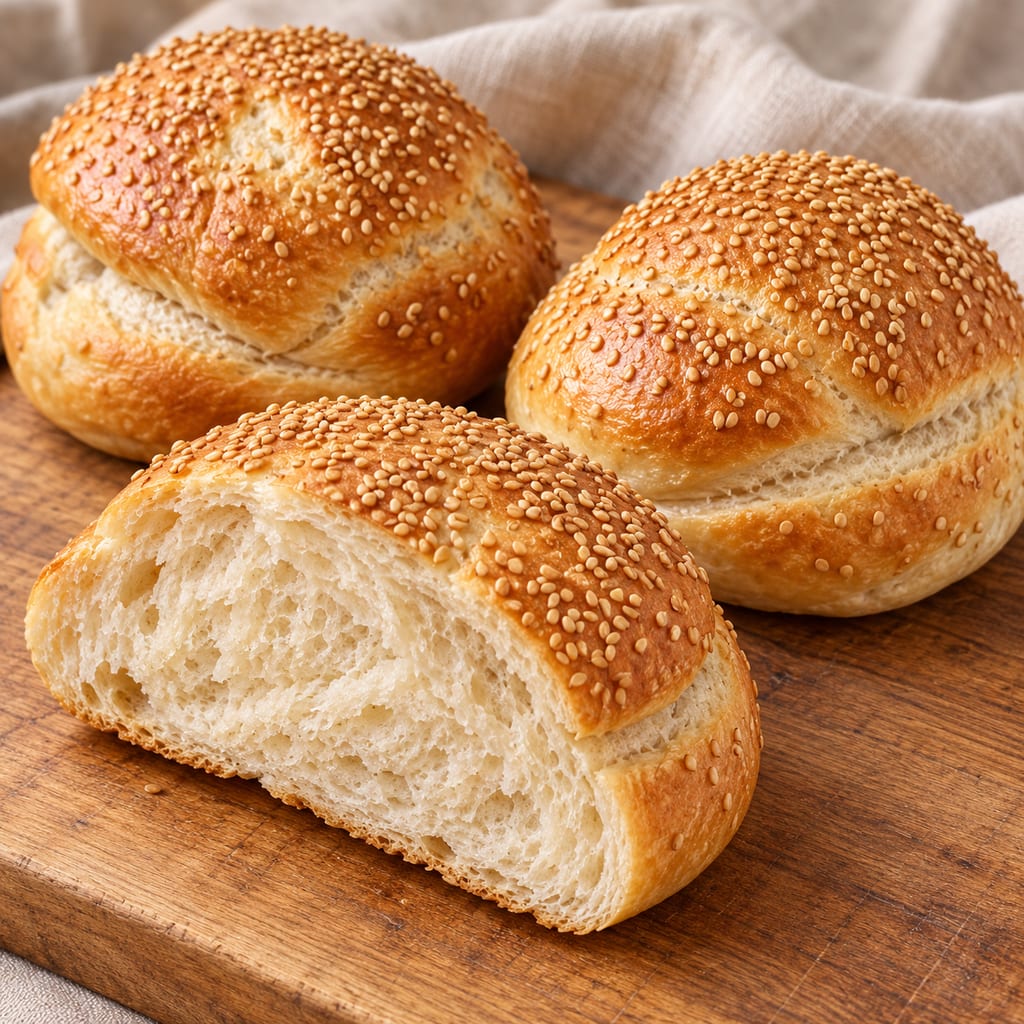
Six large Puebla-style sandwich buns with a sweetened starch glaze and sesame seeds.
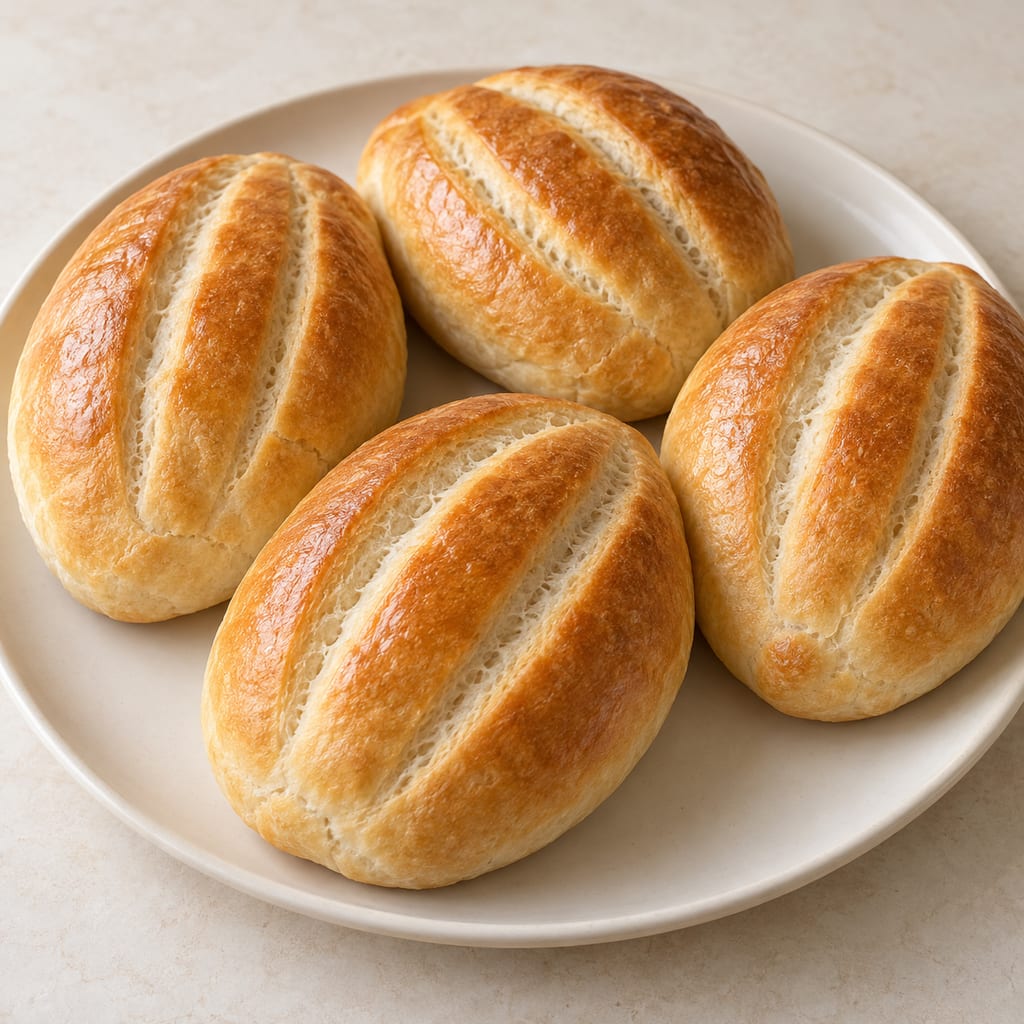
Ten soft Mexican-style sandwich rolls with parallel marks and an egg-washed crust.
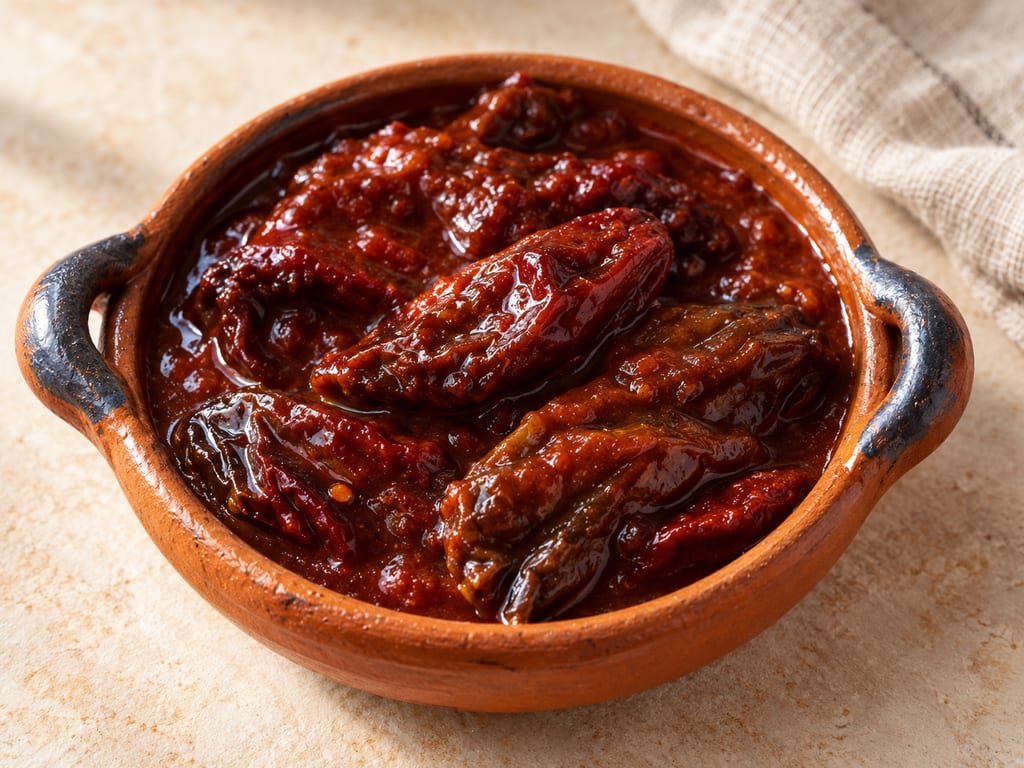
Whole smoked-dried chipotles simmer in a tomato, vinegar and spice adobo: a Mexican condiment with smoky heat and a sauce that seasons the chile as it softens.
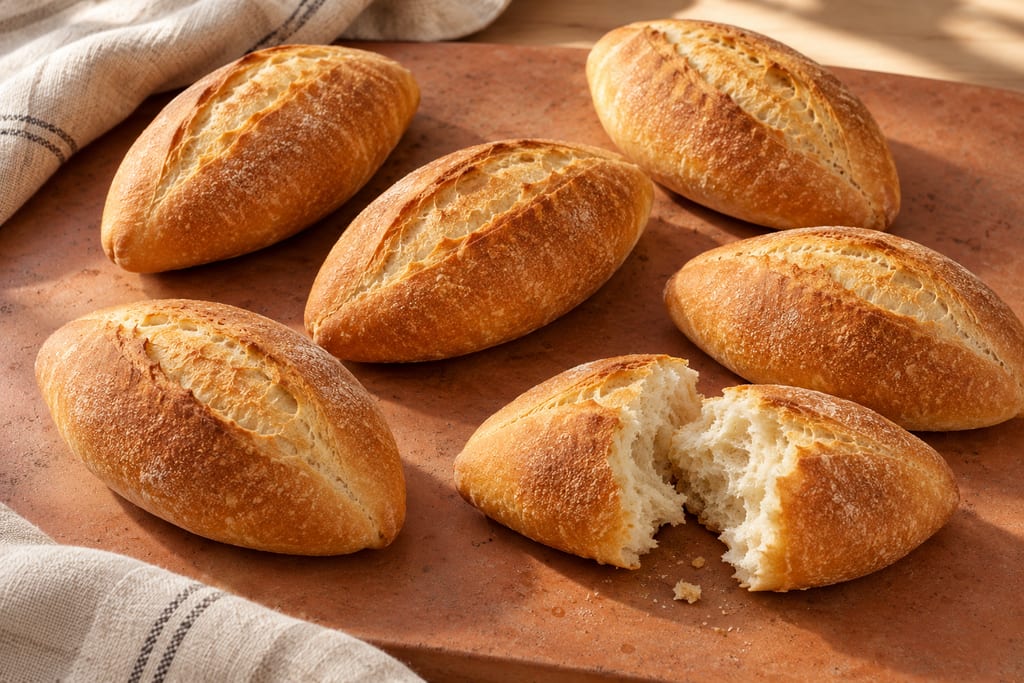
Small, lightly enriched rolls with tapered ends and a scored top; this six-roll formula bakes on a hot stone with steam for a thin, crisp crust.
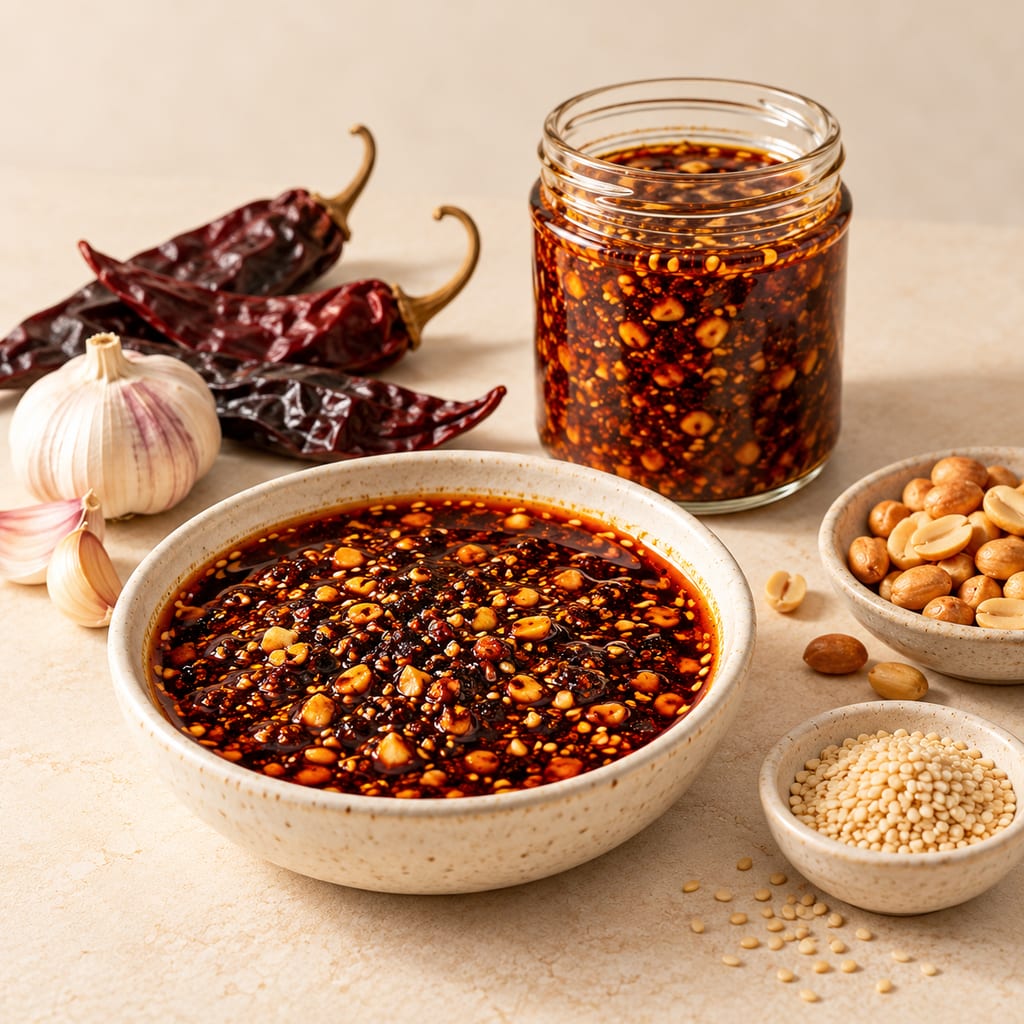
Salsa macha is a Mexican chile-and-oil condiment, often coarse with garlic, peanuts and sesame; this version follows a documented gentle-cook method and stays refrigerated.
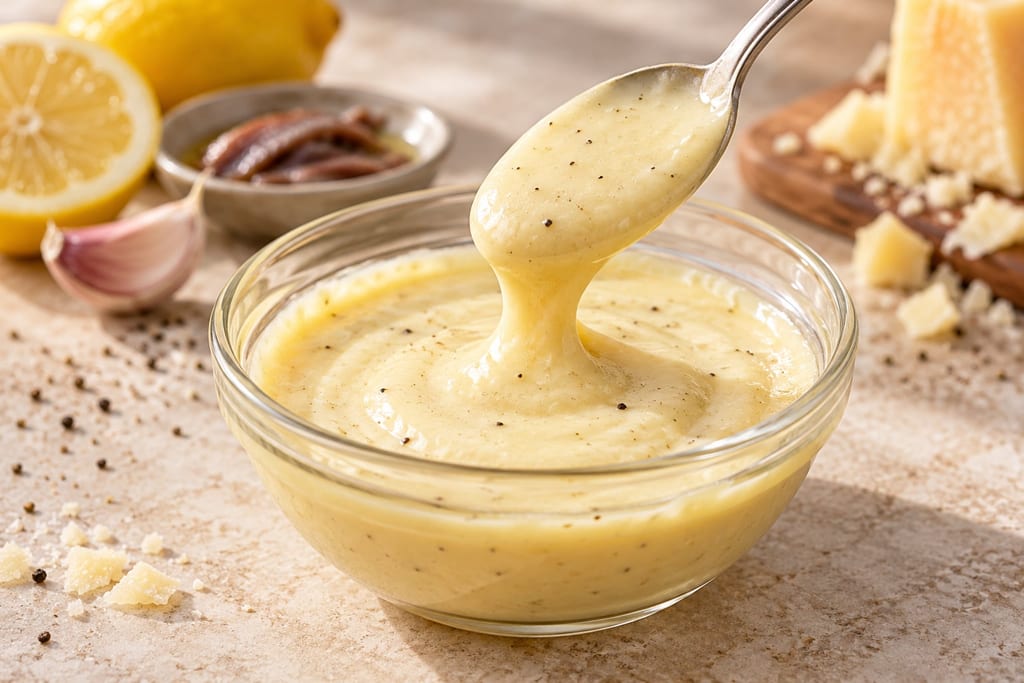
A source-specific Caesar dressing made with pasteurized egg yolks, Parmesan, lemon, anchovy, garlic, mustard and olive oil. This modern Vitamix formulation is distinct from the salad’s disputed 1924 origin accounts.
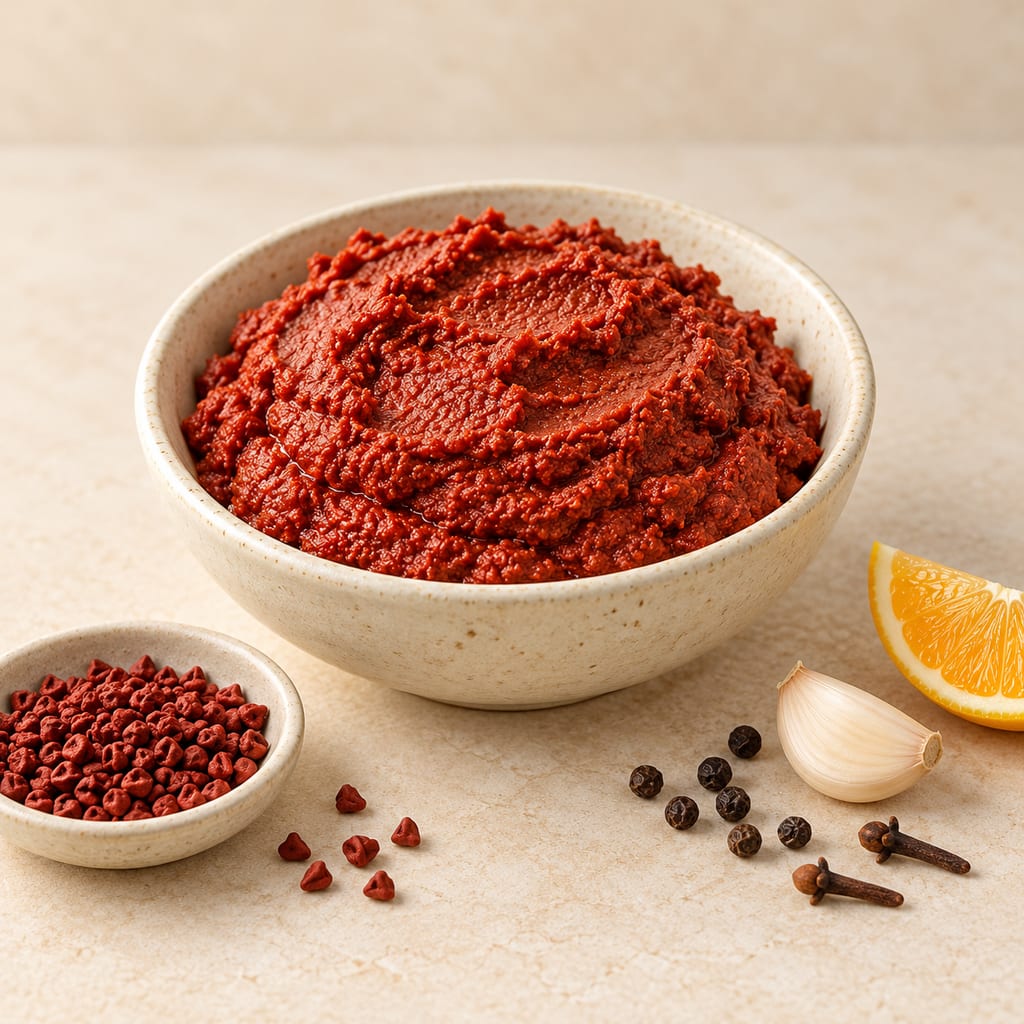
A Yucatecan recado rojo is a brick-red seasoning paste built on annatto seed, garlic and sour orange. This measured home version shows one route into a much wider family of market and household recados.
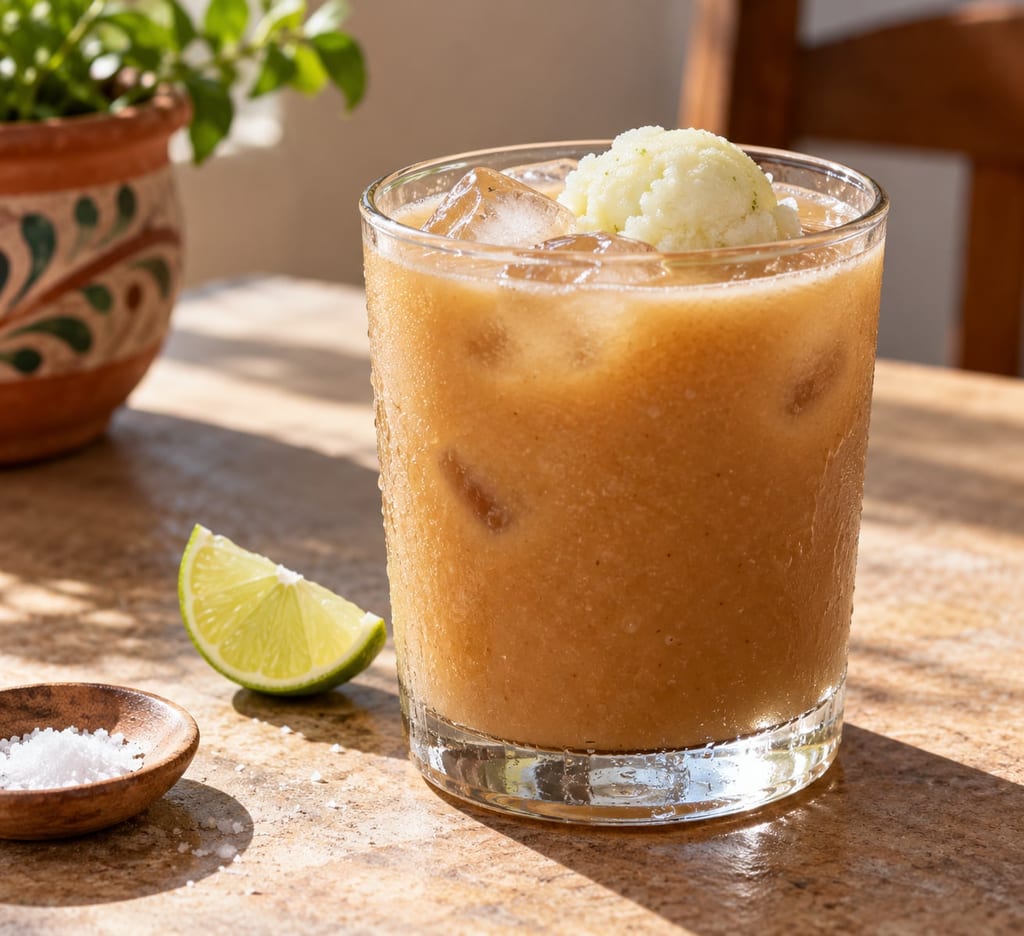
A tart, lightly fermented drink of Jalisco: nixtamalized maize masa cooked with piloncillo and limed, then diluted over ice and salted at serving.
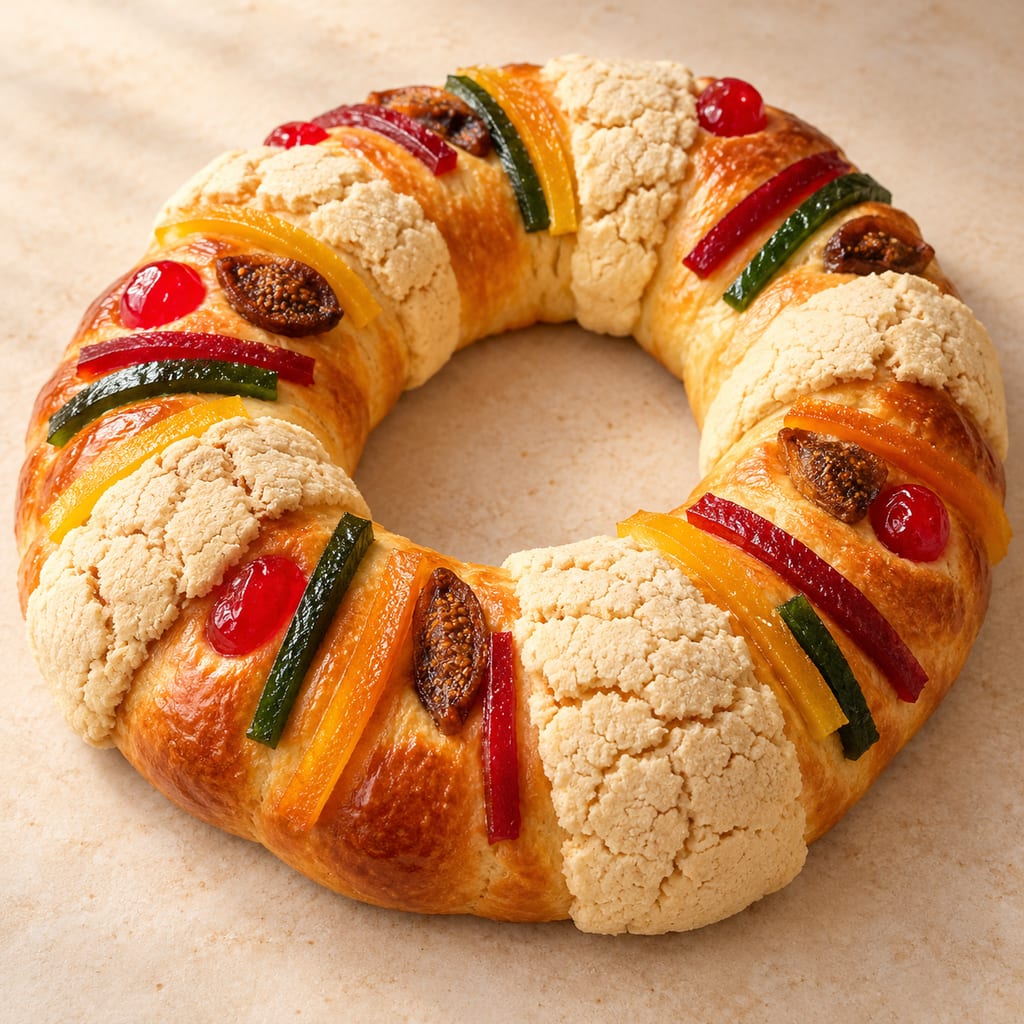
A Mexican Three Kings ring bread made from enriched yeast dough, citrus zest, candied fruit and a flour-and-sugar topping.
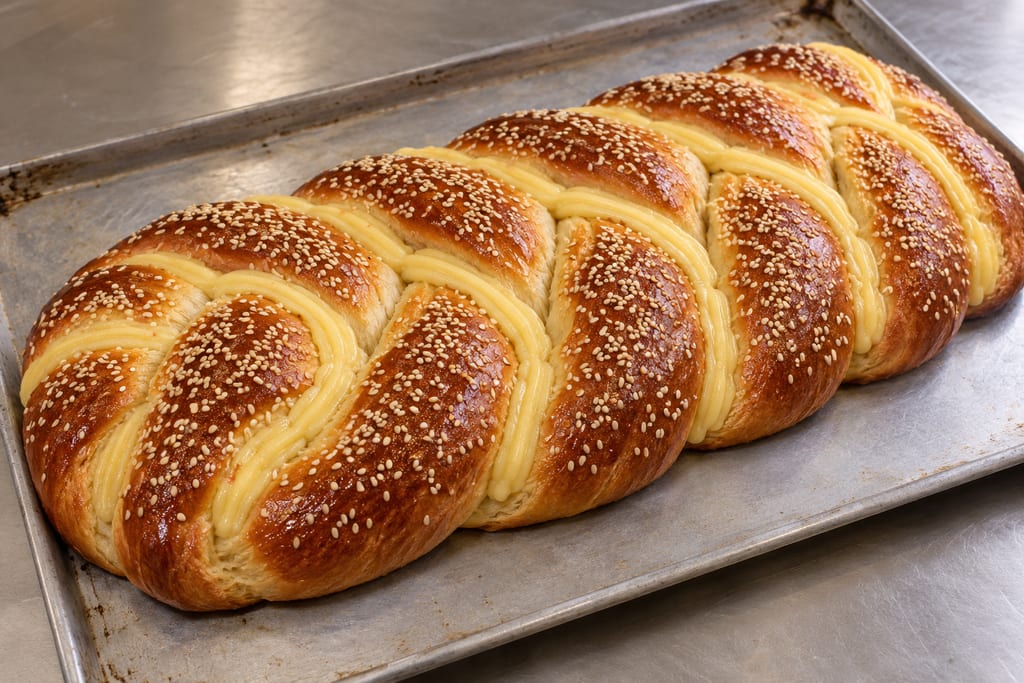
A Mexican sweet, yeast-raised wheat bread shaped as a broad braid or closed zigzag, brushed with egg glaze and decorated with pastry cream and sesame.
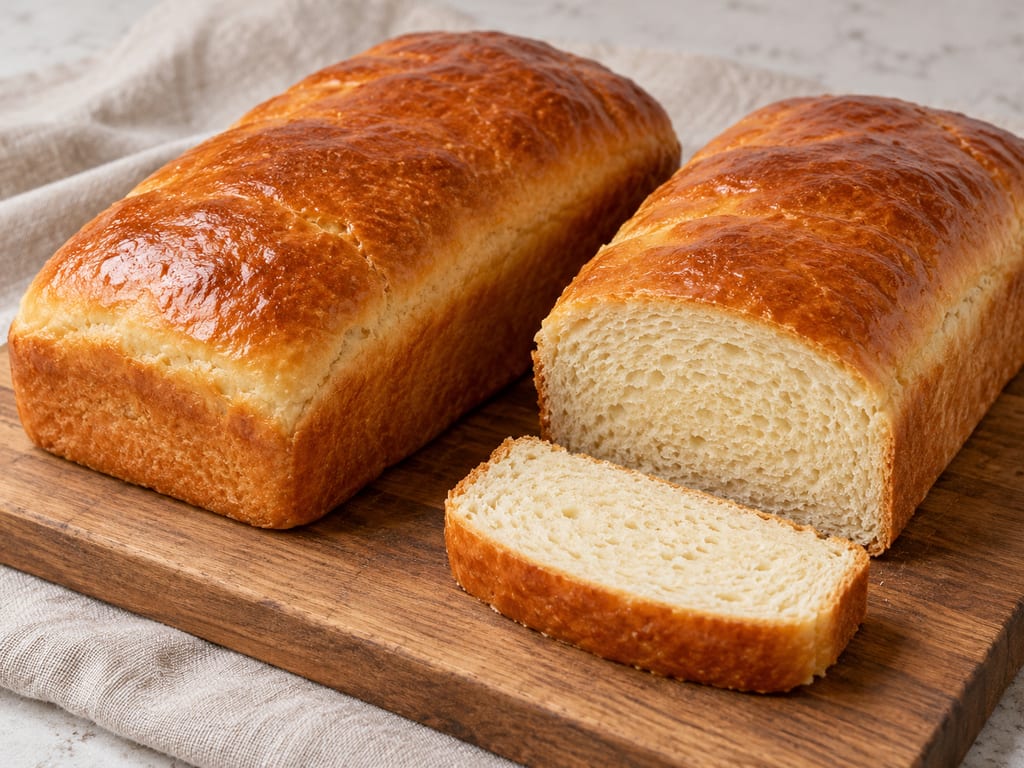
Two Mexican loaves made with pulque, eggs and baker's yeast in a home-oven recipe.
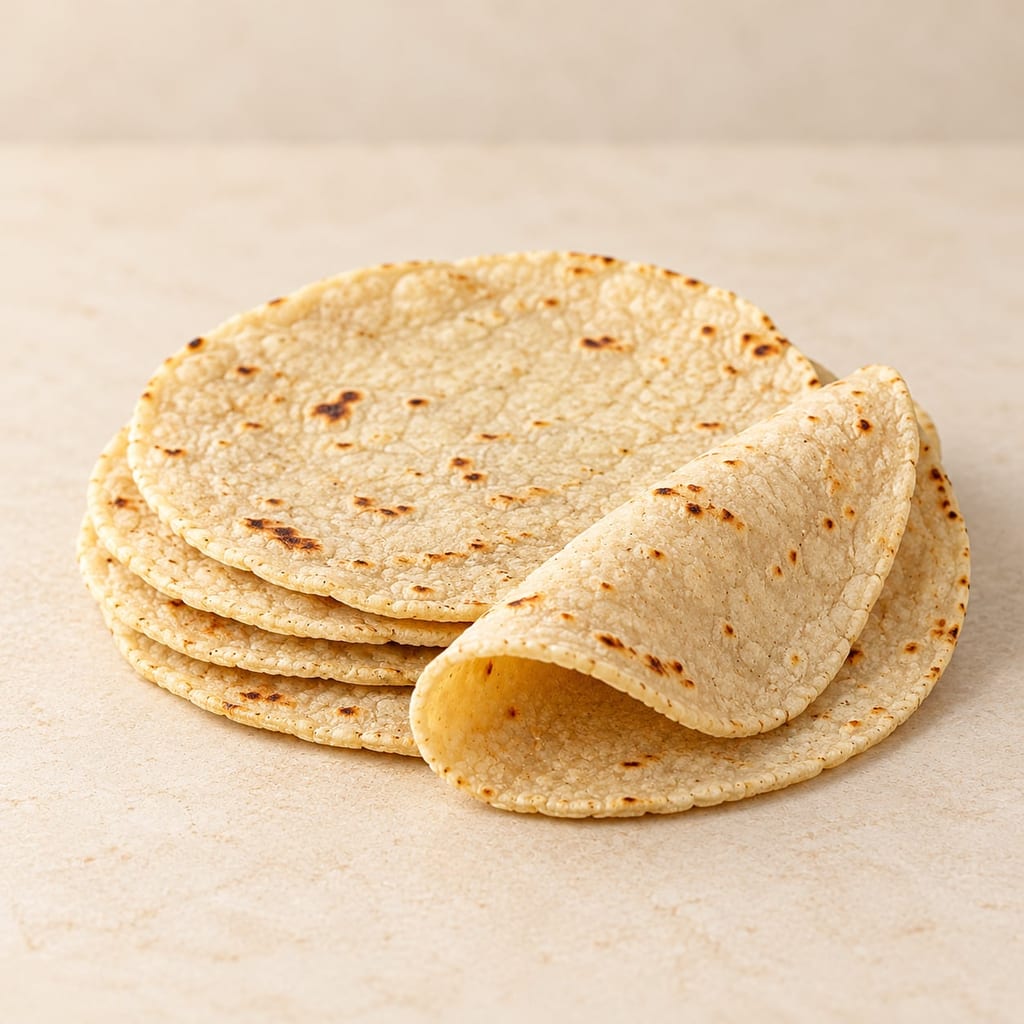
Fresh nixtamalized maize is ground into masa, pressed into thin rounds and cooked on a comal. This Mexican home formula uses food-grade cal viva and makes about 20 tortillas.
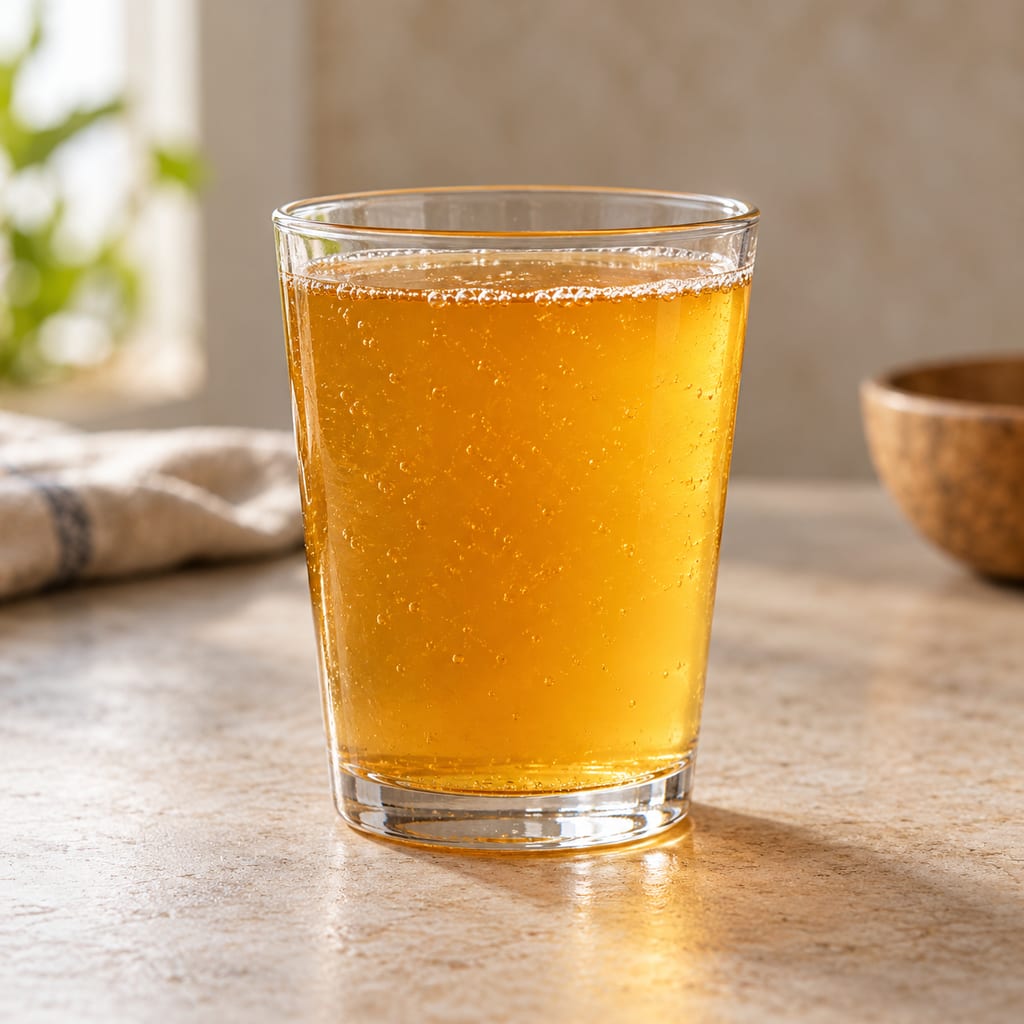
An Oregon State food-science lab formula ferments pineapple skin and piloncillo with jalapeño and warm spices for three to five days, then strains and refrigerates it. The handout reports wide alcohol variability.
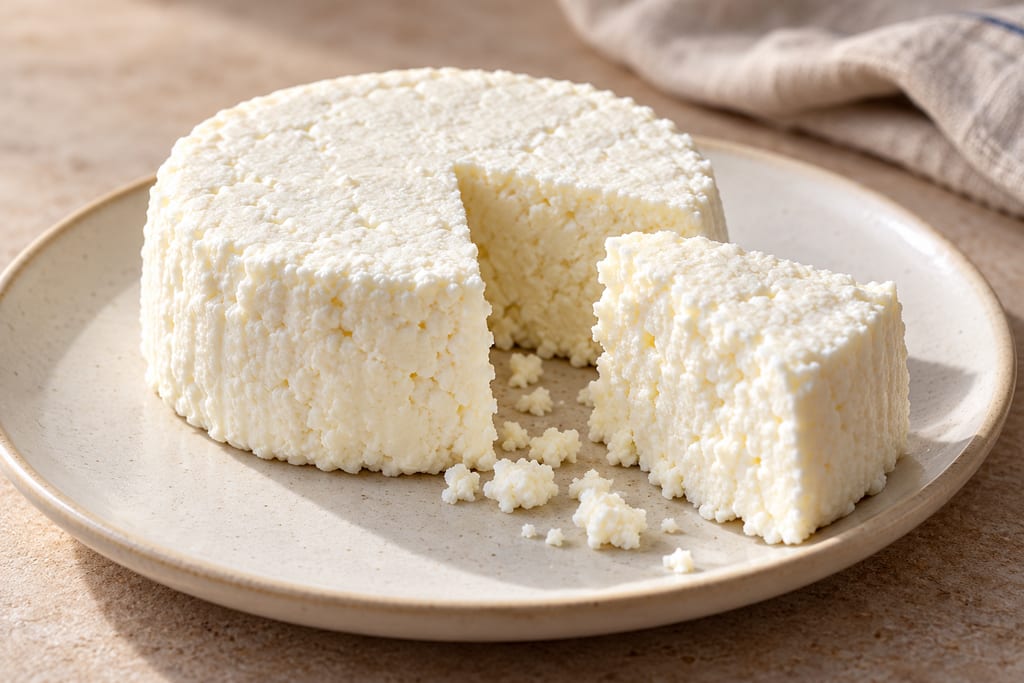
Cultured buttermilk, pasteurized milk, vinegar and rennet make this soft, crumbly queso fresco by a New Mexico home method adapted from Washington’s Abuela Project.