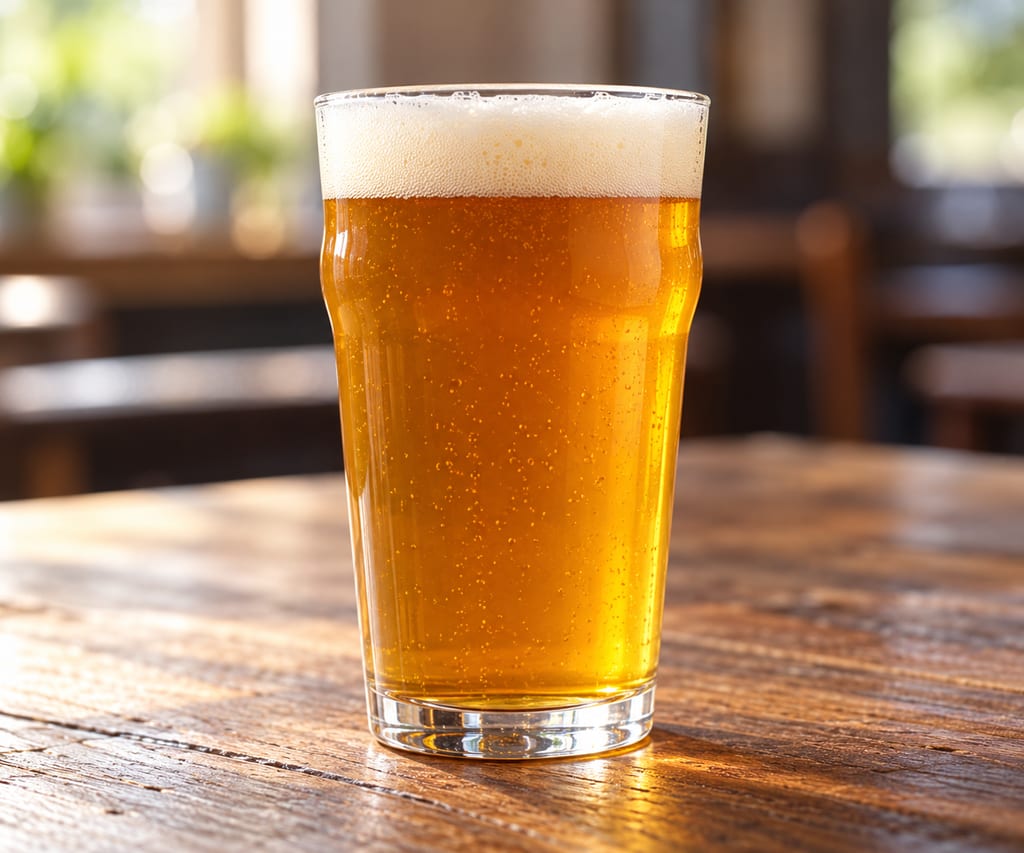
Beer
This is a process overview, not a complete batch recipe: key quantities, yield and packaging directions are absent. The AHA tutorial uses Hop Hammer Imperial IPA as an example; this page is not that full formulation.
 FermenteaWhere food goes to change
Traditional method
Drunken salsa · Drunken pasilla salsa
A chile sauce of dried pasilla peppers whose liquid is an alcoholic drink, pulque in the old form and beer where pulque is not available. It is served with barbacoa in Mexico City and the central states.
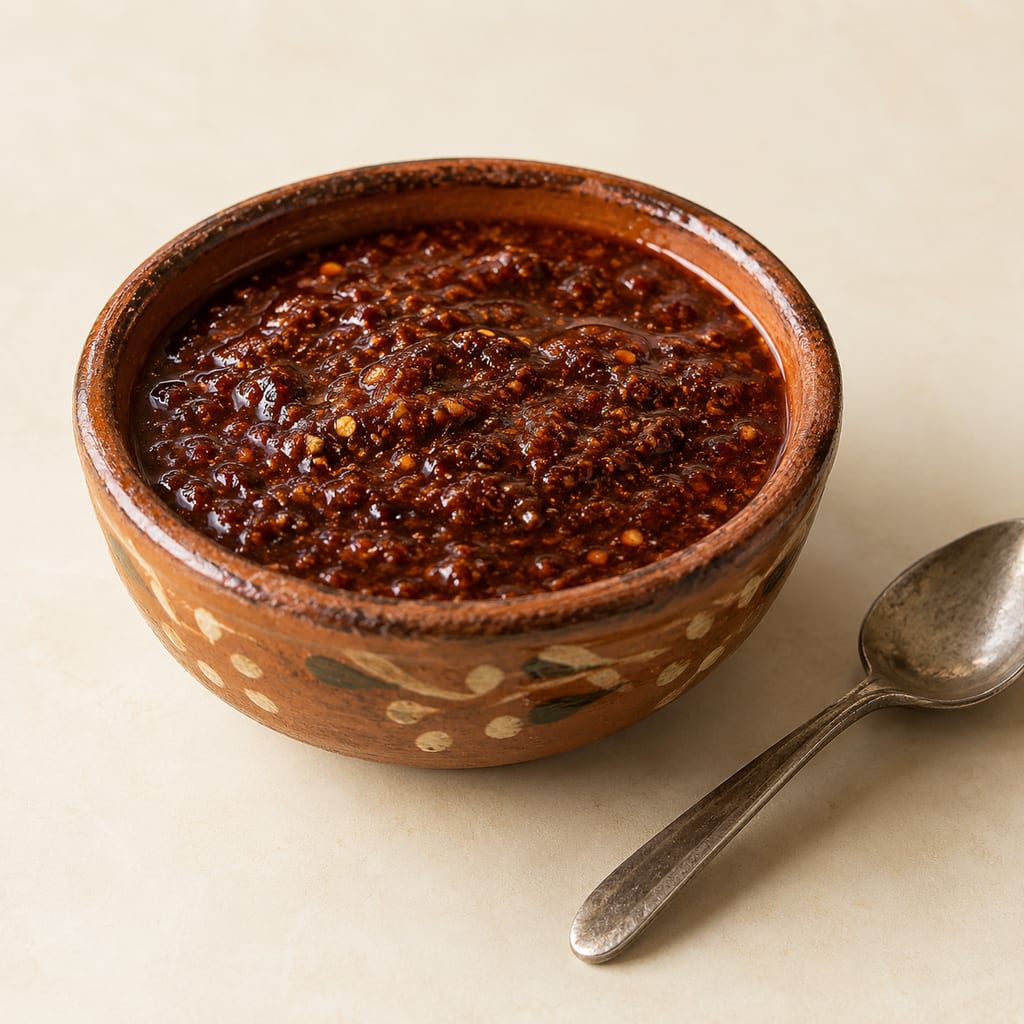
Salsa borracha means drunken sauce. It is a group of chile sauces in which an alcoholic beverage is part of the liquid seasoning. Its base is usually the dried pasilla, a long, dark chile named for its wrinkled, prune-like skin. The chile is toasted, softened and blended, often cooked after blending. Other dried chiles appear in other versions, and the name covers a wide range of recipes rather than one formula.
The sauce is popular in Mexico City and the central states, where it is usually served with barbacoa of lamb or goat. A northern Mexican drunken salsa also exists, and it uses beer instead of pulque.
Pulque is a fermented drink made from agave sap. It is described as having deep pre-Hispanic roots and as sacred in the Mesoamerican period, when its use was limited to certain classes. It remained the traditional liquid for this sauce, and it is the reason the salsa has its name.
Beer came with European brewers after the Spanish conquest of the Aztec Empire. By 1925 Mexico was producing about 50,000 litres of beer a year, despite the strong preference for pulque in central Mexico. Beer could be bottled, transported and stored far longer than pulque, which is why it spread. One source gives 1941 as the year beer consumption first exceeded pulque consumption, and the sources differ on some dates. Pulque has since partly revived.
The sources read give the practical reason for the substitution: pulque is not available everywhere, while beer is. Cooks use a light beer to soften the chiles in some versions, and others cook the sauce with tequila. Where the sauce is made with beer, the flavour is changed, and the page keeps the two versions apart rather than presenting beer as equal to pulque.
The sauce itself, as opposed to the two drinks, is not dated in the sources read. Modern adaptations that add fruit, such as prune and orange, are later variations, and they are not the traditional form.
The salsa's own early history, its earliest recorded recipes and the local names used in different regions are not established by the sources read. The recipe source for the salsa was not readable during this research, so the cooking steps above are general and need checking against a tested recipe before use.
The sauce takes its name from the alcoholic liquid, and pulque and beer are the two liquids named in the sources read. The sauce itself is not dated.
The salsa is described as popular in Mexico City and the central states. A separate northern Mexican drunken salsa uses beer.
This is a process overview, not a complete batch recipe: key quantities, yield and packaging directions are absent. The AHA tutorial uses Hop Hammer Imperial IPA as an example; this page is not that full formulation.
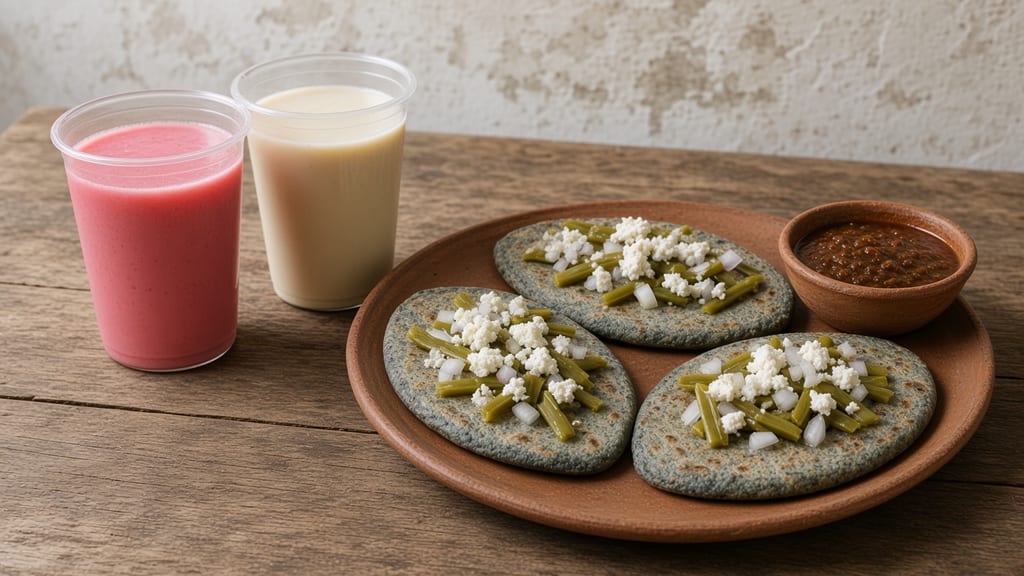
A home pulquería meal for four: guava or oat curado made from bought pulque, bean, fava or requesón tlacoyos from the comal, and a pasilla salsa borracha loosened with pulque.
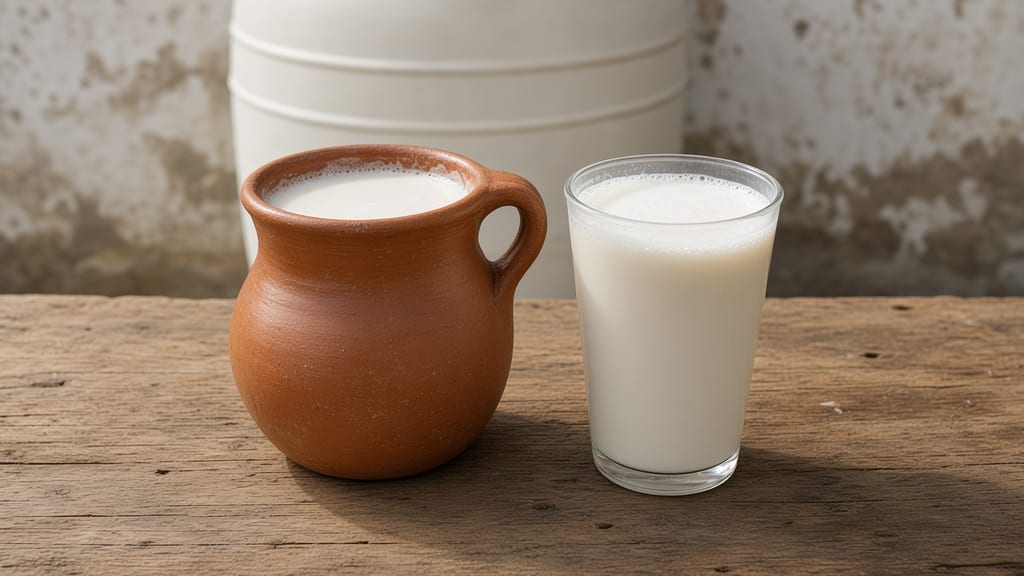
Pulque, the thick white drink of fermented agave sap, left its chemical trace in Teotihuacan jars 1,500 years ago. It went on to fill the tent-like pulquerías of colonial Mexico City, which officials tried and failed to reform.
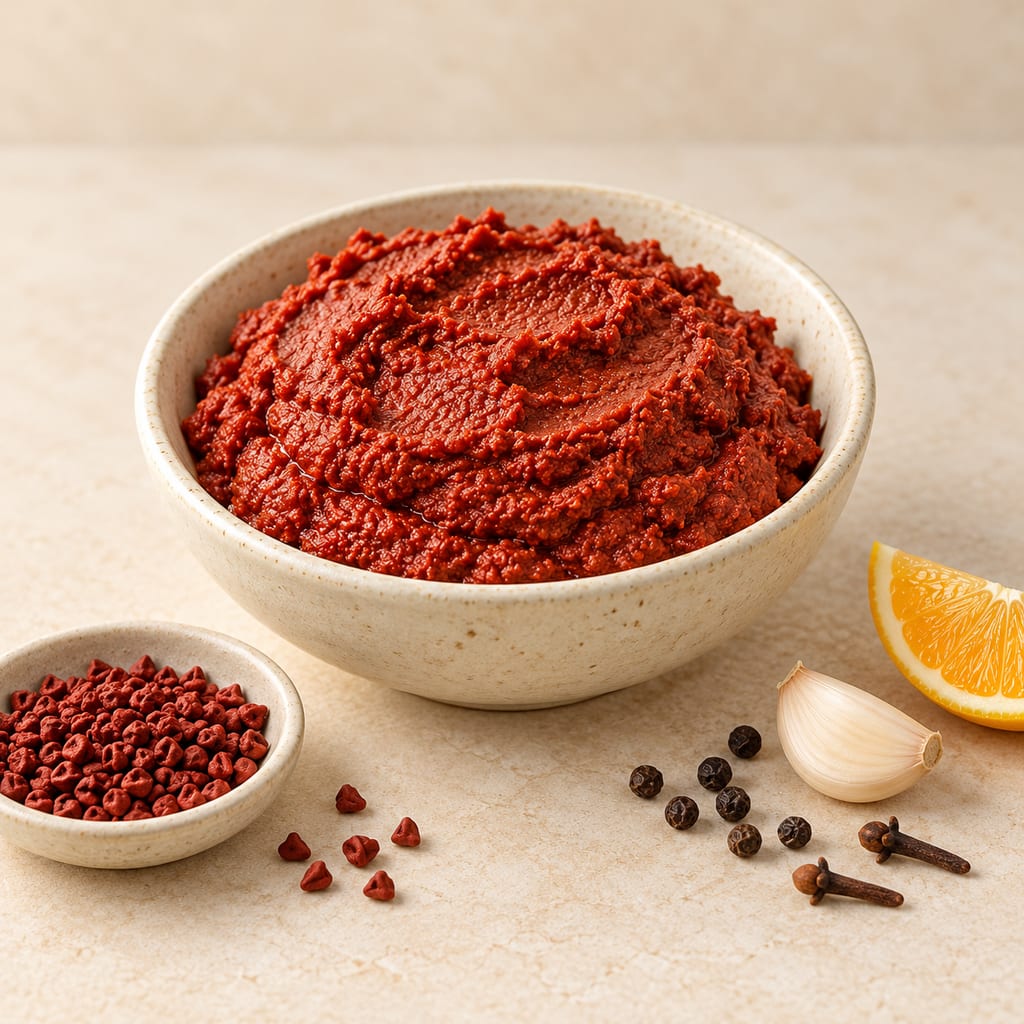
A Yucatecan recado rojo is a brick-red seasoning paste built on annatto seed, garlic and sour orange. This measured home version shows one route into a much wider family of market and household recados.
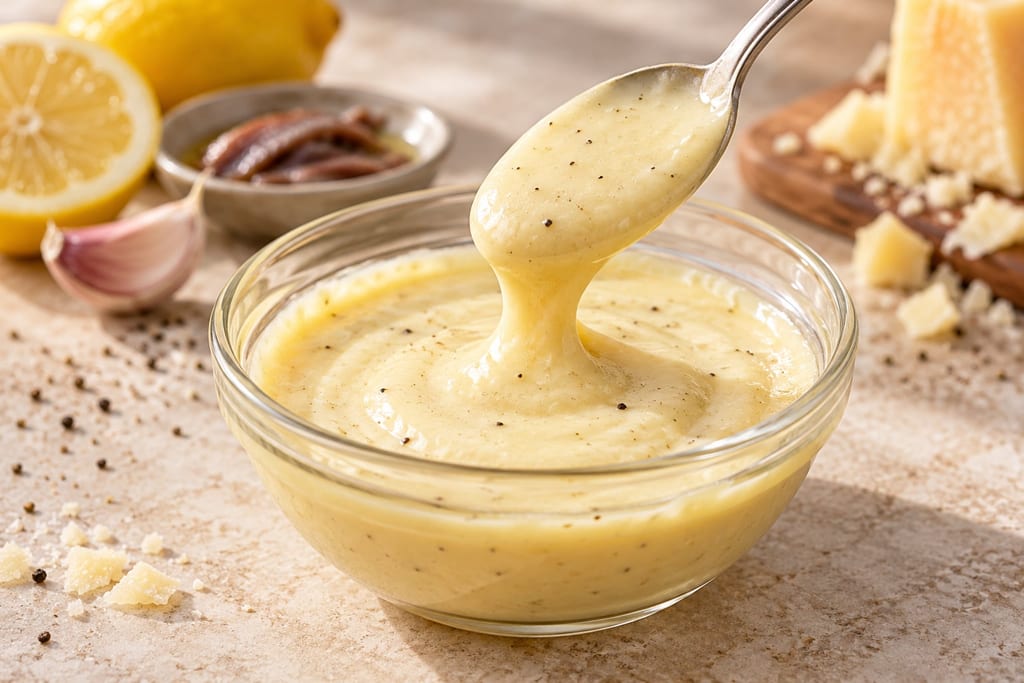
A source-specific Caesar dressing made with pasteurized egg yolks, Parmesan, lemon, anchovy, garlic, mustard and olive oil. This modern Vitamix formulation is distinct from the salad’s disputed 1924 origin accounts.
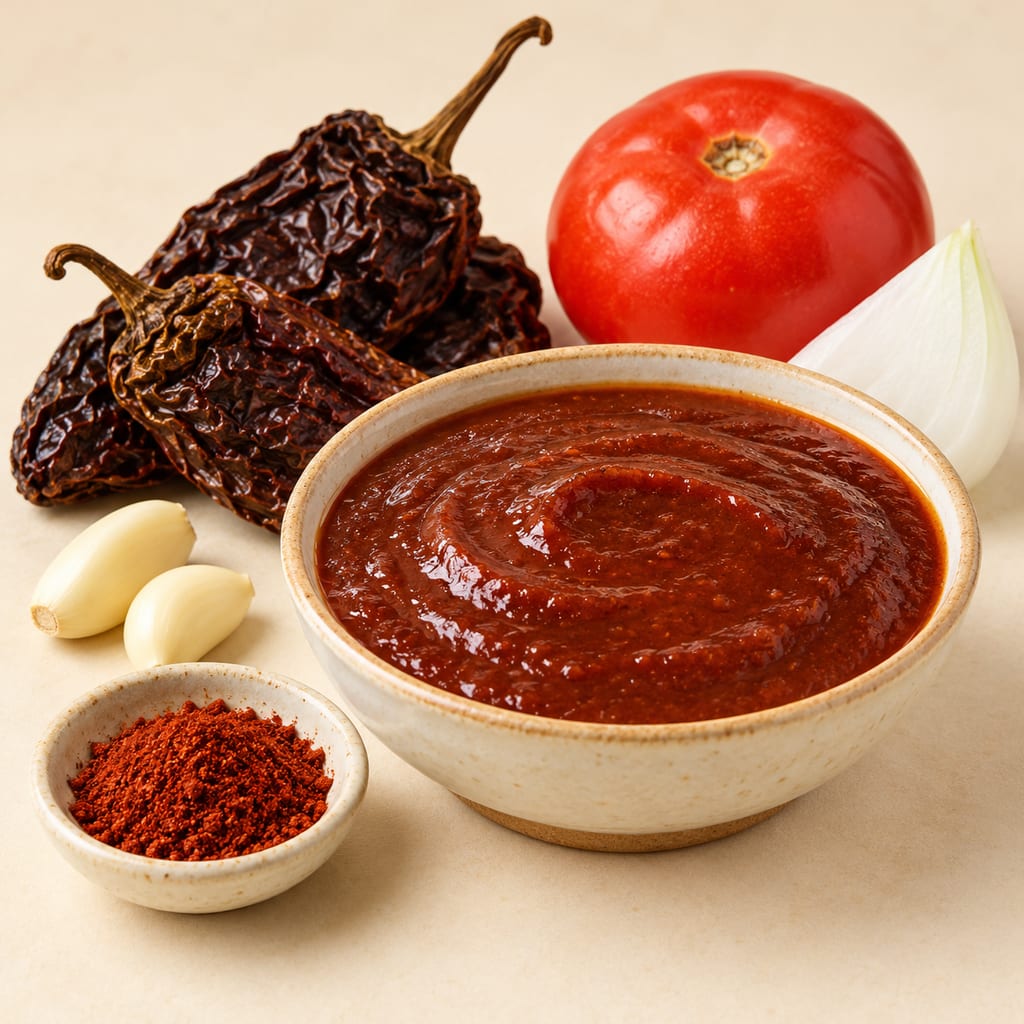
Chipotle adobo is a cooked sauce of smoked chipotle chiles, tomato, onion, garlic, dried chile powder, spices and vinegar, the form in which chipotles are most often sold in the United States.
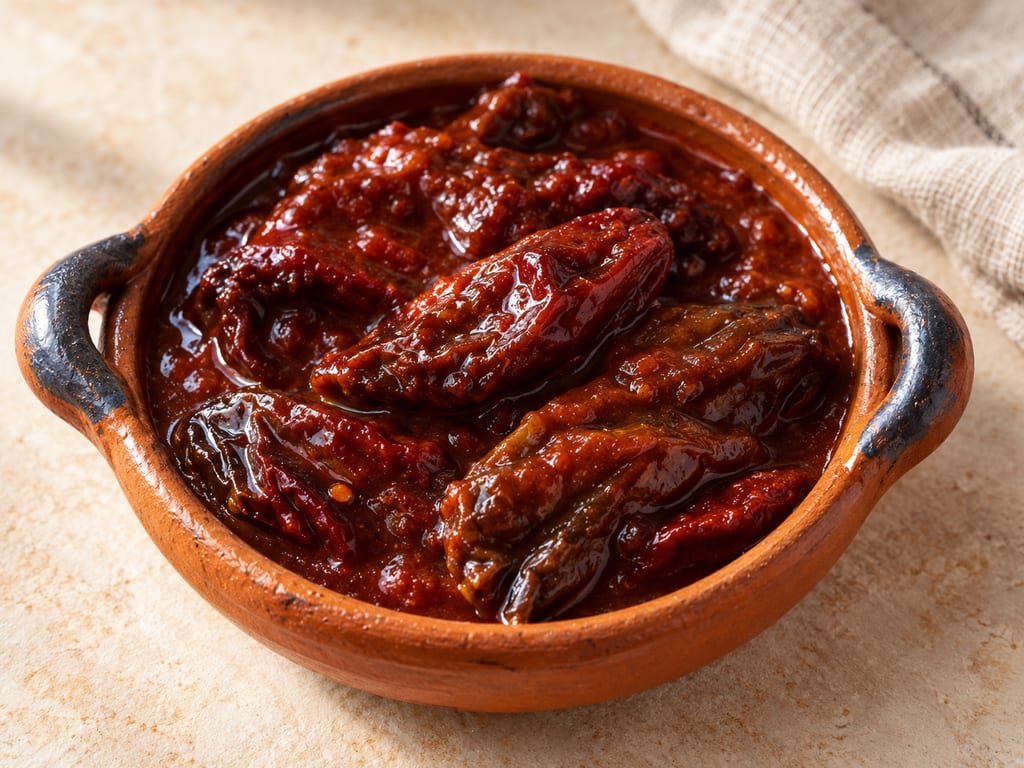
Whole smoked-dried chipotles simmer in a tomato, vinegar and spice adobo: a Mexican condiment with smoky heat and a sauce that seasons the chile as it softens.
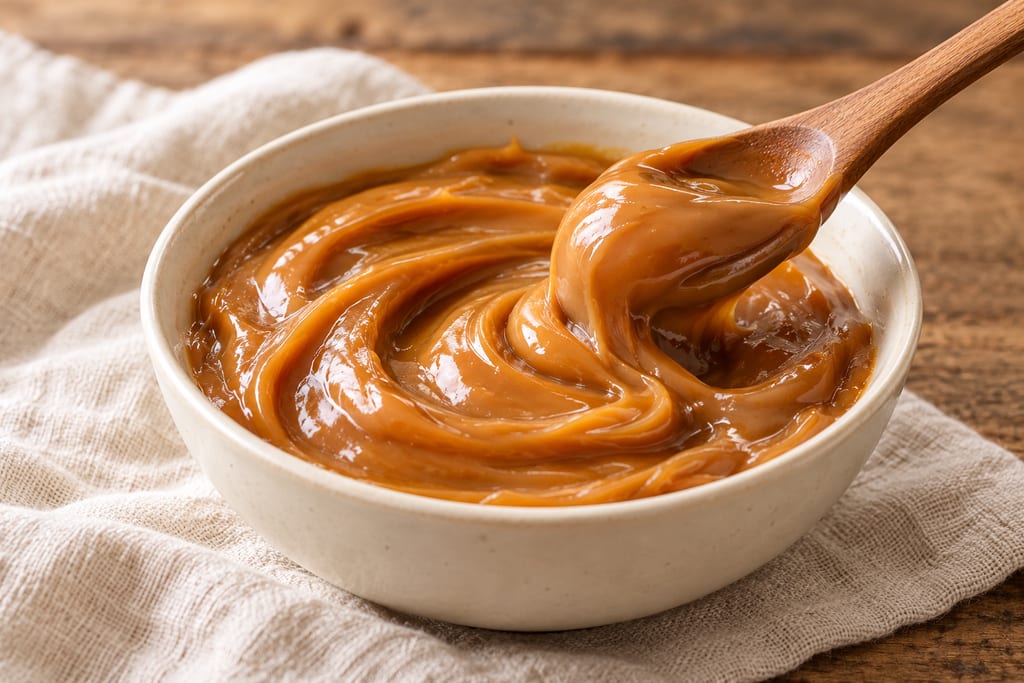
Dulce de leche and its relatives, including Mexican cajeta from goat's milk, are milk and sugar cooked slowly until thick and brown. The name changes across Latin America, and the browning gives each its character.
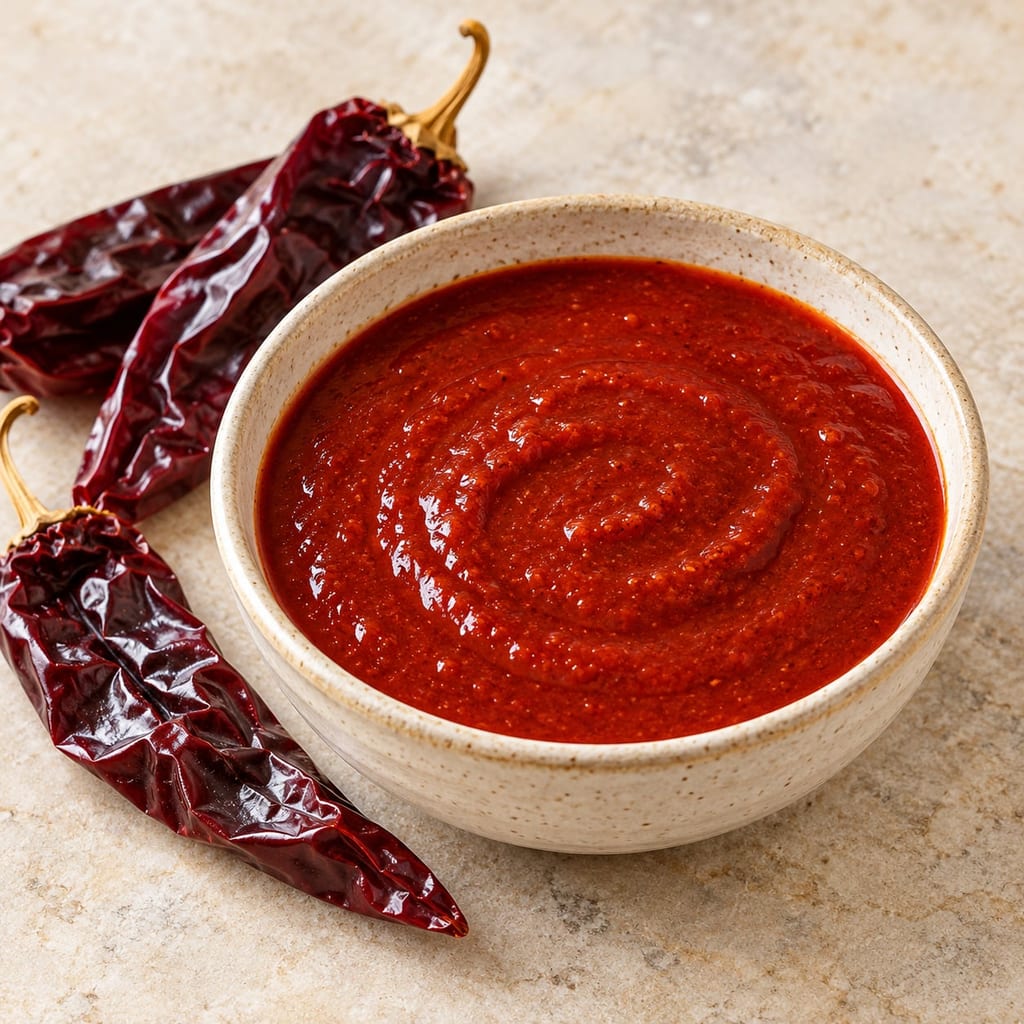
A Mexican sauce in which dried guajillo chiles, toasted and softened in hot water, supply most of the flavour. It is a family of dried-chile salsas, not a tomato sauce with chile added.
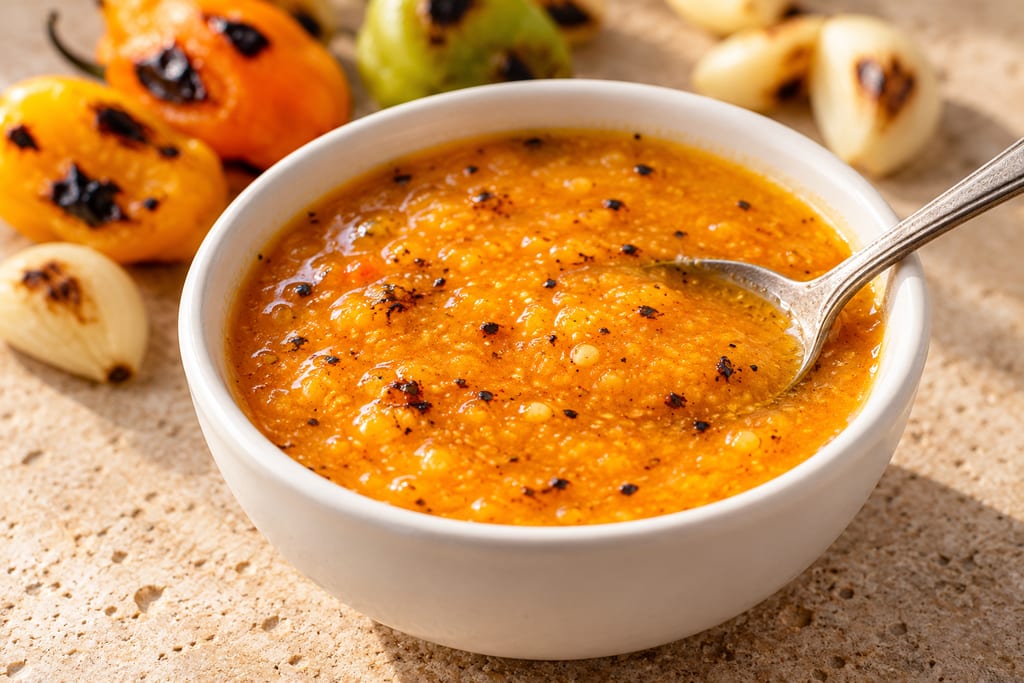
A hot, fruity chile sauce of the Yucatán, built on habanero peppers and often charred with garlic. It sits on the table as a condiment, and the recipes vary widely.
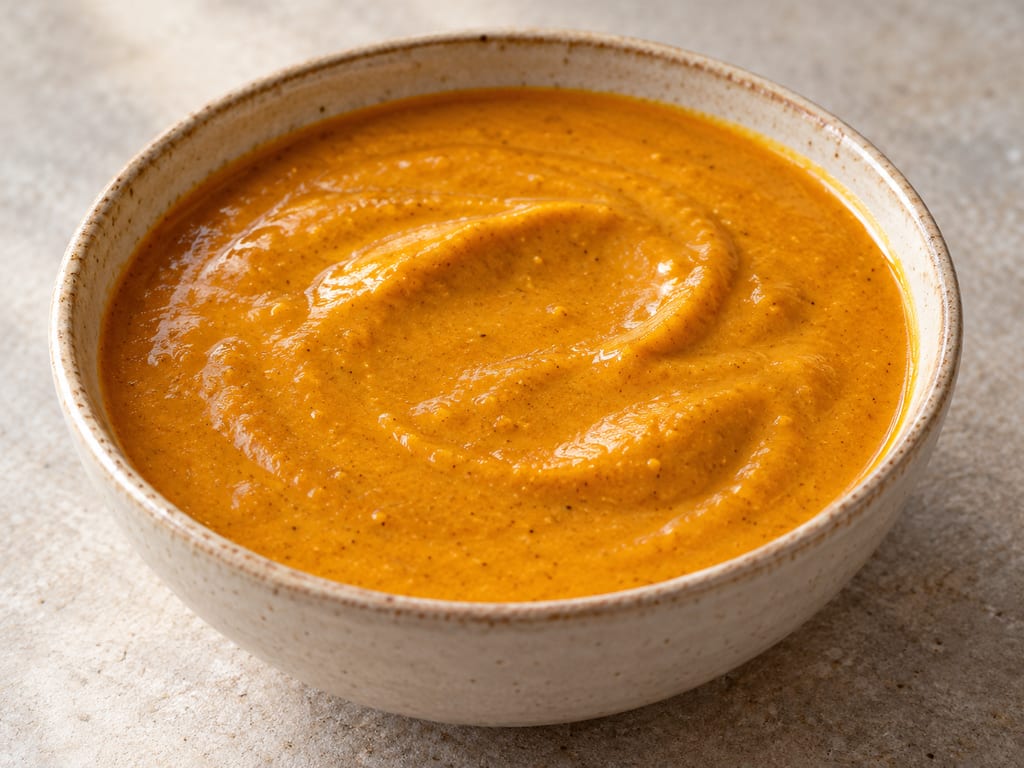
Mole amarillo, also called amarillito, is a yellow to orange Oaxacan mole built on cooked chile purée, thickened with corn masa and flavoured with herbs such as hoja santa, with no chocolate or dense nut mixture.
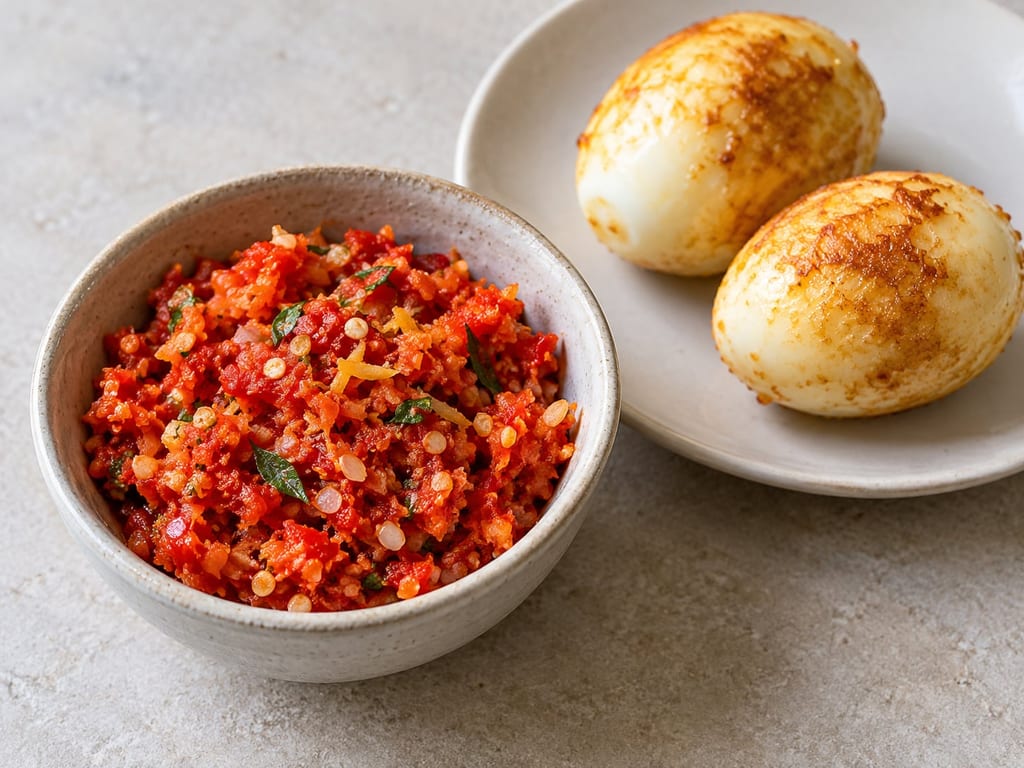
Ai-manas is described as a very hot chilli paste served with Timorese meals. One published version blends fresh chillies, shallots, garlic, Thai basil, ginger, lemon and salt, and serves it with eggs. Sources do not establish a standard formula, precise birthplace or earliest date.
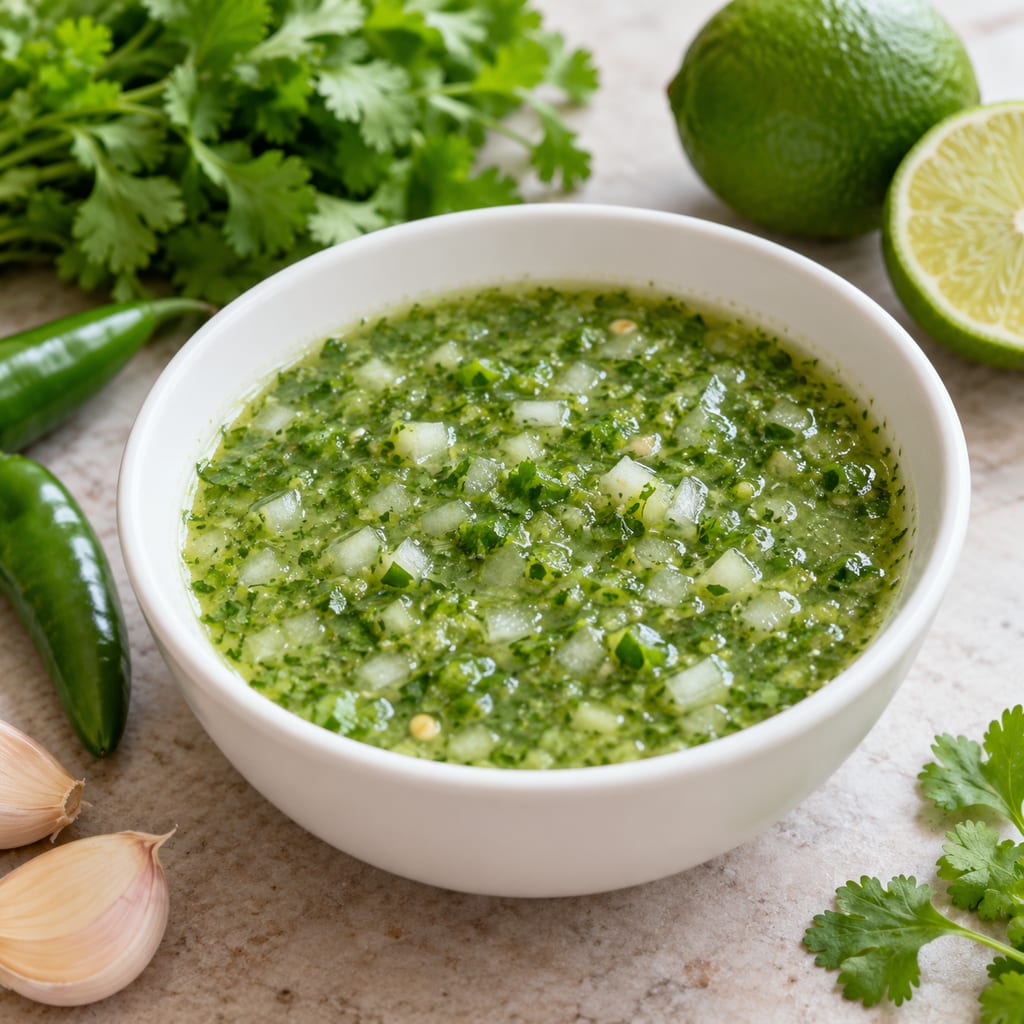
A fresh, uncooked Ecuadorian table sauce of hot pepper, cilantro, garlic and lime, served with most everyday dishes.
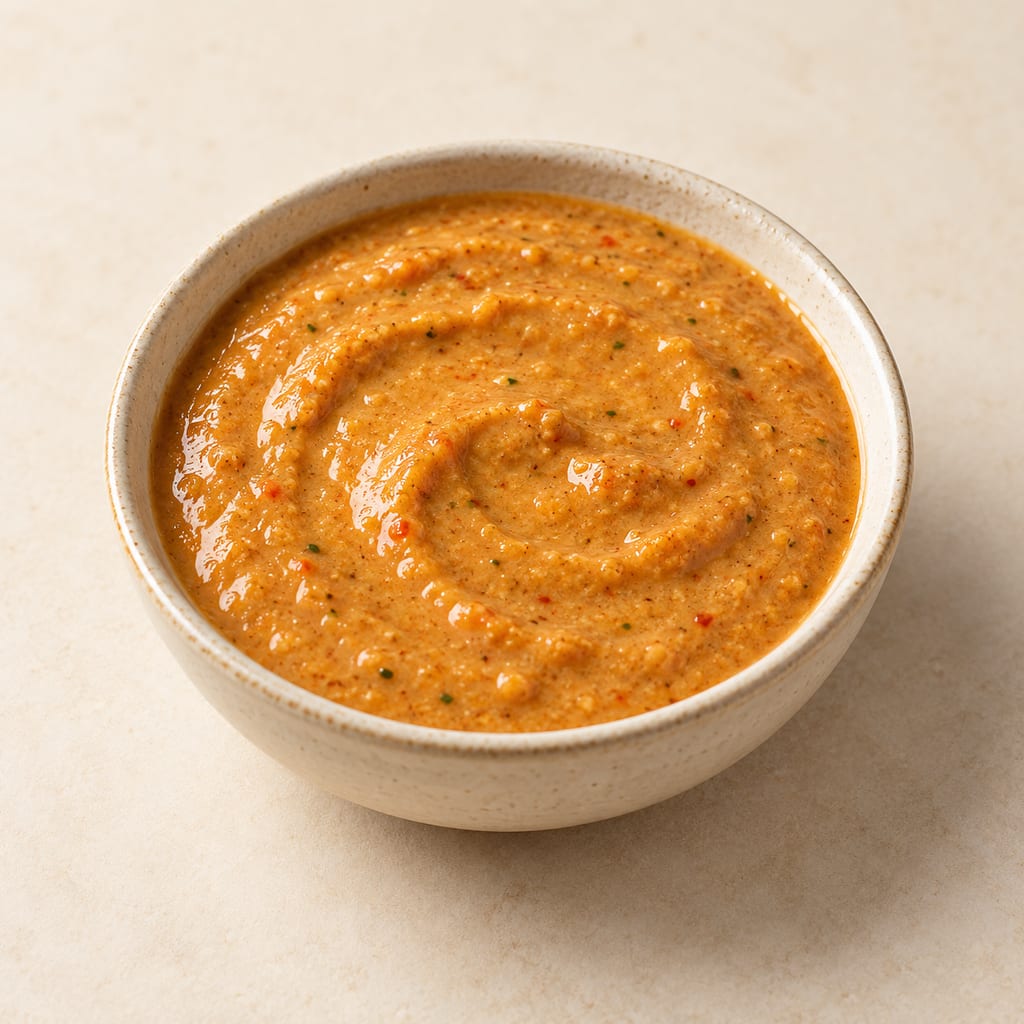
A spicy peanut hot sauce from the Popayán and Cauca region of Colombia, traditionally served with pipián empanadas and tamales.
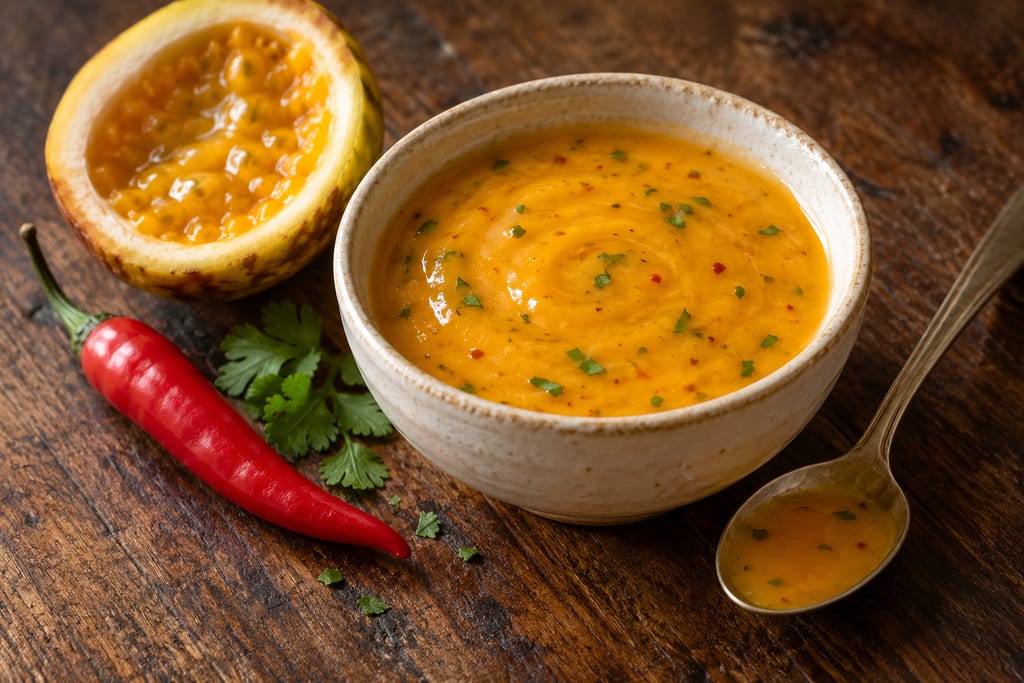
A contemporary Ecuadorian hot sauce that pairs passion fruit juice with boiled chile peppers, oil and lime.
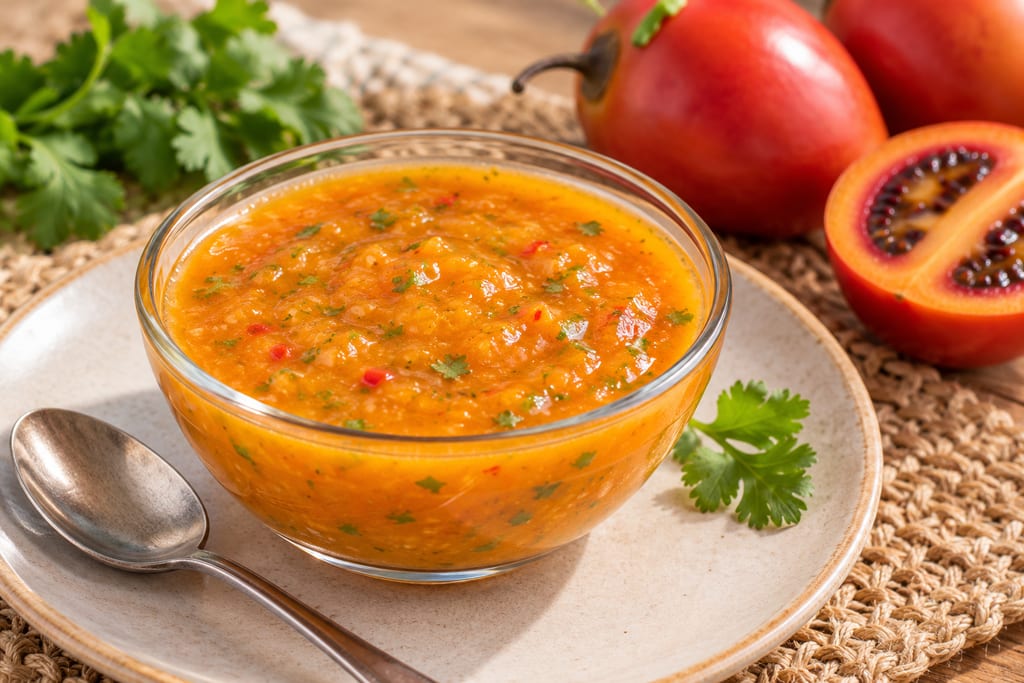
An Ecuadorian hot sauce built on tamarillo, a tart fruit that gives a sharper, fleshier base than ordinary tomato salsa.
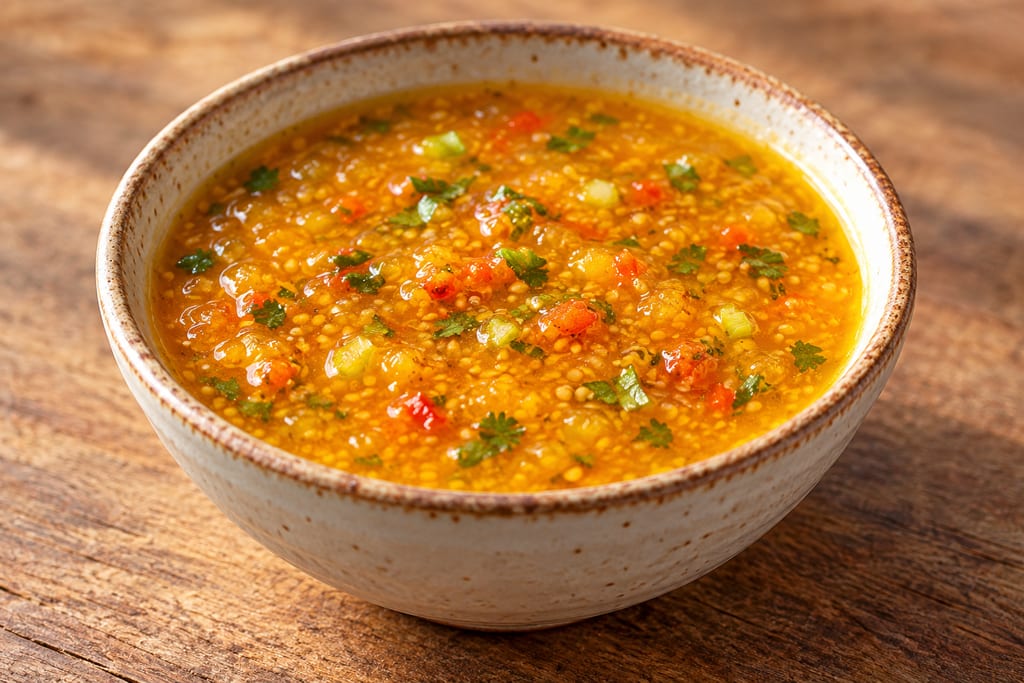
A sweet, tart and spicy Colombian sauce of uchuva, the yellow physalis fruit, with hot pepper, scallion, cilantro and lime.
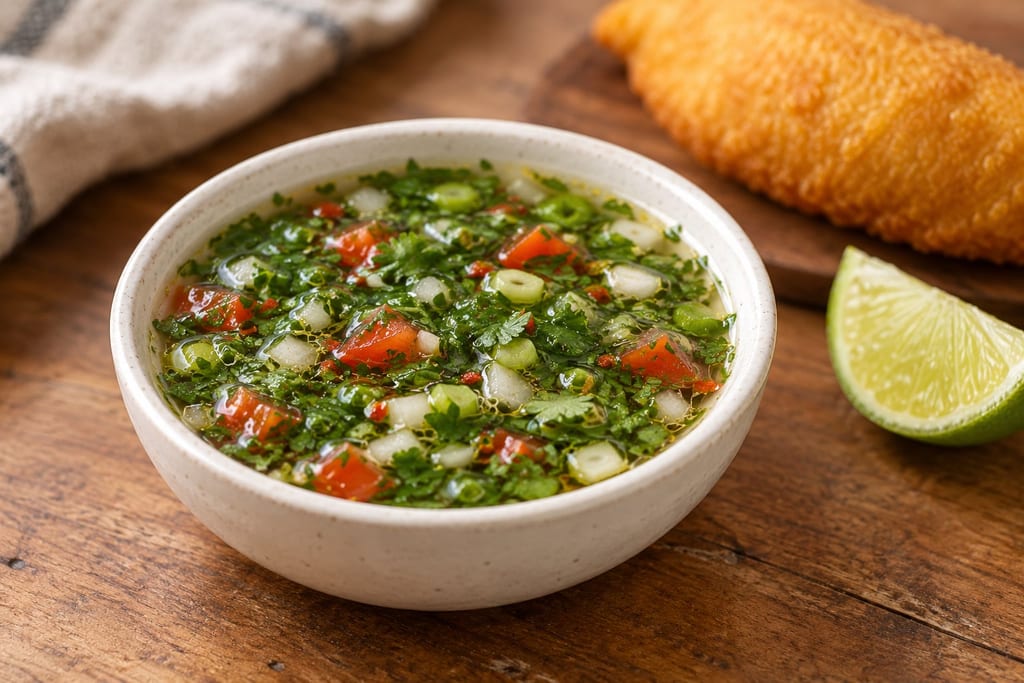
A fresh Colombian table condiment of chopped herbs, scallion and tomato in a vinegar and chile base, served beside fried and filled dishes.
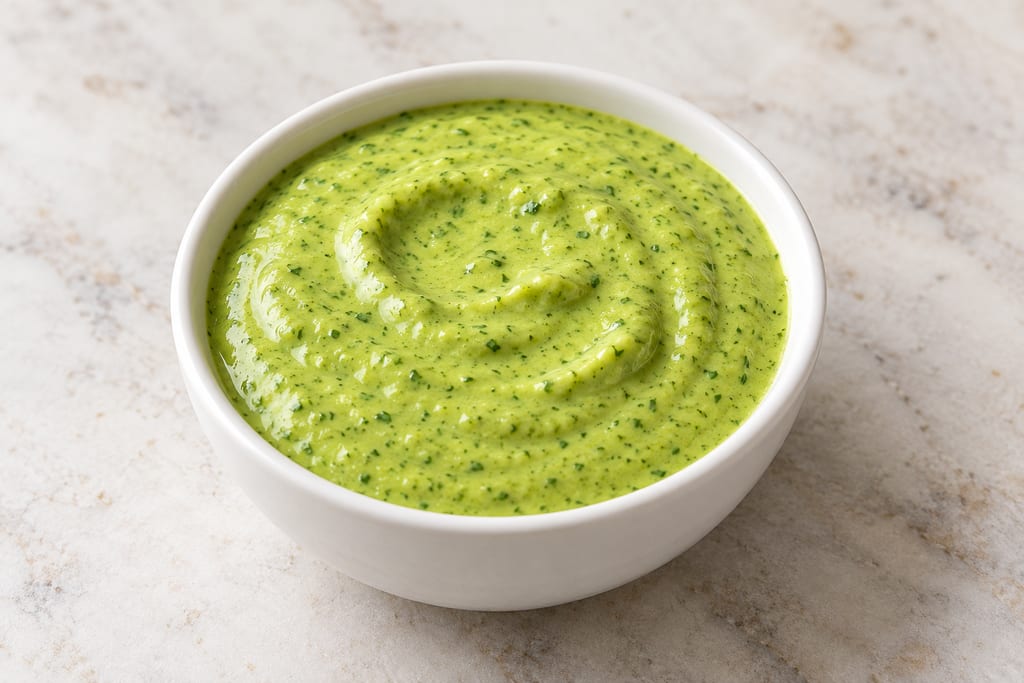
Ají verde is a Peruvian green sauce of coriander, chilli, onion and garlic in a mayonnaise or cheese base. It is best known through Peruvian restaurant cooking abroad.
No community contributions have been published for this entry yet.
Sign in to contribute. Published comments and photos are free to read.
WikipediaHistory · Ingredients
PulquePulque is a fermented agave-sap drink with pre-Hispanic roots
Traditional liquid for the salsa, with beer substituted where pulque is unavailable
Cited in: A sauce named for its liquid; Pulque, beer and the change between them; Open questions
WikipediaHistory
Beer in MexicoBeer arrived with Europeans after the conquest
About 50,000 litres of beer a year by 1925
Beer outlasted pulque on storage and transport, with consumption overtaking pulque around 1941 in one source
Cited in: Pulque, beer and the change between them; Why beer replaces pulque