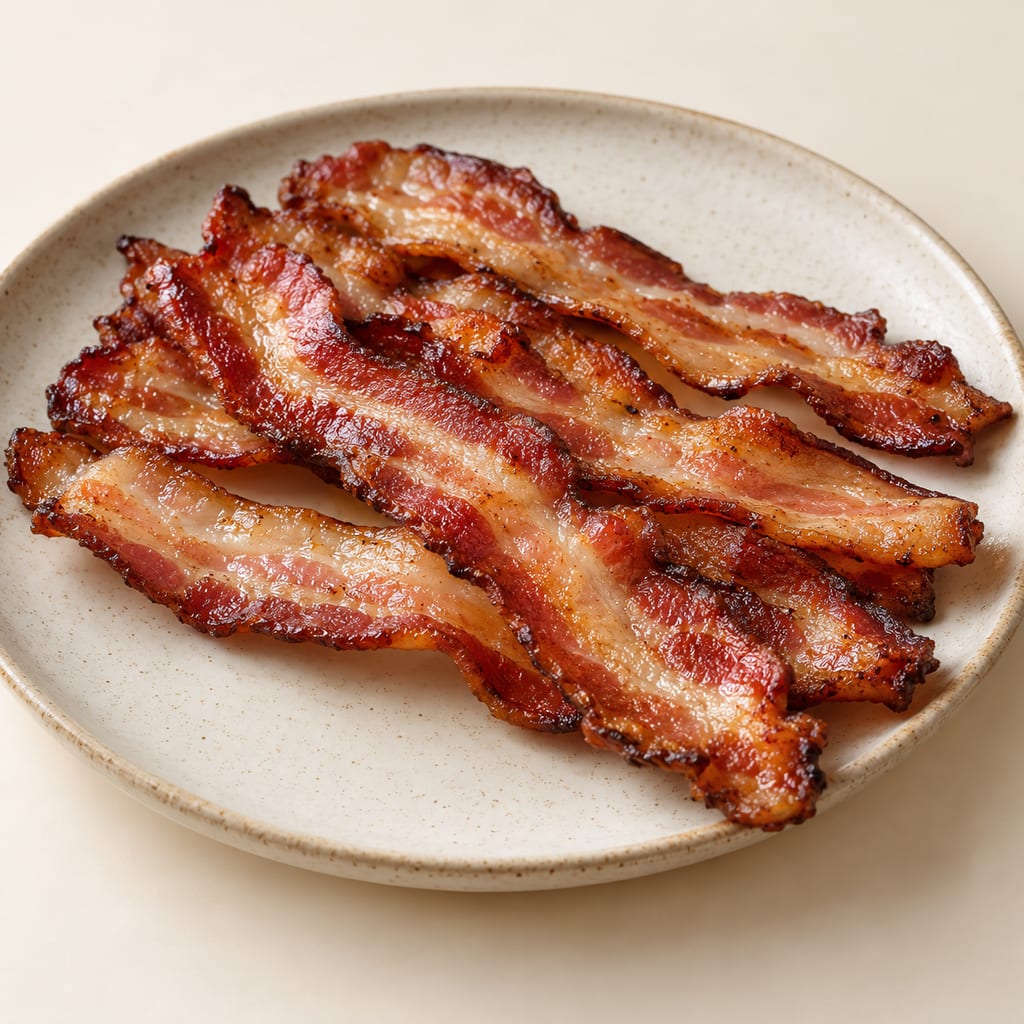
Maple-beer wet-cured bacon
A refrigerated pork-belly brine combines beer and maple syrup with salt, garlic powder and measured Cure #1.
 FermenteaWhere food goes to change
Modern adaptation
Malt beer · All-grain beer
This is a process overview, not a complete batch recipe: key quantities, yield and packaging directions are absent. The AHA tutorial uses Hop Hammer Imperial IPA as an example; this page is not that full formulation.
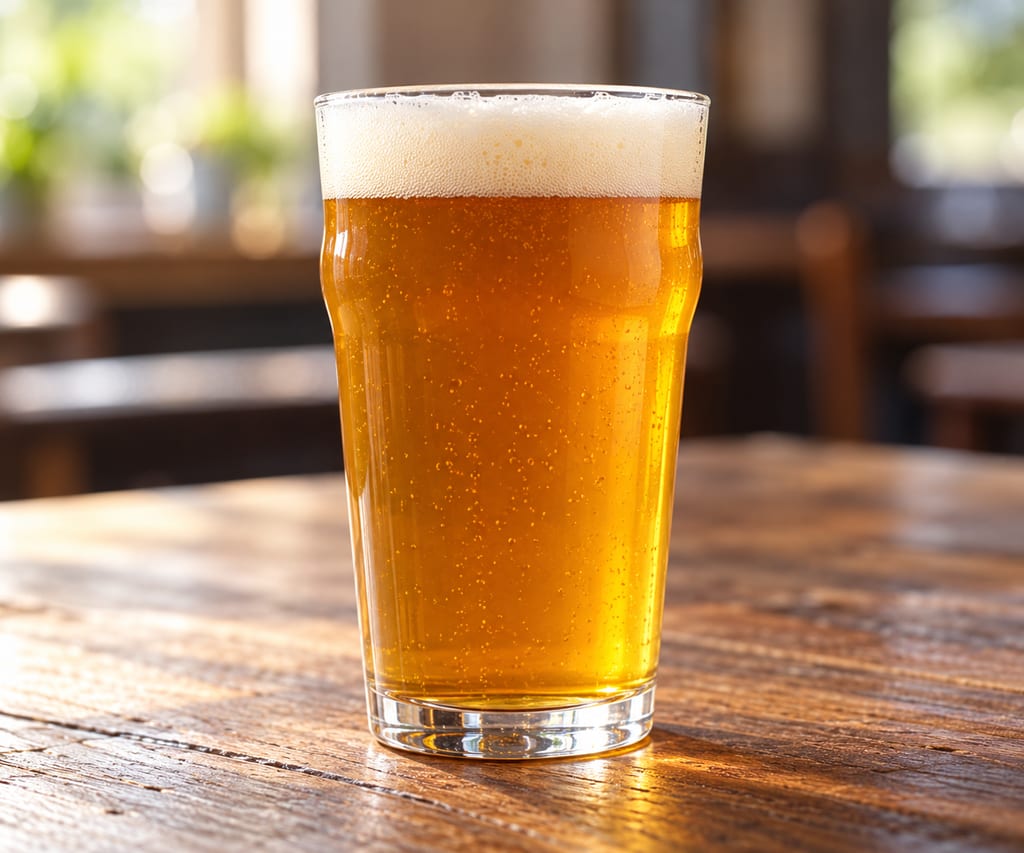
Beer brewed from malt goes through distinct stages. Malting germinates grain. Mashing uses the enzymes in the malt to convert grain starch into soluble sugars. Lautering separates the liquid, called wort, from the spent grain. After the wort is boiled and cooled, yeast ferments its sugars into ethanol and carbon dioxide.
Mashing is enzyme action and fermentation is microbial activity. They are related steps in one brew, but they are not the same process, and they need different temperatures: the mash is held at 150 F (65.6 C), while the tutorial ferments at 67 F (19.4 C).
The tutorial's strike water, measured at 1.5 quarts to the pound of grain, is heated to 158 to 162 F so that the grain, which typically cools the mix by 8 to 12 F when it goes in, settles at the 150 F mash temperature. The mash is held there for 60 minutes with the tun opened as little as possible. Recirculating the first wort over the grain bed until it runs relatively clear, called vorlauf, filters it through the bed before it is drained to the boil pot.
Batch sparging then adds the heated sparge water in one go, lets the bed settle and drains again into the same pot. The combined wort is boiled hard, here for 90 minutes, with hops added at the start, at 45 minutes, at 60 minutes and at flameout, and Irish moss at 75 minutes. The wort is chilled to about 70 F and moved to a sanitised fermenter, where the tutorial takes an original gravity reading, pitches yeast and shakes the fermenter for one to two minutes to add oxygen.
Primary fermentation runs at 67 F, protected from light and disturbance, with a temperature-controlled chamber recommended. Once most of the yeast has settled, the beer moves to a secondary vessel with minimal headspace for the dry hop, which is held at 67 to 70 F. A separate homebrew article explains high krausen as the vigorous stage of fermentation; it does not set an endpoint for any recipe.
The tutorial lists a mash tun, a boil pot, a sparge pot, a spoon, a thermometer, a hydrometer, cleaner and sanitiser, a fermenter with an airlock, optionally a wort chiller, and bottling or kegging equipment. A brew-in-a-bag method is a separate workflow and is not a substitute step for a batch-sparge recipe.
The Hop Hammer recipe it uses as its example names White Labs WLP001 California Ale, Wyeast 1056 American Ale and Fermentis Safale US-05 as alternatives for that recipe. They are options for one beer, and the sources do not show that they are interchangeable or right for every malt beer.
The National Park Service describes seventeenth-century brewing at Jamestown, and the University of Chicago Library surveys older grain and plant-based brewing. Neither fixes one birthplace for malt beer.
Thomas Jefferson's 1821 letter says he had no brewing receipt, that a servant learned the work from a brewer, and that his estate brewed ale in fall and spring. That is one estate's practice, not a general calendar or a recipe. Robert Beverley's account, in an 1855 reprint of his 1722 revised edition, separates malted small beer from other Virginia small drinks made with molasses, corn and fruit, and a later Colonial Williamsburg report likewise describes regional molasses beer and a reported green-corn-stalk drink. Those are separate drinks and not malt-wort batches.
The Hop Hammer page does not give a complete mash-water and sparge schedule, and the tutorial's water figures are those of its own example batch, so no grain bill, hop weight or gravity target is stated here. Gravity readings, airlock activity, taste or smell do not prove that fermentation has safely finished. Bottling unfinished fermentables can create dangerous pressure, and the sources give no universal completion, alcohol, pressure or storage limit.
The National Park Service describes seventeenth-century brewing at Jamestown, and the University of Chicago Library surveys older grain and plant-based brewing, but neither gives one birthplace for malt beer. Thomas Jefferson's 1821 letter says he had no brewing receipt and that a servant learned the work from a brewer, and that his estate brewed ale in fall and spring. Robert Beverley's account separates malted small beer from other Virginia small drinks made from molasses, corn and fruit.
Scaling: source batch only
Bottling unfinished fermentables can create dangerous pressure, and gravity readings, airlock activity, taste or smell do not prove that fermentation has safely finished.
Hazard sourceCooled wort is a ready medium for unwanted microbes, so everything that touches it after the boil has to be sanitised.
Hazard sourceSanitise all equipment that contacts wort after the boil and the fermenter, airlock and bung.
Control sourceConfirm completion with hydrometer readings that stay steady over a few days before packaging.
Control sourceThe sources give no universal completion, alcohol, package-pressure or storage limit for beer; steady hydrometer readings are the only completion check they describe.
Mash tun materials, food-contact suitability and cleaning need model-specific evidence.
A National Park Service account of seventeenth-century brewing at Jamestown; it does not claim that beer began there.
Thomas Jefferson's 1821 letter says his estate brewed ale in fall and spring; it is one estate's practice and not a general calendar.
A refrigerated pork-belly brine combines beer and maple syrup with salt, garlic powder and measured Cure #1.
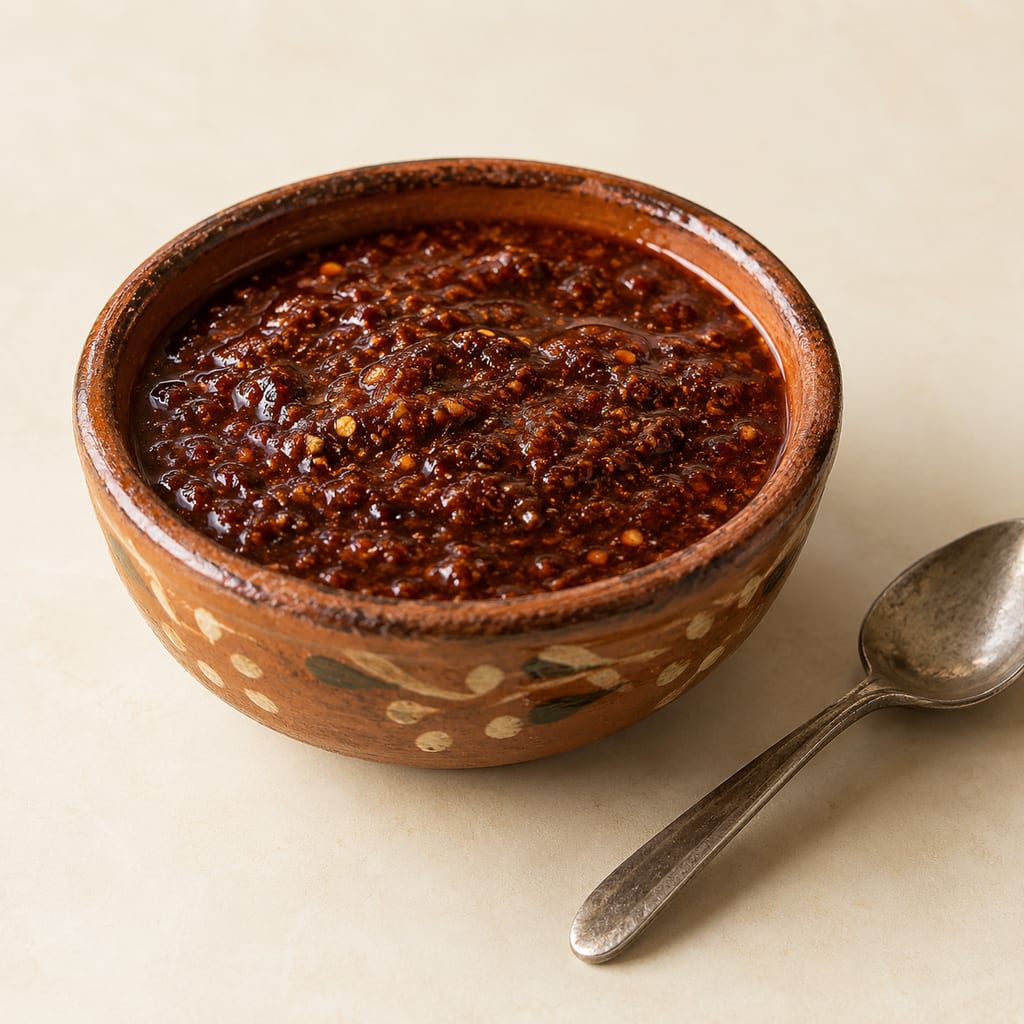
A chile sauce of dried pasilla peppers whose liquid is an alcoholic drink, pulque in the old form and beer where pulque is not available. It is served with barbacoa in Mexico City and the central states.
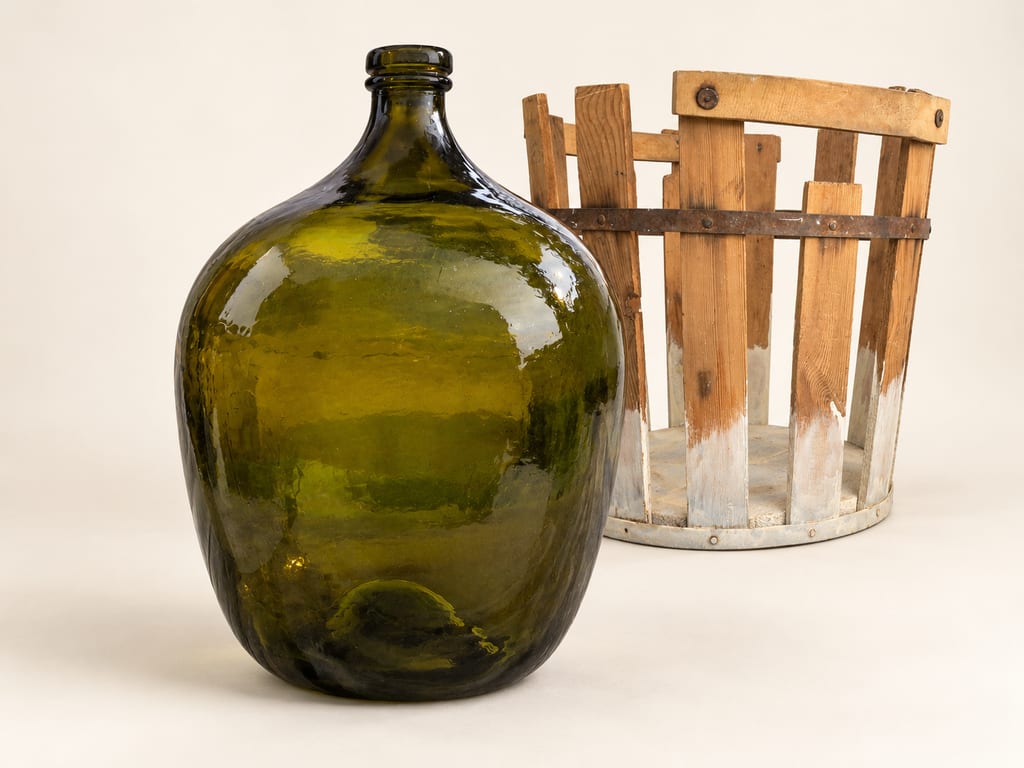
A glass demijohn or carboy is a stout, usually rounded bottle with a narrow neck, used for beverage fermentation, maturation, storage or transport. Its glass body, closure and any protective carrier are distinct parts of the vessel system.
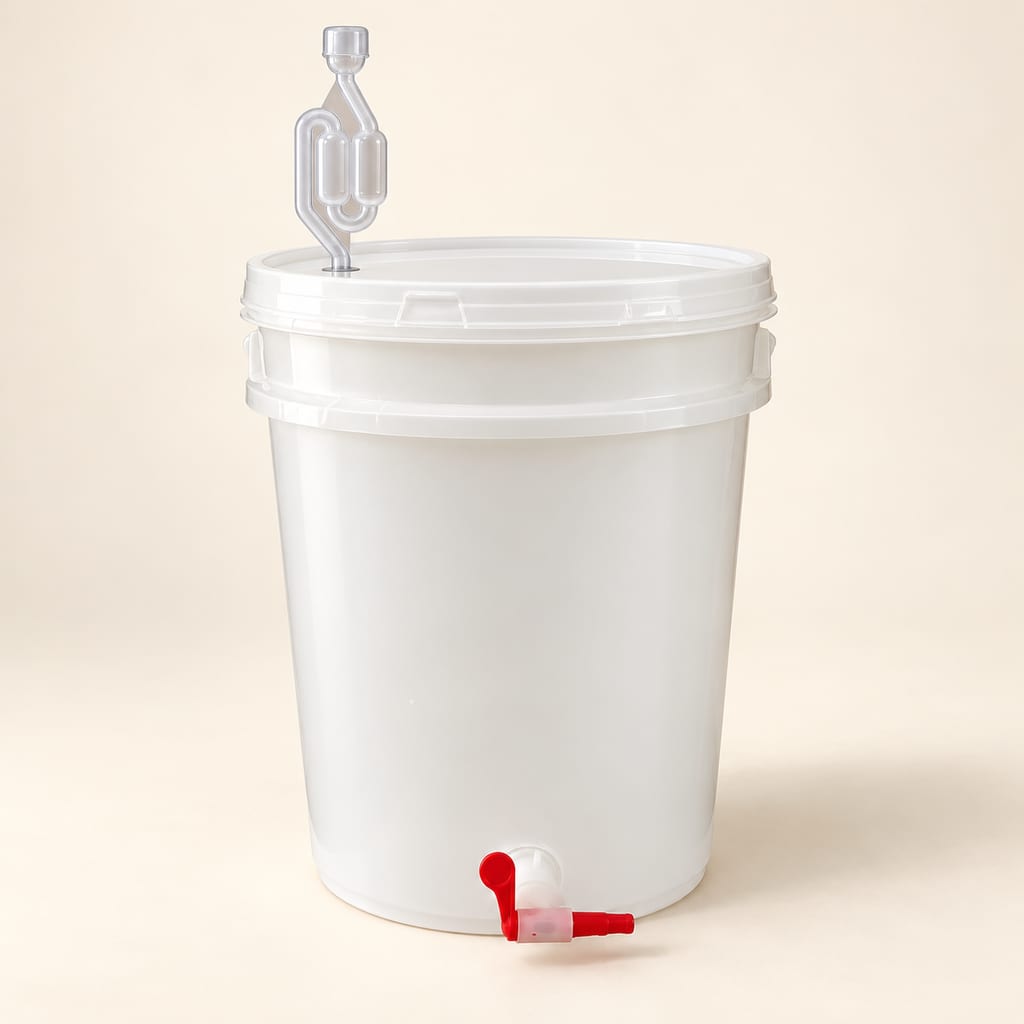
A wide-mouth polymer pail used to ferment homebrew, commonly sold with a removable lid and sometimes a tap; materials, closures and capacities vary by model.
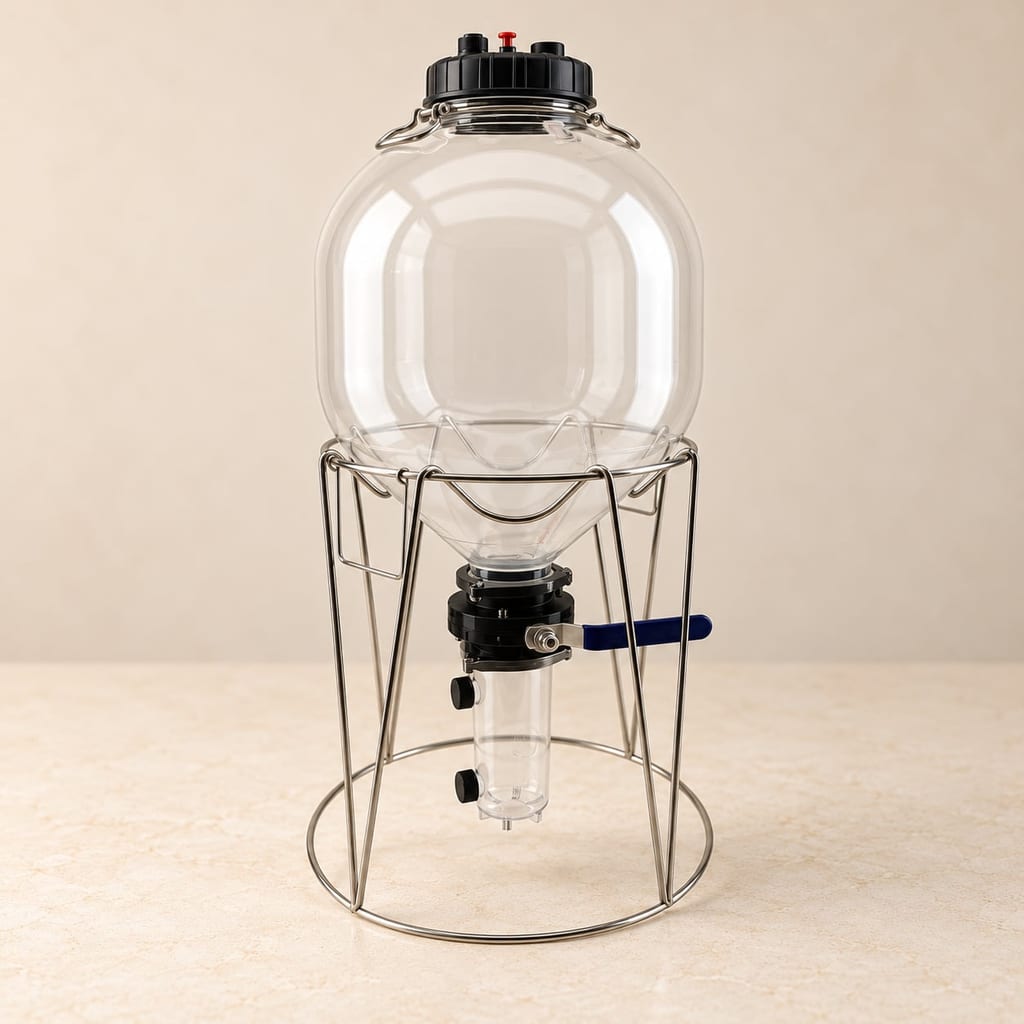
A purpose-built PET fermenter is engineered for a specific pressure range, closure and fittings. The FermZilla Tri-Conical is one modern example; its rating does not extend to ordinary PET bottles or other vessels.
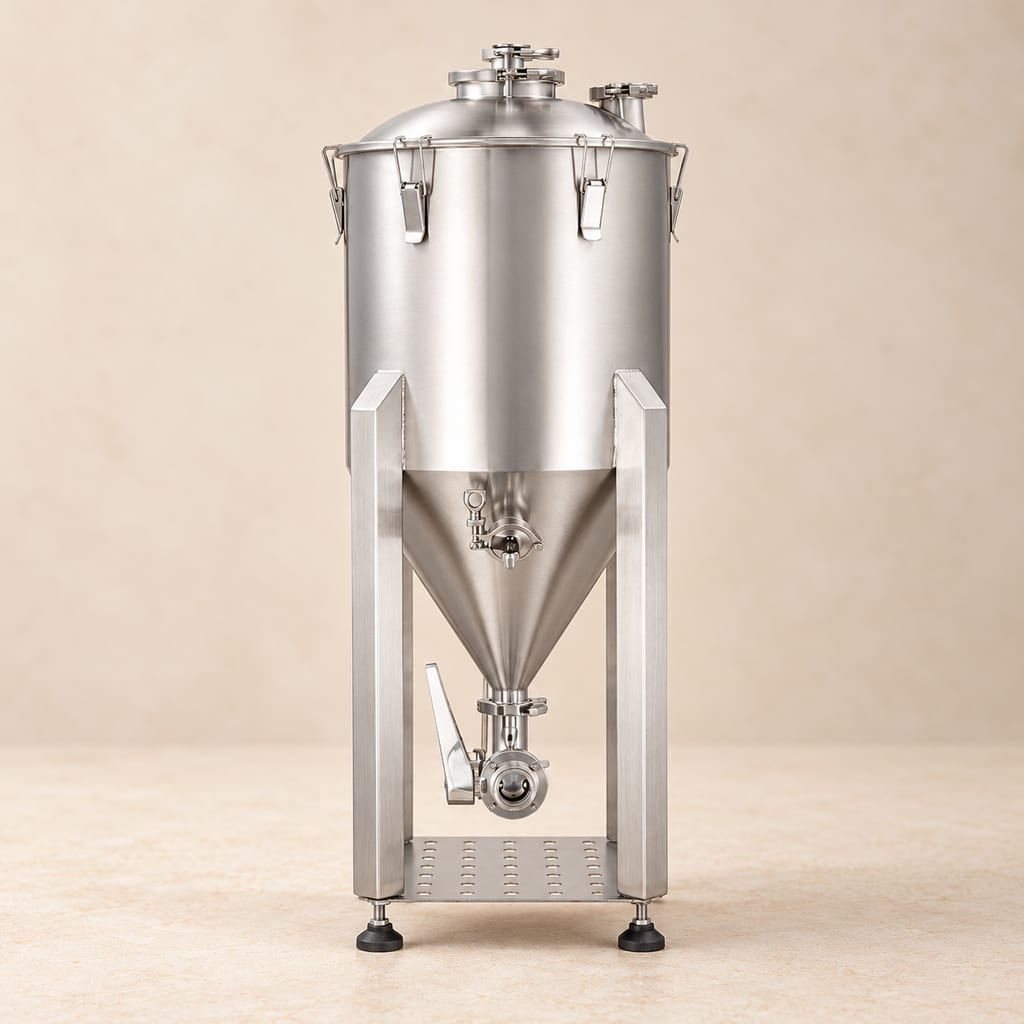
A stainless fermentation tank with a cylindrical upper body and a conical bottom, used to collect sediment at the low point; fittings, temperature control and pressure rating vary by model.
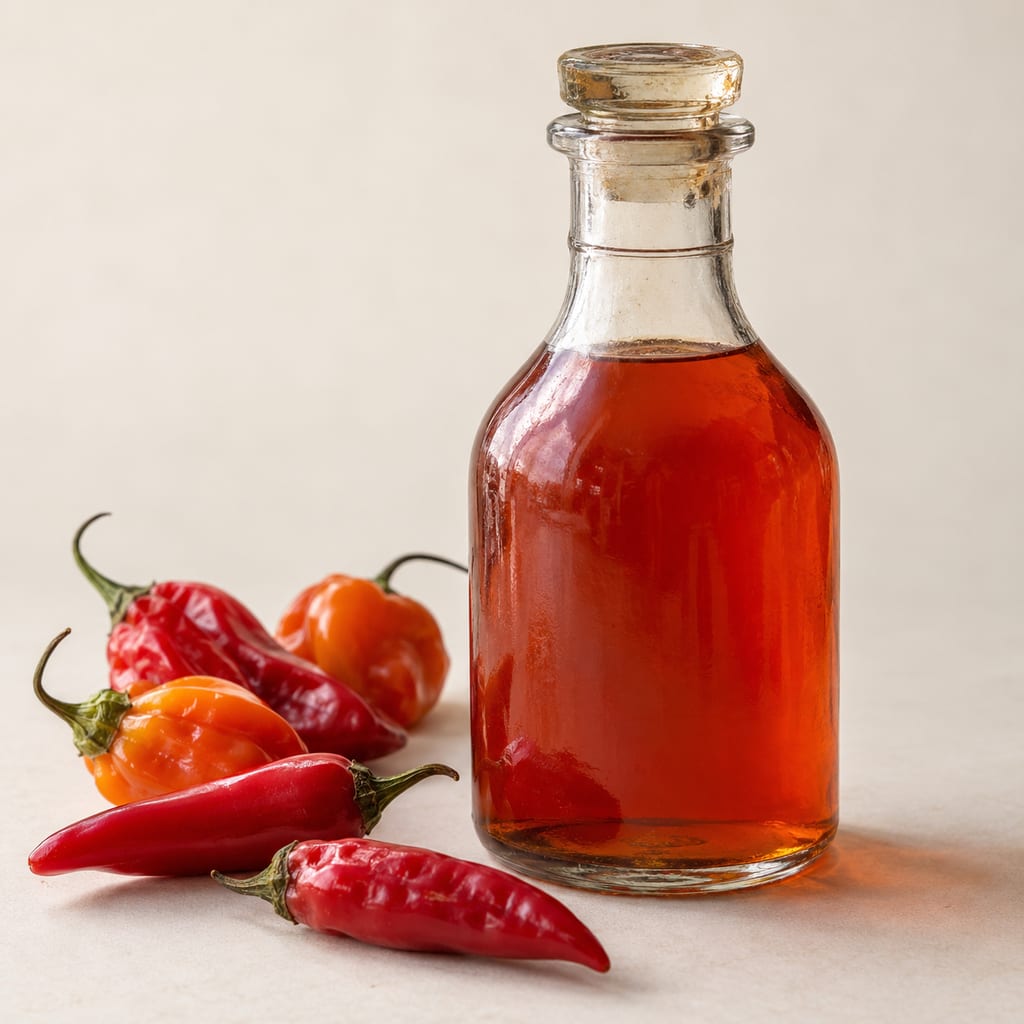
Mary Randolph's pepper vinegar: ripe pepper pods simmered in vinegar until the liquid is reduced to one quart, then strained for use in gravies and catsups. From The Virginia Housewife.
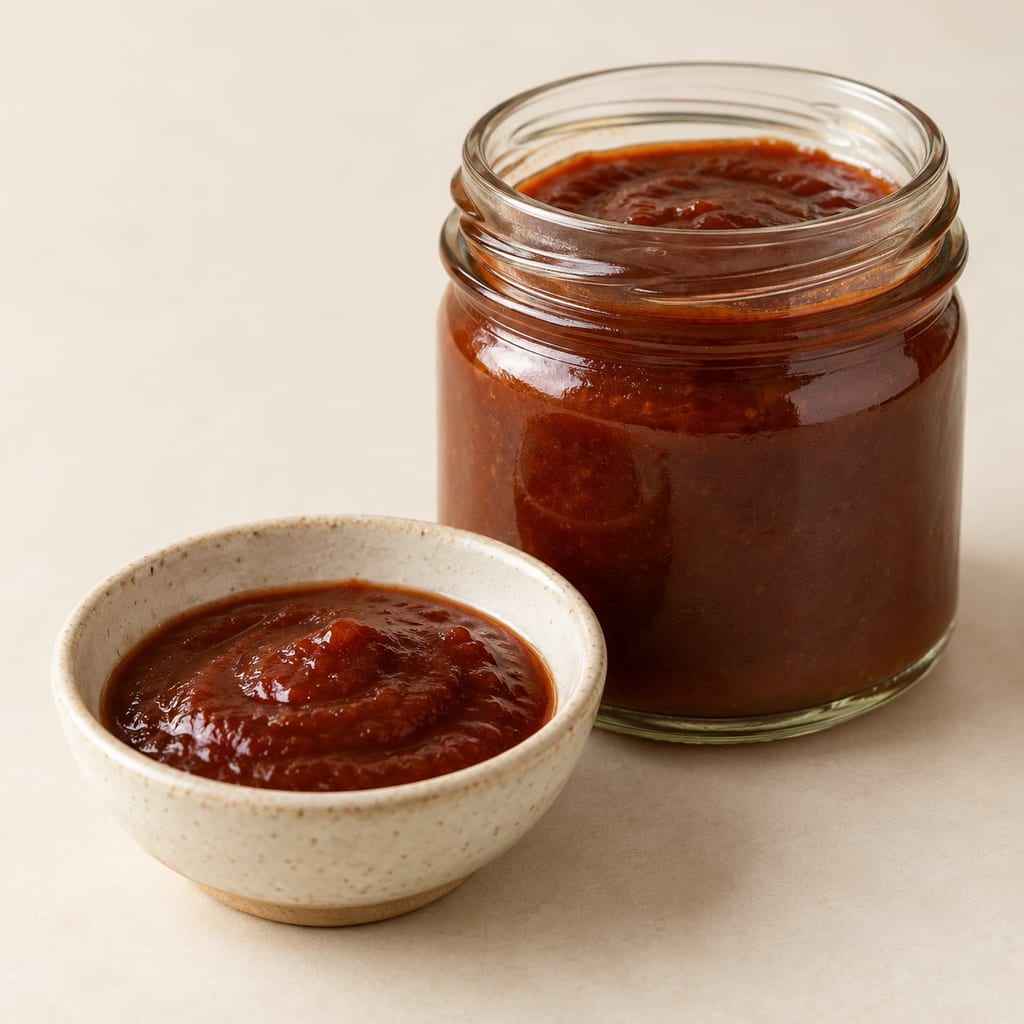
Mary Randolph's tomato soy, a tomato condiment and not soybean sauce: tomatoes salted in layers for three days, boiled for a day, passed through a sieve and spiced with cloves, allspice, black pepper and cayenne.
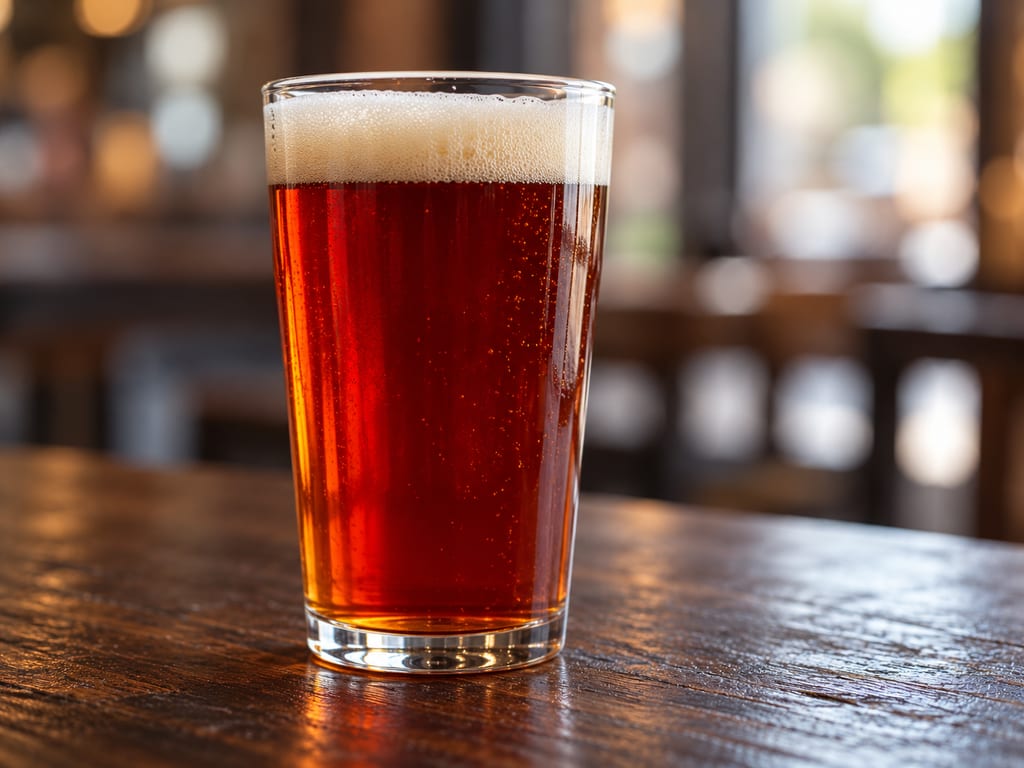
A deep amber-red American ale brewed from pale, Munich, CaraVienne and chocolate malts, bittered with Columbus hops and finished with Amarillo.
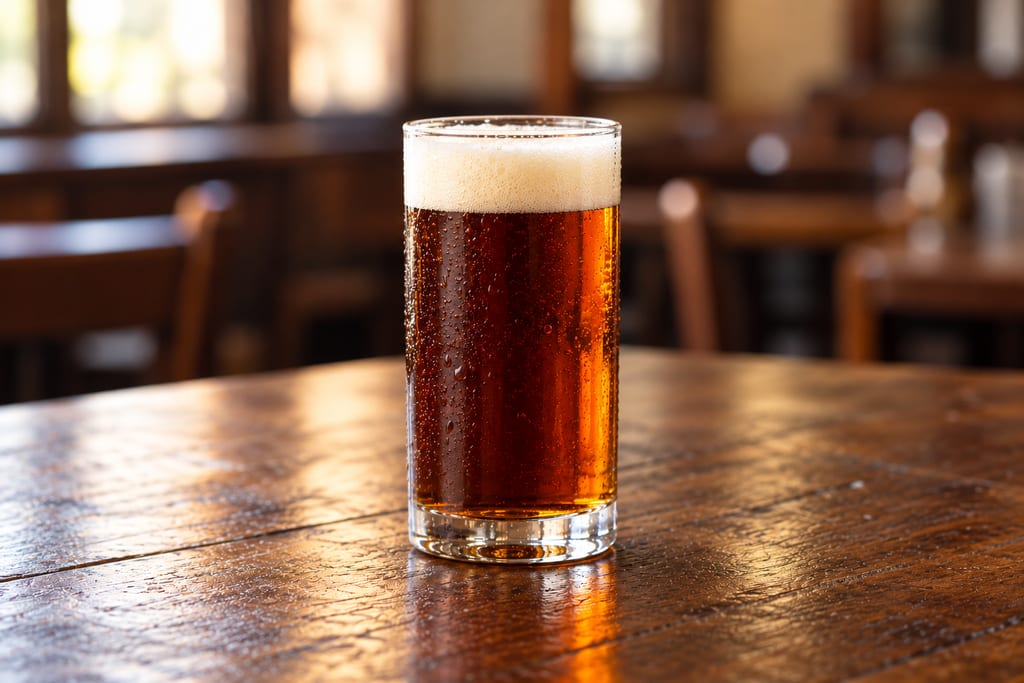
A source-specific modern extract adaptation of Düsseldorf Altbier, with specialty malts, two hop additions and an ale yeast. It is distinct from a brewery's commercial Altbier process and from Kölsch.
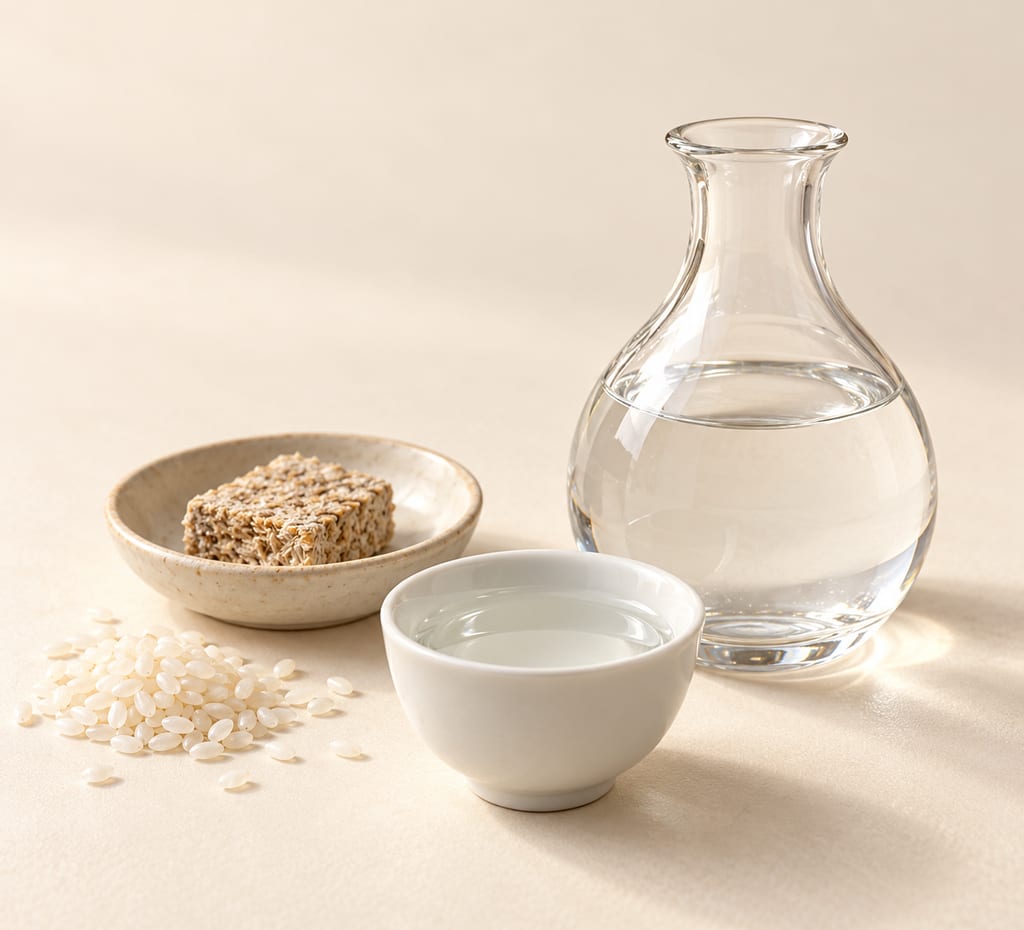
Andong soju is a rice spirit from North Gyeongsang, distilled from steamed rice and wheat nuruk. This method makes the starter before fermenting the rice mash in a jar.
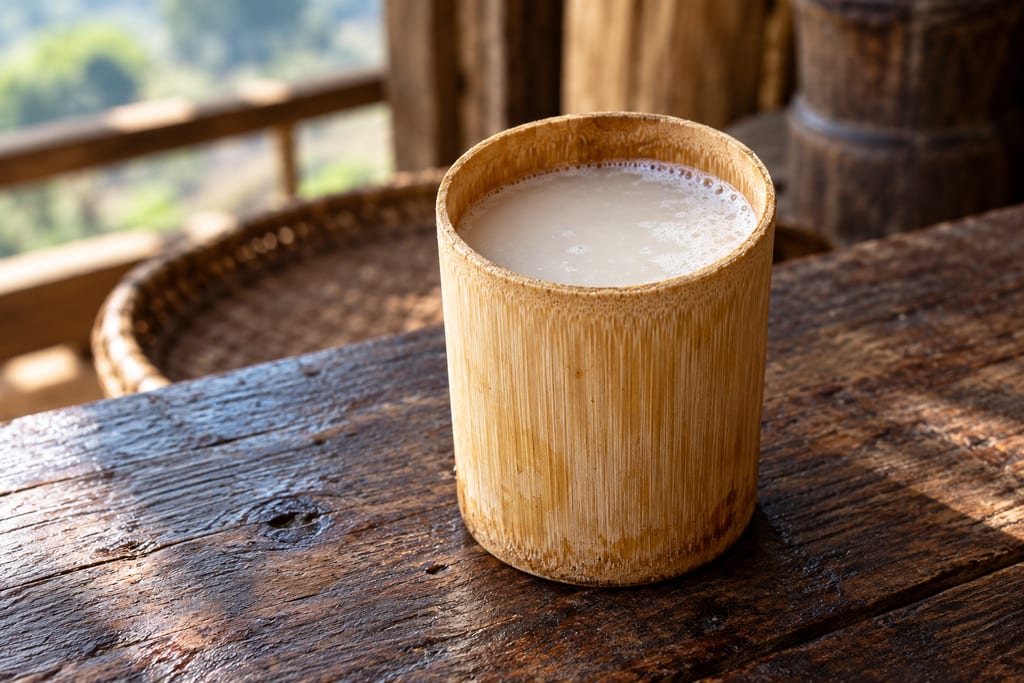
Angami rice beer from Nagaland. A surveyed method mixed cooked rice with piazu, fermented it for about four days in summer or a week in winter, then added water and filtered it. The starter ratio leaves the rice-weight basis unclear.
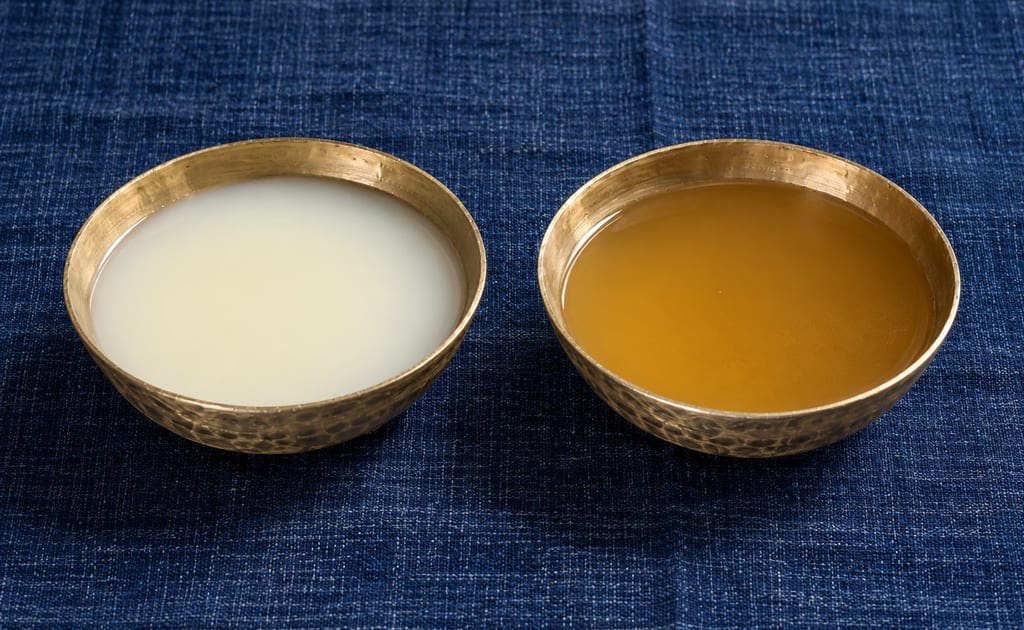
Apong names Mising rice beverages in Assam, including pale Nogin and ash-associated Po:ro. Sources describe distinct preparations and do not establish one unified household recipe or validated safety endpoint.
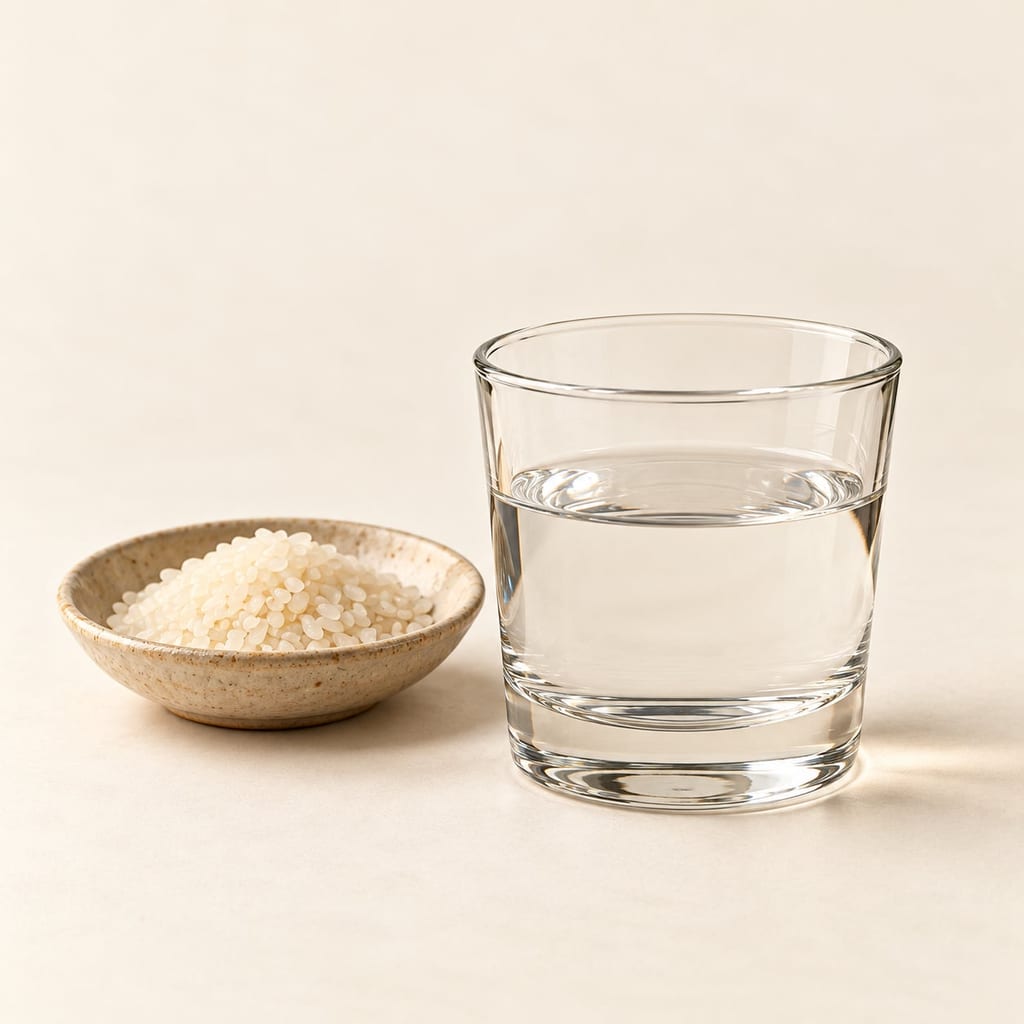
An Okinawan rice spirit made by turning all the rice into black koji, fermenting it with water and yeast, then pot-distilling and maturing the spirit.
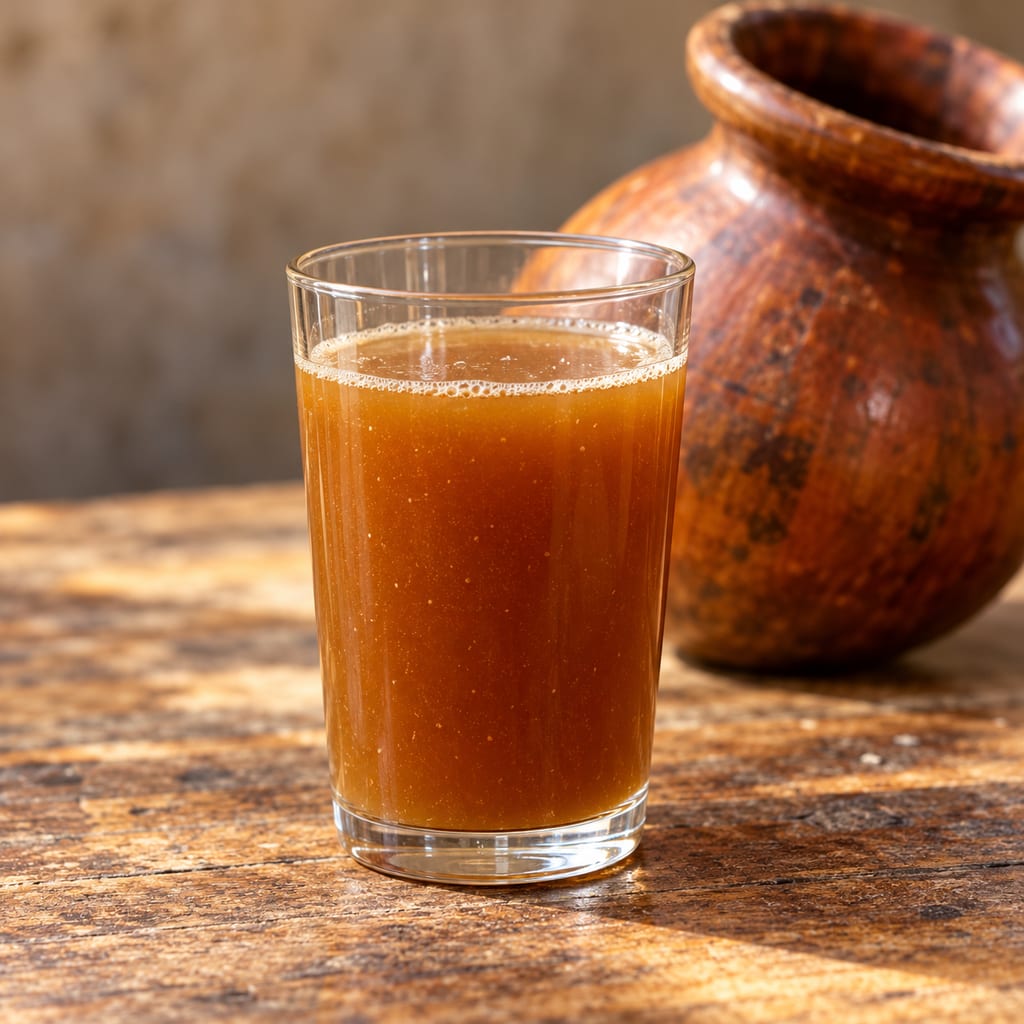
A darker Ethiopian maize tella, brewed from maize baked into a hot, dry kita pancake and then fermented in three stages with barley malt, gesho and water.
A Burkina Faso sorghum beer brewed from malted grain, soured by a spontaneous lactic stage and then fermented with a traditional yeast leaven.
No community contributions have been published for this entry yet.
Sign in to contribute. Published comments and photos are free to read.
American Homebrewers AssociationMethod · Safety
All-Grain (Batch Sparge) HomebrewingEquipment, strike and sparge water, mash at 150 F for 60 minutes, vorlauf and lautering, 90 minute boil with staged hops, chilling, pitching, fermentation at 67 F, secondary and dry hopping
Cited in: Malt enzymes prepare the sugars; yeast ferments them; A batch-sparge brew day; Equipment and yeast; What the sources leave open
American Homebrewers AssociationMethod
Hop HammerThe named recipe the tutorial uses, with WLP001, Wyeast 1056 and Safale US-05 as yeast alternatives and no complete mash-water and sparge schedule
Cited in: Equipment and yeast; What the sources leave open
Nicholas A. Bokulich and Charles W. Bamforth, Microbiology and Molecular Biology Reviews 77(2):157-172Process
The Microbiology of Malting and BrewingMalting germinates grain, mashing converts starch to soluble sugars with malt enzymes, lautering separates wort, and yeast ferments the cooled wort
Cited in: Malt enzymes prepare the sugars; yeast ferments them
National Park Service, Historic JamestowneHistory
Brewing in the Seventeenth CenturySeventeenth-century brewing at Jamestown
Cited in: Brewing in early Virginia and older accounts
University of Chicago LibraryHistory
Pre-Industrial History of Beer and BrewingA survey of older grain and plant-based brewing histories
Cited in: Brewing in early Virginia and older accounts
American Homebrewers AssociationProcess
Exploring the German Technique of KrauseningHigh krausen explained as a stage of fermentation
Cited in: A batch-sparge brew day
Thomas Jefferson; Monticello / Thomas Jefferson Papers, Library of CongressHistory
Extract from Thomas Jefferson to James Barbour, 11 May 1821No brewing receipt, a servant taught by a brewer, ale brewed in fall and spring
Cited in: Brewing in early Virginia and older accounts
Frank Clark; Colonial Williamsburg Foundation Library Research Report Series 364History
A Most Wholesome Liquor: A Study of Beer and Brewing in 18th-Century England and Her ColoniesRegional molasses beer and a reported green-corn-stalk drink
Cited in: Brewing in early Virginia and older accounts
Robert Beverley; Project GutenbergHistory
The History of Virginia, in Four PartsMalted small beer distinguished from other Virginia small drinks made with molasses, corn and fruit, in an 1855 reprint of the 1722 revised edition
Cited in: Brewing in early Virginia and older accounts