
Beer
This is a process overview, not a complete batch recipe: key quantities, yield and packaging directions are absent. The AHA tutorial uses Hop Hammer Imperial IPA as an example; this page is not that full formulation.
 FermenteaWhere food goes to change
Equipment · Tanks and vats
pressure-rated PET fermenter
A purpose-built PET fermenter is engineered for a specific pressure range, closure and fittings. The FermZilla Tri-Conical is one modern example; its rating does not extend to ordinary PET bottles or other vessels.
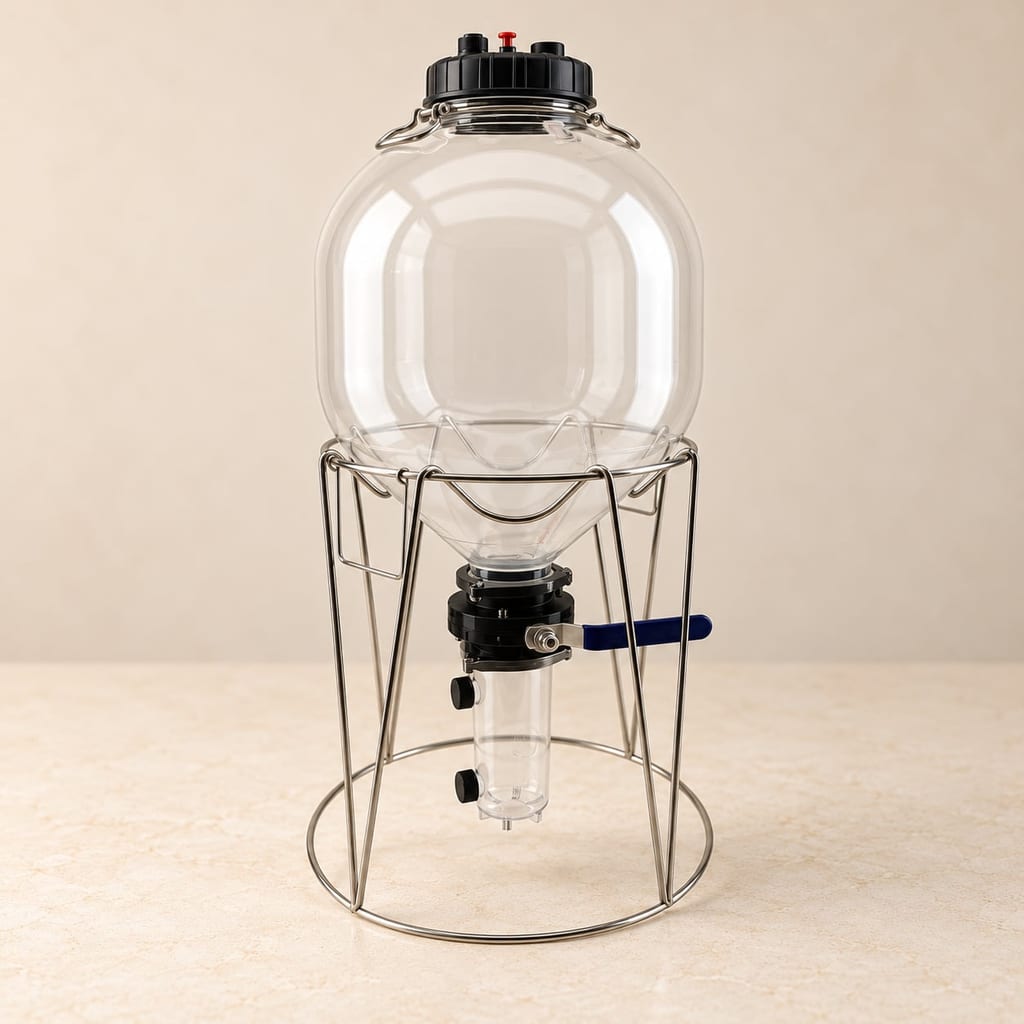
A pressure-rated PET fermenter is a factory-made plastic vessel designed for a particular pressure range, closure and set of fittings. It is not simply a plastic bucket with a tight lid. Its defining difference is the whole engineered assembly: the vessel body, lid or cap, seals, pressure-relief components and any connectors must all match the maker’s specification. A clear body lets the brewer watch the ferment without opening the tank.
KegLand’s FermZilla Tri-Conical is one documented example, rather than a template for every PET fermenter. Its Gen3 27 L version has a clear conical vessel, a stainless support stand, a pressure lid, a lower butterfly valve and a detachable 600 mL collection container. KegLand lists both 27 L and 55 L Tri-Conical models. Other manufacturers and FermZilla generations can use different shapes, supports and fittings, so those details should not be transferred to a vessel that has not been identified.
In the FermZilla example, the body narrows to a bottom outlet above a removable collector. The cone brings settled yeast and other fermenting solids toward the valve, while the small lower container can hold the material collected from the vessel. The latest Tri-Conical design uses a three-inch Tri-Clamp-style connection and a butterfly valve; KegLand presents the revised assembly as easier to remove and clean than its earlier Gen2 arrangement. This lower assembly is a model-specific feature, not an essential part of every pressure fermenter.
The clear PET wall also changes how the brewer reads the process: movement, foam and settling can be seen without lifting a lid. Visibility does not measure fermentation progress or establish that a batch is ready. The body’s transparency should not be confused with the pressure rating, which comes from the maker’s testing and instructions, not from the fact that the vessel is made of PET.
KegLand sells a pressure-brewing configuration for beer that combines the FermZilla vessel with gas and liquid posts, a yeast collection container and a spunding valve. The pressure vessel holds fermentation gas; the spunding valve provides an adjustable outlet that manages pressure during the fermentation. After fermentation, compatible fittings can move the beer into a keg through a closed transfer. In the documented system, the vessel and receiver remain connected rather than pouring the beer through an open container.
The equipment therefore combines three jobs that can be separate in other setups: fermentation, settling yeast into a lower collection area, and transferring the finished beer under pressure. A pressure-relief valve and a spunding valve serve different functions. KegLand’s manual specifically says a relief valve by itself is not sufficient when fermenting under pressure and requires a spunding valve for that use.
The FermZilla product listing describes fermentation at pressures up to 2.4 bar, while its safety sheet sets an absolute maximum of 2.5 bar (35 psi). These figures refer to the manufacturer’s specified models and instructions; neither number is a generic rating for clear plastic vessels. The same guide gives a lower temperature limit when the FermZilla is under pressure, warns against direct sun and ultraviolet exposure, and sets model-specific requirements for pressure control and inspection.
A scratched, stressed or damaged vessel calls for extra caution, and the manufacturer says its FermZilla should not be used under pressure after physical damage without the specified hydrotest. The instructions also require all pressure to be released from both the vessel and its collection container before clamps are loosened or the container is removed. Use and maintenance details can change by model and generation, so the current manual for the exact vessel takes precedence over appearance, a product photograph or a rating listed for another fermenter.
The sources document a current generation of small-batch brewing equipment and distinguish it from an earlier FermZilla generation. The Gen3 model adds a moulded ferrule, a butterfly valve and a removable 600 mL collection vessel. These changes alter how the lower section is taken apart and cleaned; they do not mean that all conical PET fermenters share the same parts. The 27 L and 55 L models show the range within this product line, but the sources give no single capacity or dimensions for the wider equipment category.
The inspected manufacturer material describes this equipment for homebrewing and small-scale brewing, including beer fermentation and pressure transfer. It does not establish a single country of manufacture, a historical point of invention or universal use across fermentation traditions. The name here describes a contemporary equipment class: a PET fermenter only belongs in it when the complete vessel is expressly built and specified for pressure.
A pressure-capable fermenter can retain substantial gas pressure; the manufacturer warns that its clamps and collection container must not be opened while pressurised.
Hazard sourceKegLand warns that sunlight degrades PET and that a scratched or damaged FermZilla should not be used under pressure without hydrotesting.
Hazard sourceUse only the exact vessel’s current pressure instructions and specified fittings; do not infer a pressure rating from PET material or appearance.
Control sourceFor FermZilla pressure fermentation, the manufacturer requires a compatible spunding valve; its manual says the pressure-relief valve alone is not sufficient.
Control sourceKegLand’s product page states up to 2.4 bar for the cited FermZilla models; its manual says never to apply more than 2.5 bar (35 psi). These are model-specific instructions, not ratings for other vessels.
A pressure-relief valve alone does not regulate pressure during FermZilla pressure fermentation; the manual also requires a spunding valve.
This record is equipment description, not a validated pressure-system design or a home-fermentation procedure.
A PET drink bottle, ordinary fermentation bucket or unmarked plastic vessel is not pressure-rated by resemblance to a purpose-built fermenter.
Source →Pressure ratings, temperature limits and fittings vary by model and generation; KegLand’s 2.4 bar product statement and 2.5 bar manual maximum apply to its specified FermZilla models only.
Source →The conical yeast-collection system and its fittings differ by generation; the Gen3 600 mL collector is not a universal component for PET fermenters.
Source →The sources document contemporary FermZilla models but do not establish the family’s manufacturing origin or where this equipment is used. An Australian sales page alone is not evidence of manufacture or exclusive regional use.
This is a process overview, not a complete batch recipe: key quantities, yield and packaging directions are absent. The AHA tutorial uses Hop Hammer Imperial IPA as an example; this page is not that full formulation.
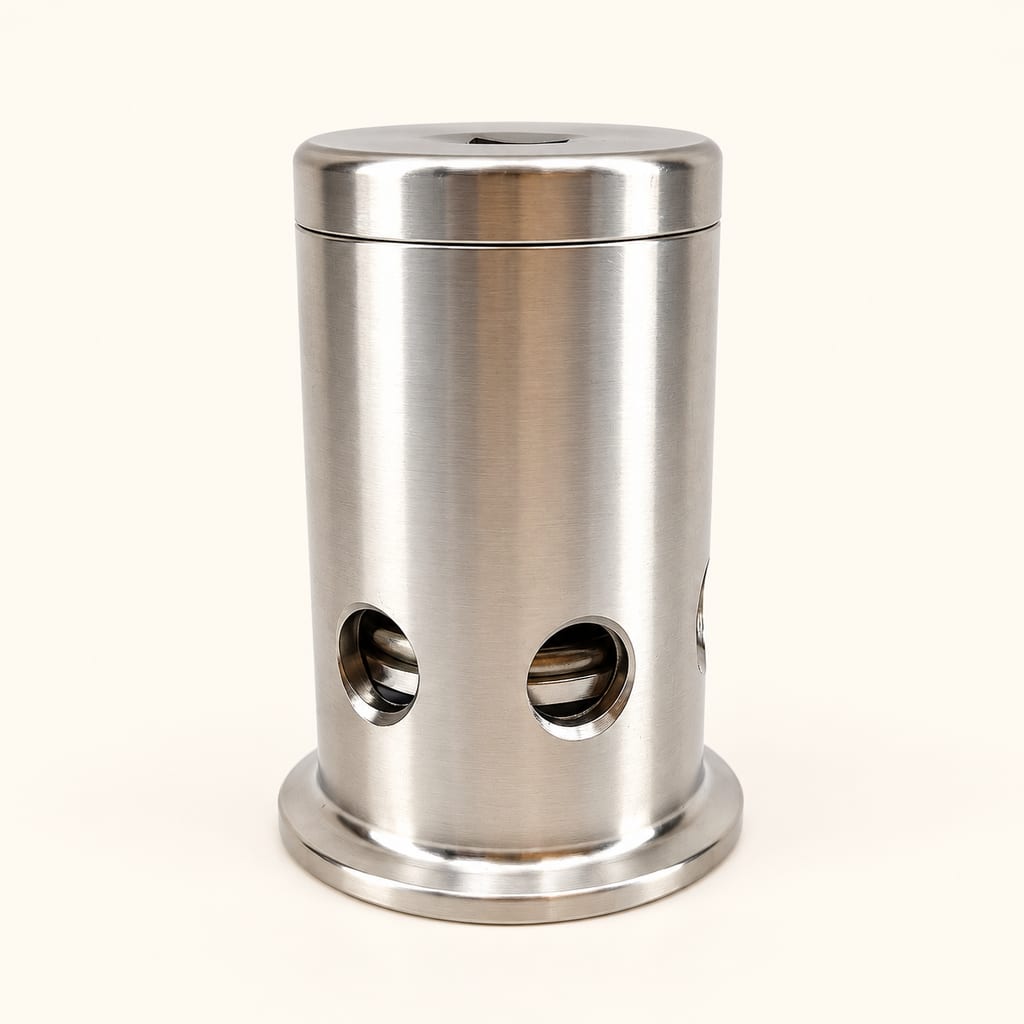
A mechanical pressure-relief valve is an automatic safety device for a pressure-capable vessel. It opens to release excess pressure at its own threshold; it is not a gauge, airlock or fermentation pressure controller.
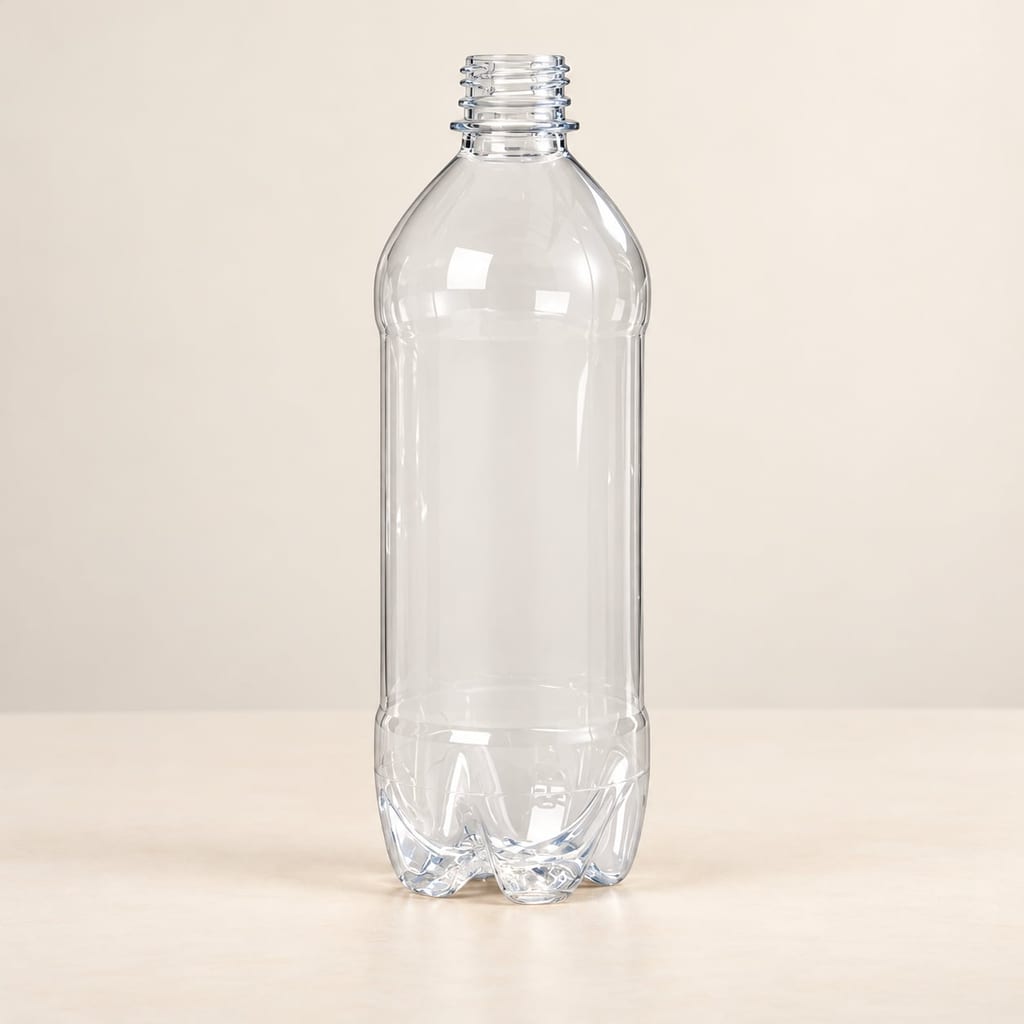
Bottles and other packages made and specified to contain carbonated or actively fermenting drinks. A package rating belongs to its exact design and use; it does not make ordinary jars or bottles suitable for pressure.

Soft, spreadable Calabrian pork sausage made with a great deal of red chilli and fatty pork, stuffed into natural casings, sometimes smoked and matured while staying soft.

A way to add independent temperature logging to an existing food dehydrator without changing its built-in controls or protections. It is a monitoring method, not a rewiring plan.

Pleurotus cystidiosus is the abalone mushroom, a cultivated oyster-type fungus with dark brown caps that grows more slowly and is more demanding than other Pleurotus species.

A dark, balanced vinegar from Emilia-Romagna made by combining cooked or concentrated grape must with wine vinegar, then acetifying and refining it in wood under a protected specification.

A living dairy inoculum that starts controlled cream fermentation, developing acidity and aroma before sour cream or cultured butter is finished.

A small electric incubator holds jars at a selected temperature for yogurt and other documented warm food preparations. Controls, capacity and vessel arrangement vary by model.

Adygean salt is a seasoned table salt associated with Adygea and the wider North Caucasian culinary tradition. Salt is blended with garlic and a variable selection of herbs and spices; the exact mix depends on the named style and maker.

The African Caesar-group mushroom, Amanita masasiensis, is a wild ectomycorrhizal species of central and southern African woodlands, eaten locally. The genus contains deadly poisonous species, so identification needs care.
No community contributions have been published for this entry yet.
Sign in to contribute. Published comments and photos are free to read.
KegLandForm · Materials · Capacity · Construction
Gen3 FermZilla - Tri-Conical - 27L - Starter Kit with handleThe current Gen3 Tri-Conical is described as a conical PET fermenter with a moulded three-inch ferrule, tri-clover butterfly valve and detachable 600 mL collection container.
KegLand lists 27 L and 55 L models, includes a stainless stand in the 27 L starter kit, and states pressure capability up to 2.4 bar for this model family.
The page distinguishes Gen2 and Gen3 structures and explicitly calls the item a PET fermenter.
Cited in: A clear vessel that is built for pressure; The cone and collector separate the solids; Pressure ratings belong to the named model; A modern product family, not one universal design
KegLandFunction · Use · Closed transfer
Gen3 27L FermZilla Tri-Conical Complete Pressure Brewing KitKegLand describes the kit for pressure brewing beer and pressure transfer into a keg.
The kit listing includes gas and liquid carbonation caps, a collection container and a 0-15 psi integrated spunding valve.
The manufacturer presents the FermZilla as a vessel for fermentation and pressure transfer, not as an ordinary drink bottle.
Cited in: A clear vessel that is built for pressure; Fermentation and closed transfer
KegLand Product DocumentationDesign · Model variation · Cleaning
FermZilla Tri-Conical 27L & 55L | User GuideThe Gen3 guide describes a moulded three-inch ferrule and 600 mL removable collection container, and contrasts the design with Gen2.
It describes the FermZilla as visible during fermentation and capable of pressure fermentation up to the stated model limit.
It instructs that the vessel be depressurised before disassembly.
Cited in: The cone and collector separate the solids; A modern product family, not one universal design
KegLand Product DocumentationSafety · Care · Operating limits
Important Information & WarningsThe manual states not to exceed 2.5 bar (35 psi), to avoid UV exposure, and not to exceed 35°C while pressurised.
It requires a spunding valve for pressure fermentation and says the pressure-relief valve alone is insufficient.
It instructs users to depressurise the vessel and collection container before undoing clamps or removing the collector, and gives model-specific inspection and hydrotest guidance.
Cited in: Fermentation and closed transfer; Pressure ratings belong to the named model