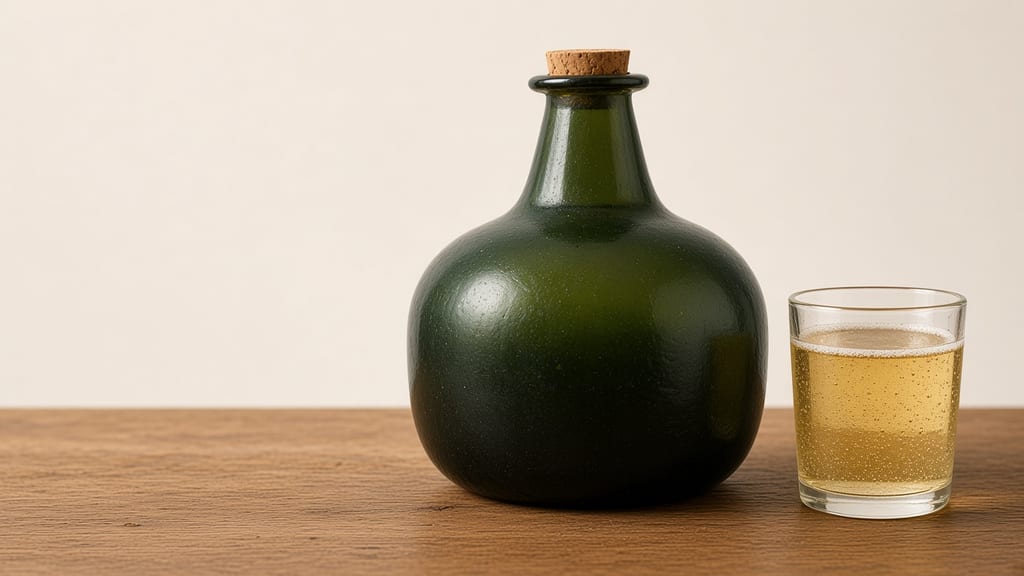
Seventeenth-century English bottled cider
A lightly sparkling cider bottled before it had finished fermenting, as Sir Paul Neile described it in 1664, with a measured modern method for safe bottle conditioning.
 FermenteaWhere food goes to change
Equipment · Bottles, carboys and demijohns
pressure-rated beverage packaging
Bottles and other packages made and specified to contain carbonated or actively fermenting drinks. A package rating belongs to its exact design and use; it does not make ordinary jars or bottles suitable for pressure.
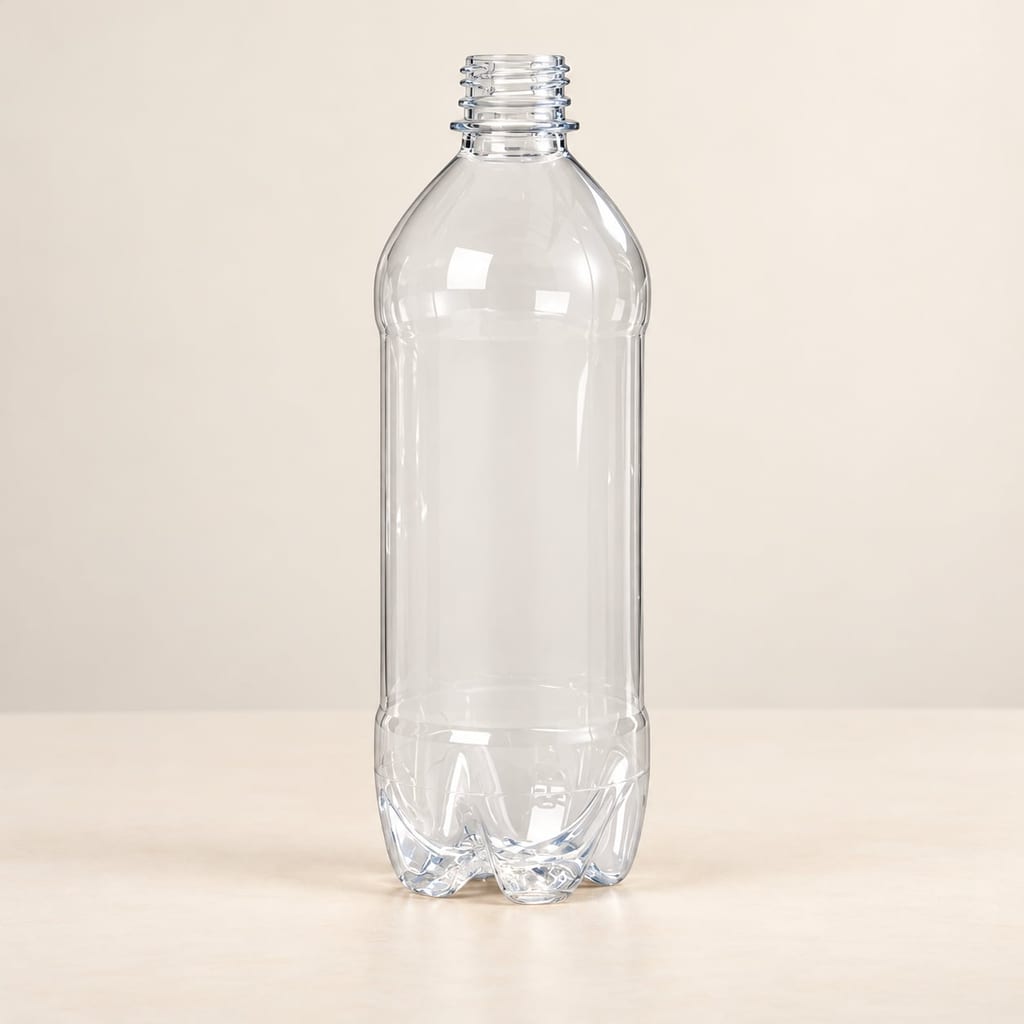
Pressure-rated beverage packaging means a bottle or other package specified by its maker to contain a carbonated drink or another product that can generate internal gas pressure. It is distinct from the fermenter: a fermenter holds the batch during fermentation, while a bottle, can or keg holds the packaged drink. Some workflows ferment in a pressure-rated tank and then transfer into separate packaging; other beverages develop carbonation inside their final bottle. The correct package depends on that use and the product’s pressure and temperature conditions.
Glass and PET examples do not share a universal shape or rating. Toyo Seikan’s Japanese product page describes PET bottles for carbonated beverages and notes a petaloid five-foot base, a pressure-strength body shape and a neck vent feature intended to help prevent cap ejection during opening. These details describe that manufacturer’s design, not a checklist that makes another bottle safe. The Champagne industry’s traditional-method bottle is a separate documented glass example, built for its own process and specifications. A pressure value printed for one model or beverage should not be transferred to another container.
A sealed bottle can continue to accumulate gas if viable organisms ferment remaining sugars. Pennsylvania’s kombucha guidance describes pressure buildup in bottles as a hazard: when pressure exceeds the container’s ability to hold it, leakage or breakage can follow. The Brewers Association likewise warns that unintended refermentation can exceed a bottle or can’s rating. A rated package is only one part of a controlled process; it is not a pressure gauge, fermentation stop, or guarantee of shelf stability. Follow the exact maker’s package specification and separately validate the beverage process.
The published Pressure-rated PET fermenter page describes a larger engineered vessel designed to ferment a batch under its own specified limits and fittings. Beverage packaging serves as the final or intermediate container for a product, and can be glass or PET. The two may appear in one production chain, but a fermenter rating does not rate a separate bottle, and a bottle rating does not qualify a tank. This page therefore describes packaging as a separate equipment class rather than another fermenter design.
Residual fermentation can produce carbon dioxide; if pressure exceeds the exact package's strength, leakage, breakage or rupture may occur.
Hazard sourceUse only a package whose manufacturer specifies it for the beverage, pressure, temperature and service conditions involved; follow the exact package and closure instructions.
Control sourceTreat packaging choice and fermentation control as separate controls. A pressure-rated package does not measure pressure or stop continuing fermentation.
Control sourceDo not infer a pressure rating from material, appearance, closure style or resemblance to another bottle.
This page describes packaging types; it is not a pressure-system design or a fermentation procedure.
A pressure-rated beverage package is the closed product container; a pressure fermenter is a vessel in which fermentation itself occurs. They occupy different process stages and are not interchangeable.
Source →Material or visual similarity does not establish a pressure rating. Toyo Seikan describes a PET bottle purpose-designed for carbonated beverages, while ordinary PET containers may have different structures and limits.
Source →Container strength does not stop ongoing fermentation or establish remaining fermentable sugar, pressure, or shelf stability.
Source →These sources document Pennsylvania guidance and a Japanese maker's product; they do not establish the equipment class's origin, use distribution, or exclusive geography.
A lightly sparkling cider bottled before it had finished fermenting, as Sir Paul Neile described it in 1664, with a measured modern method for safe bottle conditioning.
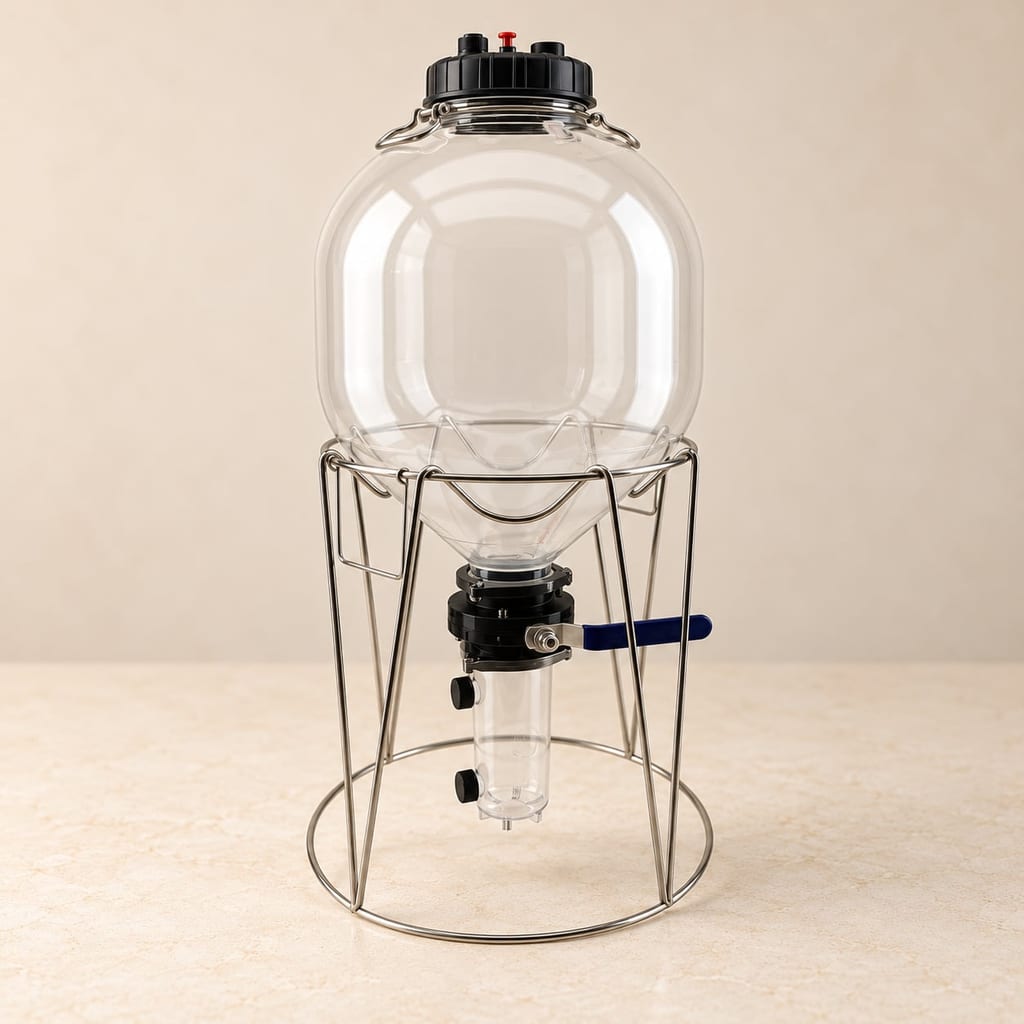
A purpose-built PET fermenter is engineered for a specific pressure range, closure and fittings. The FermZilla Tri-Conical is one modern example; its rating does not extend to ordinary PET bottles or other vessels.
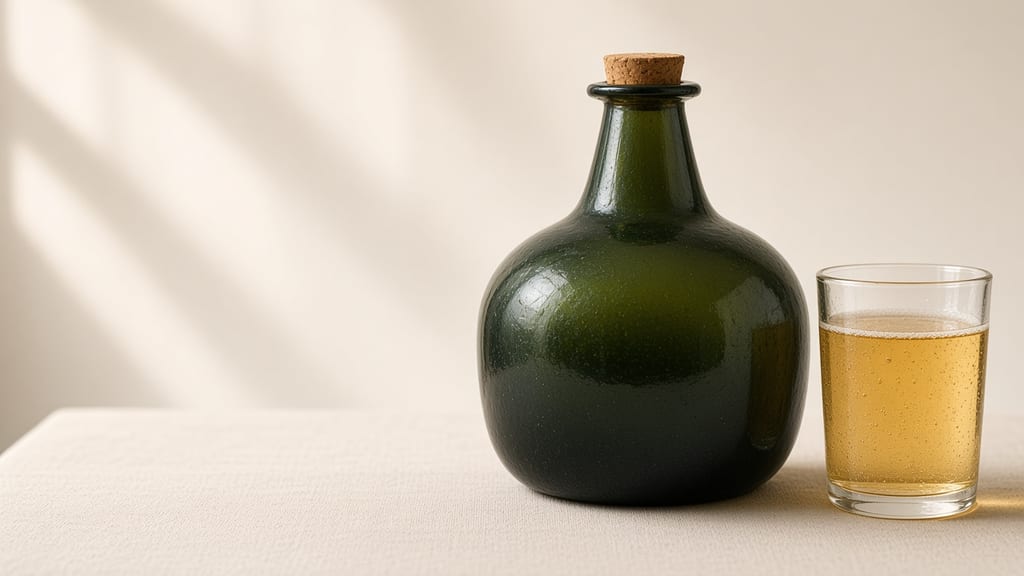
In the 1650s and 1660s English cider makers bottled cider with a little life left in it, sometimes with a lump of sugar, so it would mantle and sparkle in the glass, decades before Champagne sparkled on purpose.

Soft, spreadable Calabrian pork sausage made with a great deal of red chilli and fatty pork, stuffed into natural casings, sometimes smoked and matured while staying soft.

A way to add independent temperature logging to an existing food dehydrator without changing its built-in controls or protections. It is a monitoring method, not a rewiring plan.

Pleurotus cystidiosus is the abalone mushroom, a cultivated oyster-type fungus with dark brown caps that grows more slowly and is more demanding than other Pleurotus species.

A dark, balanced vinegar from Emilia-Romagna made by combining cooked or concentrated grape must with wine vinegar, then acetifying and refining it in wood under a protected specification.

A living dairy inoculum that starts controlled cream fermentation, developing acidity and aroma before sour cream or cultured butter is finished.

A small electric incubator holds jars at a selected temperature for yogurt and other documented warm food preparations. Controls, capacity and vessel arrangement vary by model.

Adygean salt is a seasoned table salt associated with Adygea and the wider North Caucasian culinary tradition. Salt is blended with garlic and a variable selection of herbs and spices; the exact mix depends on the named style and maker.

The African Caesar-group mushroom, Amanita masasiensis, is a wild ectomycorrhizal species of central and southern African woodlands, eaten locally. The genus contains deadly poisonous species, so identification needs care.
No community contributions have been published for this entry yet.
Sign in to contribute. Published comments and photos are free to read.
Pennsylvania Department of AgricultureSafety · Packaging · Fermentation
Kombucha Brewing & Bottling GuidelinesThe guidance identifies bottling actively fermenting kombucha as a physical hazard because carbon dioxide can build pressure beyond container strength, causing leakage or breakage and potentially hazardous bottle or cap failure.
It distinguishes package selection from controls that stop or slow ongoing fermentation.
Cited in: Packaging does not control fermentation
Toyo Seikan Co., Ltd.Form · Materials · Design
Pressure-resistant PET bottle for carbonated beveragesToyo Seikan describes PET bottles designed to withstand carbon-dioxide pressure for carbonated drinks.
Its cited product design uses a five-foot petaloid base, a body shaped for internal pressure strength, and a neck vent feature intended to reduce cap-ejection risk during opening.
Cited in: Design features are model-specific; How it differs from a pressure fermenter
Brewers AssociationSafety · Packaged conditioning
Preventing Package Over-PressurizationThe Association warns that unintended refermentation in packaged beer can cause a bottle or can to exceed its pressure rating and rupture.
The guidance emphasizes knowing package pressure limits and managing fermentation and conditioning; a package alone does not control fermentation.
Cited in: The package holds pressure after filling; Packaging does not control fermentation; How it differs from a pressure fermenter
Comité ChampagneForm · History · Pressure
The Champagne bottleComité Champagne describes the traditional glass Champagne bottle and its pressure-specific design; those claims apply to the Champagne bottle type, not all beverage packaging.
Cited in: Design features are model-specific