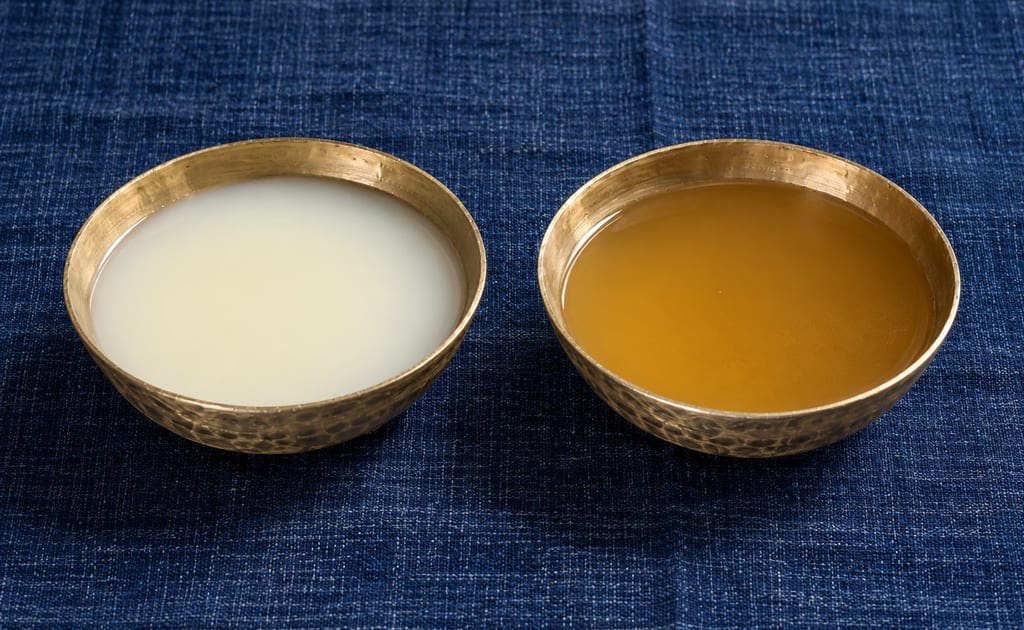
Apong
Apong names Mising rice beverages in Assam, including pale Nogin and ash-associated Po:ro. Sources describe distinct preparations and do not establish one unified household recipe or validated safety endpoint.
 FermenteaWhere food goes to change
Traditional method
Zutho · Zhuchu
Angami rice beer from Nagaland. A surveyed method mixed cooked rice with piazu, fermented it for about four days in summer or a week in winter, then added water and filtered it. The starter ratio leaves the rice-weight basis unclear.
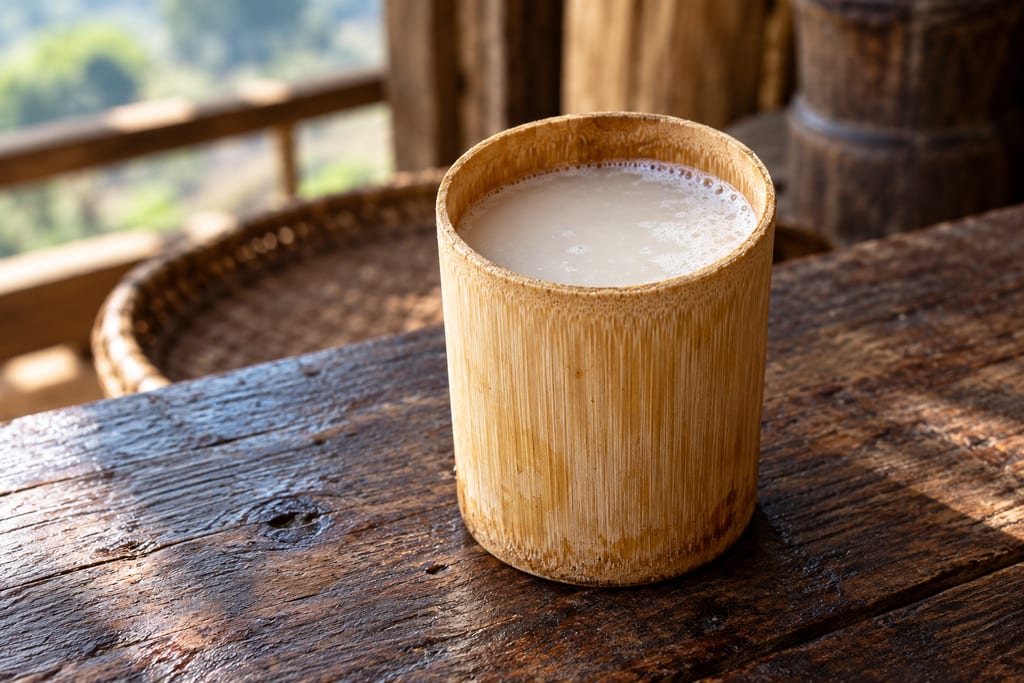
Zutho, also called zhuchu, is a traditional fermented rice beverage of the Angami communities of Nagaland in northeastern India.
It is prepared by mixing cooked rice with a powdered starter made from sprouted rice, called piazu. The mixture is fermented for several days before water is added and the resulting beverage is filtered.
Zutho belongs to a wide family of northeastern Indian rice beers, but its use of sprouted-rice starter is particularly significant.
Unlike processes relying entirely on commercial yeast, the preparation uses a locally produced starter with a complex microbiological character.
The beverage is alcoholic; a safe storage duration is not established.
Term — Meaning
Zutho — Angami rice beer
Zhuchu — Alternative name
Piazu — Sprouted-rice starter
Khrei / Khekhrii — Related recorded starter names
Rice — Oryza sativa
Brewing yeast — Saccharomyces cerevisiae, among other organisms
The research records these names using Latin-script transliteration. A separately verified Angami-script equivalent is not provided.
Rice-beer traditions are widespread among communities in northeastern India.
Different groups maintain their own starters, ingredients and preparation techniques.
Zutho is closely associated with Angami communities in Nagaland.
The drink features in weddings, birth ceremonies, naming ceremonies and other social gatherings.
It has also been associated with commemorative and funerary events.
This demonstrates that zutho is more than an ordinary alcoholic refreshment. It forms part of the social and ceremonial food culture.
The exact date of its origin is not documented.
A 2024 review preserves the preparation method and identifies the starter culture, but does not establish a particular century when zutho was first brewed.
Traditional knowledge has been passed between producers, with details varying by household and season.
Piazu is prepared from sprouted rice.
The grain is soaked, allowed to germinate, dried and ground.
Germination activates enzymes that help mobilize the rice seed's starch reserves.
The resulting material can contribute to starch conversion during brewing.
Piazu also introduces microorganisms associated with the grain and its processing environment.
Its properties therefore depend upon both malting and microbial activity.
It is not necessarily equivalent to a commercial pure-yeast packet.
Das, Deka and Miyaji (2012) report soaking unhulled rice for three to four days, draining it, germinating it for about a week, air-drying it and pounding it to make piazu.
Their account gives no measured soaking temperature, grain-moisture target, starter-quality test or validated drying endpoint.
A recorded ratio is about 10 g piazu per 1 kg rice. The dry or cooked weight basis is unspecified.
It does not quantify cooking water or the water added after fermentation. This is not a complete batch formula.
In the 2012 survey, rice was boiled, cooled on a bamboo mat and mixed with piazu. The authors report about 10 g starter per 1 kg rice, without defining the dry or cooked weight basis.
The rice was kept in a closed earthen or wooden vessel for about four days in summer or a week in winter. No pressure-management method or validated pathogen-control endpoint is reported; the timing and vessel are not instructions for a safe home batch.
After fermentation, water was added and the drink filtered through bamboo or plastic mesh. The water amount, finished yield, alcohol strength and storage duration are not given.
Rice starch consists principally of amylose and amylopectin.
Yeast cannot directly ferment these polymers.
Enzymatic activity is therefore essential to produce smaller fermentable carbohydrates.
Sprouted rice supplies enzymes associated with grain germination.
Other microorganisms present in the starter may also contribute enzymatic activity.
Once sugars are available, yeasts can metabolize them into ethanol and carbon dioxide.
Lactic acid bacteria may contribute acidity.
The resulting beverage is produced by a mixed microbial process rather than a single biochemical reaction.
Research into traditional zutho has identified yeasts including Saccharomyces cerevisiae.
A strain designated S. cerevisiae Naga 97 has been associated with ethanol production during zutho fermentation.
Other organisms reported in related research include Pichia anomala, now commonly classified as Wickerhamomyces anomalus, and Candida glabrata.
The exact microbial composition may vary by starter and production conditions.
A reported organism in one research sample does not establish that it is present in every household batch.
Nor does it prove that the fermentation is free from unwanted microorganisms.
The difference between summer and winter production is significant.
Cooler conditions can slow microbial activity.
Traditional producers may compensate by allowing longer fermentation or using more starter.
The documented summer preparation takes approximately four days, while winter production may take about seven.
Related Naga rice beers include preparations called duizou or jou, but their starters and methods should not be treated as automatically identical.
Zutho is part of ceremonial and everyday Angami food culture.
It can accompany community feasts.
Serving in bamboo vessels is documented.
The drink's body and flavour depend on extraction water and fermentation conditions.
Because the added water quantity is unreported, a single universal viscosity or alcohol concentration cannot be specified.
The accounts describe the drink's flavour and appearance as cultural observations. They do not establish an aroma, taste, acidity or visual test that proves a batch safe.
A pleasant smell or expected sweetness cannot validate cooked-rice handling, starter quality or fermentation safety.
Cooked rice presents a particular microbiological concern.
Bacillus cereus spores may survive cooking and, under favourable conditions, germinate and multiply.
Some toxins associated with the organism are not reliably destroyed by ordinary reheating.
The documented zutho method holds cooked rice for several days.
It does not provide a validated pH, temperature or other pathogen-control endpoint.
The finished drink can contain alcohol.
No measured ABV or validated refrigerated shelf life is established for this specific formula.
The survey's closed vessel is a historical description and gives no pressure-management procedure. No validated household method or safe sensory endpoint follows from it.
Hutton's 1921 ethnography describes Angami rice beer (zu) as three varieties: pita modhu, called zu-thoh; rohi, rendered dzü-zu; and Saka modhu, called zu-tseh. He gives different preparations for zu-thoh and dzü-zu, and describes zu-tseh as an infusion made by pouring water through fermented dzü-zu rice after its liquid has been drawn off.
These historical categories show that Angami zu had more than one named preparation. Hutton's spellings and account should not be silently collapsed into the later review's Zutho-with-piazu description: the sources use similar names but document different process details, and do not establish exact equivalence. This record follows the 2024 source's Angami Zutho with piazu and keeps the other historical preparations distinct.
Hutton's account is evidence of a historical description, not a validated contemporary recipe or safety protocol. Its colonial-era terminology is retained only where needed to identify his categories.
A 2024 review describes Zutho/Zhuchu as an Angami rice beverage from Nagaland made with sprouted-rice piazu. No origin date is claimed.
Scaling: source batch only
The method holds cooked rice for several days without a validated pathogen-control endpoint; cooked rice can support Bacillus cereus growth if held improperly.
Hazard sourceThe source gives no pressure-management method for its fermentation container.
Hazard sourceThe cited Zutho account provides no validated cooked-rice holding, starter-quality, fermentation, pressure-management or storage control.
Control sourceZutho is an alcoholic rice ferment; this recipe has no alcohol measurement.
The multi-day cooked-rice fermentation has no validated household pathogen-control endpoint.
Do not seal active fermentation in a pressure-tight bottle.
Broad regional association; no village or birthplace is inferred.
Apong names Mising rice beverages in Assam, including pale Nogin and ash-associated Po:ro. Sources describe distinct preparations and do not establish one unified household recipe or validated safety endpoint.
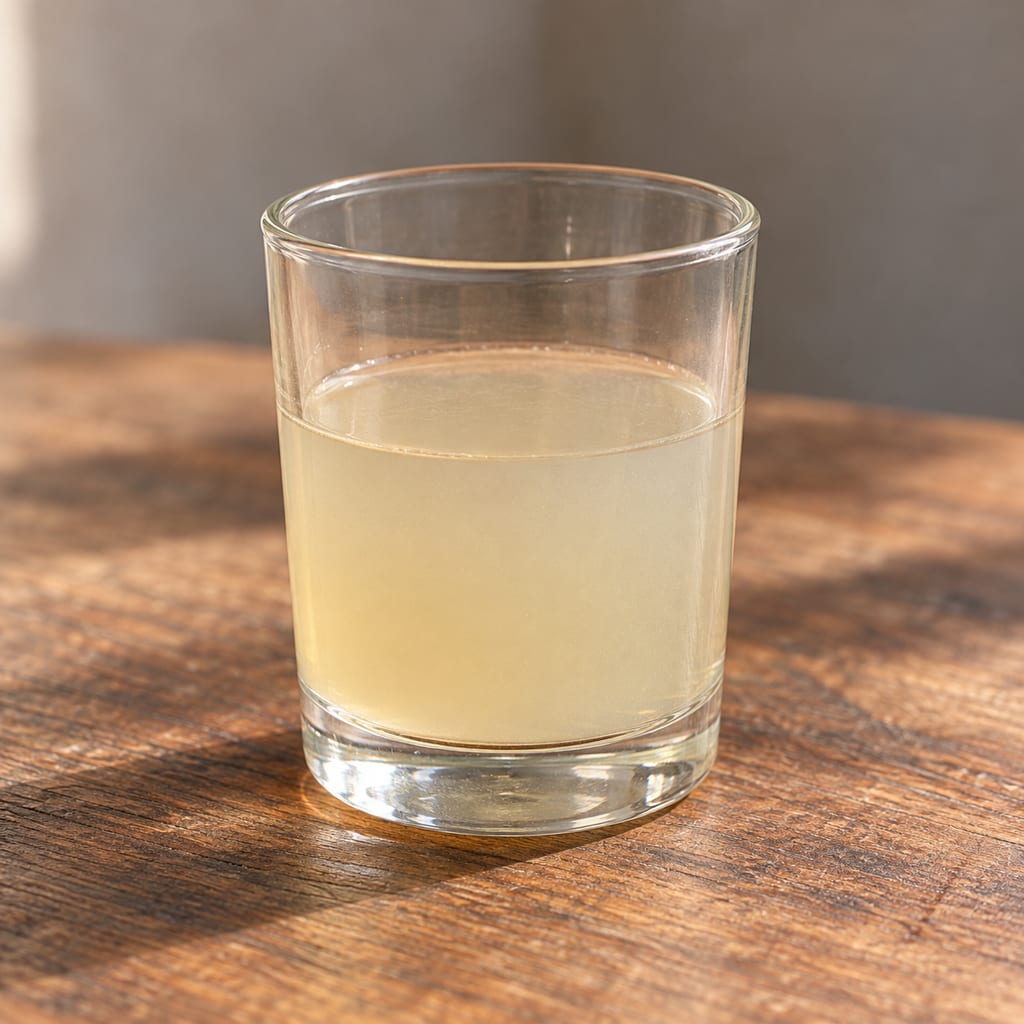
Judima is a Dimasa fermented rice drink from Assam. A 2022 Dhansiri account describes humao starter and rice fermentation, but sources disagree on the thembra bark species and do not provide a complete or validated home batch.
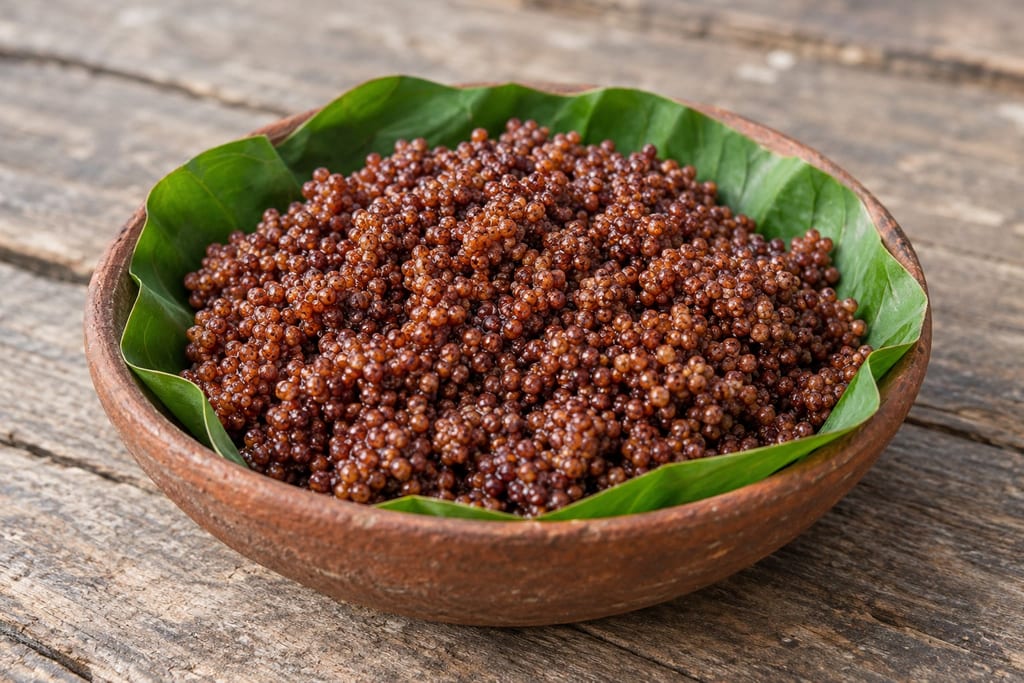
Finger millet fermented with marcha in surveyed Darjeeling and Sikkim communities. Tongba is the later warm-water extraction from the fermented grain. The cited accounts do not establish a complete or validated home batch.
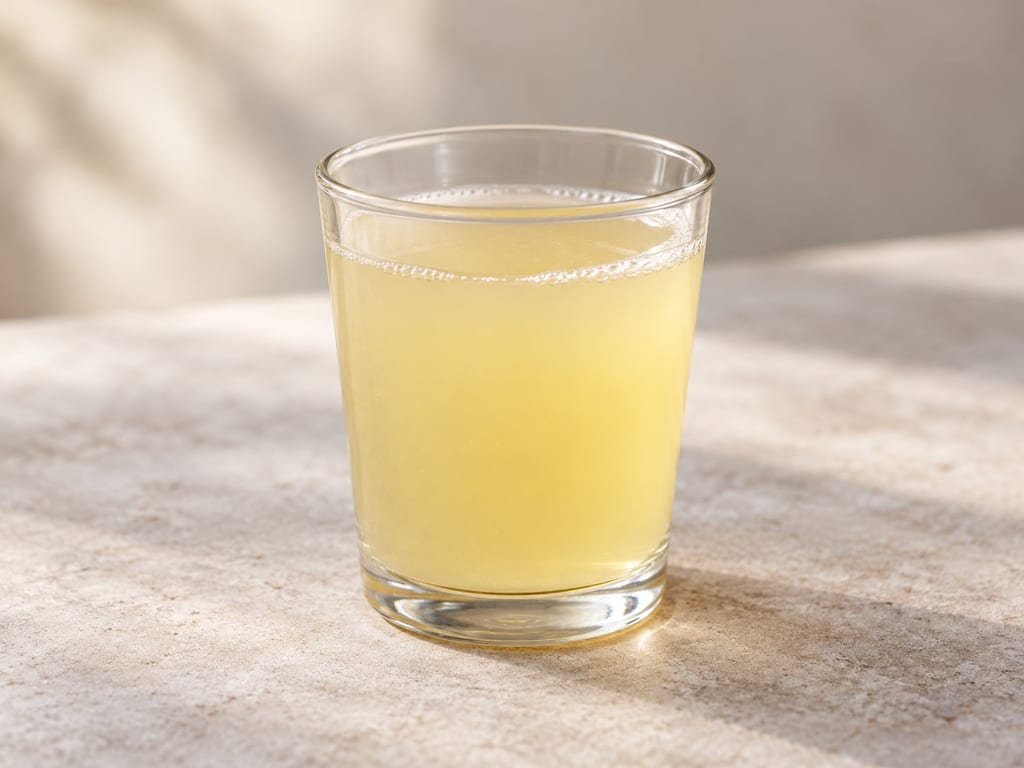
A Manipuri rice beverage: cooked rice is cooled to about 40°C, inoculated with Hamei starter cakes, fermented for a season-dependent spell, then held submerged before filtering.
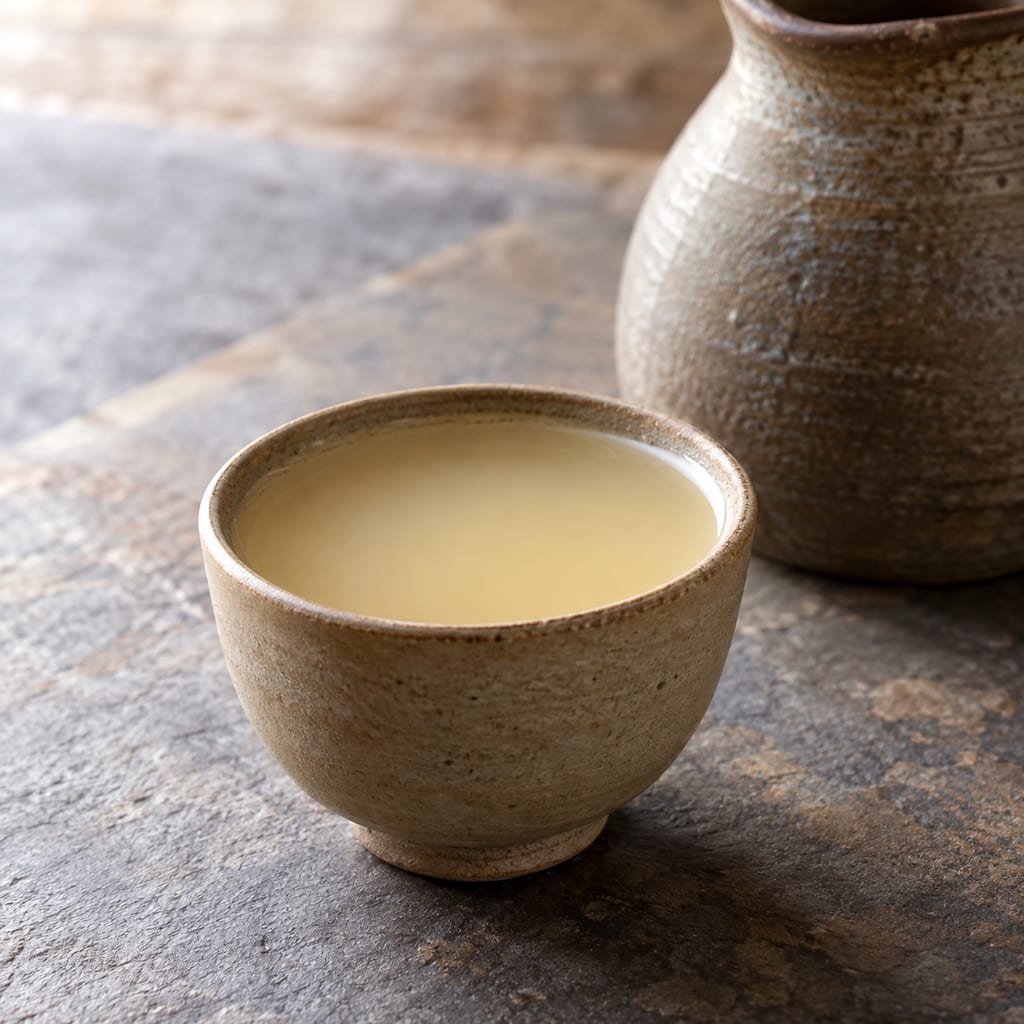
A 2005 Tibetan account describes cooked barley mixed with changdzi, fermented as moist grain, then steeped in water for an alcoholic drink. Grain and water amounts, starter dose and a verified safety endpoint are absent.

Aam panna is a tart Indian summer drink made by cooking unripe green mango until its flesh softens, then blending the pulp with sweetener, salt and spices and diluting it with water.
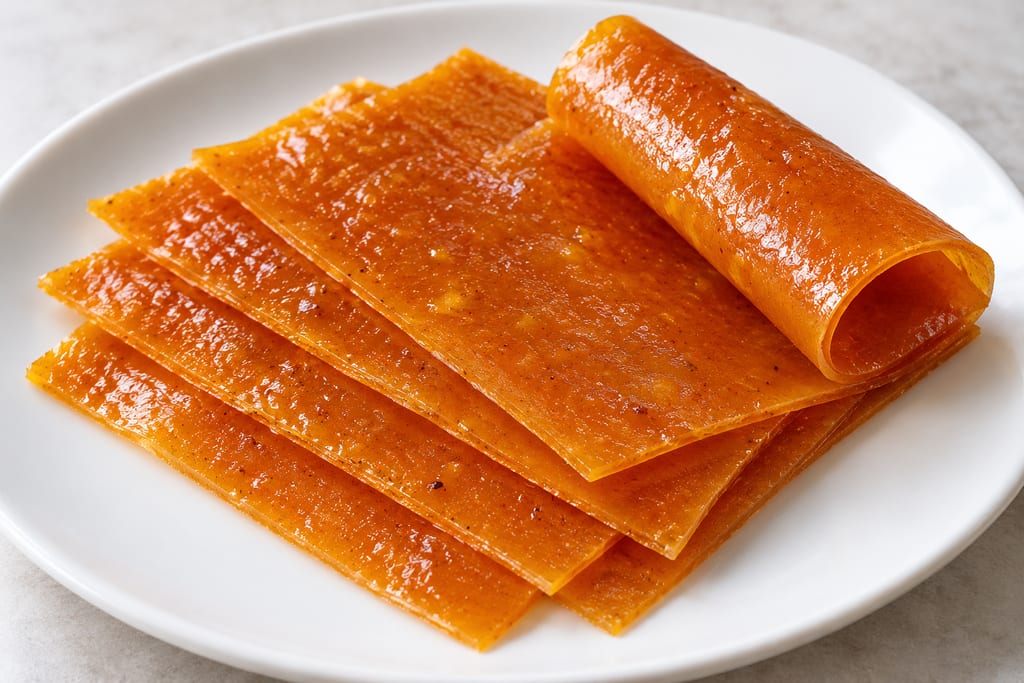
Ripe mango pulp spread thin and dried as a chewy fruit leather. This entry records one controlled unsweetened experiment and distinguishes it from Bengali sun-dried aamshotto and sweetened or spiced variants.

Adrak murabba preserves young ginger in sugar syrup, a sweet South Asian preparation recorded in Indian cookery and food-processing sources.

A deep amber-red American ale brewed from pale, Munich, CaraVienne and chocolate malts, bittered with Columbus hops and finished with Amarillo.

A source-specific modern extract adaptation of Düsseldorf Altbier, with specialty malts, two hop additions and an ale yeast. It is distinct from a brewery's commercial Altbier process and from Kölsch.
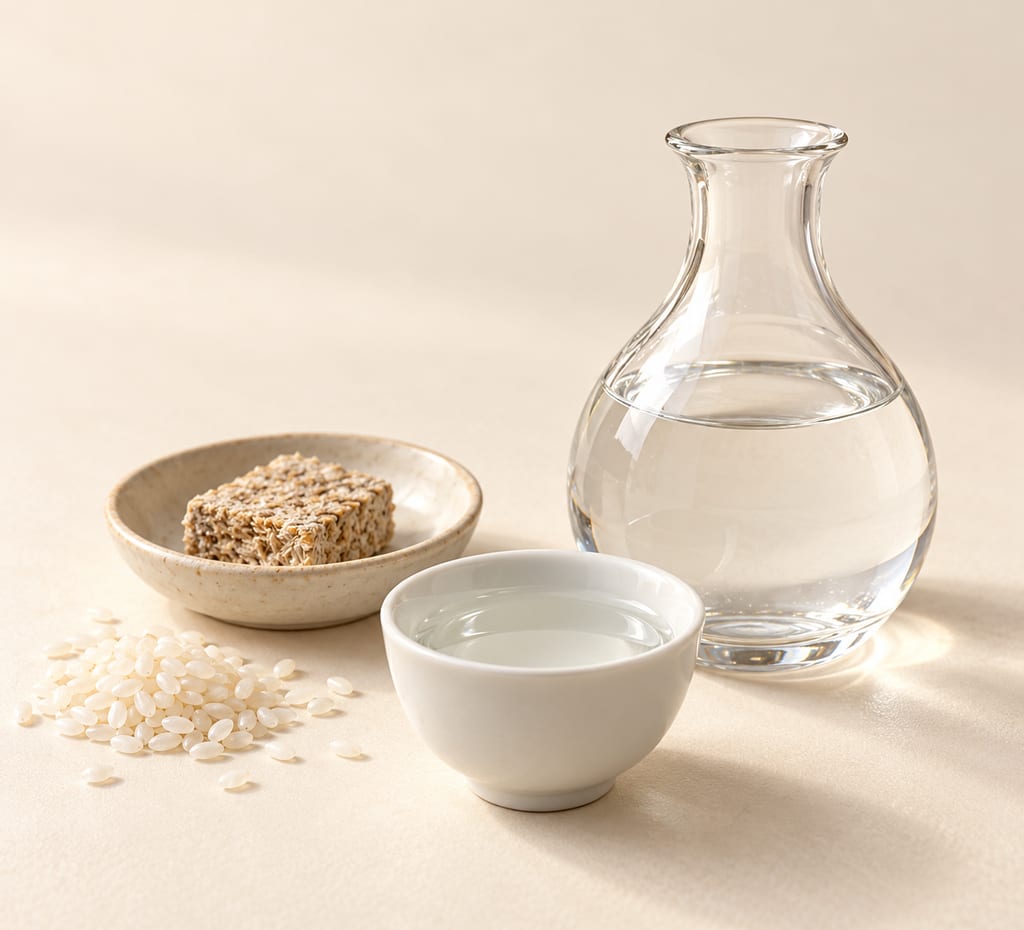
Andong soju is a rice spirit from North Gyeongsang, distilled from steamed rice and wheat nuruk. This method makes the starter before fermenting the rice mash in a jar.
An Okinawan rice spirit made by turning all the rice into black koji, fermenting it with water and yeast, then pot-distilling and maturing the spirit.

This is a process overview, not a complete batch recipe: key quantities, yield and packaging directions are absent. The AHA tutorial uses Hop Hammer Imperial IPA as an example; this page is not that full formulation.
A darker Ethiopian maize tella, brewed from maize baked into a hot, dry kita pancake and then fermented in three stages with barley malt, gesho and water.
A Burkina Faso sorghum beer brewed from malted grain, soured by a spontaneous lactic stage and then fermented with a traditional yeast leaven.
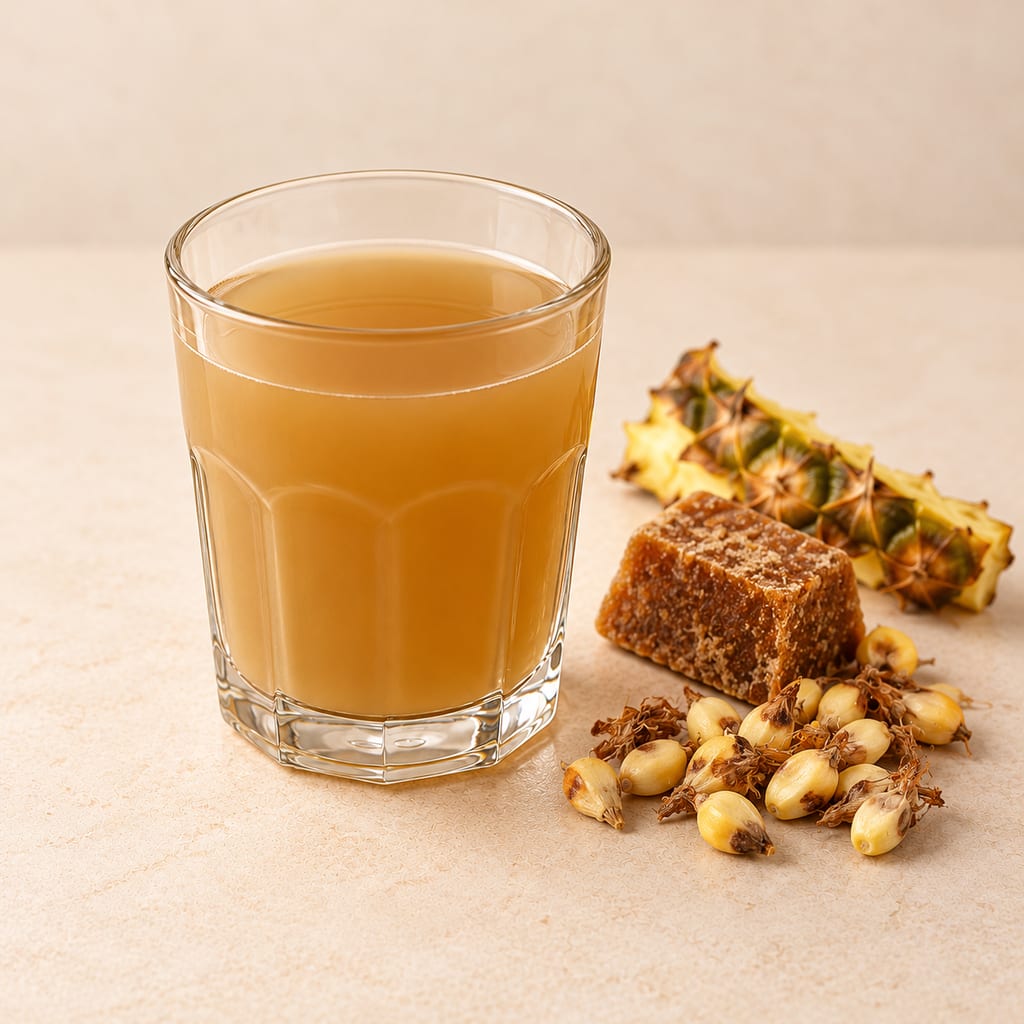
A contemporary Ecuadorian recipe simmers jora flour with spices, then adds panela and pineapple peel before a short spontaneous ferment. Its particular aromatics and measurements belong to this published adaptation.
No community contributions have been published for this entry yet.
Sign in to contribute. Published comments and photos are free to read.
Journal of Food Biochemistry / WileyInspiration · Process · History · Location
Rice-Based Alcoholic Fermented Beverages of North-East India: Insight into Ethnic Preparation, Microbial Intervention, Ethnobotany, and Health BenefitsAngami Nagaland rice beverage; about 10 g piazu per kg rice; ferment 4–7 days; add unquantified water and filter. Review associates Saccharomyces cerevisiae Naga97 with ethanol production.
Cited in: What is zutho?; Names and identity; Historical and cultural setting; What makes piazu important?; Documented piazu preparation; Ingredients; The science of rice fermentation; Microbiology; Regional and seasonal variations; How zutho is consumed; Reported flavour and unresolved safety; Historical Angami names in Hutton (1921)
FoodSafety.govSafety
Food Poisoning Bacteria and VirusesCooked rice and improper holding can be associated with Bacillus cereus; this does not validate the multi-day ferment.
Cited in: Safety: cooked rice and Bacillus cereus
Clemson Cooperative ExtensionSafety
Cleaning and Sanitation for the HomebrewerHomebrew equipment hygiene and bottle over-carbonation are relevant general concerns, not a validated Zutho process.
Cited in: Safety: cooked rice and Bacillus cereus
History · Method
Methodology of rice-beer preparation among northeastern Indian communitiesCited in: Historical and cultural setting; What makes piazu important?; Documented piazu preparation; Recorded Angami process and its limits; Regional and seasonal variations; Reported flavour and unresolved safety
MacmillanHistory · Method
The Angami Nagas: With Some Notes on Neighbouring TribesHutton distinguishes pita modhu/zu-thoh, rohi/dzü-zu, and Saka modhu/zu-tseh as three Angami rice-beer varieties; his account gives distinct methods for zu-thoh and dzü-zu, with zu-tseh made by adding water through the drained fermented rice. These historical names and methods are not treated as exact synonyms of the 2024 Zutho-with-piazu account.
Cited in: Historical Angami names in Hutton (1921)
Nagaland UniversityHistory
Ethnobiology of the Traditional Alcoholic Rice Beers of Nagaland, IndiaThe conference abstract documents five Nagaland rice beers (Aji, Katsing, Khe, Zou-ngao, Zutho) and reports that methods, starter cultures and cultural associations distinguish traditions; it supports keeping community-specific preparations separate.