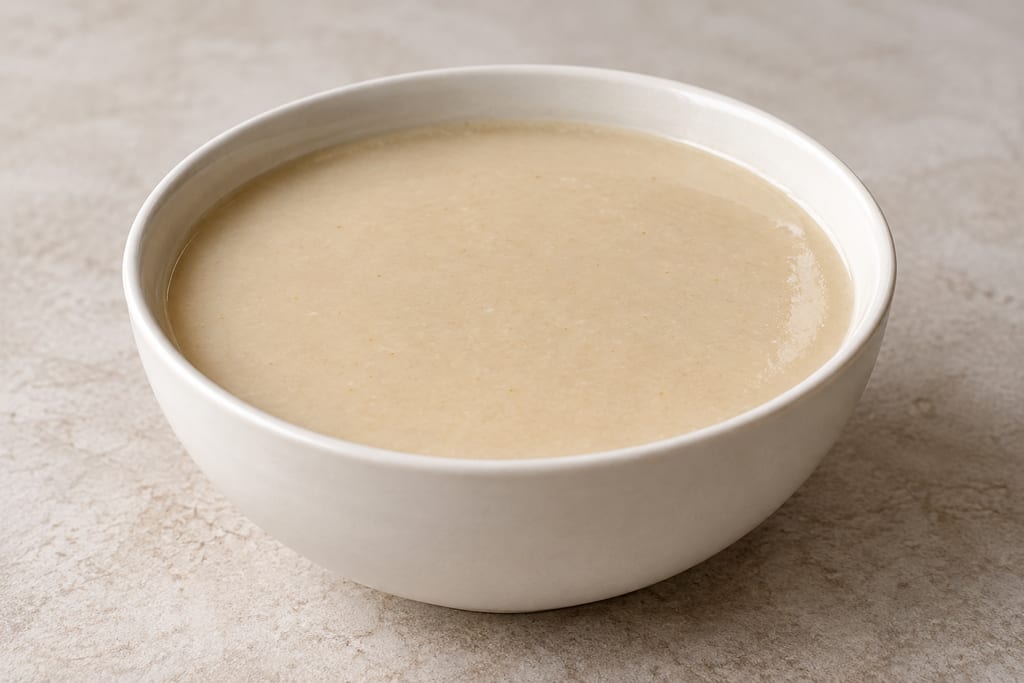
Ben-saalga
A fermented pearl-millet gruel documented in Ouagadougou, Burkina Faso. Whole grain is soaked, wet-milled and sieved; the settled paste ferments again before it is cooked with its liquid.
 FermenteaWhere food goes to change
Traditional method
Dolo
A Burkina Faso sorghum beer brewed from malted grain, soured by a spontaneous lactic stage and then fermented with a traditional yeast leaven.
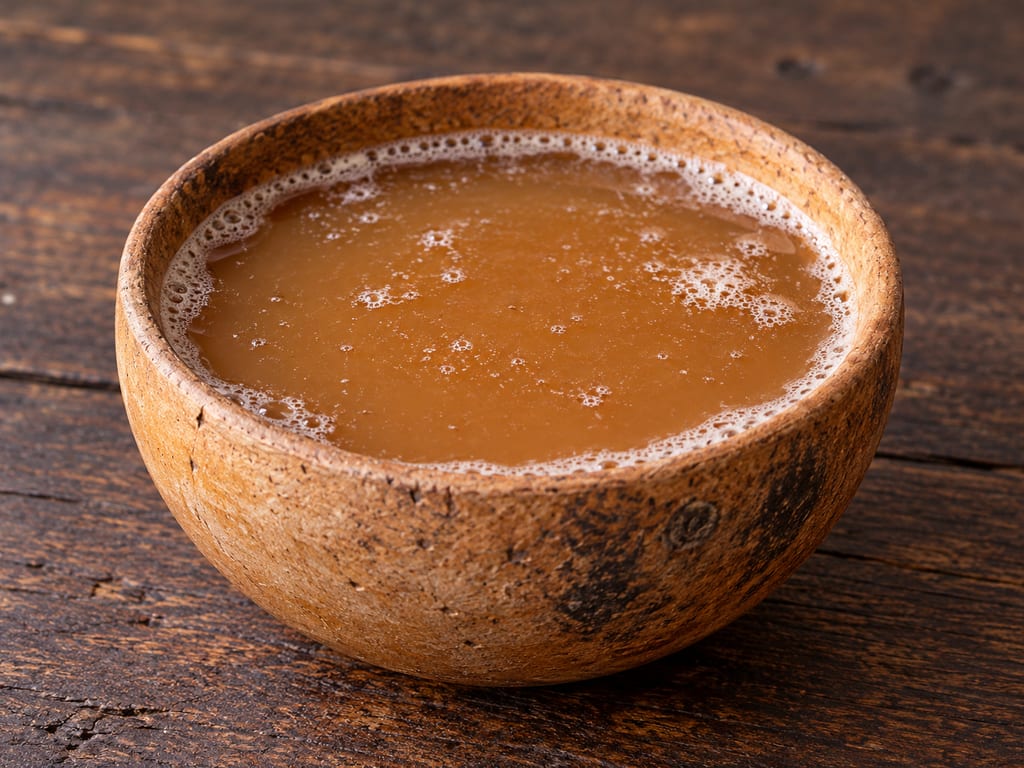
Dolo is a traditional alcoholic cereal beer widely associated with Burkina Faso and neighbouring West African countries.
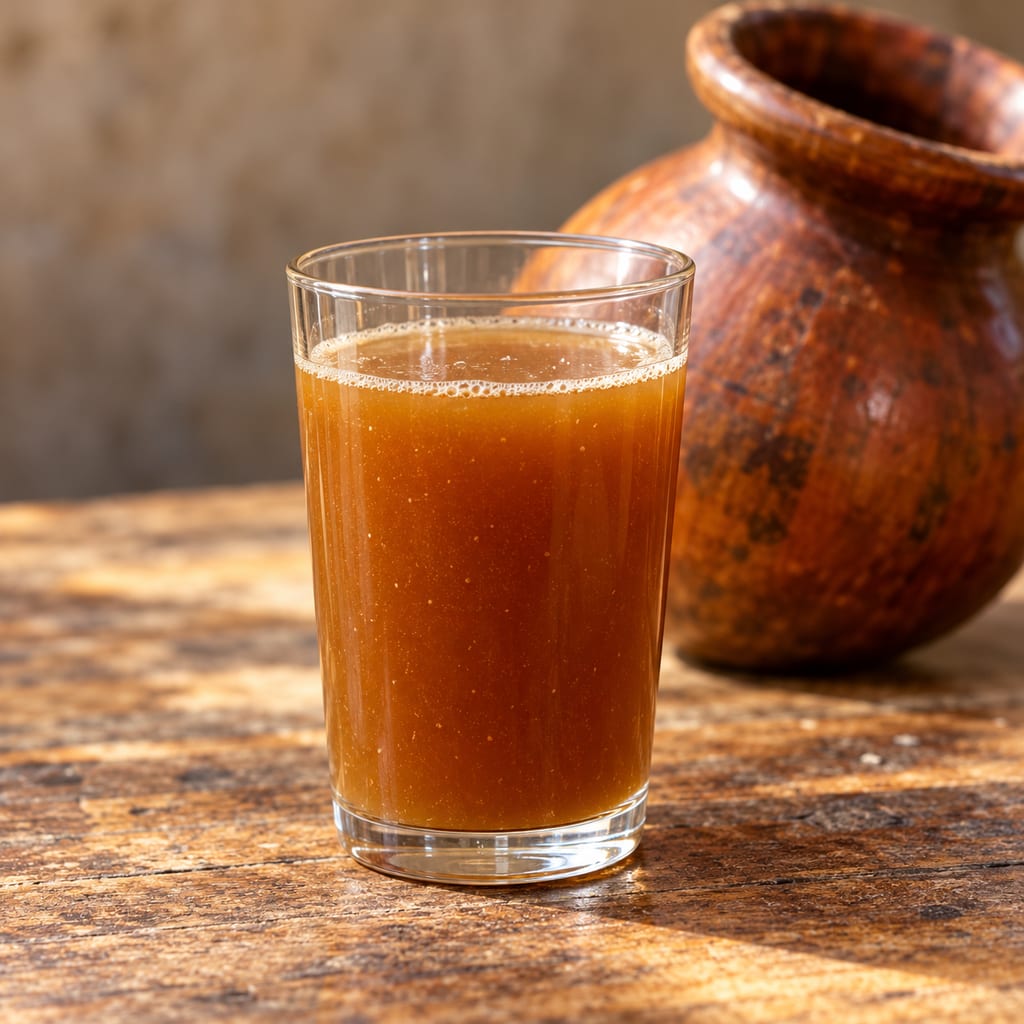
It is often cloudy, lightly acidic and consumed while relatively fresh.
Its principal ingredient is malted sorghum, Sorghum bicolor (L.) Moench.
The name is commonly written dolo in French-language accounts of Burkina Faso. The word is associated with regional brewing traditions rather than one universal recipe.
Dolo is particularly important among Mossi communities, where women have long played a central role in its production and sale.
A woman who brews or sells dolo may be described in French as a dolotière. A traditional drinking establishment is often called a cabaret in local French usage.
The beverage is prepared through a multi-stage process that combines grain malting, starch conversion, spontaneous acidification, extended boiling and alcoholic fermentation.
It is therefore different from a conventional European barley beer produced only through a separately inoculated yeast fermentation.
The food tradition and its microbial ecology are as important as the cereal itself.
Sorghum has a long agricultural history in Africa.
It is well suited to regions where rainfall can be variable and where other cereal crops may be less reliable.
The cultivation of sorghum supported a wide range of foods, including porridges and beers.
Dolo belongs to this extensive African grain-fermentation tradition.
The precise historical date when dolo first developed is not established.
Its current cultural and economic importance is much better documented.
Women often specialise in producing malt or beer, with brewing knowledge passed through families and communities.
In some areas, malt is purchased from dedicated malt producers rather than produced entirely by the brewer.
Dolo is sold in local drinking establishments and consumed during social gatherings.
The use of calabash bowls is characteristic of traditional service.
The process has also attracted scientific interest because it represents a mixed fermentation capable of producing flavour without relying on industrial brewing cultures.
Red and white sorghum are both used in regional brewing traditions.
In the main Mossi dolo tradition of Burkina Faso, red sorghum malt is particularly important.
In southwestern Burkina Faso, especially around Gaoua, some Dagara producers use white sorghum or a mixture of red and white sorghum malt.
A documented regional mixture contains 50% red and 50% white malt.
This is a variation of dolo production, not a separate invention requiring a new recipe record.
Different sorghum cultivars can produce different colours, tannin concentrations, enzyme activities and flavours.
The cereal's composition also affects the amount of soluble extract obtained.
Consequently, the same water ratio does not guarantee the same strength or taste from every sorghum malt.
Malting starts with sorghum grain that is cleaned and steeped in water.
Germination activates enzymes and changes the grain's internal structure.
The developing enzymes help break down starch during subsequent mashing.
After germination, the grain is dried to stop or limit further growth and make it suitable for milling.
The scientific literature describes multiple traditional malting schedules rather than one universal standard.
For one documented dolo production tradition, steeping lasted 14–24 hours, germination 3–4 days and sun drying 2–3 days.
Another regional process used different intervals.
These ranges belong to specific observed malting practices and must not be combined into a single compulsory schedule for all producers.
Malting quality influences the later brewing stages.
Poorly germinated grain may have less useful enzymatic activity.
Inappropriately stored or mould-contaminated grain can also introduce food-safety hazards.
Documented dolo and Dagarti pito process — quantities expressed as a shared source ratio
This is not a fully standardised household batch.
The review groups dolo and Dagarti pito in one process row. It reports a malt-to-water range and no measured starter dose for a dolo-only household batch.
A brewer cannot responsibly replace that missing quantity with an invented teaspoon or gram value.
The precise mass of one volume of sorghum malt also depends on milling and bulk density.
Therefore, a volume ratio should not be silently rewritten as a mass ratio.
Sorghum malt flour — 1 volume
Water for mashing — 5–10 volumes
Traditional indigenous yeast leaven — Quantity not reported
Additional process water — Not separately quantified
Red or white sorghum malt — Regional variation within the cereal component
Dolo brewing uses an unusual mash separation sequence.
Milled sorghum malt is mixed with water.
The suspension is allowed to settle, creating a liquid supernatant and a heavier sediment.
The liquid portion is separated while the sediment is cooked.
The cooked sediment is then recombined with the retained liquid.
This sequence allows starch in the sediment to be gelatinised while preserving some of the enzymatic activity and soluble substances in the separately held portion.
The mixture subsequently undergoes a spontaneous acidification stage.
A long boiling period follows.
After cooling, a traditional yeast preparation initiates alcoholic fermentation.
This division of stages is a defining feature of the documented brewing technology.
The review's combined dolo and Dagarti pito row reports settling for 20 minutes–12 hours, acidification for 12–16 hours, a 3–5-hour boil and alcoholic fermentation for 9–14 hours.
These are reported ranges across production practices, not one complete or safety-validated dolo batch.
Unlike many modern commercial beers, dolo deliberately develops acidity before the main alcoholic fermentation.
Lactic acid bacteria associated with sorghum and the brewing environment grow during the acidification stage.
Organisms identified in dolo processes include Limosilactobacillus fermentum, Pediococcus acidilactici, Leuconostoc species and other lactic acid bacteria.
They convert available carbohydrates into organic acids.
The resulting acidity influences flavour and can inhibit some undesirable organisms.
However, spontaneous acidification is not intrinsically a validated pathogen-control process.
The actual outcome depends on the microorganisms present and the conditions.
The subsequent long boil changes the microbial population before yeast fermentation.
The alcoholic stage is associated particularly with Saccharomyces cerevisiae.
Traditional leaven may come from a previous batch.
Producers sometimes collect yeast-rich sediment and dry it for later use.
The yeast consumes fermentable sugars, producing ethanol and carbon dioxide.
Dolo can become frothy and lightly sparkling.
The beer is commonly consumed while fermentation is active or shortly after it has finished.
Research samples of dolo have reported alcohol concentrations of approximately 1.4–3.5% ABV and pH values around 3.2–3.6.
These are values from sampled traditional beers, not measurements of the specific process described above.
No universal alcohol strength can be guaranteed from the source's malt-water ratio or fermentation timetable.
Dolo is commonly consumed from calabash bowls or gourds.
It is sold in traditional drinking establishments and at gatherings.
The beer's cloudy appearance results partly from suspended cereal material and yeast.
It is not normally filtered or stabilised in the same manner as a modern bottled lager.
Its fresh and changing character is part of the product's identity.
The flavour can be sour, grainy and mildly alcoholic, with differences between breweries and regions.
The beer is also involved in social and ceremonial settings.
Its production contributes income to women who brew, sell and distribute traditional beverages.
The choice of red or white sorghum influences colour and flavour.
The degree of malting affects enzyme activity.
Differences in mash separation and acidification change the amount of fermentable sugar available.
Some localities use plant materials to assist clarification or settling.
The review also describes the use of Grewia bicolor bark extract in certain brewing traditions to encourage decanting.
That ingredient should not be inserted into this main formula without a specific measured dose and botanical sourcing.
Traditional yeast may likewise differ between producers.
All these variations help explain why dolo is a recognisable beer family rather than one rigid formula.
The review describes fresh dolo and pito as frothy and sparkling at the end of alcoholic fermentation.
Appearance, sourness, bubbling and smell do not establish that fermentation is complete or that a batch is microbiologically safe.
No sensory acceptance test or quantitative household release criteria are given, and combined process ranges cannot supply those controls.
Dolo is alcoholic.
It is generally consumed fresh.
The literature describes ambient shelf lives of approximately 24–72 hours for traditional sorghum beers as a broad category, but that is an observation, not a validated guarantee for this batch.
The source does not establish a starter dose, exact alcoholic-fermentation temperature, finished alcohol concentration or microbiological release criterion.
Where a brewery intends to package dolo, continued fermentation and pressure generation need to be considered.
The process is well documented as a traditional brewing method, and it is not a complete, safety-validated household procedure.
The review documents dolo production in Burkina Faso, including Mossi brewers who commonly use red sorghum malt. It also describes regional variations; no origin date is claimed.
Scaling: source batch only
The review reports variable pH and alcohol in dolo and describes spontaneous lactic acidification followed by yeast fermentation.
Hazard sourceTreat this as a combined dolo and Dagarti pito process account, not a validated household recipe. The review gives no complete dolo-only batch, starter dose or household safety endpoint.
Control sourceThis is an alcoholic beverage process; finished alcohol and acidity vary by producer.
The review combines dolo and Dagarti pito process ranges and does not supply a standardized starter dose, validated household batch or sensory safety test.
The review describes dolo production by Mossi women and other groups in Burkina Faso.
The review records 50:50 red and white malt or white malt alone in some dolo/pito production areas around Gaoua; this is a documented variation, not a birthplace claim.
A fermented pearl-millet gruel documented in Ouagadougou, Burkina Faso. Whole grain is soaked, wet-milled and sieved; the settled paste ferments again before it is cooked with its liquid.
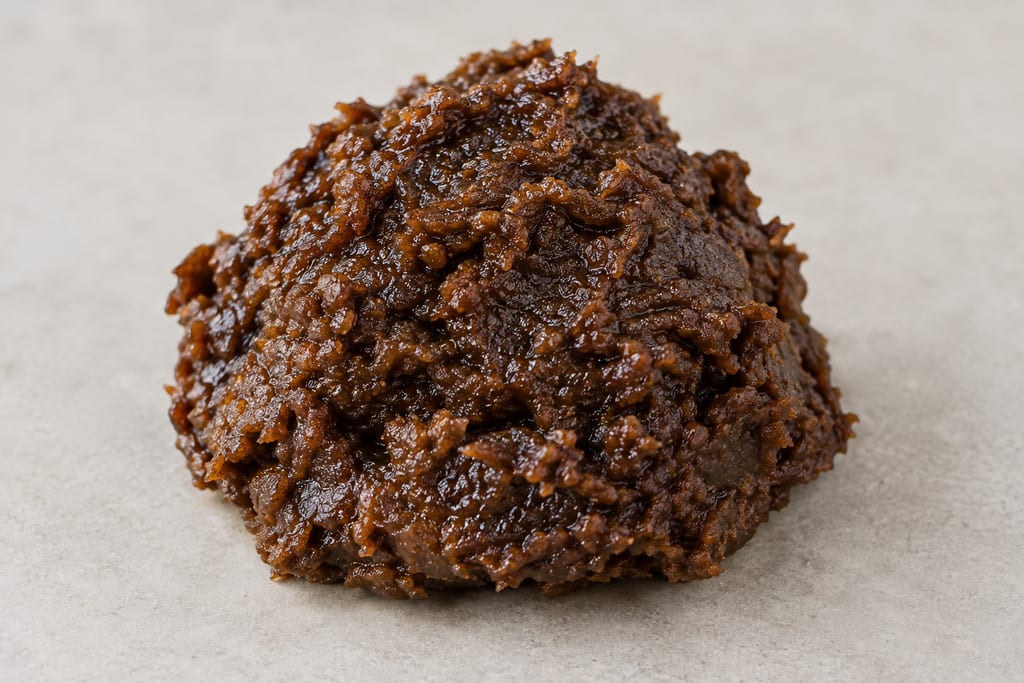
Maari is a Burkinabè baobab-seed condiment documented in producer studies. This is a non-instructional account, not a home recipe: sources vary, omit key process details and establish no validated safety control.
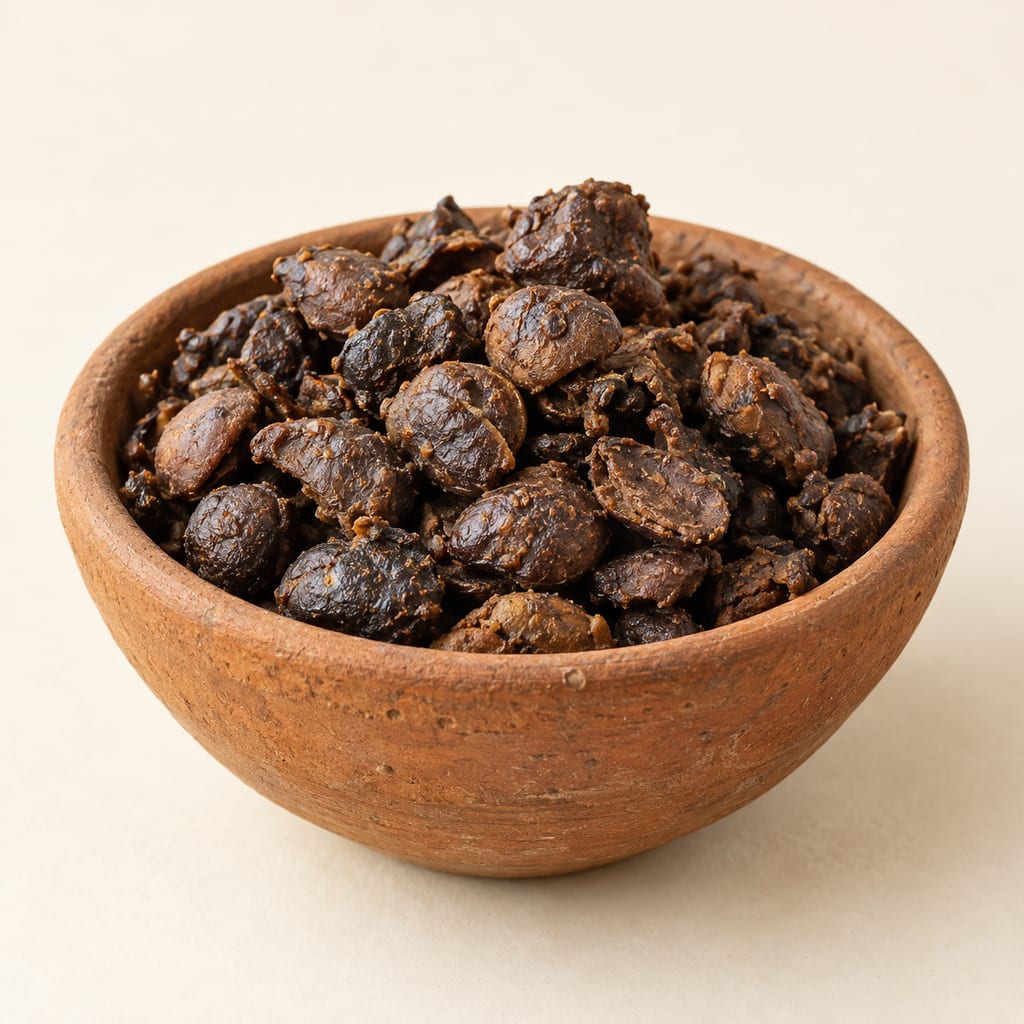
A Burkina Faso alkaline fermentation of African locust bean seeds (Parkia biglobosa), used to season sauces and cooked grain dishes. Local process details vary, and the sources do not give a measured household batch.

A deep amber-red American ale brewed from pale, Munich, CaraVienne and chocolate malts, bittered with Columbus hops and finished with Amarillo.

A source-specific modern extract adaptation of Düsseldorf Altbier, with specialty malts, two hop additions and an ale yeast. It is distinct from a brewery's commercial Altbier process and from Kölsch.
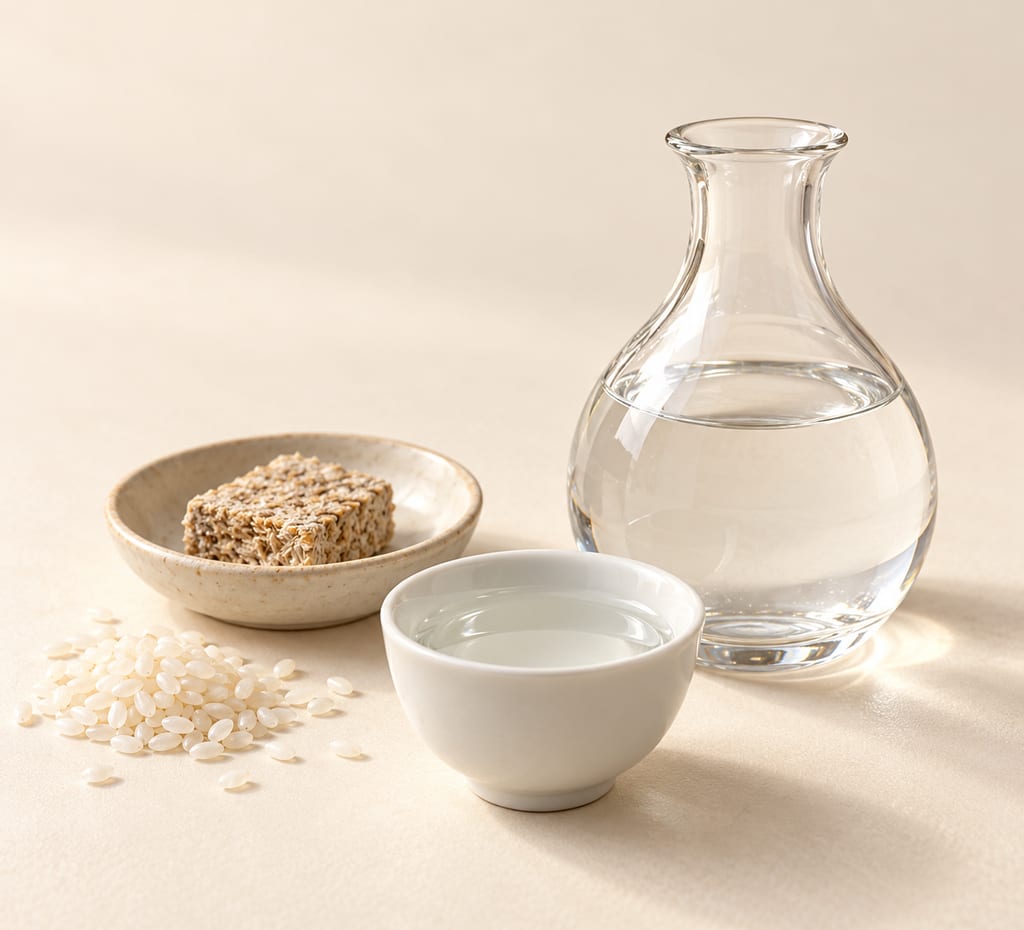
Andong soju is a rice spirit from North Gyeongsang, distilled from steamed rice and wheat nuruk. This method makes the starter before fermenting the rice mash in a jar.
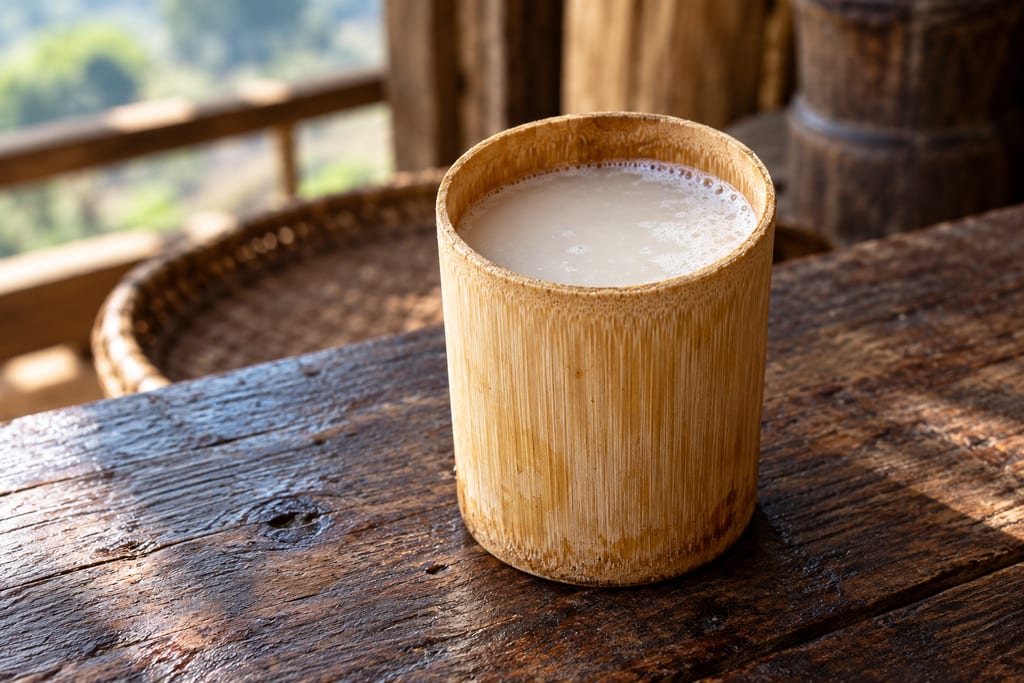
Angami rice beer from Nagaland. A surveyed method mixed cooked rice with piazu, fermented it for about four days in summer or a week in winter, then added water and filtered it. The starter ratio leaves the rice-weight basis unclear.
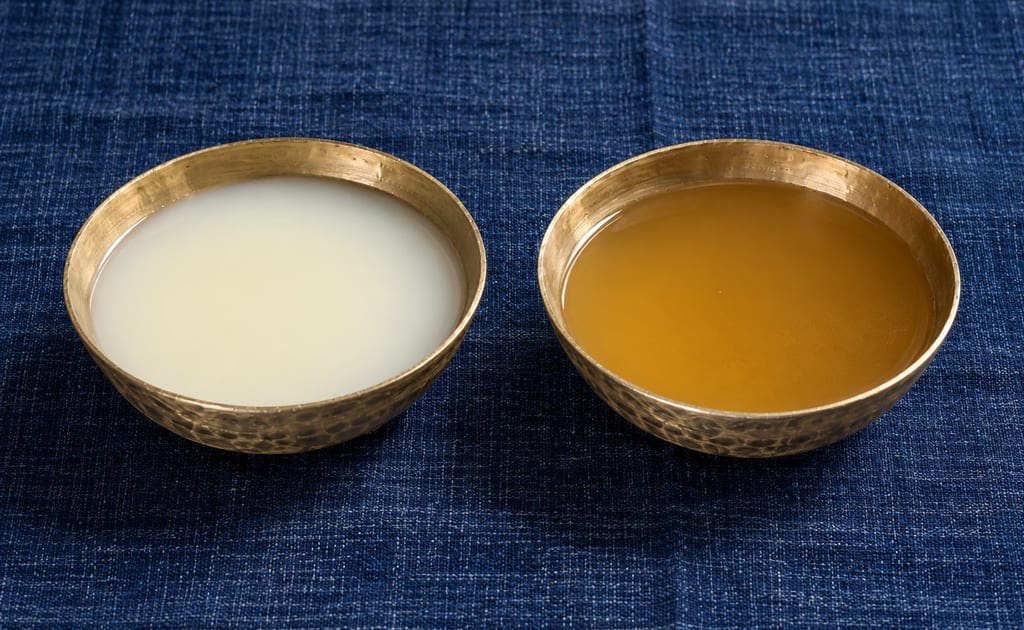
Apong names Mising rice beverages in Assam, including pale Nogin and ash-associated Po:ro. Sources describe distinct preparations and do not establish one unified household recipe or validated safety endpoint.
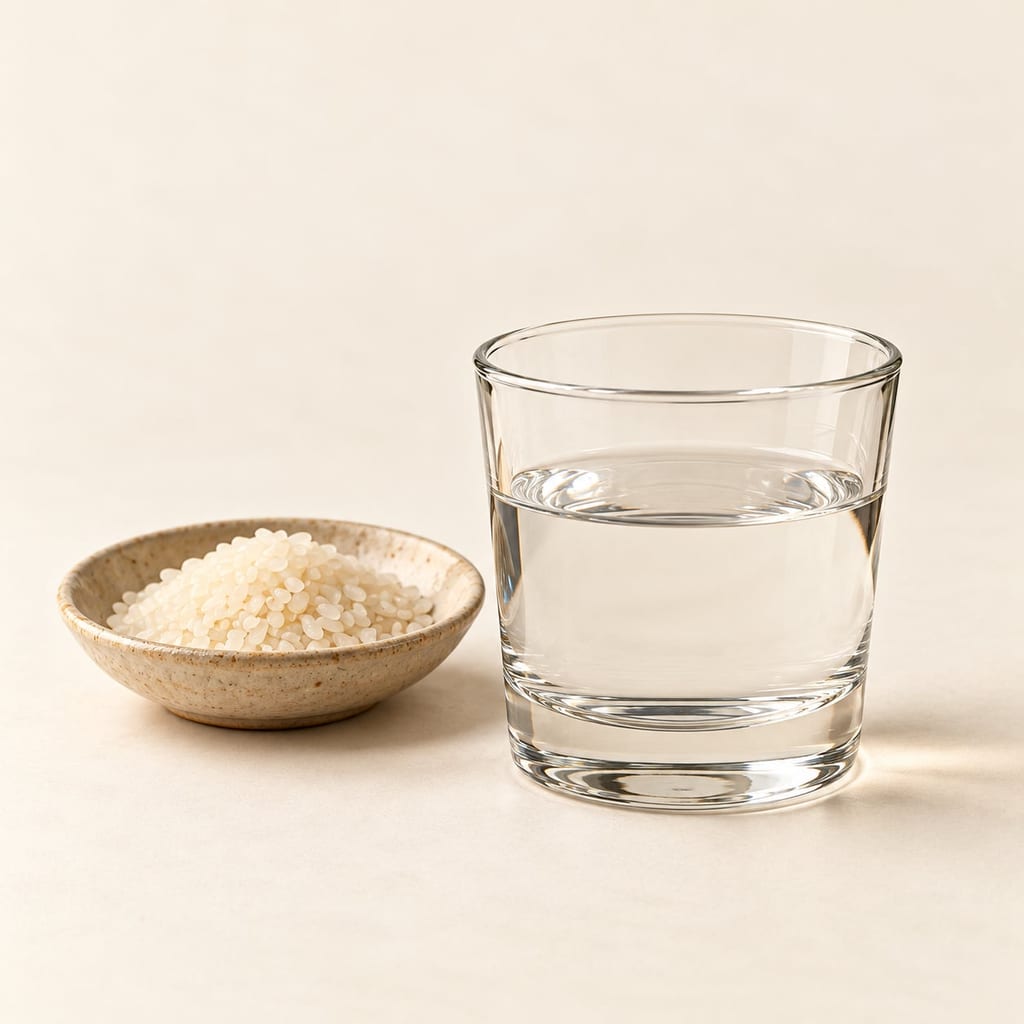
An Okinawan rice spirit made by turning all the rice into black koji, fermenting it with water and yeast, then pot-distilling and maturing the spirit.

This is a process overview, not a complete batch recipe: key quantities, yield and packaging directions are absent. The AHA tutorial uses Hop Hammer Imperial IPA as an example; this page is not that full formulation.
A darker Ethiopian maize tella, brewed from maize baked into a hot, dry kita pancake and then fermented in three stages with barley malt, gesho and water.
No community contributions have been published for this entry yet.
Sign in to contribute. Published comments and photos are free to read.
Frontiers in Sustainable Food SystemsInspiration · Process · History · Safety
Sustainable Production of African Traditional Beers With Focus on Dolo, a West African Sorghum-Based Alcoholic BeverageMossi and other Burkina Faso brewers use red sorghum malt; some Gaoua-area practices use mixed red/white or white malt
Table 3 groups Burkina Faso dolo with Ghanaian Dagarti pito: 1 volume malt flour to 5–10 volumes water; 20 min–12 h settling; sediment heating at 97–98°C; mixing at 59–68°C; 12–16 h acidification; 3–5 h boil; 4–5 h cooling/decanting; 9–14 h yeast fermentation. These are combined reported ranges, not a dolo-only batch.
Review documents variation and variable measured pH/alcohol; no household validation
Cited in: What is dolo?; Historical and regional context; Sorghum varieties; What malting contributes; Ingredients; How the wort is prepared; Documented method; Why the wort is allowed to become sour; Alcoholic fermentation; How dolo is served; Variation between communities; Observed appearance and evidence limits; Safety and storage
Ecology of Food and NutritionHistory · Inspiration
Sorghum malt and traditional beer (dolo) quality assessment in Burkina FasoThe abstract reports a survey of quality assessments in six Burkina Faso cities; it does not name the cities or establish safety controls. Full text was not inspected.
Thèse d'État, Université de Ouagadougou / CNRST IRSAT / University of CopenhagenProcess · Science
La fermentation lactique dans le procédé traditionnel de fabrication de la bière de sorgho (dolo, pito) : caractérisation des bactéries lactiques pour la sélection de cultures starterField descriptions of Dolo production at three Mossi sites in Ouagadougou and one Dagara site in Gaoua; these are study sites, not origins.
Site-specific traditional sequences for settling and decanting, cooking a sediment fraction, recombining, acidifying, filtering and fermenting with local yeast; the thesis does not provide a complete household batch or universal controls.
Experimental starter-culture conditions are separate from the traditional process descriptions and are not a validated home formula.