
Marcha
An ethnographic record of marcha (murcha), a dry starter cake used in Eastern Himalayan cereal fermentations. This page documents source-specific community knowledge and is not a recipe for making or storing starter.
 FermenteaWhere food goes to change
Traditional method
Kodo ko jaanr · Tongba · Mandokpenaa thee · Sampicha ummaak · Saangla chi · Gyaar chyyaang · Minchaa chhyaang · Mong chee · Chyang · Marwa
Finger millet fermented with marcha in surveyed Darjeeling and Sikkim communities. Tongba is the later warm-water extraction from the fermented grain. The cited accounts do not establish a complete or validated home batch.
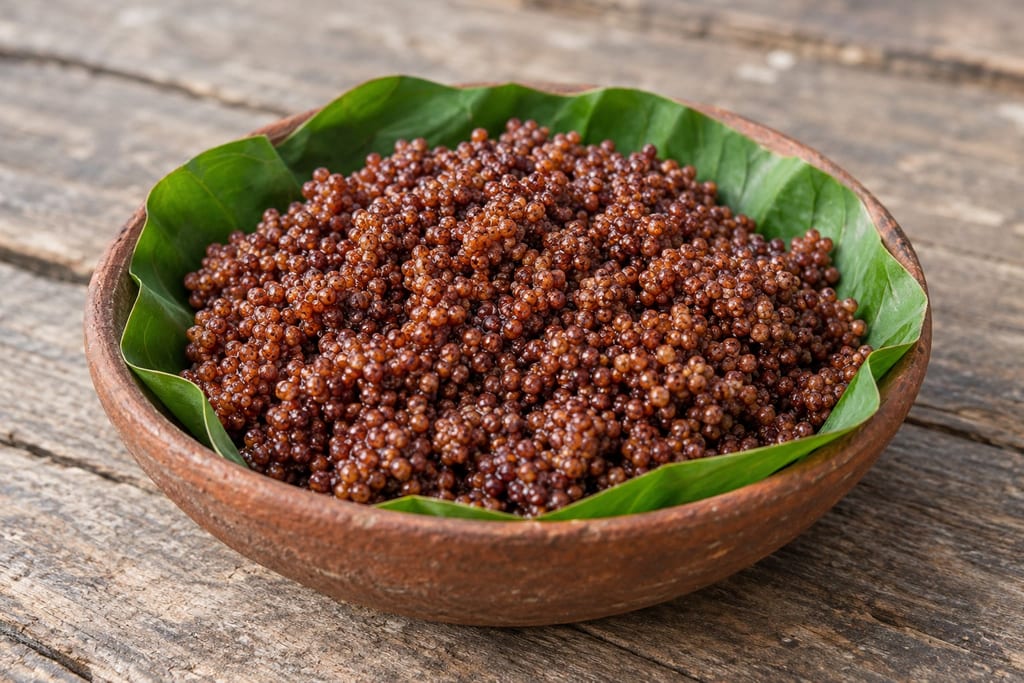
Kodo ko jaanr is a traditional fermented finger-millet product of the eastern Himalayas. Tongba is the distinctive way this fermented grain is served: placed inside a tall vessel, covered with warm or hot water, and drunk through a filtering straw.
The distinction is important.
The grain ferments before the drinker receives it. Adding water to the serving vessel extracts alcohol, acids, sugars and other soluble compounds already present in the fermented millet. It does not begin the entire fermentation process at the table.
In Nepali, kodo means finger millet, while jaanr denotes a fermented grain preparation. Tongba spelling differs between sources.
Finger millet is Eleusine coracana (L.) Gaertn., a small-seeded cereal particularly useful in upland agriculture.
The fermented grain is inoculated with marcha, a dried mixed microbial starter. Organisms in the starter convert cooked grain starch into sugars and then convert part of those sugars into alcohol.
The resulting product is mildly sweet, acidic and alcoholic.
For tongba service, the fermented millet is held in a cylindrical wooden, bamboo or metal vessel. A straw, traditionally made from bamboo, allows the liquid to pass while retaining most of the grain.
After drinking the first extraction, more water can be added.
This creates a serving experience in which one preparation yields several successive drinks.
The 1996 comparative survey records Mandokpenaa thee (Limbu), Sampicha ummaak (Rai), Naarr paa (Gurung), Saangla chi (Tamang), Chirs Shyaabu (Sunwar), Paadaare haan (Magar), Gyaar chyyaang (Sherpa), Minchaa chhyaang (Bhutia), and Mong Chee (Lepcha) as names for kodo ko jaanr in its surveyed communities. These spellings are transcriptions from that source, not standardized spellings across dialects and not evidence that every named community follows one method. The survey covered Darjeeling hills and Sikkim, not Nepal; broader Eastern Himalayan distribution does not justify projecting the Sikkim/Darjeeling household process onto every Nepalese community. Rice bhaate jaanr, maize makai ko jaanr and distilled raksi remain distinct products.
A 1996 regional survey documents kodo ko jaanr in Darjeeling hills and Sikkim and cites older accounts of regional fermented-drink culture. These references do not establish that every historical drink called marwa or chyang was the same product, or that its current starter, vessel or method continued unchanged.
Finger millet is adapted to environments where other cereal crops may be more difficult to grow.
It is cultivated in the Himalayan foothills and uplands, where its small seeds can be dried and stored after harvest.
The mature grain supplies substantial starch, along with protein, fiber, minerals and other components.
Starch is the principal substrate for alcohol production, but it is not immediately accessible to ordinary brewing yeasts.
The grain therefore requires cooking and subsequent saccharification.
Different local finger-millet varieties can differ in seed color, starch characteristics and processing behavior.
Traditional descriptions from Sikkim record local varieties including mudke, nangrey, fyakre and nangkatwa.
These names are regionally documented rather than a complete botanical classification.
The flavor and texture of the resulting beverage can change with the millet variety, degree of cooking and microbial starter.
The 1996 Namchi/Algarah survey records finger millet cleaned, washed and cooked for about 30 minutes in an open cooker. Excess water was drained and the cooked seeds cooled on a woven bamboo mat called mandro.
The account gives no batch weight, cooking-water quantity, measured cooling endpoint or validated cooked-grain holding control. The roughly 30-minute cooking time is an observation from this survey, not a universal endpoint.
The 1996 survey reports 0.5–2.0% powdered marcha sprinkled over cooked seeds and mixed before the mass was packed under local leaves. The account does not specify a standardized starter culture or prove that the percentage is a safety limit.
A 2022 review describes 1–2% powdered starter for several cereal beverages. This broader range does not replace the named field process or establish a home dose.
Marcha contains microorganisms able to break down starch. The 1996 survey describes a two-to-four-day first stage under fern, banana or canna leaves. Sweetness and aroma were observed, but neither is a validated test of microbial safety.
The 1996 field account describes transfer to an earthen pot or bamboo septu made airtight and a later fermentation of three to four days in summer or five to seven days in winter.
It gives no pressure-management method or measured pathogen-control endpoint. Its vessel description and seasonal timing are historical observations, not home operating instructions. The fermented grain and the later tongba extraction are separate stages.
A 2004 study examined 40 samples of kodo ko jaanr.
The investigated samples contained yeast populations around 7.1 log CFU/g and lactic acid bacterial populations around 5.9 log CFU/g.
Identified yeasts included Saccharomyces cerevisiae, Pichia anomala, Saccharomycopsis fibuligera and Candida glabrata.
Lactic acid bacteria included Pediococcus pentosaceus and organisms identified as Lactobacillus bifermentans.
The species names reflect the taxonomy used in the study. Subsequent taxonomic revisions may alter how particular organisms are classified.
These findings demonstrate that kodo ko jaanr is not a pure Saccharomyces fermentation.
The diverse microorganisms contribute to starch breakdown, ethanol production, acidification and flavor.
Their proportions are not fixed between households.
During the 2006 experimental time course, saccharification and liquefaction activities were strongest around the second day, while reducing sugars rose until roughly the third day and then declined. Yeast and lactic acid bacterial counts changed during the sequence. Alcohol in that experimental material rose from 0.1% to 6.9% by day six. This is a measurement of that fermented grain under the experiment's conditions, not an alcohol value for another batch or for a tongba serving after water extraction.
The fermented grain is made before the serving step. The 1996 source names toongbaa or dhungro as a sipping vessel made from wood, bamboo or sometimes earthenware; wooden examples may be decorated or lidded. A narrow bamboo pipsing straw has a side hole near its lower end to keep grits out. The existing Tongba vessel equipment record is separate from this recipe and linked as equipment-for: it is service/extraction equipment, not the required primary fermenter.
The 1996 account describes placing about 500–600 g fermented millet in a toongbaa vessel, adding warm water, waiting 10–15 minutes and drinking through a pipsing straw. Additional water could be added for later extractions.
This is a serving description, not a fermentation step or sterilisation stage. The water volume, extraction yield and alcohol strength of each serving were not measured.
Warm water extracts soluble material from the fermented grain. Later infusions can differ as the grain is extracted and diluted.
Neither taste nor perceived warmth establishes alcohol strength. The 2006 figure of 6.9% was measured in a fermentation experiment and cannot be assigned to a tongba serving without measuring the extracted liquid.
The 1996 survey records slightly acidic, sweet and mildly alcoholic flavour as preferred in its sampled communities, and mentions fried meat or pickles with toongbaa. These observations do not establish a safe batch endpoint or apply unchanged to every Himalayan community.
The 1996 survey reports that pronounced sourness and unpleasant flavour were disliked in the sampled regional product and that prolonged fermentation was associated with bitterness and greater alcohol. These are historical sensory observations, not validated safety tests or controls. They do not provide a measurable endpoint or determine whether a particular batch is safe.
The cited microbiological and chemical analyses describe specific samples and experimental batches. They do not establish a defined starter, validated pathogen controls, water-quality requirements, a safe household endpoint, alcohol strength for each serving infusion or safe storage duration. Warm water poured into a tongba/toongbaa vessel extracts and dilutes fermented material; it is not a validated kill step. Batch size, water volume, yield and process limits remain unestablished, and no sensory cue or elapsed time is presented as proof of safety.
A 1996 field description from Namchi in South Sikkim and Algarah in Kalimpong describes cleaned and washed finger millet cooked for about 30 minutes, drained and cooled on the woven bamboo mandro mat, then mixed with powdered marcha. The mass is held with fern, banana or canna leaves for two to four days of saccharification before transfer to an earthen pot or bamboo septu for room-temperature fermentation, described as three to four days in summer or five to seven in winter. A separate 2006 laboratory time-course used 2% marcha, 100 g in 250 ml bottles, two days at 28°C followed by eight days at 28°C. That experiment is not a household schedule. The toongbaa/tongba is the later drinking vessel, not the necessary primary fermenter.
A 2024 Singalila ridge study labels Tongba (also written Tumba in its discussion) as a finger-millet fermented drink and sampled it at Kalipokhri. It separately sampled chhyang and nigar at Gurdum from a related kodo fermentation. These names identify separate sampled products or stages in that study; they are not evidence that every local household makes the same products in the same way. Its metabolite and in-vitro bioactivity assays describe samples and do not validate a home process or safety controls.
The 1996 field survey concerns Darjeeling hills and Sikkim. The 2004 characterization article and a 2022 regional review place finger-millet jaanr/tongba within the wider eastern Himalaya, including Nepal, but do not make the detailed Sikkim/Darjeeling household sequence a universal Nepalese recipe. The 2022 review explicitly describes historical evidence as sporadic; a single origin and continuous recipe are not established.
The 1996 regional study documents kodo ko jaanr in Darjeeling hills and Sikkim and refers to older accounts of regional fermented-drink culture. Those references do not establish a securely dated first attestation or continuous identity for the modern named beverage.
Scaling: source batch only
Warm, moist cooked grain is an environment in which unwanted organisms may also grow, and the presence of Bacillus cereus or other bacterial hazards is a consideration for inadequately handled cooked cereal products.
Hazard sourceThe hot water added during serving should not be regarded as a reliable sterilisation stage; it is an extraction, and the fermentation has already happened before the grain reaches the vessel.
Hazard sourceAlcohol content varies with grain, starter, time and extraction, and the drink should be recognised as alcoholic throughout the serving process: a weak-tasting infusion is not reliable evidence that it contains no alcohol, and the laboratory figure for fermented grain cannot be assigned to the liquid produced by adding water at the table.
Hazard sourceMarcha is a traditional mixed starter and is not equivalent to a validated modern brewing culture; the organisms recovered from finished products vary between households and their proportions are not fixed.
Hazard sourceA fermented grain preparation may continue changing during storage, so a product held and then served is not the product that was measured at the end of fermentation.
Hazard sourceThe 1996 field description calls a fermentation vessel airtight, but gives no pressure-management method for gas-producing fermentation.
Hazard sourceThe cited field process and laboratory time course give no validated household limit for cooked-grain handling, starter quality, fermentation, pressure or storage.
Control sourceThe drink is alcoholic throughout the serving process, and a weak-tasting later infusion is not evidence that it contains no alcohol.
The 6.9 per cent measured by day six in the time-course study is the alcohol of fermented grain in that experiment, not the strength of a tongba serving, because water added at the table dilutes an unmeasured extraction.
Hot water poured over the grain is an extraction and not a sterilisation stage.
The 1996 field survey reports three to four days in summer and five to seven in winter after an earlier two-to-four-day stage. These are local observations, not safe incubation limits.
A traditional mixed starter is not a validated brewing culture, and the organisms and their proportions differ between households.
Sweetness, sourness, aroma and alcoholic warmth are not tests of safety. The field account's airtight vessel is not a validated home pressure-control instruction.
Kodo ko jaanr is especially associated with the Limbu and Rai of eastern Nepal. The row is region-level only. It does not claim a locality, and it does not attribute a single practice to those communities or to the Lepcha, Bhutia, Tamang and Sherpa who also consume the drink: local terminology and uses differ, and the account warns that a description of Limbu practice should not be assumed to apply unchanged to Lepcha, Rai, Sherpa or Bhutia households.
The state region in which the 2004 study collected part of its forty samples and the 1996 regional study recorded community names and local finger-millet varieties. A region-level row for that documented sampling and recording. The transcribed names belong to that one comparative study and are not authoritative spellings across all dialects, and the row makes no claim about any particular Sikkimese household's method.
The second region from which the 2004 study's forty samples were collected, recorded at hill-region level. The study found that the proportions of the organisms recovered are not fixed between households, so this row records where material was sampled and not a regional formulation.
The wider eastern Himalayan region in which fermented millet beverages appear in historical accounts, carried at that level because the historical record is not more specific than this. Joseph Dalton Hooker described foodways and local drinks in the Sikkim and Himalayan region in the mid-nineteenth century and later colonial administrative descriptions recorded beverages named marwa or chyang. The row records the presence of millet-based fermented drinks in the regional food culture and asserts nothing about which community made which drink.
An ethnographic record of marcha (murcha), a dry starter cake used in Eastern Himalayan cereal fermentations. This page documents source-specific community knowledge and is not a recipe for making or storing starter.
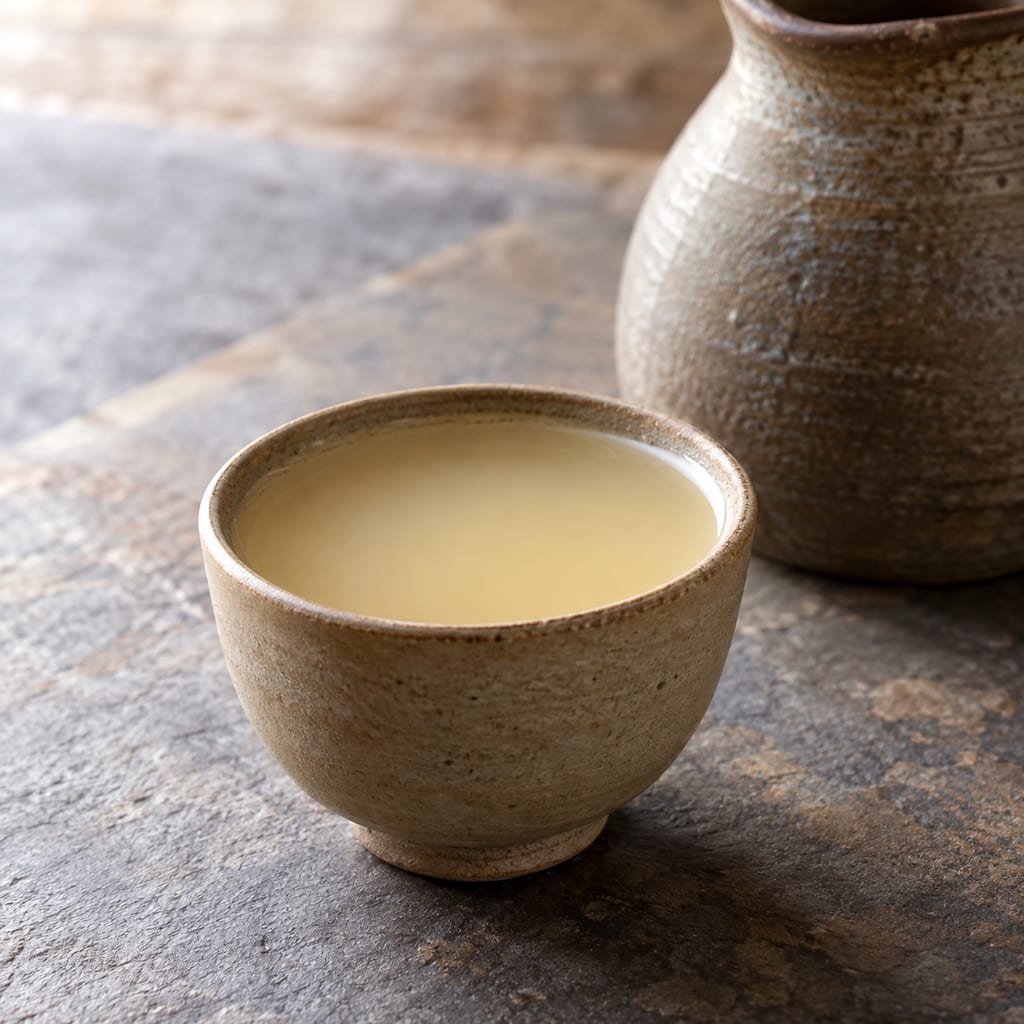
A 2005 Tibetan account describes cooked barley mixed with changdzi, fermented as moist grain, then steeped in water for an alcoholic drink. Grain and water amounts, starter dose and a verified safety endpoint are absent.
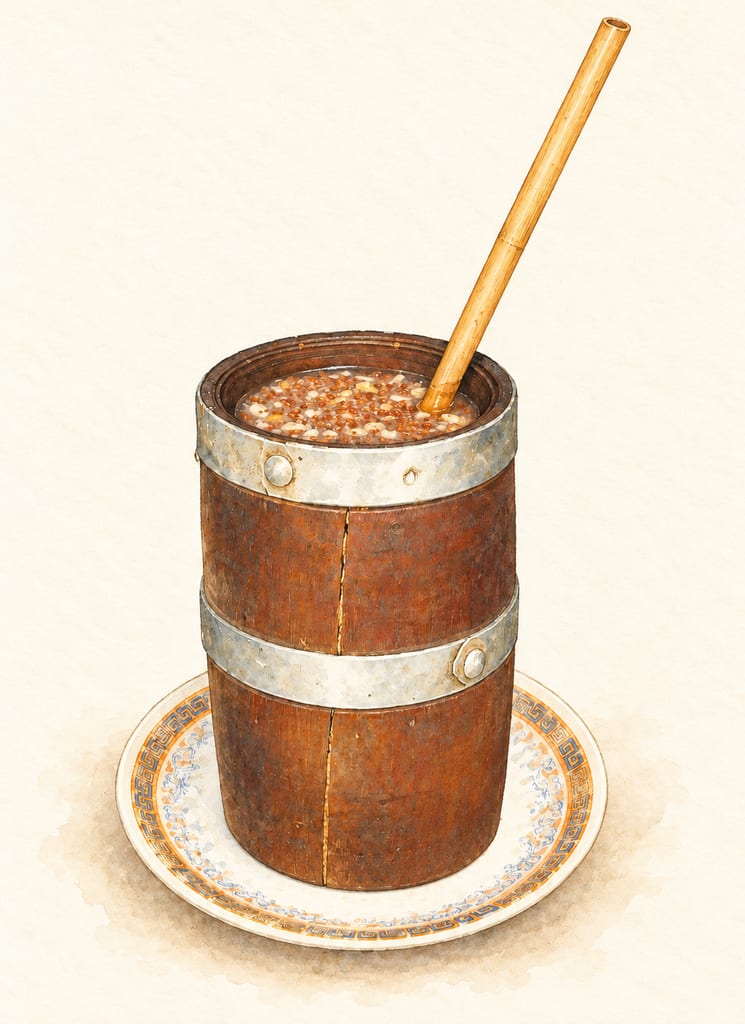
A tongba is a serving vessel for fermented millet drink: it holds the grain as water is added while a narrow bamboo straw draws off the liquid. Documented forms include bamboo and wood, with no single standard design established.
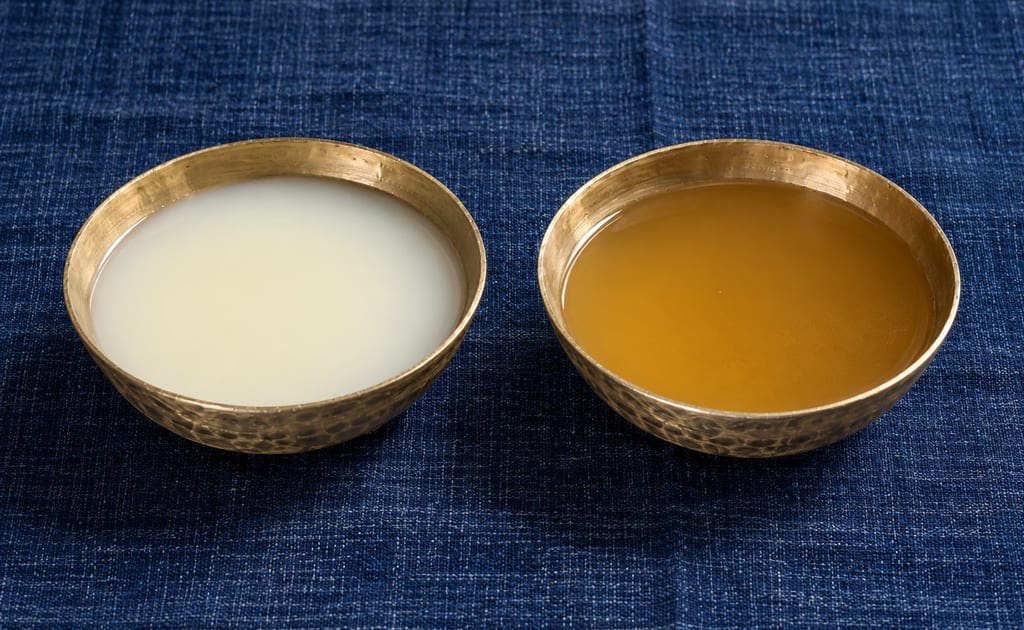
Apong names Mising rice beverages in Assam, including pale Nogin and ash-associated Po:ro. Sources describe distinct preparations and do not establish one unified household recipe or validated safety endpoint.
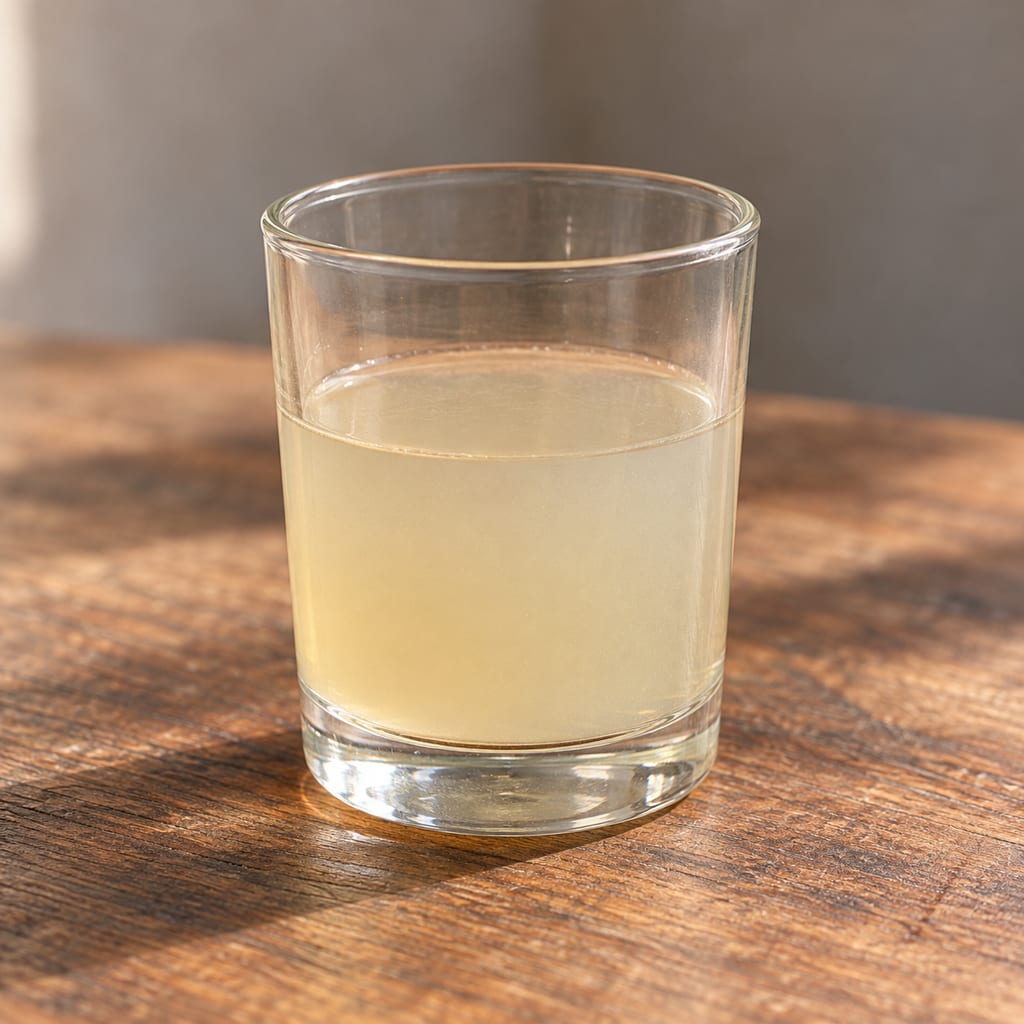
Judima is a Dimasa fermented rice drink from Assam. A 2022 Dhansiri account describes humao starter and rice fermentation, but sources disagree on the thembra bark species and do not provide a complete or validated home batch.
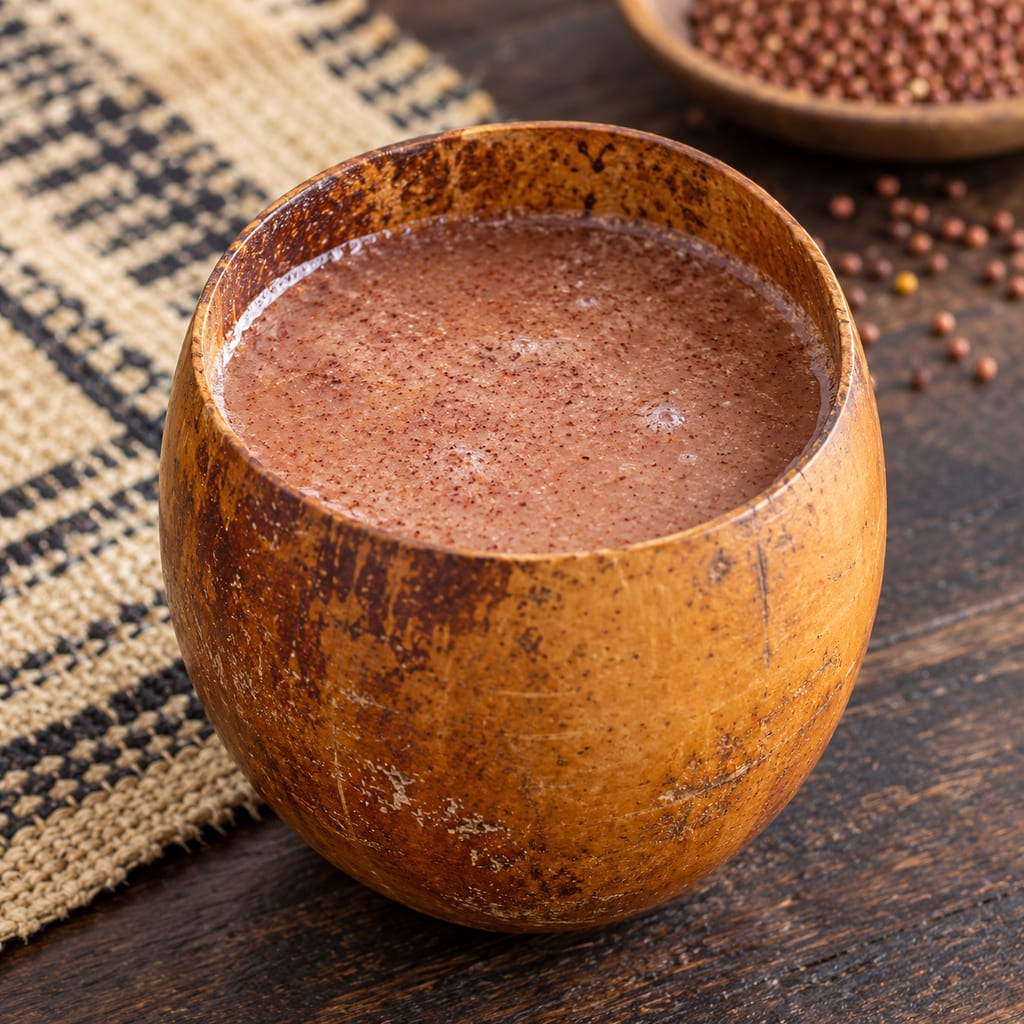
Chagga beer from the slopes of Kilimanjaro in Tanzania, made by combining a fermented banana porridge with a sweet porridge of germinated finger millet and drunk fresh within a day or two.
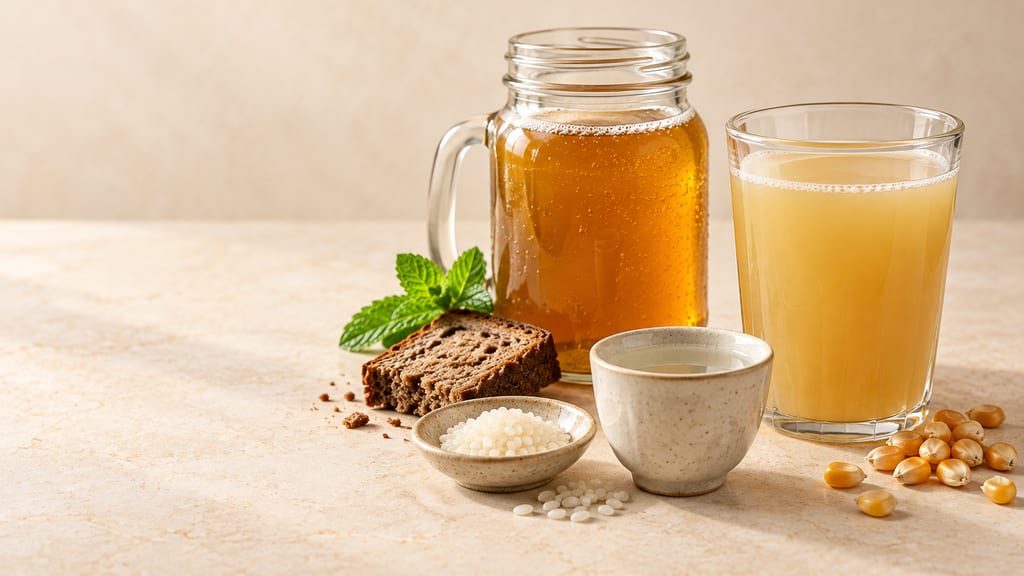
People kept, traded and steered living ferments for thousands of years before anyone saw a yeast cell. This is that history, region by region, and a guide to what a yeast strain is today.
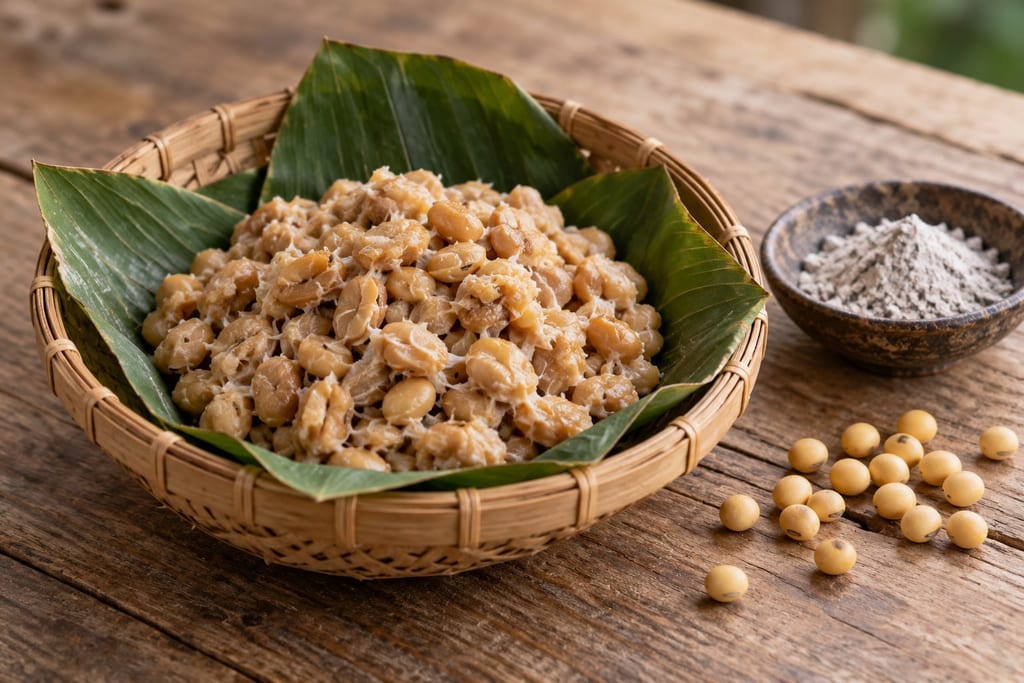
A sticky fermented soybean food of the eastern Himalaya, made here with a measured addition of firewood ash as an alkaline aid to the bacteria that drive it.
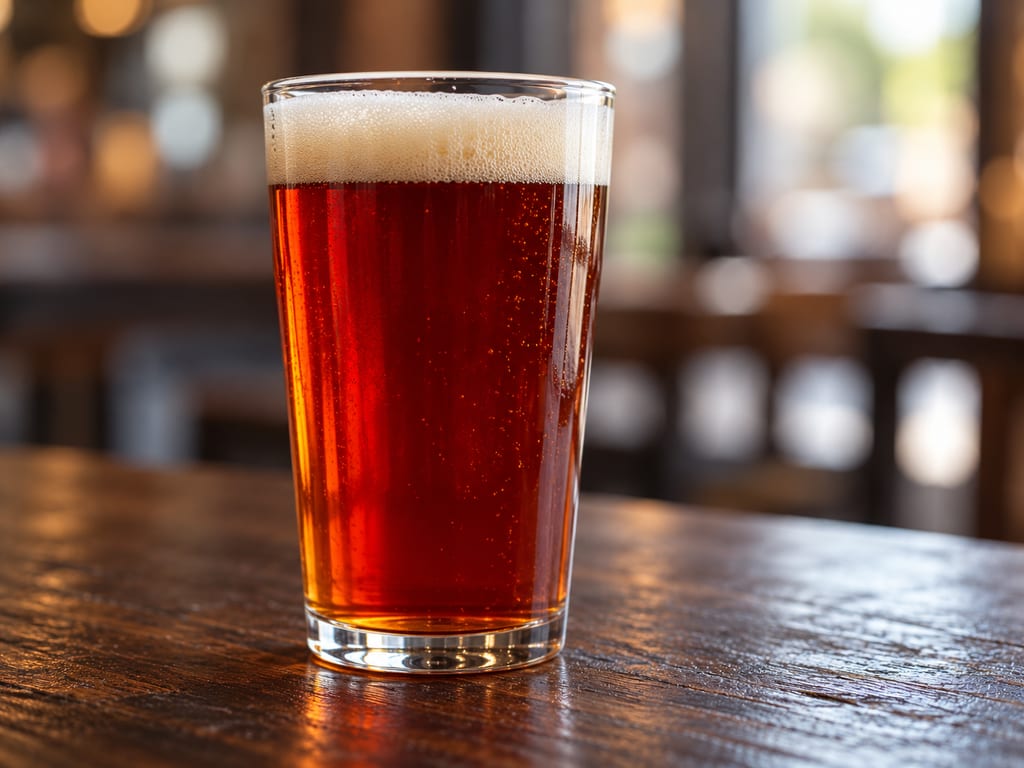
A deep amber-red American ale brewed from pale, Munich, CaraVienne and chocolate malts, bittered with Columbus hops and finished with Amarillo.
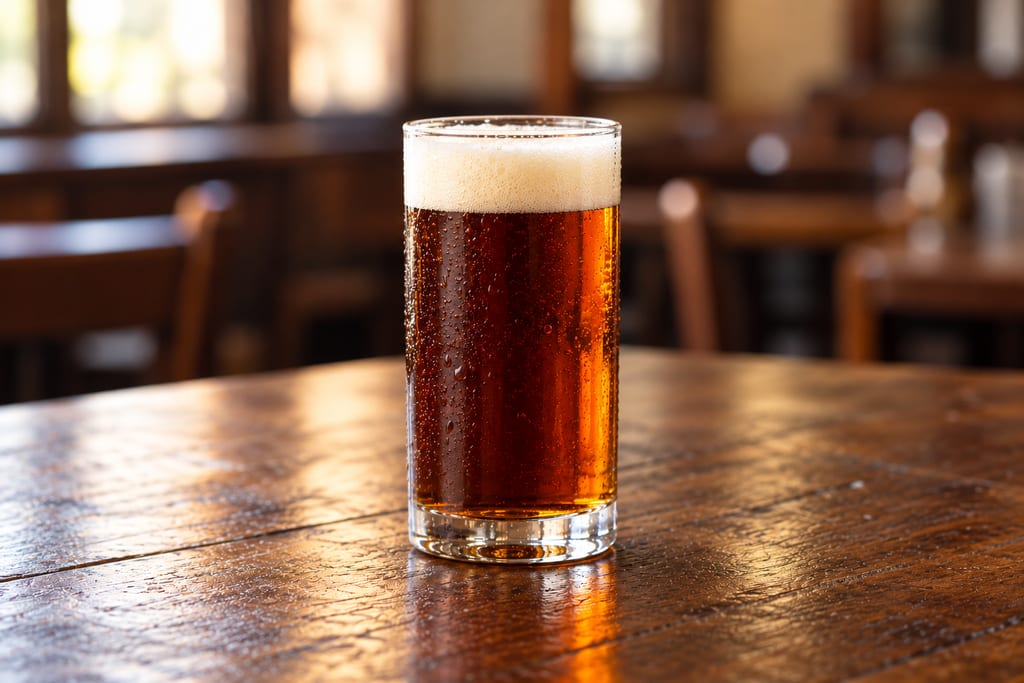
A source-specific modern extract adaptation of Düsseldorf Altbier, with specialty malts, two hop additions and an ale yeast. It is distinct from a brewery's commercial Altbier process and from Kölsch.
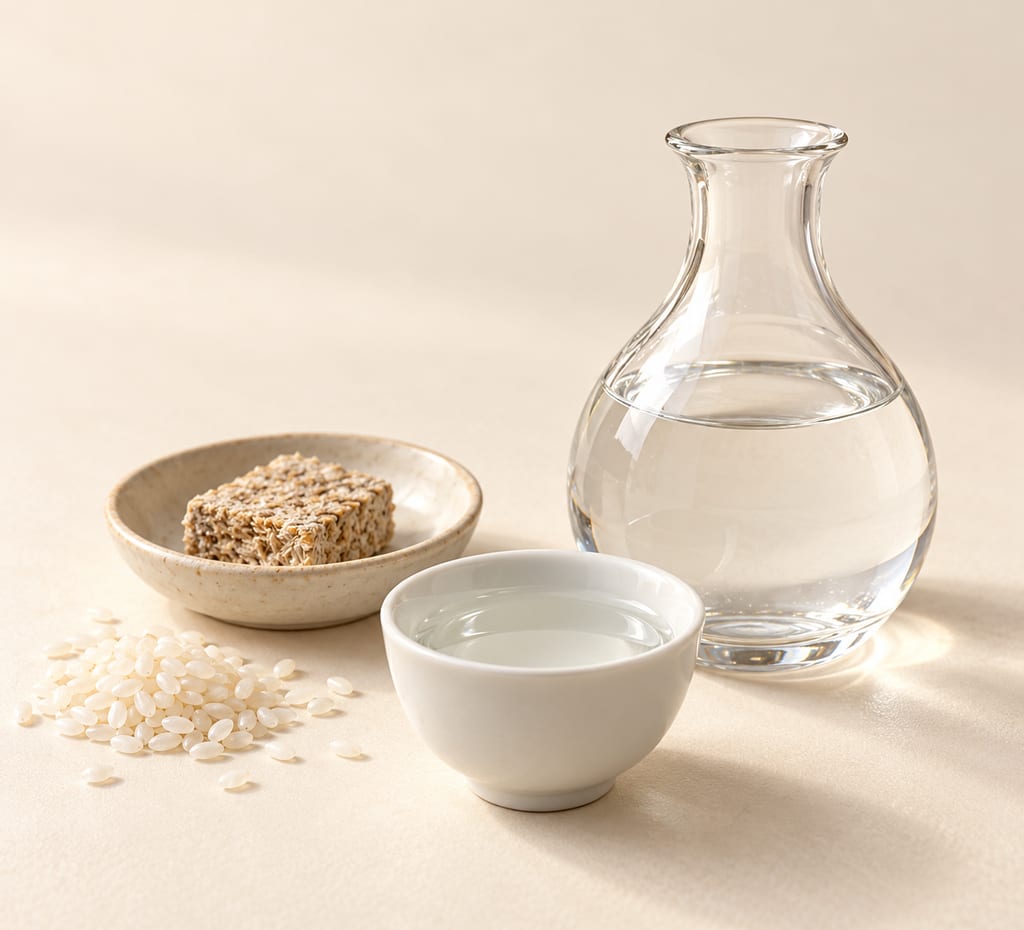
Andong soju is a rice spirit from North Gyeongsang, distilled from steamed rice and wheat nuruk. This method makes the starter before fermenting the rice mash in a jar.
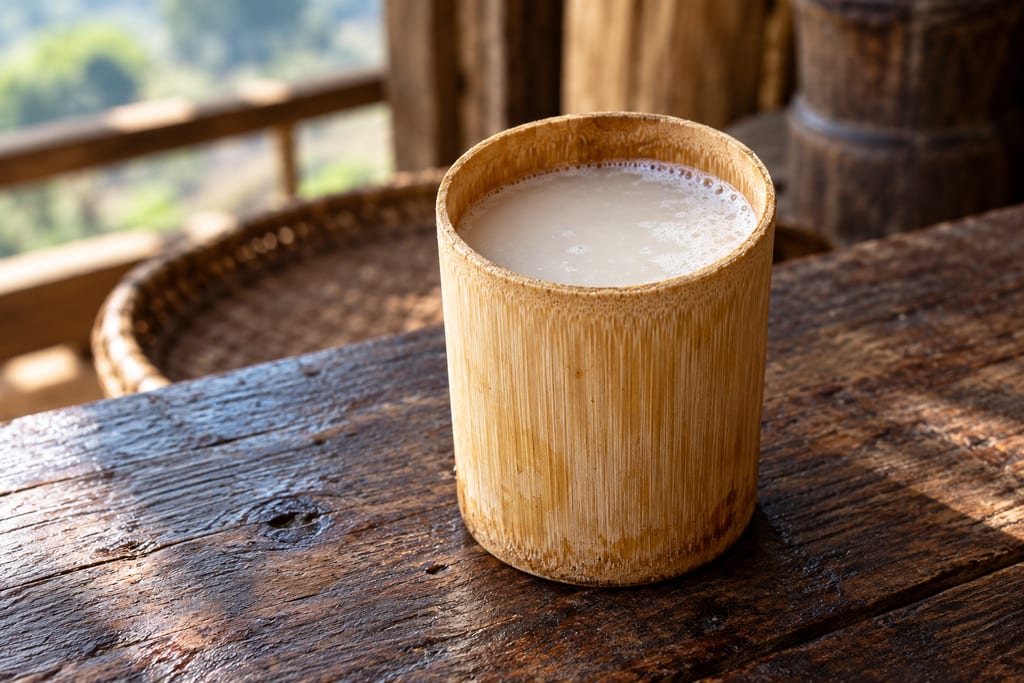
Angami rice beer from Nagaland. A surveyed method mixed cooked rice with piazu, fermented it for about four days in summer or a week in winter, then added water and filtered it. The starter ratio leaves the rice-weight basis unclear.
An Okinawan rice spirit made by turning all the rice into black koji, fermenting it with water and yeast, then pot-distilling and maturing the spirit.
This is a process overview, not a complete batch recipe: key quantities, yield and packaging directions are absent. The AHA tutorial uses Hop Hammer Imperial IPA as an example; this page is not that full formulation.
A darker Ethiopian maize tella, brewed from maize baked into a hot, dry kita pancake and then fermented in three stages with barley malt, gesho and water.
A Burkina Faso sorghum beer brewed from malted grain, soured by a spontaneous lactic stage and then fermented with a traditional yeast leaven.

A Cap-Pelé boucanière is an Acadian herring-smoking building. The documented Willie Niles example is a one-storey wood-frame structure with a ridge smoke vent and interior bays for hanging fish-bearing cannes.

Achcharu is a family of Sri Lankan vinegar pickles made with mixed vegetables or seasonal fruit and a piquant spice dressing. This version is a quick, refrigerated, non-fermented mixed-vegetable pickle.

The acocote is a long, hollowed and dried gourd used to draw aguamiel from a mature maguey. It is a harvesting tool: the sap is transferred to a separate vessel before it ferments into pulque.

Adrak murabba preserves young ginger in sugar syrup, a sweet South Asian preparation recorded in Indian cookery and food-processing sources.

Parkia biglobosa seeds are fermented into regional West African seasonings, including nététou, iru, dawadawa and soumbala. The yellow fruit pulp is a separate food, and names and methods vary by place.

Japanese reddish-brown vinegar from sake lees matured about three years, turned to vinegar by acetic bacteria; the vinegar of Handa and Edomae sushi rice.

A refined common-wheat flour blended for a broad range of baking; its protein and behavior vary with wheat, milling and market.

The almond mushroom, Agaricus subrufescens, was cultivated in eastern North America in the 1800s, lost its market, and returned as a cultivated mushroom from Brazil, where it is grown under several names.
No community contributions have been published for this entry yet.
Sign in to contribute. Published comments and photos are free to read.
Food MicrobiologyScience
Thapa and Tamang (2004), Product characterization of kodo ko jaanrA 2004 product characterisation of kodo ko jaanr in Food Microbiology, 21, 617 to 622, analysing forty samples collected in Sikkim and the Darjeeling hills.
The samples contained yeast populations around 7.1 log CFU per gram and lactic acid bacterial populations around 5.9 log CFU per gram.
Identified yeasts included Saccharomyces cerevisiae, Pichia anomala, Saccharomycopsis fibuligera and Candida glabrata; lactic acid bacteria included Pediococcus pentosaceus and organisms identified as Lactobacillus bifermentans. The species names reflect the taxonomy used in the study and subsequent revisions may alter how particular organisms are classified.
The findings demonstrate that kodo ko jaanr is not a pure Saccharomyces fermentation and that the proportions of its organisms are not fixed between households.
Cited in: Communities and regional terminology; Measured microbiology; Safety, alcohol and contemporary production; Geographic scope of older and broader sources
Indian Journal of MicrobiologyScience
Thapa and Tamang (2006), Microbiological and physico-chemical changes during fermentation of kodo ko jaanrA 2006 original time-course study of the microbiological and physico-chemical changes during fermentation of kodo ko jaanr.
Yeast counts increased within the second day and lactic acid bacterial counts rose during the first day before declining later in fermentation, by factors whose exponents did not survive the handover of this research.
Saccharification and liquefaction activities were strongest around the second day, and reducing sugars rose until approximately the third day before declining.
Alcohol rose from 0.1 per cent to 6.9 per cent by the sixth day in the experimental process. That is a measured result for fermented grain in that experiment and is not the strength of a tongba serving, because the alcohol concentration of a laboratory sample of fermented grain cannot be assigned to the liquid produced by adding water at the table.
Cited in: What happens during a measured fermentation; Why repeated infusions change the drink; Safety, alcohol and contemporary production; Separate fermentation, product stages and serving
Journal of Applied MicrobiologyMethod · Science
Tamang (2022), Ethno-microbiology of ethnic Indian fermented foods and alcoholic beveragesA 2022 regional overview of preparation and microbial comparison, used here for the process: cleaning the millet of stones, chaff, dust and damaged grains, washing, cooking in water for approximately 30 minutes in an open pot, draining, spreading the grain on a woven bamboo mat sometimes called mandro to cool, and inoculating with powdered marcha.
A traditional process diagram specifies cooling to approximately 20 to 25°C before inoculation, and starter at 2 per cent of the cooked millet mass in one well-described process, with earlier community studies describing approximately 0.5 to 2.0 per cent.
The inoculated grain is placed into a bamboo basket lined with fern fronds, banana leaves or other local materials and covered, left for 2 to 4 days during the saccharification stage, then transferred to an earthenware pot or closed basket arrangement for the main alcoholic fermentation.
A broader technical flowchart records fermentation at 25 to 30°C for 3 to 7 days, while one published process describes 3 to 4 days in summer and 5 to 7 days in winter; these are separate regional or technical observations and do not establish a single safe incubation time.
Marcha supplies microorganisms capable of producing enzymes that digest starch, with fungal organisms such as Rhizopus and amylolytic yeasts such as Saccharomycopsis fibuligera contributing; amylases cleave starch molecules into smaller carbohydrates accessible to alcohol-producing organisms.
Cited in: A drink that is brewed before it is served; Why finger millet matters; Adding marcha; Saccharification: Making sugar without malting
Journal of Hill ResearchHistory · Method
Traditional fermented beverages of Sikkim, 1996 regional studyA 1996 regional study of traditional fermented beverages of Sikkim recording community names: mandokpenaa thee among Limbu speakers, sampicha ummaak among Rai, saangla chi among Tamang, gyaar chyyaang among Sherpa, minchaa chhyaang among Bhutia and mong chee among Lepcha. These are historical transcriptions from one comparative study and are not authoritative spellings across all dialects.
Local finger-millet varieties recorded in Sikkim include mudke, nangrey, fyakre and nangkatwa, which are regionally documented names rather than a complete botanical classification.
A serving description referring to 500 to 600 g of fermented millet, tongba served with fried meat or pickles, and the identification of pronounced sourness and unpleasant flavour as undesirable in the local version examined.
An early regional account of cooking the millet for approximately 30 minutes in an open pot.
Cited in: Communities and regional terminology; Historical foundations; Why finger millet matters; Cleaning and cooking the grain; Adding marcha; Saccharification: Making sugar without malting; The main fermentation; Tongba: The serving apparatus; Preparing the drink for serving; Why repeated infusions change the drink; Flavor and accompaniments; Recognizing faults; Separate fermentation, product stages and serving
Nepal Academy of Science and TechnologyMethod
Nepal Academy of Science and Technology, Fermented Cereal ProductsA technical description of the tongba apparatus and the extraction: a tall cylindrical vessel of wood, bamboo or metal, sometimes with metal reinforcing bands, holding the fermented grain and the water used to extract its soluble contents, with a straw sometimes called pipsing whose openings near the lower end admit liquid while retaining the millet.
A documented traditional serving method places approximately 200 to 500 g of fermented millet into the vessel, lukewarm or hot water is poured over the grain, and the liquid is left approximately 10 to 20 minutes in this technical description, while other accounts give approximately 10 to 15 minutes, before a filtering straw is inserted and more hot water can be added for several traditional refills.
Cited in: A drink that is brewed before it is served; Tongba: The serving apparatus
Journal of Ethnic FoodsHistory · Geography · Community terminology
Dietary culture and antiquity of the Himalayan fermented foods and alcoholic fermented beveragesDefines Eastern Himalaya as including eastern Nepal, Darjeeling hills, Sikkim, Bhutan and Tibet; notes sparse historical records and community-specific names.
Discusses reported Kirat/Malla-era references as sporadic, not proof of continuous identity or one origin for modern kodo ko jaanr.
Cited in: Geographic scope of older and broader sources
Food Production, Processing and NutritionProduct distinctions · Geography · Microbiology limits
In vitro bioactivities and gastrointestinal simulation validate ethnomedicinal efficacy of five fermented kodo-based Himalayan traditional drinks and bioaccessibility of bioactive components2024 study sampled Tongba at Kalipokhri and chhyang and nigar at Gurdum on Singalila ridge, treating them as distinguishable products or stages from related kodo fermentations.
Sample analyses and in-vitro assays are not a household method or safety validation.
Cited in: A 2024 sample distinguishes related kodo drinks
FoodSafety.govSafety
Bacillus cereusPrepared rice and other cooked foods left too long at room temperature are associated with Bacillus cereus; this general hazard does not establish a safe kodo ko jaanr endpoint.