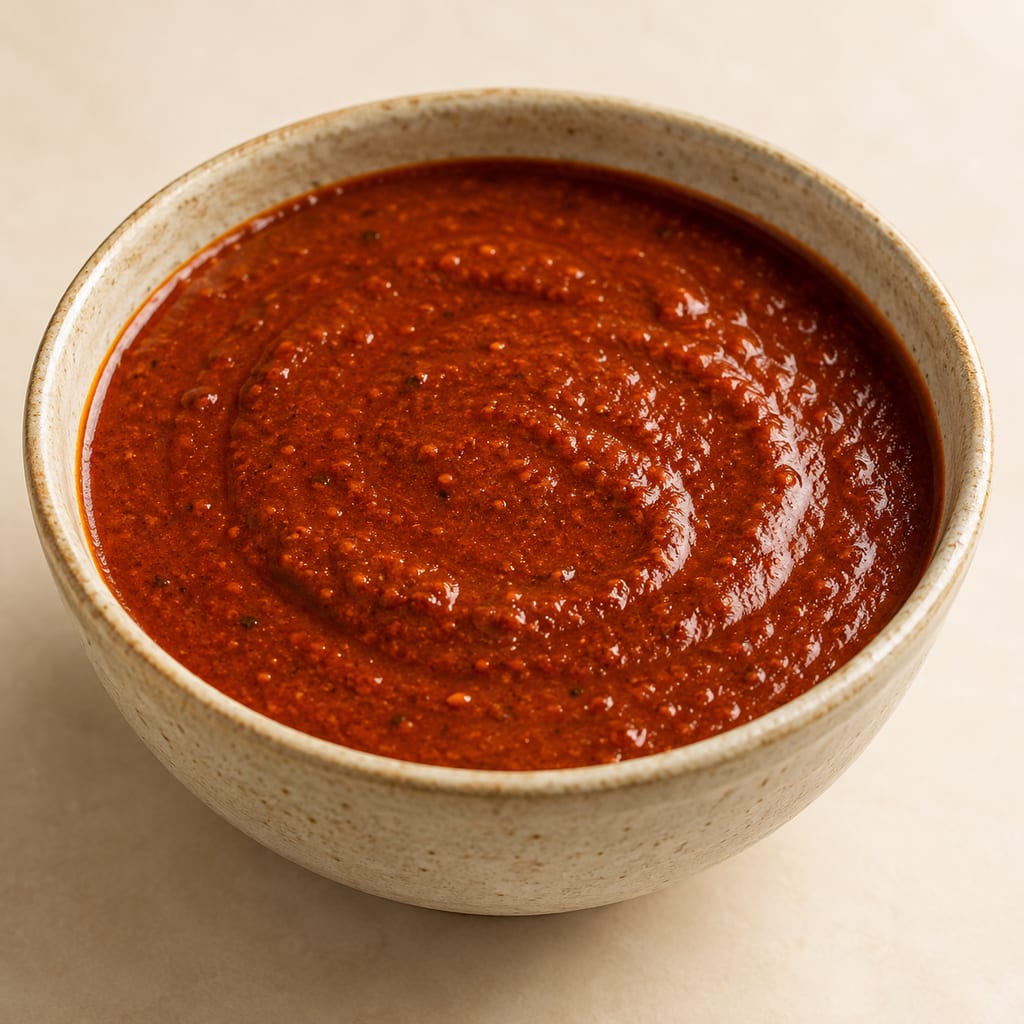
Mole coloradito
Mole coloradito is one of Oaxaca's seven moles: a brick-red sauce built on ancho chiles and tomato, thickened with ground seeds and nuts and sweetened with fruit, served in a lighter, thinner form than mole negro.
 FermenteaWhere food goes to change
Amarillito · Mole amarillito · Yellow mole
Mole amarillo, also called amarillito, is a yellow to orange Oaxacan mole built on cooked chile purée, thickened with corn masa and flavoured with herbs such as hoja santa, with no chocolate or dense nut mixture.
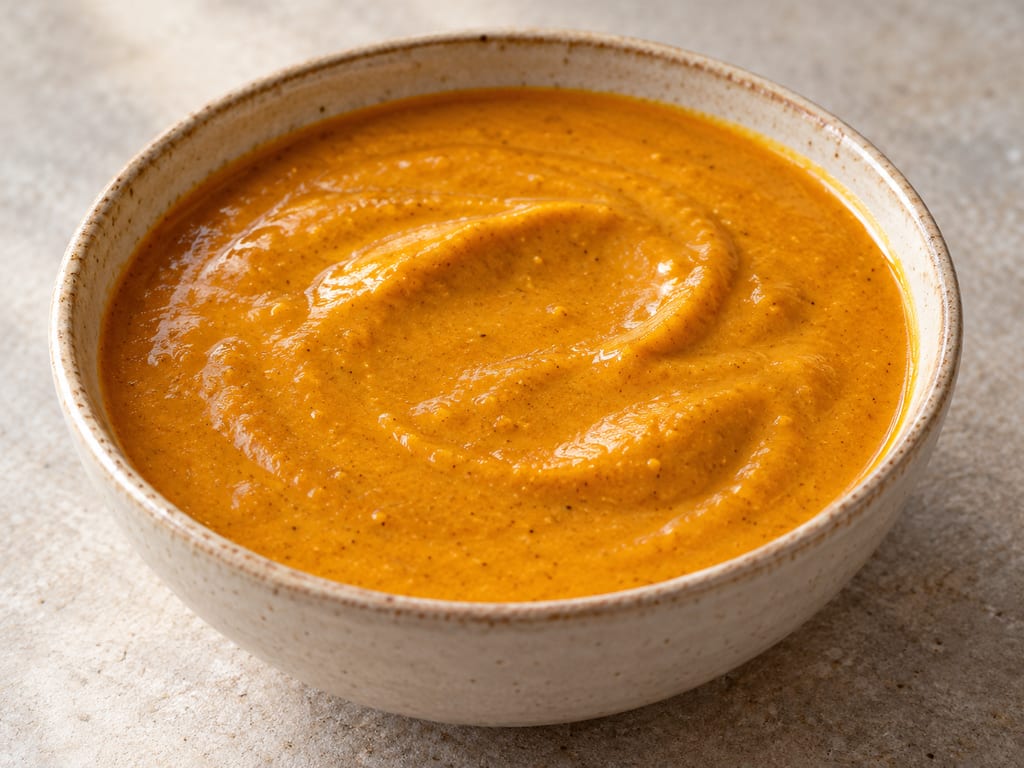
Mole amarillo is one of the seven moles of Oaxaca. It is also called amarillito. Its colour runs from yellow to orange, and it is one of the lighter and brighter moles of the state.
Unlike mole negro, it has no chocolate or dense nut mixture. The structure rests on chile, herbs and starch, and the corn masa thickens the sauce where other moles use bread or nuts.
Sources agree the dish has pre-Hispanic roots, though details differ. After the conquest, garlic and Asian spices entered the recipe, and cinnamon, cloves, black pepper and cumin are now used in it.
Some accounts argue that mole as a family was first invented in Puebla. The dish is listed in the Mexican cuisine heritage listing of 2010, according to a Spanish-language source.
The yellow colour comes from chilhuacle amarillo, chilcostle, costeño amarillo and guajillo chiles, though chilhuacle is hard to find and cooks often use guajillo. Chilhuacle is the fuller-flavoured chile and costeño is smaller and more citrusy.
Hoja santa is the herb the Spanish-language account treats as obligatory. Pitiona is used on the coast, epazote in the isthmus and Mexican oregano in the valleys.
The chiles are toasted, deseeded and softened, then ground with green tomato, onion, garlic and herbs. The purée is mixed with masa, fried, thinned with broth and simmered until it coats a spoon.
Recipe details, especially herbs and chile choice, vary by cook and region.
One Spanish-language account says the mole seems to have been prepared in Oaxaca since before the Spanish arrived. After the conquest, garlic and spices from Asia entered the recipe; cinnamon, cloves, black pepper and cumin are now used in it.
Sources disagree on the origin of the family: some say Oaxaca's many moles were first invented in Puebla. The dish is listed in the Mexican cuisine heritage listing (2010) by a Spanish-language source.
The sources tie the mole mainly to the coast, central valleys and isthmus of Oaxaca. They do not name a single town.
Mole coloradito is one of Oaxaca's seven moles: a brick-red sauce built on ancho chiles and tomato, thickened with ground seeds and nuts and sweetened with fruit, served in a lighter, thinner form than mole negro.
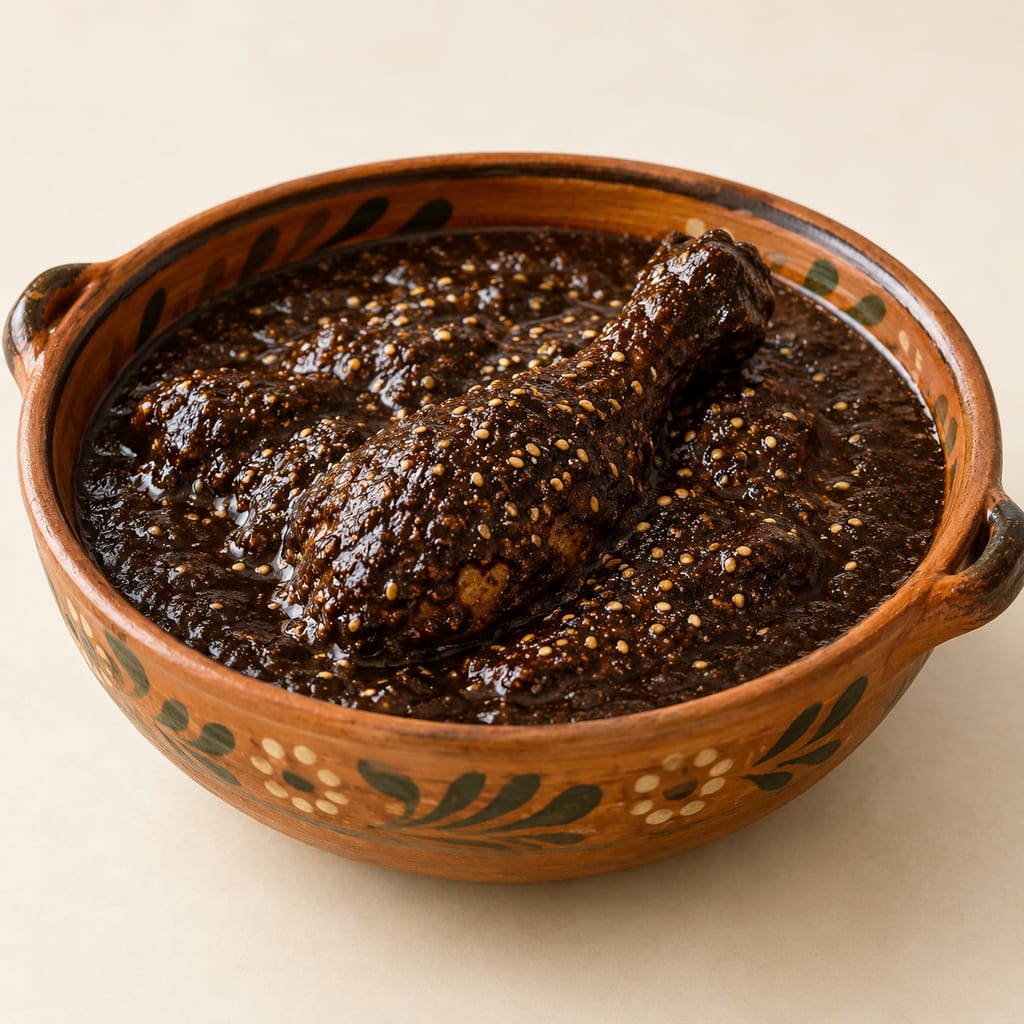
Mole negro is the darkest and most elaborate of Oaxaca's seven moles: dried chiles and seeds are toasted and charred, ground with nuts, spices, bread and chocolate, then fried and simmered into a thick black sauce.
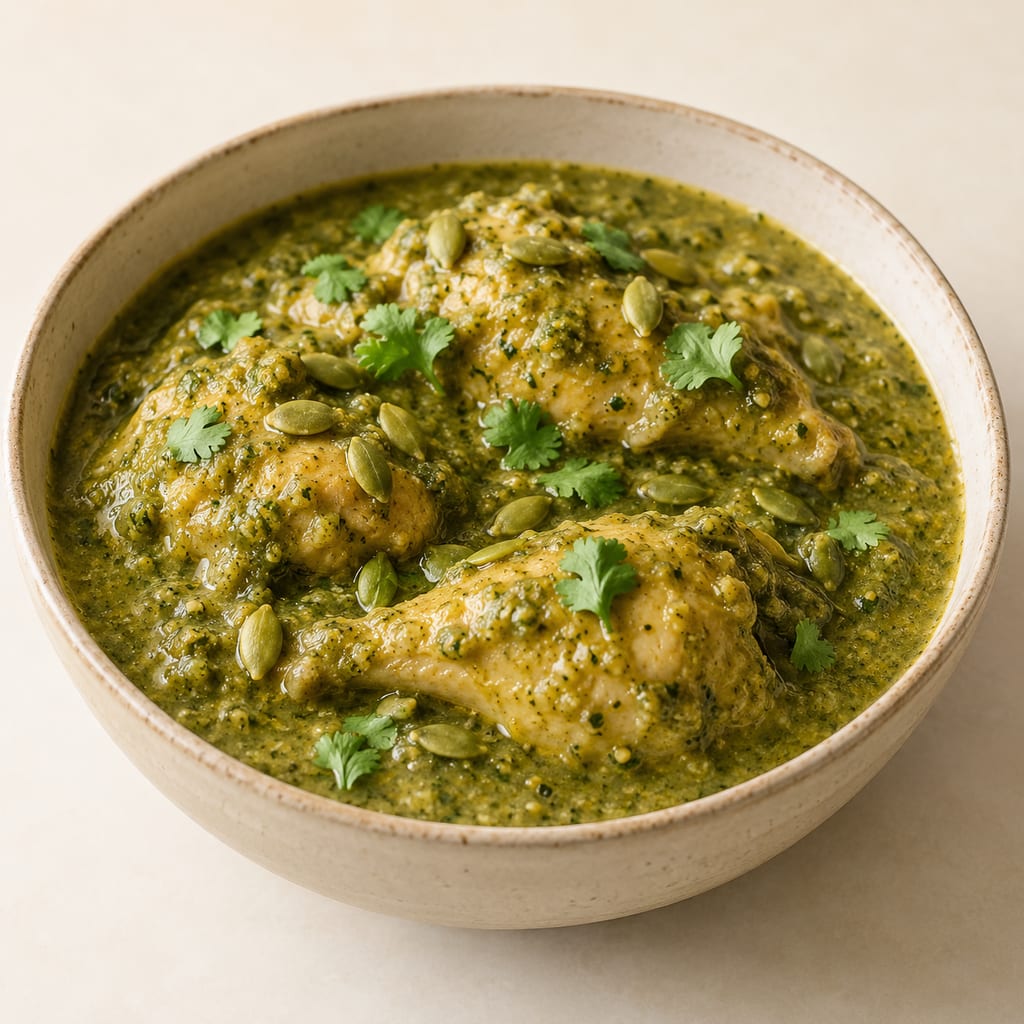
Mole verde is a green mole from Mexico and Oaxaca, built on tomatillos or green tomatoes, fresh herbs such as epazote and hoja santa, and ground pumpkin seeds or masa, with no need to toast dried chiles.
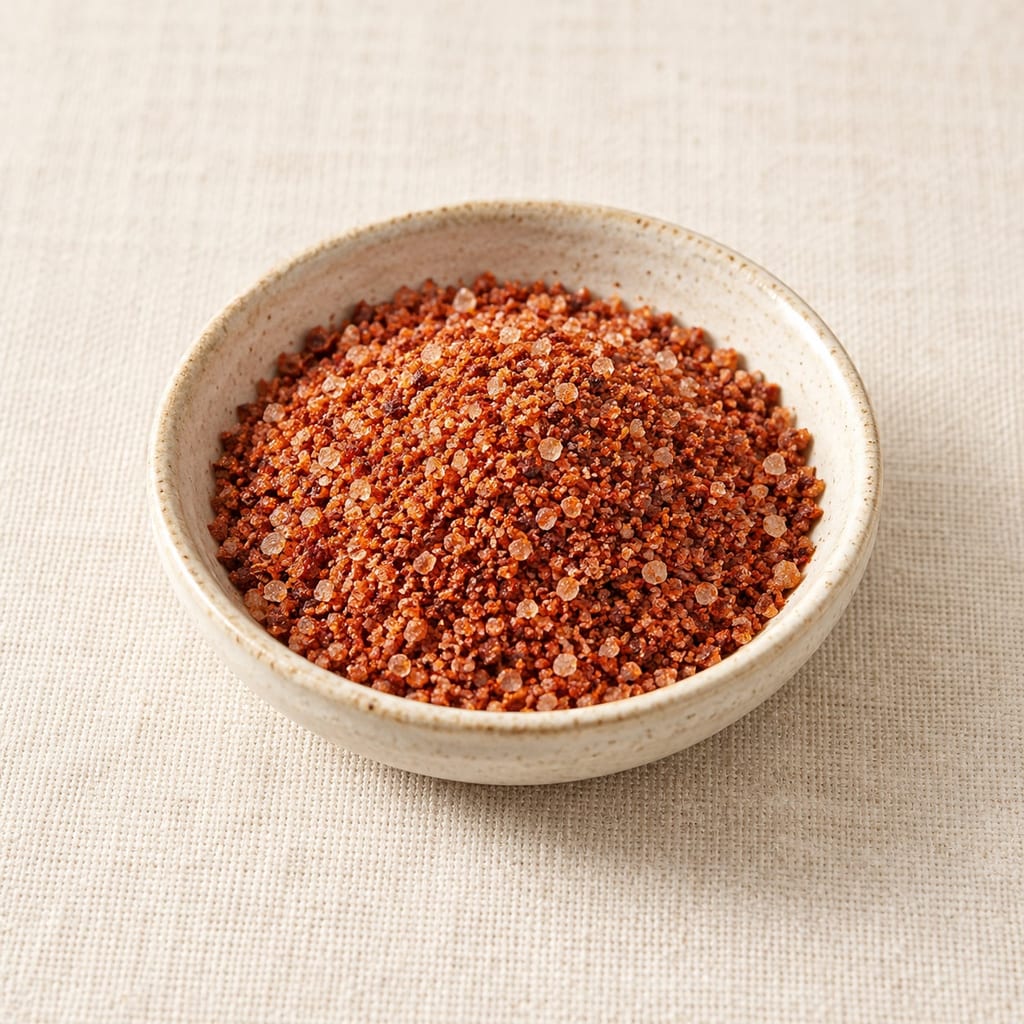
A dry Mexican seasoning of maguey worm, salt and chile, most closely associated in published accounts with Oaxaca and commonly served with mezcal, citrus and fruit.
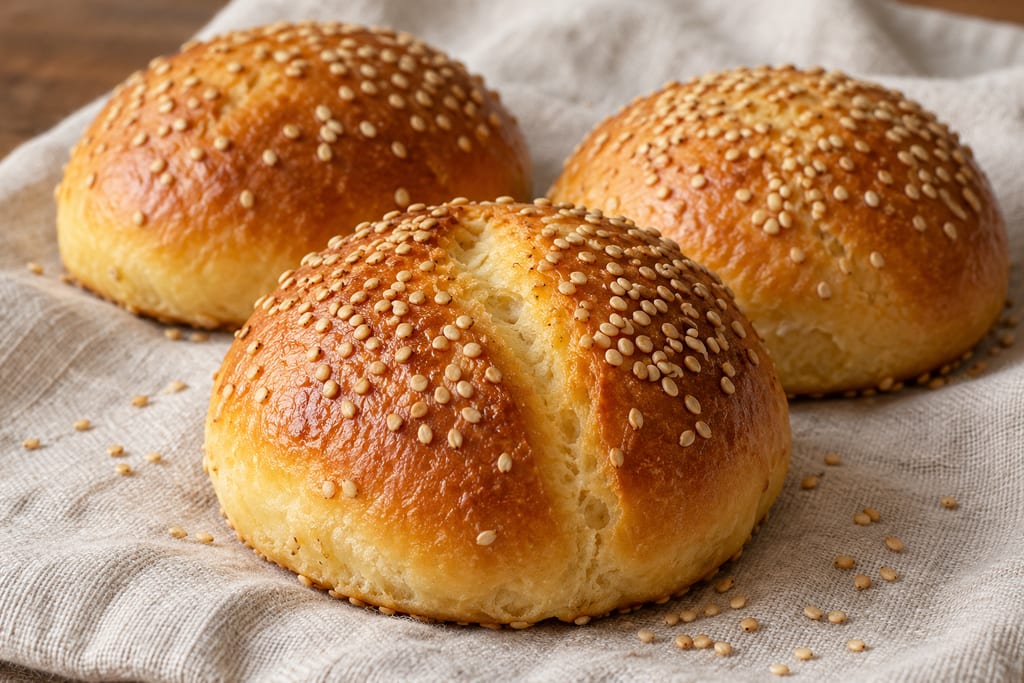
This Oaxacan yeast bread enriches wheat dough with eggs, extra yolks and butter, then shapes it into sesame-coated rounds for a long rise and a hot bake.
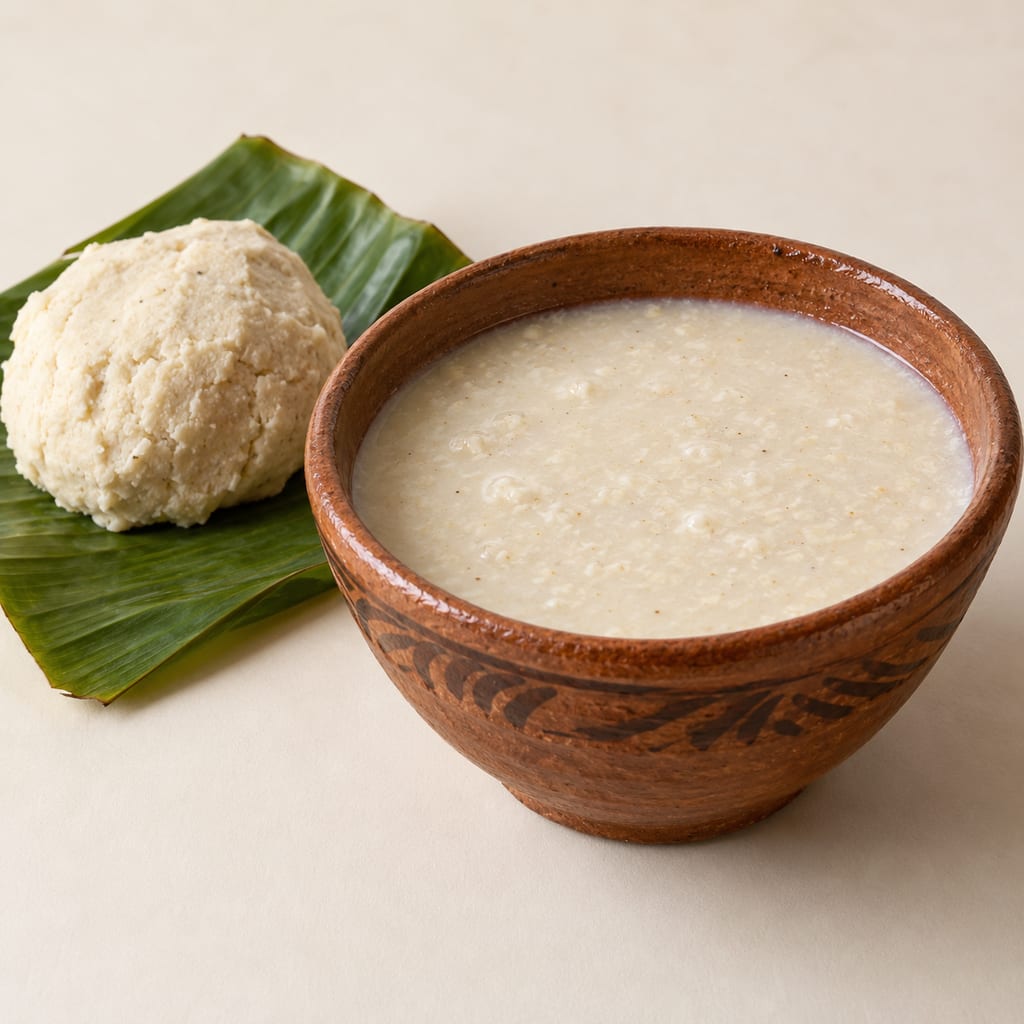
Pozol is lime-cooked maize ground to dough, shaped into balls, wrapped in banana leaves and fermented for days, then stirred into water as a sour drink in southeastern Mexico.

Ajvar is a cooked Balkan pepper preserve built around roasted red peppers, peeled, drained, ground and slowly fried with oil and seasoning. Leskovac’s protected version is a pepper specialty; regional versions vary.

Amlou is a nutty, lightly sweet Moroccan spread of roasted almonds, culinary argan oil and honey. The almonds are ground first, then loosened with oil and sweetened; the balance can range from a thick spread to a dip.

Apple sauce for goose and pork is a plain English accompaniment: cooked apples pulped with water, then sweetened with sugar and finished with a little butter.

A warm dip of garlic, anchovy and olive oil, often enriched with butter, that Piedmont serves over a flame with raw and cooked vegetables and bread.

A sweet-hot table sauce of ripe banana simmered with vinegar, sugar, onion, garlic and fresh chilli, in the manner of Philippine banana ketchup. An untested development batch of about 500 g.

A Georgian walnut sauce of ground walnuts, garlic, vinegar and spices, thinned with water or broth. It is served with poultry, vegetables and bread, and is the sauce of the dish satsivi.

A pourable dessert sauce of brown sugar, butter and cream, with a little corn syrup and salt. It is the sauce form of the butterscotch confection and is made without water, unlike caramel.

Byzantine murrī is a cooked imitation of murrī from the medieval Arabic repertoire, made from scorched honey, toasted bread, walnuts, quince, carob and spices rather than from a long grain fermentation.
No community contributions have been published for this entry yet.
Sign in to contribute. Published comments and photos are free to read.
WikipediaMethod · History
Oaxacan cuisineMole amarillo is made with green tomatoes, onion, garlic, cumin, cloves, ancho and guajillo chiles, and hoja santa or cilantro; it is garnished with onions, lime and oregano.
Cited in: Overview; History; Preparation
Wild CultureMethod · History
Wild Culture Kitchen: Mole AmarilloIts yellow colour comes from chilhuacle amarillo, chilcostle, costeño amarillo and guajillo; corn masa is the thickener; hoja santa is obligatory in the Spanish-language account.
Cited in: Overview; History; Chiles and herbs
Mexico en mi CocinaMethod
Mole AmarilloRegional herbs vary: pitiona in the coast, epazote in the isthmus, Mexican oregano in the valleys.
Cited in: Chiles and herbs; Preparation