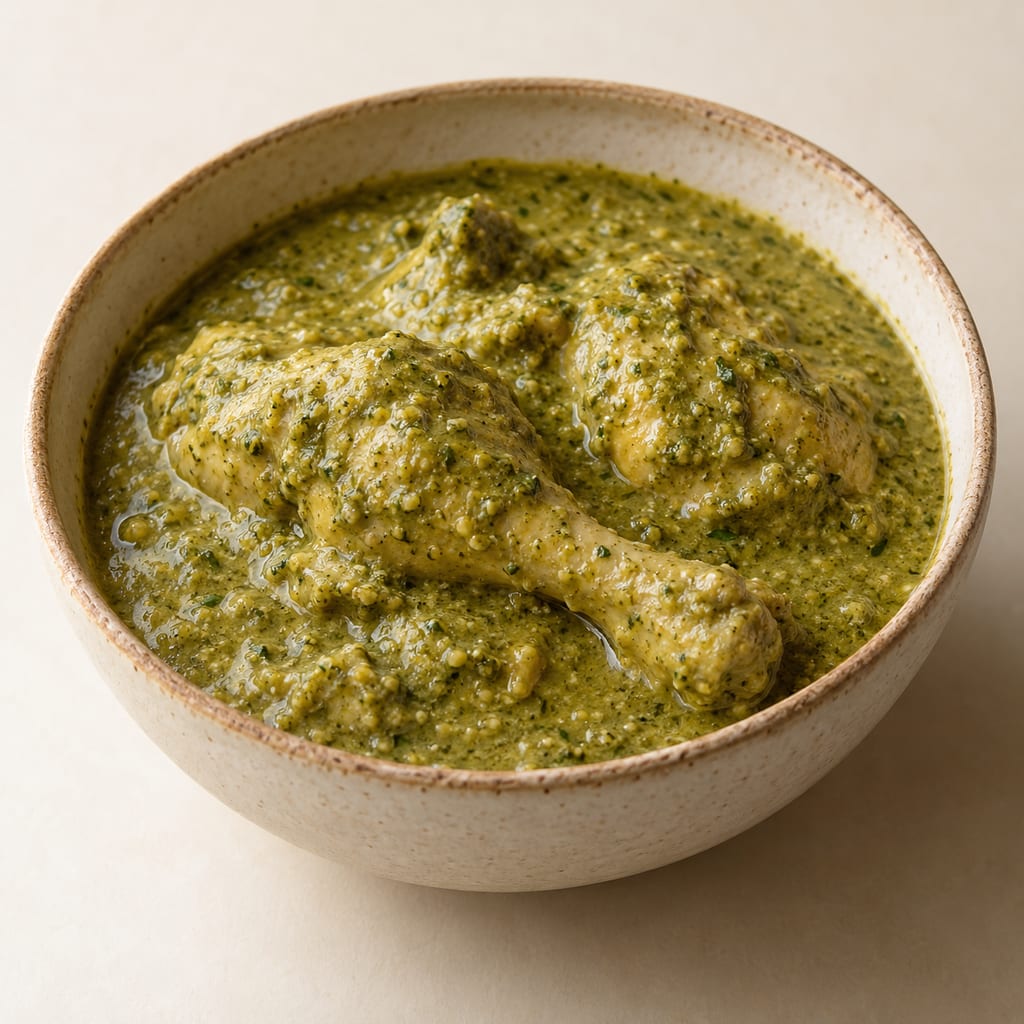
Pipián (pumpkin-seed sauce)
Pipián is a Mexican sauce family built on ground squash seeds, cooked with tomatillo or chile and herbs. The green version uses tomatillo and hoja santa; red versions add peanut, sesame and dried chile.
 FermenteaWhere food goes to change
Traditional method
Mole de Puebla · Mole
A complex Mexican sauce from Puebla of dried chiles, nuts, seeds, spices and often chocolate, roasted, ground and simmered for a long time. Chocolate is one component, not its definition.
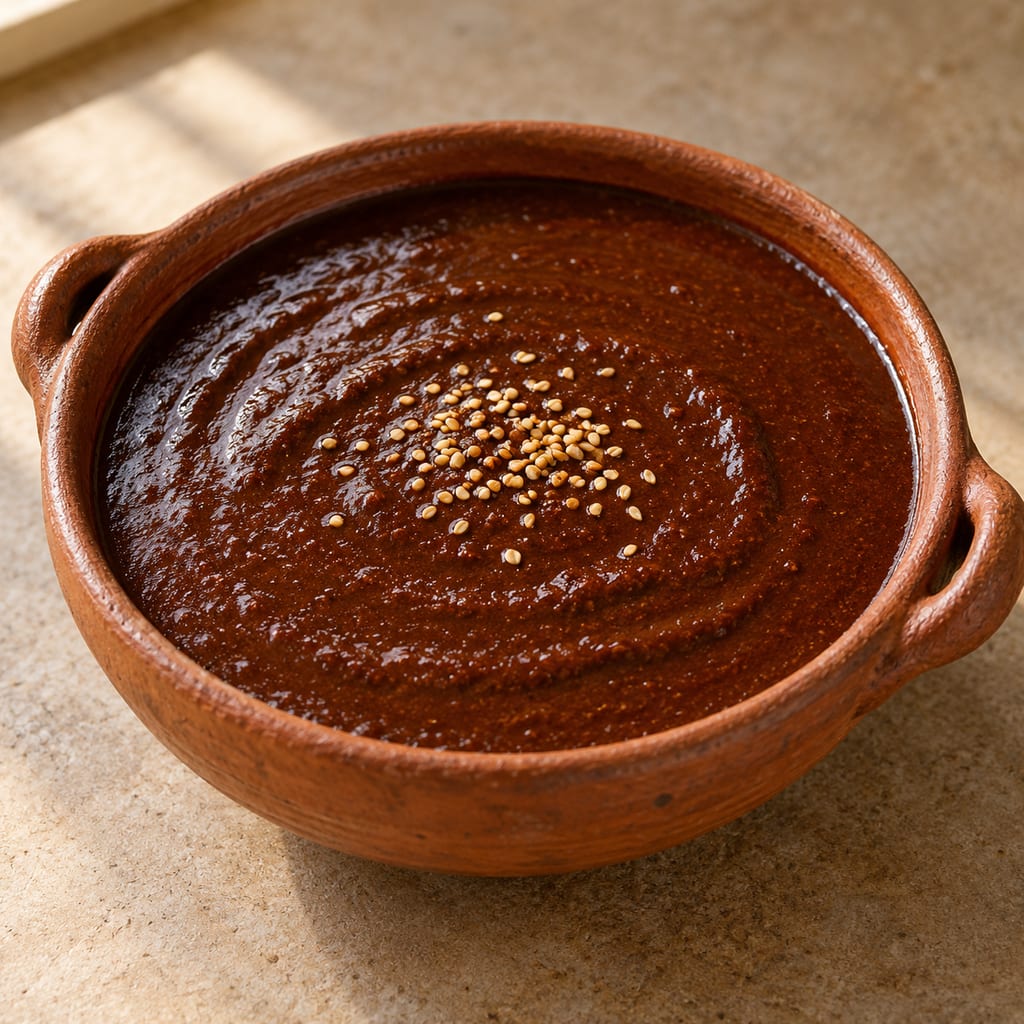
Mole poblano is the best-known mole of Puebla, a sauce of dried chiles, nuts, seeds, spices and often chocolate, roasted, ground and simmered until it is thick and dark. The most common story credits nuns of a Puebla convent, who are said to have combined what they had when an archbishop or viceroy visited. Wikipedia reports the best-known version, a convent of Santa Clara in Puebla, and notes variants that change the saint, the visitor and the cook.
Historians are cautious. A UNAM journal article by Paco Ignacio Taibo I says the origin is uncertain, and that the legend is the most practical starting point. Wikipedia gives the same caution, that there is not enough evidence for a definitive answer. Puebla and Oaxaca both claim mole as their origin.
The name mole comes from Nahuatl mōlli, meaning sauce or something ground, and Nahuatl speakers had chīlmōlli, a chile sauce. Chiles in sauces predate the Spanish. The elaborate modern mole does not: Wikipedia cites Coe and Coe (1996) for the view that few if any prehispanic Mesoamerican sauces contained chocolate, and cites Atlas Obscura for the view that chocolate was most likely a later addition.
The sauce as it is known today therefore reflects colonial kitchens, where chocolate, nuts, seeds and spices came together with native chiles. Wikipedia notes that Bernardino de Sahagún described mollis for fish, game and vegetables, and does not say whether those early sauces had chocolate.
Mole poblano averages about twenty ingredients, and the number varies between sources and cooks. Dried chiles give colour and bitterness, sesame and nuts give body and fat, the spices give warmth, and chocolate rounds the bitterness. Wikipedia names ancho, pasilla, mulato and chipotle as the classic chiles, and lists black pepper, achiote, cumin, clove, anise, tomato, tomatillo, garlic, sesame, dried fruit and hoja santa among the wider set. Oaxacan moles can exceed thirty ingredients.
Chocolate, where it is used, goes in at the end of cooking. The sources read do not state a fixed ratio of chile to chocolate, so none is given here.
The ingredients are roasted and ground to a fine powder or paste. Wikipedia says this takes at least a day by hand, and that families shared the work before electric mills became common. The powder or paste is then mixed with water or broth and simmered until it is pungent and very thick, usually in a clay cazuela, and stirred almost constantly so it does not burn. Mole negro is a variant in which several ingredients are charred and more chocolate is added, which gives the sauce its black colour.
The article gives storage times: prepared sauce about three days in the refrigerator and freezes well; the paste about six months refrigerated and about a year frozen.
The origin of mole poblano, the date of its first recipe and the regional variants of the paste are not settled by the sources read. Some listing pages contain errors, so they were not used for factual claims. A documented formulation and its ingredient functions would need a dedicated source before any single recipe is presented as authoritative.
The legend of nuns in Puebla is widely told but not documented. The name comes from Nahuatl mōlli, and chile sauces predate the Spanish, but the elaborate modern mole does not.
Puebla and Oaxaca both claim mole as their origin, per Wikipedia. The sources do not settle the claim.
Pipián is a Mexican sauce family built on ground squash seeds, cooked with tomatillo or chile and herbs. The green version uses tomatillo and hoja santa; red versions add peanut, sesame and dried chile.
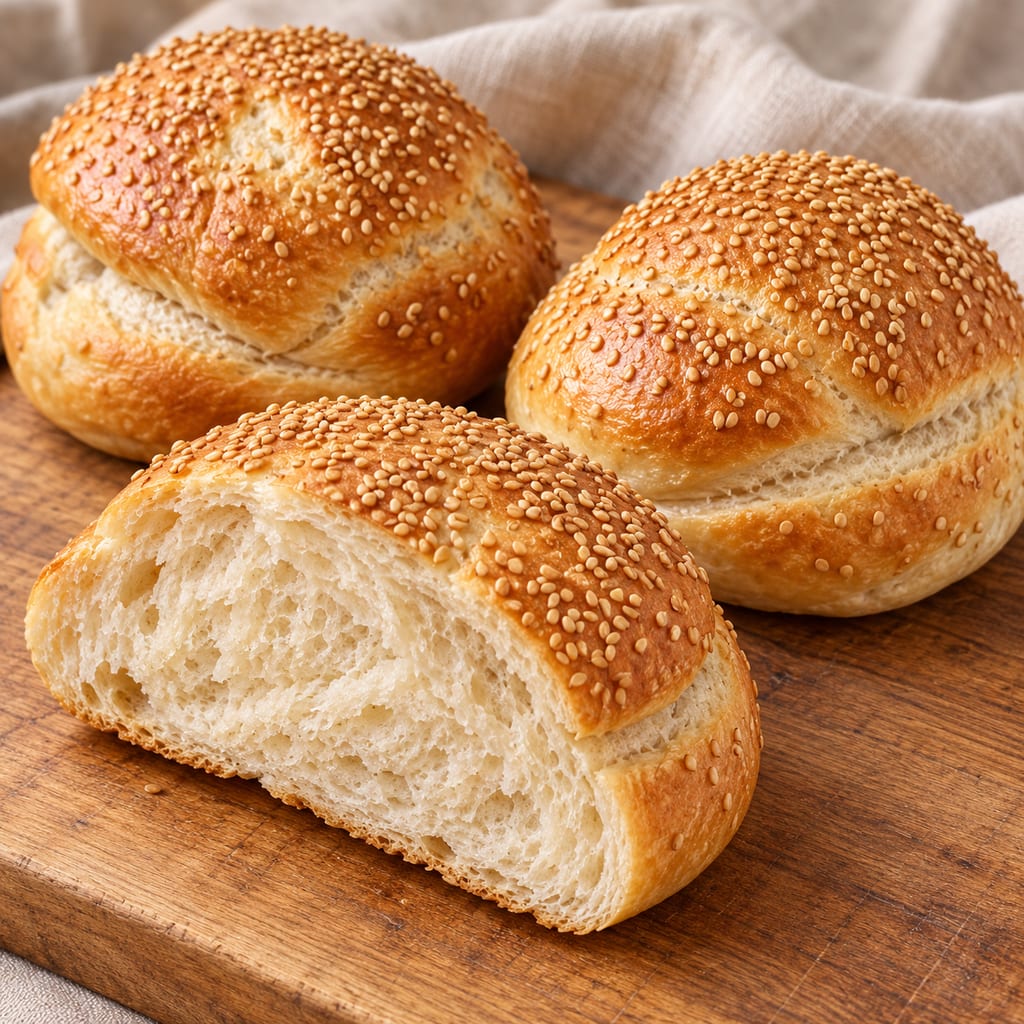
Six large Puebla-style sandwich buns with a sweetened starch glaze and sesame seeds.

Ajvar is a cooked Balkan pepper preserve built around roasted red peppers, peeled, drained, ground and slowly fried with oil and seasoning. Leskovac’s protected version is a pepper specialty; regional versions vary.

Amlou is a nutty, lightly sweet Moroccan spread of roasted almonds, culinary argan oil and honey. The almonds are ground first, then loosened with oil and sweetened; the balance can range from a thick spread to a dip.

Apple sauce for goose and pork is a plain English accompaniment: cooked apples pulped with water, then sweetened with sugar and finished with a little butter.

A warm dip of garlic, anchovy and olive oil, often enriched with butter, that Piedmont serves over a flame with raw and cooked vegetables and bread.

A sweet-hot table sauce of ripe banana simmered with vinegar, sugar, onion, garlic and fresh chilli, in the manner of Philippine banana ketchup. An untested development batch of about 500 g.

A Georgian walnut sauce of ground walnuts, garlic, vinegar and spices, thinned with water or broth. It is served with poultry, vegetables and bread, and is the sauce of the dish satsivi.

A pourable dessert sauce of brown sugar, butter and cream, with a little corn syrup and salt. It is the sauce form of the butterscotch confection and is made without water, unlike caramel.

Byzantine murrī is a cooked imitation of murrī from the medieval Arabic repertoire, made from scorched honey, toasted bread, walnuts, quince, carob and spices rather than from a long grain fermentation.

A gelling polysaccharide extracted from red seaweeds, sold as kanten strips or powder; it sets firm at a low concentration and stays solid until about 85 °C.

A Dominican table and seasoning condiment of sour orange juice, mixed with lime and salt and bottled raw; garlic, oregano or a hot pepper may be added for meat or a spicier bottle.

Cicerbita alpina is an alpine perennial whose tender shoots and leaves have been eaten raw or cooked. Sámi milk preparations and modern Carnian dishes are distinct uses, with serious identification and preservation limits.

Japanese skipjack tuna cooked, then repeatedly smoked and dried over a wood fire by the hand-fired tebiyama method into a hard block for shaving into dashi: the first stage of katsuobushi.

A Swedish-style spirit vinegar made by fermenting neutral alcohol with live vinegar bacteria, with a separate guide to commercial ättika strengths.

A yeast-raised wheat ring shaped from a firm dough, briefly boiled and baked. This source-batch formula gives a gently malted crust and a chewy crumb.

Bechamel is a white sauce of milk thickened with a butter and flour roux, one of the French mother sauces, and the base from which Mornay and other cheese and cream sauces are made.
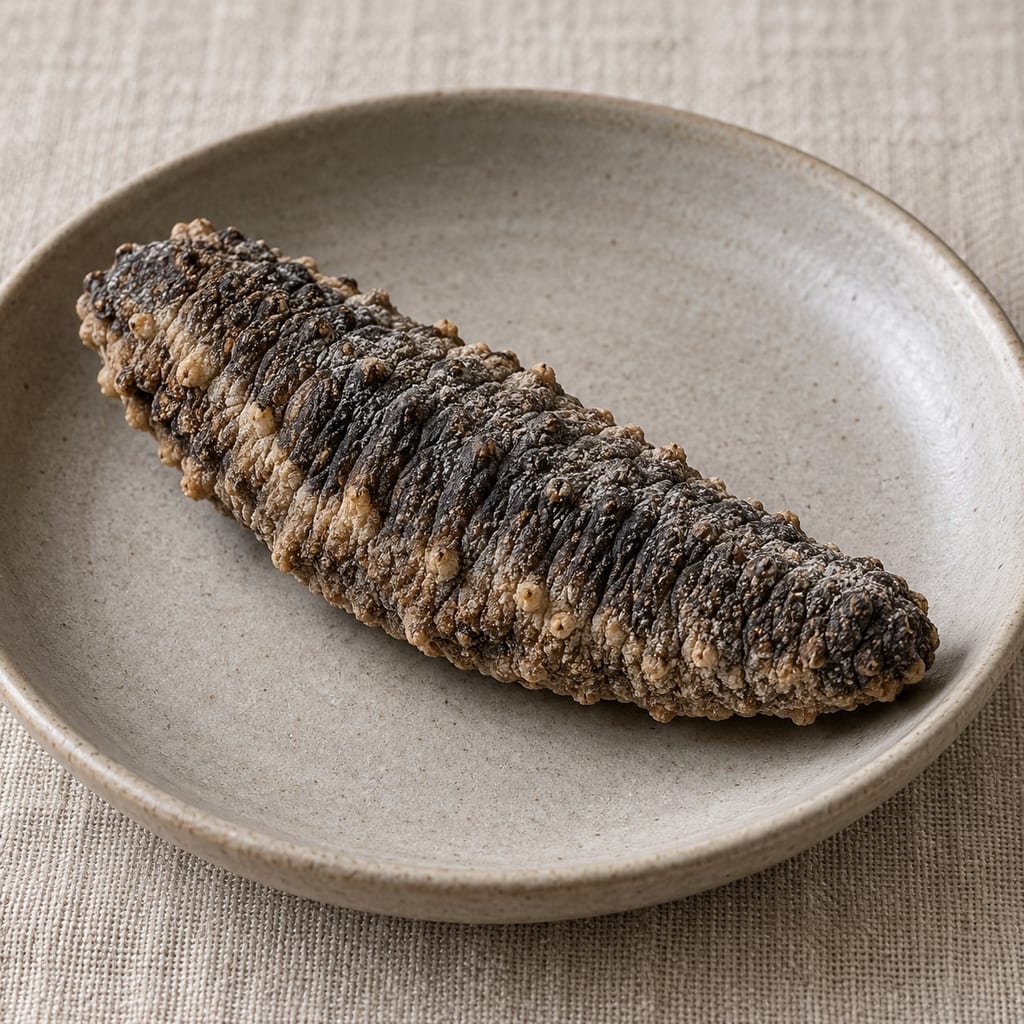
Sea cucumber cleaned, boiled and dried, sometimes with smoke, into a long-keeping trade product; Makassan processing in Arnhem Land is documented from at least the eighteenth century.
No community contributions have been published for this entry yet.
Sign in to contribute. Published comments and photos are free to read.
WikipediaHistory · Ingredients · Method · Storage
Mole poblanoSanta Clara convent legend, with variants, and the caution that the evidence is not definitive
Nahuatl mōlli and chīlmōlli
Few if any prehispanic sauces contained chocolate, citing Coe and Coe 1996
Classic chiles ancho, pasilla, mulato and chipotle; about twenty ingredients on average
Roasting, grinding, simmering in a clay cazuela, chocolate added at the end
Storage: about three days refrigerated; paste about six months refrigerated and about a year frozen
Cited in: A sauce from a convent legend; Chiles before chocolate; Why there are so many ingredients; Making the paste and the sauce; Open questions
UNAMHistory
Article in a UNAM journal on mole, by Paco Ignacio Taibo IOrigins uncertain; the legend is the most practical starting point
Cited in: A sauce from a convent legend