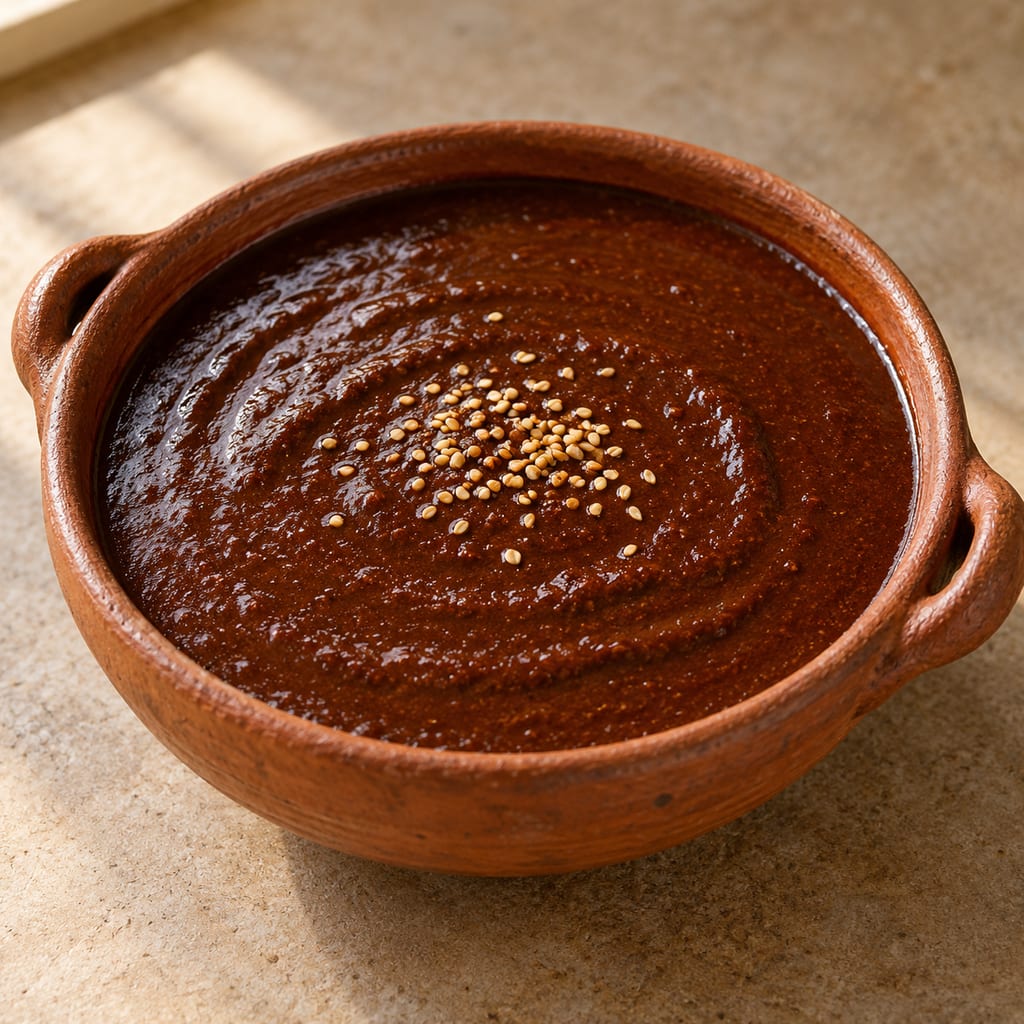
Mole poblano
A complex Mexican sauce from Puebla of dried chiles, nuts, seeds, spices and often chocolate, roasted, ground and simmered for a long time. Chocolate is one component, not its definition.
 FermenteaWhere food goes to change
Modern adaptation
Six large Puebla-style sandwich buns with a sweetened starch glaze and sesame seeds.
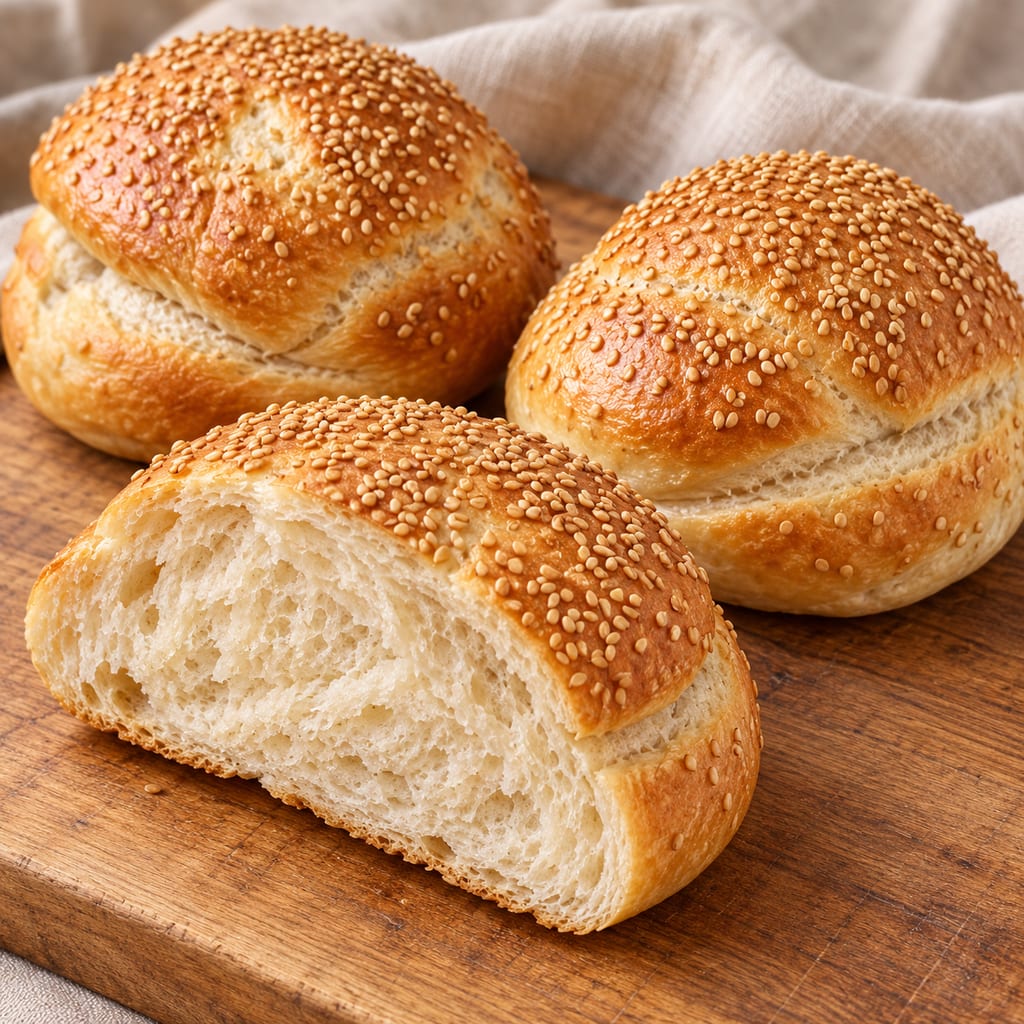
This Puebla-style bun has a sweetened starch glaze and sesame surface. It is shaped with a folded lobe and baked as a large roll for sandwiches. The name cemita also denotes different breads in other regions.
In PROFECO's December 2021 account, Patricia Meza Hernández of Cemitas Las Poblanitas in Mercado El Carmen describes the sesame bread and fillings such as white cheese, avocado, chipotle and pápalo. Other popular versions include milanesa or pork foot. This named vendor account places the bread within Puebla's market food.
Those fillings describe the assembled sandwich. They do not change this bread-only recipe, whose glaze, folded shaping and six large buns follow Irene's home method. Nor does one vendor's account establish a single birthplace or a universal filling rule.
Puebla's government announced an eighth Cemita Poblana Festival for May 2026 at Parque del Carmen, with thirty-five cemita vendors. Its programme included varied fillings and vegan options. The announcement documents contemporary promotion and participation, rather than an invention date.
The published attendance and sales figures were forecasts, so they are not used as counts of what actually happened. The evidence supports a living Puebla food association while leaving the bread's first attestation unknown.
Puebla-style cemita buns are documented as sandwich bread; a first attestation is not established.
Yield 6 large buns · Scaling: source batch only
Contains wheat and sesame.
Do not taste raw dough; raw flour can contain harmful germs. Wash hands and surfaces after handling it.
Take care with hot glaze, oven and tray.
The author describes Puebla-style buns; no precise birthplace is claimed.
A complex Mexican sauce from Puebla of dried chiles, nuts, seeds, spices and often chocolate, roasted, ground and simmered for a long time. Chocolate is one component, not its definition.
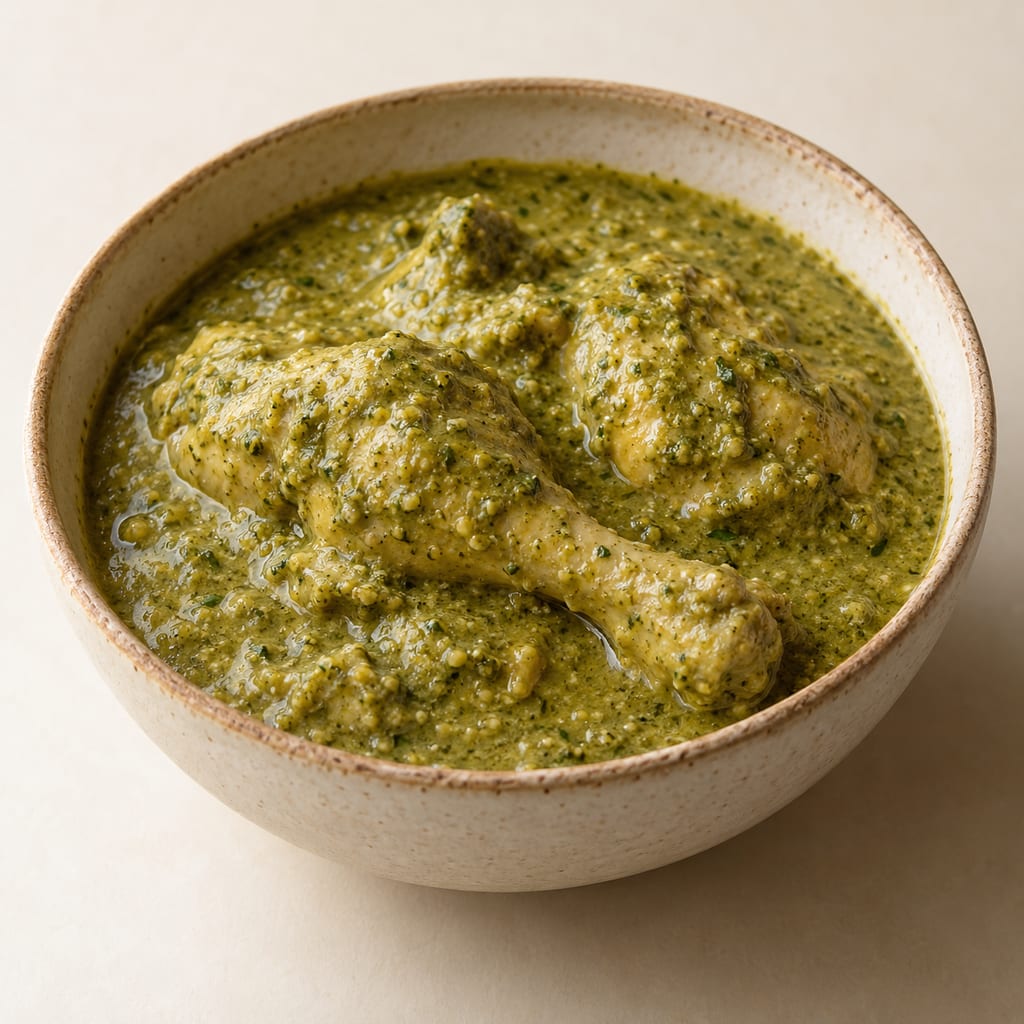
Pipián is a Mexican sauce family built on ground squash seeds, cooked with tomatillo or chile and herbs. The green version uses tomatillo and hoja santa; red versions add peanut, sesame and dried chile.
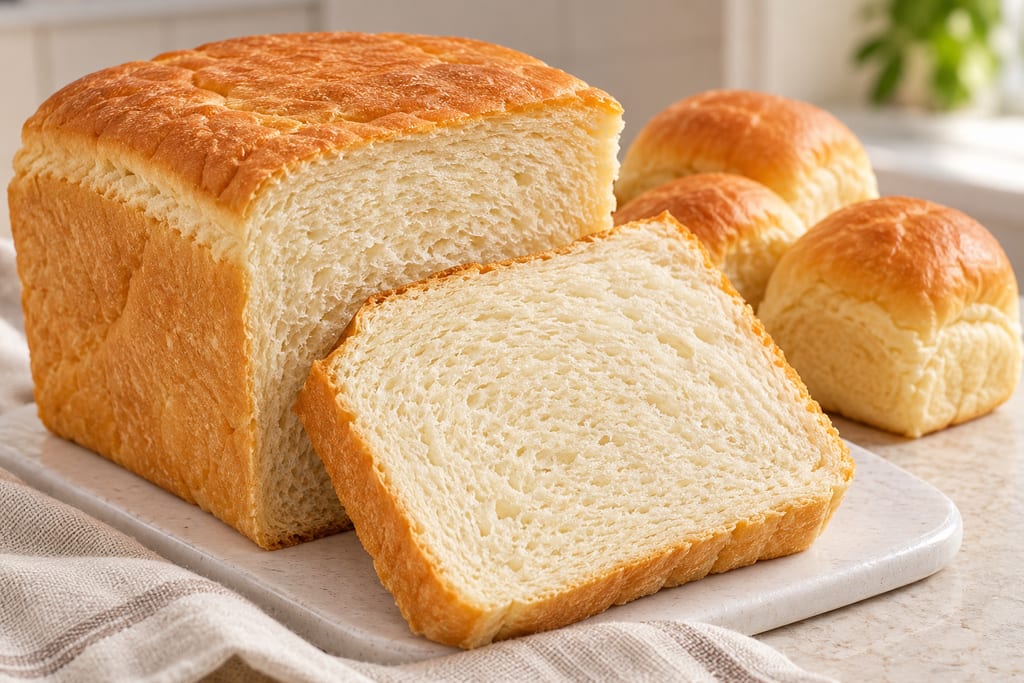
This softer home-style Agege bread uses a scalded flour paste, an enriched yeast dough and a 9×5-inch loaf pan, with rolls from the extra dough.
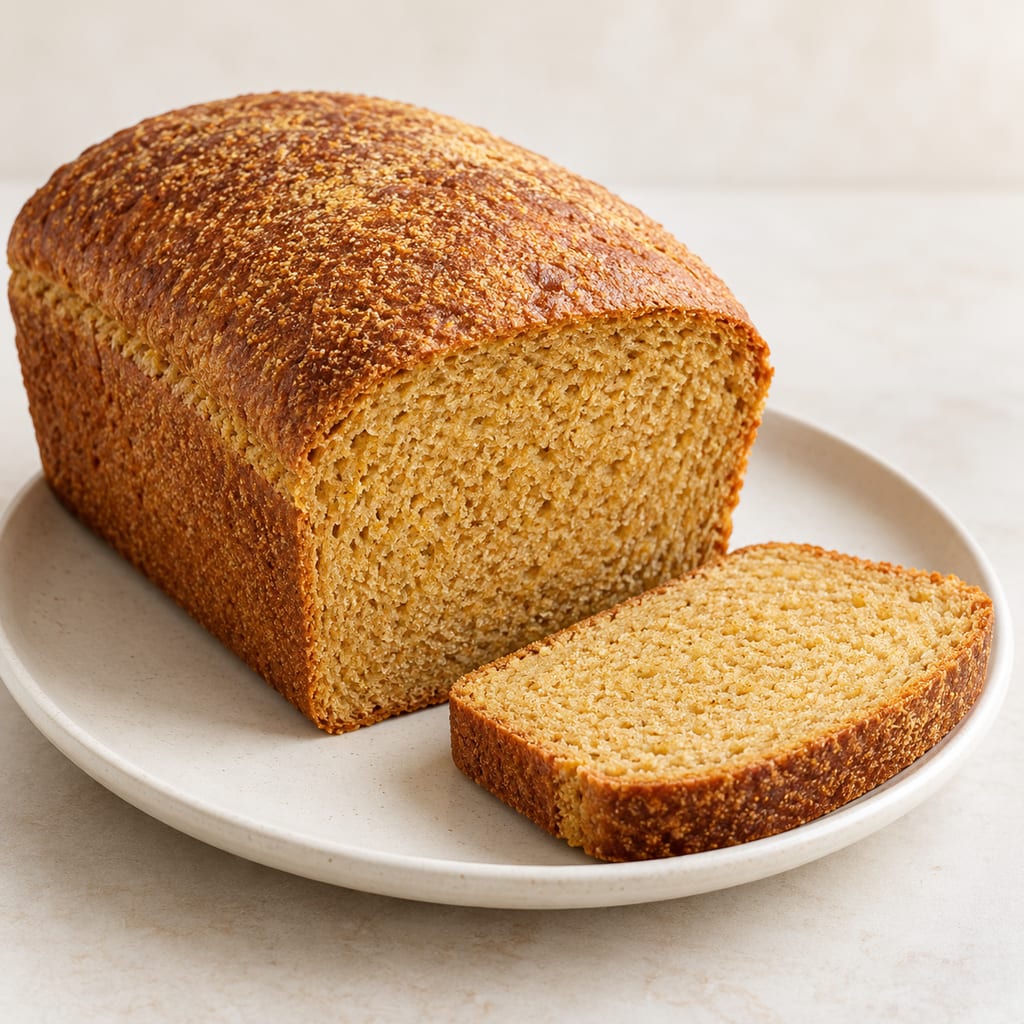
Anadama is a New England yeast loaf made with wheat flour, cornmeal and molasses. Scalded cornmeal enriches the dough, while molasses lends sweetness and a dark crust; it is especially good toasted or beside soup and baked beans.

A yeast-raised wheat ring shaped from a firm dough, briefly boiled and baked. This source-batch formula gives a gently malted crust and a chewy crumb.
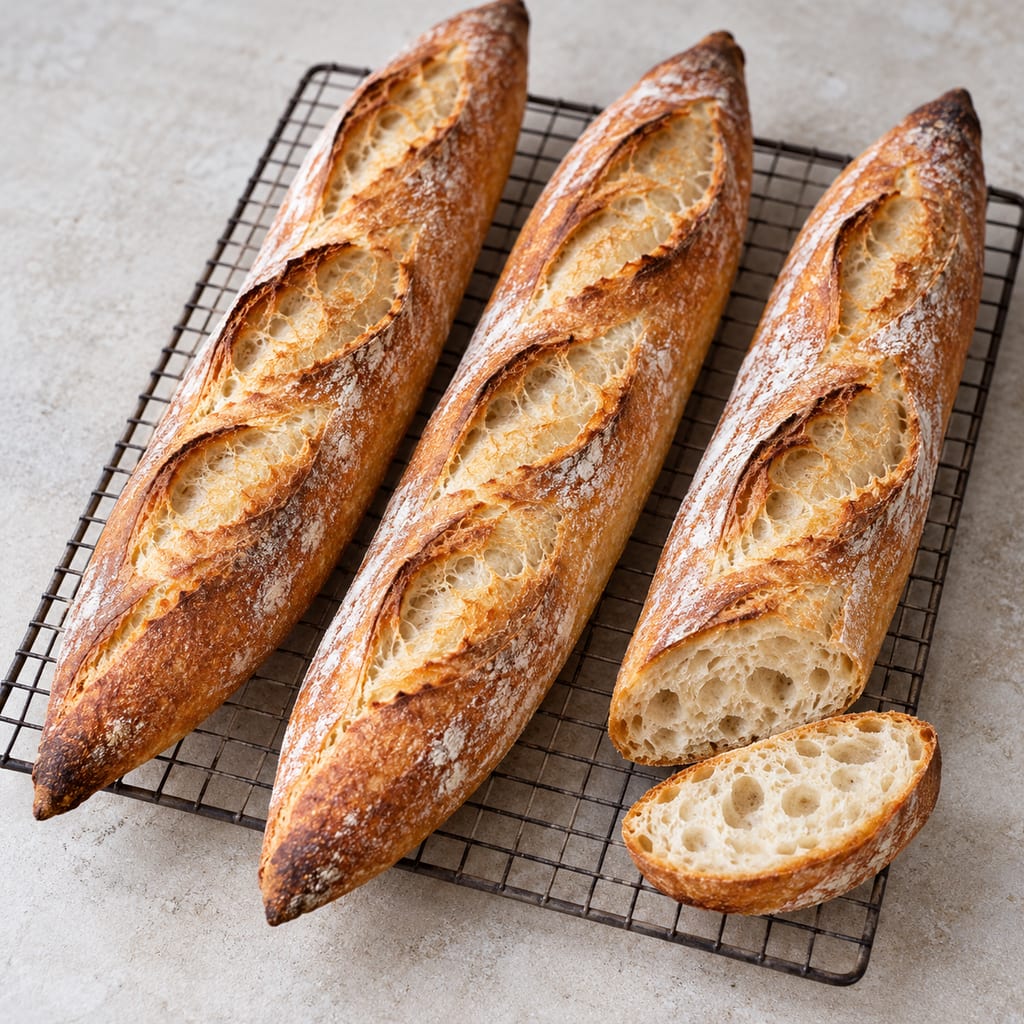
Three long, crusty wheat loaves made with an overnight yeast poolish, shaped by hand and baked with steam for a crisp crust.
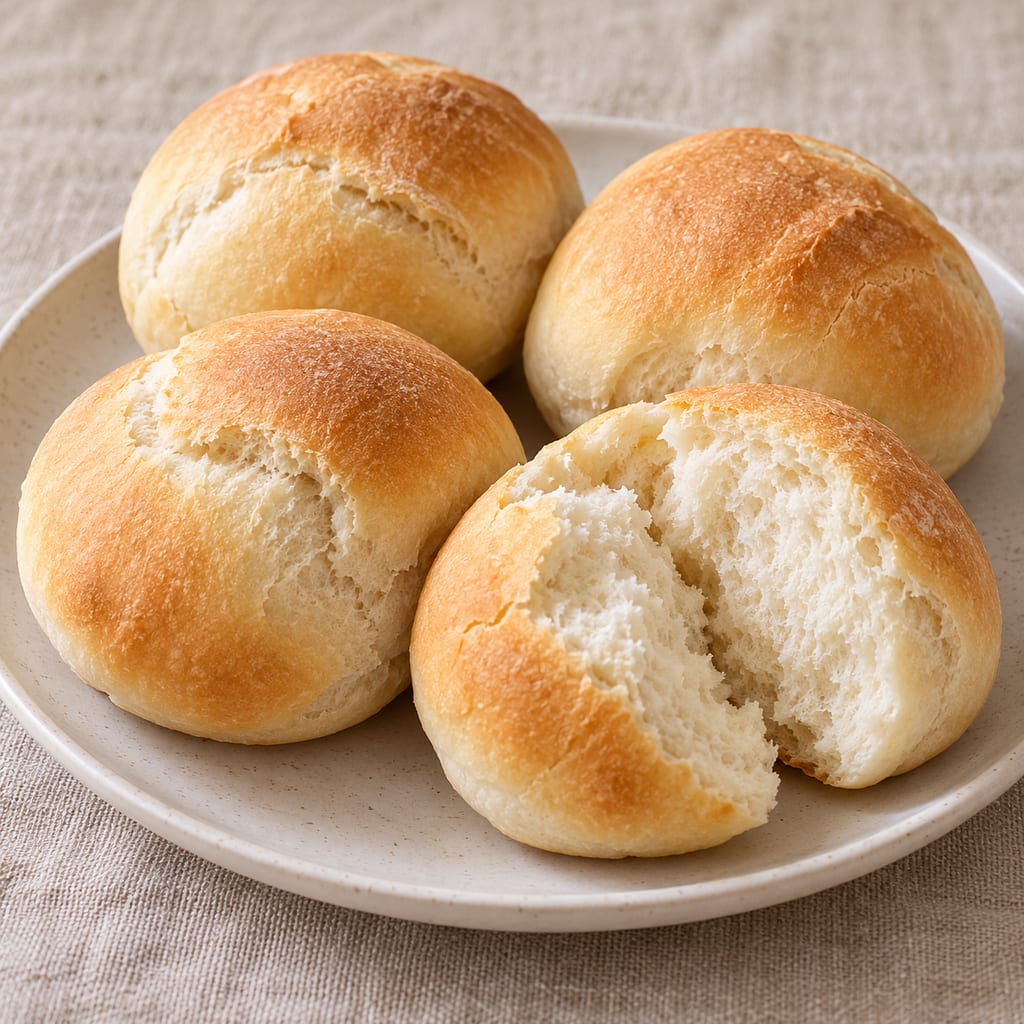
A lightly salted, yeast-raised Barbadian roll, baked in a dozen-roll home batch and often split for cutters.
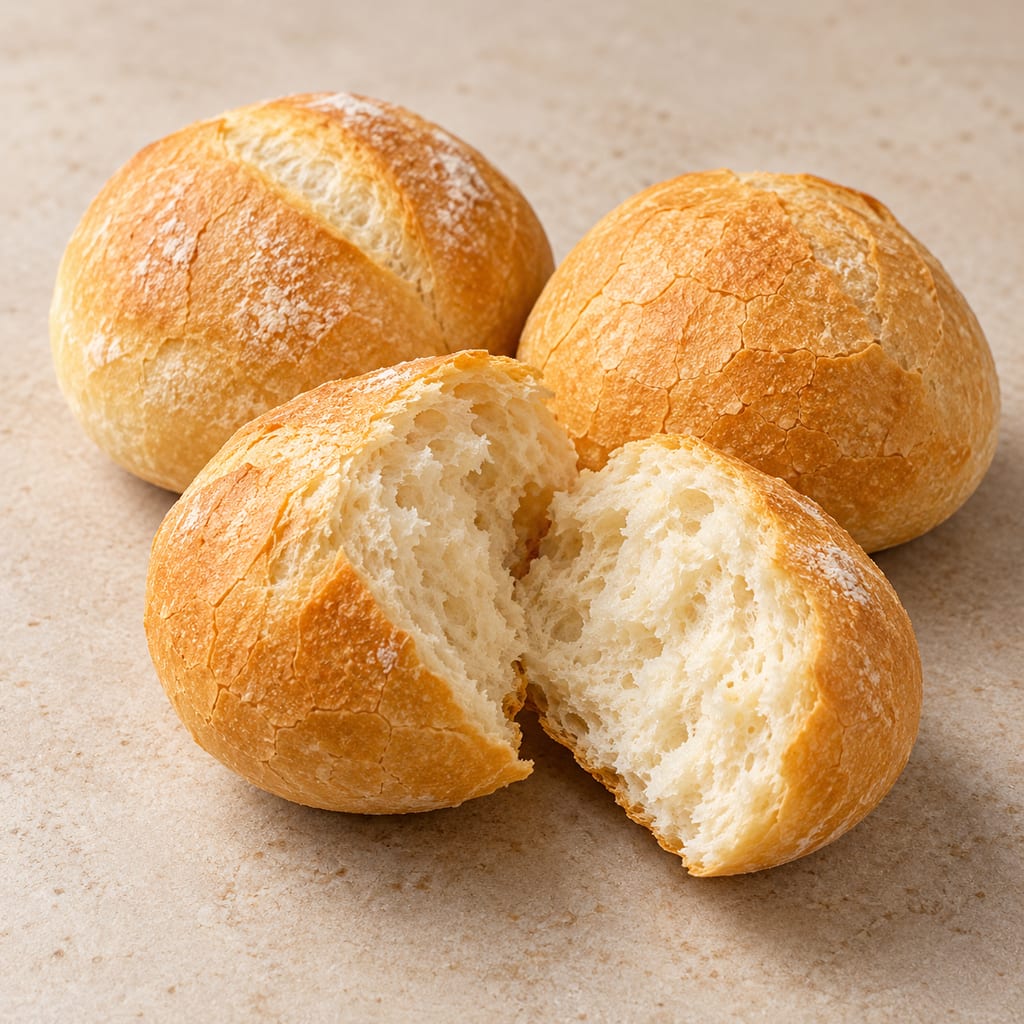
A crisp Belgian roll made from a supplier’s Croc-flour dough, mixed by hand or machine, proofed in rounds and baked with steam.
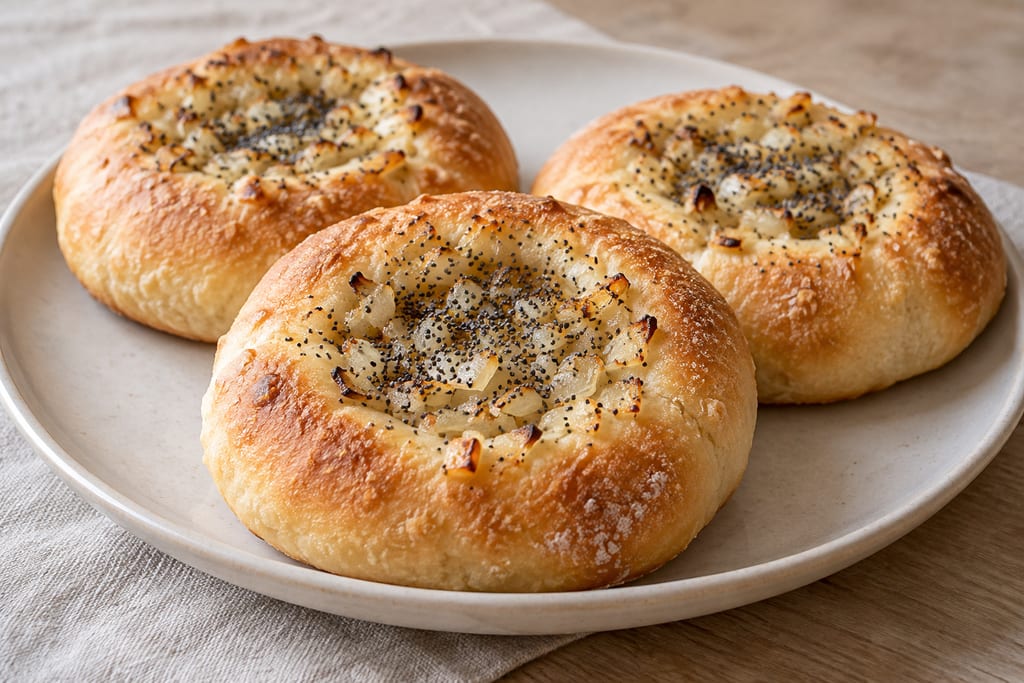
Bialys are soft, yeasted wheat rolls baked without boiling, each shaped with an onion-filled central depression instead of a hole.
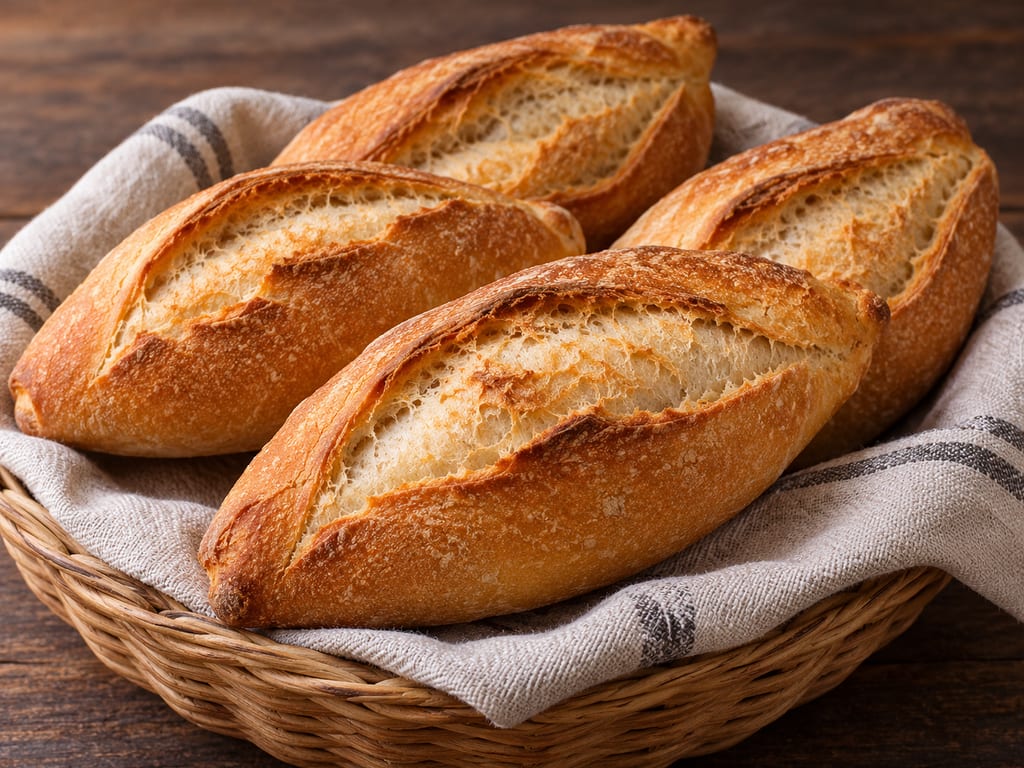
A measured, commercial-yeast home method for Guadalajara-style birote salado, with a six-hour preferment, shaped rolls and a two-temperature steam bake. This formula contains no egg.
No community contributions have been published for this entry yet.
Sign in to contribute. Published comments and photos are free to read.
My Slice of MexicoInspiration · Method · Geography
Puebla Style Cemita BunsSix-bun yeast dough, folded shaping, starch glaze, sesame and Puebla association.
Cited in: Buns for cemita sandwiches; Bread within a Puebla market meal
PROFECOContext
Revista del Consumidor, December 2021: Cemita PoblanaPrinted page 14 interview with Patricia Meza Hernández of Cemitas Las Poblanitas, Mercado El Carmen; sesame bread, pápalo and several fillings.
Cited in: Bread within a Puebla market meal
Gobierno de PueblaContext
Promueve Gobierno de Puebla Octavo Festival de la Cemita Poblana29 April 2026 announcement of 1–5 May festival at Parque del Carmen with 35 cemita vendors. Forecast attendance and sales are not treated as realised totals.
Cited in: A continuing public tradition
Wikimedia Commons / Arnold GatilaoImage reference
Cemita.jpgMilanesa sandwich photograph, file-level CC BY 2.0; excluded from PD/CC0 reference count.