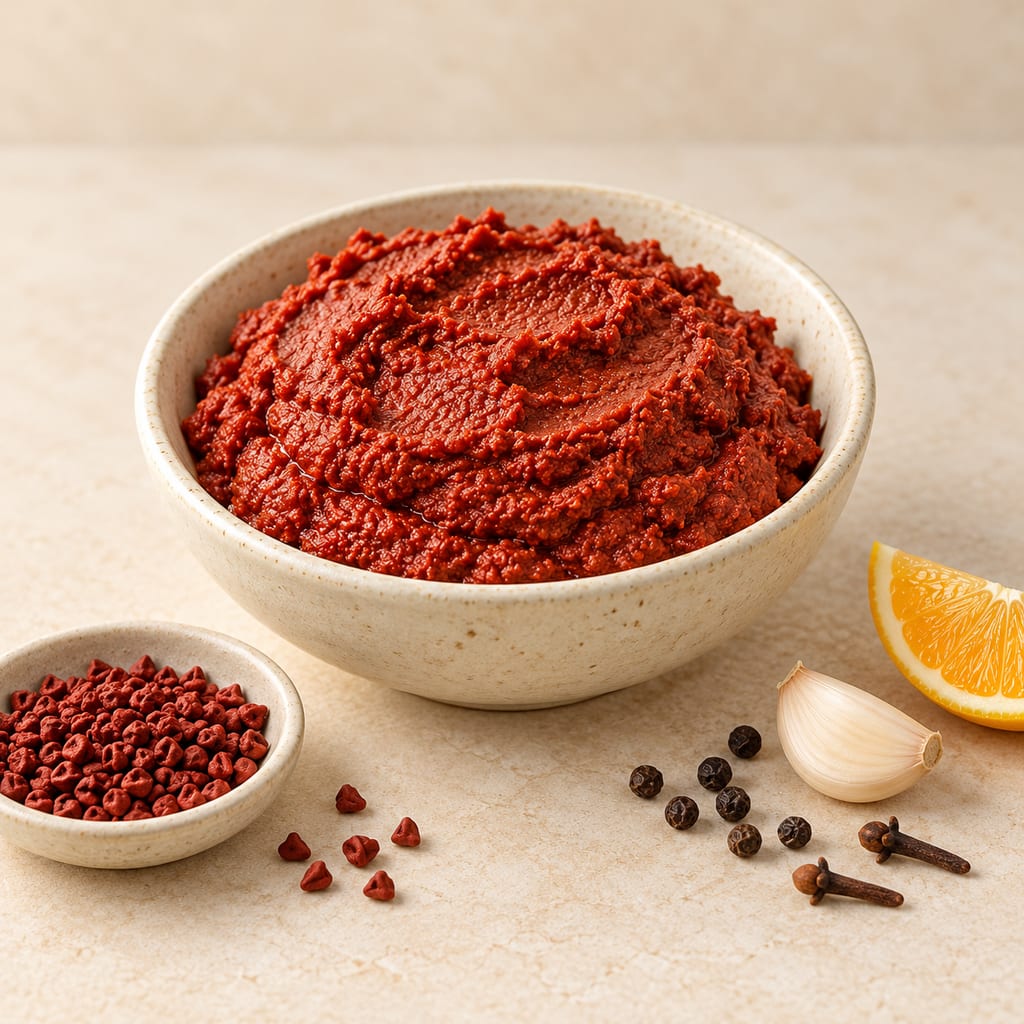
Achiote paste
A Yucatecan recado rojo is a brick-red seasoning paste built on annatto seed, garlic and sour orange. This measured home version shows one route into a much wider family of market and household recados.
 FermenteaWhere food goes to change
Traditional method
Red tomato and chile salsa · Salsa de jitomate
The red tomato and chile sauce of Mexican tables, most often cooked or charred before grinding. It is a family of preparations, not one formula.
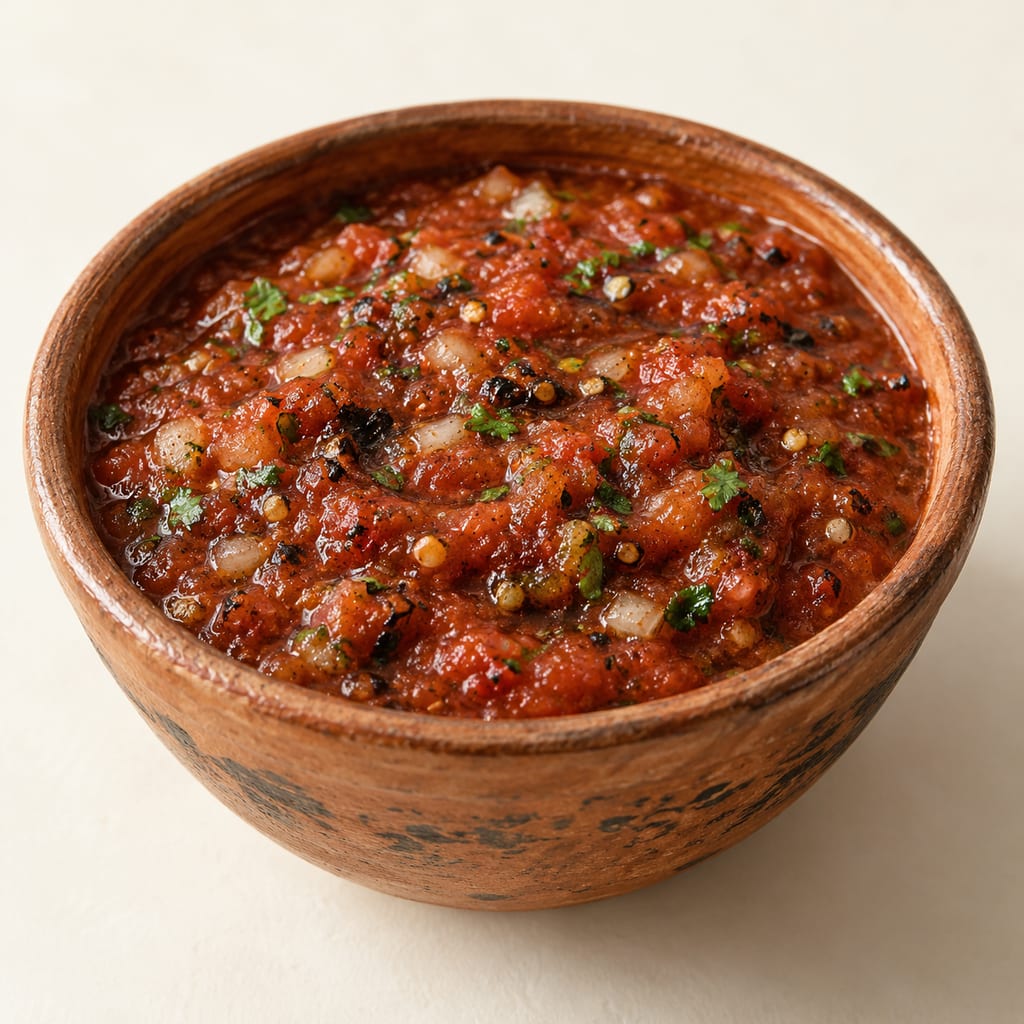
Salsa roja, the red salsa, is one of the two most common kinds of Mexican salsa, the other being salsa verde. In the sources read it is described as a blend of cooked tomatoes, chiles, onion, garlic and cilantro, served as a table sauce. Mexican cooks treat the name as a family label: a salsa roja can be raw, roasted or cooked, and the chile can be fresh or dried.
Wikipedia's account of Mexican salsas separates the cooked red salsa from the raw salsa cruda and from the green salsa verde, which is made from tomatillos rather than tomatoes. The same article notes that salsas were traditionally ground in a molcajete, a stone mortar, and that blenders are now common.
Charring is the step that most changes the sauce. Saveur's tomato and chile version describes charred tomatoes giving the red salsa a hint of sweetness and smoke, which is the difference between a bright raw salsa and a deeper table sauce. The sources read do not compare charred and simmered tomatoes beyond this, so the page does not claim a difference between them.
Fresh serrano or jalapeño chiles are a common source of heat in these sauces. Kvalifood's salsa roja uses either fresh chiles or dried chile de árbol for heat, so the chile is a choice of the cook rather than a fixed ingredient.
The sources read do not date the tomato and chile in this sauce. Garlic, lime and cilantro are the ingredients that Mexico News Daily says were brought by the Spanish and introduced in the 16th century. The same article ties a pre-Hispanic tomato, pumpkin-seed and chile sauce to a different preparation, mole, and does not treat it as the origin of salsa roja.
Because no source in this set dates the tomato-chile salsa itself, the page does not state when it first appeared or when the cooked version became standard.
The regional versions of salsa roja, their local names and the dates of their spread are not established in the sources read. A food-history source on Mexican salsas would be needed before a regional origin could be stated. Recipe sources used here are published cooking sites, and their quantities are not standardised.
Salsa roja is a family of Mexican tomato-and-chile sauces. Its origin is not dated in the sources read.
Salsa roja is named as one of the two most common Mexican salsa types. The source does not place its origin in a region.
A Yucatecan recado rojo is a brick-red seasoning paste built on annatto seed, garlic and sour orange. This measured home version shows one route into a much wider family of market and household recados.
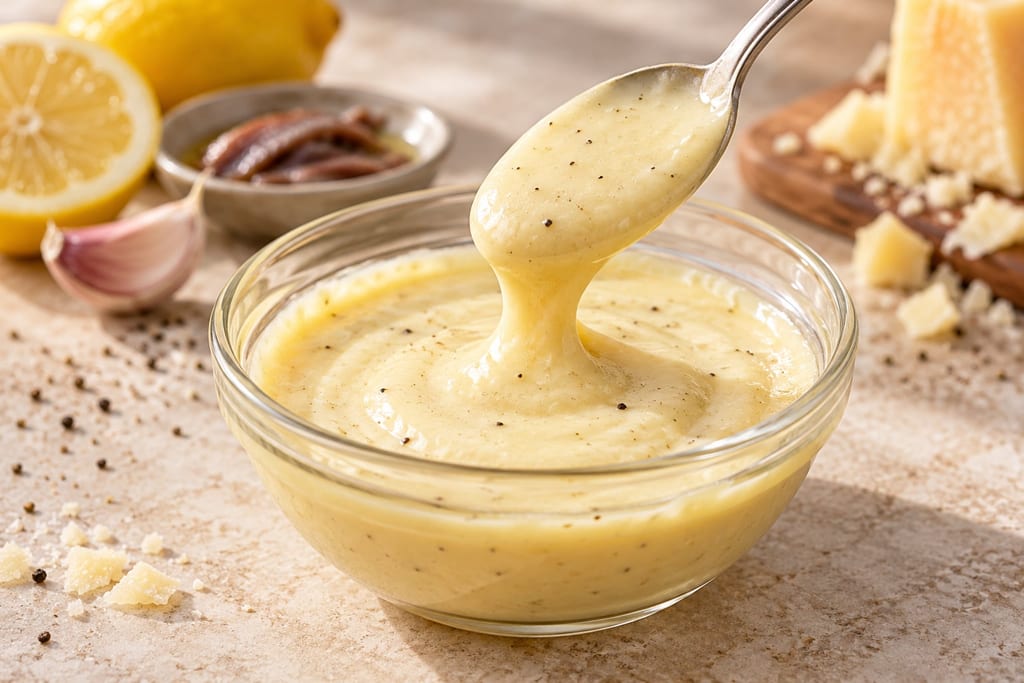
A source-specific Caesar dressing made with pasteurized egg yolks, Parmesan, lemon, anchovy, garlic, mustard and olive oil. This modern Vitamix formulation is distinct from the salad’s disputed 1924 origin accounts.
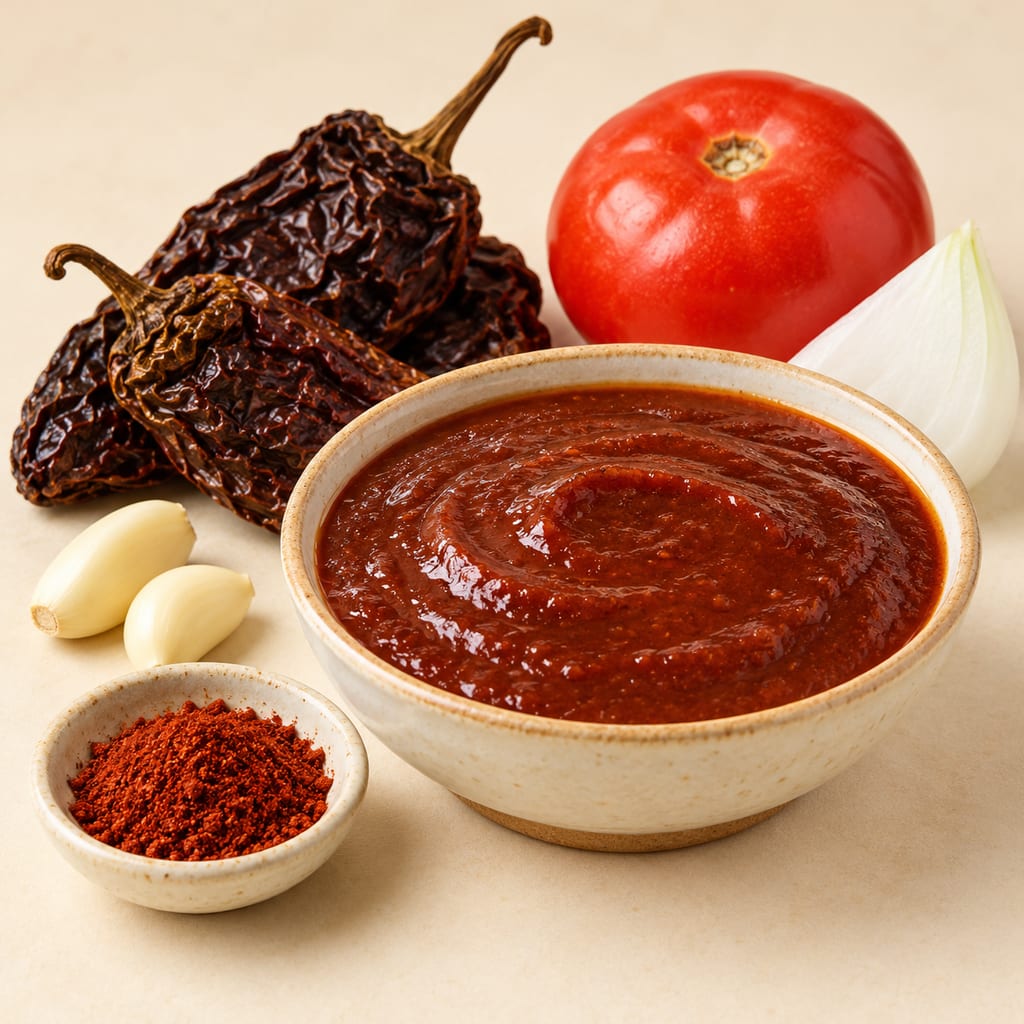
Chipotle adobo is a cooked sauce of smoked chipotle chiles, tomato, onion, garlic, dried chile powder, spices and vinegar, the form in which chipotles are most often sold in the United States.
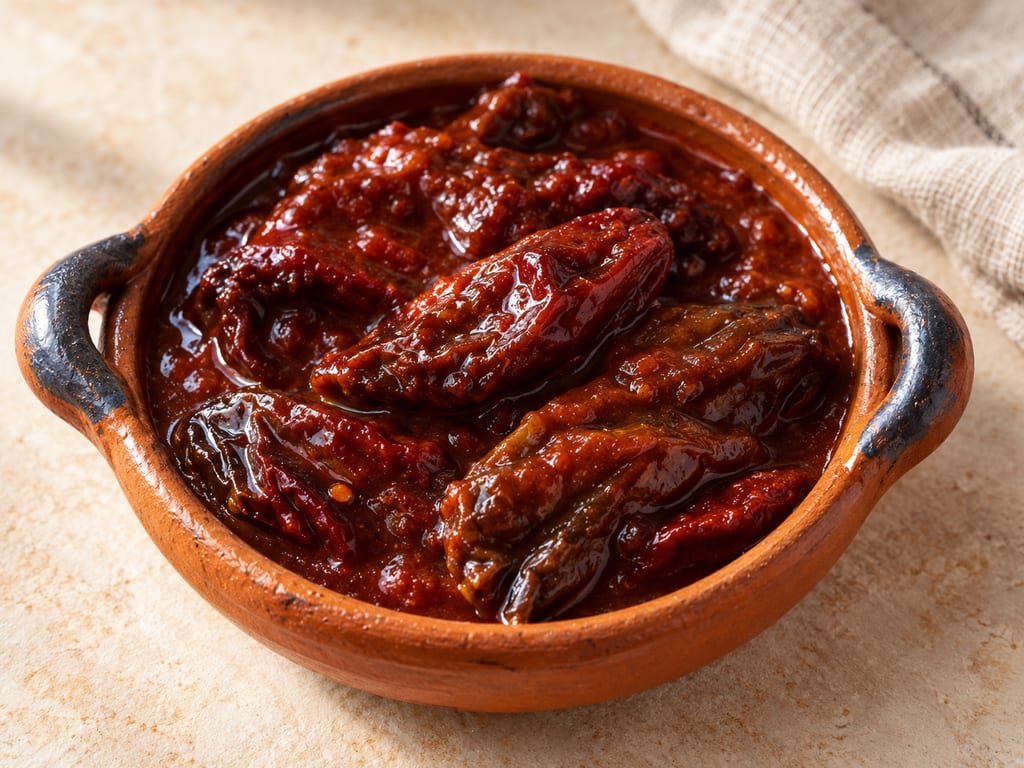
Whole smoked-dried chipotles simmer in a tomato, vinegar and spice adobo: a Mexican condiment with smoky heat and a sauce that seasons the chile as it softens.
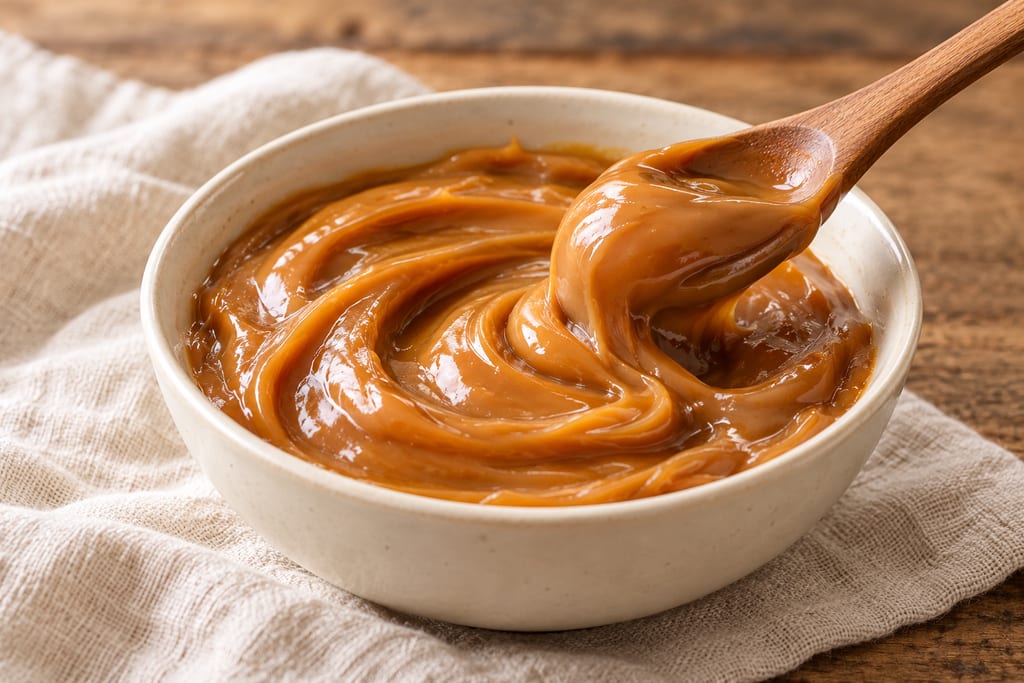
Dulce de leche and its relatives, including Mexican cajeta from goat's milk, are milk and sugar cooked slowly until thick and brown. The name changes across Latin America, and the browning gives each its character.
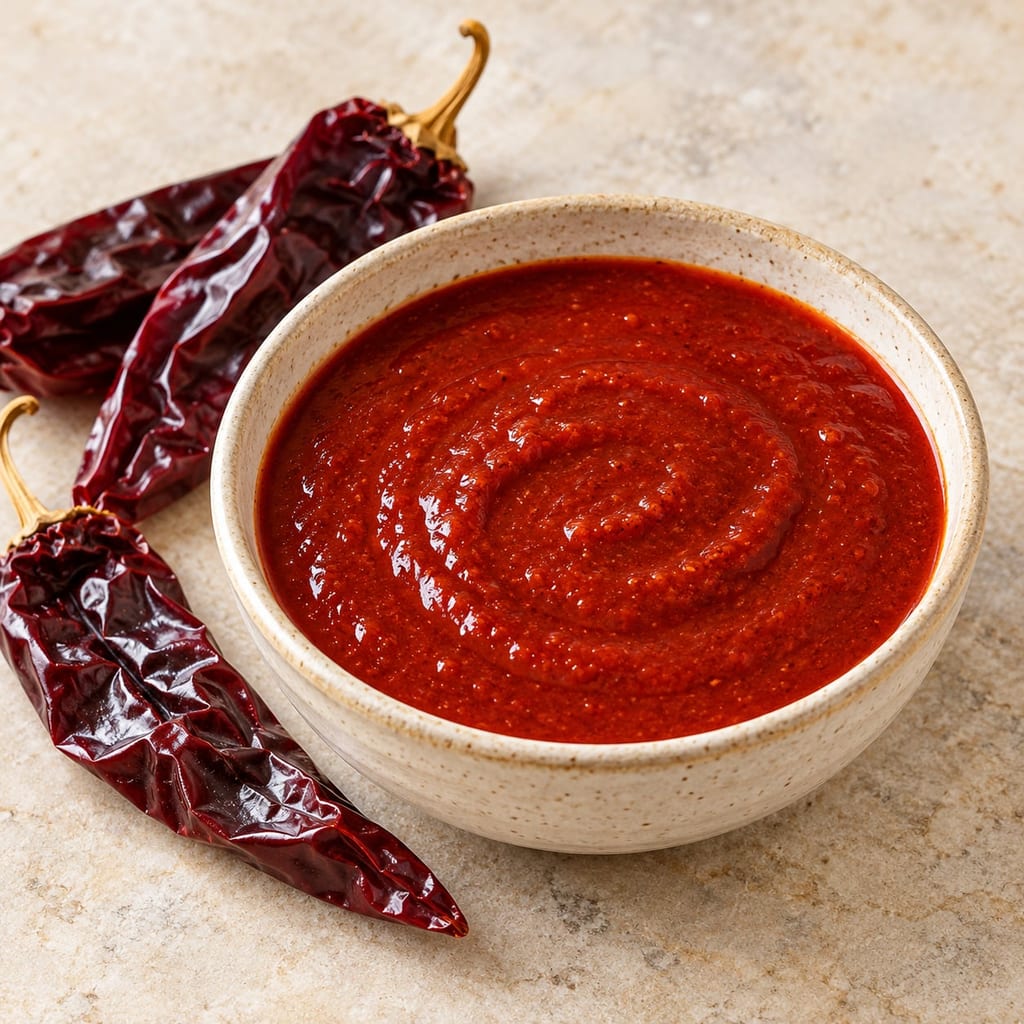
A Mexican sauce in which dried guajillo chiles, toasted and softened in hot water, supply most of the flavour. It is a family of dried-chile salsas, not a tomato sauce with chile added.
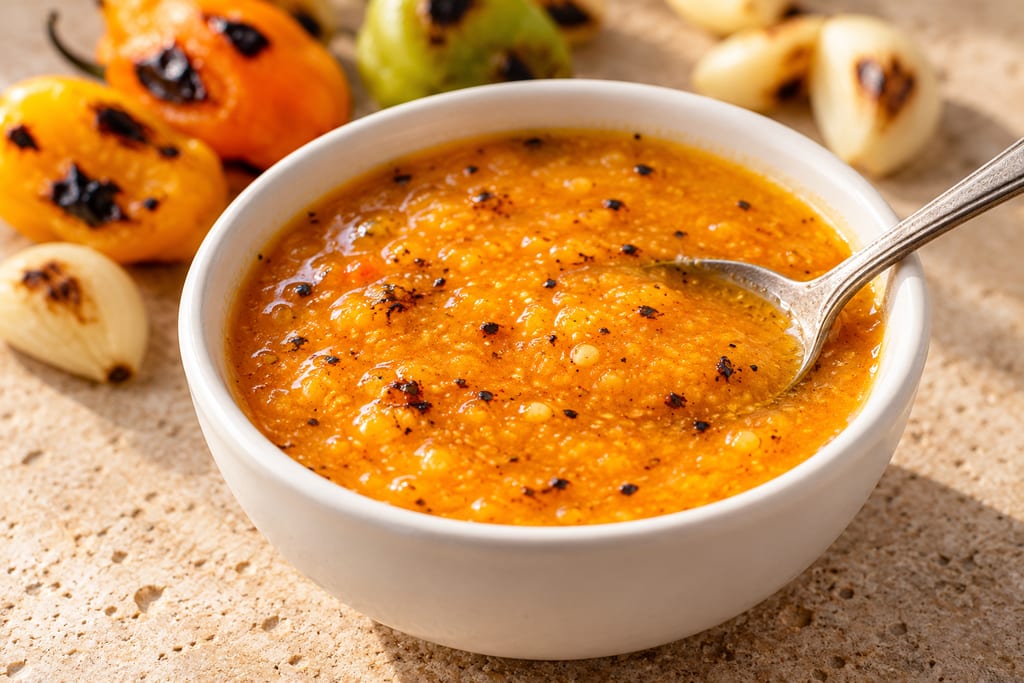
A hot, fruity chile sauce of the Yucatán, built on habanero peppers and often charred with garlic. It sits on the table as a condiment, and the recipes vary widely.
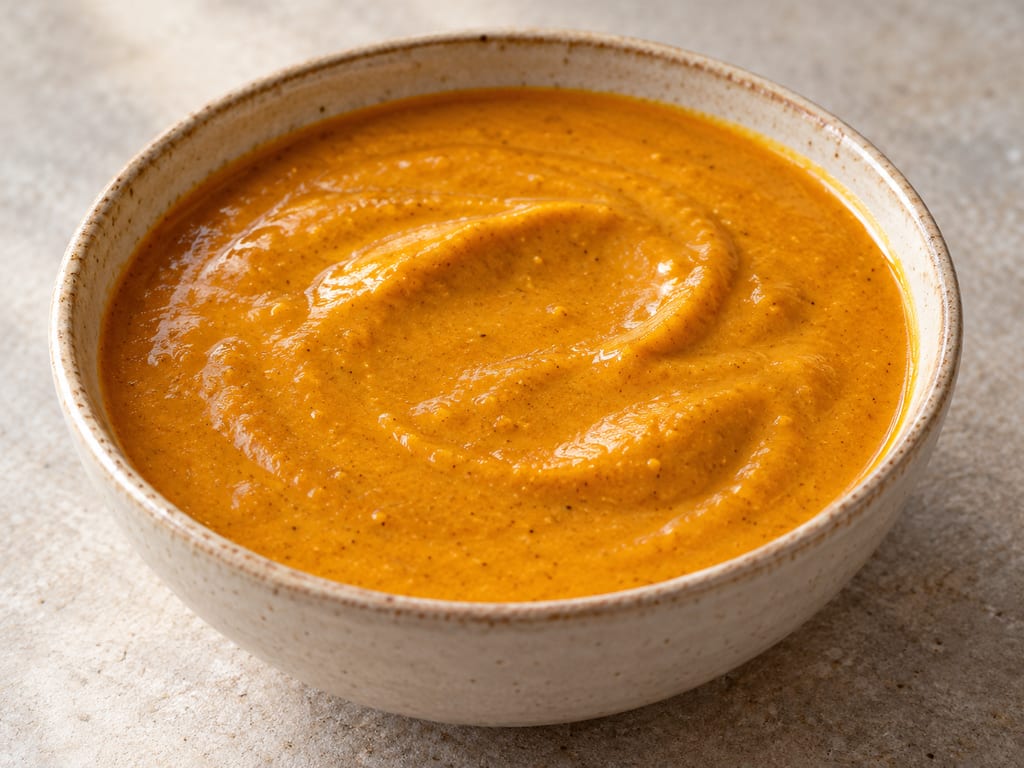
Mole amarillo, also called amarillito, is a yellow to orange Oaxacan mole built on cooked chile purée, thickened with corn masa and flavoured with herbs such as hoja santa, with no chocolate or dense nut mixture.
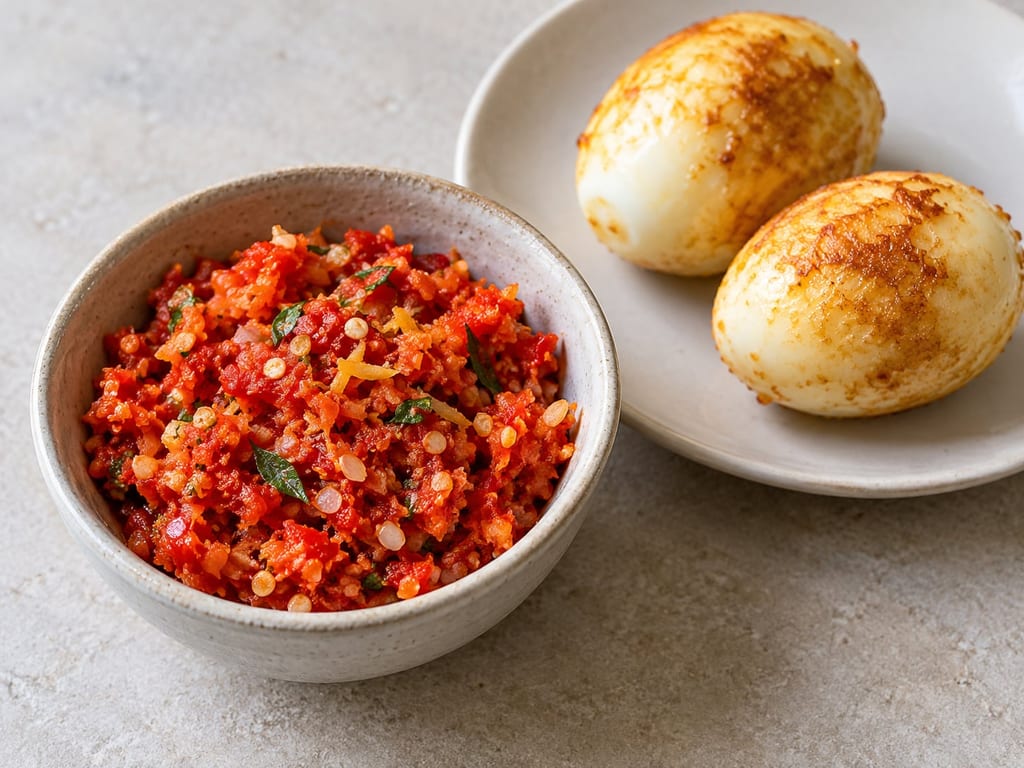
Ai-manas is described as a very hot chilli paste served with Timorese meals. One published version blends fresh chillies, shallots, garlic, Thai basil, ginger, lemon and salt, and serves it with eggs. Sources do not establish a standard formula, precise birthplace or earliest date.
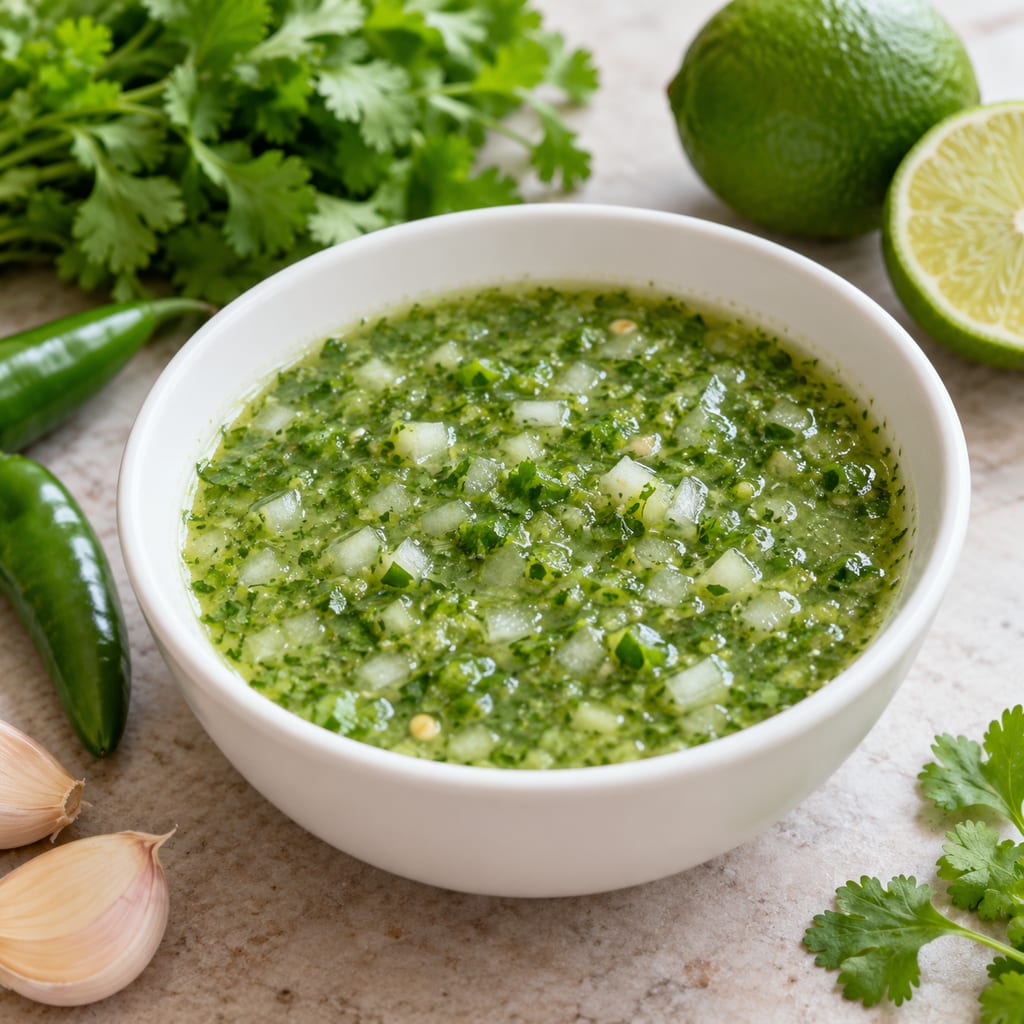
A fresh, uncooked Ecuadorian table sauce of hot pepper, cilantro, garlic and lime, served with most everyday dishes.
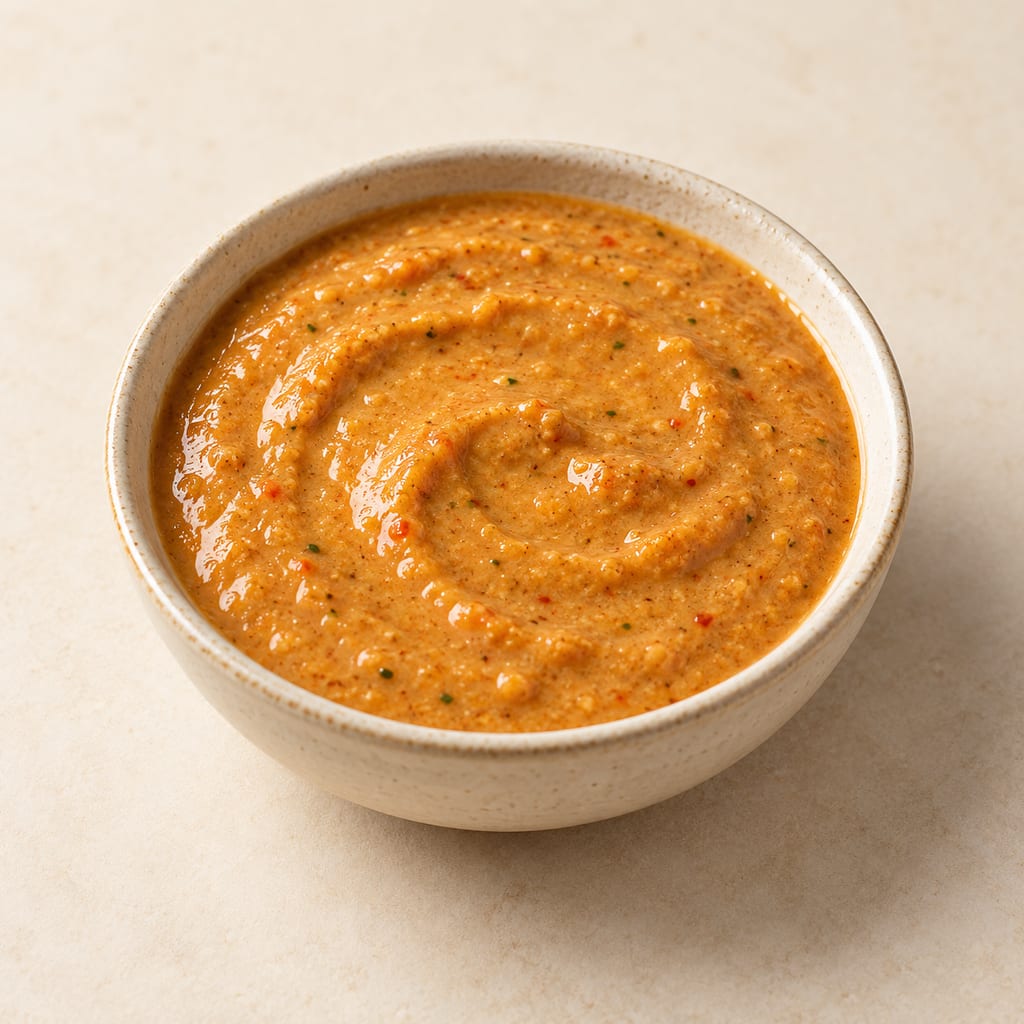
A spicy peanut hot sauce from the Popayán and Cauca region of Colombia, traditionally served with pipián empanadas and tamales.
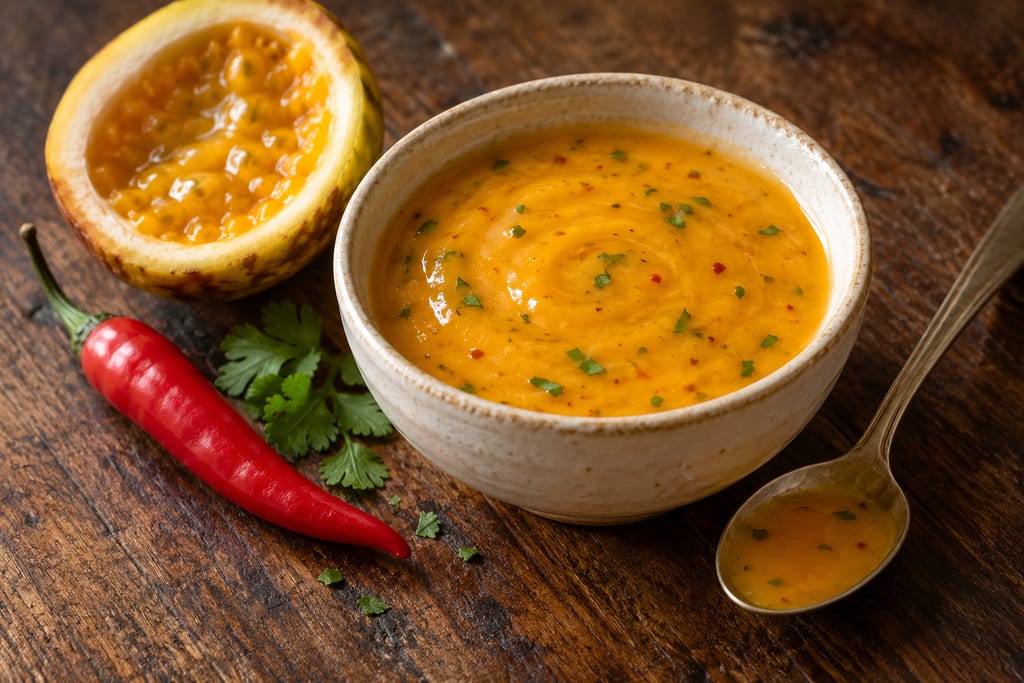
A contemporary Ecuadorian hot sauce that pairs passion fruit juice with boiled chile peppers, oil and lime.
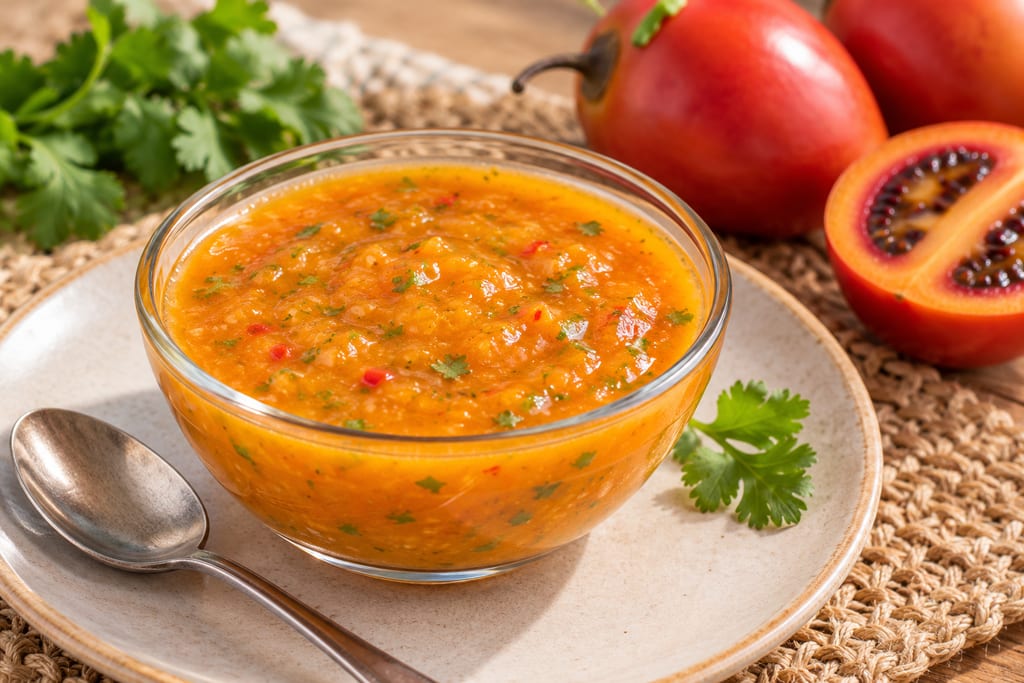
An Ecuadorian hot sauce built on tamarillo, a tart fruit that gives a sharper, fleshier base than ordinary tomato salsa.
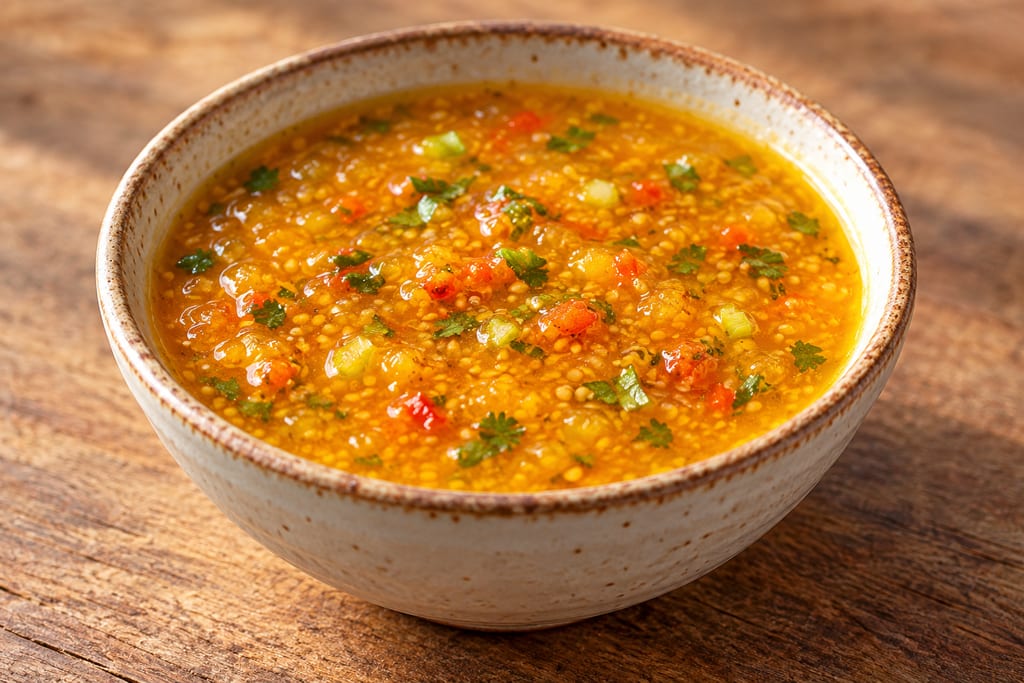
A sweet, tart and spicy Colombian sauce of uchuva, the yellow physalis fruit, with hot pepper, scallion, cilantro and lime.
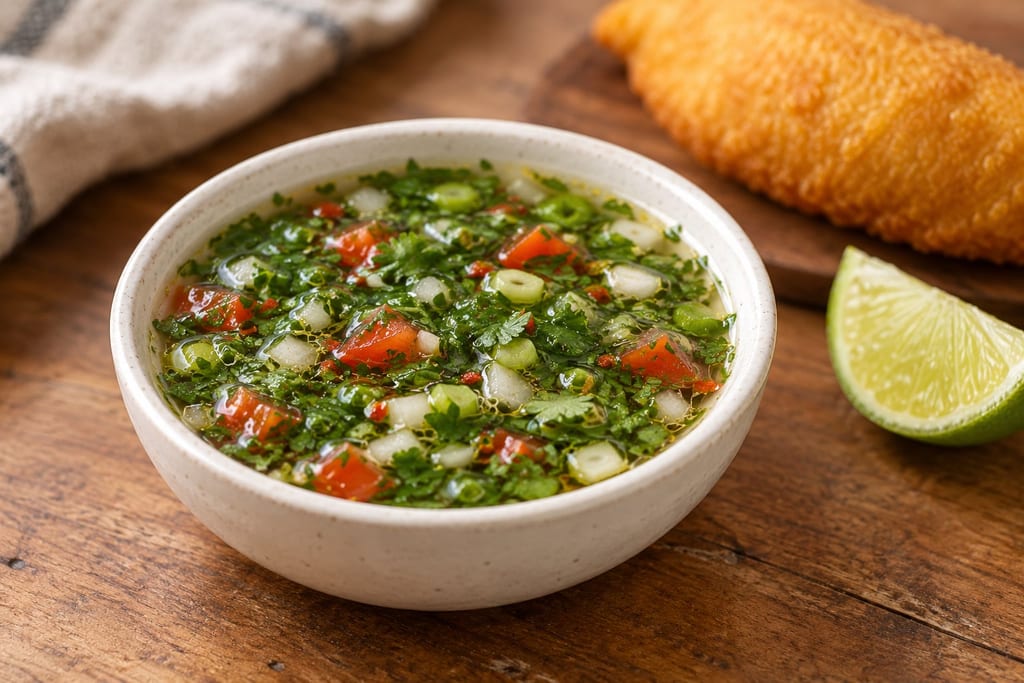
A fresh Colombian table condiment of chopped herbs, scallion and tomato in a vinegar and chile base, served beside fried and filled dishes.
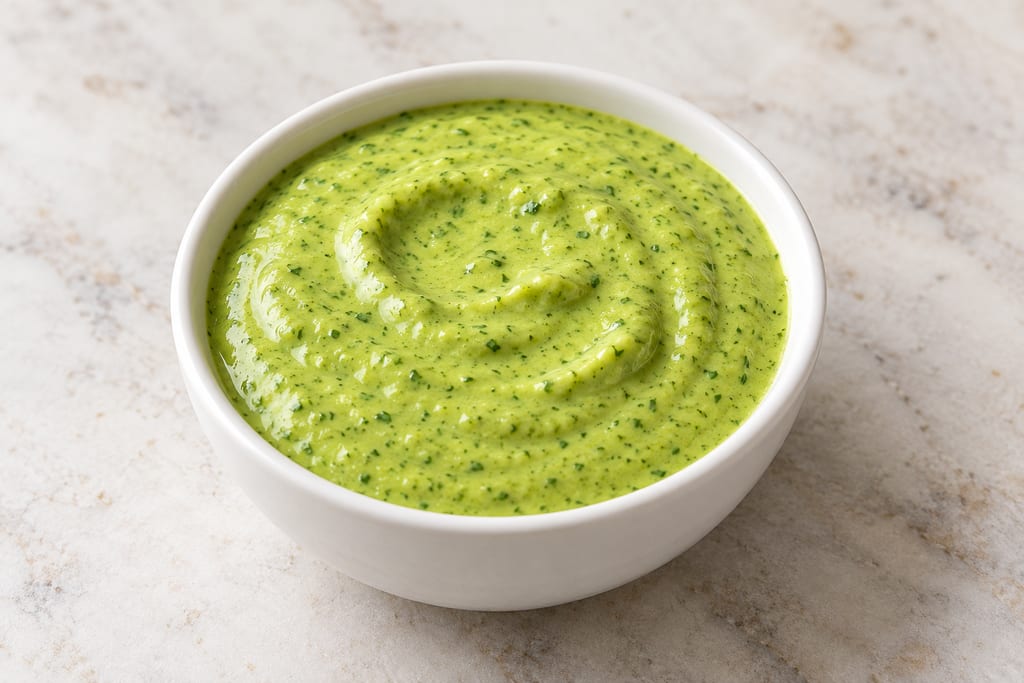
Ají verde is a Peruvian green sauce of coriander, chilli, onion and garlic in a mayonnaise or cheese base. It is best known through Peruvian restaurant cooking abroad.
No community contributions have been published for this entry yet.
Sign in to contribute. Published comments and photos are free to read.
WikipediaHistory · Types
Salsa (food)Salsa roja is one of the two most common Mexican salsa types
Usual ingredients of cooked tomatoes, chiles, onion, garlic and cilantro
Traditional grinding in a molcajete and common use of blenders
Cited in: A family of red salsas; Open questions
SaveurMethod
Tomato and Chile Salsa (Salsa Roja)Charring tomatoes gives a hint of sweetness and smoke
Cited in: What charring and cooking change
KvalifoodIngredients
Salsa RojaHeat may come from fresh jalapeño or serrano or dried chile de árbol
Cited in: What charring and cooking change
Mexico News DailyHistory
Why do Mexicans love salsa?Garlic, lime and cilantro were introduced after the Spanish conquest, in the 16th century
The pre-Hispanic tomato, pumpkin-seed and chile sauce it mentions is mulli, the ancestor of mole
Cited in: Where the other ingredients come from