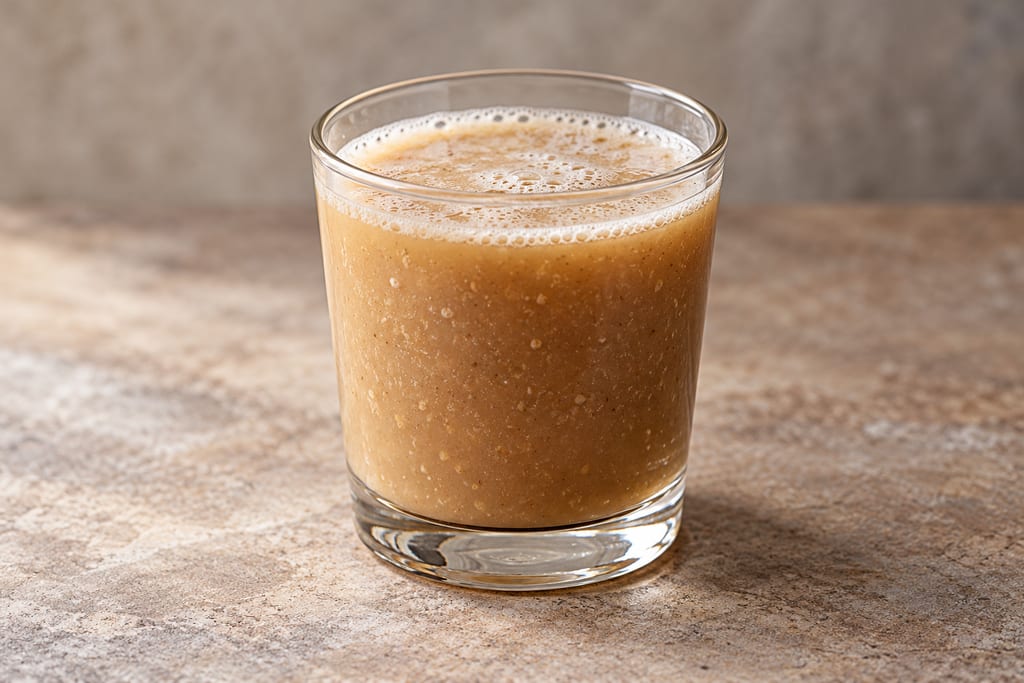
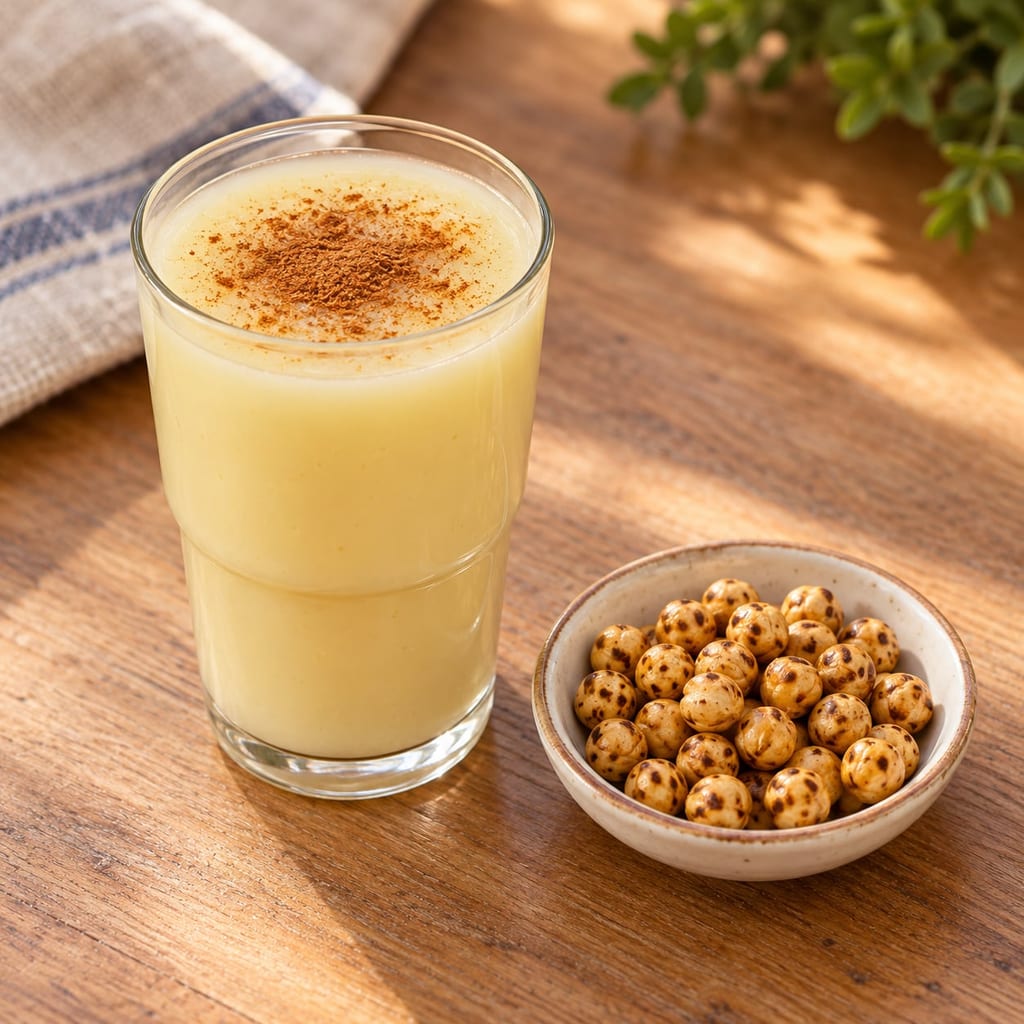
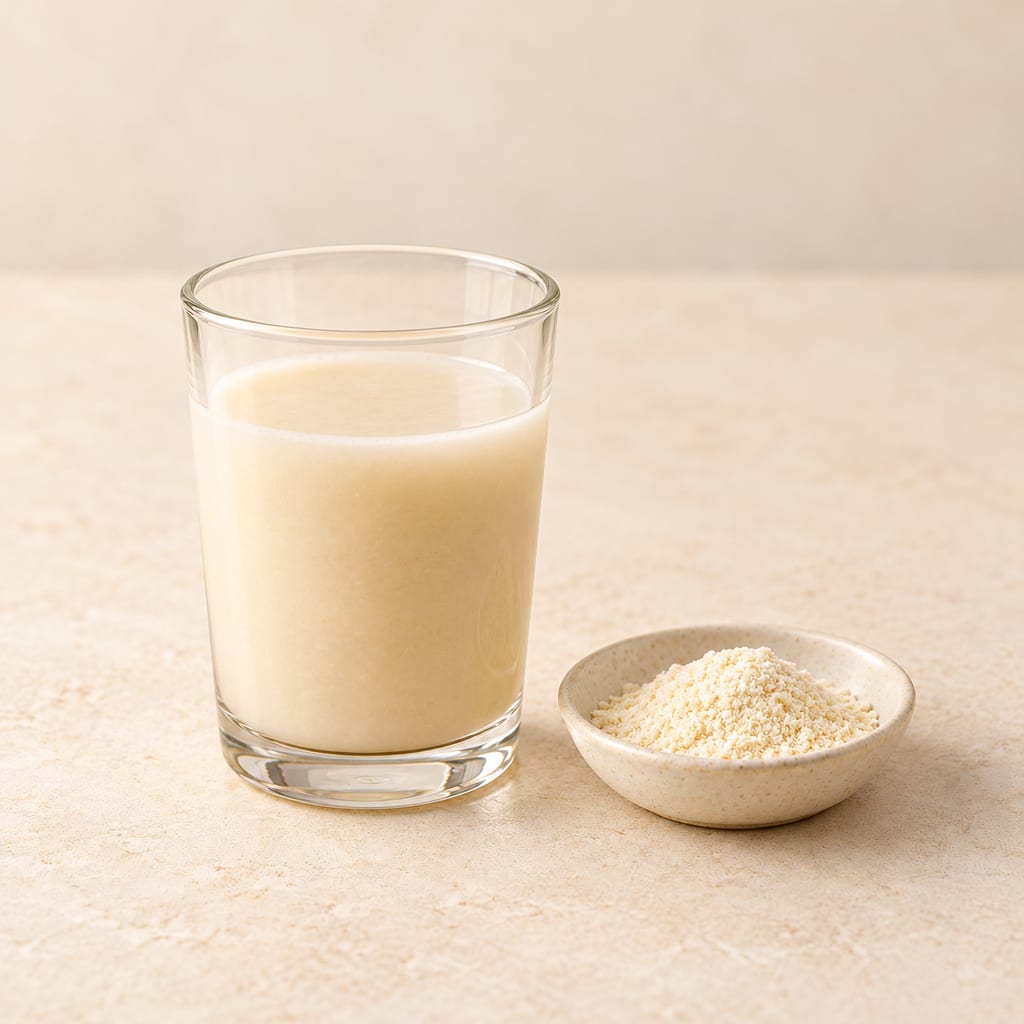
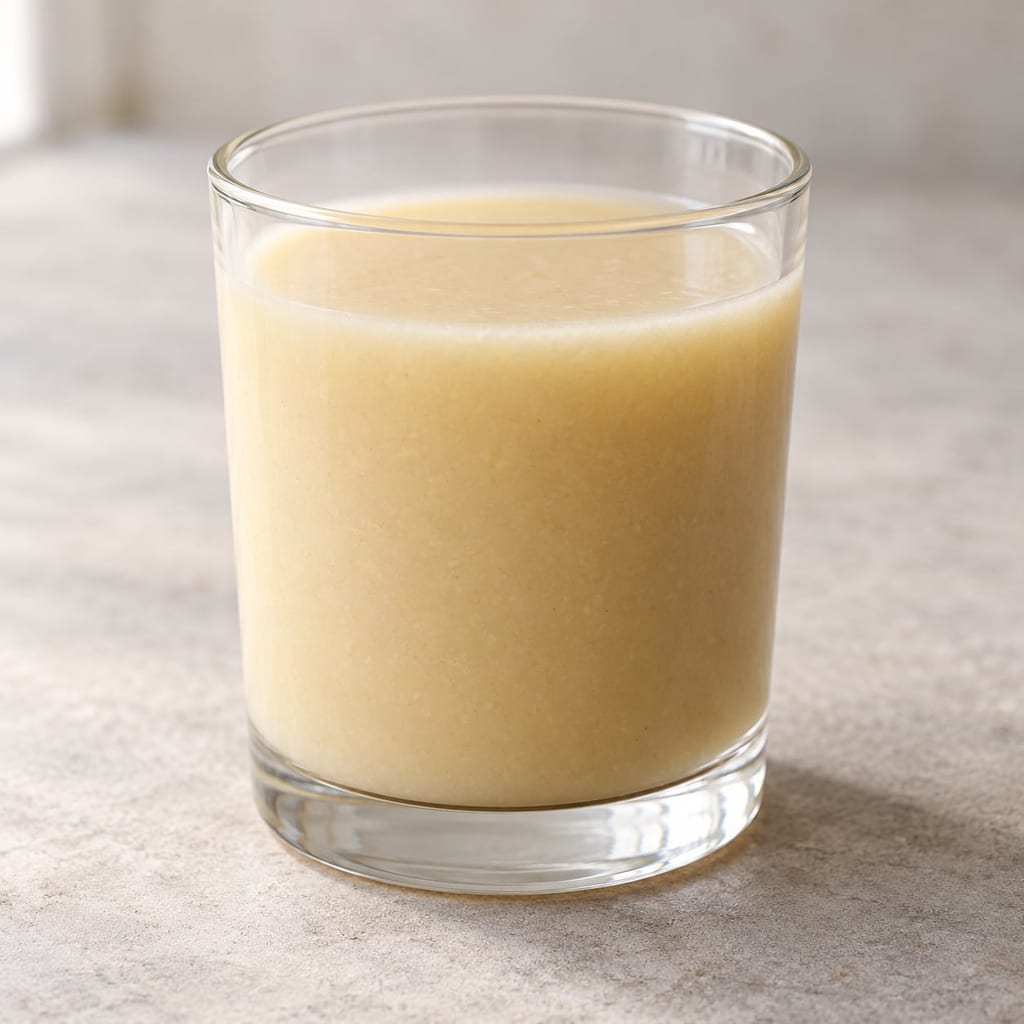
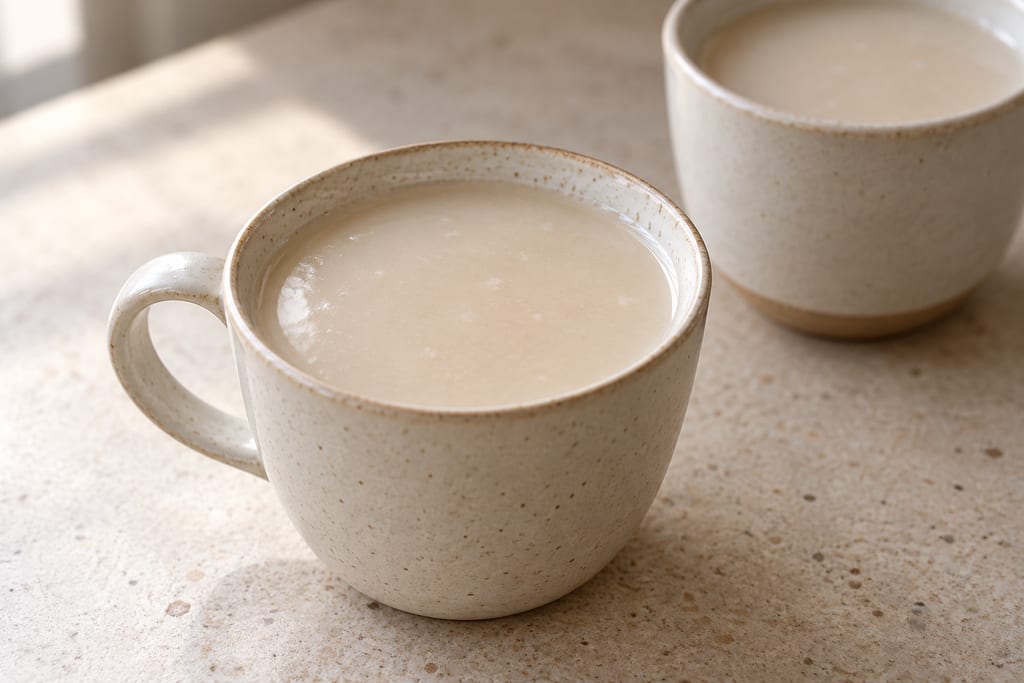
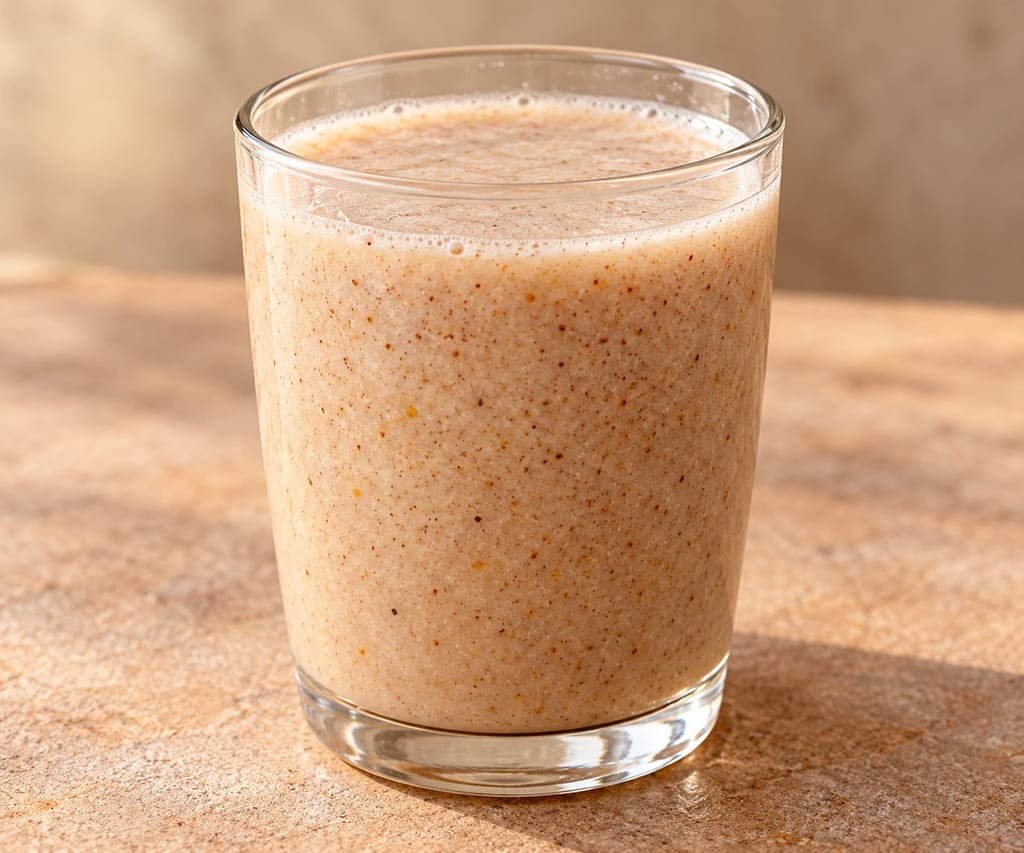
Tejuino is strongly associated with western Mexico, particularly Guadalajara in Jalisco.
It is also consumed in Nayarit, Colima, Michoacán and other parts of the country.
The drink is sold by street vendors, frequently from carts, and is especially appreciated in warm weather.
Maize-based fermented beverages have long histories in Mesoamerica, but assigning a specific ancient date to the modern drink requires care.
Government and popular accounts sometimes describe tejuino as originating thousands of years ago.
Such statements may refer to the antiquity of maize agriculture or fermented maize beverages more generally rather than to a documented recipe identical to today's tejuino.
The exact origin date of the present preparation is not established.
Modern technological descriptions distinguish at least two production families.
One involves fermenting a prepared maize mass before dilution and sweetening.
Another begins with cooked maize porridge, often called atole, which is then allowed to ferment.
The Guadalajara street-vendor tradition is particularly associated with the latter approach.
A Mexican food-research institution describes 24–48 hours as a typical fermentation period for one commercial method, while another process can involve 3–5 days of fermentation of maize dough.
These figures belong to different documented processes; they do not replace the 2–4 days of the household recipe here.
Pour the cooked base into a clean ceramic container, preferably clay as in the documented method.
The material is part of the traditional presentation, although the recipe does not demonstrate that a particular clay composition changes the microbial outcome.
A 2022 CIATEJ article distinguishes fermented drinks made without nixtamalization, including tesgüino, from tejuino made from nixtamalized corn masa. It describes one process family in which solid masa ferments before later dilution, and another in which masa and piloncillo are cooked as an atole, cooled, and left to ferment spontaneously. CIATEJ says the atole route is common among cart vendors in the Guadalajara metropolitan area and western Mexico.
These accounts describe different processes from the cited household masa-harina formula and from each other. The article reports 3–5 days for solid-masa fermentation and 24–48 hours for the atole route; these are source-specific descriptions, not limits for this formula. CIATEJ characterizes tejuino as acetic-lactic and below 1% alcohol by volume, but gives no sample or measurement details with that general figure. It is not transferred to this batch and is not a safety endpoint.
Tejuino is a maize beverage associated with Jalisco and western Mexico. The Mexican agriculture ministry describes regional fermentation and serving traditions. This measured masa-harina formula is a contemporary home adaptation.
Ingredients
Yield 3 cups fermented base · Scaling: source batch only
PiloncilloUse half a cone, or the source’s substitution of half a cup dark brown sugar.
½ cone
Nixtamalized corn flour (masa harina)Mix into 2 cups cold water to make a smooth slurry.
118 mL½ cup as recorded
WaterUse 2 cups cold for the slurry and 1.5 cups to boil with piloncillo.
828 mL3½ cup as recorded
Lime juiceStir into the cooked base after it cools for a few minutes.
15 mL1 tbsp as recorded
Method
Risks and precautions · Elevated risk
ambient fermentation and possible alcohol
The source says the ferment has a slightly alcoholic aroma but gives no measured alcohol level or validated fermentation endpoint.
Hazard source
Use potable water and clean food-contact equipment; these routine steps do not establish a validated time-temperature or alcohol endpoint.
Control source
This ferment may contain alcohol; the recipe source does not measure it.
The source says to keep the base in a cool spot during fermentation but does not give a temperature range or validated safety endpoint.
Whisk the masa harina into 2 cups cold water until smooth and reserve the slurry.
Bring the remaining 1.5 cups water to a boil. Add piloncillo and stir until dissolved.
Reduce the heat to medium and slowly pour in the masa slurry, stirring constantly for about 5 minutes until thickened.
Transfer the base to a ceramic container. Let it cool for a few minutes, mix in the lime juice, and cover with a double layer of cheesecloth.
Leave the base undisturbed in a dark, cool spot for at least 2 days and up to 4 days. It becomes coagulated and slightly alcoholic in aroma; that cue does not establish safety or alcohol level.
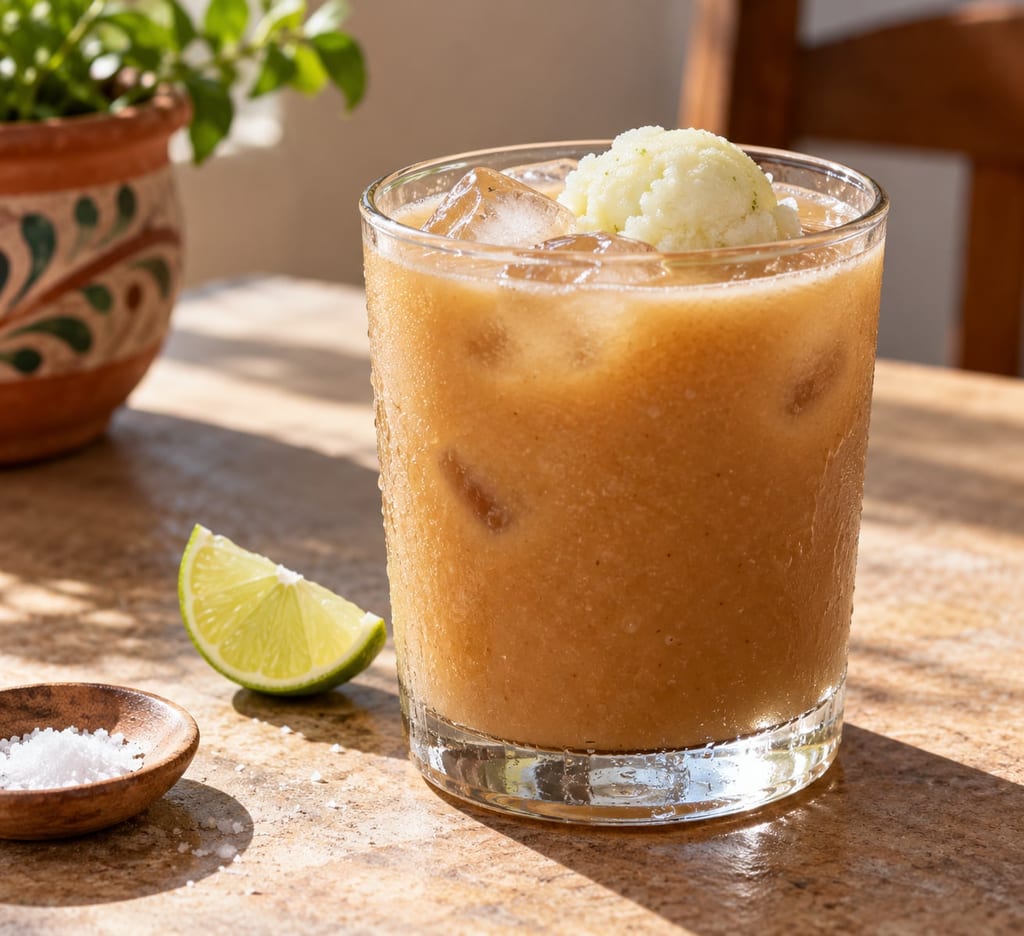
Refrigerate the base after fermentation. For one large serving, the source suggests about 1 cup base to 1/2 cup water. Serve with ice, lime juice and salt; chili powder or lime sorbet are optional serving additions.
Conditions
Yield3 cups fermented base
Fermentation2–4 days
Temperature controlAmbient, monitored
Places
Jalisco
Modern adaptation · Region evidence
The recipe is a contemporary household formulation of a beverage documented by Mexico’s agriculture ministry as popular in Jalisco and western Mexico.
An Oregon State food-science lab formula ferments pineapple skin and piloncillo with jalapeño and warm spices for three to five days, then strains and refrigerates it. The handout reports wide alcohol variability.
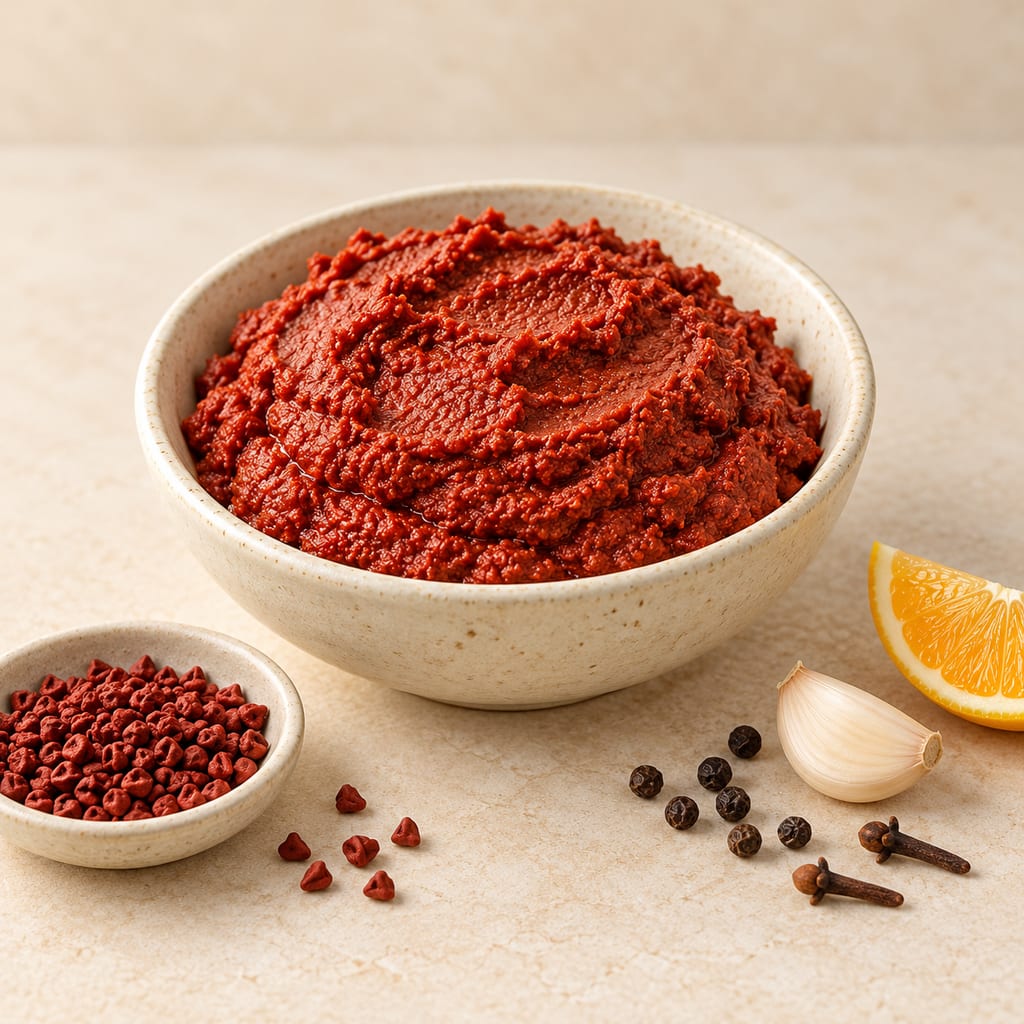
A Yucatecan recado rojo is a brick-red seasoning paste built on annatto seed, garlic and sour orange. This measured home version shows one route into a much wider family of market and household recados.
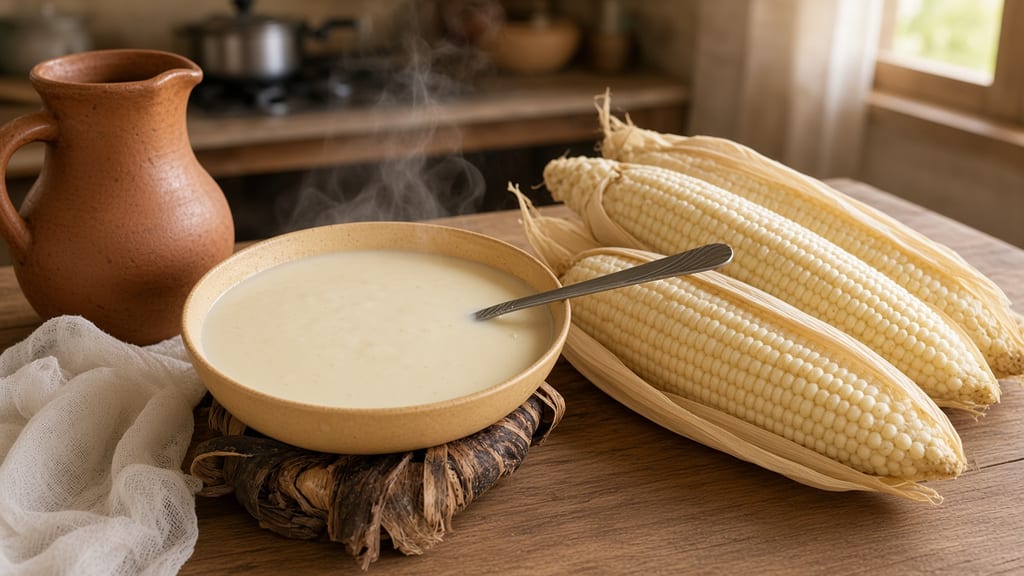
A hot, sour maize drink from Tabasco made from maize that is not lime-cooked. The ground grain sours for half a day, then makers strain it and boil it until thick.
Crisp battered white fish in warm corn tortillas with shredded cabbage, lime and fresh salsa. This home version draws on the Ensenada style without claiming to be a definitive historic formula.
A measured, commercial-yeast home method for Guadalajara-style birote salado, with a six-hour preferment, shaped rolls and a two-temperature steam bake. This formula contains no egg.
A source-specific Caesar dressing made with pasteurized egg yolks, Parmesan, lemon, anchovy, garlic, mustard and olive oil. This modern Vitamix formulation is distinct from the salad’s disputed 1924 origin accounts.
A thick, faintly fizzy Ethiopian cereal drink in which a wheat dough is fermented, roasted dark, then fermented a second time with barley malt into a drinkable slurry.
Hi-ire is the Japanese heat treatment of finished sake, about 65 °C, used to stop re-fermentation and souring. Brewers applied it from the Muromachi era.
A Ugandan maize drink remade with a defined two-strain starter: roasted maize dough boiled to porridge, cooled and fermented under controlled conditions.
Kyrgyz Bozo is a mixed-fermented cereal drink made with ground grits, sprouted-wheat ugut and carried-over starter. This registry preparation leaves cereal selection, water and starter allocation unresolved.
A documentary entry on Latvian rye-bread kvass, preserved from a modern Latvian rye collection. It records a food tradition, not a home-fermentation method.
A documentary account of Zimbabwean mahewu and one producer's formula. Its quantities exceed the stated vessels, and research does not validate it as a safe home method.
1/2 cone piloncillo, 1/2 cup masa harina, 3 1/2 cups water and 1 tbsp lime juice
Cooked masa base is fermented in a dark cool place for 2–4 days; source reports about three cups base
Source gives one cup base to one-half cup water for a large serving
Cited in: What is tejuino?; Historical and regional context; Concentrated tejuino base; To serve; Understanding nixtamalized maize; Piloncillo and flavour; 1. Prepare the maize slurry; 2. Dissolve the piloncillo; 3. Cook the maize base; 4. Transfer; 5. Cool and add lime; 6. Cover; 7. Ferment; 8. Refrigerate; 9. Dilute to serve; 10. Finish the drink; What fermentation does to the maize base; Why the maize base is cooked; Tejuino versus tesgüino; Regional and serving variations; How it is eaten and served; Quality and troubleshooting; Safety
Accessed 2026-10-25
Secretaría de Agricultura y Desarrollo Rural, Government of MexicoContext · History · Location · Safety
Tejuino is popular in Guadalajara/Jalisco and western Mexico
The ministry describes maize sprouting, malting and a 24–48 hour fermentation for traditional processes; this is distinct from the cited masa-harina home formula
Regional beverage can contain alcohol and acids; no numeric process control is transferred to this recipe
Cited in: Historical and regional context; Regional and serving variations
The CIATEJ article (2 August 2022) distinguishes fermented nixtamalized maize masa, used for tejuino, from maize fermentation without nixtamalization, exemplified by tesgüino.
It describes two process families: a solid masa fermentation described as 3–5 days before dilution with water and piloncillo, and a cooked masa-and-piloncillo atole that cools and ferments spontaneously for 24–48 hours, described as common among Guadalajara-area and western Mexican cart vendors.
The article calls tejuino an acetic-lactic beverage and states a general alcohol value below 1% v/v, but gives no batch sampling or measurement details for that figure. It is not a measurement for the masa-harina formula on this item or a safety endpoint.
Cited in: Two Jalisco process families in a CIATEJ account