African fermented foods, drinks and preservation
From sour breads and milk to savoury seeds, cassava staples and living beers, African fermentation follows the crop, the community and the work of transformation.
 FermenteaWhere food goes to change
Traditional method
Thobwa
A thick, sweet-sour Malawian drink of boiled maize flour into which sorghum flour is stirred before an overnight spontaneous fermentation.
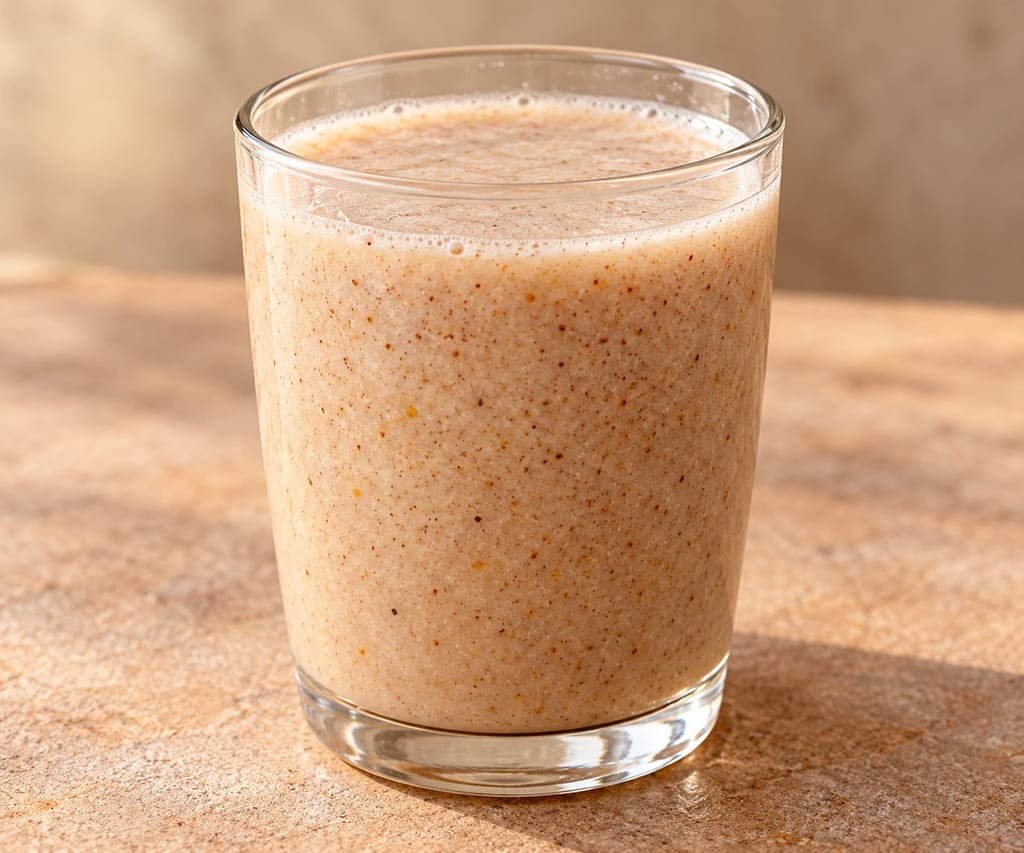
Thobwa is a traditional Malawian cereal beverage made from cooked maize and other grain ingredients, commonly involving sorghum.
It is often milky or cloudy in appearance, with a cereal-derived body and a flavour that can range from sweet and lightly sour to more strongly fermented.
It may be served hot or cold.
The name is thobwa, although related spellings and regional forms occur in southern African cereal-drink traditions.
The principal cereal in this recipe is maize, Zea mays L., together with sorghum, Sorghum bicolor (L.) Moench.
The two grains play different roles in the documented preparation.
Maize flour is cooked first, establishing a gelatinised cereal base.
Sorghum flour is added after the maize porridge has cooled, before a period of spontaneous fermentation.
The mixture is then boiled again.
This two-stage heating process distinguishes the recipe from raw-fermented cereal drinks and provides a useful opportunity to examine the relationship between cereal cooking, fermentation and subsequent food safety.
Thobwa is made across Malawi and is widely recognised as a traditional drink.
The particular preparation preserved here belongs to a named seller, Maness Nkhoma, who was documented selling thobwa at Kasese Trading Center.
Her method was published in August 2022.
That documentation is valuable because it records a practical working recipe from a contemporary producer, including ingredient quantities and a detailed sequence of operations.
It should not, however, be treated as proof that every Malawian thobwa producer uses identical proportions or boiling times.
The research does not establish the drink's first appearance or the date of its invention.
Like many fermented cereal drinks, thobwa belongs to a body of practical food knowledge that is older than its modern scientific documentation.
Contemporary evidence also includes a 2023 study of aflatoxin behaviour during thobwa production.
This investigation demonstrates that thobwa is not only of cultural interest but also an important food-safety research subject.
Maness Nkhoma's documented large-batch preparation
The recipe uses 6 kg total flour and begins with 20 L water.
The finished yield is not stated.
Cooking causes evaporation, and cereal solids change the volume and physical behaviour of the preparation.
It would be inaccurate to promise exactly 20 L of finished drink or a calculated number of 500 mL bottles.
Potable water — 20 L — Main cooking and beverage liquid
Corn/maize flour — 3 kg — Forms the initial cooked porridge
Sorghum flour — 3 kg — Introduced before the spontaneous fermentation stage
Sugar — No quantity specified — Optional sweetening
Maize supplies a large amount of starch.
When mixed with water and heated, its starch granules absorb water and swell, thickening the mixture.
This creates the main cereal base of the drink.
Sorghum contributes its own starch, proteins and other constituents.
Its addition after cooling changes the composition of the mixture entering fermentation.
Some traditional thobwa preparations use malted grain, which may provide starch-converting enzymes.
However, the documented seller's formula specifies sorghum flour, not explicitly malted sorghum.
It would therefore be incorrect to rewrite the ingredient as sorghum malt without supporting evidence.
The distinction is important because malting affects enzyme activity and how readily sugars become available.
An ordinary unmalted flour cannot automatically be assumed to behave like malt.
Thobwa's method begins by cooking maize flour into porridge.
The first heating stage alters the physical structure of the starch and produces a cooked substrate.
After cooling, sorghum flour is added.
The mixture is then left overnight, allowing spontaneous biological activity.
Finally, a prolonged second boil changes the product again before serving.
The purpose of the second boil is not merely to make the drink hot.
It also gelatinises remaining accessible starch, changes viscosity and affects the microorganisms present.
The combination of fermentation followed by cooking makes thobwa different from beverages consumed while their fermenting microorganisms remain fully active.
However, later contamination and inappropriate storage can still affect the finished drink.
This is a substantial batch and requires a correspondingly large cooking vessel, a strong stirring paddle, appropriate heat source and clean storage or serving containers.
A pot must allow enough headspace for thick porridge to be stirred without spilling.
The source does not specify a pot material or a particular stirring implement.
It also does not give a measured fermentation temperature, pH endpoint or required vessel geometry.
Those details should not be invented for the sake of making the recipe appear more standardised than it is.
First boil 1 hour · Cooling 2 hours · Overnight fermentation · Second boil 2 hours 30 minutes
Prepare the maize porridge. Add 20 L water to a large cooking pot and begin heating. When the water is warm, stir in 3 kg maize flour gradually. Continue stirring as the mixture thickens.
Complete the first cooking stage. Once the mixture reaches boiling, continue cooking for 1 hour, stirring frequently. The mixture develops the consistency of cooked cereal porridge.
Cool the porridge. Remove it from the heat and allow it to cool for 2 hours. The source specifies a cooling duration but does not state the final temperature after this period.
Add sorghum flour. Incorporate 3 kg sorghum flour, stirring thoroughly to distribute it through the cooked maize mixture.
Allow the overnight stage. Leave the preparation overnight, stirring at one-hour intervals. This is the documented spontaneous stage. Neither a fixed number of overnight hours nor an exact fermentation temperature is provided.
Cook again. On the following day, return the mixture to the heat and boil for 2 hours and 30 minutes. Stir as necessary to prevent the dense cereal preparation from scorching.
Cool and serve. Remove the drink from the heat and allow it to cool appropriately before serving. Sugar may be added according to preference; the documented recipe does not provide a quantity.
Thobwa contains a high proportion of cereal solids.
Those solids may settle when the mixture stands, especially before or after fermentation.
Frequent stirring distributes flour and water, helping maintain a more uniform mixture.
During heating, stirring also reduces the risk of material sticking to the base of the pot.
The documented overnight stirring at hourly intervals is unusually specific.
It is a valuable part of the seller's method and should be retained exactly.
However, the source does not establish whether the stirring also controls oxygen availability, microbial distribution or some other measurable fermentation property.
It would be speculative to assign it a precise microbiological effect without further experiments.
Starch-rich cereal mixtures contain carbohydrates that may be transformed through enzymatic and microbial activity.
Depending on the grain and preparation, microorganisms can metabolise available sugars and produce acids, gases and aroma compounds.
Lactic acid bacteria are common participants in African cereal fermentations.
Yeasts may also occur.
The source does not identify a particular starter culture or microbial population in Maness Nkhoma's batch.
It therefore cannot be stated that the beverage is fermented by one named species.
The fermentation interval is described as overnight, rather than a precise laboratory incubation.
This means its outcome could be influenced by ambient temperature, raw materials, vessel condition and the microbial communities present.
The subsequent boil changes the biological state of the product, but its safety cannot be judged solely by the presence of a boiling step.
The documented producer portions her thobwa into 500 mL bottles for sale.
The drink contains suspended cereal solids, so shaking before drinking is recommended to redistribute settled material.
This practical detail helps explain why thobwa is not a clarified beverage.
The bottle is part of its serving and retail presentation rather than evidence of long-term preservation.
The source does not specify a pressure-rated bottle, pasteurisation validation or refrigerated shelf life.
Where residual fermentable material remains, microbial activity could resume if the product is contaminated or improperly handled after cooking.
Therefore, the recipe's mention of bottling should not be converted into instructions for unrefrigerated sealed storage.
Thobwa may be served warm or cold.
Its cereal body gives it a filling quality, and optional sweetness can modify the balance of grain flavour and acidity.
An important safety issue in maize- and sorghum-based products is contamination with aflatoxins.
Aflatoxins are toxic compounds produced by certain fungi, particularly some members of Aspergillus.
They may contaminate crops before harvest or during unsuitable storage.
Unlike many living microorganisms, chemical toxins are not necessarily eliminated by cooking.
A 2023 thobwa study examined aflatoxin changes during brewing.
Its experimental material began with aflatoxin concentrations ranging from 45 to 183 µg/kg.
The combined effects of fermentation and boiling produced an average reduction of approximately 47%, with reported remaining concentrations of 13–61 µg/kg.
The research separately estimated reductions associated with fermentation and boiling.
The critical point is that reduction is not elimination.
Neither boiling nor fermentation should be presented as a guaranteed method for detoxifying contaminated maize.
The study demonstrates why raw-material quality is a necessary consideration before processing begins.
This issue also applies to the sorghum ingredient.
Using visibly mouldy or otherwise suspect grain is not justified by the fact that the recipe includes prolonged boiling.
Thobwa formulations vary across households and producers.
Some use malted grain, while others rely on flour added to cooked maize porridge.
The relative amount of maize, sorghum, water and sugar may also differ.
Changes in malt use can substantially affect starch hydrolysis.
A formulation employing germinated sorghum may have a different enzyme profile from the unmalted sorghum flour specified here.
A separate Malawian recipe describes thobwa as a type of sweet beer and discusses its relationship with more alcoholic preparations such as mowa.
Those accounts illustrate the wider beverage family, but they should not be merged into this named seller's formula.
The producer's two boiling stages and overnight treatment remain the defining features of the present record.
A good thobwa should have an acceptable cereal aroma and a consistency appropriate to its serving style.
Cereal particles may settle during storage, which explains the documented instruction to shake the bottle.
However, unexpected gas pressure, swollen containers, putrid odours, surface growth or signs of spoilage must not be described as normal settling.
Scorching can create burnt flavours and darkened particles.
Poor mixing may leave lumps of flour.
Inconsistent fermentation could change the balance of sourness and sweetness from one batch to another.
The recipe provides no target pH, titratable acidity, viscosity or final sugar measurement.
Therefore, no precise sensory description can serve as a validated release criterion.
The recipe describes spontaneous fermentation without a specified starter, temperature or quantitative endpoint.
No alcohol measurement is given.
The second boiling stage is documented, but the source does not provide laboratory evidence establishing a defined pathogen reduction for the complete process.
Aflatoxin contamination must be controlled through suitable sourcing and handling of the raw cereals rather than relying on fermentation and boiling.
The finished bottled product has no validated shelf life in the supplied research.
Food-contact equipment should be cleaned and handled hygienically, particularly after the second boiling stage.
If a producer intends to retail packaged thobwa, appropriate microbiological testing and shelf-life validation are necessary for the actual product and packaging system.
Orant Charities Africa describes thobwa as a traditional Malawian drink made from fermented corn flour, sorghum and water. This record follows the method attributed to a local seller and does not claim it represents every household version.
Scaling: source batch only
The producer's recipe does not identify a starter, fermentation temperature, validated endpoint or alcohol measurement. A separate bank-issued recipe page calls thobwa sweet beer and notes that a longer hold can develop into mowa; its timing is not transferred to this method.
Hazard sourceA Malawi thobwa study reports aflatoxin contamination in maize and malt and cautions that raw-material contamination can remain a concern through brewing. The Orant producer recipe gives no raw-grain testing or mycotoxin endpoint.
Hazard sourceFollow the documented two cooking stages and cool the mixture before handling or serving; the source's method is not a validated safety control or storage schedule.
Control sourceUse clean food-contact equipment during cooling, fermenting and bottling; sanitation alone does not validate the fermentation or bottle pressure.
Control sourceThe source does not measure alcohol, fermentation temperature, final acidity or package pressure. Do not infer that the finished drink is alcohol-free.
The thobwa study identifies aflatoxin contamination as a raw-material concern; its experimental batches used contaminated maize and are not recipe instructions.
The source's bottle portions are not evidence that sealed storage is safe; this recipe does not specify a shelf life.
Sugar quantity is left to preference in the source and is not included in the measured formula.
The article describes thobwa as a traditional Malawian drink and records one seller's method at Kasese Trading Center. The location is kept at country precision because the source does not independently verify an administrative region for Kasese.
From sour breads and milk to savoury seeds, cassava staples and living beers, African fermentation follows the crop, the community and the work of transformation.
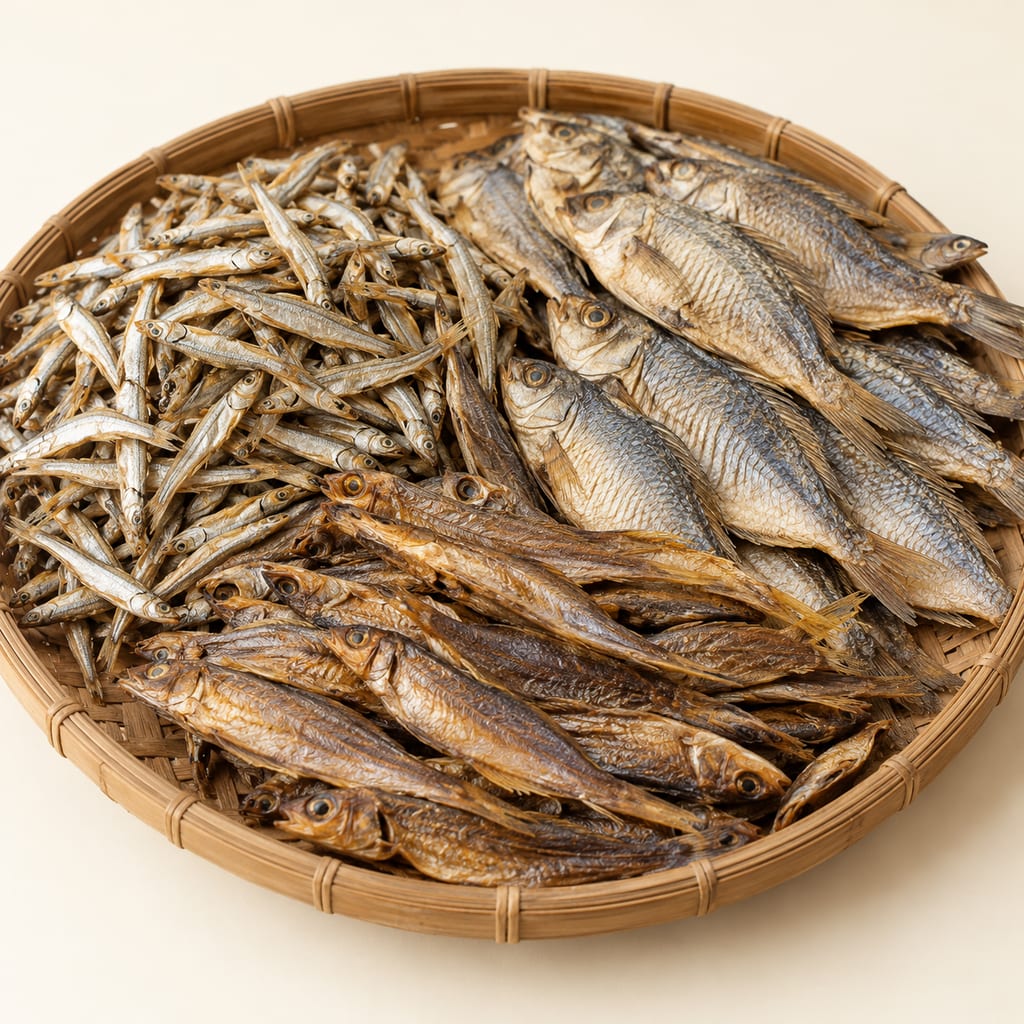
Small Lake Malawi fish, usipa, utaka and ndunduma, dried on racks inside UV-treated polythene solar tents. Tested in Malawi as a drier, less lossy alternative to open sun drying on racks.
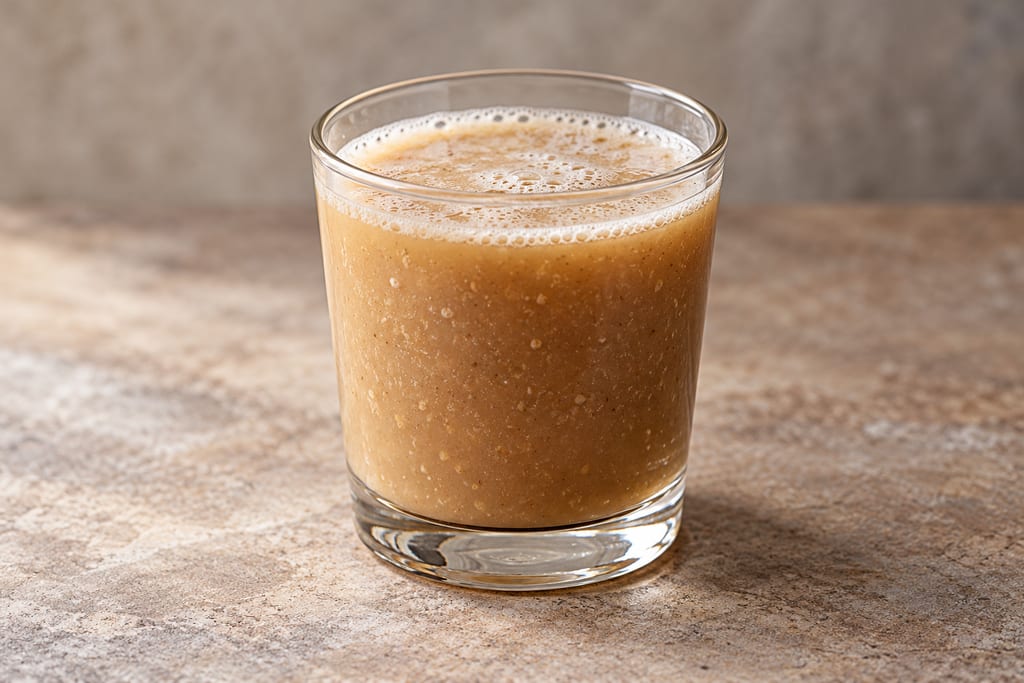
A thick, faintly fizzy Ethiopian cereal drink in which a wheat dough is fermented, roasted dark, then fermented a second time with barley malt into a drinkable slurry.

Hi-ire is the Japanese heat treatment of finished sake, about 65 °C, used to stop re-fermentation and souring. Brewers applied it from the Muromachi era.
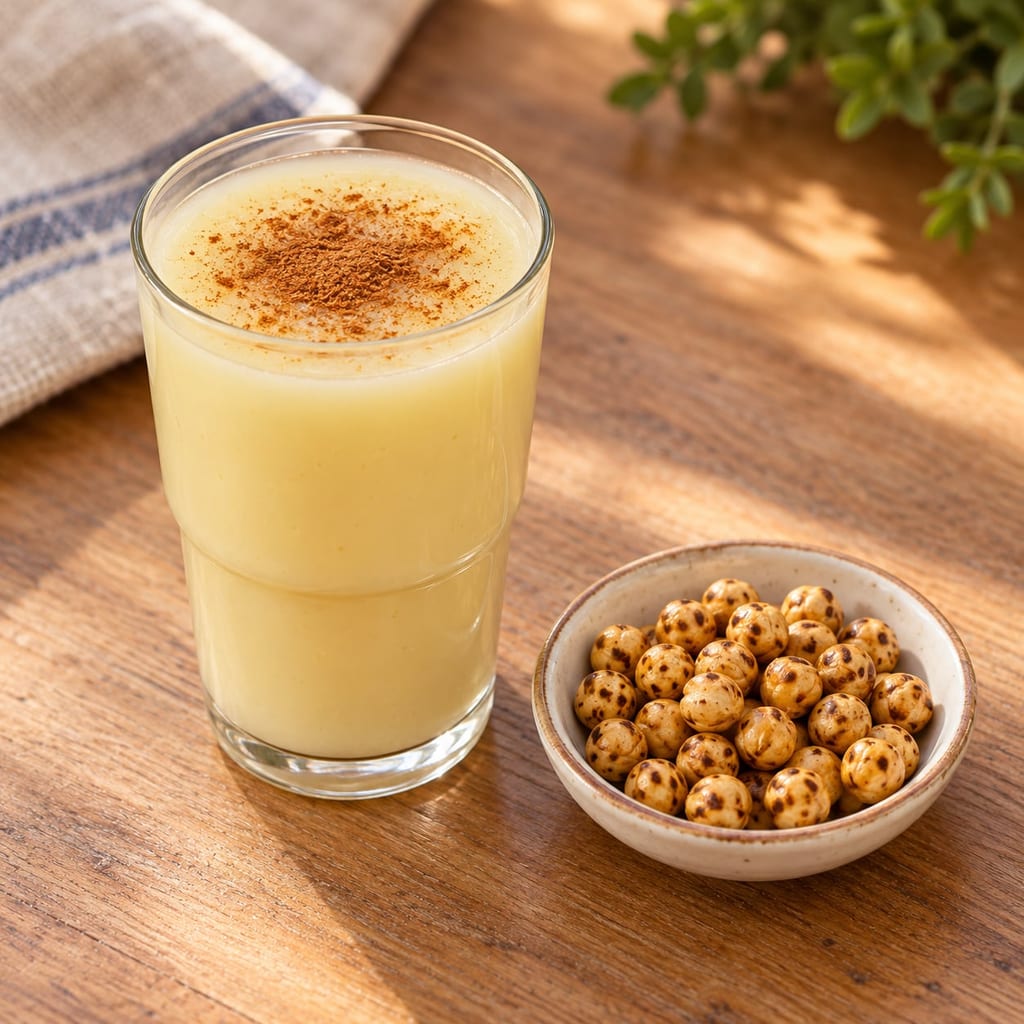
A thick, pale Turkish winter drink of bulgur and rice cooked to a soft cereal base, sweetened with grape molasses and fermented for two days.
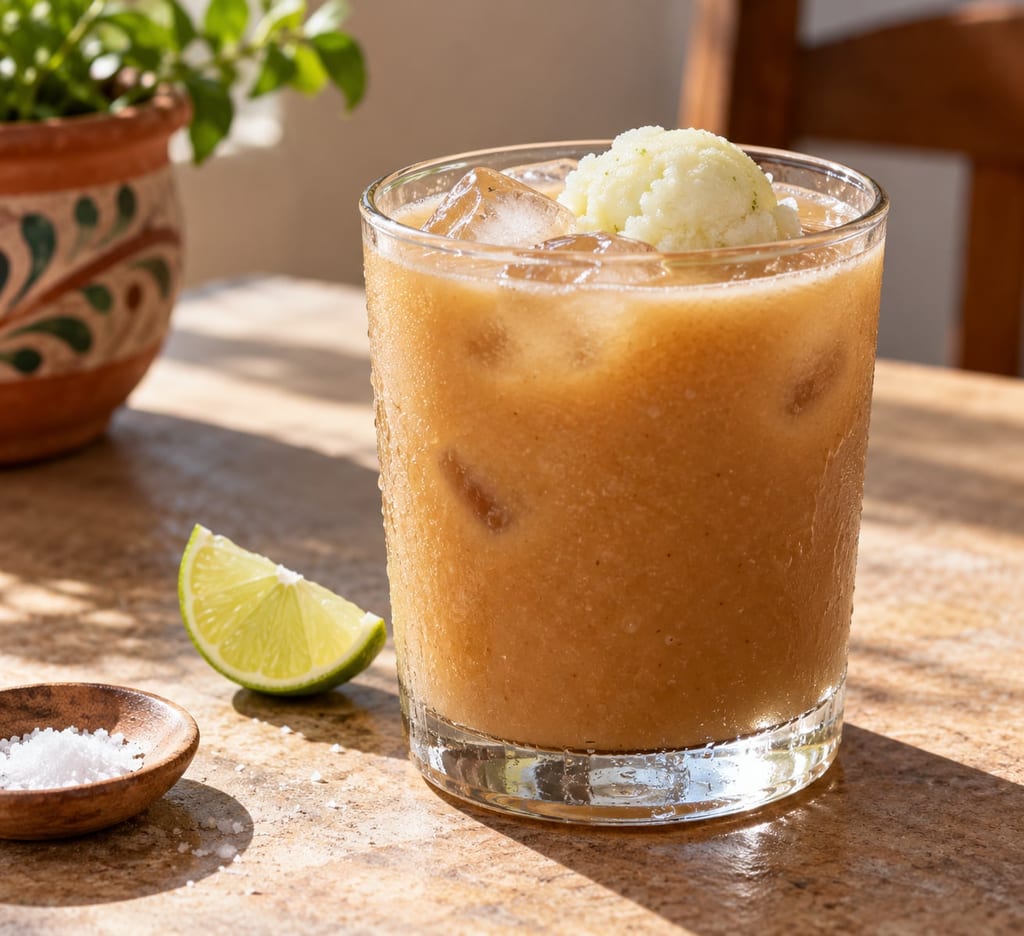
A tart, lightly fermented drink of Jalisco: nixtamalized maize masa cooked with piloncillo and limed, then diluted over ice and salted at serving.
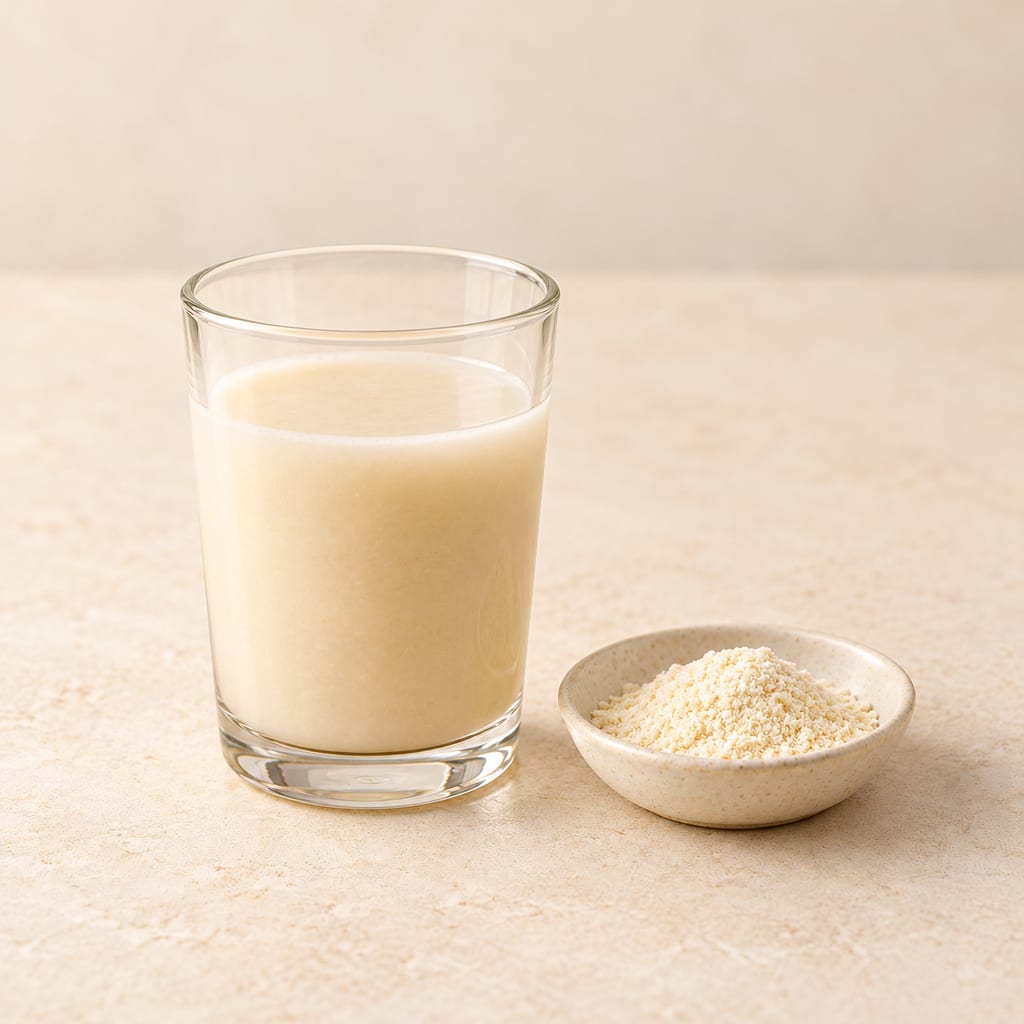
A Ugandan maize drink remade with a defined two-strain starter: roasted maize dough boiled to porridge, cooled and fermented under controlled conditions.
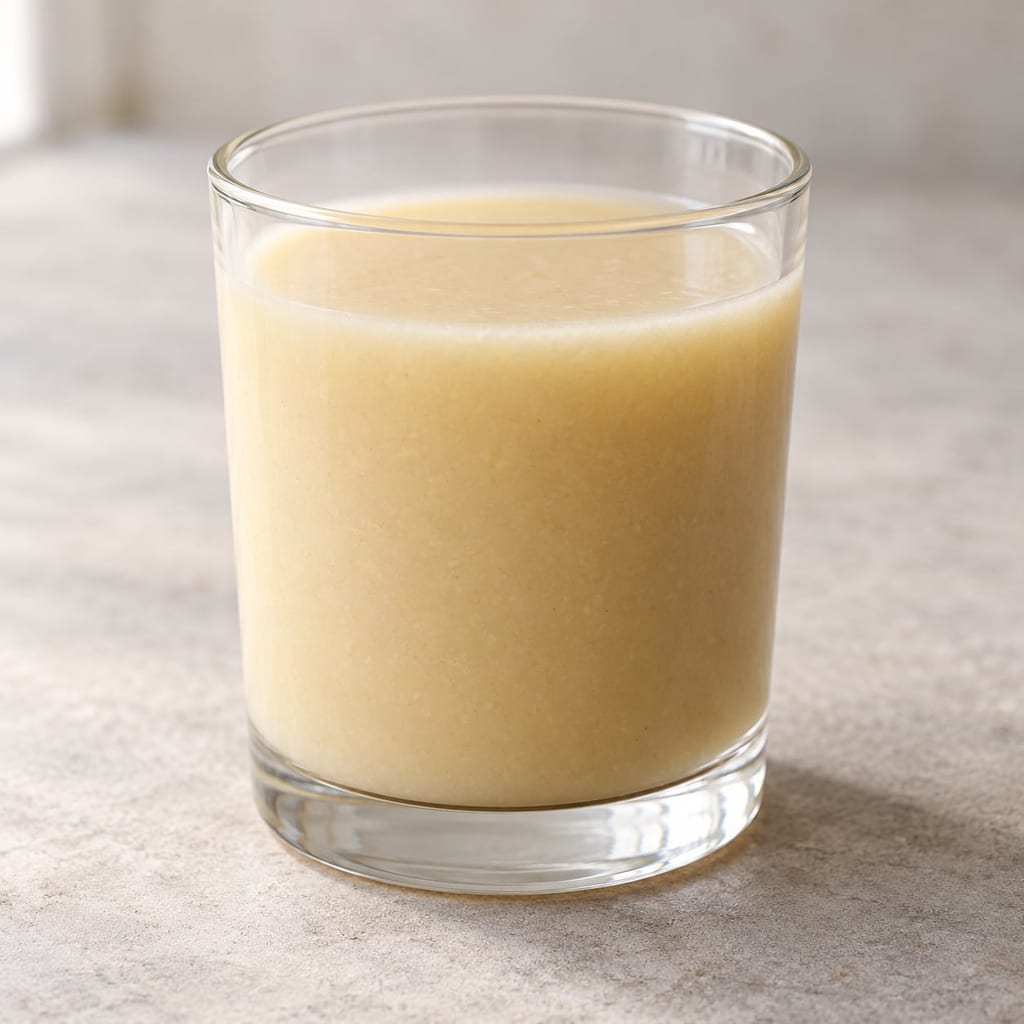
Kyrgyz Bozo is a mixed-fermented cereal drink made with ground grits, sprouted-wheat ugut and carried-over starter. This registry preparation leaves cereal selection, water and starter allocation unresolved.
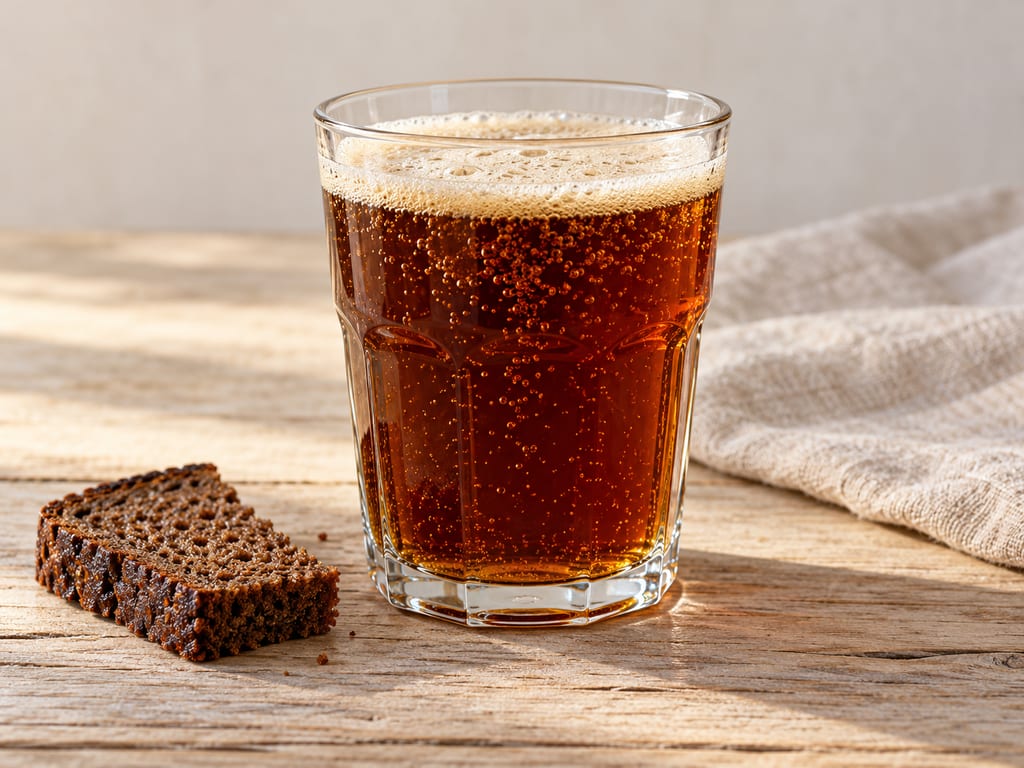
A documentary entry on Latvian rye-bread kvass, preserved from a modern Latvian rye collection. It records a food tradition, not a home-fermentation method.
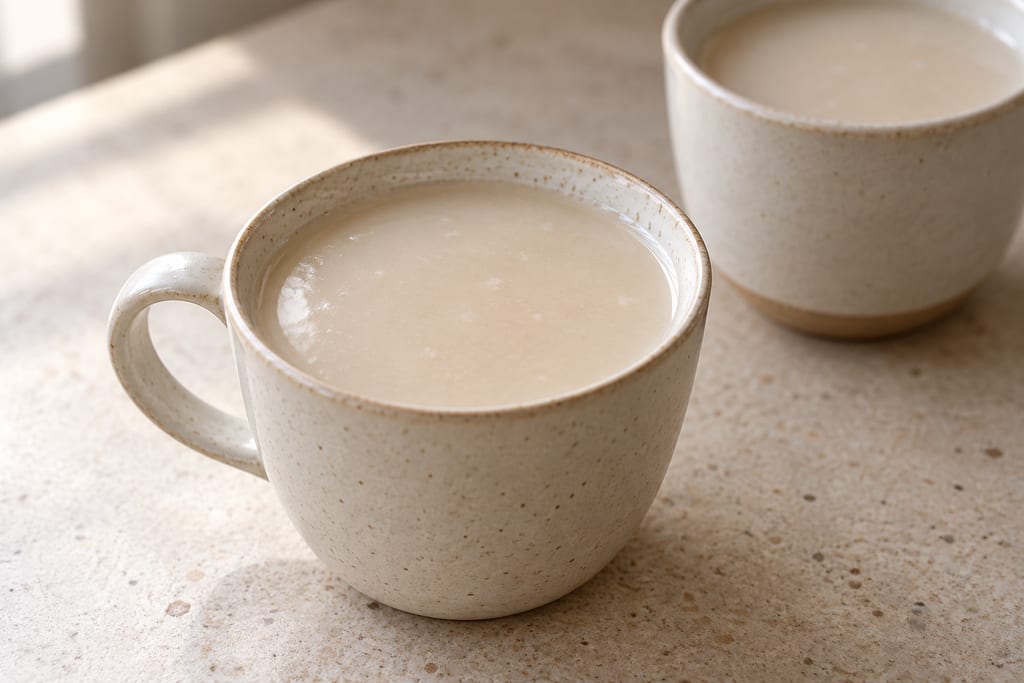
A documentary account of Zimbabwean mahewu and one producer's formula. Its quantities exceed the stated vessels, and research does not validate it as a safe home method.
No community contributions have been published for this entry yet.
Sign in to contribute. Published comments and photos are free to read.
Orant Charities AfricaInspiration · Process · Location · Safety
How to Make Thobwa: Malawian RecipesThe recipe attributed to seller Maness Nkhoma uses 20 L water, 3 kg corn flour, 3 kg sorghum flour and optional sugar.
It describes a one-hour first boil, two-hour cooling, flour addition, overnight holding with hourly stirring, and a second 2.5-hour boil.
The seller portions the drink in 500 ml bottles and says to shake before drinking because solids settle; no measured yield, alcohol, storage life or bottle-pressure endpoint is given.
The article identifies thobwa as a traditional Malawian drink and associates this preparation with sales at Kasese Trading Center.
Cited in: Malawi's thick, refreshing cereal drink; Where the recipe comes from; Ingredients; Why maize and sorghum?; The two-stage process; Equipment; Method; Why the stirring matters; Fermentation chemistry; Packaging and serving; The aflatoxin problem; Variations; Quality and common problems; Food safety and storage
Standard Bank MalawiSafety · Culture
Thobwa Drink RecipeThe page describes thobwa as sweet beer and states a longer five-day hold can turn it to mowa or beer; this draft does not assign that duration to the producer's overnight method.
Cited in: Malawi's thick, refreshing cereal drink; Where the recipe comes from; Ingredients; Why maize and sorghum?; The two-stage process; Equipment; Method; Why the stirring matters; Fermentation chemistry; Packaging and serving; The aflatoxin problem; Variations; Quality and common problems; Food safety and storage
Food Science & NutritionSafety · Culture
Reduction of aflatoxins during brewing of a Malawian maize-based non-alcoholic beverage, thobwaThe study describes maize and malt contamination by aflatoxins as a raw-material concern and says contaminated grain quality matters for thobwa production.
The experimental formula deliberately began with aflatoxin-contaminated maize; it is used here only to document the hazard context, not as a recipe or control method.
Cited in: Malawi's thick, refreshing cereal drink; Where the recipe comes from; Ingredients; Why maize and sorghum?; The two-stage process; Equipment; Method; Why the stirring matters; Fermentation chemistry; Packaging and serving; The aflatoxin problem; Variations; Quality and common problems; Food safety and storage
Clemson Cooperative ExtensionSafety
Cleaning and Sanitation for the HomebrewerGeneral cleaning and sanitation practices for food-contact equipment; this source does not validate thobwa fermentation or packaging.