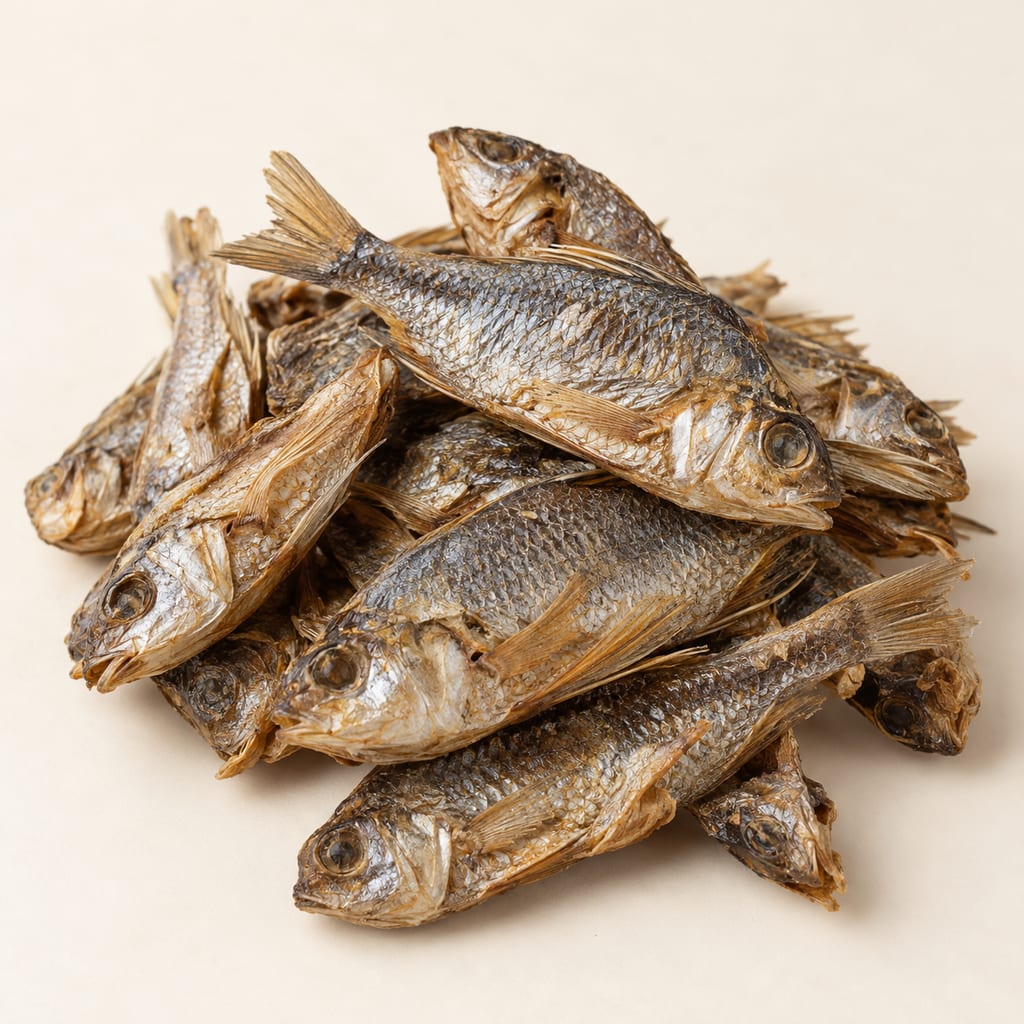
Ndunduma (Diplotaxodon spp.)
Ndunduma is the Malawian name for small deep-water cichlids of the genus Diplotaxodon, caught in Lake Malawi and dried with usipa and utaka. The species in a given lot is often not recorded.
 FermenteaWhere food goes to change
Traditional method
Solar-tent dried usipa · Samva Nyengo solar tent drying · Lake Malawi dried sardines
Small Lake Malawi fish, usipa, utaka and ndunduma, dried on racks inside UV-treated polythene solar tents. Tested in Malawi as a drier, less lossy alternative to open sun drying on racks.
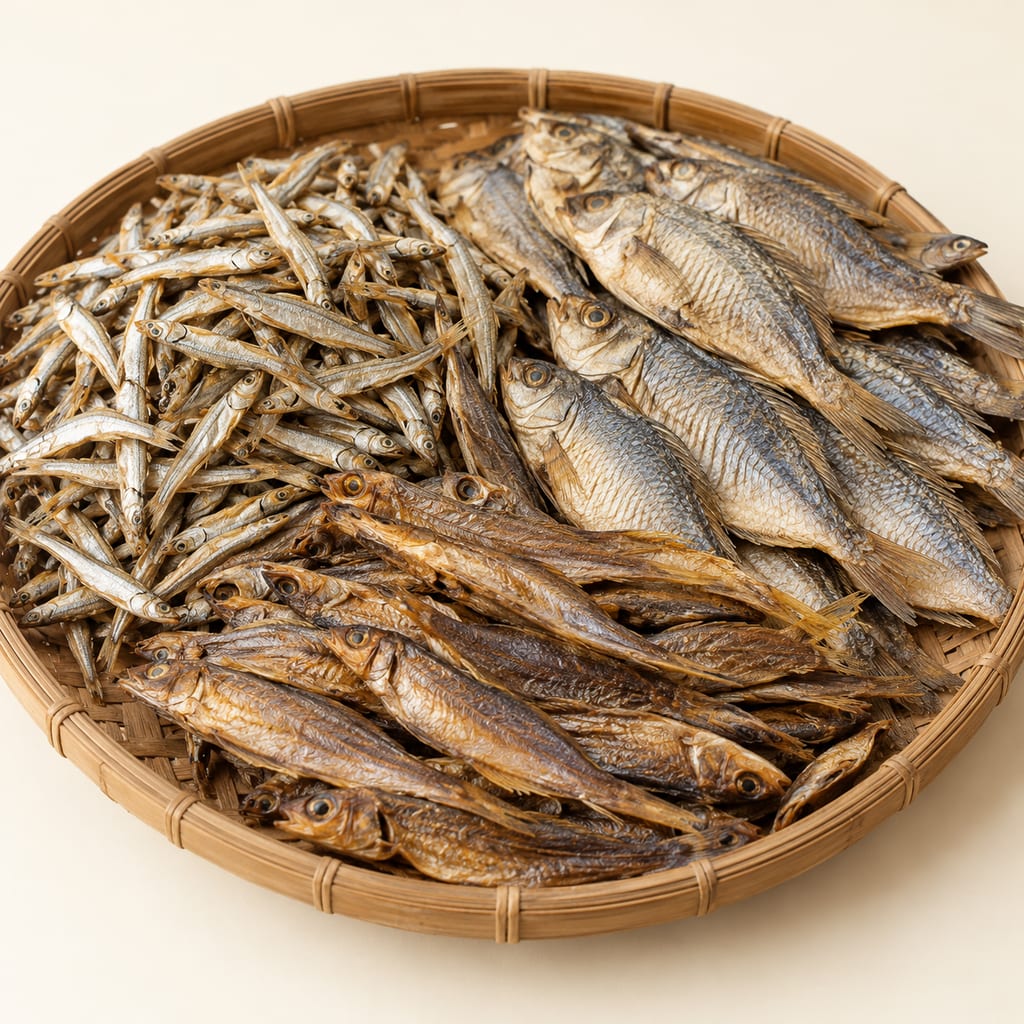
The usipa is a small, thin freshwater sardine, and the Slow Food Ark of Taste counts it among the non-cichlid fish endemic to Lake Malawi. Its scientific name is Engraulicypris sardella, a cyprinid, and it is not the same fish as the Tanganyika sardines sold under similar names. Wikipedia’s usipa article calls it a small sardine-like fish that occurs in large shoals, and it is also known as the Lake Malawi sardine.
The utaka and the ndunduma are different. Utaka is a group of Copadichromis cichlids, and the solar-tent study worked on Copadichromis virginalis from the Cape Maclear landing sites in the south of the lake. Ndunduma is a Diplotaxodon cichlid. Those fish are dried alongside usipa, but they belong to different genera and each needs its own record. A market name such as ndunduma tells you a group of fish, not one identified species.
The Ark of Taste reports that fishermen work at night with torches, because the fish gather around light. The fish are then sun-dried, half-boiled and dried, or cooked fresh, and dried usipa is sold at most Malawian markets. The Ark entry names mululi for sun-dried fish and wakufwafwaska or wofutsa for the half-boiled and dried form.
The problem is the weather. The IDRC project describes peak catches coinciding with rainy, humid seasons that hamper drying and smoking, and it reports that more than 40 per cent of the catch was lost during processing. An Al Jazeera report from 2016 gives a similar picture: fish dried in the open on wire racks, spoiled in the rainy season before they were properly dried, and were exposed to dust and flies. One processor quoted there said open drying exposes fish to dust, house flies and poor sanitation.
The tent is a polythene enclosure over a frame. The IDRC project used 200-micrometre, UV-treated polythene stretched over a wooden frame. Inlet vents sit low on both sides and outlet vents high, so air moves through by convection and carries moisture out. The fish lie on racks inside the tent. The purpose of the design, in the project’s words, is continuous airflow and protection from rain, dust and animals.
The study on utaka describes the tested unit as 12 m long, 5 m wide and 5.5 m high at the centre, with racks 11 m by 1 m and 90 cm gaps between them. The inlets measured 30 by 30 cm and the outlets 40 by 40 cm. Those are the dimensions of the research installation. The sources do not offer a design for a household tent. A sealed box that gets hot is not the same thing: the outlet has to let moist air leave.
The two laboratory studies are consistent on the main points. In the utaka study, solar-tent fish held about 7.2 per cent moisture against 16.3 per cent for open sun-dried fish, with ash at 14.5 against 22.0 per cent. Protein (about 63 per cent) and fat (about 23 per cent) were similar in both. The usipa study reports 6.3 against 15.5 per cent moisture. Protein and fat again did not differ significantly between the methods.
Microbial counts moved the most. The utaka study reports total viable counts of 2.2 x 10^2 CFU/g in tent-dried fish against 4.1 x 10^5 CFU/g in open sun-dried fish, and the authors report no E. coli, Salmonella or Shigella in the tent product. The usipa study reports 2.5 x 10^2 against 4.1 x 10^5, with Staphylococcus and Vibrio also far higher in the open product. Both papers attribute the difference to lower moisture limiting microbial growth. The published figures conflict in places: the abstracts and results sections of the utaka paper give different coliform and Shigella counts, and the sample sizes and replicate runs are not reported. Read the counts as a direction, not as a measured safety margin.
Consumers preferred the tent product in the utaka study. On a five-point scale, overall acceptability was 3.8 for solar-tent fish and 2.2 for open sun-dried fish, with appearance, colour and smell all higher for the tent product. That is a small panel of ten adult volunteers, and it measures liking, not safety.
The IDRC project reports that total value-chain loss fell to 22.25 per cent, against 30 to 40 per cent with traditional methods. At the processing stage alone, loss was 0.8 per cent in the tents and 11.3 per cent in open-air sun drying. The project estimated an 80 per cent probability that the dryers would be profitable. Those figures come from the project’s own accounting and differ between the project summary and other summaries, so they should be read as reported rather than audited.
The project reports about 86,685.5 kg dried in its programme, worth more than US$540,000, and more than 10 formal markets opened to processors. It says 188 people, 123 of them women, were using solar tents by the end, against none at the start, and that women received about double the price in the formal markets. Malawi’s Ministry of Agriculture promotes the dryers as climate-smart technology under the name Samva Nyengo, and the Fisheries Department has recommended extending solar tents to other water bodies. Al Jazeera’s 2016 report estimated that dried fish contributes about 4 per cent of Malawi’s GDP and that the industry employs more than 50,000 fishermen.
Dried usipa is usually eaten whole, bones included, because the bones are soft after drying. Wikipedia’s usipa article says it is usually eaten with nsima or ugali, the maize porridge that is the staple of the region. The Ark of Taste describes fresh usipa cooked and served with nsima or with rice, and the half-boiled, dried product (wakufwafwaska or wofutsa) is a second traditional route.
No separate dish is recorded for dried utaka or ndunduma. Appearance, smell and taste do not establish safety, and the solar-tent studies measured bacterial differences that a cook cannot see.
No source gives a drying time for the tent in hours or days that a processor can plan against, a moisture target, a loading density, or a rule for when a batch is dry enough. The utaka study does not state its drying durations. The sources do not give the household cost of a tent, and the Ark of Taste names definite overfishing of usipa with no fishing rules in place.
The fish should not be treated as one food. Usipa, utaka and ndunduma differ in species, size and flesh, and the solar-tent work on each is a separate study. Any drying table should record which fish it used. This page keeps the process and the figures attached to the study that reported them.
Open drying on wire racks was the comparison. Al Jazeera reports that fish were smoked over wood cut from nearby trees before the tents, and that open drying often failed in the rainy season.
Scaling: source batch only
The comparison studies found total viable counts of about 4.1 x 10^5 CFU/g in open sun-dried usipa and utaka, against about 2.2 to 2.5 x 10^2 CFU/g in tent-dried fish. Lower counts in the tent are the reported finding, not proof that tent-dried fish is safe.
Hazard sourceThe usipa study reports E. coli, Salmonella and Shigella detected in open sun-dried fish and not in tent-dried fish. The sample sizes and replicate runs are not reported.
Hazard sourceDrying lowers moisture; it does not establish a shelf-stable product on its own. The Malawi Bureau of Standards certified the tent-dried fish as fit for human consumption in July 2016 according to the project page. That is a national certification of the tested product, not a home-process guarantee.
The project tested the tents in Malawi; the country is the precision the sources support.
Ndunduma is the Malawian name for small deep-water cichlids of the genus Diplotaxodon, caught in Lake Malawi and dried with usipa and utaka. The species in a given lot is often not recorded.
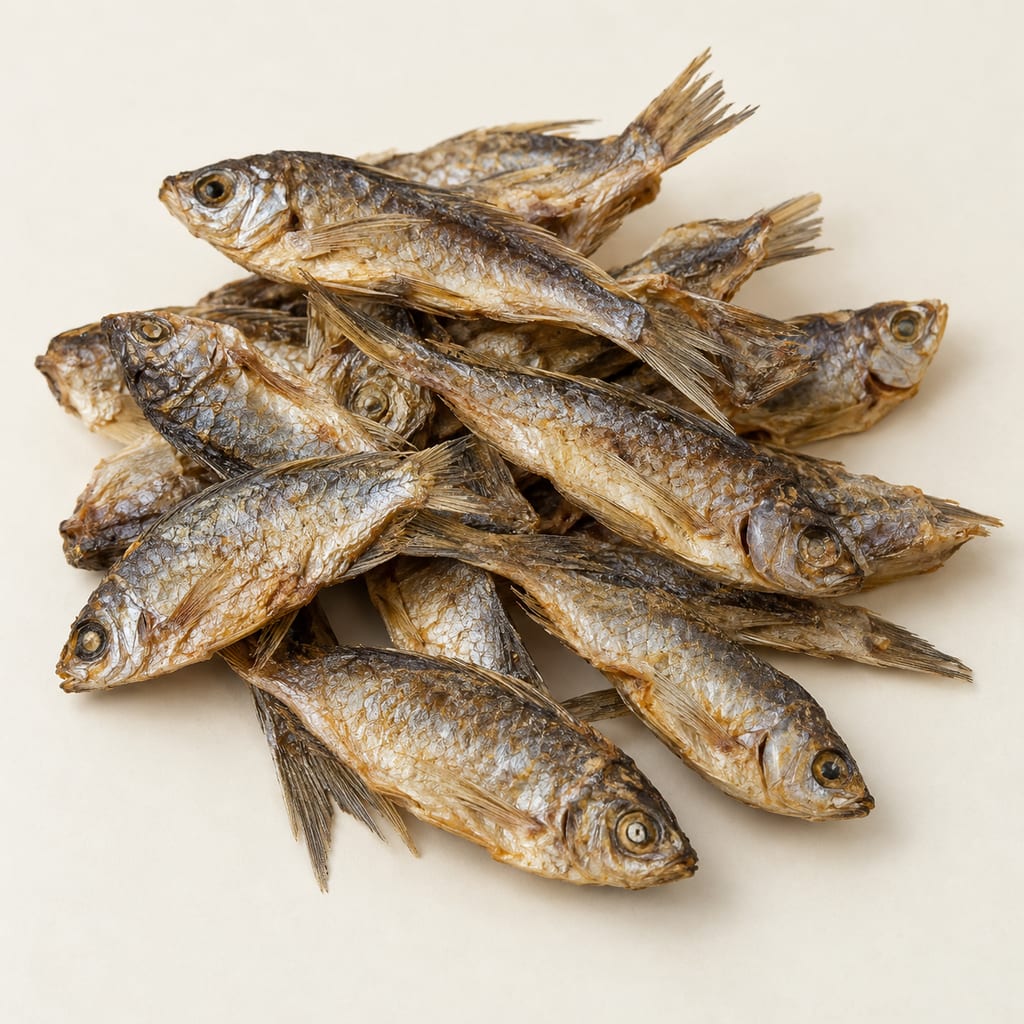
Utaka is a small cichlid of Lake Malawi, from the genus Copadichromis, sold dried in Malawi. It is one of the small fish that solar tents were tested on alongside usipa and ndunduma.
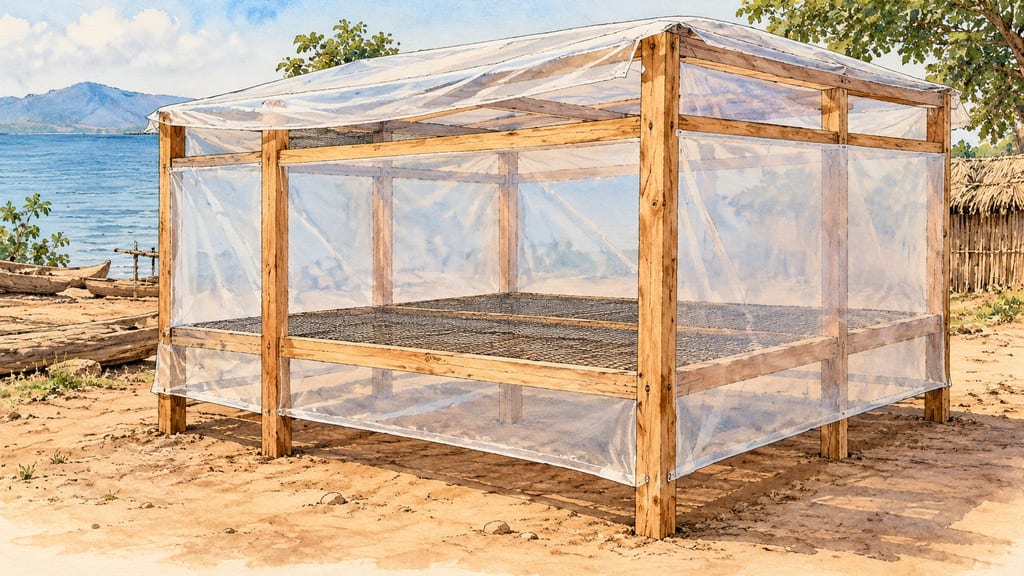
A UV-treated polythene sheet over a wooden frame shelters internal drying racks, with low inlets and high side vents for natural airflow during fish drying.
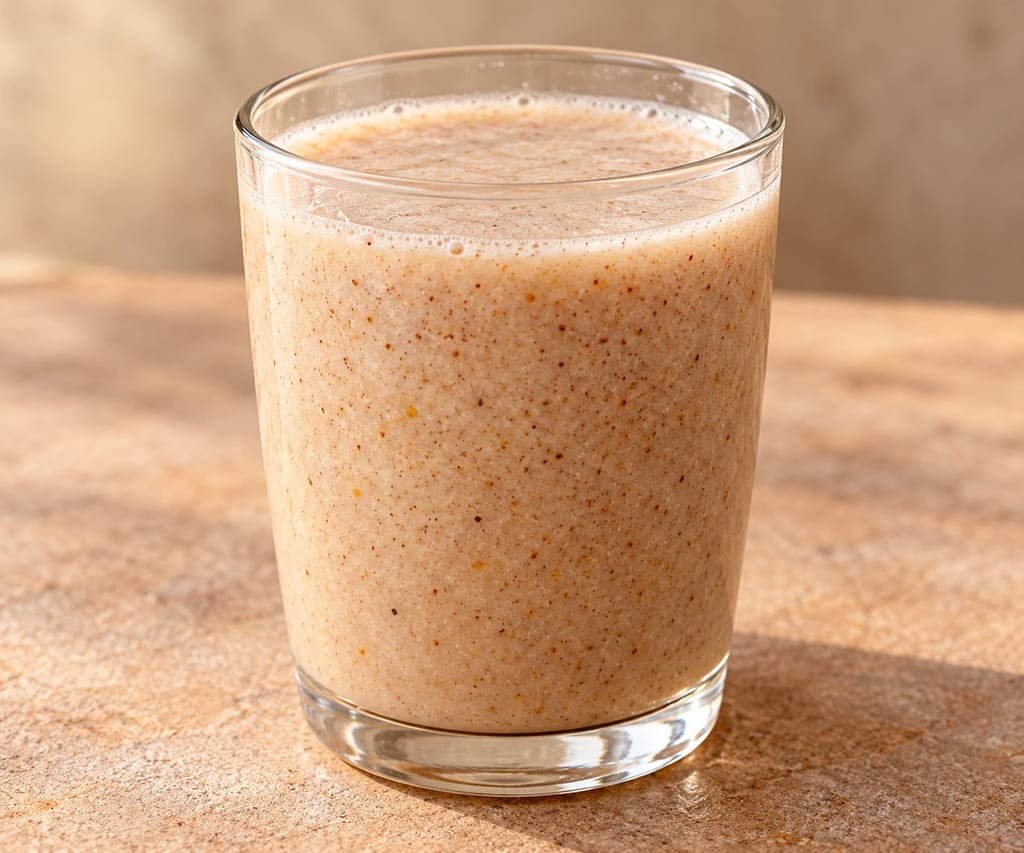
A thick, sweet-sour Malawian drink of boiled maize flour into which sorghum flour is stirred before an overnight spontaneous fermentation.
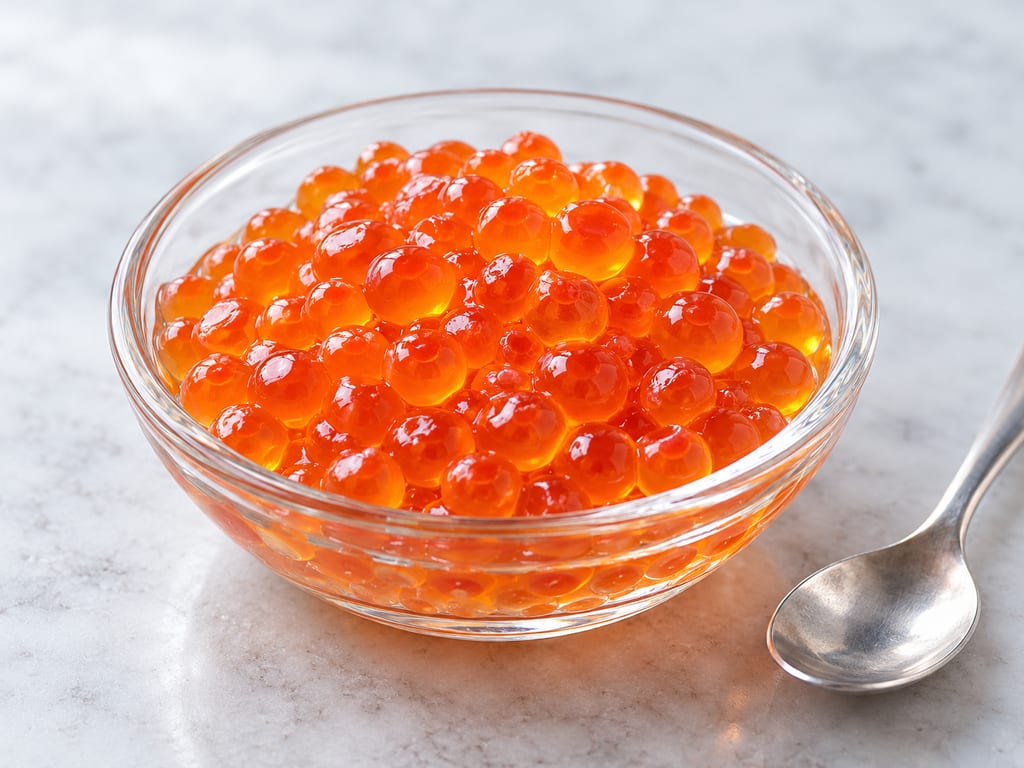
Salmon roe is separated from skeins and treated in two salt-water stages using a University of Alaska Extension formula.

Kodiak salmon, halibut and cod cut as seg'aq and hung on an initaq rack to become tamuuq, with kac'amaasaq and kupcuunaq named as different results.
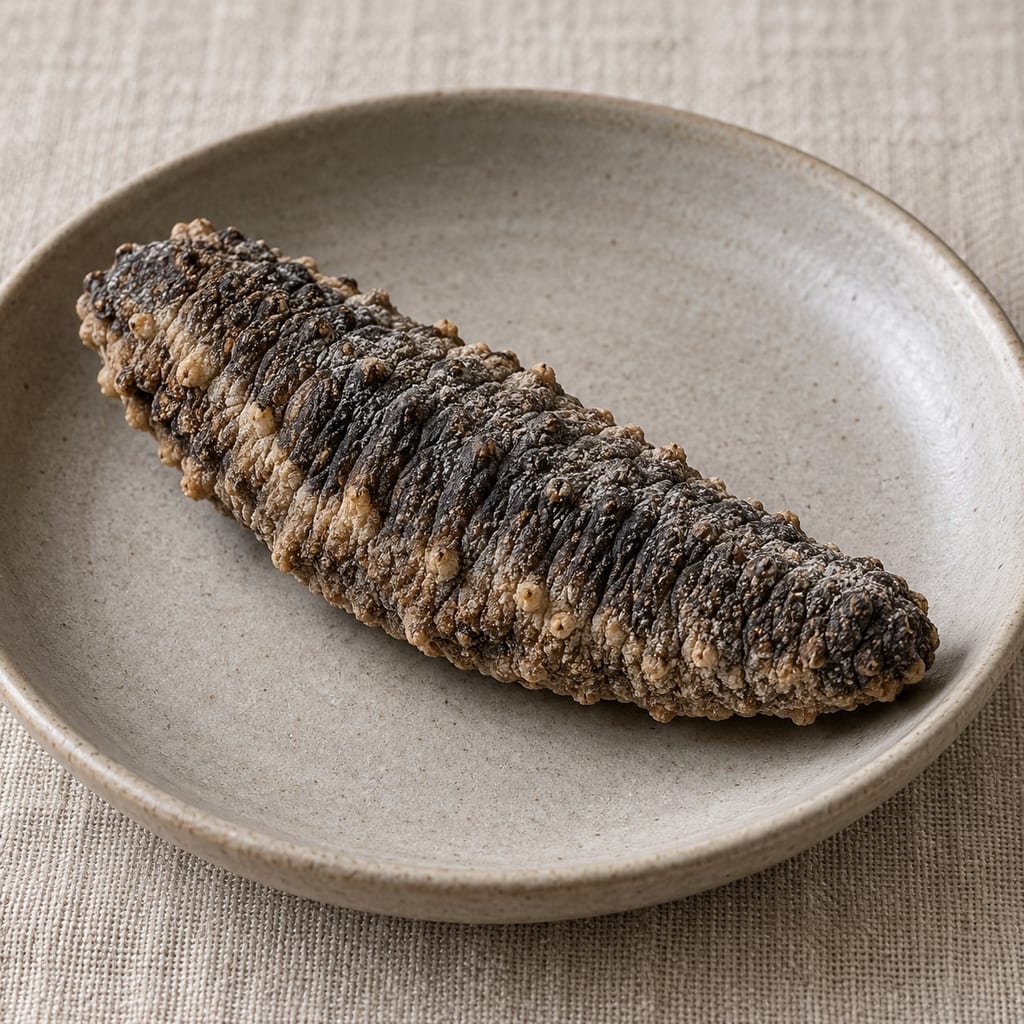
Sea cucumber cleaned, boiled and dried, sometimes with smoke, into a long-keeping trade product; Makassan processing in Arnhem Land is documented from at least the eighteenth century.
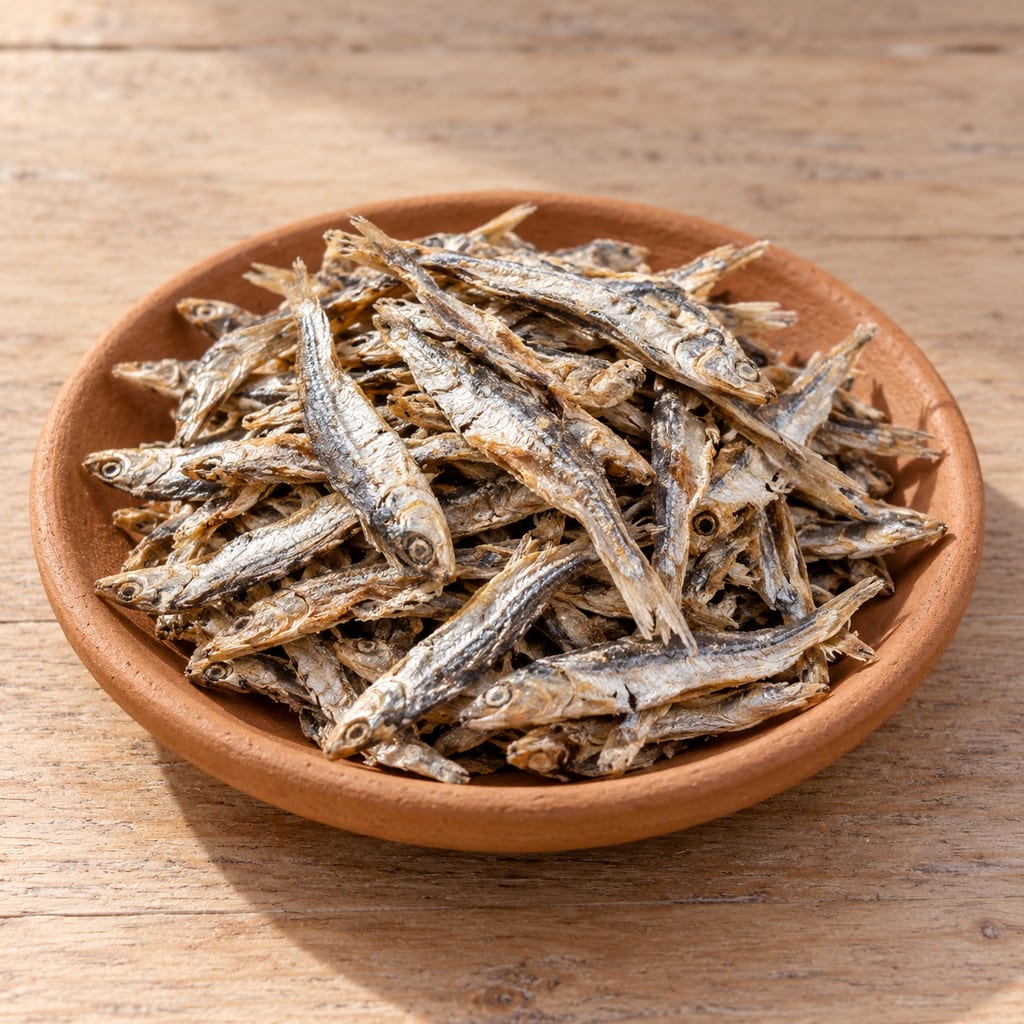
Anchoveta salted, drained of sanguaza and sun-dried on sand or stones at Caleta de Carquín, a technique declared part of Peru's cultural heritage in 2016.
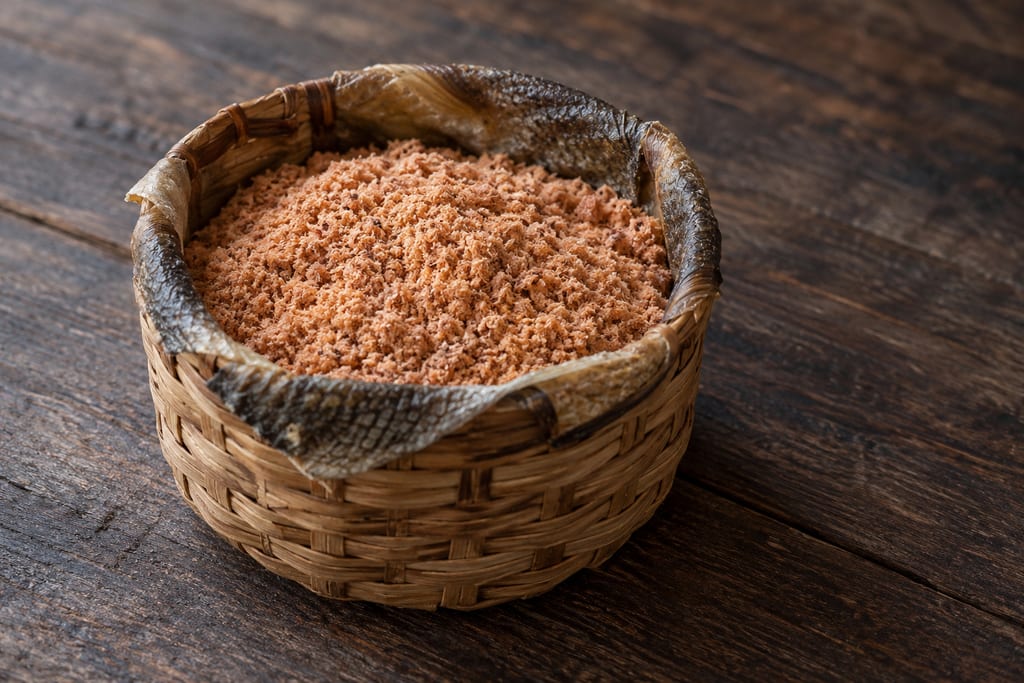
Dried salmon broken down, pounded to a meal and pressed into grass baskets lined with fish skin: the compact trade food of Celilo Falls and The Dalles.
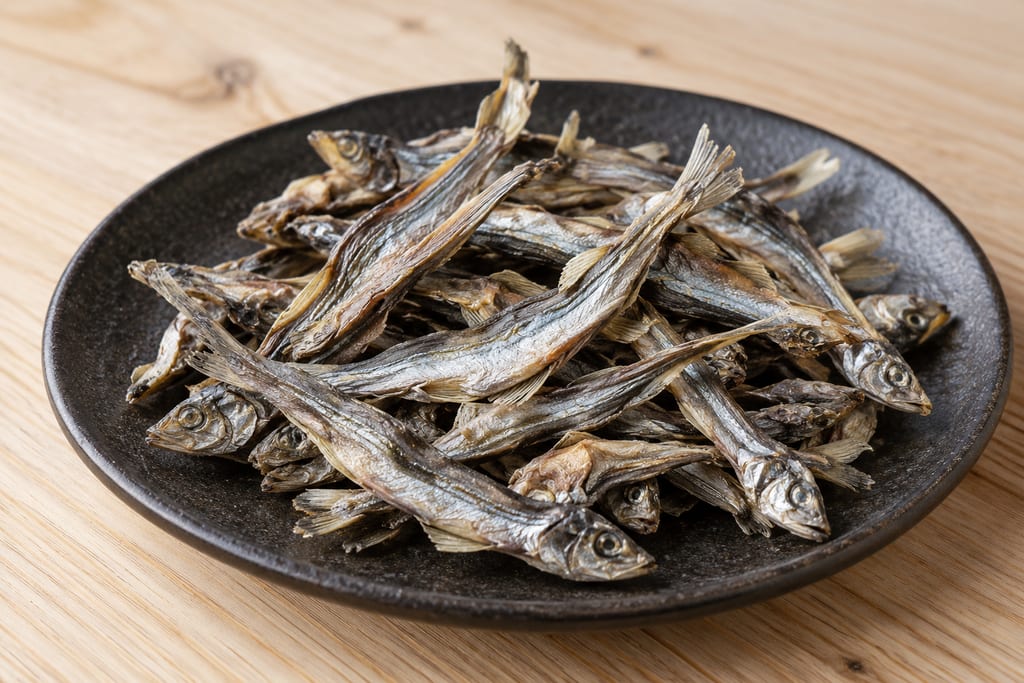
Greenlandic capelin dried whole on rocks, among crowberry vegetation or on buildings, and the microbial research that has made this small fish unusually well studied.
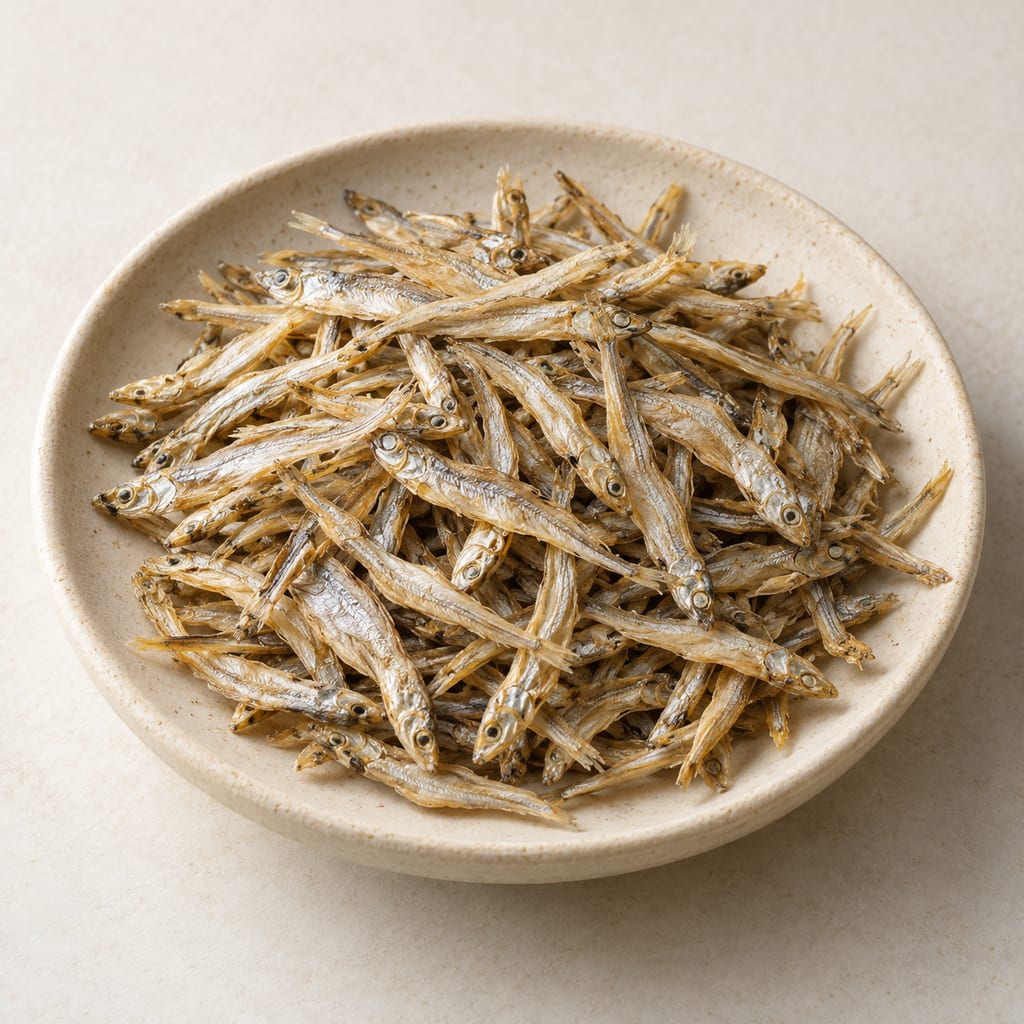
Small central-Mexican lake silversides, Chirostoma spp., dried whole and sometimes salted, then fried, roasted or simmered into Lenten tortitas and snacks.
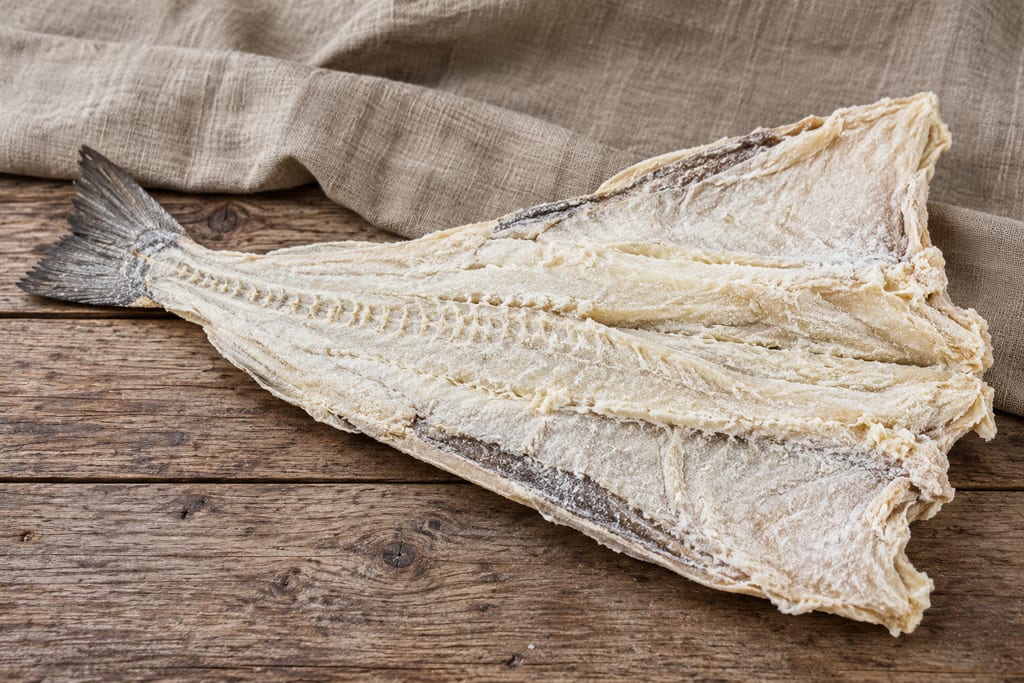
Cod split, salted and dried on flakes until hard, a long-keeping fish that must be desalted and rehydrated before use; the salting and the extensive drying together make it portable where light salting or partial drying does not.
No community contributions have been published for this entry yet.
Sign in to contribute. Published comments and photos are free to read.
International Development Research Centre (IDRC)Method · History · Markets
Better processing and marketing of healthy fish products in MalawiSpecies tested: usipa, utaka and ndunduma
Solar tent of 200-micrometre UV-treated polythene over a wooden frame, low inlet and high outlet vents, racks inside
Shelf life seven weeks against three weeks for sun-dried fish
Value-chain loss 22.25 per cent against 30 to 40 per cent; processing loss 0.8 per cent against 11.3 per cent
188 users, 123 of them women; formal markets; Samva Nyengo name
Cited in: Why the fish were dried in the first place; How the solar tent works; Losses, markets and who dries
International Journal of Marine ScienceMethod · Safety · Quality
Nutritional, Microbial and Sensory Quality of Solar Tent Dried (Samva Nyengo) and Open Sun Dried Copadichromis virginalis-Utaka (Pisces; Cichlidae)Tent dimensions 12 by 5 by 5.5 m, racks 11 by 1 m, 90 cm gaps, inlet 30 by 30 cm, outlet 40 by 40 cm
Moisture 7.22 against 16.31 per cent; ash 14.48 against 21.97 per cent; protein and fat similar
Total viable count 2.2 x 10^2 against 4.1 x 10^5 CFU/g; no E. coli, Salmonella or Shigella in tent fish, per abstract
Overall acceptability 3.8 against 2.2 on a five-point scale, ten volunteers
Cited in: Three small fish from one lake; How the solar tent works; What the drying changed; Limits and unknowns
International Journal of Fisheries and AquacultureQuality · Safety
A comparative analysis of the quality of solar tent dried and open sun dried usipa fish (Engraulicypris sardella)Usipa moisture 6.29 against 15.48 per cent
Total viable bacteria 2.5 x 10^2 against 4.1 x 10^5 CFU/g
Staphylococcus and Vibrio higher in open sun-dried fish; the paper states that solar tent drying is superior on these counts
Cited in: What the drying changed
Al JazeeraHistory · Markets · Method
Low-tech solar tent boosts Malawi’s dried fish industryFish dried in the open on wire racks before the tents; earlier smoking used trees
Four in ten fish lost before sale; dried fish about 4 per cent of GDP; more than 50,000 fishermen
Processor quote on dust, house flies and sanitation
Cited in: Why the fish were dried in the first place; Losses, markets and who dries
WikipediaIdentity · Eating
UsipaEngraulicypris sardella, small sardine-like fish in large shoals; Lake Malawi sardine
Dried usipa sold at most Malawian markets; eaten with soft bones, usually with nsima or ugali
Cited in: Three small fish from one lake; Eating the dried fish
Slow Food FoundationIdentity · Production · Conservation
Usipa (Engraulicypris sardella), Ark of Taste entryLocal preparations: mululi (sun-dried); wakufwafwaska or wofutsa (half-boiled, then dried)
Night fishing with torches; definite overfishing and no fishing rules; Central, Northern and Southern regions
Cited in: Three small fish from one lake; Why the fish were dried in the first place; Eating the dried fish; Limits and unknowns
Wikimedia CommonsImage
Pesce ad essiccare sulla riva del lago Malawi (image page)Image of Lake Malawi sardines drying on the shore