
Yeast and the world's fermented drinks
People kept, traded and steered living ferments for thousands of years before anyone saw a yeast cell. This is that history, region by region, and a guide to what a yeast strain is today.
 FermenteaWhere food goes to change
火入れ · Hiire · Hi-ire · Heat treatment of sake · Sake pasteurisation
Hi-ire is the Japanese heat treatment of finished sake, about 65 °C, used to stop re-fermentation and souring. Brewers applied it from the Muromachi era.

Hi-ire is the heat treatment that brewers apply to finished sake. The National Research Institute of Brewing also calls it pasteurisation. Heating to about 65 °C does three things, according to the institute: it stops yeast from fermenting the sake again, it kills the lactic acid bacteria that sour sake, and it inactivates the enzymes left from koji and yeast.
Brewers heat sake twice, once during storage and once before it ships. The source does not give the time for either heating.
The source dates the practice to the Muromachi era, which ran from 1333 to 1573. That places hiire among the earliest deliberate heat treatments of a beverage, before the nineteenth-century European methods that are often treated as the start of pasteurisation. The supplied research entry gives the fifteenth and sixteenth centuries as the documented period; the institute's answer gives only the era name.
The sources do not give a home-scale method, a holding time, or a tolerance around 65 °C. They do not say how the treatment changed sake flavour. Anyone reproducing it at home would need the brewery's own timing and a way to measure temperature, and this page does not provide either.
The source believes the process dates from the Muromachi era (1333-1573). It gives no more specific year.
The source describes hi-ire as applied to sake in Japan. It does not give a regional scope.
People kept, traded and steered living ferments for thousands of years before anyone saw a yeast cell. This is that history, region by region, and a guide to what a yeast strain is today.
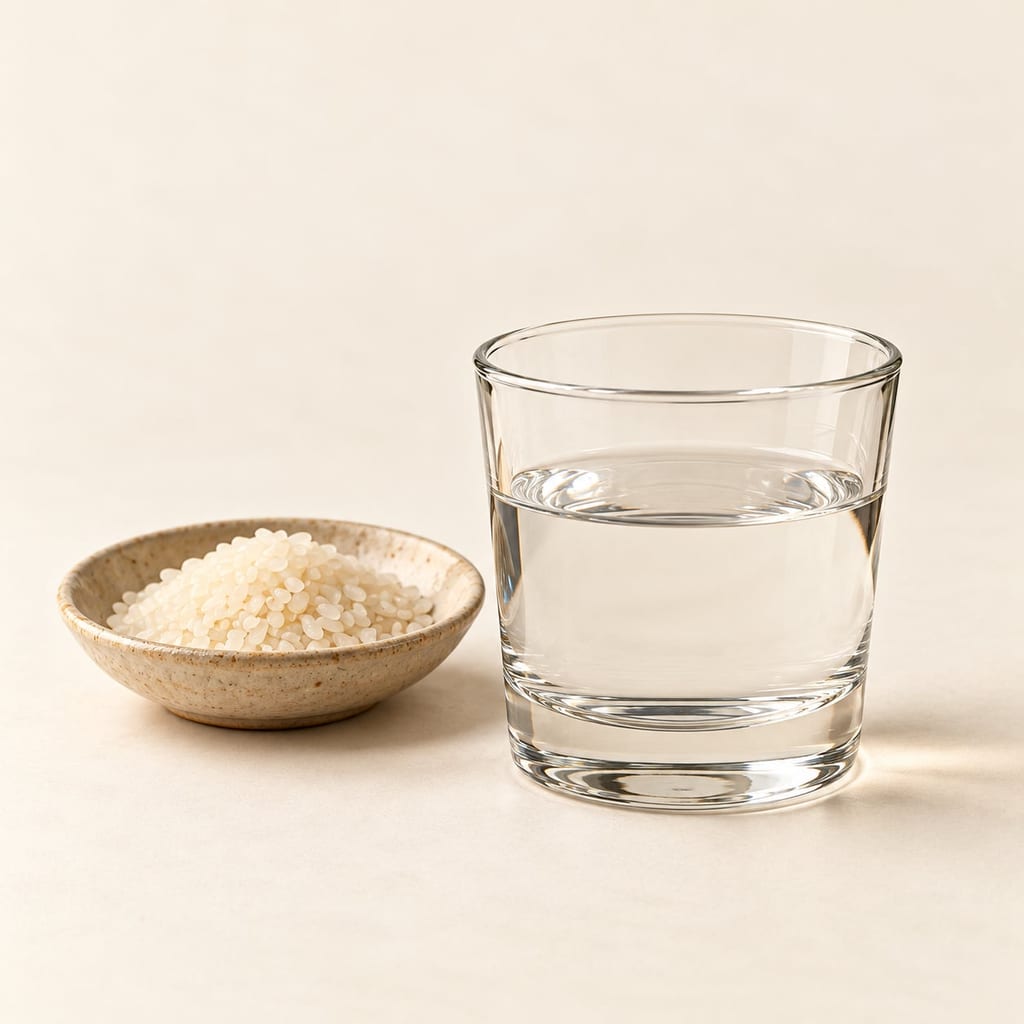
An Okinawan rice spirit made by turning all the rice into black koji, fermenting it with water and yeast, then pot-distilling and maturing the spirit.
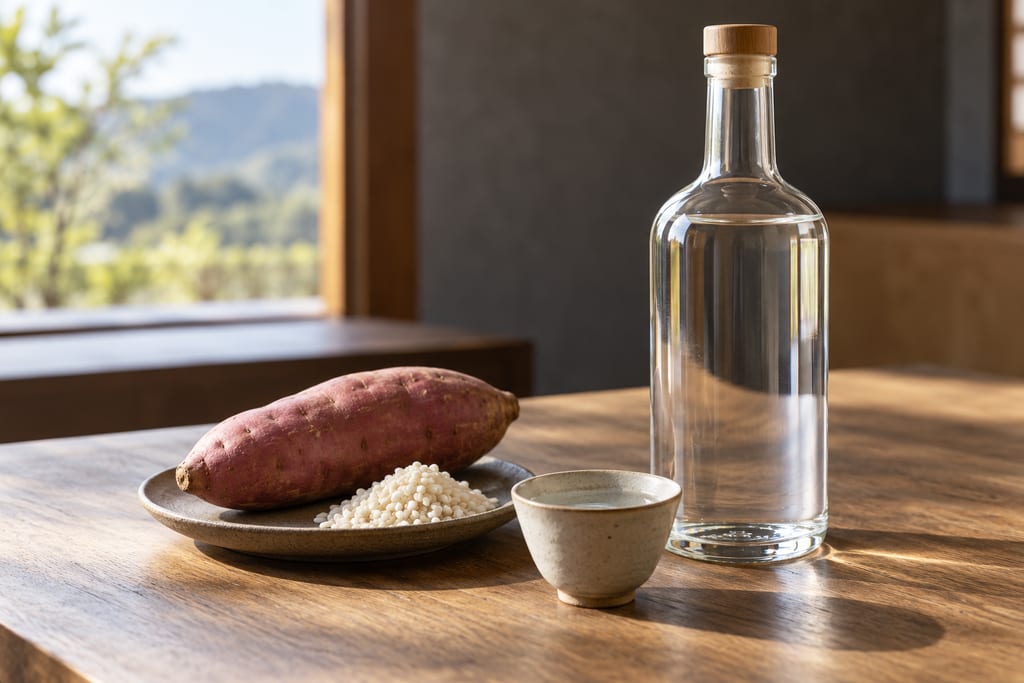
Japanese pot-distilled spirit made by fermenting sweet potatoes, rice or barley with koji and yeast in two stages, then distilling the mash once so the ingredients' aroma survives.

Traditional Japanese sake yeast starters made from steamed rice, rice koji and water, acidified by naturally growing lactic acid bacteria. Kimoto grinds the rice mash with paddles; yamahai omits that step.
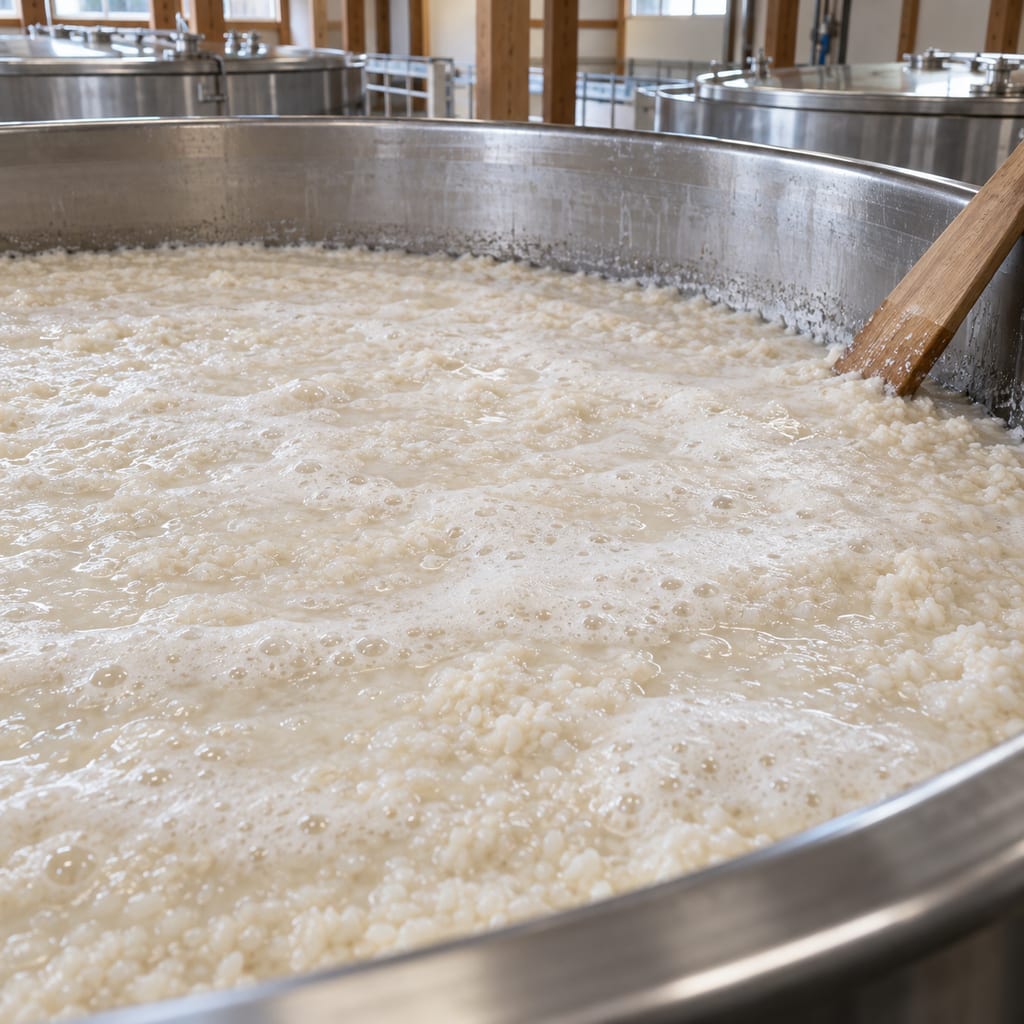
Nihonshu (日本酒), or seishu, is Japanese rice sake: steamed rice, rice koji, water and a yeast starter ferment together in one mash, which is then pressed and finished.
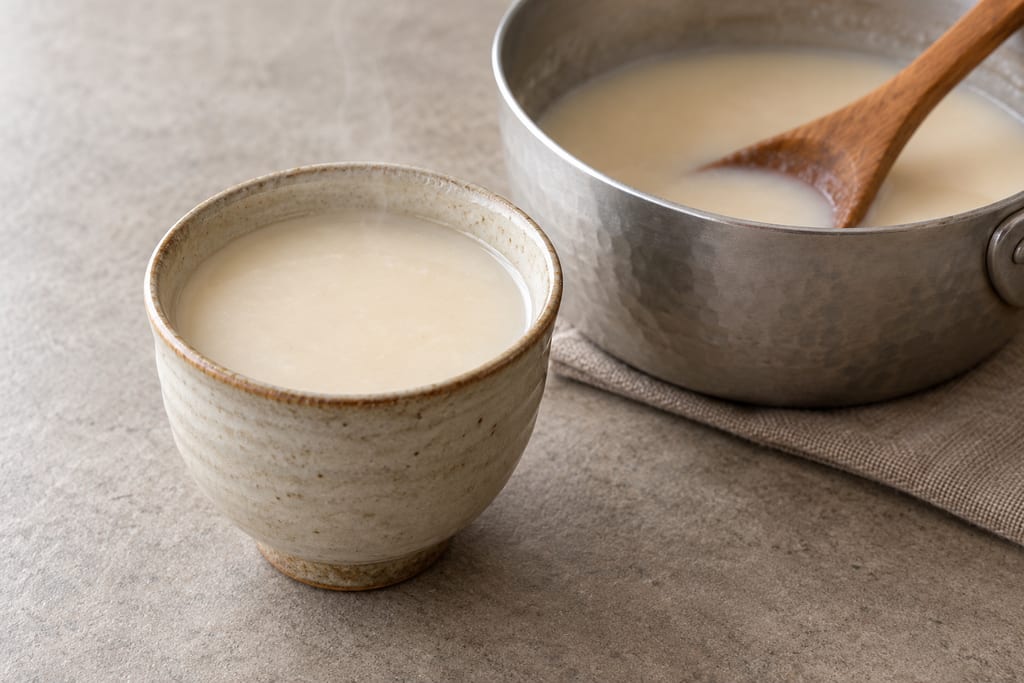
A Japanese sweet drink made by dissolving sake lees in hot water and adding sugar, often with ginger or salt; it carries flavours and alcohol from sake brewing but normally undergoes no new fermentation.
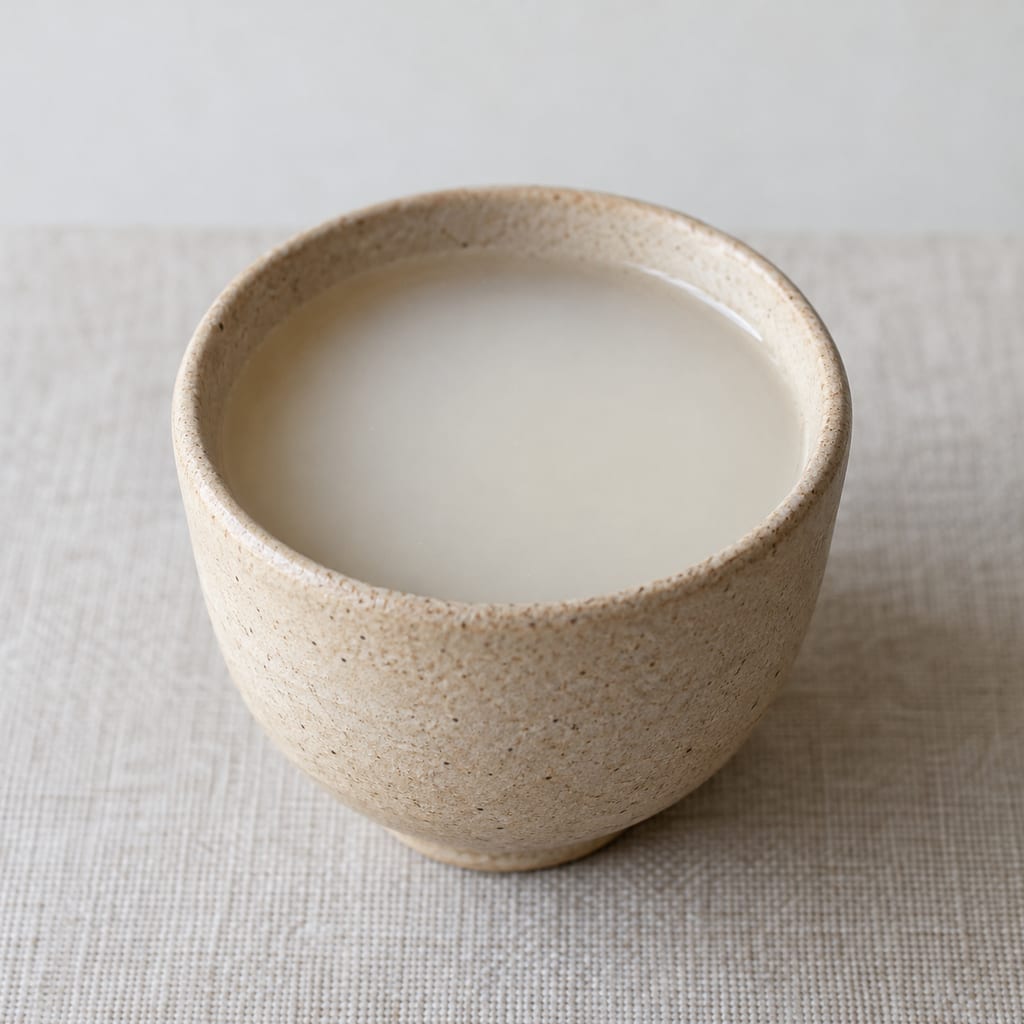
Tonoto is an Ainu ceremonial grain drink. This Saru River version ferments equal amounts of rice and egg millet with malted rice for about two to three days in summer or a week in winter.
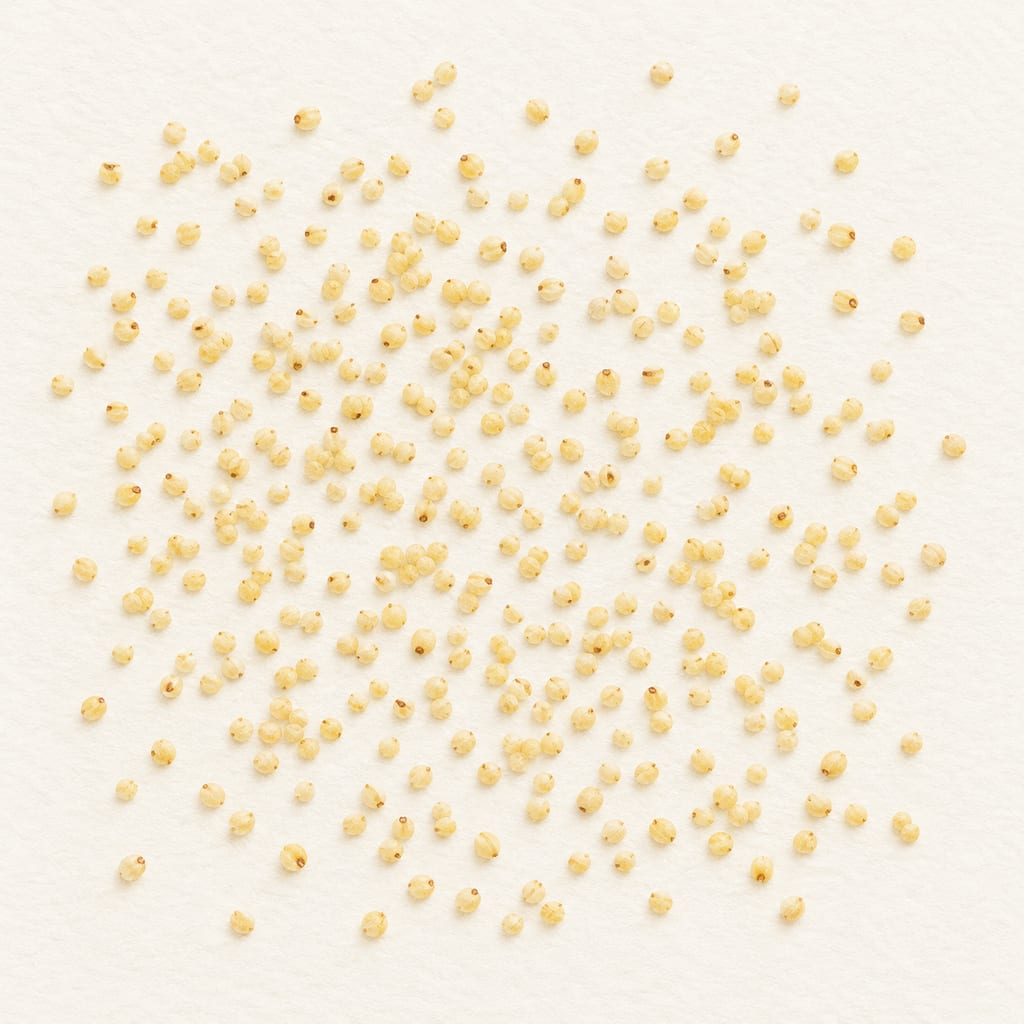
Tonoto from Shizunai in Hidaka is made of barnyard millet alone: a firm porridge kneaded with an equal amount of malted grain in a sake vessel, warmed by two embers, and left a week to ten days.
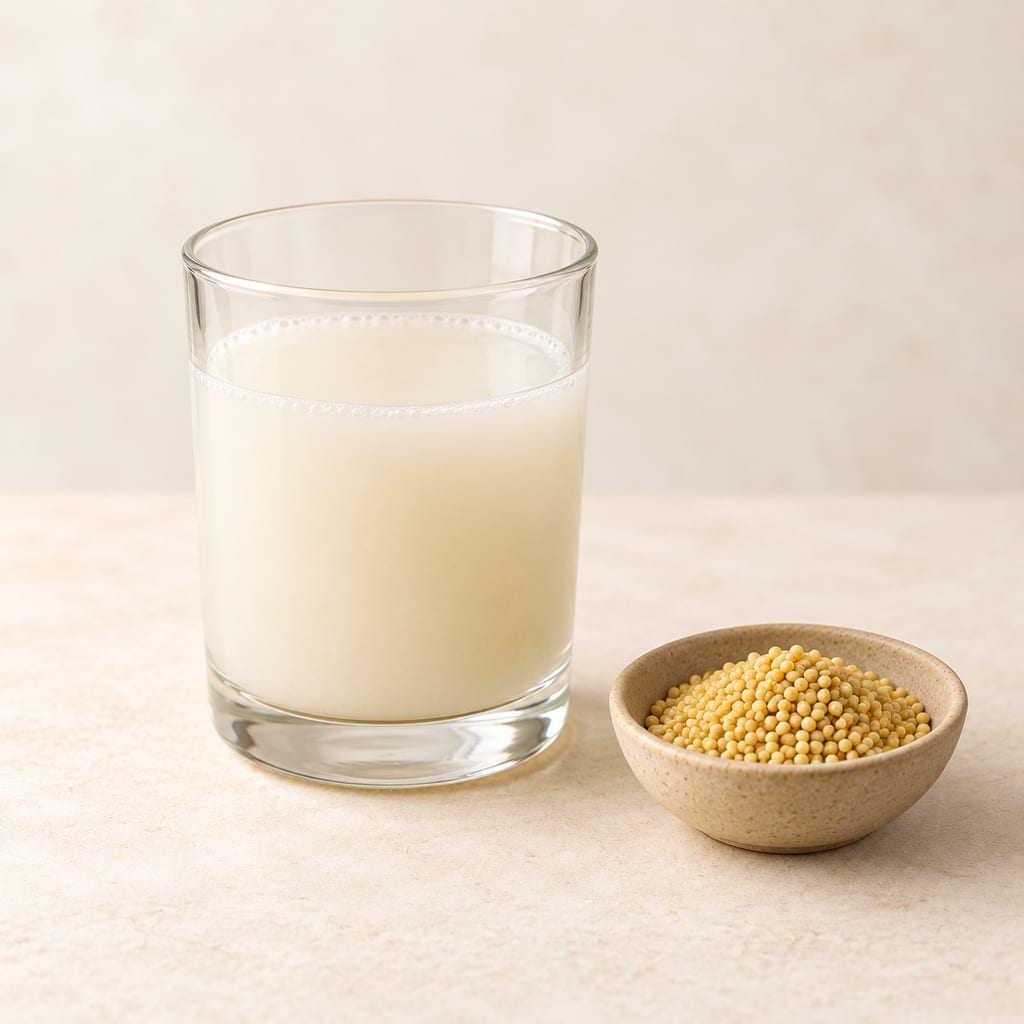
An Ainu grain drink for festivals and housewarmings, made by cooling cooked grain gruel, adding millet malt and holding it in a sake-making vessel.
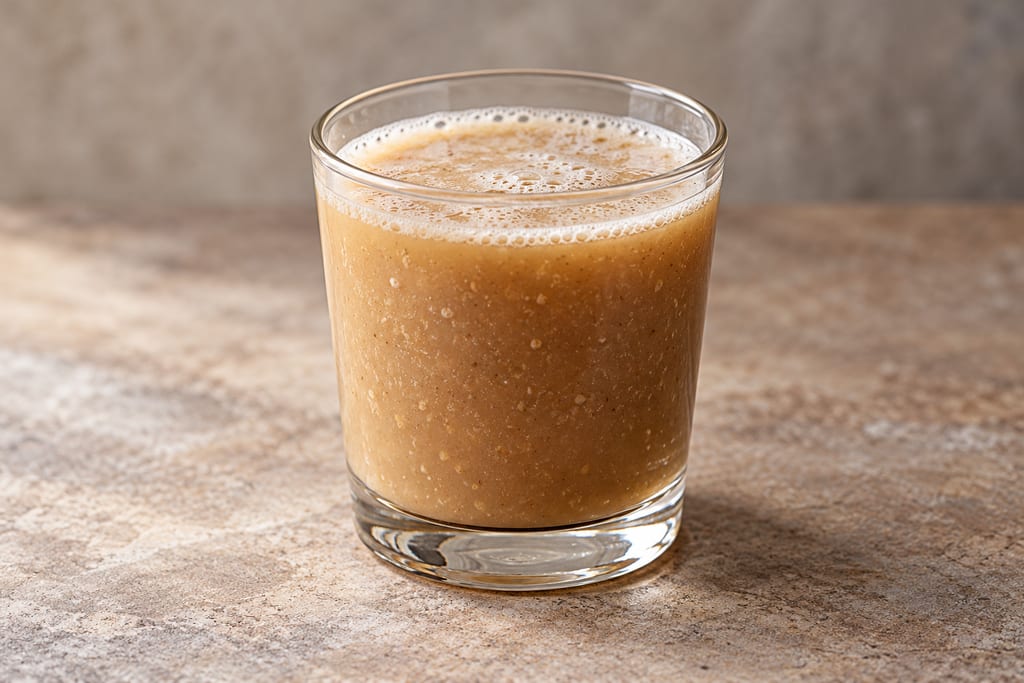
A thick, faintly fizzy Ethiopian cereal drink in which a wheat dough is fermented, roasted dark, then fermented a second time with barley malt into a drinkable slurry.

A thick, pale Turkish winter drink of bulgur and rice cooked to a soft cereal base, sweetened with grape molasses and fermented for two days.
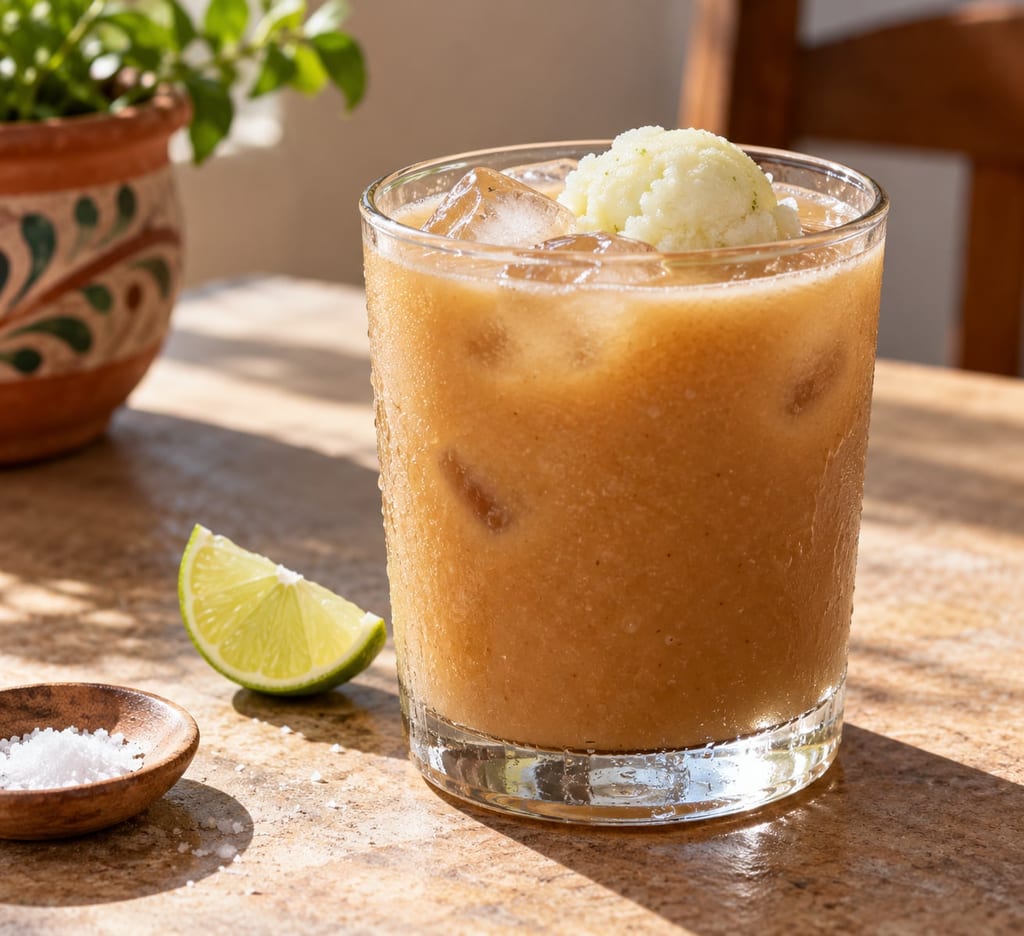
A tart, lightly fermented drink of Jalisco: nixtamalized maize masa cooked with piloncillo and limed, then diluted over ice and salted at serving.
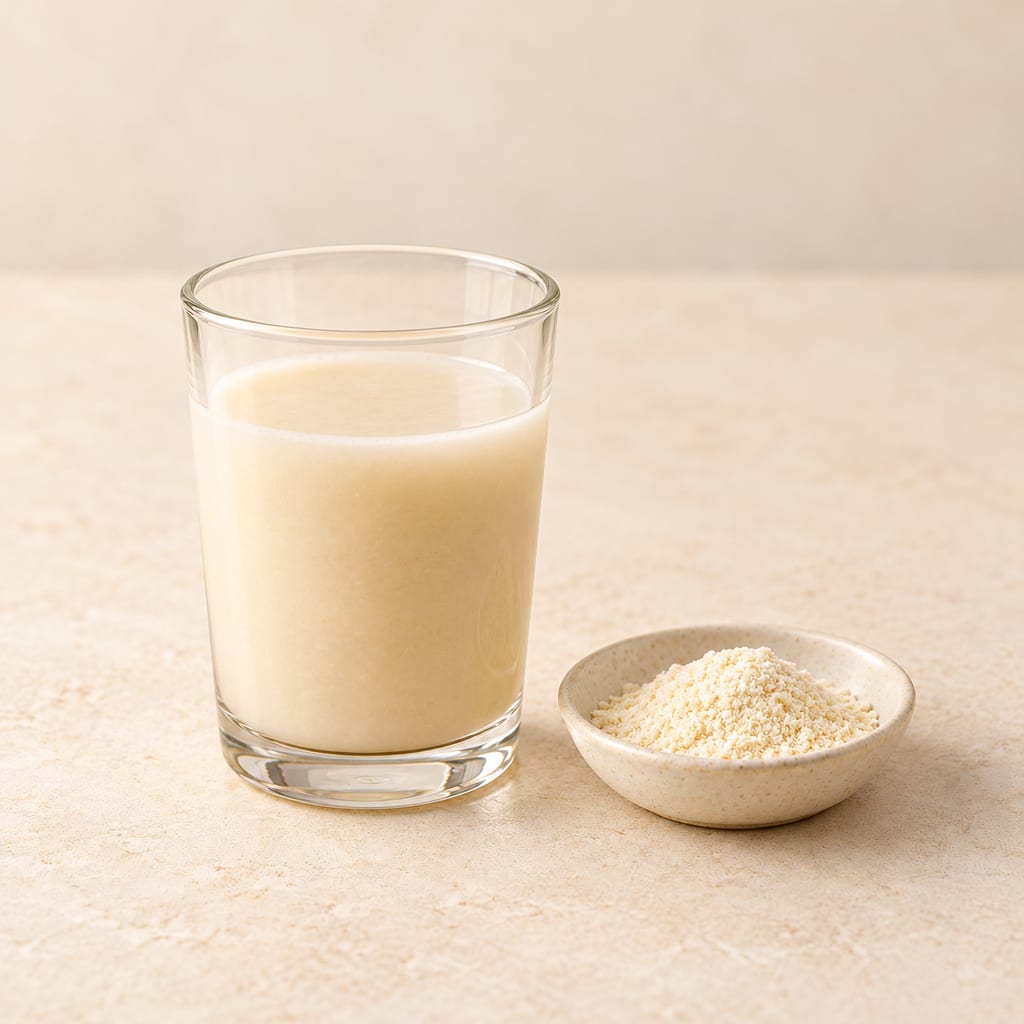
A Ugandan maize drink remade with a defined two-strain starter: roasted maize dough boiled to porridge, cooled and fermented under controlled conditions.
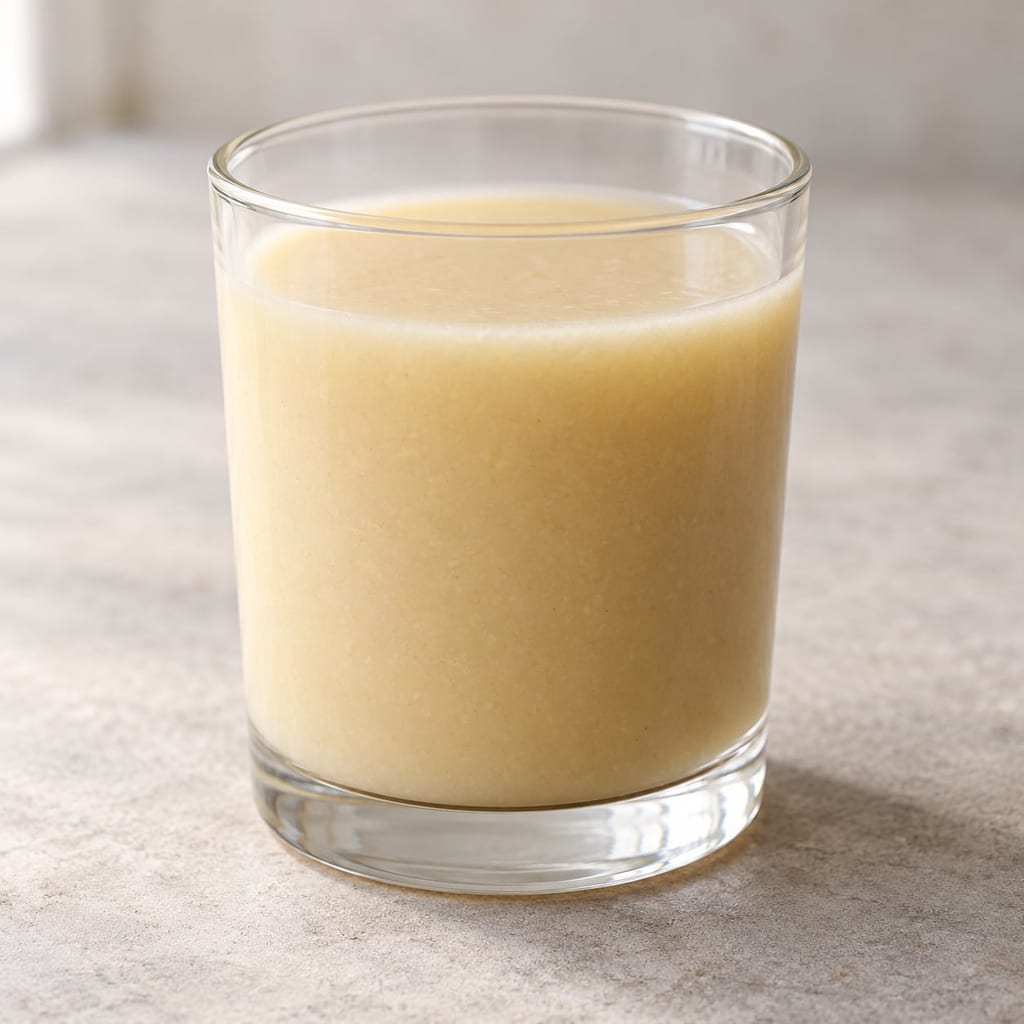
Kyrgyz Bozo is a mixed-fermented cereal drink made with ground grits, sprouted-wheat ugut and carried-over starter. This registry preparation leaves cereal selection, water and starter allocation unresolved.

A documentary entry on Latvian rye-bread kvass, preserved from a modern Latvian rye collection. It records a food tradition, not a home-fermentation method.
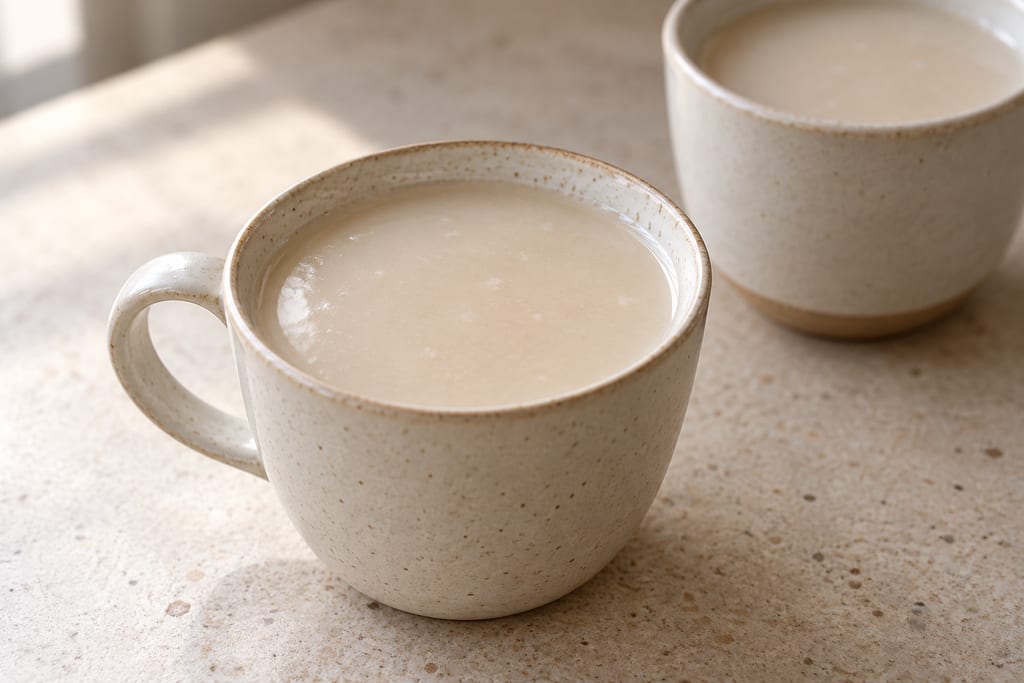
A documentary account of Zimbabwean mahewu and one producer's formula. Its quantities exceed the stated vessels, and research does not validate it as a safe home method.

A thick, sweet-sour Malawian drink of boiled maize flour into which sorghum flour is stirred before an overnight spontaneous fermentation.

Protected Italian vinegar made only from cooked grape must, fermented and aged in a battery of wooden barrels for at least 12 years: sweet, sharp and syrupy.

Airag is Mongolia’s fermented mare’s-milk drink, traditionally churned with saved starter in a reusable cowhide khokhuur.

Appam, or hoppers, are South Indian and Sri Lankan rice pancakes made from a fermented coconut-and-rice batter and cooked in a curved pan to a crisp lacy rim and a soft, spongy centre.

Auricularia tremellosa is a wood ear fungus of the genus that supplies most dried wood ear sold in China; its own food record is thin, and the culinary practice described here comes from the closely related wood ear species.

Ayran is Turkey’s cold, savoury yogurt drink: plain yogurt is loosened with water and lightly salted, then whisked smooth or aerated into a soft cap of foam.
A thin stone griddle used over an open hearth. Norwegian archaeology documents the established tradition from the early Middle Ages; a Viking-period origin is only a cautious suggestion linked to Shetland.

Crushed or milled barley cooked in water until the starch softens and the mixture thickens, the plainest way a northern household turned stored grain into a meal, here with apple and hazelnut.

Black carrot is the anthocyanin-pigmented Eastern carrot (Daucus carota var. atrorubens), the purple root that preceded orange types and still colours kanji and şalgam.
No community contributions have been published for this entry yet.
Sign in to contribute. Published comments and photos are free to read.
National Research Institute of Brewing, JapanMethod · History
Sake FAQ (National Research Institute of Brewing)Hi-ire is heat treatment of sake, also called pasteurisation.
Roughly 65 °C.
Heated twice: during storage and before shipment.
Purposes: stop yeast re-fermentation, kill souring lactic acid bacteria, inactivate koji and yeast enzymes.
Believed to date from the Muromachi era (1333-1573).
Cited in: What hi-ire does; Why it matters historically; Limits of the record
National Research Institute of Brewing, JapanHistory
Sake guide (National Research Institute of Brewing)Supplied catalogue entry: fifteenth and sixteenth century sake heating.