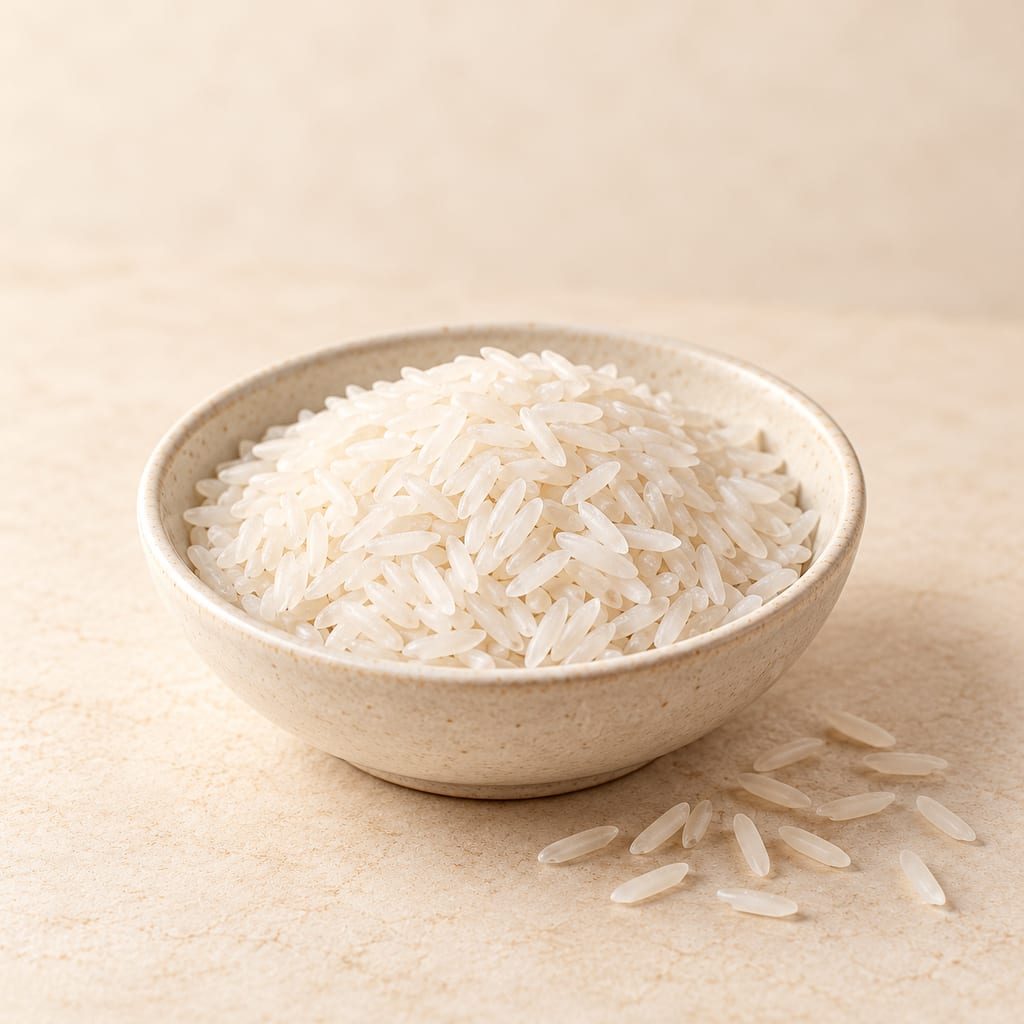
Rice
Rice contributes starch to flatbreads, steamed breads, batters and many distinct fermentations. Its species, milling and starch character shape how it cooks, binds, expands and feeds enzymes.
 FermenteaWhere food goes to change
Traditional method
トノト (tonoto)
Tonoto is an Ainu ceremonial grain drink. This Saru River version ferments equal amounts of rice and egg millet with malted rice for about two to three days in summer or a week in winter.
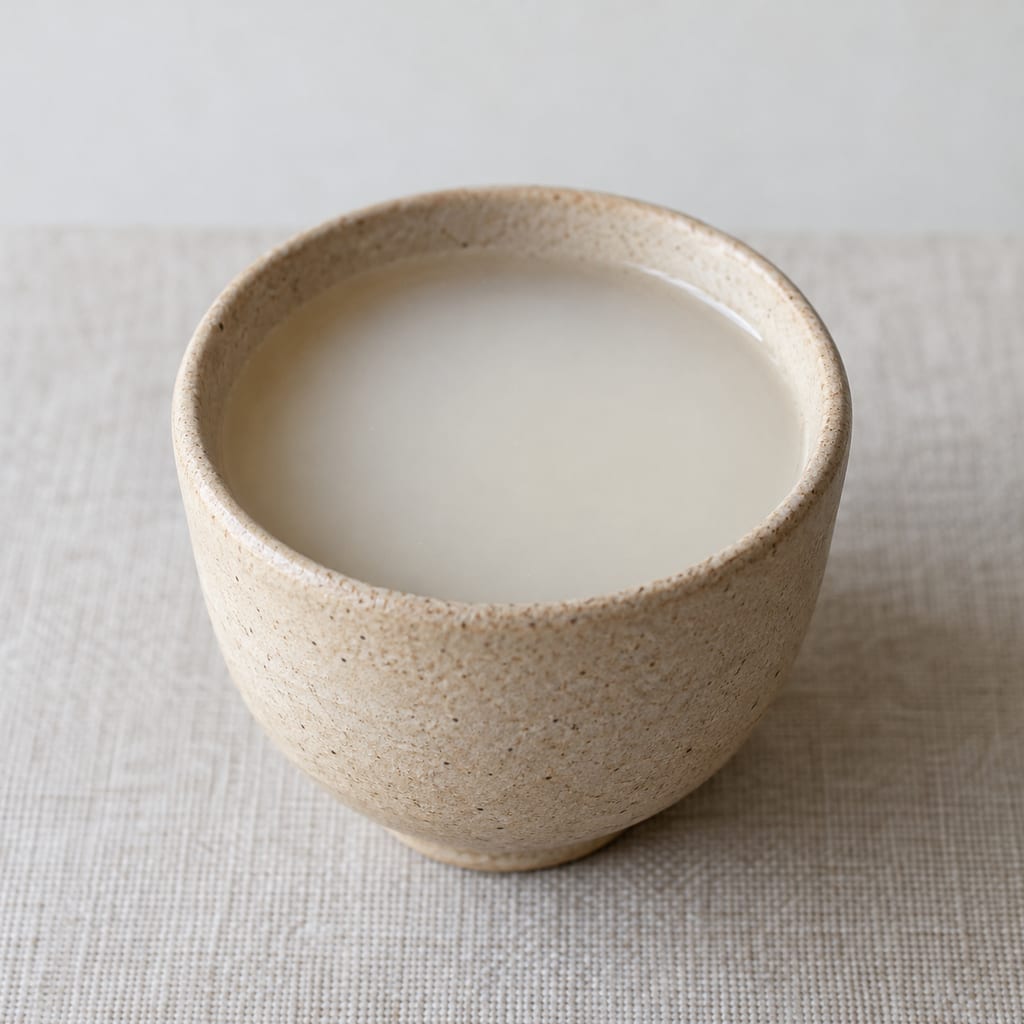
Tonoto is an Ainu grain drink made for ceremonial occasions and offered to kamuy, the spirits or deities addressed in Ainu practice. The Saru River account describes one community preparation: rice and egg millet are cooked together, mixed with malted rice, fermented in a keg and strained. It identifies no alcohol strength, final acidity, or tasting profile, so those details should not be supplied as if they were fixed properties of every tonoto.
The recipe belongs to a living and varied food culture. The Hokkaido Regional Agricultural Administration Office describes tonoto as an important offering at kamuy-nomi and ancestral rites, and notes that preparation is a significant women's responsibility accompanied by words of prayer to Apefuchi Kamuy, the fire deity. That is broader Ainu context; the FAO chapter records the practices of the Saru River preservation group and should remain the authority for this particular formula.
A modern brewery has also recreated a product called Kamuy Tonoto through documentary research, trial batches and consultation in Shiraoi. Tanaka Sake Brewing describes a different method using rice koji and yeast with millet, then adding millet amazake for body. That useful comparison shows the name and cultural role continuing into the present; it is a separate formulation and should not be substituted for the Saru River preparation recorded here. The brewer describes its own product as mildly tart and sweet with a thick mouthfeel, but those tasting notes belong to that modern version.
The National Ainu Museum's Saru-dialect archive records another layer of the name: one dictionary glosses tó noto as sake, including cloudy or unstrained sake, and notes a broader contemporary use for alcoholic drinks generally. It also records millet as the former grain. This is lexical evidence, not a process rule for every tonoto. The FAO account remains specific about the Saru preparation: it describes straining the drink before serving. Keeping the dictionary's range beside that local method prevents either description from standing in for all Ainu drink-making.
The method comes from a food-culture project in the Saru River region of Hokkaido. In Biratori, members of a local Ainu food-culture preservation group interviewed elders and prepared familiar dishes for community gatherings. The chapter records tonoto made for a boat-launch ceremony in August 2006. It does not claim to establish when tonoto began or where the drink originated; the earliest period remains unknown.
The Saru account describes a shift in the grain bowl. Barnyard millet, piyapa, was once the principal grain for tonoto, while rice became more common and millet growing declined. The account says people now add barnyard millet, egg millet or foxtail millet to rice to recover an older flavour. Sticky egg millet, ritensipuskep, is the usual choice in the described community because it is easiest to obtain. These are not interchangeable names for a single grain: contemporary food studies identify barnyard millet as Echinochloa crus-galli, foxtail millet as Setaria italica, and egg or proso millet as Panicum miliaceum.
This history sits within broader Ainu subsistence and exchange. Hokkaido's digital museum describes grains as one part of a varied diet that also relied on gathered plants, fish, game and stored foods; gruels were everyday food, while steamed grains and home-brewed liquor were associated with festivals and rites. A study of Ainu food knowledge in the Saru community likewise records tonoto as a ceremonial drink made from rice and millet. These accounts provide context, not evidence that every Ainu household used the same recipe or held identical ritual practices.
The account also describes knowledge being gathered rather than frozen. The preservation group's elders' interviews and the community cooking activities make clear that tonoto is part of a continuing effort to teach Ainu food culture in the place where it is practiced. The research report on food knowledge in the Saru area records local women preparing tonoto and other Ainu foods for communal events, and notes that sharing dishes under Ainu names helps transmit that knowledge. These observations are about the studied community and should not be treated as a rule for all Ainu people.
Rice and millet provide the starchy grain base. Cooking them with water turns the dry grains into a soft porridge that can be mixed with the malted rice. The equal amount refers to the two grains in the source's recipe; it gives no weight, volume, grain-to-water ratio or finished yield. The source does not specify rice variety or whether the grains are polished, hulled or milled.
Malted rice has a different role from the cooked grains. In Japanese grain fermentations, rice koji commonly supplies enzymes that break starch into smaller sugars; amylases are central to that conversion. Those sugars can then feed alcohol-producing fermentation. This explains a plausible general role for a rice malt in a grain drink, but the Saru chapter says only 'malted rice': it does not identify the culture, organisms, enzyme activity or whether the same koji practice used in sake is intended. The recipe therefore does not support naming Aspergillus oryzae or a particular yeast as its active culture.
The account uses a broad mix-until-smooth instruction, not a measured dose of malt. More precise quantities would make a different formula rather than clarify the one documented. Modern readers should keep the distinction between the historical account and a process they can reproduce with predictable alcohol production: the source gives neither a starter specification nor an objective endpoint.
The source's choice of egg millet also says something about access, not just flavor: sticky egg millet is named as the common choice because it is easiest to obtain. A substitution from one millet to another therefore changes the historical and practical meaning of the recipe as well as its grain profile. The FAO source describes the alternatives as attempts to recover a remembered older flavor, not as exact equivalents or a controlled comparative tasting.
The grains are first cooked with water until they form porridge. This is the method's only heating stage; it softens the grains and makes a uniform base. Cool the porridge until it is described as about skin temperature before adding the malt. That phrase is a qualitative observation, not a calibrated temperature, and the text gives no cooling time.
The porridge is transferred to a keg and the malted rice is mixed through until smooth. The account's fermentation period changes with the season: about two to three days in summer, about a week in winter. These are the times reported for this household method, not a controlled temperature schedule. The chapter sets no vessel capacity, room temperature, cover, stirring routine or readiness test. It does not say that a particular number of days guarantees a safe or alcoholic drink.
The cooked grain requires careful handling. Food Standards Australia New Zealand notes that Bacillus cereus spores may survive cooking and that cooked starchy foods, including rice, can support growth and toxin formation if held improperly; it recommends prompt cooling in smaller portions. That general food-safety advice does not validate the tonoto process, supply a fermentation control or establish a safe storage period. The Saru account contains no temperature, acidity, alcohol or storage limit. Do not treat the traditional duration, smell, taste or bubbling as proof of safety.
After fermentation, the drink is strained for serving. The FAO chapter reports the first drop being offered to the fire deity and women giving thanks at community gatherings. A hot charcoal is placed on top of the mixture while asking Apefuchi Kamuy to protect the ferment. This is a ceremonial act and must not be turned into a claimed sanitation or temperature-control step.
The timing is explicitly seasonal but not quantified by a thermometer. In a warmer season the cited period is shorter, while the winter period is longer; it is reasonable to report that relation because the source does, but it is not evidence for a modern fermentation temperature or a linear temperature-to-time conversion. The same restraint applies to 'skin temperature': it is the source's plain-language cue for cooling, not a reproducible inoculation limit.
Tonoto is important here because of how it is shared and offered, not simply because it is alcoholic. The MAFF account connects it with prayers for the gods and ancestral rites in spring and autumn. The FAO chapter describes preparation ahead of a ceremony, the first-drop offering, communal straining and prayer. The drink belongs among a set of foods made for gatherings; research on Ainu foodways places home-brewed liquor alongside boiled grains, dumplings and other special dishes at festive and ritual meals.
The Saru formula should not be blended with other versions into a single universal method. The grain balance, available millet, terminology and timing differ in the accounts preserved by different communities. The Saru source names rice and egg millet in equal amounts and notes optional recovery of an older flavour with other millets; it does not give a complete alternative formula for each one. Keep those choices as contextual variants rather than assigning new ratios.
The official MAFF page also describes the strained residue called shirari as a food offering. That page is based on reporting with a Sapporo Ainu Association representative and cited Japanese reference works; it is useful evidence for wider Ainu practice, but it does not say that the Saru River chapter's particular batch used the same name or presentation. This distinction matters when a reader encounters tonoto beyond the single recipe.
There is no documented everyday serving recipe for this batch. The chapter places it at ceremonies and says that people drink it after the offering; it does not specify a vessel, accompaniment, portion or course order. Another official account shows a contemporary white liquid as tonoto, but that visual record cannot be made into a serving prescription or proof that every regional version has the same appearance.
The Saru formula should not be blended with other versions into a single universal method. The grain balance, available millet, terminology and timing differ in the accounts preserved by different communities. The Saru source names rice and egg millet in equal amounts and notes optional recovery of an older flavour with other millets; it does not give a complete alternative formula for each one. Keep those choices as contextual variants rather than assigning new ratios. The modern Kamuy Tonoto revival from Tanaka Sake Brewing uses a distinct commercial recipe, with millet, rice koji and yeast plus millet amazake. It is evidence of contemporary interpretation, not evidence for the Saru batch.
The contemporary official image associated with tonoto shows an opaque, pale liquid. It can inform the drink's broad visual form, but it is not identified as this exact Saru-region batch and cannot establish its taste, texture or fermentation quality. The recipe's own evidence remains the words and community practice recorded in the FAO chapter. Readers should treat unrecorded measurements and organism identities as unknown rather than silently filling them in from sake or another Japanese ferment.
Tonoto is an Ainu grain drink offered to kamuy at ceremonies. In the Saru River region, barnyard millet, called piyapa, was once the main grain. As rice became more common and millet cultivation declined, rice replaced much of it. Barnyard, egg or foxtail millet can be added to recover the earlier flavour; sticky egg millet is usually chosen because it is easiest to obtain.
The method here comes from a community food-culture project in Biratori. A local preservation group interviewed elders and prepared tonoto for gatherings, including a boat-launch ceremony in August 2006. The account describes placing hot charcoal on the mixture while asking Apefuchi Kamuy to protect the ferment, then offering the first drop to the fire deity. At the group’s gatherings, women strain the drink and give thanks to the kamuy. These are the practices reported for this community, not general instructions for every Ainu preparation.
Scaling: source batch only
Rice and other cooked starchy foods can retain spores after cooking; slow cooling can allow growth and toxin formation.
Hazard sourceCool the cooked porridge promptly in smaller portions before adding malted rice.
Control sourceCooked rice can retain Bacillus cereus spores. Cool the porridge promptly before adding the malted rice; cooking does not reliably destroy the spores or preformed toxin.
The setting of a community food-culture project, not a claim of origin.
Home of the Ainu food-culture preservation group that prepares tonoto for community gatherings.
Rice contributes starch to flatbreads, steamed breads, batters and many distinct fermentations. Its species, milling and starch character shape how it cooks, binds, expands and feeds enzymes.

Tonoto from Shizunai in Hidaka is made of barnyard millet alone: a firm porridge kneaded with an equal amount of malted grain in a sake vessel, warmed by two embers, and left a week to ten days.
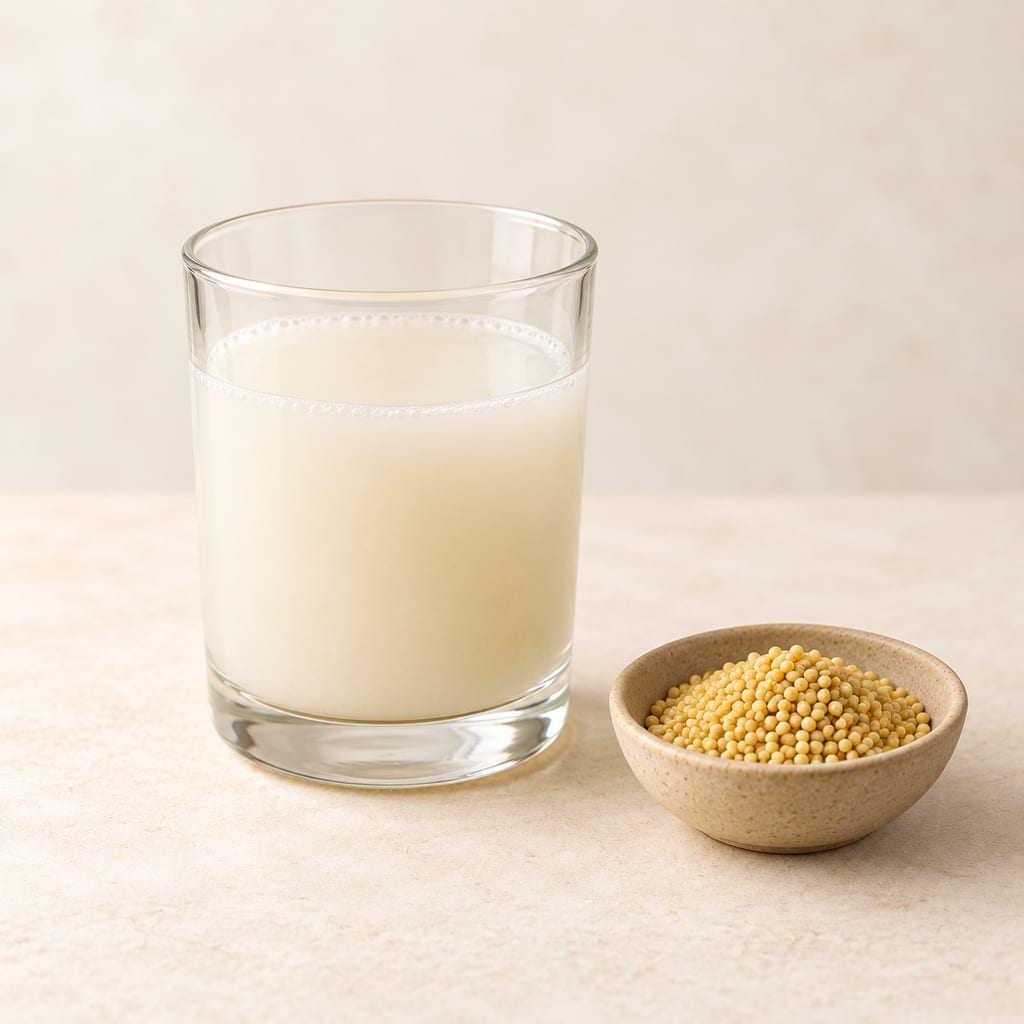
An Ainu grain drink for festivals and housewarmings, made by cooling cooked grain gruel, adding millet malt and holding it in a sake-making vessel.

Traditional Japanese sake yeast starters made from steamed rice, rice koji and water, acidified by naturally growing lactic acid bacteria. Kimoto grinds the rice mash with paddles; yamahai omits that step.
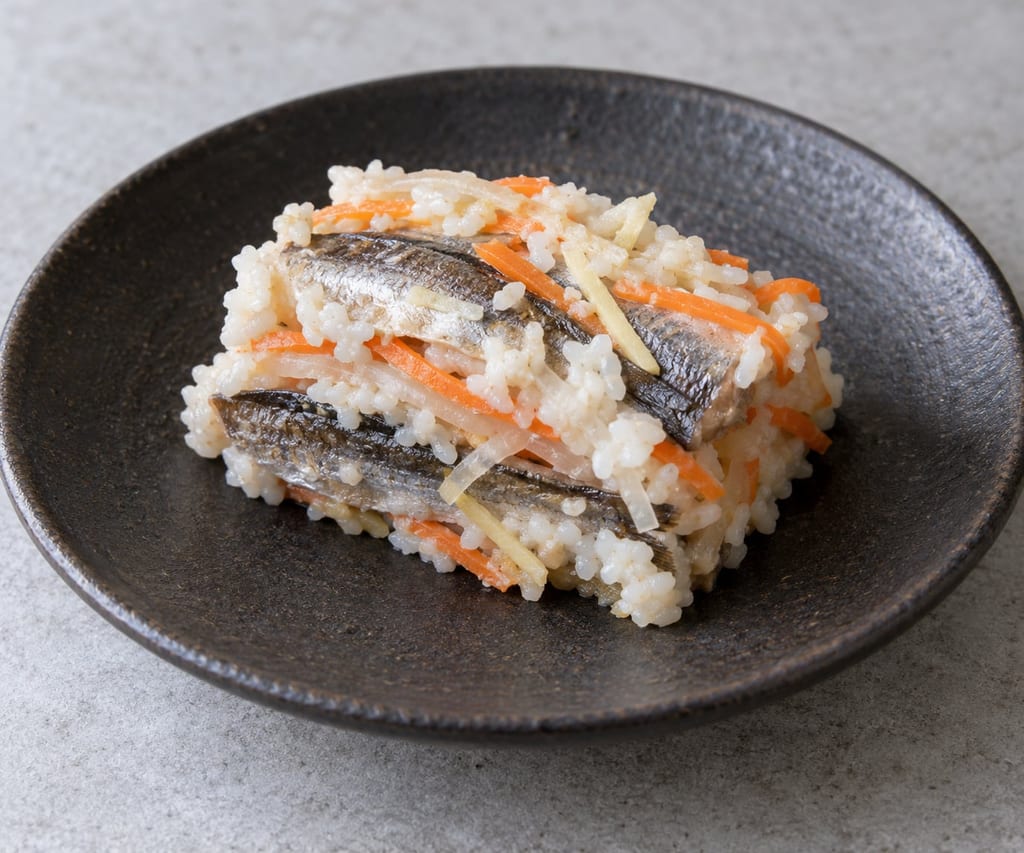
Hokkaido izushi layers fish, vegetables, rice and kōji for cold-season lactic fermentation. This MAFF recipe uses small hatahata with a vinegar pretreatment; it is one regional household formula, not a universal izushi method.
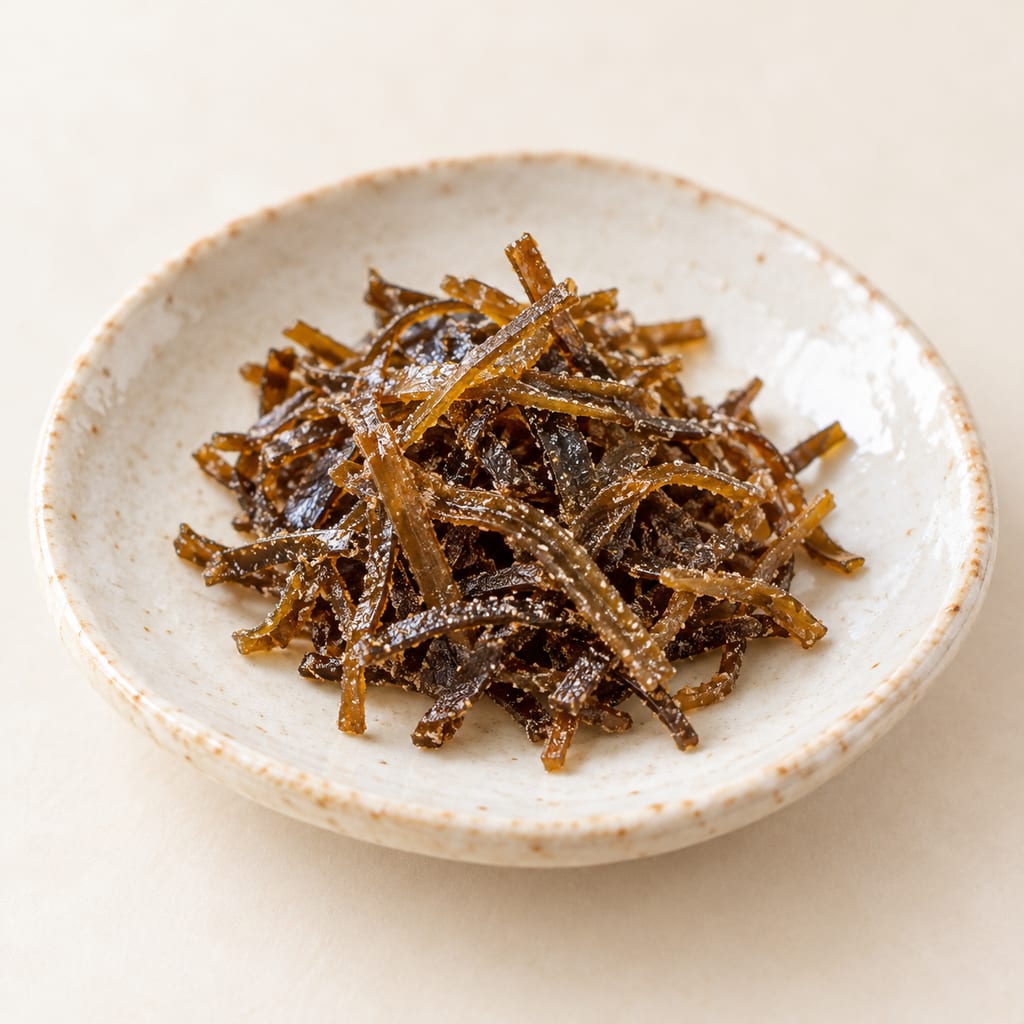
Japanese kelp simmered in soy sauce and seasonings, sometimes dried and salted, eaten with rice or used as an umami seasoning.
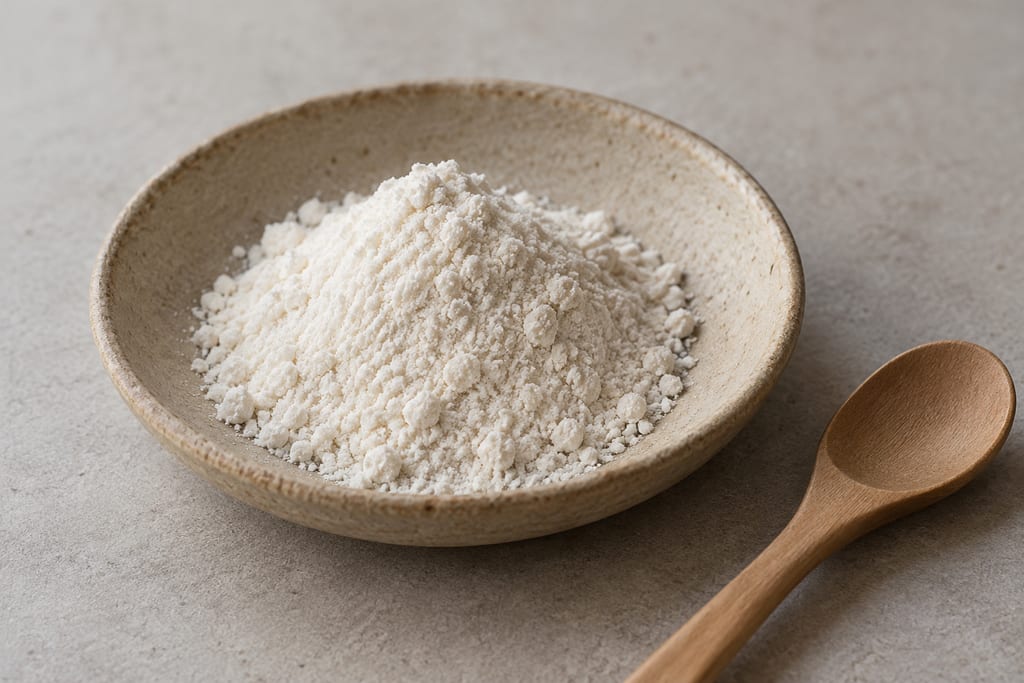
Starch released from giant woodland lily bulbs by pounding, washed out in water, settled and dried: the refined fraction of an Ainu process that also yields fermented cakes from the residue.

Vinegar made by fermenting the lactose of cheese whey to alcohol with a Kluyveromyces yeast and then to acetic acid; sold in Switzerland as Lactavinaigre from the 1950s.
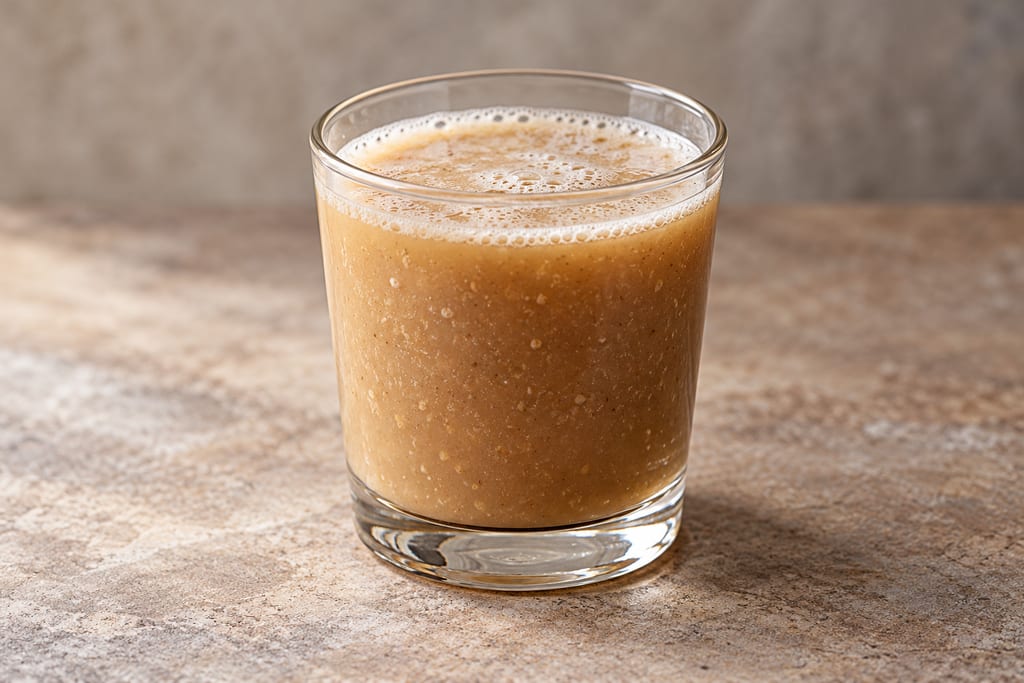
A thick, faintly fizzy Ethiopian cereal drink in which a wheat dough is fermented, roasted dark, then fermented a second time with barley malt into a drinkable slurry.

Hi-ire is the Japanese heat treatment of finished sake, about 65 °C, used to stop re-fermentation and souring. Brewers applied it from the Muromachi era.
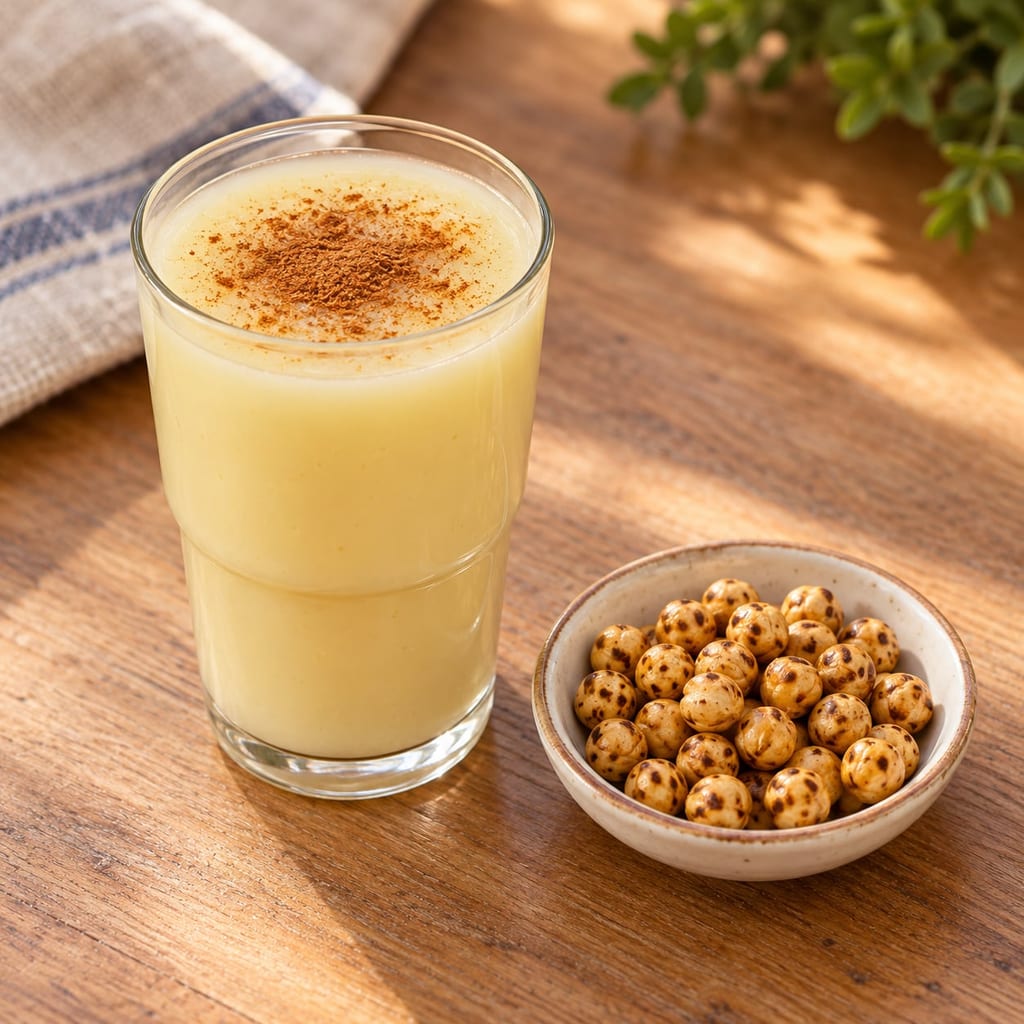
A thick, pale Turkish winter drink of bulgur and rice cooked to a soft cereal base, sweetened with grape molasses and fermented for two days.
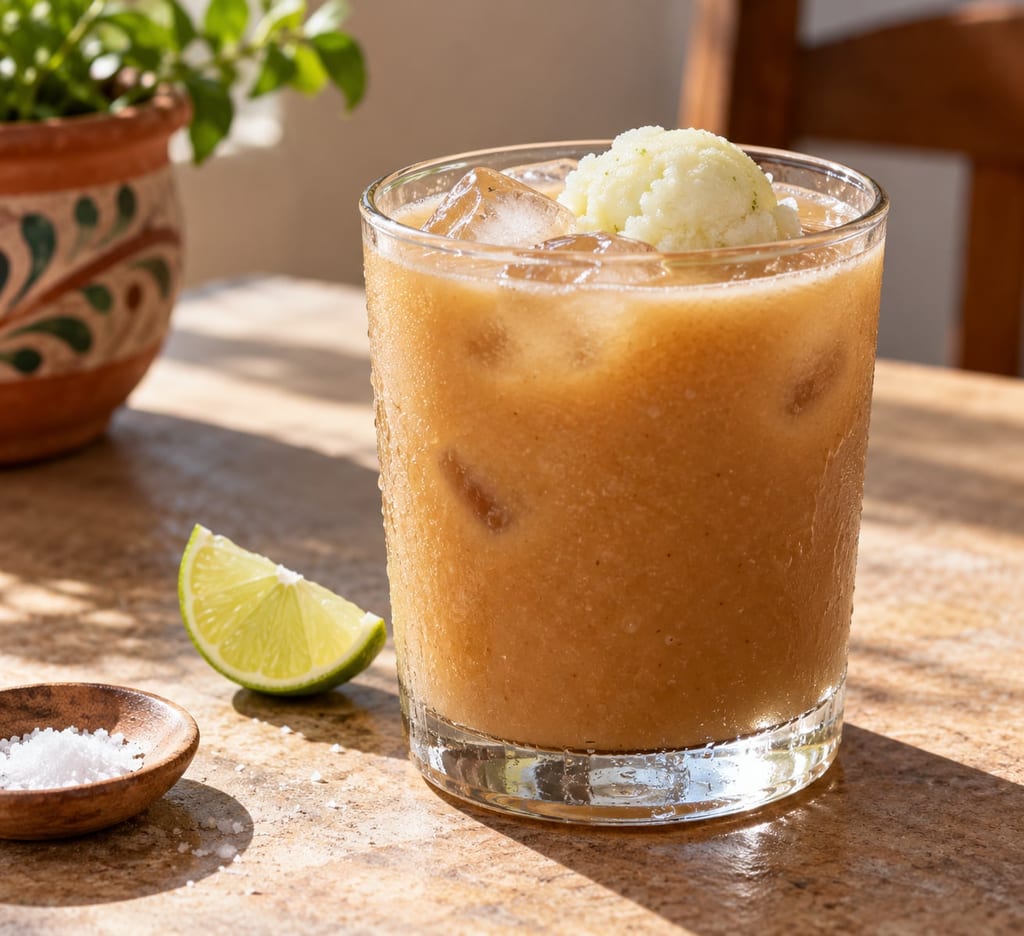
A tart, lightly fermented drink of Jalisco: nixtamalized maize masa cooked with piloncillo and limed, then diluted over ice and salted at serving.
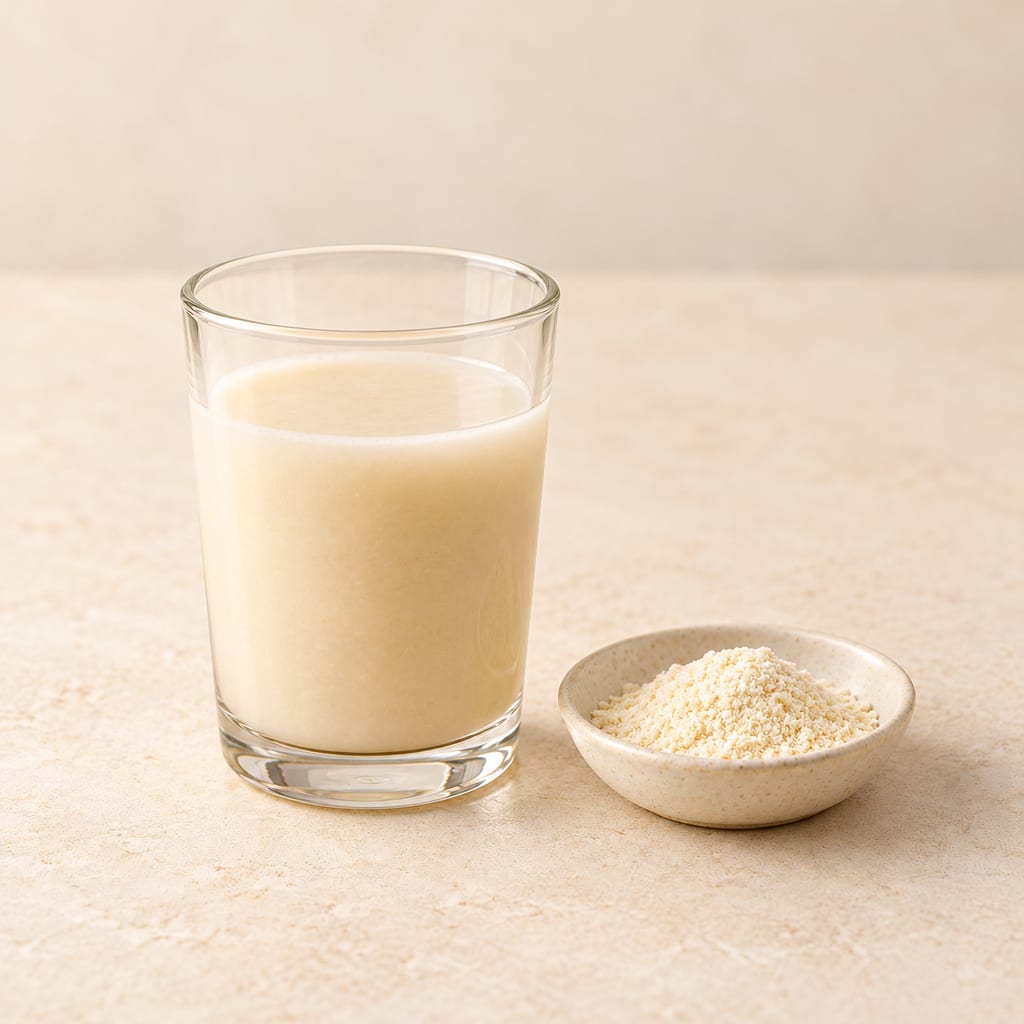
A Ugandan maize drink remade with a defined two-strain starter: roasted maize dough boiled to porridge, cooled and fermented under controlled conditions.
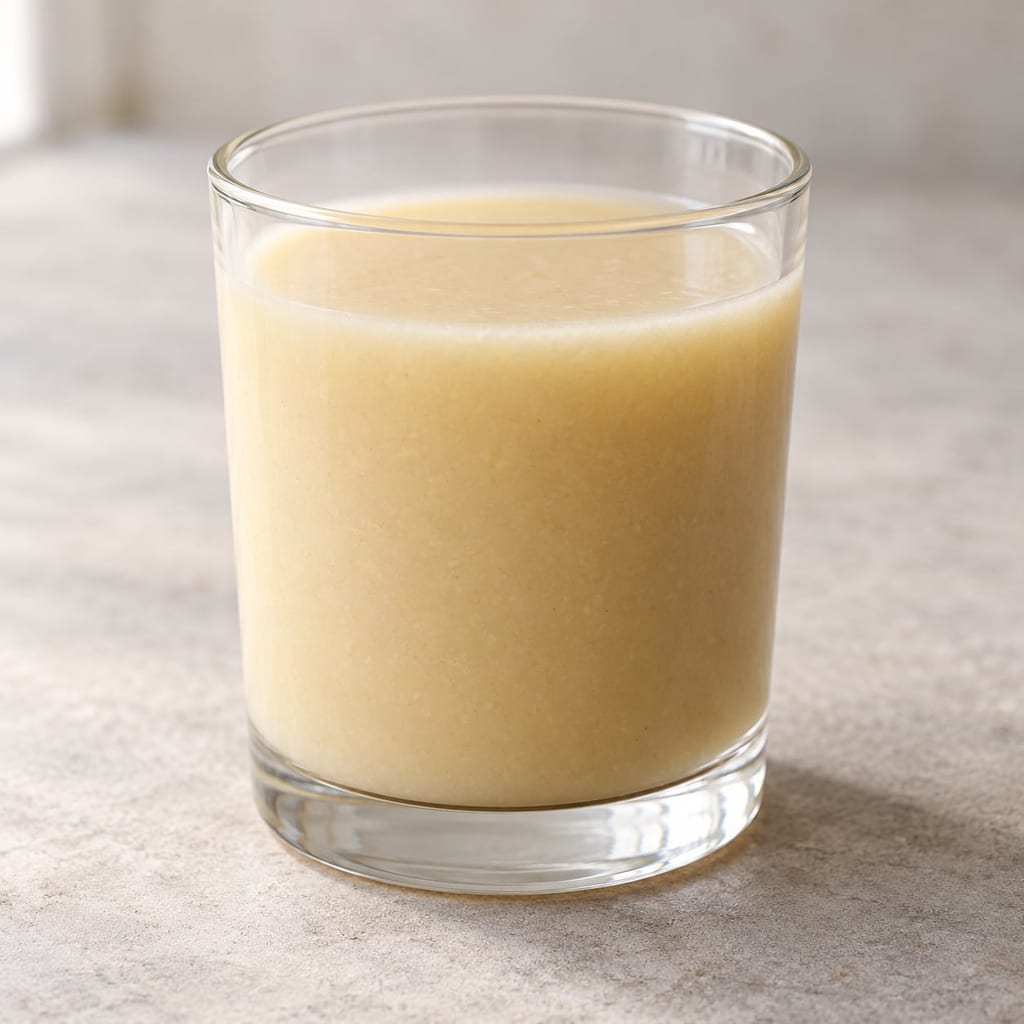
Kyrgyz Bozo is a mixed-fermented cereal drink made with ground grits, sprouted-wheat ugut and carried-over starter. This registry preparation leaves cereal selection, water and starter allocation unresolved.

A documentary entry on Latvian rye-bread kvass, preserved from a modern Latvian rye collection. It records a food tradition, not a home-fermentation method.
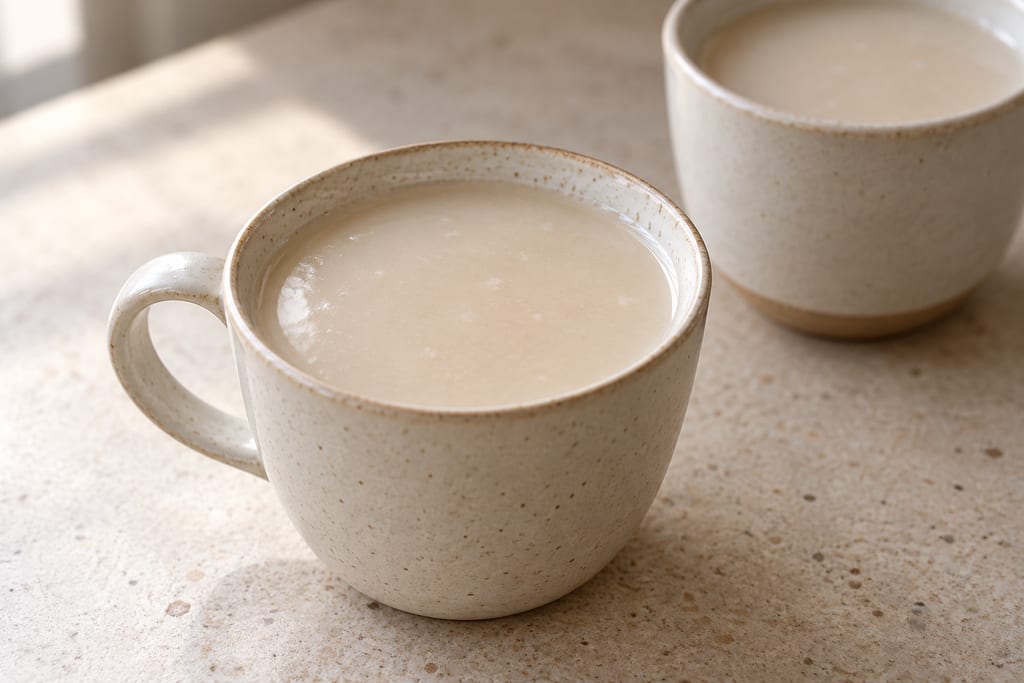
A documentary account of Zimbabwean mahewu and one producer's formula. Its quantities exceed the stated vessels, and research does not validate it as a safe home method.
No community contributions have been published for this entry yet.
Sign in to contribute. Published comments and photos are free to read.
FAO and Centre for Indigenous Peoples' Nutrition and Environment, chapter 13, pp. 221-233Ingredients · Method · History
Tasty tonoto and not-so-tasty tonoto: fostering traditional food culture among the Ainu people in the Saru River region, JapanBox 13.2: equal amounts of rice and egg millet cooked to porridge, cooled to skin temperature, mixed with malted rice in a keg, hot charcoal on top with a prayer to Apefuchi Kamuy, fermentation about two to three days in summer and a week in winter, first drop offered to the fire god.
Barnyard millet (piyapa) was the main grain in the past; sipsilep (egg millet) or munciro (foxtail millet) is added to rice to recover the old flavour; sticky egg millet (ritensipuskep) is usually used.
Women strain the tonoto and pray in thanks; the Biratori food-culture preservation group interviewed elders; the August 2006 boat-launching ceremony was celebrated with tonoto; local comment on leftovers.
Cited in: A grain drink made for the kamuy; Saru River and the changing grain base; What the grains and malt contribute; Following the recorded method; Ceremony, service and regional difference; What the record leaves open
Wikipedia (Japanese)History · Method
トノトShizunai (Hidaka) method: barnyard-millet porridge cooled to skin temperature, malted grain (kamutachi) kneaded in in equal amount, two embers and a prayer to Apefuchi, vessel wrapped in a mat, left one week to ten days with occasional stirring, then strained through a sieve the day before the ceremony.
Cites Hagiwara Mie and others, Kikigaki Ainu no shokuji (Nihon no shokuseikatsu zenshu 48), Nosangyoson Bunka Kyokai, 1992.
Food Standards Australia New ZealandSafety
Bacillus cereus in foodB. cereus spores and toxins may survive cooking; cooked starchy foods including rice are higher-risk; cool cooked food quickly in smaller portions. General handling guidance, not validation of a tonoto fermentation.
Cited in: Following the recorded method; What the record leaves open
Hokkaido Regional Agricultural Administration OfficeHistory · Image
アイヌの伝統料理 (Ainu traditional dishes)Official page identifies tonoto as a ceremonial offering and captions a photograph of a contemporary white liquid as tonoto. It does not identify the Saru recipe or its grain ratio.
Cited in: A grain drink made for the kamuy; Ceremony, service and regional difference
Hokkaido Digital MuseumHistory · Uses
Traditional Livelihood – Food / Clothing / HousingThe museum describes regional variation in Ainu foodways; grains were eaten as gruel and home-brewed liquor was made for festivities and rituals.
Cited in: Saru River and the changing grain base; Ceremony, service and regional difference
Journal of Ethnobiology and EthnomedicineHistory · Geography · Uses
Transmitting Ainu traditional food knowledge from mothers to their daughtersTable 2 identifies tonoto as an alcoholic beverage of rice and millet and an important offering at ceremonies; the Saru community research describes women's role in preparing food for communal events. Table 4 lists Ainu grain names and botanical names.
Cited in: Saru River and the changing grain base; Ceremony, service and regional difference; What the record leaves open
Journal of Industrial Microbiology and BiotechnologyTechnique · Science
Traditional healthful fermented products of JapanRice koji commonly supplies enzymes that saccharify starch; in sake, sugars released from rice starch are converted to alcohol by sake yeast. This general mechanism is not evidence of the specific cultures used in Saru tonoto.
Cited in: What the grains and malt contribute
Food Science & NutritionScience
Research advances on sake rice, koji, and sake yeast: A reviewIn Japanese sake production, rice koji supplies hydrolytic enzymes that dissolve and decompose rice starch, proteins and fats; amylases release fermentable sugars. This is general evidence about rice koji and sake, not direct evidence of the culture used in tonoto.
Cited in: What the grains and malt contribute
Tanaka Sake Brewing Co.Variation · Method · Image
アイヌ民族伝統 “カムイトノト”The brewery's modern Kamuy Tonoto revival uses Hokkaido rice koji and yeast with millet; millet amazake is also added for body. The brewer says it was recreated through source research and trials with reference to the Shiraoi museum. It is a distinct modern formulation, not the Saru River FAO method.
National Ainu Museum / Ainu Culture FoundationIdentity · History
National Ainu Museum Ainu-language archive: tó noto (トノト)The Saru-dialect entry records tonoto as unstrained sake and also notes a broader contemporary use for alcoholic drinks generally; this is lexical context, not a process recipe.
The entry says tonoto was formerly made from millet, without resolving which species or identifying the FAO Saru recipe's malted-rice preparation.
Cited in: A grain drink made for the kamuy