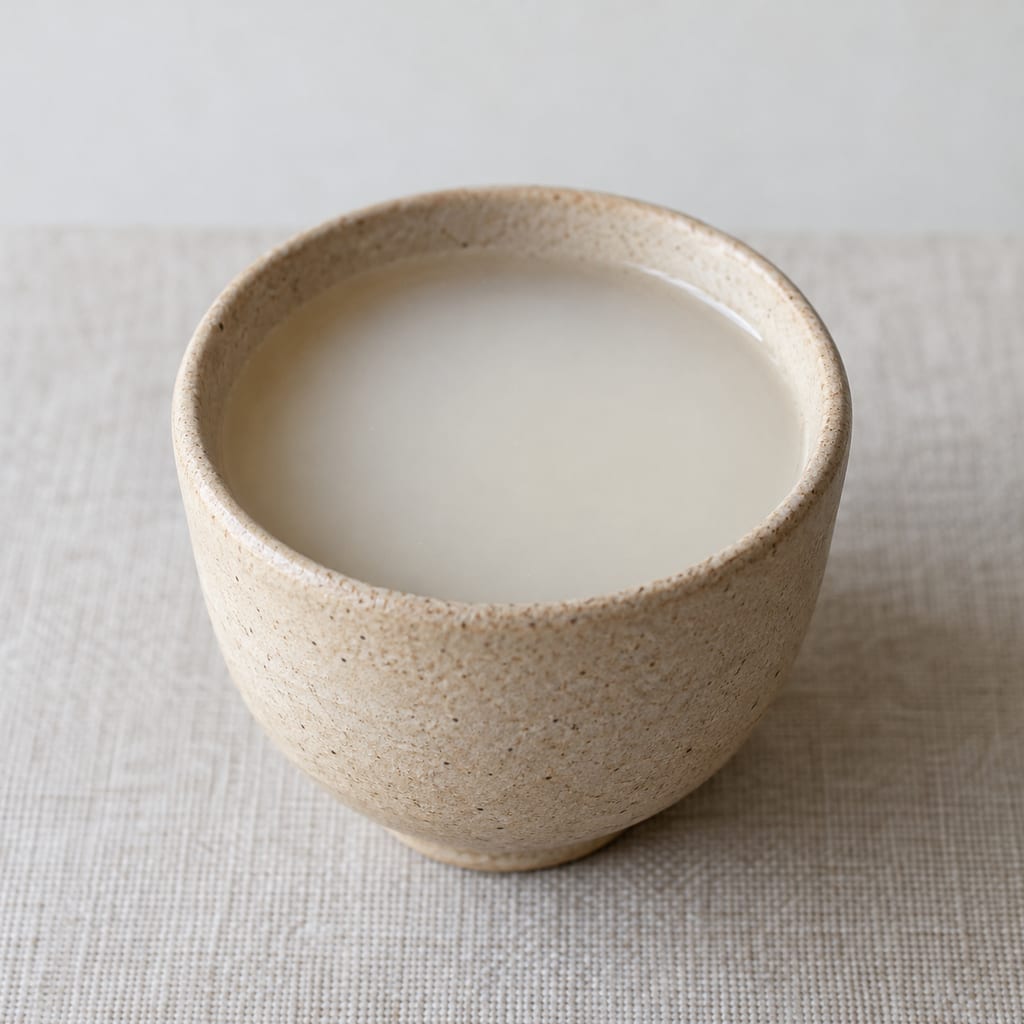
Saru-region rice and egg-millet tonoto
Tonoto is an Ainu ceremonial grain drink. This Saru River version ferments equal amounts of rice and egg millet with malted rice for about two to three days in summer or a week in winter.
 FermenteaWhere food goes to change
Historical attestation
トノト · tonoto · ashikoro
An Ainu grain drink for festivals and housewarmings, made by cooling cooked grain gruel, adding millet malt and holding it in a sake-making vessel.
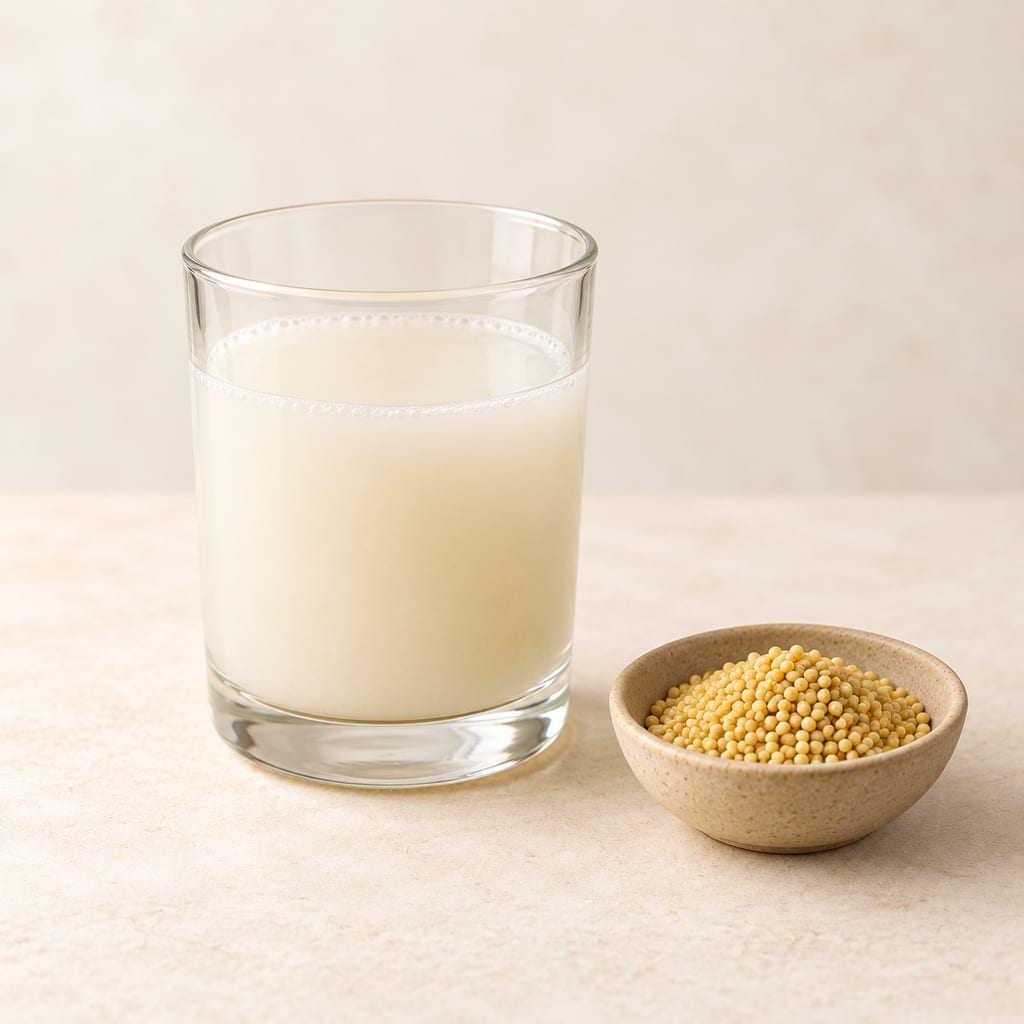
Tonoto appears in Yoshishige Hayashi's account of Ainu food as a home-made grain drink prepared for festivals and housewarmings. He also records the name ashikoro. His short description connects a domestic sequence with public occasions: grain is cooked into gruel, cooled, mixed with what the English text calls malt made from millet, and left before use.
Hayashi's investigation took place in Hokkaido between 1963 and 1967 and drew on twenty elders. Published in 1970, the paper preserves recollections and descriptions across food, meals and utensils. It is a window into remembered practice, rather than a date for tonoto's invention. Hayashi himself recognized that his coverage was incomplete.
The grain choices in his drink passage are water oats, millet and rice, with water oats associated with earlier practice. He does not say that all three went into one batch. The week-long holding period and the shorter interval when drink was wanted sooner belong to this particular account. They convey how preparation fitted an occasion, while leaving the exact batch and its fermentation conditions undescribed.
Tonoto belongs within an Ainu food economy that included cultivation as well as hunting, fishing and gathering. Hokkaido's institutional account of traditional livelihood describes grains used in daily gruel, steamed for festivals, made into dumplings and brewed into liquor. The same broad class of ingredient could therefore enter an ordinary meal or a ceremonial preparation.
That account also emphasizes regional differences. Coastal communities had different access to seafood from people living inland, and gathering supplied seasonal plants. A grain drink should not erase that wider range of foods, or suggest that every household's meals followed one pattern. Its place becomes clearer beside soups, stored fish, cultivated crops and gathered ingredients.
Grain form matters to the distinction between preparations. A steamed grain dish, a gruel and a drink begin with related materials but undergo different handling. The water and cooking used to make gruel establish a wet preparation that can subsequently be cooled and combined with another ingredient. Describing those choices gives tonoto a place within cooking knowledge, rather than treating it as an isolated ceremonial object with no relationship to everyday food work.
Cooking is already changing the grain before fermentation begins. Research on rice cooking describes starch gelatinization, the transformation of starch as grain is heated with water. Microscopic work has shown that this change can progress inward from the grain surface and from cracks formed during water immersion. An apparently simple grain thus contains regions changing at different rates.
Other rice-cooking experiments found that heating arrangements could produce different textures even when measured gelatinization was similar. Water uptake and the route taken through heating matter alongside whether the pot eventually boils. That helps explain why a food description's choice of gruel carries information about physical preparation.
These studies concern rice cooked under experimental conditions, not a laboratory reconstruction of Hayashi's tonoto. They provide vocabulary for the cooking stage, rather than a new water ratio or heating schedule. Gelatinization also should not be confused with alcoholic fermentation: one is a heat-and-water change in starch, while the later biological stage involves living organisms. Hayashi's account does not identify those organisms. Keeping the stages distinct allows the reader to understand what cooking accomplishes without assigning an unmeasured microbial community to the drink.
A later illustrated reconstruction from Shiraoi shows how much work can sit behind a short instruction to prepare grain drink. The Ainu cultural foundation's cooking manual describes an Iomante preparation using hie and koji, identified there as kamtachi. This is a separate documented method. Hayashi identifies millet as his malt substrate but does not describe its preparation or organisms.
The grain is cooked as porridge, spread out to cool, mixed thoroughly with koji and transferred to a barrel. Mats, a blanket and cord form part of the vessel's covering. Inspection and stirring occur before the drink is strained on the day before the ceremony. A sieve supported above another vessel receives the mash, and the worker presses and rubs it through by hand.
Straining divides the preparation into liquid tonoto and the retained grain material, shirari. It is a physical separation, not another fermentation. The manual gives both portions a ceremonial role. Its images and sequence make cooling, mixing, covering and separating intelligible as different kinds of work. This method identifies its koji; Hayashi identifies malt made from millet without describing how it was prepared or which organisms it contained.
The accompanying ritual manual places the drink within a larger undertaking. It draws on Iomante events documented by the Ainu Museum, particularly a recorded reconstruction, and explicitly recognizes differences among regions and officiants. Food preparation and the making and placement of ritual objects are parts of an organized gathering.
In its described sequence, grain residue and drink are offered in prayer before the cup passes through the assembled people. Elders receive drink, followed by women who make offerings and drink themselves. These actions give the prepared liquid a social route as well as a path from cooking vessel to cup. The occasion determines who handles it, when it is presented and how it is shared.
This account also shows why a brewing timetable cannot be understood only as elapsed fermentation time. The drink is prepared for an event with other tasks and participants waiting on it. Straining has a place in that sequence. These reconstructions were intended to transmit this ceremonial knowledge to younger people.
The Hokkaido agricultural administration's account of Ainu traditional foods describes tonoto in connection with kamuy-nomi, prayers to kamuy, and icharupa, ancestral observances. Its discussion recognizes regional variation and was checked with a representative of the Sapporo Ainu Association. The drink enters relationships with spiritual beings and ancestors as well as with the people who consume it.
Women have a prominent brewing role in this account. Preparation includes prayers to Apefuchi Kamuy, the fire deity, asking that the drink develop well. That combination of work and prayer cannot be represented adequately by a list of ingredients alone. The maker's responsibilities include a cultural understanding of the preparation, rather than only the manipulation of grain and water.
The strained solids, shirari, also receive attention as offerings. Calling them merely discarded waste would miss their use. A separation that looks like an ordinary kitchen operation produces two materials with places in the occasion. Straining brings an act of gratitude together with the practical work of making a drink that can be served.
A serving display interpreted by the Japan Tourism Agency distinguishes three tools: an etonupu pitcher, a kasup ladle and a tuki drinking cup. Tonoto moves from its storage container into the pitcher, through the ladle and into the smaller cup used by a participant.
That sequence separates storing a batch from portioning it for people. A large brewing or storage vessel is not the same object as the cup at a gathering, and a ladle does different work from the sieve that removes grain solids. Names for the tools preserve these distinctions. These names belong to the display's particular interpretation of serving practice.
The Ainu Museum’s 2016 account of preparing a contemporary Kotan-nomi describes tonoto as a cloudy drink, distinct in that setting from clear Japanese sake. Rice, hie and awa appear among its materials. The explanation connects the growing use of rice with its availability and cost, rather than presenting one grain as an eternal requirement.
The museum's preparations include cooking and cooling grain, combining it with koji, and straining before the gathering. Its discussion also distinguishes a ceremony for which drink is brewed from occasions when purchased clear sake may be used. The name of an offering therefore does not by itself reveal what was made in a household or how its grain was processed.
The museum explains a particular contemporary practice. Its cloudy drink is a useful comparison, while Hayashi supplies no flavour description. Differences between home preparation, a museum ceremony and purchased sake also show how an occasion can continue while its materials and arrangements change.
In the Saru River region, a community food project joined cooking with the transmission of knowledge. Masami Iwasaki-Goodman's account describes Ainu participants interviewing elders, preparing food for ceremonies and teaching others. When members took turns straining tonoto, they also learned the accompanying prayer. Technique and cultural knowledge were taught through the same task.
The chapter gives a separate preparation using rice and egg millet with malted rice. Its combination belongs to that Saru account and should remain distinct from the alternatives in Hayashi's description. The comparison shows that continuity does not require every preparation to have identical ingredients.
The community's comments about taste are particularly revealing. Participants recognized differences between batches, wanting to take good tonoto home after a ceremony and declining less successful drink. Taste was something people learned to discuss and share through experience. The account does not reduce that judgement to a single sweetness or acidity target. It connects appreciation of the drink with renewed familiarity: cooking, serving and talking about it helped a community recover knowledge that a written formula alone could not transmit.
Tonoto also appears in the cultural foundation's manual for Pekkamuinomi, a river ceremony welcoming salmon. The documented sequence moves between an indoor gathering and the river mouth. Drink, grain residue and serving vessels are prepared alongside the objects used in prayer. This places tonoto in a different ceremonial setting from the bear-spirit-sending preparation.
Inside, the manual describes people opening the storage vessel, mixing the drink and transferring it with a ladle to a pouring vessel. The tools then participate in an ordered exchange among people making offerings. Stirring at this stage belongs to serving the prepared drink; it should not be mistaken for a new fermentation instruction.
The wider ceremony connects the river, the home and ancestors. Grain drink is one material carried through those relationships, alongside the food and objects particular to the occasion. The manual's detailed arrangements document a specific community event rather than a rule for all Ainu ceremonies. Its value for understanding tonoto is that it shows the drink in use: handled, portioned and offered in a shared sequence, rather than photographed alone in a bowl.
Tanaka Shuzo's Kamuy Tonoto offers a clearly identified commercial comparison. The producer describes fermenting Hokkaido rice koji and yeast with hie, then adding hie amazake to give the drink more body. Its account of development includes consulting written materials, making repeated trials and checking the result in Shiraoi.
The producer describes a slightly yellow appearance, moderate sweetness and acidity, and a thick mouthfeel. Those sensory details belong to this named modern product. They provide something concrete to imagine when considering one contemporary interpretation, without becoming tasting notes for the drink recalled in Hayashi's interviews.
The amazake addition is especially useful to notice. In this formulation, the maker explicitly connects a later ingredient with body in the finished drink. Rice koji and yeast are named here. Hayashi instead describes malt made from millet, without identifying its preparation or organisms.
Tonoto is an Ainu grain drink associated with festivals and offerings. Yoshishige Hayashi’s 1970 account, based on a Hokkaido investigation from 1963 to 1967, records it under the names tonoto and ashikoro. It describes sake made from water oats, millet and rice, with water oats customary in earlier times, but does not define how those grains were paired in a batch. The drink was made for the Bear Festival, spring and autumn kamuinomi and housewarmings. These are the settings reported in the investigation, rather than an origin date or a single method shared by every Ainu community.
Scaling: source batch only
Rice and other starchy foods can contain spores that survive cooking; slow cooling can allow growth and toxin formation.
Hazard sourceCool cooked grain promptly in small portions instead of leaving it to cool slowly at room temperature.
Control sourceCooked grain can retain Bacillus cereus spores. Cool the gruel promptly before adding millet malt; reheating does not destroy toxin already formed.
Setting of the 1963–1967 field investigation; no particular village or birthplace is established for this account.
Tonoto is an Ainu ceremonial grain drink. This Saru River version ferments equal amounts of rice and egg millet with malted rice for about two to three days in summer or a week in winter.

Tonoto from Shizunai in Hidaka is made of barnyard millet alone: a firm porridge kneaded with an equal amount of malted grain in a sake vessel, warmed by two embers, and left a week to ten days.

Traditional Japanese sake yeast starters made from steamed rice, rice koji and water, acidified by naturally growing lactic acid bacteria. Kimoto grinds the rice mash with paddles; yamahai omits that step.
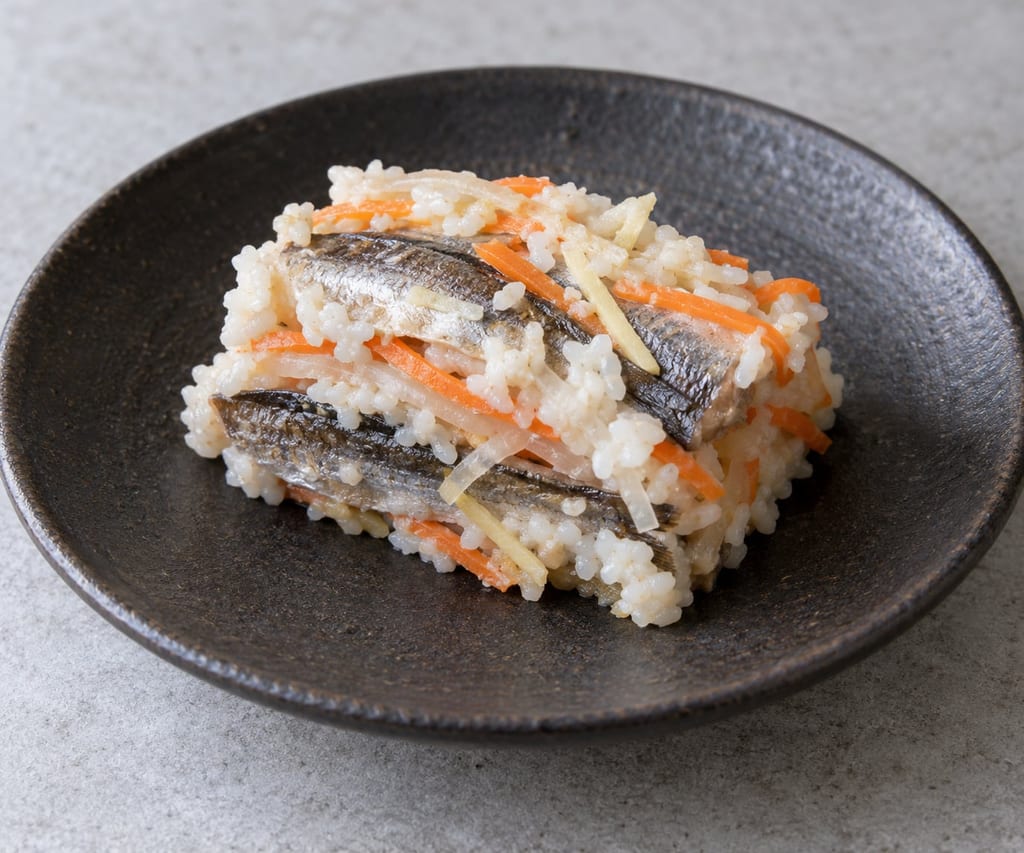
Hokkaido izushi layers fish, vegetables, rice and kōji for cold-season lactic fermentation. This MAFF recipe uses small hatahata with a vinegar pretreatment; it is one regional household formula, not a universal izushi method.
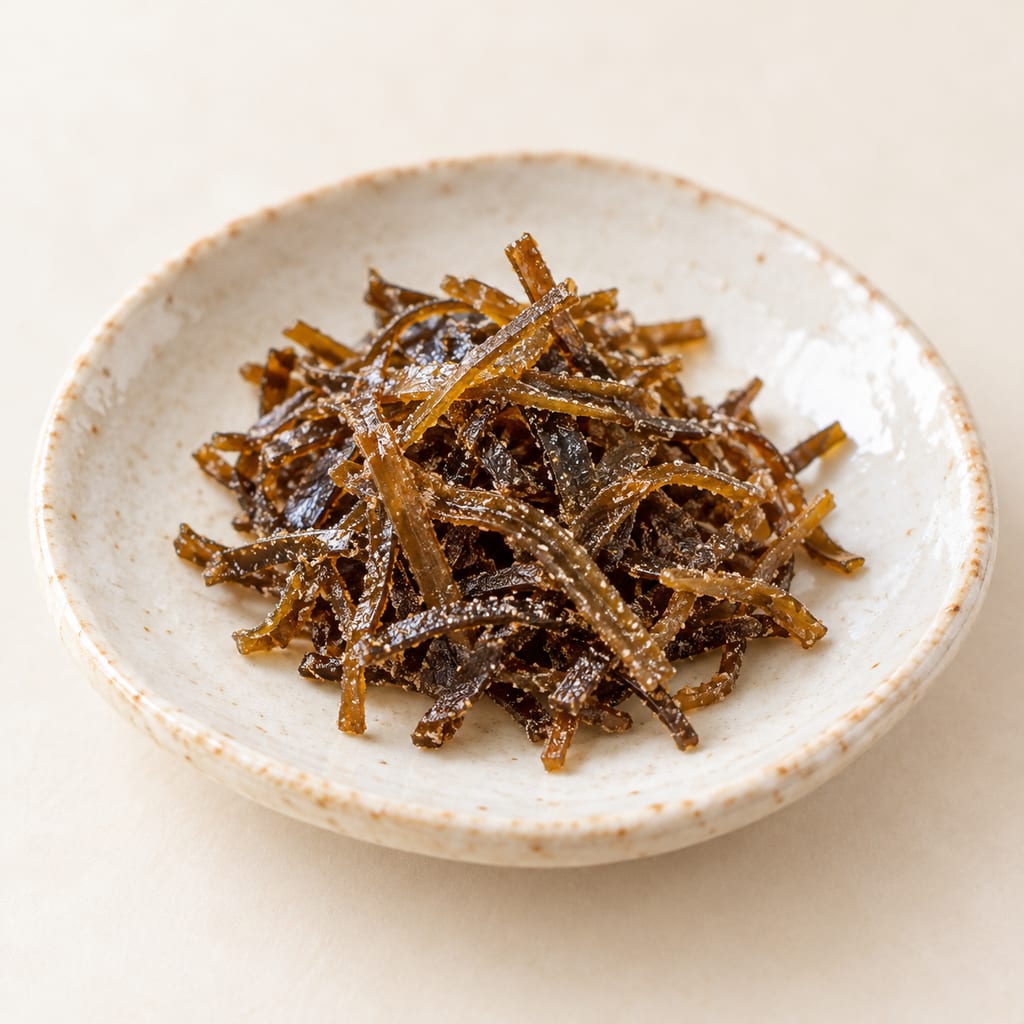
Japanese kelp simmered in soy sauce and seasonings, sometimes dried and salted, eaten with rice or used as an umami seasoning.
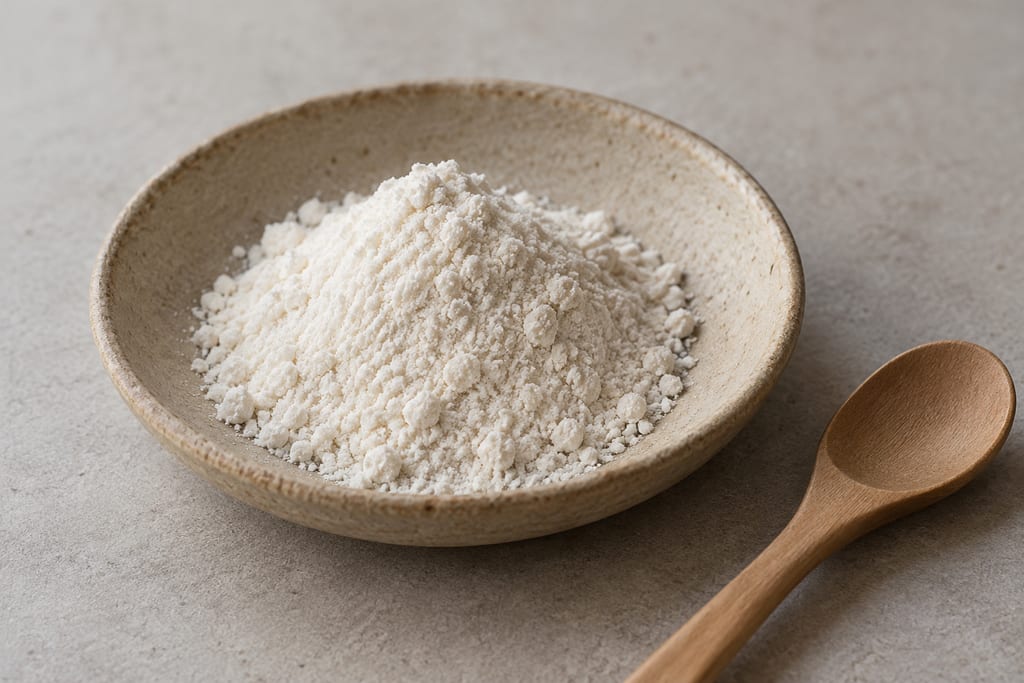
Starch released from giant woodland lily bulbs by pounding, washed out in water, settled and dried: the refined fraction of an Ainu process that also yields fermented cakes from the residue.

Vinegar made by fermenting the lactose of cheese whey to alcohol with a Kluyveromyces yeast and then to acetic acid; sold in Switzerland as Lactavinaigre from the 1950s.

A deep amber-red American ale brewed from pale, Munich, CaraVienne and chocolate malts, bittered with Columbus hops and finished with Amarillo.

A source-specific modern extract adaptation of Düsseldorf Altbier, with specialty malts, two hop additions and an ale yeast. It is distinct from a brewery's commercial Altbier process and from Kölsch.
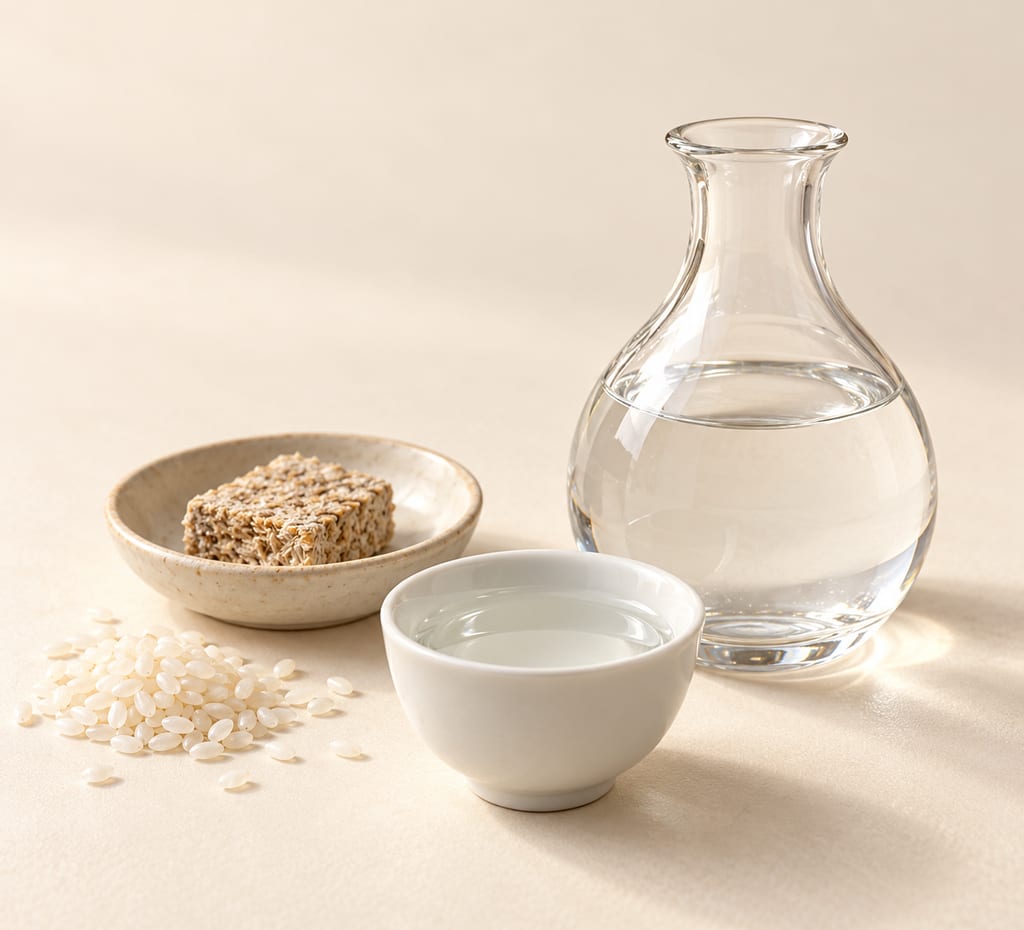
Andong soju is a rice spirit from North Gyeongsang, distilled from steamed rice and wheat nuruk. This method makes the starter before fermenting the rice mash in a jar.
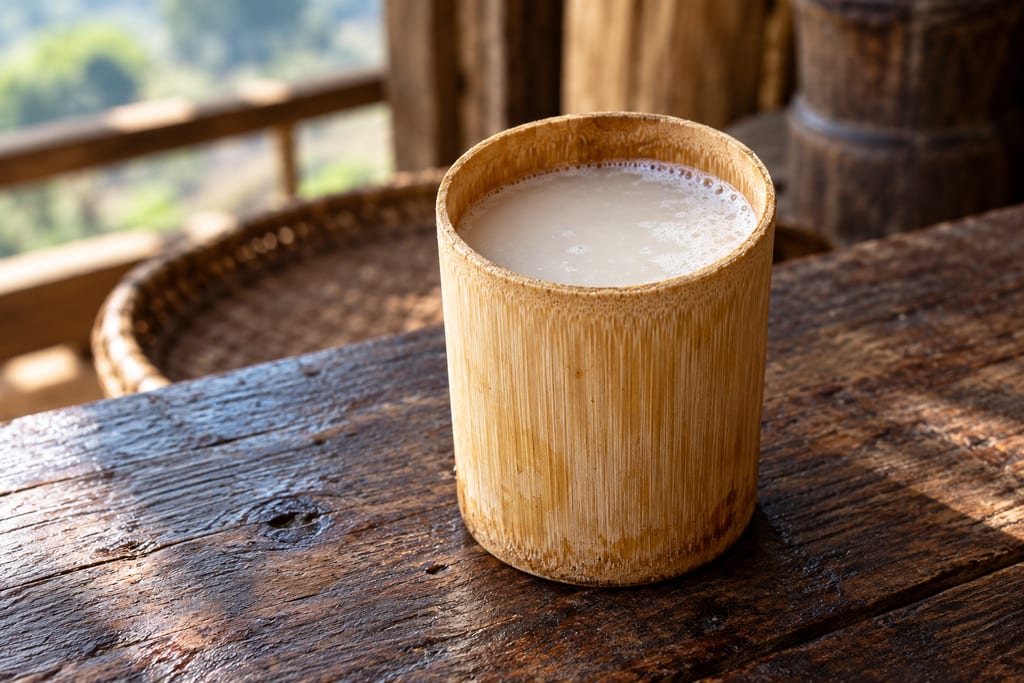
Angami rice beer from Nagaland. A surveyed method mixed cooked rice with piazu, fermented it for about four days in summer or a week in winter, then added water and filtered it. The starter ratio leaves the rice-weight basis unclear.
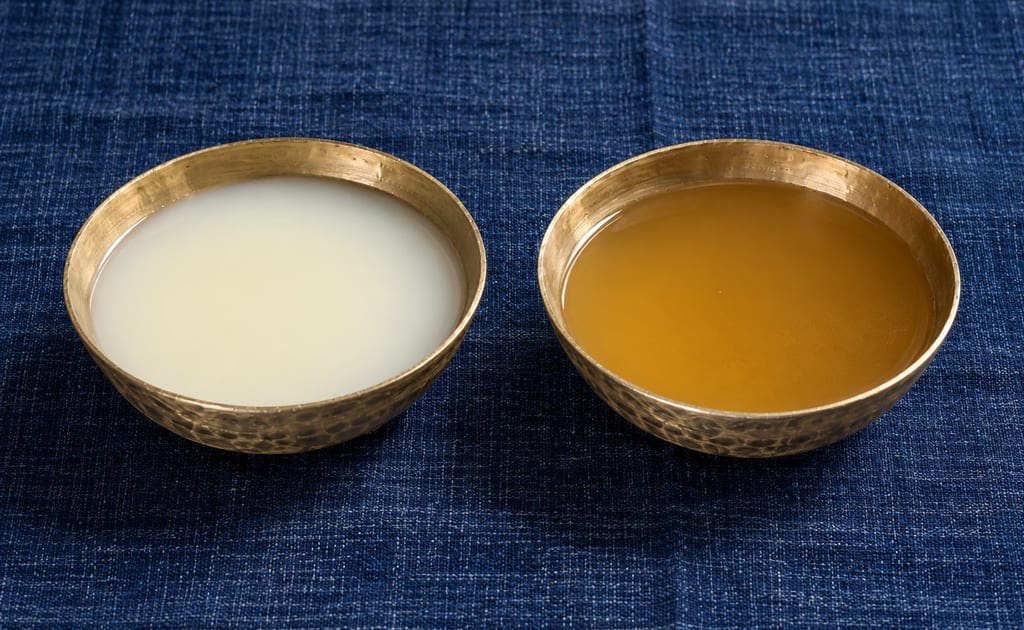
Apong names Mising rice beverages in Assam, including pale Nogin and ash-associated Po:ro. Sources describe distinct preparations and do not establish one unified household recipe or validated safety endpoint.
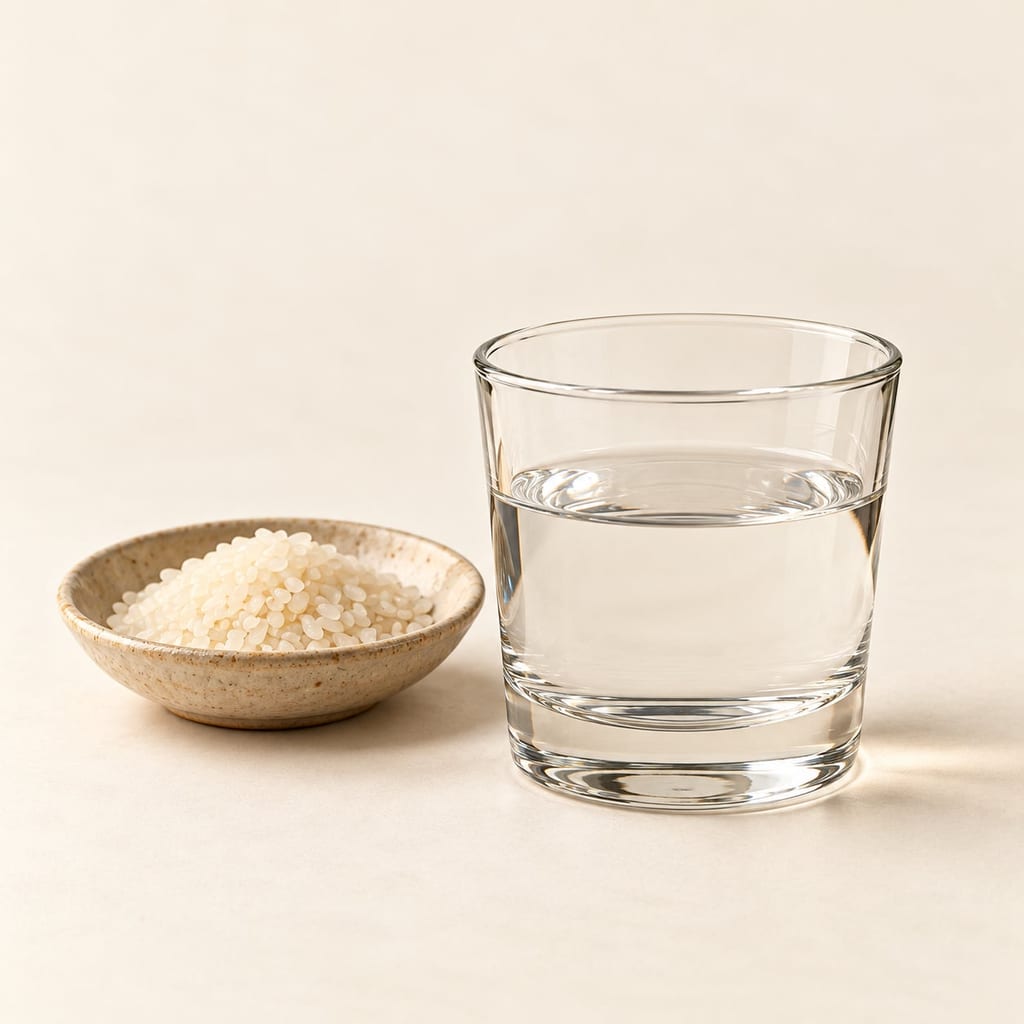
An Okinawan rice spirit made by turning all the rice into black koji, fermenting it with water and yeast, then pot-distilling and maturing the spirit.

This is a process overview, not a complete batch recipe: key quantities, yield and packaging directions are absent. The AHA tutorial uses Hop Hammer Imperial IPA as an example; this page is not that full formulation.
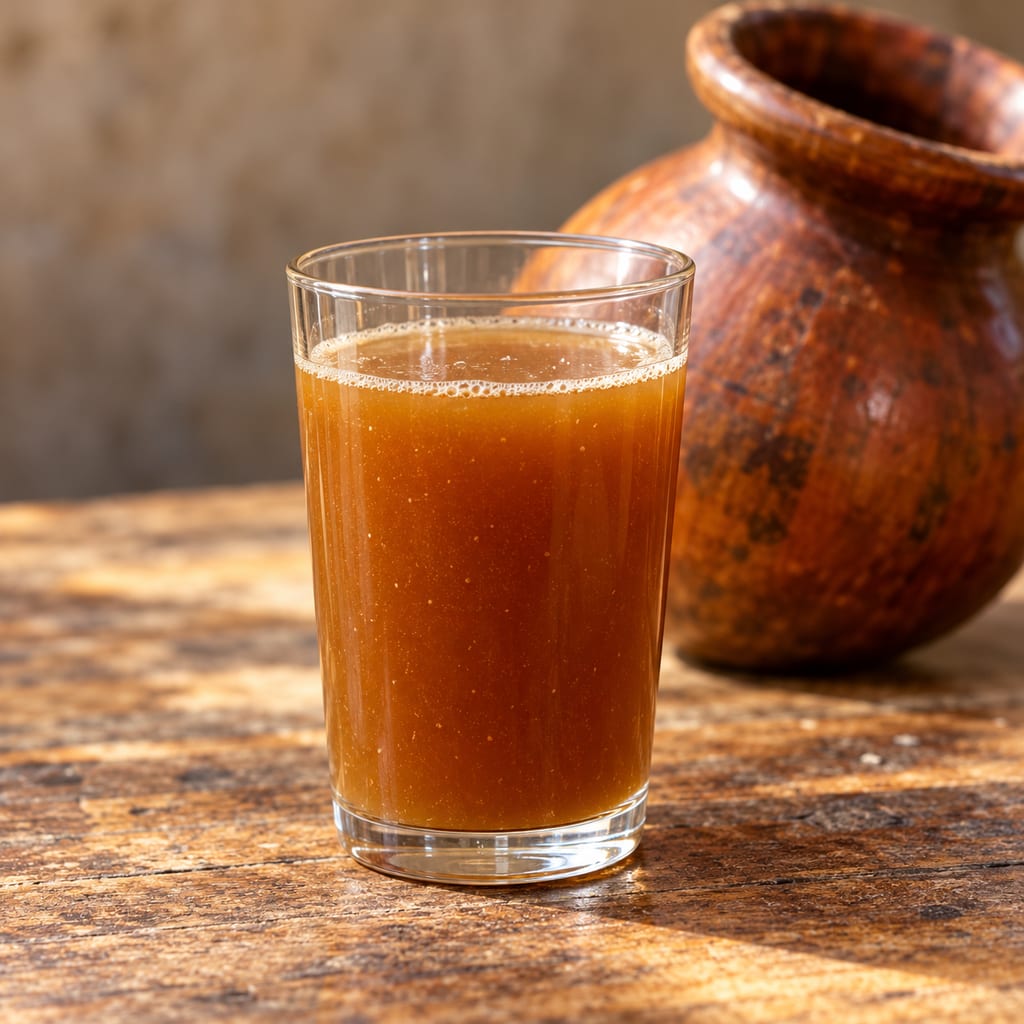
A darker Ethiopian maize tella, brewed from maize baked into a hot, dry kita pancake and then fermented in three stages with barley malt, gesho and water.
No community contributions have been published for this entry yet.
Sign in to contribute. Published comments and photos are free to read.
Hokudai Economic Papers 2:1–15; Hokkaido University HUSCAPIngredients · Method · History
Ainu FoodPreface, printed p. 2: investigation in Hokkaido during 1963–1967, drawing on twenty elders, with acknowledged limits; published in 1970.
Printed p. 12: tonoto or ashikoro; water oats, millet and rice, with earlier water-oat use; gruel cooled before millet-made malt; sakekarashintoko; one week or two to three days when needed sooner; festival and housewarming uses. No grain pairing, quantities or culture identity.
Cited in: A grain drink made for gathering
Ministry of Agriculture, Forestry and Fisheries, Hokkaido Regional Agricultural Administration OfficeNames · History
アイヌの伝統料理Japanese name トノト and contemporary institutional description of its ceremonial use. The page notes variation among places; it does not supply Hayashi’s recipe.
Regional account of women brewing, Apefuchi Kamuy prayers, tonoto and shirari offerings, kamuy-nomi and icharupa.
Cited in: Making an offering includes the grain left behind
New Zealand Ministry for Primary IndustriesSafety
Bacillus cereus bacteria in rice and other starchy foodSpores in cooked rice and starchy foods; slow cooling permits growth and toxin formation; use smaller portions for rapid cooling; further cooking does not destroy toxin. General grain-handling guidance, not validation of tonoto fermentation.
Hokkaido Digital Museum
Traditional Livelihood – Food / Clothing / HousingCultivation within hunting/fishing/gathering economy; grain gruel, steamed grains, dumplings, liquor and ceremonial food; regional differences.
Cited in: Cultivated grain among fish, game and gathered plants
Nippon Shokuhin Kogyo Gakkaishi32(11),797–803
Degree of Gelatinization of Starch during the Cooking Process of RiceWater uptake and heating route affect rice texture; similar gelatinization readings can accompany different texture.
Cited in: What cooking changes before fermentation
Journal of Cookery Science of Japan34(4),396–398
Visualizing the Progress of Starch Gelatinization in a Rice Grain during CookingMicroscopy shows gelatinization progressing from rice grain surface and water-formed cracks.
Cited in: What cooking changes before fermentation
Foundation for Research and Promotion of Ainu Culture
アイヌ生活文化再現マニュアル イオマンテ 熊の霊送り【料理編】Separate Shiraoi hie/koji preparation, cooling/mixing/covering/inspection/straining; liquid tonoto and retained shirari.
Cited in: A Shiraoi preparation gives the stages visible form
Foundation for Research and Promotion of Ainu Culture
アイヌ生活文化再現マニュアル イオマンテ 熊の霊送り【儀礼編】Particular reconstructed Iomante service sequence, offerings, elders and women, transmission purpose and explicit variation.
Cited in: Preparing drink within the ceremony's timetable
Japan Tourism Agency
Etonupu (Pitcher), Tuki (Alcohol Cup), and Kasup (Ladle)Interpretive display sequence from storage through etonupu pitcher and kasup ladle to tuki cup.
Cited in: From storage vessel to cup
Ainu Museum / Monthly Siror
《儀式見学の予備知識4》儀式の日程と順序⑴開式までContemporary museum Kotan-nomi, cloudy tonoto, rice/hie/awa, grain availability, koji preparation and contrast with purchased clear sake.
Cited in: A cloudy drink in museum practice
FAO/CINE, Indigenous Peoples’ Food Systems and Well-being,221–233
Tasty tonoto and not-so-tasty tonoto: fostering traditional food culture among the Ainu people in the Saru River region, JapanSaru-region food transmission, rice/egg-millet/malted-rice comparison, straining and prayer teaching, community taste judgements.
Cited in: Learning to recognize a good batch
Foundation for Research and Promotion of Ainu Culture
アイヌ生活文化再現マニュアル ペッカムイノミ【川神祭り―新しいサケを迎える儀礼】Particular Noboribetsu salmon ceremony; indoor/river settings, tonoto/shirari, serving stir and vessel transfers; no conflicting event year asserted.
Cited in: Tonoto beside the returning salmon
Tanaka Shuzo
アイヌ民族伝統「カムイトノト」Modern producer rice-koji/yeast/hie fermentation with hie-amazake addition for body; product-specific yellow hue, acidity/sweetness/thick mouthfeel; development trials.
Cited in: A modern bottled interpretation