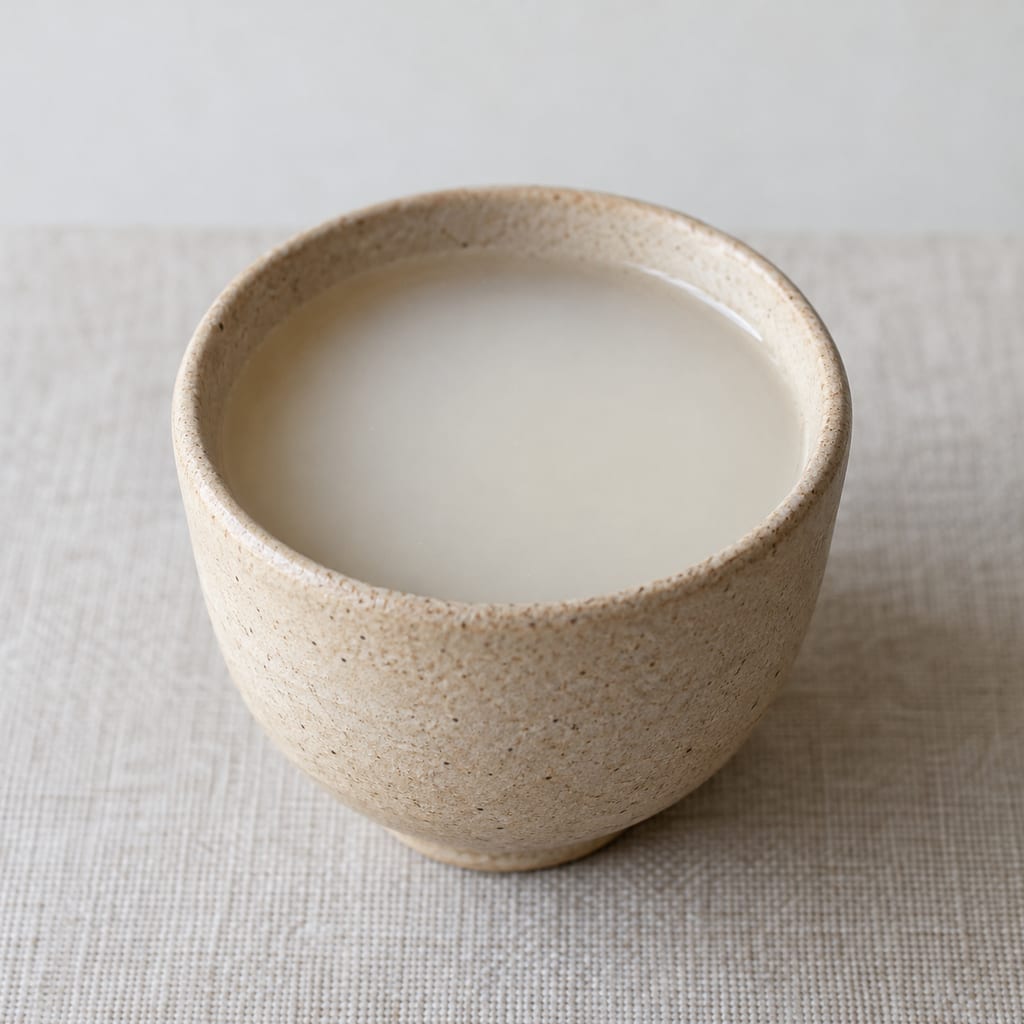
Saru-region rice and egg-millet tonoto
Tonoto is an Ainu ceremonial grain drink. This Saru River version ferments equal amounts of rice and egg millet with malted rice for about two to three days in summer or a week in winter.
 FermenteaWhere food goes to change
Traditional method
トノト (tonoto)
Tonoto from Shizunai in Hidaka is made of barnyard millet alone: a firm porridge kneaded with an equal amount of malted grain in a sake vessel, warmed by two embers, and left a week to ten days.

Tonoto is the Ainu drink offered to the kamuy at ceremonies such as the kamuy nomi and the icharpa, and barnyard millet, piyapa, is its proper grain, though other grains such as foxtail millet are sometimes used. The brewing described here is that of the Shizunai district of Hidaka, set down in a book of Ainu food recorded from elders (Hagiwara Mie and others, Kikigaki Ainu no shokuji, 1992). It is the all-millet method: the porridge is firm, an equal weight of malted grain goes in, two embers from the hearth are added with a prayer to Apefuchi, the fire goddess, and the vessel is wrapped in a mat for a week to ten days before the mash is strained the day before the ceremony. The Saru River region's version, from Biratori, uses rice and egg millet in equal parts and ferments in two to three days in summer and about a week in winter.
Scaling: source batch only
The method is set down for the Shizunai district of Hidaka; no claim of origin is made.
Tonoto is an Ainu ceremonial grain drink. This Saru River version ferments equal amounts of rice and egg millet with malted rice for about two to three days in summer or a week in winter.
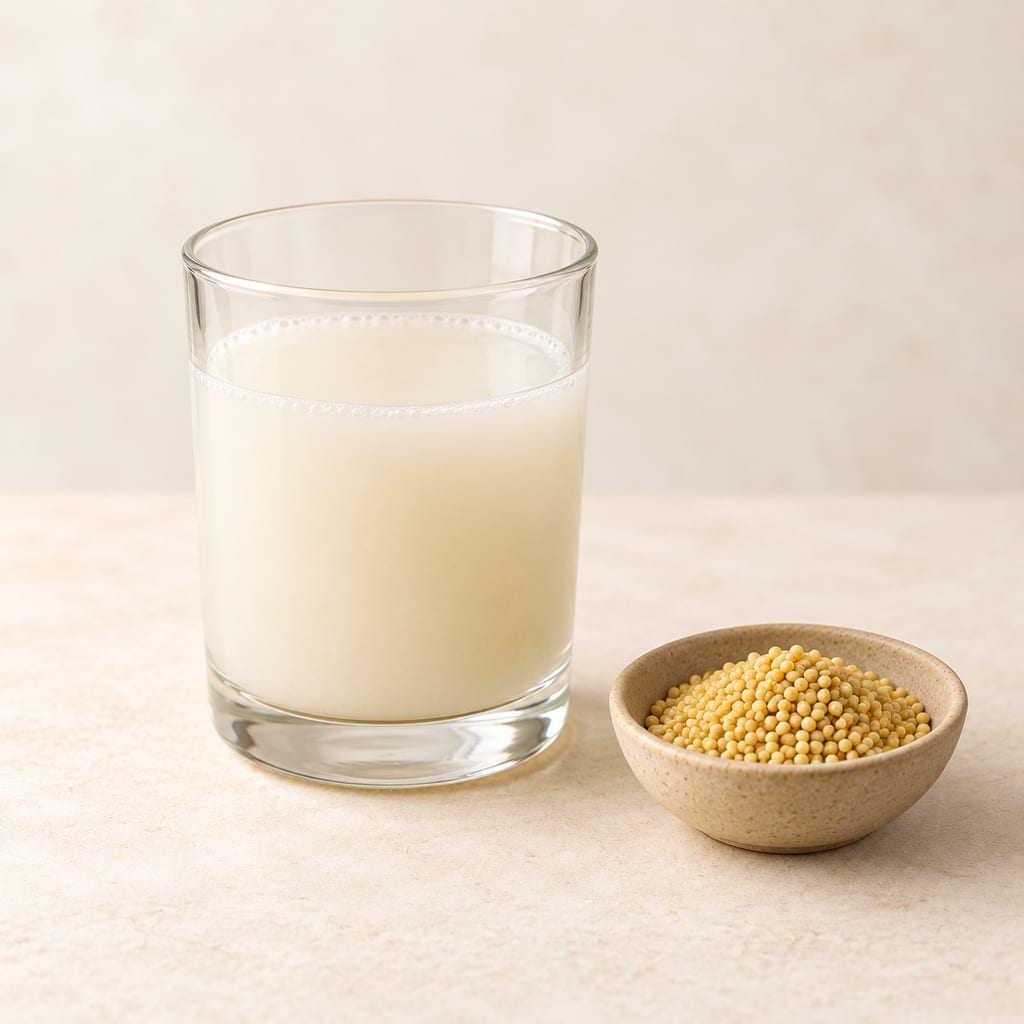
An Ainu grain drink for festivals and housewarmings, made by cooling cooked grain gruel, adding millet malt and holding it in a sake-making vessel.

Traditional Japanese sake yeast starters made from steamed rice, rice koji and water, acidified by naturally growing lactic acid bacteria. Kimoto grinds the rice mash with paddles; yamahai omits that step.
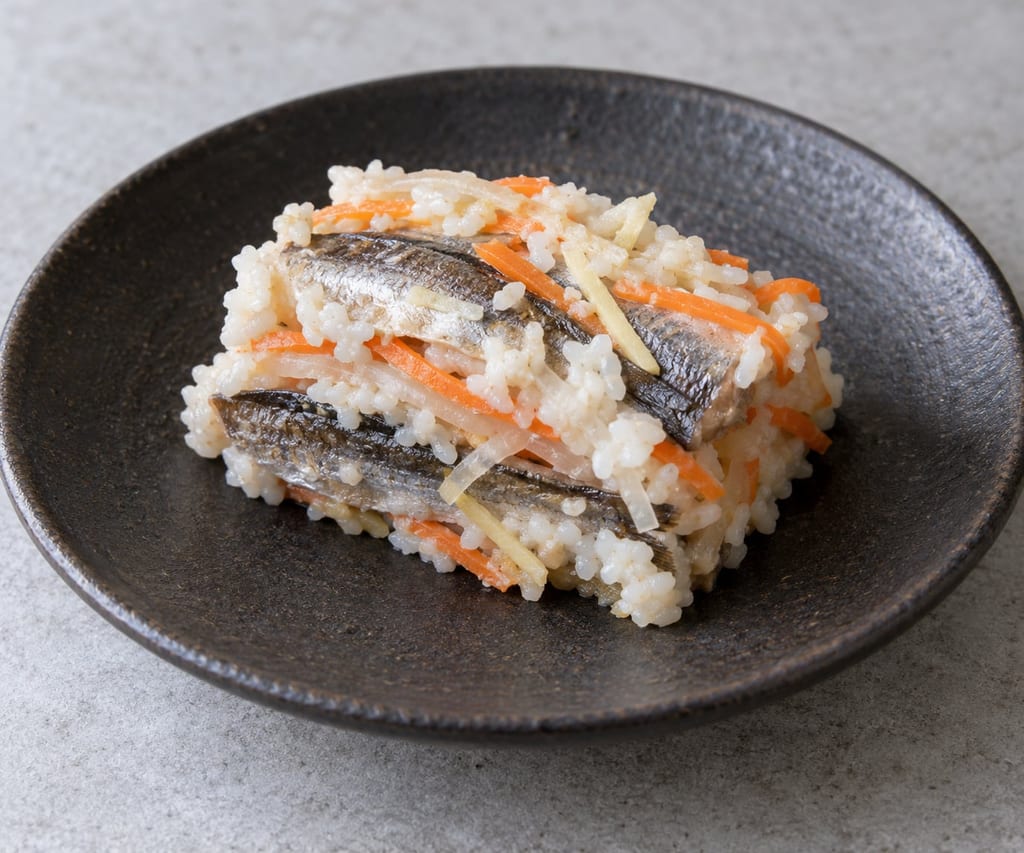
Hokkaido izushi layers fish, vegetables, rice and kōji for cold-season lactic fermentation. This MAFF recipe uses small hatahata with a vinegar pretreatment; it is one regional household formula, not a universal izushi method.
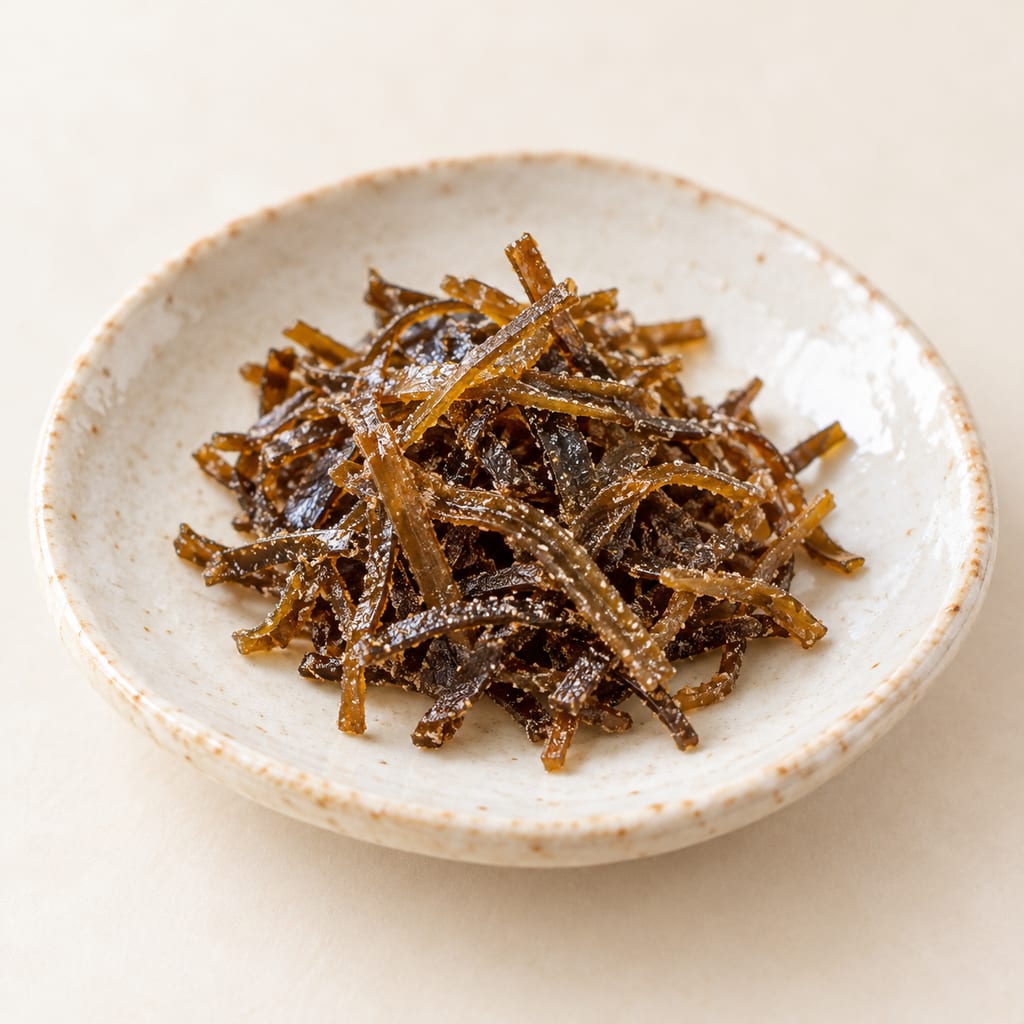
Japanese kelp simmered in soy sauce and seasonings, sometimes dried and salted, eaten with rice or used as an umami seasoning.
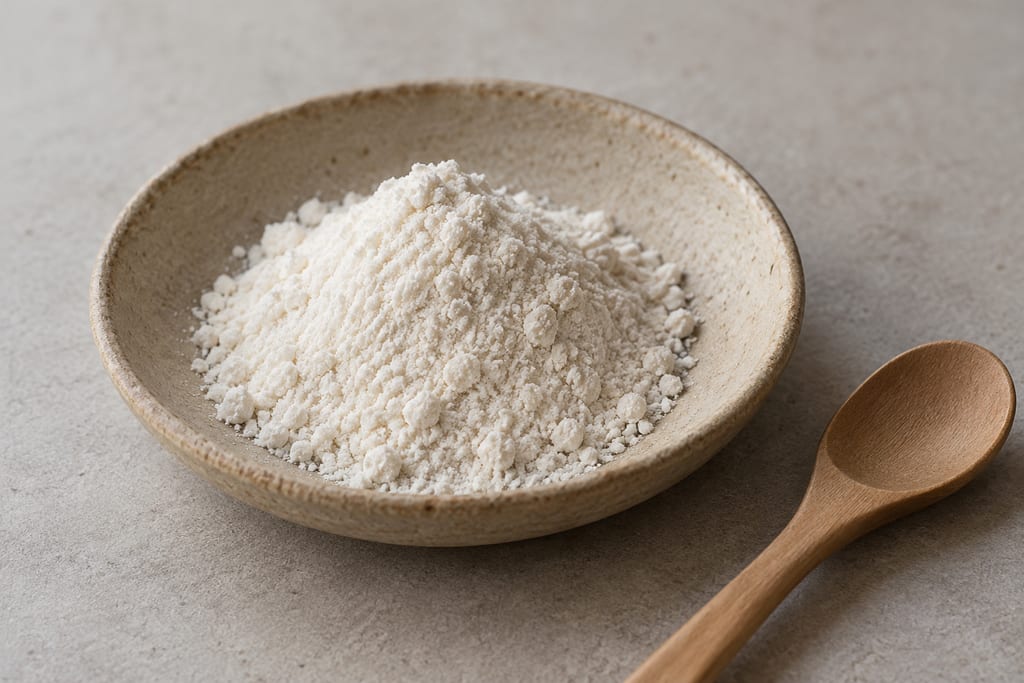
Starch released from giant woodland lily bulbs by pounding, washed out in water, settled and dried: the refined fraction of an Ainu process that also yields fermented cakes from the residue.

Vinegar made by fermenting the lactose of cheese whey to alcohol with a Kluyveromyces yeast and then to acetic acid; sold in Switzerland as Lactavinaigre from the 1950s.

A deep amber-red American ale brewed from pale, Munich, CaraVienne and chocolate malts, bittered with Columbus hops and finished with Amarillo.

A source-specific modern extract adaptation of Düsseldorf Altbier, with specialty malts, two hop additions and an ale yeast. It is distinct from a brewery's commercial Altbier process and from Kölsch.
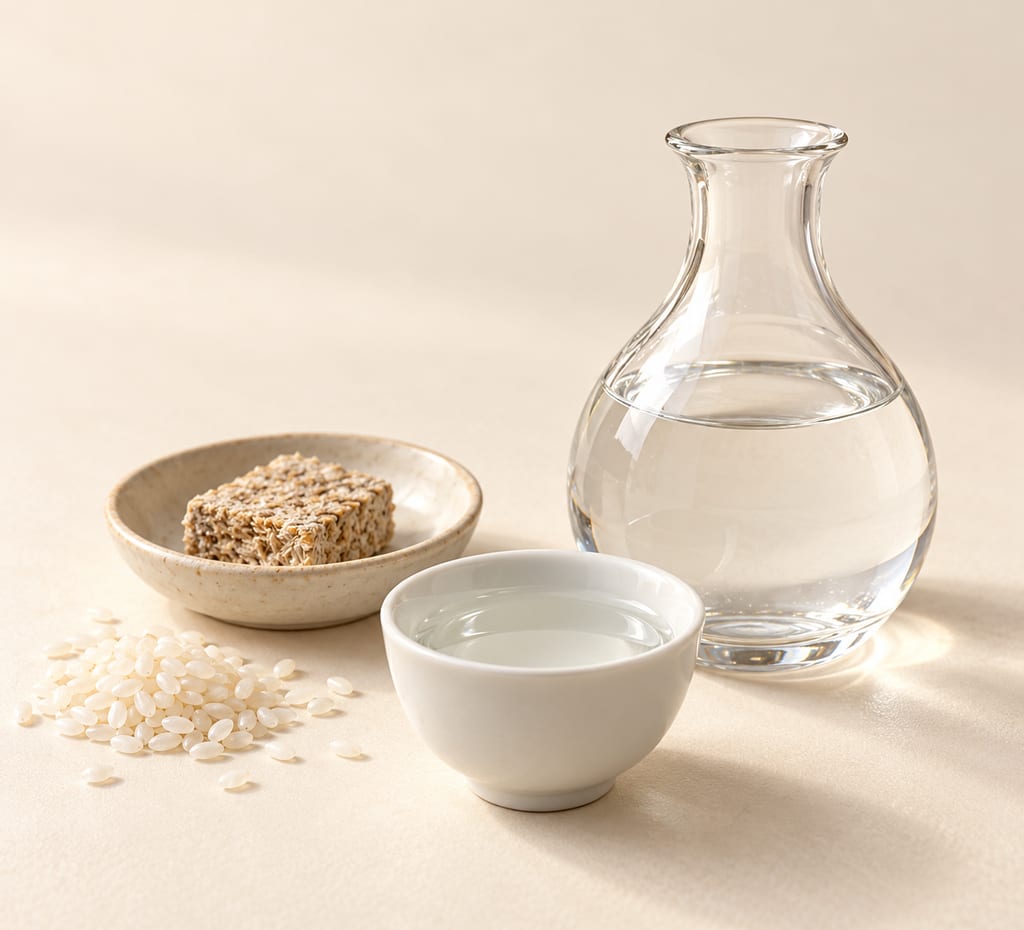
Andong soju is a rice spirit from North Gyeongsang, distilled from steamed rice and wheat nuruk. This method makes the starter before fermenting the rice mash in a jar.
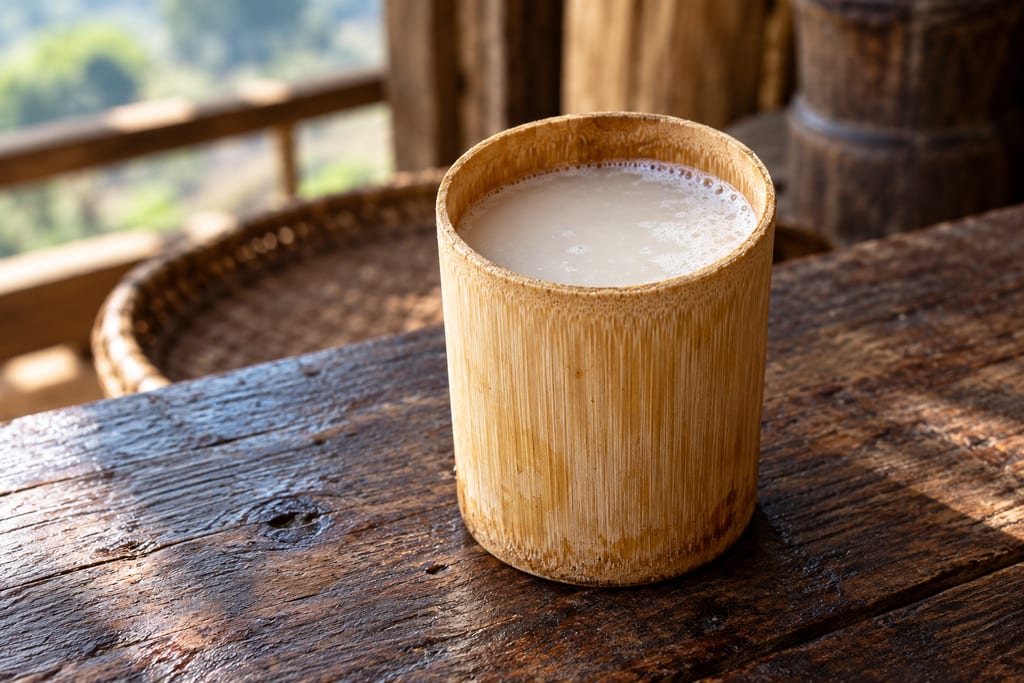
Angami rice beer from Nagaland. A surveyed method mixed cooked rice with piazu, fermented it for about four days in summer or a week in winter, then added water and filtered it. The starter ratio leaves the rice-weight basis unclear.
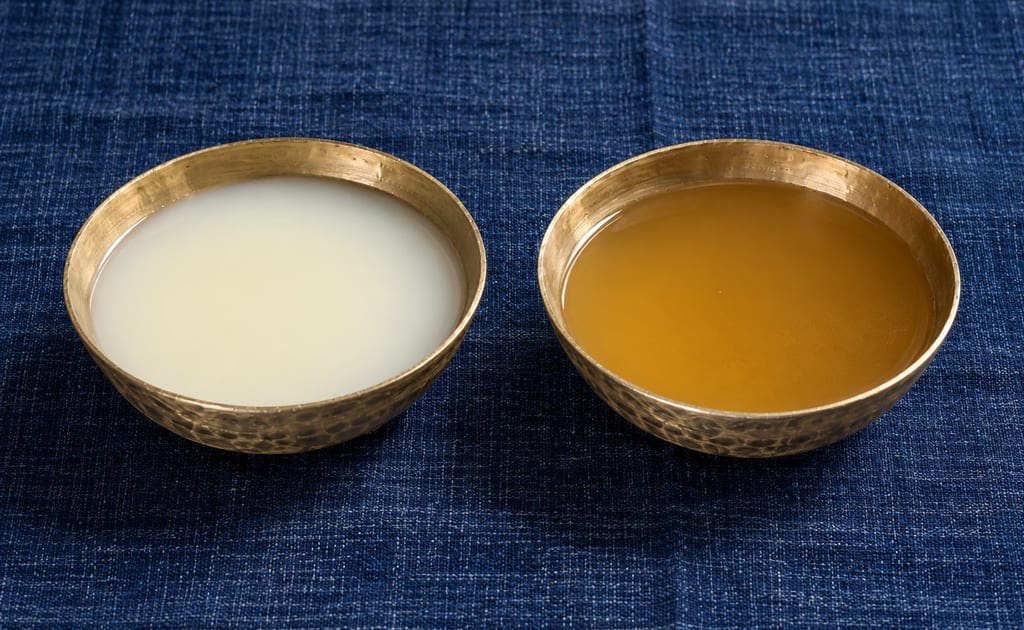
Apong names Mising rice beverages in Assam, including pale Nogin and ash-associated Po:ro. Sources describe distinct preparations and do not establish one unified household recipe or validated safety endpoint.
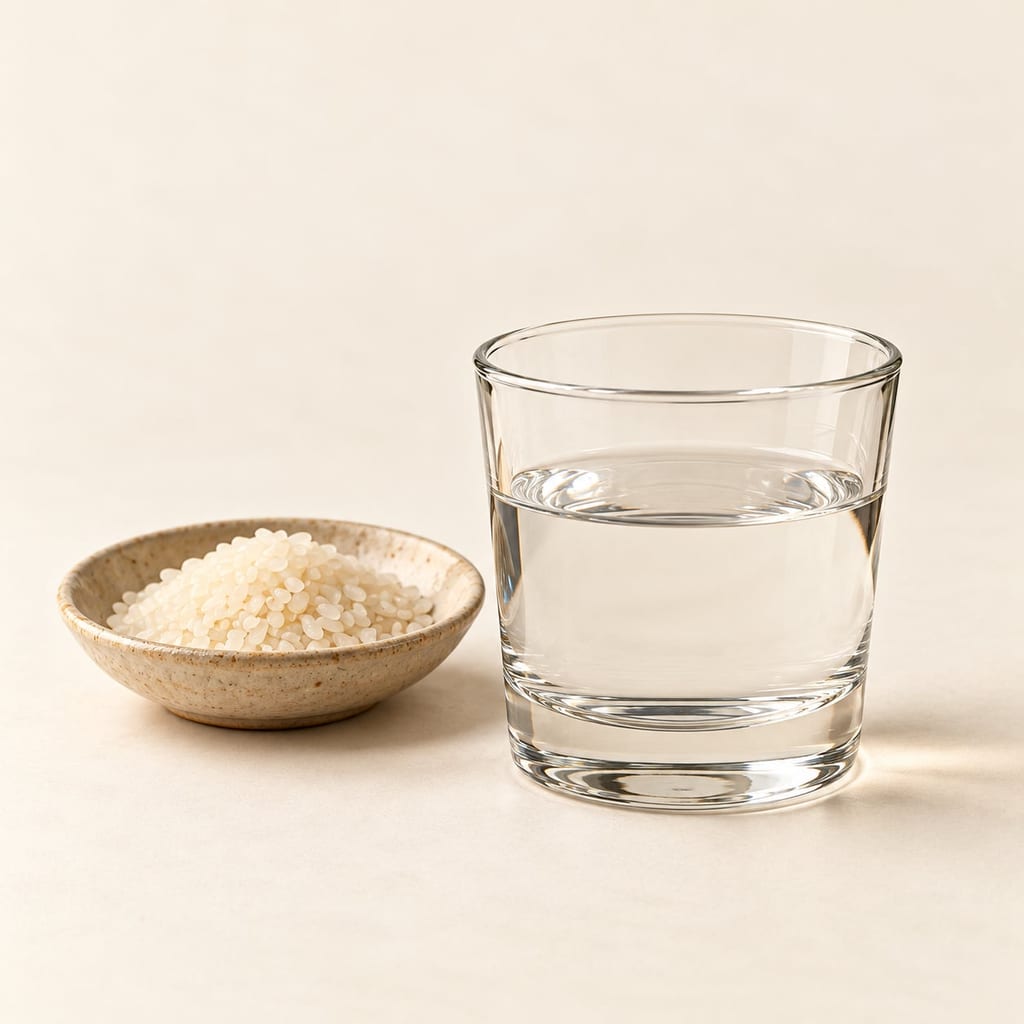
An Okinawan rice spirit made by turning all the rice into black koji, fermenting it with water and yeast, then pot-distilling and maturing the spirit.
This is a process overview, not a complete batch recipe: key quantities, yield and packaging directions are absent. The AHA tutorial uses Hop Hammer Imperial IPA as an example; this page is not that full formulation.
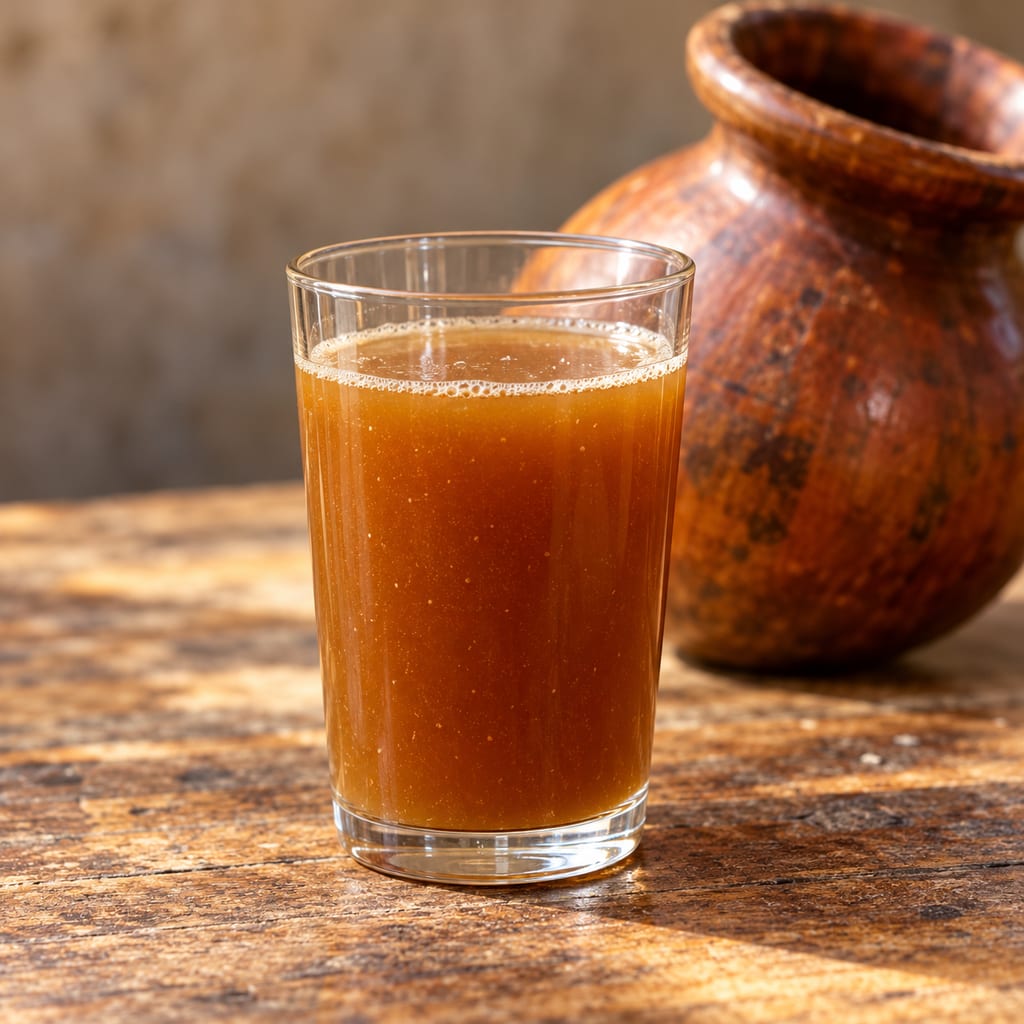
A darker Ethiopian maize tella, brewed from maize baked into a hot, dry kita pancake and then fermented in three stages with barley malt, gesho and water.
No community contributions have been published for this entry yet.
Sign in to contribute. Published comments and photos are free to read.
Wikipedia (Japanese)Ingredients · Method · History
トノトTonoto is a traditional Ainu sake offered to the gods at ceremonies such as kamuy nomi and icharpa; barnyard millet (piyapa) is the proper grain, with foxtail millet (munchiro) sometimes used.
Shizunai method: purify the sake-brewing vessel, cook barnyard millet to a porridge with a little thin liquid on top, cool to skin temperature, loosen kamutachi (malted grain) equal to the millet, knead together in the vessel, add two embers with a prayer to Apefuchi, wrap the vessel in a mat, leave a week to ten days with occasional stirring, unwrap the day before the ceremony, return the embers with a prayer, strain through a sieve into a second vessel.
Cites Hagiwara Mie and others, Kikigaki Ainu no shokuji (Nihon no shokuseikatsu zenshu 48), Nosangyoson Bunka Kyokai, 1992, which was not read.