
African fermented foods, drinks and preservation
From sour breads and milk to savoury seeds, cassava staples and living beers, African fermentation follows the crop, the community and the work of transformation.
 FermenteaWhere food goes to change
Modern method
Borde · bodre
A thick, faintly fizzy Ethiopian cereal drink in which a wheat dough is fermented, roasted dark, then fermented a second time with barley malt into a drinkable slurry.
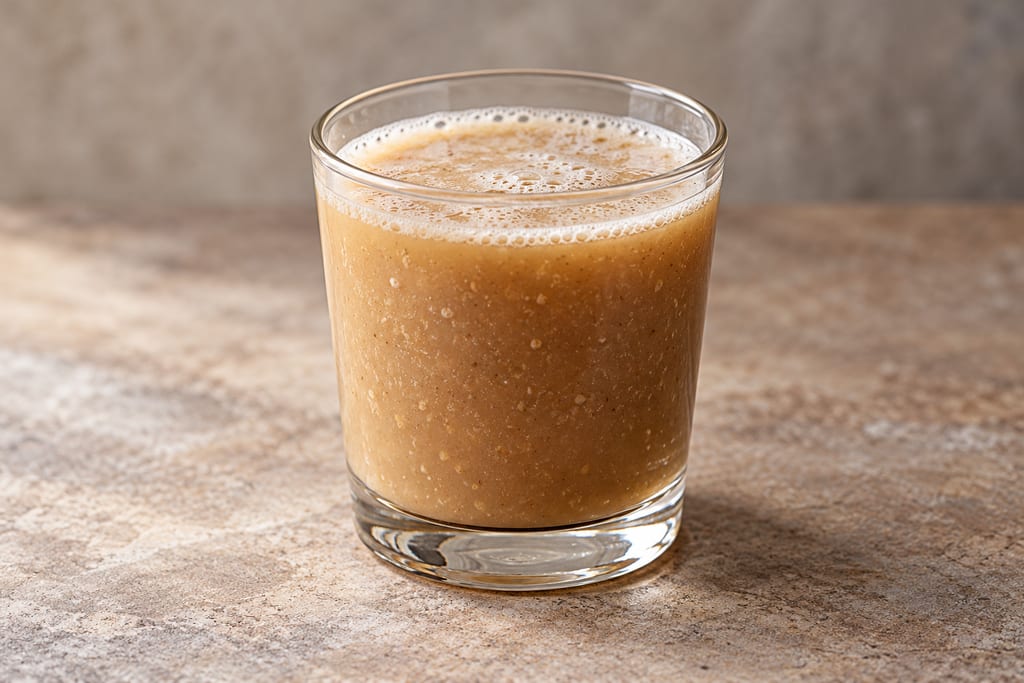
Borde is a traditional Ethiopian fermented cereal drink with a thick, opaque appearance, a slightly effervescent character and a distinctive balance of sweetness and acidity.
Unlike clear beer, borde retains considerable material from the grain used to produce it. Its appearance can range from whitish grey to brown, depending on the cereals and heat-treatment method.
It is consumed both as a refreshing drink and as a substantial food. In parts of Ethiopia, its cereal content makes it sufficiently filling to function as a meal accompaniment or partial meal replacement.
Borde is not a single nationally standardized formula. Maize, wheat, sorghum, finger millet, barley and their malts may be used in different combinations.
This page documents a specific wheat-based preparation associated with Addis Ababa. It should not be presented as the universal Ethiopian method.
The process combines an initial fermentation of wheat dough, roasting, the addition of barley malt and a second fermentation. These stages produce a very different beverage from simply stirring yeast into flour and water.
The wheat-based method requires ordinary wheat flour and a small quantity of barley malt.
Malt is not just a flavouring. It introduces enzymes capable of transforming starch into smaller carbohydrates, including fermentable sugars.
Amharic — borde
English — Ethiopian fermented cereal drink
Wheat — Triticum aestivum
Barley — Hordeum vulgare
Maize, an alternative cereal — Zea mays
Sorghum, an alternative cereal — Sorghum bicolor
Finger millet — Eleusine coracana
Borde belongs to Ethiopia's diverse tradition of cereal-based fermented beverages, which also includes tella, shamita, cheka and other regional preparations.
These beverages differ in their ingredients, degree of cooking, fermentation schedules, texture and alcohol content.
Borde is especially associated with southern and western Ethiopia, although wheat-based production has also been documented in Addis Ababa.
Field research published in 2002 documented indigenous processing practices at six localities in southern Ethiopia. The work identified substantial differences between producers in the cereals selected, the proportions of malt and the equipment used.
The same research described borde as an important element of household food security and noted its short shelf life as a persistent difficulty for producers.
The wheat procedure reproduced here was documented in a scientific study published in 2025, which used a method commonly employed in Addis Ababa.
That study is evidence of a contemporary traditional practice. It does not establish the year when borde originated.
No reliable invention date for borde as a beverage family has been identified.
Borde's role extends beyond thirst-quenching.
Its suspended cereal solids contribute energy and a substantial mouthfeel.
It may be consumed during working days, as a social drink or alongside food.
Accounts of Ethiopian food culture also describe beliefs surrounding borde and maternal lactation. Such beliefs are culturally relevant, but they should not be presented as clinical proof that drinking borde increases milk production.
The nutritional character of borde depends heavily on the recipe. A wheat formulation cannot automatically be assigned nutritional values measured in a maize- or sorghum-based preparation.
Documented Addis Ababa wheat formulation · Final yield not specified
The method adds no measured sugar, commercial yeast, hops or other spices.
The total water input is 4 L, but the final beverage volume is not established. Roasting causes water loss, and some material may remain as sediment.
Wheat flour — 1 kg — Main cereal substrate
Water, initial fermentation — 1 L — Hydrates the wheat dough
Barley malt flour — 10 g — Supplies malt enzymes and fermentable material
Water, final mixing — 3 L — Converts the treated dough into a drinkable slurry
A large food-safe mixing bowl, a suitable flat roasting pan or griddle, a heat source, a stirring implement, a fermentation vessel and a clean cloth are required.
The traditional study describes sealing the vessel with plastic film and cloth during the final fermentation. That is a documentation of its method, not proof of a pressure-safe closure.
For practical reproduction, an active fermentation vessel must allow carbon dioxide to escape safely. A sanitary brewing airlock is preferable to an airtight improvised seal, although replacing the traditional closure is an adaptation rather than a tested validation of the whole process.
Combine 1 kg wheat flour with 1 L water.
Mix until the flour is evenly hydrated and a cohesive dough forms.
The mixture is considerably thicker than a normal beverage wort.
Hydration allows the cereal components to absorb moisture and creates an environment in which microorganisms can begin multiplying.
Leave the wheat mixture at 23–25°C for two days.
This is a spontaneous fermentation. No defined commercial culture is specified.
During this stage, naturally occurring microorganisms can begin metabolizing available carbohydrates.
The dough may develop a sour aroma as microbial acids accumulate.
The research does not establish a minimum pH, maximum acidity or pathogen-control endpoint for this household stage.
The two-day duration is therefore a documented processing parameter, not an independent guarantee of microbiological safety.
Transfer the fermented dough to a flat pan and roast it deeply.
The historical-style procedure uses substantial heat treatment before the second fermentation.
The study does not give a precise roasting temperature or duration.
Those values cannot responsibly be replaced with invented instructions such as a fixed oven temperature or cooking time.
The cooking should transform the dough sufficiently to produce the darkened, roasted material described by the preparation.
Because the published record lacks a validated core-temperature requirement, the roasting stage should not be represented as a guaranteed sterilization process.
Allow the roasted dough to cool at ambient temperature for one hour.
Cooling is important because high temperatures can damage enzymes in the malt added next.
The study specifies the one-hour period but does not give an exact temperature at which the malt is incorporated.
Mix 10 g barley malt flour into the cooled roasted wheat preparation.
Distribute the malt evenly.
Malted barley contains enzymes, particularly amylases, that can release smaller carbohydrates from accessible starch.
Their activity depends on temperature, pH and substrate condition.
The source does not provide a measured saccharification temperature or enzyme-rest schedule.
Transfer the mixture into a jar or suitable vessel and add 3 L water.
Mix thoroughly.
The goal is a suspended cereal beverage rather than a firm dough.
Leave the mixture to ferment at room temperature overnight.
The scientific preparation tightly covered the jar using plastic film and cloth.
For a practical brewing environment, prevent uncontrolled pressure accumulation by using appropriate venting rather than treating that closure as a pressure-rated instruction.
The research does not give a precise number of hours for “overnight” or a numerical final-fermentation temperature beyond room-temperature conditions.
The finished beverage should be opaque and cereal-rich.
Mixing or gentle stirring may be required before service if heavy particles have settled.
No filtering requirement, packaged shelf life or validated finished alcohol concentration is provided for this exact method.
Borde combines several chemical and microbiological processes.
Hydration makes the flour's components accessible. Wheat flour contains starch, proteins and smaller quantities of sugars.
Initial fermentation allows naturally present microorganisms to alter the dough. Lactic acid bacteria can produce organic acids, while yeasts can contribute carbon dioxide, ethanol and other fermentation metabolites.
Roasting changes the substrate through heating. Starch gelatinization may occur where sufficient water is available, while more intense surface heating can produce browning and roasted aromas.
Malt addition introduces enzymatic activity. Amylases can break down accessible starch into smaller sugars.
Final fermentation creates additional acids, gases and flavour compounds.
These changes help explain why borde has a sweet-sour taste rather than resembling plain cereal porridge.
The microbial composition is not fixed because spontaneous fermentation depends upon the grains, vessels, environment and producer's practices.
Research on Ethiopian fermented cereal drinks repeatedly identifies lactic acid bacteria and yeasts as important organisms.
Potentially relevant lactic acid bacteria include members of groups historically classified as Lactobacillus, together with related genera.
These organisms can produce lactic acid and reduce pH.
Yeasts can metabolize fermentable sugars, producing carbon dioxide and ethanol.
The exact populations in a particular batch cannot be established by appearance or smell.
The 2025 investigation of borde and cheka explored nutritional composition, bioactive compounds and in-vitro digestion. Its findings provide useful information about the studied samples, not a universal microbial specification for every traditionally prepared borde.
Fermentation may modify nutrient availability and cereal chemistry, but it does not automatically eliminate contamination risk.
Uses wheat dough, followed by roasting, malt addition and another fermentation.
Maize is commonly used, and production may involve different malt combinations and several separately prepared cereal components.
These may differ in colour, flavour, thickness and enzyme contribution.
Multiple grains can be combined according to local supply, affordability and preference.
These are variations within the broader borde family. Their detailed processes should not be collapsed into the Addis Ababa wheat method unless the source demonstrates equivalence.
Borde should be opaque rather than clear.
It may have a thick body and a gently sour flavour.
Some effervescence is normal.
Roasted wheat can contribute brown colouring and toasted cereal notes.
The drink should not be expected to resemble bottled commercial beer.
Heavy sedimentation is possible because substantial cereal material remains.
Sourness alone does not prove safety, and visible gas production does not establish that desirable organisms dominate.
No visible fermentation: The microbial population may be inactive or the environmental conditions unsuitable.
Very thin body: The grain-water proportions or cereal processing may differ from the documented method.
Heavy scorching: The roasting stage may have been too aggressive or uneven.
Unpleasant putrid odours: Do not treat these as a normal or desirable fermentation character.
Visible mould: Discard contaminated material rather than removing the surface growth and continuing.
Pressure accumulation: Active fermentation in an airtight vessel can create dangerous carbon dioxide pressure.
Unexpectedly high alcohol: Spontaneous yeast fermentation can produce ethanol. Without analytical measurement, a batch should not be treated as alcohol-free.
Borde is often described as low-alcohol, but that does not mean alcohol-free.
A published review reports a mean alcohol value of approximately 3.35 ± 0.64% v/v for borde in a cited dataset.
That figure cannot be assigned to the wheat batch described here.
Actual alcohol formation depends upon fermentable sugars, yeast activity, temperature and fermentation duration.
The beverage also contains cereal-derived nutrients, but specific nutritional claims must be based on measured samples.
The method includes spontaneous fermentation and a long room-temperature stage.
It has not been established as a validated household pathogen-control process.
Clean and sanitize food-contact equipment. Use sound ingredients and potable water.
Do not interpret the traditional roasting or fermentation schedule as a guarantee that unsafe organisms have been eliminated.
Do not seal an actively fermenting vessel without appropriate gas release.
Discard material showing mould, putrefaction or other evident contamination.
No validated room-temperature shelf life, final pH threshold or packaged stability has been published for this exact formulation.
Borde is documented as an Ethiopian cereal beverage. This wheat preparation was the version commonly used in Addis Ababa for the 2025 study; it is not presented as a universal regional recipe or origin claim.
Scaling: source batch only
Borde is a naturally fermented cereal drink and this study reports no measured pH, alcohol result, or shelf-life for its exact wheat formula.
Hazard sourceUse clean brewing equipment and treat the study's room-temperature method as a documented preparation, not a validated safety or storage process.
Control sourceBorde can contain alcohol; the cited study did not measure alcohol in this exact batch.
The source does not establish an acidification endpoint or storage life. Do not infer safety from elapsed time, smell, or taste.
The researchers identify this exact wheat formula as the method commonly used in Addis Ababa; it is a documented preparation, not a claimed birthplace of Borde.
From sour breads and milk to savoury seeds, cassava staples and living beers, African fermentation follows the crop, the community and the work of transformation.
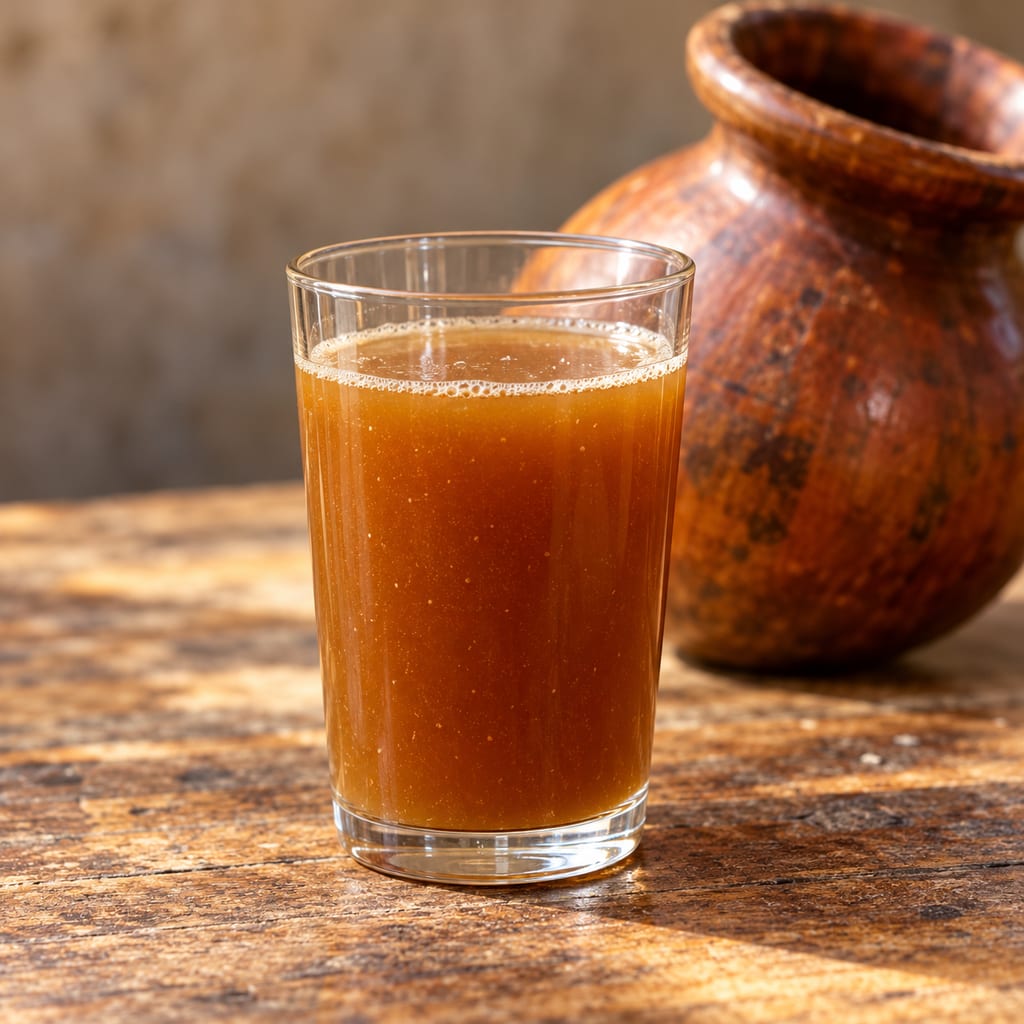
A darker Ethiopian maize tella, brewed from maize baked into a hot, dry kita pancake and then fermented in three stages with barley malt, gesho and water.
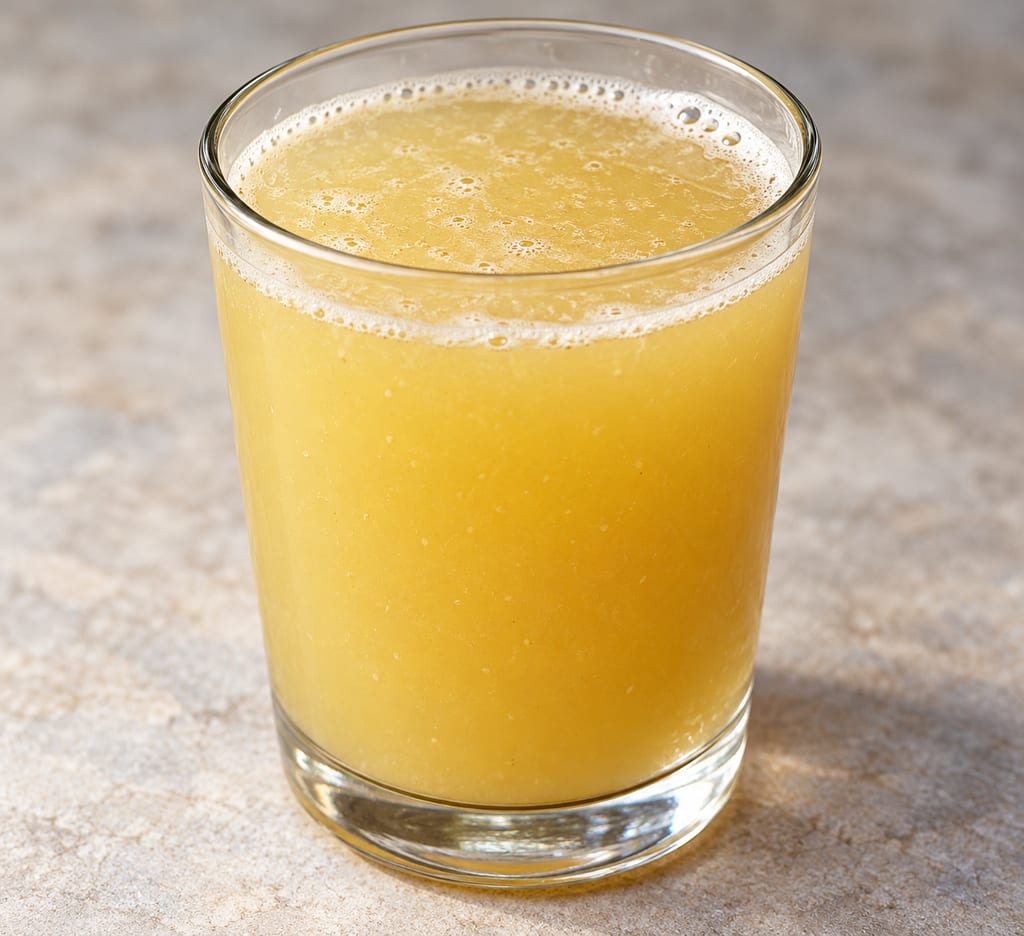
A pale Ethiopian maize tella, brewed from maize baked into a kita pancake at a gentler heat and then fermented in three stages with barley malt, gesho and water.
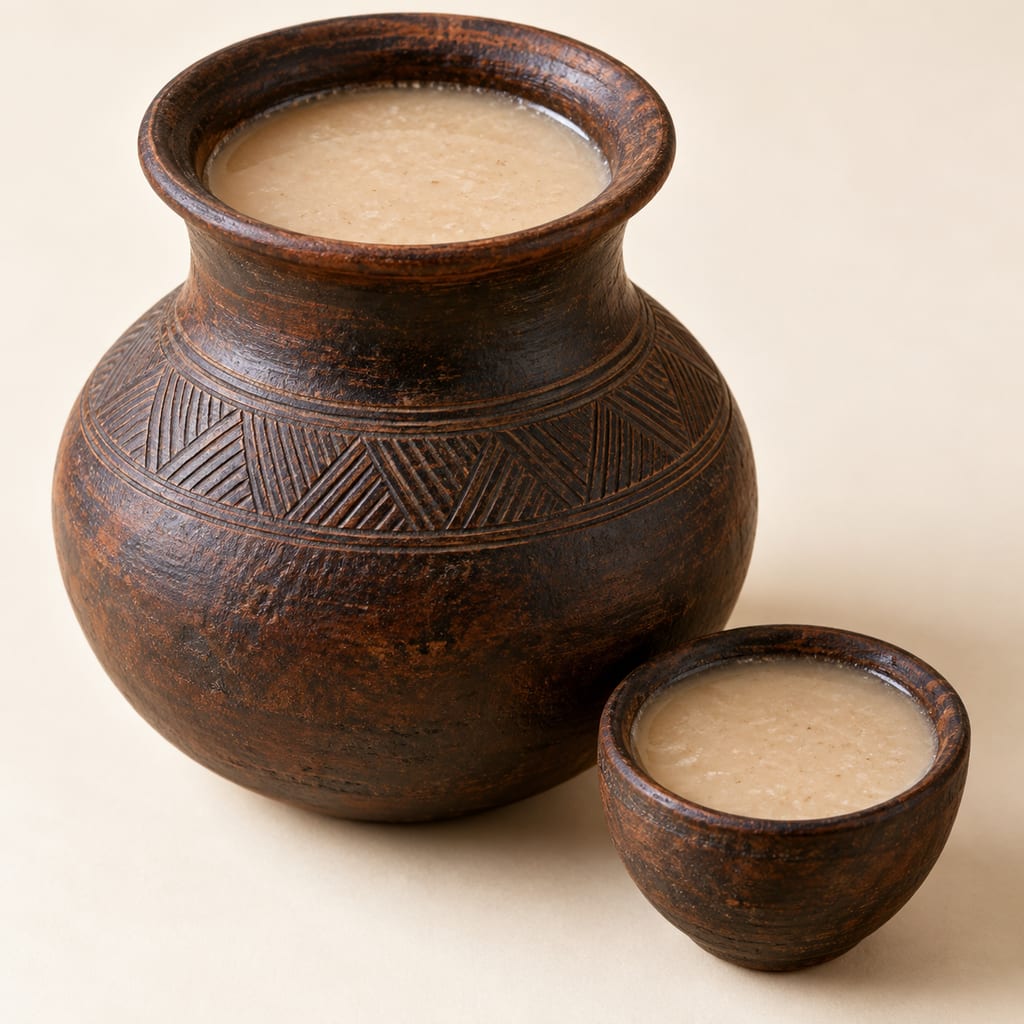
A 2025 study formula combines wheat dough and sorghum porridge with sorghum malt and gesho in staged fermentation. Konso and Dirashe fieldwork records distinct cereal-and-leaf Cheka variants; the study formula is not universal.
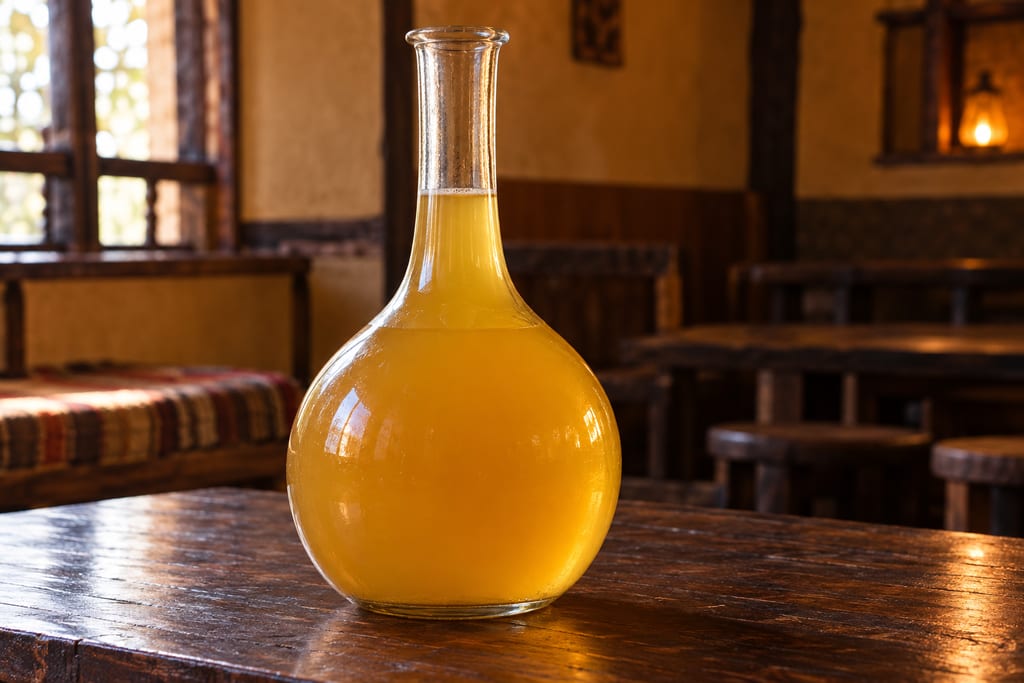
An Ethiopian honey wine made here as a controlled laboratory formulation with honey, water, a mixed bacterial-and-yeast starter, and gesho.
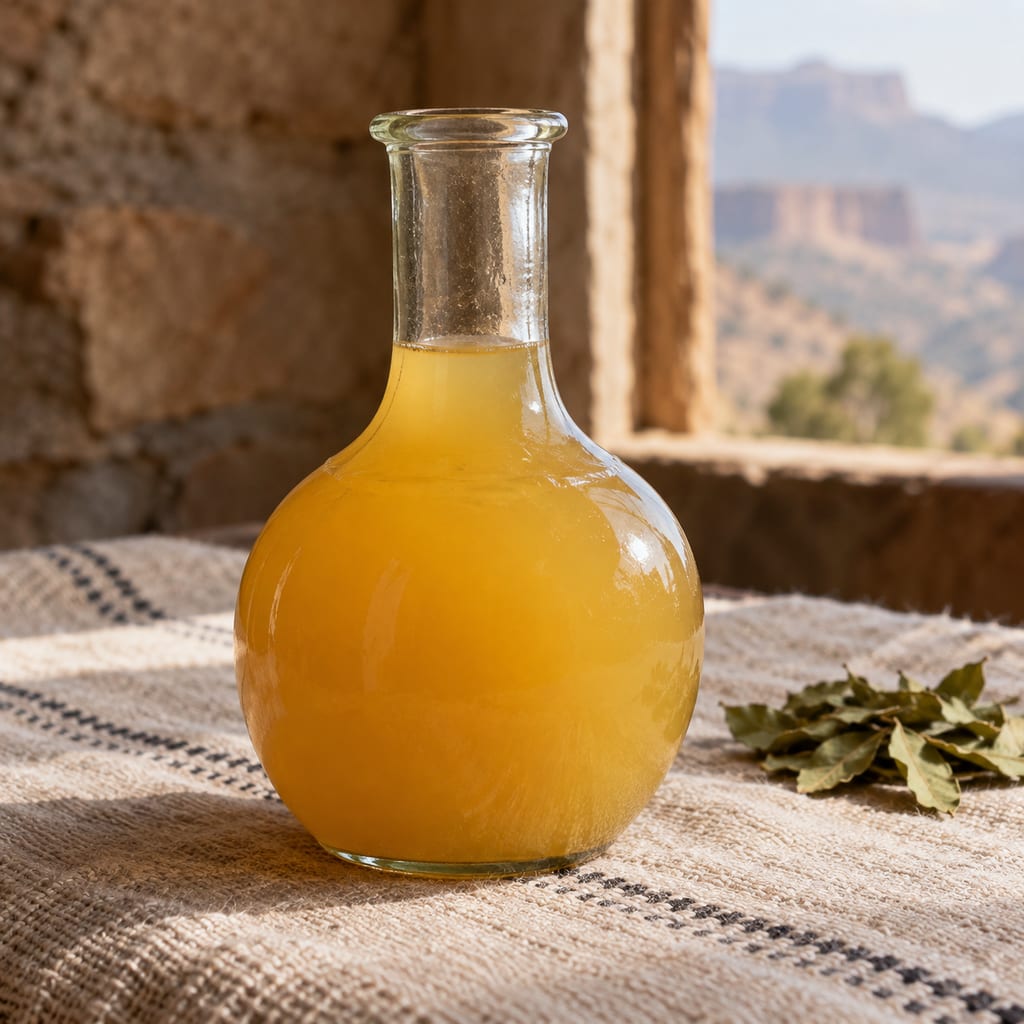
An Ethiopian honey wine of the Tigray highlands, fermented with the leaves and stems of gesho, which supply both bitterness and the microorganisms that carry the ferment.
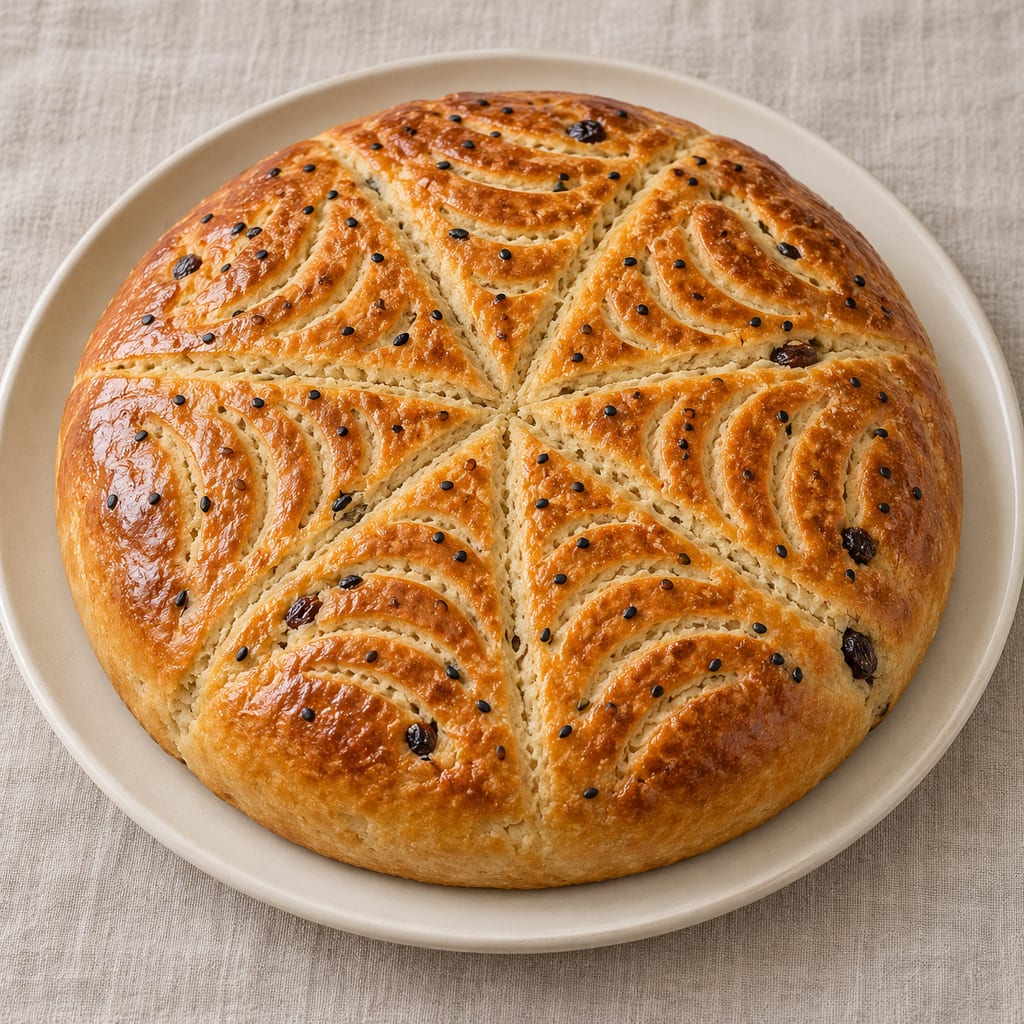
A round, mildly sweet wheat bread leavened with baker’s yeast and marked with a wheel pattern. This source batch uses raisins, black sesame and cardamom.
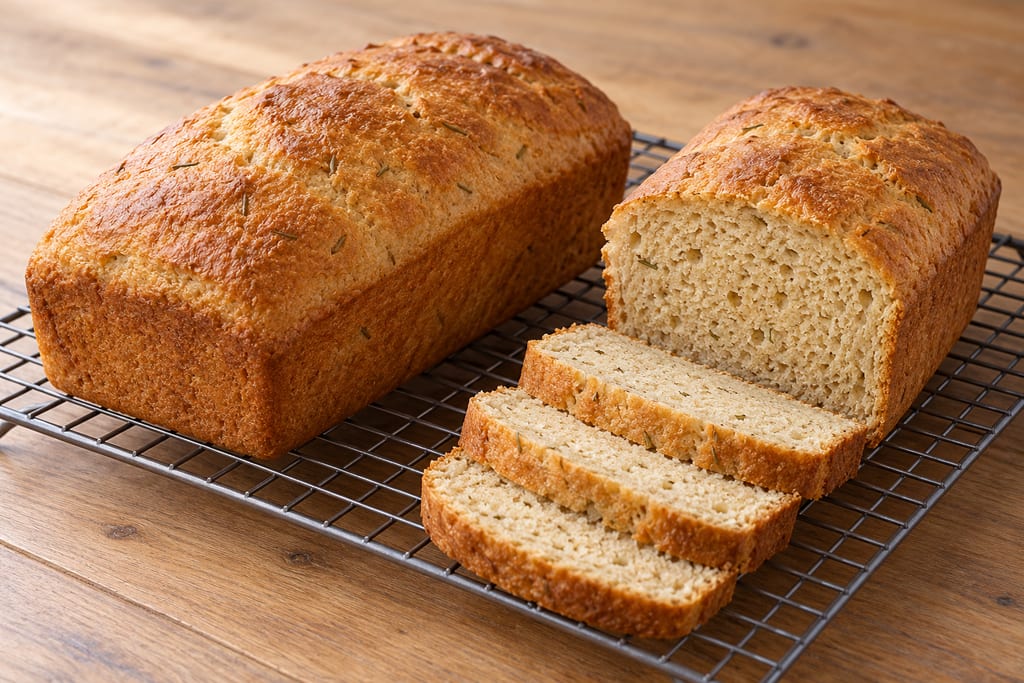
Ethiopian breakfast honey bread: two rosemary-scented yeast loaves shaped in pans and baked at 400°F.
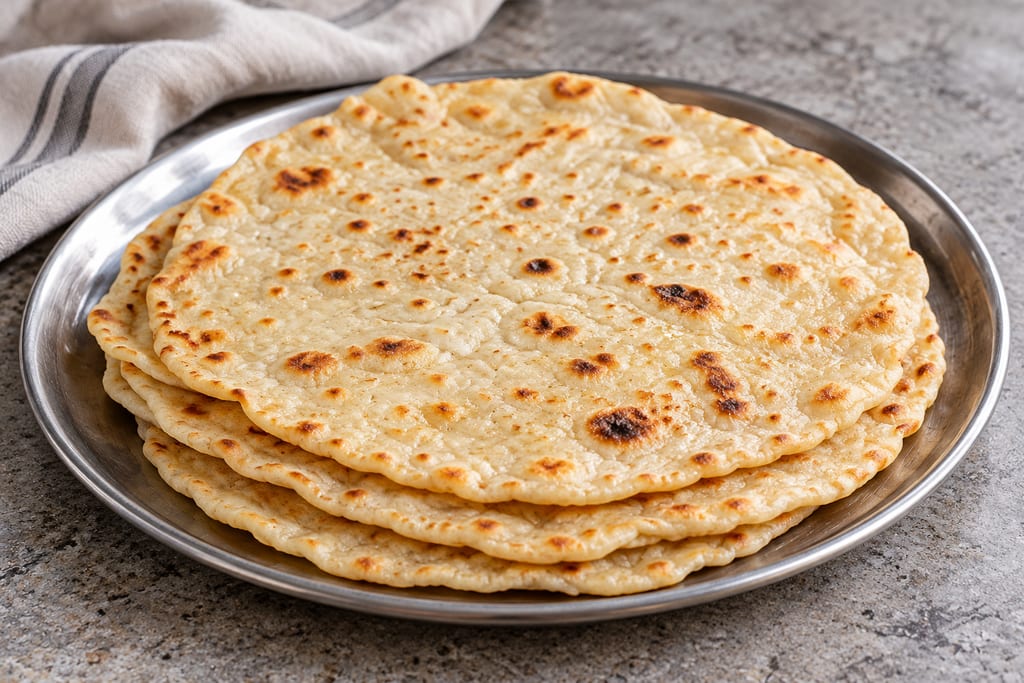
An unleavened Ethiopian and Eritrean wheat flatbread, rolled thin and cooked in clarified butter.

Hi-ire is the Japanese heat treatment of finished sake, about 65 °C, used to stop re-fermentation and souring. Brewers applied it from the Muromachi era.
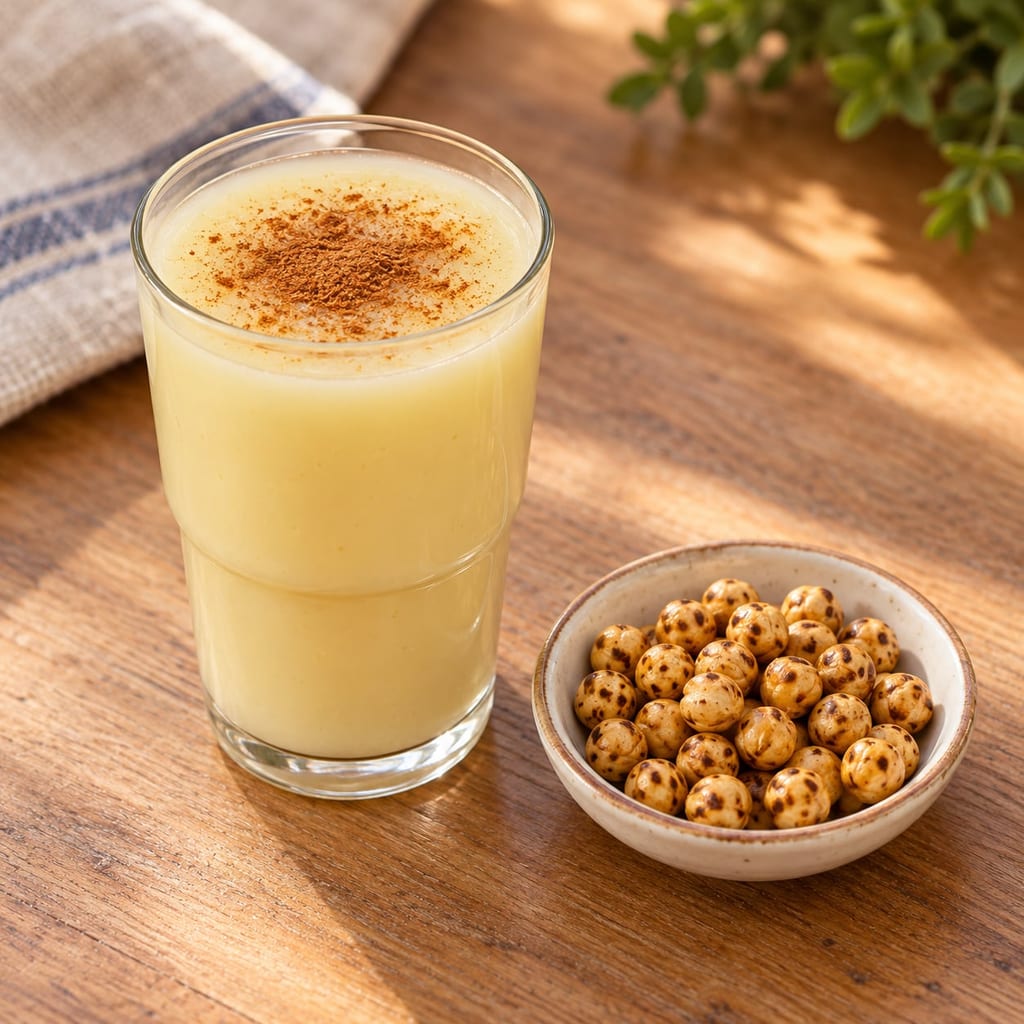
A thick, pale Turkish winter drink of bulgur and rice cooked to a soft cereal base, sweetened with grape molasses and fermented for two days.
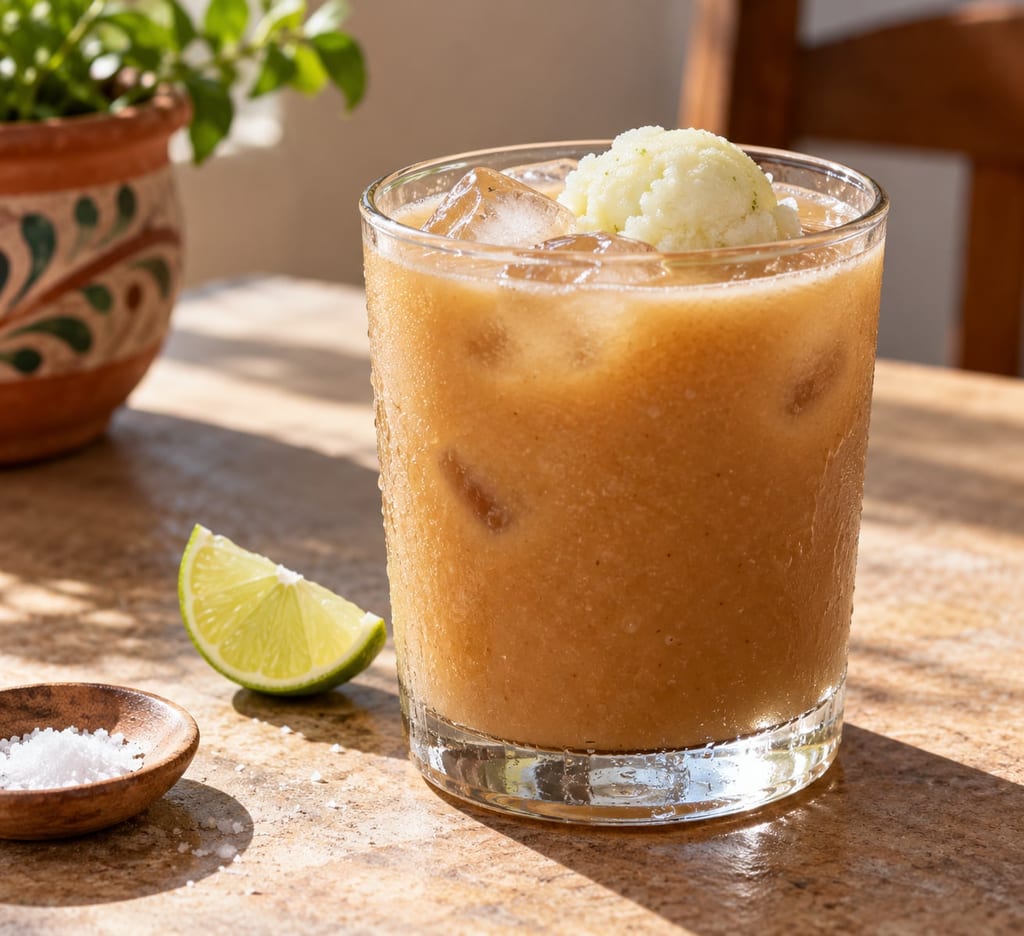
A tart, lightly fermented drink of Jalisco: nixtamalized maize masa cooked with piloncillo and limed, then diluted over ice and salted at serving.
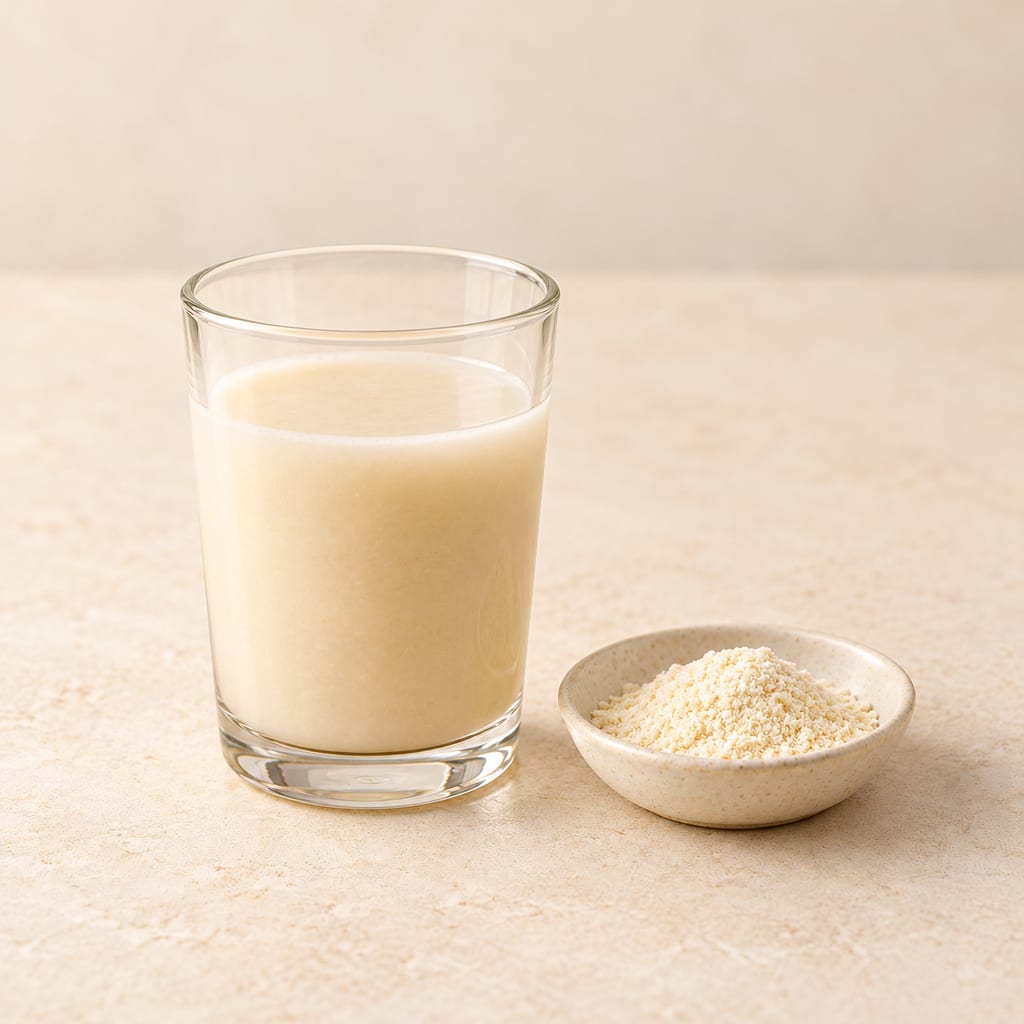
A Ugandan maize drink remade with a defined two-strain starter: roasted maize dough boiled to porridge, cooled and fermented under controlled conditions.
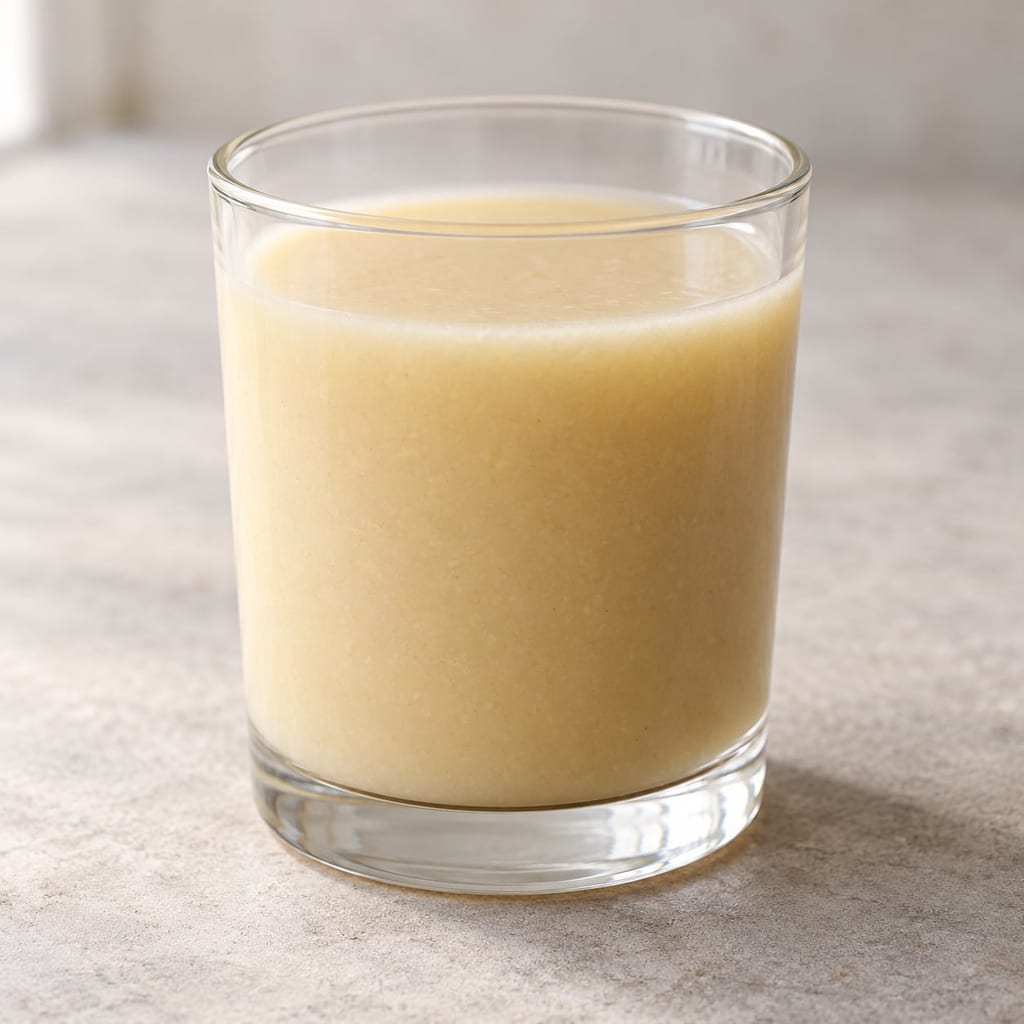
Kyrgyz Bozo is a mixed-fermented cereal drink made with ground grits, sprouted-wheat ugut and carried-over starter. This registry preparation leaves cereal selection, water and starter allocation unresolved.
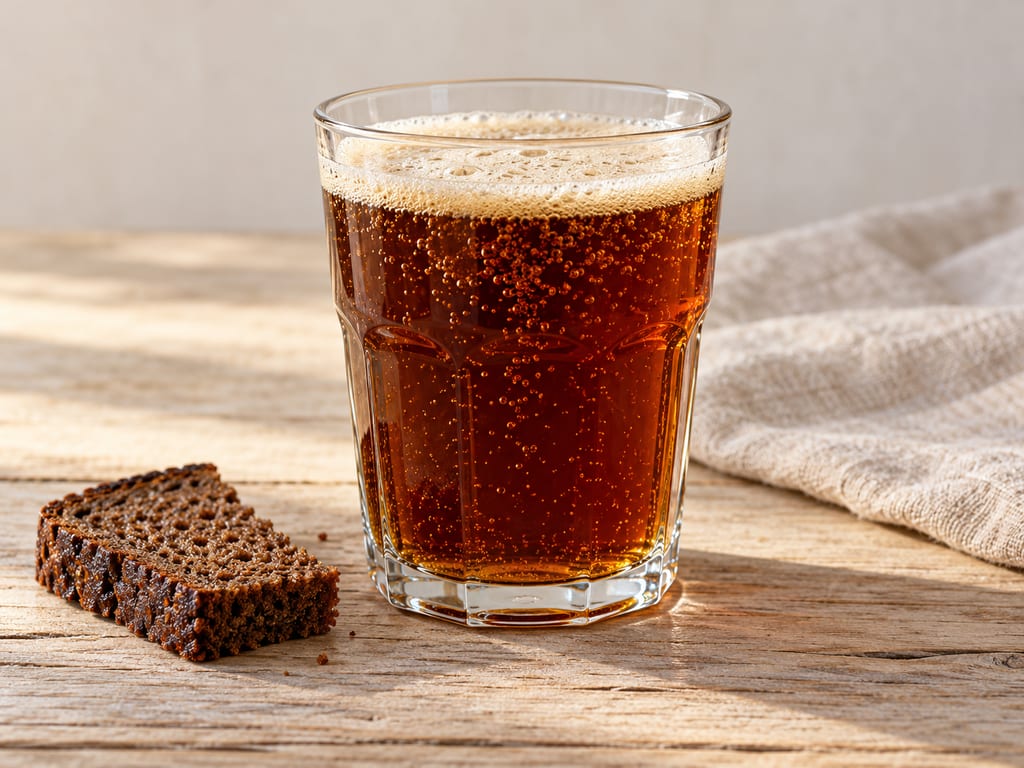
A documentary entry on Latvian rye-bread kvass, preserved from a modern Latvian rye collection. It records a food tradition, not a home-fermentation method.
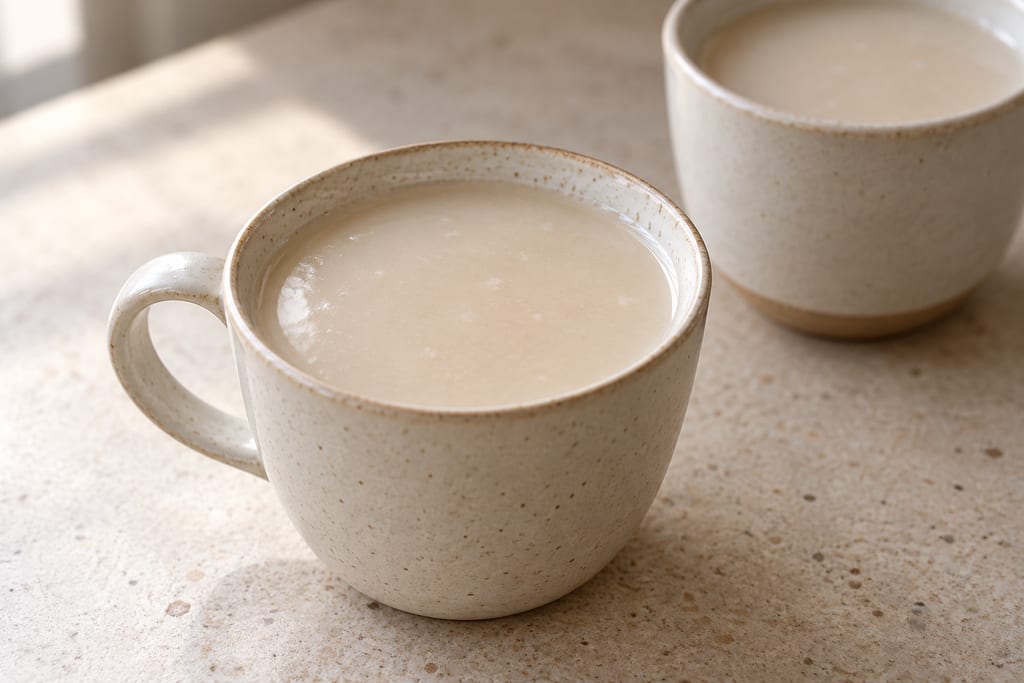
A documentary account of Zimbabwean mahewu and one producer's formula. Its quantities exceed the stated vessels, and research does not validate it as a safe home method.
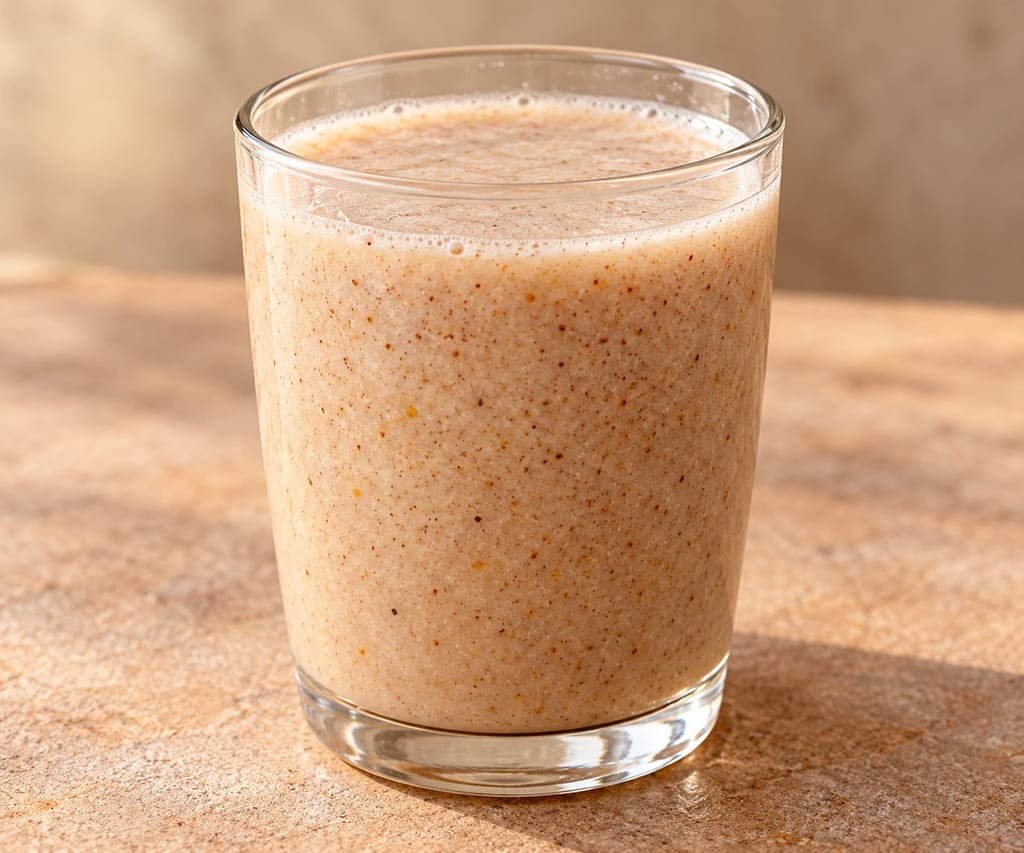
A thick, sweet-sour Malawian drink of boiled maize flour into which sorghum flour is stirred before an overnight spontaneous fermentation.
No community contributions have been published for this entry yet.
Sign in to contribute. Published comments and photos are free to read.
Food Chemistry: X / PubMed CentralInspiration · Process · History · Location · Safety
Delving into the nutritional and bioactive profiles of Cheka and Borde: Traditional Ethiopian fermented beveragesThe Addis Ababa preparation mixes 1 kg wheat flour with 1 L water and ferments at 23–25°C for two days
The fermented dough is deeply roasted, cooled one hour, mixed with 10 g barley malt flour and 3 L water, then fermented overnight
The study identifies Borde as an Ethiopian naturally fermented cereal beverage and notes short shelf life; no exact-batch pH, ABV or storage time is reported
Cited in: What is borde?; Names and ingredients; Historical and cultural background; Borde as food and drink; Ingredients; Equipment; Stage 1 — Mix the wheat dough; Stage 2 — First fermentation; Stage 3 — Roast the fermented dough; Stage 4 — Cool; Stage 5 — Add malt; Stage 6 — Dilute; Stage 7 — Second fermentation; Stage 8 — Serve; How fermentation works; Microbiology; Wheat borde in Addis Ababa; Southern Ethiopian maize borde; Sorghum and finger-millet versions; Mixed-cereal borde; How to recognize the finished drink; Problems and failure signs; Alcohol and nutritional limitations; Food safety
Journal of Food Technology in AfricaHistory
Indigenous processing methods and raw materials of borde, an Ethiopian traditional fermented beverageField interviews in six southern Ethiopian localities documented variation in Borde grains and malt proportions
Cited in: What is borde?; Names and ingredients; Historical and cultural background; Borde as food and drink; Ingredients; Equipment; Stage 1 — Mix the wheat dough; Stage 2 — First fermentation; Stage 3 — Roast the fermented dough; Stage 4 — Cool; Stage 5 — Add malt; Stage 6 — Dilute; Stage 7 — Second fermentation; Stage 8 — Serve; How fermentation works; Microbiology; Wheat borde in Addis Ababa; Southern Ethiopian maize borde; Sorghum and finger-millet versions; Mixed-cereal borde; How to recognize the finished drink; Problems and failure signs
Clemson Cooperative ExtensionSafety
Cleaning and Sanitation for the HomebrewerClean brewing equipment to limit contamination during home fermentation
Cited in: Alcohol and nutritional limitations; Food safety
Hotessa and Robe, 2020History
Hotessa and Robe, 2020 — Ethiopian indigenous traditional fermented beveragesEthiopian indigenous traditional fermented beverages
Cited in: Historical and cultural background
Alemu et al., 2024History · Safety · Method
Alemu et al., 2024 — Production, quality and safety of traditionally fermented cereal-based beverages in EthiopiaProduction, quality and safety of traditionally fermented cereal-based beverages in Ethiopia
Cited in: What is borde?; Names and ingredients; Borde as food and drink; Ingredients; Equipment; Stage 1 — Mix the wheat dough; Stage 2 — First fermentation; Stage 3 — Roast the fermented dough; Stage 4 — Cool; Stage 5 — Add malt; Stage 6 — Dilute; Stage 7 — Second fermentation; Stage 8 — Serve; How fermentation works; Microbiology; Wheat borde in Addis Ababa; Southern Ethiopian maize borde; Sorghum and finger-millet versions; Mixed-cereal borde; How to recognize the finished drink; Problems and failure signs; Alcohol and nutritional limitations; Food safety
Worku et al., 2026Inspiration
Worku et al., 2026 — Fermented foods and beverages of EthiopiaFermented foods and beverages of Ethiopia