African fermented foods, drinks and preservation
From sour breads and milk to savoury seeds, cassava staples and living beers, African fermentation follows the crop, the community and the work of transformation.
 FermenteaWhere food goes to change
Modern method
Cheka · chaqa
A 2025 study formula combines wheat dough and sorghum porridge with sorghum malt and gesho in staged fermentation. Konso and Dirashe fieldwork records distinct cereal-and-leaf Cheka variants; the study formula is not universal.
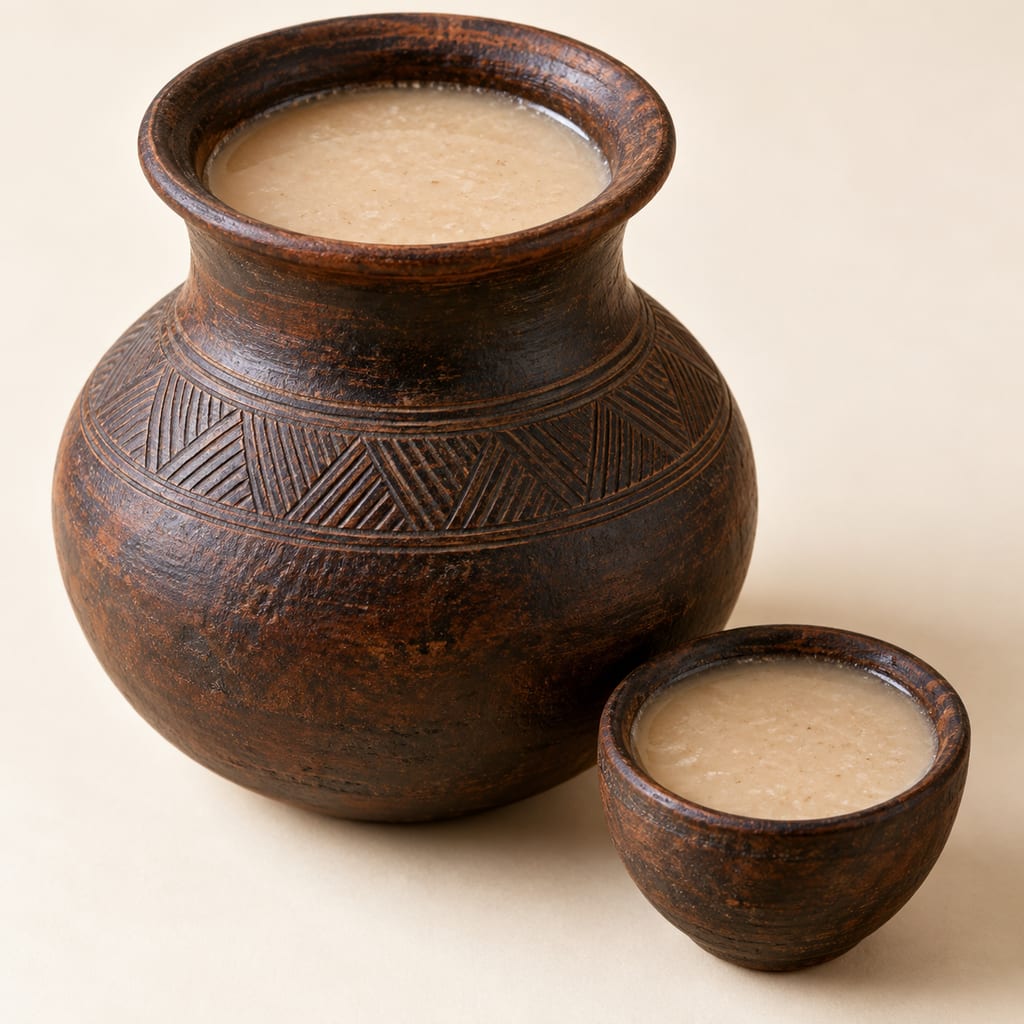
Fieldwork with brewers in Konso and Dirashe describes Cheka as a thick cereal-and-vegetable food drink whose ingredients and sequence vary by household and locality. Common cereals were maize and sorghum; reported plant ingredients included leaf cabbage, moringa, decne and taro. Dirashe brewers used taro root, while Konso producers rarely used taro leaves. Some households added dried injera, kitta or kurkufa leftovers. The study records several forms, including hiba (parshota), chaqa (fasha) and menna; these names do not identify one fixed formula.
In the Konso taro-leaf route, chopped leaves are cooked and fermented in a gebete for about six days, with malt added on day four. The fermented leaves are then combined with fresh flour and water; that mixture ferments for a further 36–40 hours as pulota. A Dirashe cabbage route instead ferments chopped cabbage for four to six days, adds a little flour for another two to three days, then mills and sieves it with water before combining the filtrate with fresh flour for an overnight ferment. These are distinct observed routes, not steps to combine into the 2025 wheat-and-sorghum formula.
The study also records a lowland Dirashe route using dried leaf cabbage, moringa or decne milled with 15–20 kg grain and dried food leftovers; producers described fermentation for at least a month with kneading every two to three days. This is a field observation, not a validated home procedure. A separate menna form may ferment malted porridge overnight without leafy vegetables.
Common later stages in the longer forms shape pulota into dough balls, cook them in boiling water, break and cool them, then mix with malt and ferment to make sokatet. A flour porridge is cooked separately, cooled, malted and mixed with sokatet; final fermentation is reported at four to twelve hours. Dirashe producers reported longer secondary fermentation in some routes. Reported equipment includes clay or metal pots, gebete bowls, barrels, baskets, grinding stones, wonfit sieves, mortars and pestles; this is household practice, not a validated equipment specification.
The 2015 study interviewed producers in Konso and Dirashe and reports observations from Karat, Gato and Gidole; the 2018 analysis measured samples from Karat (Konso), Gidole and Shelele (Dirashe). A separate 2020 review places Cheka among southwestern Ethiopian cereal-and-vegetable beverages. These locations describe documented production and sampled beverages, not a single point of origin.
The 2018 analysis measured ethanol at 3.04–8.96% v/v and methanol at 0.0163–0.2385% v/v across nine samples collected from Konso and Dirashe. Those are measurements from those samples, not expected strengths or safety limits for this recipe or every Cheka. The process paper also reports insect larvae in a neglected, uncovered long-ferment route. These observations do not establish validated controls; the exact 2025 study formula has no reported alcohol measurement, finished acidity endpoint or shelf-life.
Cheka is made in Konso and Dirashe in multiple household forms. Fieldwork distinguishes leafy, multistage preparations from a shorter single-phase malted porridge; this record preserves the separate wheat-and-sorghum formula studied in 2025.
Scaling: source batch only
The traditional Cheka study reports sequential natural fermentations but no measured acidity, alcohol concentration or shelf-life for this exact formula.
Hazard sourceA 2018 analysis measured ethanol and methanol in collected Cheka samples, with wide variation. Methanol is hazardous; those values are sample measurements and do not predict the alcohol or methanol content of this distinct 2025 formula.
Hazard sourceUse clean brewing equipment and treat this study method as a documented preparation, not a validated process with an established endpoint or storage life.
Control sourceCheka may contain alcohol; this exact formula's alcohol strength was not reported.
Later ferment temperatures and a finished acidity endpoint are unspecified. Time alone does not establish safety.
A separate 2018 sample study measured ethanol at 3.04–8.96% v/v and methanol at 0.0163–0.2385% v/v. These are not values for this formula; no alcohol, methanol, finished acidity or storage endpoint was reported for the 2025 study method.
Broad study region for Cheka; this row makes no birthplace claim.
The field study documents Cheka preparation among Konso producers; not a precise origin point.
The field study documents Cheka preparation among Dirashe producers; not a precise origin point.
Named in the field study for cooking-temperature observations and in the sample study for collected Cheka; not asserted as a birthplace.
Named as a locality where cooking temperatures were recorded; not asserted as a birthplace.
Named in the field study for cooking-temperature observations and in the sample study for collected Cheka; not asserted as a birthplace.
Named among sample locations for measured Cheka; not asserted as a birthplace.
From sour breads and milk to savoury seeds, cassava staples and living beers, African fermentation follows the crop, the community and the work of transformation.
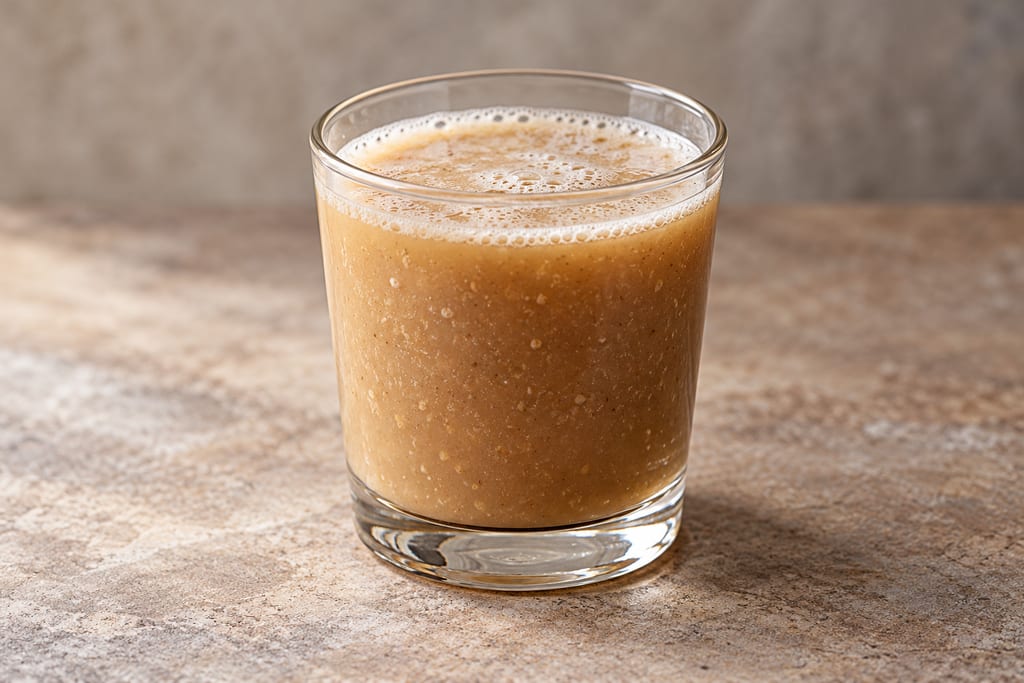
A thick, faintly fizzy Ethiopian cereal drink in which a wheat dough is fermented, roasted dark, then fermented a second time with barley malt into a drinkable slurry.
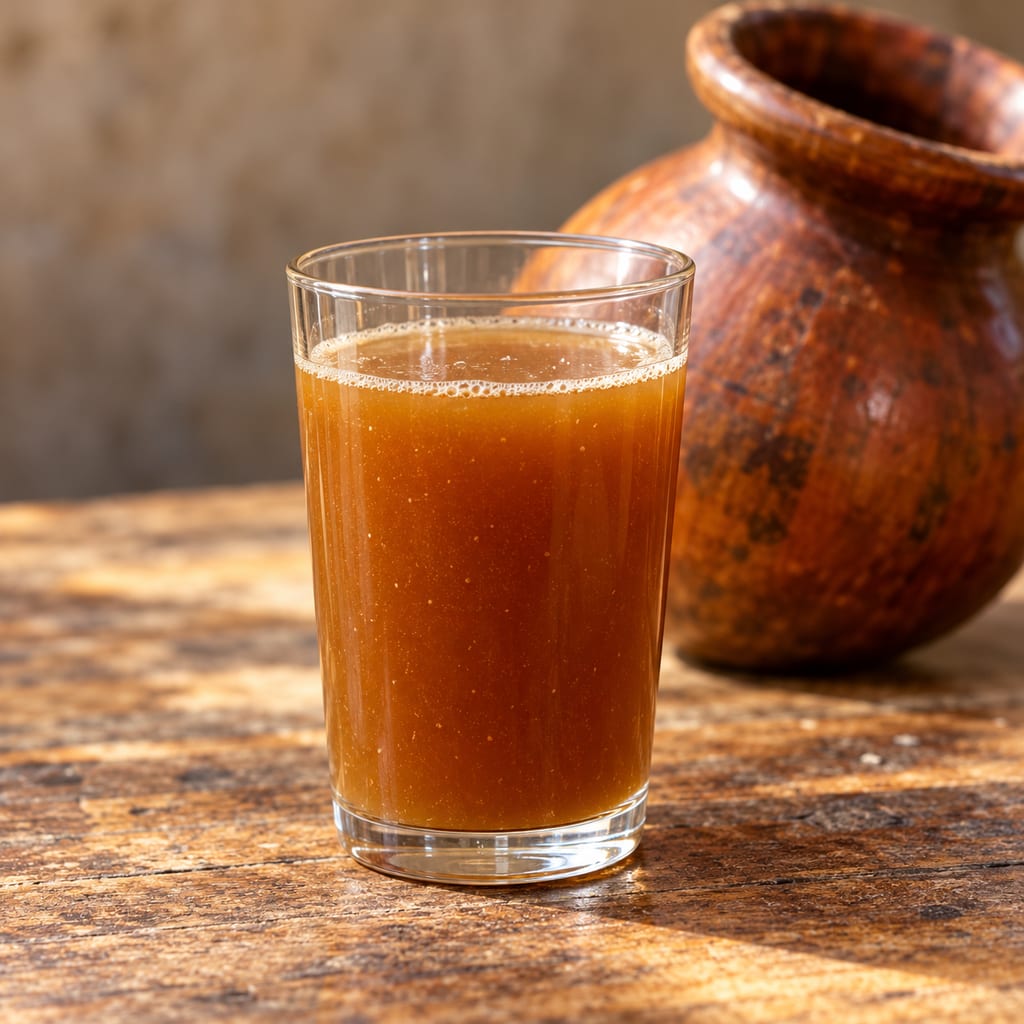
A darker Ethiopian maize tella, brewed from maize baked into a hot, dry kita pancake and then fermented in three stages with barley malt, gesho and water.
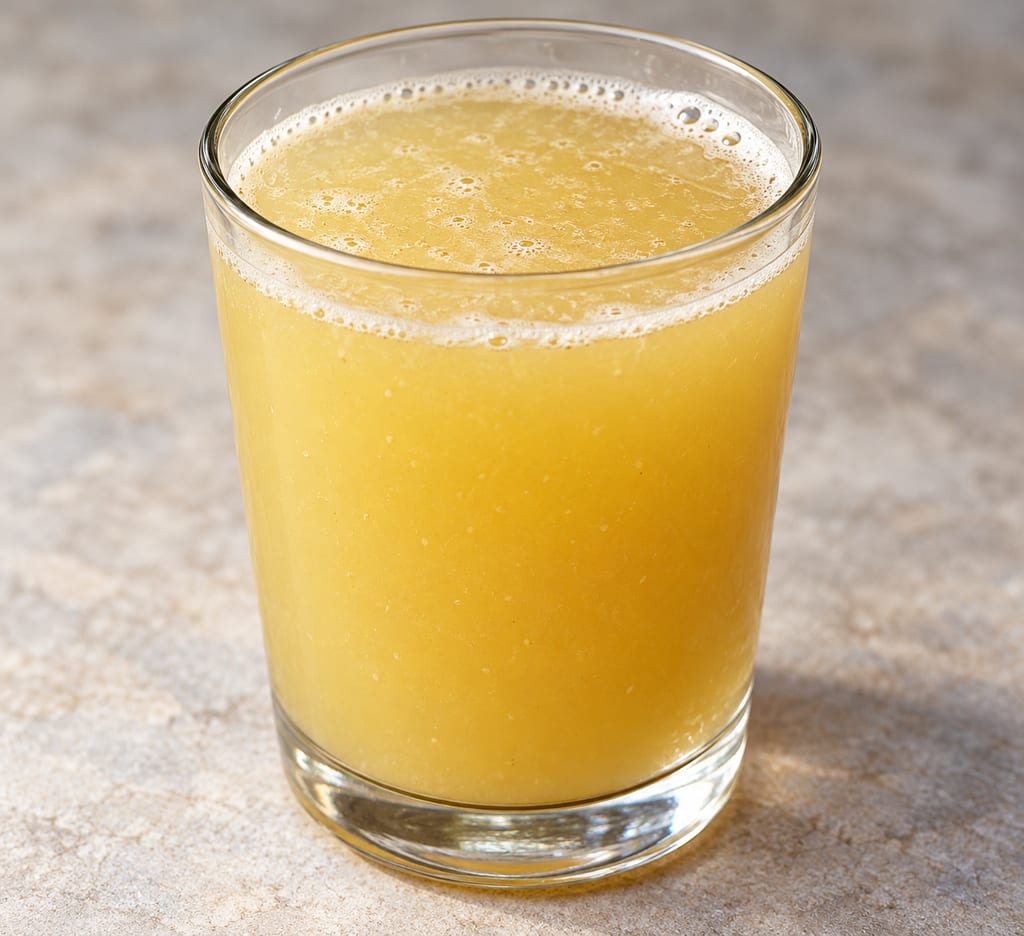
A pale Ethiopian maize tella, brewed from maize baked into a kita pancake at a gentler heat and then fermented in three stages with barley malt, gesho and water.
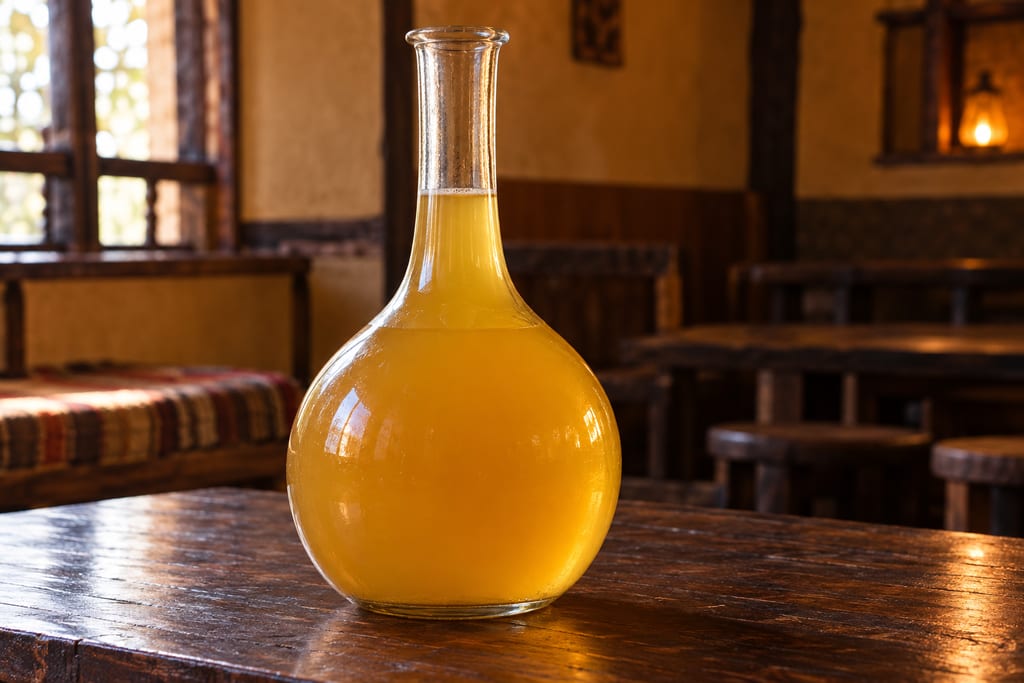
An Ethiopian honey wine made here as a controlled laboratory formulation with honey, water, a mixed bacterial-and-yeast starter, and gesho.
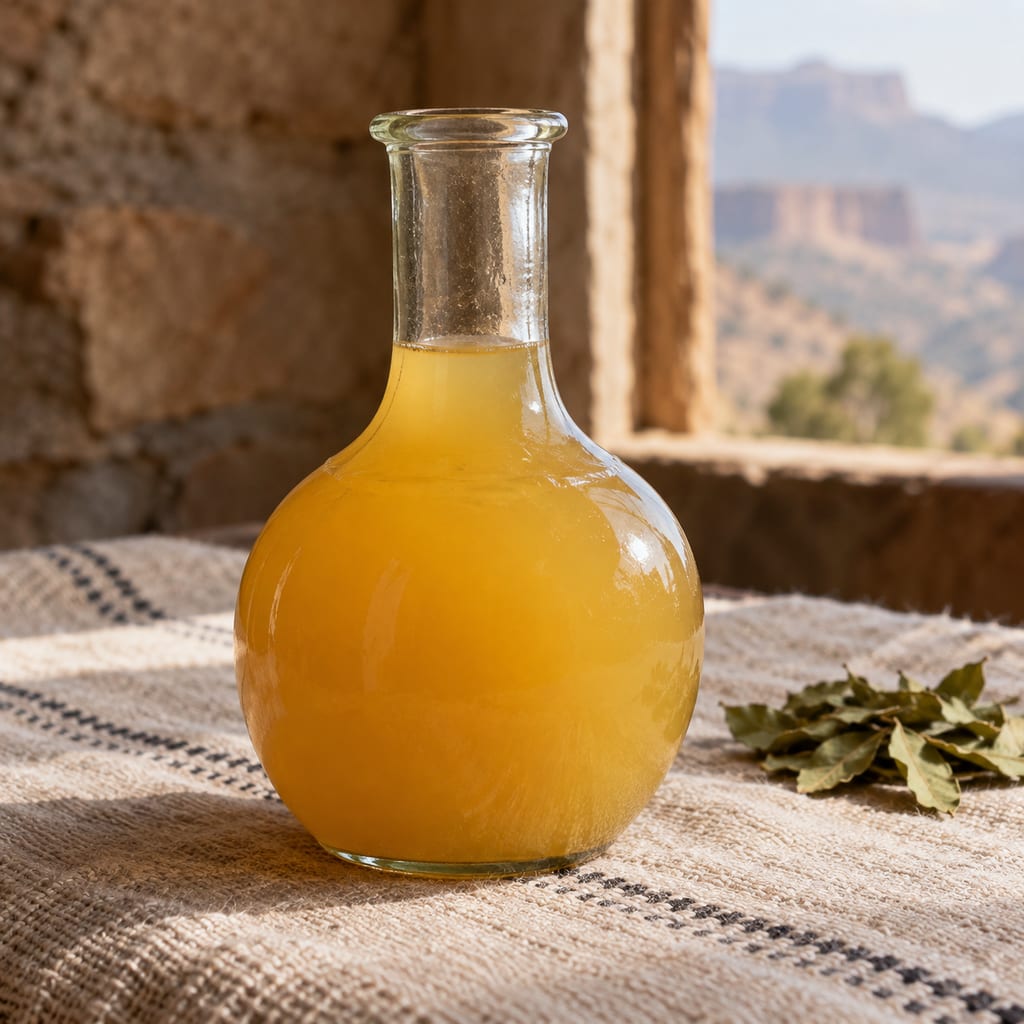
An Ethiopian honey wine of the Tigray highlands, fermented with the leaves and stems of gesho, which supply both bitterness and the microorganisms that carry the ferment.
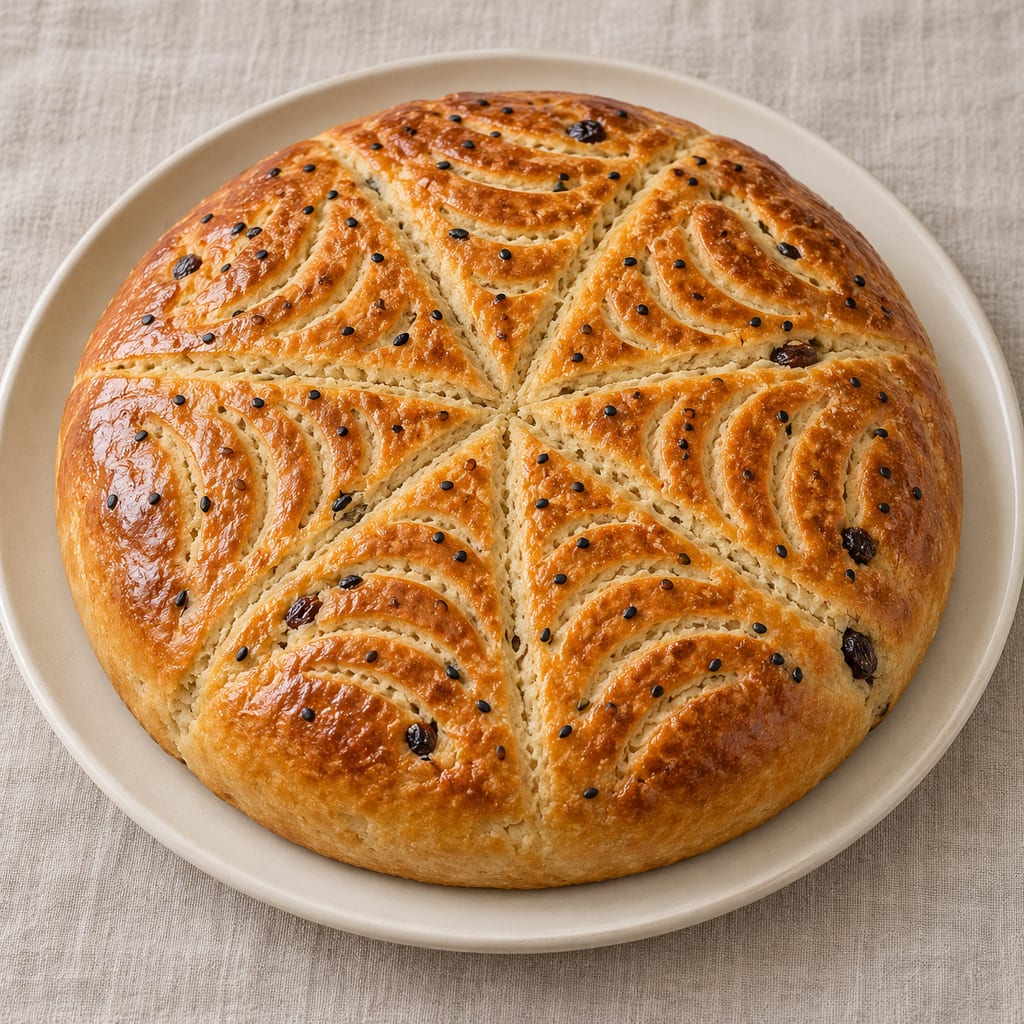
A round, mildly sweet wheat bread leavened with baker’s yeast and marked with a wheel pattern. This source batch uses raisins, black sesame and cardamom.
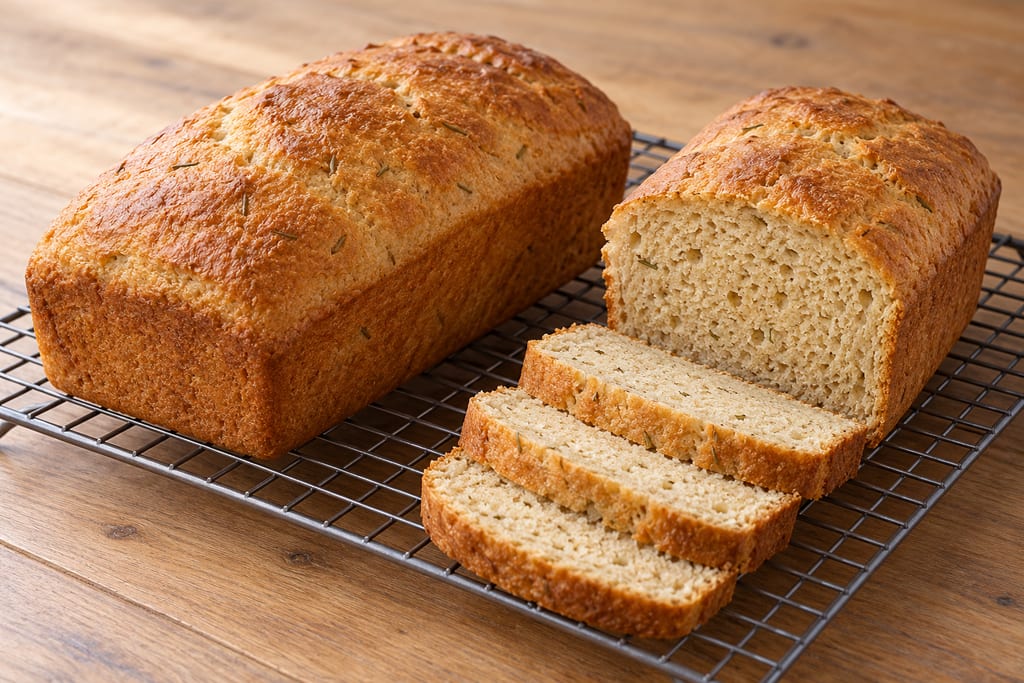
Ethiopian breakfast honey bread: two rosemary-scented yeast loaves shaped in pans and baked at 400°F.
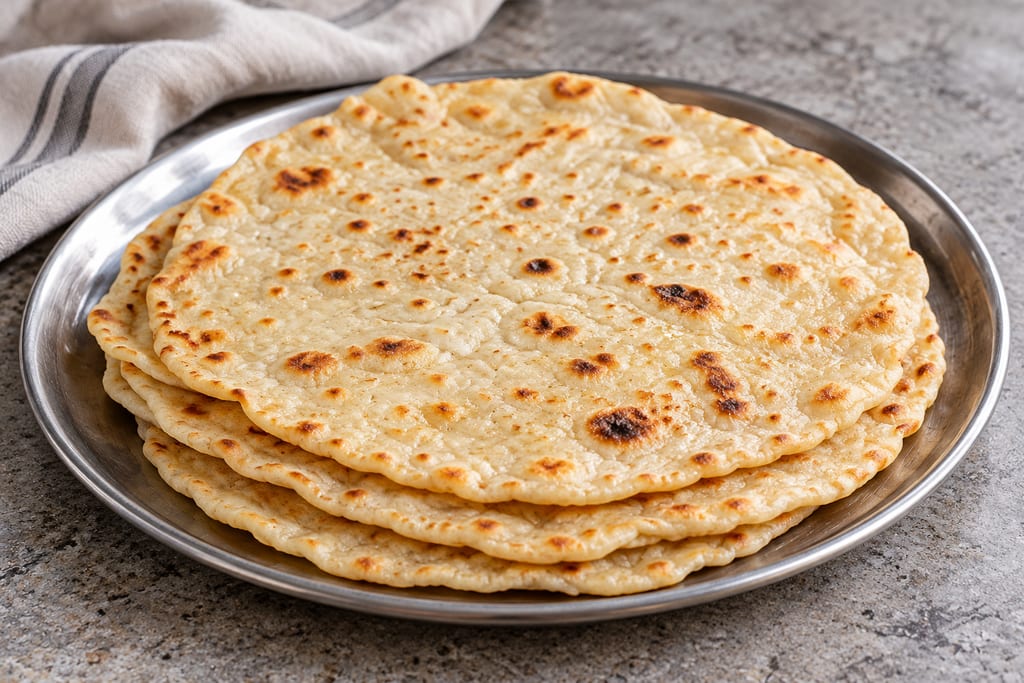
An unleavened Ethiopian and Eritrean wheat flatbread, rolled thin and cooked in clarified butter.

Hi-ire is the Japanese heat treatment of finished sake, about 65 °C, used to stop re-fermentation and souring. Brewers applied it from the Muromachi era.
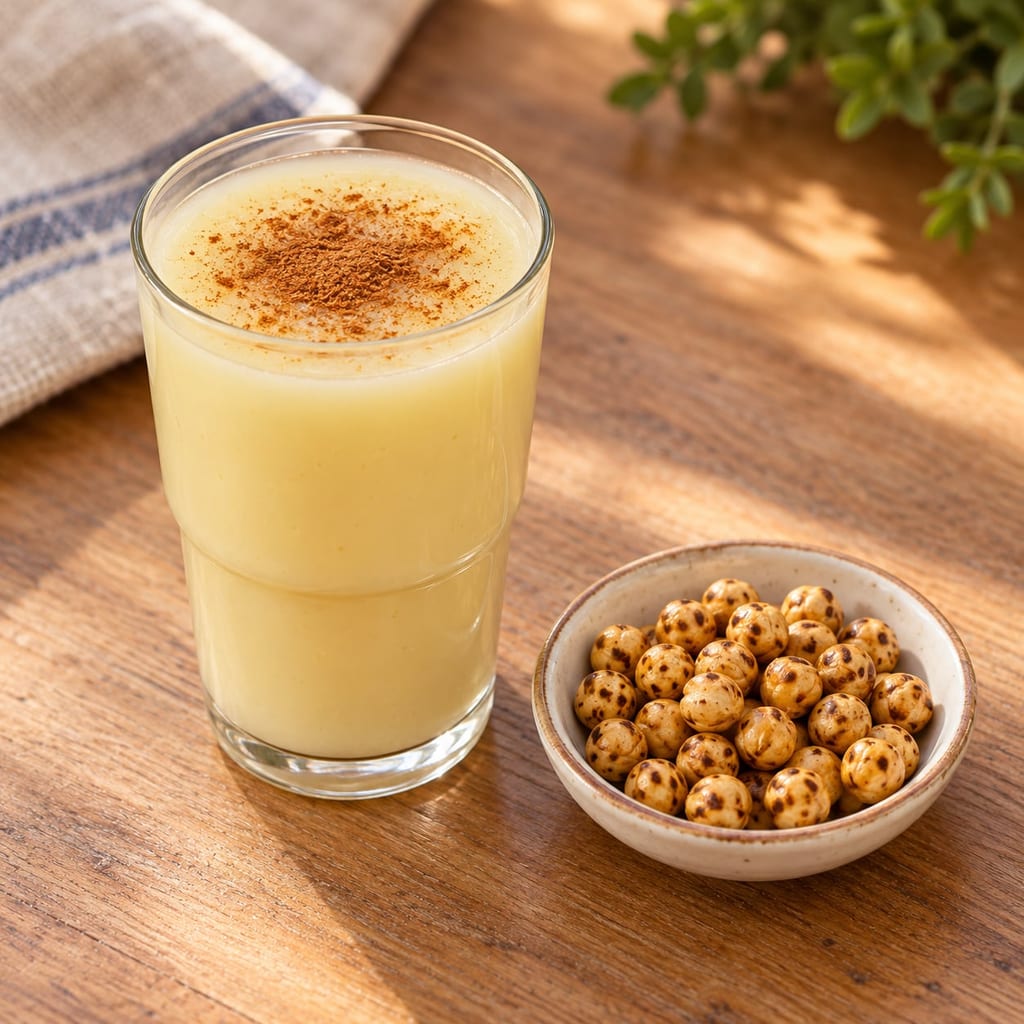
A thick, pale Turkish winter drink of bulgur and rice cooked to a soft cereal base, sweetened with grape molasses and fermented for two days.
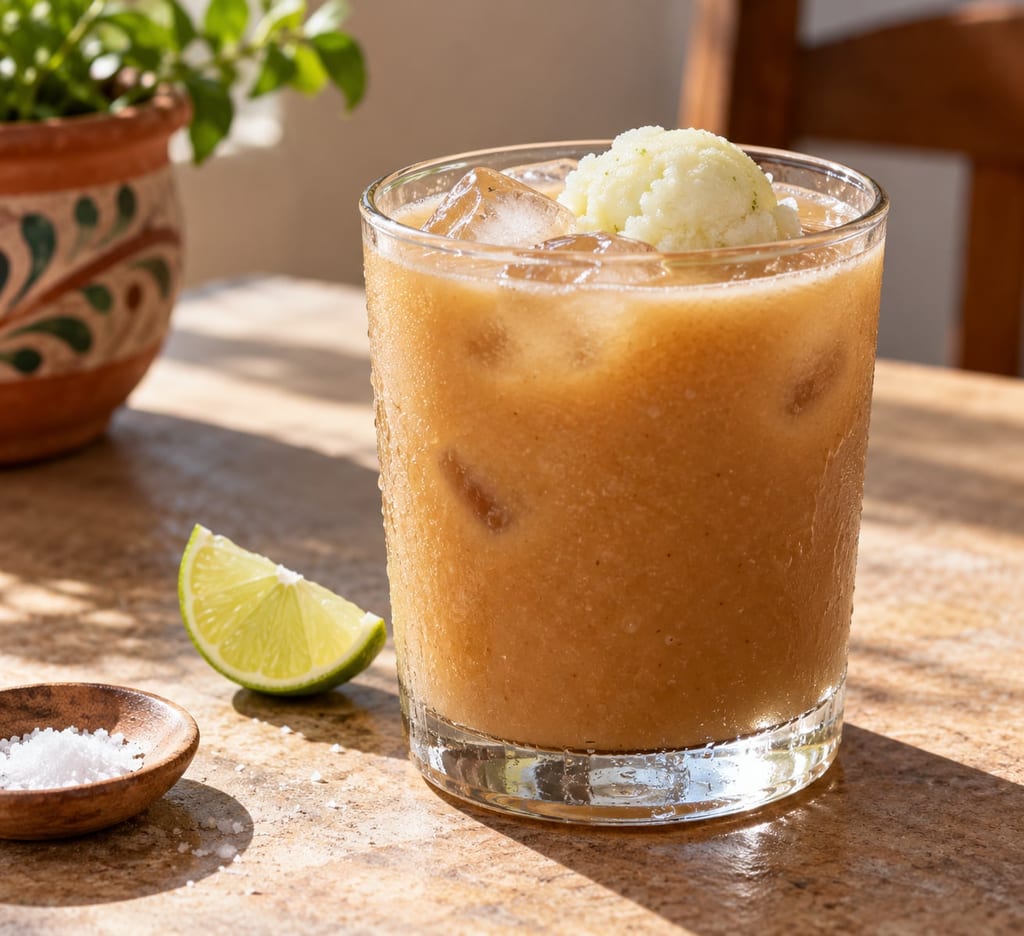
A tart, lightly fermented drink of Jalisco: nixtamalized maize masa cooked with piloncillo and limed, then diluted over ice and salted at serving.
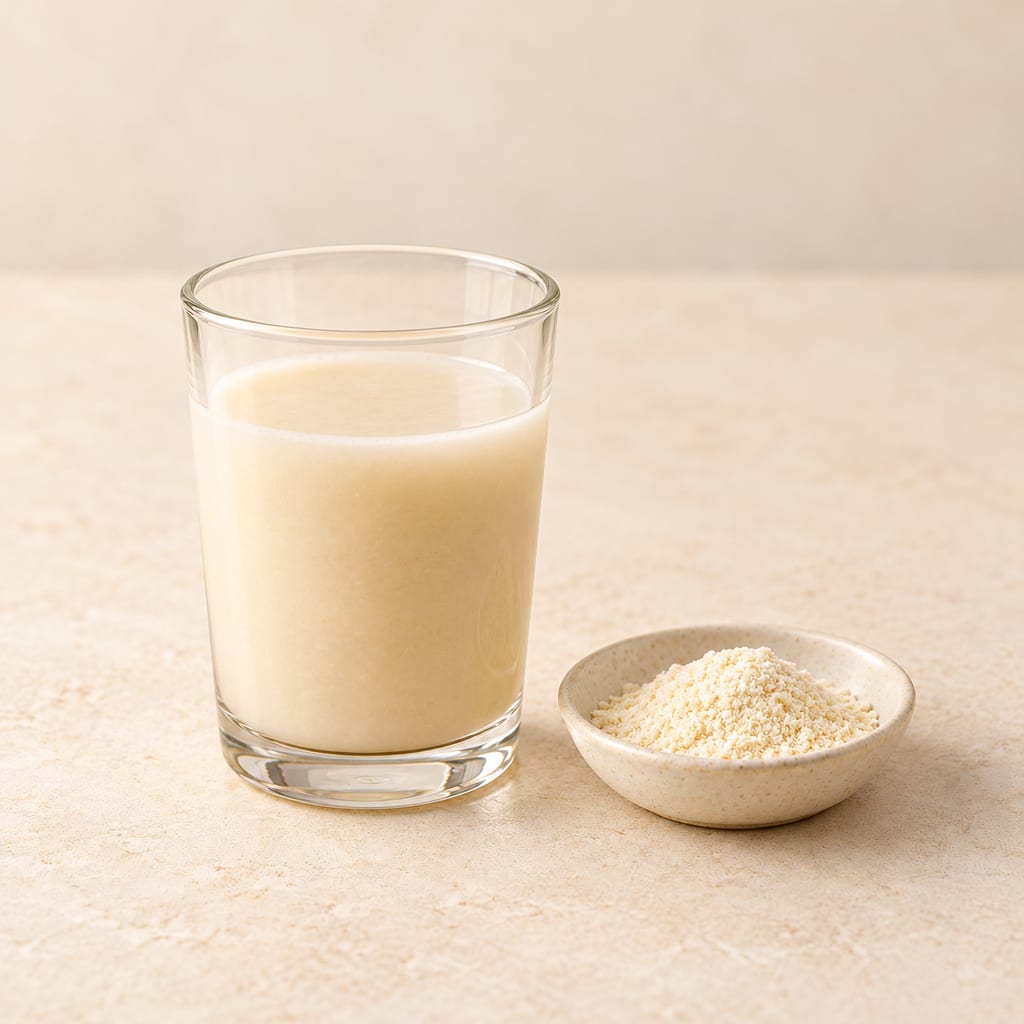
A Ugandan maize drink remade with a defined two-strain starter: roasted maize dough boiled to porridge, cooled and fermented under controlled conditions.
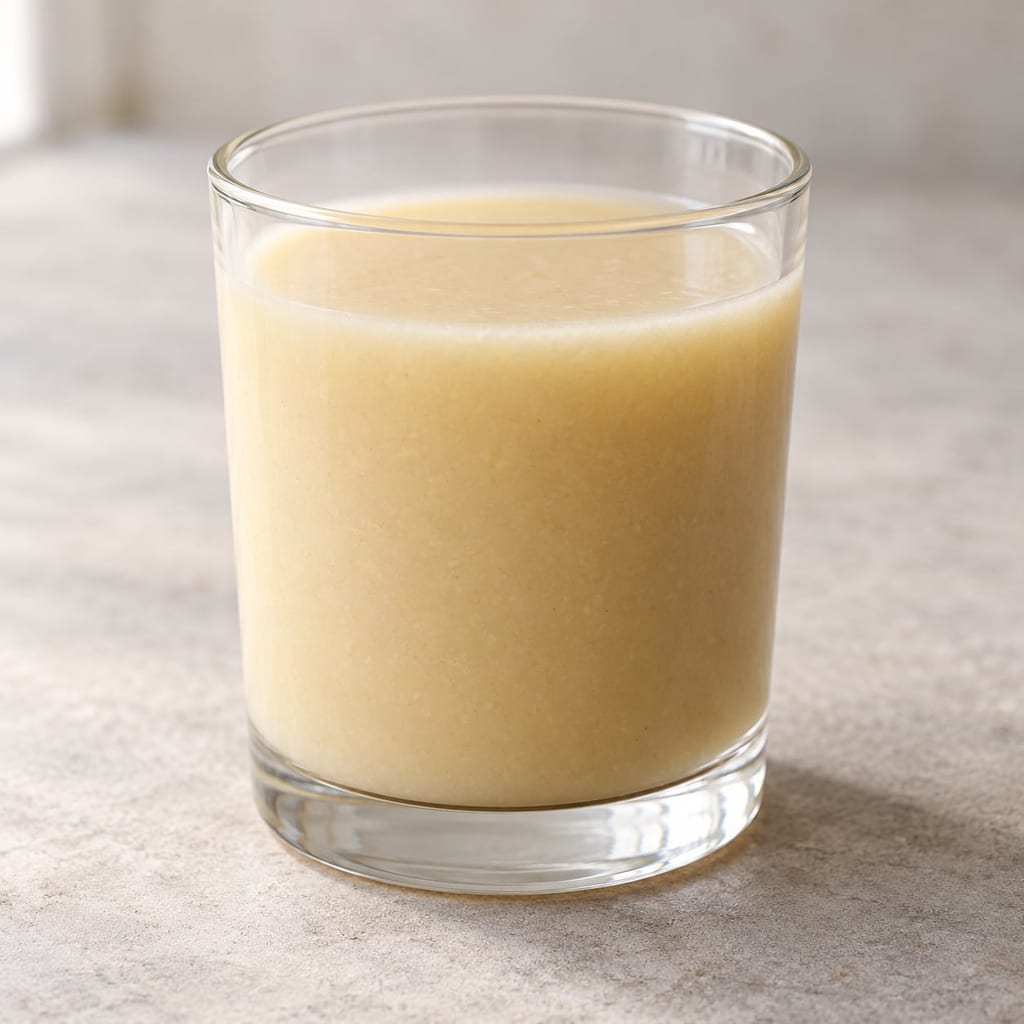
Kyrgyz Bozo is a mixed-fermented cereal drink made with ground grits, sprouted-wheat ugut and carried-over starter. This registry preparation leaves cereal selection, water and starter allocation unresolved.
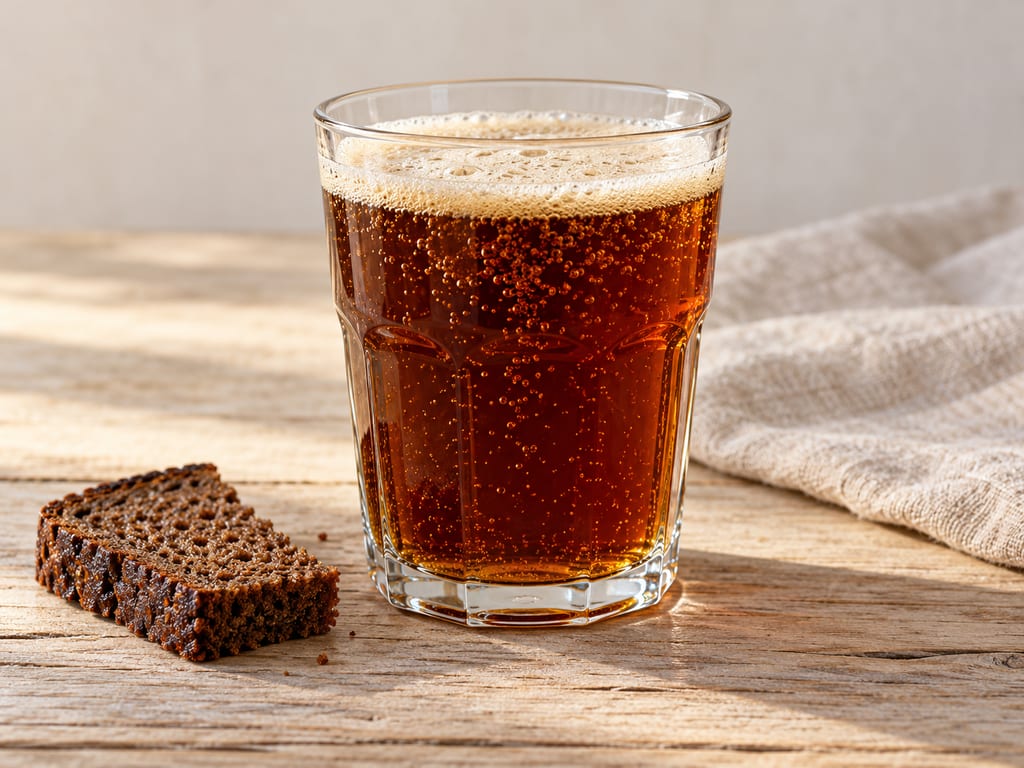
A documentary entry on Latvian rye-bread kvass, preserved from a modern Latvian rye collection. It records a food tradition, not a home-fermentation method.
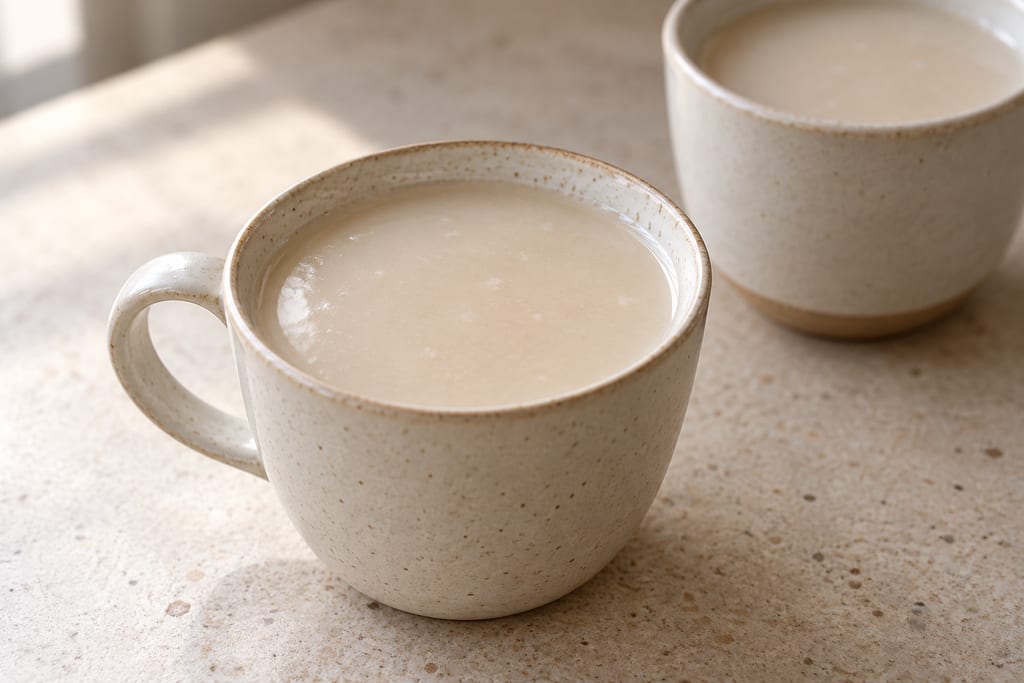
A documentary account of Zimbabwean mahewu and one producer's formula. Its quantities exceed the stated vessels, and research does not validate it as a safe home method.
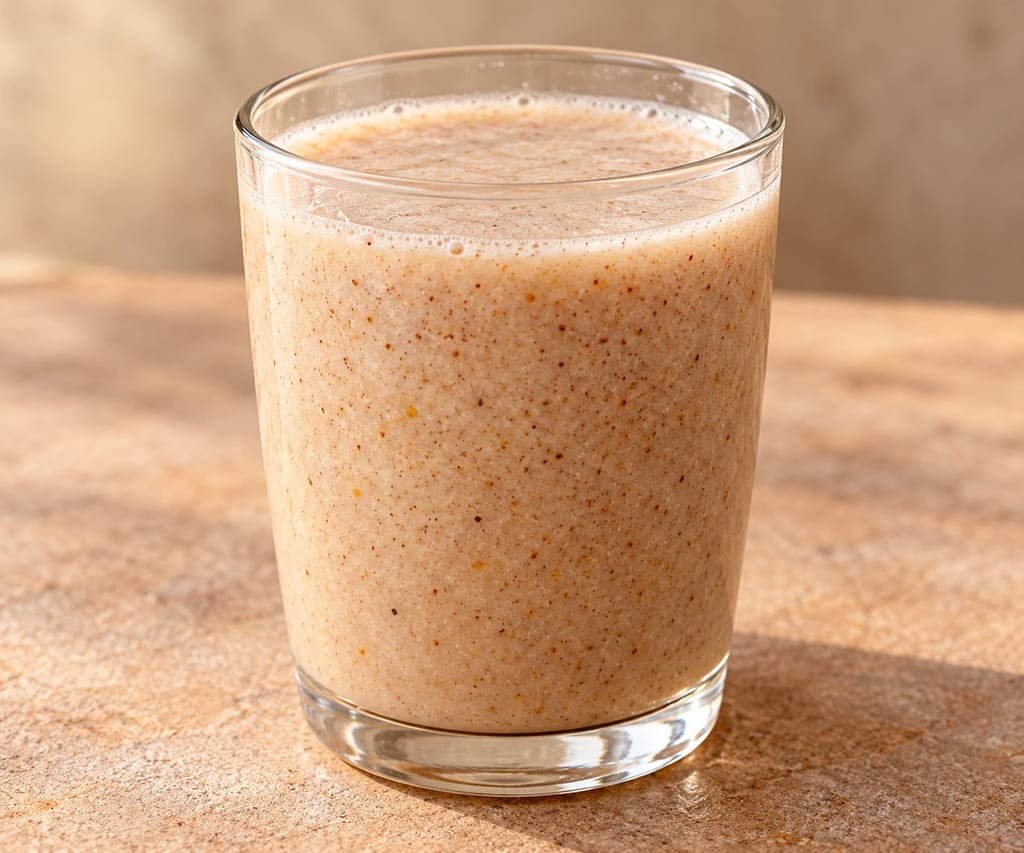
A thick, sweet-sour Malawian drink of boiled maize flour into which sorghum flour is stirred before an overnight spontaneous fermentation.
No community contributions have been published for this entry yet.
Sign in to contribute. Published comments and photos are free to read.
Food Chemistry: X / PubMed CentralInspiration · Process · Location · Safety
Delving into the nutritional and bioactive profiles of Cheka and Borde: Traditional Ethiopian fermented beveragesSouthern Ethiopian study formula uses 500 g wheat flour with 315 mL water fermented 38 hours at 23–25°C
Cooked wheat dough joins gesho water, 125 g malt flour and 500 mL water for 24 hours; a 625 g sorghum and 750 mL water porridge is separately mixed with 125 g malt flour
Final combined dough receives 250 mL water and ferments another 24 hours; gesho mass and finished yield are not given
International Journal of Microbiology / PubMed CentralHistory
Ethiopian Indigenous Traditional Fermented Beverage: The Role of the Microorganisms toward Nutritional and Safety Value of Fermented BeverageCheka is associated with southwestern Ethiopia and has multiple community variants; cereal and plant ingredients vary by locality
Clemson Cooperative ExtensionSafety
Cleaning and Sanitation for the HomebrewerClean brewing equipment to limit contamination during home fermentation
Journal of Food Processing & TechnologyProcess · History · Location · Safety
Indigenous Processing Methods of Cheka: A Traditional Fermented Beverage in Southwestern EthiopiaField interviews in Konso and Dirashe documented multiple household Cheka forms and ingredient combinations.
Reported routes include cooked taro leaves in Konso, fermented cabbage in Dirashe, and dried leafy vegetables milled with grain in some lowland Dirashe households.
The paper describes later dough-ball cooking, malted secondary fermentation and a final porridge stage; equipment varies by operation.
The authors report larvae in neglected uncovered long-ferment material; the study does not validate a modern safety control.
Cited in: Konso and Dirashe variants; Geography, variation and measured outcomes
Food Science & Nutrition / PubMed CentralHistory · Location · Safety
Nutritional and alcoholic contents of cheka: A traditional fermented beverage in Southwestern EthiopiaThe study measured ethanol and methanol in sampled Cheka from Karat, Gidole and Shelele; values varied by sample and are not safety limits or predictions for this distinct recipe.
Cited in: Geography, variation and measured outcomes