← Recipes

Modern method

Tigray Mies honey wine with gesho

Mies · Tej

Loading ratings…

An Ethiopian honey wine of the Tigray highlands, fermented with the leaves and stems of gesho, which supply both bitterness and the microorganisms that carry the ferment.

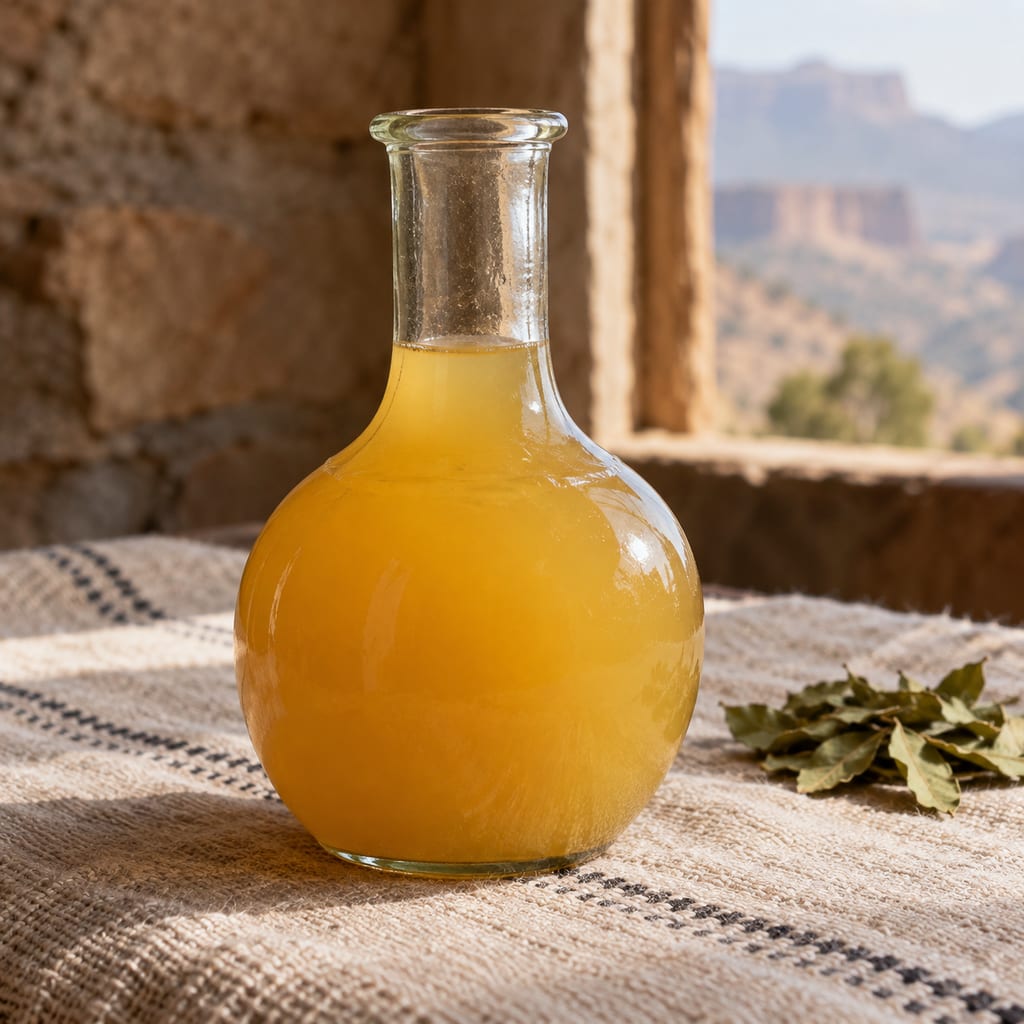
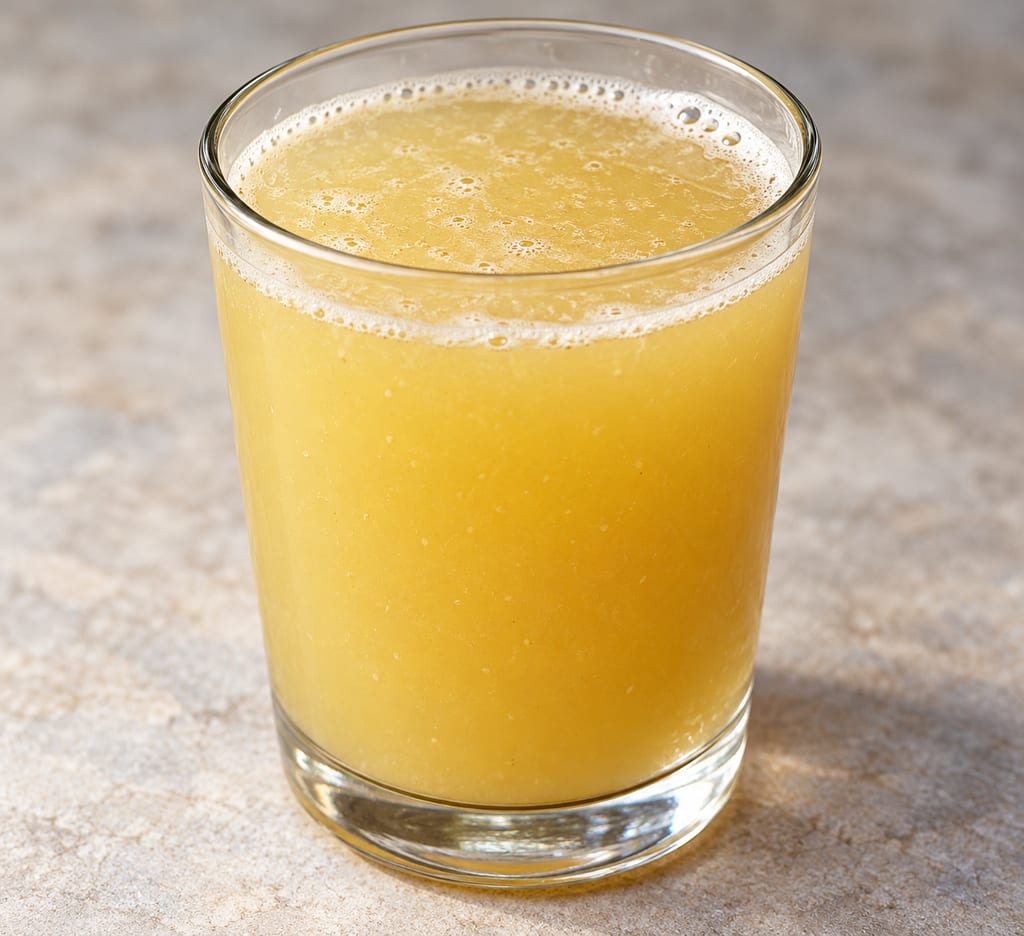
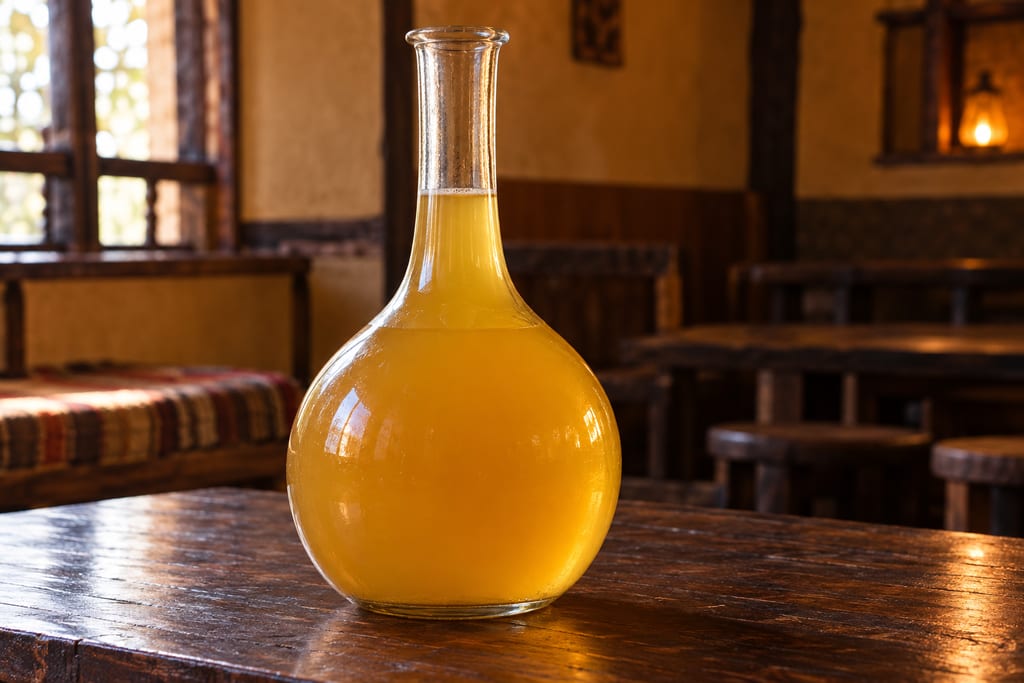
Cloudy golden-yellow Tigray Mies in a small round glass flask, with dry gesho leaves nearby.

Mies: honey wine from northern Ethiopia

Mies is a traditional honey wine associated particularly with northern Ethiopia and Eritrea.

It belongs to the wider family of Ethiopian honey-based alcoholic beverages often discussed alongside tej, but its regional terminology and documented preparation deserve careful treatment.

The principal ingredients are honey, water and gesho, a plant used to contribute bitterness and characteristic flavour.

Fermentation is traditionally spontaneous or influenced by the microorganisms present in ingredients, utensils and the production environment.

The drink may be cloudy, sweet, acidic and alcoholic.

Its composition varies substantially between producers.

This page documents a Tigray-associated preparation examined in a 2024 scientific study that compared three honey-and-gesho formulations.

That investigation provides unusually useful measured ingredient ratios, fermentation temperatures, alcohol levels and other analytical results.

It should not be treated as proof that every household in Tigray makes mies according to the same formula.

Sources for this section

Names and species

Gesho is sometimes loosely described as Ethiopian hops.

This is a culinary analogy, not a botanical identification.

Gesho belongs to the family Rhamnaceae, while hops belong to Humulus lupulus in the family Cannabaceae.

The plants are biologically different.

Tigrinya — mies

Amharic, related beverage — tej

Tigrinya/Amharic plant name — Gesho

Botanical name — Rhamnus prinoides

English — Ethiopian honey wine

Honey-producing bees — Commonly Apis mellifera and locally managed bee populations

Sources for this section

The place of honey wine in Ethiopian culture

Honey fermentation has a longstanding place in Ethiopian and Eritrean food and drink traditions.

Honey-based beverages are associated with social events, hospitality and celebrations.

Tej houses form part of the wider Ethiopian hospitality tradition.

The precise historical origin of mies is not established by the available scientific sources.

The 2024 study documents contemporary production methods and local terminology but does not establish an ancient date for its exact formulation.

Honey-wine preparation varies with the type of honey, availability of gesho, local water, vessels and fermentation conditions.

Different honey sources can produce visibly and aromatically different beverages.

That variability is a defining feature of traditional honey-based fermentation.

Sources for this section

Honey is a difficult fermentation substrate

Honey contains a high concentration of sugars and relatively little free water.

Its low water activity helps inhibit the growth of many microorganisms while it remains concentrated.

Dilution changes that environment dramatically.

When honey is mixed with water, its sugars become available to yeasts and other organisms.

Fermentation can then begin if suitable microorganisms are present.

Honey is also relatively low in some nutrients required by yeast for efficient alcoholic fermentation.

This helps explain why honey fermentations can behave differently from malted-grain beer or grape wine.

Traditional methods do not necessarily include modern nutrient supplementation.

Consequently, fermentation speed and final composition can vary.

Sources for this section

Gesho and its role

Gesho contributes bitterness and characteristic plant aromas.

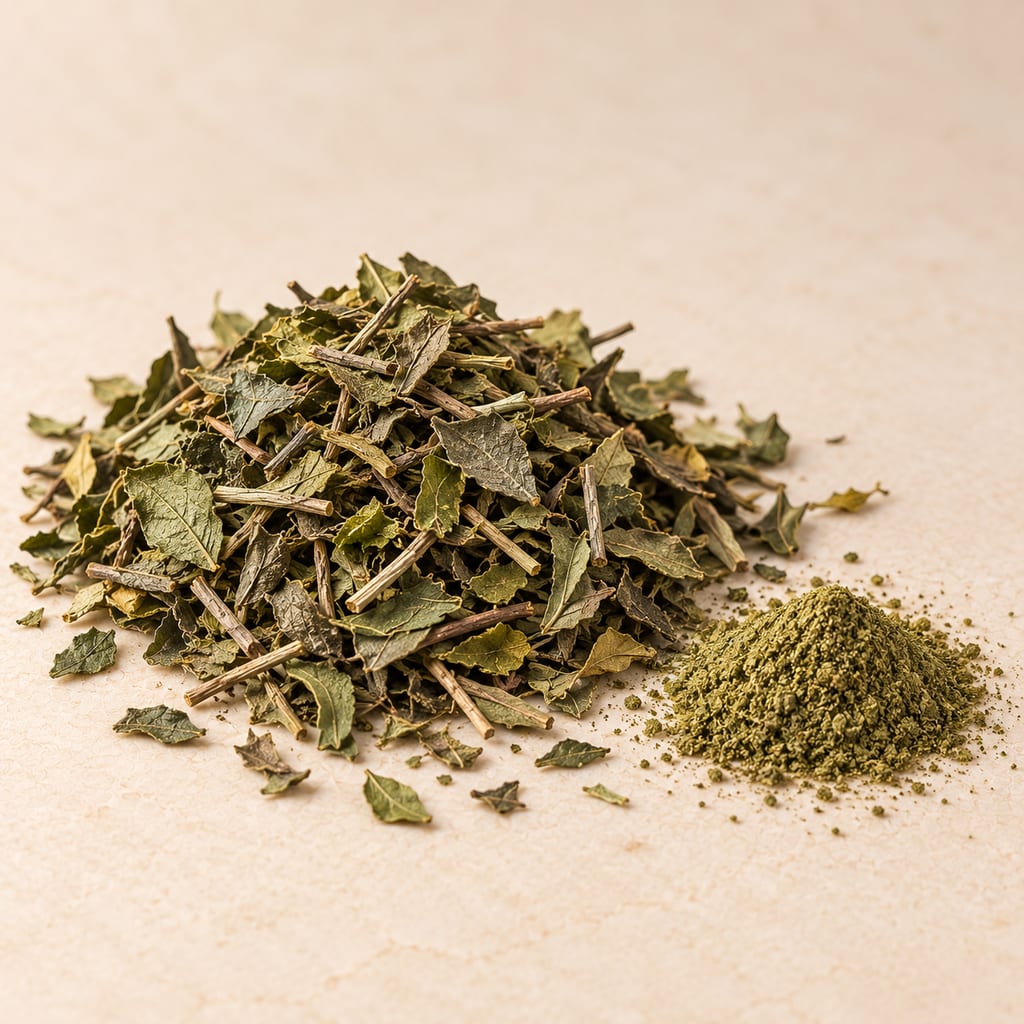
The preparation may use stems, leaves or processed gesho material depending on local practice.

The research formulation used coarsely ground gesho.

Its presence affects flavour, but gesho should not automatically be assigned the same antimicrobial or brewing properties as hops.

The research did not establish that adding gesho alone guarantees microbiological safety.

Gesho may also contribute material or microorganisms to the fermentation environment, depending on how it has been processed.

Sources for this section

Three documented formulations

The Tigray study compared three combinations:

F3 received the highest sensory evaluation in the reported study.

The preferred formulation is therefore 500 g honey, 50 g gesho and 2 L water.

The evaluation does not mean F3 is the only authentic traditional ratio.

It represents a successful standardized version within the scope of the investigation.

F1 — 50 g — 400 g — 2 L

F2 — 40 g — 500 g — 2 L

F3 — 50 g — 500 g — 2 L

Sources for this section

Preparation equipment

The documented process used plastic fermentation vessels, a clean stirring implement and cotton cloth for filtration.

The containers were washed, dried and fumigated with gesho and olive-wood splinters for 10–15 minutes.

The traditional fumigation practice contributes to the production context.

It should not be treated as a substitute for modern cleaning and sanitation.

The study did not validate wood smoke alone as a comprehensive pathogen-control measure.

Sources for this section

Method

F3 formulation · Approximately 21 days · Documented experimental preparation

Sources for this section

Stage 1 — Prepare the vessel

Use clean, food-safe equipment.

The research process included washing, drying and traditional fumigation with gesho and olive wood.

The fumigation duration was 10–15 minutes.

Any modern reproduction should also use appropriate sanitation procedures.

Sources for this section

Stage 2 — Prepare birzi

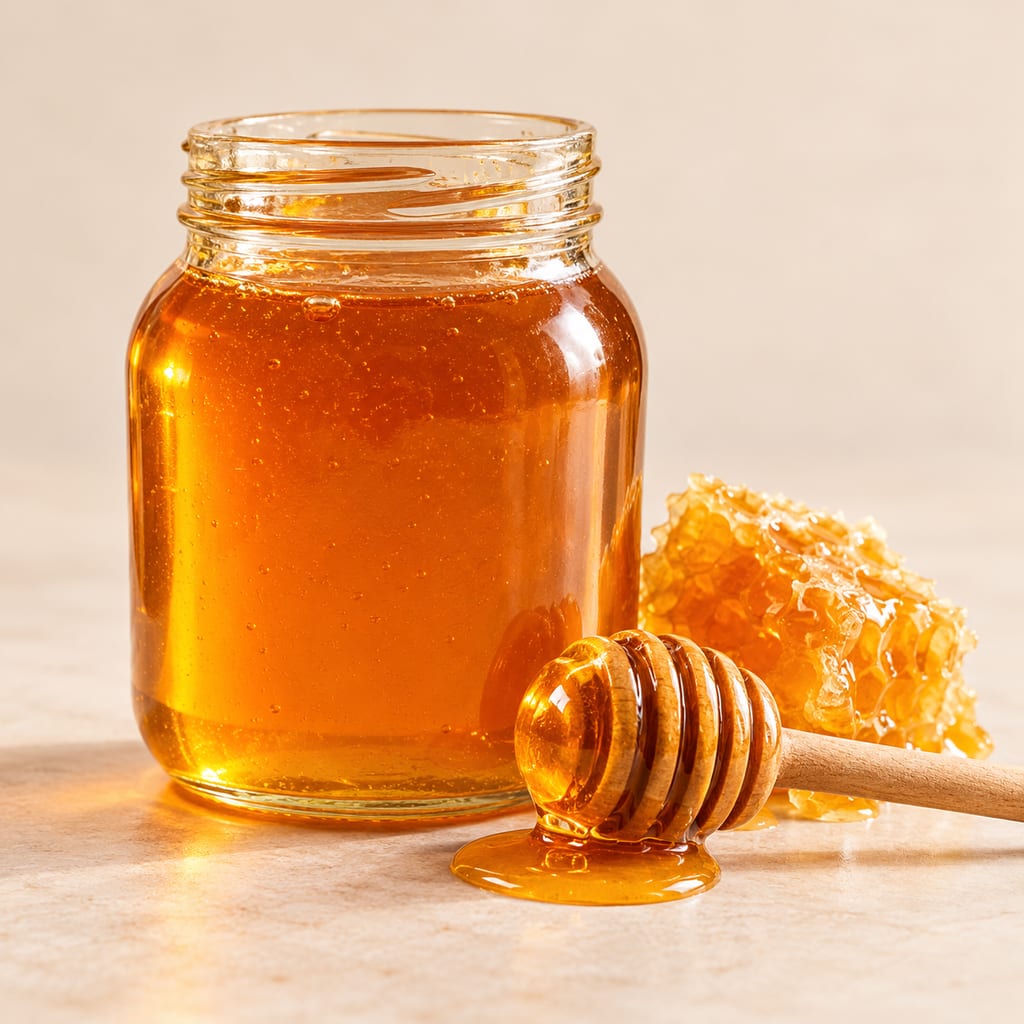
Mix 500 g honey with 2 L water.

The initial honey-water mixture, called birzi, uses a 1:5 honey-to-water ratio.

The research's tabulated F3 formulation gives 0.5 kg honey and 2 L water; these are not a literal 1:5 ratio by mass or volume.

The inconsistency should remain visible in the record rather than being silently corrected.

For reproducing the measured F3 formulation, the stated ingredient table is the clearest quantitative basis.

Sources for this section

Stage 3 — Initial fermentation

Allow the birzi to ferment at 22°C for five days.

The initial fermentation is spontaneous.

The source does not specify a commercial yeast culture for this stage.

Sources for this section

Stage 4 — Remove surface wax

After the first fermentation, remove floating honey wax and associated material.

This reduces unwanted solids in the next stage.

Sources for this section

Stage 5 — Add gesho

Introduce 50 g coarsely ground gesho.

Distribute it through the fermented honey-water mixture.

Sources for this section

Stage 6 — Main gesho fermentation

Keep the vessel covered with clean cloth and ferment for 14 days at 22°C, away from direct sunlight.

This stage extracts gesho flavour while microbial fermentation continues.

The vessel must be suitable for active fermentation and capable of releasing carbon dioxide safely.

Sources for this section

Stage 7 — Filter

Pass the mixture through clean cotton cloth.

Transfer the filtered liquid to a clean vessel.

The source does not specify a pore size or quantified filtration efficiency.

Sources for this section

Stage 8 — Season and mature

The research describes additional seasoning of the young mies, including honey, before a final fermentation period.

It specifies two additional days.

However, the exact quantity of honey used for final seasoning is not clearly established in the extracted method.

Do not invent a weight.

For strict reproduction, this additional ingredient amount requires confirmation from the original study authors or the complete experimental record.

Sources for this section

Stage 9 — Assess the finished drink

The total documented schedule is approximately 21 days.

The study measured alcohol, acidity, soluble solids and other characteristics.

Its measurements apply to the studied samples, not automatically to household batches.

Sources for this section

What fermentation changes

Honey fermentation begins when dilution raises water availability.

Yeasts can convert glucose and fructose into ethanol and carbon dioxide.

Lactic acid bacteria may produce organic acids and contribute to acidity.

Other microorganisms may also participate in spontaneous fermentation.

During the gesho stage, flavour compounds are extracted from the plant material.

Continued fermentation changes the balance between residual sugar, ethanol and acidity.

The final drink is a combined result of biological activity and extraction.

It is not simply honey-flavoured alcohol.

Sources for this section

Microbiology

The 2024 study reported lactic acid bacteria as predominant among the microbes observed in the preferred F3 formulation.

That result is important because the beverage is usually discussed primarily as a honey wine.

A mixed microbial population can influence both acidity and flavour.

The paper did not completely characterize every organism using species-level molecular techniques.

Consequently, a universal list of microorganisms should not be imposed on all mies.

Different batches may contain different yeast and bacterial communities.

Sources for this section

Measured alcohol results

The study reported these alcohol concentrations:

These are measured experimental results.

They should not be generalized into a claim that all mies contains exactly 5.72% alcohol.

Traditional Ethiopian honey wines can vary considerably in strength.

F1 — 2.80% — 4.03% — 5.30%

F2 — 2.30% — 3.12% — 4.09%

F3 — 2.93% — 4.62% — 5.72%

Sources for this section

Acidity and soluble solids

The preferred F3 formulation reached a measured titratable acidity of 3.50 g/L and total soluble solids of 26.24 °Brix after the reported fermentation schedule.

The final °Brix measurement describes refractometer response in a mixture containing sugars and alcohol.

It should not be interpreted as a direct measurement of residual fermentable sugar without appropriate correction and analysis.

Likewise, titratable acidity is not equivalent to pH.

The two describe different aspects of acidity.

The measured values are useful reference data but do not establish a universal safety threshold.

Sources for this section

Tigray mies

Associated with northern Ethiopian honey-wine traditions and gesho use.

Sources for this section

Tej in other Ethiopian regions

Often uses honey, water and gesho but may employ different proportions and fermentation schedules.

Sources for this section

Honey-wine traditions in Eritrea

Related preparations are known, although local terminology and methods can vary.

Sources for this section

Modern controlled mead

Uses selected commercial yeast, nutrient management and measured gravity.

Such a process may be more reproducible, but it is not identical to traditional spontaneous mies.

Sources for this section

How it is consumed

Mies and related Ethiopian honey wines are associated with hospitality and social drinking.

Traditional serving vessels vary.

Some Ethiopian honey wines are served in rounded glass flasks commonly associated with tej service.

The drink can retain sweetness and may be cloudy.

Its flavour reflects both the honey and gesho.

A dry modern mead should not be considered an equivalent sensory product merely because both use honey.

Sources for this section

Recognizing good fermentation
Signs of fermentation can include gas production, changes in aroma, decreasing sweetness and increasing acidity.

The drink may become more complex over time.

However, visible bubbling does not establish a safe fermentation.

Likewise, the presence of lactic acid bacteria in a laboratory sample does not make every spontaneous home batch safe.

The preferred research formulation underwent analytical testing.

A household batch prepared without those measurements remains unvalidated.

Sources for this section

Problems and hazards

Stalled fermentation: Honey can be nutritionally challenging for yeast.

Excessive sourness: Acid production or oxidation may alter the desired balance.

Unexpected alcohol concentration: Strength depends on microbial activity and sugar utilization.

Surface mould: Discard contaminated material.

Putrid or otherwise abnormal spoilage odours: Do not consume.

Gas pressure: Fermentation vessels must release carbon dioxide safely.

Sediment and haze: These may be normal in traditional honey wine, but do not prove safety.

Sources for this section

Food safety

Mies is an alcoholic beverage.

The F3 batch reached 5.72% ABV in the study, but a home-made batch cannot be assumed to match it.

The spontaneous process has no universal validated pathogen-control endpoint.

Use sound honey, potable water, properly identified food-grade gesho and sanitary equipment.

Do not use sealed ordinary glass vessels during active fermentation.

The original study's post-fermentation handling and shelf-life claims should not be transferred automatically to an untested home batch.

Sources for this section

History

Mies is a traditional honey wine in Ethiopia and Eritrea. The study identifies it as a Tigrinya name and describes cultural use in Tigrai; this record captures the researchers' documented preparation in Mekelle and does not claim an origin date.

Ingredients

Scaling: source batch only

HoneyFermentable sugar and the body of the wine
500 g
GeshoBitterness, and the microorganisms that carry the ferment
50 g
WaterDilutes the honey to a fermentable must
2 L

Method

Risks and precautions · Elevated risk
alcoholic spontaneous honey fermentation

The study measured 5.72% alcohol by day 21 in its selected F3 formulation and says Mies is traditionally produced without starter cultures; the result is tied to that study batch.

Hazard source
variable spontaneous microbial process

The researchers note the process lacks species-specific profiles and that more work is needed to address preparation concerns; the measured research method is not a validated household safety process.

Hazard source

The study washed and dried its tanks, used a clean dry stirrer and cotton filtering cloth, and refrigerated its samples at 4°C for analysis. It does not validate consumer storage duration or a universal fermentation endpoint.

Control source

This is an alcoholic honey wine; the paper measured 5.72% alcohol by day 21 in its selected formulation.

The paper notes that fermentation time changes alcohol and pH and does not set a general consumer endpoint or shelf life. Its laboratory measurements are not a household safety validation.

  1. Prepare the vessel. Use clean, food-safe equipment. The research process included washing, drying and traditional fumigation with gesho and olive wood.
  2. Prepare birzi. Mix 500 g honey with 2 L water. The initial honey-water mixture, called birzi, uses a 1:5 honey-to-water ratio.
  3. Initial fermentation. Allow the birzi to ferment at 22°C for five days. The initial fermentation is spontaneous.
  4. Remove surface wax. After the first fermentation, remove floating honey wax and associated material. This reduces unwanted solids in the next stage.
  5. Add gesho. Introduce 50 g coarsely ground gesho. Distribute it through the fermented honey-water mixture.
  6. Main gesho fermentation. Keep the vessel covered with clean cloth and ferment for 14 days at 22°C, away from direct sunlight.
  7. Filter. Pass the mixture through clean cotton cloth. Transfer the filtered liquid to a clean vessel.
  8. Season and mature. The research describes additional seasoning of the young mies, including honey, before a final fermentation period.
  9. Assess the finished drink. The total documented schedule is approximately 21 days. The study measured alcohol, acidity, soluble solids and other characteristics.

Conditions

Fermentation21 days
Temperature22°C
Temperature controlMulti-stage

Places

Mekelle

Documented preparation · Locality evidence

Authors conducted the study at Mekelle institutions and describe the Mies process there; the method is documented, not claimed as originating in Mekelle.

Related

Community

No community contributions have been published for this entry yet.

Share what you made

Sign in to contribute. Published comments and photos are free to read.

Sources