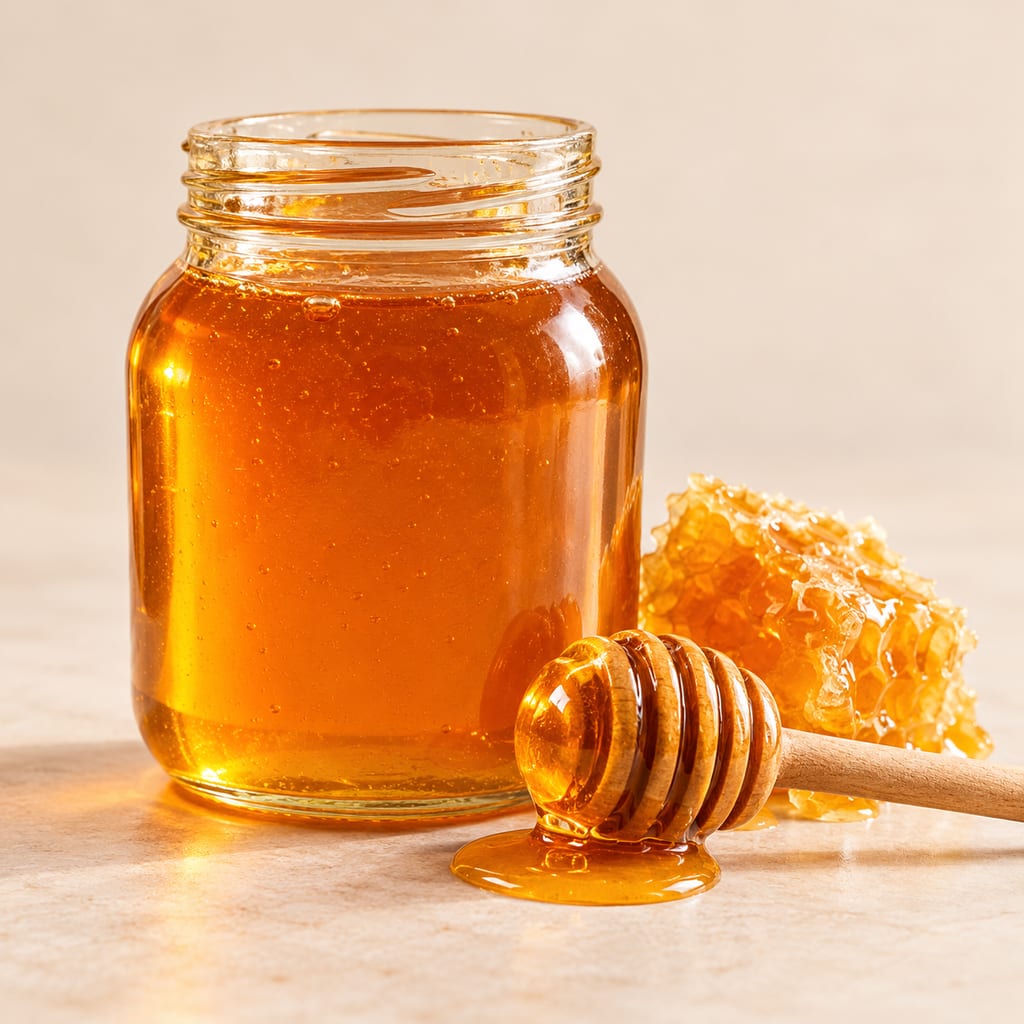
Honey
Honey is a bee-made food from floral nectar or honeydew; breads use it in dough or as a syrup served with cooked griddle breads.
 FermenteaWhere food goes to change
Traditional method
Honey wine
Mead is an alcoholic drink made by fermenting diluted honey with yeast, then racking and ageing it. The honey, not refined sugar, is what makes it mead.
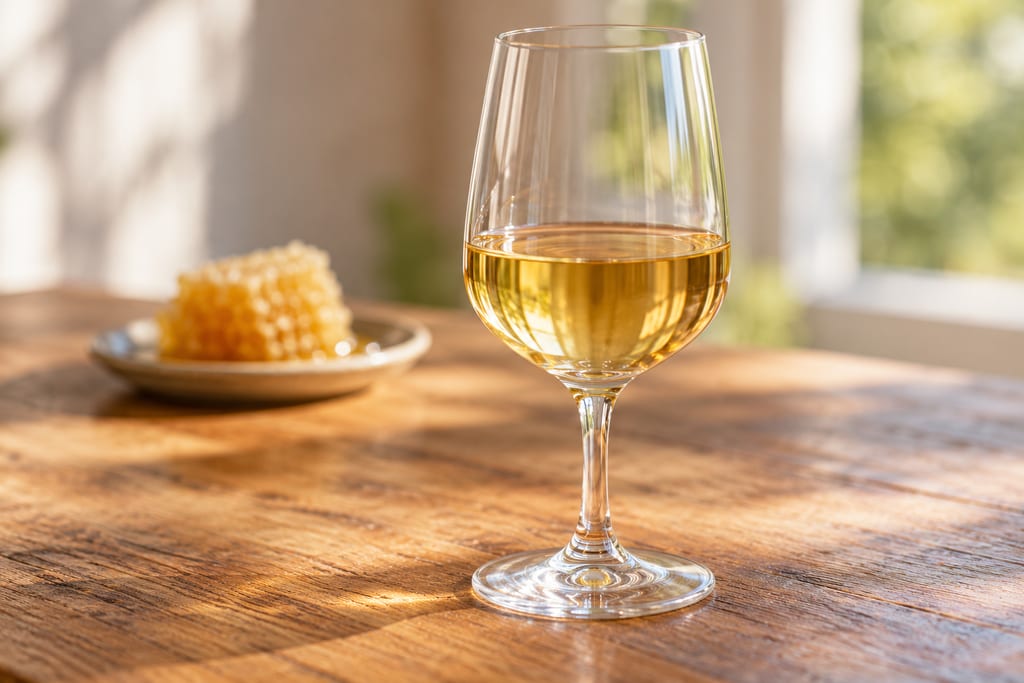
Mead is an alcoholic drink made by fermenting diluted honey. Yeast converts the available sugars into ethanol and carbon dioxide, and the honey also supplies flavour that sugar and water cannot. A ferment of refined sugar and water can produce alcohol, but the honey is what puts a drink in the mead category.
Honey is not a standard sugar source. Its composition and the nutrients it carries vary from one honey to the next, and reviews of mead production describe yeast-nutrition problems and fermentations that stall. That variation is why makers add nutrient and why the same method gives different results with different honeys. The sources do not name one yeast strain for all mead.
Honey is warmed in a water bath because crystallised honey dissolves slowly in cold water, and the must is mixed until no dark and light layers show. It is then left to cool before the yeast goes in. The homebrew tutorial pitches the yeast once the must is at 60 to 70 F (15.5 to 21 C), aerates it once by shaking at that point so the yeast can multiply, and from then on avoids splashing so that oxygen does not stale the mead.
Nutrient is added after pitching on a staggered schedule, which gives the yeast a steady supply through the ferment rather than a single early dose. The airlock lets carbon dioxide out and keeps air out. Bubbling usually starts within 24 hours, but slowing or stopping bubbles does not by themselves mean the fermentation is finished.
After two to three weeks the mead is racked off the yeast into a second vessel with as little headspace as possible. Fermentation finishes there and the mead clears. Hydrometer readings that stay steady over one to two weeks show that the sugar has stopped changing, and only then is the mead packaged. A still mead needs no priming sugar or forced carbonation.
FAO gives a rule of thumb of 2.3 kg of honey per 100 litres of water for each percent of alcohol by volume wanted. Expressed as honey sugar solids, 21 percent gives a dry mead of about 12 percent alcohol and 25 percent gives about 14 to 15 percent. Sugar beyond what the yeast uses stays in the drink as sweetness. FAO recommends clean soft rain or well water boiled first, since a public supply may carry minerals or chemicals that change the flavour.
It advises 0.5 to 2 percent active, acid-resistant champagne or brewer's yeast, a starter culture for larger batches, and not bread yeast. Fermentation should run without air in a vessel sealed with a lock, because if oxygen gets in the mead will turn into vinegar. FAO keeps the must at 20 to 25 C and never above 28 C: warmer temperatures speed fermentation but yield less alcohol, and cooler ones slow it and can stop it. Fermentation takes roughly one month, or until no more gas leaves the lock, and the mead is decanted once it slows to avoid bitterness from dead yeast.
Mead can be cleared with tannins, bentonite, egg white or very fine filtration. Boiling the must before fermentation removes most of the proteins that cloud it, but also much of the honey aroma. FAO ages mead in oak barrels, which it prefers, or in bottles, with maturity at 6 months to 3 years and at least 18 months recommended.
Its worked example dilutes honey to 21 percent solids, adjusts the pH to 3.7 to 4.0, adds nutrients and ferments 150 litres in a 200 litre oak barrel at 18 C with 0.5 percent active yeast. After 6 months it is filtered, its total acidity set to 0.6 percent, pasteurised at 63 C for 5 minutes and bottled hot. Mead can also be turned into vinegar with Acetobacter aceti at 20 to 25 C, taking days to months.
Archaeologists have reported a mixed fermented drink containing honey alongside cereal and fruit, called Nordic grog. It supports one beverage context, not a pure mead and not the beginning of mead. A transcription of Susanna Packe's 1674 household book includes one entry titled White Meade; its wording after a rest is ambiguous, so it is evidence of one text and not of a method to follow or of how widespread mead was.
The sources give no single origin, continuous history or season for mead, and honey harvest varies with region and beekeeping practice.
The homebrew tutorial and the separate named dry varietal recipe it links to are examples from one publisher and not a universal method. A hydrometer and airlock help a maker watch a batch, but they do not independently show that it is safe to package or how long it will keep. A package that still holds fermentable sugar can develop pressure if fermentation continues. The sources give no universal alcohol, endpoint, pressure or storage limit.
An archaeological study of a Nordic grog reports a mixed fermented drink made with honey alongside cereal and fruit. That supports one archaeological beverage context and is not proof of a pure mead or of where mead began. A Folger transcription of Susanna Packe's 1674 household book contains a single entry titled White Meade whose wording after a rest is ambiguous. The sources give no origin, continuous history or season for mead, and honey harvest varies by region and beekeeping practice.
Yield 19 L · Scaling: source batch only
A bottle or keg that still holds fermentable sugar can develop pressure if fermentation continues, and a slowing airlock does not show that fermentation is finished.
Hazard sourceFAO warns that if oxygen gets into the fermenting must the mead will turn into vinegar.
Hazard sourceConfirm completion with hydrometer readings that stay steady over 1 to 2 weeks before bottling.
Control sourceFerment without air in a vessel sealed with a fermentation lock, and rack with minimal headspace.
Control sourceThe sources give no universal alcohol, endpoint, pressure or storage limit for mead; a steady hydrometer reading is the only completion check they describe.
A quiet airlock, a clear liquid or a pleasant smell does not show that fermentation has finished.
The sources describe mead as made wherever honey is kept and give no single origin or season; the archaeological evidence is for a mixed drink, not for pure mead.
Honey is a bee-made food from floral nectar or honeydew; breads use it in dough or as a syrup served with cooked griddle breads.
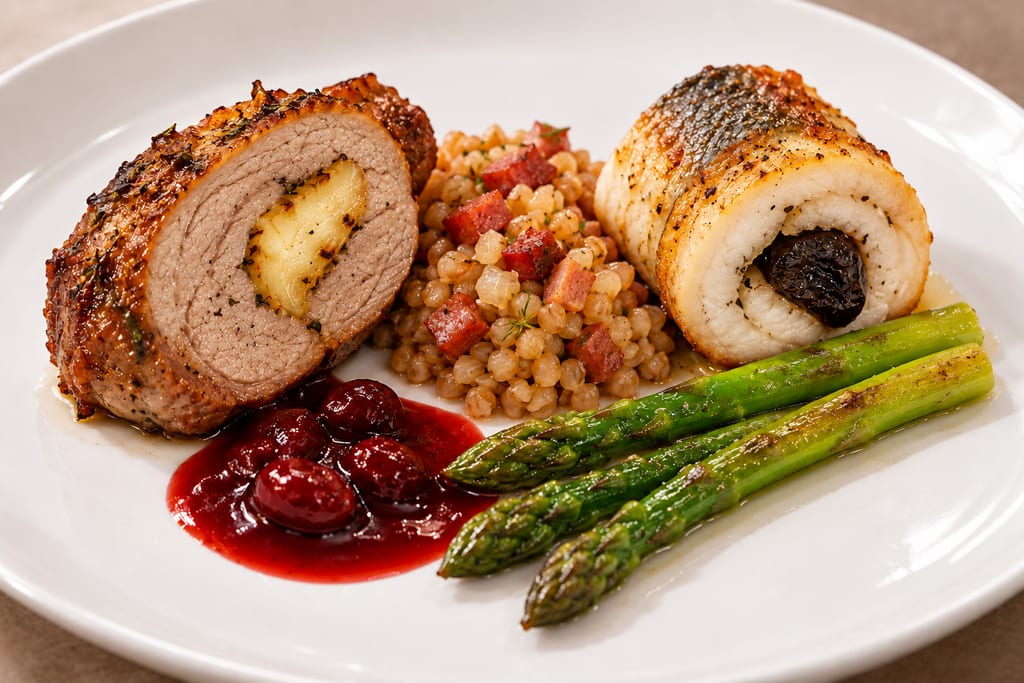
A student cookbook pairs lamb stuffed with Oscypek and zander with suska, then serves wheat groats with a small amount of kiełbasa lisiecka.
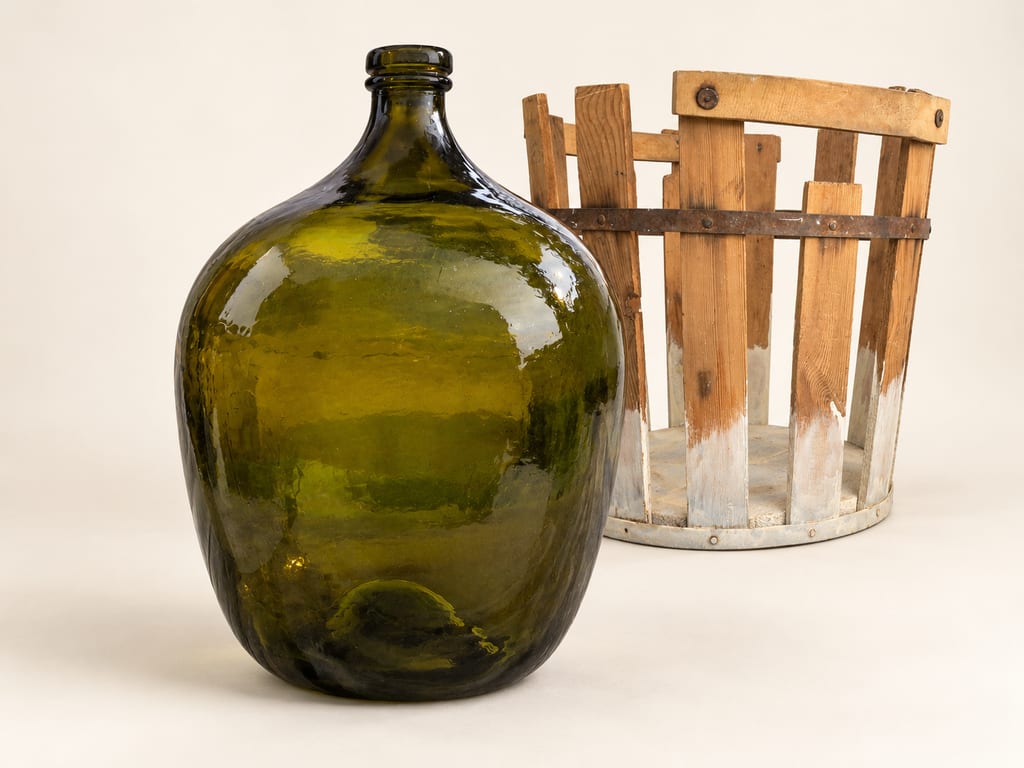
A glass demijohn or carboy is a stout, usually rounded bottle with a narrow neck, used for beverage fermentation, maturation, storage or transport. Its glass body, closure and any protective carrier are distinct parts of the vessel system.
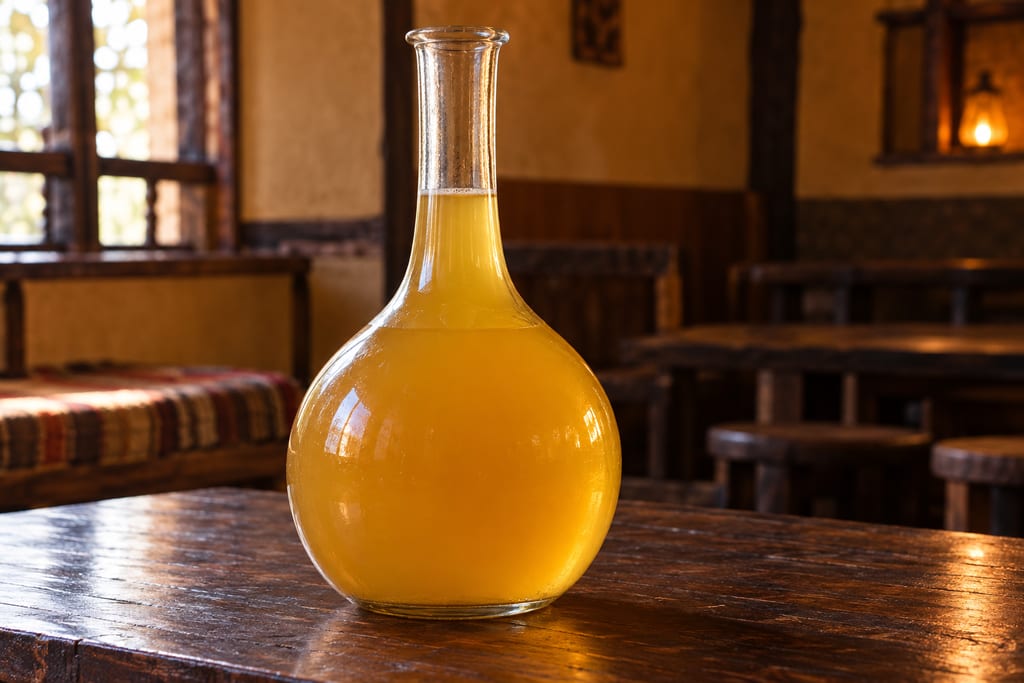
An Ethiopian honey wine made here as a controlled laboratory formulation with honey, water, a mixed bacterial-and-yeast starter, and gesho.
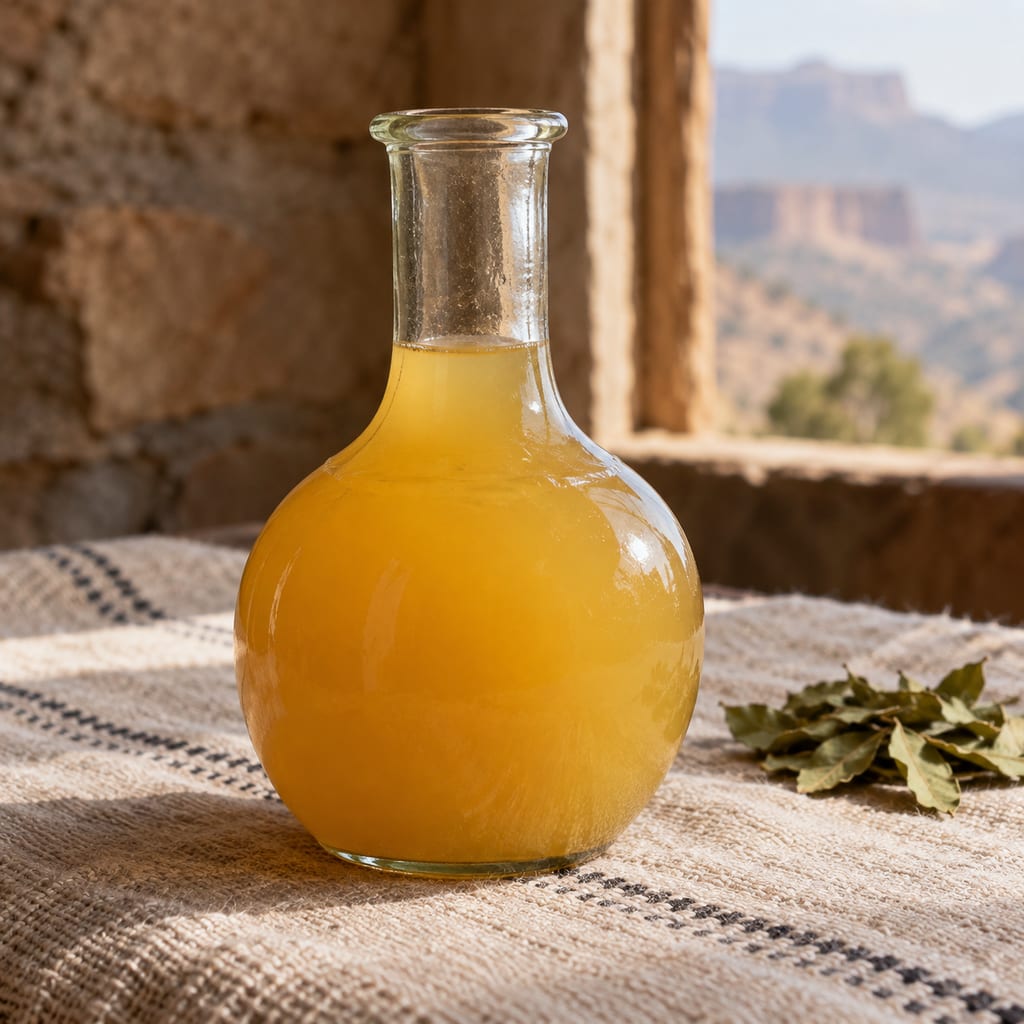
An Ethiopian honey wine of the Tigray highlands, fermented with the leaves and stems of gesho, which supply both bitterness and the microorganisms that carry the ferment.
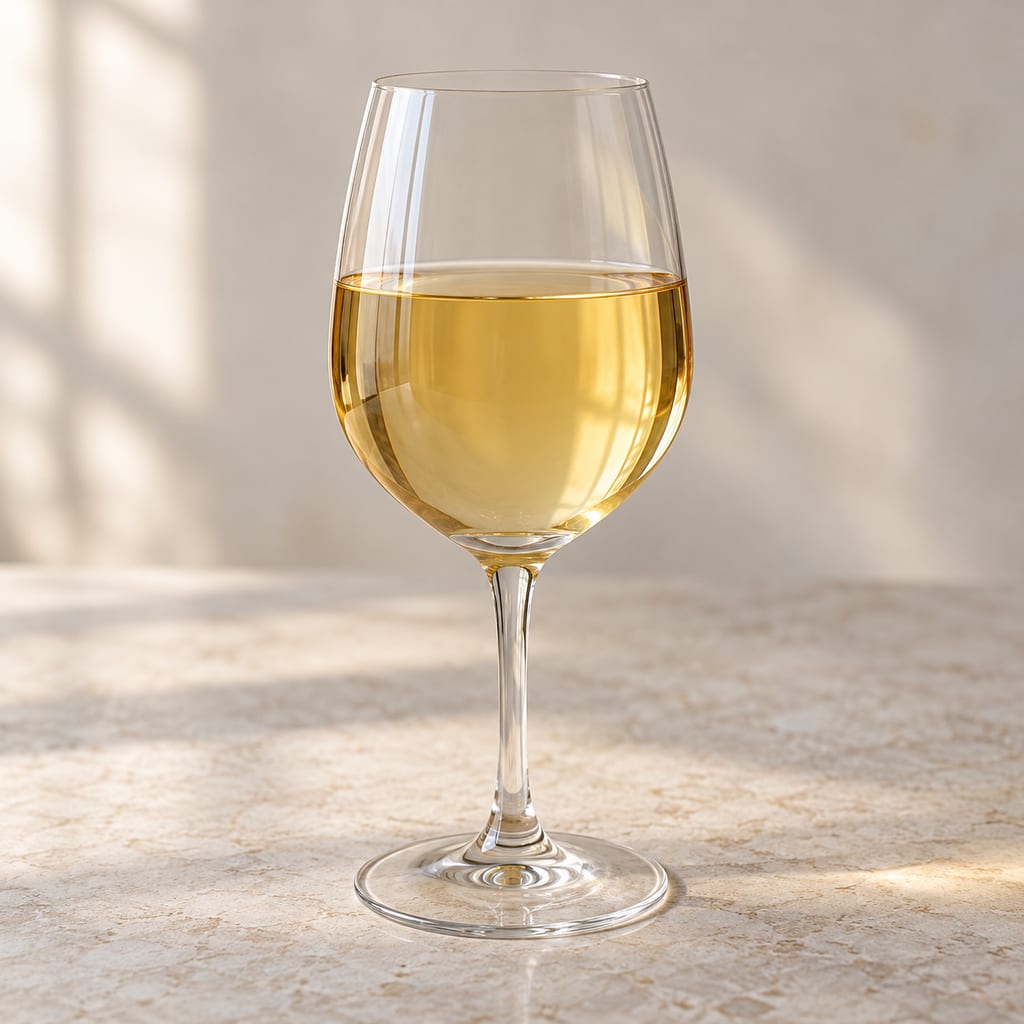
A still, dry honey wine fermented from varietal honey and water with a single wine yeast, carrying no residual sweetness and no added carbonation.
No community contributions have been published for this entry yet.
Sign in to contribute. Published comments and photos are free to read.
American Homebrewers AssociationMethod
How to Make MeadEquipment, 5 gallon must, warming honey, cooling and pitching temperatures, aeration, airlock, racking after 2 to 3 weeks, ageing, hydrometer check and packaging of a still mead
Cited in: How the make works; Limits of the sources
American Homebrewers AssociationMethod
Tradition Dry Varietal MeadThe separate named dry varietal recipe the tutorial links to, which is a distinct example and not a universal method
Cited in: Limits of the sources
Food and Agriculture Organization of the United NationsMethod · Safety
Value-added products from beekeeping, section 2.12.4 MeadHoney to water proportions and the alcohol they give
Yeast type and dose, nutrients, fermentation temperatures and duration
Clarifying and ageing for 6 months to 3 years
A worked 150 litre oak-barrel example
Oxygen turns mead to vinegar
Cited in: Mead is more than fermented sugar water; Honey strength, yeast and temperature; Clarifying and ageing
Patrick E. McGovern et al.; Danish Journal of Archaeology 2(2)History
A biomolecular archaeological approach to Nordic grogA mixed fermented drink containing honey alongside cereal and fruit
Cited in: What the history shows and does not show
M. P. Pereira et al.; Molecules 19(8), 12577Process
Developments in the Fermentation Process and Quality Improvement Strategies for Mead ProductionHoney is variable, and yeast nutrition challenges and stalled fermentations are discussed
Cited in: Mead is more than fermented sugar water; Limits of the sources
Susanna Packe; Folger Shakespeare LibraryHistory
V.a.215: Cookbook of Susanna Packe [manuscript], reading-copy transcriptionA single entry titled White Meade in a 1674 household book, with an ambiguous phrase after a rest
Cited in: What the history shows and does not show