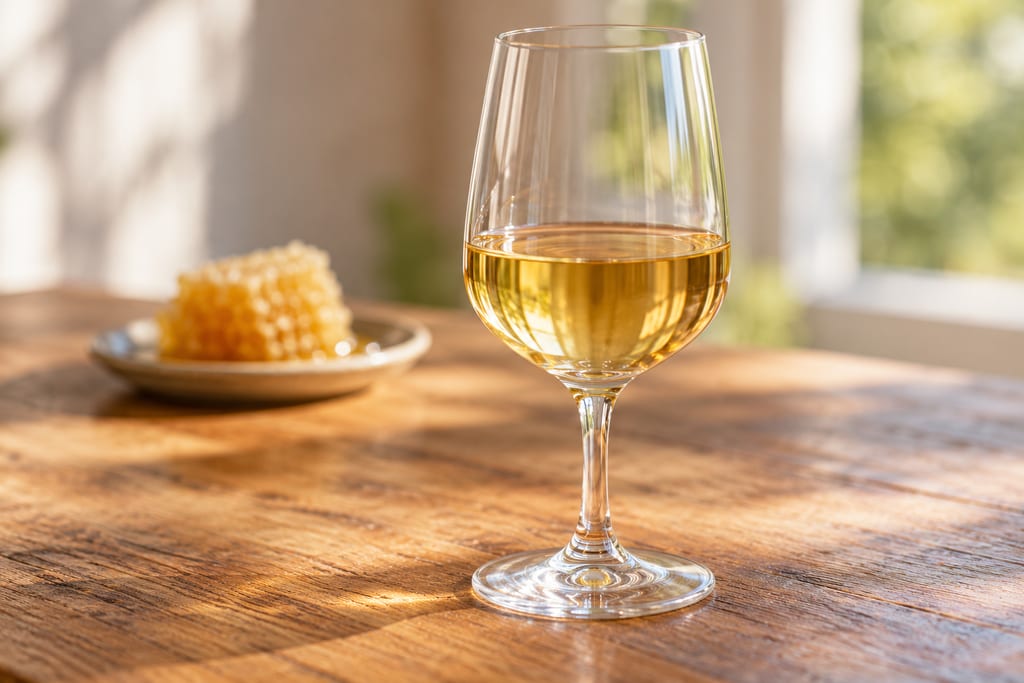
Mead
Mead is an alcoholic drink made by fermenting diluted honey with yeast, then racking and ageing it. The honey, not refined sugar, is what makes it mead.
 FermenteaWhere food goes to change
Modern adaptation
Duet jagnięciny podhalańskiej faszerowanej oscypkiem i sandacza z suską sechlońską na pęczku z kiełbasą lisiecką w towarzystwie sosu z wiśni nadwiślanki i miodu wrzosowego z Borów Dolnośląskich
A student cookbook pairs lamb stuffed with Oscypek and zander with suska, then serves wheat groats with a small amount of kiełbasa lisiecka.
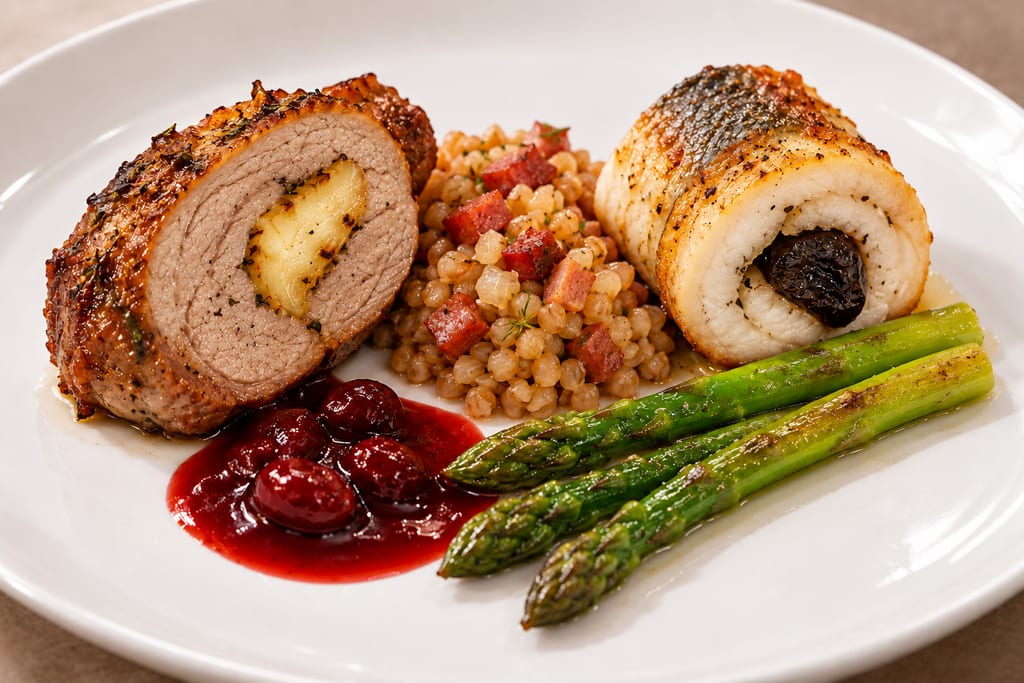
This elaborate Polish recipe combines lamb stuffed with smoked Oscypek cheese, a rolled zander fillet containing smoked Suska sechlońska plum, wheat groats seasoned with kiełbasa lisiecka, green asparagus and a cherry-and-heather-honey sauce.
Its original Polish title is:
Duet jagnięciny podhalańskiej faszerowanej oscypkiem i sandacza z suską sechlońską na pęczku z kiełbasą lisiecką w towarzystwie sosu z wiśni nadwiślanki i miodu wrzosowego z Borów Dolnośląskich.
The length of the name is purposeful. It identifies the distinctive regional products brought together on one plate.
This is not a traditional peasant dish preserved unchanged for centuries. It is a modern culinary competition recipe developed to demonstrate the possibilities of Polish regional ingredients.
Its historical significance comes from the component foods, each associated with a particular region and processing tradition.
The recipe was published in Smaki regionów — 50 przepisów konkursowych z zastosowaniem polskich produktów regionalnych, a cookbook prepared by Poland's Ministry of Agriculture and Rural Development.
The credited competitors are Mateusz Gabrysiak and Erwin Bąbel, working under the guidance of Małgorzata Węglewska at a gastronomic school in Łódź.
The source classifies the dish as medium difficulty and gives a total duration of 180 minutes.
It does not specify a finished serving count, every ingredient quantity, oven temperatures or finished internal temperatures.
Those omissions are significant for anyone intending to cook the dish.
Podhale lamb comes from the highland region of southern Poland. The animal is domestic sheep, Ovis aries. The protected regional product is associated with the Podhale pastoral economy and specified farming practices.
Oscypek is a traditional smoked sheep's-milk cheese from the Polish highlands. Its protected designation requires production within the defined geographical and technological specification.
Suska sechlońska is a dried and smoked plum from southern Poland, made from European plum, Prunus domestica. It has a soft, dense texture, sweetness and a recognizable smoke aroma.
Kiełbasa lisiecka is a protected Polish sausage from the Liszki and Czernichów area near Kraków. It is associated with traditional butchery, curing and smoking.
Wiśnia nadwiślanka is a regional sour cherry associated with the Vistula area.
Heather honey from Bory Dolnośląskie reflects a particular botanical and geographical honey tradition. Heather is generally Calluna vulgaris.
Trójniak mead is a Polish honey-based alcoholic drink whose name indicates a traditional honey-to-water classification. It is not simply a sweet syrup, and its alcohol content depends on the actual commercial product.
Camelina oil, olej rydzowy, is derived from Camelina sativa. Despite the Polish common name rydz, it is a seed oil rather than an oil made from mushrooms.
Each ingredient has a distinct identity. The dish brings together dairy, meat, fish, fruit, cereal and honey technologies that would ordinarily appear in different regional food traditions.
Oscypek belongs to the shepherding traditions of the Tatra and Podhale highlands. Its history is connected with pastoral methods transmitted through highland communities, including the influence of Wallachian shepherding traditions.
The protected name was registered in the European Union in 2008.
The official specification establishes a recognizable spindle-shaped cheese, traditionally produced from sheep's milk, with a permitted proportion of cow's milk.
Suska sechlońska is associated with the village of Sechna and the surrounding Małopolskie region. Plum smoking and drying developed into a local specialist activity.
The European Commission describes the plums being smoked and dried in purpose-built kilns for 4–6 days, with kiln temperatures around 45–60°C.
Those figures describe the manufacture of the protected dried-plum ingredient, not a processing stage carried out during this recipe.
Kiełbasa lisiecka comes from an established butchery area near Kraków. Its protected geographical indication recognizes the link between the product and its locality.
These histories do not establish that lamb, zander and all the named ingredients were traditionally served together.
Their combination is the modern authors' creation.
The source cookbook dates from the period of Poland's 2007–2013 rural-development programme. It documents contemporary attempts to interpret regional foods in modern gastronomy.
The lamb supplies a relatively tender meat component whose fat complements smoked cheese.
Oscypek contributes a dense milk-protein structure, salinity and smoke flavor.
As the lamb heats, the cheese may soften, changing the texture inside the meat.
Zander, Sander lucioperca, is a freshwater fish of the family Percidae. Its relatively lean flesh makes it useful for delicate preparations.
The fish component combines an intact skin-on fillet with a finely chopped fish mixture made from part of the same fillet, egg and cream.
The finely processed mixture acts as a filling and helps bind the rolled structure.
Suska sechlońska supplies concentrated fruit sweetness and smoke aroma.
The groats provide a relatively neutral cereal base. Lisiecka sausage adds smoked pork character and fat.
Sour cherries bring acidity and bright fruit flavor to the sauce, while honey and wine provide sweetness and aromatic depth.
The result is deliberately layered: smoke appears in cheese, sausage and plum, but these ingredients contribute different flavors because their raw materials and manufacturing processes differ.
Use a sharp filleting knife, boning tweezers, chopping board, mixing bowls, suitable roasting pan, saucepan and an oven.
A food processor may be useful for the fish filling, although the source only specifies chopping or finely breaking down part of the fillet.
The original recipe calls for rolling the fish in folia spożywcza, food film. Ordinary household cling film is not automatically oven-safe. Only a wrap specifically approved for the intended cooking conditions should be used; a suitable food-safe cooking alternative may require adapting the method.
A probe thermometer is important because the original oven settings and internal endpoints are omitted.
Keep raw lamb, fish and ready-to-eat ingredients separate during preparation.
Prepare the marinade. Combine rosemary, coriander, lime, camelina oil, chili, garlic, mead and honeydew honey to make the aromatic marinade.
The source gives the ingredient quantities but does not specify an exact chopping sequence or mixing method.
Marinate the lamb. Place the 500 g lamb in the marinade for approximately 2 hours.
Marinate under appropriate refrigerated conditions rather than leaving raw meat at room temperature.
The source does not specify a refrigerator temperature or container dimensions.
Prepare the lamb for stuffing. Remove excess external fat and membranes, then form a cavity suitable for the Oscypek.
Stuff the meat with the cheese. The cheese quantity is not recorded, so the recipe cannot be standardized without additional development.
Brown and roast the lamb. Brown the stuffed lamb in a suitable pan, then transfer to the oven.
The original method specifies browning and baking but gives neither the oven temperature nor the duration or internal endpoint.
Cook to an appropriate verified safe endpoint for the specific cut and stuffing.
Prepare the zander. Remove the bones from the 800 g zander.
Reserve the skin-on section needed for rolling.
Separate part of the fillet to make the finely chopped fish filling.
The source does not specify how much fish to reserve for each component.
Make the fish filling. Chop the reserved fish finely and mix with 1 egg and 30 mL cream.
Season with salt and freshly ground white pepper.
Keep the mixture chilled during handling. Prepare the smoked plums.
Soak 80 g Suska sechlońska in trójniak mead.
The source does not specify the soaking duration or how much of the listed mead should be reserved for this purpose.
Construct the fish roll. Lay the skin-on fish section flat.
Spread a thin layer of the chopped fish mixture over it, distribute the soaked smoked plums and roll into a compact shape.
The original describes baking for approximately 10 minutes, but gives no oven setting, wrapping specification or internal endpoint.
Do not treat the ten-minute figure as proof of safe cooking.
Cook the groats. Cook 100 g wheat groats until separate and tender.
The source does not give the water quantity or cooking duration.
Those must be supplied from the selected grain manufacturer's instructions or a separately tested adaptation.
Prepare the sausage-and-onion mixture. Dice 50 g onion and 50 g kiełbasa lisiecka.
Sauté in 30 g clarified butter. Combine with the cooked groats and finely chopped garlic.
Make the cherry sauce. Cook 140 g sour cherries, 100 mL dry red wine, balsamic vinegar and heather honey until the mixture develops a sauce-like consistency.
The quantities of the vinegar and heather honey, together with the cooking time, remain unspecified.
Prepare the asparagus and assemble. Cook the 3 green asparagus spears using a suitable method. The original does not specify blanching, roasting or another technique.
Plate the lamb, zander roll, groats and asparagus with the cherry sauce.
The result should present the different components distinctly rather than mixing everything into one stew.
This is not a fermentation carried out during cooking.
Fermentation and smoking have already contributed to several purchased ingredients, particularly the cheese and mead, while drying and smoke processing transformed the plums.
The dish itself relies on heat transfer, protein coagulation, moisture management and sauce reduction.
When lamb is heated, muscle proteins denature and contract. Cooking changes tenderness, water retention and the appearance of the meat.
The cheese filling has its own protein-and-fat matrix. Heating alters that structure, allowing it to soften.
The fish filling behaves differently. Chopped fish proteins, egg and cream form a mixture that can set as heat coagulates the proteins.
If the mixture is overheated, it can become firm and rubbery. If inadequately heated, it may remain undercooked.
The fish roll's skin provides an outer layer, while the finely chopped filling helps hold its interior together.
The smoked plum contains concentrated sugars and organic acids. It may soften during soaking and cooking, contributing moisture and flavor inside the roll.
In the sauce, evaporation concentrates sugars, acids and fruit solids.
Wine contributes water, acidity, alcohol and aromatic compounds. As the sauce heats, volatile compounds can be lost and the remaining liquid becomes more concentrated.
Neither reduction nor the use of alcohol automatically establishes the final sauce as preserved or shelf-stable.
Oscypek is a smoked dairy product.
Its smoke character is deposited on a cheese matrix rich in protein and fat.
Lisiecka sausage is a meat product in which smoking contributes surface color, aroma and changes in keeping properties.
Suska sechlońska is a smoked and dried fruit.
The plum's natural sugars become concentrated during drying, while smoke compounds contribute an additional aromatic layer.
These ingredients can all taste smoky without tasting identical.
The result reflects the interaction between smoke and the original food.
Smoke is not one generic ingredient with a fixed flavor.
Wood, temperature, exposure, moisture and the composition of the food all influence the final aroma.
The recipe brings together products from different Polish regions.
Podhale lamb and Oscypek reflect southern mountain pastoralism.
Suska sechlońska comes from the Małopolskie plum-drying area.
Lisiecka sausage is associated with the area west of Kraków.
Nadwiślanka cherries are linked with the Vistula region.
Heather honey comes from the Lower Silesian forests.
The combination is an example of deliberate modern regional-food promotion rather than a meal traditionally associated with one place.
The original cookbook's emphasis on protected products is central to understanding the recipe.
This is a composed plated dish, not a preserved food intended for storage.
The lamb and fish form the two main protein components.
The groats give the plate a cereal foundation.
The smoked plums provide a sweet-sour interior contrast, while the cherry sauce contributes further acidity.
Asparagus adds a fresh vegetable element.
The most important balance is between the richly flavored meat and cheese, delicate fish and the strong regional fruit ingredients.
Excessive sauce could obscure the taste of zander, while too much smoked cheese could dominate the lamb.
The lamb can become dry if overcooked. Stuffed pieces can also cook unevenly because the filling changes their thickness and thermal behavior.
The fish roll may lose its shape if handled roughly or if the filling is insufficiently cohesive.
The original does not provide a standard thickness or rolling diameter, so the ten-minute baking instruction cannot be transferred reliably to rolls of arbitrary size.
If the groats become sticky, their texture may overwhelm the intended contrast with the sausage pieces.
The sauce can become overly concentrated as water evaporates.
Its balance depends on the acidity of the cherries, sweetness of the honey and quantity of balsamic vinegar.
This recipe combines raw lamb, raw fish, prepared sausage, dairy and egg.
Cross-contamination control is particularly important.
The original source gives no safe internal-temperature endpoint for the lamb or fish roll. A suitable thermometer and verified cooking guidance are therefore necessary.
Ordinary food wrapping film must not be assumed suitable for baking.
The dish contains fish, milk, egg and wheat. Honey and alcoholic ingredients are also present.
Commercial foodservice must account for allergens, refrigeration, raw-meat handling and the permitted use of protected product names.
The source's 180-minute duration is not a food-safety critical limit.
The inspected Polish Ministry competition cookbook presents this named meal as a student entry using protected regional products; it is not evidence that the finished dish is traditional or that the sausage is manufactured by this meal recipe.
Scaling: source batch only
The source includes lamb and pork sausage alongside zander and ready-to-eat ingredients; it does not state all raw-material handling or internal endpoints.
Hazard sourceFollow Polish consumer advice for separating raw and ready-to-eat foods and thoroughly cooking raw meat. The cookbook’s oven/cook times are not product-specific safety endpoints.
Control sourceThe source does not give a yield, several component amounts or an internal endpoint; its 180-minute label is not a safety limit.
A source-specific documented preparation, not a claim of origin.
Mead is an alcoholic drink made by fermenting diluted honey with yeast, then racking and ageing it. The honey, not refined sugar, is what makes it mead.
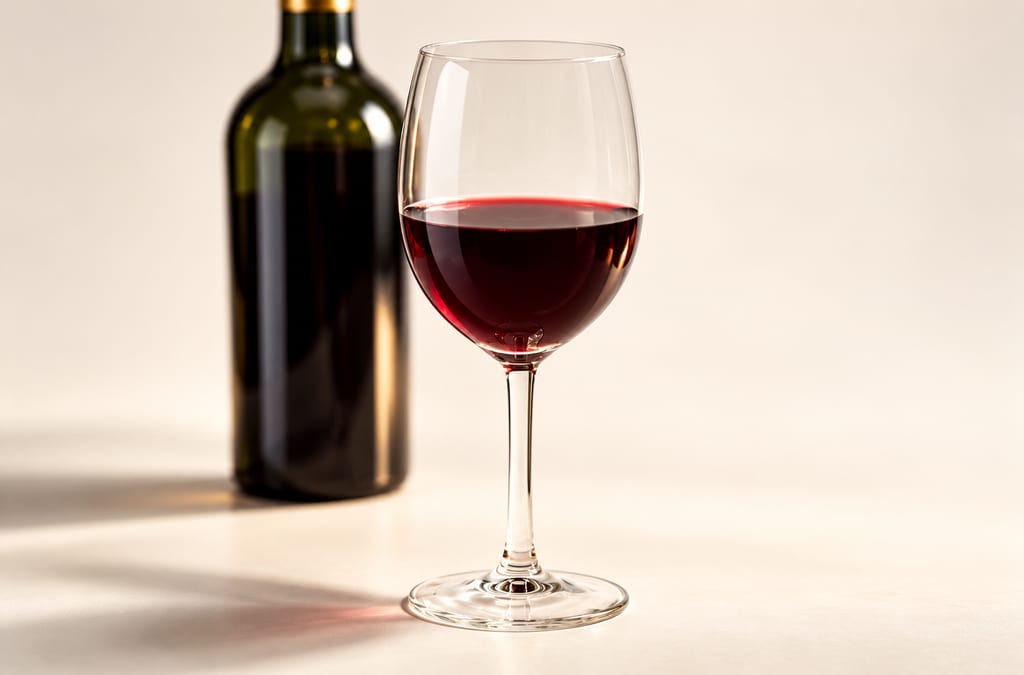
Red wine is grape must fermented with the skins and other solids, then separated from the pomace. Grape, cellar and regional choices shape its colour, structure and style.

Małopolska plums smoked and part-dried over a wood fire in a regional kiln for several days, giving a dark, concentrated fruit with a protected name.
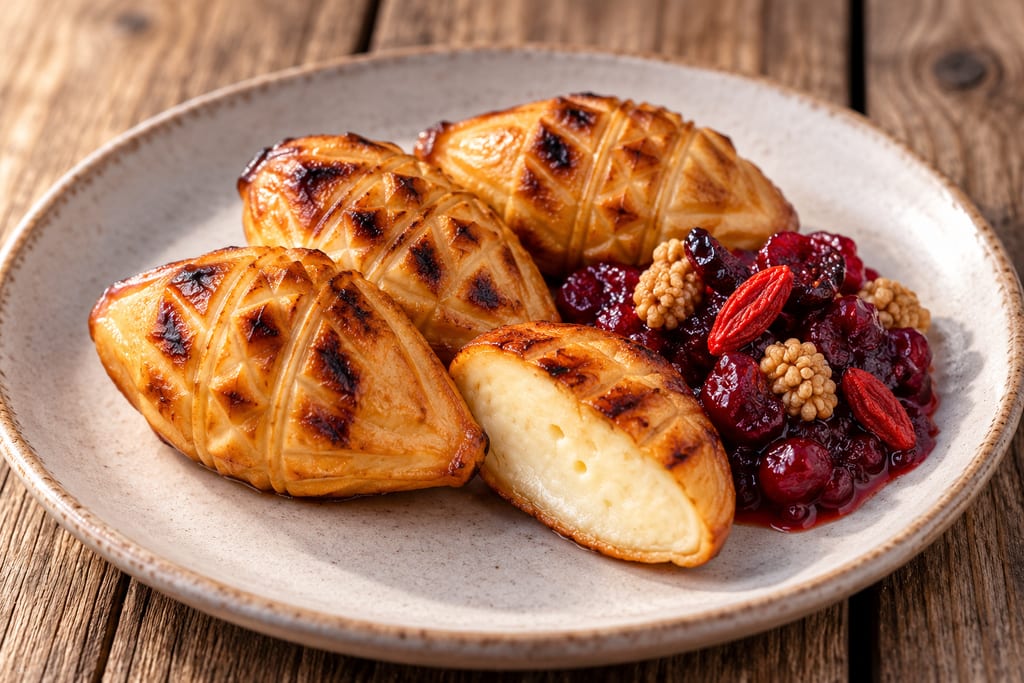
Small Oscypek are grilled until the exterior is crisp and the cheese softens, then served with cranberry, goji berries and mulberries.
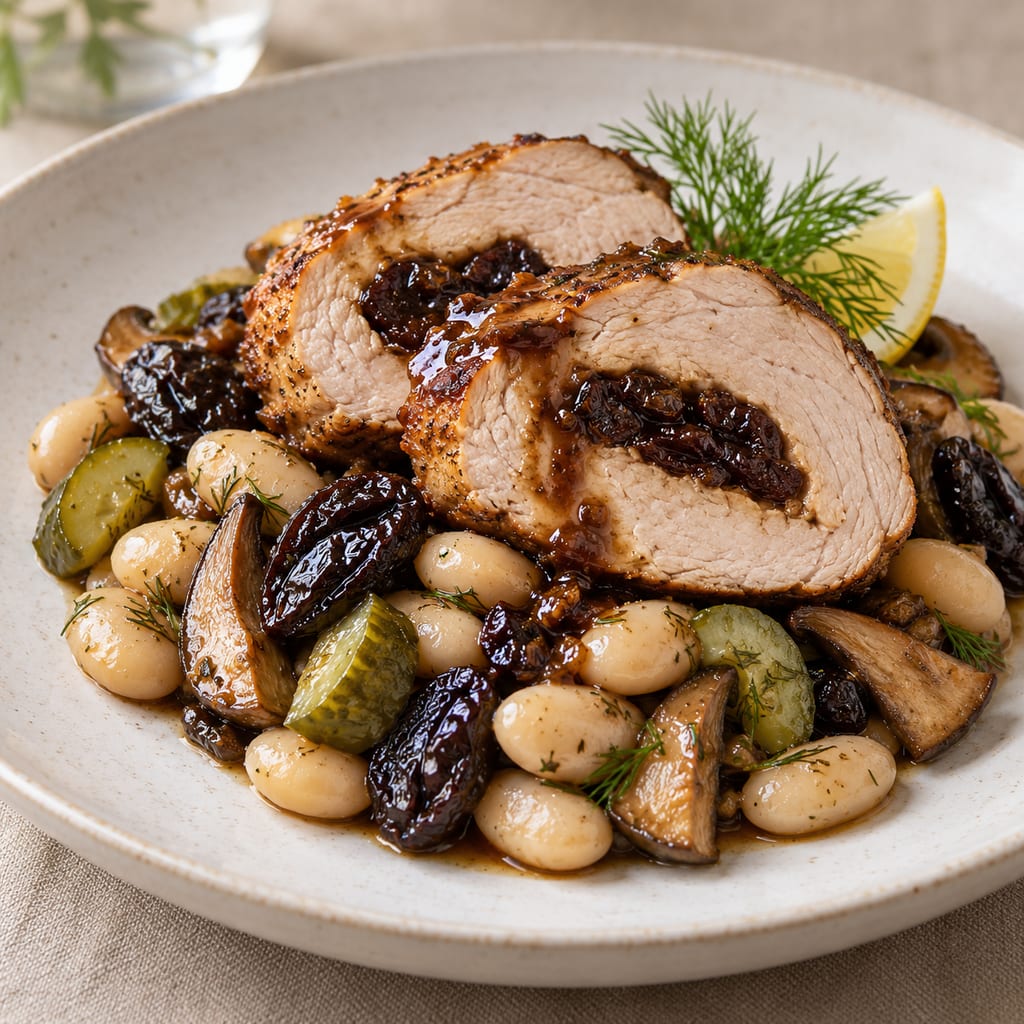
This Polish competition recipe stuffs pork loin with suska and serves it with a bean salad containing more smoked-and-dried plums.
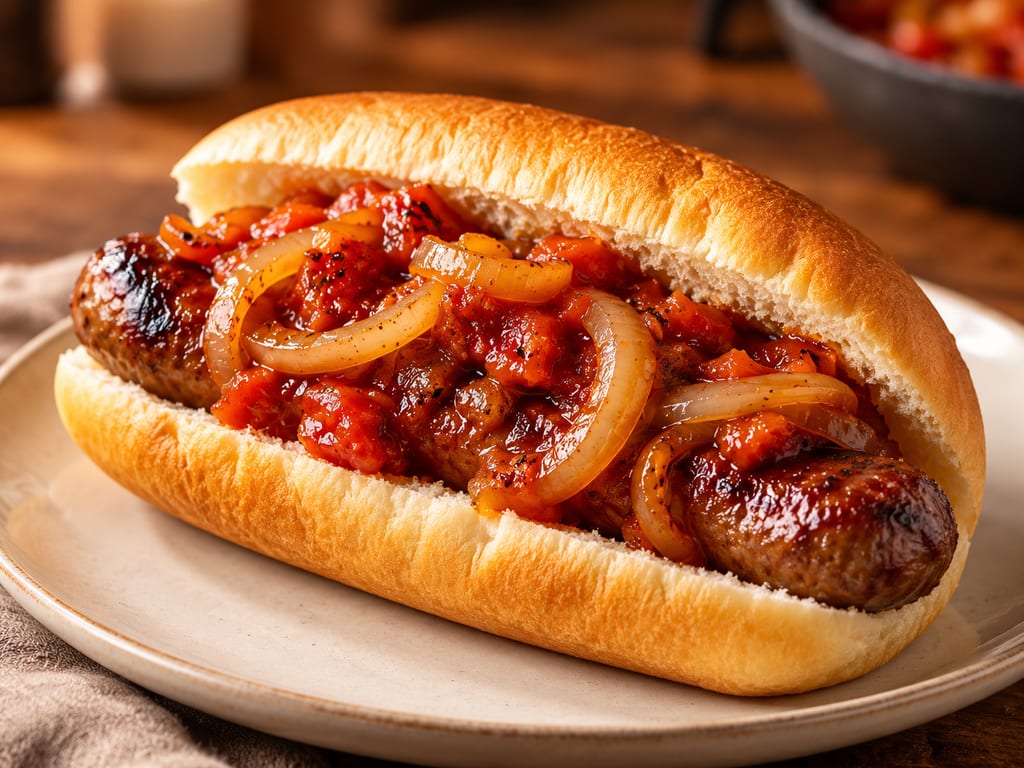
A South African boerie roll puts fully cooked boerewors in a soft bread roll and tops it with warm tomato-and-onion smoor.
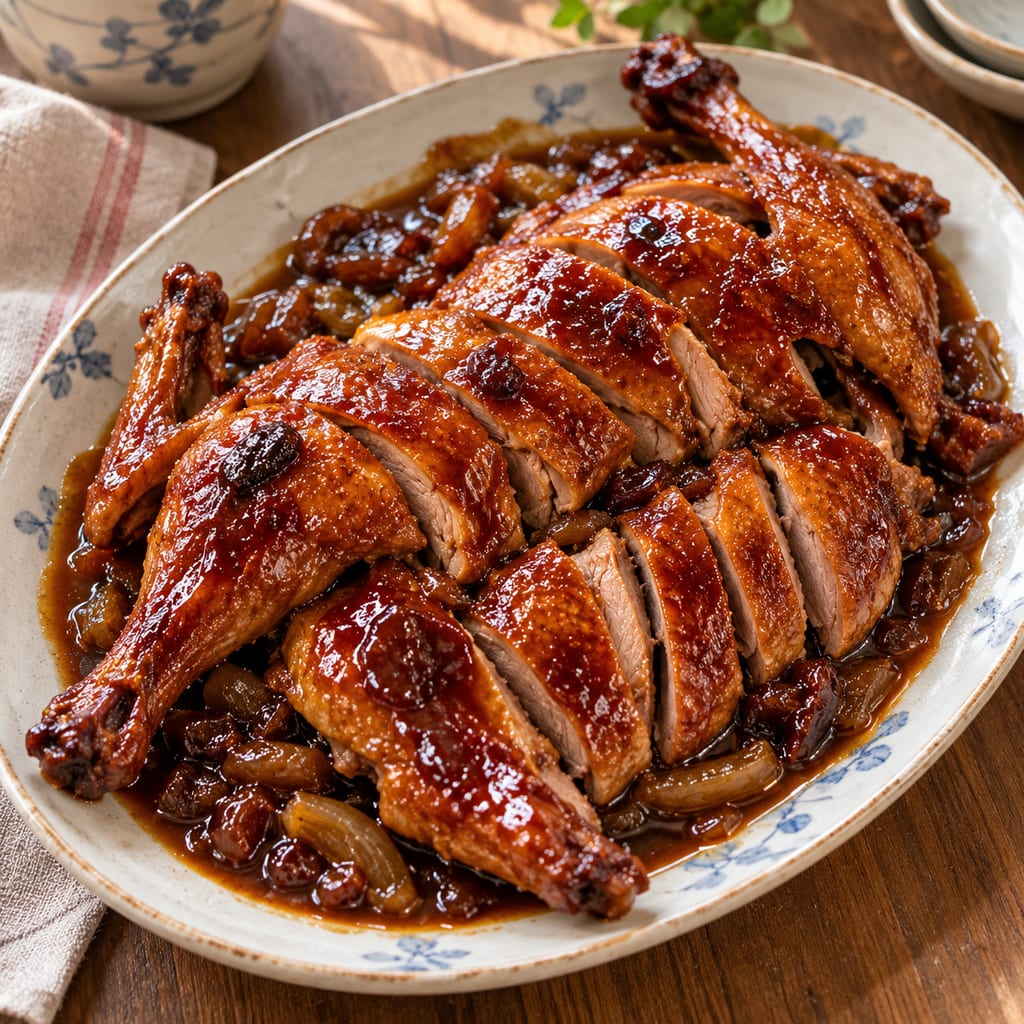
A whole duck braised on onions with pickled plums and Chinese plum sauce until the sauce turns into a thick onion marmalade, a Hakka family dish for Chinese New Year.

Iburunge is boiled cassava and kidney beans dressed with strong butter, the Rwandan farm meal Hirata recorded. This home plate uses butter oil and comes with a cold cup of ikivuguto.
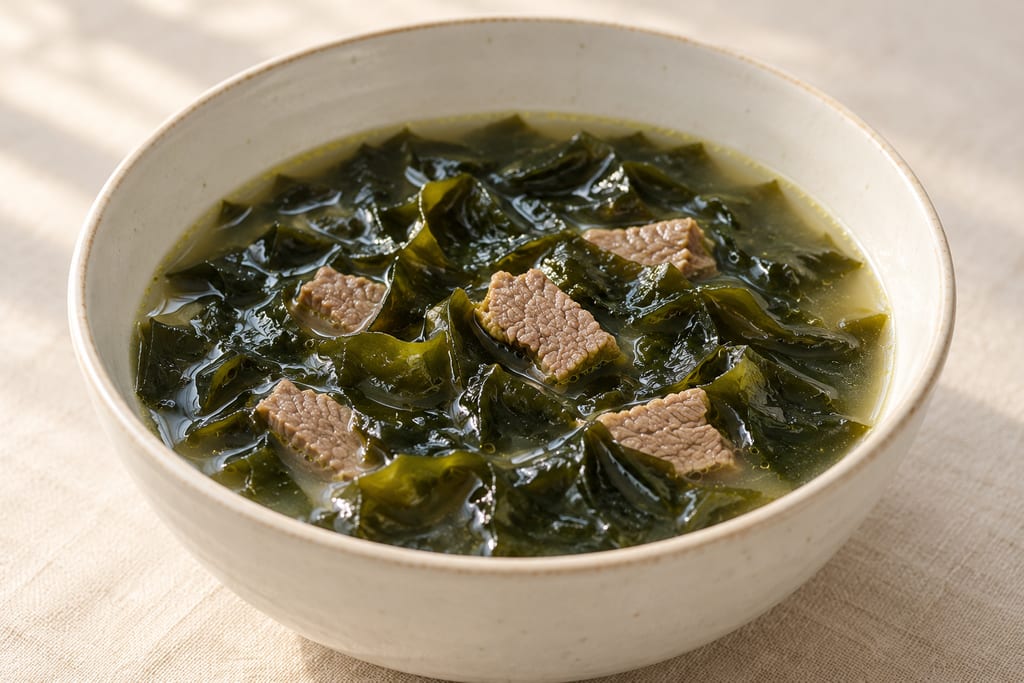
A Korean soup of rehydrated brown seaweed simmered with beef, seafood or a plain seasoned broth, traditionally served after childbirth, on birthdays and as an everyday meal.

Panrkhash is an Armenian bread-and-cheese dish associated with Gyumri and Shirak. One published oven-baked version layers lavash and string cheese with butter-sautéed onion and hot water; regional methods vary.
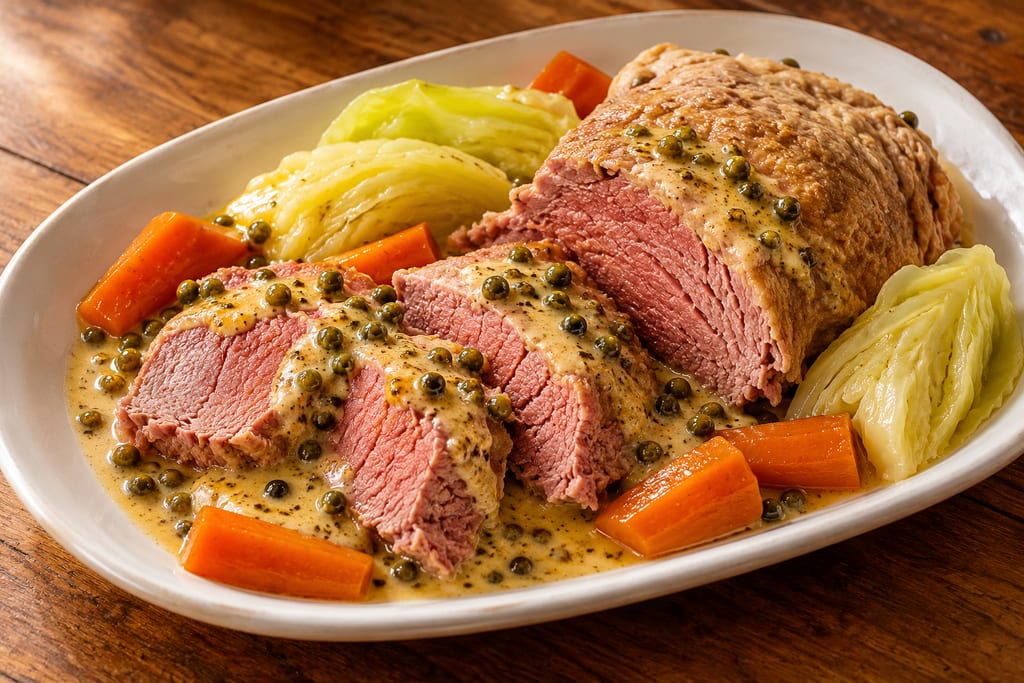
A Karoo-style festive dish of already cured salt beef simmered with vegetables and aromatics, served with a cream sauce of brined green peppercorns and wholegrain mustard.
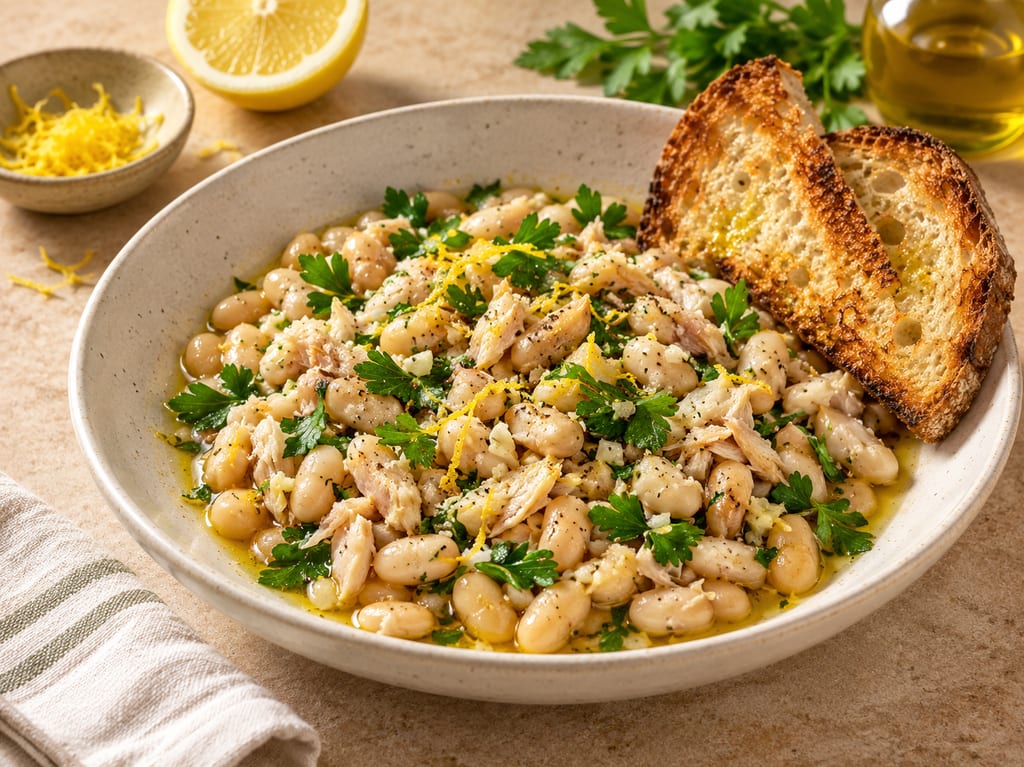
Cooked white beans warm gently with a little deboned, ready-to-eat commercial bokkom flesh, garlic, lemon and parsley. This is a contemporary serving adaptation, not a documented inherited Cape dish.
No community contributions have been published for this entry yet.
Sign in to contribute. Published comments and photos are free to read.
Polish Ministry of Agriculture and Rural Development, Department of Agricultural Markets; EU Rural Development Programme-supported student cookbookInspiration
Smaki regionów: 50 przepisów konkursowych z zastosowaniem polskich produktów regionalnychAt physical p.44 / printed p.43 the source lists: 500 g lamb loin; 800 g zander; 80 g suska; 50 g kiełbasa lisiecka; Oscypek with no amount; 1 egg; 30 mL cream; 50 g onion; 100 g wheat groats; 30 g clarified butter; 3 asparagus spears; salt and white pepper with no amounts; marinade of 5 g rosemary, 5 g coriander, 1 lime, 70 mL camelina oil, 1 chilli, 4 garlic cloves, 180 mL mead, 50 mL honey; sauce of 100 mL red wine and 140 g cherries, with balsamic vinegar and heather honey unquantified.
The recipe method marinates the lamb about 2 h; stuffs and bakes it without a stated oven setting or endpoint; prepares zander with egg, cream and mead-soaked suska and bakes the roll about 10 min; cooks the groats and sautés diced kiełbasa with onion in clarified butter before combining with garlic; and cooks the cherry sauce. Printed duration label is medium/180 min. Yield is absent.
Selected physical p.37 / printed p.36 also contains Oscypek salad: 150 g cheese and a red-wine/thyme marinade; label says 70 minutes while method says at least one week marinating. Not adopted as an executable recipe.
Cited in: A dish built from protected Polish regional foods; The foods behind the recipe; Historical evidence; What the ingredients contribute; Equipment and preparation; Method; The food science behind the dish; Why the smoked ingredients differ; Regional food identities; Serving and presentation; Troubleshooting
Powiatowa Stacja Sanitarno-Epidemiologiczna w TrzebnicySafety guidance
Profilaktyka zatruć pokarmowychPolish state sanitary inspectorate consumer advice covers refrigeration, separation of raw and ready-to-eat foods, thorough cooking of meat including pork, and leftovers; it is general advice, not validation of the cookbook recipes.
Cited in: Safety and allergens
U.S. Food and Drug AdministrationSafety guidance
People at Risk of Foodborne IllnessU.S. consumer guidance identifies higher-risk groups and cautions about raw or undercooked foods, refrigerated smoked seafood, deli salads, and unpasteurized cheese; apply only to the relevant product categories.
Cited in: Safety and allergens
European CommissionProtected designation record
European Commission — Suska sechlońska PGIPlum history, origin and smoking technology.
Cited in: A dish built from protected Polish regional foods; Historical evidence; Regional food identities
GOV.UKProtected designation record
GOV.UK — Oscypek PDOProtected designation.
Cited in: A dish built from protected Polish regional foods; Historical evidence; Regional food identities
GOV.UKProtected designation record
GOV.UK — Kiełbasa lisiecka PGIProtected designation.
Cited in: A dish built from protected Polish regional foods; Historical evidence; Regional food identities
Polish Ministry of AgricultureProtected designation record
Polish Ministry of Agriculture — Kiełbasa lisieckaTraditional product description.
Cited in: A dish built from protected Polish regional foods; Historical evidence; Regional food identities