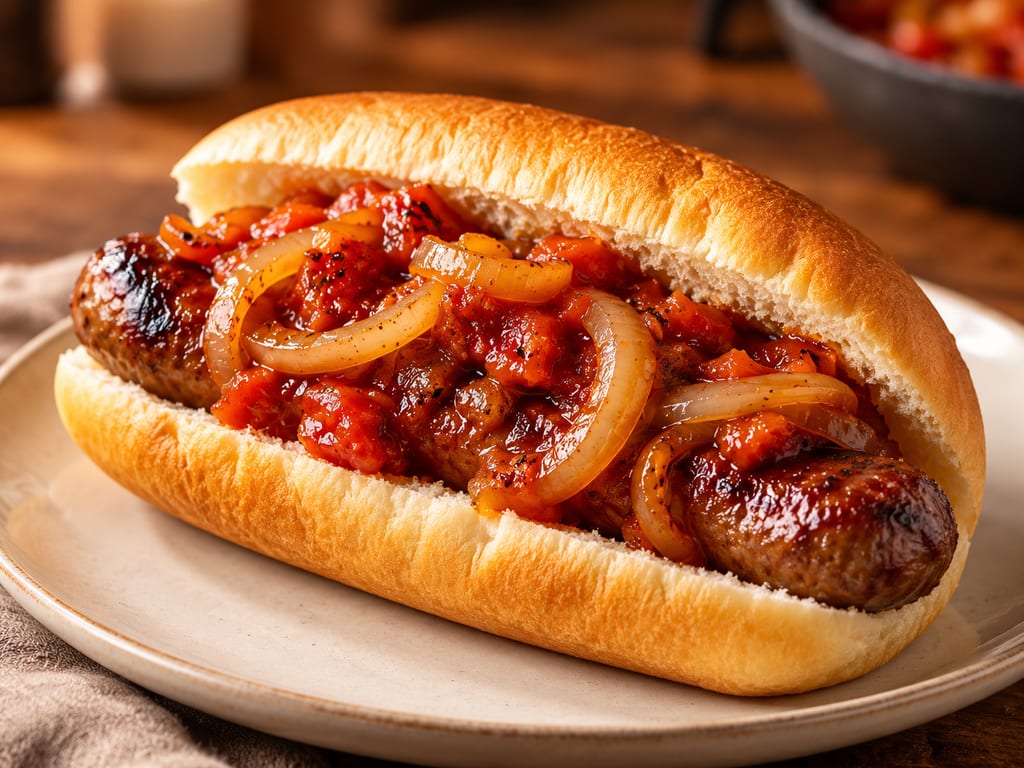
Boerie roll
A South African boerie roll puts fully cooked boerewors in a soft bread roll and tops it with warm tomato-and-onion smoor.
 FermenteaWhere food goes to change
Modern adaptation
Cooked white beans warm gently with a little deboned, ready-to-eat commercial bokkom flesh, garlic, lemon and parsley. This is a contemporary serving adaptation, not a documented inherited Cape dish.
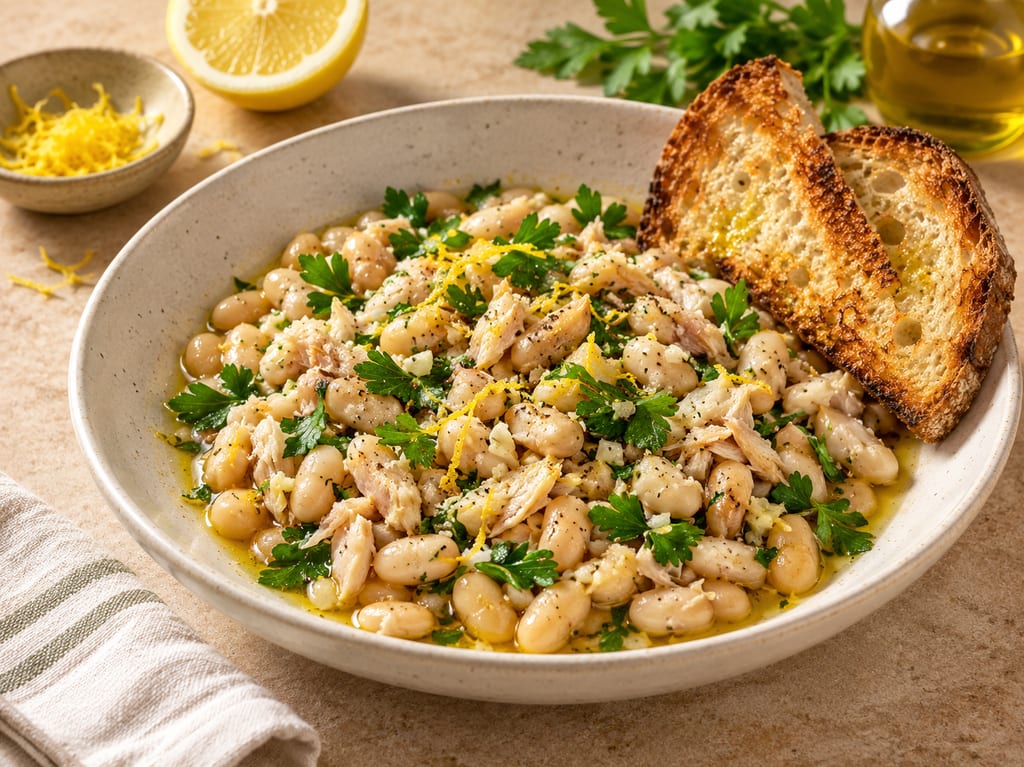
A contemporary serving adaptation. The available sources document West Coast bokkom production and its use as ready-to-eat fish, but do not document this bean dish as a historical Cape recipe.
Yield 4 small servings · Scaling: editorial development
Bokkoms are fish and may contain bones; check the label and remove bones carefully.
Hazard sourceUse only finished bokkoms sold ready to eat and follow the producer's storage and serving instructions.
Control sourceThis serving recipe does not validate bokkom manufacture. Do not make it with fish that has only been salted or air-dried at home.
Bokkoms can be salty; taste before adding salt.
Fish is a major allergen.
No source in this record establishes a place.
A South African boerie roll puts fully cooked boerewors in a soft bread roll and tops it with warm tomato-and-onion smoor.
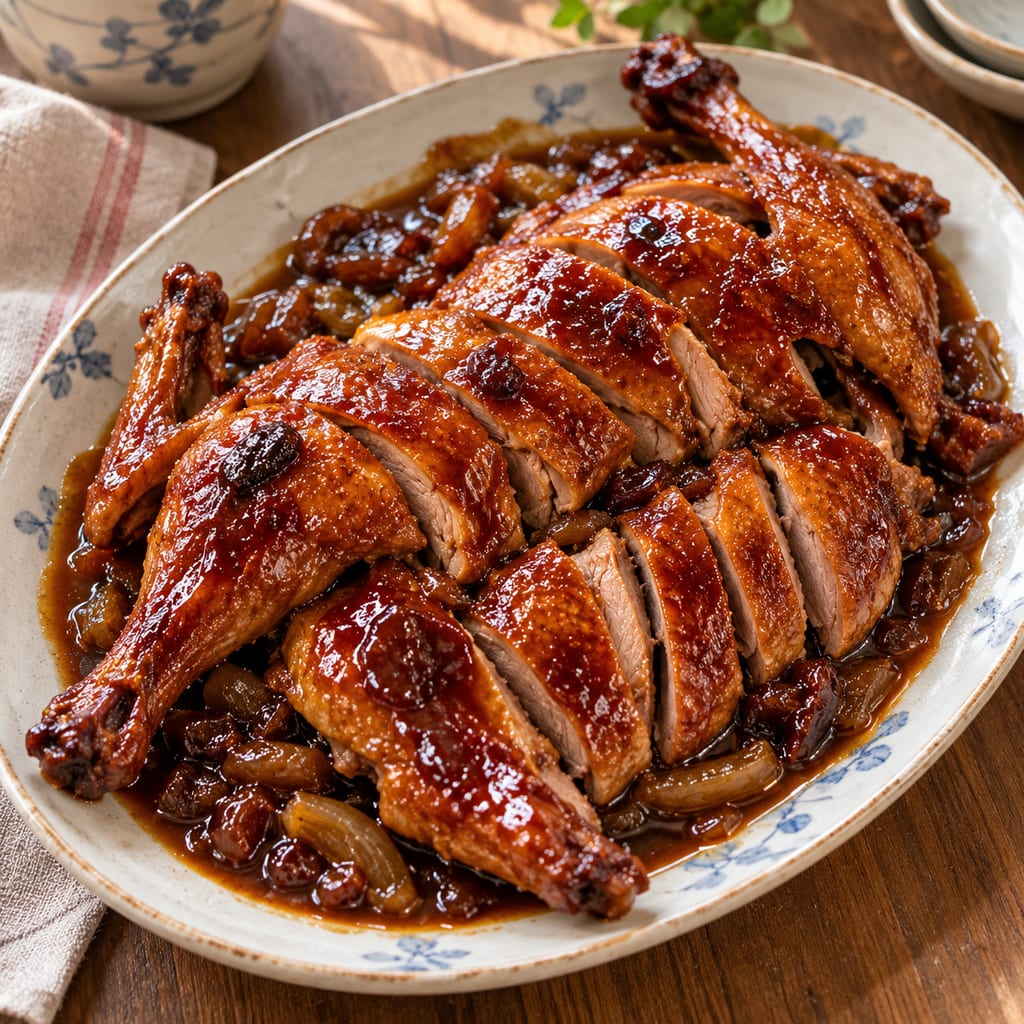
A whole duck braised on onions with pickled plums and Chinese plum sauce until the sauce turns into a thick onion marmalade, a Hakka family dish for Chinese New Year.

Iburunge is boiled cassava and kidney beans dressed with strong butter, the Rwandan farm meal Hirata recorded. This home plate uses butter oil and comes with a cold cup of ikivuguto.
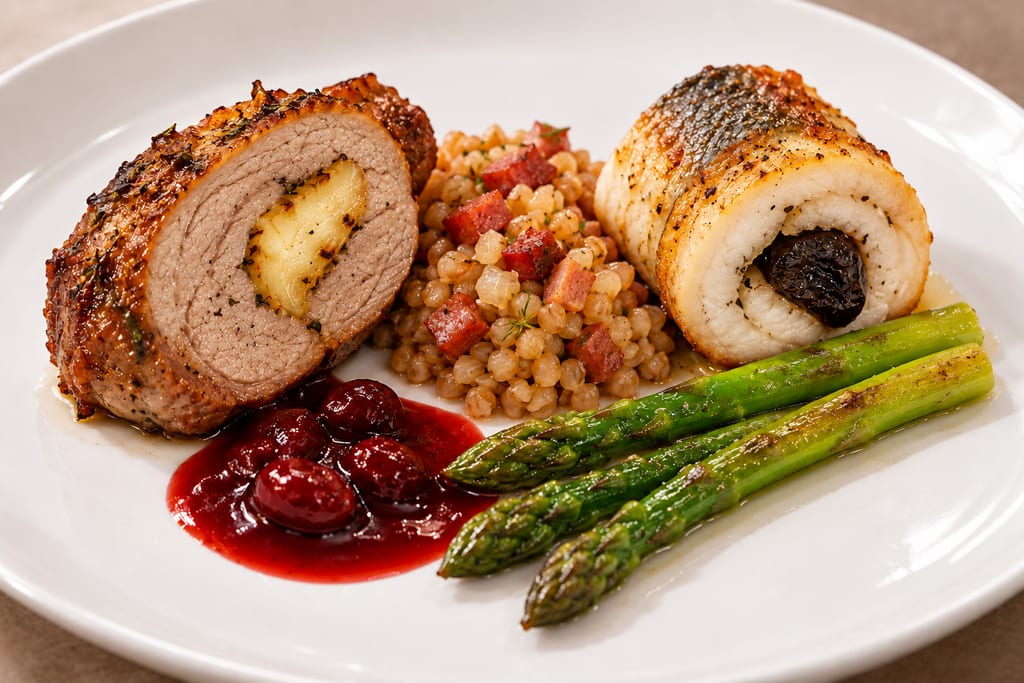
A student cookbook pairs lamb stuffed with Oscypek and zander with suska, then serves wheat groats with a small amount of kiełbasa lisiecka.
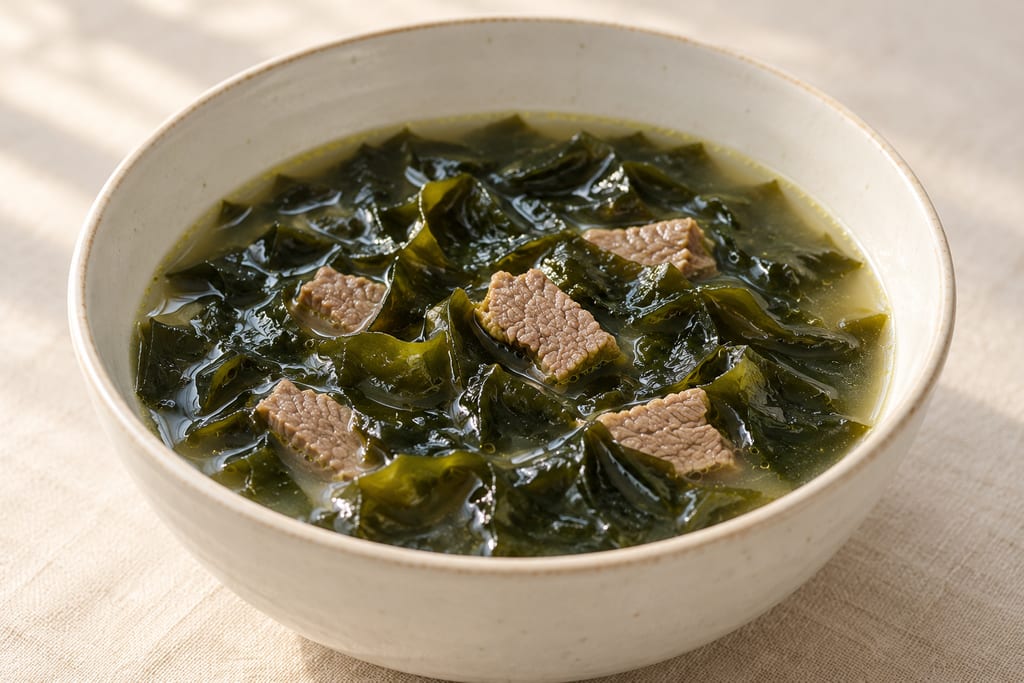
A Korean soup of rehydrated brown seaweed simmered with beef, seafood or a plain seasoned broth, traditionally served after childbirth, on birthdays and as an everyday meal.

Panrkhash is an Armenian bread-and-cheese dish associated with Gyumri and Shirak. One published oven-baked version layers lavash and string cheese with butter-sautéed onion and hot water; regional methods vary.
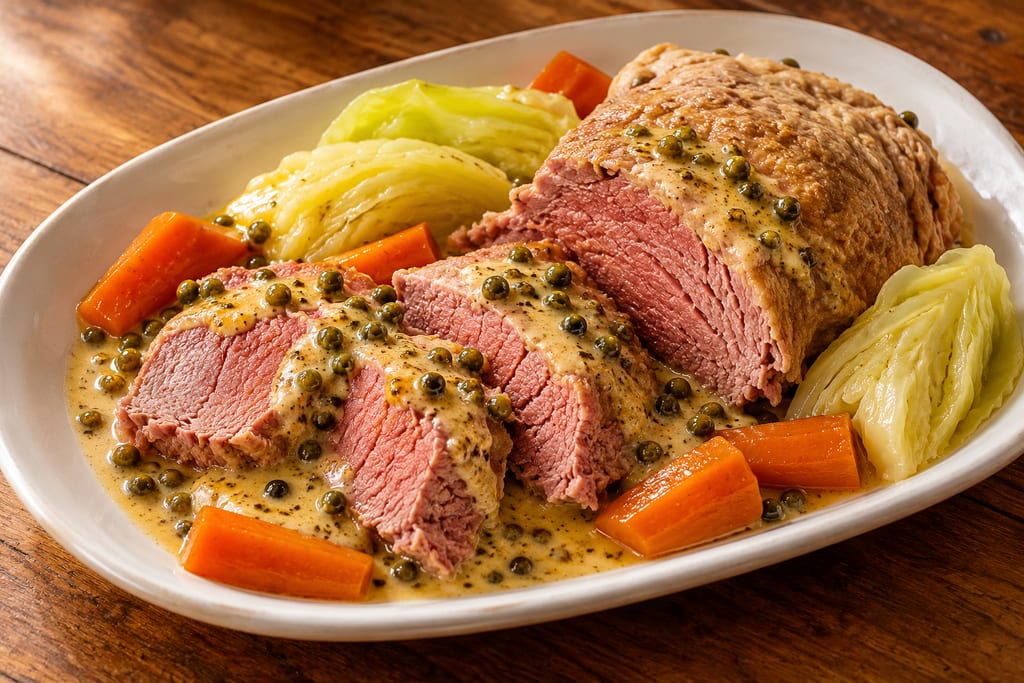
A Karoo-style festive dish of already cured salt beef simmered with vegetables and aromatics, served with a cream sauce of brined green peppercorns and wholegrain mustard.

Soft, spreadable Calabrian pork sausage made with a great deal of red chilli and fatty pork, stuffed into natural casings, sometimes smoked and matured while staying soft.

A way to add independent temperature logging to an existing food dehydrator without changing its built-in controls or protections. It is a monitoring method, not a rewiring plan.

Pleurotus cystidiosus is the abalone mushroom, a cultivated oyster-type fungus with dark brown caps that grows more slowly and is more demanding than other Pleurotus species.

A dark, balanced vinegar from Emilia-Romagna made by combining cooked or concentrated grape must with wine vinegar, then acetifying and refining it in wood under a protected specification.

A living dairy inoculum that starts controlled cream fermentation, developing acidity and aroma before sour cream or cultured butter is finished.

A small electric incubator holds jars at a selected temperature for yogurt and other documented warm food preparations. Controls, capacity and vessel arrangement vary by model.

Adygean salt is a seasoned table salt associated with Adygea and the wider North Caucasian culinary tradition. Salt is blended with garlic and a variable selection of herbs and spices; the exact mix depends on the named style and maker.

The African Caesar-group mushroom, Amanita masasiensis, is a wild ectomycorrhizal species of central and southern African woodlands, eaten locally. The genus contains deadly poisonous species, so identification needs care.
No community contributions have been published for this entry yet.
Sign in to contribute. Published comments and photos are free to read.
GroundUpIngredient context · Handling
Small West Coast town is the world capital of this delicacyThe report identifies bokkoms as salted, dried harders made in Velddrif.
It says the product is ready to eat after the head and tail are removed and skin peeled; this supports the use of finished fish, not manufacture instructions.
The report documents seasonal variability in producers' drying times, which is not a validated home endpoint.
TASTEPreservation source limitations
Home-made bokkomsThe published method specifies four whole mullet, 500 g coarse salt, three days refrigerated and an estimated two to three weeks of drying.
The method omits fish size and measured endpoints; it is not used here as a home preservation protocol.