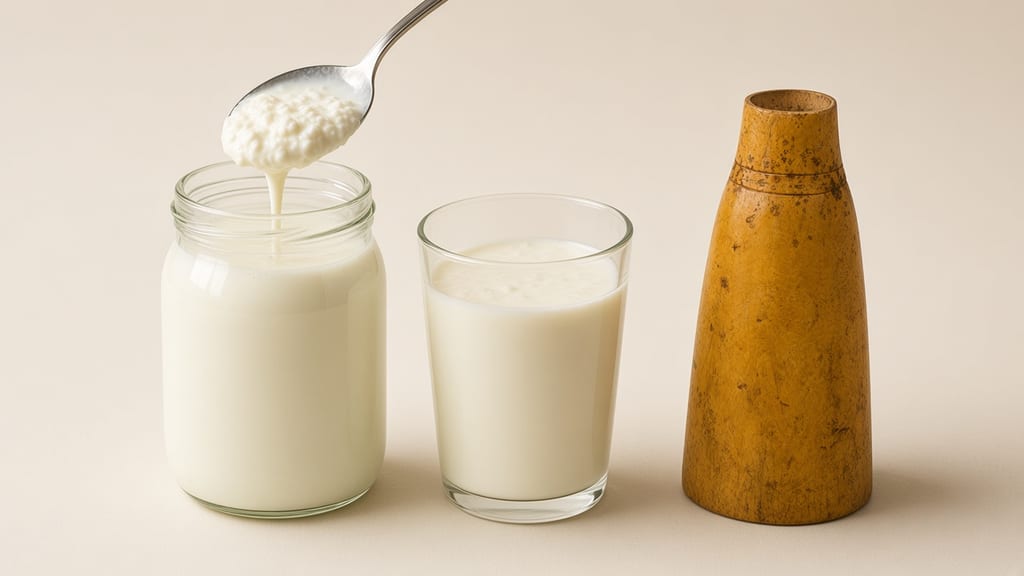
Ikivuguto at home
Ikivuguto is Rwanda's thick soured milk. This home version sets pasteurised whole milk with cultured buttermilk overnight at about 21 °C, then chills it for a mild, spoonable drink.
 FermenteaWhere food goes to change
Modern method
iburunge · cassava and beans with butter
Iburunge is boiled cassava and kidney beans dressed with strong butter, the Rwandan farm meal Hirata recorded. This home plate uses butter oil and comes with a cold cup of ikivuguto.

In rural Rwanda, most food is boiled. Cassava, pumpkin, sweet potato, beans and plantain go into the pot plain and come out plain. The taste comes afterwards. Masahiro Hirata, a Japanese researcher who studied milk in Rwandan farm households in 2018, found two ways to give boiled food flavour. One was salt. The other was butter.
That butter was not fresh. In the southwest, fresh butter is not food at all. People rub it on their hair and skin. Butter for eating spends weeks in a gourd until it turns dark yellow and its smell fills the house. It is called amavuta y'inka akuze, aged oil of cow.
Cooks mix that aged butter into boiled cassava and beans. The dish made that way has its own name. Hirata recorded it as iburunge.
Hirata found that ikivuguto, the thick soured milk of Rwanda, almost always comes to the table with boiled meals. His informants said that when food was short they ate only ikivuguto and sweet potato, or ikivuguto with cassava and kidney beans.
Hirata argues that the pairing makes sense. The meals are heavy in starch. Fresh, creamy sour milk suits them and adds protein and minerals. The beans add more protein. A cup of ikivuguto next to a bowl of iburunge is a whole farm meal.
This recipe puts the two together. It is a plate of boiled beans and cassava, dressed with butter oil, served with a cold cup of ikivuguto made at home.
In the northeast of Rwanda, Hirata found a different butter. Cooks there heat fresh butter for several minutes to drive off the water and milk solids. The result is butter oil. It is brown and liquid while hot and solid at room temperature.
It carries the same name as the aged butter, amavuta y'inka akuze. One household that had sheltered in Uganda during the war told Hirata that the method came from Uganda. Hirata reads the shared name as a clue. Rwandans judge butter by the strength of its flavour more than by how long it keeps.
Butter oil is the version used here. It is close to what Hirata saw in the northeast, and it is easy to make in a kitchen. The farmhouse habit of ageing raw butter for two months in a gourd is not copied, because no tested method exists for doing that safely at home.
Use unsalted butter. Melt 100 g in a small, heavy pan over low heat. It will foam and spit as the water boils off. Let it bubble gently for several minutes.
Watch the bottom of the pan. The milk solids sink and turn light brown. The bubbling slows and the fat turns clear and golden brown. That is the moment to stop. If you go too far the solids burn and the oil turns bitter.
Strain the oil through a fine sieve or a piece of clean cloth into a heatproof bowl. Hirata notes that butter oil is more than 99% fat, while butter still holds about a fifth of its weight in water. That is why the oil keeps better. Ready-made ghee from a shop will do the same job if you prefer.
Red kidney beans are the beans of this dish, and they need care. Raw and undercooked kidney beans carry a lectin called phytohaemagglutinin. Health Canada says illness from undercooked red kidney beans usually starts 1 to 3 hours after eating, with extreme nausea and then vomiting and diarrhoea. New Zealand's food safety agency warns that as few as 4 or 5 raw beans can cause severe stomach ache, vomiting and diarrhoea.
The fix is simple. Health Canada advises soaking dry red kidney beans in 2 to 3 times their volume of water for at least 5 hours. Discard the soaking water. Then boil the beans hard for at least 10 minutes. After the hard boil, simmer them until soft.
Do not cook dried kidney beans in a slow cooker. Health Canada says slow cookers do not get hot enough to destroy the lectin. New Zealand's agency warns that poorly cooked beans can be more toxic than raw ones. Canned beans are already heat-treated and need no further cooking. Two 400 g cans, drained, can replace the dried beans.
Cassava also needs care. Raw cassava contains natural toxins called cyanogenic glycosides, which can release hydrogen cyanide. New Zealand's food safety agency advises peeling and slicing cassava and cooking it thoroughly by baking, boiling or roasting. Frozen cassava needs the same treatment.
Peel off the thick brown skin. Cut the root into chunks and pull out the woody string in the middle. Boil the chunks in plenty of water until a knife slides through with no resistance, about 20 to 30 minutes. Drain and throw away the cooking water.
Buy cassava sold for cooking. Shops in many cities sell it fresh or frozen. Never eat it raw or part cooked.
Put the hot, drained beans and cassava into a warm pot. Add a teaspoon of salt and 3 to 4 tablespoons of butter oil. Stir firmly. The cassava will break a little at the edges and soak up the butter. Every piece should shine.
Taste and add more salt or more butter oil. The butter should be the main flavour. That is the point of iburunge. Plain boiled food takes its taste from a spoon of strong butter.
Serve it hot in bowls. Pour a cup of cold ikivuguto for each person.
The milk takes longest, so start there. The Fermentea recipe for ikivuguto at home heats pasteurised whole milk to 82 °C for 30 minutes, cools it to 21 °C and adds 10 mL of fresh cultured buttermilk per litre. It sets overnight at 20 to 22 °C for 12 to 16 hours.
Then it is cooled below 10 °C and kept in the fridge. Its flavour is at its best about 24 hours after cooling. So make it two days before you plan to eat, or the evening before at the latest.
On the farm, ikivuguto sets in a wooden pot with no starter, and it takes about two days. The home method uses a shop starter and clean, heated milk instead.
Hirata saw the old pattern changing in 2018. Since about 2012, milk collection centres have opened in Rwandan villages. Farmers sell most of their milk for cash. They keep less for the family and make ikivuguto and butter less often.
That means fewer farm plates of iburunge with a cup of ikivuguto.
Iburunge is one of several boiled meals that go with ikivuguto. Hirata's informants named boiled sweet potato and boiled cassava with kidney beans. They also ate ikivuguto with mutsima, a stiff porridge of sorghum flour and hot water.
Any of these work with the same cup of milk. Boiled sweet potato needs no special care. Peel it, boil it until soft and serve it with ikivuguto and a pinch of salt.
Soak dried kidney beans for at least 5 hours and throw out the water. Boil them hard for at least 10 minutes. Never use a slow cooker for dried kidney beans. Canned beans are ready to use.
Peel cassava, cook it until soft right through and throw out the cooking water. Never eat it raw.
Use ikivuguto made from pasteurised milk with a fresh starter and keep it at 4 °C or below. Smell and taste can tell you about quality. They cannot prove that food is safe.
Hirata recorded in 2018 that Rwandan households mix aged butter or butter oil into boiled cassava and beans, a dish called iburunge, and eat ikivuguto with such meals.
Yield 4 servings · Scaling: linear
Raw or undercooked red kidney beans carry phytohaemagglutinin, which causes vomiting and diarrhoea.
Hazard sourceRaw cassava can release hydrogen cyanide.
Hazard sourceRaw dairy can carry Listeria and other harmful germs.
Hazard sourceSoak dried beans at least 5 hours, discard the water, then boil hard for at least 10 minutes. Never use a slow cooker.
Control sourcePeel and slice cassava and cook it thoroughly; discard the cooking water.
Control sourceServe ikivuguto made from pasteurised milk with a fresh starter, kept cold.
Control sourceDo not age raw butter at room temperature for weeks as the farm households did. Use butter oil made from shop butter.
Do not eat cassava raw or part cooked, and do not reuse its cooking water.
Ikivuguto — The soured milk served with the dish; made with a cultured buttermilk starter.
Hirata recorded iburunge in Rwandan farm households; no finer place is claimed.
Ikivuguto is Rwanda's thick soured milk. This home version sets pasteurised whole milk with cultured buttermilk overnight at about 21 °C, then chills it for a mild, spoonable drink.
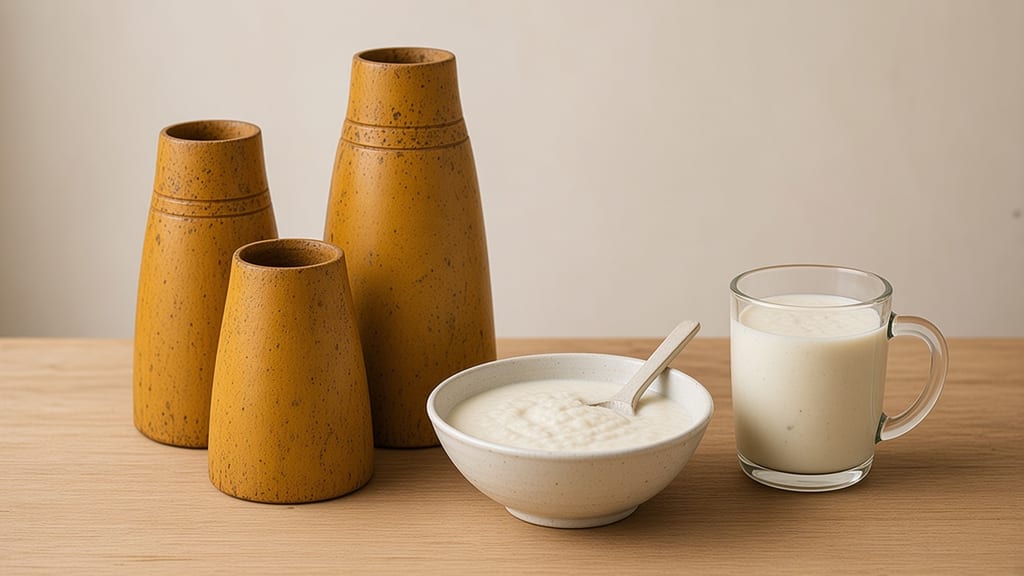
In Kigali people sit down to drink milk out of respect for the cow. A look at Rwanda's milk bars, the wooden pots of ikivuguto, aged butter and a 17th-century royal decree about milk.

A South African boerie roll puts fully cooked boerewors in a soft bread roll and tops it with warm tomato-and-onion smoor.
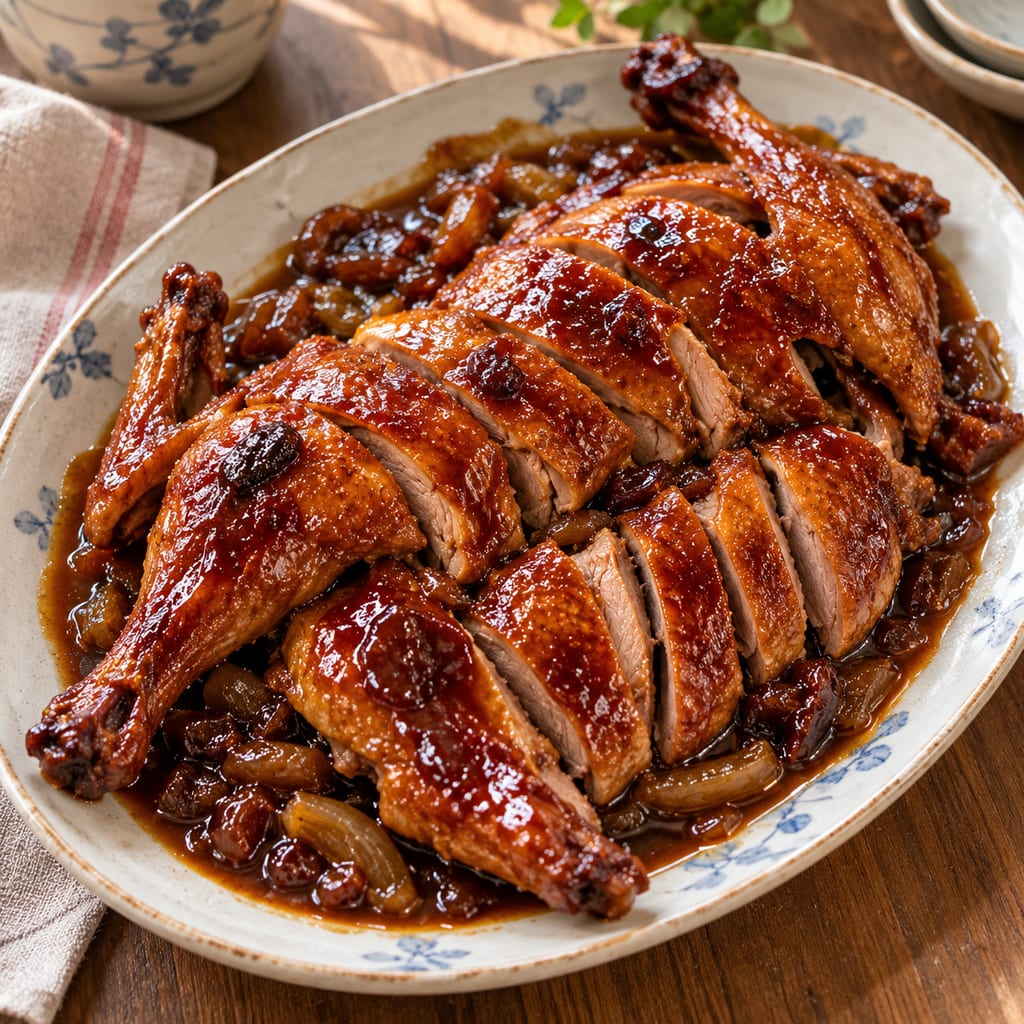
A whole duck braised on onions with pickled plums and Chinese plum sauce until the sauce turns into a thick onion marmalade, a Hakka family dish for Chinese New Year.
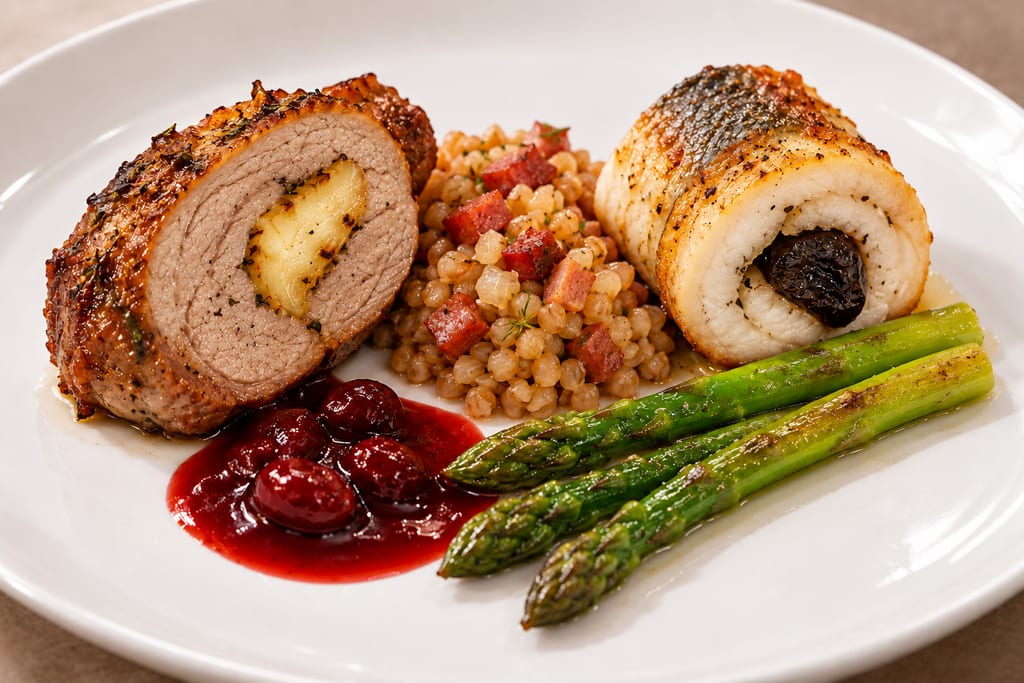
A student cookbook pairs lamb stuffed with Oscypek and zander with suska, then serves wheat groats with a small amount of kiełbasa lisiecka.
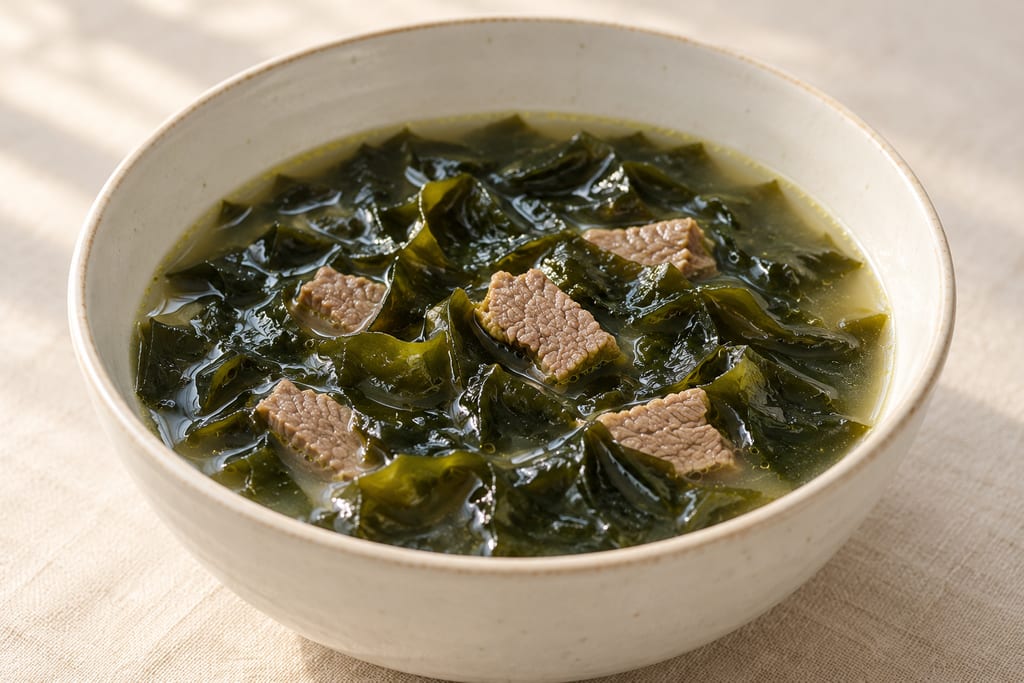
A Korean soup of rehydrated brown seaweed simmered with beef, seafood or a plain seasoned broth, traditionally served after childbirth, on birthdays and as an everyday meal.

Panrkhash is an Armenian bread-and-cheese dish associated with Gyumri and Shirak. One published oven-baked version layers lavash and string cheese with butter-sautéed onion and hot water; regional methods vary.
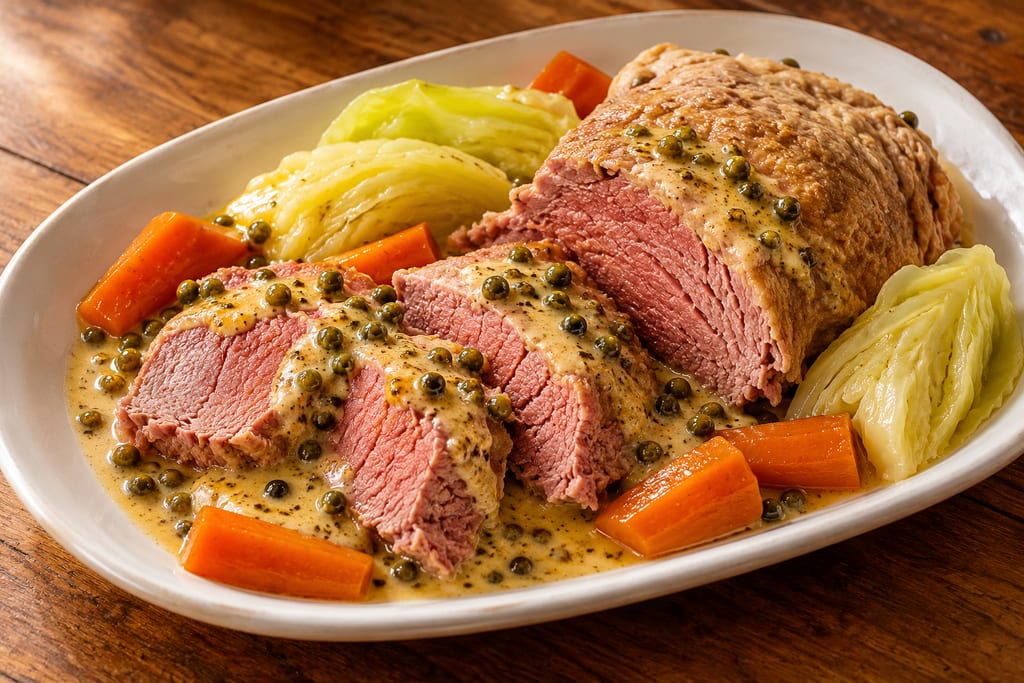
A Karoo-style festive dish of already cured salt beef simmered with vegetables and aromatics, served with a cream sauce of brined green peppercorns and wholegrain mustard.
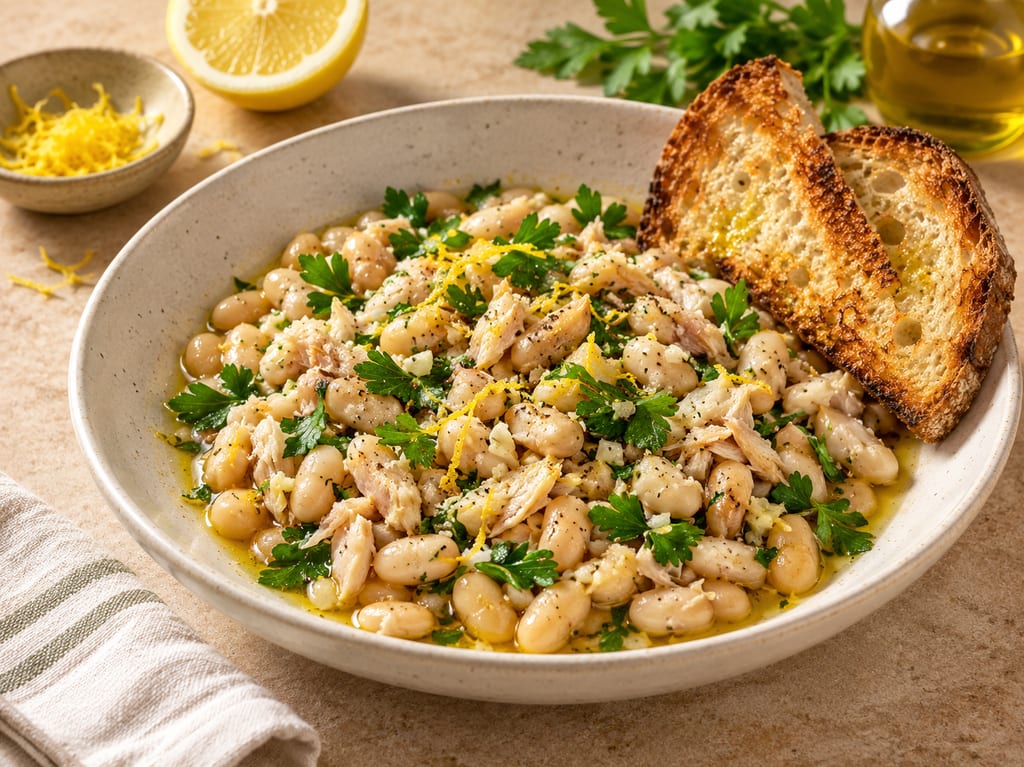
Cooked white beans warm gently with a little deboned, ready-to-eat commercial bokkom flesh, garlic, lemon and parsley. This is a contemporary serving adaptation, not a documented inherited Cape dish.
No community contributions have been published for this entry yet.
Sign in to contribute. Published comments and photos are free to read.
Milk Science 67(3)History · Context
Milk Processing System in RwandaIburunge of aged butter mixed into boiled cassava and beans, ikivuguto eaten with sweet potato, cassava and kidney beans and mutsima, butter oil made by heating butter in the northeast, butter oil over 99 percent fat, collection centres since about 2012.
Cited in: A spoon of strong butter; The cup on the side; Two butters, one name; Making the butter oil; Bringing the plate together; Make the ikivuguto first; Why it disappears from village kitchens; Other plates for the cup
Health CanadaSafety
Lectins in dry legumesSoak dry red kidney beans in 2 to 3 times their volume of water at least 5 hours, discard soaking water, boil vigorously at least 10 minutes; no slow cookers; canned beans need no further cooking; symptoms 1 to 3 hours after eating.
Cited in: Getting the beans right; Safety in short
New Zealand Ministry for Primary IndustriesSafety
Natural toxins in vegetables and beansKidney beans soak 5 hours or longer then boil briskly at least 10 minutes, poorly cooked beans can be more toxic than raw, 4 or 5 raw beans can cause illness. Cassava peel, slice and cook thoroughly, frozen too; cyanogenic glycosides.
Cited in: Getting the beans right; Getting the cassava right; Safety in short
Virginia Polytechnic Institute ExtensionProcess
Homemade cultured milk products, Series 504Cultured milk method used for the ikivuguto served alongside.
Cited in: Make the ikivuguto first; Safety in short
US Centers for Disease Control and PreventionSafety
Listeria and dairyRaw milk products can carry Listeria and other germs.