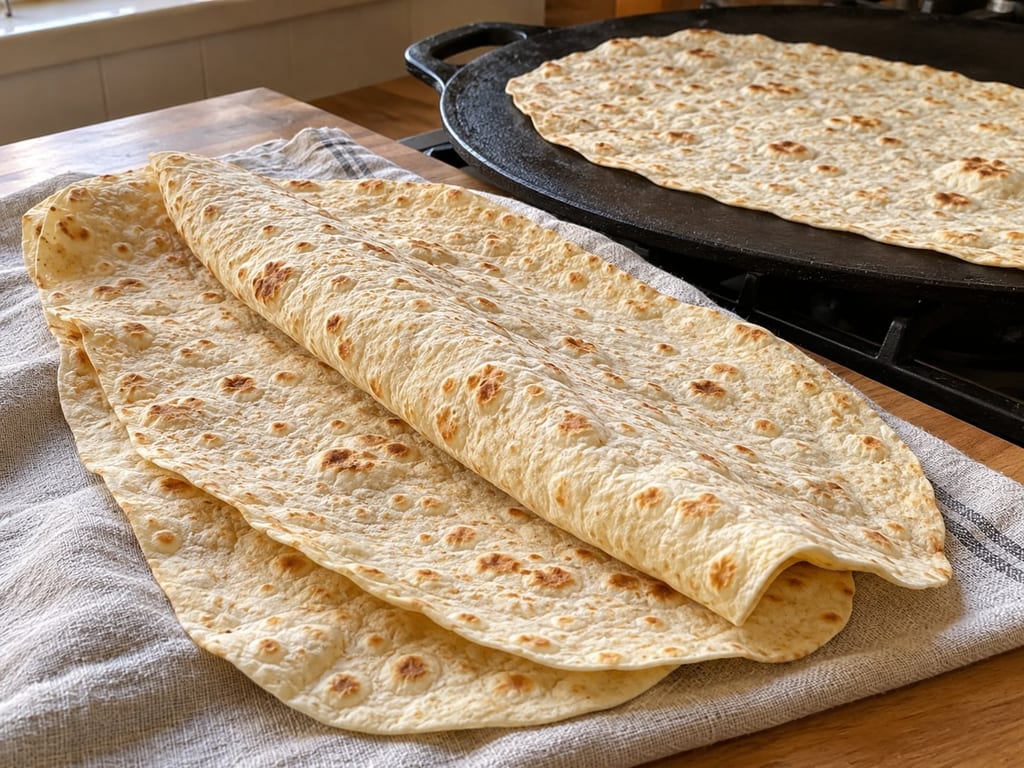
Fresh Armenian lavash (Leahy, Lee and Zada home-griddle method)
A yeast old-dough lavash method adapted from Armenian baking for the home griddle, producing eight thin, pliable wheat sheets.
 FermenteaWhere food goes to change
Modern adaptation
Panrakhash
Panrkhash is an Armenian bread-and-cheese dish associated with Gyumri and Shirak. One published oven-baked version layers lavash and string cheese with butter-sautéed onion and hot water; regional methods vary.

Panrkhash is a hot Armenian bread-and-cheese dish. Armenia Travel associates it with Gyumri and describes layers of Chechil, dried lavash, onion cooked in butter, and boiled water. Visit Yerevan uses both Panrkhash and Panrakhash and records versions with string or grated cheese, dry lavash or stale bread, and different seasonings. The page also connects the dish with the cuisine of Mush and describes shared preparation at family meals.
Chechil is a cheese used in this dish, not another name for Panrkhash. The atlas gives Chechil its own entry as a string-like cheese and notes its seasonal production; those cheese-making details do not describe how to assemble this hot meal. Panrkhash is also distinct from other Armenian dairy foods named in the atlas, including Horats panir, Lori, Chanakh, and matsun.
The sources call Panrkhash traditional but do not supply a dated written record or establish where it began. Gyumri and Shirak are documented use associations. This page records one contemporary cookbook method rather than treating it as a universal Armenian formula or an ancient fixed recipe.
The LAVASH book companion site provides a measured batch for two ovenproof bowls. It uses string cheese, lavash, half a yellow onion, butter, and hot water. Armenia Travel identifies Chechil as the string cheese associated with Panrkhash in Gyumri; other regions may use different cheese or bread.
For this batch, shred and chop 170 g (2 cups) string cheese. Use six homemade sheets of lavash or three purchased sheets. Reserve two 15 cm squares for the covers and cut the rest into 2.5 cm pieces. Dice half a yellow onion. Measure 130 g butter: 115 g for the onion and 15 g for the covers, with extra to coat the bowls. Measure 480 mL hot water.
The source heats the oven to 450°F (230°C), softens the onion in melted butter for about 4 minutes, layers lavash and cheese, adds the onion butter and hot water, then covers and bakes the bowls for 10–15 minutes. The steps above restate this one published batch; they do not set a standard proportion for every Panrkhash.
This version contains milk from cheese and butter, and wheat from lavash. FDA identifies milk and wheat as major food allergens. Make those ingredients clear and prevent cross-contact where needed.
The LAVASH page suggests refrigerating leftovers for up to five days, but it does not cite a food-safety validation. This record follows FoodSafety.gov's general guidance instead: refrigerate cooked leftovers within two hours, keep them at 40°F (4°C) or below, use them within 3–4 days, and reheat them to 165°F (74°C). These directions are general leftover guidance, not a study of Panrkhash specifically.
The reviewed sources describe panrkhash as traditional and associate it with Gyumri, Shirak, and the cuisine of Mush, but they give no dated attestation or reliable origin date. The oven-baked formula below is one published cookbook version, not a claim about a universal historical recipe.
Yield 2 bowls · Scaling: source batch only
Chechil and butter contain milk; identify the ingredients and prevent cross-contact where needed.
Hazard sourceLavash is a wheat bread in the cited recipe; identify the ingredient and prevent cross-contact where needed.
Hazard sourceDisclose milk and wheat ingredients and prevent cross-contact where needed.
Control sourceRefrigerate cooked leftovers within 2 hours, use within 3–4 days at 40°F (4°C) or below, and reheat leftovers to 165°F (74°C). These are general food-safety recommendations, not a validation study of this dish.
Control sourceThe cookbook page's five-day leftover suggestion is not used here; current FoodSafety.gov guidance recommends 3–4 days for refrigerated leftovers.
Armenia Travel associates the dish with Gyumri and records a 2024 festival there; its event page says the dish is characteristic of Shirak. This is a documented regional use, not a single-origin claim.
A yeast old-dough lavash method adapted from Armenian baking for the home griddle, producing eight thin, pliable wheat sheets.
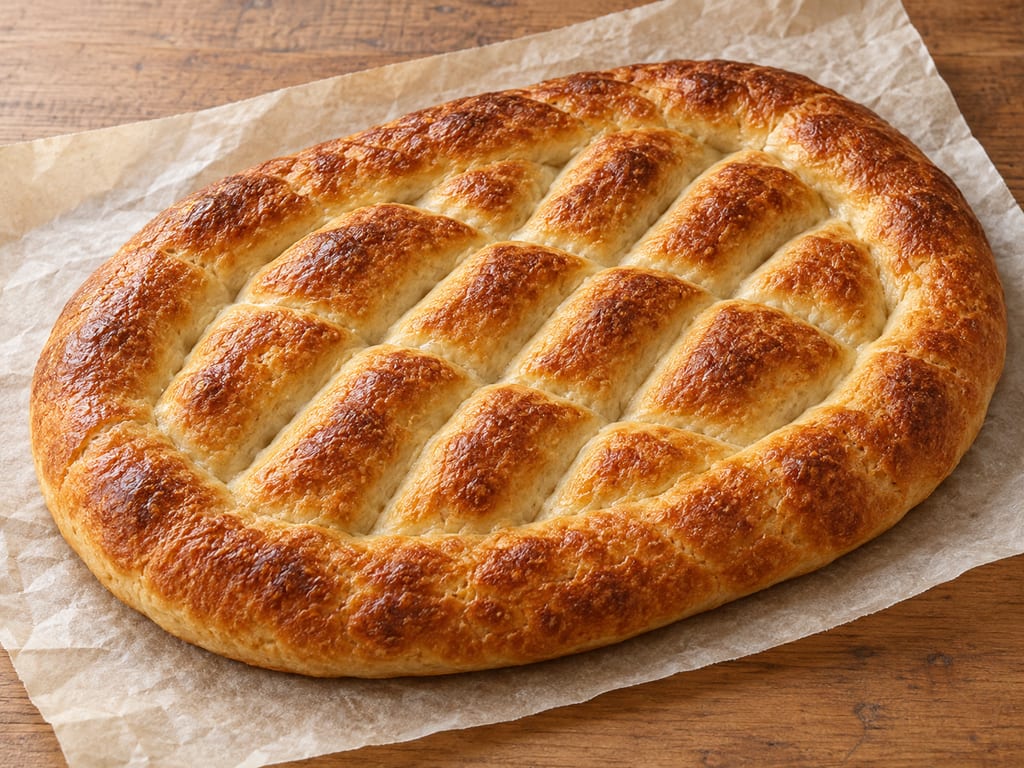
A soft Armenian oval bread with a glossy surface and deep finger grooves, made here with a rye or whole-wheat flour scald and an overnight cold fermentation.
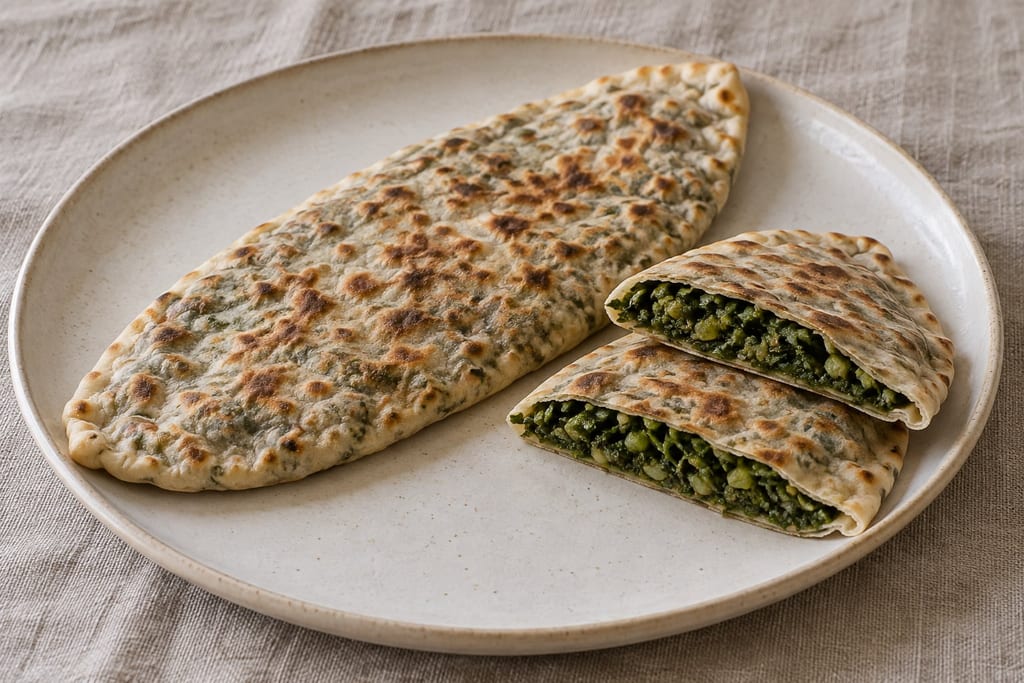
An unleavened Armenian flatbread filled with mixed greens and herbs, sealed into an oval and cooked on a griddle.
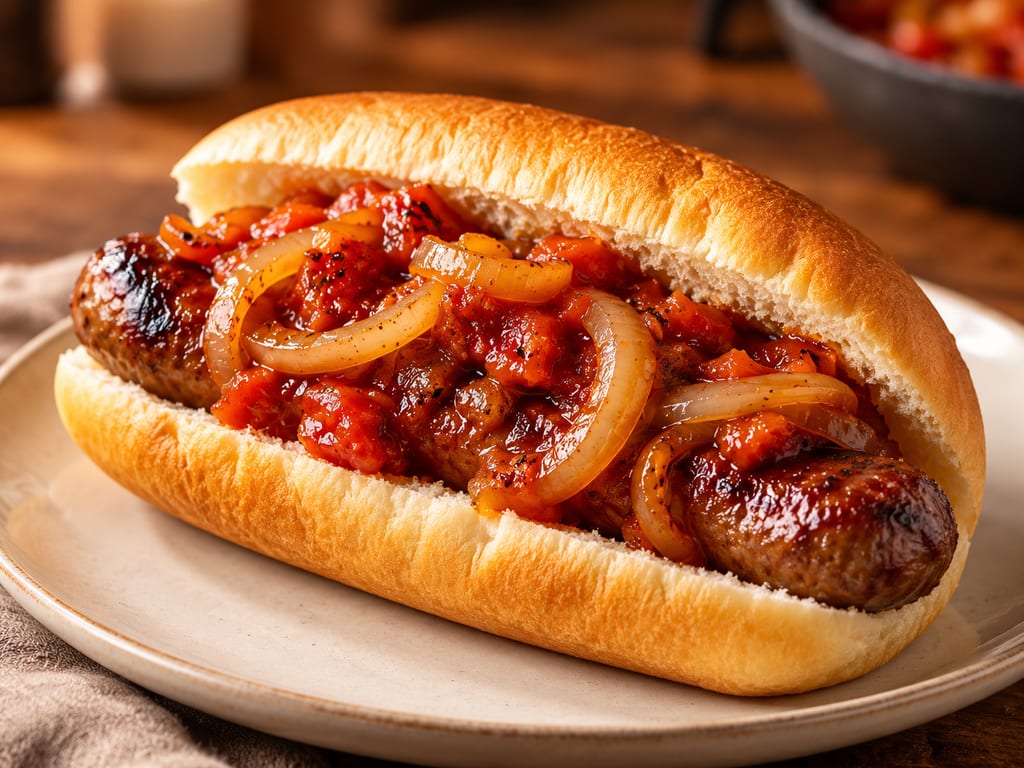
A South African boerie roll puts fully cooked boerewors in a soft bread roll and tops it with warm tomato-and-onion smoor.
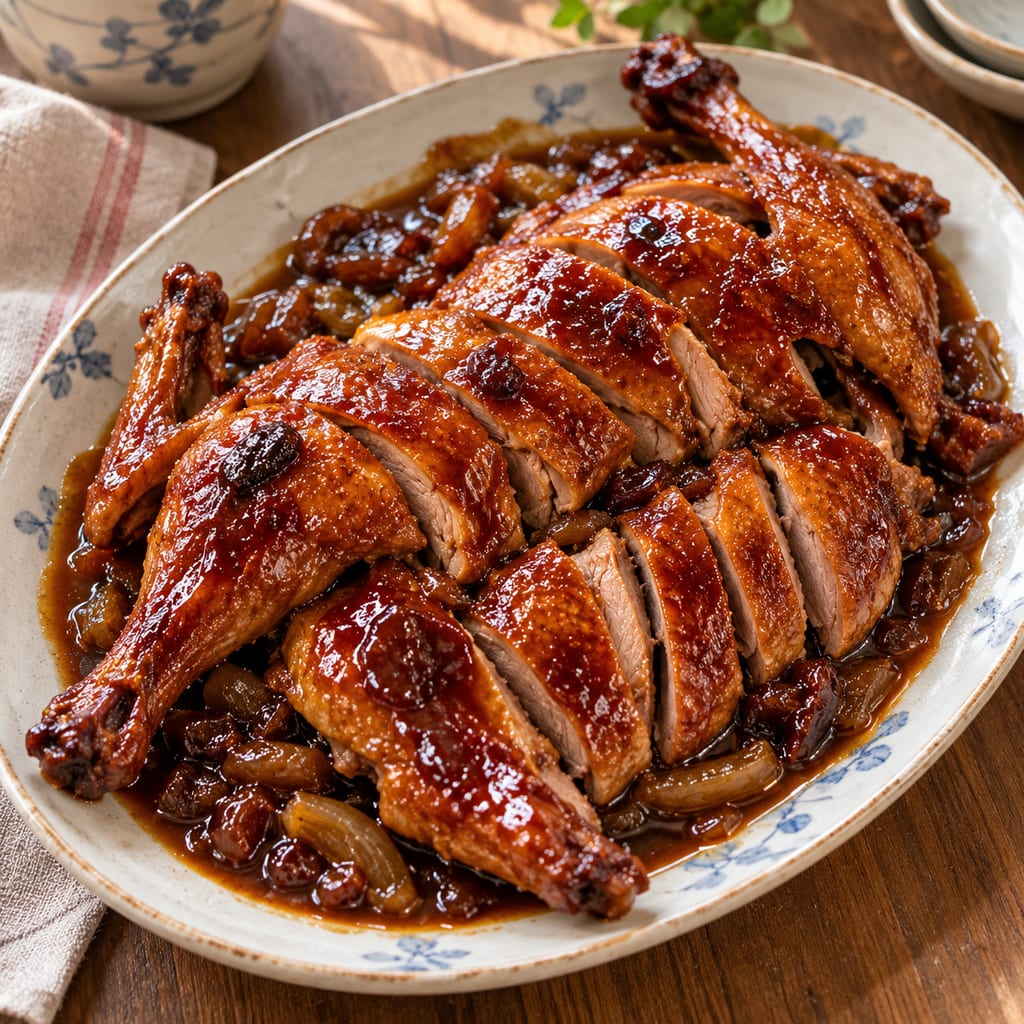
A whole duck braised on onions with pickled plums and Chinese plum sauce until the sauce turns into a thick onion marmalade, a Hakka family dish for Chinese New Year.

Iburunge is boiled cassava and kidney beans dressed with strong butter, the Rwandan farm meal Hirata recorded. This home plate uses butter oil and comes with a cold cup of ikivuguto.
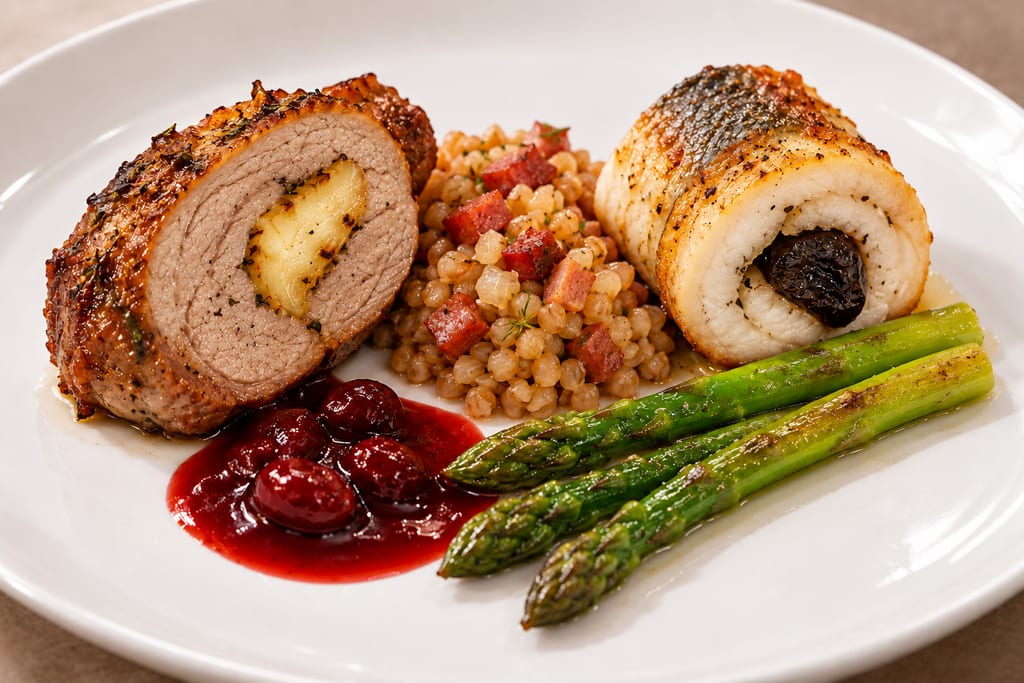
A student cookbook pairs lamb stuffed with Oscypek and zander with suska, then serves wheat groats with a small amount of kiełbasa lisiecka.
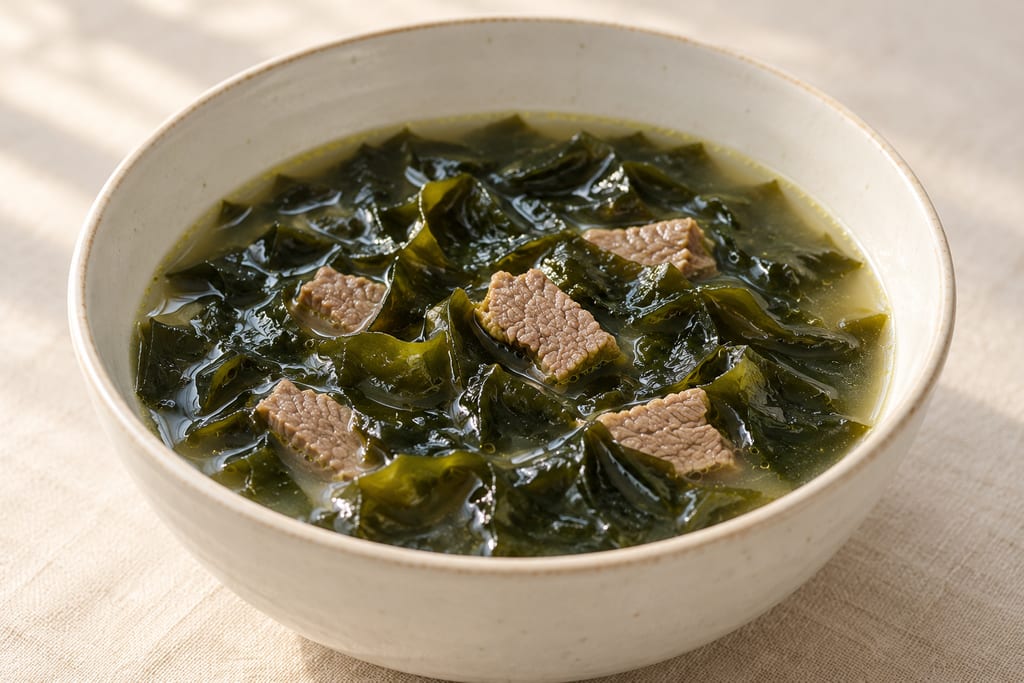
A Korean soup of rehydrated brown seaweed simmered with beef, seafood or a plain seasoned broth, traditionally served after childbirth, on birthdays and as an everyday meal.
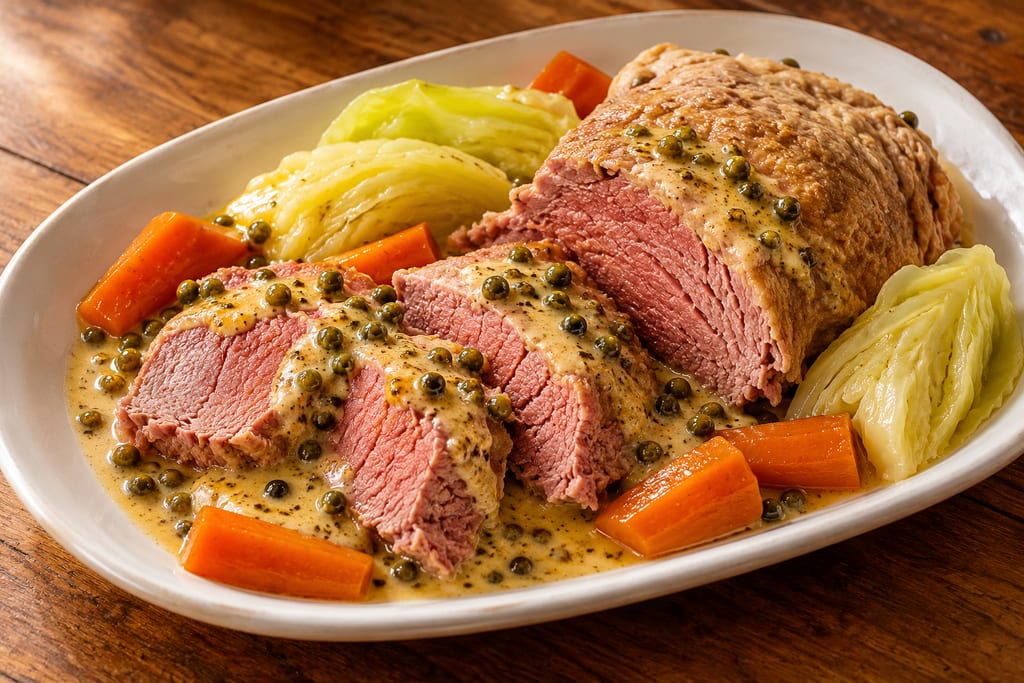
A Karoo-style festive dish of already cured salt beef simmered with vegetables and aromatics, served with a cream sauce of brined green peppercorns and wholegrain mustard.
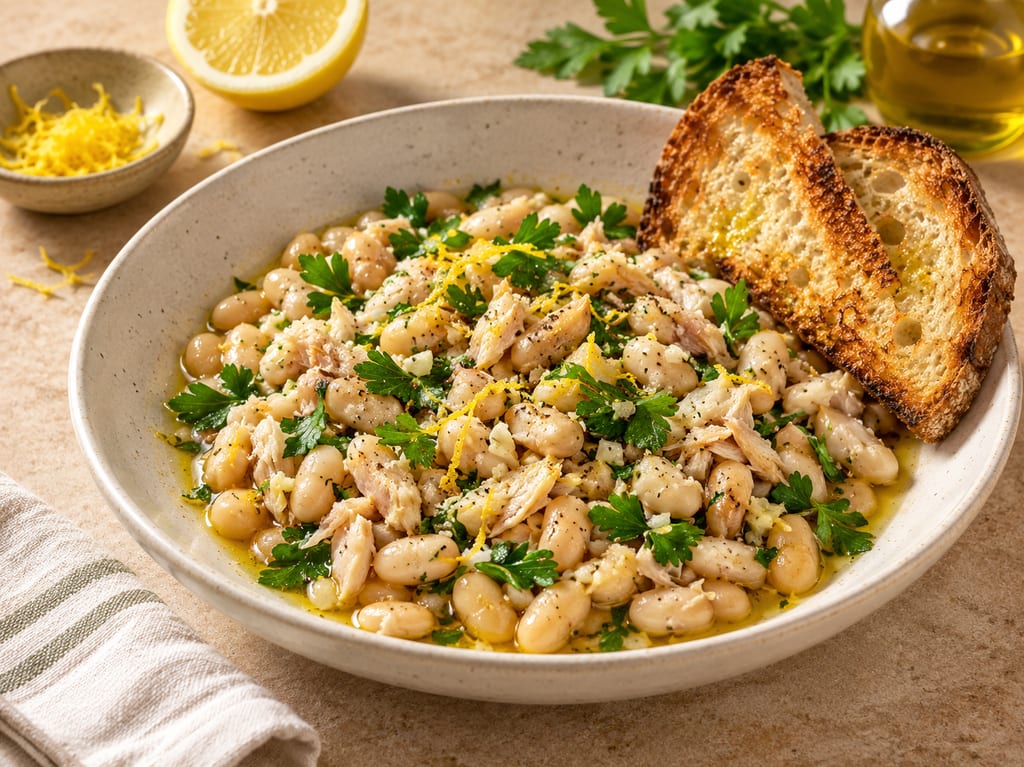
Cooked white beans warm gently with a little deboned, ready-to-eat commercial bokkom flesh, garlic, lemon and parsley. This is a contemporary serving adaptation, not a documented inherited Cape dish.
No community contributions have been published for this entry yet.
Sign in to contribute. Published comments and photos are free to read.
Armenia Travel / Tourism Committee of ArmeniaIdentity · Geography · Uses
Discover the top 5 Armenian cheeses you must tryDescribes panrkhash as a Gyumri comfort dish made with layered Chechil, dried lavash, butter-sautéed onion, and boiled water.
Describes Chechil as string cheese and gives the dish a specific Gyumri association.
Cited in: A Gyumri dish, separate from its cheese; One published oven-baked version
Armenia Travel / Tourism Committee of ArmeniaGeography · History · Uses
PanrkhashRecords a 2024 Panrkhash festival in Gyumri, initiated by the municipality, and says the dish is characteristic of Shirak and still prepared in Armenian families.
Cited in: A Gyumri dish, separate from its cheese
Visit Yerevan (official tourism website of Yerevan city)Identity · Geography · History · Variation
CuisineUses the spelling Panrakhash in the heading and Panrkhash in the entry.
Associates the dish especially with the cuisine of Mush while describing it as prepared across provinces.
Lists lavash, Chechil, onion, olive oil, and boiled water; describes regional variations in cheese and bread and communal assembly in clay bowls.
Cited in: A Gyumri dish, separate from its cheese
LAVASH book companion siteMethod · Ingredients · Uses
Panrkhash + RecipeProvides one measured oven-baked batch for two 15 cm bowls, including lavash, string cheese, butter, onion, and hot water.
Gives the sequence, oven setting of 450°F (230°C), onion cooking time of about 4 minutes, and bake time of 10–15 minutes.
Its five-day leftover statement is not adopted; current general U.S. food-safety guidance recommends 3–4 refrigerated days.
Cited in: One published oven-baked version; Allergens and leftovers
U.S. Food and Drug AdministrationSafety
Food Allergies: What You Need to KnowFDA lists milk and wheat among the major food allergens.
Cited in: Allergens and leftovers
FoodSafety.govSafety
Game Day Food Safety TipsAdvises refrigerating cooked leftovers within 2 hours, keeping the refrigerator at 40°F (4°C) or below, using leftovers within 3–4 days, and reheating to 165°F (74°C).
Cited in: Allergens and leftovers