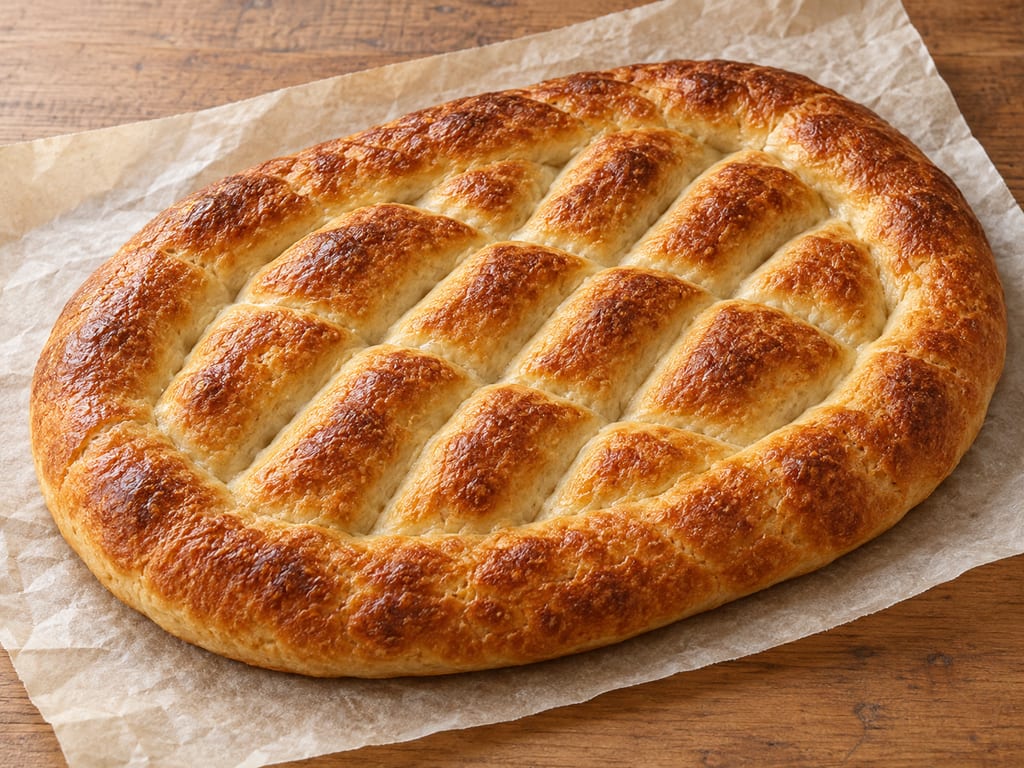
Matnakash
A soft Armenian oval bread with a glossy surface and deep finger grooves, made here with a rye or whole-wheat flour scald and an overnight cold fermentation.
 FermenteaWhere food goes to change
Traditional method
Ժենգյալով հաց · Jingalov hats · Jengyalov hats
An unleavened Armenian flatbread filled with mixed greens and herbs, sealed into an oval and cooked on a griddle.
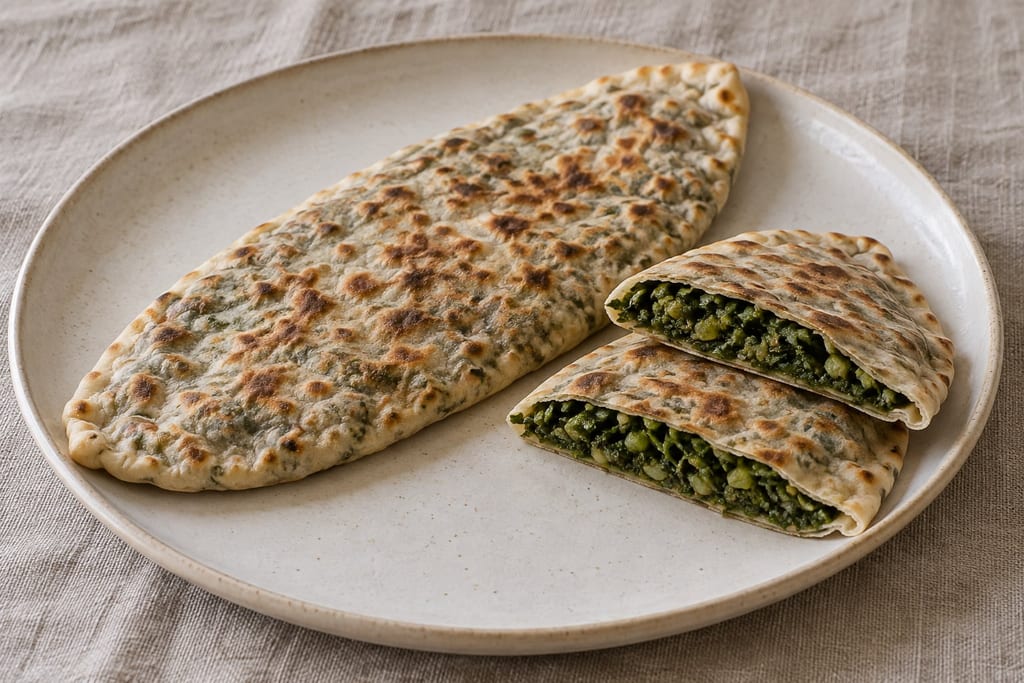
Saveur locates the recipe in Artsakh and reports a regional cook's account of balancing sour, fragrant and neutral greens. The Armenian Institute documents jingalov hats in contemporary Armenian cultural practice. The inspected sources do not establish a dated first attestation.
Yield 4 flatbreads · Scaling: source batch only
Produce may carry contamination from soil, water, handling or storage; rinsing reduces but does not eliminate it.
Hazard sourceAn unidentified plant may be toxic or unsuitable for food.
Hazard sourceRinse produce thoroughly under running water and dry with a clean towel; do not use soap or produce wash.
Control sourceUse only edible greens and herbs positively identified from a reliable food source; omit uncertain wild plants.
Control sourceRefrigerate leftovers within 2 hours, or within 1 hour above 90°F (32°C), and keep the refrigerator at or below 40°F (4°C).
Control sourceDo not use unidentified foraged plants. Wash greens under running water; rinsing reduces contamination but does not eliminate it. Refrigerate leftovers promptly.
Saveur reports an Artsakh association; precise birthplace is not established.
A soft Armenian oval bread with a glossy surface and deep finger grooves, made here with a rye or whole-wheat flour scald and an overnight cold fermentation.
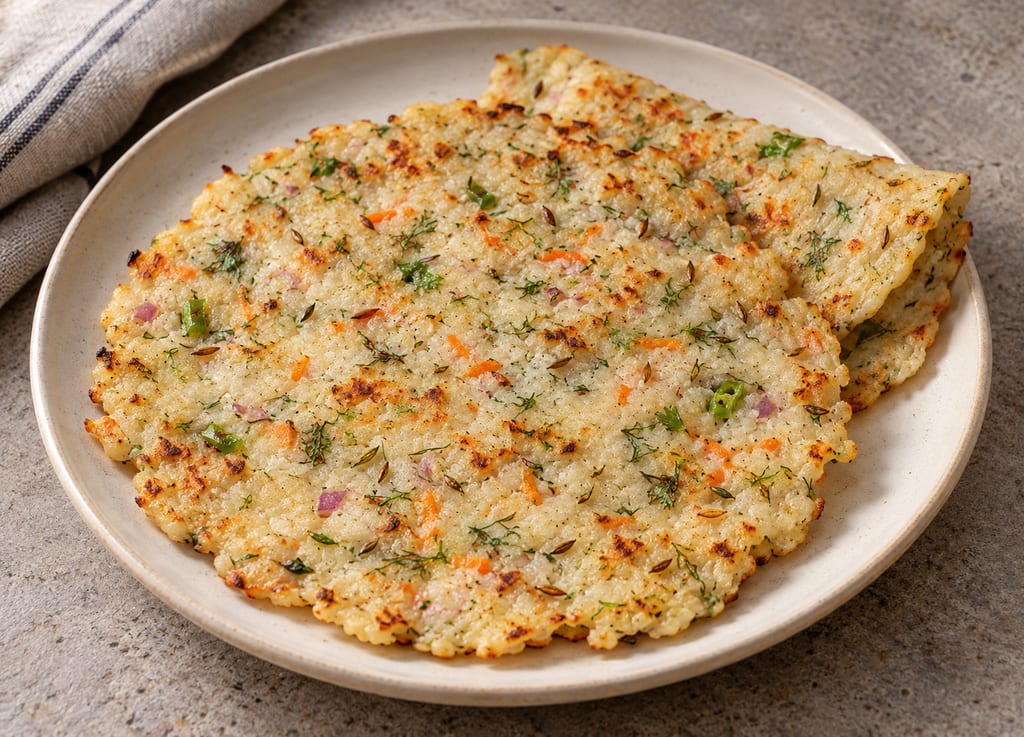
This Karnataka-style akki rotti mixes fine rice flour with vegetables, coconut, herbs and spices, then hand-pats and griddle-cooks the dough.
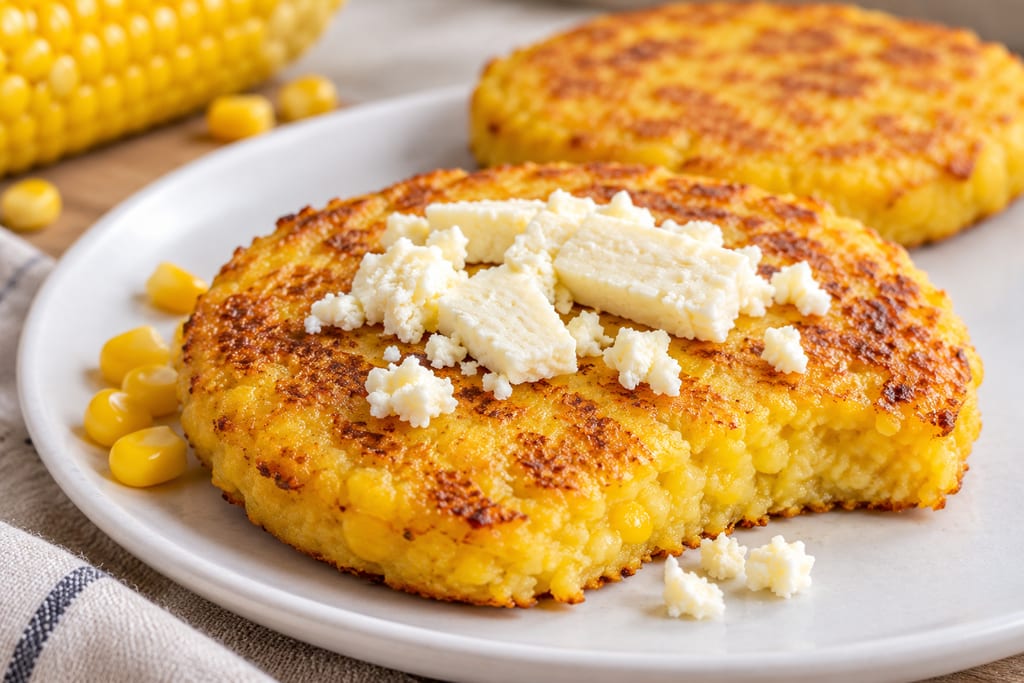
A Colombian Andean griddle cake made from fresh sweet-corn batter, cooked in butter and served with white cheese.
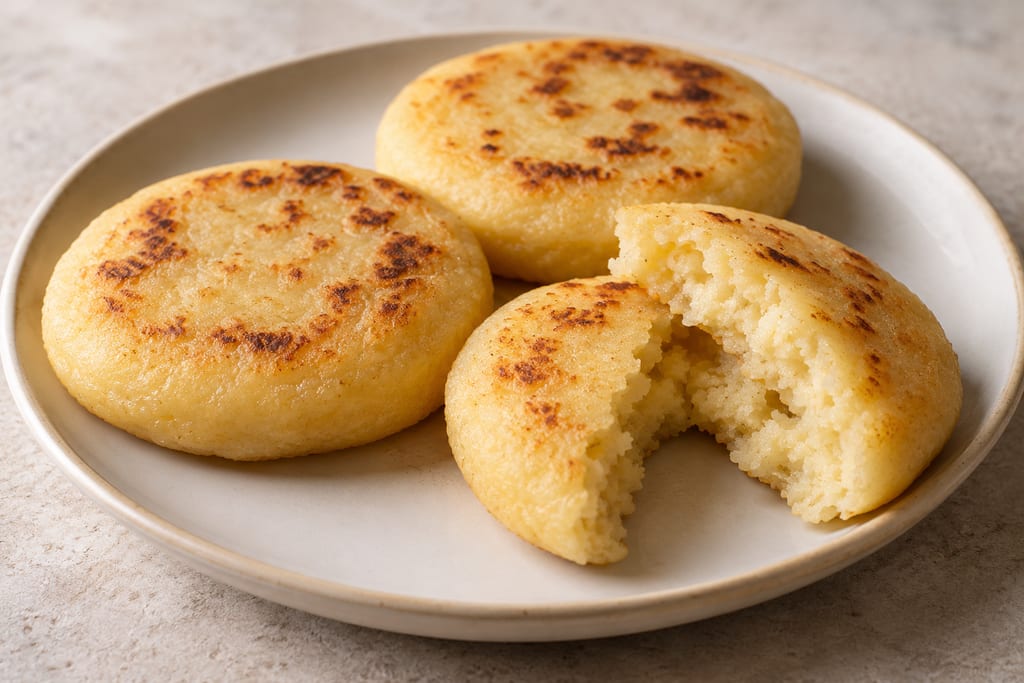
This household version combines precooked corn flour, warm water and salt, then cooks thick rounds on a lightly oiled skillet or griddle. It is one source-specific arepa method, not a universal Colombian or Venezuelan formula.
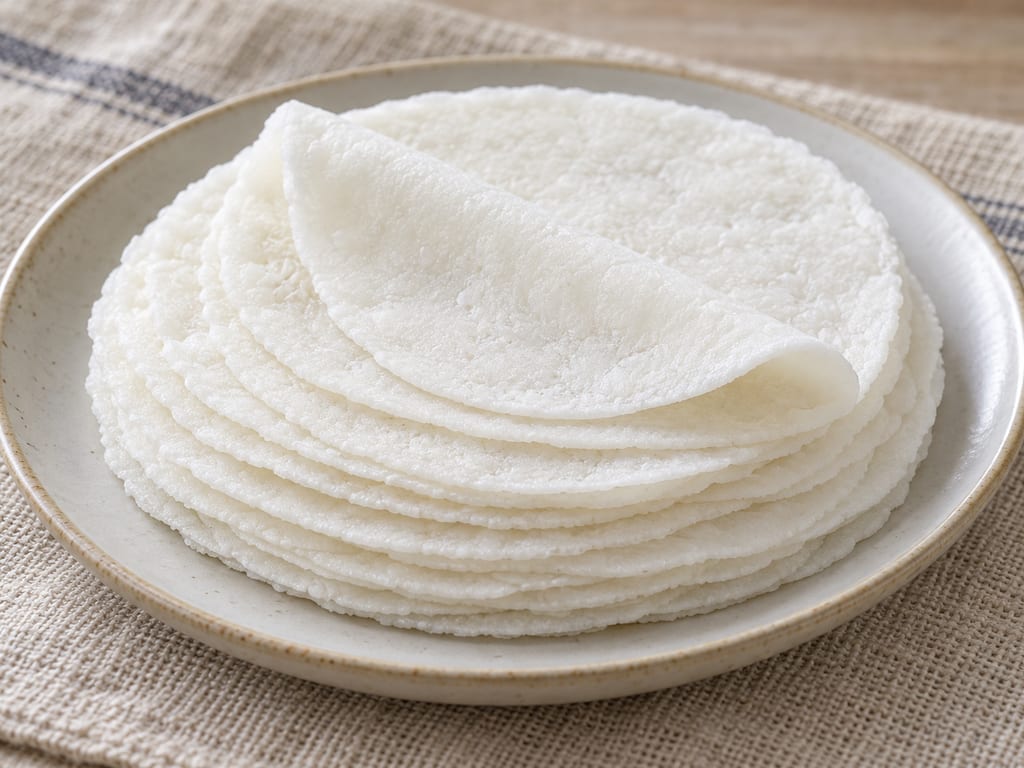
Thin Malabar rice-flour rounds made from roasted rice flour cooked into salted boiling water, kneaded after cooling, and rolled to about 1 mm. They cook on a hot griddle without taking on colour.
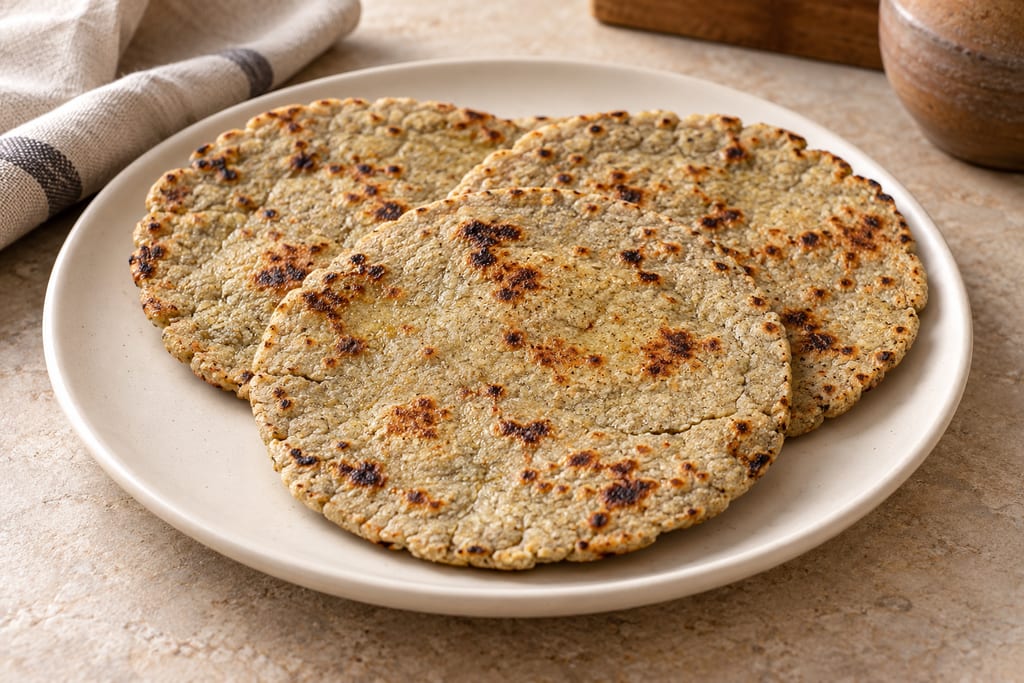
A pearl-millet flatbread shaped between sheets and cooked on a hot tawa. This home batch makes eight.
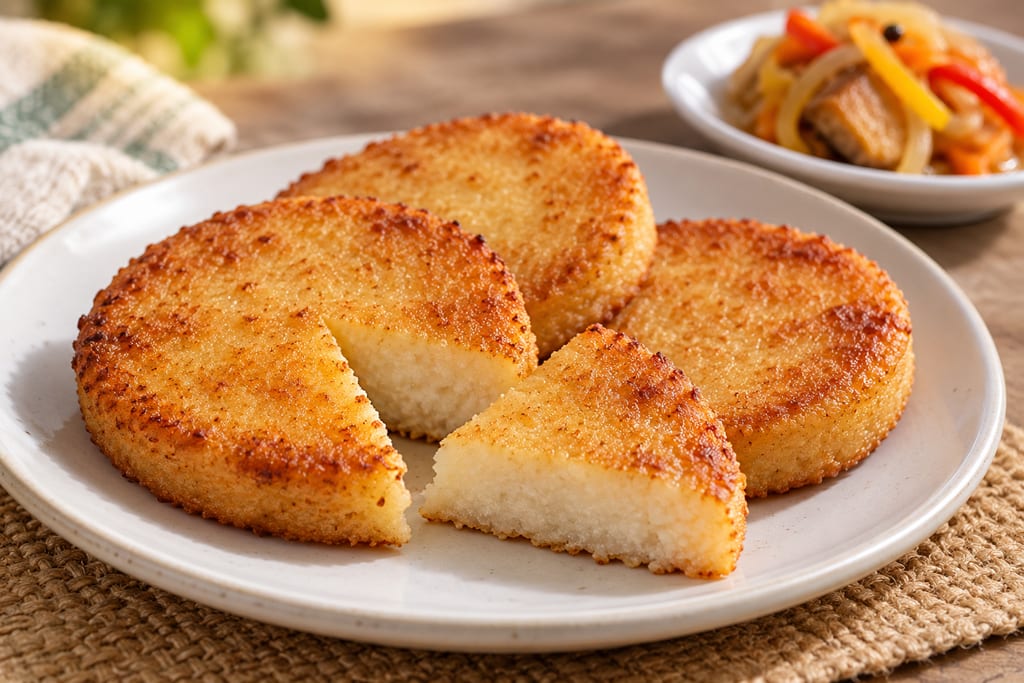
A serving method for approved, prepared bammy rounds: soak them in coconut milk and refry until golden. It does not process raw cassava.
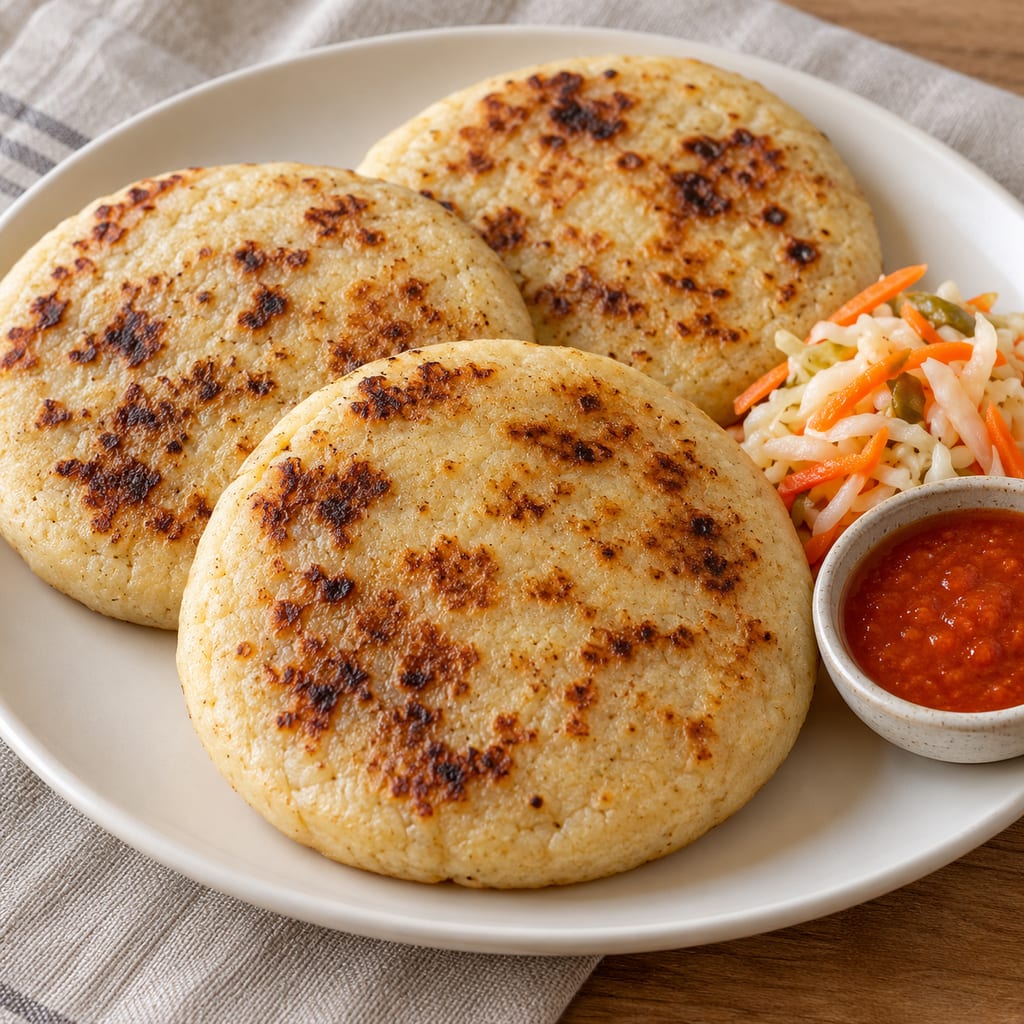
Salvadoran-style masa harina cakes filled with refried beans and cheese, sealed and cooked on an oiled skillet.
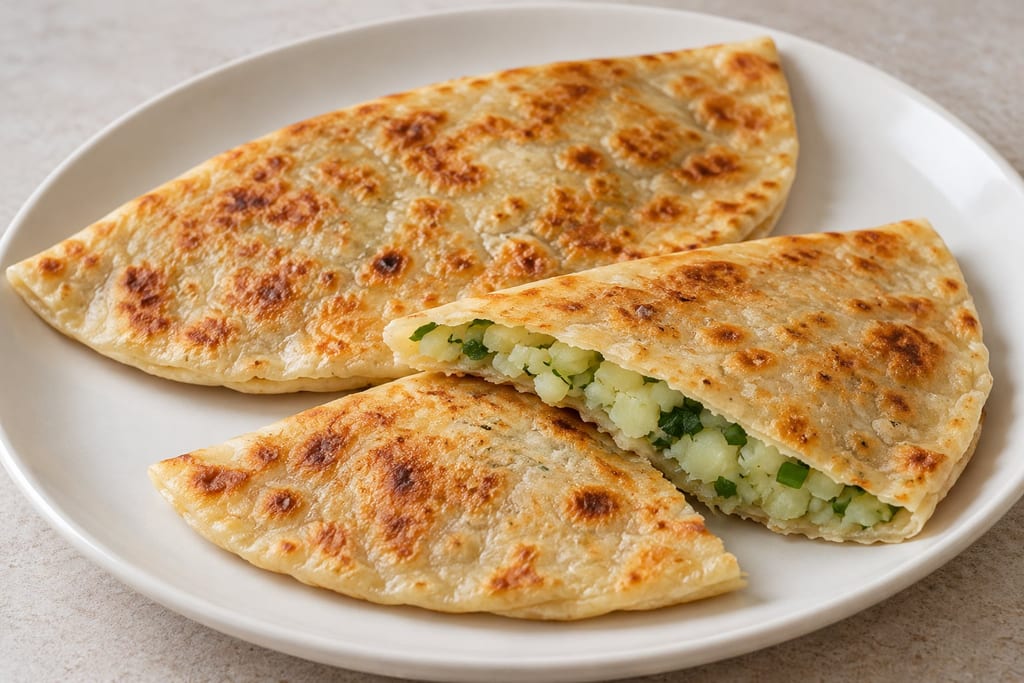
A thin, unleavened Afghan flatbread filled with mashed potato, scallion and cilantro, folded and pan-browned. This version uses a dough made from scratch.
No community contributions have been published for this entry yet.
Sign in to contribute. Published comments and photos are free to read.
SaveurInspiration · Method · History
Jingalov Hats (Armenian flatbreads filled with greens)Measured four-bread dough and filling formula, including greens divided into neutral, fragrant and sour categories.
Describes Artsakh association, reported by Lilia Harutyunyanl, and cooking on a saj or large griddle.
Armenian InstituteMethod · History
FoodDocuments the four-piece mixed-greens recipe and recommends washing and drying the greens ahead of time.
Describes Jingalov Hats as part of contemporary Armenian and Karabakh food culture.
U.S. Food and Drug AdministrationSafety
Selecting and Serving Produce SafelyRinse produce under running water, dry it, do not use soap, and note that washing reduces but does not eliminate bacteria.
USDA Food Safety and Inspection ServiceSafety
How do I handle leftovers safely?Refrigerate perishable leftovers within two hours, or one hour above 90°F; keep refrigerated foods at or below 40°F.