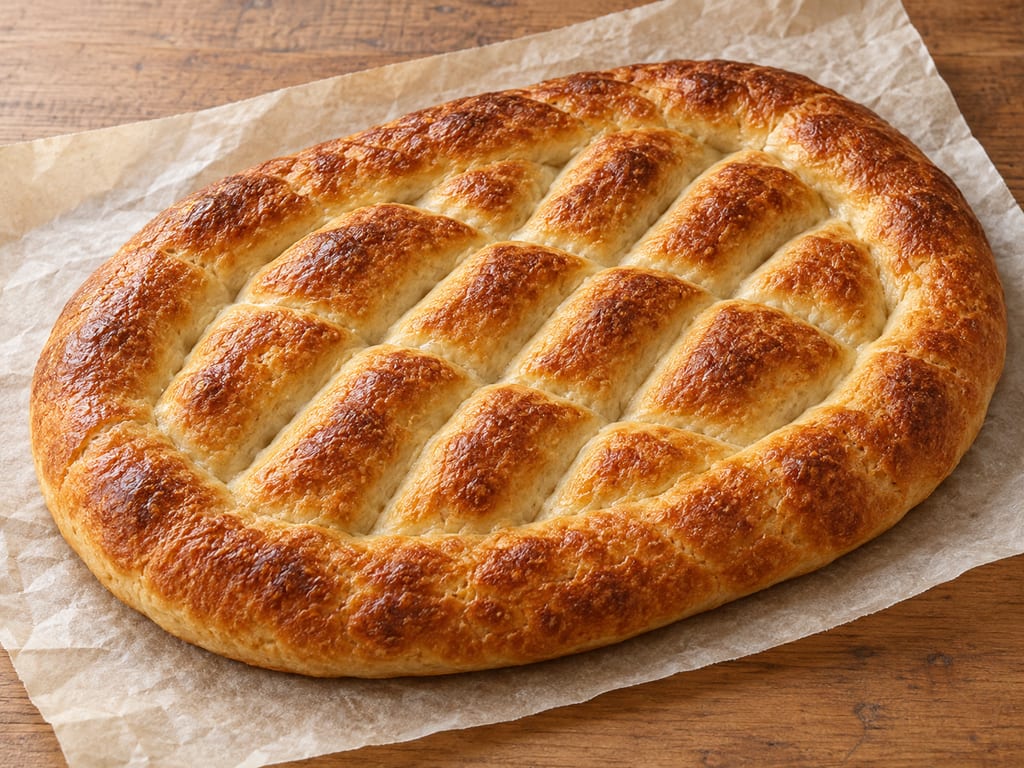
Matnakash
A soft Armenian oval bread with a glossy surface and deep finger grooves, made here with a rye or whole-wheat flour scald and an overnight cold fermentation.
 FermenteaWhere food goes to change
Modern adaptation
A yeast old-dough lavash method adapted from Armenian baking for the home griddle, producing eight thin, pliable wheat sheets.
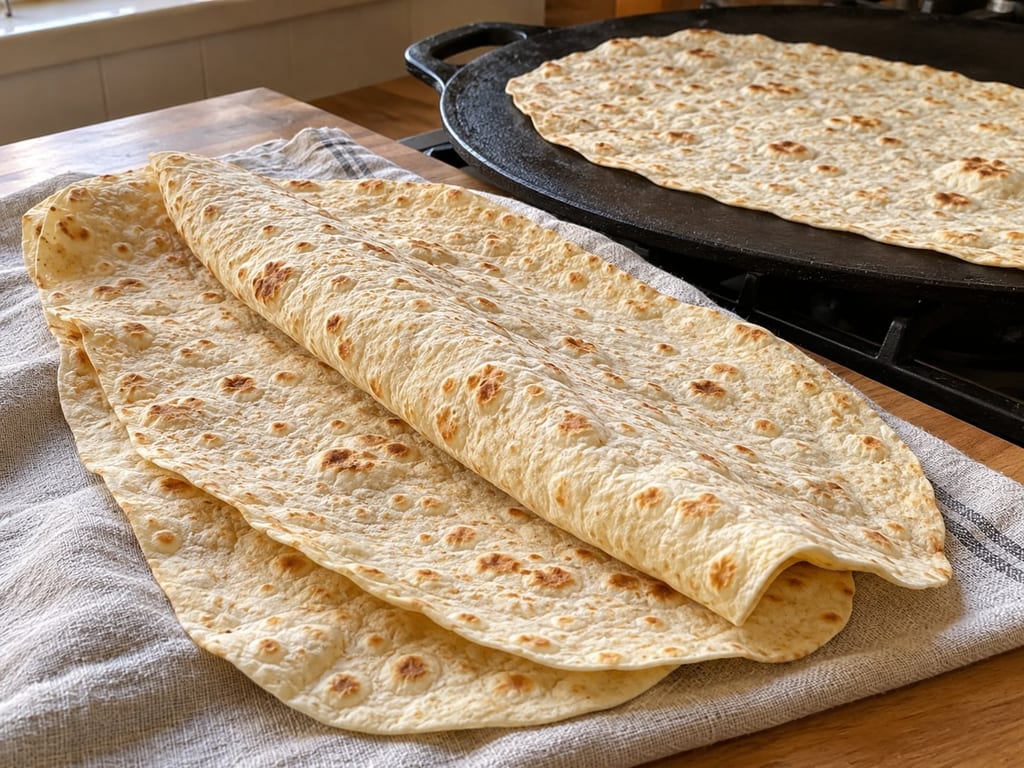
Lavash names a wider family of thin breads across the Caucasus and western Asia. This entry follows one fresh Armenian-inspired home method documented for a Smithsonian cooking demonstration. Kate Leahy, John Lee and Ara Zada explain that the recipe adapts what they learned from Armenian master bakers to a modern kitchen.
The method makes an old dough with a small amount of instant yeast, then mixes it into a second dough. It uses a cast-iron griddle rather than a tonir. The bread is rolled into thin sheets and cooked briefly so it remains pliable. Dry lavash for storage is a separate outcome and is covered by the existing preservation-focused record.
The Smithsonian Center for Folklife and Cultural Heritage presents lavash as Armenian heritage and describes the authors' fieldwork in Armenia. The selected Smithsonian handout is a modern home-kitchen adaptation inspired by Armenian master bakers, not a universal formula or a tonir replication.
Yield 8 sheets, about 33 by 23 cm each · Scaling: source batch only
Uncooked flour can carry germs; do not taste the dough before griddling.
Hazard sourceCook each lavash on both sides before serving, do not taste raw dough, and wash hands, bowls, utensils and work surfaces after handling flour or dough.
Control sourceThe griddle becomes very hot. Use tongs to turn the sheet and monitor the heat between batches.
Smithsonian presents this modern home-griddle adaptation as inspired by Armenian master bakers and Armenian fieldwork. It is not a claim that every lavash tradition or outcome is Armenian.
A soft Armenian oval bread with a glossy surface and deep finger grooves, made here with a rye or whole-wheat flour scald and an overnight cold fermentation.

Panrkhash is an Armenian bread-and-cheese dish associated with Gyumri and Shirak. One published oven-baked version layers lavash and string cheese with butter-sautéed onion and hot water; regional methods vary.
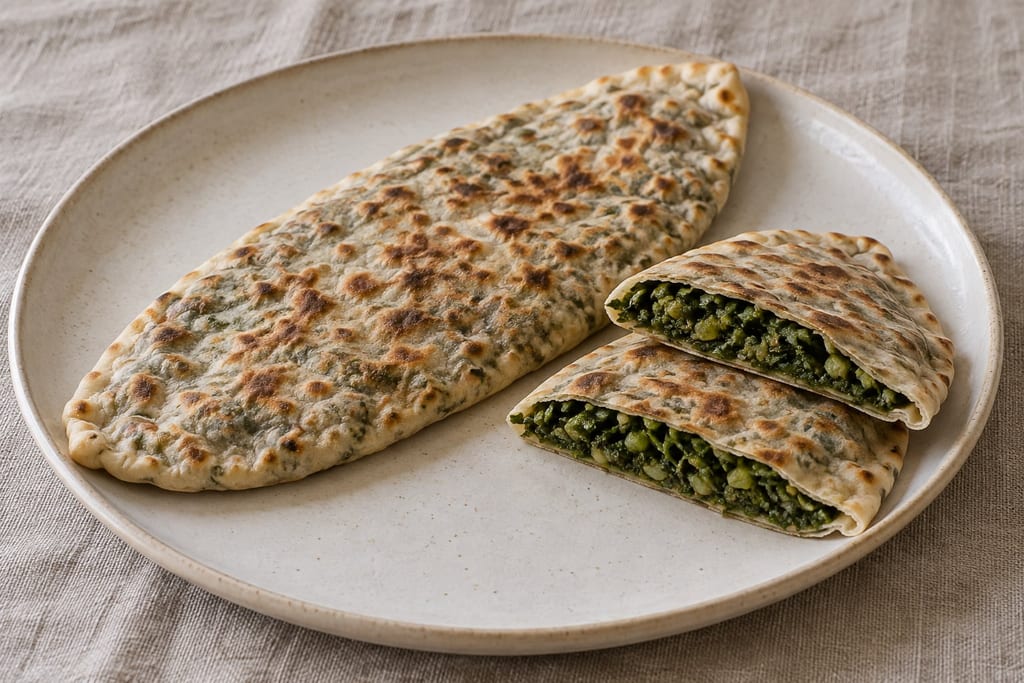
An unleavened Armenian flatbread filled with mixed greens and herbs, sealed into an oval and cooked on a griddle.
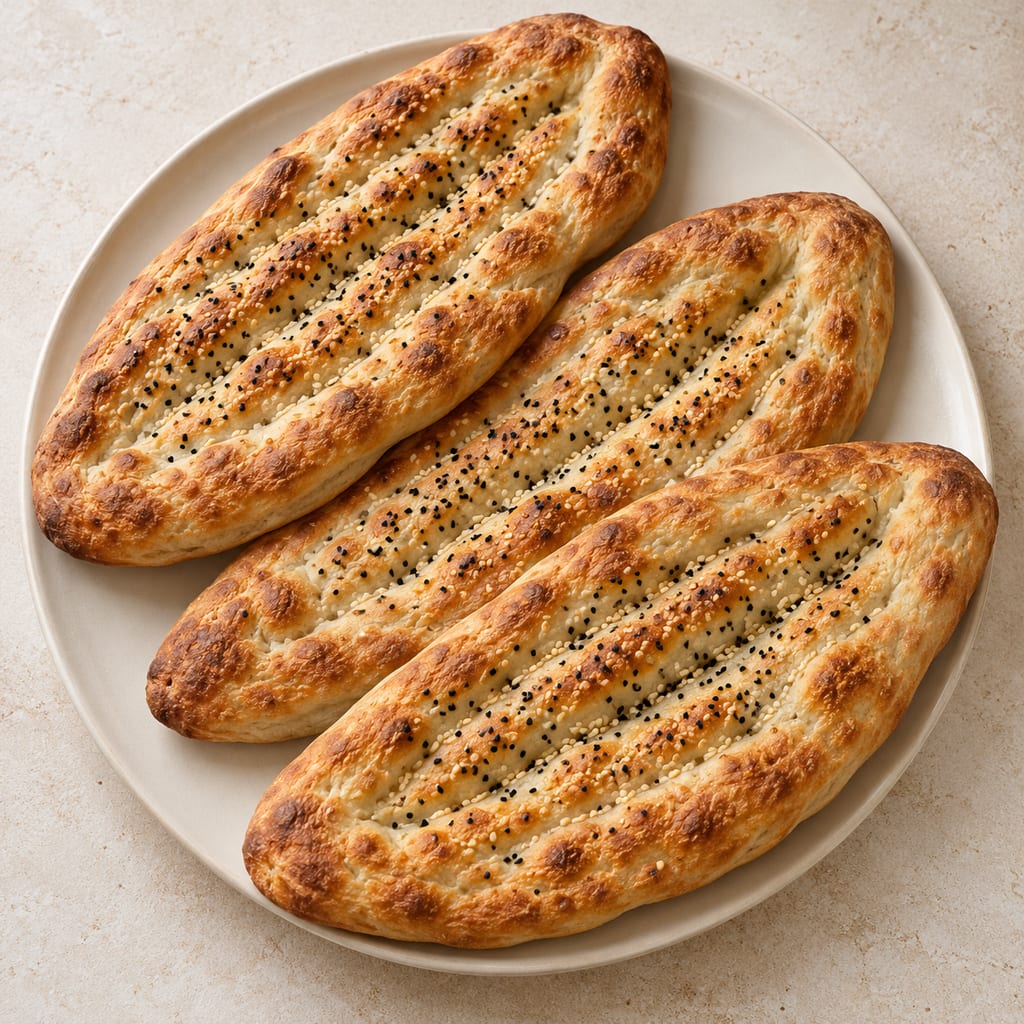
A long oval Afghan wheat bread, leavened with yeast, grooved along its length and baked until crisp outside and chewy within.
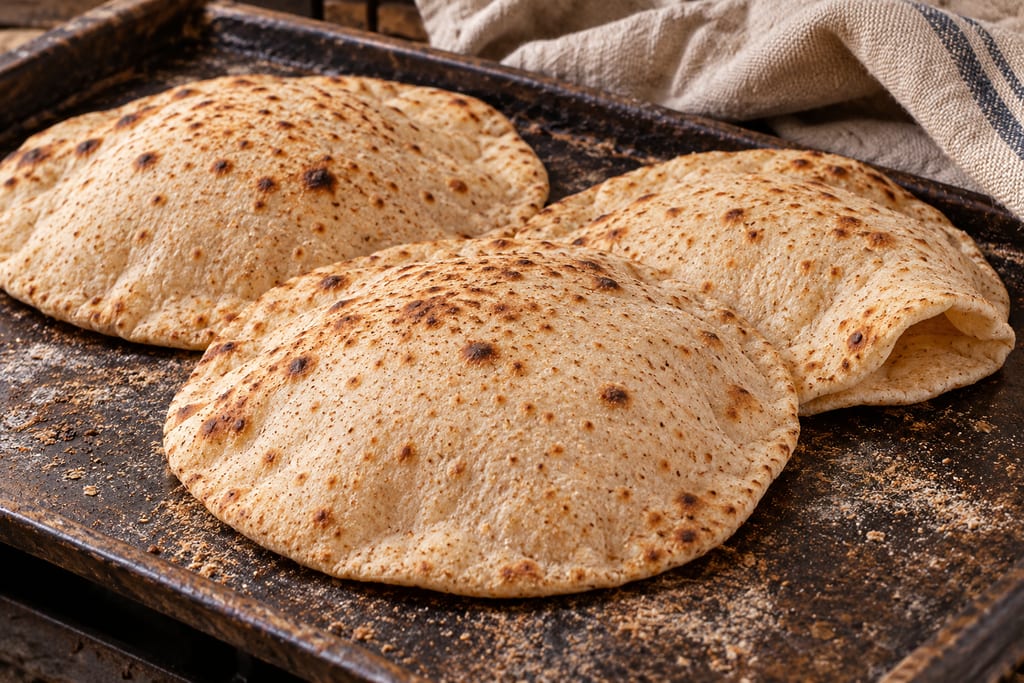
This home adaptation of Egyptian aish baladi uses a refrigerated yeast biga, whole-wheat dough, bran dusting and a very hot baking surface to make 16 pocketed rounds.
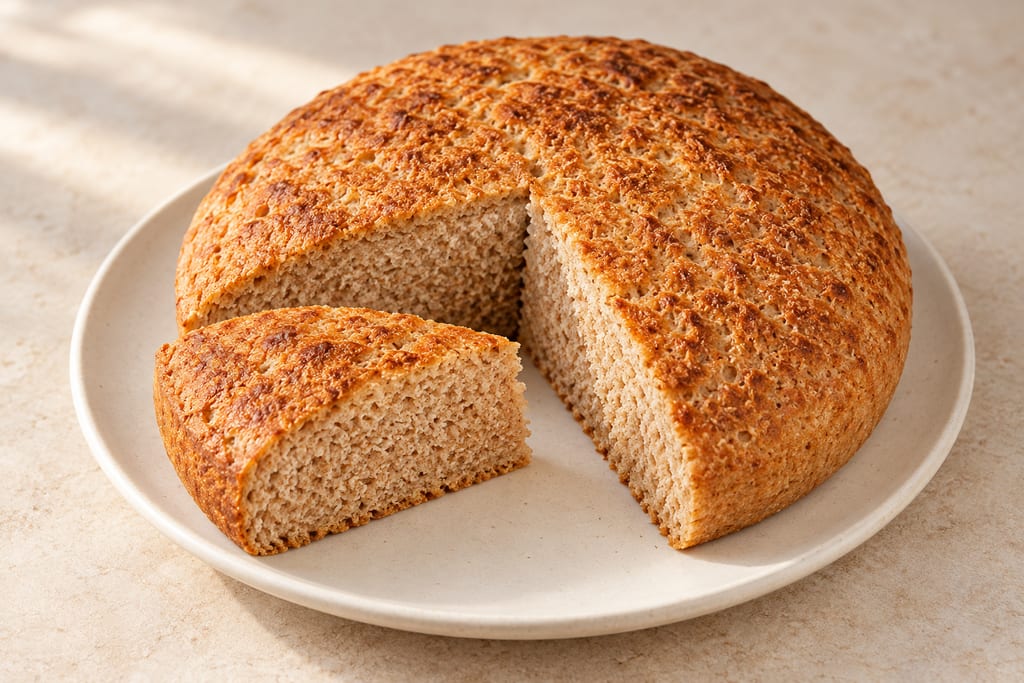
This oven-baked Amdo balep uses yeast, whole-wheat and white flour, a long covered rise and a two-sided bake in a heavy oven-safe pot.
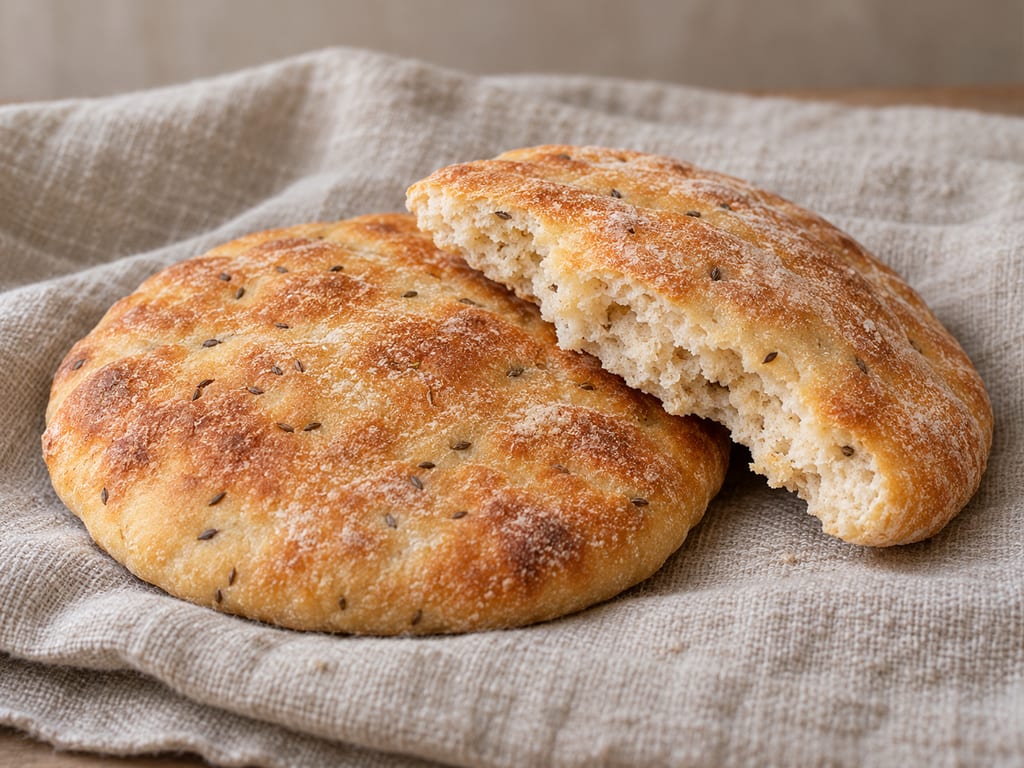
A measured, yeast-raised Ayacucho chapla home method shared by Thermomix Peru presenter Roxanna Salaverry. It makes thin, anise-scented rounds baked at 240°C; the historic qunchu-leavened form is documented separately.
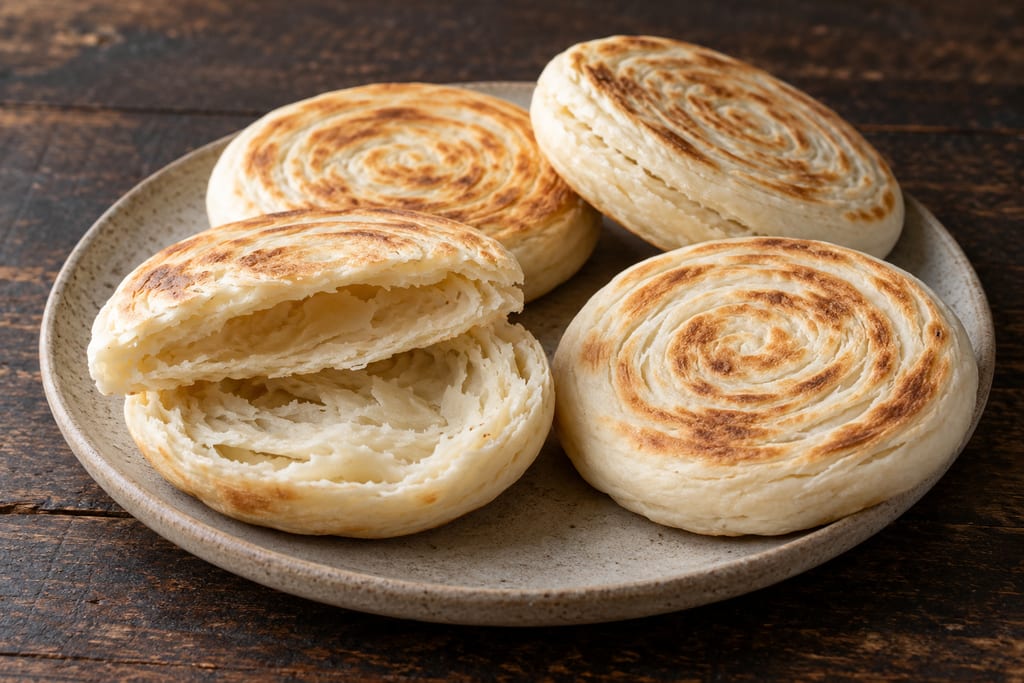
This Shaanxi-associated yeast flatbread uses a simple water dough, coiled shaping and a skillet bake. It is the bread used in roujiamo, not the filled meat dish.
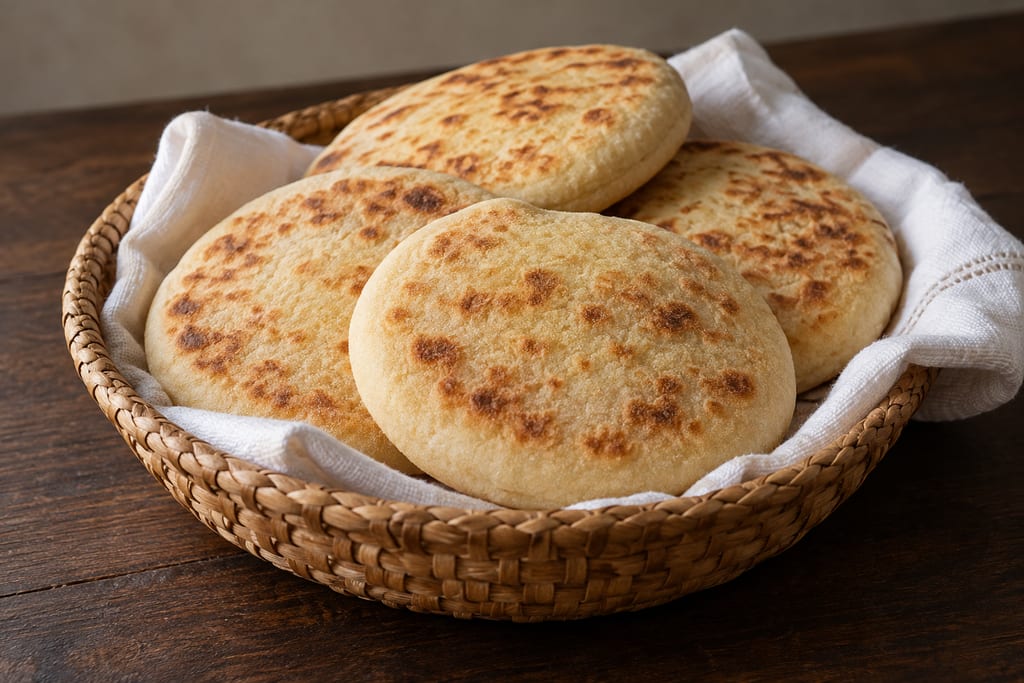
A Moroccan yeast-raised semolina pocket bread cooked on a dry pan or griddle; this measured batch makes about twenty 4-inch rounds.
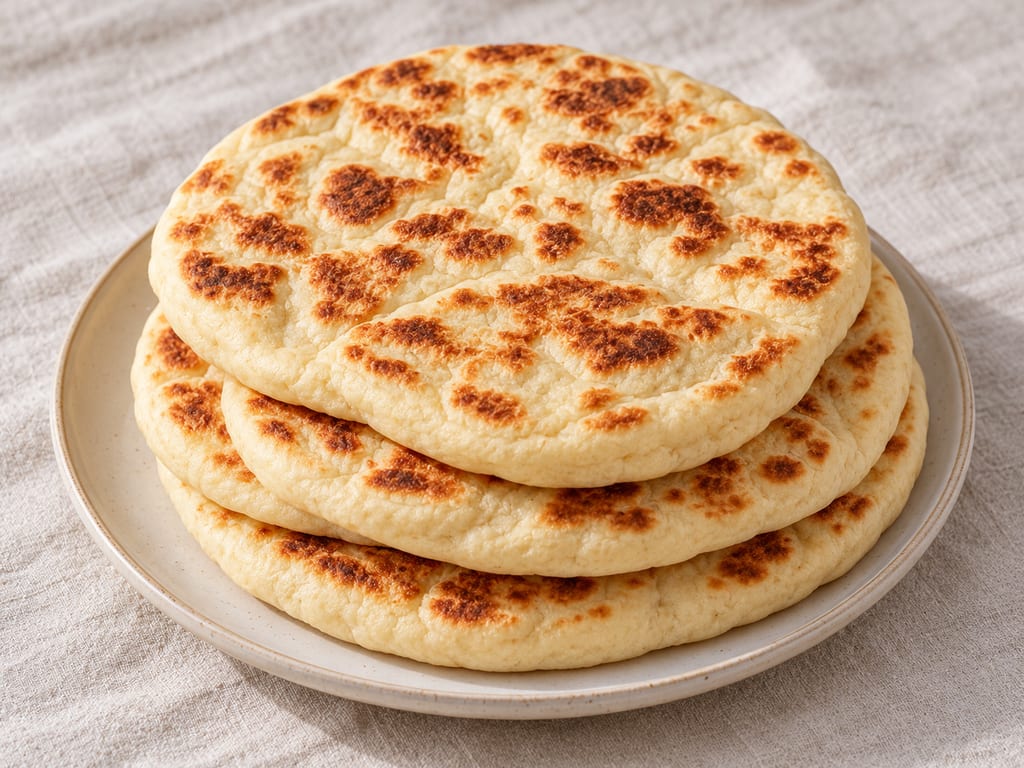
This Turkish bazlama uses yeast, plain yogurt and olive oil for a soft dough cooked in a skillet. Shape it into twelve small or six larger rounds, flip as bubbles appear, and wrap the breads to keep them soft.
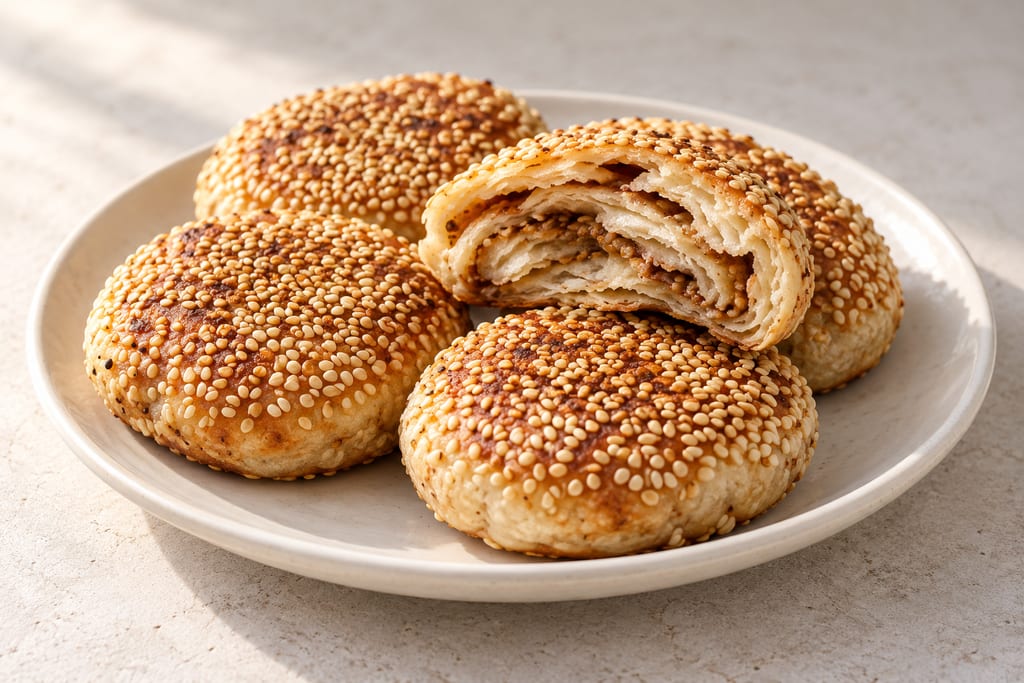
A Beijing-style yeast dough is layered with seasoned sesame paste, sealed into small buns, briefly pan-fried, seeded, and baked.
No community contributions have been published for this entry yet.
Sign in to contribute. Published comments and photos are free to read.
Smithsonian National Museum of American History, Cooking Up History; recipe by Kate Leahy, John Lee and Ara ZadaMethod · Ingredients · Yield · Geography · Home adaptation
LavashThe museum handout reprints with permission the authors' modern home adaptation inspired by Armenian master lavash bakers; it serves 8–10 and provides quantities for an old dough and main dough.
It describes old-dough fermentation, 20-minute hydration rest, hand kneading, bulk rise, portioning, final proof, thin rolling and a cast-iron griddle method with heat and turning cues.
The authors note that shorter griddle cooking keeps the fresh bread more pliable.
Cited in: A fresh griddle method
Smithsonian National Museum of American HistoryHistory · Geography
Cooking Up HistoryLists the November 15, 2019 event as Lavash: An Expression of Armenian Heritage, with Kate Leahy, John Lee and Ara Zada presenting the Armenian cookbook and their fieldwork.
Cited in: A fresh griddle method
Smithsonian Center for Folklife and Cultural HeritageHistory · Geography
Armenian Lavash Cooking Demonstration at American History MuseumDescribes the museum demonstration as Armenian lavash and says the cookbook authors would share stories from their travels in Armenia and prepare the country's signature flatbread.
Cited in: A fresh griddle method
Centers for Disease Control and PreventionSafety
Raw Flour and DoughRaw flour can carry germs; do not taste raw dough, cook it before eating, and wash hands, bowls, utensils and countertops after flour or dough handling.