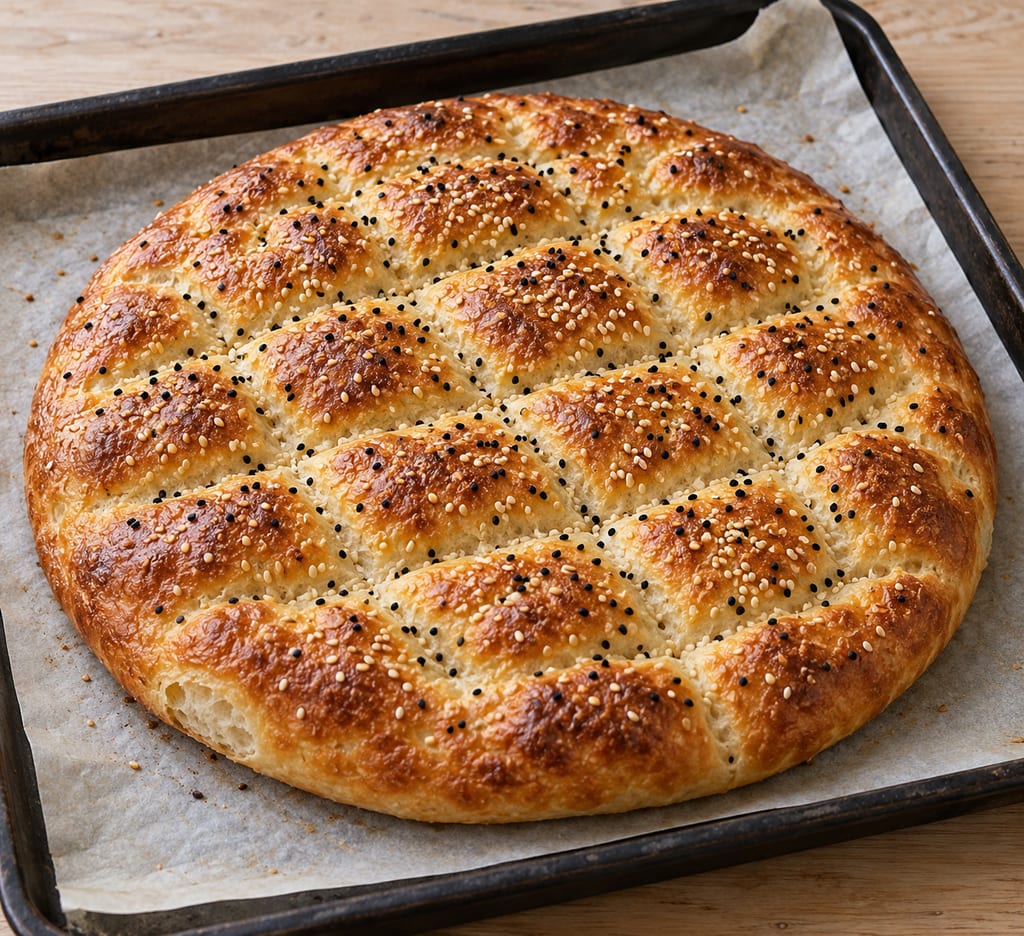
Ramazan pidesi
This Ramadan pide is a large Turkish yeast bread patterned with a shallow lattice, brushed with egg and yogurt, and topped with sesame and nigella. This home method makes one 28–30 cm loaf and bakes it in a hot oven.
 FermenteaWhere food goes to change
This Turkish bazlama uses yeast, plain yogurt and olive oil for a soft dough cooked in a skillet. Shape it into twelve small or six larger rounds, flip as bubbles appear, and wrap the breads to keep them soft.
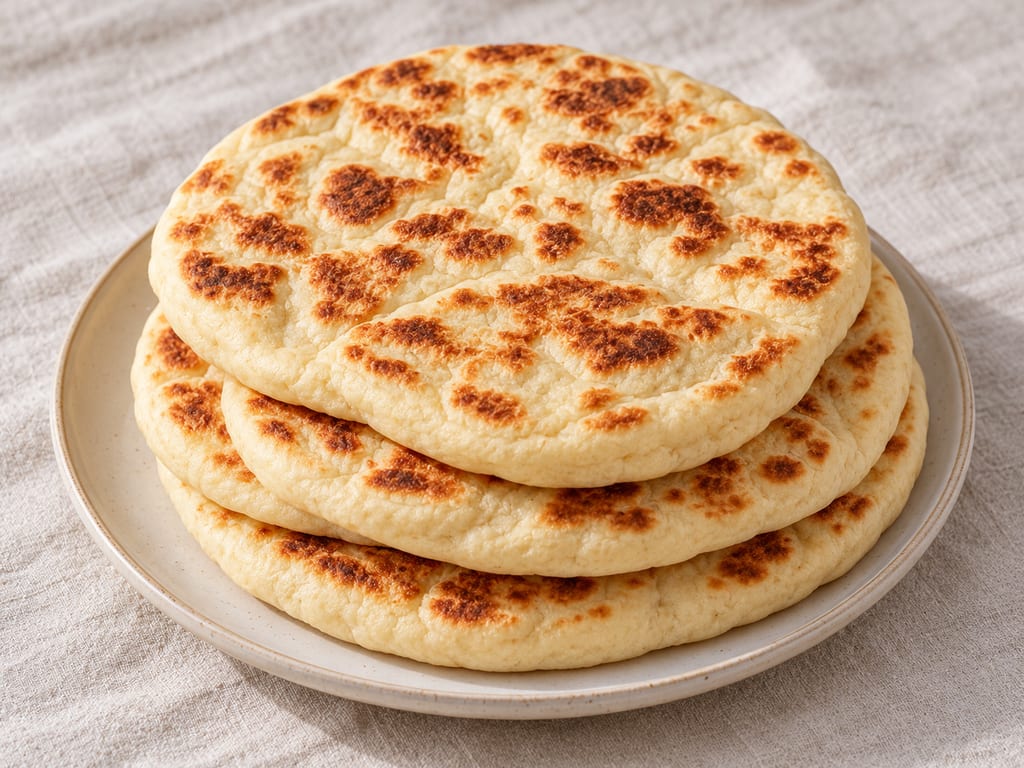
Zerrin and Yusuf describe bazlama as a Turkish family flatbread often made for weekend breakfasts. Their household formula uses yeast, all-purpose flour, plain yogurt and olive oil, and cooks on a stovetop pan. They also describe the traditional village sac as a large heated griddle, while their recipe uses a non-stick pan or cast-iron skillet.
Bazlama is a broad family of breads, so this page records one source-specific formula. Yogurt belongs to this version rather than serving as a universal defining ingredient. The recipe page gives no dated first historical attestation.
The recipe proofs active dry yeast and sugar in lukewarm water for about five minutes. The authors specify water at 100–110°F (38–43°C). Separately whisk the flour with salt, then add plain yogurt and olive oil. Mix in the yeast liquid by hand and knead for three to four minutes, until the dough holds together but remains soft and slightly sticky.
The method also says to keep a quarter cup of water on the side to wet a hand when the dough sticks. It does not say whether this water is part of the listed 250 mL or additional to it, so the recipe records the ambiguity. Cover the dough and let it rise in a warm place for 45–60 minutes, until doubled.
After the rise, knead the dough for about five minutes to remove the gas, then make a log and divide it into 12 pieces for small breads or six for larger breads. Roll the pieces into balls and keep them covered. Flatten one at a time to about 1 cm thick with your fingers or a rolling pin.
Cook each round in a non-stick pan over medium-high heat. The source gives about 90 seconds for the first side, or until bubbles appear, and about one minute for the second, turning when brown spots show underneath. It advises adjusting the heat if needed and wiping burnt flour from the pan after every three or four breads. Wrap the cooked breads in a clean towel to keep them soft.
The recipe card lists 1 hour 30 minutes of preparation, 25 minutes cooking and 1 hour 55 minutes total, but its step timings do not clearly reconcile with that preparation total. Individual shaping, pan-cooking and rise instructions are retained here; active time is not established.
The authors later clarified that breads stacked immediately after cooking can trap steam and become soggy; let them cool slightly on a wire rack before stacking. This handling note supplements the recipe's instruction to wrap breads in a towel to keep them soft.
This recipe contains wheat flour and yogurt made from milk, both major food allergens. Do not serve it to anyone who must avoid either. Flour is also raw before cooking: do not taste the dough, keep it away from ready-to-eat foods and clean hands, tools and surfaces after handling. Use care when turning bread on the hot pan.
Zerrin and Yusuf call bazlama a traditional Turkish flatbread and describe it as a family breakfast bread. They note that traditional village cooking uses a sac, while their recipe adapts the method to a stovetop pan. The page gives no dated first attestation or source for an exclusive origin claim; this record describes one modern family recipe.
Yield 12 small flatbreads · Scaling: source batch only
Uncooked flour may carry harmful bacteria.
Hazard sourceThe recipe contains wheat flour and yogurt.
Hazard sourceThe flatbreads cook on a hot pan and are turned as they brown.
Hazard sourceDo not taste raw dough. Keep flour and dough away from ready-to-eat foods, then wash hands, utensils and work surfaces after handling.
Control sourceThis recipe contains wheat and milk (yogurt); do not serve it to anyone who must avoid either allergen.
Control sourceUse care when placing, turning and removing the breads from the hot skillet.
Control sourceContains wheat and milk (yogurt), both major food allergens.
Do not taste raw dough. Use care with the hot skillet.
Give Recipe authors present this family method as Turkish bazlama. This supports a country-level association, not an exclusive origin claim.
This Ramadan pide is a large Turkish yeast bread patterned with a shallow lattice, brushed with egg and yogurt, and topped with sesame and nigella. This home method makes one 28–30 cm loaf and bakes it in a hot oven.
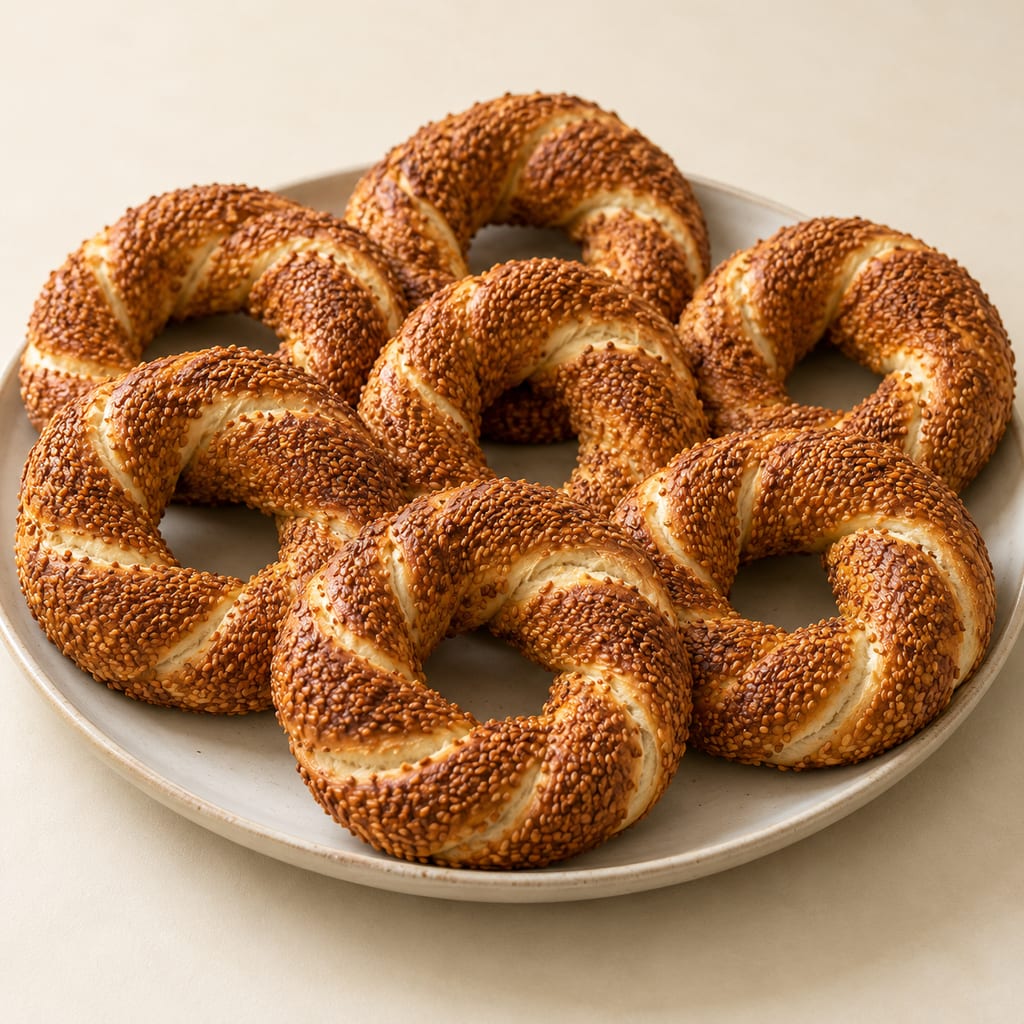
This Turkish street-food bread is shaped from twisted yeast dough into rings, dipped in a diluted molasses sauce and sesame, then baked. This home recipe makes seven rings and includes a clear sesame-allergen warning.
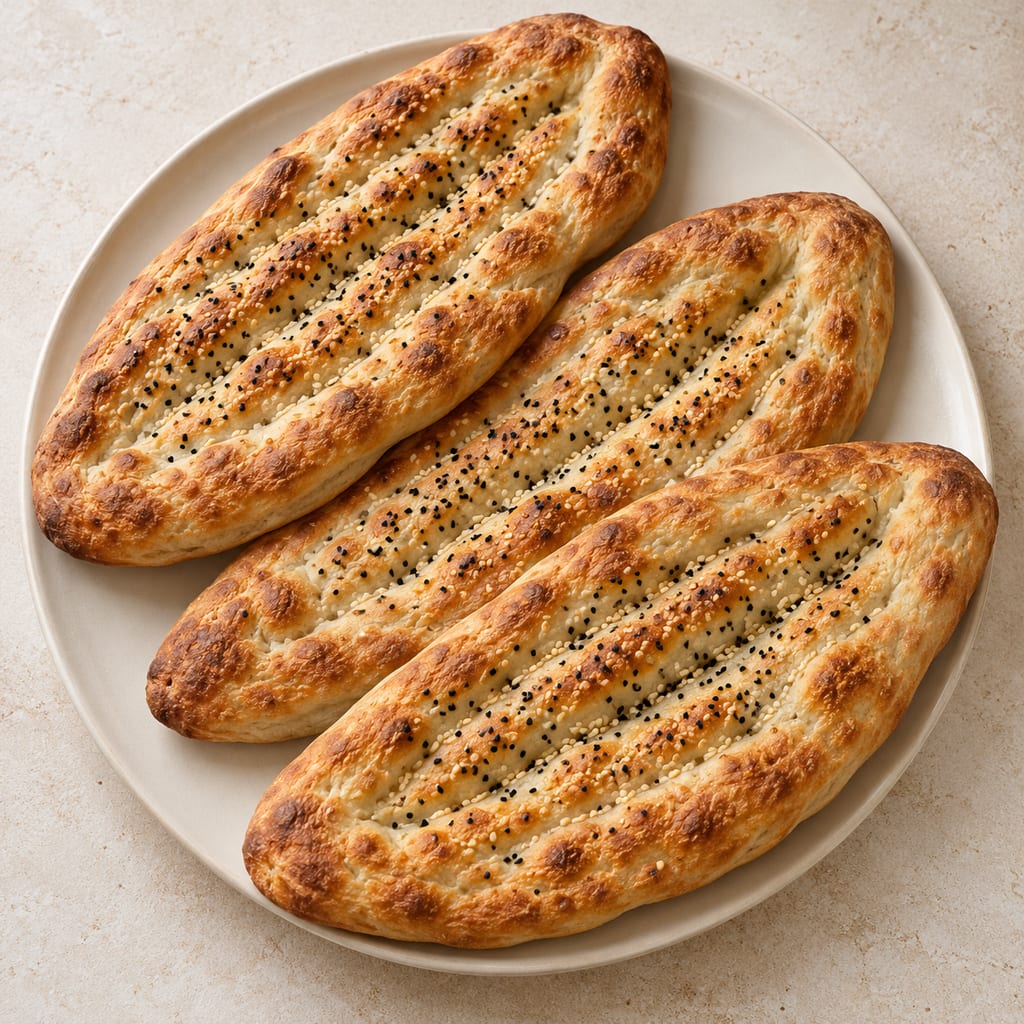
A long oval Afghan wheat bread, leavened with yeast, grooved along its length and baked until crisp outside and chewy within.
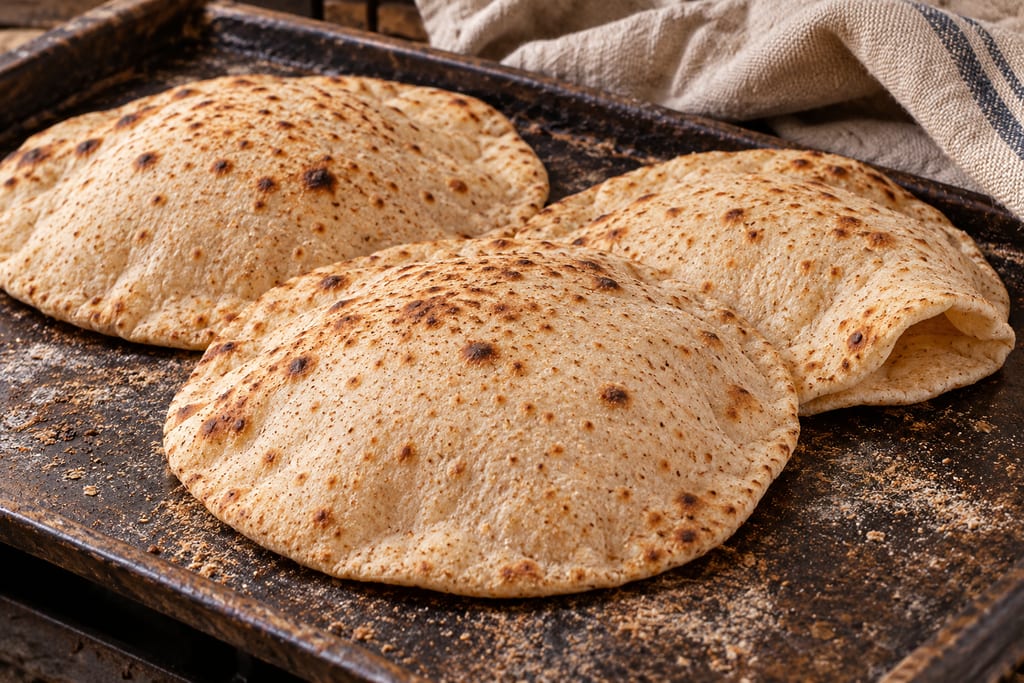
This home adaptation of Egyptian aish baladi uses a refrigerated yeast biga, whole-wheat dough, bran dusting and a very hot baking surface to make 16 pocketed rounds.
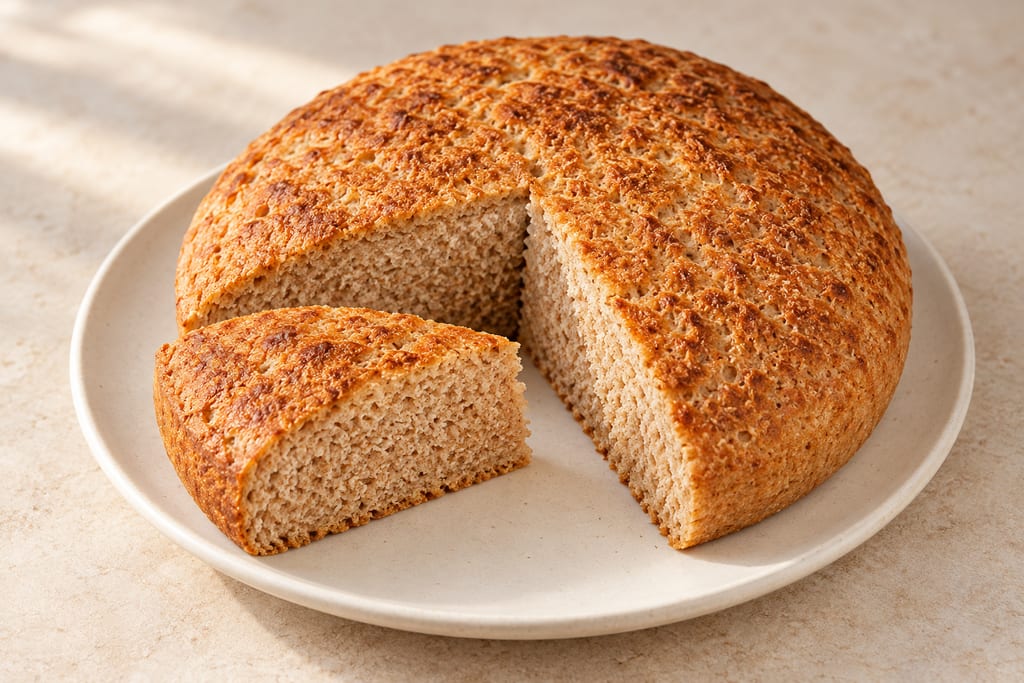
This oven-baked Amdo balep uses yeast, whole-wheat and white flour, a long covered rise and a two-sided bake in a heavy oven-safe pot.
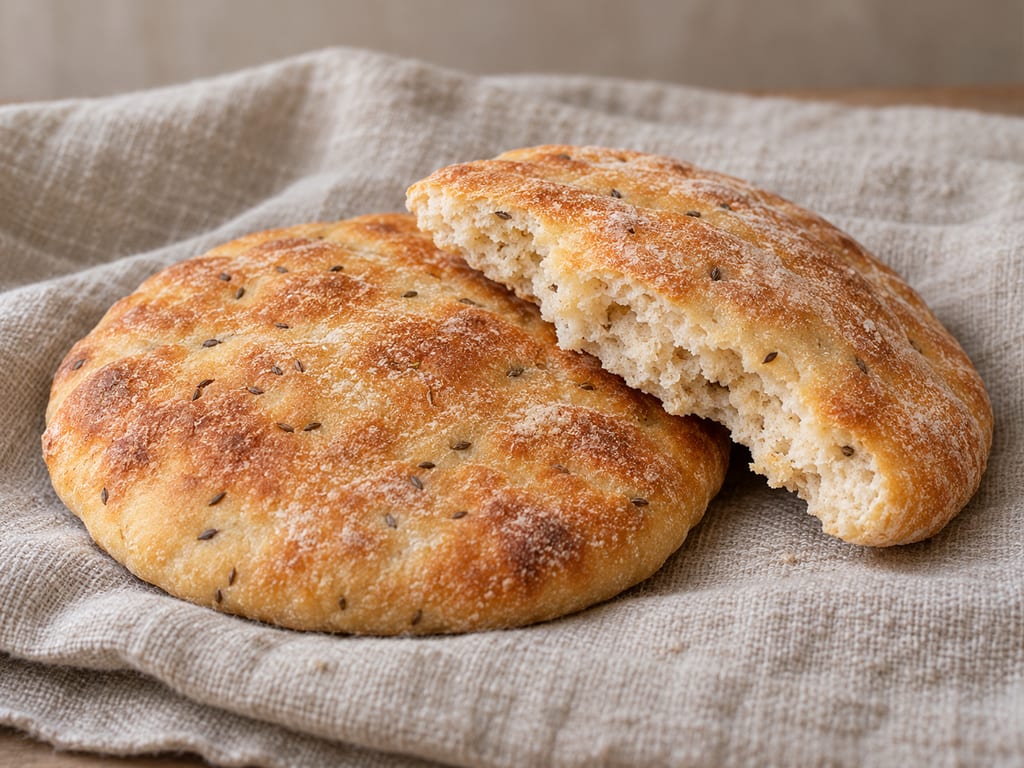
A measured, yeast-raised Ayacucho chapla home method shared by Thermomix Peru presenter Roxanna Salaverry. It makes thin, anise-scented rounds baked at 240°C; the historic qunchu-leavened form is documented separately.
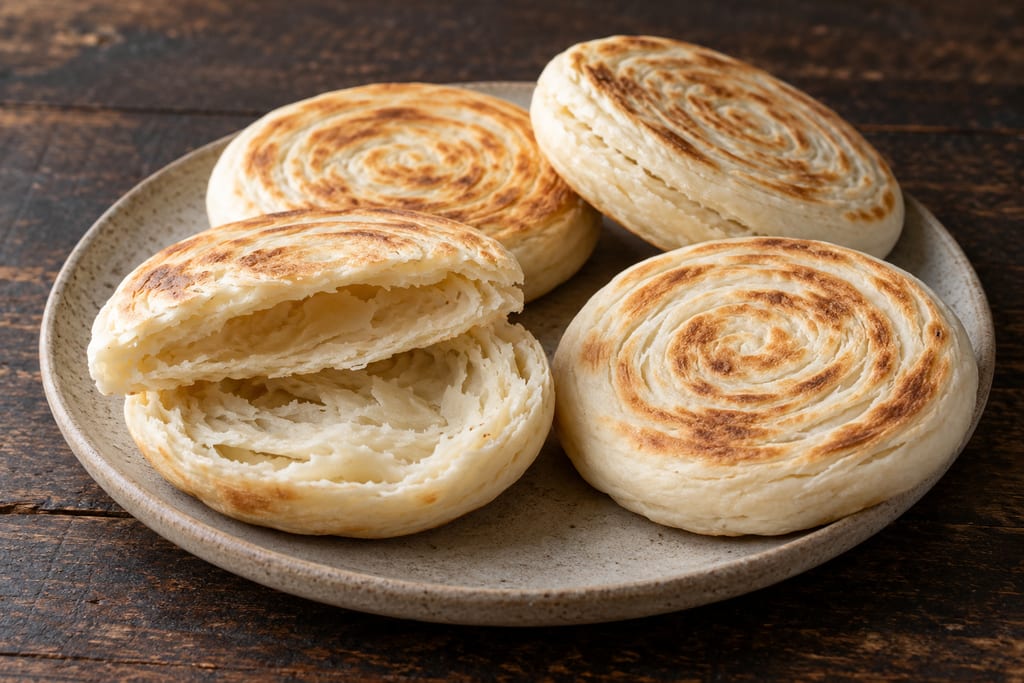
This Shaanxi-associated yeast flatbread uses a simple water dough, coiled shaping and a skillet bake. It is the bread used in roujiamo, not the filled meat dish.
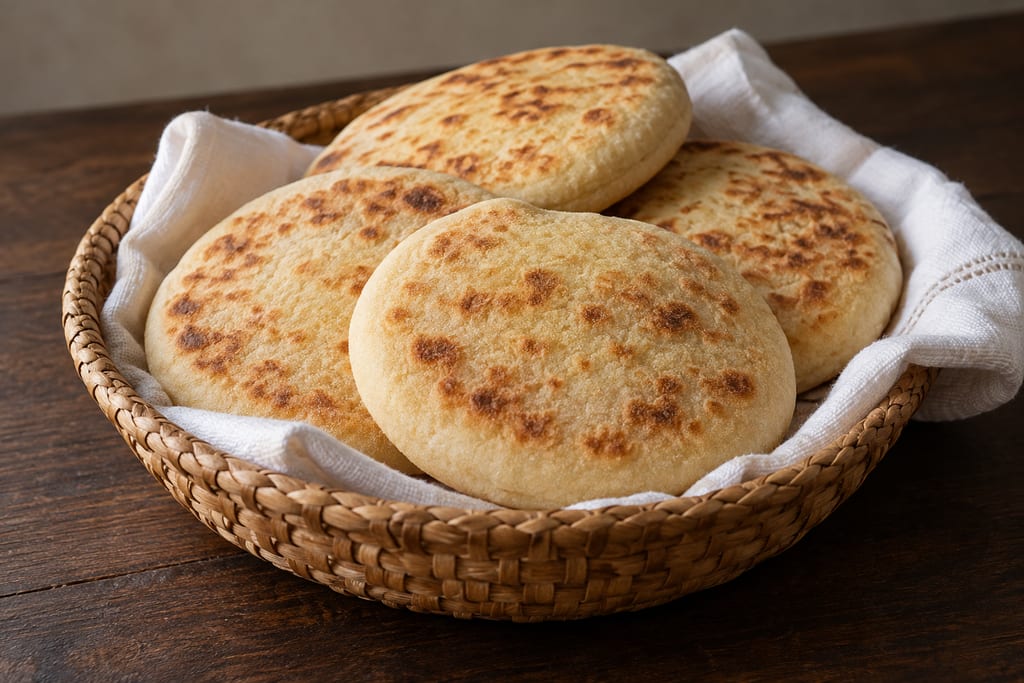
A Moroccan yeast-raised semolina pocket bread cooked on a dry pan or griddle; this measured batch makes about twenty 4-inch rounds.
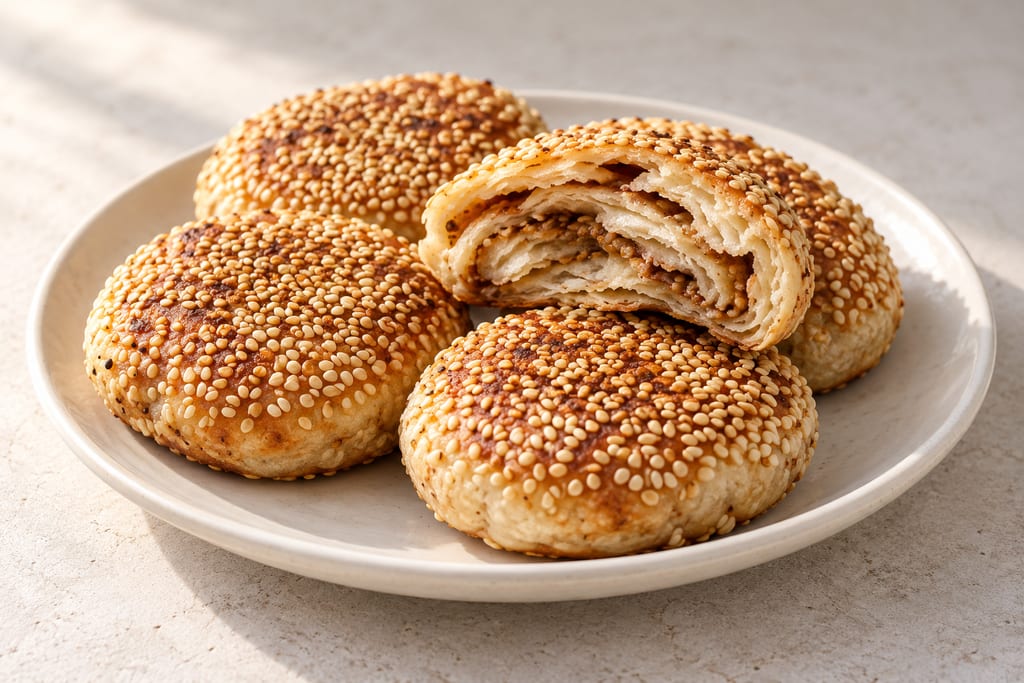
A Beijing-style yeast dough is layered with seasoned sesame paste, sealed into small buns, briefly pan-fried, seeded, and baked.
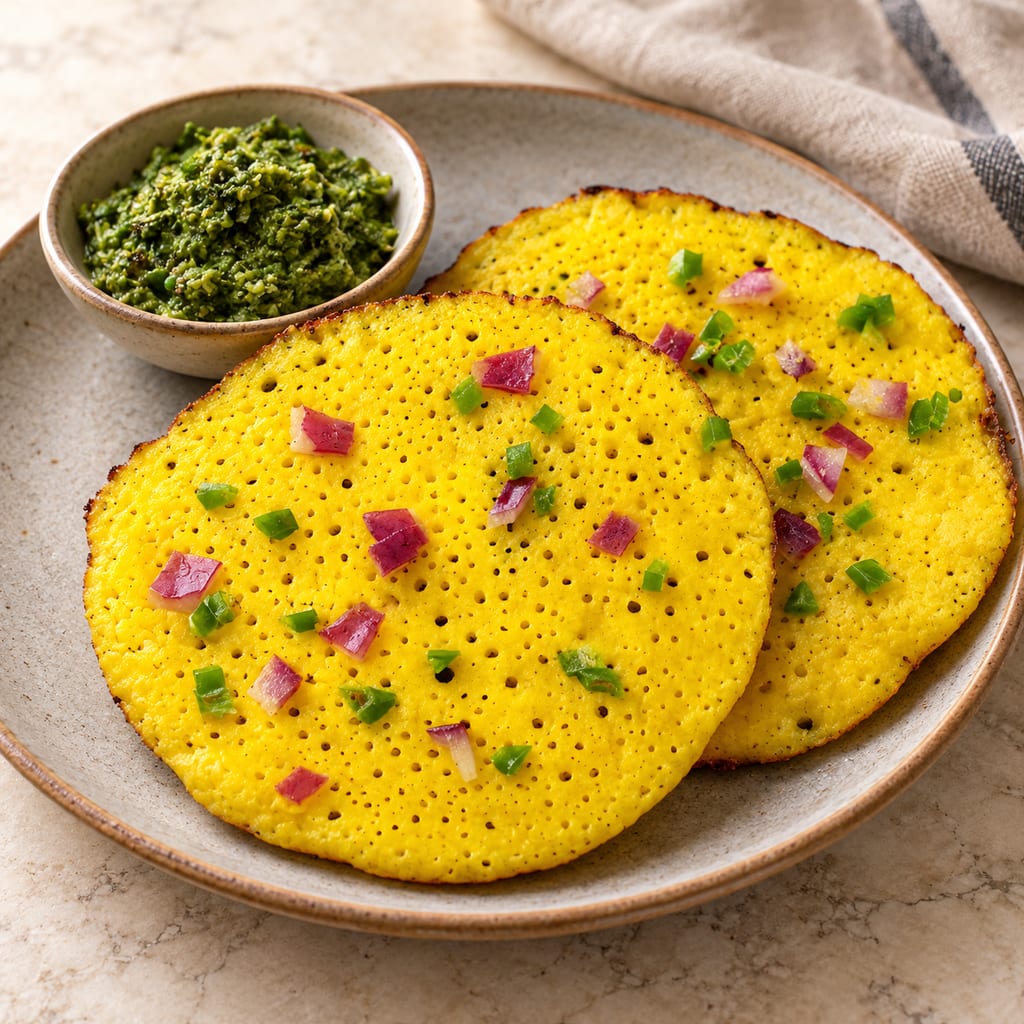
Spongy rice-and-coconut pancakes associated with Goa, cooked on one side from a batter that a multicooker's yogurt programme lets rise overnight.
No community contributions have been published for this entry yet.
Sign in to contribute. Published comments and photos are free to read.
Give RecipeInspiration · Method · Geography · History
Bazlama Bread RecipeThe recipe uses active dry yeast, sugar, 250 mL lukewarm water, 500 g all-purpose flour, salt, 110 g plain Greek-style yogurt and 60 mL olive oil. It specifies a 5-minute yeast proof, a 45–60 minute rise, post-rise kneading, 12 small or 6 large flatbreads about 1 cm thick, medium-high skillet cooking and pan wiping every 3–4 breads. The method's ¼ cup water for wet hands is ambiguous relative to the 250 mL ingredient amount.
In a later response to a reader, the authors explain that stacking breads immediately traps steam and can make them soggy; they recommend letting them cool slightly on a wire rack before stacking.
Cited in: One Turkish family skillet bread; Make a soft, slightly sticky dough; Shape and cook in a skillet; Wheat, milk and raw-flour safety
U.S. Food and Drug AdministrationSafety
Handling Flour Safely: What You Need to KnowRaw flour may carry harmful bacteria; do not taste raw flour or dough; keep it away from ready-to-eat foods and clean hands and surfaces after handling.
Cited in: Wheat, milk and raw-flour safety
U.S. Food and Drug AdministrationSafety
Food AllergiesFDA lists wheat and milk among the major food allergens and explains food-allergy avoidance and allergen cross-contact.
Cited in: Wheat, milk and raw-flour safety