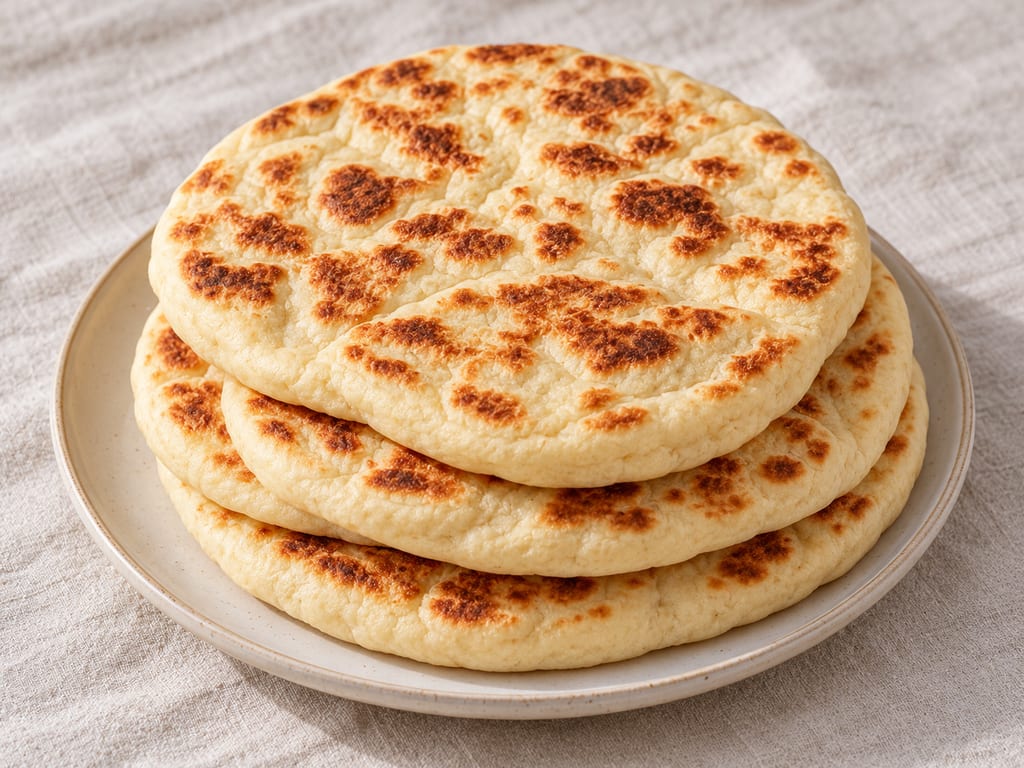
Bazlama
This Turkish bazlama uses yeast, plain yogurt and olive oil for a soft dough cooked in a skillet. Shape it into twelve small or six larger rounds, flip as bubbles appear, and wrap the breads to keep them soft.
 FermenteaWhere food goes to change
This Turkish street-food bread is shaped from twisted yeast dough into rings, dipped in a diluted molasses sauce and sesame, then baked. This home recipe makes seven rings and includes a clear sesame-allergen warning.
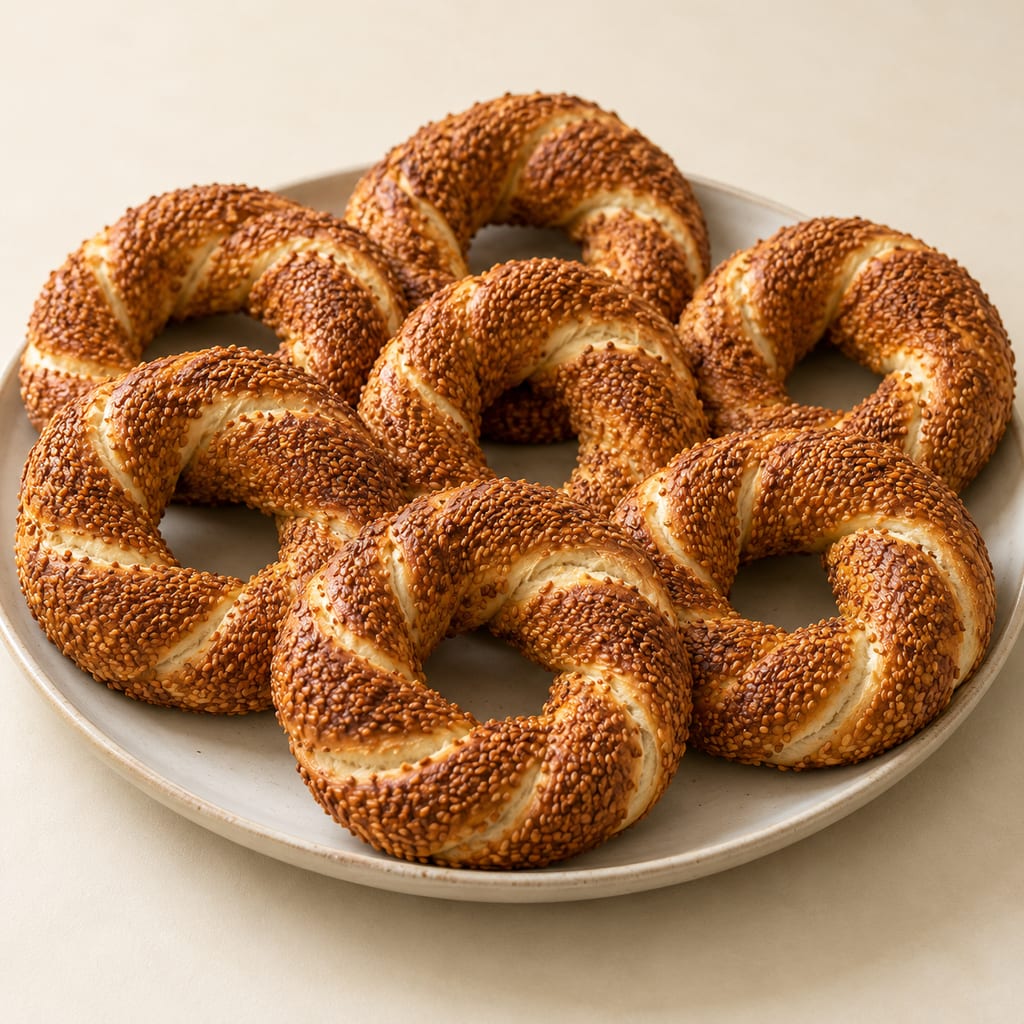
Ayşenur Altan presents simit as Turkish street food and gives a seven-ring home recipe. The dough is a plain flour-and-yeast mixture; twisting two strands together gives each ring its ridged form. A diluted molasses coating holds sesame seeds against the surface before baking.
The author says simit dates to the 1500s, but the page does not cite a historical source for that claim. This record describes the contemporary formula and leaves the first historical attestation unknown. It does not use the article's date statement as evidence of an origin.
The recipe uses 500 g flour, lukewarm water, sugar, salt, vegetable oil and dried yeast. The amount of oil is inconsistent: the main ingredient list says one tablespoon, and the printable card says one teaspoon.
After kneading until smooth and no longer sticky, divide the dough into seven pieces of about 120 g and rest them for about half an hour. Roll the pieces into ropes, fold and twist the strands, then join the ends into rings. The source schedules a 10–15 minute rest after twisting and another 15 minutes after joining the ends.
Mix a quarter cup of water with two tablespoons of molasses. Dip the rings in the mixture and then sesame seeds, rest them for 15 minutes, and stretch them thinner on a parchment-lined tray. The source gives a final rest of 20–25 minutes before the 180°C bake.
Sesame coats every ring in this recipe. The U.S. FDA lists sesame as a major food allergen. Anyone with a sesame allergy should avoid this bread; keep sesame and sesame-contaminated utensils and surfaces away from food prepared for them.
The stated total time is 1 hour 30 minutes, but the separate rest stages add up to 90–100 minutes before the 25–30 minute bake, so follow the individual timings as printed. The author suggests a sealed container for a couple of days and freezing for longer storage; those are freshness suggestions, not validated safety limits.
Flour is raw before baking. Do not taste the uncooked dough, keep it away from ready-to-eat foods and wash hands, tools and surfaces after handling. Use oven mitts when moving the tray.
Ayşenur Altan describes simit as Turkish street food and associates it with breakfast and snacks. The page claims a history reaching the 1500s but supplies no historical source for that date; this record attributes the claim rather than treating it as an established first attestation. The measured dough and coating method describe her modern home recipe.
Yield 7 rings · Scaling: source batch only
Sesame seeds coat the rings. The U.S. FDA lists sesame as a major food allergen.
Hazard sourceUncooked flour may carry harmful bacteria.
Hazard sourceThe rings bake on a hot tray and must be handled after baking.
Hazard sourceThis recipe contains sesame. Anyone with a sesame allergy should avoid it; keep sesame and sesame-contaminated tools and surfaces away from food prepared for them.
Control sourceDo not taste raw dough. Keep flour and dough away from ready-to-eat foods, then wash hands, tools and work surfaces after handling.
Control sourceUse oven mitts when moving the hot tray.
Control sourceContains sesame, a major food allergen. Do not serve to anyone with a sesame allergy.
Do not taste raw dough; use care with the hot oven and tray.
Ayşenur Altan presents this home method as Turkish simit. This recipe page supports a country association, not an exclusive origin or a universal formula.
This Turkish bazlama uses yeast, plain yogurt and olive oil for a soft dough cooked in a skillet. Shape it into twelve small or six larger rounds, flip as bubbles appear, and wrap the breads to keep them soft.
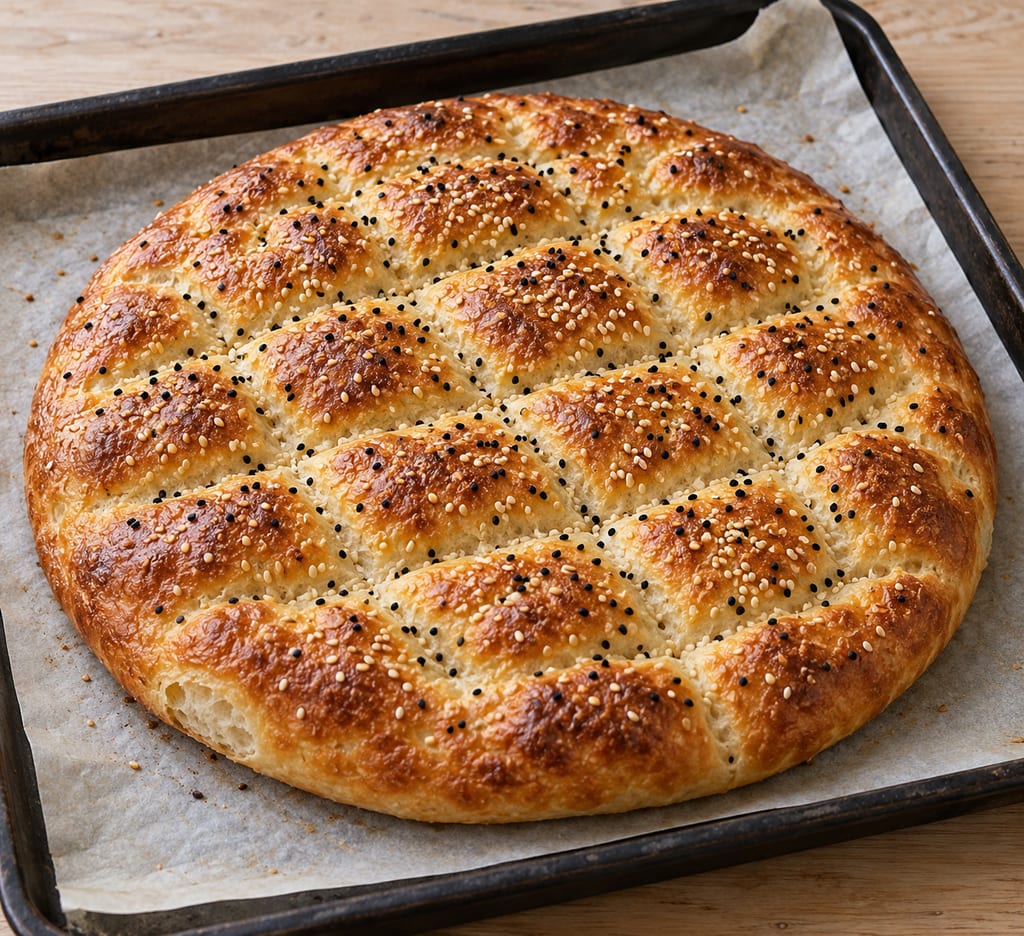
This Ramadan pide is a large Turkish yeast bread patterned with a shallow lattice, brushed with egg and yogurt, and topped with sesame and nigella. This home method makes one 28–30 cm loaf and bakes it in a hot oven.
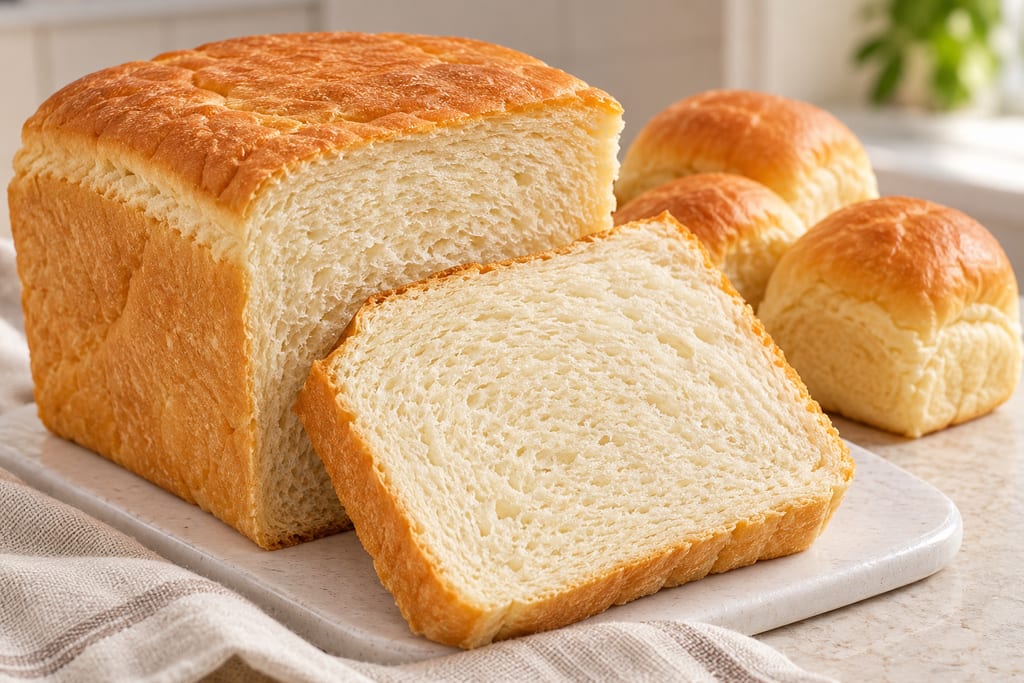
This softer home-style Agege bread uses a scalded flour paste, an enriched yeast dough and a 9×5-inch loaf pan, with rolls from the extra dough.
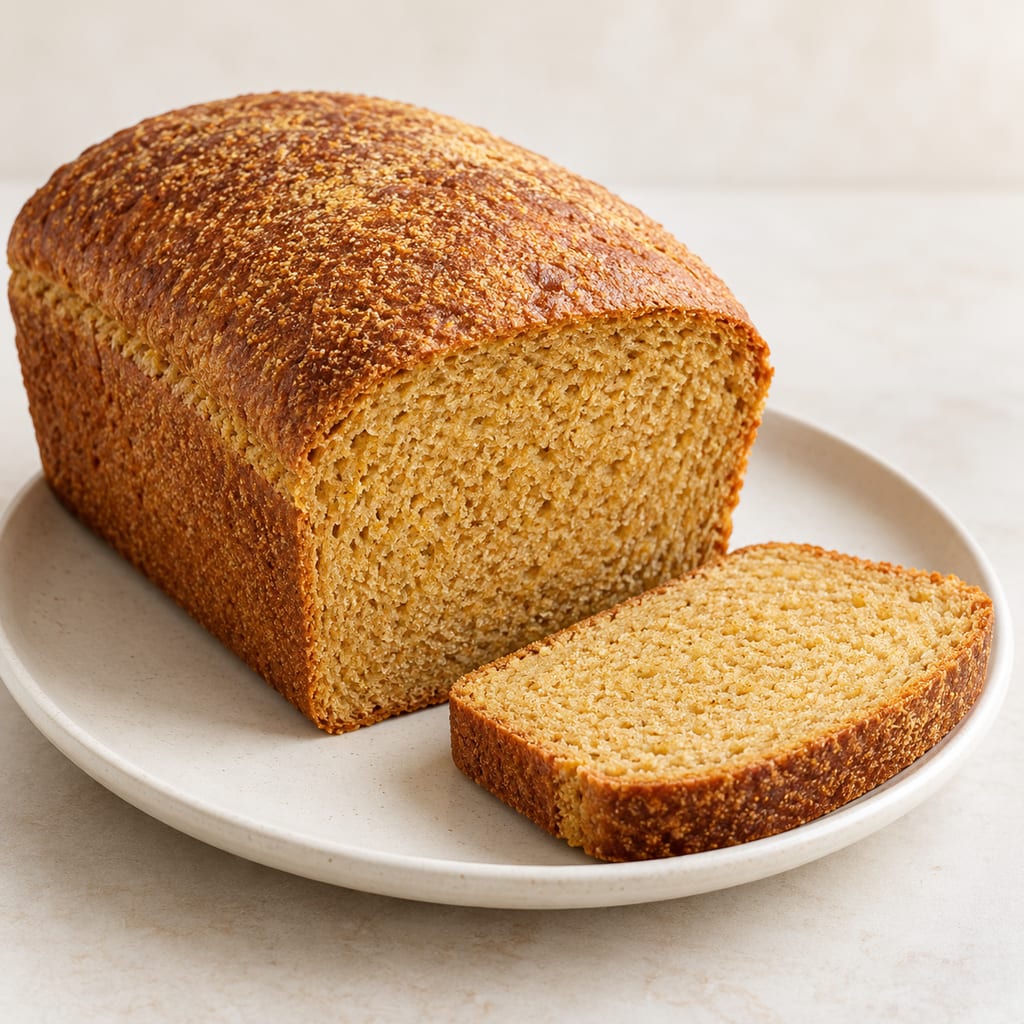
Anadama is a New England yeast loaf made with wheat flour, cornmeal and molasses. Scalded cornmeal enriches the dough, while molasses lends sweetness and a dark crust; it is especially good toasted or beside soup and baked beans.

A yeast-raised wheat ring shaped from a firm dough, briefly boiled and baked. This source-batch formula gives a gently malted crust and a chewy crumb.
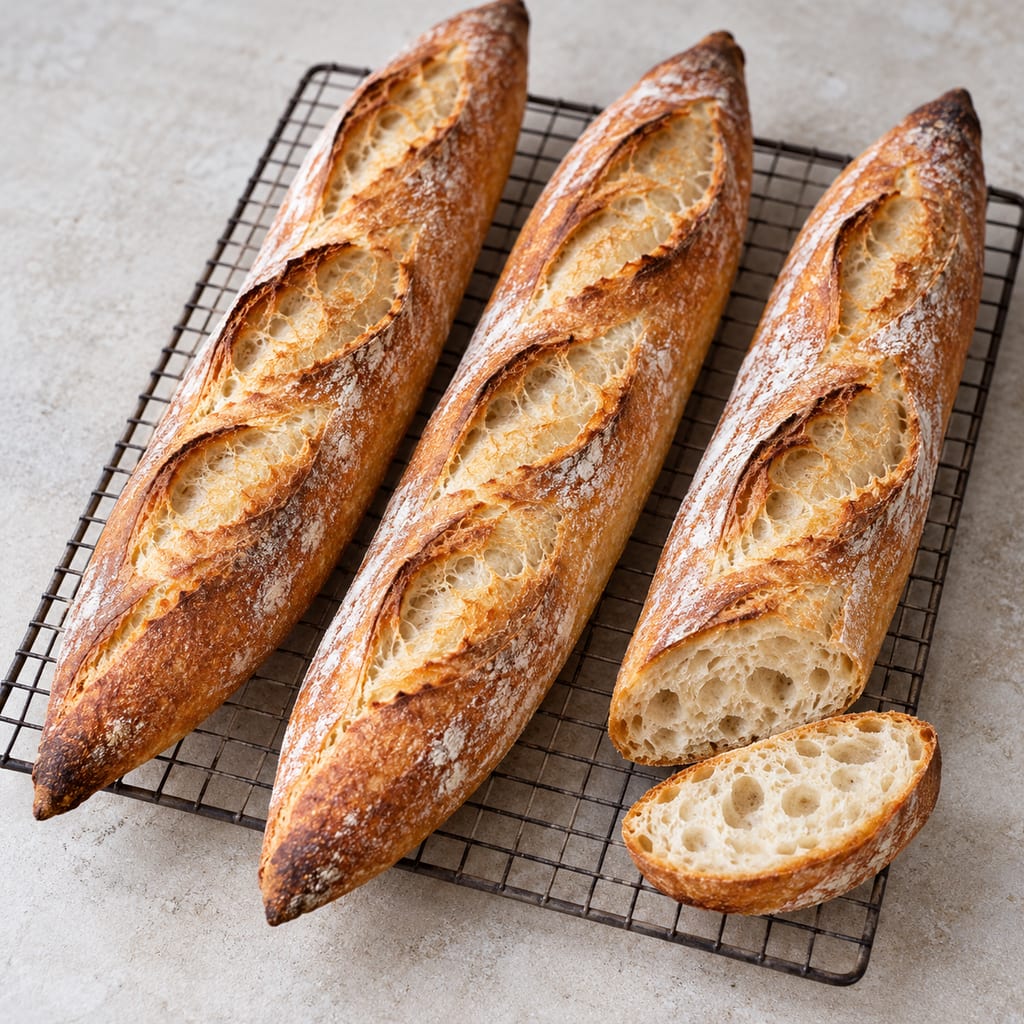
Three long, crusty wheat loaves made with an overnight yeast poolish, shaped by hand and baked with steam for a crisp crust.
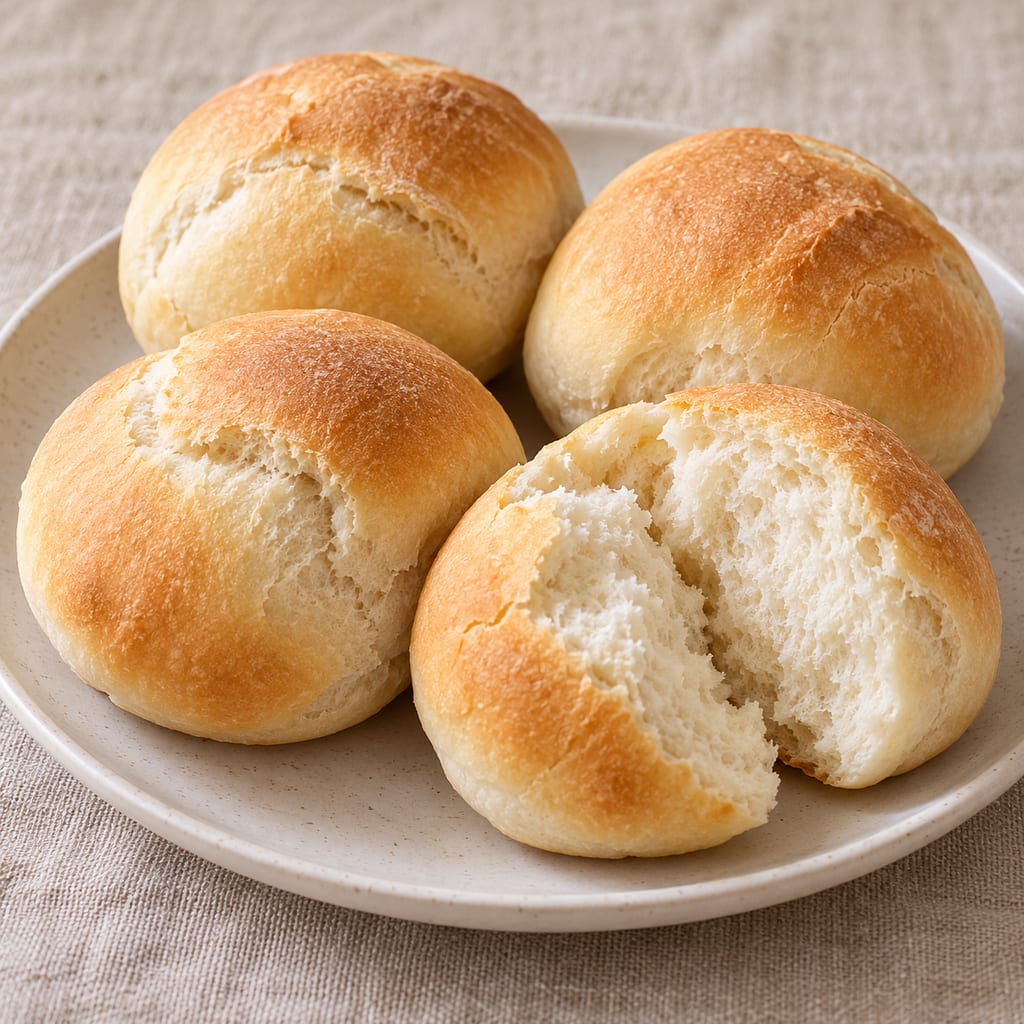
A lightly salted, yeast-raised Barbadian roll, baked in a dozen-roll home batch and often split for cutters.
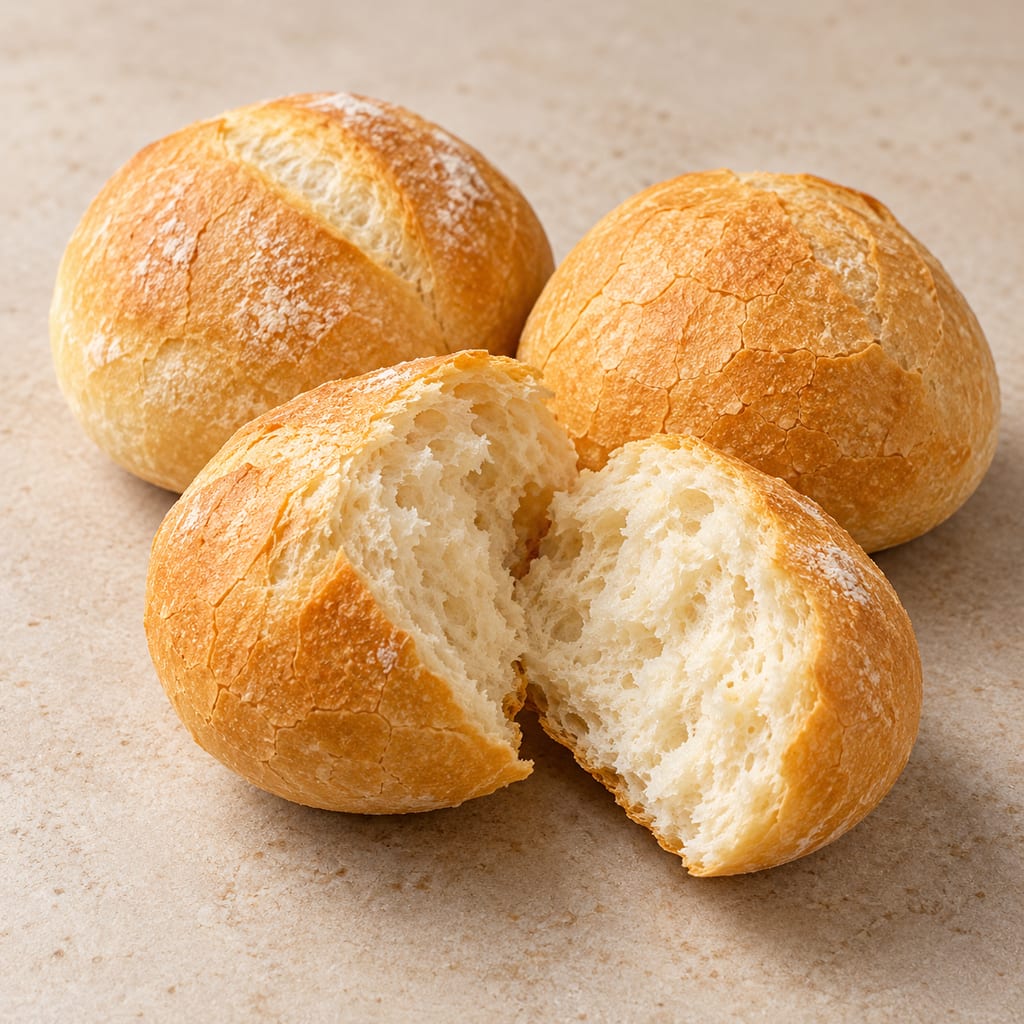
A crisp Belgian roll made from a supplier’s Croc-flour dough, mixed by hand or machine, proofed in rounds and baked with steam.
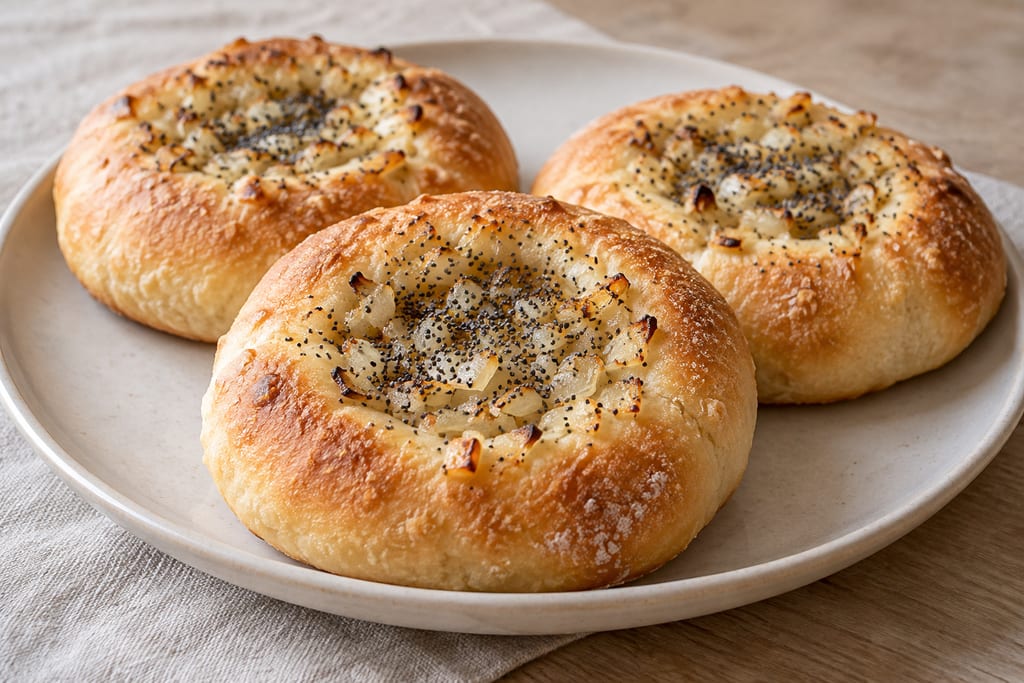
Bialys are soft, yeasted wheat rolls baked without boiling, each shaped with an onion-filled central depression instead of a hole.
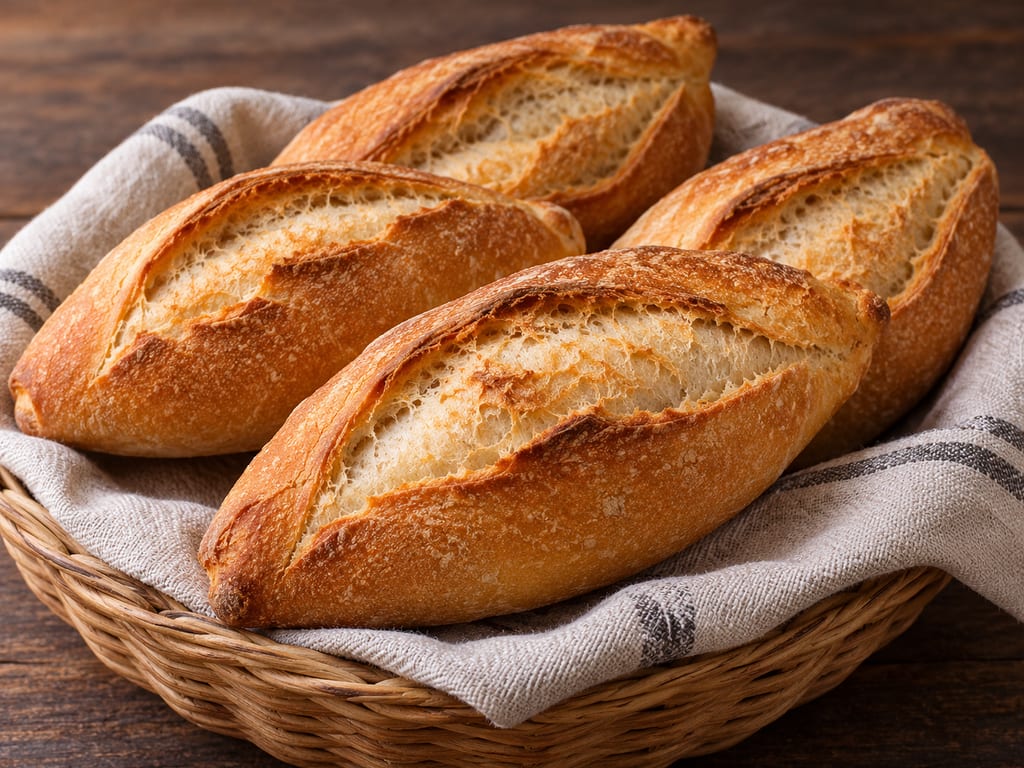
A measured, commercial-yeast home method for Guadalajara-style birote salado, with a six-hour preferment, shaped rolls and a two-temperature steam bake. This formula contains no egg.
No community contributions have been published for this entry yet.
Sign in to contribute. Published comments and photos are free to read.
Turkish Food TravelInspiration · Method · Geography · History
Simit Recipe – All You Need To KnowThe page gives a Turkish seven-ring recipe with 500 g flour, water, sugar, salt, vegetable oil, dried yeast, a diluted molasses-and-sesame coating, several timed rests, and a 180°C bake. It says the rings are about 120 g each and gives tea, cheese and olive serving context. Its introductory ingredient list and printable card disagree about the vegetable oil amount; the page's historical date claim is not supported by a cited historical source.
Cited in: A Turkish home version of simit; Twist, coat and rest the rings; Sesame is a major allergen; Handle flour and hot trays carefully
U.S. Food and Drug AdministrationSafety
Food AllergiesFDA identifies sesame as a major food allergen and lists sesame allergen labeling and cross-contact controls among applicable protections.
Cited in: Sesame is a major allergen
U.S. Food and Drug AdministrationSafety
Handling Flour Safely: What You Need to KnowRaw flour may carry harmful bacteria; do not taste raw flour or dough; keep it away from ready-to-eat foods and clean hands and surfaces after handling.
Cited in: Handle flour and hot trays carefully