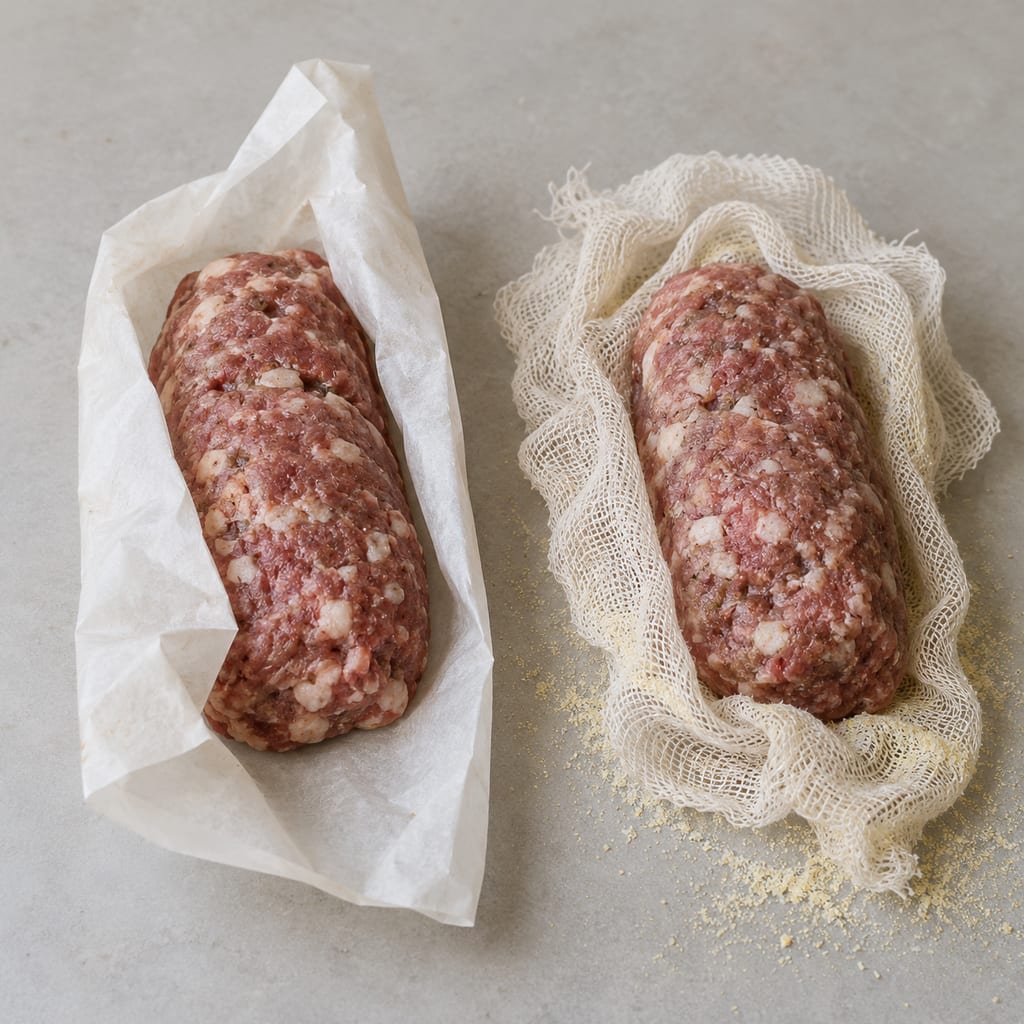
Casingless salame
A documentary account of two modern Italian-language home-video experiments in salame without casings. Neither video establishes a safe preparation method or a ready-to-eat product.
 FermenteaWhere food goes to change
Red grape wine
Red wine is grape must fermented with the skins and other solids, then separated from the pomace. Grape, cellar and regional choices shape its colour, structure and style.
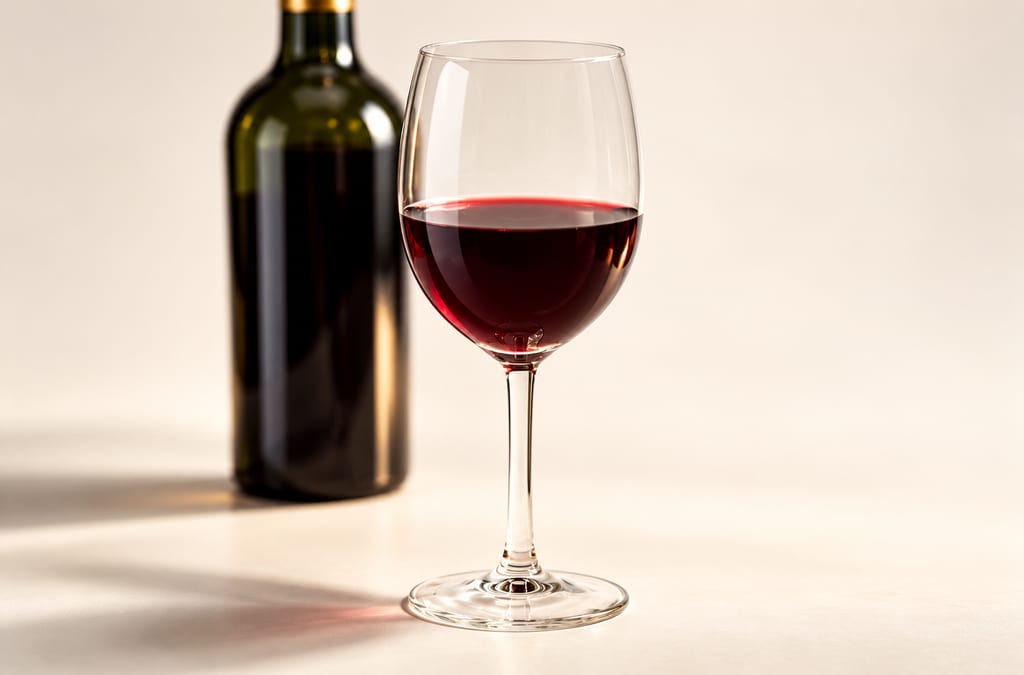
Red wine is made by fermenting grape juice while it remains in contact with some or all of the grape’s solid parts. That contact distinguishes the usual red route from the common white-wine route, in which grapes are pressed and juice ferments apart from the skins. “Red” names a family of wines, not one cultivar, recipe, strength, vessel or region. Some are light and quickly made; others spend longer with skins, undergo a bacterial fermentation after alcoholic fermentation, mature in tank or barrel, or blend wines from several grapes. These are variations within a broad product name, not parts of one formula.
The International Organisation of Vine and Wine defines wine as a beverage produced exclusively through partial or complete alcoholic fermentation of fresh grapes, crushed or not, or grape must. Red winemaking adds an extraction choice: the solids remain with the juice during at least part of fermentation. Must means the crushed fruit and juice before fermentation is complete; pomace is the solid residue separated during draining or pressing. The OIV process diagram places grape reception, crushing and destemming before optional pre-fermentation maceration and alcoholic fermentation with skins, followed by draining and pressing. Later operations such as malolactic fermentation, racking, clarification, maturation and bottling are conditional.
Grapes ferment readily, but archaeology does not provide one simple birthday for wine. Researchers studying Neolithic sites at Gadachrili Gora and Shulaveris Gora in Georgia combined vessel chemistry with grape pollen, starch and other plant remains. They argued that the evidence supports grape use and likely wine around the sixth millennium BCE. The authors also compared earlier Iranian evidence and said the available record could not assign priority to one region as inventor or source of wine culture.
At Areni-1 in Armenia, researchers reported grape pips, grapevine wood, tartaric acid and the red grape pigment malvidin alongside a pressing installation and vessels. They describe the findings as evidence for winemaking around the fourth millennium BCE. This illuminates ancient grape processing, but it does not identify a modern red-wine recipe or show that contemporary methods have remained unchanged. The archaeological record can establish that grapes and wine were important; it cannot supply every step or sensory detail of a past wine.
Cultivated grapevines and winemaking spread across a large area over centuries. A review of grape-pip research summarizes evidence for domestication in the Near East south of the Caucasus while noting that its date remains debated and that varieties later moved between regions. Archaeological and genetic findings tell us about vines and wine culture, not that one country owns red wine. Today red wines are made in many grape-growing regions, each with local grapes, cellar traditions, rules and markets.
Crushing releases juice and brings it into contact with skins, seeds and, when retained, stems. The OIV describes maceration as contact between a grape’s solid and liquid parts before, during or after fermentation. This contact permits compounds in the solids to dissolve into the liquid. Skins contribute pigments, phenolic compounds and aroma compounds or precursors; seeds and stems contribute their own material. Variety, fruit condition and the timing and duration of contact help explain why red wines differ in colour, tannin and aroma.
Alcoholic fermentation is a biological conversion: yeast consumes fermentable grape sugars and produces ethanol and carbon dioxide, along with other compounds that contribute to aroma and taste. Saccharomyces cerevisiae is a principal yeast in many controlled fermentations, but wine yeasts are diverse and the organisms present depend on grapes and cellar conditions. The OIV notes that crushing can bring juice into contact with yeasts from grape surfaces and equipment. Some makers rely on a spontaneous community; others add a selected culture. Neither method defines every red wine.
Carbon dioxide can lift skins and other solids into a floating cap. Cellars use different methods to wet or submerge it, but a photograph of a punch-down documents one operation rather than a universal frequency or household instruction. The OIV describes alcoholic fermentation with skins without prescribing one cap-management method for all wines. Pressing later separates liquid from pomace; it is a physical separation, not fermentation.
The method follows the OIV process sequence: receive and sort grapes; destem and crush where appropriate; optionally macerate before fermentation; ferment with skins; drain and press; then manage later fermentation and cellar operations for the particular wine. These are operations used in professional vinification, not a complete domestic formula. A general page cannot responsibly assign one grape weight, vessel size, yeast dose, temperature, maceration time, press setting, acidity target or bottling endpoint to every red wine.
The University of Georgia Cooperative Extension home guide shows why precise scope matters. It gives separate recipes for particular fruits, each with its own ingredients and stages. Its red Muscadine recipe is tied to dark-skinned cultivars, an eight-gallon fruit base, measured sugar adjustment and a defined early skin-contact stage. Those figures belong to that recipe and cannot be generalized to European wine grapes or all red wine. Carbonic maceration is another distinct route: the OIV describes whole grapes in a carbon-dioxide-rich tank followed by crushing and pressing, then fermentation of the separated must without solids.
Do not improvise a home batch from this outline. It lacks the measurements and validated controls needed for fermentation, stabilization and bottling. Follow a complete, current source for a named grape and method, keeping its quantities and cautions together. Bubbling, smell, taste and appearance do not establish that fermentation is complete or that a sealed bottle is stable.
When a cellar drains a vat, liquid that leaves without pressure is often called free-run wine. Pressing then recovers more liquid from pomace. The fractions can be handled separately and blended later, or a producer may choose another approach. The OIV process diagram includes draining and pressing after skin fermentation and allows optional blending; it does not say all red wine must be blended or prescribe a universal pressing fraction.
The equipment follows the operation: a crusher or destemmer prepares the fruit, fermentation vessels hold must, presses separate liquid from solids, and transfer equipment supports racking. The exact kit varies by scale and style. A small home guide and an industrial cellar line are not interchangeable plans, and the OIV diagram is not an equipment specification. It cannot establish vessel materials, dimensions, cleaning methods or safe working capacity.
After pressing, suspended solids and yeast may settle. Racking transfers wine away from sediment; clarification and filtration are further operations that may or may not be used. These physical separations do not make alcohol and should not be confused with the earlier yeast fermentation. Producers decide the clarity, texture and maturation they want under their local process and rules.
Many red wines undergo malolactic fermentation after alcoholic fermentation. This is not a second yeast fermentation: lactic-acid bacteria, often Oenococcus oeni in wine, convert malic acid to lactic acid and carbon dioxide. A peer-reviewed review describes this as biodeacidification that can affect stability and quality. Bacterial strains and interactions with yeast vary; the process may be spontaneous or guided by a selected culture. Changes in acidity and aroma depend on the wine and organisms involved.
Malolactic fermentation is a choice, not a requirement for every bottle. A cellar may use it for a desired style or acidity, or prevent it when the intended wine calls for that. The OIV lists it as a conditional later stage in its red-wine diagram. A family-level recipe cannot name a universal bacterial strain, condition or endpoint for every wine.
Maturation may take place in tanks, barrels or other cellar vessels. Settling and time change the wine; oak can add compounds and sensory effects. Some red wines are bottled relatively young, while others spend longer in wood. “Aged” does not mean “better,” and neither barrel maturation nor one duration is universal. There is no single aging schedule or shelf-life shared by all red wines.
The colour associated with red wine comes largely from pigments and other phenolic material extracted from grape solids during maceration. The OIV describes that extraction as a primary objective of grape-and-juice contact. The result depends on the fruit and its handling, including the extent and timing of contact. A dark-skinned grape does not by itself dictate a particular finished colour: the route through crushing, fermentation, draining and pressing matters too. This is why colour is a result of interacting choices rather than a one-step ingredient property.
Microorganisms can also affect the wine's colour as it develops. A review of wine colour discusses anthocyanin changes during fermentation, including adsorption by yeast cells and changes associated with lactic-acid bacteria. Those mechanisms help explain why colour can shift between must and finished wine, but they do not predict the exact hue of a particular bottle. Red wine is not a single colour standard, and visual inspection cannot establish the wine's age, composition, fermentation endpoint or safety.
Skin-fermented red wine is the central route here, but red-wine production includes alternatives. Carbonic maceration begins with whole grapes in a carbon-dioxide-rich tank for several days; the OIV says the grapes are crushed and pressed afterward and the separated must ferments without solids. This differs from crushed grapes fermenting with their solids. It is a distinct method, not an extra step to combine with every red wine.
Producers also vary stem retention, pre-fermentation chilling or heating, skin-contact duration, and when they drain and press. The OIV code recognizes maceration before, during and after fermentation. A producer may make a varietal wine, blend varieties, combine fractions or blend wines from different vessels. Each decision can change the style, but none alone defines all red wine.
Region shapes vessels and cellar practice too. Georgian qvevri wines use large clay vessels, often buried; archaeology of Caucasian wine vessels has drawn particular attention. Yet ancient vessel evidence is not proof that every early wine used a qvevri, and qvevri wines vary in colour and style. Contemporary red wines in steel, wooden vats or barrels reflect other choices. Keep a named regional method attached to its sources instead of flattening it into one universal direction.
Red wine is served as a beverage and appears as an ingredient in some cooking traditions. Its colour, acidity, alcohol, tannin and aroma mean that its role in a dish depends on the particular wine and recipe; no single pairing or cooking behaviour applies to all bottles. Recipes using red wine point to this preparation page so readers can distinguish the made product from the raw grape behind it.
Finished wines range from light ruby to deep purple-red, with aroma and structure shaped by grape, extraction, fermentation and maturation. Appearance is not a production measurement, and tasting cannot tell whether an unfinished batch has reached a safe or stable endpoint. This page describes the family and its documented process choices; it does not certify a cellar result, grape quality or package stability.
Archaeological chemistry and botanical remains document grape products and likely wine in the South Caucasus and nearby regions in the Neolithic. At Areni-1 in Armenia, published evidence includes grape remains and red pigment in a winemaking context around 4000 BCE; this does not establish a single origin for red wine or continuity with present styles.
Scaling: not established
The University of Georgia home-winemaking guide identifies fruit condition and equipment hygiene as concerns for wine preparation.
Hazard sourceThis account has no measured endpoint, stabilization plan, package specification or shelf-life evidence; the sources do not validate it as a household bottling procedure.
Hazard sourceUse sound fruit and clean, sanitized food-contact equipment as directed by the University of Georgia's home-winemaking guide.
Control sourceTreat this as a process overview, not a complete household formula; use a qualified, current process plan for measurements, controls, stabilization and bottling.
Control sourceDo not bottle by relying on bubbling, smell, taste or appearance; none establishes fermentation completion or package stability.
This process outline gives no validated household endpoint, storage life or bottling instructions.
No source in this record establishes a place.
A documentary account of two modern Italian-language home-video experiments in salame without casings. Neither video establishes a safe preparation method or a ready-to-eat product.
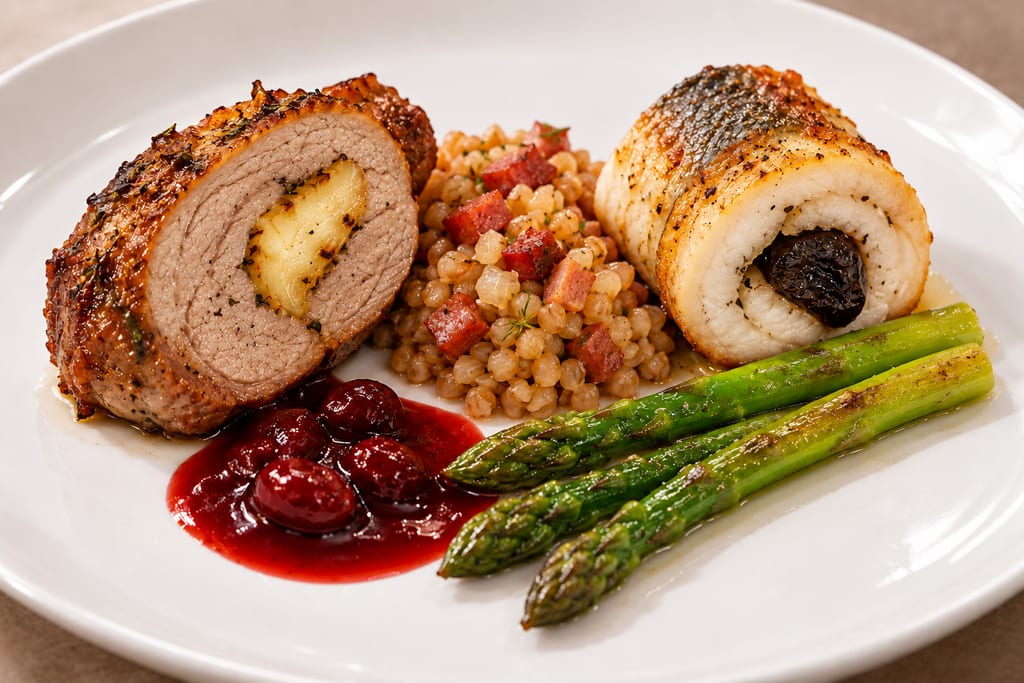
A student cookbook pairs lamb stuffed with Oscypek and zander with suska, then serves wheat groats with a small amount of kiełbasa lisiecka.

A late-antique Roman recipe in which very ripe pears are crushed with salt, matured for three months and drained, giving a pale liquid called liquamen.
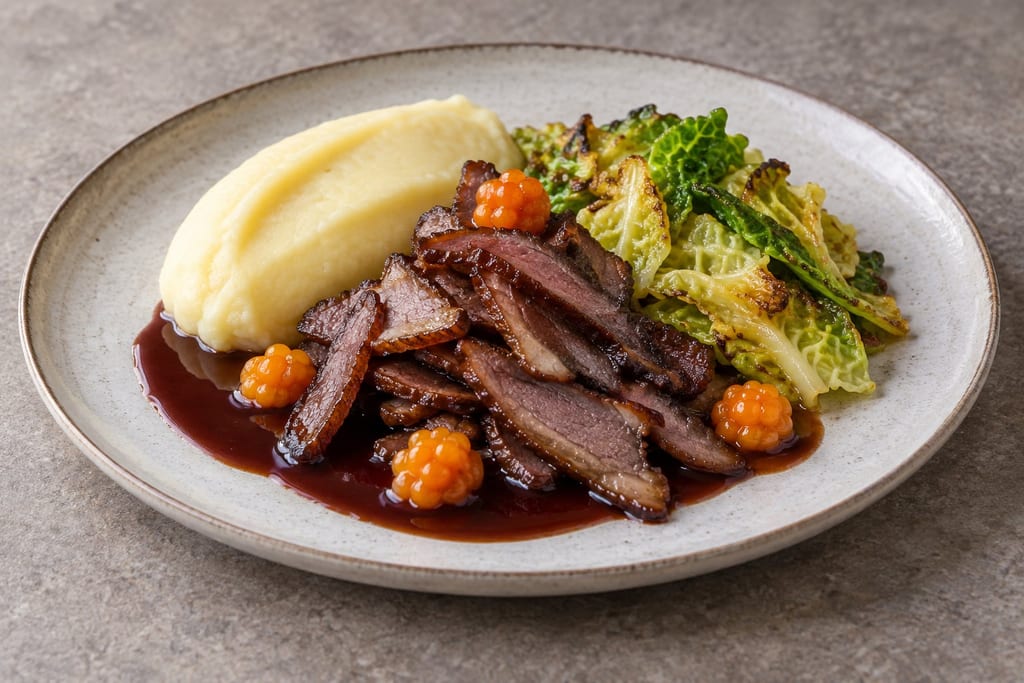
Suovas with almond-potato purée pairs pan-fried reindeer meat with buttered savoy cabbage and a reduced red-wine and reindeer-broth sauce.
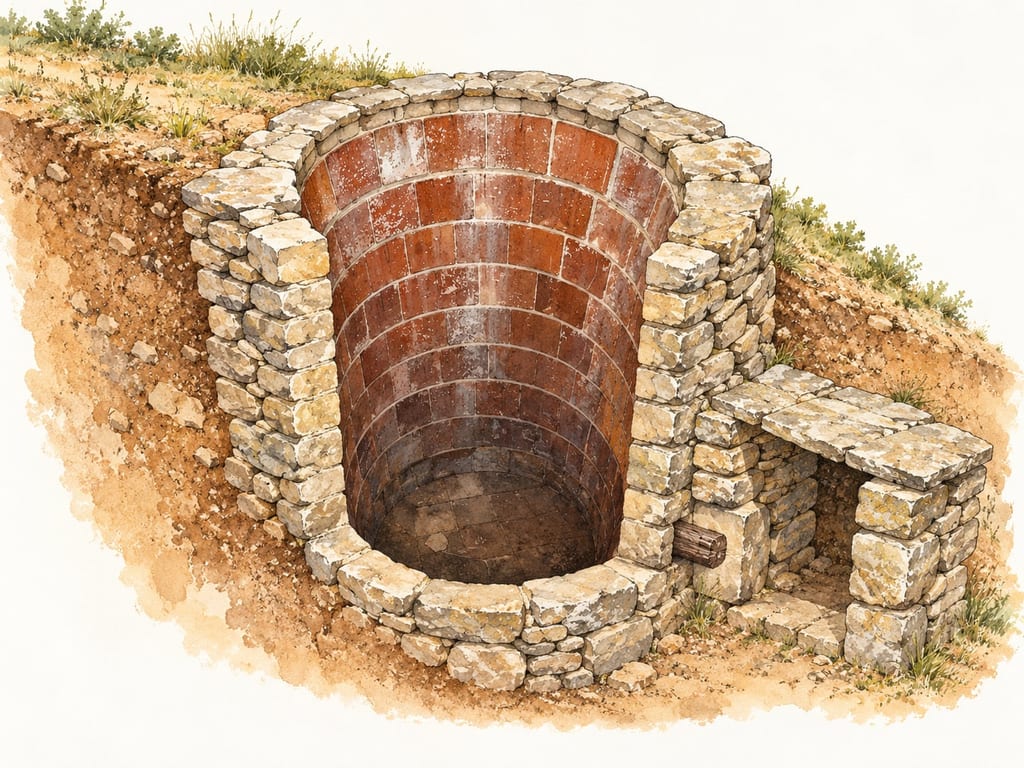
A tina de pedra seca is a fixed stone-built wine vat found among vineyards in Catalonia’s Bages region. These installations used dry-stone masonry and an inner lining of glazed ceramic cairons; variants and individual layouts differ.
The Rwandan urwina is a conical, leaf-lined earth pit that warms green brewing bananas before they are peeled, crushed for juice and fermented separately.
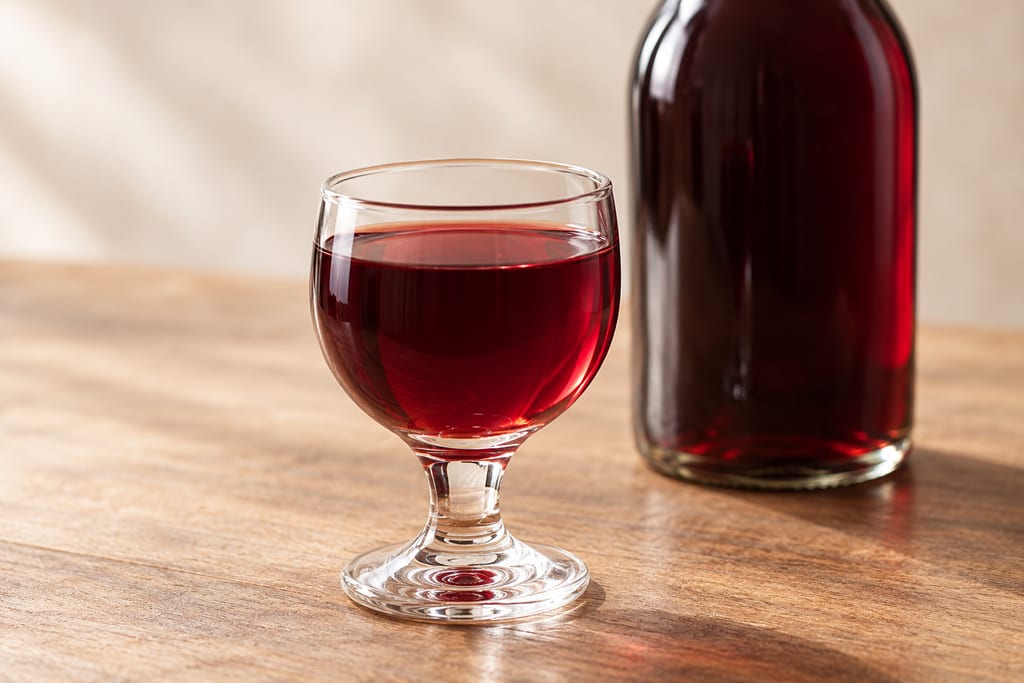
Korean black raspberry wine: crushed bokbunja berries with their seeds, sweetened to 20 °Brix, fermented 15 days at 25 °C with wine yeast, filtered and matured three months.
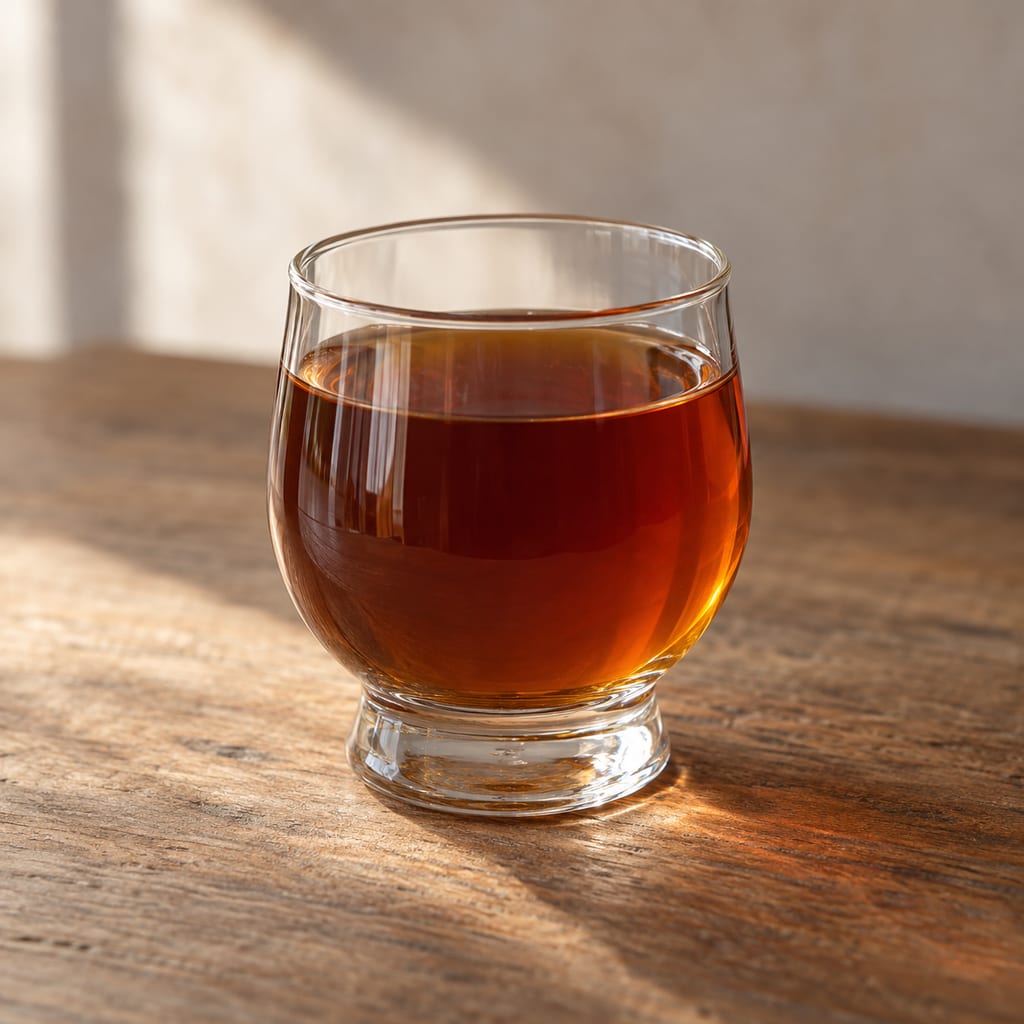
Musalais is a fermented grape drink documented among Uyghur producers in A’wati, southern Xinjiang. A studied process combines grape juice and heated pomace extract before spontaneous fermentation.
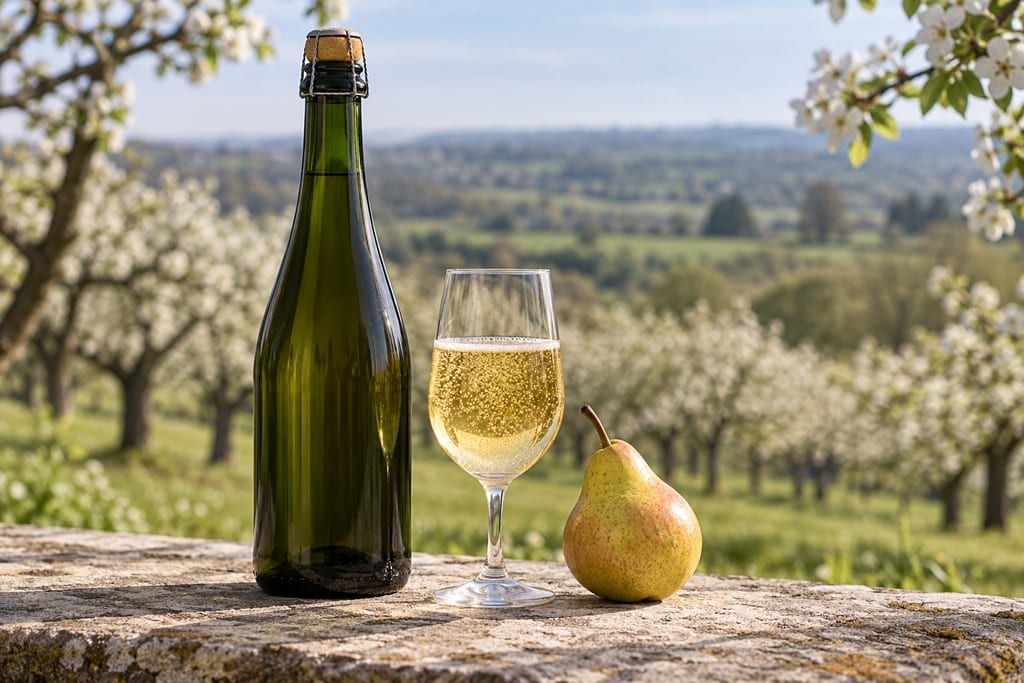
Naturally sparkling perry from the Bas Domfrontais in Normandy, pressed from high-stem orchard pears with at least 40% Plant de Blanc and carbonated by fermentation in the bottle.
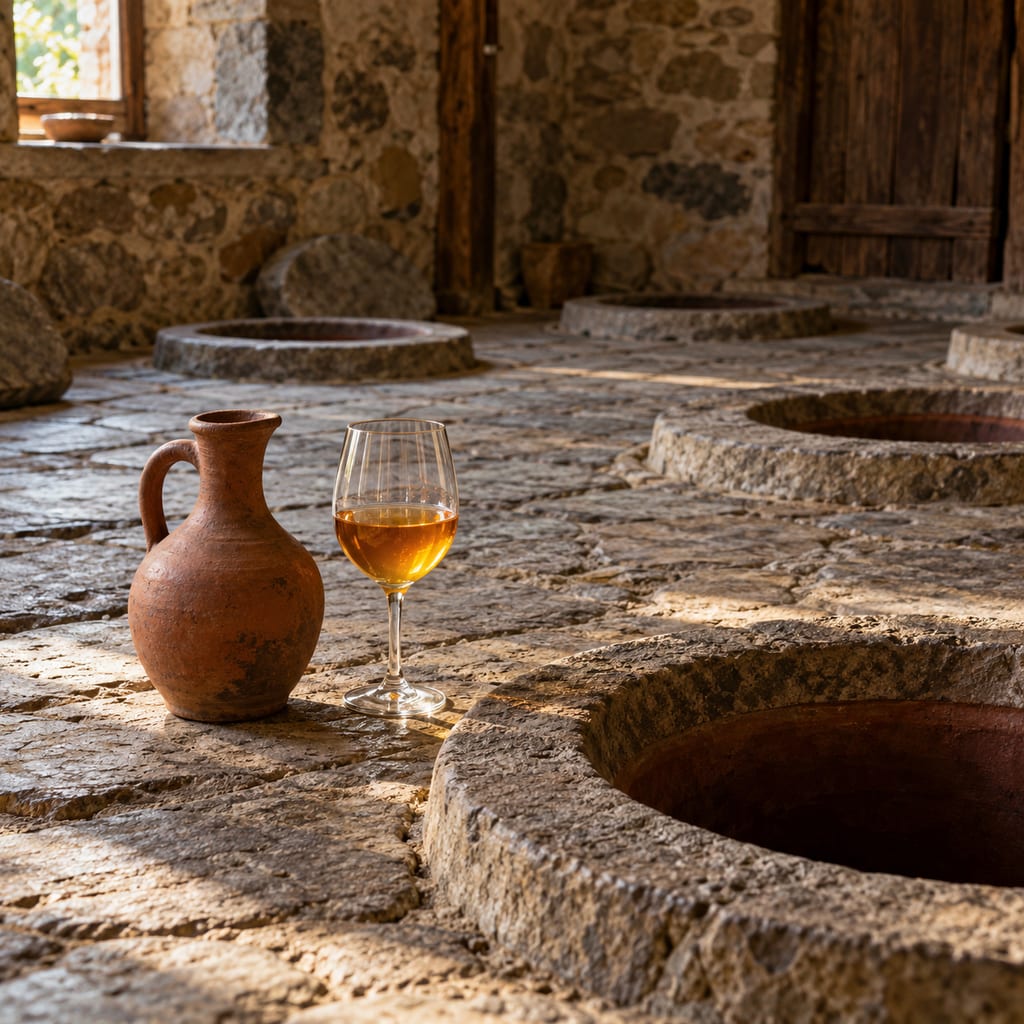
Georgian wine fermented and matured in buried clay vessels called qvevri, usually with grape skins, pips and sometimes stems, in styles from amber to red that differ by region.
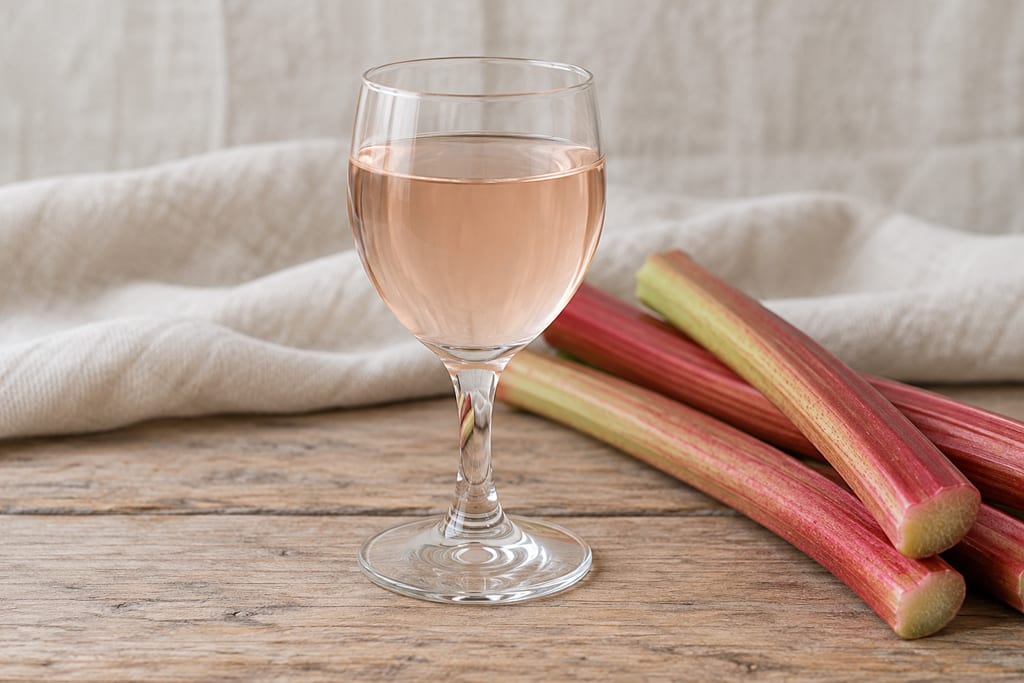
S. O. Beeton’s 1861 household book records rhubarb wine made with rhubarb pulp, water, loaf sugar, lemon rind and isinglass; its historical directions do not establish a safe modern fermentation endpoint.
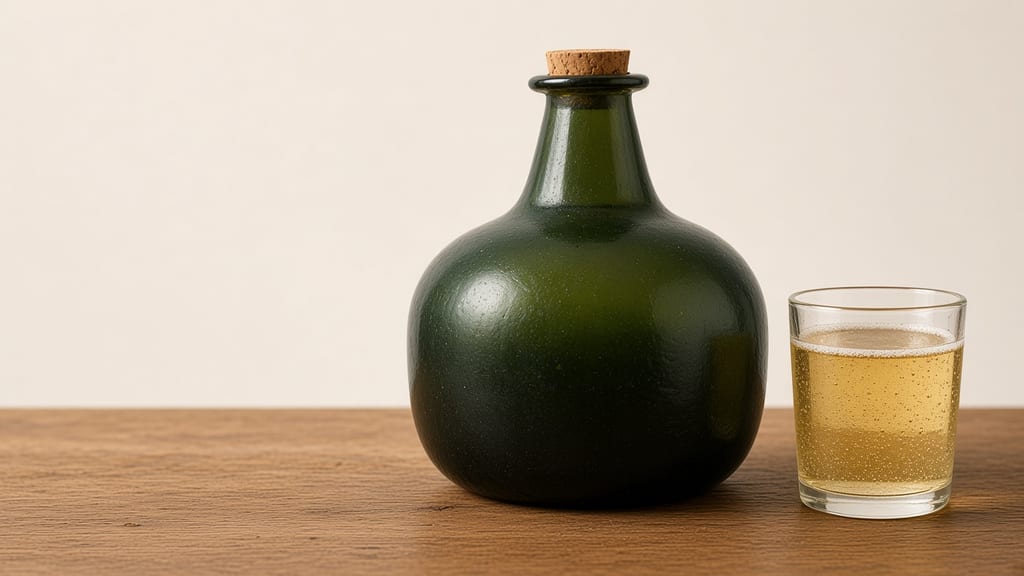
A lightly sparkling cider bottled before it had finished fermenting, as Sir Paul Neile described it in 1664, with a measured modern method for safe bottle conditioning.
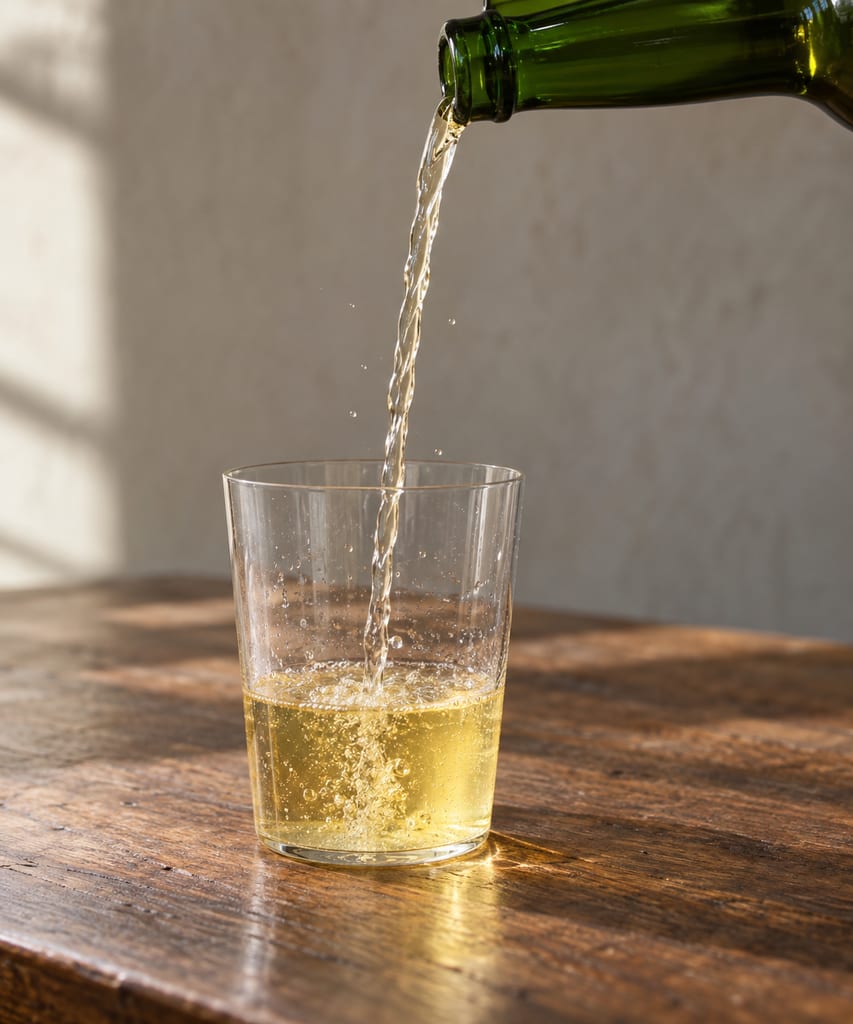
Dry, lightly sparkling cider from Asturias in northern Spain, pressed from cider apples, fermented without added sugar, matured through the winter and poured from a height.
No community contributions have been published for this entry yet.
Sign in to contribute. Published comments and photos are free to read.
International Organisation of Vine and Wine (OIV)Identity · Definition
Wines: basic and complementary definitionsOIV defines wine as a beverage from partial or complete alcoholic fermentation of fresh grapes or grape must.
Cited in: A wine made with the grape solids; At table and in the cellar
International Organisation of Vine and Wine (OIV)Process · Technique
International Code of Oenological Practices: grapes and macerationMaceration is grape solid and liquid contact before, during or after fermentation; skin fermentation and carbonic maceration are distinct operations.
Cited in: A wine made with the grape solids; Why skins stay in the ferment; A process outline, not one household batch; From free-run wine to pressing; Malolactic fermentation and maturation; Colour and structure are outcomes, not promises; Different routes under the same name; At table and in the cellar
International Organisation of Vine and Wine (OIV)Process · Method
Annex 4b: Red wine processProcess sequence from grape reception, destemming/crushing and optional pre-fermentation maceration through fermentation with skins, draining, pressing and conditional later operations.
Cited in: A wine made with the grape solids; Why skins stay in the ferment; A process outline, not one household batch; From free-run wine to pressing; Malolactic fermentation and maturation
University of Georgia Cooperative ExtensionMethod · Safety · Comparison
Winemaking at Home (Circular 717)Fruit-specific household wine recipes have distinct formulas and stages; general cautions include sound fruit and clean, sanitized equipment.
Cited in: Why skins stay in the ferment; A process outline, not one household batch; From free-run wine to pressing
Proceedings of the National Academy of SciencesHistory · Archaeology
Early Neolithic wine of Georgia in the South CaucasusGeorgia Neolithic vessel chemistry and plant microfossils support grape use and likely wine; authors caution that evidence cannot assign regional priority.
Cited in: Evidence of an old, widely travelled drink; Different routes under the same name
Scientific ReportsHistory · Geography
Pip shape echoes grapevine domestication historyReview of evidence on grapevine domestication, its debated date and later movement of grape varieties.
Cited in: Evidence of an old, widely travelled drink; Different routes under the same name
International Journal of Food MicrobiologyMicrobiology · Fermentation
Strategies for microbiological control of the alcoholic fermentation in wines by exploiting the microbial terroir complexity: a mini-reviewSaccharomyces cerevisiae is a principal wine-fermentation yeast; local microbial strategies and their limitations are discussed.
Cited in: Why skins stay in the ferment; At table and in the cellar
International Journal of Food MicrobiologyMicrobiology · Fermentation
Saccharomyces cerevisiae-Oenococcus oeni interactions in wine: current knowledge and perspectivesOenococcus oeni is a major malolactic-fermentation organism; bacterial conversion of malic acid to lactic acid often follows alcoholic fermentation.
Cited in: Malolactic fermentation and maturation
International Journal of Molecular SciencesMicrobiology · Colour
Discovering the Influence of Microorganisms on Wine ColorReview of how wine yeasts and lactic-acid bacteria can affect anthocyanin profiles and red-wine colour during fermentation.
Cited in: Colour and structure are outcomes, not promises