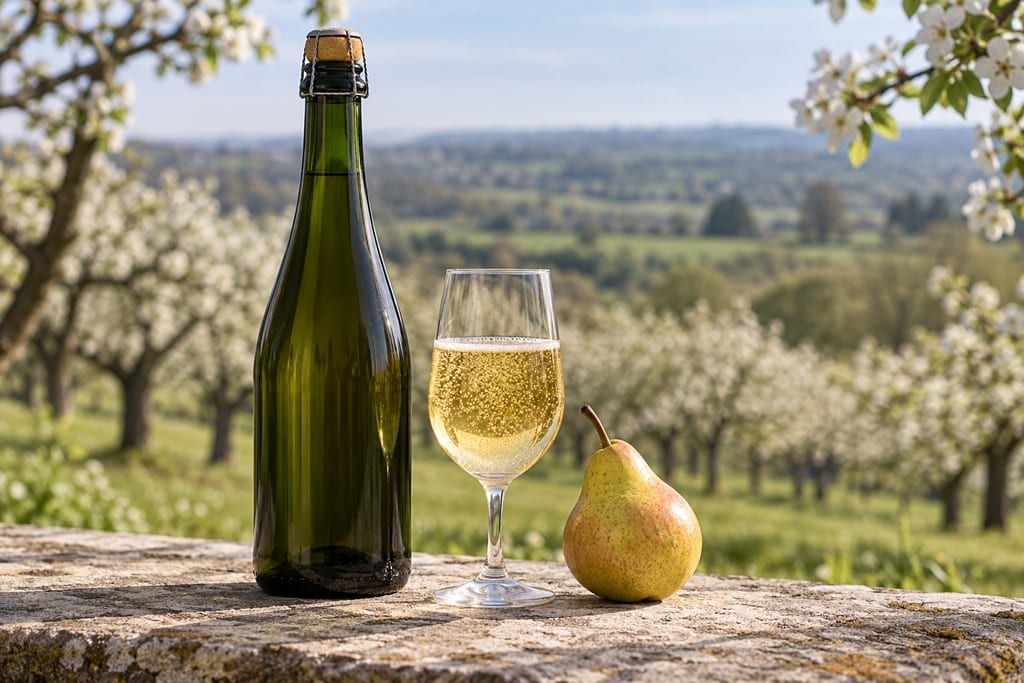
Poiré de Domfront
Naturally sparkling perry from the Bas Domfrontais in Normandy, pressed from high-stem orchard pears with at least 40% Plant de Blanc and carbonated by fermentation in the bottle.
 FermenteaWhere food goes to change
Traditional method
Sidra natural asturiana · Sidra natural tradicional · Sidra de Asturias · Sidra d'Asturies · Sidra de escanciar · Sidra de escanciado tradicional · Asturian natural cider · Traditional Asturian cider · Sidra asturiana
Dry, lightly sparkling cider from Asturias in northern Spain, pressed from cider apples, fermented without added sugar, matured through the winter and poured from a height.
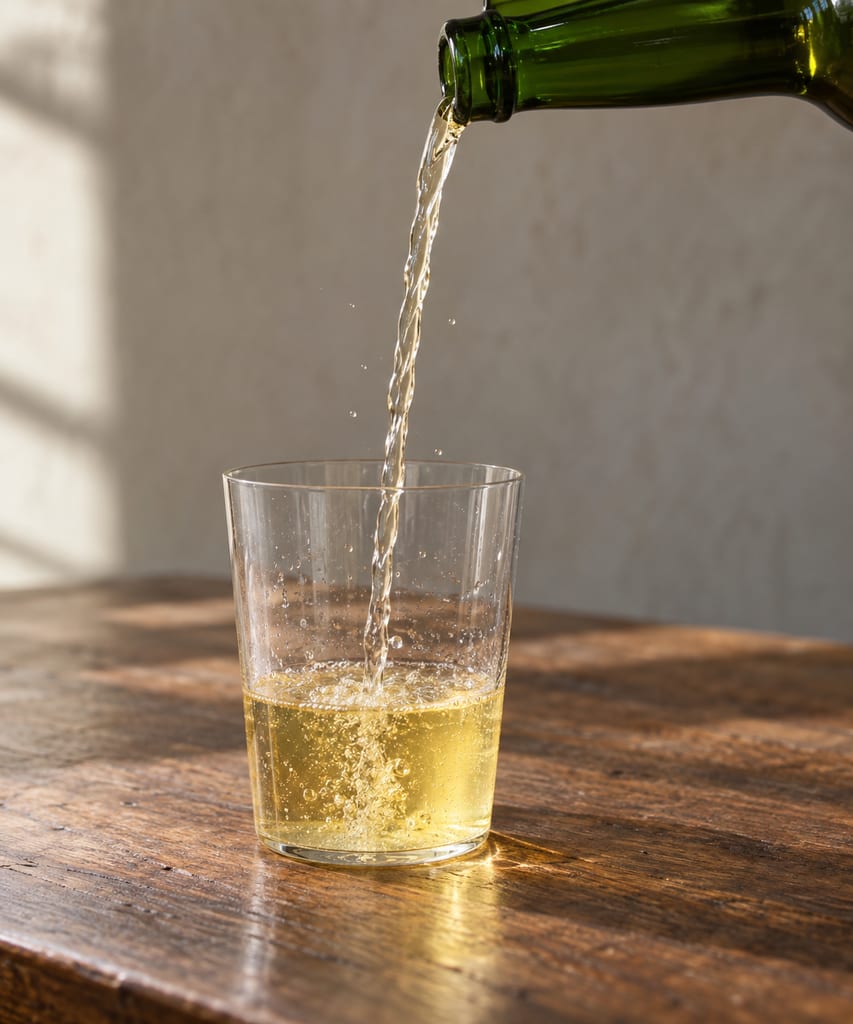
Sidra natural is the traditional cider of Asturias, in northern Spain. Cider apples are crushed and pressed, the juice ferments with no sugar added, and the cider matures through the winter before it is bottled in spring. It is dry, sharp and only faintly sweet, with a light fizz that comes from fermentation. The classic form is lightly clarified at most, and it is served by pouring it from a height, a technique called escanciado.
The fruit is Malus domestica, the cultivated apple. Asturian cider makers use regional varieties chosen for their sugars, organic acids and phenolic compounds, and most ciders blend several. Sweet apples give fermentable sugar. Acidic varieties give malic acid and sharpness. Bitter and bitter-acid varieties give tannin and structure. The mix decides much of the cider's character.
The protected designation Sidra de Asturias / Sidra d'Asturies covers cider from authorised apples grown and processed in Asturias, which means all 78 municipalities of the Principality. For protected sidra natural, sugar may not be added, the carbon dioxide must come from fermentation, and the cider must reach at least 5% alcohol by volume. These are product rules. They are not a full recipe, and not every Asturian cider tastes alike.
Natural cider normally goes through two fermentations. Yeasts turn apple sugar into ethanol and carbon dioxide. Lactic acid bacteria can then turn sharp malic acid into softer lactic acid. In the traditional method both groups of microbes come from the fruit, the press and the cider house, although many producers now manage their cultures and temperatures more closely.
The words around the drink are Asturian. Orchards are pomaradas, cider houses are llagares and cider bars are chigres. UNESCO inscribed the whole system in 2024: orchard care, harvest, pressing, fermentation, pouring, festivals and shared drinking. That recognition covers a living practice, not one fixed formula.
Apples and cider have a long record in Asturias. Spain's 2013 heritage inventory says medieval documents mention cider from the eighth century. That gives the drink an early anchor, but the charter and its wording were not examined, and the statement cannot tell us how the cider was made. Strabo is sometimes cited for ancient drinking customs in the region, yet ancient references to fermented drinks do not show that the present method existed.
By the twelfth and thirteenth centuries, written records show apples as an important crop, with contracts and references to pressing installations. Presses (llagares) stood among other rural processing equipment, and cider fitted into the agricultural year alongside livestock and household land use. Records do not show that orchards held the same varieties, or the same fermenting microbes, from one century to the next.
From the late sixteenth century, accounts describe plenty of cider and some substantial producers. Production grew in the seventeenth century and orchards spread further in the eighteenth, helped by agricultural societies that encouraged planting and nurseries. Technical writing on cider became more common. The drink moved from farm households towards a wider regional market.
In the nineteenth century cider expanded with towns and industry. Larger commercial cider houses changed the presses, the distribution and the packaging. Chigres became familiar places to meet, and pouring cider from a bottle took on its modern identity. The 2013 inventory records older uses of cider at pilgrimages, rural gatherings, weddings, christenings and funerals.
Recognition came in steps. The designation Sidra de Asturias was registered in the European system in December 2005. Asturias entered its cider culture in its intangible heritage register on 2 July 2014, and UNESCO inscribed it on the Representative List in December 2024. The product specification was amended in 2025, and a further amendment was published on 26 October 2026. None of these dates shows that fermentation and serving have stayed unchanged since the Middle Ages.
Apple juice for cider holds glucose, fructose, sucrose, malic acid, nitrogen compounds and phenolic substances. Yeasts break the sugars down by glycolysis to pyruvate, which they convert to acetaldehyde and then to ethanol, releasing carbon dioxide and regenerating the NAD+ that lets glycolysis continue. Nearly all the alcohol comes from sugar already in the apples, since none is added.
A spontaneous fermentation passes through several yeast populations. A 1990 study of Asturian cider found Saccharomyces cerevisiae and an apiculate yeast then called Kloeckera apiculata in traditional and experimental fermentations. Later work identified Hanseniaspora uvarum, Hanseniaspora valbyensis, Metschnikowia pulcherrima and other non-Saccharomyces yeasts. In one cellar followed over the 2000 and 2001 harvests, strains classified as Saccharomyces bayanus dominated early and S. cerevisiae became more common towards the end. The bayanus name in older molecular studies covers organisms whose species limits are hard to draw today.
The second main change is malolactic fermentation, in which bacteria convert L-malic acid into L-lactic acid and carbon dioxide. This softens the acidity and can change the cider's stability and aroma. Asturian research published in 1996 tested controlled malolactic conversion with Leuconostoc oenos, now called Oenococcus oeni, and found that adding the bacterium after most of the sugar was used worked well in the experiment. That is a research finding. It does not mean traditional producers add it.
Aroma comes from more than one pathway. Yeasts make higher alcohols, acetate esters and ethyl esters, and later bacterial activity adds ethyl lactate, organic acids and other volatiles. Microbes can also transform phenolic compounds from the apple. In Spanish natural cider, maturation raised ethyl lactate, ethyl acetate, 4-ethylphenol and 4-ethylcatechol, and Lactobacillus collinoides has been studied for forming some volatile phenols. Not all of these compounds are welcome at every level.
Apple chemistry matters as much as microbe names. Polyphenols give bitterness, astringency and oxidation reactions, and malic acid gives the fresh-apple sharpness until malolactic conversion. Glycerol and sorbitol add to the non-volatile body, and standard cider yeasts do not ferment sorbitol well. Oxygen drives oxidation and acetic acid bacteria. Because fruit, cellar and microbes differ from one cider house to the next, no single species list or fermentation schedule fits every sidra natural.
It starts with cider apples picked for ripeness, acidity, sugar and phenolic content. The Regulatory Council groups the authorised apples by their technological behaviour and does not set one blend. Raxao and Durona de Tresali add acidity, and Regona adds acidity and bitterness. Sweet and semi-acid varieties balance the juice. Blending lets the maker adjust the must before fermentation without sugar, which the protected category forbids.
Harvest usually begins in October, though varieties ripen at different times and some are picked later. At the llagar the apples are inspected, washed and sorted, and fruit that is unripe or overripe, contaminated or decayed is rejected. The apples are milled to pulp and pressed. Wooden beam presses are traditional, and stainless-steel hydraulic or pneumatic presses are common now. Pressing leaves most of the solids behind and gives fresh must, called sidra dulce before it ferments.
The juice goes into fermentation vessels: wooden barrels or toneles, or stainless-steel tanks today. The yeasts and bacteria of the juice and cider house do the work, though producers manage them in different ways. Yeast turns sugar into ethanol and carbon dioxide, and the maker follows sugar, acidity and above all malic acid. The Regulatory Council describes fermentation at a controlled temperature but gives no number and no fixed duration.
Malolactic conversion usually follows or overlaps the later alcoholic stages. It depends on the bacteria present, the alcohol, the acidity and the cellar. When the cider has developed enough it is racked off its heavy sediment, which also evens it out. Racking is traditionally done in January and February, with tasting and bottling from spring. These are seasonal habits, not fixed dates.
Traditional sidra natural is bottled with no added sugar and no added carbon dioxide. It keeps a mild natural fizz that shows during escanciado. Filtered cider (sidra natural de nueva expresión) is processed differently, and sidra natural espumosa gets its own secondary fermentation. The traditional method gives no apple weight, juice yield, yeast dose, temperature programme or batch time; those would have to come from a named producer or a controlled recipe.
Cider is made across Asturias, but the Comarca de la Sidra is the area most tied to orchards and cider houses. It includes Villaviciosa, Colunga, Nava, Bimenes, Cabranes and Sariego. Gijón and Oviedo are other major centres of production and drinking. Cider houses differ from place to place, yet the designation covers the whole Principality and not just the best-known towns. The blend of apples differs between producers and from year to year.
Apple diversity is basic to the tradition. The Regulatory Council keeps descriptions of regional varieties and their acidity and phenolic character, working with SERIDA, the regional agricultural research service. Examples are Raxao, Regona, Blanquina, De la Riega, Durona de Tresali and Verdialona. The current designation recognises many more varieties than the short list in the original 2003 regulations, and the authorised list has to be checked against the current specification.
Traditional sidra natural differs from sidra natural filtrada, also called sidra de nueva expresión. The filtered cider is clarified more thoroughly and is poured straight into the glass without the high pour. Sidra natural espumosa is a third category, made by a secondary fermentation in bottles or pressure tanks. Some producers use selected yeast cultures within the traditional method, and others rely on the microbes of their own cellar.
Asturian cider is not Basque sagardo, though both are generally dry, acidic apple drinks fermented spontaneously. Comparisons have found differences in volatile compounds, including esters and phenolic transformation products. The histories, apple choices, pressing practices and serving customs also differ. Escanciado belongs above all to bottled Asturian natural cider, while Basque cider has its own barrel-serving and tasting customs.
Other apple drinks are separate things. Sidra dulce traditionally means freshly pressed, unfermented juice, and some ciders are only partly fermented. The specification amended in October 2026 adds ice cider (sidra de hielo) as its own product, and it is not made like sidra natural. Rural cider used to be pressed on household presses and kept in wooden barrels, while registered producers may use controlled stainless-steel equipment. The link between apples, fermentation and shared drinking has stayed recognisable through all that change.
The best-known Asturian custom is escanciado, the high pour. The escanciador or escanciadora holds the bottle above the head and the glass low, below the waist, and lets a thin stream fall onto the side of the tilted glass. The impact frees dissolved carbon dioxide and makes a brief burst of fine bubbles. The Regulatory Council adds that some volatile acidity is released too. The effect fades fast, so the cider is drunk straight away.
A small serving is a culete or culín. The Regulatory Council recommends at least 100 mL for a proper escanciado. The glass is wide and thin-walled so the falling cider can be watched, and a bottle is shared round a table in successive small pours rather than filling each glass. The usual serving temperature is about 12 to 14 °C. Filtered natural cider is served without escanciado at about 8 to 10 °C.
Sidra natural belongs to sidrerías and chigres, where it is poured, shared and drunk with food. It is also drunk at home, outdoors and at traditional llagares. An espicha first meant opening a barrel to taste it, often with neighbours who had helped on the farm, and later came to mean a meal or gathering built around cider. Typical food includes tortilla, cured meats, cheese and empanadas.
Cider marks the seasons too. At the autumn amagüestu, roasted chestnuts are eaten with fresh sweet apple juice or with cider. The 2013 heritage inventory records the frarada in Tineo, a pre-wedding custom in which cider was shared, along with cider at pilgrimages, weddings, christenings and funerals. These customs have changed over time and are not identical in every municipality.
Cider is also cooked with. Chorizo a la sidra cooks sausages in it, and restaurants use natural cider in sauces and in fish and meat dishes, where its acidity and fermented-apple flavour set it apart from fresh juice. The pressed pulp, magaya, has historically been used for animal feed or agricultural purposes. UNESCO's 2024 recognition covers the whole network of orchards, pressing houses, serving practices, festivals and shared knowledge, not just the bottled drink.
Cider makers judge sidra natural partly by how it behaves in the pour. Three Asturian terms describe it. Espalme is the quick, complete disappearance of the surface foam. Aguante is how long fine bubbles last in the liquid, which should fade gradually. Pegue is the small, even traces of foam left clinging to the inside of the glass. These are traditional sensory marks of quality. They do not test for pathogens or chemical contaminants.
Acidity needs careful reading. A sharp, refreshing taste is normal, but too much acetic acidity points to a fault. Acetic acid bacteria oxidise ethanol when oxygen is present, and some yeasts make too much volatile acidity. Malolactic conversion changes malic acid to lactic acid and the perceived sharpness with it. Measuring malic acid, lactic acid, volatile acidity and sugar tells you more about progress than taste does.
Studies of Asturian natural cider show wide differences between cellars and between years. They found several Saccharomyces strains and a succession of non-Saccharomyces yeasts during alcoholic fermentation. That variety adds to the character, but it also makes spontaneous fermentation less predictable. A cider that ferments vigorously is not necessarily free of contamination, so clean equipment, sound fruit, monitoring and temperature control still matter.
One defect has its own name. Filado is a cider that turns viscous or oily and does not break when poured, which can come from microbes making extracellular polysaccharides. Too much surface foam, poor persistence of fine bubbles or coarse foam residues also count as faults at a traditional tasting. Other practical problems are heavy oxidation, a vinegar-like smell, mould and fermentation that carries on after bottling. Not every sensory fault is a health risk, and a cider without visible faults is not shown to be safe.
Fruit quality is the main food-safety question. Mouldy apples can carry patulin, a mycotoxin from Penicillium and other fungi. The FDA warns that pasteurisation does not reliably destroy patulin and advises rejecting rotten or mouldy fruit. Fermentation can lower patulin in some fruit drinks, but the product is not simply removed, and that is no reason to press mouldy apples. Fresh juice can also carry harmful microbes before it ferments, so selection, washing, clean pressing and validated controls matter.
Spanish national rules add analytical limits. The consolidated Real Decreto 72/2017 sets volatile acidity below 2.2 g/L as acetic acid and methanol below 200 mg/L for the cider categories it covers, and the standard was amended again in 2026. These are product quality limits. They are not a food-safety protocol, and they do not replace the current protected-origin specification. The 5% alcohol minimum for protected sidra natural is a product rule too. Nothing in these definitions gives a safe spontaneous-fermentation schedule, a pH endpoint, a bottle-pressure limit or a shelf life.
Spain's 2013 heritage inventory says medieval Asturian documents mention cider from the eighth century; the charter itself and its wording were not examined. Documents of the twelfth and thirteenth centuries describe extensive apple growing and cider presses, and accounts from the late sixteenth century describe abundant cider. The protected name Sidra de Asturias was registered by Commission Regulation (EC) No 2154/2005 of 23 December 2005. These dates concern the cider tradition and its regulation. They do not show that the present recipe or the escanciado pour existed unchanged in the eighth century.
Patulin is a mycotoxin made by fungi growing on damaged or rotten apples. Heat does not reliably destroy it. Yeast can lower measured patulin, but the process leaves degradation products and cannot be assumed to make contaminated fruit safe.
Hazard sourceFresh apple juice can pick up harmful microorganisms from fruit, water, equipment, animals or handling. The cider's final acidity and alcohol do not show that they were absent or controlled during early fermentation.
Hazard sourceCellar studies show large differences in yeast species and strains between cider houses and stages of fermentation. Spontaneous fermentation gives no defined starter, no fixed rate of acidification and no guaranteed safe endpoint.
Hazard sourceAcetic acid bacteria turn ethanol into acetic acid when oxygen reaches the cider. Too much air during maturation or storage gives a vinegar-like cider.
Hazard sourceMicrobes can make polysaccharides that leave the cider viscous or oily. This is a defect to investigate, not a normal feature of sidra natural.
Hazard sourceLeftover sugar and active yeast keep producing carbon dioxide after bottling and can overpressure bottles that are not rated for it. A natural fizz does not make uncontrolled refermentation safe.
Hazard sourceWashing water, mills, presses, hoses, vessels and bottling gear can all carry contamination into the juice and cider.
Hazard sourcePoorly kept presses, containers that are not food-grade, contaminated barrels and damaged glass can add chemical or physical hazards.
Hazard sourceReject mouldy, rotten and otherwise unsuitable apples before processing. The FDA juice HACCP guidance gives detailed examples of fruit-sorting controls.
Control sourceWash the apples with potable water, using cleaned washing equipment.
Control sourceUse clean, food-contact-safe mills, presses, vessels, hoses and bottling equipment, and keep raw fruit, sediment and finished cider apart.
Control sourceFollow alcoholic fermentation with sugar measurements and related analysis. Do not take bubbling or taste as proof that fermentation is complete.
Control sourceFollow malolactic fermentation by measuring malic acid, not by assuming it ends after a set number of months.
Control sourceLimit contact with oxygen, keep vessels in good order, and check the cider for excess volatile acidity and other deterioration.
Control sourceAssess patulin in the apple supply and run a fruit-quality and contaminant programme. The FDA action level of 50 ppb is a United States limit for apple juice products and does not automatically apply to Spanish fermented cider.
Control sourceConfirm fermentation is stable and deal with any remaining fermentable sugar before bottling. Use pressure-rated bottles and a validated bottling procedure whenever more gas could form.
Control sourceFor cider sold as Sidra de Asturias, check the current specification: origin, permitted ingredients, actual alcoholic strength and analytical characteristics.
Control sourceAdd no sugar, external carbon dioxide or dilution water to protected sidra natural. Keep the permitted methods of other cider categories separate.
Control sourceThis describes the official Asturian production method and its documented stages. It is not a fully quantified or safety-validated home recipe.
No apple weight, blend ratio, juice yield, yeast dose, fermentation temperature or storage schedule is prescribed.
The 15-day alcoholic fermentation and the 2 to 4 month malolactic fermentation are typical descriptions, not completion times or safety limits.
Spontaneous fermentation does not show that harmful microbes are absent.
Do not use mouldy or rotten apples on the assumption that fermentation will remove patulin.
The 5% minimum alcohol is a product rule, not a pathogen control.
The FDA patulin level applies to United States juice products. It is not a Spanish legal limit for cider.
The natural fizz of sidra natural is not a validated bottle-conditioning or pressure plan. No shelf life or safe bottle pressure is established.
Escanciado is a way of serving. It does not make contaminated cider safe.
Check the current consolidated Sidra de Asturias specification before producing for sale. It has been amended in 2025 and 2026.
Sidra natural contains alcohol.
The protected designation covers all 78 municipalities of Asturias.
The cider district around Villaviciosa, Nava, Colunga, Bimenes, Cabranes and Sariego.
Site of a cider cellar whose yeasts were studied across two harvests.
A cider town in the Comarca de la Sidra.
A major centre of cider production and drinking.
A major centre of cider production and drinking.
Where the frarada custom, a shared cider before a wedding, is recorded.
Naturally sparkling perry from the Bas Domfrontais in Normandy, pressed from high-stem orchard pears with at least 40% Plant de Blanc and carbonated by fermentation in the bottle.
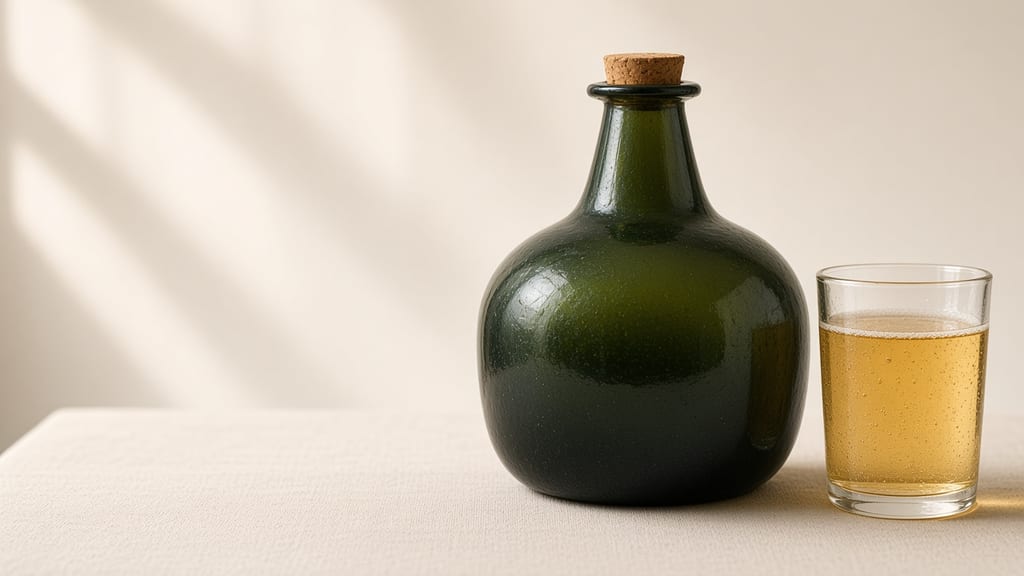
In the 1650s and 1660s English cider makers bottled cider with a little life left in it, sometimes with a lump of sugar, so it would mantle and sparkle in the glass, decades before Champagne sparkled on purpose.
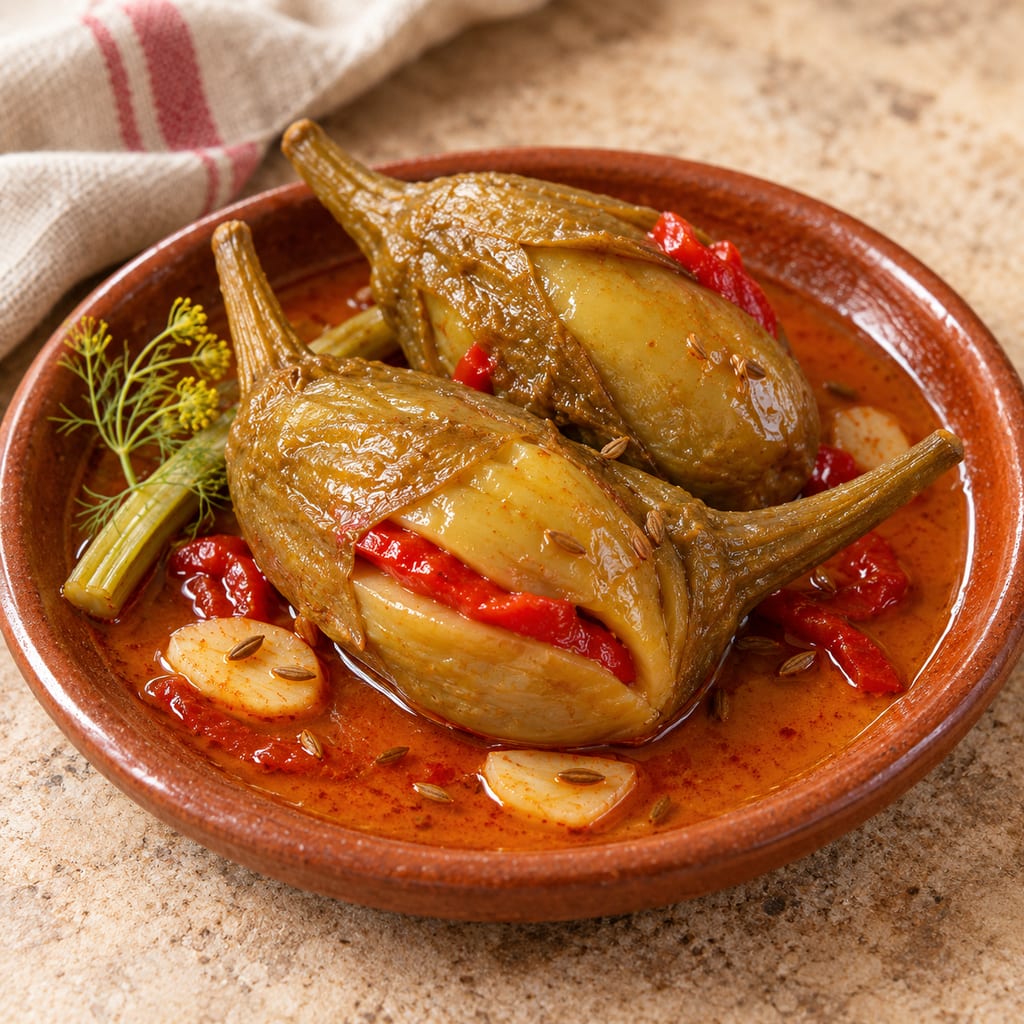
A protected aubergine preserve from Ciudad Real in Spain: tender fruit of the local Dealmagro variety, cooked briefly and then fermented in a vinegared, paprika-seasoned dressing.
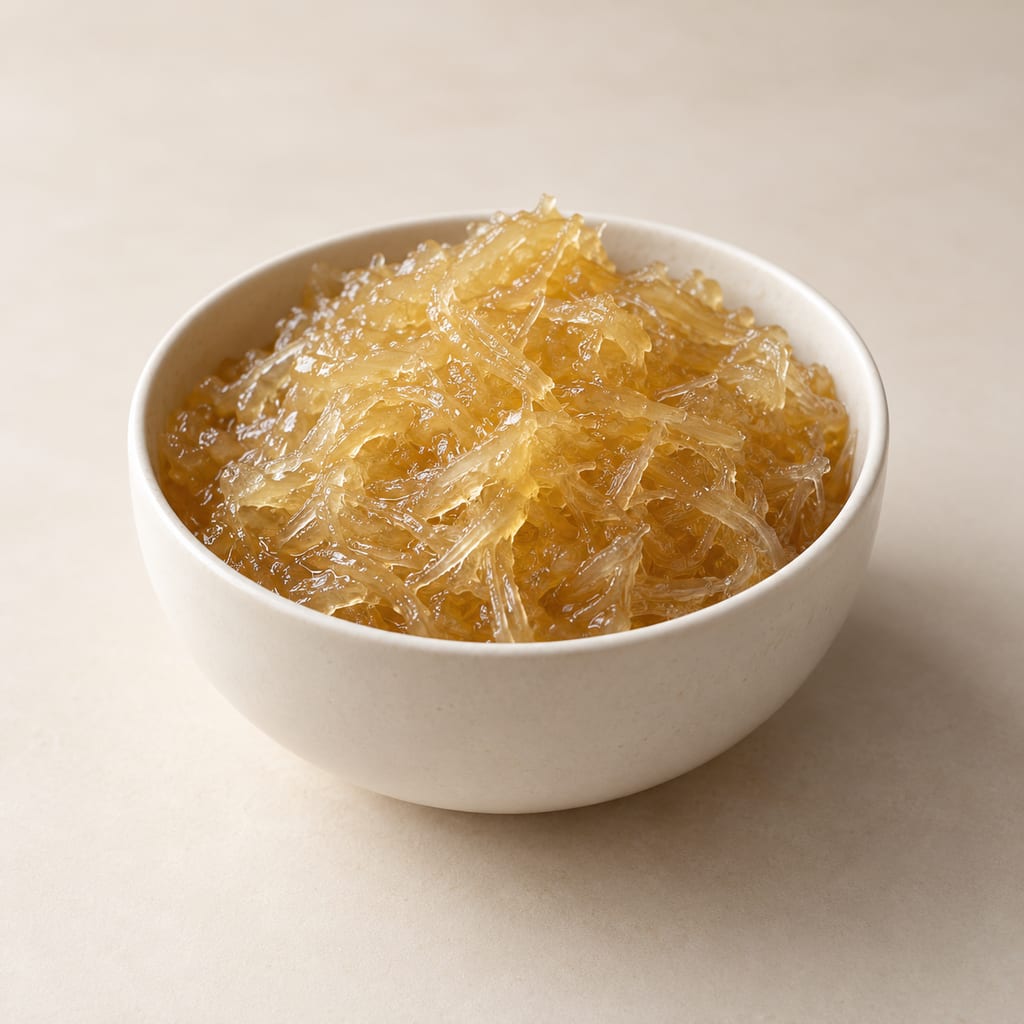
Fine strands of Cucurbita ficifolia cooked in an equal weight of sugar, then portioned for refrigerator or freezer storage. Ordinary orange pumpkin does not give the same fibres.
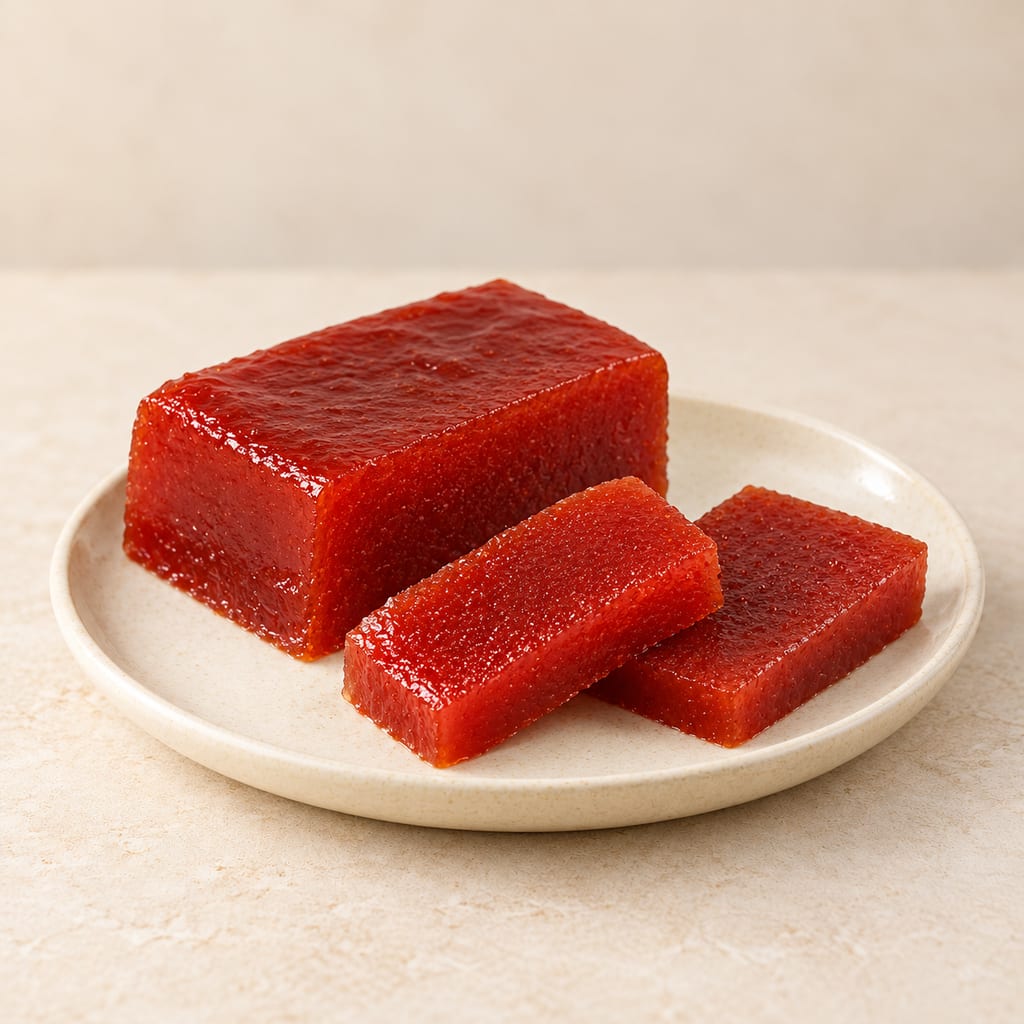
Dulce de membrillo is quince cooked with sugar into a firm paste for slicing. This family method softens the fruit in a pressure cooker, then blends it and leaves it to set.
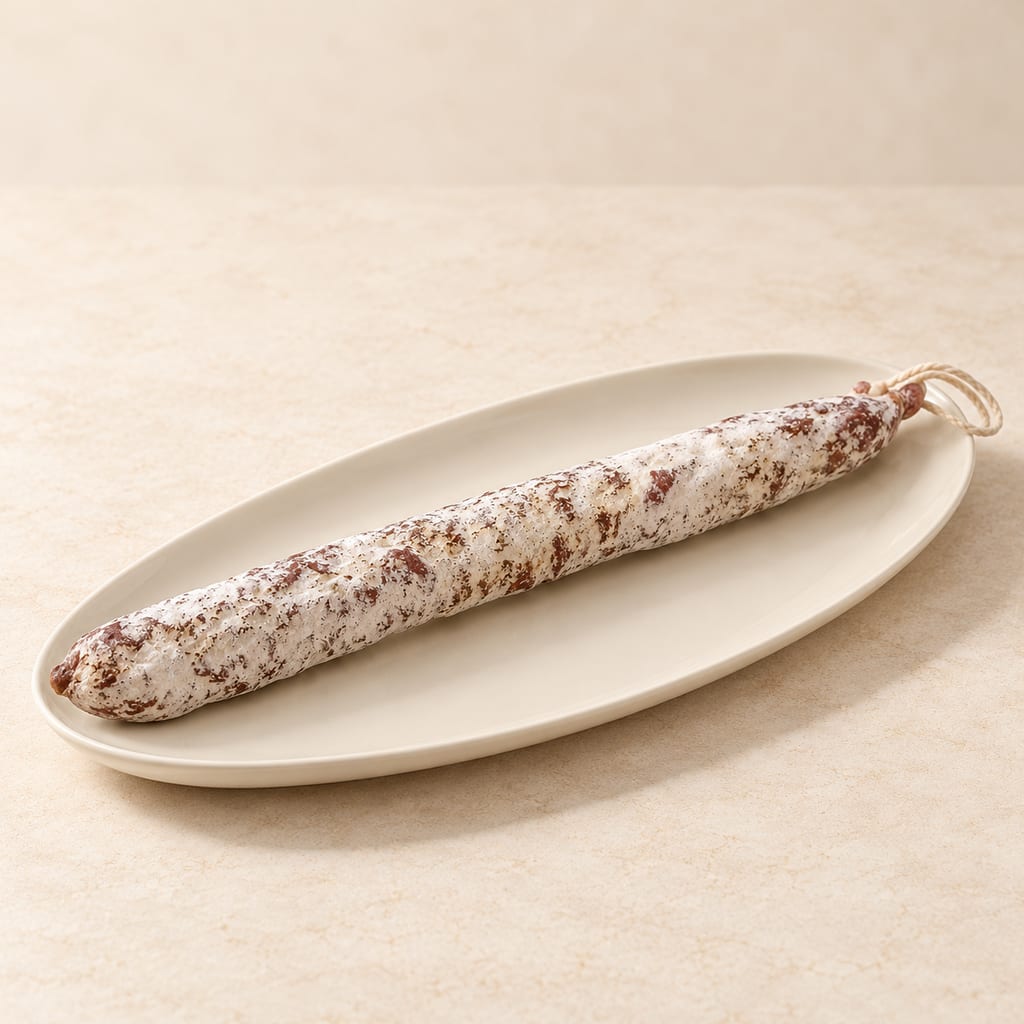
A documentary account of a modern starter-cultured Fuet formula and its place in Catalan sausage culture. The cited raw-pork process lacks matched safety validation, so this page does not present it as a household recipe.
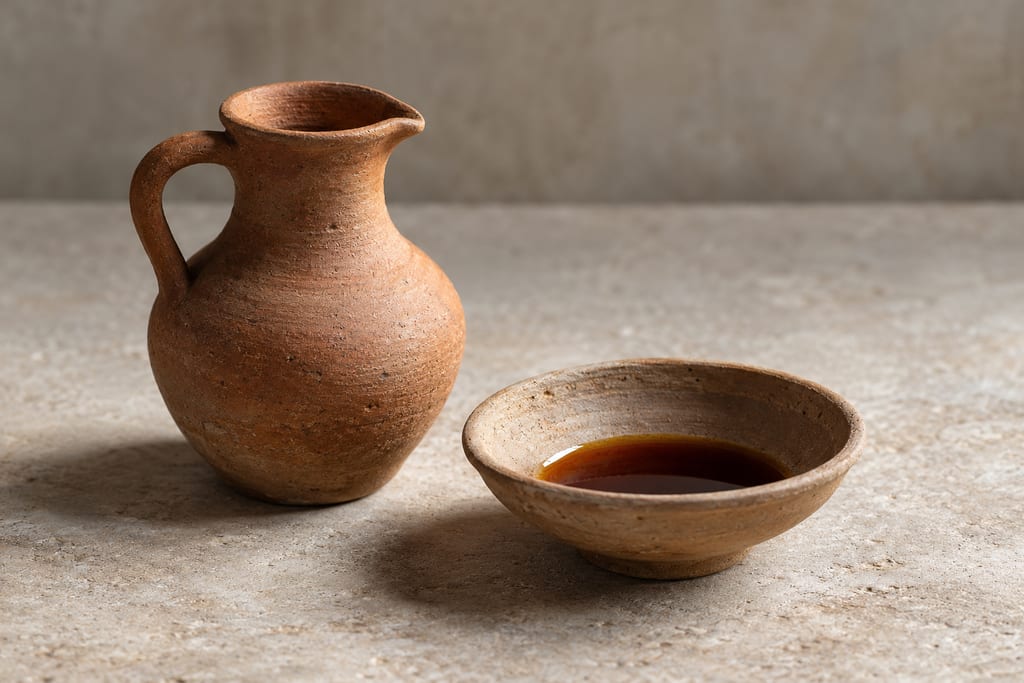
Garum, Greek garos and Latin liquamen, was the fish sauce of the ancient Mediterranean: fish and viscera salted and left in the sun, then drained off as a savoury liquid.
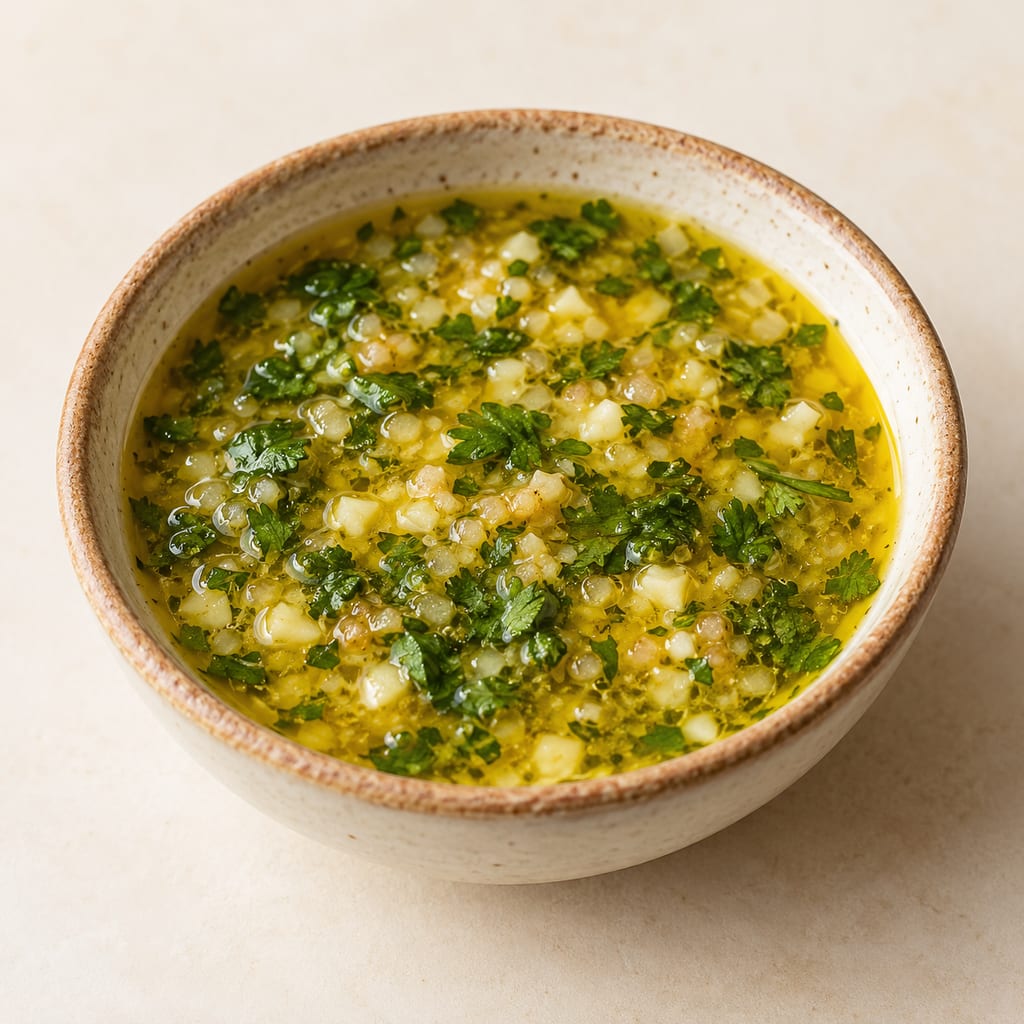
Mojo criollo is a Cuban sauce of garlic and sour orange juice with oil and herbs, used to marinate roast pork and as a dip.
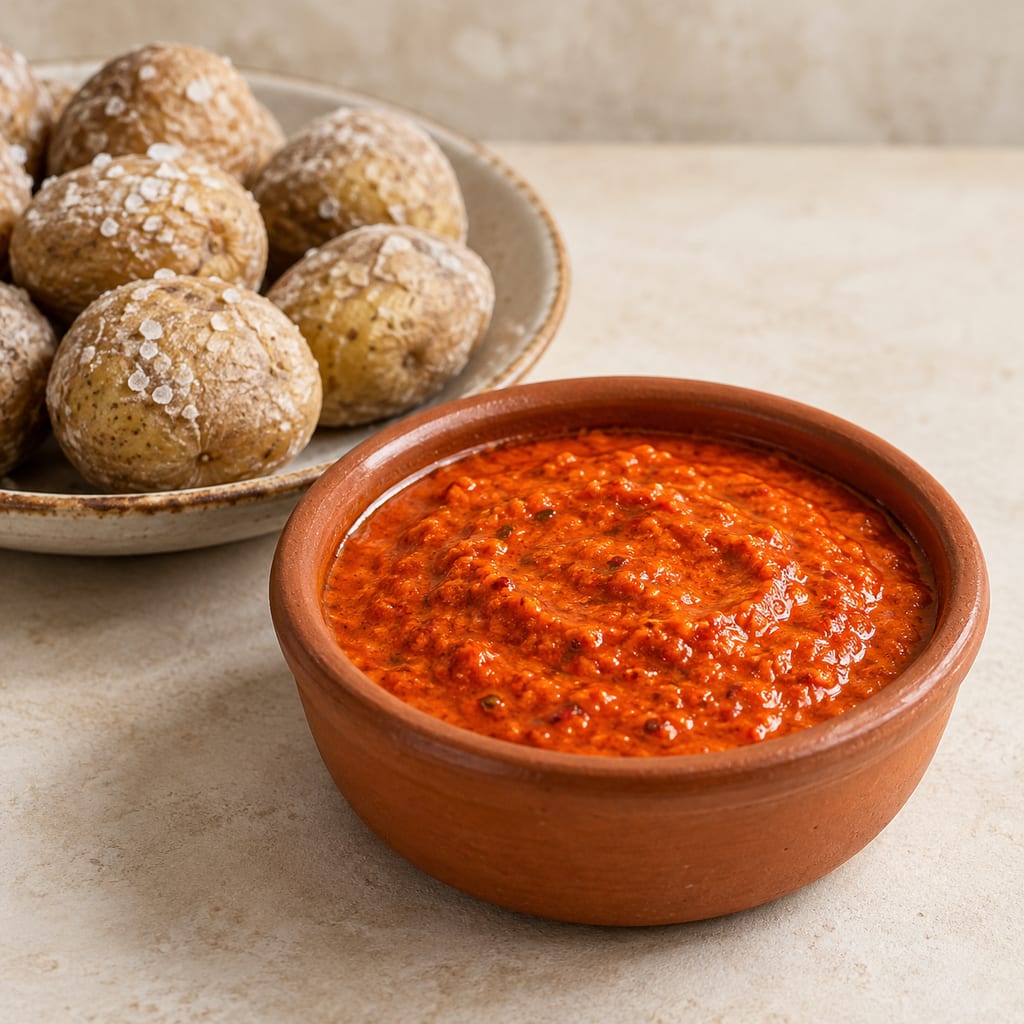
A red sauce of garlic, dried or fresh red pepper, paprika and cumin in olive oil and vinegar, served with salt-cooked potatoes across the Canary Islands.
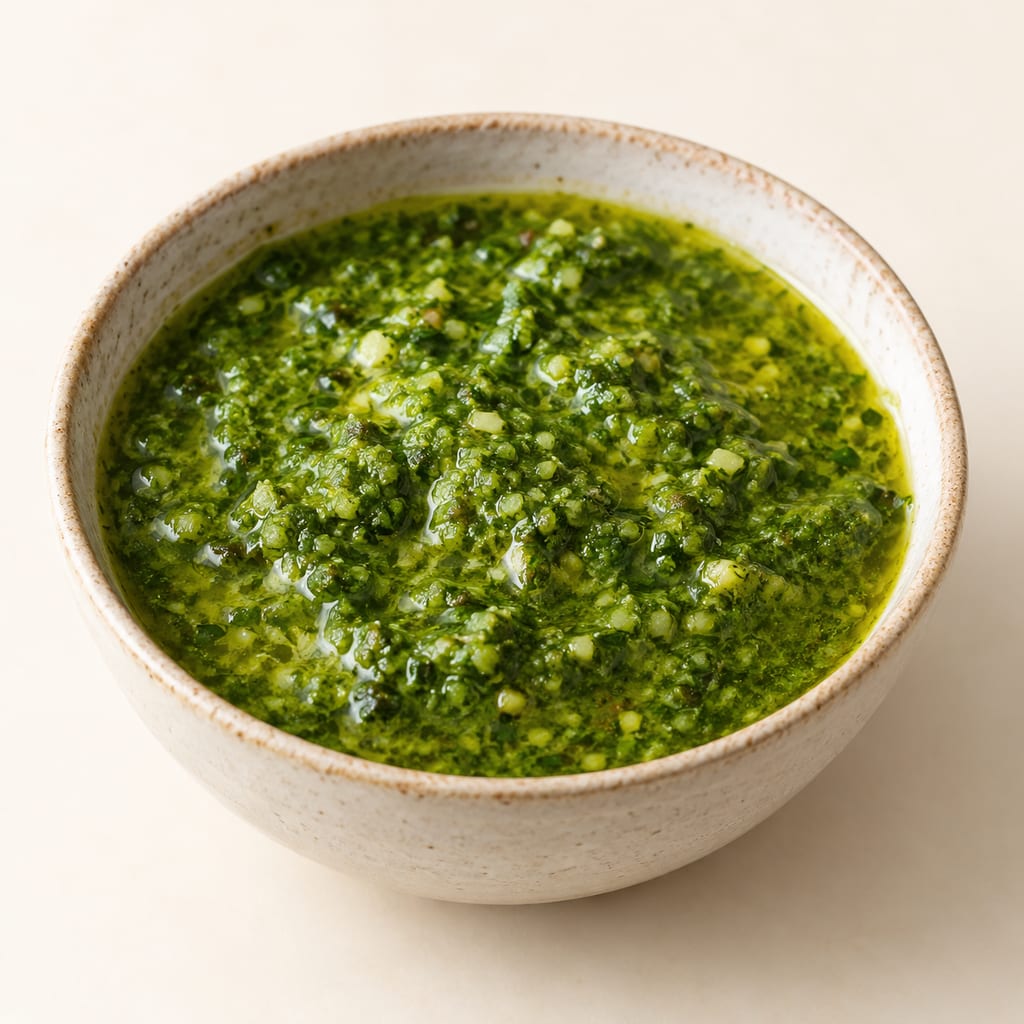
A green sauce of garlic, cumin, green chilli and fresh coriander or parsley in olive oil and vinegar, traditionally served with fish in the Canary Islands.
The Rwandan urwina is a conical, leaf-lined earth pit that warms green brewing bananas before they are peeled, crushed for juice and fermented separately.
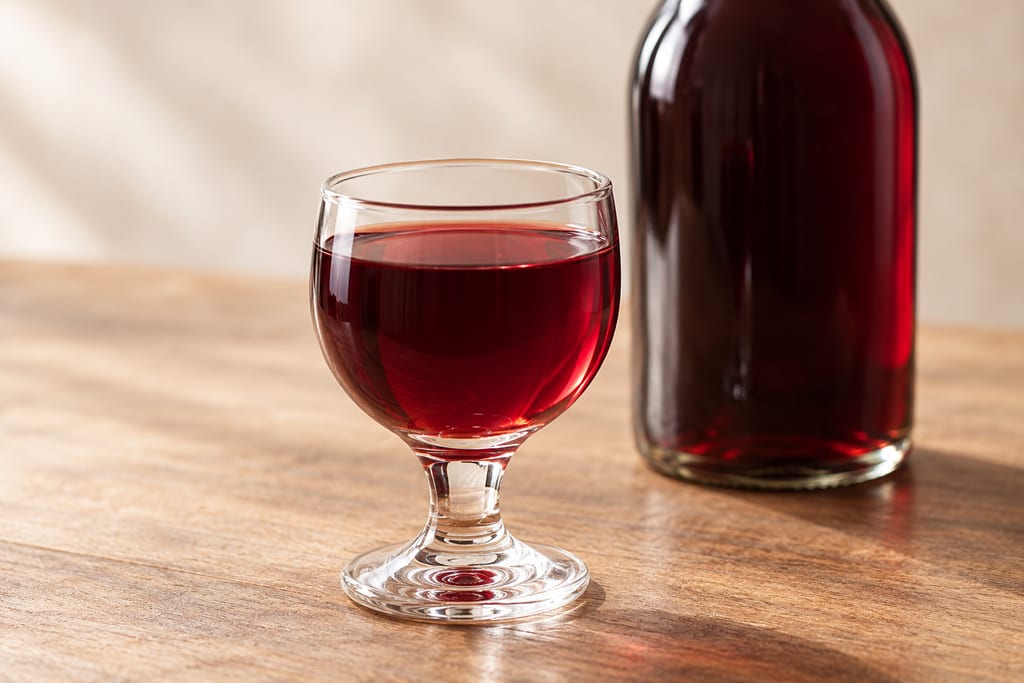
Korean black raspberry wine: crushed bokbunja berries with their seeds, sweetened to 20 °Brix, fermented 15 days at 25 °C with wine yeast, filtered and matured three months.
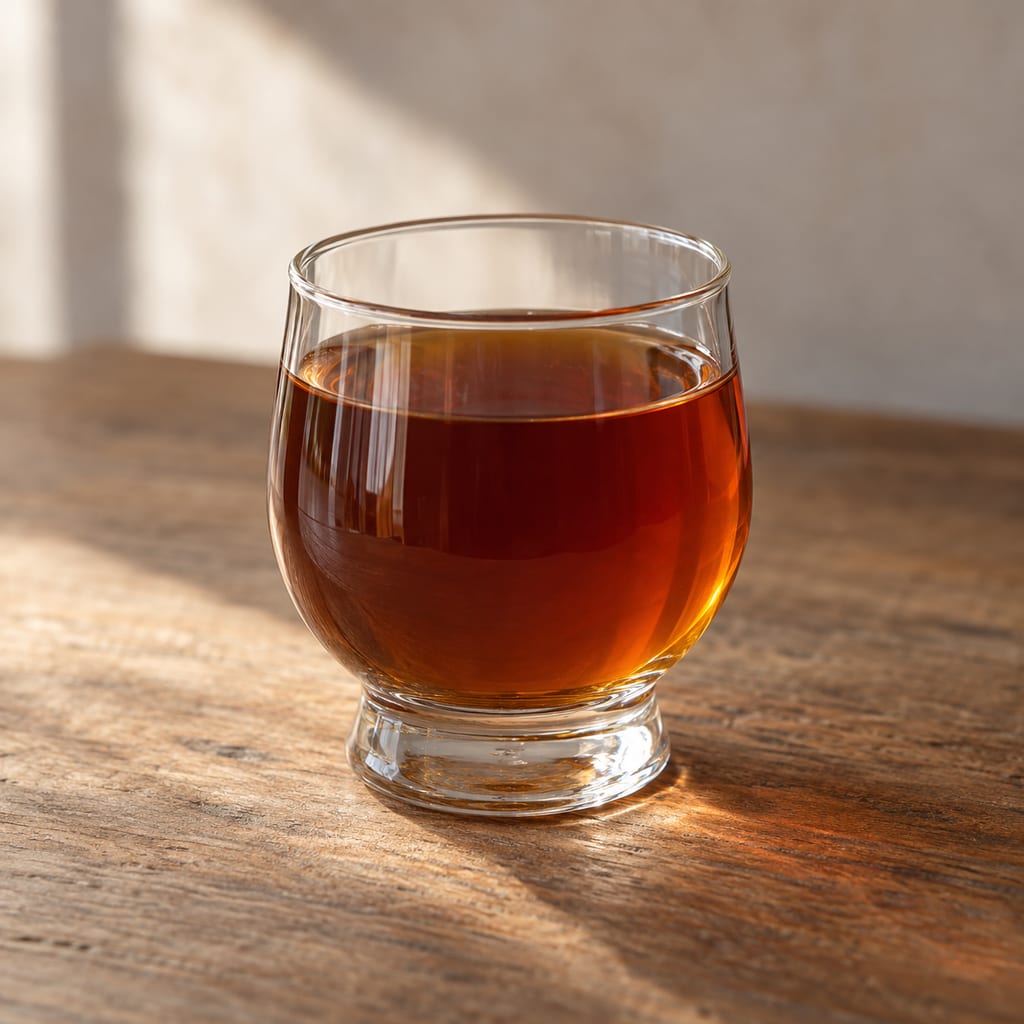
Musalais is a fermented grape drink documented among Uyghur producers in A’wati, southern Xinjiang. A studied process combines grape juice and heated pomace extract before spontaneous fermentation.
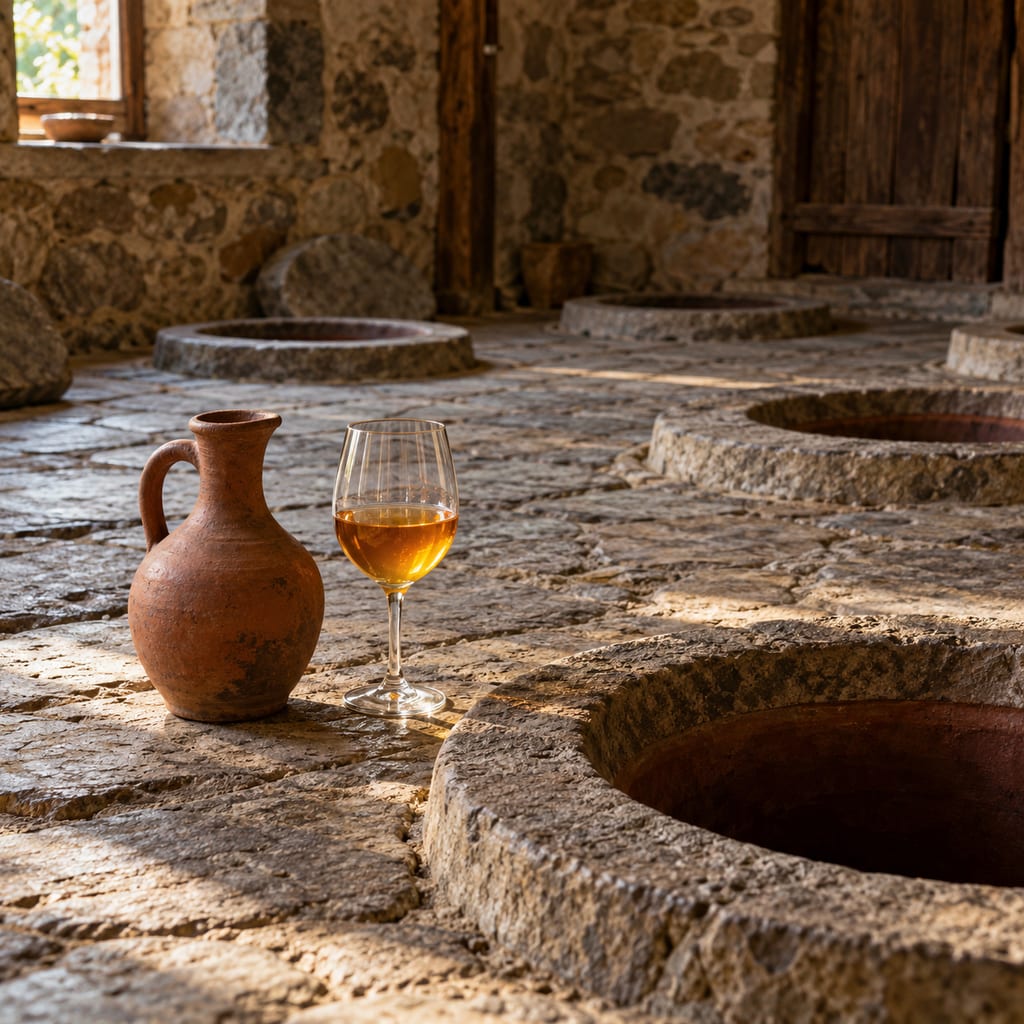
Georgian wine fermented and matured in buried clay vessels called qvevri, usually with grape skins, pips and sometimes stems, in styles from amber to red that differ by region.
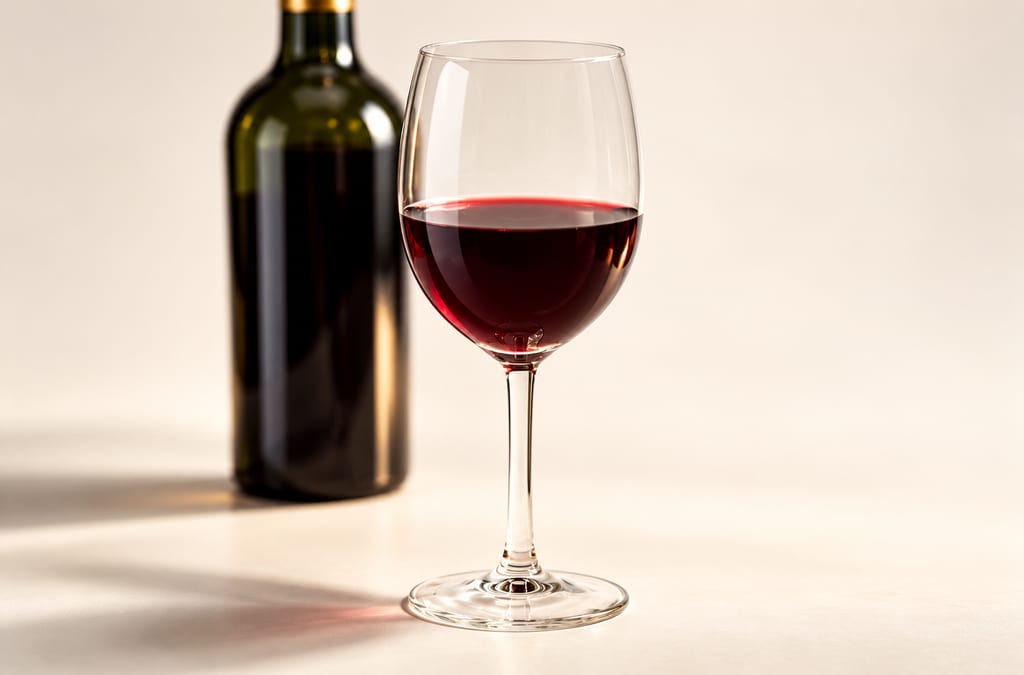
Red wine is grape must fermented with the skins and other solids, then separated from the pomace. Grape, cellar and regional choices shape its colour, structure and style.
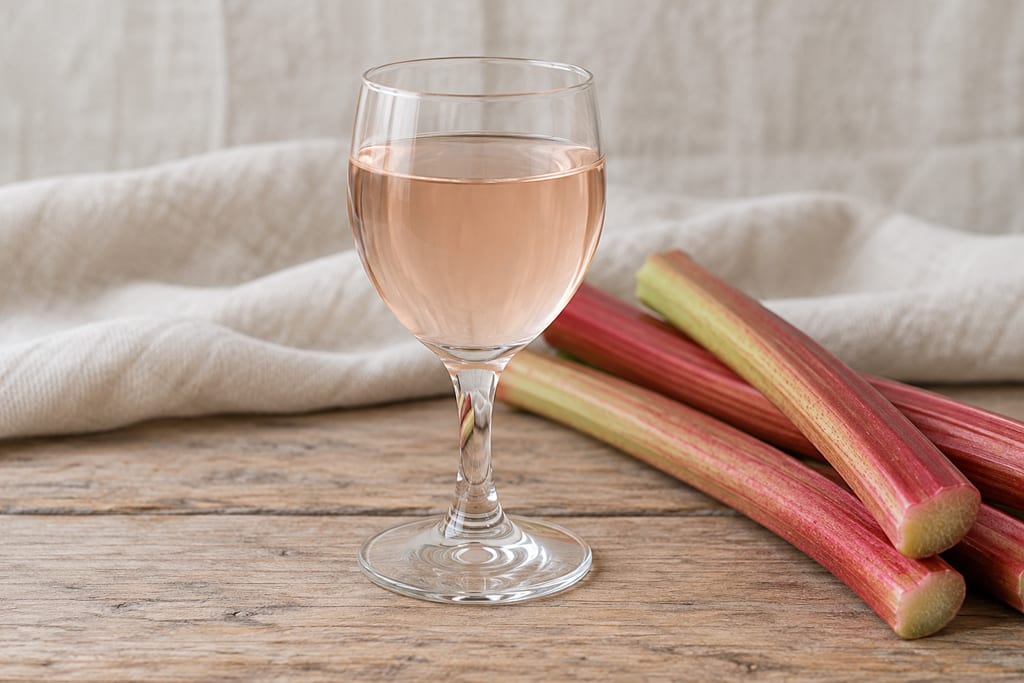
S. O. Beeton’s 1861 household book records rhubarb wine made with rhubarb pulp, water, loaf sugar, lemon rind and isinglass; its historical directions do not establish a safe modern fermentation endpoint.
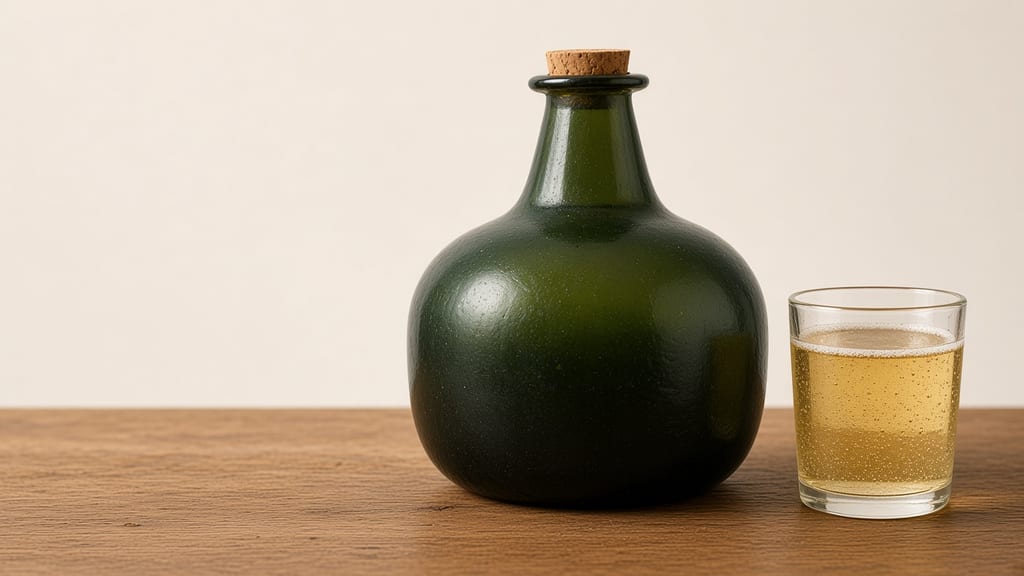
A lightly sparkling cider bottled before it had finished fermenting, as Sir Paul Neile described it in 1664, with a measured modern method for safe bottle conditioning.

Protected Italian vinegar made only from cooked grape must, fermented and aged in a battery of wooden barrels for at least 12 years: sweet, sharp and syrupy.

Airag is Mongolia’s fermented mare’s-milk drink, traditionally churned with saved starter in a reusable cowhide khokhuur.

Appam, or hoppers, are South Indian and Sri Lankan rice pancakes made from a fermented coconut-and-rice batter and cooked in a curved pan to a crisp lacy rim and a soft, spongy centre.

Auricularia tremellosa is a wood ear fungus of the genus that supplies most dried wood ear sold in China; its own food record is thin, and the culinary practice described here comes from the closely related wood ear species.

Ayran is Turkey’s cold, savoury yogurt drink: plain yogurt is loosened with water and lightly salted, then whisked smooth or aerated into a soft cap of foam.
A thin stone griddle used over an open hearth. Norwegian archaeology documents the established tradition from the early Middle Ages; a Viking-period origin is only a cautious suggestion linked to Shetland.

Crushed or milled barley cooked in water until the starch softens and the mixture thickens, the plainest way a northern household turned stored grain into a meal, here with apple and hazelnut.

Black carrot is the anthocyanin-pigmented Eastern carrot (Daucus carota var. atrorubens), the purple root that preceded orange types and still colours kanji and şalgam.
No community contributions have been published for this entry yet.
Sign in to contribute. Published comments and photos are free to read.
Consejo Regulador de la Denominación de Origen Protegida Sidra de AsturiasMethod · Definition · Safety
ElaboraciónSidra natural is the fermentation of fresh apples or their juice; no added sugar, carbon dioxide only from fermentation, at least 5% acquired alcohol by volume.
Traditional Asturian cider apple varieties.
Harvest usually begins in the first half of October.
Reception, inspection and rejection of unsuitable fruit; washing at several pressure points; manual selection before milling.
Crushing and pressing to fresh juice (sidra dulce) with wooden, hydraulic stainless-steel or pneumatic presses.
Juice moved to fermentation vessels; yeasts and bacteria from the juice and production environment; controlled temperature with no figure given.
Sugars and malic acid monitored.
Racking in January and February; bottling from spring.
Sidra natural espumosa has a separate secondary fermentation.
Cited in: How it works; How it's made and why each ingredient and step matters
Sidraturismo AsturiasMethod · Use
Nuestra Sidra: Elaboración, del Pumar a la BotellaTen-stage description of cider making from orchard to bottle.
Slow pressing of about 2 to 3 days on some presses; pneumatic pressing over hours.
Initial alcoholic fermentation of about 15 days; malolactic fermentation of about 2 to 4 months.
Racking to remove sediment, further maturation, bottling from spring.
Local terms for cider and equipment.
Cited in: How it's made and why each ingredient and step matters
Official Journal of the European Union, C/2024/4537, 16 July 2024Definition · Reference
Publication of an approved standard amendment to the product specification of Sidra de Asturias / Sidra d'AsturiesProtected designation of origin status and production area.
Definition of sidra natural: at least 5% acquired alcohol by volume, no added sugar, carbon dioxide only from fermentation.
Difference between natural cider and natural sparkling cider.
Sensory profile with apple aroma and balanced acidity and bitterness.
Cited in: What it is; How it's made and why each ingredient and step matters
Boletín Oficial del Estado, Spain, No. 247, 14 October 2025Reference · History
Resolución de 18 de septiembre de 2025, modificación del pliego de condiciones de la DOP Sidra de AsturiasApproval of the 2025 standard amendment to the specification.
Changes to physicochemical and sensory characteristics, cultivation practices and production methods.
Cited in: History
Boletín Oficial del Estado, Spain, No. 265, 26 October 2026Reference · History
Resolución de 14 de octubre de 2026, modificación del pliego de condiciones de la DOP Sidra de AsturiasStandard amendment approved on 14 October 2026 and published on 26 October 2026.
Ice cider (sidra de hielo) added as a separate product within the specification.
The updated consolidated specification is published on the Principality of Asturias website.
Cited in: History; Regional and historical variations
Gobierno del Principado de AsturiasReference
Denominaciones de Origen e Indicaciones Geográficas ProtegidasOfficial regional listing of the protected specifications, including the consolidated and amended Sidra de Asturias documents.
Cited in: History
Boletín Oficial del Estado, Spain; consolidated version updated 27 February 2026Definition · Reference
Real Decreto 72/2017, norma de calidad de las diferentes categorías de la sidra natural y de la sidraNational quality standard for natural cider and other cider categories.
Selected yeast cultures and lactic acid bacteria are permitted.
No water added to ordinary apple must; no externally added carbon dioxide in natural cider categories.
Volatile acidity below 2.2 g/L as acetic acid and methanol below 200 mg/L for the covered categories.
The standard was amended in 2026.
Cited in: Regional and historical variations; Reading results and problems
UNESCO, Representative List of the Intangible Cultural Heritage of Humanity, 2024History · Context · Use
Asturian cider cultureInscription in 2024 of the whole cider culture: native apple varieties, traditional orchards, pressing and fermentation knowledge, cider houses, escanciado and shared drinking.
Links to pilgrimages, espichas, amagüestos and community celebrations.
Knowledge passed on through families and communities.
Cited in: What it is; History; How it's made and why each ingredient and step matters; How it's eaten and used
UNESCO, Nineteenth Session of the Intergovernmental Committee, 2024History · Reference
Decision 19.COM 7.b.7: Asturian cider cultureDecision to inscribe Asturian cider culture.
The element was entered in the Asturian intangible heritage register on 2 July 2014.
Cited in: History
Journal of Applied Microbiology, 2007, 103(4): 778-786Microbiology · Science
A molecular genetic study of natural strains of Saccharomyces isolated from Asturian cider fermentationsOne cellar followed over the 2000 and 2001 harvests.
Many Saccharomyces strains; organisms identified as S. bayanus early in fermentation and S. cerevisiae more abundant towards the end.
Strains can persist in a cellar's microbiota.
Cited in: How it works; Reading results and problems
Food Microbiology, 2010, 27(4): 503-508Microbiology · Science
Genetic and phenotypic diversity of autochthonous cider yeasts in a cellar from AsturiasYeast diversity in a Villaviciosa cellar across two harvests.
Hanseniaspora valbyensis, Hanseniaspora uvarum, Metschnikowia pulcherrima, Pichia guilliermondii, Candida parapsilosis and Saccharomyces cerevisiae detected.
Different yeast strains at successive stages of fermentation.
Identification limits within the S. bayanus species group.
Cited in: How it works; Reading results and problems
United States Food and Drug Administration, March 2004Safety
Guidance for Industry: Juice HACCP Hazards and Controls Guidance, First EditionRejecting rotten or mouldy apples; damaged or badly stored fruit raises patulin risk.
Heat does not reliably destroy patulin.
Sanitation of juice-processing equipment and control of microbial contamination.
Cited in: Reading results and problems
United States Food and Drug AdministrationSafety · Reference
CPG Sec. 510.150: Apple juice, apple juice concentrates and apple juice products, adulteration with patulinPatulin is a toxic contaminant associated with mould growth on apples.
United States action level of 50 micrograms per kilogram for the specified apple juice products.
Journal of Agricultural and Food Chemistry, 2002Safety · Science
Fate of patulin in the presence of the yeast Saccharomyces cerevisiaeFermenting S. cerevisiae can reduce detectable patulin.
The patulin is converted into degradation products, including ascladiol-related compounds, rather than simply removed.
Cited in: Reading results and problems
Brewers Association, 2026Safety
Preventing package over-pressurizationContinued fermentation after packaging produces carbon dioxide from residual sugar.
Containers not rated for the pressure can fail; fermentation stability should be measured before packaging.
World Health OrganizationSafety
Five keys to safer foodSafe water and sound raw materials.
Cleaning of equipment and food-contact surfaces and prevention of cross-contamination.
Consejo Regulador de la Denominación de Origen Protegida Sidra de AsturiasMethod
Making ciderEnglish-language account of how the protected cider is made, from apple selection to fermentation and racking.
Cited in: What it is; How it's made and why each ingredient and step matters
Consejo Regulador de la Denominación de Origen Protegida Sidra de AsturiasDefinition · Use
Natural ciderDescription of sidra natural, including the filtered type served without escanciado at about 8 to 10 °C.
Serving temperature of about 12 to 14 °C for traditional sidra natural.
Cited in: What it is; Regional and historical variations; How it's eaten and used; Reading results and problems
Consejo Regulador de la Denominación de Origen Protegida Sidra de AsturiasIdentity · Variation
Apple varietiesAuthorised cider apple varieties grouped by acidity and phenolic character, including Raxao, Regona, Blanquina, De la Riega, Durona de Tresali and Verdialona.
Cited in: What it is; How it's made and why each ingredient and step matters; Regional and historical variations
Consejo Regulador de la Denominación de Origen Protegida Sidra de AsturiasUse
EscanciadoHow escanciado is done, the release of carbon dioxide and some volatile acidity, and the recommended portion of at least 100 mL.
Cited in: How it's eaten and used
Sidraturismo AsturiasUse · Definition
Vocabulario sidreroCider terms: culete or culín, espicha, espalme, aguante, pegue and the defect filado.
Cited in: How it's eaten and used; Reading results and problems
Boletín Oficial del Estado, SpainHistory · Use
Spanish heritage inventory entry on Asturian cider culture, 2013Cider mentioned in medieval Asturian documents from the eighth century.
Cider at pilgrimages, rural gatherings, weddings, christenings and funerals.
The pre-wedding frarada custom in Tineo.
Cited in: History; Regional and historical variations; How it's eaten and used
Turespaña (spain.info)Context · Use
Cultura sidrera de AsturiasThe Comarca de la Sidra and its towns.
Cider houses, chigres and cider culture.
Cited in: Regional and historical variations; How it's eaten and used
Turismo AsturiasContext · Use
CiderCider as a regional food and drink; production and consumption in Gijón and Oviedo.
Cited in: History; Regional and historical variations; How it's eaten and used
Official Journal of the European UnionHistory · Reference
Commission Regulation (EC) No 2154/2005 of 23 December 2005Registration of the protected designation Sidra de Asturias / Sidra d'Asturies.
Cited in: History
PubMedMicrobiology · Science
Study of yeasts in Asturian cider fermentations, 1990Saccharomyces cerevisiae and the apiculate yeast then called Kloeckera apiculata in traditional and experimental Asturian cider fermentations.
Cited in: How it works
PubMedMicrobiology · Science
Research on Asturian natural cider fermentationCited for malolactic conversion and the succession of microbes in Asturian cider.
Cited in: How it works
Repositorio Institucional de Asturias (RIA)Method · Science
Asturian cider production and fermentation researchCited for the stages of Asturian cider making and for variation between cellars and years.
Cited in: How it works; How it's made and why each ingredient and step matters; Reading results and problems
Food Microbiology, via ScienceDirectMicrobiology · Science
Food Microbiology study of Asturian ciderCited for controlled malolactic fermentation with Leuconostoc oenos (now Oenococcus oeni) in Asturian cider, and for Lactobacillus collinoides and volatile phenols.
Cited in: How it works
Food Chemistry, via ScienceDirectChemistry · Variation · Science
Food Chemistry study of Spanish natural cidersMaturation raised ethyl lactate, ethyl acetate, 4-ethylphenol and 4-ethylcatechol in Spanish natural cider.
Differences in volatile compounds between Asturian and Basque ciders.
Cited in: How it works; Regional and historical variations
United States Food and Drug AdministrationSafety
MycotoxinsPasteurisation does not reliably destroy patulin; reject rotten or mouldy fruit.
Cited in: Reading results and problems