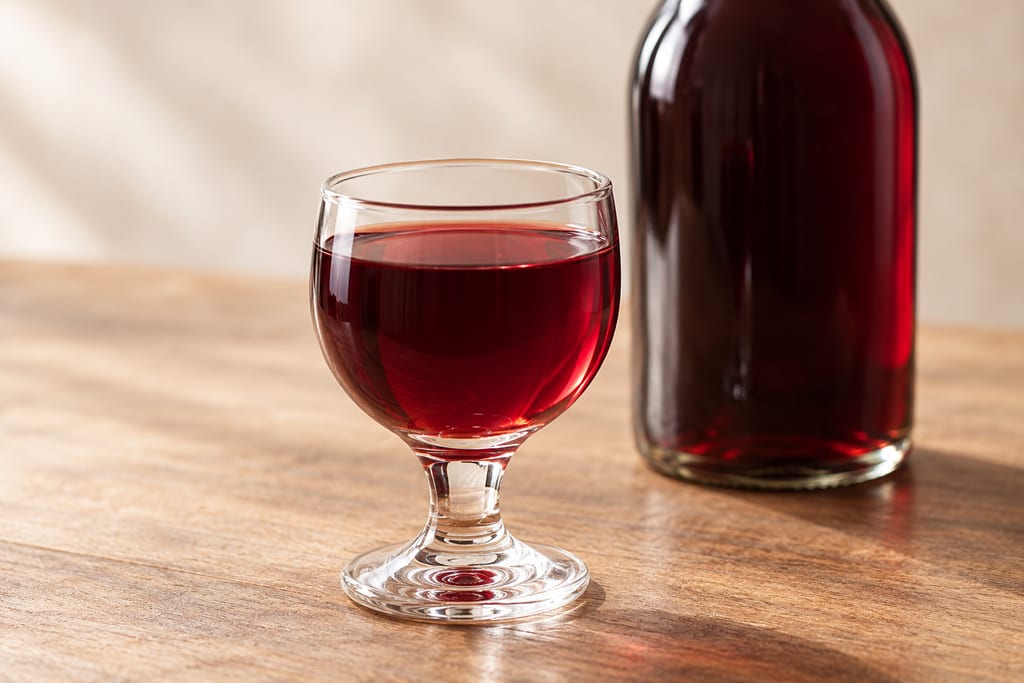
Bokbunja-ju
Korean black raspberry wine: crushed bokbunja berries with their seeds, sweetened to 20 °Brix, fermented 15 days at 25 °C with wine yeast, filtered and matured three months.
 FermenteaWhere food goes to change
Built structures · Pits and cavities
urwina
The Rwandan urwina is a conical, leaf-lined earth pit that warms green brewing bananas before they are peeled, crushed for juice and fermented separately.
In Rwanda, green brewing bananas have been ripened underground before their juice is extracted for local beer. A 2007 farmer survey calls the pit urwina and reports that 93.4% of respondents used an underground method. The term here names the fruit-ripening place; it does not mean the later pit or hole used in some accounts for warming containers of extracted juice. These are separate stages and structures. A 2006 University of KwaZulu-Natal dissertation describes one example as a conical excavation about one metre deep. It documents the pit in Rwanda, but does not establish a date for the practice's origin or a single place where it began.
The described sequence begins with dry banana leaves burned in the excavation to warm it. The pit is then lined with fresh banana leaves. Split bunches of green fruit are heaped inside, covered with another layer of leaves, and finally covered with soil. The leaves separate the fruit from the earth and form the documented lining and cover; the sources do not specify a designed liner, masonry, vent, drainage, width, or engineered closure. They also give no measured internal temperature. The dissertation reports five days of ripening; the survey gives five days as typical, with a range of three to eight days depending on climate. That range records observed practice, not a universal schedule or a controlled temperature process.
Once ripe, the bananas are removed for peeling and juice extraction. The FAO account describes that preparation and subsequent fermentation as later operations; they are not part of this pit's function. The dissertation likewise separates ripening from pressing banana pulp with grass and from later fermentation of juice with sorghum. The pit is therefore a post-harvest preparation structure for brewing fruit, rather than a fermenting vessel. The sources do not give a construction drawing or safety evaluation. They establish the buried form, leaf lining, earth cover and heat-before-loading sequence, but not specifications for adapting or rebuilding a pit today.
A Rwandan farmer survey published in 2007 names the underground banana-ripening pit urwina. A 2006 dissertation records its form and sequence; neither source establishes when the practice began.
A build is made where it stands: moving it means building it again.
Dry banana leaves are burnt inside the pit before fresh leaves and fruit are loaded.
Hazard sourceKeep the fruit and fresh lining out of the pit during the documented leaf-burning preheat; line and load only afterward.
Control sourceThe accounts do not specify pit ventilation, fire separation, excavation stability, or modern safety controls; this historical description is not construction or fire-safety guidance.
The farmer survey and dissertation document the underground banana-ripening method in Rwanda; no locality is claimed.
Korean black raspberry wine: crushed bokbunja berries with their seeds, sweetened to 20 °Brix, fermented 15 days at 25 °C with wine yeast, filtered and matured three months.
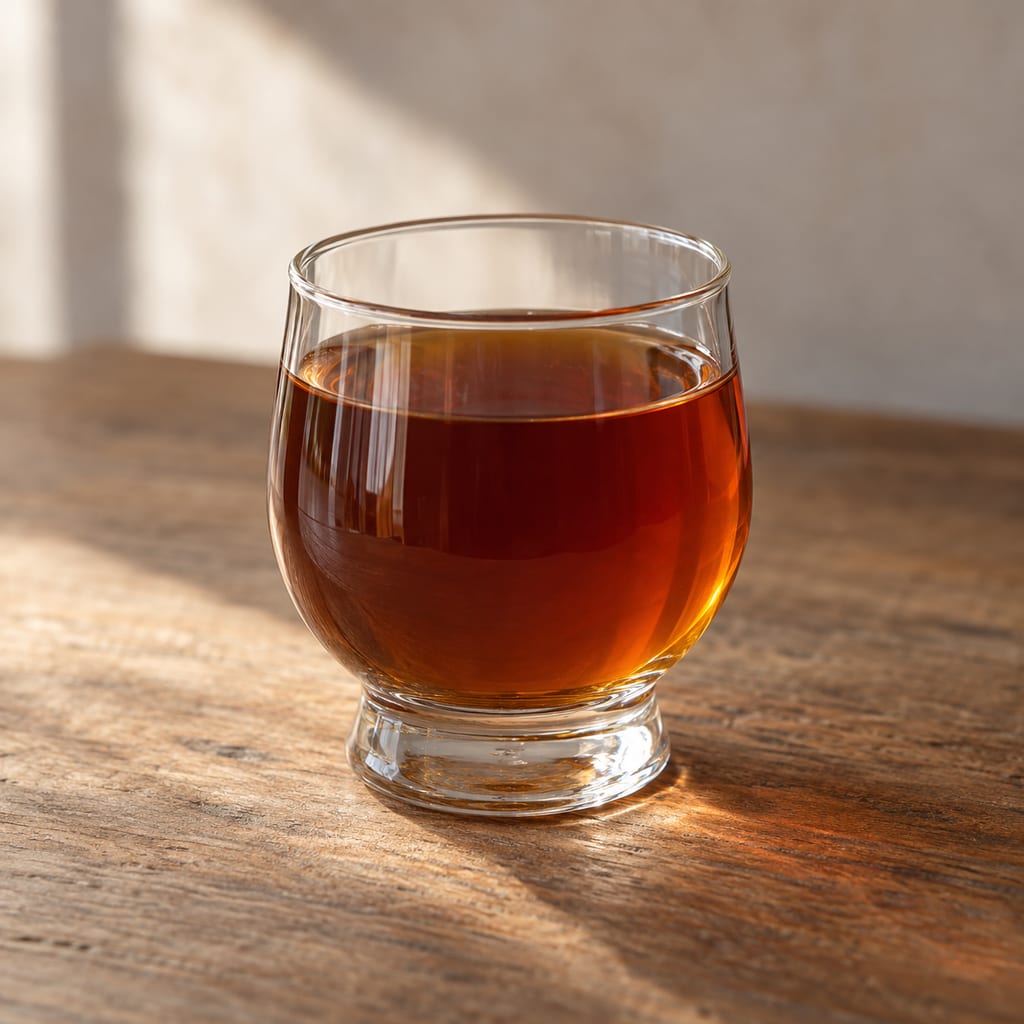
Musalais is a fermented grape drink documented among Uyghur producers in A’wati, southern Xinjiang. A studied process combines grape juice and heated pomace extract before spontaneous fermentation.
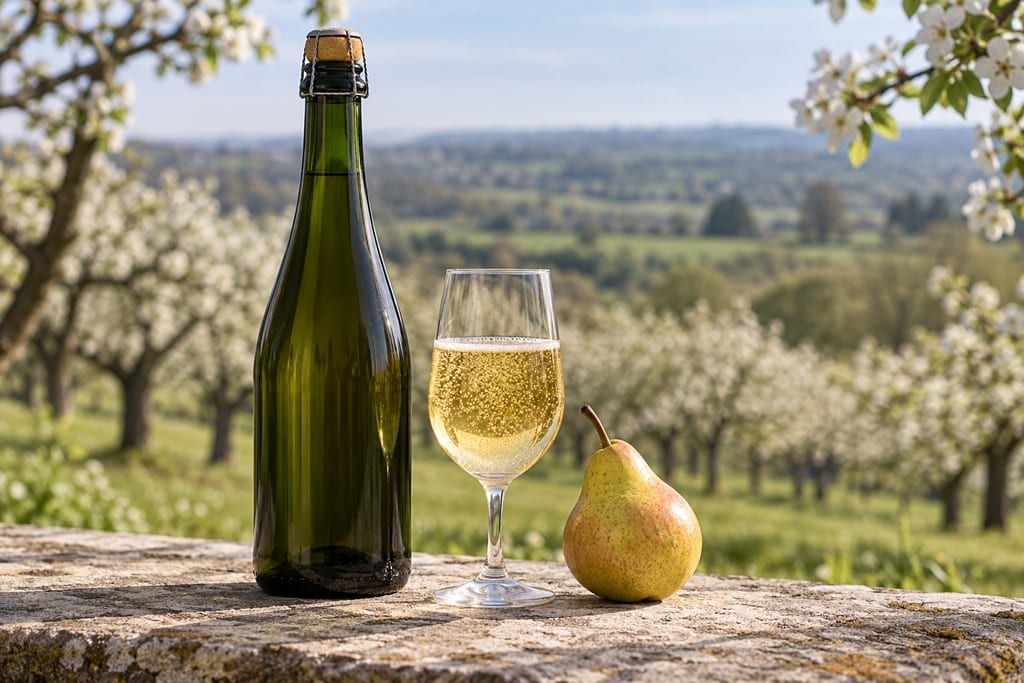
Naturally sparkling perry from the Bas Domfrontais in Normandy, pressed from high-stem orchard pears with at least 40% Plant de Blanc and carbonated by fermentation in the bottle.
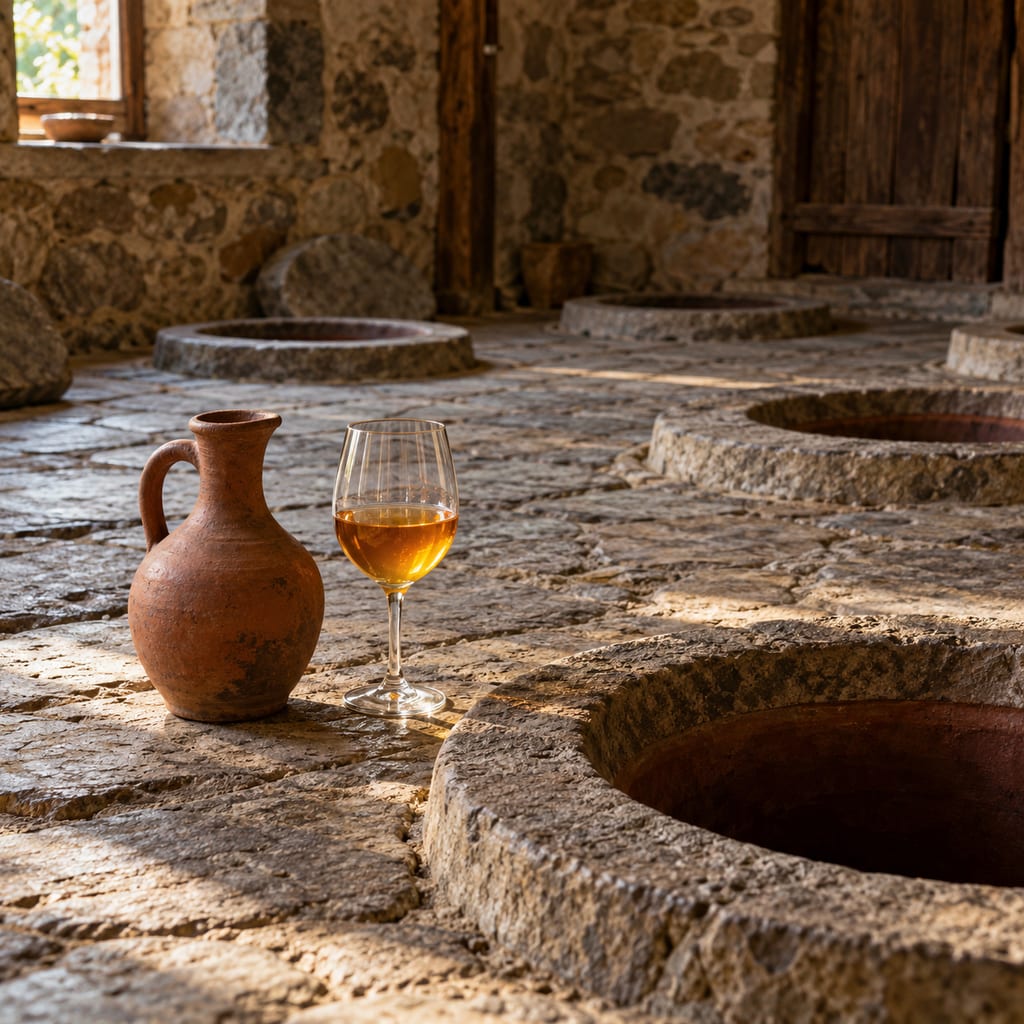
Georgian wine fermented and matured in buried clay vessels called qvevri, usually with grape skins, pips and sometimes stems, in styles from amber to red that differ by region.
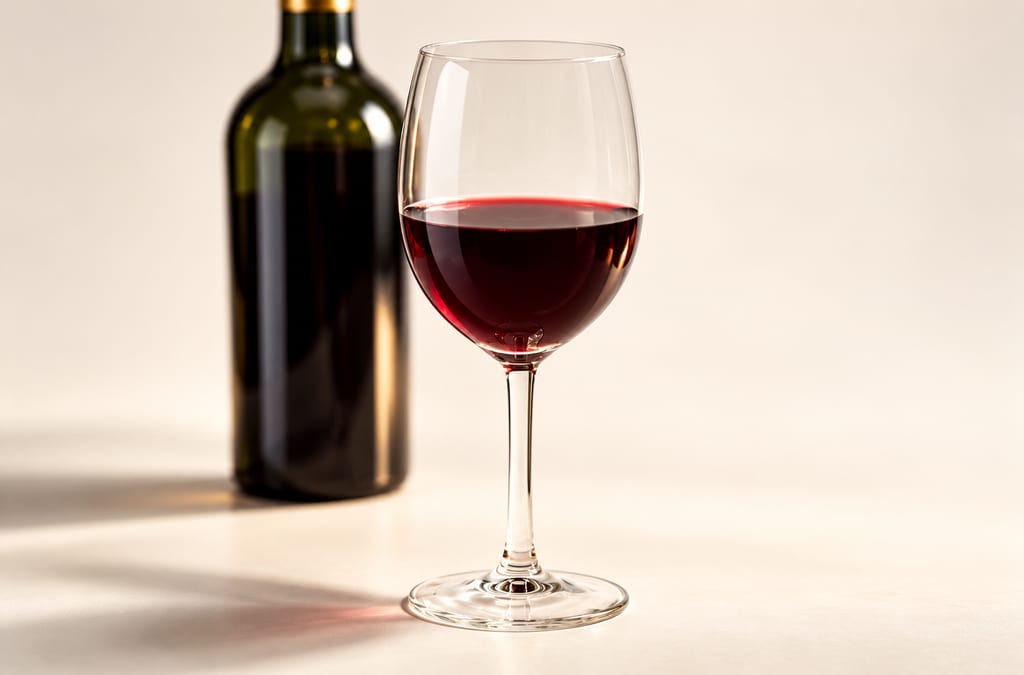
Red wine is grape must fermented with the skins and other solids, then separated from the pomace. Grape, cellar and regional choices shape its colour, structure and style.
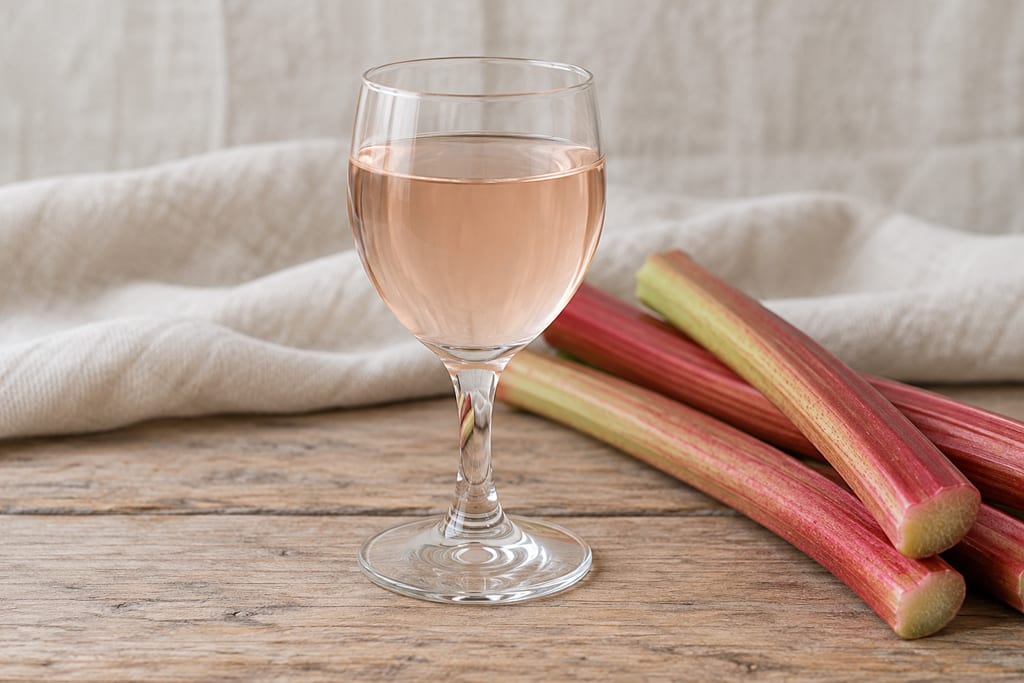
S. O. Beeton’s 1861 household book records rhubarb wine made with rhubarb pulp, water, loaf sugar, lemon rind and isinglass; its historical directions do not establish a safe modern fermentation endpoint.
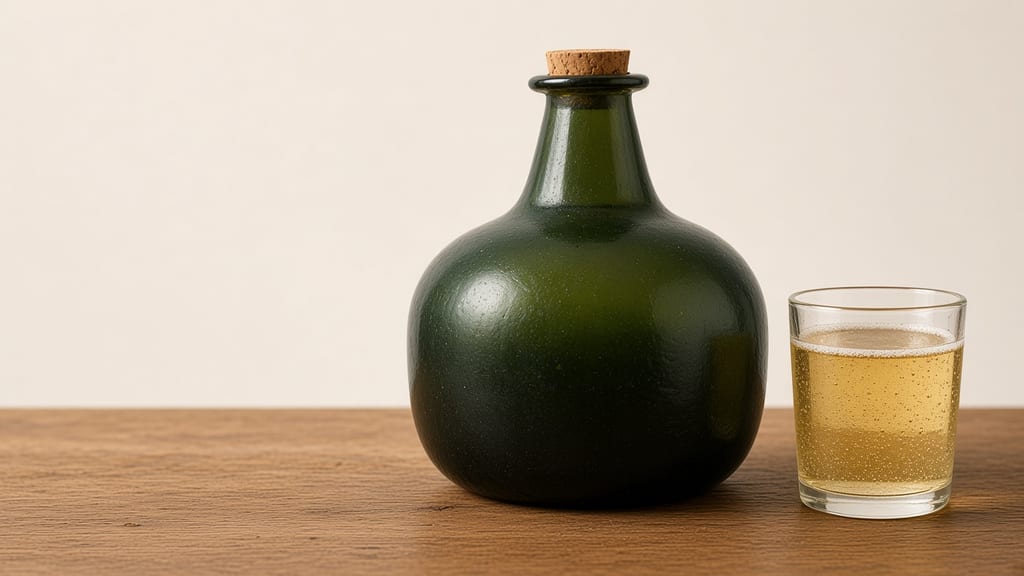
A lightly sparkling cider bottled before it had finished fermenting, as Sir Paul Neile described it in 1664, with a measured modern method for safe bottle conditioning.
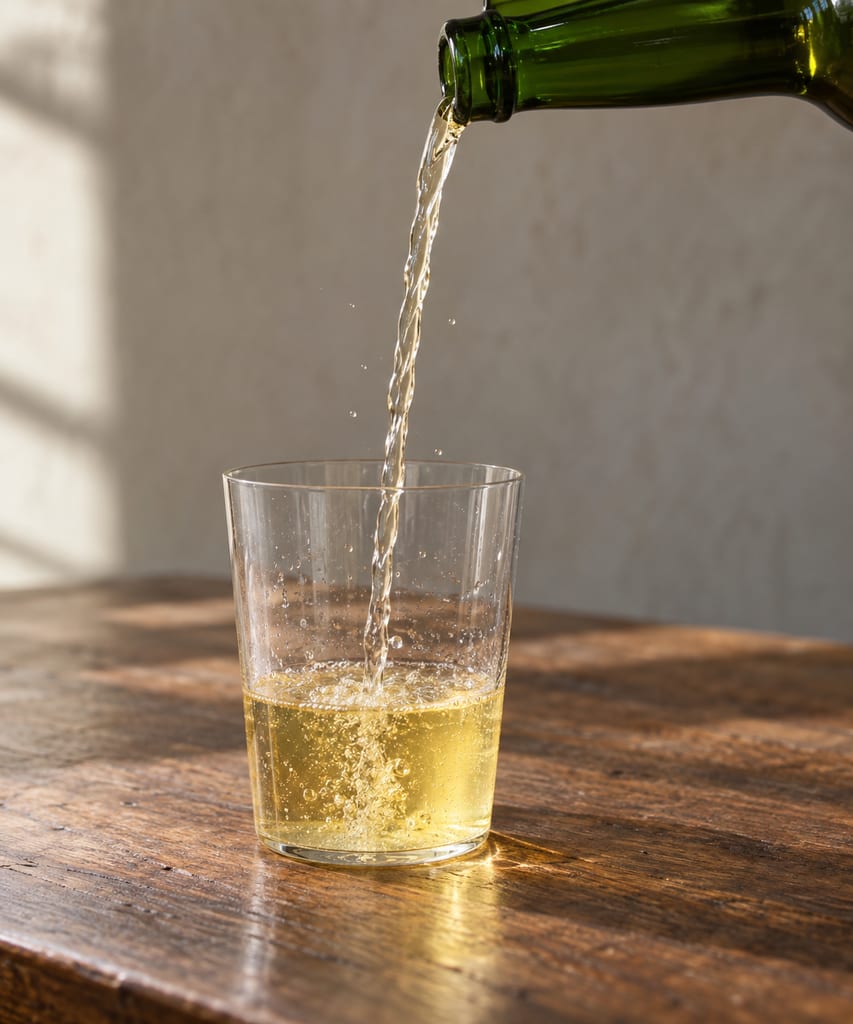
Dry, lightly sparkling cider from Asturias in northern Spain, pressed from cider apples, fermented without added sugar, matured through the winter and poured from a height.
No community contributions have been published for this entry yet.
Sign in to contribute. Published comments and photos are free to read.
Institut des Sciences Agronomiques du Rwanda (ISAR) / Rwanda Agricultural Board; hosted by ResearchGateMethod · Geography · Name
Banana production, post harvest and marketing in RwandaThe 2007 survey names the underground ripening pit urwina, reports that 93.4% of surveyed respondents use the underground technique, and gives a common five-day duration with a three-to-eight-day range depending on climate. It describes dried banana leaves used to warm the pit, followed by green bananas, non-dried banana leaves and soil.
Cited in: The urwina and its setting; How the pit is prepared and used; After ripening
University of KwaZulu-NatalMethod · Dimensions · Visual reference
Establishing genetic diversity of Rwanda highland banana using random amplified polymorphic DNA markersSection 1.8.2 describes a conical pit about one metre deep, dry banana leaves burnt in the pit before fresh leaves line it, split bunches loaded and covered with more banana leaves and soil, with five days for ripening. Figure 1.8.2A is captioned as fresh banana leaves lining the warm pits.
Cited in: The urwina and its setting; How the pit is prepared and used; After ripening
Food and Agriculture Organization of the United NationsMethod · Context
Traditional post-harvest technology of perishable tropical staples: Chapter 5, bananas and plantainsThe chapter describes traditional banana-beer production in Uganda and Rwanda. It says Rwanda's ripening is aided by fire near or hot ashes in the hole containing the fruit, with green fruit ripening in a leaf- and soil-covered pit for five to six days before peeling and separate juice extraction and fermentation.
Cited in: How the pit is prepared and used; After ripening