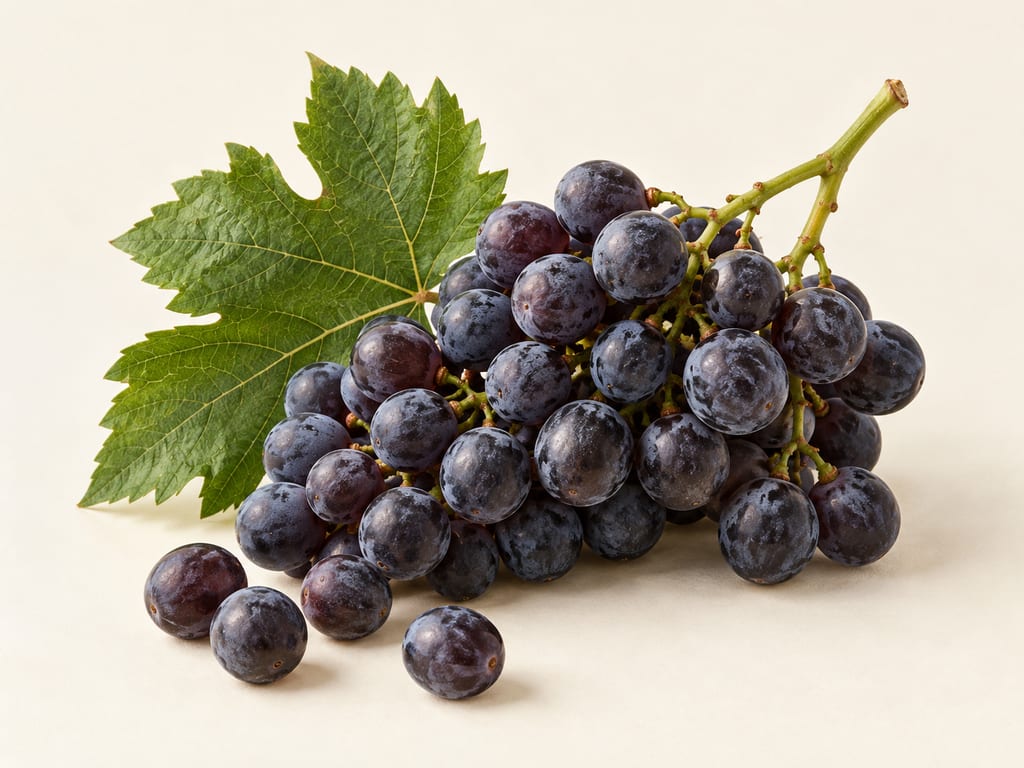
Grape
Wine grapes are fresh berries selected for vinification; their sugars fuel alcoholic fermentation, while cultivar, ripeness and handling shape the fruit and the wine it can become.
 FermenteaWhere food goes to change
Traditional method
ქვევრის ღვინო · Kvevri wine · Kvevri-fermented wine · Qvevri-fermented wine · Georgian qvevri wine · Georgian kvevri wine · Georgian clay-vessel wine · ქვევრში დაყენებული ღვინო
Georgian wine fermented and matured in buried clay vessels called qvevri, usually with grape skins, pips and sometimes stems, in styles from amber to red that differ by region.
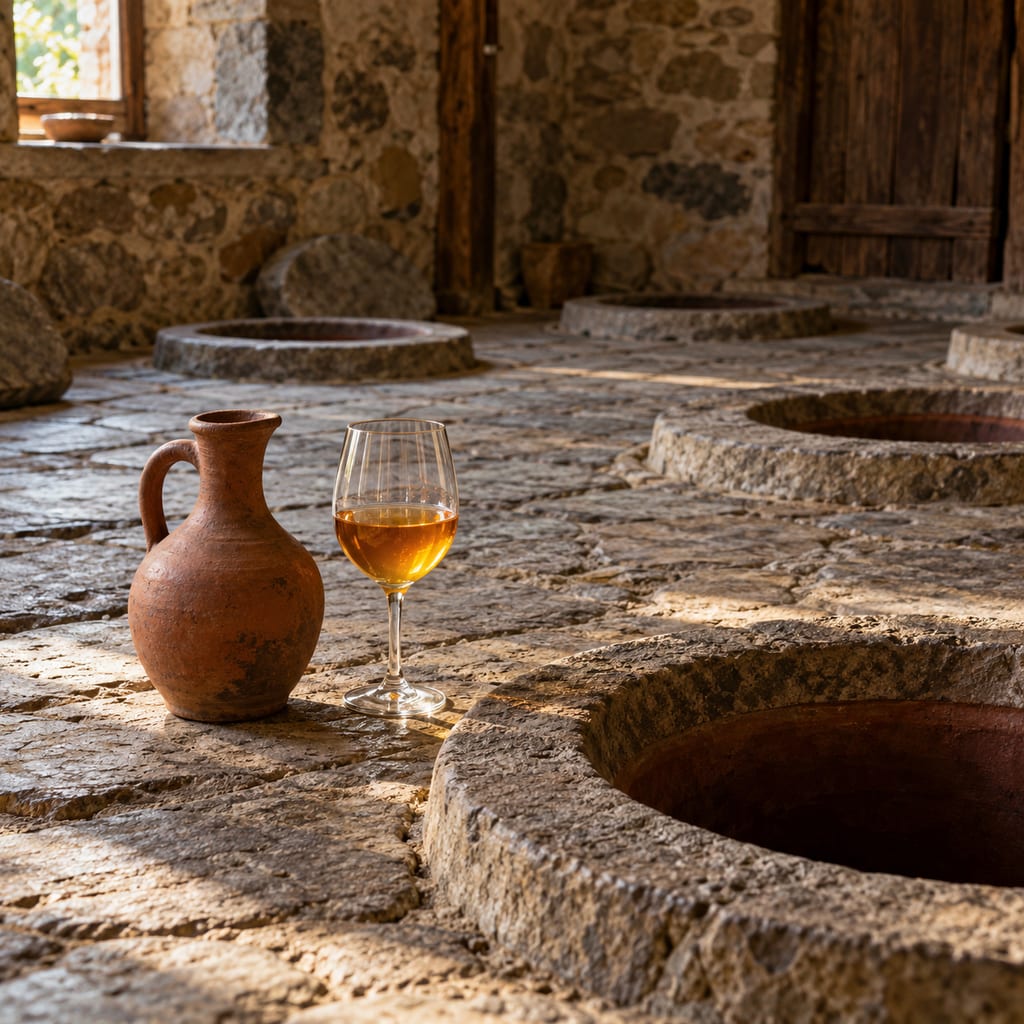
Qvevri wine is Georgian wine fermented, matured and often stored in a qvevri (ქვევრი), a large earthenware vessel, usually egg-shaped, made of fired clay and buried in the ground up to its neck. The wine itself is called ქვევრის ღვინო. It is made across Georgia, mostly in family cellars and village communities, from regional grape varieties and inherited knowledge.
The raw material is wine grape, Vitis vinifera. Depending on the regional method, the crushed grapes go into the vessel with their skins, pips and sometimes stems, together called chacha (ჭაჭა). Some methods use only part of this solid material, and some wines get little skin contact. Qvevri wine is therefore not one drink: it includes white, amber, red and other styles. Amber wine is the best known, made by leaving white grape juice on its skins, which gives deeper colour and more tannin.
The vessel shapes the process without making the wine. Buried clay changes temperature slowly, and the narrow bottom collects skins, pips and yeast sediment as they settle, leaving clearer wine above. Alcohol comes from yeasts fermenting the grape sugar, while contact with skins, seeds and stems changes the wine's colour, flavour and phenolic make-up.
The National Wine Agency gives common qvevri capacities of about 1,000 to 2,000 litres, with very large Kakhetian vessels holding 6,000 to 8,000 litres. Many Imeretian vessels are smaller. A qvevri is a fixed fermentation vessel, not a transport amphora, and it normally stays buried for its working life. The cellar is called a marani (მარანი) and the grape harvest rtveli (რთველი).
Qvevri wine is not automatically natural, organic, unsulphured or made without control. Some documented family producers rely on spontaneous fermentation without commercial yeast, while other winemakers use selected cultures and modern controls. What defines the wine is the traditional vessel and its part in the process. UNESCO recognised the inherited method in 2013, covering qvevri making, grape growing, fermentation, maturation and the passing on of practical knowledge.
Georgia has some of the earliest chemically supported evidence of grape wine. A 2017 study in the Proceedings of the National Academy of Sciences examined pottery residues from Gadachrili Gora and Shulaveris Gora in Kvemo Kartli and found grape wine from about 6000 to 5800 BCE. The large Neolithic vessels may have been used for fermenting, ageing and serving. The researchers did not equate them with the later, identifiable qvevri tradition, and early wine is not proof that the full buried-vessel method already existed.
The same study dates the earliest evidence specifically attributed to qvevri winemaking in Georgia to the Iron Age, about the eighth to seventh centuries BCE, and notes a large archaeological gap between the Neolithic vessels and the later buried installations. The claim that today's recipe was followed unchanged eight thousand years ago goes further than the archaeology shows.
Winemaking later developed differently in eastern and western Georgia, with different grape varieties, cellar layouts and vessel names. Kakheti became associated with large buried qvevri and long contact with the grape solids. In Imereti the vessel is often called churi and fewer solids are used. Monastic and household winemaking kept the craft alive through periods of political and economic change. When individual regional practices became established is not known.
The tradition survives in families, villages and pottery workshops. Qvevri are made in Atsana in Guria, in Shrosha and neighbouring settlements in Imereti, and in Vardisubani in Kakheti. Potters build the vessels gradually from clay, dry them and fire them in kilns. Both pottery and winemaking are learned by watching and doing, and UNESCO describes children learning vineyard care, pressing, clay preparation and fermentation from relatives and neighbours.
Georgia gave the method national intangible heritage status in March 2012, and UNESCO inscribed it on the Representative List of the Intangible Cultural Heritage of Humanity in 2013. These are modern milestones in protecting a living craft, not dates of origin, and they leave room for regional differences and technical change.
Qvevri wine starts with alcoholic fermentation of the sugars in grape juice. Yeasts break glucose and fructose down by glycolysis to pyruvate, gaining a little ATP. In fermentation, pyruvate becomes acetaldehyde and then ethanol, releasing carbon dioxide and regenerating NAD+. Grape juice also holds tartaric and malic acids, nitrogen compounds, minerals and phenolic precursors, all of which affect fermentation, acidity, flavour and stability.
The microbes differ from one qvevri to the next. A 2016 study sampled grapes and wines from 22 Georgian cultivars, 26 vineyards and 19 family cellars in five regions, and recovered 182 yeast isolates from 15 species. Metschnikowia pulcherrima and Hanseniaspora guilliermondii were prominent on the grapes, while Saccharomyces cerevisiae was most common in the wines. A separate study of ten Kakhetian vessels after a year of maturation recovered 260 yeast isolates, all Saccharomyces cerevisiae. The two studies sampled different stages, so they do not show that every traditional wine starts from a pure Saccharomyces culture.
Extended maceration drives the chemistry of many qvevri wines. Contact with skins, pips and sometimes stems extracts flavanols, tannins, pigments, phenolic acids and aroma compounds. In white-grape wines this gives golden or amber colour and more astringency than a quickly pressed white wine. In red wines, anthocyanins and other phenolics shape colour and structure. The result depends on the grape variety and ripeness, the share of solids, the length of maceration and how often the floating cap is mixed back into the juice.
Malolactic fermentation may follow or overlap alcoholic fermentation. Suitable lactic acid bacteria turn malic acid into lactic acid and carbon dioxide, which usually softens the wine. The National Wine Agency describes waiting for malolactic activity to finish before sealing certain Kakhetian qvevri. A 2023 experiment that compared spontaneous qvevri fermentation with stainless-steel controls saw differences in yeast and lactic acid bacteria activity. It used Auxerrois grapes in Japan, so its results are not Georgian cellar conditions.
The clay also changes the wine's surroundings. Burial buffers temperature swings, and the vessel's shape lets solids settle to the bottom. Oxygen transfer and mineral exchange with the clay may be limited, but they depend on the clay, the firing, any coating and the vessel's condition. In the 2023 experiment, qvevri wine had about twice the iron and manganese of the stainless-steel controls. That shows a vessel effect in one experiment; it is not a typical level and not a health benefit.
Production starts with ripe wine grapes and a clean qvevri. Before the harvest the vessel is emptied, scrubbed, washed and inspected. Traditional brushes are made from cherry bark, plant roots or stiff branches. Some vessels are lined inside with beeswax and others rely on the fired clay surface, and sulphur fumigation is a documented traditional sanitation treatment. Practice differs between workshops and producers, and there is no single validated cleaning concentration or schedule.
During rtveli the grapes are picked, sorted and pressed. A wooden or stone trough called a satsnakheli may be used, though modern crushers and presses are also common. The aim is to free the juice without damaging the pips and stems. The juice goes into the qvevri with the chosen amount of skins, pips and sometimes stalks. In a traditional Kakhetian wine all or nearly all of the chacha may ferment with the juice. The proportion is a regional and producer decision, not a formula by weight.
Fermentation starts as yeasts from the must and the cellar become active. Rising carbon dioxide pushes skins and other solids to the surface as a cap. The National Wine Agency describes stirring four or five times a day. The producer 39 Qvevri stirs four times a day and ferments for about 10 to 14 days, sometimes longer. Stirring spreads the solids back through the juice, helps extraction and keeps the cap in check. These figures describe documented processes and are not required for every qvevri.
After alcoholic fermentation the solids begin to settle. The vessel may first be closed without being made airtight while gas is still being produced. Once fermentation, and any malolactic conversion that is wanted, is finished, the opening is sealed for maturation. The National Wine Agency describes Kakhetian white wine staying on its chacha until spring, while red wine may come off the solids after about 7 to 10 days, or up to two weeks. The cellar, grape variety and intended style decide the real period.
The wine is then drawn off the settled chacha into another clean qvevri, a barrel or another suitable vessel. The 39 Qvevri producer racks in March or early April and ages the wine for about another year, checking it each month and topping it up. That is one producer's method. The National Wine Agency describes a similar spring racking, but neither gives a batch quantity, sugar level, yeast dose or fermentation temperature, and a practical recipe has to leave those open.
No single qvevri method is used throughout Georgia. The best-known split is between Kakheti in the east and Imereti in the west. In Kakheti, white grapes such as Rkatsiteli, Kakhuri Mtsvane, Kisi and Khikhvi may ferment with most or all of their skins and pips, and sometimes ripe stems. Contact with the solids can last into spring and gives amber colour and strong tannin. Saperavi is a major red variety, but its skin contact is usually shorter than for traditional Kakhetian amber wine.
In Imereti the vessel is usually called churi (ჭური). Traditional white varieties include Tsitska, Tsolikauri and Krakhuna. Winemakers generally use less chacha than in Kakheti and often leave out stems. The National Wine Agency says no more than one-third of the available chacha is added, while a 2016 microbiology paper describes an Imeretian method using 2.5 to 3.0 percent. The two figures have different bases and cannot be merged into one proportion. The National Wine Agency describes Imeretian wine staying in churi for around two months before it is separated from the pulp.
Kartli keeps traditions with varieties such as Chinuri, Goruli Mtsvane, Tavkveri and Shavkapito, and makes wine both in qvevri and by European-style methods. In Racha-Lechkhumi the main varieties include Aleksandrouli, Mujuretuli, Tsolikauri and Usakhelauri, and the wines differ from Kakhetian amber wines because of climate, fruit and local choices. A wine made from a Georgian grape is not automatically qvevri wine: the vessel and processing method decide.
The western coastal regions of Guria, Samegrelo and Adjara have their own practices. Chkhaveri, Jani and Ojaleshi are among the varieties the National Wine Agency records there. Vineyards in parts of western Georgia were traditionally trained high above the ground, and harvest could come much later than in Kakheti. In some western regions the qvevri or churi may stand outdoors rather than in an enclosed cellar, and smaller family vessels are common.
Other variations include white wine fermented in qvevri without skins, rosé and red wines, and modern low-intervention or selected-yeast versions. The National Wine Agency also names zedashe, a wine linked to church rituals; it differs in use and handling, not in fermentation mechanism. The word chacha can mean the grape pomace used in fermentation or the distilled grape spirit made from it, and the two should be kept apart.
Qvevri wine is drunk in Georgian homes, restaurants, cellars, monasteries and gatherings. Making it is tied to rtveli, the yearly grape harvest. UNESCO documents how family, friends and neighbours pick and press the grapes and prepare the qvevri, and how children learn by watching older relatives. The harvest is farm work and a social event at once, not a task for one specialist.
The marani holds a special place in domestic life. UNESCO describes it as linked to family identity, inherited knowledge and religious tradition. Wine is shared at everyday meals and at the Georgian feast called a supra, where a tamada leads the toasts and guests drink, talk, sing and share food. There is no one required glass or drinking temperature for qvevri wine.
Traditional Kakhetian amber wines are usually golden, amber or tea-coloured, with a full texture and clear tannin. Depending on the grape and the maturation they can smell of dried fruit, herbs, nuts or tea. These notes come from the grapes and the fermentation, not from added ingredients. Imeretian white wines are often lighter in colour and body because less skin and seed material is used. Red qvevri wines vary in colour and structure with the grape variety and contact time.
Qvevri wine has religious uses too. The National Wine Agency names zedashe wine for church rituals, and UNESCO describes the religious and ceremonial weight of the wine tradition as a whole. This does not mean every monastery or church picks grapes, treats vessels or matures wine in the same way. The cultural role is better documented than any ceremonial recipe.
The solids left when the wine is drawn off can be used further, and grape pomace is traditionally linked to the distilled spirit chacha. Distilling is a separate process and not a step in making qvevri wine. Qvevri are also prized craft objects, and pottery workshops and wine cellars draw visitors who want to see how the wine is made. The vessel, the cellar and the shared harvest are part of the wine's identity.
Judge a qvevri fermentation by what the must is doing, not by how long it has been in the vessel. Active fermentation produces carbon dioxide, heat and a floating cap of grape solids, which has to be managed according to the producer's process. As fermentation slows, solids settle and the wine begins to clear. The National Wine Agency gives a traditional stirring rate of four or five times a day, but neither stirring nor a sunken cap shows that all the fermentable sugar is used up or that the wine is stable.
Temperature is uncertain. The National Wine Agency says buried qvevri stay at about 13 to 15 °C, but that is not a measured fermentation temperature for every vessel. Fermentation makes heat, and real conditions depend on the vessel size, depth, soil, outside temperature and amount of grapes. A study of Kakhetian wines describes about 20 to 23 °C during active fermentation and lower temperatures during maturation. These come from different settings and do not contradict each other. Temperature and fermentation progress each need their own monitoring.
Spoilage is possible even where spontaneous fermentation is traditional. Unwanted yeasts or bacteria can cause too much volatile acidity, solvent-like smells, odd surface films and other faults. Long contact with the solids can also push bitterness or astringency past the intended style. Oxygen, vessel cleanliness and grape condition all play a part. That some family wineries use no commercial yeast or added sulphur dioxide does not mean every untreated fermentation will turn out well or safely.
The vessel's condition matters a great deal. Qvevri are porous fired clay, sometimes lined with beeswax. Cracks, unsuitable coatings, leftover residues or poor cleaning can contaminate the wine. The International Organisation of Vine and Wine lists chemical residues from cleaning products, unsuitable food-contact materials and metal contamination among wine-production hazards. The Japanese experiment found more iron and manganese in qvevri wine than in stainless-steel controls, but that cannot be applied to every Georgian vessel. The clay, the firing and any lining each need checking.
There are physical hazards as well. Fermentation produces carbon dioxide that can collect in poorly ventilated cellars or inside large vessels, and going into a qvevri to clean it is confined-space work that needs a professional safety procedure. Freshly harvested grapes can carry moulds that make ochratoxin A, and the OIV advises rejecting mould-damaged fruit instead of assuming fermentation will remove the hazard. Historic descriptions of lime, plant brushes and sulphur fumigation give no validated concentrations or safe exposure procedures.
Before storing or bottling, check the finished wine for completed fermentation, acidity, volatile acidity and microbial condition. Amber colour, sediment and noticeable tannin can be normal, but they are not signs of safety. A sharp vinegar smell, extensive spoilage growth, a damaged vessel or gas production that will not stop needs investigation. No single pH, minimum alcohol, residual sugar limit, storage temperature or shelf life applies to all qvevri wine. The tradition is a family of production systems that needs careful control, not one fixed fermentation schedule.
A 2017 study of pottery residues at Gadachrili Gora and Shulaveris Gora found chemical and archaeological evidence of grape wine from about 6000 to 5800 BCE. Those Neolithic vessels cannot be tied to the full modern buried-qvevri method. The same study dates the earliest evidence specifically attributed to qvevri winemaking in Georgia to the Iron Age, about the eighth to seventh centuries BCE. Georgia gave the method national heritage status in March 2012, and UNESCO inscribed it in 2013. These dates mark recognition of a living practice, not the age of an unchanged recipe.
Fermentation produces carbon dioxide, which can build up around large open vessels and in poorly ventilated cellars. Climbing into an emptied or partly emptied qvevri to clean it is confined-space work and can expose a person to air without enough oxygen.
Hazard sourceOchratoxin A is a mycotoxin that can come from certain Aspergillus moulds on grapes. Long skin contact and ordinary fermentation must not be assumed to make heavily mould-damaged grapes fit for wine.
Hazard sourceMetals and ceramics or coatings not meant for wine contact can contaminate the wine. A qvevri's clay, firing, coating and wear affect whether it is suitable. A model study in Japan measured about twice the iron and manganese in qvevri wine as in stainless-steel controls; this does not give an expected level for Georgian wine in general.
Hazard sourceA qvevri is porous, may carry a wax lining and has areas that are hard to reach. Leftover pomace and sediment, or an unsuitable cleaning method, can lead to contamination or spoilage. The producer gives no validated cleaning procedure.
Hazard sourceSpontaneous fermentation involves changing microbial populations, and Georgian studies find large yeast diversity between vineyards and family cellars. Unsuitable microbes or conditions can produce unwanted acidity or other spoilage.
Hazard sourceOxygen and microbial activity during fermentation, racking or storage can raise volatile acidity and give a vinegar-like wine. The temporary non-airtight closure during gas production is not the same as leaving mature wine open to air.
Hazard sourceLong contact with pips, skins and stems extracts more phenolic compounds. Damaged pips, immature fruit and too long a contact can make the wine bitter or harshly astringent. This is a quality problem that depends on the grape variety and the style.
Hazard sourceHot water, lime, sulphur fumigation and wax are used in different traditions to treat qvevri. Chemical exposure, residues and burns are possible if these are improvised without controls.
Hazard sourceIf fermentable sugar and active microbes are left when the wine is sealed in bottles, more carbon dioxide forms and pressure builds. The producer gives no stability test or pressure-rated bottling procedure.
Hazard sourceUse sound, ripe grapes. Reject heavily mouldy fruit and remove damaged or contaminated bunches, following OIV good practice.
Control sourceUse a food-contact-suitable qvevri whose clay, firing, lining and condition have been checked. Do not assume a historical or decorative vessel is safe for wine.
Control sourceClean the qvevri, tools and transfer equipment before use, and develop and check a cleaning procedure for the actual vessel rather than relying on the instruction that it must be spotlessly clean.
Control sourceDo not enter a qvevri or other confined fermentation vessel without a confined-space assessment, atmosphere testing, ventilation, trained people and a rescue plan.
Control sourceVentilate the cellar and check for carbon dioxide build-up during fermentation and cellar work.
Control sourceMeasure fermentation progress and temperature with instruments. The 10 to 14 day period is an observed duration, not a test for completion.
Control sourceCheck acidity, malolactic progress and fermentation stability before sealing the qvevri. Do not rely on the solids sinking alone.
Control sourceManage the cap and stirring to suit the grape variety and style, avoiding damage to the pips and avoiding extended contact with deteriorating solids.
Control sourceAfter fermentation and maturation, limit oxygen exposure and keep vessels and closures in sound condition.
Control sourceCheck the wine's stability and the suitability of the food-contact packaging before bottling. The producer method gives no safe bottle-conditioning procedure.
Control sourceThis follows one Kakhetian producer's documented method with regional context. It is not a universal Georgian qvevri recipe, and it is not a quantified, safety-validated home recipe.
No grape weight, qvevri capacity, starting sugar, pH, yeast dose or yield is given.
No ratio of chacha to juice applies to every wine. Imeretian churi wine, for example, uses much less chacha.
The 13 to 15 °C figure for buried vessels is not a guaranteed temperature during active fermentation.
The 10 to 14 day fermentation is not a validated endpoint for every grape variety or harvest.
Solids settling and gas production stopping do not replace fermentation and microbiological checks.
A vessel closed without an airtight seal still needs protection from contamination. A sealed vessel that is still fermenting can build dangerous pressure.
Large qvevri are confined spaces. Never enter one to clean or inspect it without a professional safety procedure.
Clay, wax, lime and sulphur treatments need their own food-contact, chemical and workplace safety checks.
No validated cellar storage time, shelf life, sulphur dioxide schedule or bottle-pressure limit is established.
A qvevri does not make a wine organic, unsulphured or free of selected yeast.
Qvevri wine contains alcohol and can be high in tannin, depending on the grape variety and contact with solids.
Made in family cellars, village communities and monasteries across the country.
Large buried qvevri and long contact with the grape solids; the method written out in the recipe is a Kakhetian producer's.
Named with Telavi as a Kakhetian qvevri winemaking locality.
Named with Gurjaani as a Kakhetian qvevri winemaking locality.
The vessel is usually called churi; less chacha is used than in Kakheti.
A qvevri-making settlement.
Named with Shrosha as a qvevri-making locality in Imereti.
Wine is made both in qvevri and by conventional European-style methods.
Western coastal region with its own grape varieties and practices.
A qvevri-making village.
Local varieties include Aleksandrouli, Mujuretuli, Tsolikauri and Usakhelauri.
Western coastal region.
Western coastal region.
Wine grapes are fresh berries selected for vinification; their sugars fuel alcoholic fermentation, while cultivar, ripeness and handling shape the fruit and the wine it can become.
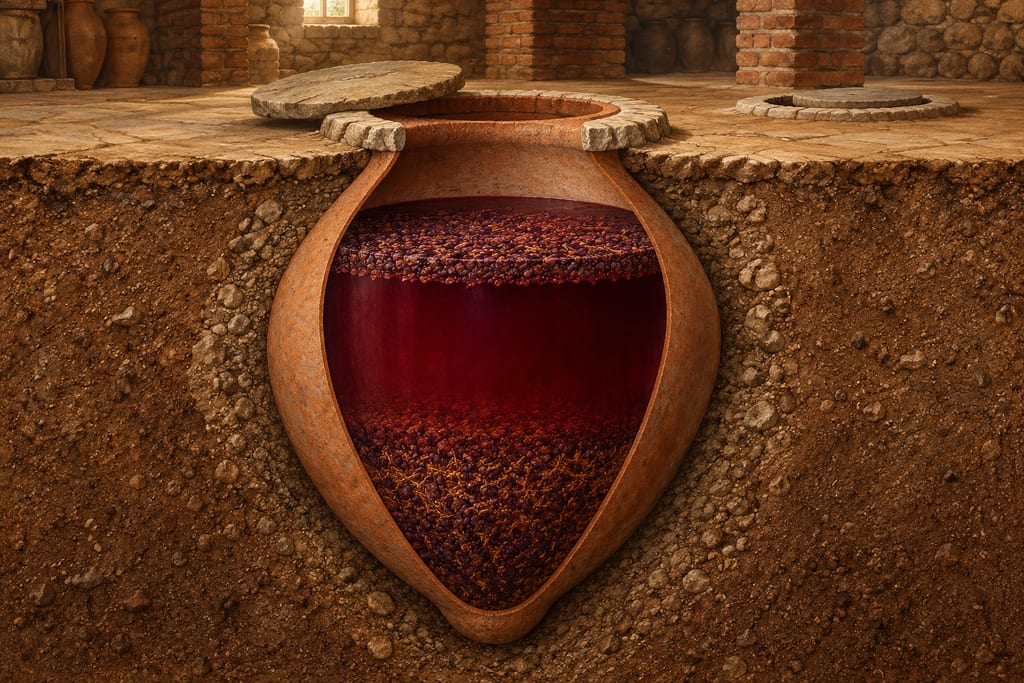
A qvevri (ქვევრი; kvevri), called churi (ჭური) in Imereti, is a large fired-clay Georgian wine vessel traditionally installed upright in the ground for fermentation, maturation and storage.
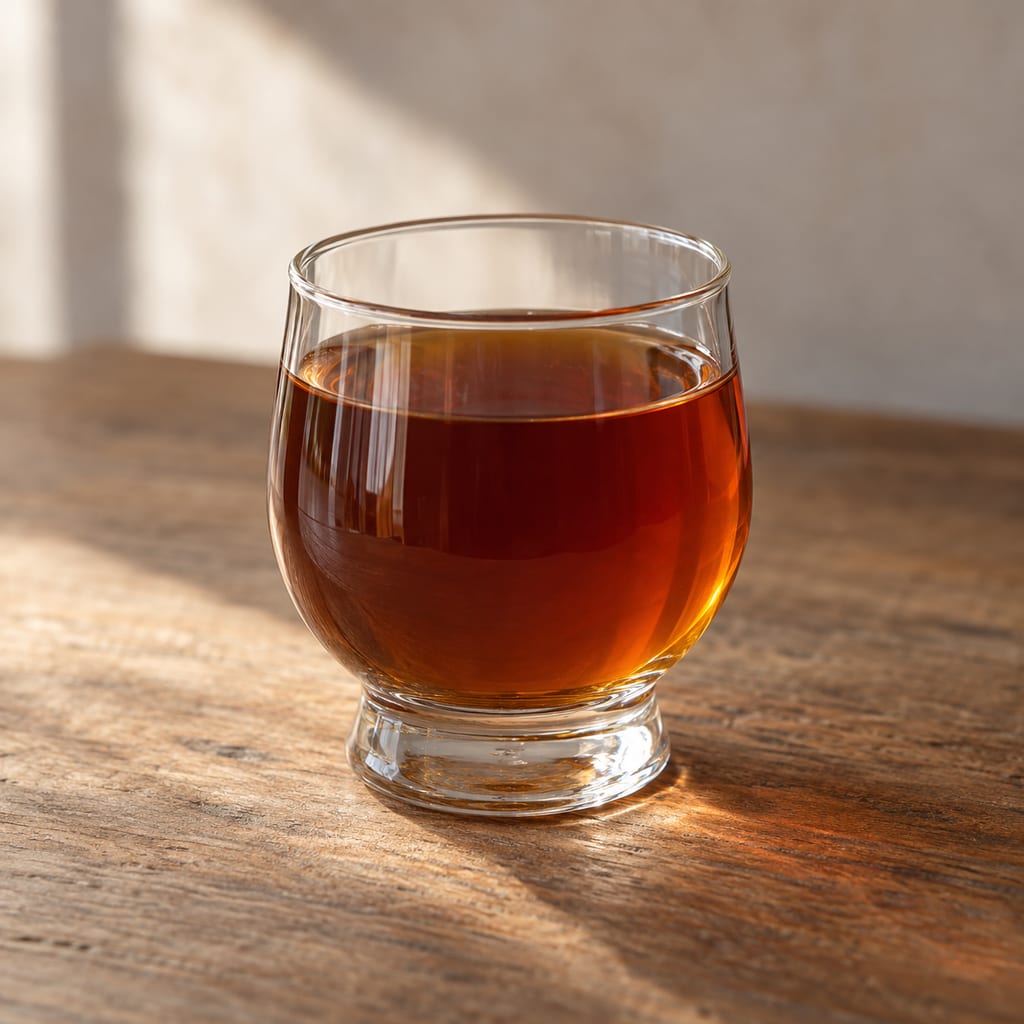
Musalais is a fermented grape drink documented among Uyghur producers in A’wati, southern Xinjiang. A studied process combines grape juice and heated pomace extract before spontaneous fermentation.
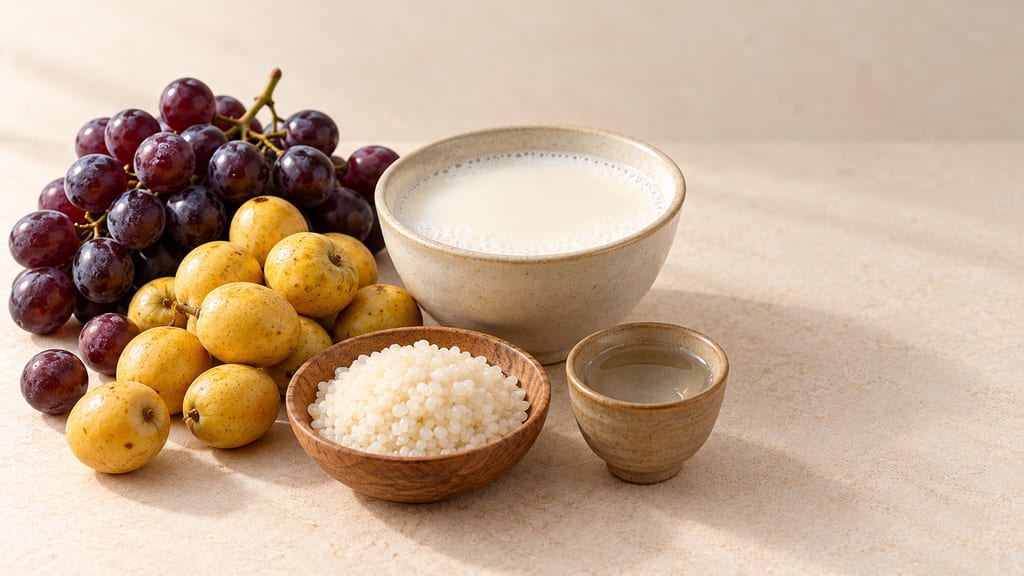
A marula harvest, a rice mash and a bowl of fermented mare’s milk reveal different ways to make alcohol, and different kinds of knowledge behind the drink.

Megrelian chvishtari uses a maize dough with sulguni wrapped around a cheese piece, then cooks covered over low heat in a skillet.
The Rwandan urwina is a conical, leaf-lined earth pit that warms green brewing bananas before they are peeled, crushed for juice and fermented separately.
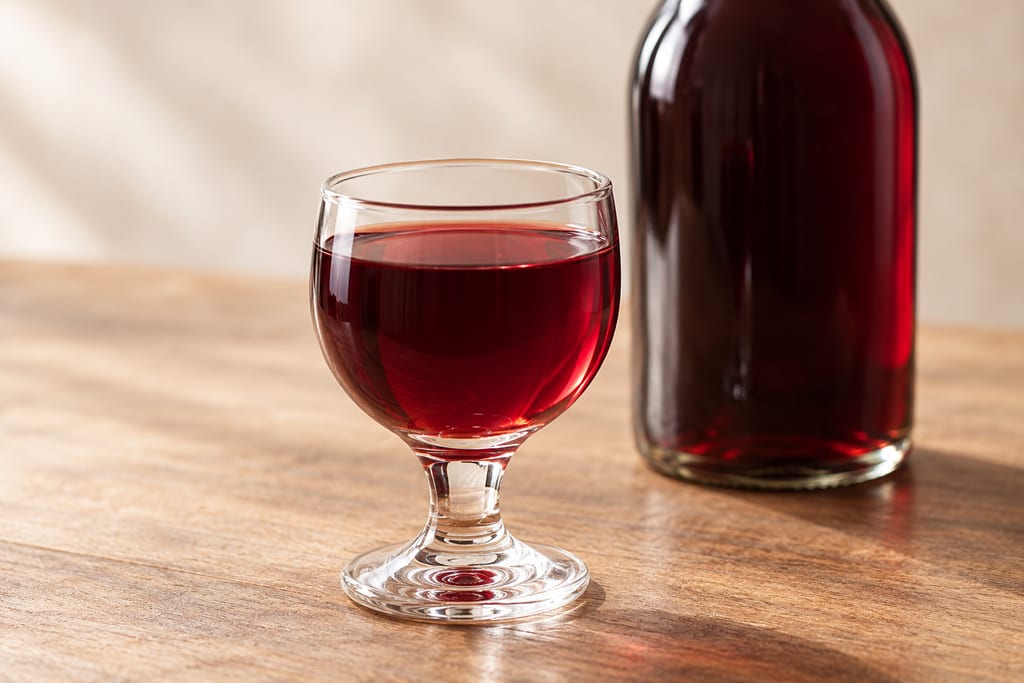
Korean black raspberry wine: crushed bokbunja berries with their seeds, sweetened to 20 °Brix, fermented 15 days at 25 °C with wine yeast, filtered and matured three months.
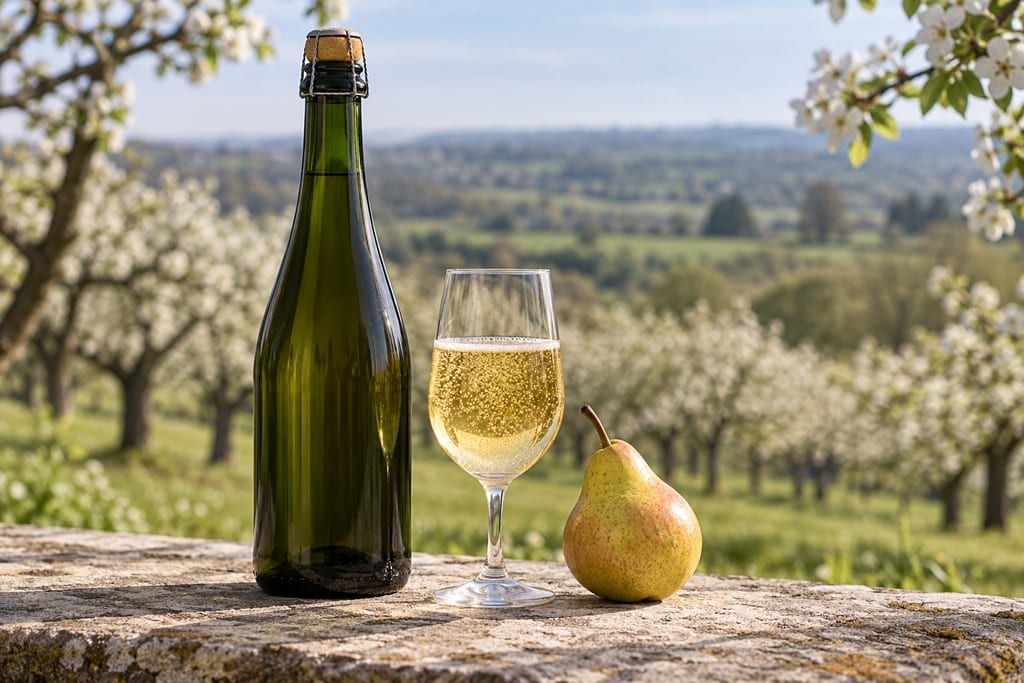
Naturally sparkling perry from the Bas Domfrontais in Normandy, pressed from high-stem orchard pears with at least 40% Plant de Blanc and carbonated by fermentation in the bottle.
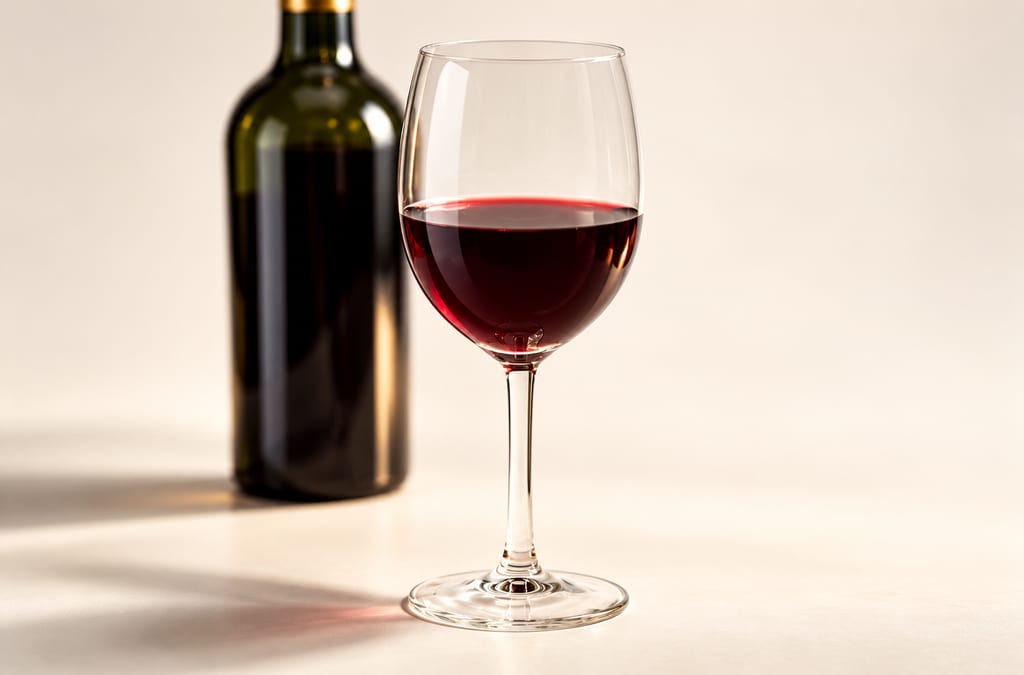
Red wine is grape must fermented with the skins and other solids, then separated from the pomace. Grape, cellar and regional choices shape its colour, structure and style.
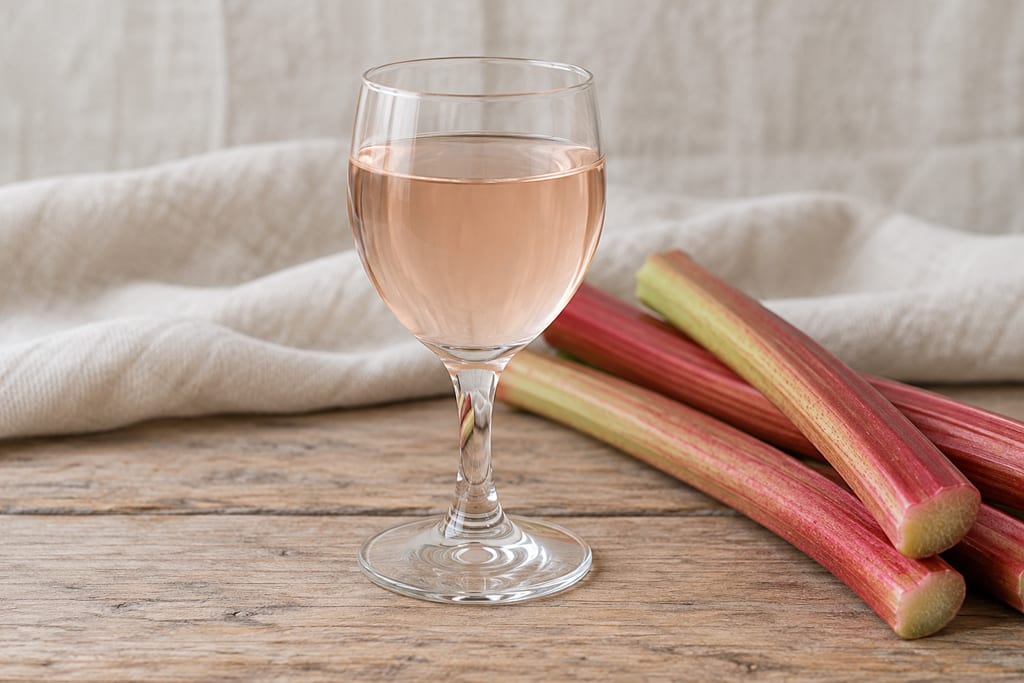
S. O. Beeton’s 1861 household book records rhubarb wine made with rhubarb pulp, water, loaf sugar, lemon rind and isinglass; its historical directions do not establish a safe modern fermentation endpoint.
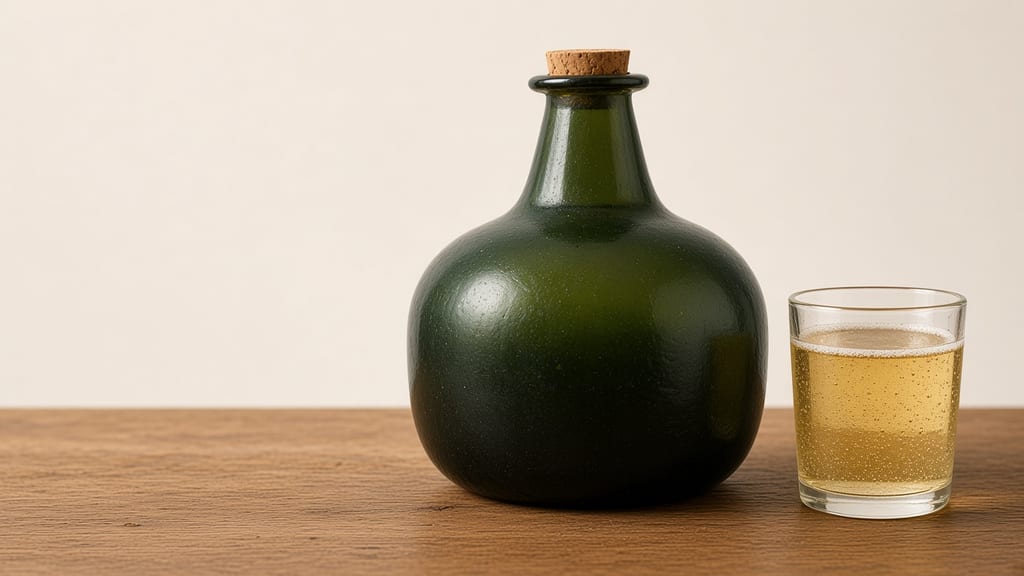
A lightly sparkling cider bottled before it had finished fermenting, as Sir Paul Neile described it in 1664, with a measured modern method for safe bottle conditioning.
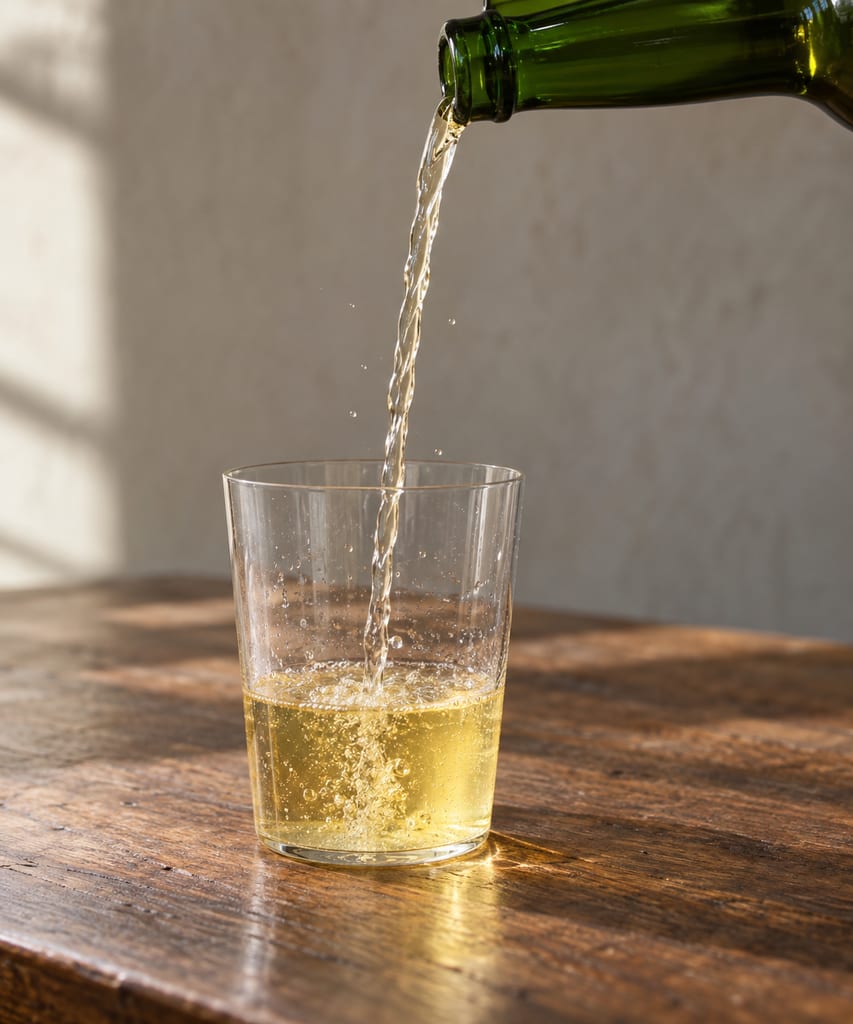
Dry, lightly sparkling cider from Asturias in northern Spain, pressed from cider apples, fermented without added sugar, matured through the winter and poured from a height.

At North Abydos in Egypt, a fixed early Dynastic brewery comprised parallel semi-subterranean installations with rows of ceramic mash vats; excavation reports revise their number, scale and estimated batch capacity.

Ají amarillo is the orange-yellow Peruvian chilli cultivar group of Capsicum baccatum, used to colour and season huancaína sauce and ají de gallina. Published heat estimates do not establish one range for the named cultivar.

Toasted almonds are whole sweet almond kernels dry-roasted until golden to brown. Heat replaces their marzipan note with a roasted, nutty one; they thicken and flavour romesco.

Kodiak salmon, halibut and cod cut as seg'aq and hung on an initaq rack to become tamuuq, with kac'amaasaq and kupcuunaq named as different results.

Aniseed is the dried ripe fruit of Pimpinella anisum, an aromatic Apiaceae spice commonly called a seed. It adds a sweet, warm aroma to breads such as Moroccan krachel and South African mosbolletjies, and is distinct from star anise.

A fixed Late Chalcolithic installation in Areni-1 cave combined a shallow clay pressing basin with a large jar set into the cave floor and storage vessels nearby.

Ripe avocado flesh is the soft, buttery, fat-rich pulp of Persea americana, eaten raw. It is low in acid, so it is a fresh ingredient that needs care in chilled dishes.

A portable dome and pan used over a hearth, with embers on the lid and heat from below. Regional peka and saç forms share this principle while differing in materials, pan shape and how the food is cooked.
No community contributions have been published for this entry yet.
Sign in to contribute. Published comments and photos are free to read.
39 Qvevri, GeorgiaMethod · Safety
Our Method — Qvevri Wine-making ProcessThe producer's Kakhetian method: grapes crushed without damaging pips and stalks, must moved into a spotlessly clean qvevri, all or part of the marc and stalks added, sometimes on the day after pressing.
Stirring four times a day; alcoholic fermentation of about 10 to 14 days, sometimes longer.
Filling the qvevri to the brim after alcoholic fermentation and closing it without an airtight seal while gas escapes; alcoholic and malolactic fermentation can overlap.
Hermetic sealing after fermentation, wine kept on the solids until the following March, first racking in March or early April into another qvevri, about one more year of ageing with monthly checks and topping up.
Mature amber or red wines with dried-fruit and nut-like notes.
No grape weight, temperature schedule or yield is given.
Cited in: How it is made and why each ingredient and step matters; Regional and historical variations; Reading results and problems
National Wine Agency of GeorgiaDefinition · Method · Variation · History
Qvevri WineClay vessels used for fermentation, maturation and storage; common capacities of about 1,000 to 2,000 litres, large Kakhetian qvevri of 6,000 to 8,000 litres, smaller Imeretian ones.
Kakhetian fermentation with the whole chacha; Imeretian preparation with less; stirring four or five times a day.
Red wine on the chacha for about 7 to 10 days, up to two weeks; white wine until spring in traditional Kakhetian production.
Buried qvevri described as staying at about 13 to 15 °C.
Zedashe wine associated with church ritual.
National intangible heritage status in March 2012.
Cited in: What it is; History; How it works: microbiology, enzymes and chemistry; How it is made and why each ingredient and step matters; Regional and historical variations; How it is drunk and used; Reading results and problems
National Wine Agency of GeorgiaVariation · Method · Reference
Viticulture and Winemaking RegionsDifferences between Kakhetian, Imeretian, Kartlian, Rachan and western coastal winemaking and their grape varieties.
The satsnakheli press and badagi, the Georgian word for the pressed juice.
Closing the qvevri after alcoholic fermentation, waiting for malolactic fermentation, first racking in March and about one more year of maturation.
Imeretian wine staying in churi for around two months; no more than one-third of the chacha used.
Western vineyards trained high, later harvest, vessels sometimes outdoors; Chkhaveri, Jani and Ojaleshi.
Wine from Georgian varieties is not automatically qvevri wine.
Cited in: What it is; How it works: microbiology, enzymes and chemistry; How it is made and why each ingredient and step matters; Regional and historical variations; How it is drunk and used; Reading results and problems
UNESCO, Representative List of the Intangible Cultural Heritage of Humanity, 2013History · Use · Reference
Ancient Georgian Traditional Qvevri Wine-making MethodInscription in 2013 of the method, including qvevri making, grape growing, fermentation, maturation and passing on of practice.
Buried earthenware vessels for fermentation, maturation and storage; grape solids present during fermentation.
The family marani, community harvest, learning by children from relatives and neighbours, and the place of wine in social and religious life.
Cited in: What it is; History; How it is drunk and used
UNESCO, Eighth Session of the Intergovernmental Committee, 2013History · Reference
Decision 8.COM 8.13 — Ancient Georgian Traditional Qvevri Wine-making MethodThe 2013 inscription decision and its recognition of passing the knowledge between generations.
The inscription recognises a living tradition, not an archaeological date for one recipe.
Cited in: History; How it is drunk and used
Wine & Spirit Education Trust, 10 June 2026Definition · Variation · Science
Qvevri: The Ancient Vessel at the Heart of Georgian WinemakingQvevri are permanent buried fermentation vessels, not transport amphorae.
Eastern and western Georgian winemaking differ; Kakhetian fermentation with skins, pips and sometimes stems; less solid material in Imereti, where the vessel is called churi.
Qvevri are used for white, amber, rosé and red wine.
Qvevri production is separate from natural, organic or biodynamic wine.
The vessel shape helps solids settle; burial moderates temperature; oxygen permeability varies between vessels.
Cited in: What it is; Regional and historical variations; How it is drunk and used
Proceedings of the National Academy of Sciences, 2017, Volume 114, Issue 48, pages E10309-E10318History · Science
Early Neolithic Wine of Georgia in the South CaucasusChemical and archaeological evidence of grape wine at Gadachrili Gora and Shulaveris Gora from about 6000 to 5800 BCE.
Earliest evidence specifically attributed to qvevri winemaking in Georgia is Iron Age, about the eighth to seventh centuries BCE.
The Neolithic finds cannot be identified with the full modern buried-qvevri technique.
Used for history only, not for quantities or fermentation conditions.
Cited in: History
Frontiers in Microbiology, 2016, Volume 7, article 352Microbiology · Science · Variation
Indigenous Georgian Wine-Associated Yeasts and Grape Cultivars to Edit the Wine Quality in a Precision Oenology PerspectiveGrapes from 22 Georgian cultivars, 26 vineyards and wines from 19 family cellars across Guria, Imereti, Kakheti, Kartli and Racha-Lechkhumi.
182 yeast isolates from 15 species; Metschnikowia pulcherrima and Hanseniaspora guilliermondii prominent on grapes, Saccharomyces cerevisiae prevalent in wines.
A particular Imeretian method using 2.5 to 3.0 percent chacha.
Cited in: How it works: microbiology, enzymes and chemistry; Regional and historical variations
Food Microbiology, 2013, Volume 36, Issue 2, pages 447-455Microbiology · Science
Indigenous Yeast Population from Georgian Aged Wines Produced by Traditional 'Kakhetian' MethodTen terracotta vessels of Kakhetian wine sampled after one year of maturation gave 260 yeast isolates, all Saccharomyces cerevisiae.
Alcoholic fermentation described as commonly lasting about 10 to 20 days.
Temperatures around 20 to 23 °C during active fermentation and 12 to 15 °C during later maturation.
The sampled aged-wine yeasts do not describe the microbes of the earlier stages.
Cited in: How it works: microbiology, enzymes and chemistry; Reading results and problems
Food Control, Elsevier, 2023, Volume 148, article 109668Microbiology · Chemistry · Science
A Model Study for Contributing Factors of the Fermentation of Qvevri WineSpontaneous fermentation in a Georgian qvevri in Hokkaido, Japan, with Auxerrois grapes, compared with stainless-steel fermentations over 261 days.
Differences in yeast and lactic acid bacteria activity.
Iron and manganese about twice as high as in the stainless-steel controls, under those experimental conditions only.
Cited in: How it works: microbiology, enzymes and chemistry; Reading results and problems
Agriculture, MDPI, 2023, Volume 13, Issue 9, article 1750Chemistry · Science · Variation
'Orange' Wine — The Resurgence of an Ancient Winemaking Technique: A ReviewWhite wine made with extended skin contact; Kakhetian pressing and qvevri fermentation with skins, seeds and sometimes stems.
Phenolic compounds, colour and tannin develop during maceration; cap management; settling of solids.
Published accounts of about 10 to 20 days of alcoholic fermentation.
Qvevri wine, skin-contact wine and amber or orange wine are related but not the same.
Cited in: How it works: microbiology, enzymes and chemistry
International Organisation of Vine and WineSafety
Code of Sound Vitivinicultural Practices in Order to Minimise Levels of Ochratoxin A in Vine-Based ProductsOchratoxin A as a possible wine-grape contaminant linked to certain Aspergillus species.
Sorting grapes and rejecting heavily mould-damaged fruit; fermentation is not a reason to use contaminated grapes.
Cited in: Reading results and problems
International Organisation of Vine and Wine, Resolution OIV-OENO 630-2020Safety
OIV Guide to Identify Hazards, Critical Control Points and Their Management in the Wine IndustryChemical contamination from unsuitable wine-contact materials, excess metals, and ceramics or coatings not suitable for food contact.
Damaged or poorly kept equipment, sanitation, fermentation management and traceability.
Wine-quality characteristics are different from validated food-safety limits.
Cited in: Reading results and problems
United States Occupational Safety and Health AdministrationSafety
Confined SpacesOxygen-deficient atmospheres in confined spaces; hazard assessment, atmosphere testing, ventilation and rescue planning before entry.
General workplace guidance, not a Georgian qvevri standard.
Cited in: Reading results and problems
whg.geReference · Variation
Qvevri and qvevri makingQvevri-making centres Atsana in Guria, Shrosha and neighbouring settlements in Imereti, and Vardisubani in Kakheti.
Potters build the vessels gradually from clay, dry them and fire them in kilns.
Cited in: History; How it is made and why each ingredient and step matters
winesgeorgia.comReference · Method · Use
Winemaking traditionQvevri-making localities in Kakheti, Imereti and Guria, and the traditional cleaning and lining of the vessels.
Qvevri workshops and cellars as places visitors come to see.
Cited in: What it is; How it is made and why each ingredient and step matters; Regional and historical variations; How it is drunk and used; Reading results and problems
georgia.travelUse · Context
Rtveli in GeorgiaRtveli, the annual grape harvest, as a family and community event.
Cited in: How it is made and why each ingredient and step matters; How it is drunk and used