
Alcoholic fermentation
Harvests into drinks: fruit, grain and milk
A marula harvest, a rice mash and a bowl of fermented mare’s milk reveal different ways to make alcohol, and different kinds of knowledge behind the drink.
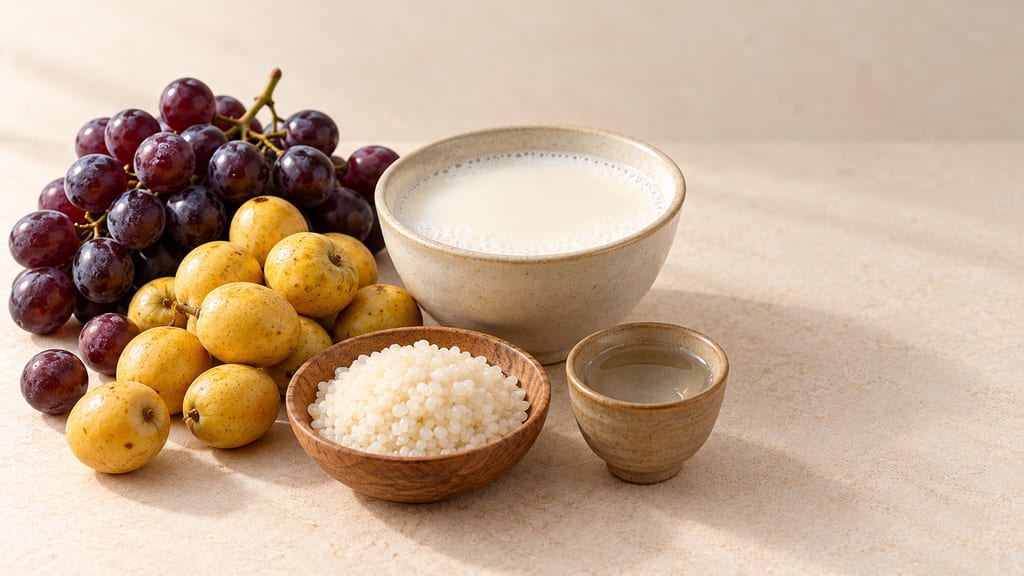
Marula fruit, grapes, rice and a bowl of fermented mare’s milk: three harvests, three ways to make a drink.
A drink begins before the yeast
A pile of ripe marula fruit and a sack of rice pose different problems for a drink maker. The fruit already contains sugars in its juice. Rice stores much of its carbohydrate as starch, which must be broken into sugars before ordinary brewing yeast can use it. That distinction helps explain why pressing fruit, preparing malt and growing koji belong to different traditions of making alcohol. The raw material determines some of the work; people decide how to organise it.
The distinction also gives this collection a useful reading order. Begin with what goes into the drink, then ask how its sugars become available, what starts fermentation, and which stages follow. A familiar English word such as wine or beer can help a reader approach an unfamiliar drink, but it cannot explain the whole method. Fruit drinks and grain drinks may share ethanol as a product while differing in almost every operation that precedes it. Milk adds another route, with its own sugar and microbial partnerships.
Marula: a harvest becomes a gathering
In northern Namibia, omagongo belongs to a social setting as well as a fruit harvest. Oshituthi shomagongo brings eight Aawambo communities together to share a marula beverage, food, songs and conversation. Preparing for the gathering includes gathering fruit and making or maintaining the utensils used to process and serve it. The drink connects different kinds of skilled work rather than appearing as an isolated liquid at the end of a recipe.
In the inscribed practice, women extract and ferment juice, with young people helping gather the fruit. Observation and participation carry knowledge between generations. Its general March–April festival period describes the nominated tradition; it is not a promise that every year’s event or every household’s fermentation follows one calendar. The heritage recognition date is equally distinct from the drink’s beginning. A photograph of gathered marula can show the raw material, but it cannot establish a batch formula, an alcohol strength or the point at which a drink is ready to store.
Grape juice needs no starch conversion
Grape wine makes the sugar route especially clear. The International Organisation of Vine and Wine defines alcoholic fermentation as the transformation of grape sugars into ethanol, carbon dioxide and secondary products. It recognises both fermentation by yeasts already present on grapes, in must and in cellars, and inoculation with selected yeasts. Those are different ways of beginning the same broad transformation. Neither means that the finished wine is simply untouched grape juice.
Temperature control and other winemaking decisions influence fermentation. That is why the phrase spontaneous fermentation should describe how the microbial population begins, rather than suggest an absence of human work. Crushing, handling the juice and managing its environment still matter. Conversely, adding a selected culture does not supply a complete wine style on its own. The grapes, the treatment of their solids and subsequent maturation remain part of the account. The useful comparison with rice is narrower: grape sugars are already available, so the maker does not first need a separate starch-breaking operation.
Rice divides the work between mould and yeast
Sake uses rice, koji and water, with yeast carrying out alcoholic fermentation. Koji is rice on which a selected mould has grown. The mould supplies enzymes that turn rice starch into sugars; yeast uses those sugars to produce alcohol and carbon dioxide. Calling both organisms simply a starter hides the division of labour. The mould’s enzyme work and the yeast’s fermentation are connected, but they are different processes.
Three arrangements make the comparison clear: grape wine starts with fruit sugar; conventional beer brewing separates starch conversion from alcoholic fermentation; sake couples sugar production and alcoholic fermentation in the mash. The last arrangement is often called multiple parallel fermentation. It describes a working relationship, not several successive finished wines. The difference matters when reading a method: cooked rice alone does not replace koji, and a packet of brewing yeast does not supply the same starch-converting activity. Those ingredients have different jobs even when they meet in one mash.
Why sake has so many stages
Sake rice passes through polishing, washing, soaking and steaming, followed by separate work on koji, the yeast starter and the main fermentation mash, or moromi. Steamed rice is therefore both a material prepared for further microbial work and an addition to the mash. The sequence gives the maker ways to manage different requirements before the ingredients are brought together.
The main mash is built through staged additions rather than one large dilution of the starter. This helps maintain yeast density and acidity while the mash expands. Later, pressing separates sake from solid material, including sake lees, or kasu. Pressing is a physical separation, not another alcoholic fermentation. Heat treatment and storage, where used, are further stages with their own purposes. A description that compresses the whole sequence into fermented rice loses the reasons for its separate operations. Equally, a brewery description should not be converted into a household formula by borrowing an isolated duration or temperature.
Malted grain follows another route
In conventional malt brewing, starch conversion precedes the main alcoholic fermentation. Malted grain and water produce a mash; the liquid drawn from it is wort. That wort is boiled with hops, cooled and transferred to fermentation, where yeast converts fermentable sugar into alcohol and carbon dioxide. The order differs from sake’s continuing supply of sugar within the fermenting mash.
This comparison is about the sequence of operations, not a contest between simple and complicated drinks. A brewer still manages grain preparation, extraction, cooling, fermentation and conditioning. Some operations shape bitterness and aroma; others prepare a suitable liquid for the yeast. The grain’s name alone therefore says little about what happened to it. Nor does a shared substrate make two beers interchangeable. Reading a grain drink well means following how its starch was treated and which fraction was fermented, then looking at the cultures and handling that give the named preparation its character.
Airag: sour milk and alcohol together
Mongolian airag brings the comparison away from grain and fruit. The inscribed khokhuur technique uses mare’s milk, retained starter and repeated churning in a hide vessel. The drink belongs to herders’ daily lives, hospitality, celebrations and ritual offerings. The name khokhuur belongs to the vessel; it is not another name for the liquid. A decorated serving pot in a photograph illustrates a different stage from the hide vessel used for production.
Airag is a fermented milk made with a mixed culture of yeasts and bacteria. This is a useful reason to keep alcoholic and lactic fermentation visible together rather than force every drink into one exclusive category. Sourness and ethanol can belong to the same product. The existence of an institutional process table does not erase household variation, and a method written for a particular milk does not establish an equivalent result with another species’ milk. The cultural name, substrate and documented technique need to stay together when comparisons cross languages or borders.
A vessel can change the ferment
A study of airag from three households in Mogod, Bulgan Province, compared production in plastic containers and khokhuurs. It followed daily production cycles and measured chemical properties alongside microbial communities. Plastic containers retained more heat at night and were associated with greater lactate production and lower pH. Airag from the hide vessels carried a more diverse bacterial community. The container was part of the environment in which fermentation happened, not merely packaging around it.
The researchers did not establish that one vessel was universally better. Their discussion considered several possible explanations, including temperature behaviour and microorganisms associated with the hide. Those possibilities make the result more interesting than a blanket claim that traditional vessels improve flavour. They also set its limits: three households and the sampled cycles cannot define every airag, prove the safety of an improvised container, or guarantee the same flavour elsewhere. The study gives a concrete case in which a change of vessel accompanies a change in the fermentation system.
Qvevri: the jar and the knowledge around it
Georgia’s qvevri tradition joins the clay vessel to grape growing, communal harvest and family teaching. The qvevri is an egg-shaped earthenware vessel used for making, ageing and storing wine. In the inscribed method, grape juice and solids enter a vessel buried in the ground. The jar’s manufacture and the work of tending vines belong to the same transmitted body of knowledge, even though they require different skills.
That account helps a reader see why a vessel deserves its own history. A qvevri is not simply a decorative alternative to a bottle. It participates in a production setting and a sequence of handling the grapes and wine. Yet the contemporary heritage description cannot stand in for every regional practice or every archaeological period. The activities described in the nomination establish an association with Georgian communities; they do not date the invention of the jar or recover an ancient recipe. A present method and a distant residue study can illuminate each other without being treated as identical evidence.
Old residues tell a bounded story
Chemical and botanical research on pottery from Georgia supports grape wine at early Neolithic sites around 6000–5800 BCE. The study combined several kinds of evidence rather than identifying wine from a vessel’s shape alone. Importantly, it separated that evidence from the much later archaeological record for qvevri winemaking. An early wine association is not proof that today’s buried-jar method was already present in the same form.
At Jiahu in China, researchers interpreted residues as evidence for a mixed fermented beverage involving rice, honey and fruit, with hawthorn and grape considered in the fruit evidence. The result resists a modern shelf label: reducing it to rice wine conceals the mixture. Neither study hands us a complete recipe with quantities, a named culture and a measured alcohol content. Their achievement is to narrow what people plausibly processed and consumed at particular sites. The dates describe surviving evidence. They cannot identify the first person to ferment a drink or establish uninterrupted continuity to a modern preparation.
Bubbles and maturity are different stages
Alcoholic fermentation can continue after a drink enters its final container. Champagne gains its effervescence through a second fermentation in the bottle, after a mixture containing sugar and yeast is added to the blended base wine. Later maturation on the lees involves material from yeast that multiplied in the bottle. This fermentation is distinct from subsequent changes associated with yeast breakdown and slow oxidation. A long time in a cellar is not automatically a long period of active alcoholic fermentation.
Cask-conditioned beer gives another example of continued yeast activity and careful serving practice. Live yeast helps the beer develop condition in its cask, followed by service without injected carbon dioxide. Handling the cask, its temperature and the dispense equipment form part of the account. A bottle of sparkling wine and a cask of ale therefore share a role for yeast after initial production, but their vessels and serving systems do different work. Their established methods do not justify sealing an unknown home ferment in an arbitrary container.
Added spirit changes the explanation
Port shows why the presence of alcohol does not tell the whole production story. Port makers stop fermentation by adding grape brandy, then blend and age the wine. The timing of that addition helps determine the sweetness remaining in the wine. This is fortification: a fermented grape base receives alcohol made elsewhere in the production chain. It should not be described as fermentation simply becoming stronger through waiting.
The same habit of separating stages helps with the whole collection. Ask which material supplied fermentable sugar, which organisms or enzymes made that sugar available or transformed it, and which later operations changed the drink. Then return to the people, places and occasions that give it a name. Marula gathering, sake brewing and airag hospitality are connected by alcoholic fermentation, but each carries knowledge that a biochemical diagram cannot replace. Their individual records preserve the narrower methods and evidence; this comparison offers a way to read the differences without turning them into one universal recipe.
Related
Discussed in this article

Airag
Airag is Mongolia’s fermented mare’s-milk drink, traditionally churned with saved starter in a reusable cowhide khokhuur.
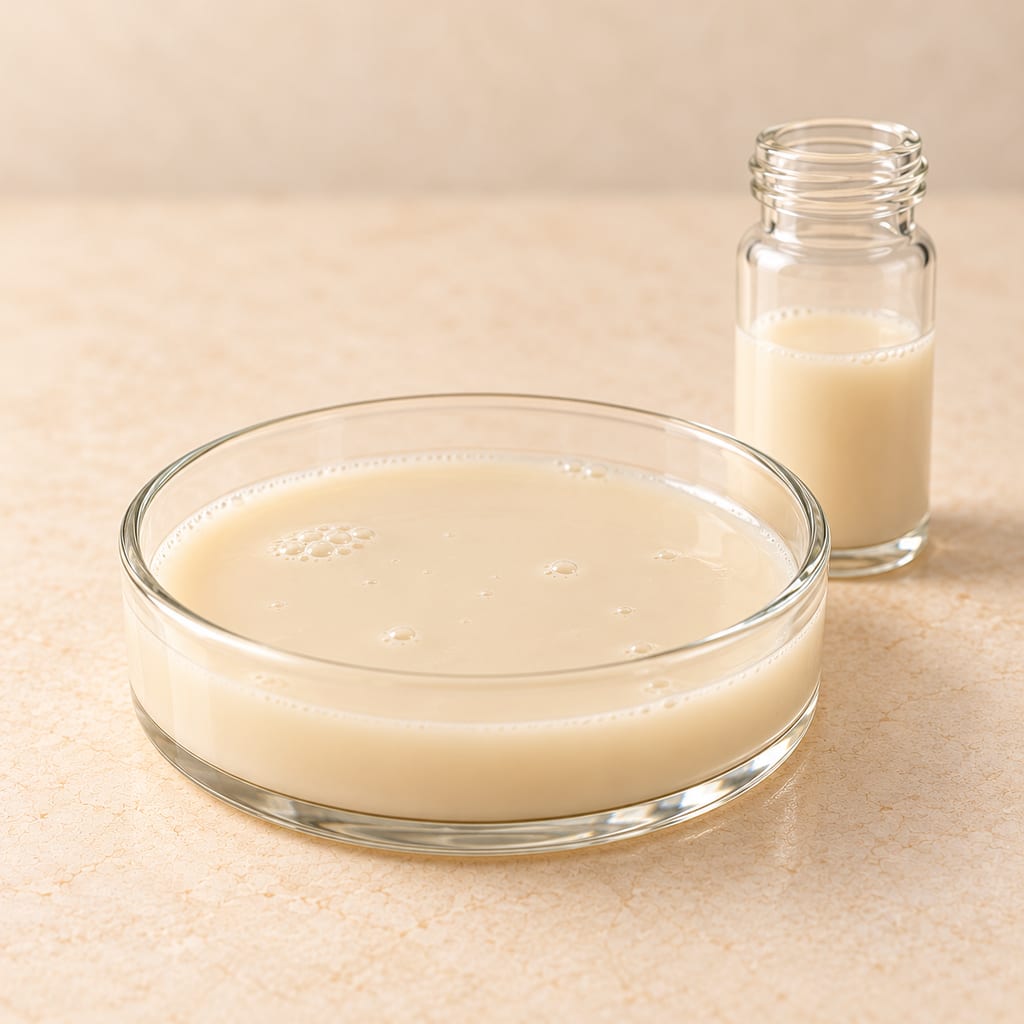
Brewer’s yeast
Brewer’s yeast is a working name for living cultures selected for brewing, not one strain or always one species. Ale and lager cultures differ, and older household books may use the term for foam or sediment from brewery beer.
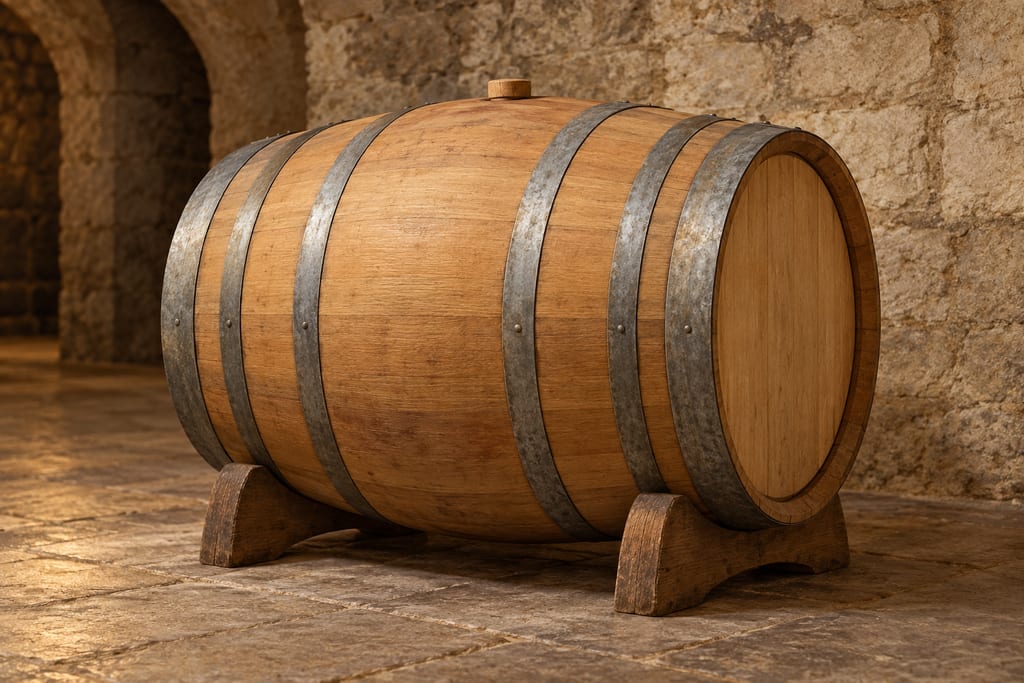
Coopered barrel, cask and large wooden vat
Coopered vessels use shaped staves and hoops, but portable barrels, large foeders and upright wooden vats serve different roles. Materials and uses vary by place and process.
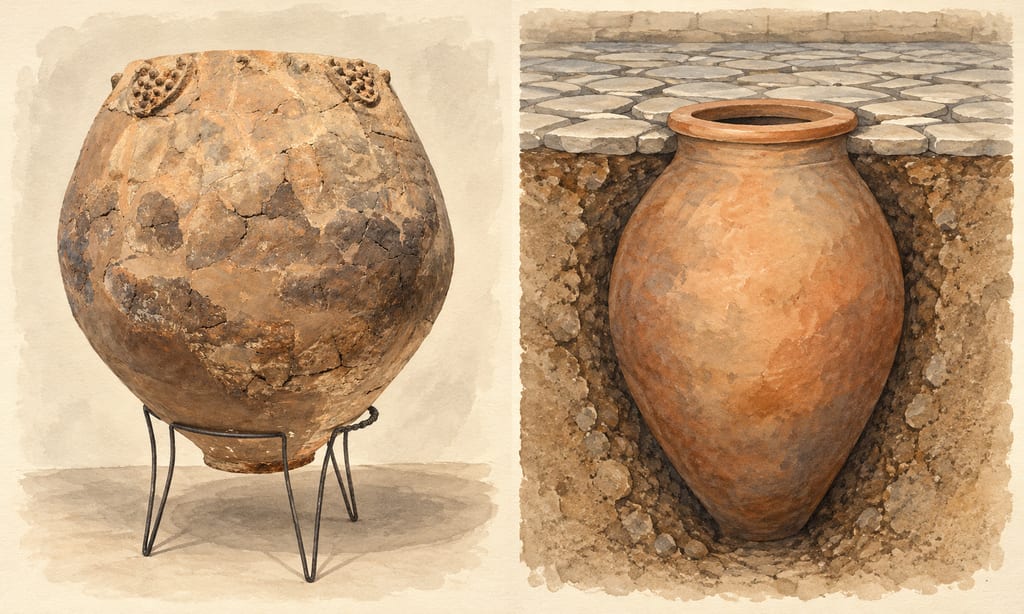
Early Neolithic Georgian grape-wine jars
Very large early Neolithic pottery jars from Georgia carry the earliest biomolecular evidence for grape wine in the Near East. Their probable wine role is documented; their burial and exact relationship to modern qvevri are not.
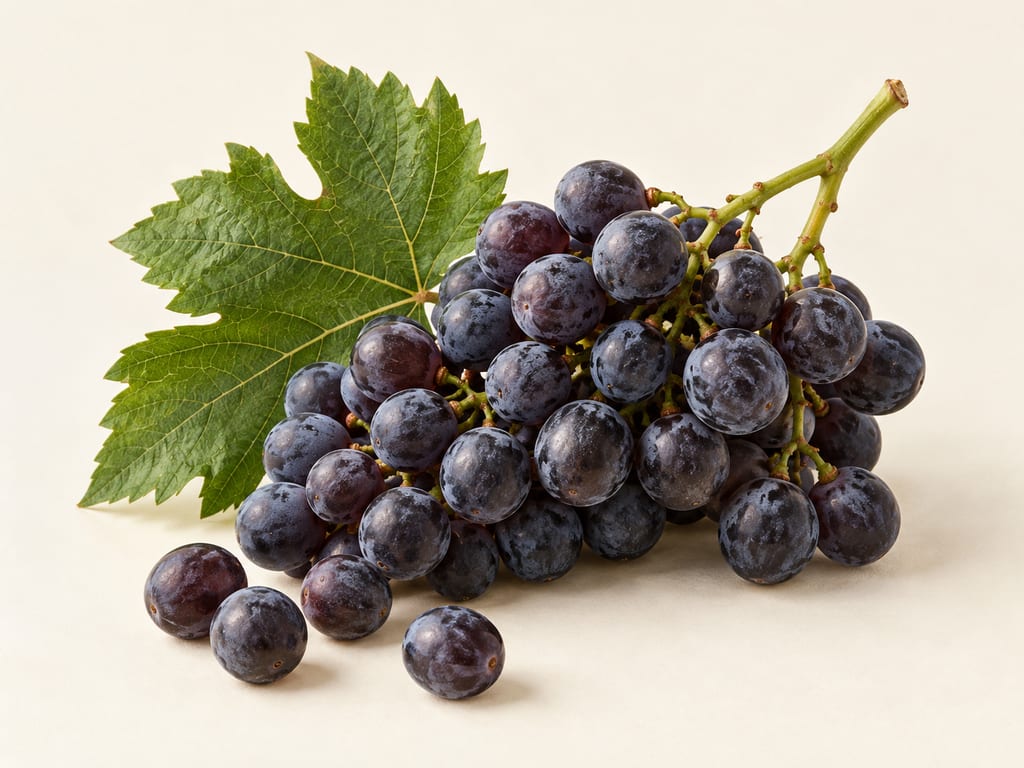
Grape
Wine grapes are fresh berries selected for vinification; their sugars fuel alcoholic fermentation, while cultivar, ripeness and handling shape the fruit and the wine it can become.
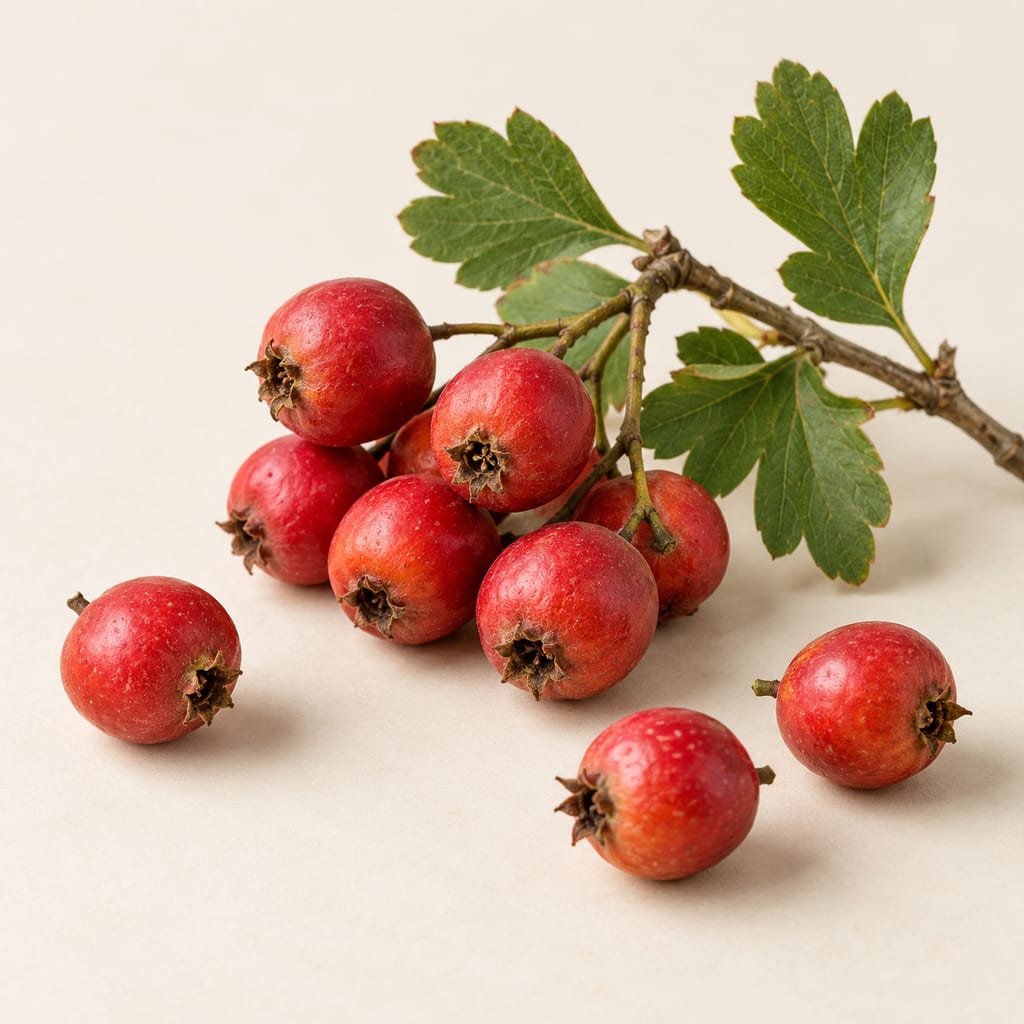
Hawthorn
Common hawthorn (Crataegus monogyna), a hedgerow shrub whose red haws and young leaves are reported as food, with sources that disagree on raw fruit and leaves.
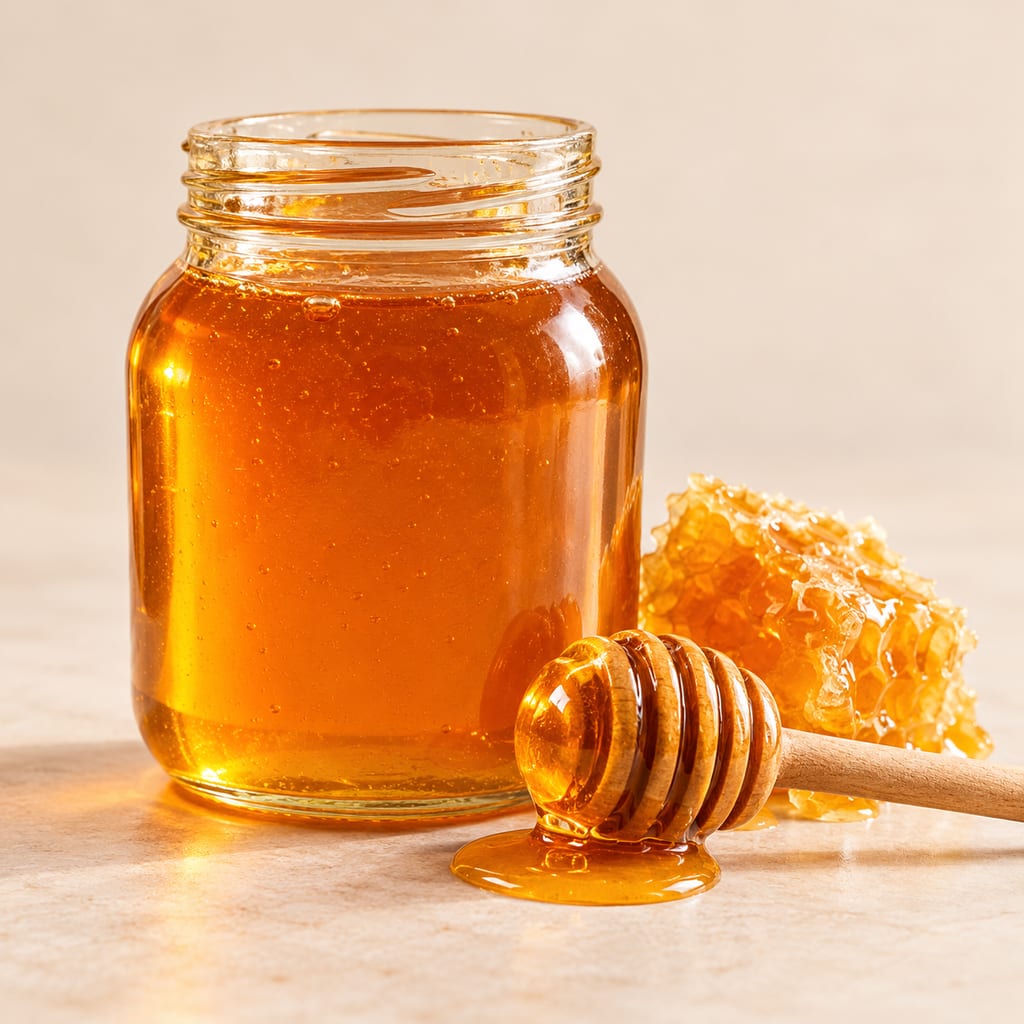
Honey
Honey is a bee-made food from floral nectar or honeydew; breads use it in dough or as a syrup served with cooked griddle breads.
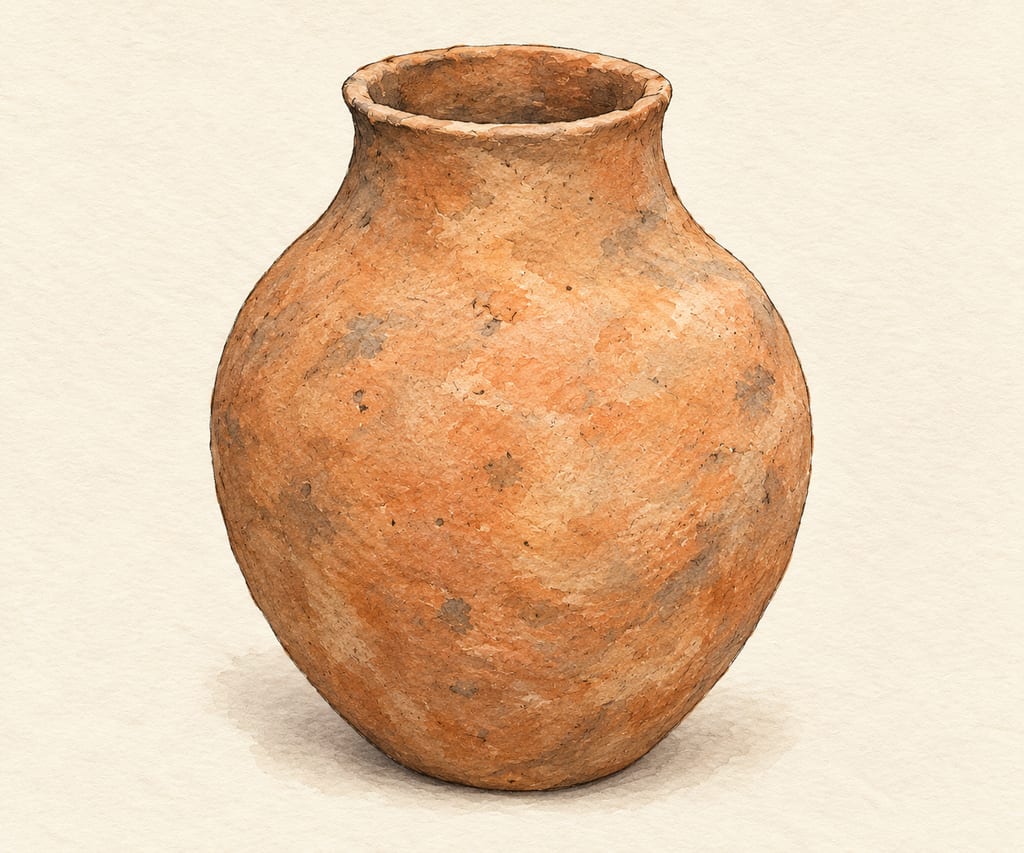
Jiahu jars for a mixed rice, honey and fruit beverage
Jiahu pottery preserves chemical evidence of an early mixed fermented drink involving rice, honey and fruit. Its jar forms provide archaeological context, not proof one vessel served every brewing stage.
Community
No community contributions have been published for this entry yet.
Share what you made
Sign in to contribute. Published comments and photos are free to read.
Sources
FAO; Mike Battcock and Sue Azam-Ali
Fermented fruits and vegetables: a global perspective, Chapter 3: Yeast fermentationsCited in: A drink begins before the yeast
UNESCO Intangible Cultural Heritage
Oshituthi shomagongo, marula fruit festivalCited in: Marula: a harvest becomes a gathering; Added spirit changes the explanation
UNESCO
Media Kit: Intangible Cultural Heritage 2015, Oshituthi shomagongo entryCited in: Marula: a harvest becomes a gathering
International Organisation of Vine and Wine
International Code of Oenological Practices: Alcoholic fermentationCited in: Grape juice needs no starch conversion
National Research Institute of Brewing, Japan
What is Sake?Cited in: Rice divides the work between mould and yeast
Japan Sake and Shochu Makers Association
SAKE: How to Enjoy Japanese Sake, pages 24–25Cited in: Rice divides the work between mould and yeast; Malted grain follows another route
National Research Institute of Brewing, Japan
The Story of Sake, No. 1Cited in: Why sake has so many stages; Added spirit changes the explanation
UNESCO Intangible Cultural Heritage
Traditional technique of making Airag in Khokhuur and its associated customsCited in: Airag: sour milk and alcohol together; Added spirit changes the explanation
FAO
The technology of traditional milk products in developing countries, Asia: AiragCited in: A drink begins before the yeast; Airag: sour milk and alcohol together
Bioscience of Microbiota, Food and Health, 2025
Impact of container type on the microbiome of airag, a Mongolian fermented mare’s milkCited in: A vessel can change the ferment
UNESCO Intangible Cultural Heritage
Ancient Georgian traditional Qvevri wine-making methodCited in: Qvevri: the jar and the knowledge around it
McGovern et al.; Proceedings of the National Academy of Sciences, 2017
Early Neolithic wine of Georgia in the South CaucasusCited in: Qvevri: the jar and the knowledge around it; Old residues tell a bounded story
McGovern et al.; Proceedings of the National Academy of Sciences, 2004
Fermented beverages of pre- and proto-historic ChinaCited in: Old residues tell a bounded story
Comité Champagne
Bottling and second fermentationCited in: Bubbles and maturity are different stages
Instituto dos Vinhos do Douro e do Porto
Introduction: Port WinesCited in: Added spirit changes the explanation
Gaps
- This selection compares documented examples rather than claiming complete geographic coverage. It provides no universal batch formula, alcohol percentage, safety endpoint or storage life.
- Heritage records describe nominated practices; archaeological interpretations and small household studies answer different questions. No invention date or unbroken historical continuity is inferred.
- The photographs show gathered marula, a serving of airag and one packaged sake product. They do not document complete production sequences.
- The related list currently shows eight subjects. It omits some available pages, including rice, rice koji and qvevri wine.
Updated 2026-10-28