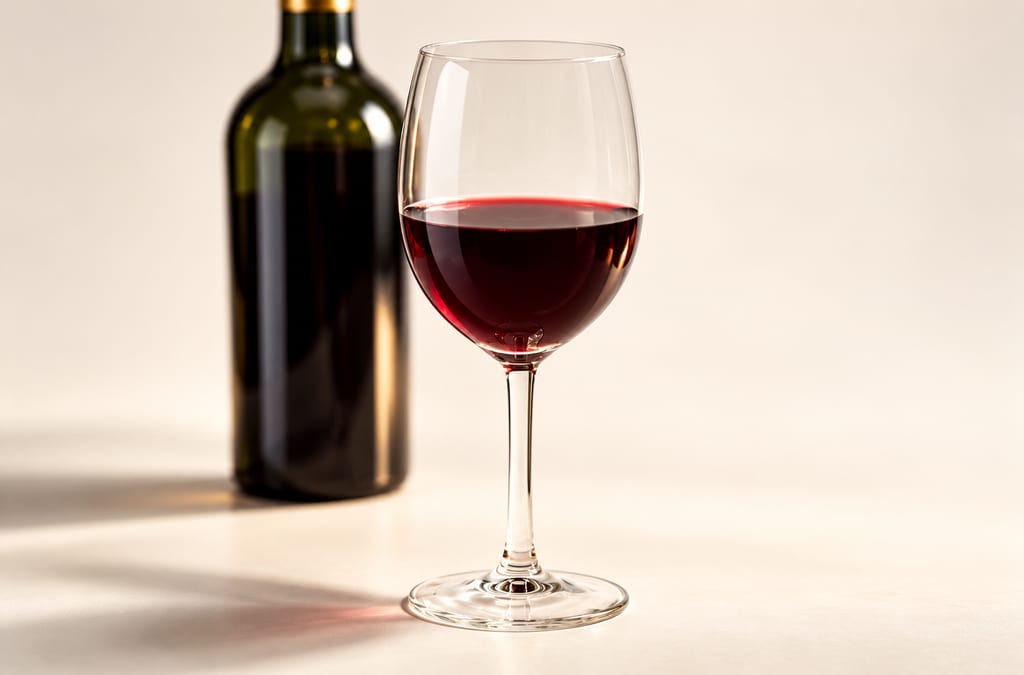
Red wine
Red wine is grape must fermented with the skins and other solids, then separated from the pomace. Grape, cellar and regional choices shape its colour, structure and style.
 FermenteaWhere food goes to change
Salame senza budello · No-casing salame
A documentary account of two modern Italian-language home-video experiments in salame without casings. Neither video establishes a safe preparation method or a ready-to-eat product.
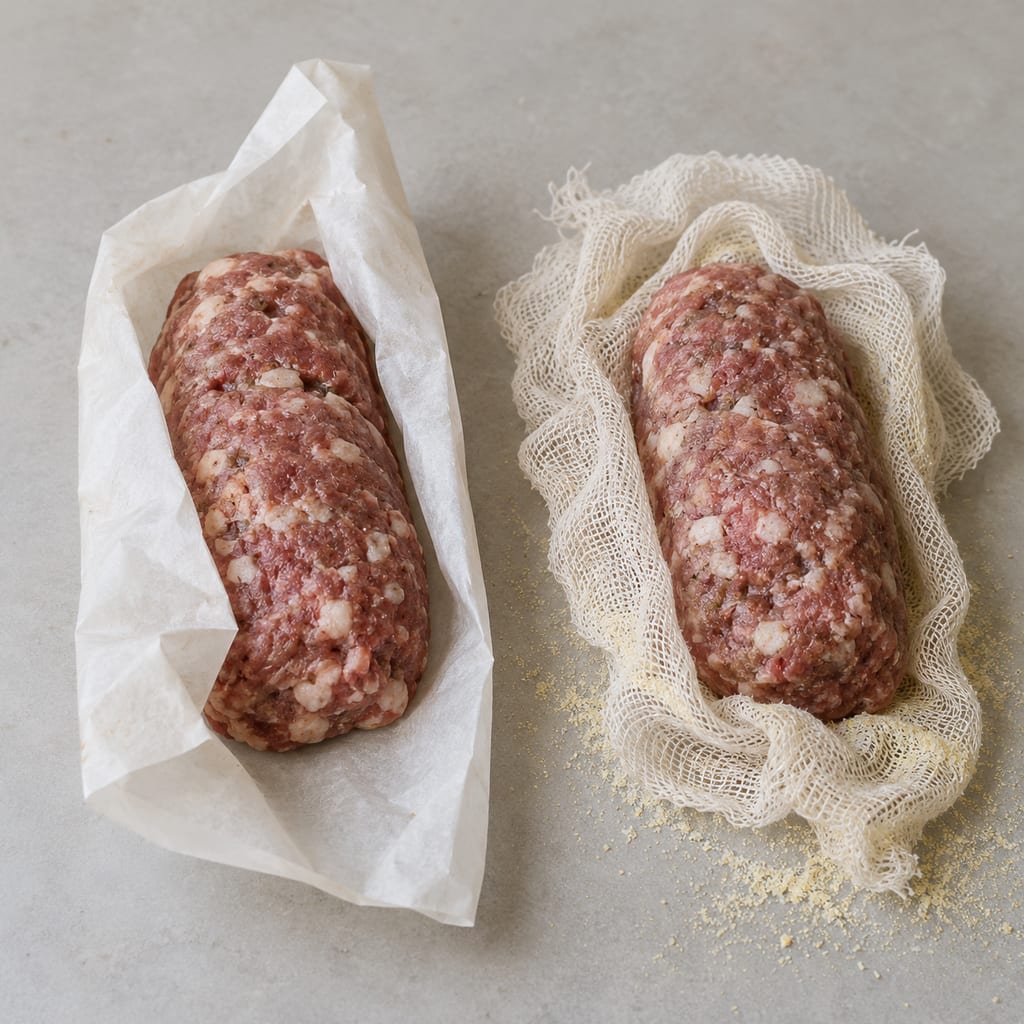
This record documents two Italian-language home videos about making salame without a casing. The first creator describes the bovine batch as a follower's experiment and says it is not typical of any region. The second creator presents a separate pork experiment inspired by another video. The sources therefore document two individual experiments, not a regional tradition or a standard casingless salame.
Neither source identifies a starter culture or documents a microbial fermentation stage. This entry is classified as non-fermented. The available sources establish no date or place of origin for casingless salame; the Italian-language setting is not evidence of an Italian regional tradition.
The title calls the meat veal, while the creator's narration describes it more broadly as bovine meat. The video describes seasoning the meat, dividing it into two flavourings, and forming parchment-wrapped logs. It then shows an interrupted oven stage reported at 50°C and refrigeration. Accounts of later drying and storage conflict, and the video does not document a measured internal cooking endpoint or validated ready-to-eat endpoint.
These are observations about the video, not directions. The source does not show that the logs are safely cooked by the interrupted low-temperature oven stage, or that refrigeration and elapsed time make them safe to eat.
The second video describes lean pork and belly with wine, garlic and bay, plus cornmeal. It shows the mixture formed in elastic tubular gauze, exposed to indirect cold smoke, and hung in a refrigerator. The source provides no measured drying endpoint and no evidence that the gauze is suitable for food contact.
The creator tastes a refrigerated link without a cooking step. That scene documents the creator's action; it does not establish that the product is safe. This entry does not advise repeating the process or eating the sausage raw.
USDA Food Safety and Inspection Service distinguishes uncooked sausage from ready-to-eat dry sausage. Its consumer guidance says uncooked sausage containing ground beef, pork, lamb or veal should be cooked to 160°F (71.1°C). It also explains that low-temperature drying does not by itself provide the cooking step needed to destroy bacteria. The two videos do not show a validated dry-sausage process or establish a safe cooking endpoint for the described experiments.
Because the sources cannot support safe instructions for reproducing or consuming these products, this page is a documentary account only. The catalogue does not present either experiment as a recipe or as safe to eat. A separate, validated preparation would require its own authoritative source and complete process controls.
The bovine recipe is described as a follower's experiment, and the pork recipe as an invented method inspired by a different video.
Scaling: source batch only
The bovine logs are dried and stored without a measured endpoint, and the pork batch is eaten raw. Neither caption set describes a validated ready-to-eat process.
Hazard sourceFSIS distinguishes uncooked sausage from ready-to-eat dry sausage and says uncooked ground red-meat sausage should be cooked to 160°F (71°C).
Hazard sourceCook to 160°F (71°C) for uncooked ground red-meat sausage, or follow a validated dry-sausage process
Control sourceDo not reproduce either experiment or eat either product as shown; the videos do not establish a validated cooking or ready-to-eat endpoint.
Do not eat the raw pork log shown in the second video.
Appearance, odour, taste, elapsed days, salt alone, cold smoke and an unmeasured refrigerator setting do not establish safety.
The second video gives no food-contact evidence for the elastic gauze.
Italian-language home videos. The creators say the bovine batch is not typical of any region.
Red wine is grape must fermented with the skins and other solids, then separated from the pomace. Grape, cellar and regional choices shape its colour, structure and style.

Soft, spreadable Calabrian pork sausage made with a great deal of red chilli and fatty pork, stuffed into natural casings, sometimes smoked and matured while staying soft.
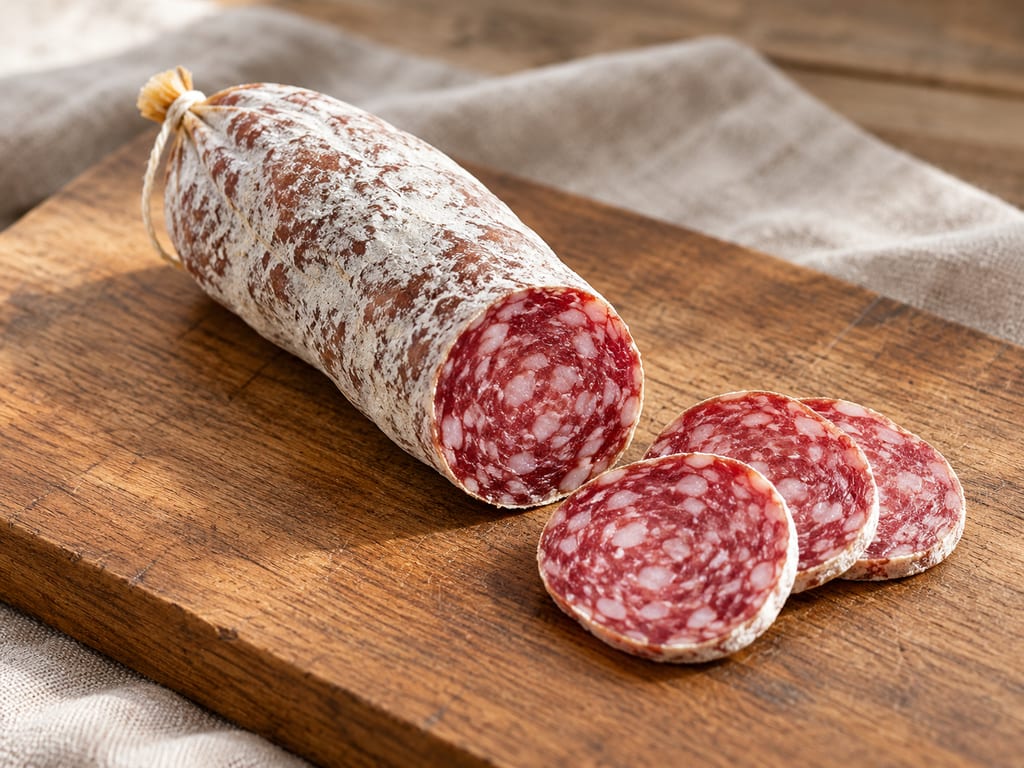
Small Italian hunter-style salami of lean pork, firm fat, salt, pepper and garlic, mildly acidified and dry-matured; protected as Salamini Italiani alla Cacciatora DOP.
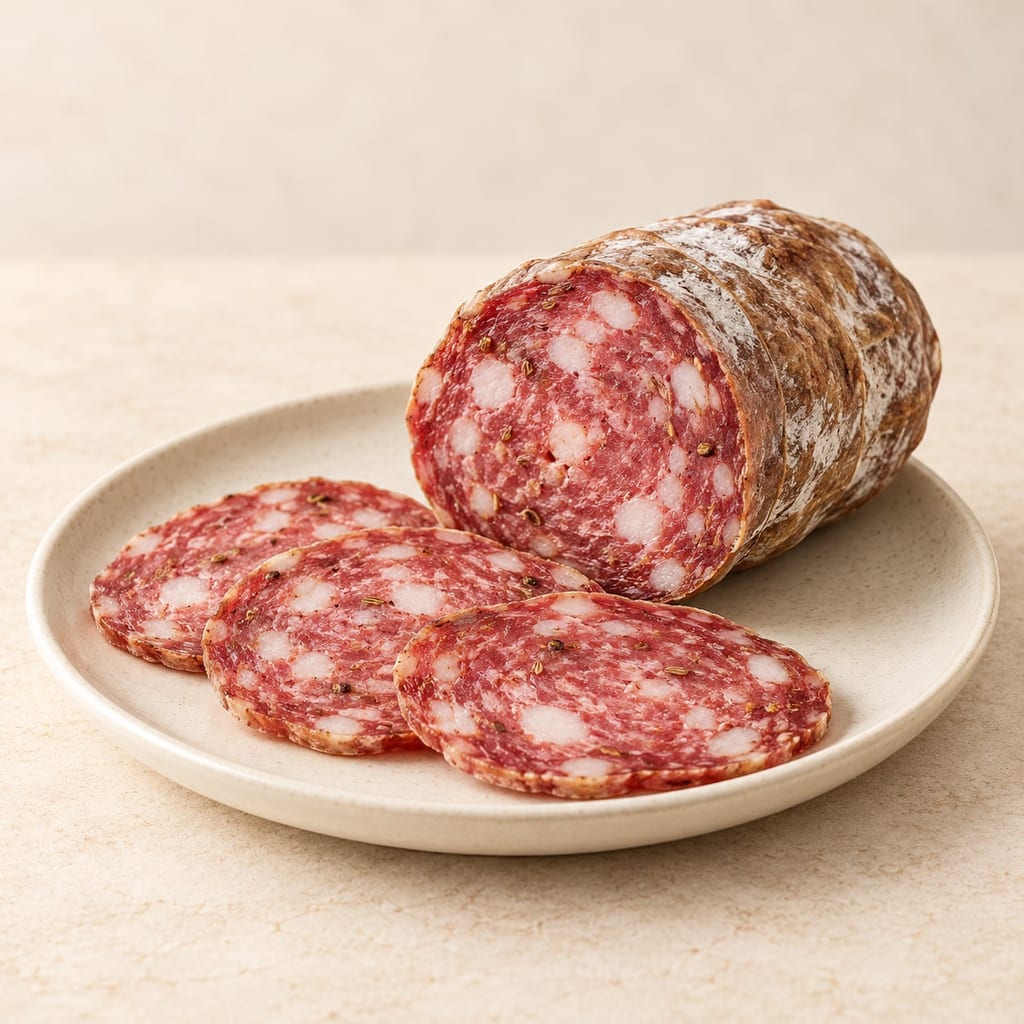
A Tuscan-style fennel salami made with pork and back fat. Toasted fennel, fennel pollen and Sambuca flavor this starter-cultured preparation.
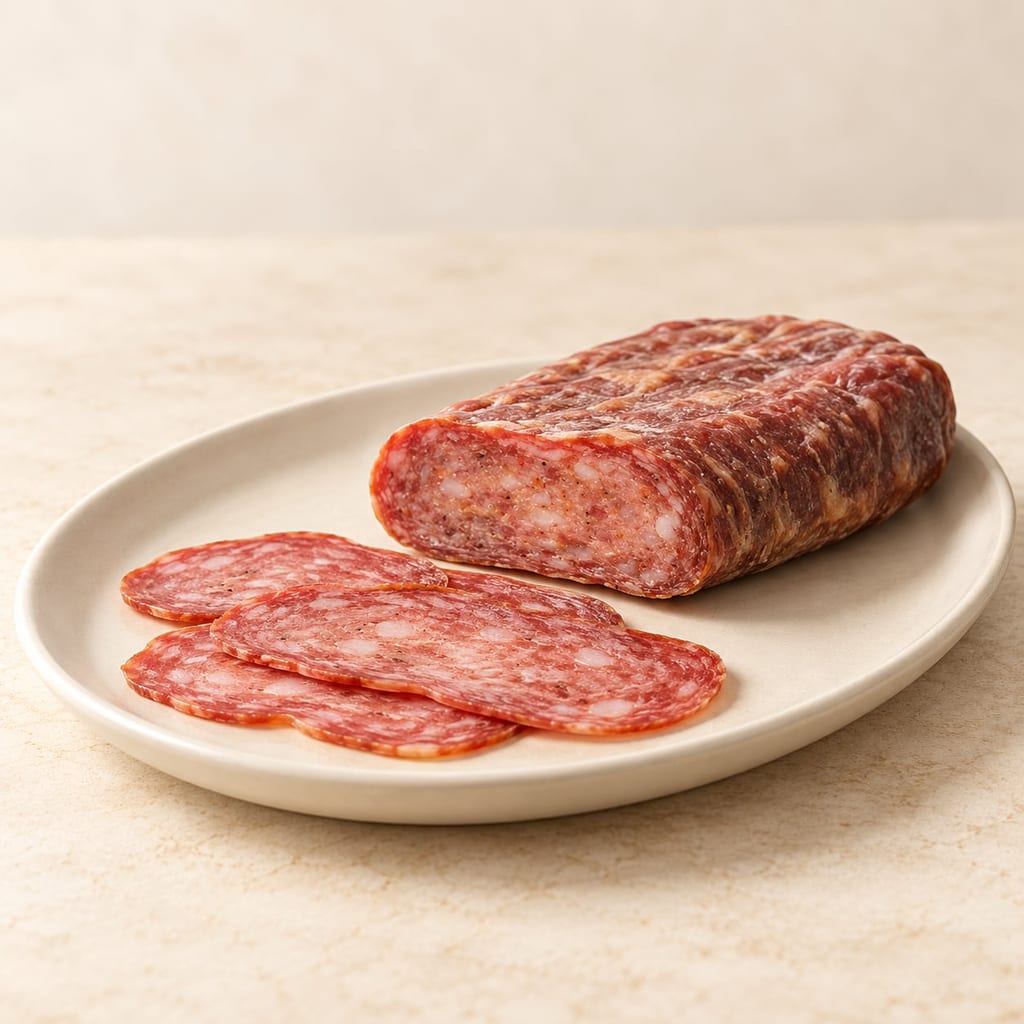
Calabrian soppressata is a flattened pork salami seasoned with pepper and wine. This entry documents a modern starter-cultured adaptation, not household instructions; the process lacks matched pathogen-reduction validation.
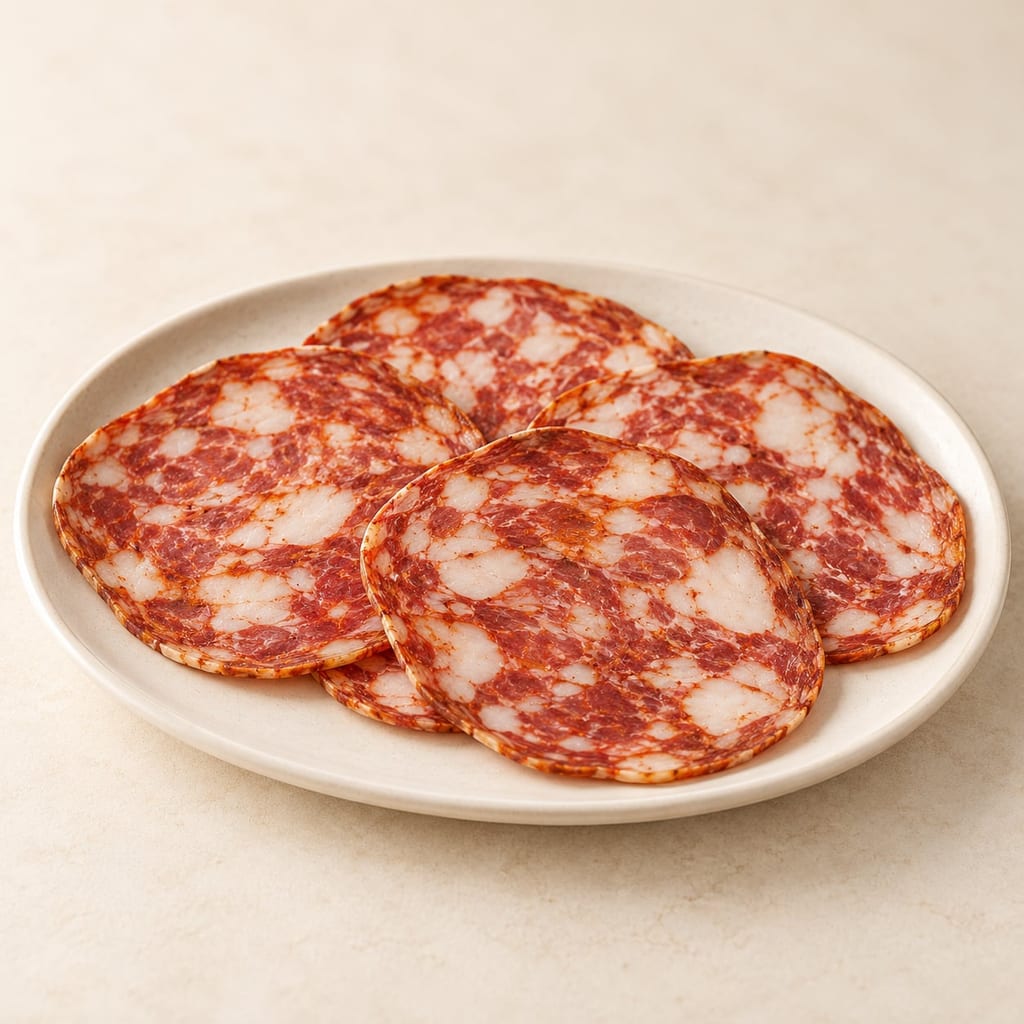
A documentary account of a modern ventricina-style salami source and its Abruzzese context. This page provides no preparation directions or validated home process.

A dark, balanced vinegar from Emilia-Romagna made by combining cooked or concentrated grape must with wine vinegar, then acetifying and refining it in wood under a protected specification.

Protected Italian vinegar made only from cooked grape must, fermented and aged in a battery of wooden barrels for at least 12 years: sweet, sharp and syrupy.
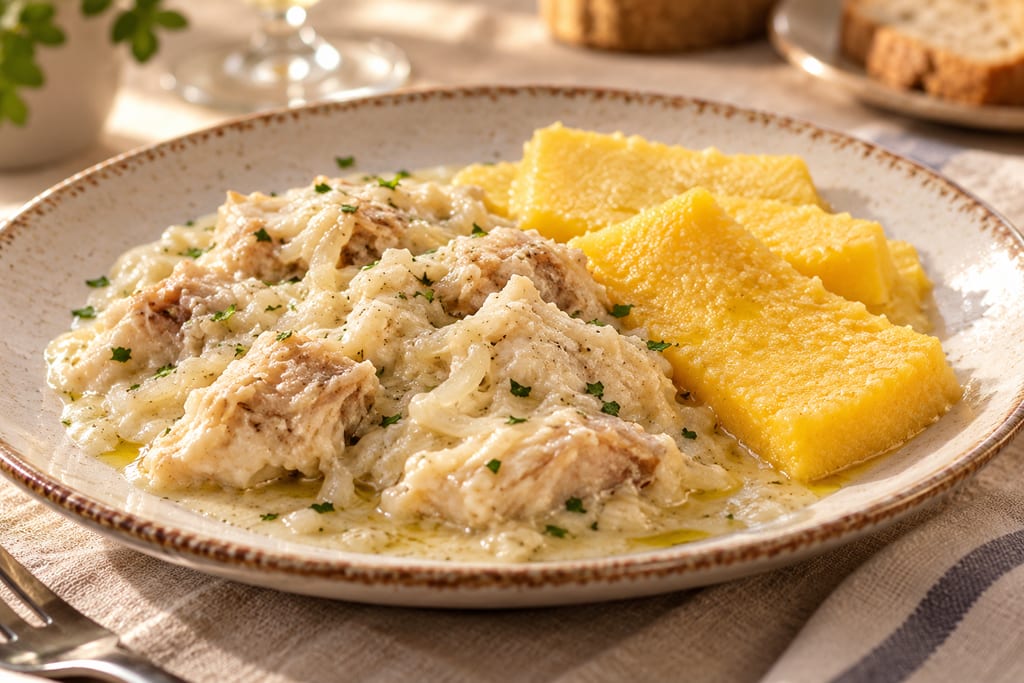
Stockfish from Vicenza, left barely bubbling for hours with onion, preserved anchovy, olive oil, milk and a little cheese until it is tender under a dense pale sauce, and eaten with polenta.
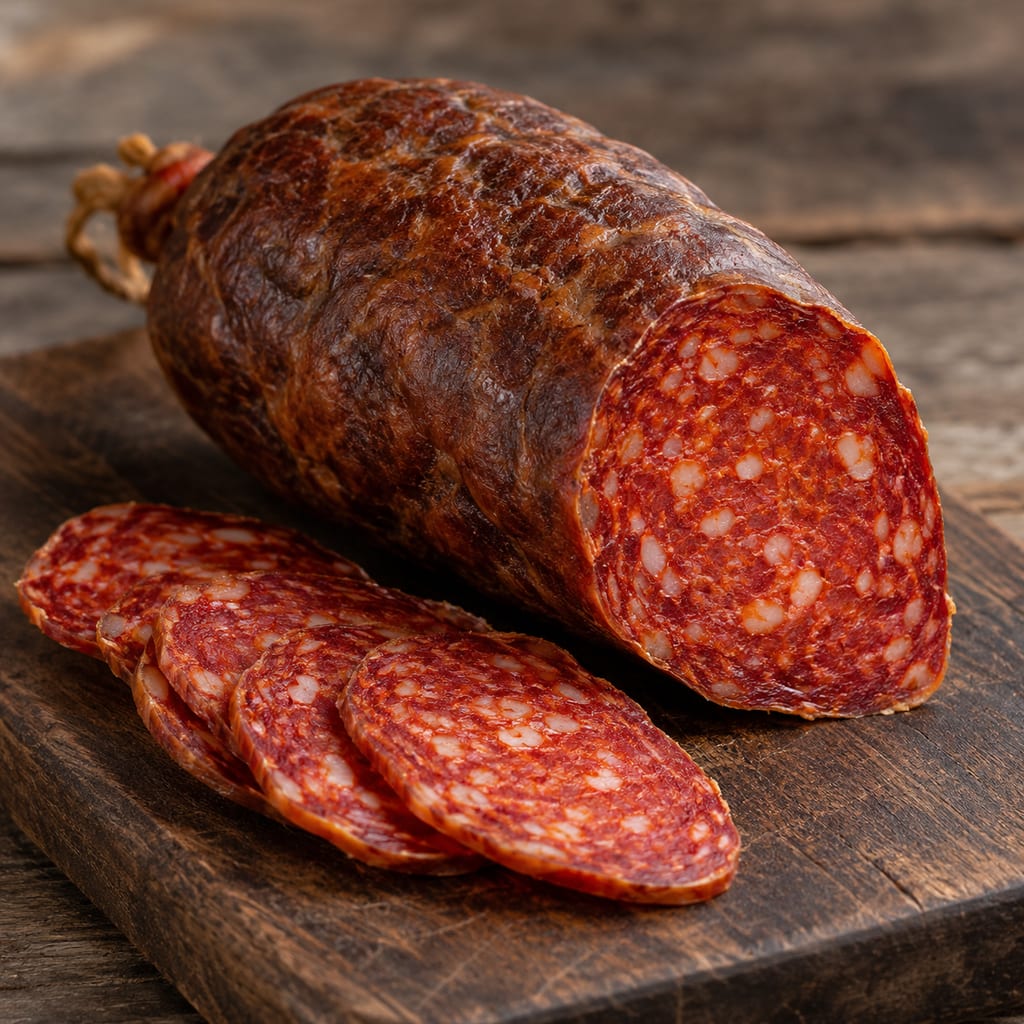
Baranjski kulen is a Croatian protected fermented pork sausage seasoned with sweet and hot paprika, garlic and white pepper, stuffed into a pig’s caecum called katica, cold-smoked and matured.
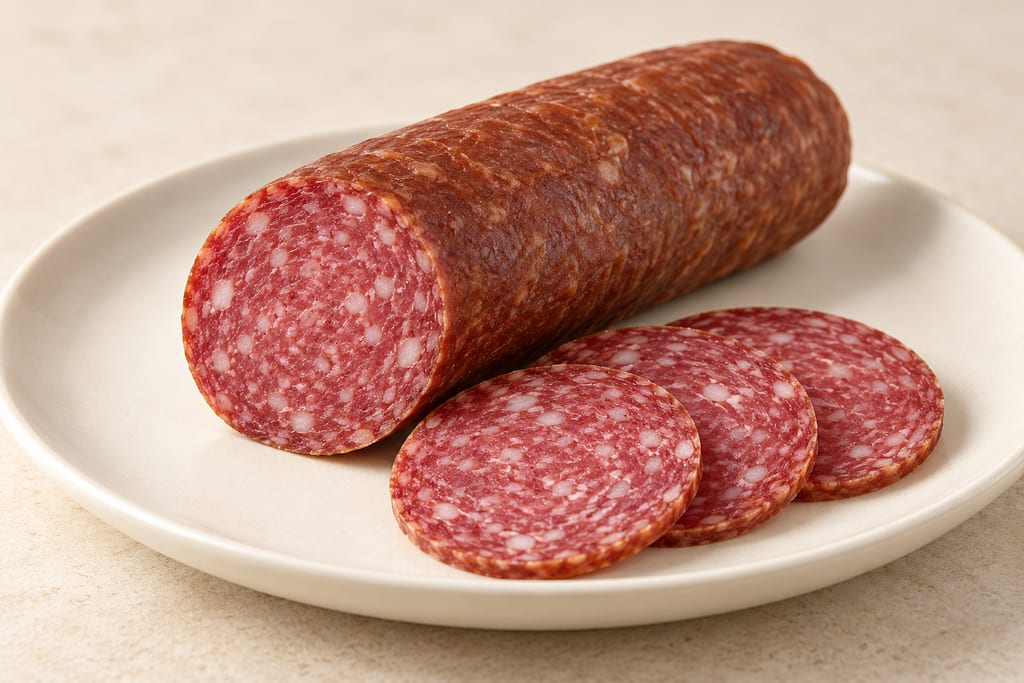
A family of salted minced-meat sausages fermented in casings, then dried and sometimes smoked. This description is not a validated household method; critical safety limits are not established.
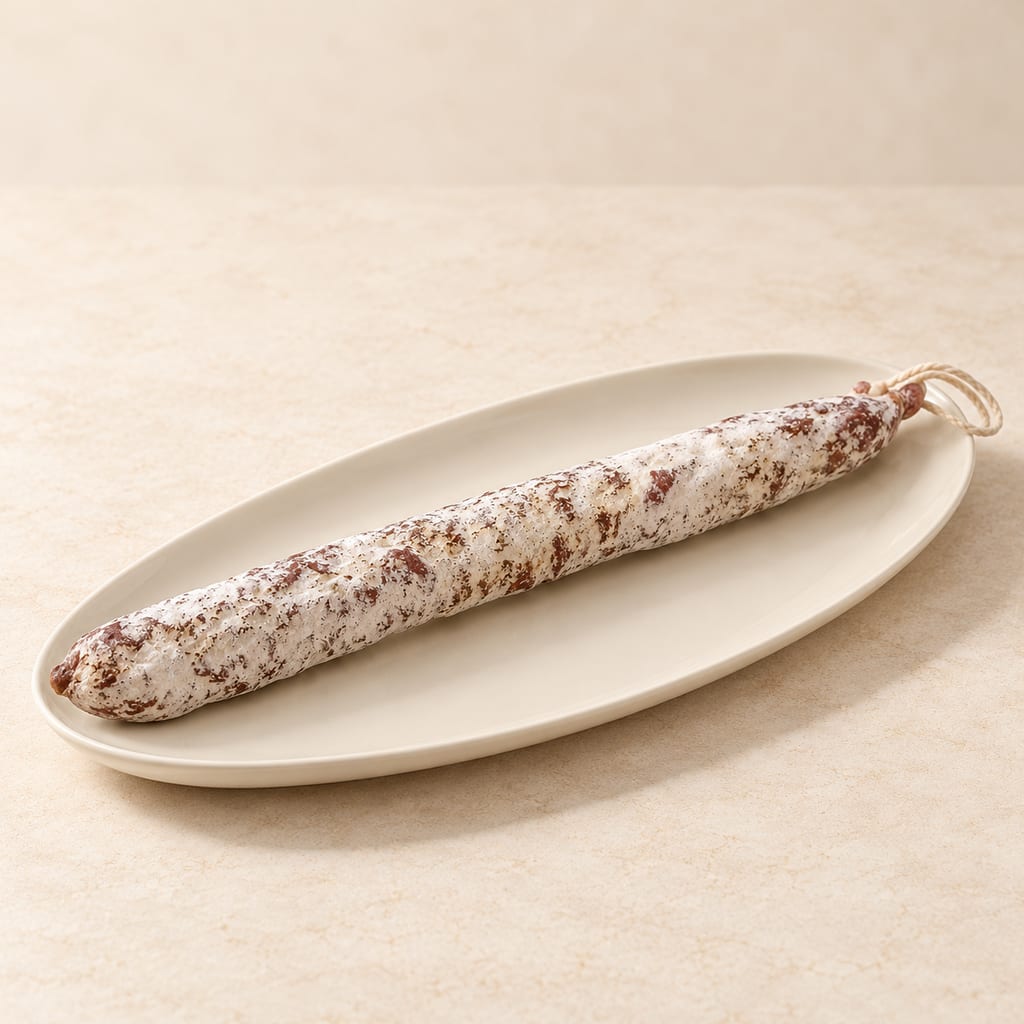
A documentary account of a modern starter-cultured Fuet formula and its place in Catalan sausage culture. The cited raw-pork process lacks matched safety validation, so this page does not present it as a household recipe.
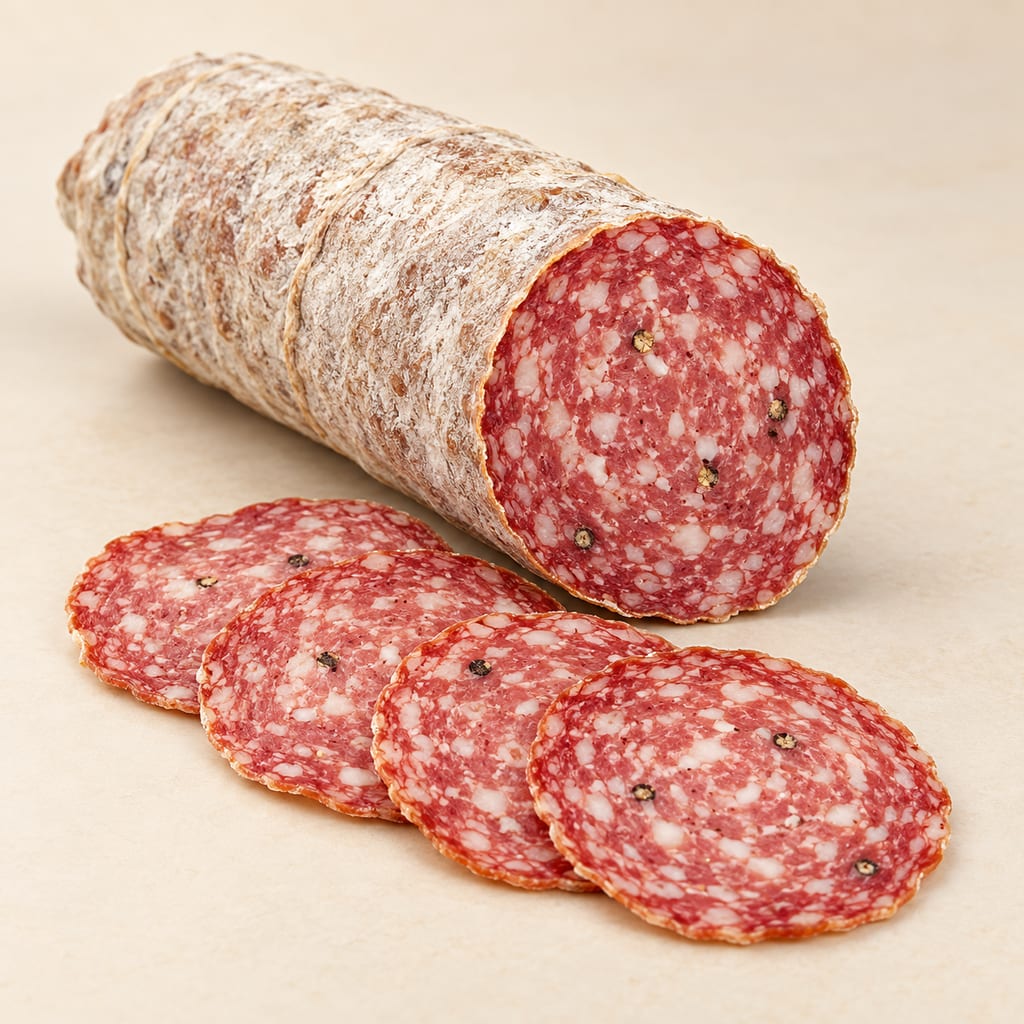
Pork, beef and back fat ferment with a named starter, cure and red wine before the sausages dry in casings. This contemporary formula uses no wood-smoke stage.
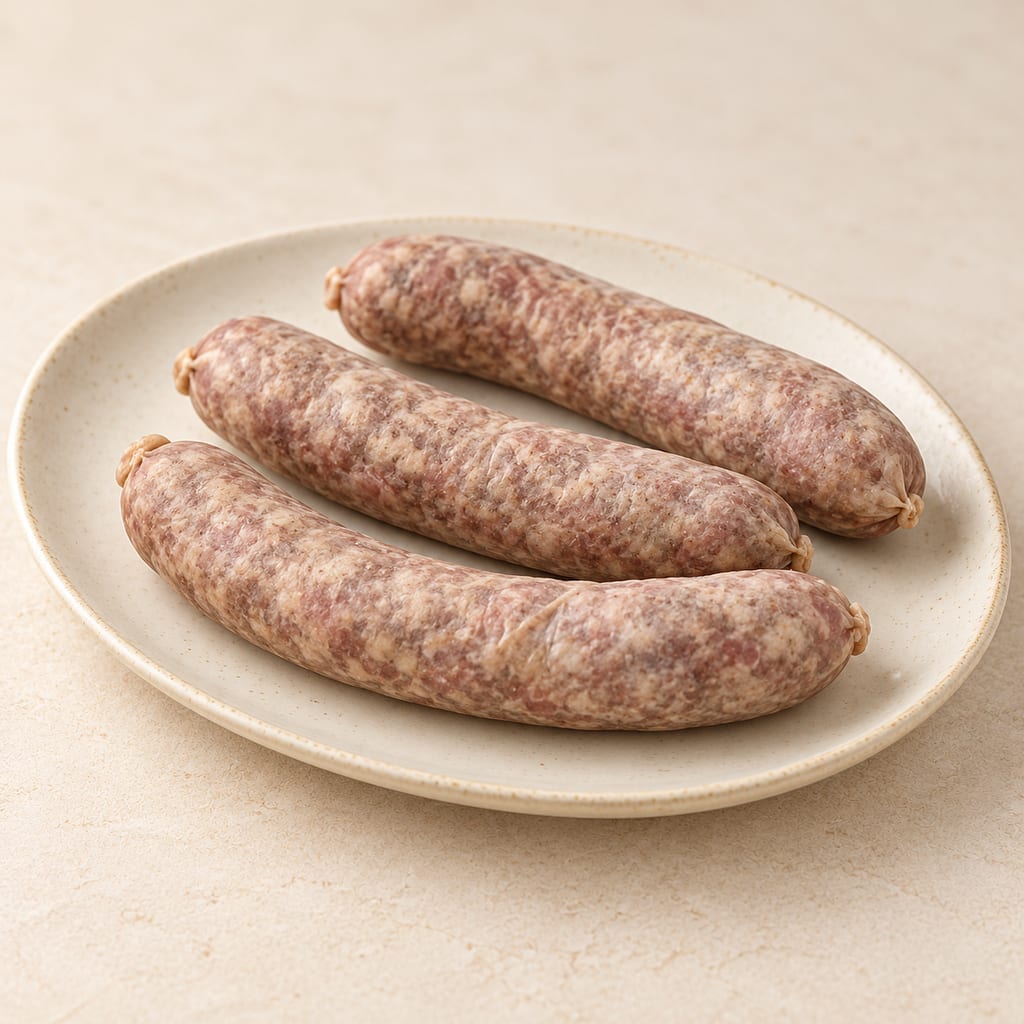
A documentary account of Maltese zalzett and a contemporary starter-cultured adaptation. The cited raw-pork method lacks documented validation for pathogen reduction and is not offered as a preparation recipe.
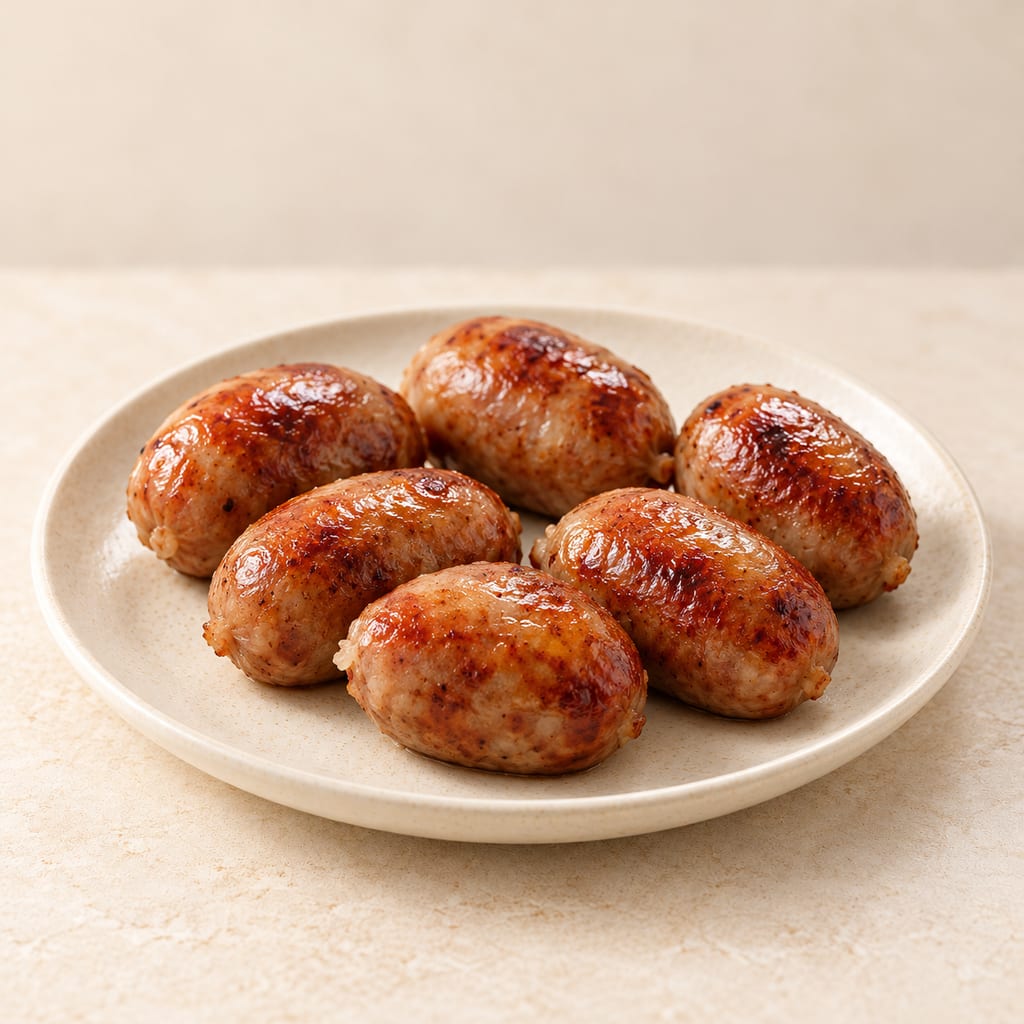
Sai krok Isan is a sour pork-and-rice sausage from northeastern Thailand. This garlic-rich version uses LHP-Dry starter and is cooked after fermentation.
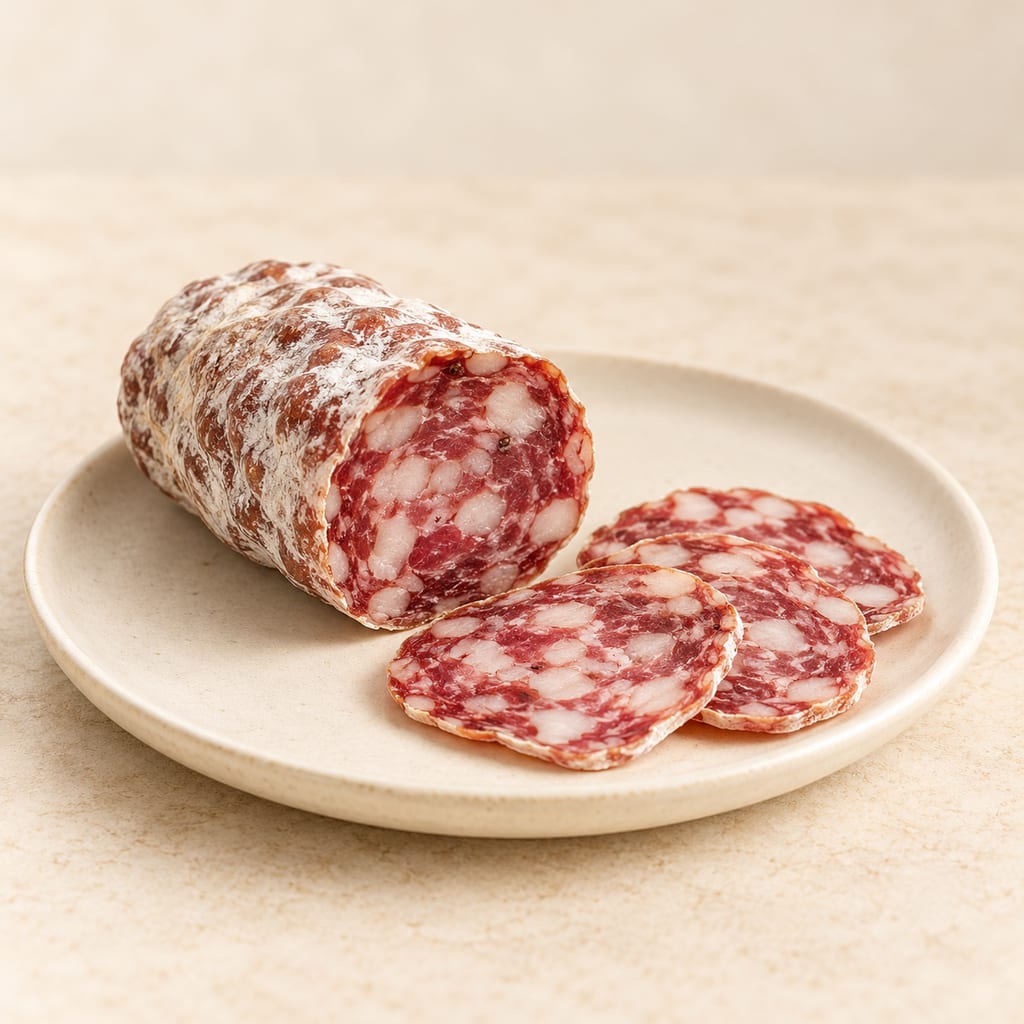
Saucisson sec is a French dry sausage of seasoned pork and fat. This version uses Flavor of Italy starter, white wine and an optional Mold 600 surface culture.
No community contributions have been published for this entry yet.
Sign in to contribute. Published comments and photos are free to read.
cuoredicioccolato.itMethod
SALAME fatto in casa SENZA Budello con carne di Vitello1 kg bovine meat, 25 g salt, pepper and sugar; grappa and pepper or wine and chilli; parchment logs; 50°C oven and refrigeration
Cited in: Two modern home-video experiments, not a standard method; What the bovine video records
cuoredicioccolato.itMethod
SALAME SENZA BUDELLO Fatto in casa1 kg lean pork and 200 g belly, wine with garlic and bay, 50 to 100 g cornmeal, gauze, an hour of indirect cold smoke, refrigerator hang
Cited in: Two modern home-video experiments, not a standard method; What the pork video records
USDA Food Safety and Inspection ServiceSafety
Sausages and Food SafetyUncooked ground red-meat sausage to 160°F
USDA Food Safety and Inspection ServiceSafety
What are some different types of sausages?Uncooked sausage containing ground beef, pork, lamb or veal should be cooked to 160°F (71.1°C).
Cited in: Why no preparation method is offered
USDA Food Safety and Inspection ServiceSafety
Why is it a food safety concern to dry meat without cooking it first?Low-temperature drying does not itself provide the wet-heat cooking step needed to destroy bacteria in raw meat.
Cited in: Why no preparation method is offered