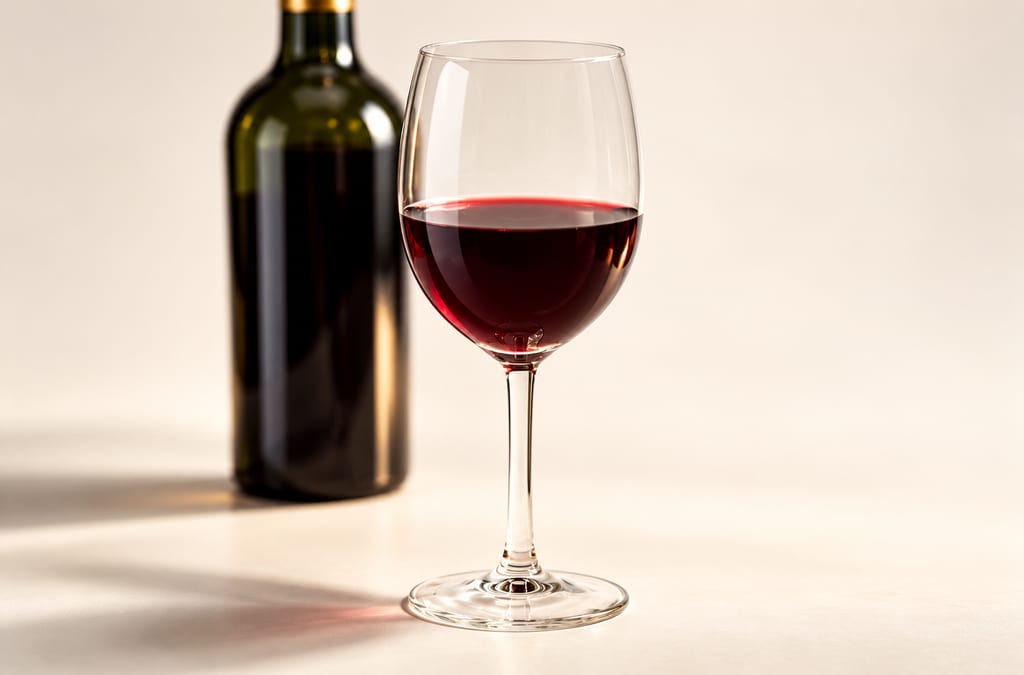
Red wine
Red wine is grape must fermented with the skins and other solids, then separated from the pomace. Grape, cellar and regional choices shape its colour, structure and style.
 FermenteaWhere food goes to change
Built structures · Floors, basins and masonry tanks
tines de pedra seca · Bages dry-stone wine vat · cairons-lined tina · boixa wine vat
A tina de pedra seca is a fixed stone-built wine vat found among vineyards in Catalonia’s Bages region. These installations used dry-stone masonry and an inner lining of glazed ceramic cairons; variants and individual layouts differ.
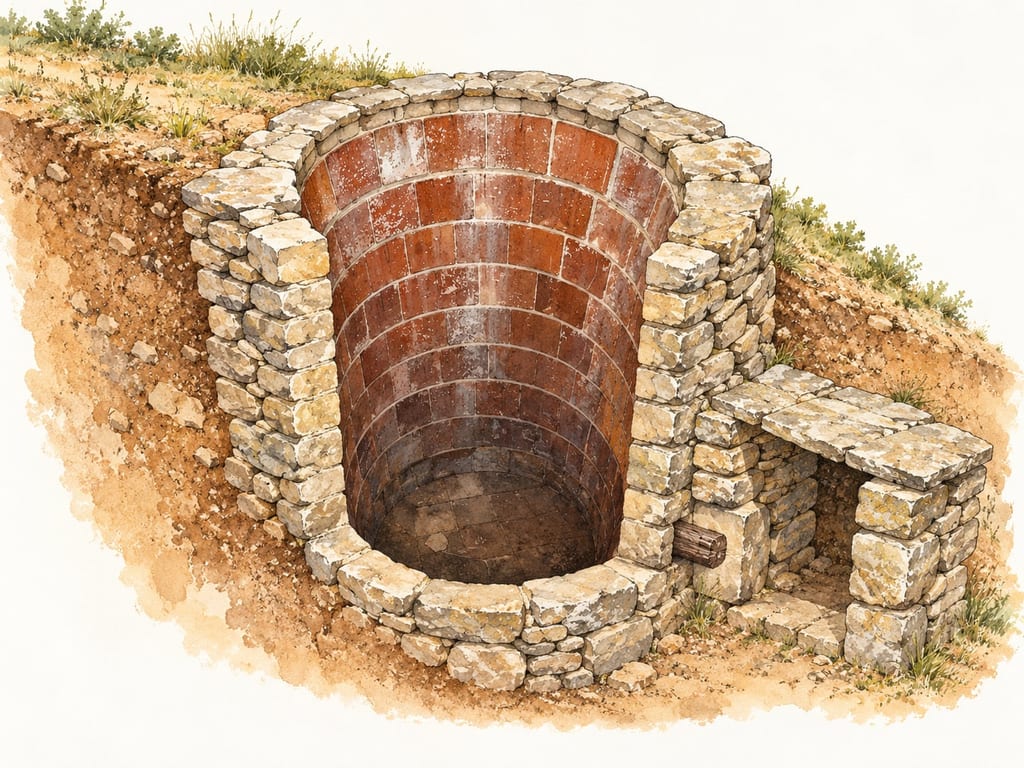
Tina de pedra seca—literally a dry-stone tina—is a fixed wine-making installation associated especially with the Bages comarca of central Catalonia. Unlike a movable fermenting tub, the vat is built into the vineyard landscape. Regional documentation describes concentrations in southeastern Bages, where grouped tines sit near former vine plots and sometimes use the natural slope. They helped avoid hauling large quantities of freshly harvested grapes to a distant farmhouse.
The usual documented form is a deep cylindrical chamber made from local stone. The inside was commonly lined with reddish glazed ceramic tiles called cairons, which helped contain liquid and allowed cleaning. The ICHN Bages account gives typical examples around one to two metres in diameter and three to four metres deep, but those figures are not a universal design or measurement of every surviving tina.
At the top, grapes could be crushed so the must fell into the chamber to ferment. Some vats had an open top that could take a fitted wooden cover. At the bottom, a stone outlet called the boixa had a hole closed by a stopper; the finished wine could be drawn there into containers. Some boixes were protected by a small adjoining shelter. The cover and shelter vary by site and should not be assumed for every tina.
The location and gravity-fed arrangement suited processing near the vines. This page records how the regional installation worked; it is descriptive heritage information rather than a construction plan.
The ICHN account says most tines in this part of Bages were built during the nineteenth century, while the Observatori del Paisatge reports their use more than a century ago in vineyard areas distant from farmhouses. These statements describe the regional group and its expansion; they do not establish the earliest date of the tina form everywhere.
Celler Abadal documents a modern experimental revival at Mas Arboset, where it made wine in a dry-stone tina among the vines. A Vins del Bages product record describes its 2017 Arboset as fermented in a tina with manual pigeage and then finished at the winery. Those are specific modern examples, not evidence that all historic vats are still used or followed one method.
A build is made where it stands: moving it means building it again.
Sources document a regional group in southeastern Bages, including El Flequer and Mura valleys; this is not one specific installation.
Red wine is grape must fermented with the skins and other solids, then separated from the pomace. Grape, cellar and regional choices shape its colour, structure and style.
An industrial fermentation patio places factory-made fiberglass-reinforced polyester olive tanks below floor level, with drainage and transfer infrastructure arranged around the buried vessels.
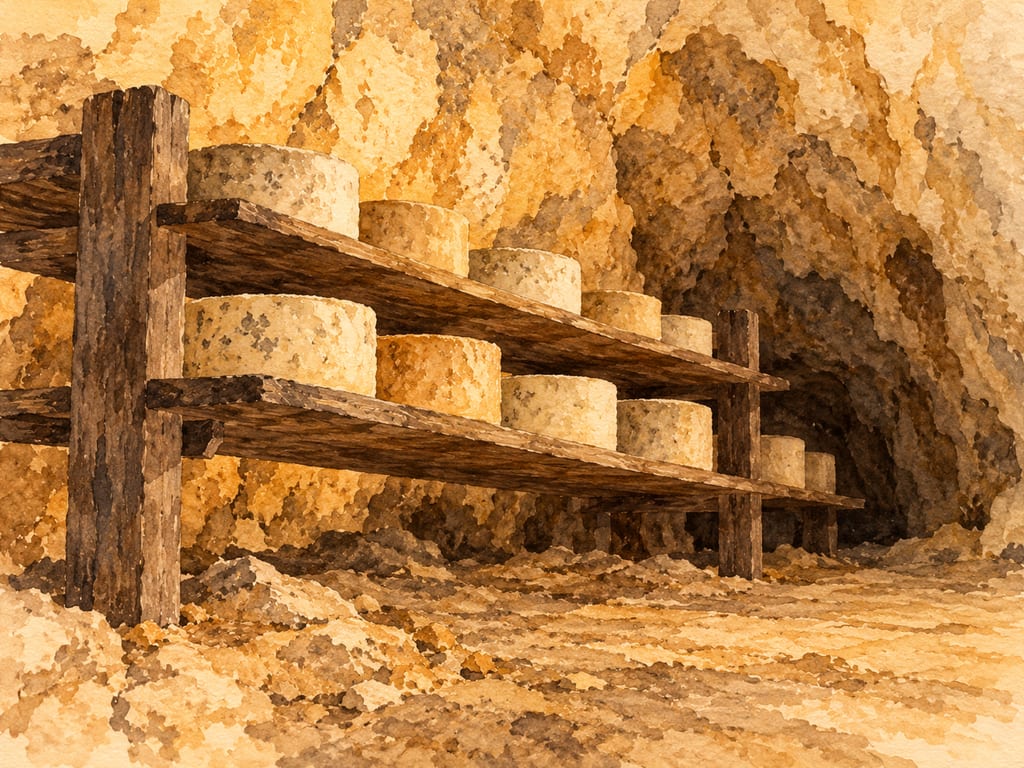
Natural limestone caves in Asturias’s Picos de Europa are used to mature Cabrales cheese. Their airflow, humidity and water are part of the site; the documented cave conditions should not be generalized to other ripening rooms.
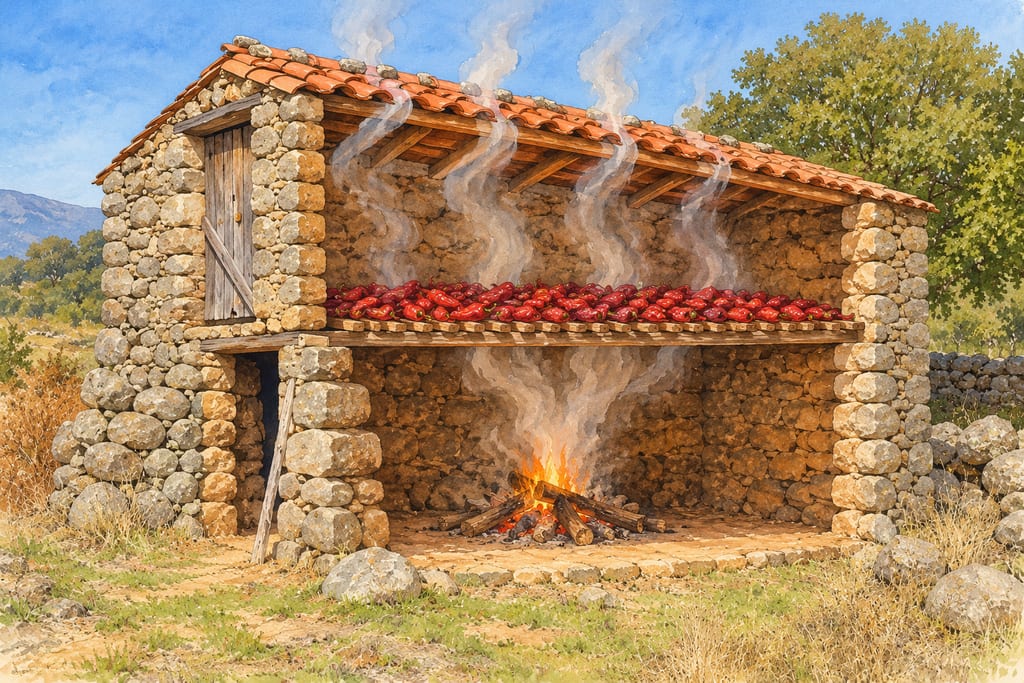
The traditional two-level pepper-drying building used for Pimentón de la Vera puts a wooden drying floor above an oak or holm-oak hearth, with heat and smoke rising through the peppers.
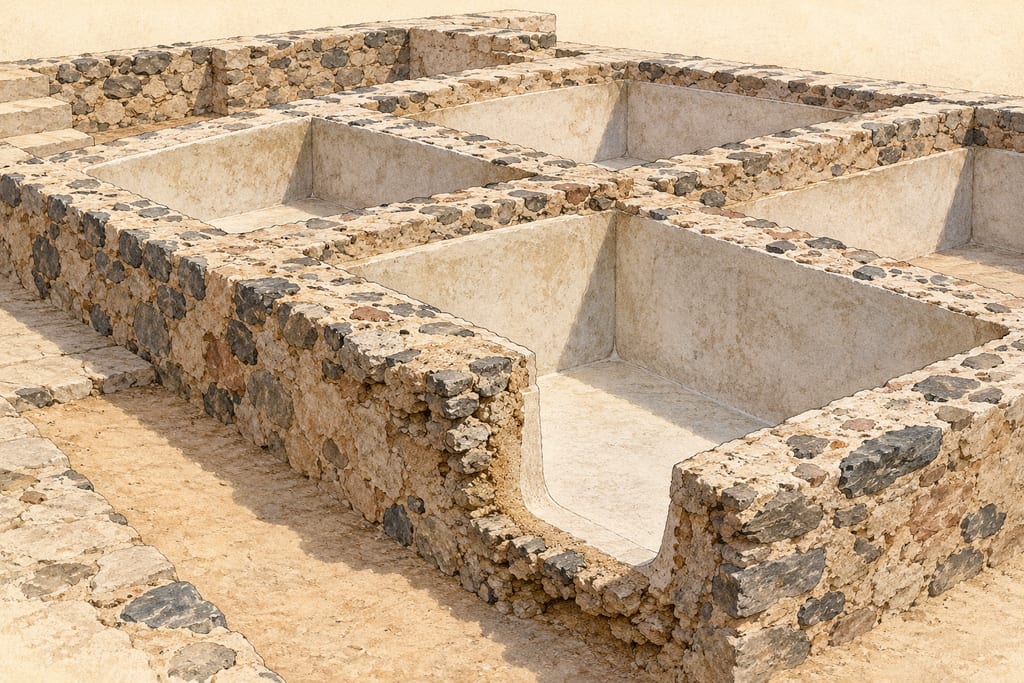
A cetaria is a fixed masonry basin in a Roman fish-processing installation. Examples at Baelo Claudia, Tróia and Monte Molião show varied forms, not one universal design.
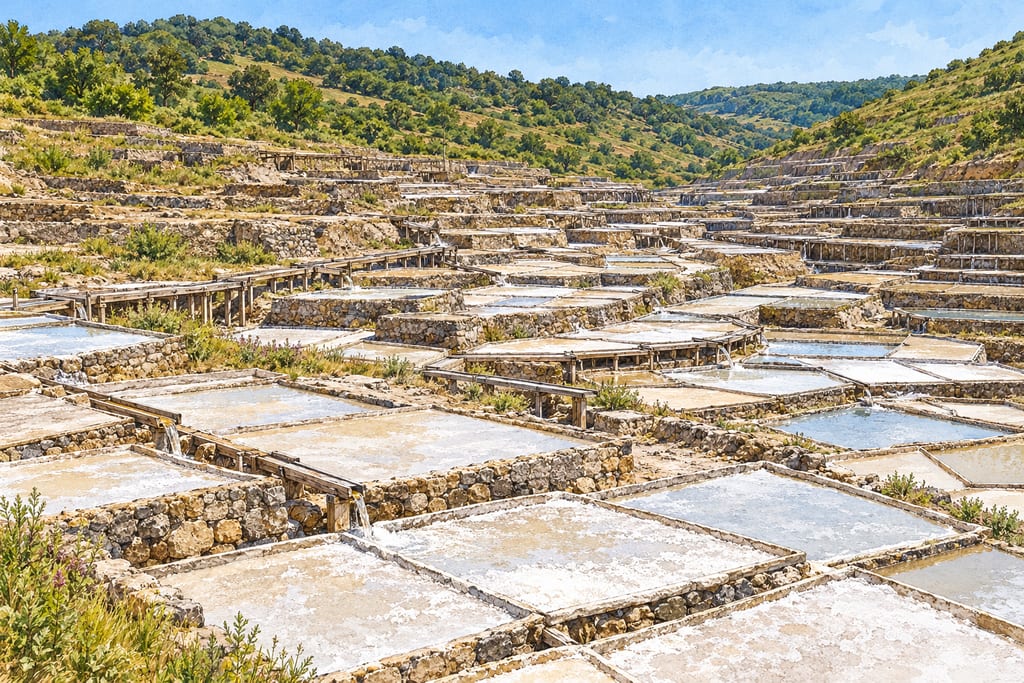
Valle Salado de Añana is an inland spring-brine saltworks in Álava, Spain, where wooden channels carry brine by gravity to stepped terraces of shallow evaporation pans.
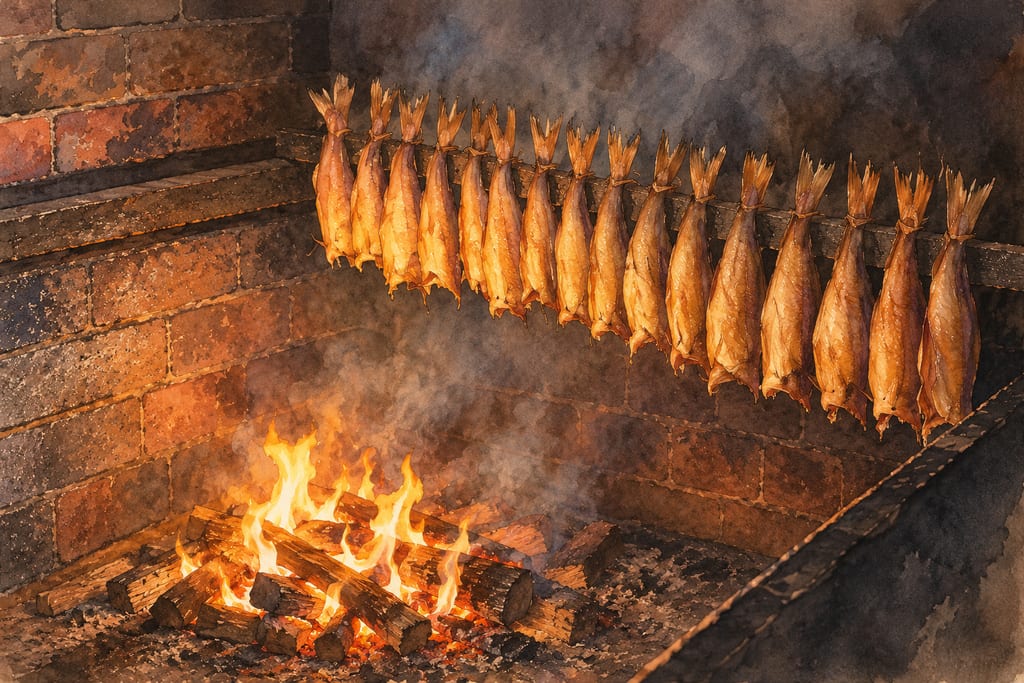
The Arbroath “barrel” is a hardwood-fired smoking pit with triangular rails and a cover. Its documented form belongs to the traditional hot-smoking of haddock around Arbroath and Auchmithie, Scotland.

Crisp battered white fish in warm corn tortillas with shredded cabbage, lime and fresh salsa. This home version draws on the Ensenada style without claiming to be a definitive historic formula.

Baked milk is an Eastern European preparation of milk held at high heat for hours until it turns cream-coloured with a cooked, mildly sweet flavour, without any fermentation.
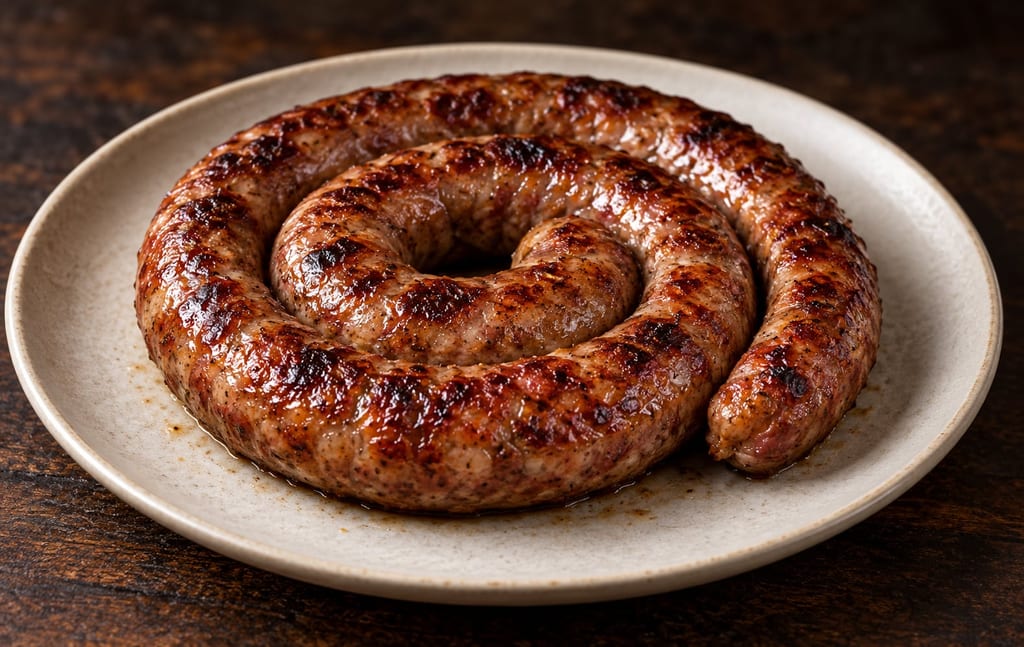
A coarse South African farmhouse sausage of beef with pork or mutton fat, defined by its coriander seasoning and cooked fresh over coals rather than preserved.
A flood-season pit store described for Omagua communities along the Amazon: manioc tubers were buried before inundation and recovered as waters receded. Its shape and lining are not recorded.
A temporary, in-place earthen oven used to cook camas with heat retained by fire-heated stones. The dimensions described here belong to one Kalispel-supervised reconstruction, not a universal form.

Chuño negro is a source-documented Andean potato-preservation practice. This entry records producer tradition; it is not a validated household process for making potentially toxic bitter potatoes safe.
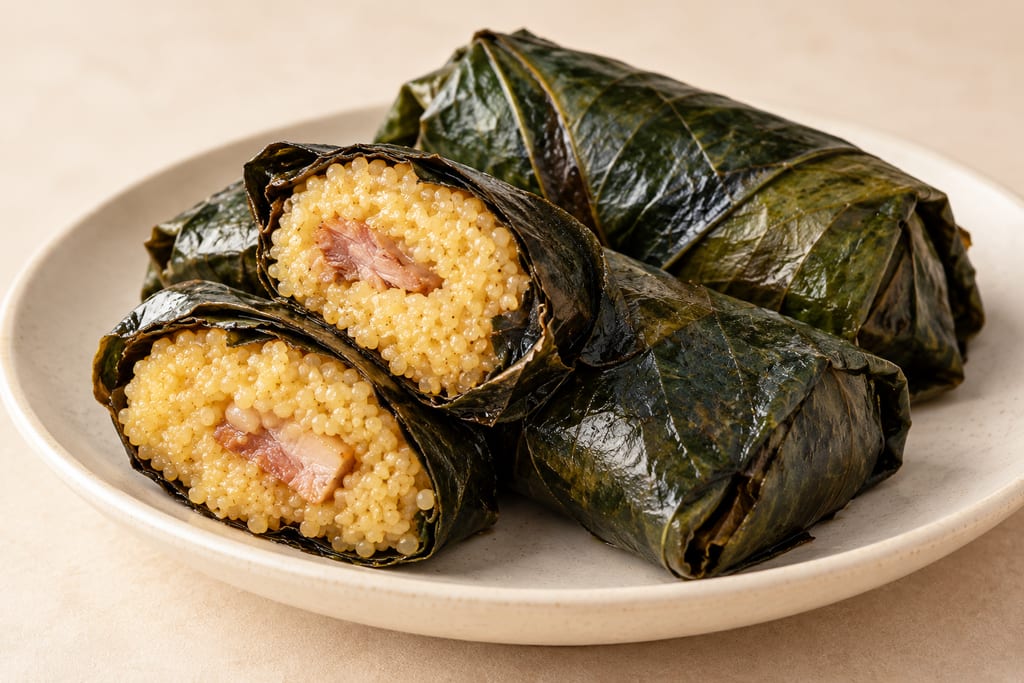
Cinavu is a Paiwan leaf-wrapped parcel built around millet or taro, meat and locally gathered leaves. It belongs to a food culture of harvest, hospitality and shared work, with village recipes differing in both filling and cooking time.
No community contributions have been published for this entry yet.
Sign in to contribute. Published comments and photos are free to read.
Institució Catalana d'Història Natural (ICHN Bages)Regional form · Materials · Dimensions · Method · Geography
Las tinas en piedra seca del sudeste de la comarca de BagesDescribes tines as cylindrical dry-stone wine vats, usually 1–2 m across and 3–4 m deep; dimensions are typical, not a universal specification.
Describes interior cairons tiles, open top, possible wooden cover, lower boixa outlet and sometimes a shelter over the outlet.
Places concentrations in southeastern Bages, including the El Flequer and Mura valleys; reports most were built in the nineteenth century.
Explains that grapes were pressed above the vat and must fermented inside, with the lower outlet used to draw wine.
Cited in: A vat built among the vines; Crushing above, drawing wine below; Nineteenth-century vineyards and a modern revival
Observatori del Paisatge de Catalunya, reproducing Enric Badia, Regió 7 (23 October 2014)Regional history · Vineyard setting · Historical use
Recuperen al Bages l'elaboració de vi en tines de pedra secaReports that dry-stone tines at the vineyard were built in Bages more than a century earlier for vineyards far from farmhouses.
Describes external vats with vitrified ceramic lining.
Records a 2013–14 revival project and the presentation of a red wine made in the restored Mas Arboset tina; this is one modern revival, not evidence that all tines remained in use.
Cited in: A vat built among the vines; Nineteenth-century vineyards and a modern revival
Celler AbadalModern revival · Specific site · Wine use
Descubem la 4ª anyada del Vi de Tina, un Patrimoni enològic únicCeller Abadal says its wine tina is a dry-stone vat located among the vines at Mas Arboset in Bages.
Describes the project as experimental and part of recovery work for DO Pla de Bages winemaking techniques and grape varieties.
This is a named modern example, not a universal layout or continuous-use claim.
Cited in: Nineteenth-century vineyards and a modern revival
Vins del BagesSpecific modern wine · Process
Abadal ArbosetThe product page says the 2017 Arboset wine fermented in a dry-stone tina with manual pigeage before finishing at the winery.
This directly supports an equipment-for association with red wine, not a generic claim about all wine production.
Cited in: Nineteenth-century vineyards and a modern revival