A fixed tank, not a ceramic jar
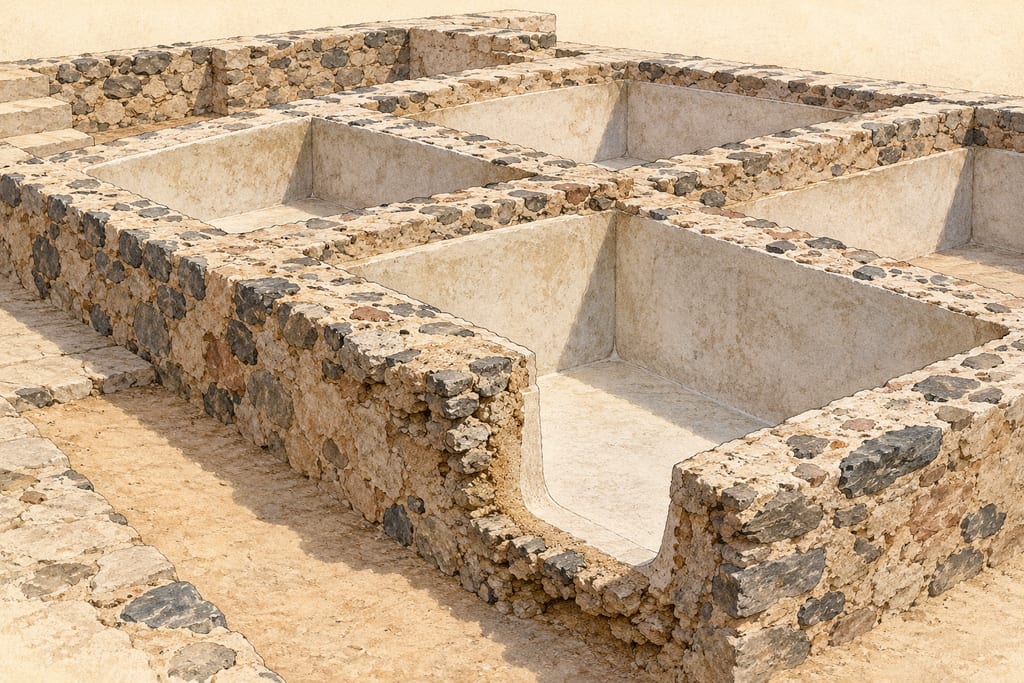
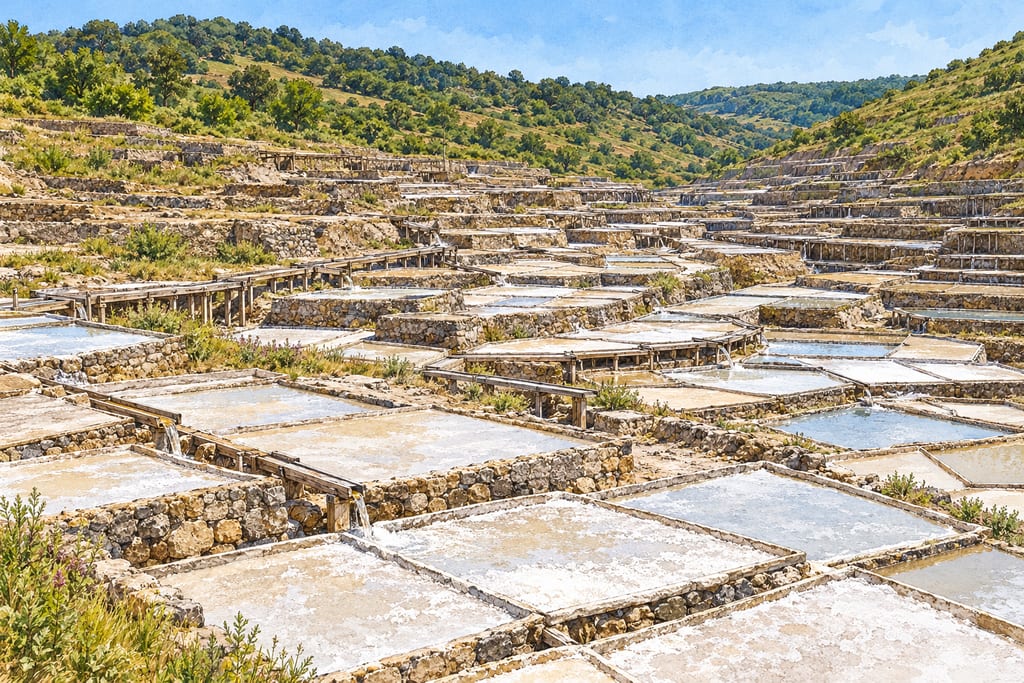
Cetaria (plural cetariae) is used for fixed fish-processing basins in Roman coastal installations. The distinction is structural: a cetaria is built into a work site and cannot be carried away as a finished pot. Baelo Claudia's archaeological exhibition identifies the cetariae as salt works where fish was processed for salted products and sauces. Tróia, on Portugal's Setúbal coast, is another Roman industrial fish-salting complex. These are site attestations; the term does not imply that every tank shared the same dimensions, lining or history.
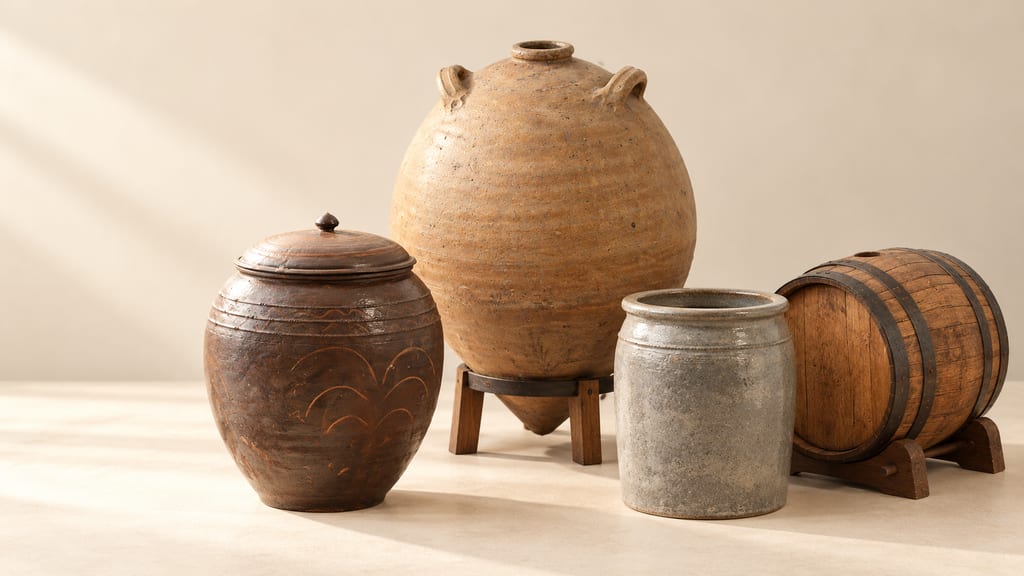
The comparison with ceramic dolia matters. Large pottery vessels also appear in Roman fish-processing contexts: the Baelo exhibit notes that excavations have found dolia used to ferment fish. A freestanding jar and an architectural basin are therefore different structures even when both are associated with fish products. The shape of a basin alone cannot establish which sauce or salted product it held; residues, fish remains, associated rooms and archaeological context are needed.
Sources for this section
What the excavated masonry tells us
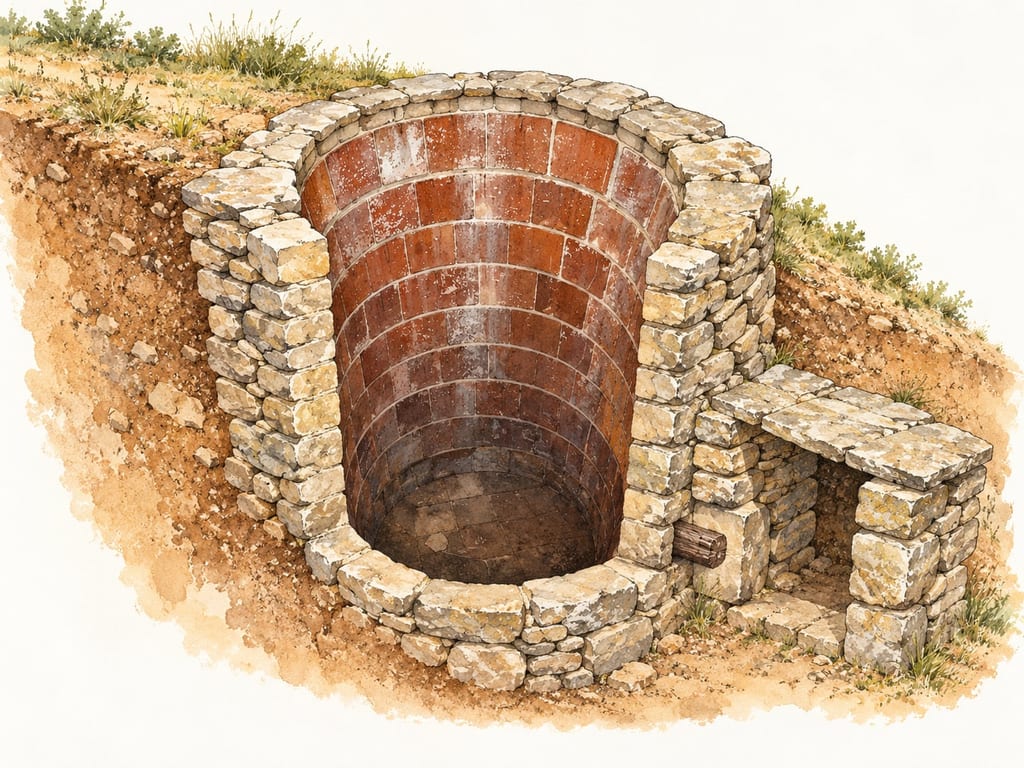
A detailed published report from Monte Molião, in Lagos in Portugal's Algarve, describes two tanks assigned to a Roman imperial garum factory. One square compartment measured 1.40 metres by 1.40 metres and 1.30 metres deep. Its reported capacity is about 2.54 cubic metres, or 2,500 litres. Those figures belong to that excavated tank, not to the class as a whole.
The report used broken wall sections to identify construction details: medium-sized stones were held together with clay, with no mortar noted. The exposed faces and tops were coated with opus signinum, a hydraulic mortar, at a reported thickness of about three to four centimetres; the base was similarly coated. At the wall-floor junction, an oblique baseboard with rounded corners closed the gap. This is a directly documented example of a liquid-retaining finish, not evidence that Baelo, Tróia and every other site followed the same specification.
The sequence in the structured method fields is a cautious reconstruction of the physical relationships described in that report. The report records the finished walls, base and junction but does not preserve a complete builder's manual, foundation design or exact order of work. It should not be turned into instructions for building a modern tank.
Sources for this section
How the installation related to production
At Baelo Claudia, the fish-salting works formed part of a wider industrial quarter. The official exhibition describes ponds for macerating fish, rooms for cleaning and cutting, and warehouses. This arrangement shows why a cetaria is best understood within its workplace rather than as an isolated vat: fish had to be received and prepared, processed in basins or other vessels, and handled alongside storage and movement through a coastal production centre.
The exhibit associates cetariae with garum and salted fish, but it also notes that large ceramic dolia were used to ferment fish. Some Roman fish sauces depended on extensive enzyme-driven breakdown, with microbial contributions varying by method; the basin itself does not identify those processes. This page records the fixed structure, while the existing related garum evidence page addresses ancient terms and source fragments. Neither structure nor historical description is a validated modern fish-fermentation method.
The Tróia heritage page describes a major Roman fish-salting centre that remained occupied into the sixth century. That statement dates the occupation of the site, not necessarily the continuous operation of each tank. The Baelo exhibition gives a separate production span for Baelo, from the second century BCE into the fifth century CE. Keeping those site chronologies apart avoids turning a group of archaeological installations into one imagined universal timeline.
Sources for this section
Limits of the evidence
The sources support stone-built tanks with hydraulic lining in at least one excavated Portuguese example, and they establish fish-salting installations at Baelo Claudia and Tróia. They do not establish one universal masonry recipe, a standard foundation, common tank capacity, or a single work-court plan. Even at one site, installations varied and their histories differed.
The evidence is archaeological and historical, not a current construction specification. It supplies no modern structural calculations, safe food-contact approval, cleaning regime, or validated fish-processing controls. A surviving lining should not be assumed safe or intact; the presence of old fish-processing tanks does not establish that an imitation can be used for food today.
Sources for this section
History
Baelo Claudia's archaeological exhibition documents fish-salting production and cetariae from the 2nd century BCE through the 5th century CE. Tróia is a separate Roman fish-salting complex reported as occupied until the 6th century. At Monte Molião, two excavated tanks belong to a Roman imperial factory phase that ended by the mid-3rd century CE.
Site
SettingIndustrial fish-processing installations at coastal Mediterranean sites. Baelo Claudia's exhibit describes work areas with fish-salting ponds, cleaning and cutting rooms, and warehouses; Tróia is documented as a large Roman fish-salting complex.
GroundSite conditions vary. The Monte Molião report places its factory close to the coast on low ground near the right bank of the Bensafrim River. It does not establish a universal foundation or ground requirement.
ClimateThe inspected sources do not specify a climate threshold or climate-control system for the masonry tanks.
FootprintNo single footprint is established. Baelo Claudia's exhibit describes a southern quarter with multiple works; Monte Molião's report examines two individual square tanks, while Tróia is a separate large industrial complex.
NotesThese examples document a build class, not one standard layout. At Monte Molião, one tank measured 1.40 × 1.40 m and 1.30 m deep; that measurement must not be applied to other sites.
A build is made where it stands: moving it means building it again.
Places
Baelo Claudia, Tarifa
Historical attestation · Locality evidenceA site-specific attestation of cetariae and fish-salting works, not a claim that this design or chronology was universal.
Tróia Roman Ruins
Historical attestation · Locality evidenceThe page establishes the fish-salting industrial site, not a single standard vat construction or uninterrupted production span.
Monte Molião, Lagos
Historical attestation · Locality evidenceA report documents two individual tanks and their fabric; these details describe that excavation, not all cetariae.