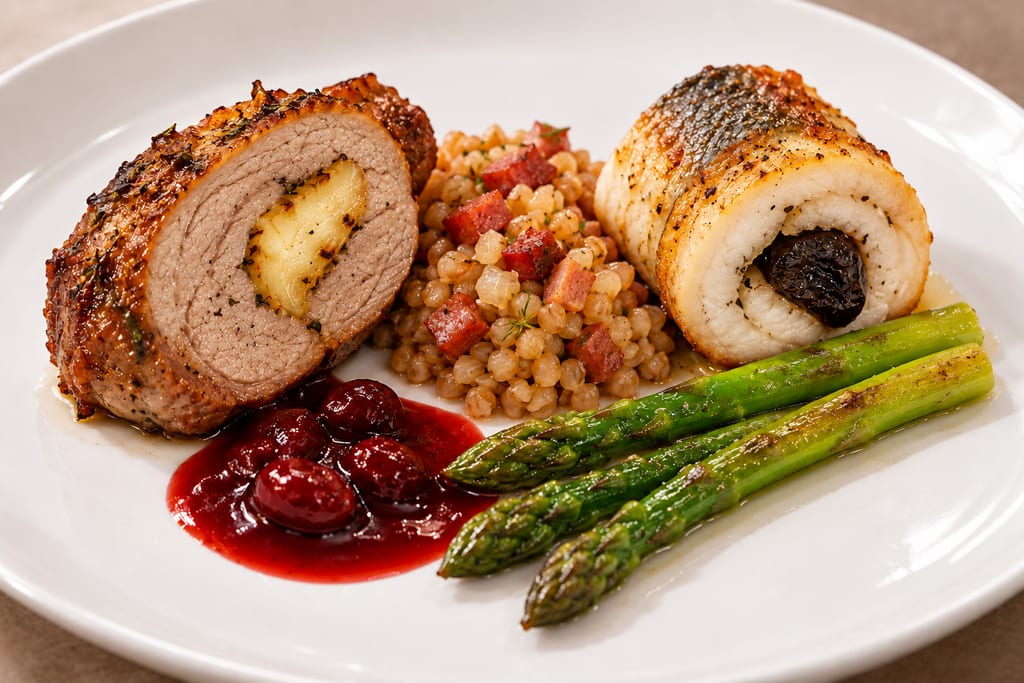
Lamb and zander with Oscypek and suska
A student cookbook pairs lamb stuffed with Oscypek and zander with suska, then serves wheat groats with a small amount of kiełbasa lisiecka.
 FermenteaWhere food goes to change
Modern adaptation
Oscypek z grilla
Small Oscypek are grilled until the exterior is crisp and the cheese softens, then served with cranberry, goji berries and mulberries.
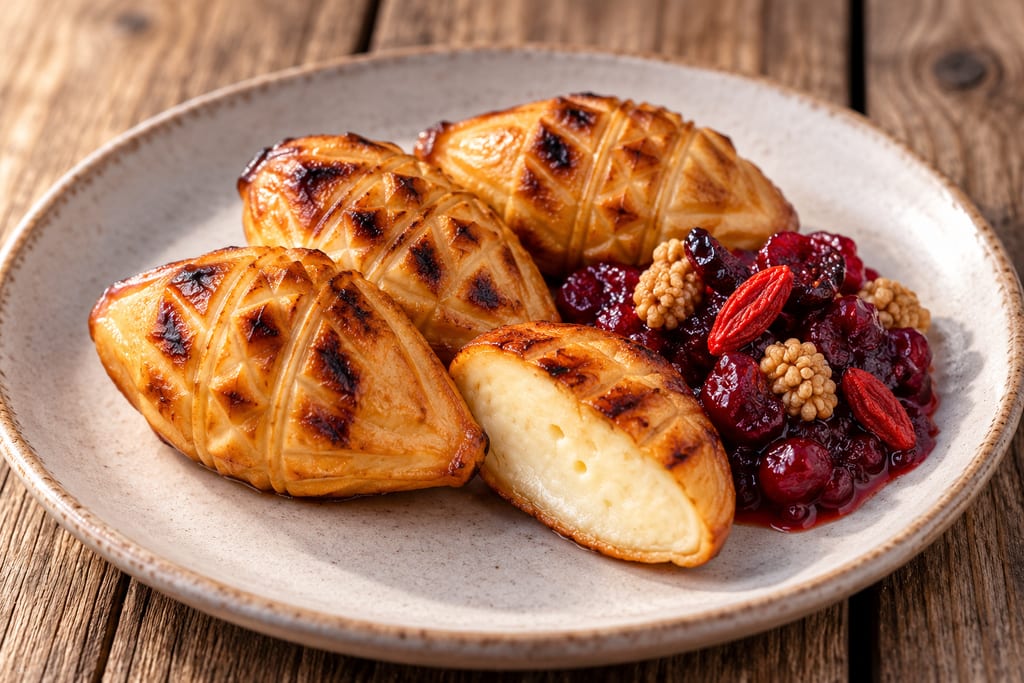
Oscypek z grilla is a popular Polish preparation in which smoked highland cheese is heated until its outer surface becomes browned and slightly crisp while its interior softens.
It is commonly served with cranberry preserve, called żurawina in Polish.
The version recorded here adds goji berries and mulberries to the cranberry, producing a fruit accompaniment with several different textures and flavors.
Its ingredients are deliberately simple: smoked cheese, cranberry, goji berries and mulberries.
The original recipe uses six small cheeses and is intended for two servings.
The total preparation time is five minutes, with approximately two minutes of grilling per side.
This is a serving recipe, not a method for manufacturing Oscypek.
That distinction matters because authentic Oscypek is a protected regional cheese made through a complicated sequence of milk treatment, coagulation, curd working, salting and smoking.
Grilling does not reproduce any of those manufacturing stages.
It only transforms an already prepared cheese for immediate eating.
Oscypek is a traditional Polish highland cheese, written oscypek in Polish and sometimes encountered as oszczypek in historical or regional descriptions.
It is associated particularly with Podhale and the Tatra mountain region.
Authentic Oscypek is a protected designation of origin, or PDO.
The protected product is traditionally spindle-shaped, with decorative patterns impressed into its surface.
The official specification describes cheeses approximately 17–23 cm long, weighing 0.6–0.8 kg.
The exterior is straw-colored to light brown, reflecting the smoking process, while the interior is light cream.
Oscypek is made with sheep's milk. The specification allows cow's milk, but not in a proportion exceeding 40% of the milk mixture.
These details raise an important issue with this recipe.
The instruction to use six small oscypki does not independently establish that the products are legally protected PDO Oscypek.
Many smaller smoked cheeses sold to tourists are colloquially described as oscypek or oscypki.
Some may instead correspond to different highland cheese products, including redykołka, or to generic smoked cow's-milk cheeses.
The name of the dish is authentic to contemporary Polish cooking, but the legally protected identity of the particular cheeses must be confirmed from their labels.
The highland cheese tradition is associated with sheep pastoralism and the seasonal movement of flocks onto mountain grazing land.
Its cultural history includes the influence of Wallachian shepherding traditions across the Carpathians.
Traditional production takes place in the bacówka, a shepherd's dairy hut, under the supervision of a skilled cheesemaker known as a baca.
The cheese's decorative spindle shape is not accidental.
It results from a particular hand-working and molding process, using carved wooden forms.
The protected regional product received EU registration in 2008.
That date marks legal recognition, not the invention of the cheese.
Modern roadside stalls and mountain resorts often sell small smoked cheeses for immediate grilling.
This has become a recognizable contemporary food experience associated with visits to southern Poland.
A hot smoked cheese served with cranberry preserve represents a combination of the older pastoral cheese tradition and a more recent style of street-food and tourist service.
The exact date when grilled cheese with cranberry became common is not established.
Cheese consists of a protein network holding water, fat, minerals and other components.
Its behavior under heat depends on the type of milk, acidity, moisture, calcium balance and the way the curd was processed.
Oscypek is a relatively firm cheese.
Its manufacturing process includes working the curd and forming it into a dense shape.
When exposed to heat, the cheese's fat softens and some protein structure becomes more flexible.
The exterior can brown and develop grill marks before the interior loses all of its shape.
This makes it suitable for brief high-heat cooking.
However, not all smoked cheeses melt in the same way.
A very moist cheese may collapse quickly. A particularly dry, firm cheese may soften without becoming strongly stretchy.
The exact response of the six small cheeses depends on what was purchased.
The original recipe describes a desirable result in which the exterior is crisp and the interior melted and stretchy.
Those are culinary endpoints rather than laboratory measurements.
Cranberry provides an important sensory counterbalance.
The smoked cheese is salty, rich and relatively concentrated.
Cranberry preserve contributes acidity and sweetness.
Together, these produce a contrast between salt and fruit.
The relevant cranberry species depends on the product.
European cranberries may involve Vaccinium oxycoccos, while commercial preserves can contain large-fruited cranberry, Vaccinium macrocarpon.
The recipe does not establish the species.
Nor does it provide a separate method for making the preserve.
A purchased cranberry preparation can therefore be used according to its own label, while homemade cranberry preserve belongs to a separate recipe.
Goji berries are associated with Lycium barbarum and related Lycium species.
They are usually sold dried.
Their sweetness and chewy texture add a different fruit element from cranberry preserve.
Mulberries are fruits from Morus species.
The recipe does not specify whether white or black mulberries are intended, although the related source presentation identifies white mulberries.
Dried mulberries have their own concentrated sweetness and can contribute a slightly chewy texture.
Both fruits are incorporated into the cranberry.
They do not undergo fermentation as part of the dish.
The word “superfoods” appears in the original recipe's presentation, but it is a marketing description rather than a scientifically defined food category.
The fruit mixture should be evaluated for its culinary flavor and composition, not assumed to deliver particular medical benefits.
A grill or suitable grill pan is required.
Use utensils that allow the cheeses to be turned without breaking them.
A small bowl and spoon are sufficient for the fruit mixture.
The recipe does not require a thermometer for a specific grill-surface temperature because the source gives none.
It uses the practical description of a strongly heated grill.
The method does not require smoking equipment.
Select the cheeses. Obtain six small smoked highland cheeses suitable for grilling.
Check the label if the distinction between genuine PDO Oscypek and a generic smoked cheese matters to the intended description.
Keep the cheese under its recommended storage conditions until preparation.
Prepare the grill. Heat the grill strongly.
The original recipe does not specify a numerical temperature or fuel type.
The surface needs to be sufficiently hot to brown the cheese during the short cooking interval.
Grill the first side. Place the cheeses on the hot grill.
Cook for approximately 2 minutes. The intended result is visible browning and a surface beginning to become crisp.
Turn the cheeses. Turn carefully without tearing the softened exterior.
Cook the second side for approximately 2 minutes.
The interior should soften while the outside retains the grilled form.
Prepare the fruit accompaniment. Combine 3 tablespoons cranberry, 1 tablespoon goji berries and 1 tablespoon mulberries.
Mix to distribute the dried fruits through the cranberry.
The source does not specify soaking or cooking the berries.
Serve immediately. Arrange the grilled cheeses on serving plates.
Add the cranberry mixture alongside or over the cheese.
The documented batch serves two people. Serve while the cheese is warm and soft.
Grilling creates a strong thermal gradient.
The surface directly contacts the hot grill and heats rapidly.
The interior warms more slowly.
This allows the surface to develop color and texture while the center becomes more pliable.
Some browning may involve reactions between proteins and small quantities of available sugars, although the extent depends on the cheese's composition and surface conditions.
Moisture can evaporate at the exterior.
Fat softens and can begin to move through the protein structure.
A well-controlled brief grilling stage gives the cheese recognizable dark marks without rendering the whole piece shapeless.
If the heat is too gentle, the interior may soften before the surface browns.
If the heat is excessively intense, the surface can burn before the center is appropriately heated.
The original two-minutes-per-side schedule is appropriate to the small cheeses used by its author.
It does not automatically apply to full-size PDO cheeses weighing several hundred grams.
Oscypek receives smoke during its manufacture.
The smoke comes from wood combustion and deposits aromatic compounds onto the cheese surface.
Phenolic compounds contribute characteristic smoky aromas.
The surface also darkens through a combination of processing changes.
Smoking may provide some preservation effects, but it is not equivalent to sterilization.
The cheese's stability also depends on milk treatment, curd processing, salting, moisture and storage.
The official cheese specification details these operations.
For example, the preparation of the milk mixture and addition of rennet are controlled aspects of traditional production.
Rennet coagulates milk proteins, allowing curd to form.
The curd is then worked and shaped.
The grilled recipe begins after all those processes have finished.
It should never be catalogued as a complete smoked-cheese manufacturing recipe.
The simplest and most familiar contemporary serving is smoked highland cheese with cranberry preserve alone.
The addition of goji and mulberries represents a modern variation.
Other Polish presentations use grilled cheese without fruit or add a different sweet accompaniment.
The main practical variation concerns the cheese itself.
Small tourist cheeses may be made from cow's milk or a different mixture from protected Oscypek.
They may have different moisture, salt and smoking characteristics.
A cook using a full-size protected Oscypek would need to develop a different cutting and grilling method.
That adaptation should not be represented as the exact original five-minute recipe.
Grilled smoked cheese is best eaten immediately after cooking.
Its characteristic appeal depends on the contrast between the warm, soft interior and the more resilient exterior.
The cranberry mixture can be served separately, allowing each bite to contain as much fruit as desired.
It works as a snack, appetizer or small hot dish.
The source's two-serving quantity makes it especially suitable for a simple shared preparation.
The dish also lends itself to a mountain-food setting, where strongly flavored smoked cheese and fruit preserve provide an easily assembled hot snack.
The cheese supplies most of the salt, while the fruit contributes the sour-sweet contrast.
Successful grilled cheese should retain its general shape.
The exterior develops browning and grill marks.
The interior becomes soft enough to stretch or yield when cut.
The exact texture depends on the cheese.
Burned surfaces, excessive leakage of fat or a collapsed piece suggest that the heat exposure did not suit the particular product.
If the cheese remains completely cold and rigid inside, it has not reached the intended culinary condition.
The berries should remain distributed through the cranberry preserve rather than requiring a separately cooked sauce.
The original recipe does not state whether the purchased cheese was made with pasteurized or unpasteurized milk.
Authentic Oscypek can be made under a traditional protected specification involving sheep's milk, but the status of the particular purchased product must be checked.
For vulnerable consumers, local food-safety advice on cheeses made from unpasteurized milk is relevant.
Brief surface grilling cannot automatically be assumed to eliminate every pathogen throughout the cheese.
The recipe contains milk.
The commercial cranberry preparation and dried fruits may have additional ingredients or allergen cross-contact warnings, depending on their labels.
The original source gives no storage life for leftover grilled cheese.
This is a dish intended to be prepared and eaten promptly, not a preservation recipe.
The one-page recipe documents a contemporary Polish serving preparation using purchased Oscypek; it does not describe cheese production or smoking.
Scaling: source batch only
The recipe names Oscypek but does not specify the treatment of the particular cheese purchased. The FDA guidance is relevant only if that cheese is unpasteurized and is U.S. consumer advice.
Hazard sourceCheck the specific cheese label and follow local advice, especially for higher-risk consumers. This serving recipe does not describe cheesemaking or product-specific validation.
Control sourceThe source gives six “small” cheeses but no cheese mass, serving yield or storage instructions.
A source-specific documented preparation, not a claim of origin.
A student cookbook pairs lamb stuffed with Oscypek and zander with suska, then serves wheat groats with a small amount of kiełbasa lisiecka.
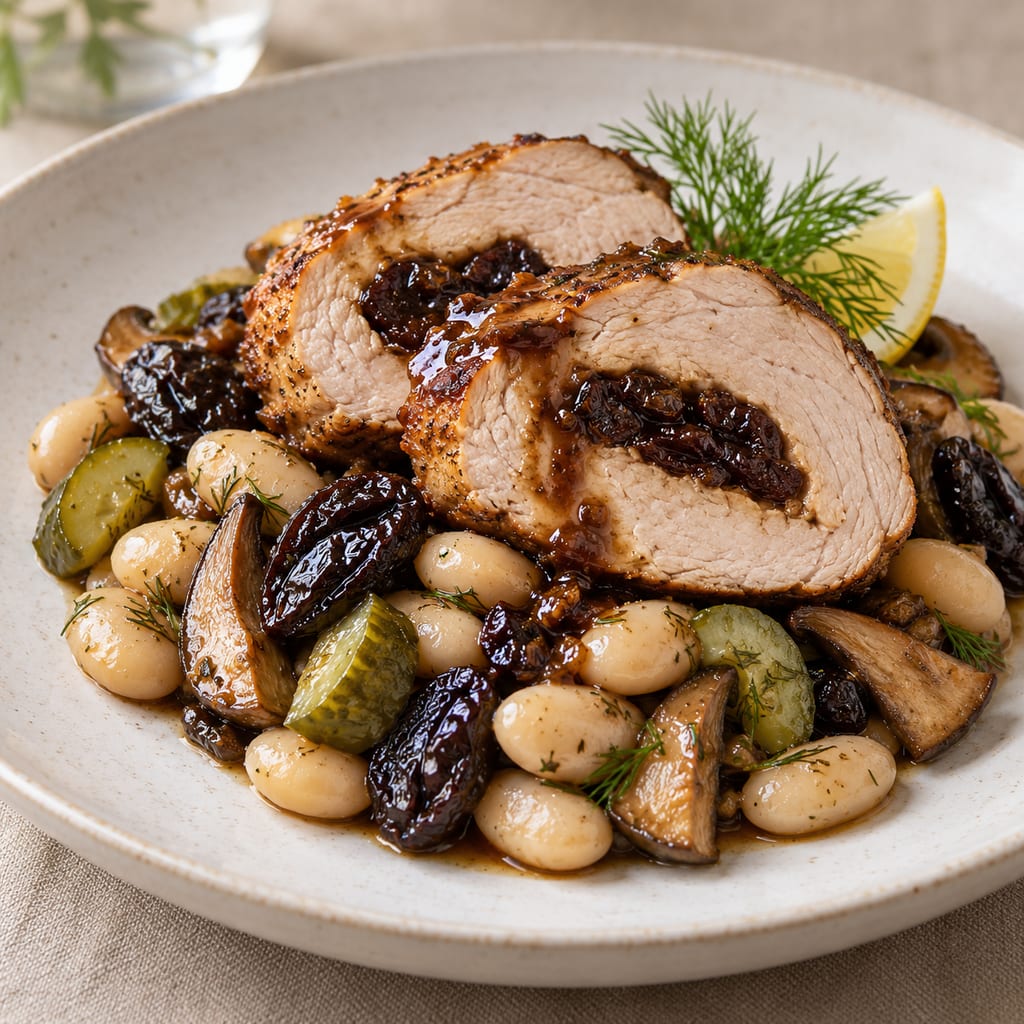
This Polish competition recipe stuffs pork loin with suska and serves it with a bean salad containing more smoked-and-dried plums.
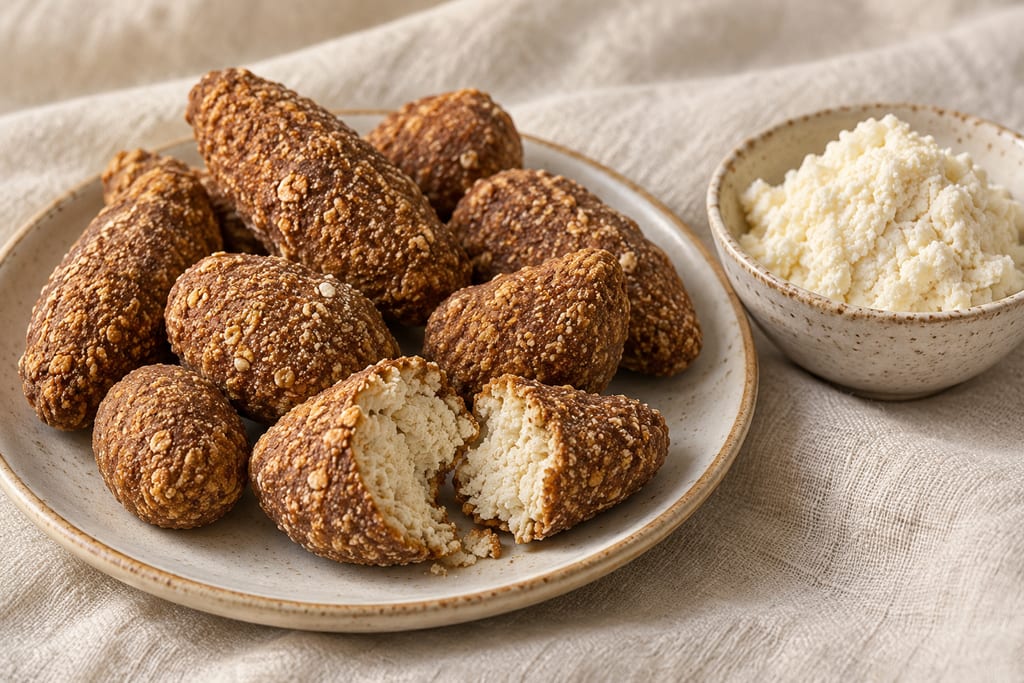
A two-stage Altai dairy preparation: sour chegen is heated into soft aarchi, then portions are drained, pressed and traditionally smoked into firm kurut.
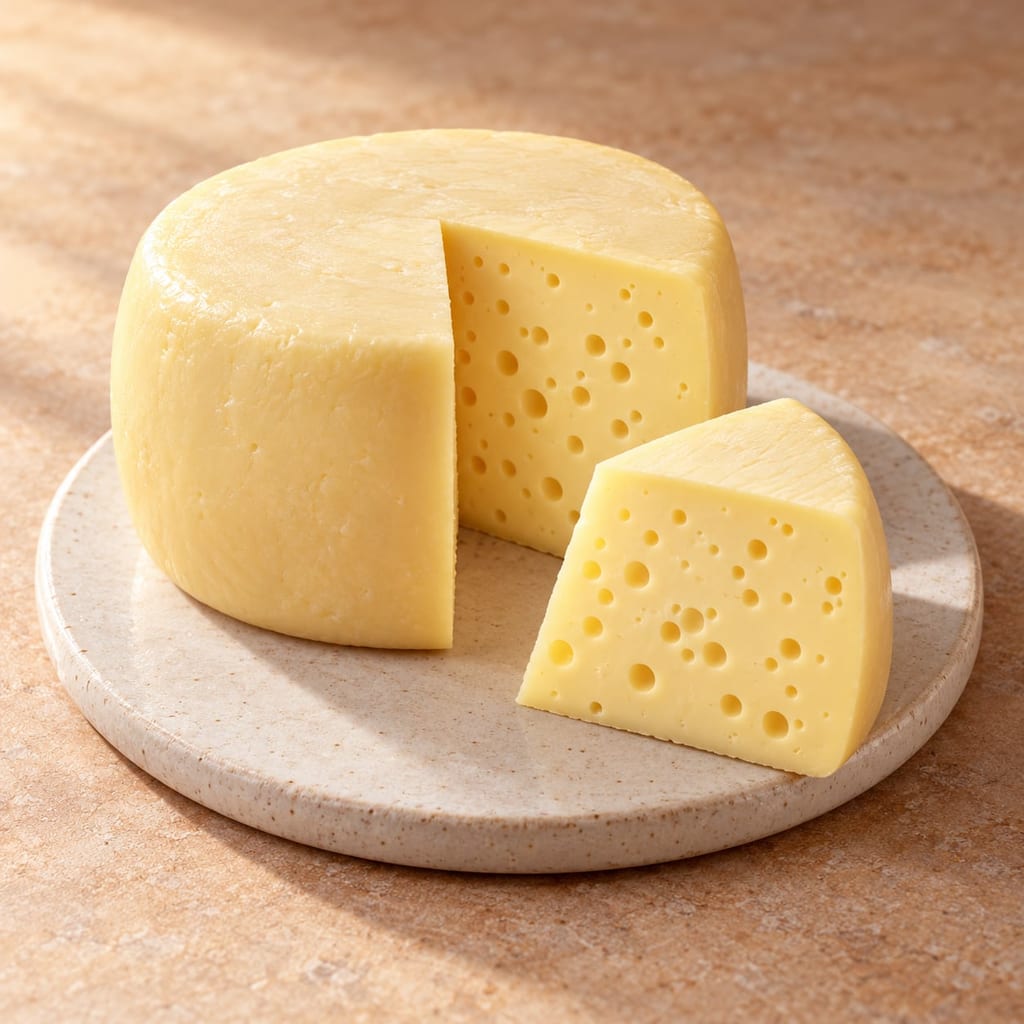
A washed-curd cheese with propionic bacteria, warmed by hot water in two steps and then held in a warm room for weeks so the bacteria can form its holes.
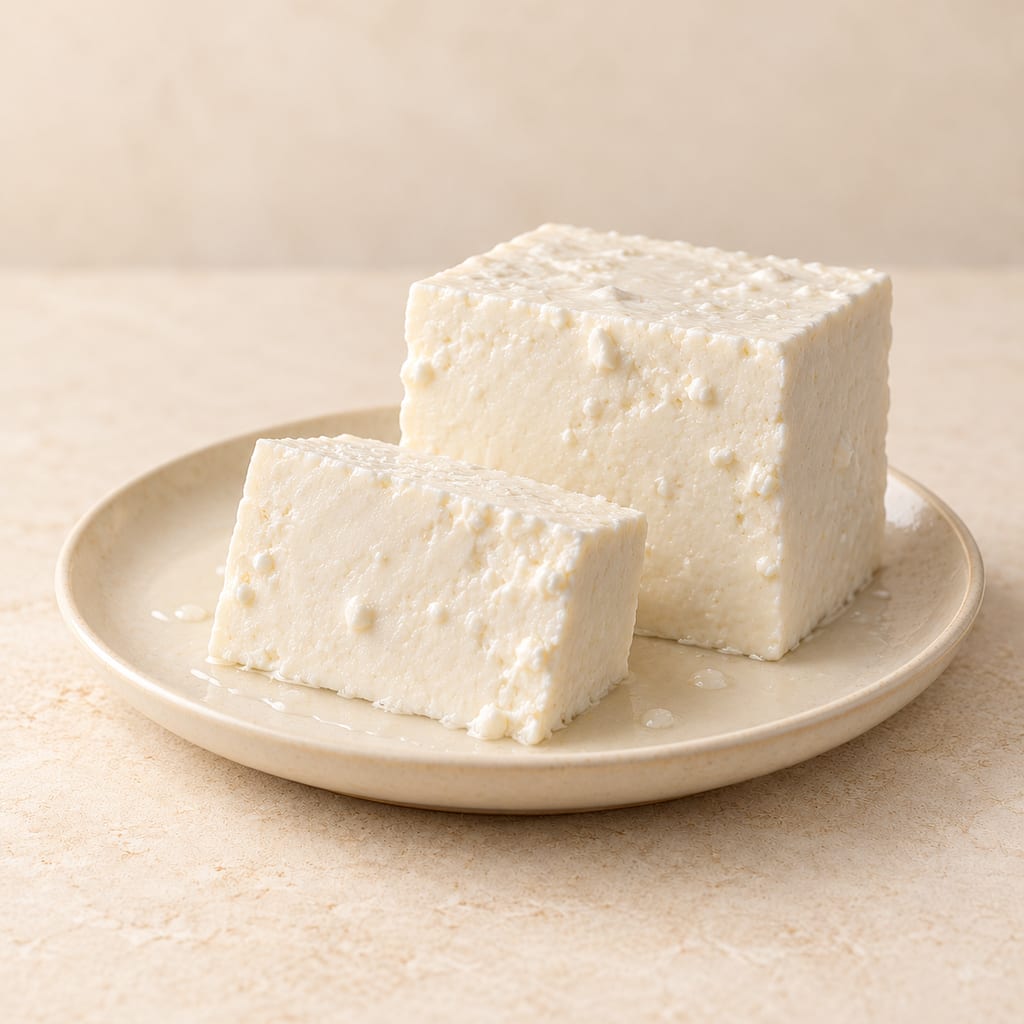
Beyaz peynir is a Turkish white cheese matured in brine. Sheep milk, alone or mixed with other milks, gives a close-textured cheese cut into blocks and packed in cans.
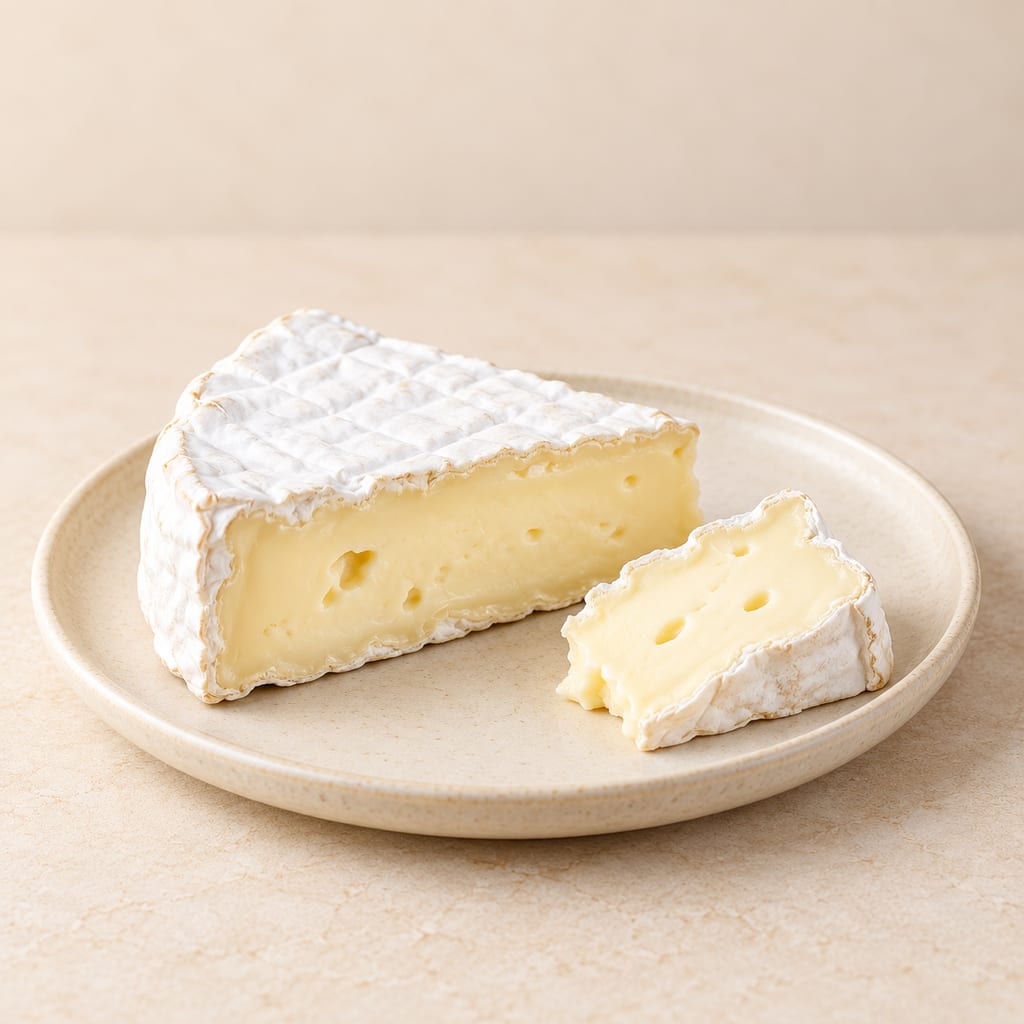
A cream-enriched Brie with a white bloomy rind and a softening center, made from pasteurized milk with lactic and surface cultures.
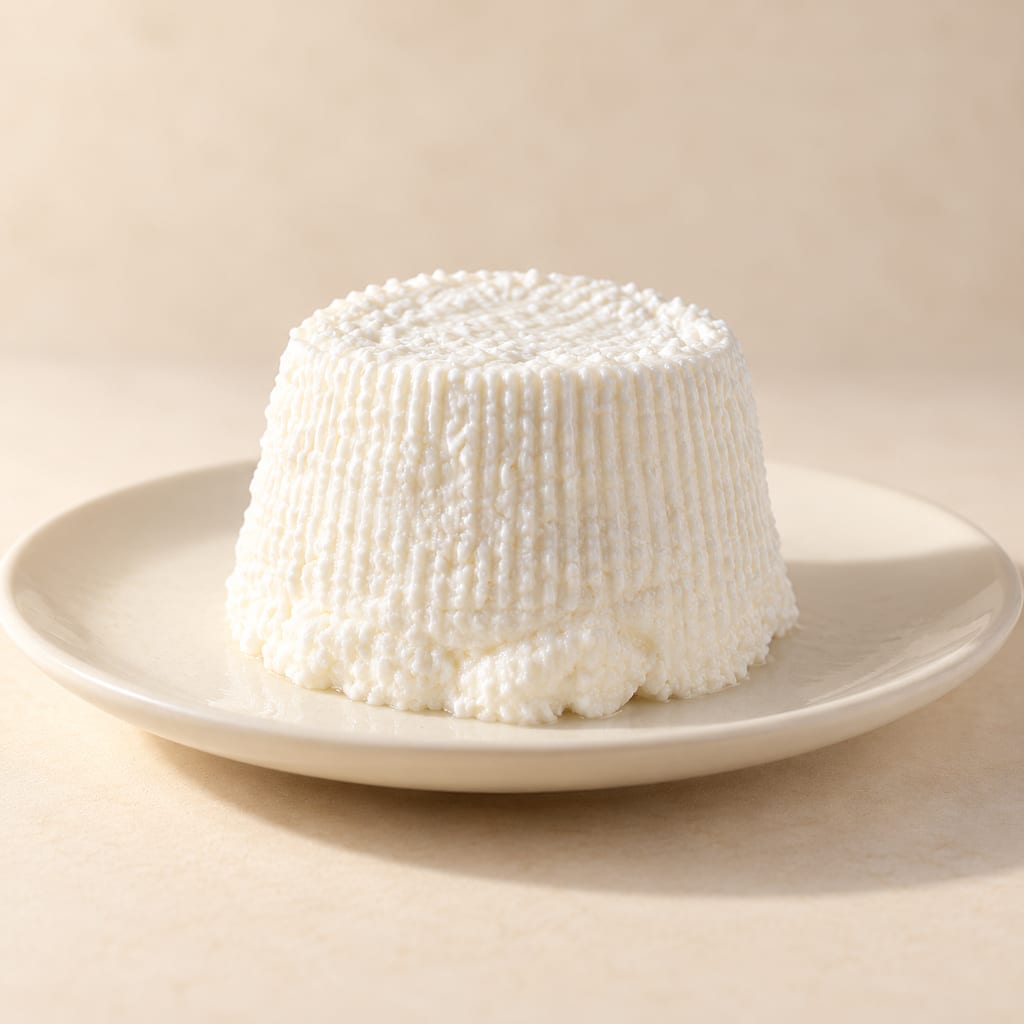
Corsican Brocciu is a whey cheese made by heating sheep's or goat's whey with whole milk and salt, then gently draining the flocculated curds. It is eaten fresh or salted and ripened as Brocciu passu.
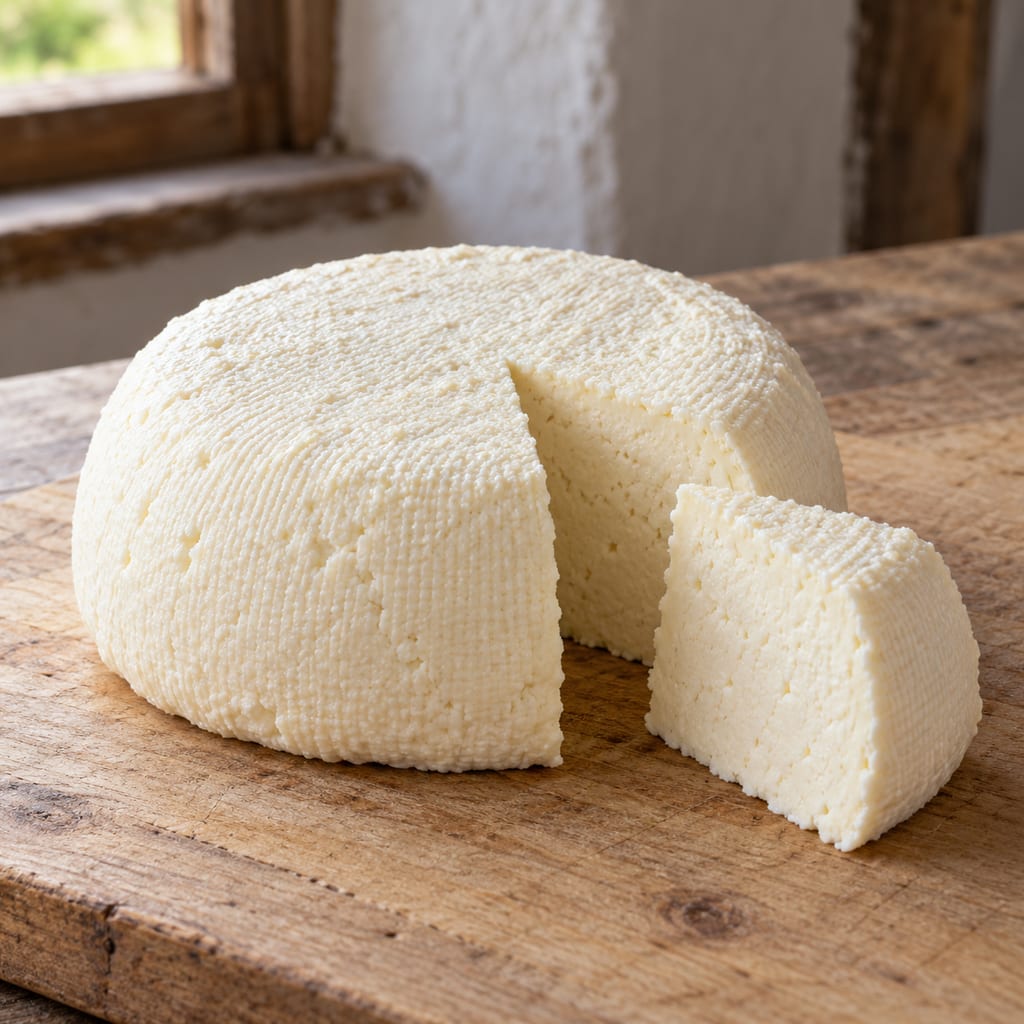
Budz is a traditional Hutsul rennet-set cheese made from sheep, cow or goat milk in the Ukrainian Carpathians, forming a fresh curd that can be eaten, smoked or processed into salted bryndza.
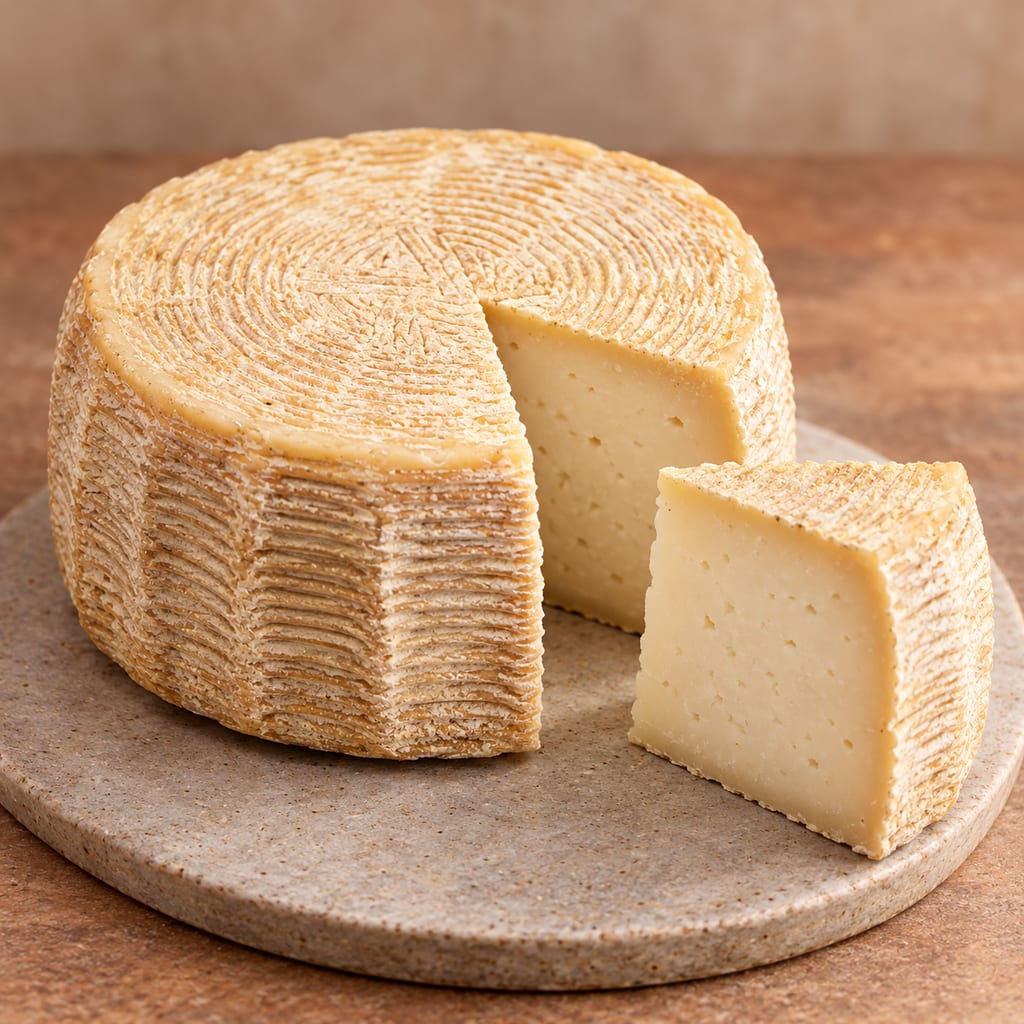
A scalded cheese moulded in baskets and re-cooked in its forms in hot whey, made alongside a ricotta from the same milk, then acidified, brined and aged for months.
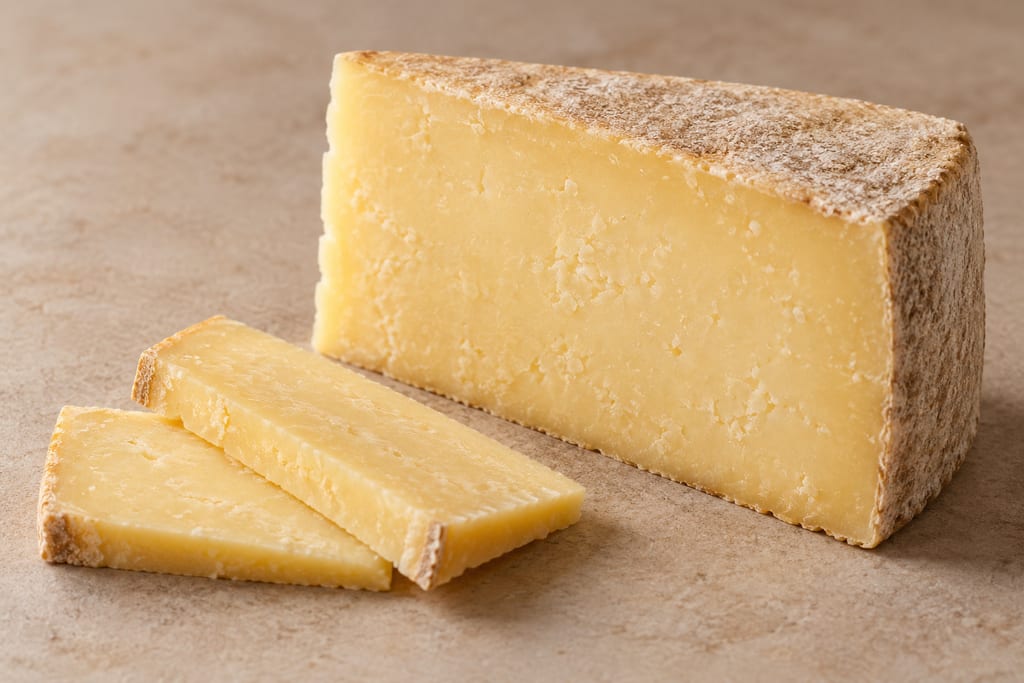
A pressed cheese whose curd is cooked slowly, then cheddared: kept warm in slabs that are turned and stacked for hours before milling, salting and pressing.
No community contributions have been published for this entry yet.
Sign in to contribute. Published comments and photos are free to read.
Ania Starmach; PDF says recipe from aniastarmach.plInspiration
Oscypek z grillaThe one-page recipe lists six small Oscypek, 3 tbsp cranberry, 1 tbsp goji and 1 tbsp mulberries; grill cheese about two minutes each side and serve with the fruit mixture. It gives no yield, cheese mass or storage.
Cited in: A mountain cheese served hot; The identity of Oscypek; Historical background; Why Oscypek works on a grill; The role of cranberry; Goji berries and mulberries; Equipment; Method; What happens during grilling?; The science of smoking the original cheese; Regional variations; Serving and eating; Recognizing a good result
U.S. Food and Drug AdministrationSafety guidance
People at Risk of Foodborne IllnessU.S. consumer guidance identifies higher-risk groups and cautions about raw or undercooked foods, refrigerated smoked seafood, deli salads, and unpasteurized cheese; apply only to the relevant product categories.
Cited in: Safety and allergens
Ania StarmachInspiration · Method detail
Ania Starmach — Oscypek z grillaOriginal two-serving, five-minute recipe.
Cited in: A mountain cheese served hot; The identity of Oscypek; Historical background; Why Oscypek works on a grill; The role of cranberry; Goji berries and mulberries; Equipment; Method; What happens during grilling?; The science of smoking the original cheese; Regional variations; Serving and eating; Recognizing a good result
GOV.UKProtected designation record
GOV.UK — Oscypek PDOProtected designation and product specification.
Cited in: The identity of Oscypek; Historical background; Regional variations
EUR-LexProtected designation record
EUR-Lex — Oscypek product specificationFormal geographical and physical characteristics.
Cited in: The identity of Oscypek; Historical background; Regional variations
Polish Ministry of AgricultureProtected designation record
Polish Ministry of Agriculture — OscypekTraditional product characteristics.
Cited in: The identity of Oscypek; Historical background; Regional variations
NHSSafety guidance
NHS — Foods to avoid in pregnancyDairy safety guidance.
Cited in: Safety and allergens