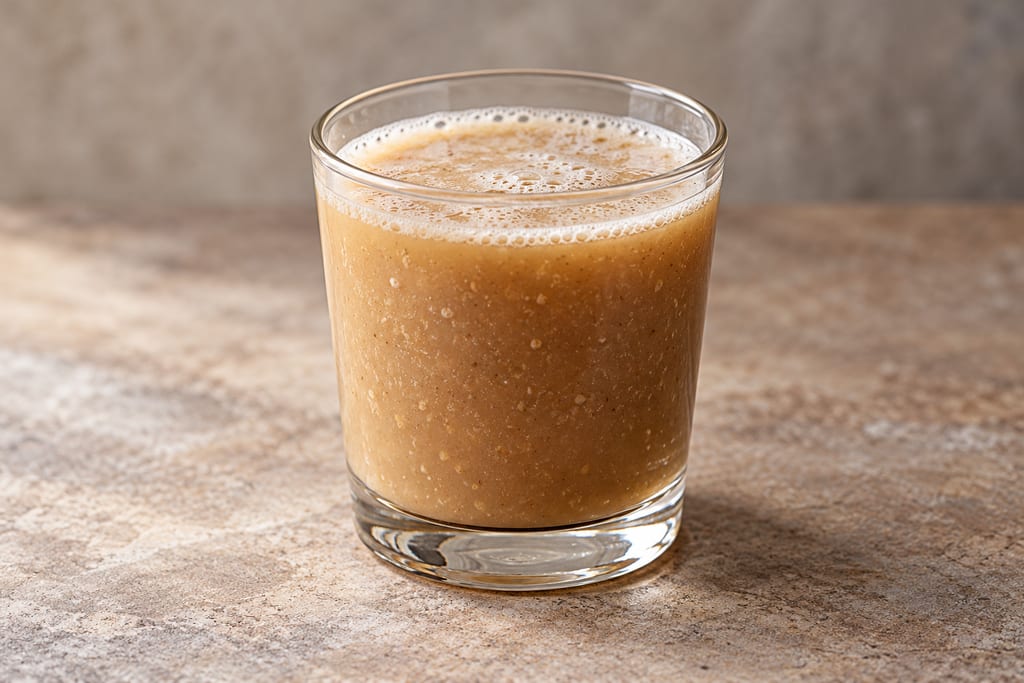
Addis Ababa wheat borde
A thick, faintly fizzy Ethiopian cereal drink in which a wheat dough is fermented, roasted dark, then fermented a second time with barley malt into a drinkable slurry.
 FermenteaWhere food goes to change
Modern adaptation
kitcha · kicha
An unleavened Ethiopian and Eritrean wheat flatbread, rolled thin and cooked in clarified butter.
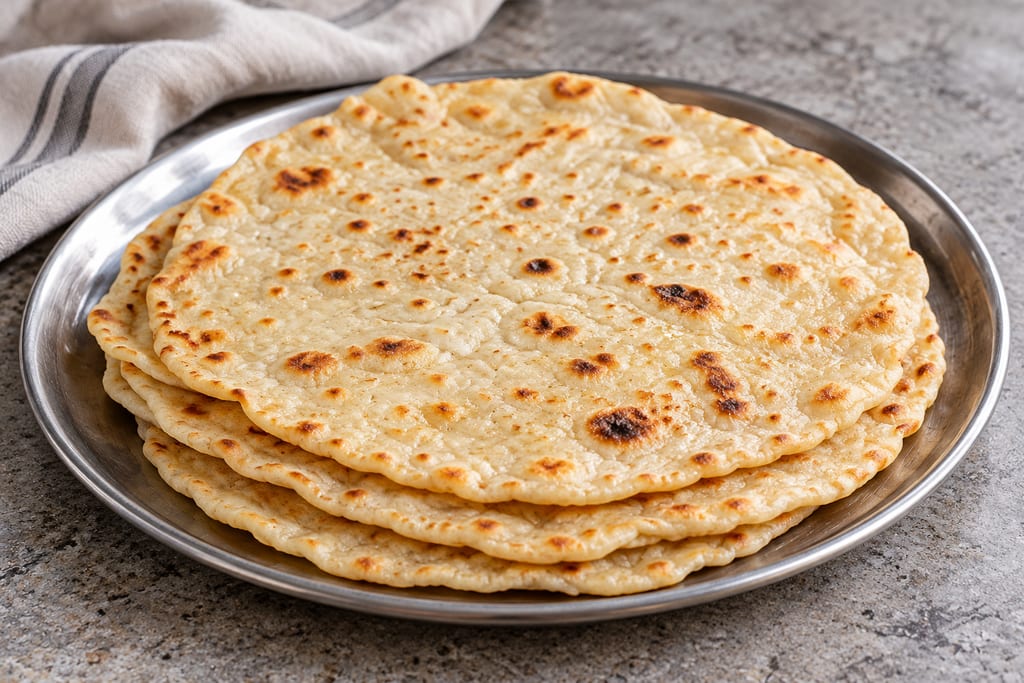
Kita or kitcha is an unleavened wheat flatbread associated with Ethiopia and Eritrea. The Ethiopian training module describes tearing cooked kita for chechebsa; this page records the bread itself using a clarified-butter pan method.
Kita is documented in Ethiopian and Eritrean cooking; its first attestation is not established.
Yield 4 flatbreads · Scaling: source batch only
Contains wheat and milk (clarified butter).
Do not taste raw dough; raw flour can contain harmful germs. Wash hands and surfaces after handling it.
Use care with the hot pan and fat.
The source identifies Ethiopian and Eritrean cuisines; no precise birthplace is established.
The recipe is associated with Eritrean cuisine as well.
A thick, faintly fizzy Ethiopian cereal drink in which a wheat dough is fermented, roasted dark, then fermented a second time with barley malt into a drinkable slurry.
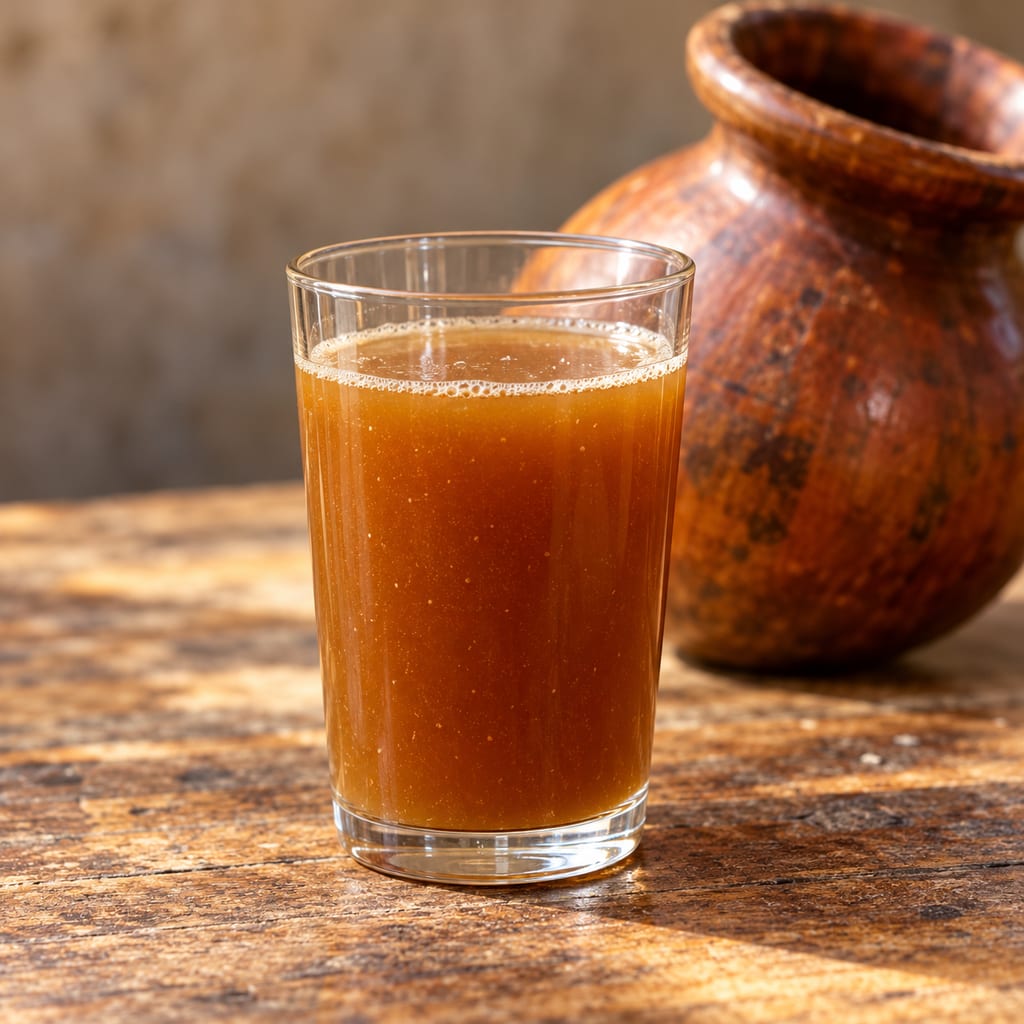
A darker Ethiopian maize tella, brewed from maize baked into a hot, dry kita pancake and then fermented in three stages with barley malt, gesho and water.
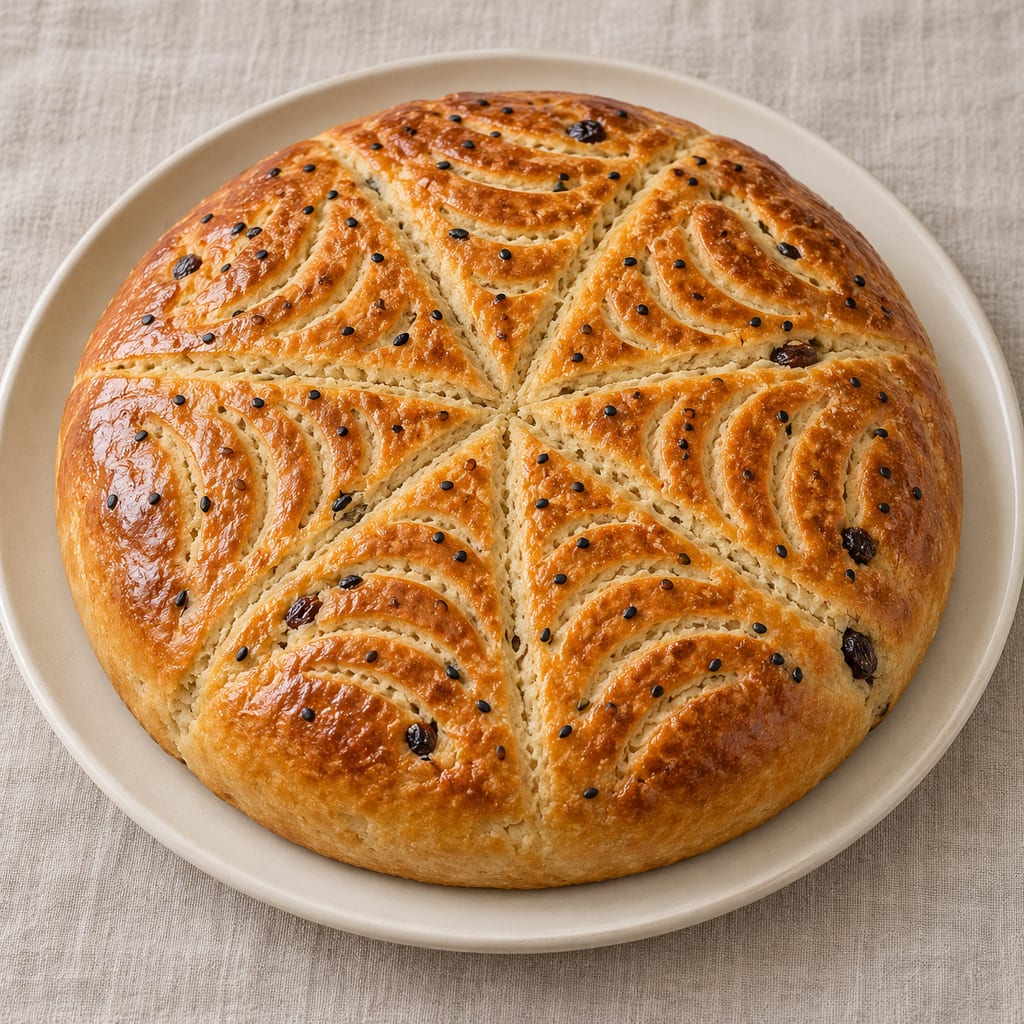
A round, mildly sweet wheat bread leavened with baker’s yeast and marked with a wheel pattern. This source batch uses raisins, black sesame and cardamom.
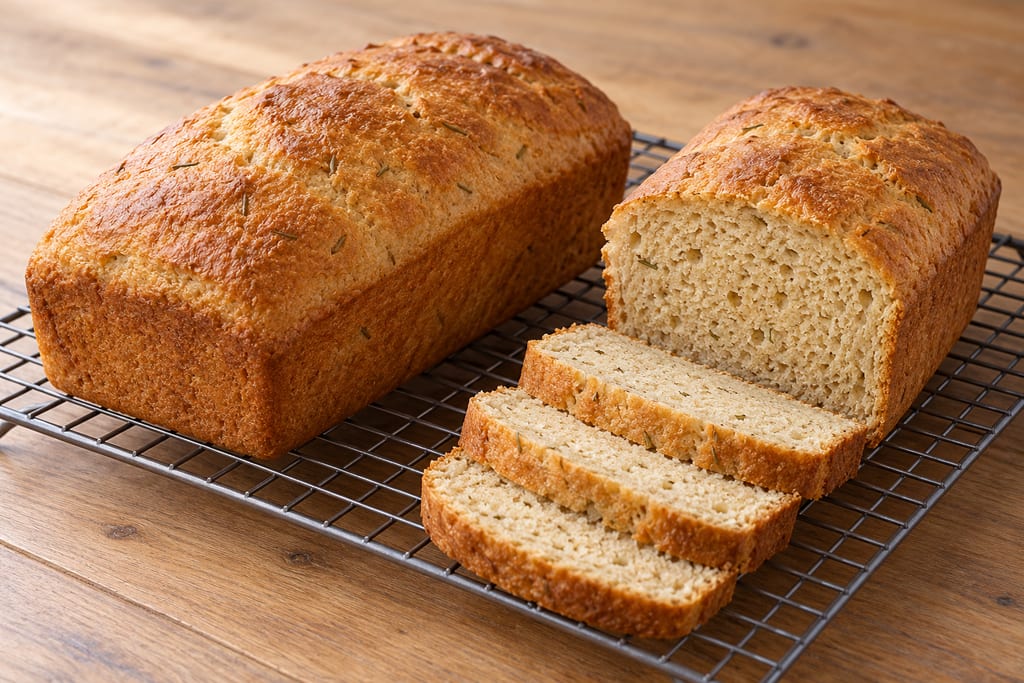
Ethiopian breakfast honey bread: two rosemary-scented yeast loaves shaped in pans and baked at 400°F.

Ethiopia's fermented enset staple: the scraped leaf sheaths and pounded corm of Ensete ventricosum packed into a leaf-lined pit, where lactic fermentation turns them into a sour mass that keeps and is later baked as flatbread.
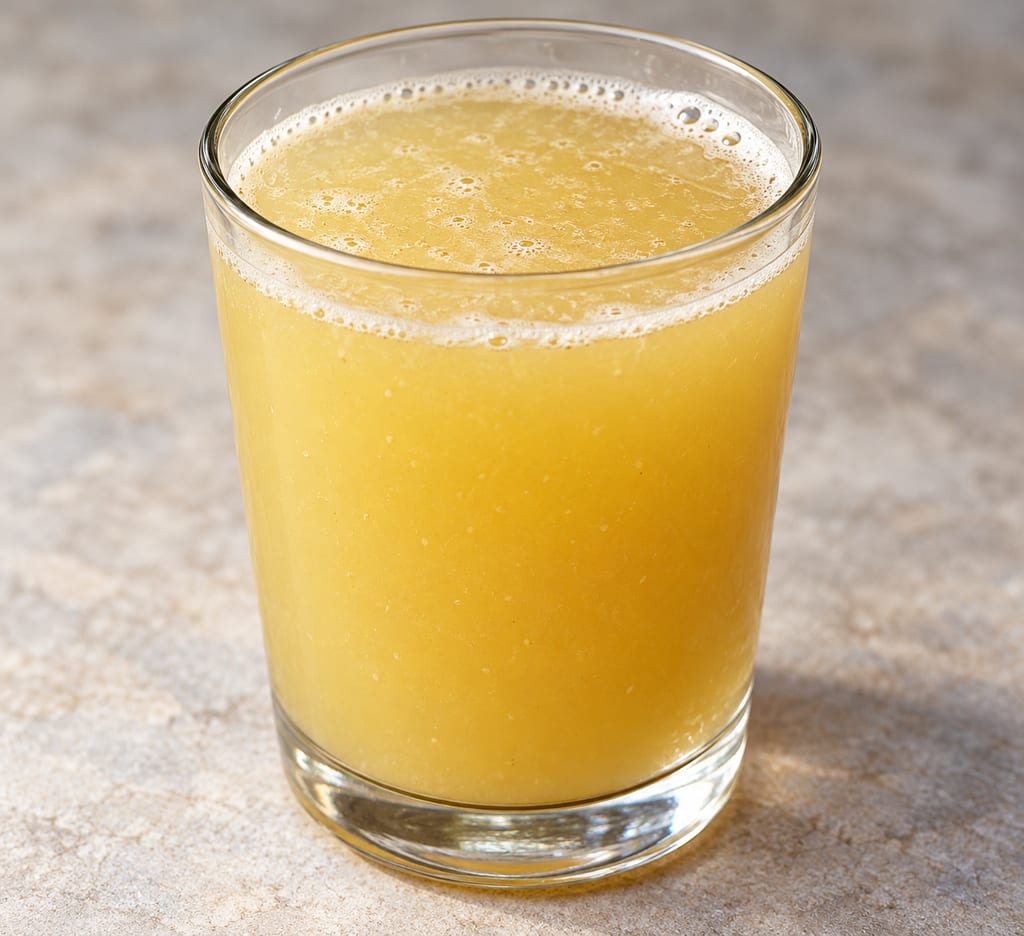
A pale Ethiopian maize tella, brewed from maize baked into a kita pancake at a gentler heat and then fermented in three stages with barley malt, gesho and water.
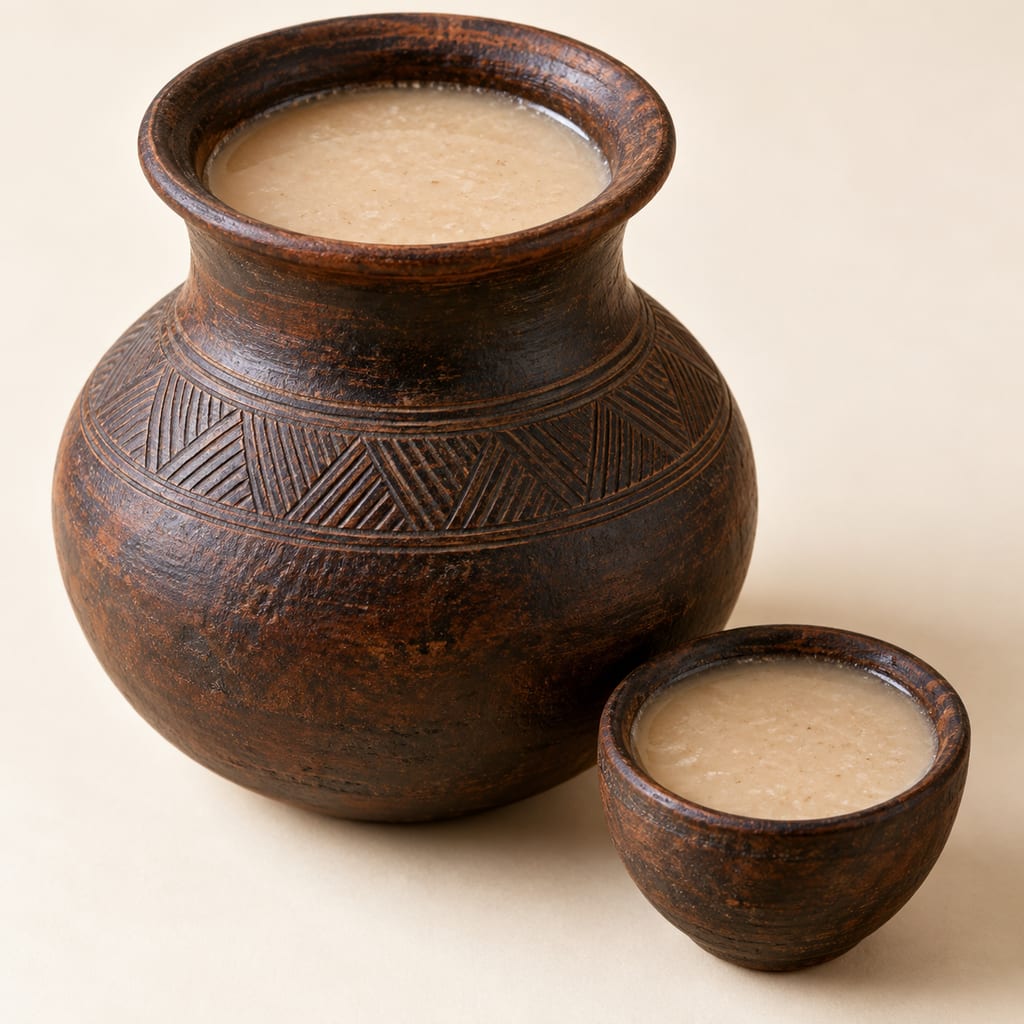
A 2025 study formula combines wheat dough and sorghum porridge with sorghum malt and gesho in staged fermentation. Konso and Dirashe fieldwork records distinct cereal-and-leaf Cheka variants; the study formula is not universal.
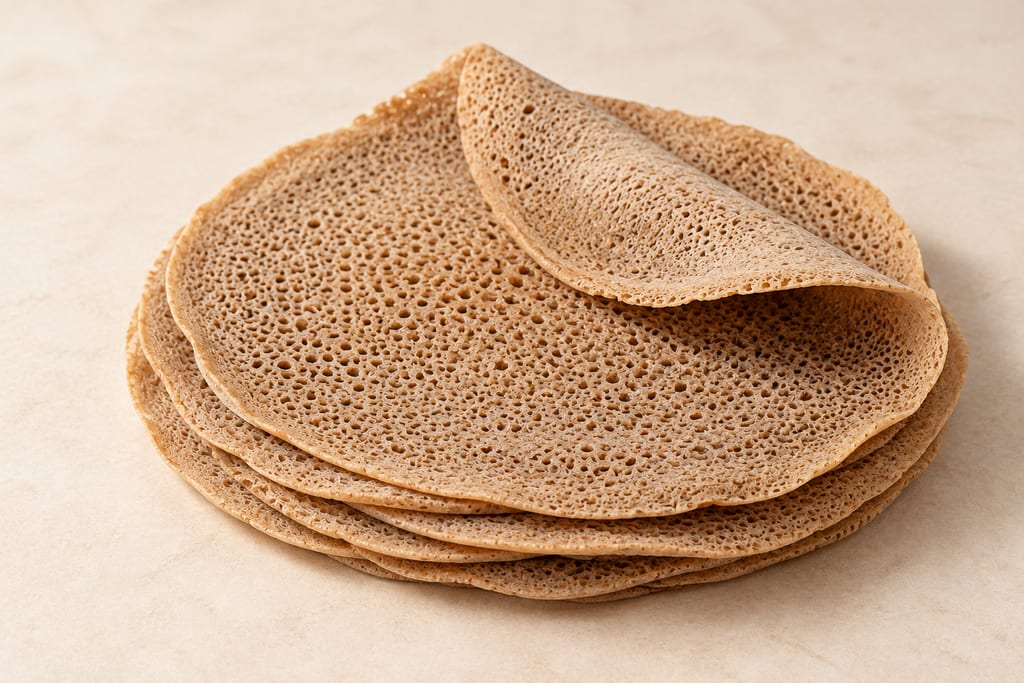
A two-stage Ethiopian teff injera method begins with saved ersho, ferments the main batter beneath refreshed surface water, then adds cooked absit before a final warm rest and griddle baking.
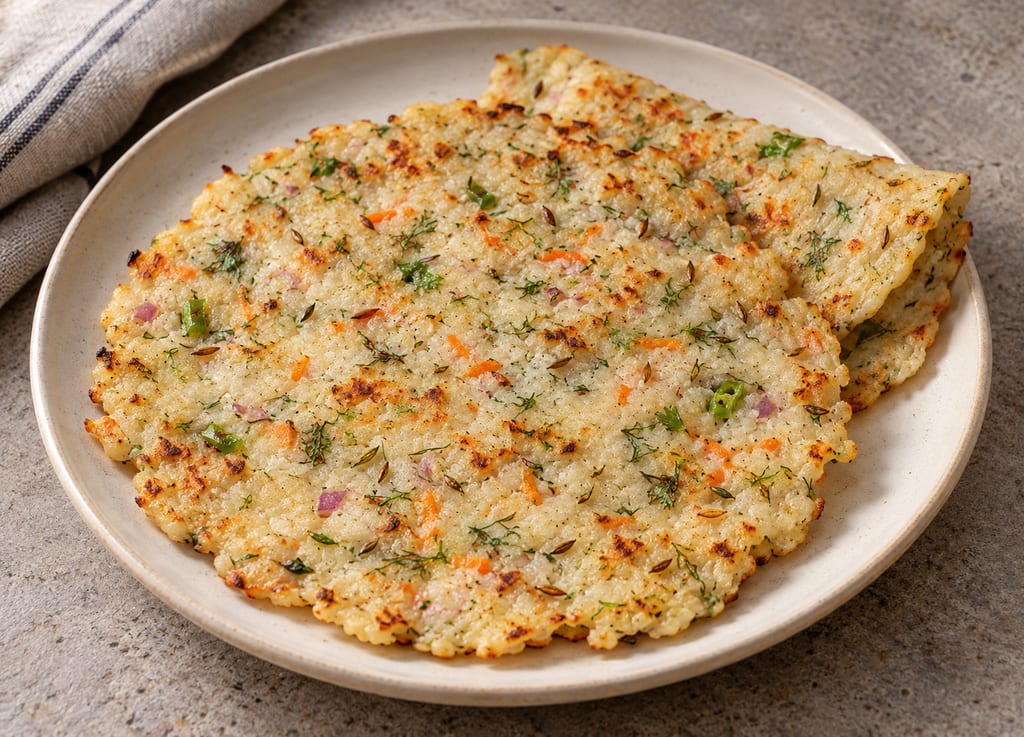
This Karnataka-style akki rotti mixes fine rice flour with vegetables, coconut, herbs and spices, then hand-pats and griddle-cooks the dough.
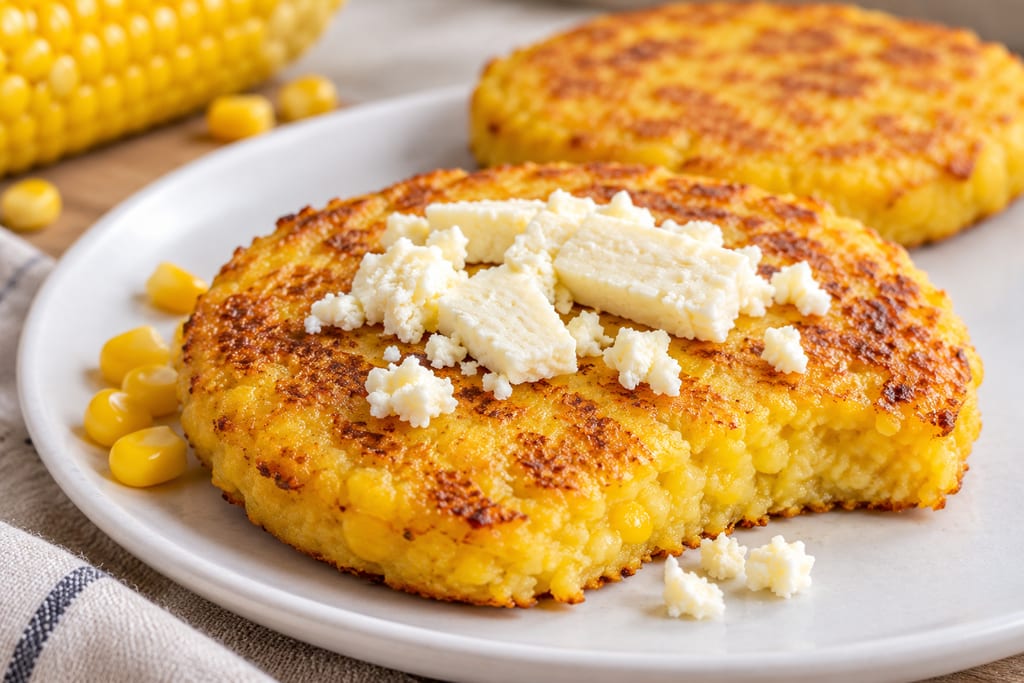
A Colombian Andean griddle cake made from fresh sweet-corn batter, cooked in butter and served with white cheese.
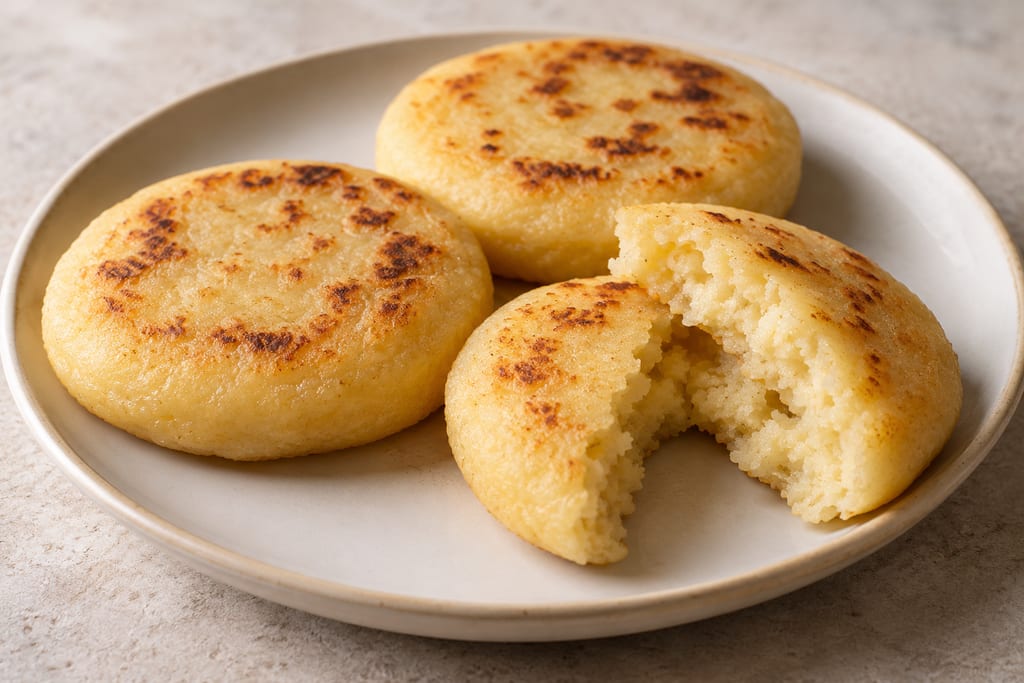
This household version combines precooked corn flour, warm water and salt, then cooks thick rounds on a lightly oiled skillet or griddle. It is one source-specific arepa method, not a universal Colombian or Venezuelan formula.
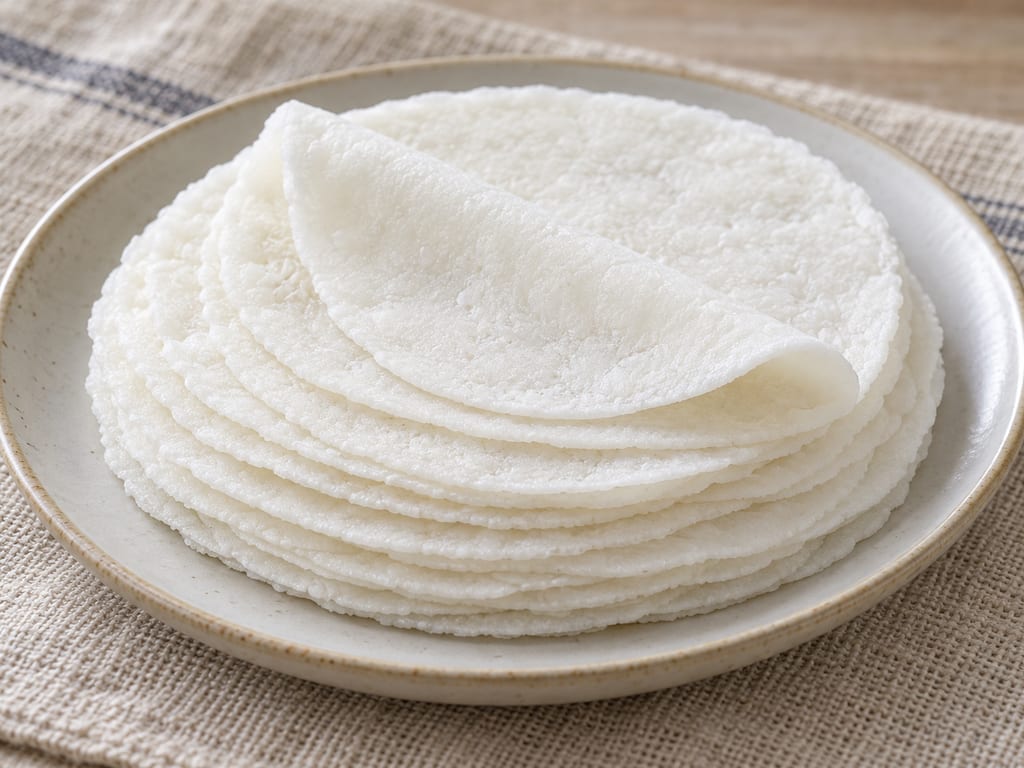
Thin Malabar rice-flour rounds made from roasted rice flour cooked into salted boiling water, kneaded after cooling, and rolled to about 1 mm. They cook on a hot griddle without taking on colour.
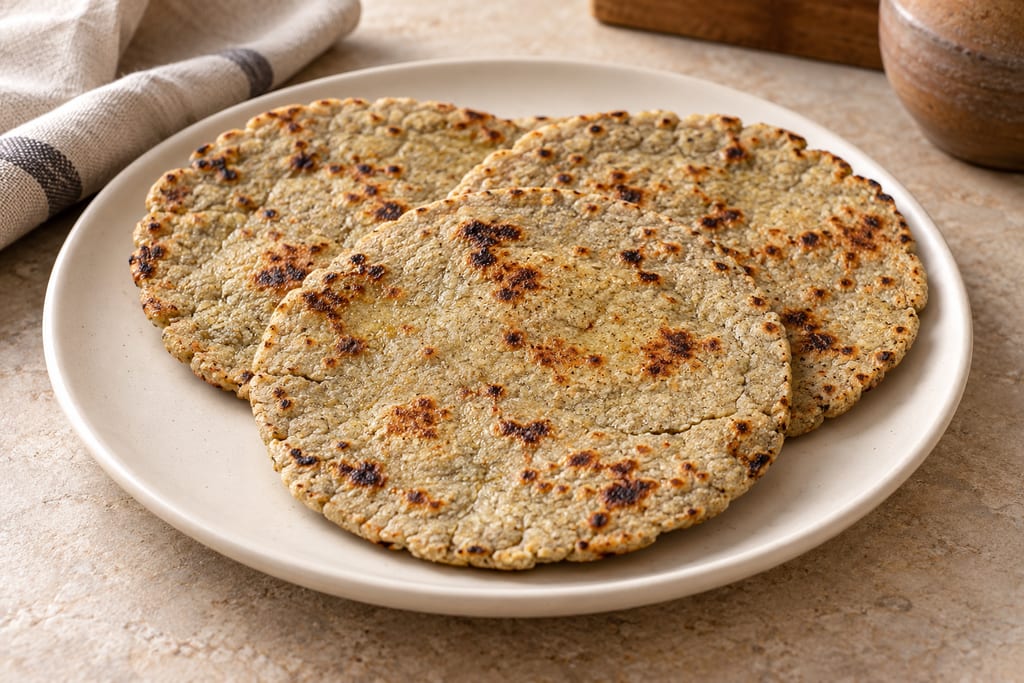
A pearl-millet flatbread shaped between sheets and cooked on a hot tawa. This home batch makes eight.
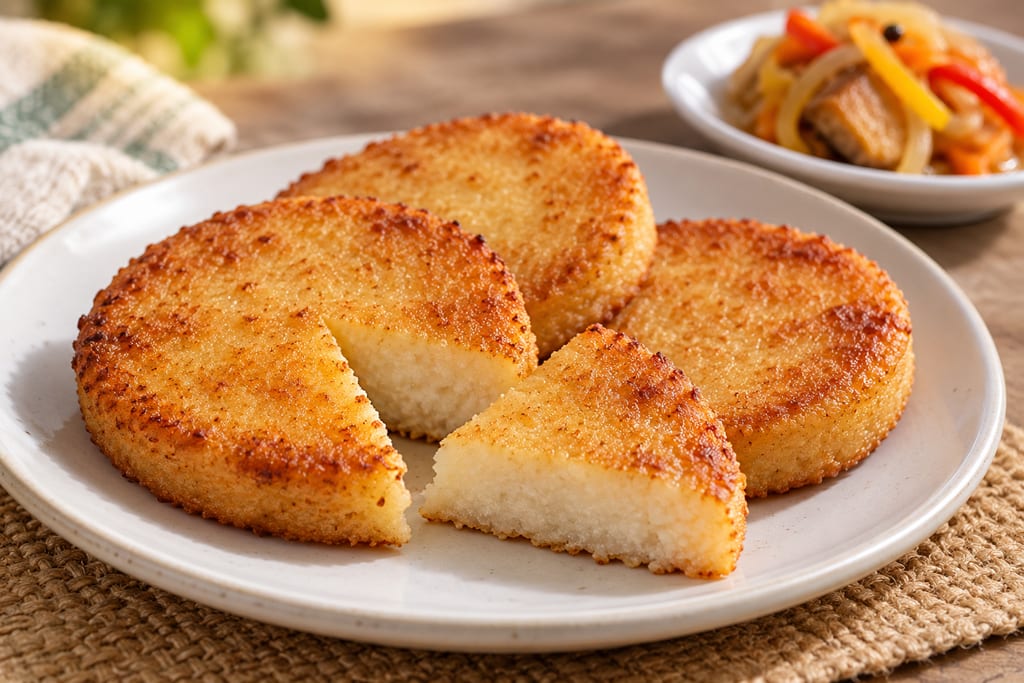
A serving method for approved, prepared bammy rounds: soak them in coconut milk and refry until golden. It does not process raw cassava.
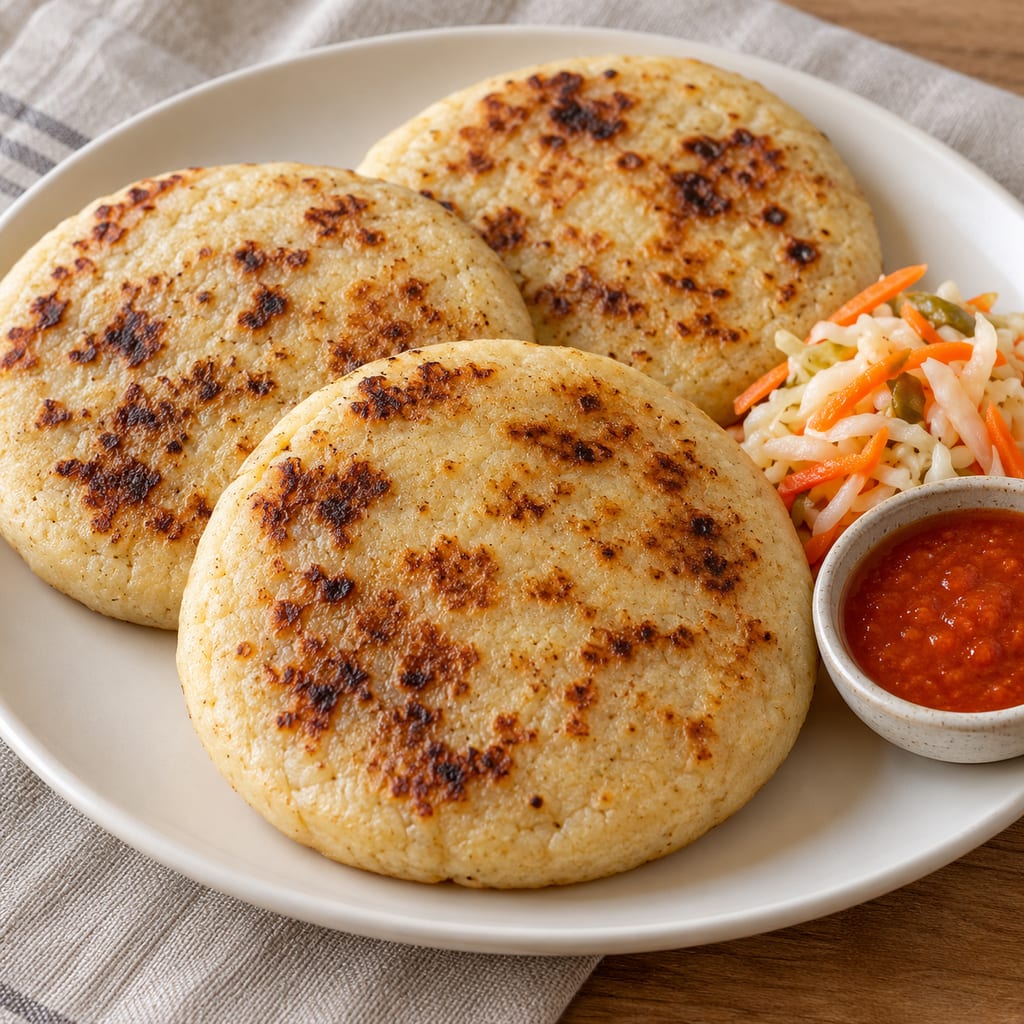
Salvadoran-style masa harina cakes filled with refried beans and cheese, sealed and cooked on an oiled skillet.
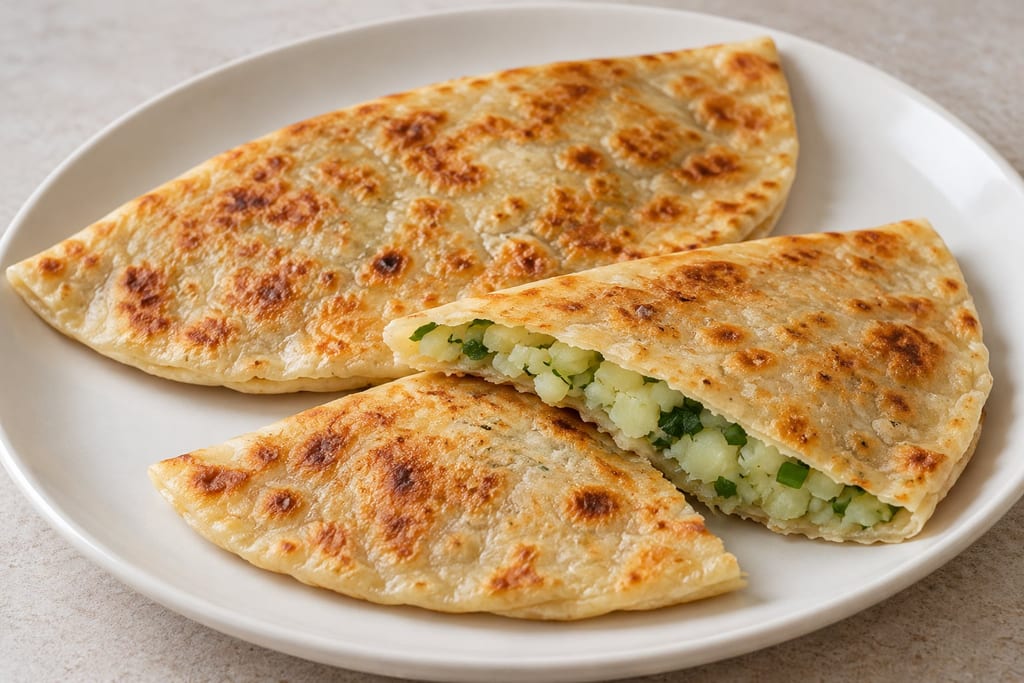
A thin, unleavened Afghan flatbread filled with mashed potato, scallion and cilantro, folded and pan-browned. This version uses a dough made from scratch.
No community contributions have been published for this entry yet.
Sign in to contribute. Published comments and photos are free to read.
196 flavorsInspiration · Method · Geography
KitchaFour-bread wheat and clarified butter formula, rolling and pan cooking; Ethiopian and Eritrean associations.
Cited in: A quick flatbread
Ministry of Labor and SkillContext
Preparing Ethiopian Cultural Meat DishEthiopian kita as a flatbread used in chechebsa.
Cited in: A quick flatbread