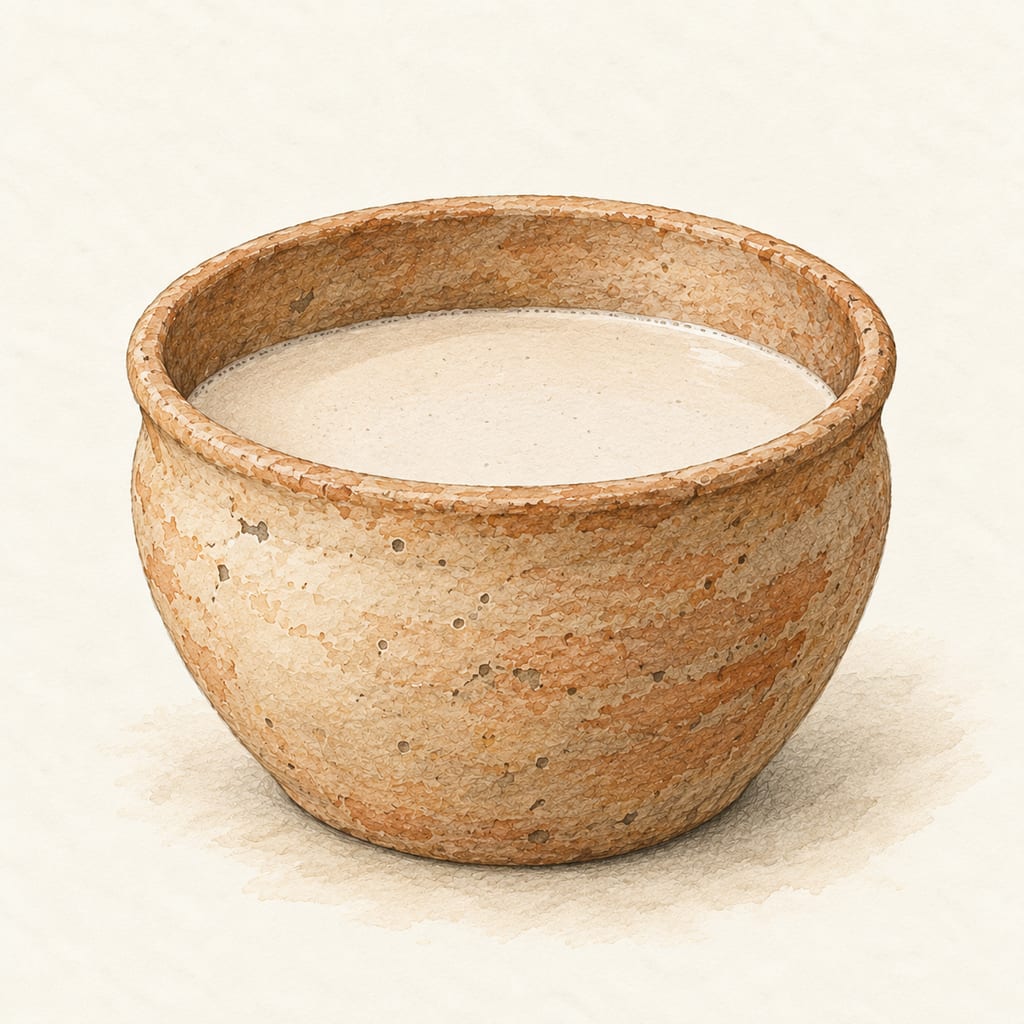
Bohaka injera dough container
A wide-access vessel holds injera batter through successive fermentation stages. Ethiopian accounts describe clay vessels historically and metal, wood or plastic containers in contemporary kitchens.
 FermenteaWhere food goes to change
Traditional method
Injera
A two-stage Ethiopian teff injera method begins with saved ersho, ferments the main batter beneath refreshed surface water, then adds cooked absit before a final warm rest and griddle baking.
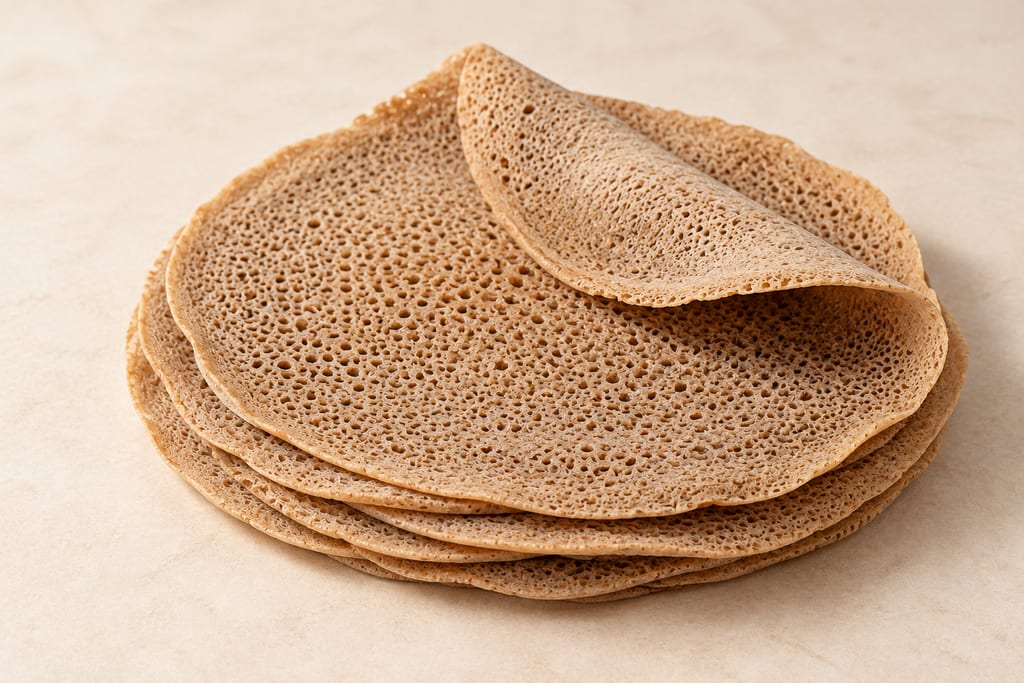
The peer-reviewed review identifies injera as a staple Ethiopian fermented flatbread and describes saved ersho, primary fermentation, absit and a second fermentation. This recipe follows a contemporary home recipe for the documented process and does not claim a date of origin.
Yield 10 servings · Scaling: source batch only
The teff batter is fermented raw and handled before griddle cooking; CDC warns that raw flour can contain pathogens.
Hazard sourceThe source calls for a covered starter and batter but does not specify a vent; active fermentation produces gas, and closed fermenting containers can build pressure.
Hazard sourceCook each injera fully on the hot griddle before serving and clean hands and surfaces after handling raw flour.
Control sourceDo not seal the fermenting batter in an unvented vessel; use a cover that allows gas to escape.
Control sourceThe recipe does not set a numeric fermentation temperature, acidity endpoint or storage duration. The six-to-seven-day schedule is not a validated safety endpoint.
The recipe source recommends covered fermentation but does not describe gas venting; do not ferment in a sealed, unvented vessel.
Cooked injera should be served; bubbling, sourness and smell do not establish safety.
The recipe source presents injera as a staple in Ethiopia; the review documents the traditional saved-ersho and absit process without claiming a specific city of origin.
A wide-access vessel holds injera batter through successive fermentation stages. Ethiopian accounts describe clay vessels historically and metal, wood or plastic containers in contemporary kitchens.

From sour breads and milk to savoury seeds, cassava staples and living beers, African fermentation follows the crop, the community and the work of transformation.
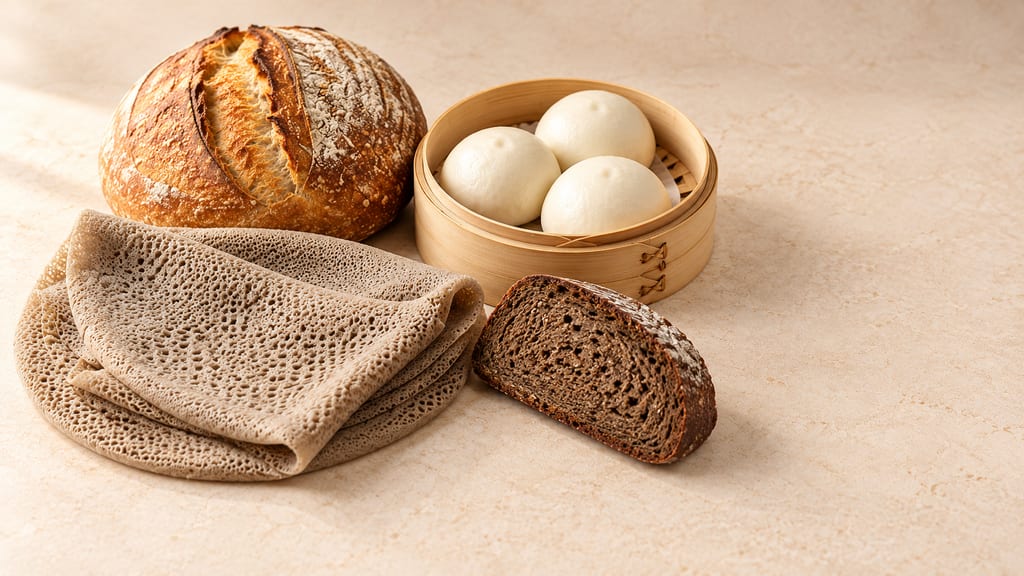
From the baguette and the steamed bun to injera, titiyas, Finnish rye and cassava bread: how grain, microbes and heat answer the question of what bread is for.
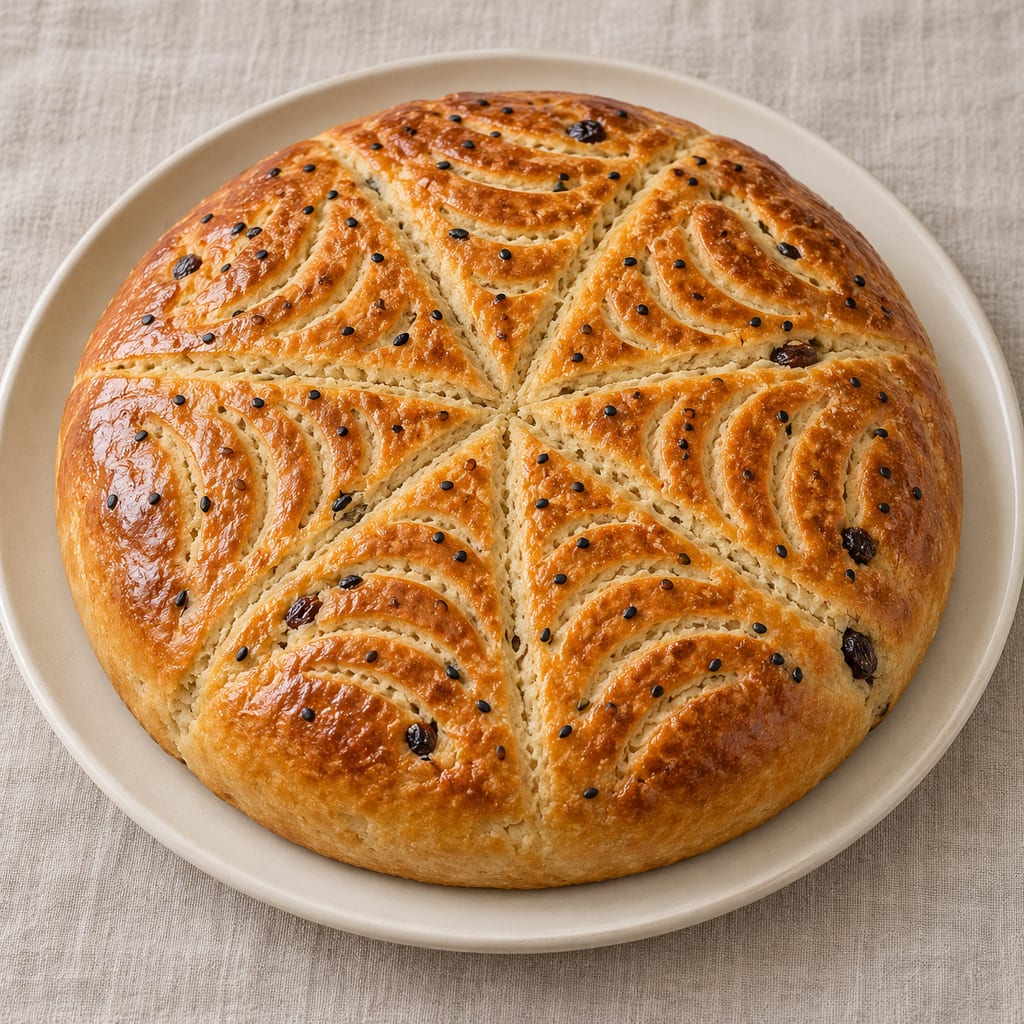
A round, mildly sweet wheat bread leavened with baker’s yeast and marked with a wheel pattern. This source batch uses raisins, black sesame and cardamom.
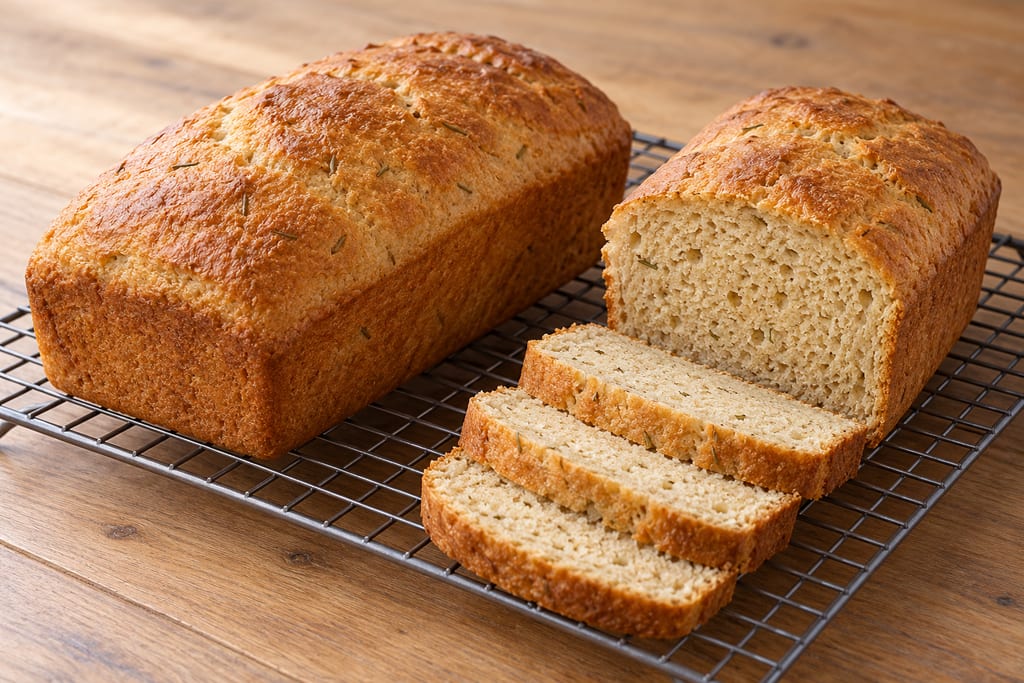
Ethiopian breakfast honey bread: two rosemary-scented yeast loaves shaped in pans and baked at 400°F.

Ethiopia's fermented enset staple: the scraped leaf sheaths and pounded corm of Ensete ventricosum packed into a leaf-lined pit, where lactic fermentation turns them into a sour mass that keeps and is later baked as flatbread.
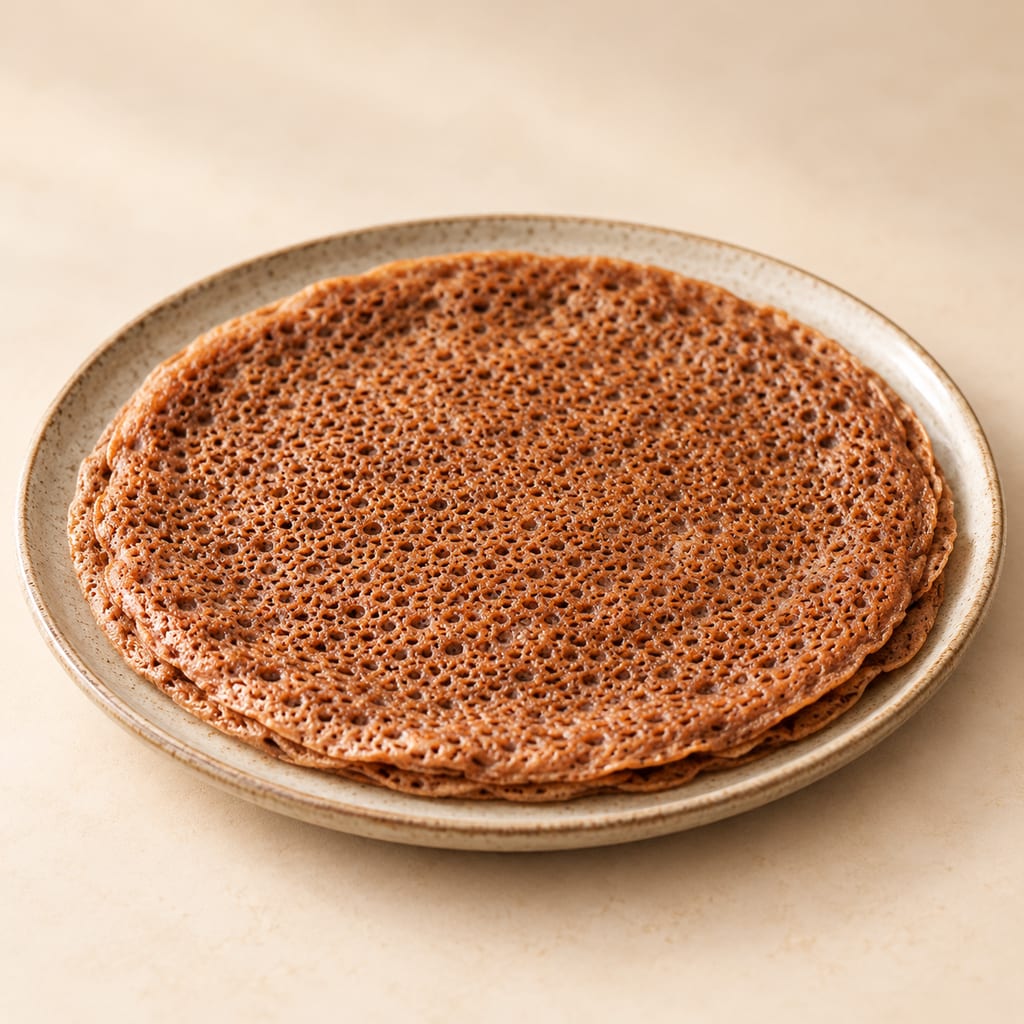
A modern home adaptation of Ethiopian injera using a 24-hour fermentation window. This method balances traditional souring with accessible ingredients like baking powder or starter cultures to achieve the characteristic porous texture.
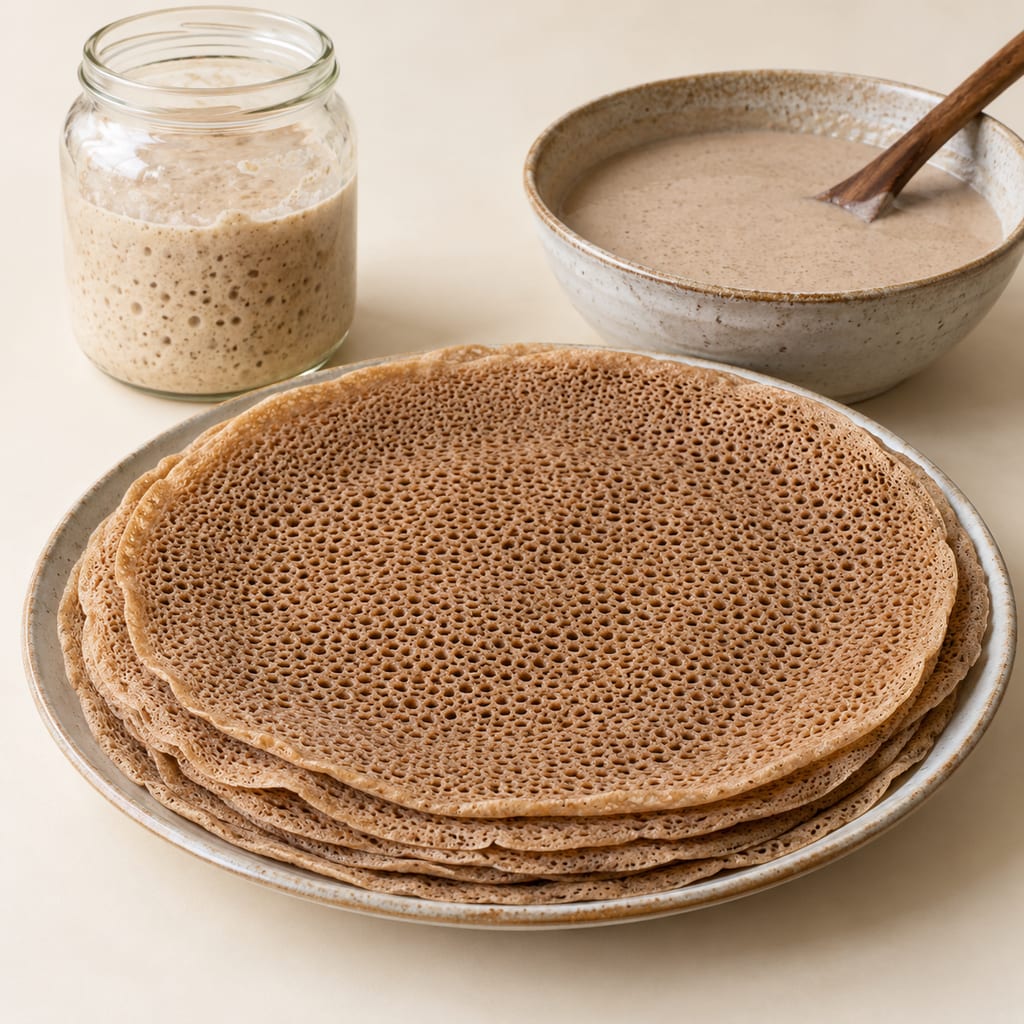
Teff injera made from a three-day teff starter, a three-day main dough fermented under water, and a cooked tempering of part of the batter before griddling.

A thick, faintly fizzy Ethiopian cereal drink in which a wheat dough is fermented, roasted dark, then fermented a second time with barley malt into a drinkable slurry.
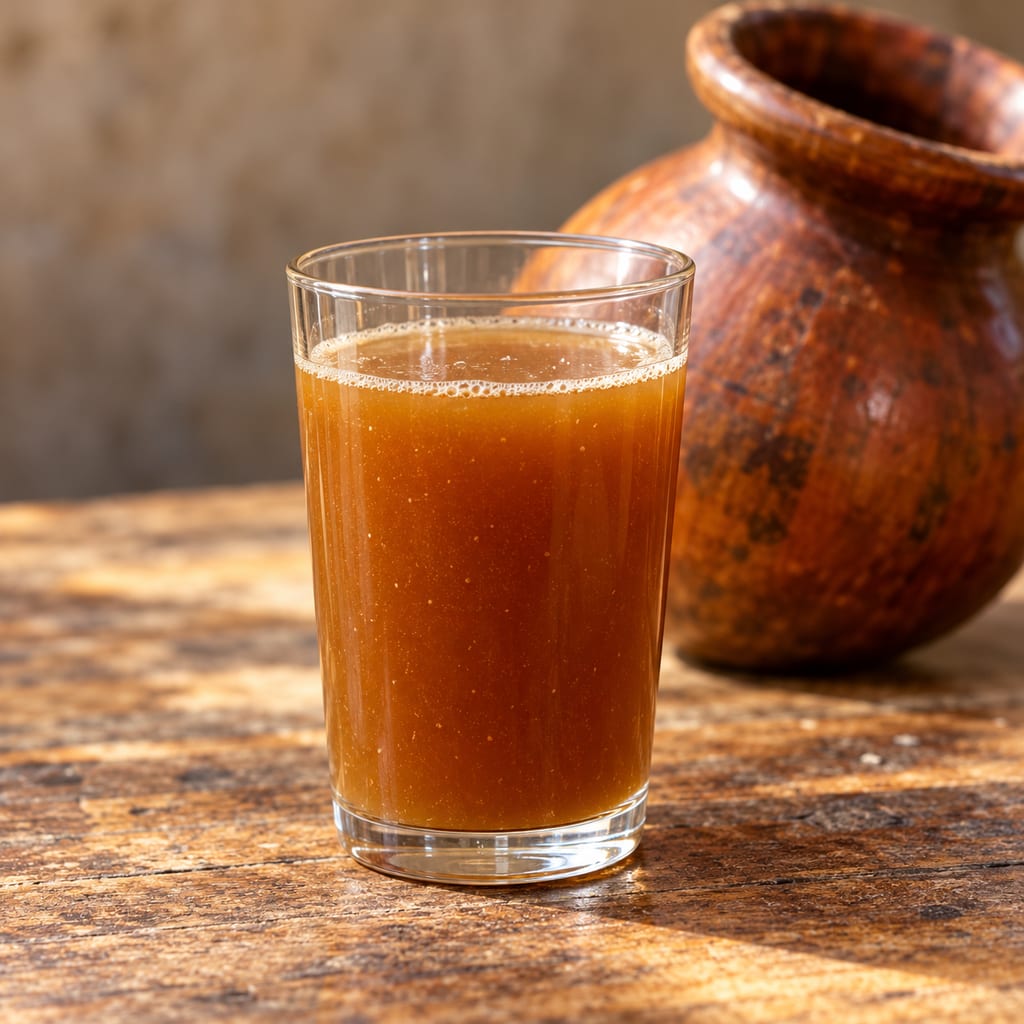
A darker Ethiopian maize tella, brewed from maize baked into a hot, dry kita pancake and then fermented in three stages with barley malt, gesho and water.
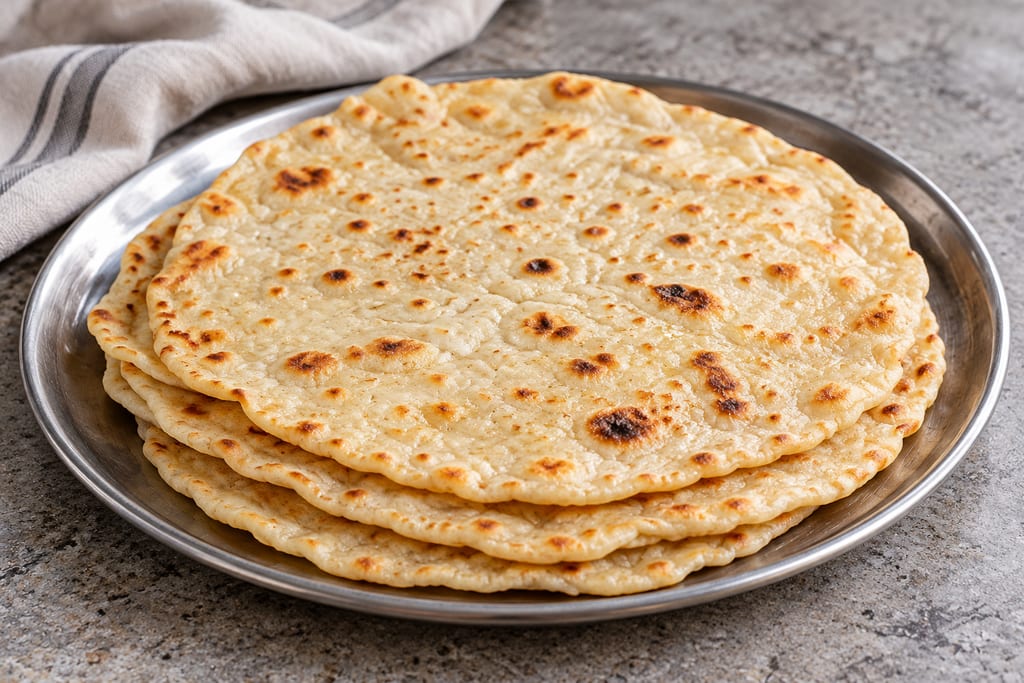
An unleavened Ethiopian and Eritrean wheat flatbread, rolled thin and cooked in clarified butter.
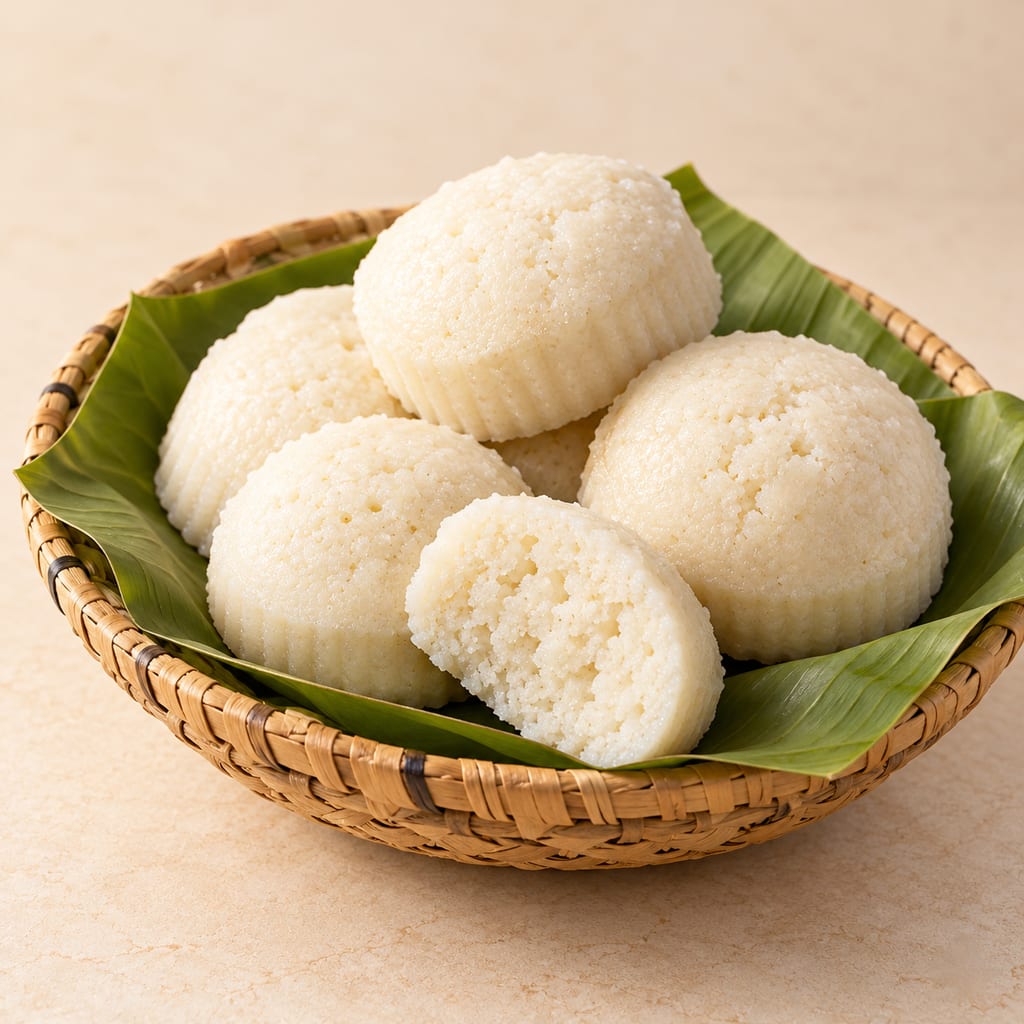
Soft, lightly tangy steamed cereal bread documented across Benin and Togo. This page gives one measured rice-flour research method; maize-based Ablo and mixed-grain versions remain distinct traditions.
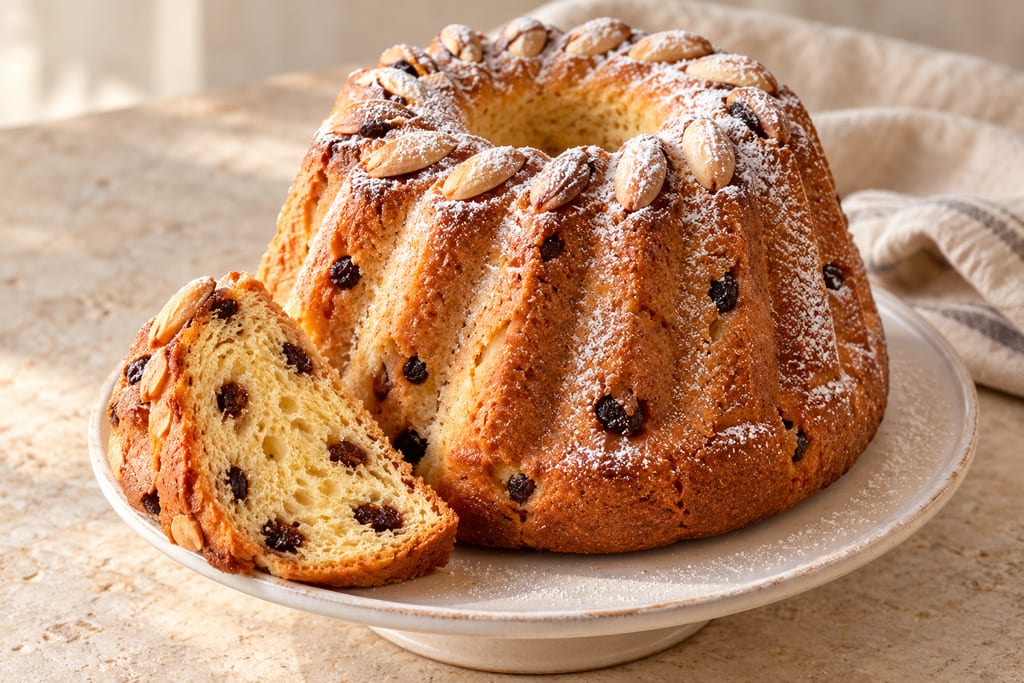
An enriched Alsatian yeast ring with raisins and almonds, kneaded with butter, proofed in a fluted mould and baked until browned.

Anpan is a soft wheat bun filled with sweet red-bean paste and finished with egg wash and black sesame. This dough rises with commercial instant yeast.
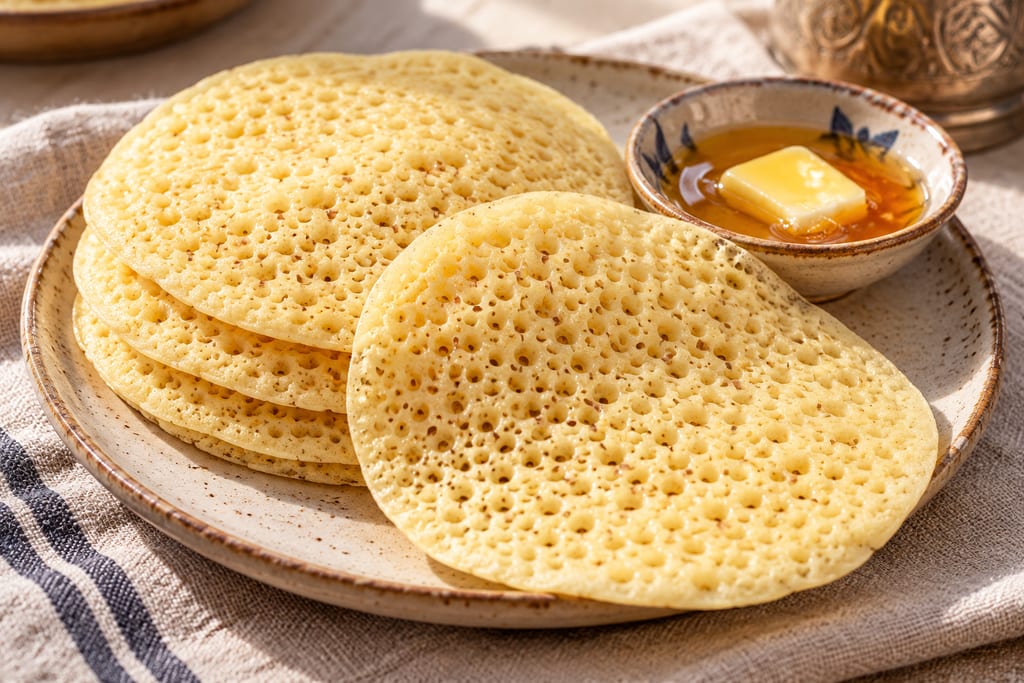
Moroccan semolina pancakes made from a thin yeast batter, rested until foamy and cooked on one side until the surface sets with a honeycomb of holes. This source-specific batch makes sixteen 5-inch pancakes.
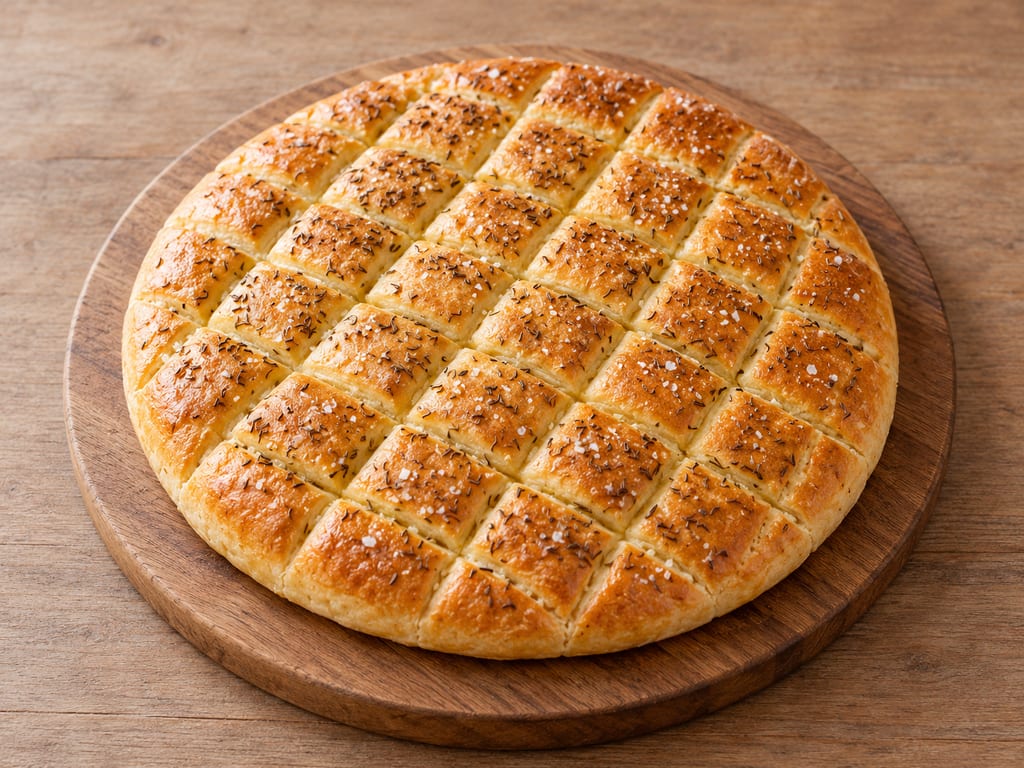
A round Slovenian flatbread scored in a grid and topped with caraway and coarse salt.
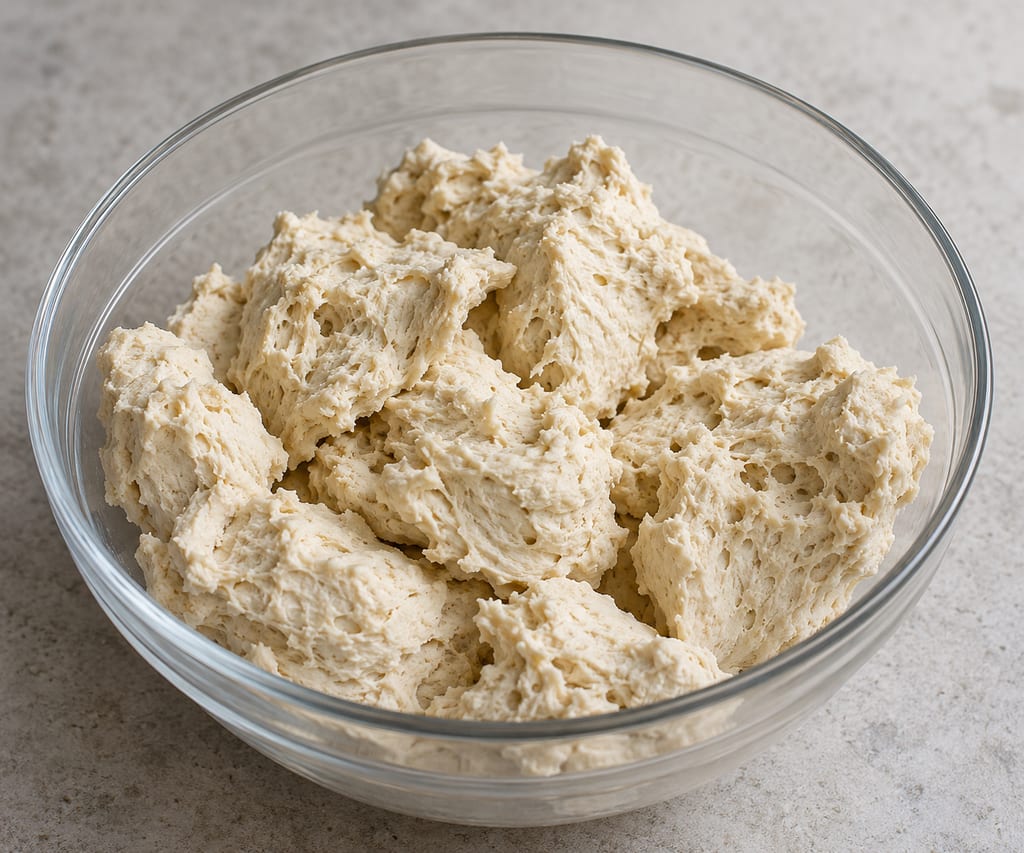
Biga is an Italian bread preferment of flour, water and a little yeast, usually a stiff unsalted mass of about 45 per cent water, fermented ahead and then mixed into the final dough.
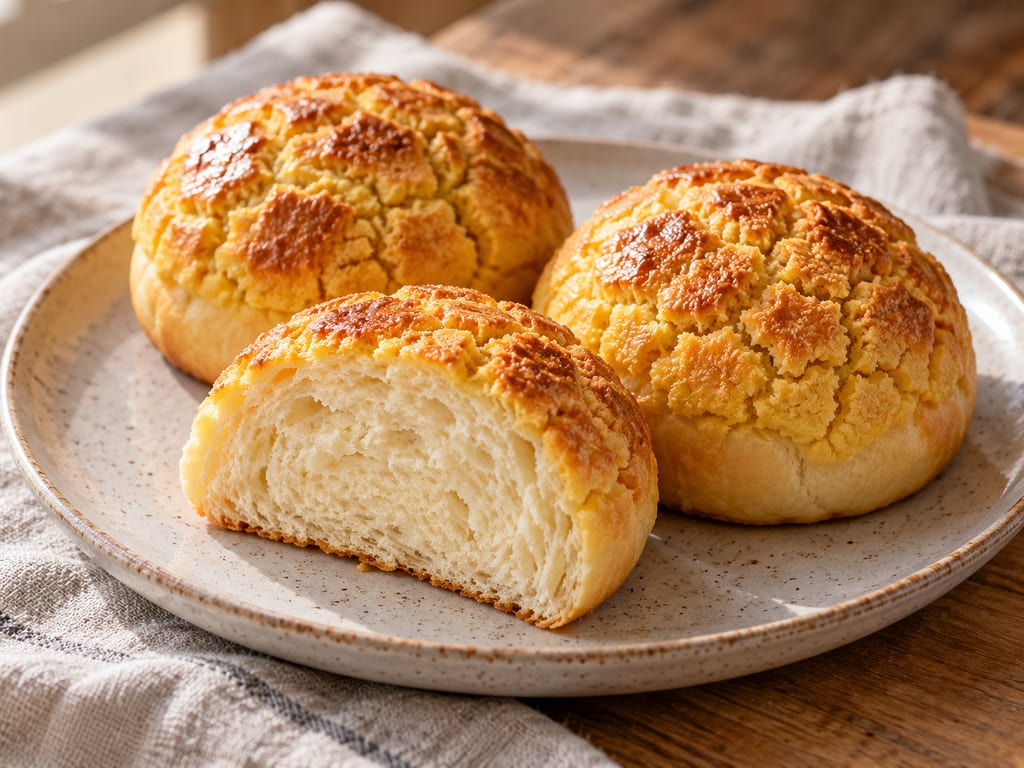
Hong Kong-style pineapple buns have soft yeast dough beneath a crisp, sweet pastry topping.
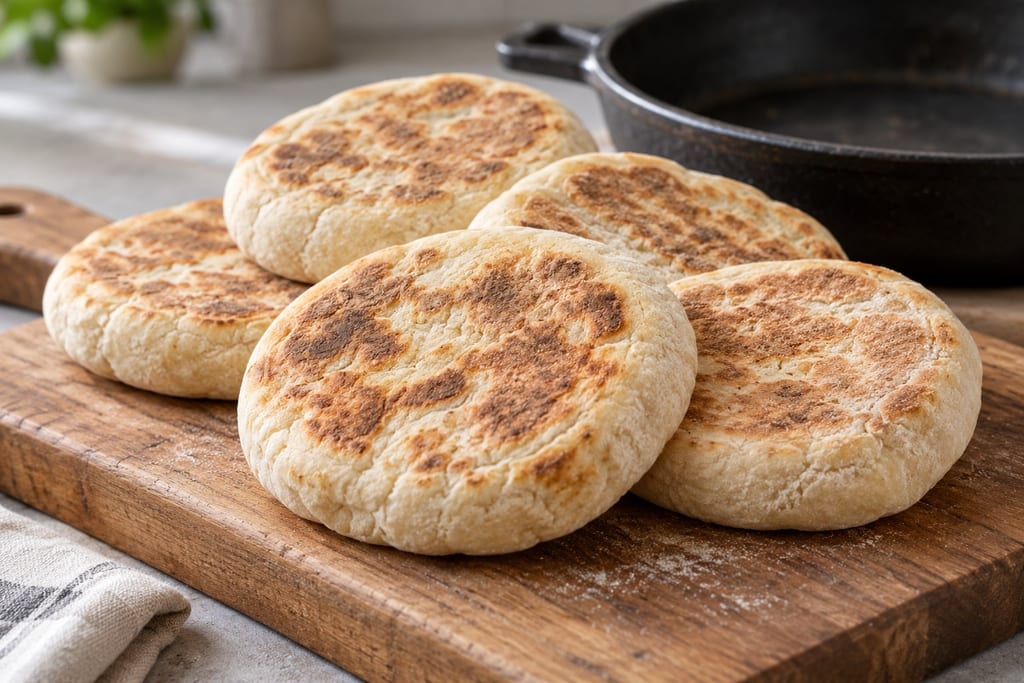
Sweet-potato wheat breads with fresh yeast, browned in a pan and finished in the oven. This is the bread component of Teleculinária's scrambled-egg dish.
No community contributions have been published for this entry yet.
Sign in to contribute. Published comments and photos are free to read.
Chef Lola’s KitchenInspiration · Process · Location
Injera—100% Gluten Free Teff Injera RecipeStarter formula 1 cup teff flour to 2 cups water; main formula 5 cups flour and 2 cups starter
Surface-water fermentation schedule, refreshed water, absit ingredients and method, 400°F (204°C) griddle and ten-serving yield
The recipe uses teff flour, with no wheat listed.
Journal of Ethnic Foods / Springer NatureHistory · Location · Process
Injera (An Ethnic, Traditional Staple Food of Ethiopia): A Review on Traditional Practice to Scientific DevelopmentsInjera is a staple in Ethiopia; traditional preparation uses teff flour, water and ersho saved from prior fermentation
Review reports about 1:2 flour-to-water and about 16% ersho by flour weight, 30–72 hours primary fermentation, boiled absit and 1.5–2 hours secondary fermentation
Centers for Disease Control and PreventionSafety
Say No to Raw DoughRaw flour can contain pathogens; cook flour mixtures and clean after handling
Washington State University ExtensionSafety
Naturally Carbonated SodaActive fermentation in closed containers can create gas pressure; the source recommends allowing CO2 to escape