
All-purpose wheat flour
A refined common-wheat flour blended for a broad range of baking; its protein and behavior vary with wheat, milling and market.
 FermenteaWhere food goes to change
Modern method
Injera
A modern home adaptation of Ethiopian injera using a 24-hour fermentation window. This method balances traditional souring with accessible ingredients like baking powder or starter cultures to achieve the characteristic porous texture.
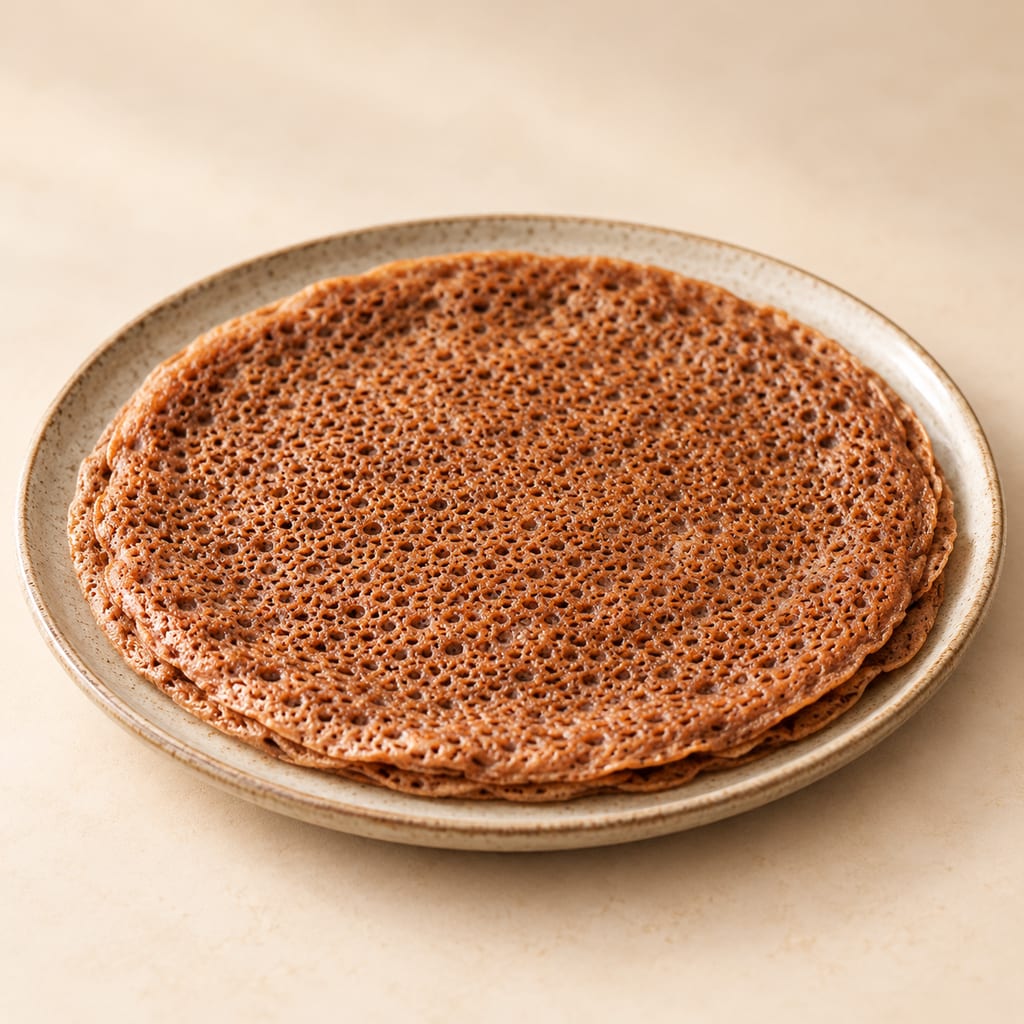
Injera is the quintessential Ethiopian flatbread, a spongy, sour crepe made from teff flour that serves as both food and utensil. While traditional preparation involves a multi-day spontaneous fermentation using a starter called ersho, modern home cooks often seek faster or more controlled methods. The 24-hour teff injera method represents a middle ground: it allows for significant fermentation to develop the characteristic sour flavor and porous texture, but uses accessible ingredients like baking powder or commercial yeast to ensure consistent leavening. This approach acknowledges the constraints of modern kitchens, where maintaining a live, active ersho culture over several days can be challenging due to temperature fluctuations and hygiene concerns.
This method contrasts with 'quick' injera recipes that use only one hour of rising time, which often lack the depth of flavor and complex texture of longer-fermented breads. By extending the fermentation to 24 hours, home cooks can mimic the microbial activity of traditional Ethiopian households while avoiding the complexities of maintaining a live ersho starter. The result is a bread that is more authentic in taste and structure than a one-hour batter, yet manageable within a single day's schedule. The 24-hour window allows for a partial acidification of the batter, which is crucial for the development of the distinct tang that defines injera, even if it does not reach the extreme acidity of a 48-hour traditional ferment.
The appeal of the 24-hour method lies in its balance between authenticity and convenience. It provides enough time for the wild yeasts and lactic acid bacteria present in the flour or introduced via a starter to produce carbon dioxide and organic acids. This gas production is responsible for the 'eyes' or holes in the final bread, while the acids contribute to the flavor profile and help break down anti-nutrients. For home cooks in non-traditional settings, this method offers a reliable pathway to a high-quality injera without the need for specialized equipment or the risk of spoilage associated with longer ferments.
Furthermore, the 24-hour method is adaptable. It can be performed with a simple mixture of teff flour and water, relying on the natural microflora of the grain, or it can be enhanced with a small amount of active sourdough starter or commercial yeast. The addition of baking powder just before cooking is a common technique in modern adaptations to ensure that the batter has sufficient leavening power, especially if the fermentation has not produced enough gas. This hybrid approach leverages both biological and chemical leavening to achieve the desired texture.
Fermentation in injera is a mixed process involving both yeasts and lactic acid bacteria. In traditional settings, this spontaneous fermentation can last up to 48 hours or more. A study of households in Debre Zeyit, Ethiopia, found that after 48 hours, the mean phytic acid concentration in the batter decreased significantly from 0.87 to 0.58 g/100 g dry matter. This reduction is driven by microbial phytases, enzymes produced by the fermenting microorganisms, rather than the naturally low phytase activity of the teff flour itself. The microbial community in traditional injera is complex, with species such as Saccharomyces cerevisiae, Candida milleri, and various Lactobacillus species playing key roles.
The 24-hour home method aims to replicate this microbial activity. While the specific pH drop and microbial composition in a 24-hour home batter are not documented in the same detail as the 48-hour field studies, the extended time allows for acidification and gas production. The rapid drop in pH during fermentation is critical for breaking down phytates, which are anti-nutrients that bind minerals like iron and zinc. Although traditional fermentation has only a modest influence on phytic acid levels, the 24-hour window provides more opportunity for these enzymatic reactions than a one-hour quick method. The activity of phytases is pH-dependent, and the acidic environment created by lactic acid bacteria enhances their efficiency.
It is important to note that the iron content in injera is heavily influenced by soil contamination in the teff grain. Studies indicate that 86-97% of the iron in injera batter may be extrinsic, coming from soil particles rather than the grain itself. Therefore, while fermentation improves the bioavailability of the intrinsic iron, the total iron intake is often dominated by this contamination, a factor that home cooks in clean environments may not replicate. The presence of soil particles also affects the color and texture of the injera, contributing to the grayish hue of traditional varieties. In modern home methods using cleaned, commercial teff flour, the injera may appear lighter in color and have a slightly different mouthfeel.
The fermentation process also influences the starch structure of the batter. As bacteria and yeasts consume simple sugars, they produce organic acids and alcohols that interact with the starch granules. This interaction can lead to a gelatinization-like effect during cooking, resulting in the soft, pliable texture of injera. The 24-hour ferment allows for a partial breakdown of starches, which can make the final product easier to digest and potentially lower in glycemic index compared to unfermented teff breads. However, the extent of this modification in a 24-hour home ferment is less pronounced than in traditional 48-hour ferments.
Temperature plays a crucial role in the rate and outcome of fermentation. In traditional Ethiopian settings, ambient temperatures are often warm, accelerating microbial activity. In modern home kitchens, temperatures may be cooler, which can slow down the fermentation process. To compensate, home cooks may place the batter in a warm spot, such as near an oven or in a proofing box, to ensure that the 24-hour window is sufficient for adequate acidification and gas production. Monitoring the batter for visual cues, such as bubbling and a sour aroma, is essential to determine when the fermentation is complete.
Teff is a small millet native to Ethiopia, belonging to the same family as finger millet and proso millet, though it is a distinct genus. It is a staple that accounts for about two-thirds of daily protein intake in the Ethiopian diet. For home methods, the quality of the teff flour matters; coarse flour can lead to a grainy texture, so blending or processing the flour to a fine consistency is often recommended. Teff flour is naturally gluten-free, which makes injera a suitable option for those with celiac disease or gluten sensitivity, but it also means that the batter lacks the elastic structure provided by gluten, relying instead on the starch and protein matrix of the teff and the gas produced during fermentation for structure.
Modern home recipes often introduce leavening agents to compensate for the shorter fermentation time or the lack of a robust ersho starter. Baking powder is a common addition in 24-hour methods, helping to create the 'eyes' or holes that define injera's texture. Some recipes also use baking soda, particularly when paired with an acid like apple cider vinegar to mimic the sourness of traditional fermentation. Another variation uses a sourdough starter, which provides a more authentic microbial profile than commercial yeast. The sourdough starter introduces a known quantity of active yeasts and bacteria, which can help ensure a consistent fermentation outcome, especially in cooler home environments where wild fermentation might be sluggish.
Other ingredients may include all-purpose flour to improve structure, cornstarch to aid in browning and texture, and salt for flavor. The use of apple cider vinegar in quick methods serves to lower the pH quickly, aiding in the breakdown of starches and providing a sour note that would otherwise develop over days of fermentation. While apple cider vinegar is not traditional, it is a practical substitute for home cooks who want to achieve a sour flavor without a long ferment. However, it does not replicate the complex flavor profile of lactic acid bacteria, which produce a variety of organic acids and esters.
The hydration ratio of the batter is also critical. A batter that is too thick will result in a dense, heavy injera, while a batter that is too thin will spread too much and fail to hold its shape. The ideal consistency is pourable but not soupy, similar to a thin pancake batter. Adjusting the amount of water or flour to achieve this consistency is a key step in the preparation process. Some home cooks find that adding a small amount of oil to the batter can help prevent sticking and improve the texture of the final product.
Salt is added not only for flavor but also to regulate fermentation. It can slow down the activity of wild yeasts and bacteria, helping to prevent over-fermentation and spoilage. In the 24-hour method, the amount of salt is typically small, just enough to enhance the flavor without significantly inhibiting microbial activity. The balance between salt, acid, and leavening agents is crucial for achieving the desired taste and texture.
The process begins with mixing teff flour and water into a smooth, lump-free batter. For the 24-hour method, this batter is covered and left to ferment at room temperature. During this time, the batter should develop bubbles and a sour aroma. If using a quick method with yeast, the rise time is reduced to about one hour, but the 24-hour method allows for a more complex flavor profile. The mixing process should be thorough to ensure that the flour is fully hydrated and that there are no dry pockets, which can lead to uneven fermentation and texture.
Cooking injera requires a specific technique. A large non-stick or cast-iron skillet is heated to medium heat. High heat is a common failure mode, causing the batter to burn before it sets. The batter is poured in a spiral pattern from the outside of the pan toward the center, then tilted to spread evenly. A loose-fitting lid is placed over the pan to trap steam, which cooks the top surface. This steaming technique is essential for achieving the characteristic soft, porous texture of injera, as it allows the top to cook without direct contact with the hot surface.
Moisture management is critical during cooking. Condensation forms on the inside of the lid and must be wiped off with a paper towel or clean cloth to prevent water droplets from falling onto the injera. These droplets can create gummy spots and ruin the texture. The injera is done when the surface is no longer shiny or wet and feels firm to the touch, typically after 2-3 minutes for thin cakes or up to 5-7 minutes for thicker ones. Traditionally, injera is not flipped; the top is cooked entirely by steam. This method preserves the delicate structure of the bread and prevents it from becoming tough or dry.
The consistency of the batter may change during the 24-hour fermentation. As the starches break down and gas is produced, the batter may become thinner. It may be necessary to adjust the consistency by adding a small amount of flour or water just before cooking. Some home cooks find that the batter becomes more active and bubbly towards the end of the fermentation period, indicating that it is ready to cook.
Cleaning the pan between batches is also important. Residue from previous batches can burn and affect the flavor and appearance of subsequent injera. A quick wipe with a damp cloth or a light coating of oil can help maintain a clean cooking surface. The use of a non-stick pan is highly recommended for home cooks, as it reduces the risk of sticking and makes cleanup easier.
The final step is to stack the cooked injera on a plate or tray. As they stack, the steam from the hot pieces helps to keep them soft and pliable. If the injera are not stacked, they can dry out and become brittle. Serving immediately is ideal, but they can be kept warm in a low oven or wrapped in a clean cloth until ready to serve.
The nutritional value of injera is closely tied to the fermentation process. Teff flour contains phytic acid, which binds minerals like iron and zinc, reducing their absorption. Fermentation activates microbial phytases that degrade phytic acid, thereby improving mineral bioavailability. In traditional 48-hour fermentations, this reduction is significant, but the effect is modest compared to the total phytic acid load. The reduction in phytic acid is a key nutritional benefit of fermentation, as it enhances the bioavailability of essential minerals that are otherwise poorly absorbed.
The iron content of injera is a complex issue. While teff itself contains iron, studies show that a large portion of the iron in injera batter comes from soil contamination during harvesting and processing. This extrinsic iron can constitute 86-97% of the total iron content. Consequently, the nutritional benefit of fermentation on iron bioavailability is often overshadowed by the sheer quantity of soil-derived iron, which may have different absorption characteristics. Home cooks using cleaned, commercial teff flour may have lower total iron levels but potentially higher bioavailability of the intrinsic iron. This distinction is important for those relying on injera as a source of dietary iron.
For those using modern home methods, the addition of baking powder or yeast does not significantly alter the phytate content compared to wild fermentation, but the 24-hour fermentation window does allow for some enzymatic activity. The nutritional profile per serving in modern recipes often lists moderate calories and carbohydrates, with protein and fiber content varying based on the ratio of teff to other flours. Teff is a good source of protein and fiber, and its low glycemic index makes it a suitable food for people with diabetes or those managing blood sugar levels.
The fermentation process also affects the vitamin content of the batter. B vitamins, particularly folate and riboflavin, can be synthesized by lactic acid bacteria during fermentation. This can lead to an increase in the vitamin content of the final product compared to unfermented teff flour. However, the extent of this increase in a 24-hour home ferment is not well-documented and may be less significant than in traditional ferments.
Overall, the 24-hour home method offers a nutritional profile that is similar to traditional injera, with the potential for improved mineral bioavailability due to fermentation. While it may not achieve the same level of phytate reduction as a 48-hour traditional ferment, it still provides significant health benefits compared to unfermented grain products. The use of clean, commercial teff flour ensures a safer product with consistent quality, although it may lack the soil-derived iron found in traditional injera.
The texture of injera is defined by its 'eyes'—the holes created by gas bubbles during fermentation and cooking. Traditional injera, fermented for 48 hours or more, tends to have a more open, spongy structure and a pronounced sour flavor. The 24-hour home method aims to replicate this, but the use of baking powder can create a more uniform, cake-like texture if not balanced with sufficient fermentation. The size and distribution of the eyes are influenced by the viscosity of the batter, the temperature of the pan, and the amount of gas produced during fermentation.
Flavor differences are also notable. Traditional injera has a complex sourness derived from lactic acid bacteria. Quick methods using apple cider vinegar or baking soda can mimic the acidity but may lack the depth of flavor. The 24-hour method, especially if using a sourdough starter, can achieve a closer approximation of the traditional taste. However, without the specific microbial community of an ersho starter, the flavor profile may be simpler. The traditional ersho starter contains a diverse range of microorganisms that contribute to the unique flavor profile of injera, including esters and other volatile compounds that are not produced by commercial yeast or simple lactic acid bacteria.
Common failures in home methods include a grainy texture, often due to coarse flour, and a gummy surface, caused by condensation dripping from the lid. Overheating the pan can lead to a burnt exterior and a raw interior, while undercoating the pan can cause sticking. The ideal injera is soft, pliable, and slightly tangy, with a consistent porous structure. Achieving this texture requires practice and attention to detail, particularly in controlling the heat and managing moisture during cooking.
The color of injera can also vary. Traditional injera made from whole-grain teff flour is often grayish-brown, while injera made from white teff flour is lighter. The addition of other flours, such as all-purpose flour, can also affect the color. Home cooks should be aware that the color of the injera is not necessarily an indicator of quality or authenticity, but rather a reflection of the ingredients used.
In terms of mouthfeel, traditional injera is often described as having a slightly chewy yet tender texture. The 24-hour home method can achieve a similar mouthfeel if the fermentation is sufficient and the cooking technique is correct. The use of baking powder can sometimes result in a slightly drier texture, so it is important to balance the leavening agents with adequate hydration and fermentation time.
Ultimately, the goal of the 24-hour home method is to produce an injera that is both delicious and nutritious, while being accessible to home cooks. While it may not perfectly replicate the traditional product, it offers a viable alternative that captures the essence of this important cultural food.
Handling raw flour poses a safety risk, as it can contain pathogens like E. coli and Salmonella. The CDC advises against tasting raw dough or batter. In the context of injera, this means the fermented batter should not be tasted before cooking. The fermentation process itself, while generally safe in traditional contexts, relies on the final cooking step to eliminate any potential hazards. Raw flour is not a sterile ingredient, and it can harbor harmful bacteria that are killed only by thorough cooking.
For the 24-hour home method, there is no specific pH endpoint documented that guarantees safety. Therefore, visual cues like bubbles or smell should not be used as safety tests. The batter must be cooked thoroughly on the griddle until the surface is firm and no longer shiny. Cleaning hands and surfaces after handling raw flour is essential to prevent cross-contamination. It is also important to use clean utensils and containers for mixing and storing the batter to minimize the risk of introducing pathogens.
Storage of cooked injera is straightforward. Leftovers can be stored in the refrigerator for up to 4 days or frozen for up to 2 months. Reheating briefly in the microwave restores pliability. However, the safety of the raw batter during the 24-hour fermentation period depends on ambient temperature and hygiene, which are not strictly controlled in home environments. Cooking remains the primary safety control. If the batter shows signs of spoilage, such as an off-putting odor or mold, it should be discarded.
The use of a sourdough starter can introduce additional risks if the starter is not properly maintained. A healthy starter should have a consistent sour smell and active bubbling. If the starter is neglected or contaminated, it can introduce harmful microorganisms into the batter. Home cooks should ensure that their starter is active and healthy before using it in the injera recipe.
In summary, while the 24-hour home method is generally safe when proper hygiene and cooking practices are followed, it is important to be aware of the risks associated with raw flour and fermented batters. Following CDC guidelines and using common sense in the kitchen can help ensure a safe and enjoyable injera experience.
Injera is traditionally served as the base for stews and dishes, acting as an edible plate and utensil. It is best served fresh and warm. When cooking multiple injera, keep finished pieces warm in a 200°F (93°C) oven to prevent them from drying out or becoming brittle. The porous texture allows it to absorb sauces and flavors effectively. This serving style is integral to the Ethiopian dining experience, where diners tear off pieces of injera to scoop up stews and vegetables.
For storage, cooked injera should be wrapped well to prevent drying. Refrigeration for up to 4 days is recommended, with reheating in the microwave before serving. Freezing for up to 2 months is also an option. The texture may change slightly upon reheating, becoming less spongy, but it remains functional for wrapping food. Proper storage is essential to maintain the quality of the injera, as exposure to air can cause it to dry out and become tough.
Variations in serving include using injera as a wrap for various Ethiopian dishes, such as doro wat (chicken stew) or misir wot (lentil stew). The sourness of the injera complements the rich, spicy flavors of these dishes. In home settings, the 24-hour method provides a balance between convenience and authenticity, making it a viable option for those wishing to experience the cultural and culinary significance of injera without the commitment of traditional multi-day fermentation. The versatility of injera allows it to be used in a variety of culinary contexts, from traditional Ethiopian meals to modern fusion dishes.
When serving injera, it is common to place a large piece on a platter and arrange the stews and side dishes on top. This presentation highlights the role of injera as both a food and a utensil. The size of the injera can vary, with larger pieces used for communal dining and smaller pieces for individual servings. The thickness of the injera can also be adjusted to suit different dishes, with thinner injera being more suitable for delicate stews and thicker injera for heartier meals.
Overall, the 24-hour home method for injera offers a practical and rewarding way to enjoy this traditional Ethiopian flatbread. By understanding the science of fermentation, the importance of ingredients, and the techniques for cooking and serving, home cooks can produce a high-quality injera that is both delicious and nutritious.
Injera is a traditional Ethiopian staple. The 24-hour home method is a contemporary adaptation using accessible leavening agents like baking powder or yeast, distinct from traditional multi-day spontaneous fermentation.
Yield 4 injera · Scaling: source batch only
Raw flour can contain pathogens; do not taste the batter.
Do not rely on smell or bubbles alone to determine safety; cook thoroughly.
wild yeasts and lactic acid bacteria — Fermentation agents in traditional and 24-hour methods.
Fermentation develops sourness and texture. No specific humidity control is documented for the home method.
Site of a study monitoring phytic acid levels during traditional 48-hour fermentation.
Location of the published home methods using baking powder, yeast, or sourdough starter.
A refined common-wheat flour blended for a broad range of baking; its protein and behavior vary with wheat, milling and market.
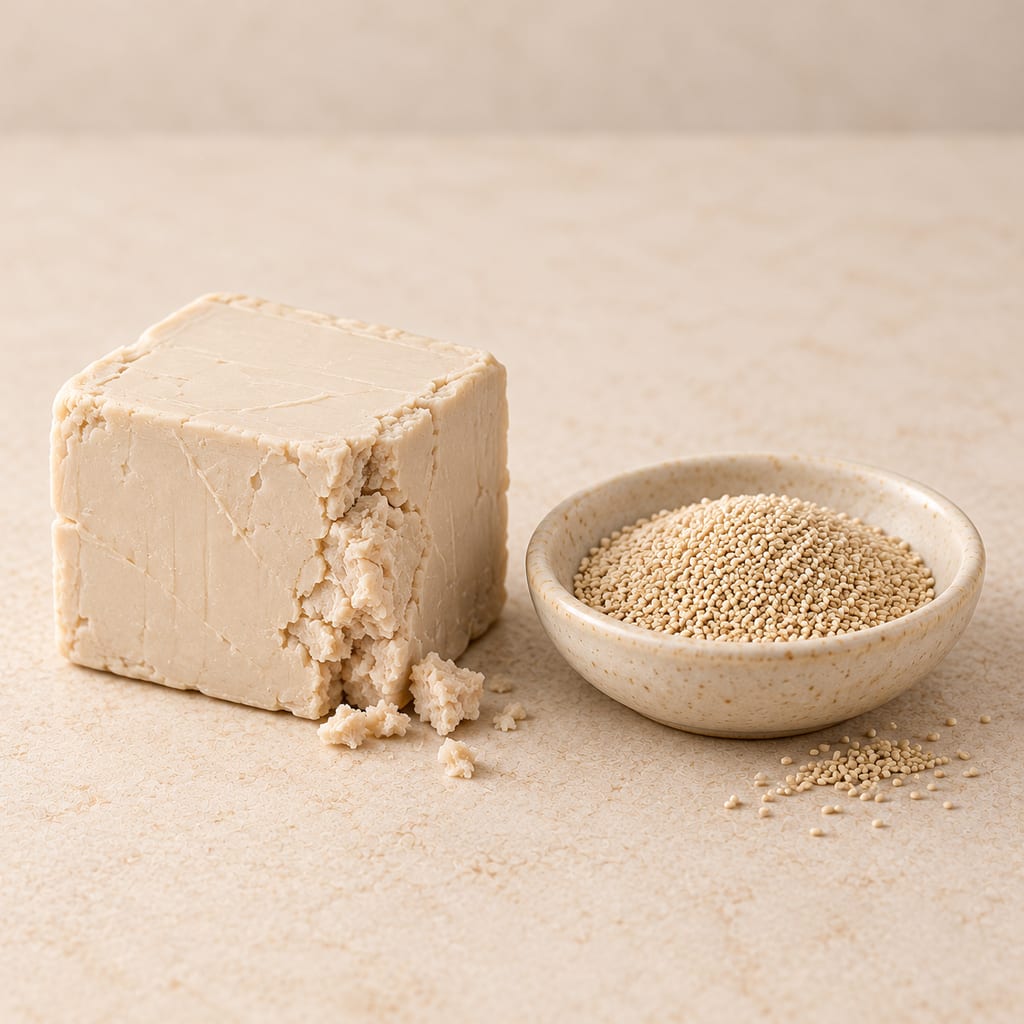
Baker's yeast is a cultivated living leavener, commonly sold fresh or dried. In dough, selected Saccharomyces cerevisiae cells make gas that can raise bread.
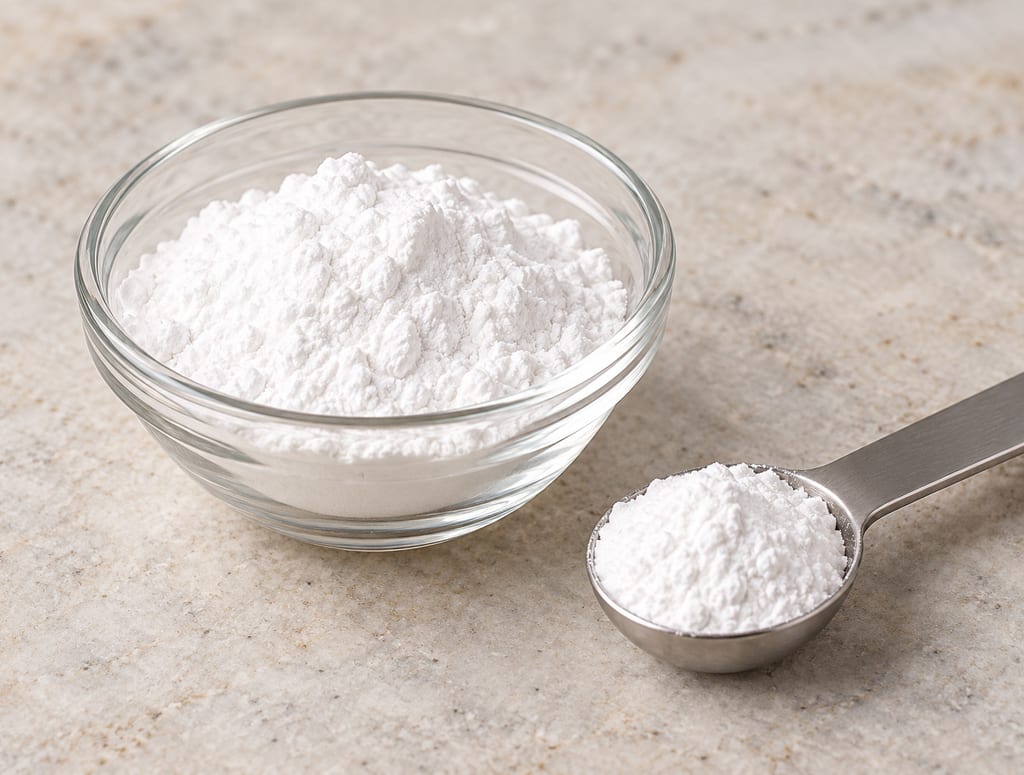
Baking powder is a dry chemical leavener that combines bicarbonate with acid-reacting ingredients and a carrier. Moisture and heat release carbon dioxide for quick breads, batters and griddle cakes.
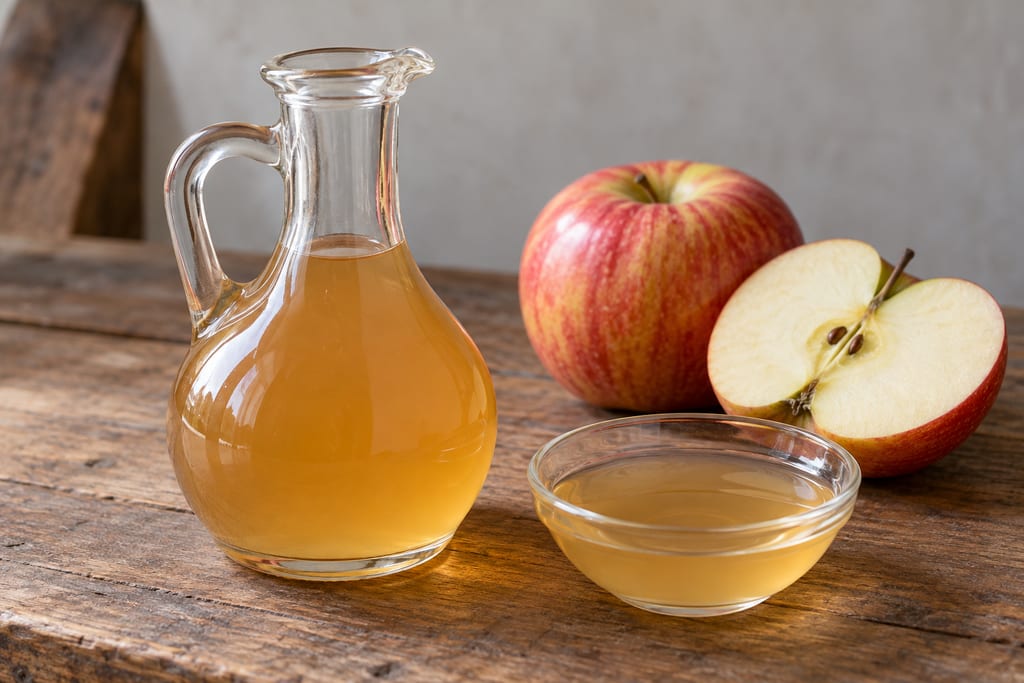
Cider vinegar is made when acetic-acid bacteria use oxygen to turn the alcohol in dry apple cider into acetic acid. This historical cask method begins with fermented cider and differs from apple-scrap vinegar made with sugar and water.
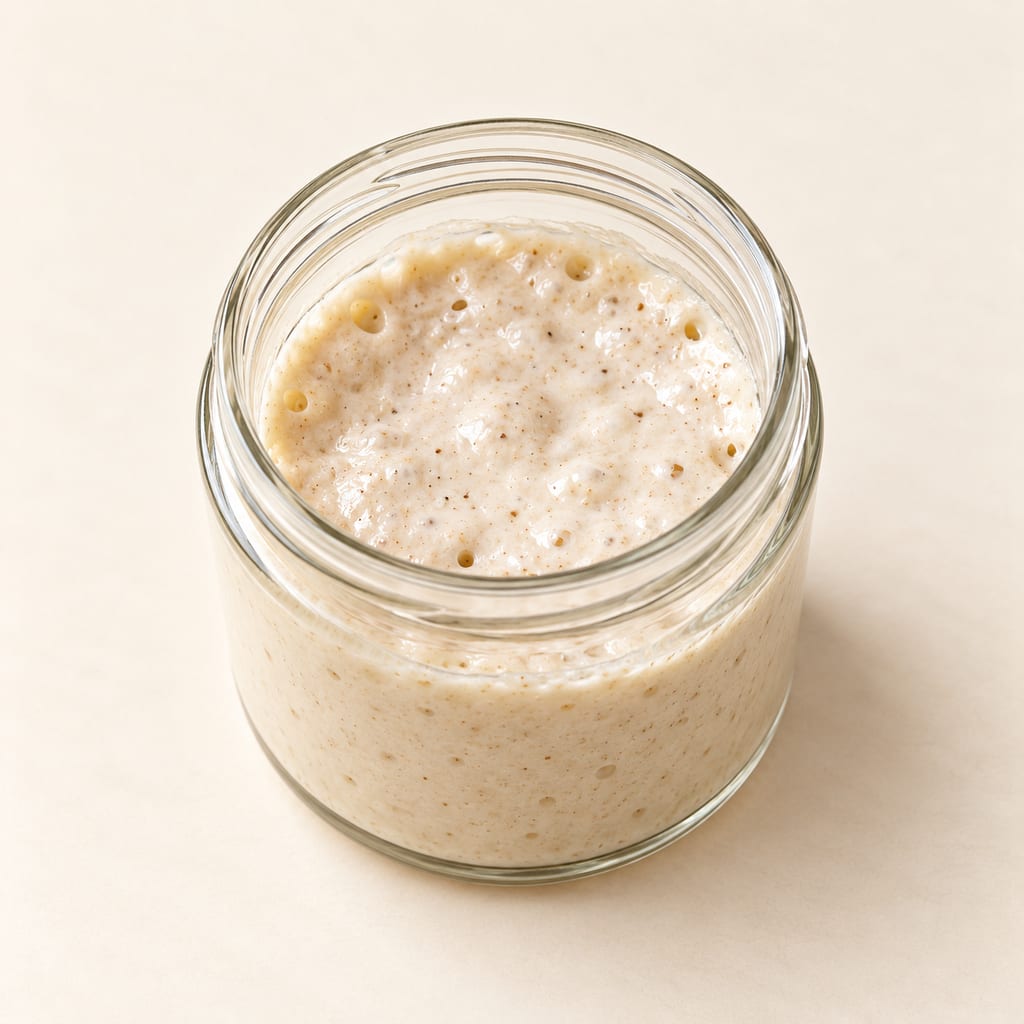
Ripe sourdough starter is a refreshed flour-and-water culture active enough for a baker’s intended dough. Its yeasts and bacteria provide gas and acidity.
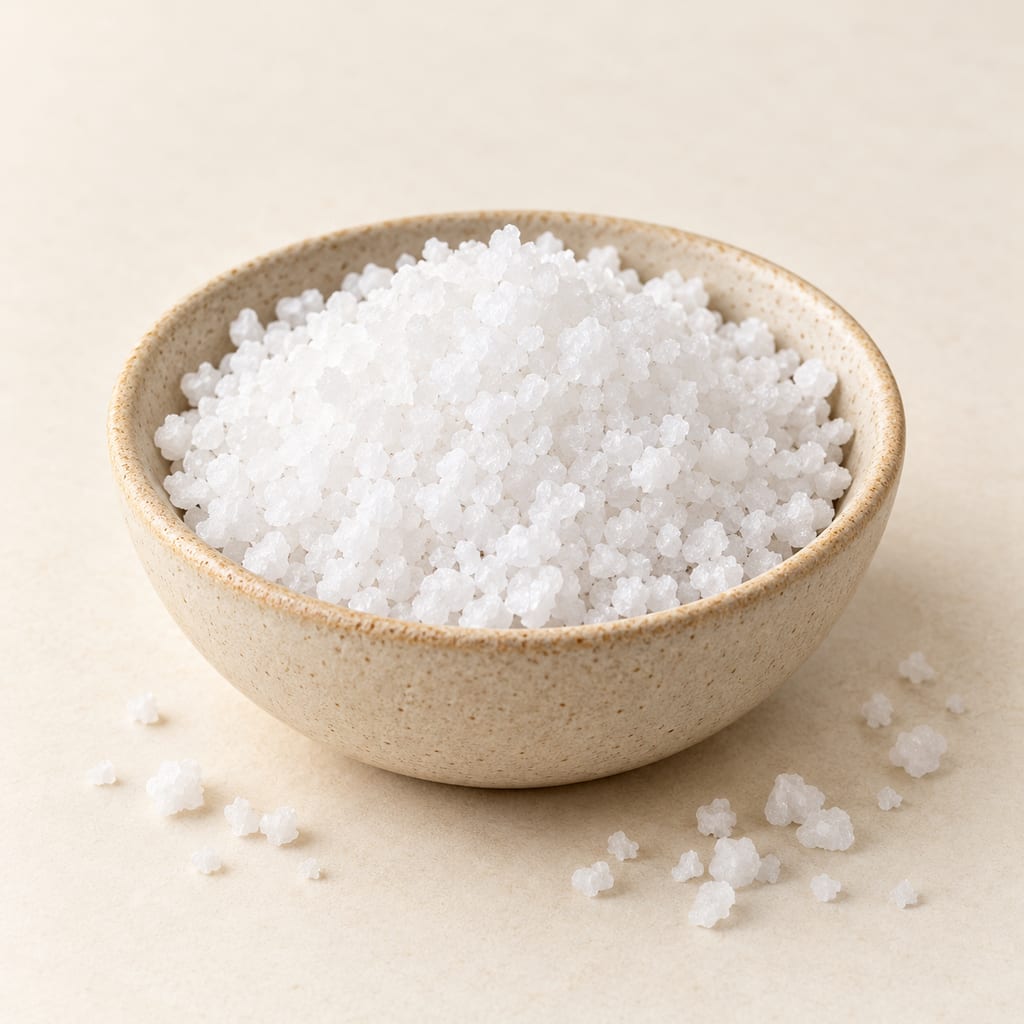
Food-grade sodium chloride seasons food and changes water movement in brines and cures; crystal size and the recipe's measurement method matter.
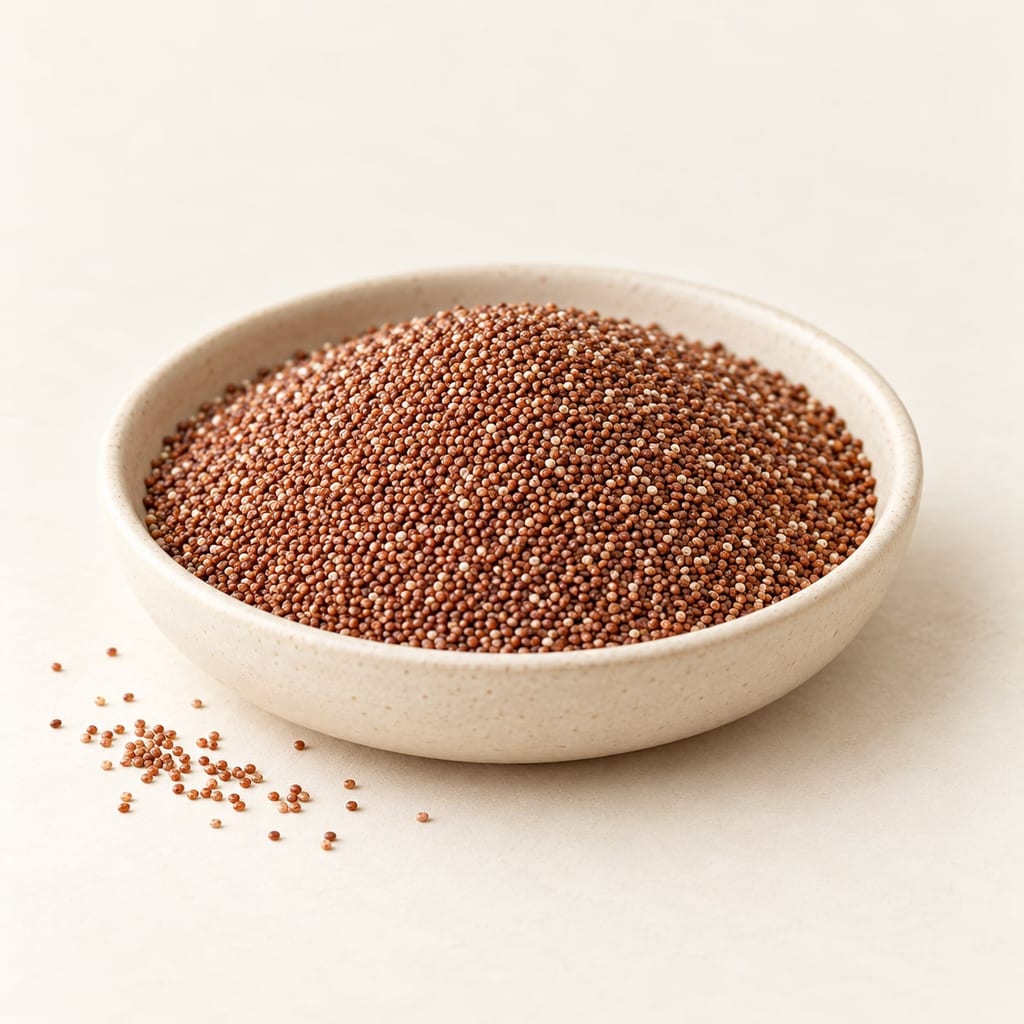
Teff is a tiny-seeded cereal long cultivated in Ethiopia and used whole or milled. Its flour anchors injera and other foods, while variety, milling and local practice shape how it is used.
Water carries dissolved ingredients, transfers heat and forms the liquid environment of many ferments; its minerals and treatment influence how it behaves.
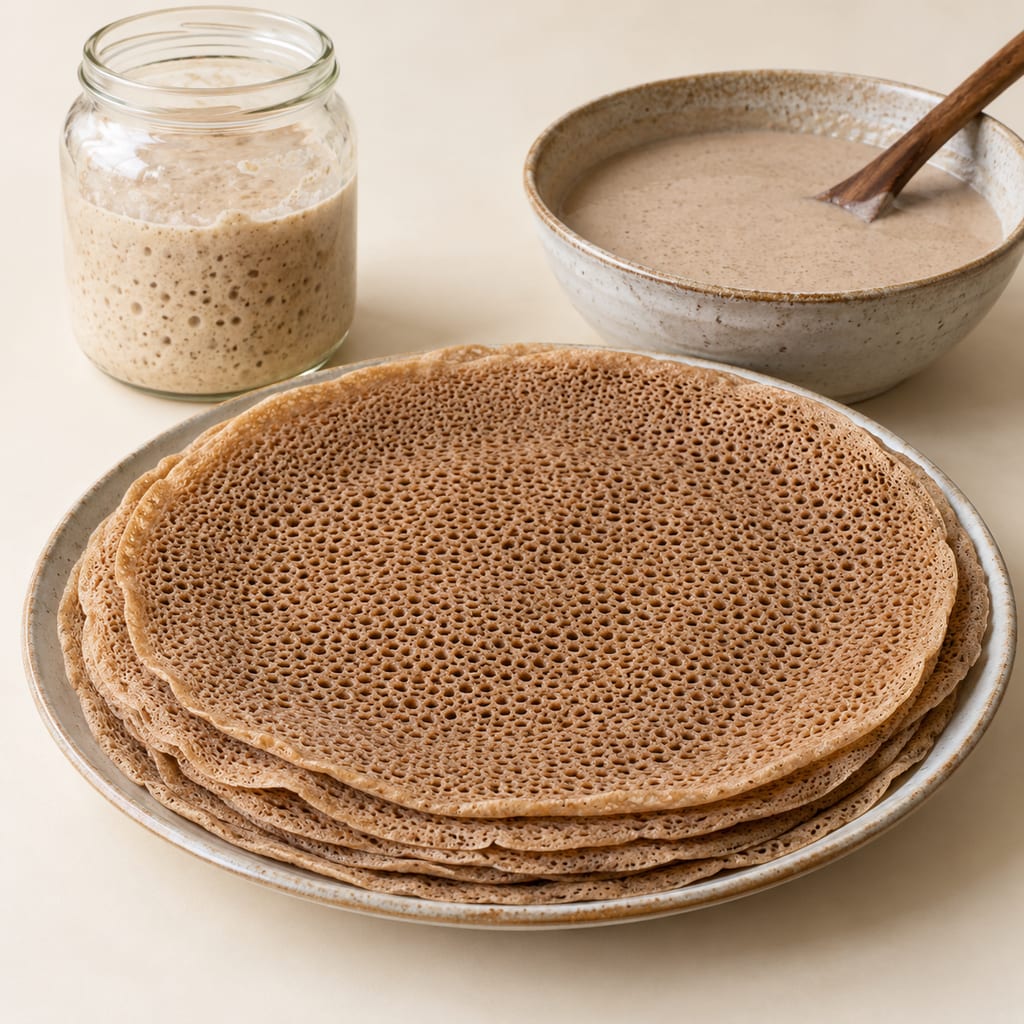
Teff injera made from a three-day teff starter, a three-day main dough fermented under water, and a cooked tempering of part of the batter before griddling.
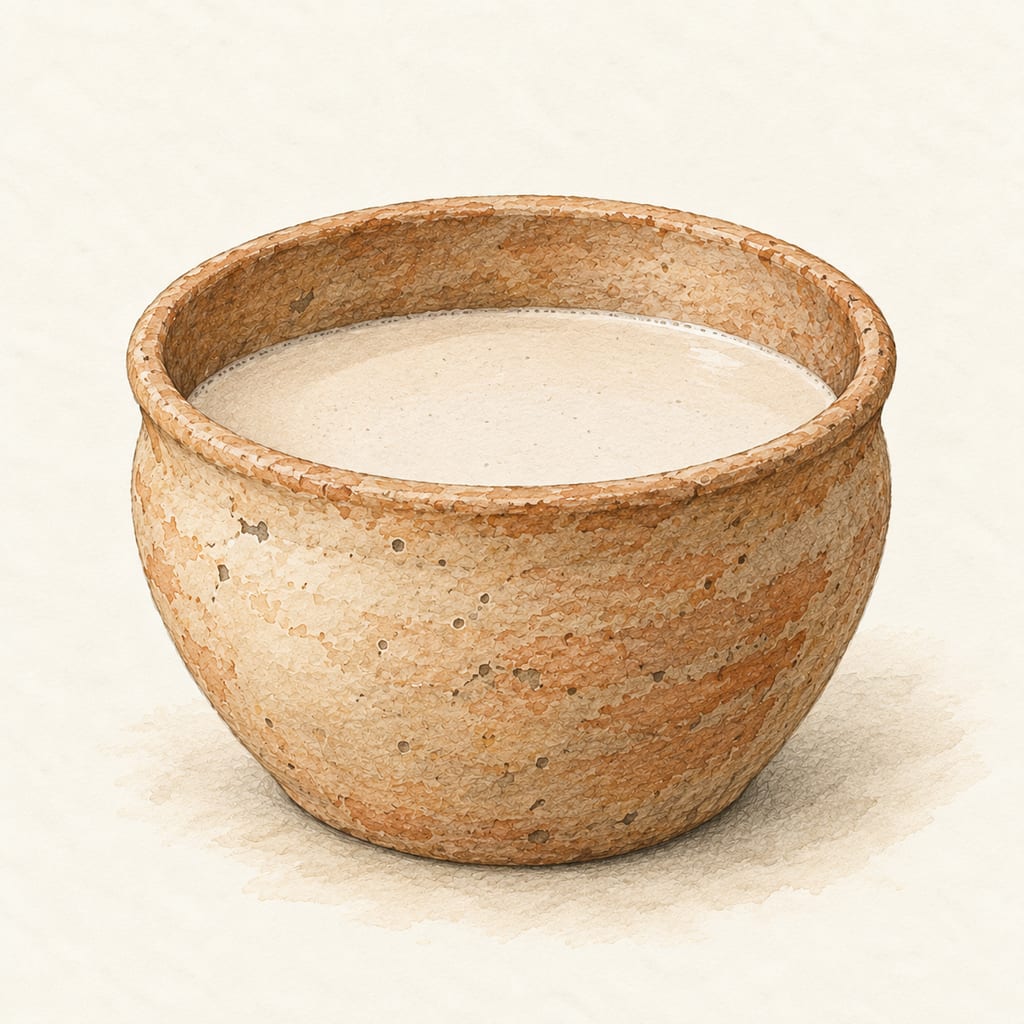
A wide-access vessel holds injera batter through successive fermentation stages. Ethiopian accounts describe clay vessels historically and metal, wood or plastic containers in contemporary kitchens.

From sour breads and milk to savoury seeds, cassava staples and living beers, African fermentation follows the crop, the community and the work of transformation.
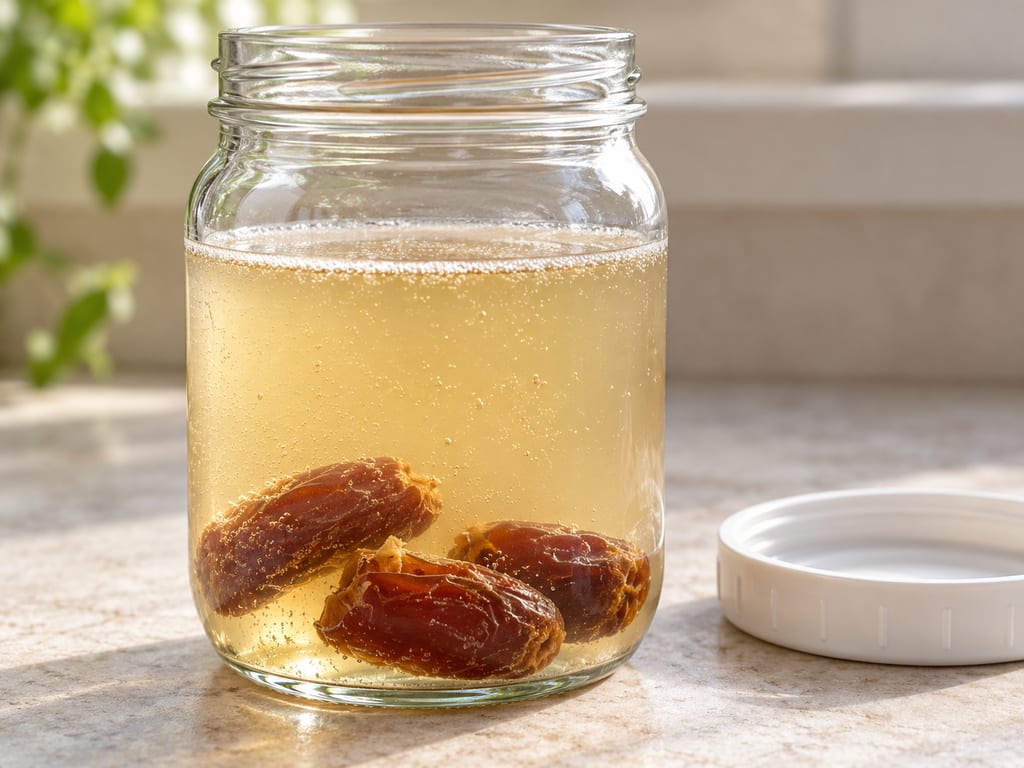
Fruit yeast water is a spontaneously fermented liquid made by soaking fruit in water, with or without sugar, to grow yeast for starting bread dough or a separate flour starter.

Wewish is a Cahuilla preparation of finely ground, leached acorn meal cooked with water into a thick mush that can also be cooled and sliced.
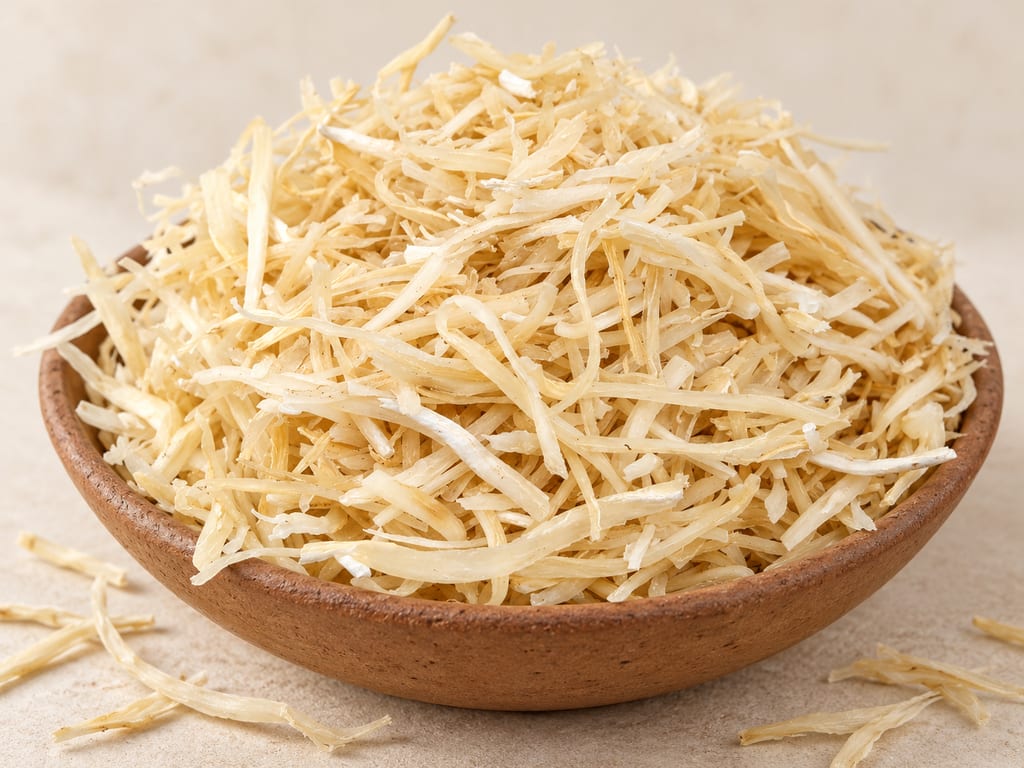
Abacha is a fermented cassava-strip preparation from southeastern Nigeria, sold wet or dried and later rehydrated for meals such as African salad.
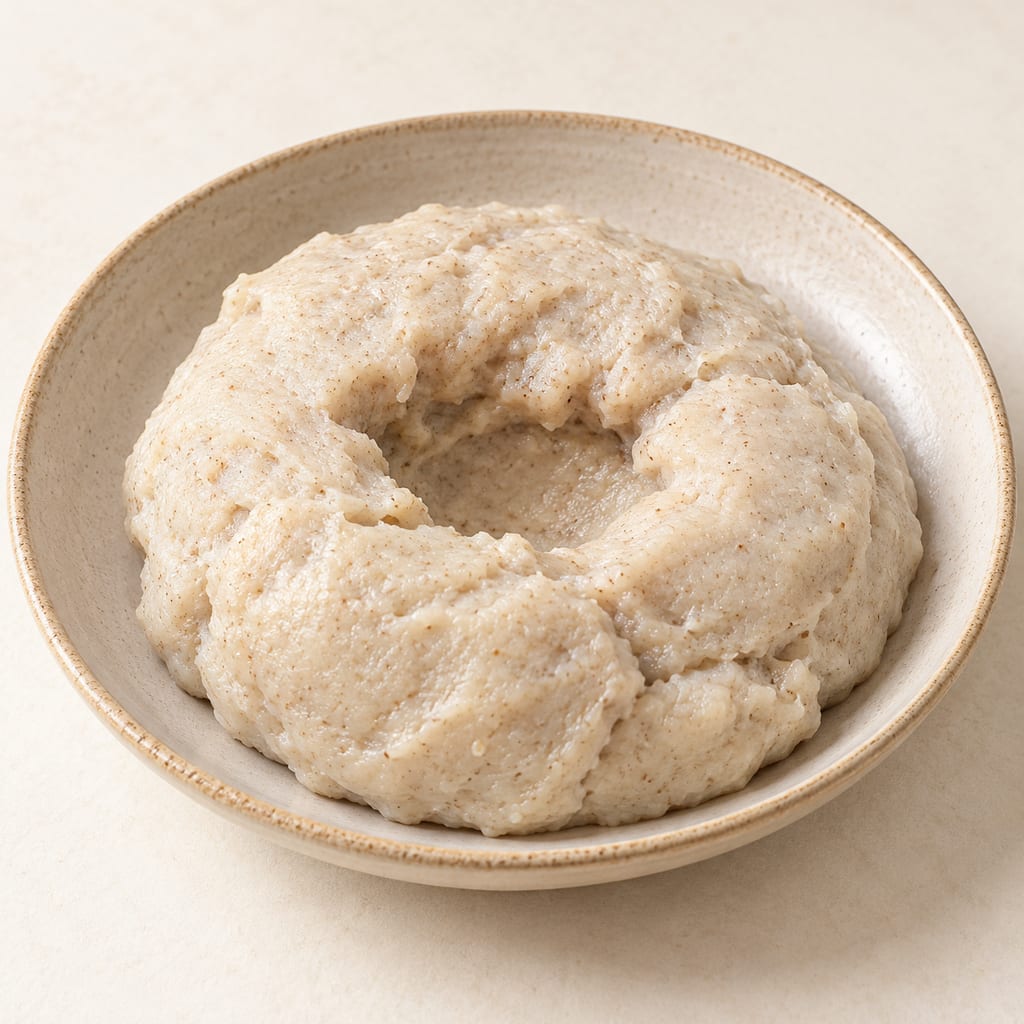
Aceda is Sudan’s firm cereal porridge, commonly made from sorghum and shaped into a smooth mound. Some versions use fermented dough; fermentation is not universal.
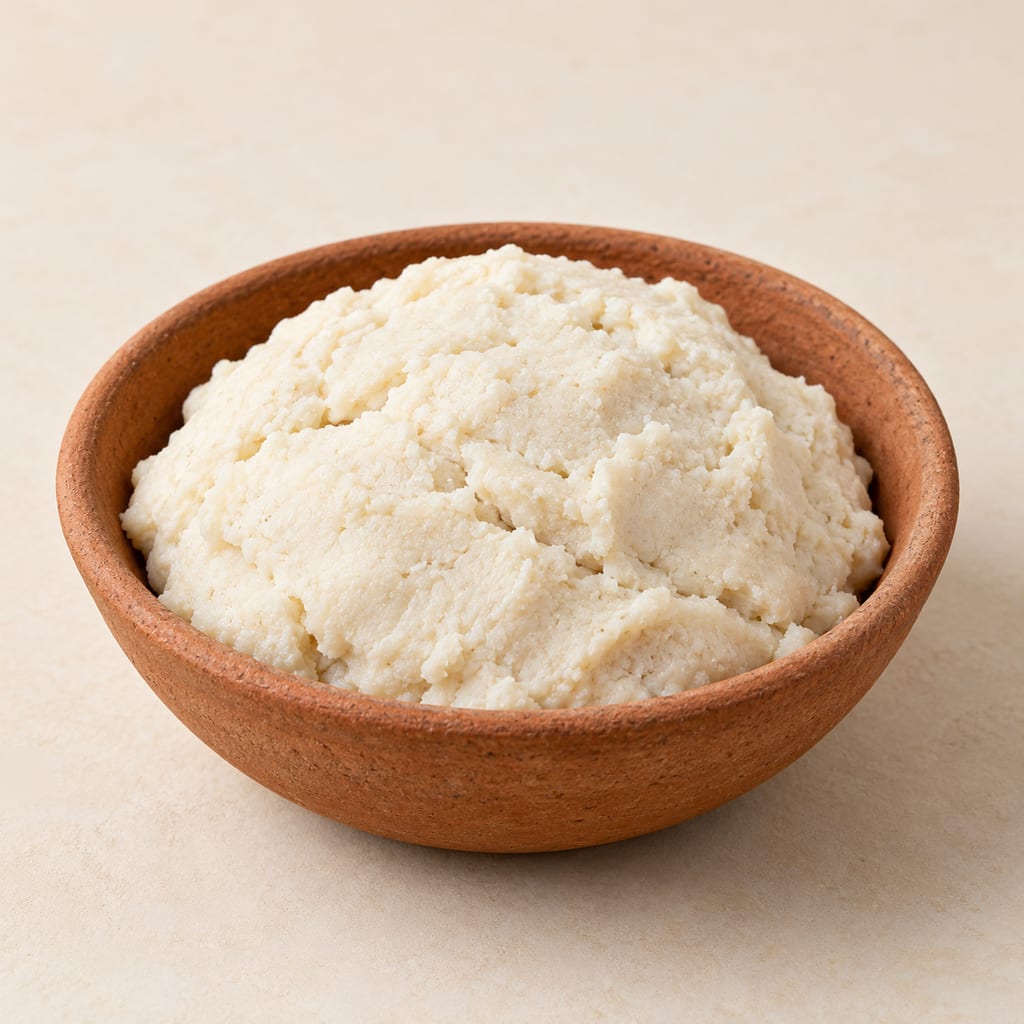
Ghanaian sour cassava dough fermented with traditional inoculum and drained during fermentation. It is used as a base for cooked foods such as banku and akple; process variants and safety outcomes differ.

Appam, or hoppers, are South Indian and Sri Lankan rice pancakes made from a fermented coconut-and-rice batter and cooked in a curved pan to a crisp lacy rim and a soft, spongy centre.
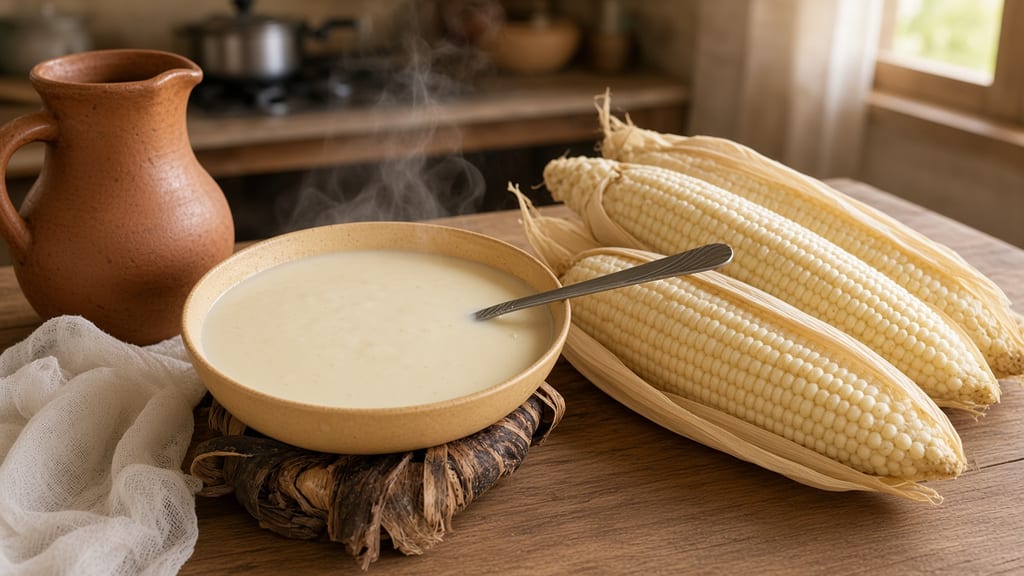
A hot, sour maize drink from Tabasco made from maize that is not lime-cooked. The ground grain sours for half a day, then makers strain it and boil it until thick.
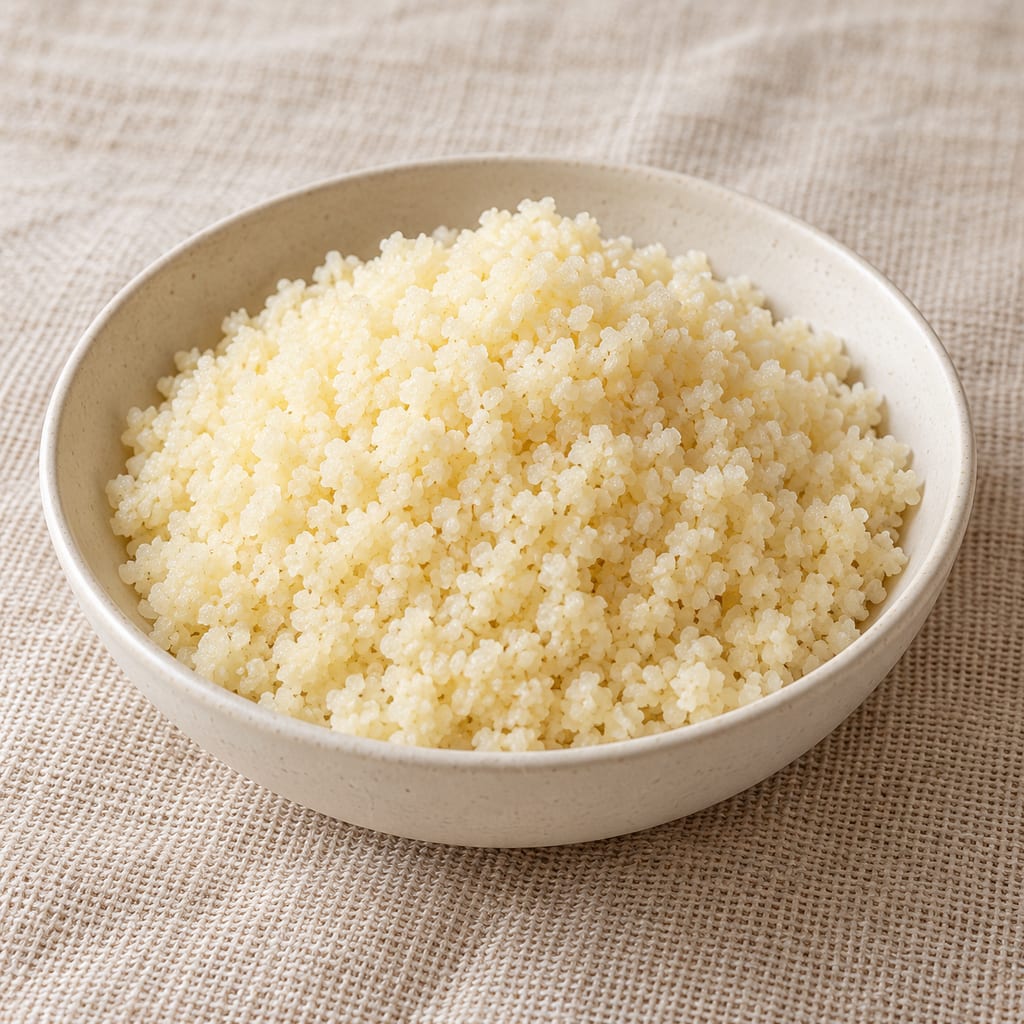
Ivorian cassava semolina: grated cassava is fermented overnight with a traditional inoculum, pressed, sieved into granules, dried and steamed. Documented in a 2006 field study; no sole original process is established.
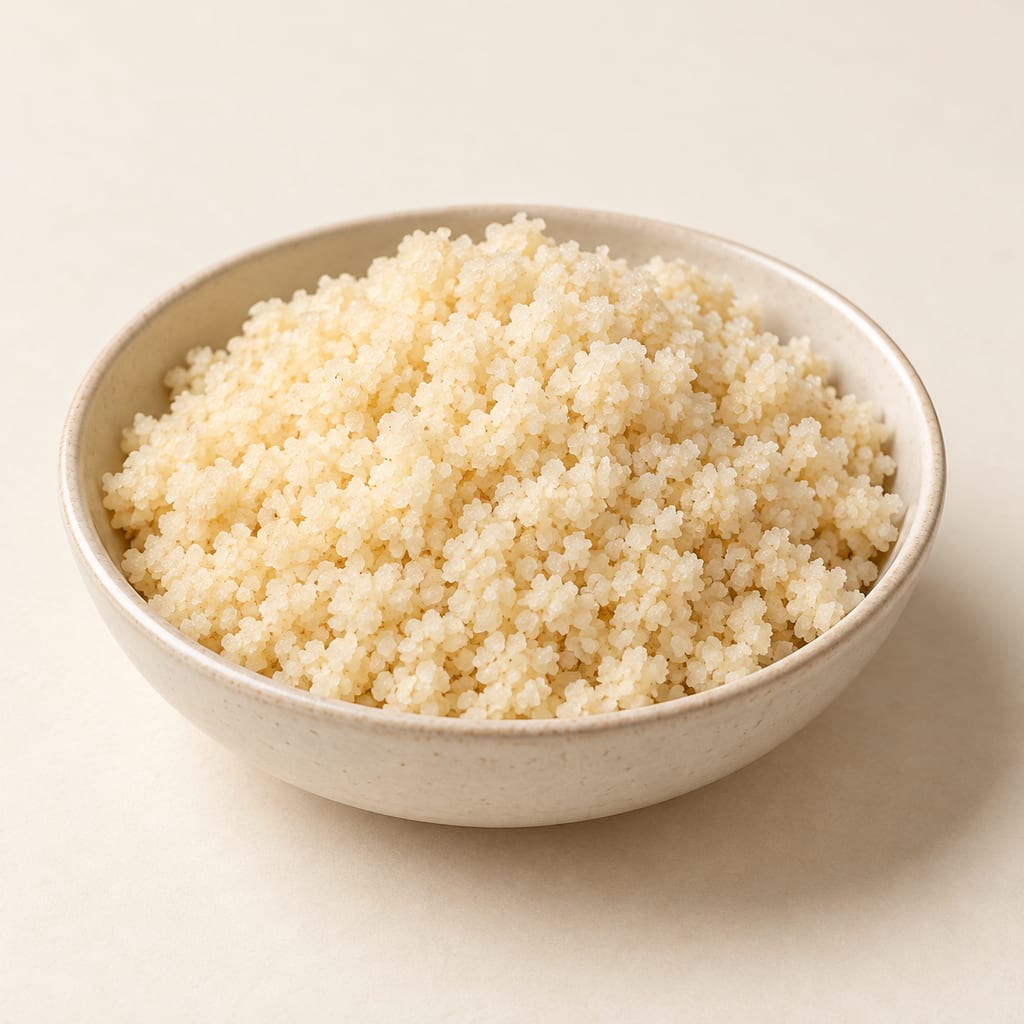
Attiéké is an Ivorian staple of grated cassava fermented with a traditional inoculum, then pressed, sieved, granulated, dried and steamed into fine couscous-like grains.

Crushed or milled barley cooked in water until the starch softens and the mixture thickens, the plainest way a northern household turned stored grain into a meal, here with apple and hazelnut.

Soft, spreadable Calabrian pork sausage made with a great deal of red chilli and fatty pork, stuffed into natural casings, sometimes smoked and matured while staying soft.

A way to add independent temperature logging to an existing food dehydrator without changing its built-in controls or protections. It is a monitoring method, not a rewiring plan.

Pleurotus cystidiosus is the abalone mushroom, a cultivated oyster-type fungus with dark brown caps that grows more slowly and is more demanding than other Pleurotus species.

A dark, balanced vinegar from Emilia-Romagna made by combining cooked or concentrated grape must with wine vinegar, then acetifying and refining it in wood under a protected specification.

A living dairy inoculum that starts controlled cream fermentation, developing acidity and aroma before sour cream or cultured butter is finished.

A small electric incubator holds jars at a selected temperature for yogurt and other documented warm food preparations. Controls, capacity and vessel arrangement vary by model.

Adygean salt is a seasoned table salt associated with Adygea and the wider North Caucasian culinary tradition. Salt is blended with garlic and a variable selection of herbs and spices; the exact mix depends on the named style and maker.

The African Caesar-group mushroom, Amanita masasiensis, is a wild ectomycorrhizal species of central and southern African woodlands, eaten locally. The genus contains deadly poisonous species, so identification needs care.
No community contributions have been published for this entry yet.
Sign in to contribute. Published comments and photos are free to read.
University of California, Irvine Wellness
Fermentation: Teff InjeraPeer-reviewed review, PubMed Central
A Review on Factors Influencing the Fermentation Process of Teff InjeraCenters for Disease Control and Prevention
Say No to Raw Doughtimeforchangekitchen.com
Danielle’s Foolproof Quick Injera | Time For Change KitchenCited in: Introduction: Defining the 24-Hour Home Injera; Ingredient Selection: Teff Varieties and Leavening Agents; Step-by-Step: Mixing, Fermenting, and Cooking Techniques; Nutritional Science: Phytates, Iron, and Zinc Bioavailability; Texture Analysis: Achieving the 'Eyes' in a Home Kitchen
cookshideout.com
Quick Injera Recipe | Ethiopian Flatbread | Cook's HideoutCited in: Introduction: Defining the 24-Hour Home Injera; Ingredient Selection: Teff Varieties and Leavening Agents; Step-by-Step: Mixing, Fermenting, and Cooking Techniques; Texture Analysis: Achieving the 'Eyes' in a Home Kitchen; Safety Protocols for Ambient Fermentation; Serving, Storage, and Traditional Pairings
pubmed.ncbi.nlm.nih.gov
The Potential of Fermentation and Contamination of Teff by Soil to Influence Iron Intake and Bioavailability from Injera Flatbread - PubMedCited in: The Microbiology of Short-Window Fermentation; Nutritional Science: Phytates, Iron, and Zinc Bioavailability
bakinghermann.com
Injera (A Guide to Ethiopia’s National Dish)bccdc.ca
bccdc.ca