Honey
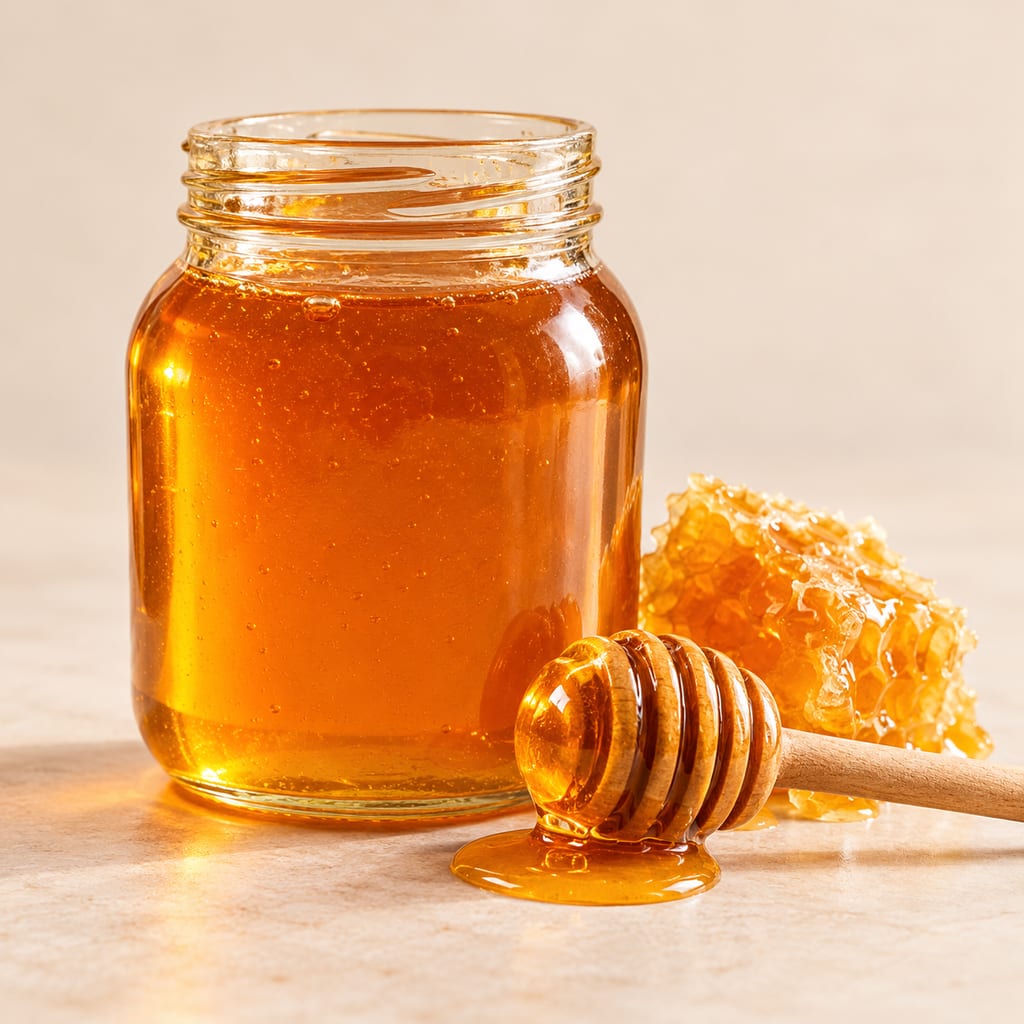
Honey is a bee-made food from floral nectar or honeydew; breads use it in dough or as a syrup served with cooked griddle breads.
 FermenteaWhere food goes to change
Dabo · Honey bread
Ethiopian breakfast honey bread: two rosemary-scented yeast loaves shaped in pans and baked at 400°F.
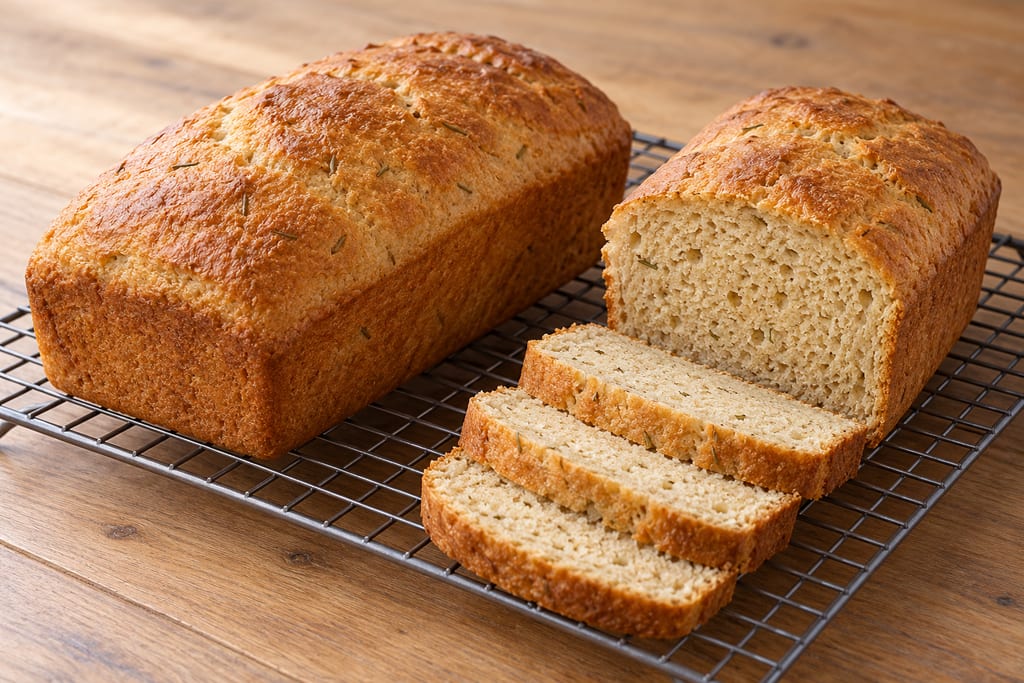
Dabo is a family of Ethiopian breads. This specific version is a honey-sweetened wheat loaf with rosemary, yeast and oil; it is not a formula for every dabo. Epicurious describes it as breakfast bread, often eaten with shiro, and distinguishes it from injera's pancake-like form.
This two-loaf batch uses seven cups of all-purpose flour with warm water, active dry yeast, honey, salt, canola oil and rosemary. The rosemary is toasted briefly before it is worked into the dough. After a first rise to about one and a half times its starting size, the dough is kneaded again, divided between two 9-by-4-inch loaf pans and given a shorter second rise.
Bake at 400°F for about 25–30 minutes, until the tops are golden, then leave the inverted pans on a cooling rack for five minutes before removing them. Honey promotes browning, so use the source's bake time and check the loaf itself as well as its top. Flour is raw and can carry harmful bacteria: keep it away from ready-to-eat food, wash tools and surfaces, and do not taste uncooked dough. Because the recipe contains honey, do not give this bread to children under 12 months.
Epicurious presents this honey bread as Ethiopian breakfast dabo and notes shiro as a common accompaniment. The recipe is reprinted from Marcus Samuelsson's 2006 cookbook and was published online in 2009. These dates document the modern printed version, not the earliest history of dabo or all dabo traditions.
Yield 2 loaves · Scaling: source batch only
Flour may carry harmful bacteria; dough is uncooked until baked.
Hazard sourceHoney can contain bacteria that cause infant botulism; CDC advises against honey and products made with honey for children younger than one year.
Hazard sourceThe recipe uses a 400°F oven and directs inverting hot pans onto a cooling rack.
Hazard sourceKeep raw flour separate from ready-to-eat food, wash hands, bowls, utensils and work surfaces after handling dough, and do not taste raw flour or dough.
Control sourceDo not serve this honey-containing bread to a child younger than 12 months.
Control sourceUse oven mitts when handling the hot pans and cooling rack.
Control sourceContains wheat (gluten).
Contains honey: do not feed this bread to children younger than 12 months.
The source gives no validated storage duration.
The article describes dabo as honey bread served at the Ethiopian breakfast table. This is a broad food-context association, not a claim that this author's formula represents all dabo or a precise birthplace.
Honey is a bee-made food from floral nectar or honeydew; breads use it in dough or as a syrup served with cooked griddle breads.
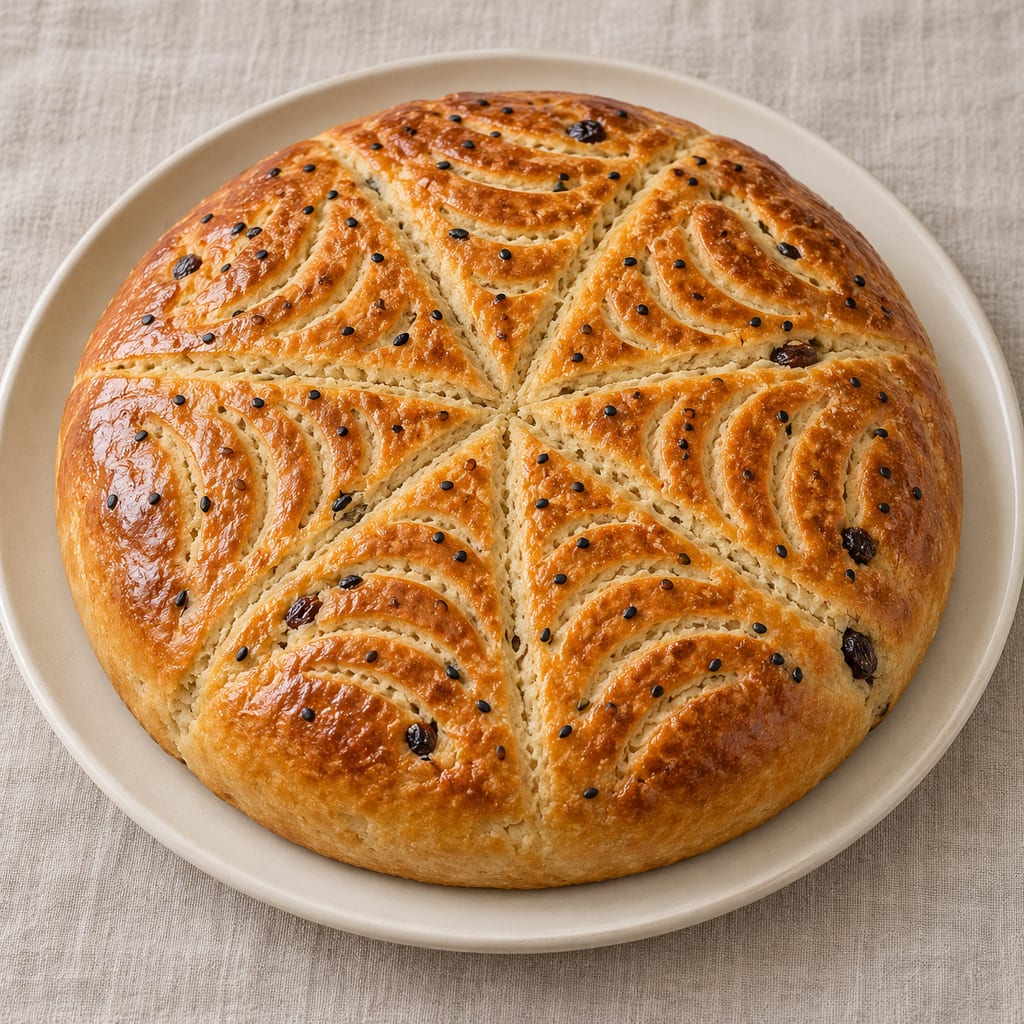
A round, mildly sweet wheat bread leavened with baker’s yeast and marked with a wheel pattern. This source batch uses raisins, black sesame and cardamom.

Ethiopia's fermented enset staple: the scraped leaf sheaths and pounded corm of Ensete ventricosum packed into a leaf-lined pit, where lactic fermentation turns them into a sour mass that keeps and is later baked as flatbread.
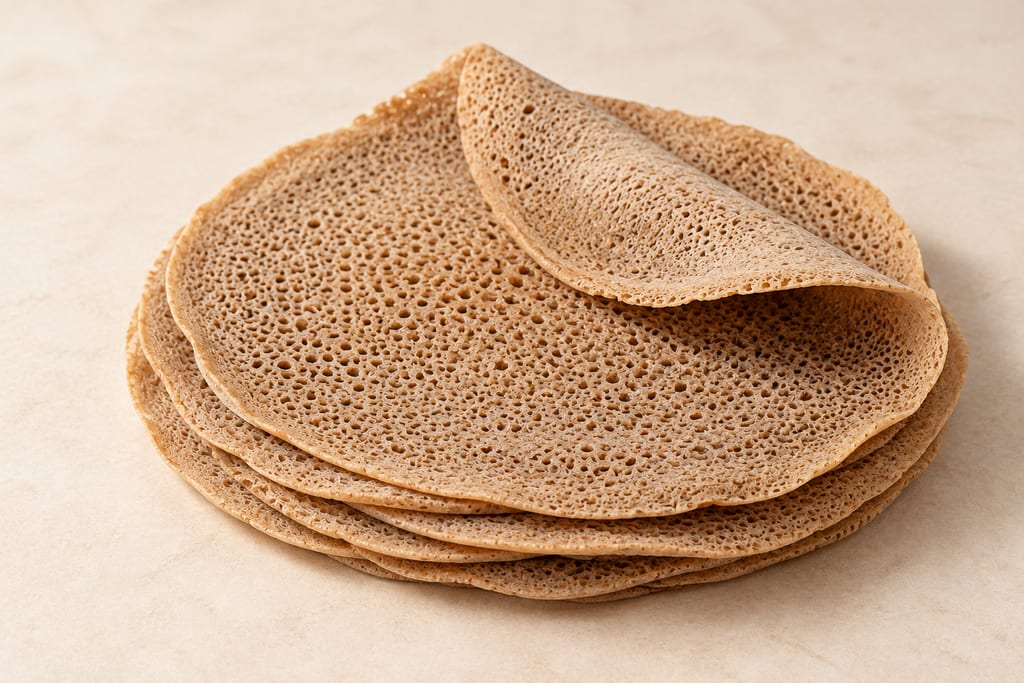
A two-stage Ethiopian teff injera method begins with saved ersho, ferments the main batter beneath refreshed surface water, then adds cooked absit before a final warm rest and griddle baking.
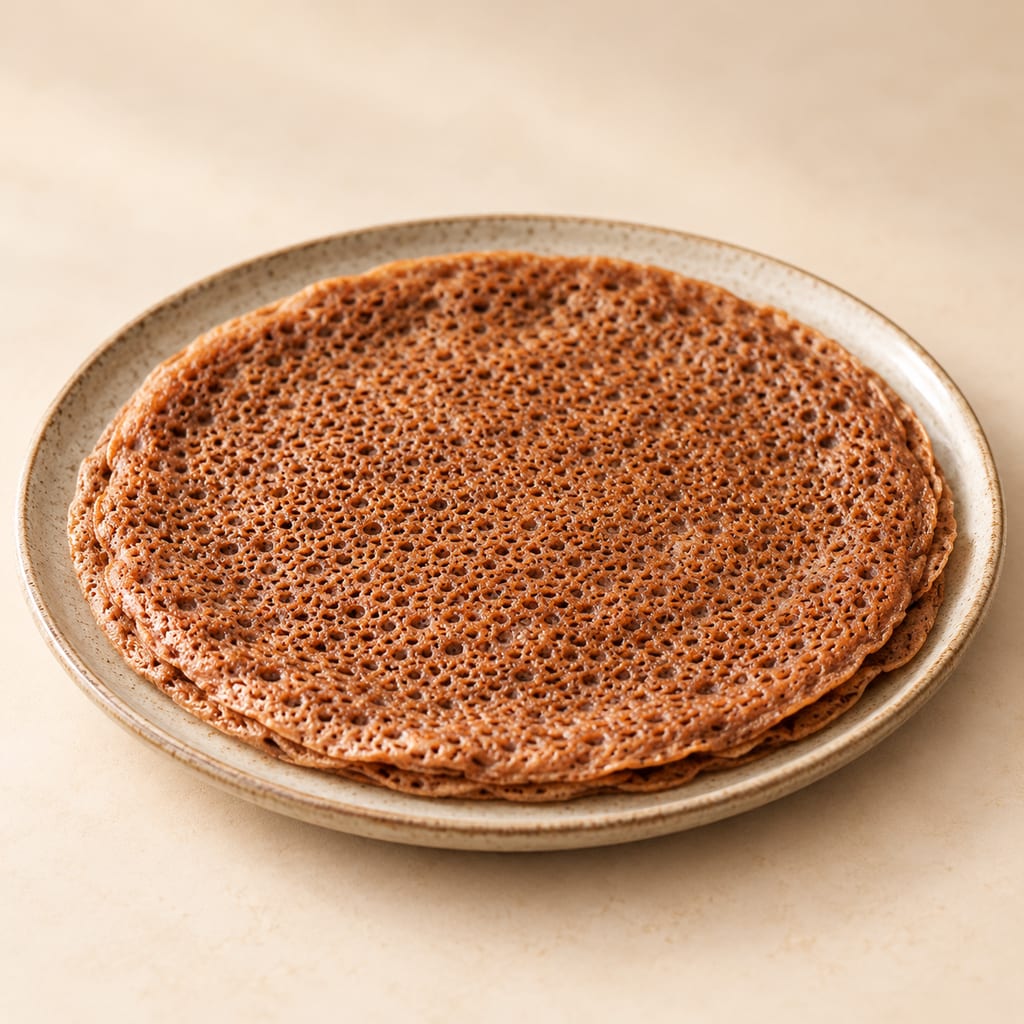
A modern home adaptation of Ethiopian injera using a 24-hour fermentation window. This method balances traditional souring with accessible ingredients like baking powder or starter cultures to achieve the characteristic porous texture.
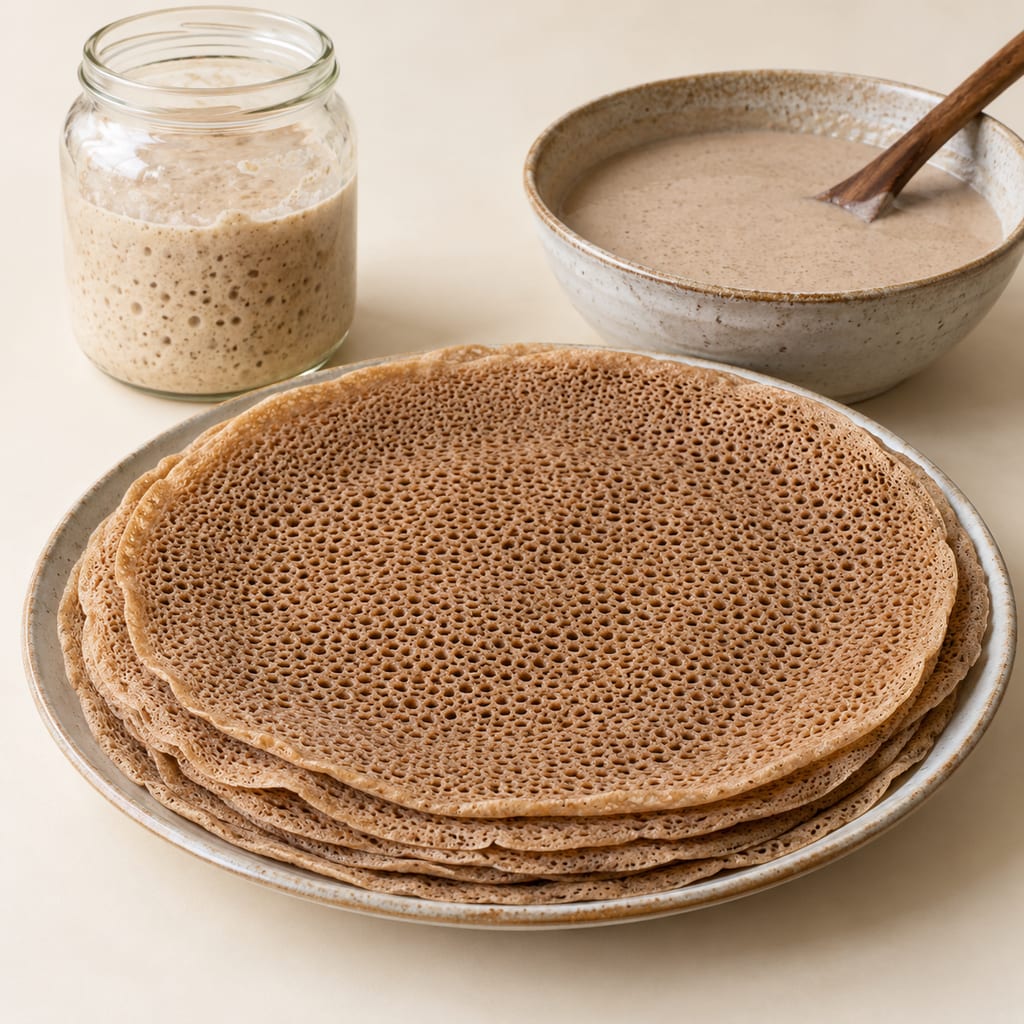
Teff injera made from a three-day teff starter, a three-day main dough fermented under water, and a cooked tempering of part of the batter before griddling.
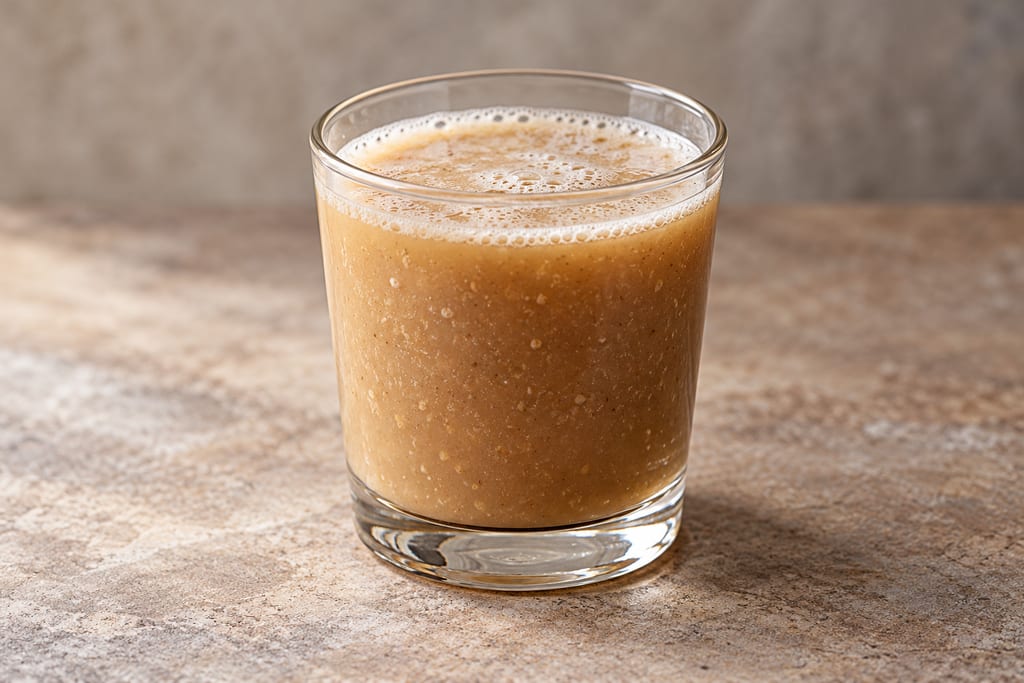
A thick, faintly fizzy Ethiopian cereal drink in which a wheat dough is fermented, roasted dark, then fermented a second time with barley malt into a drinkable slurry.
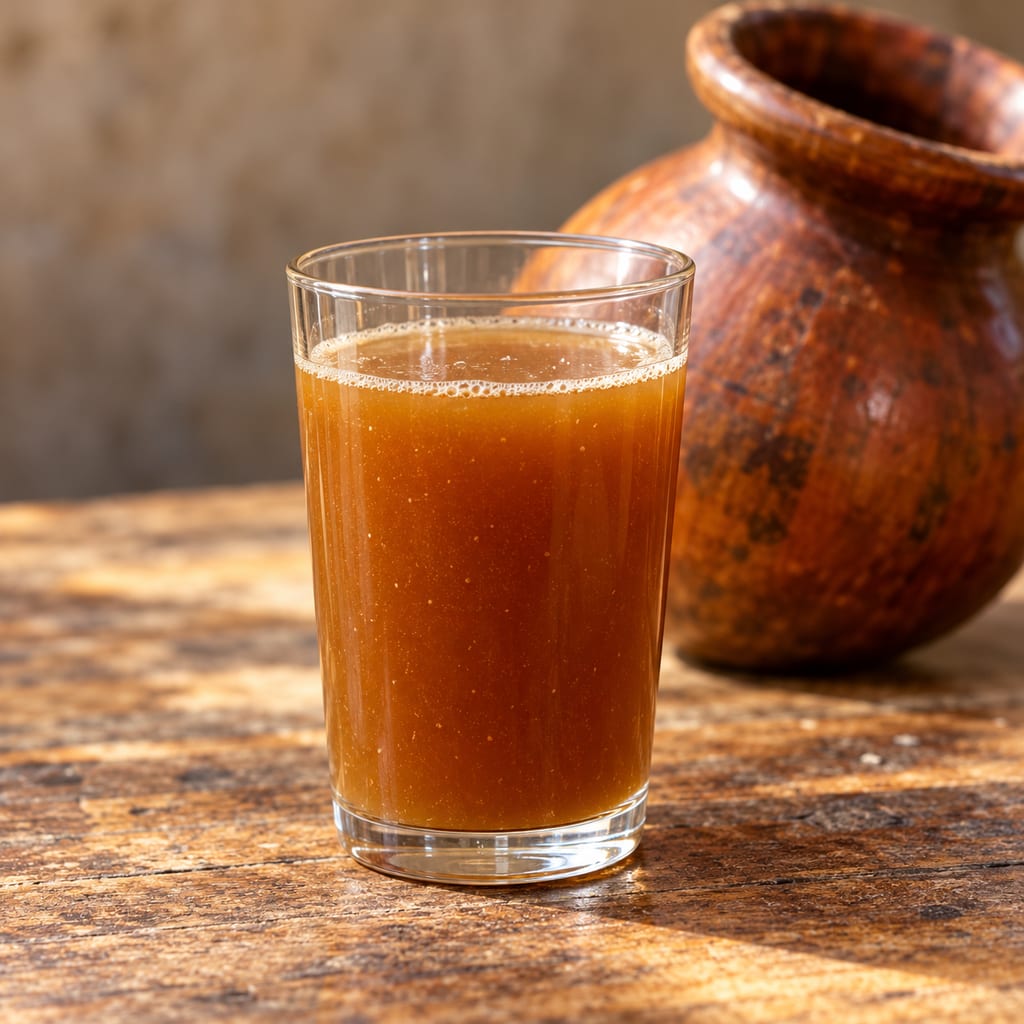
A darker Ethiopian maize tella, brewed from maize baked into a hot, dry kita pancake and then fermented in three stages with barley malt, gesho and water.
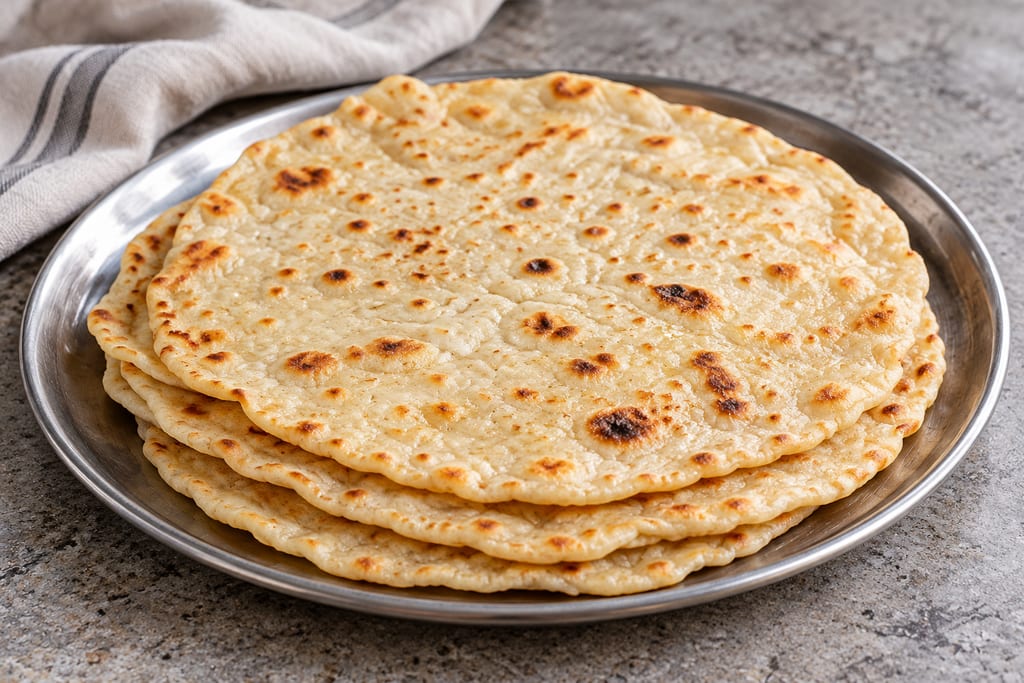
An unleavened Ethiopian and Eritrean wheat flatbread, rolled thin and cooked in clarified butter.
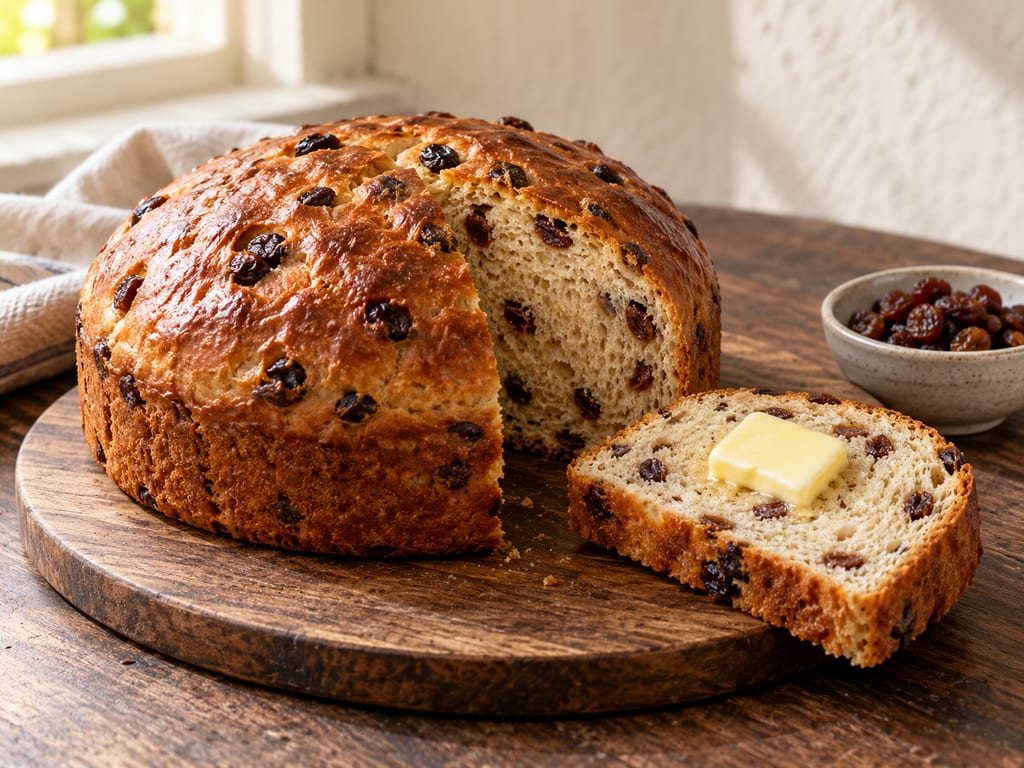
An Irish fruit-studded yeast loaf, associated in a contemporary cultural account with Halloween and often served fresh or toasted with butter.
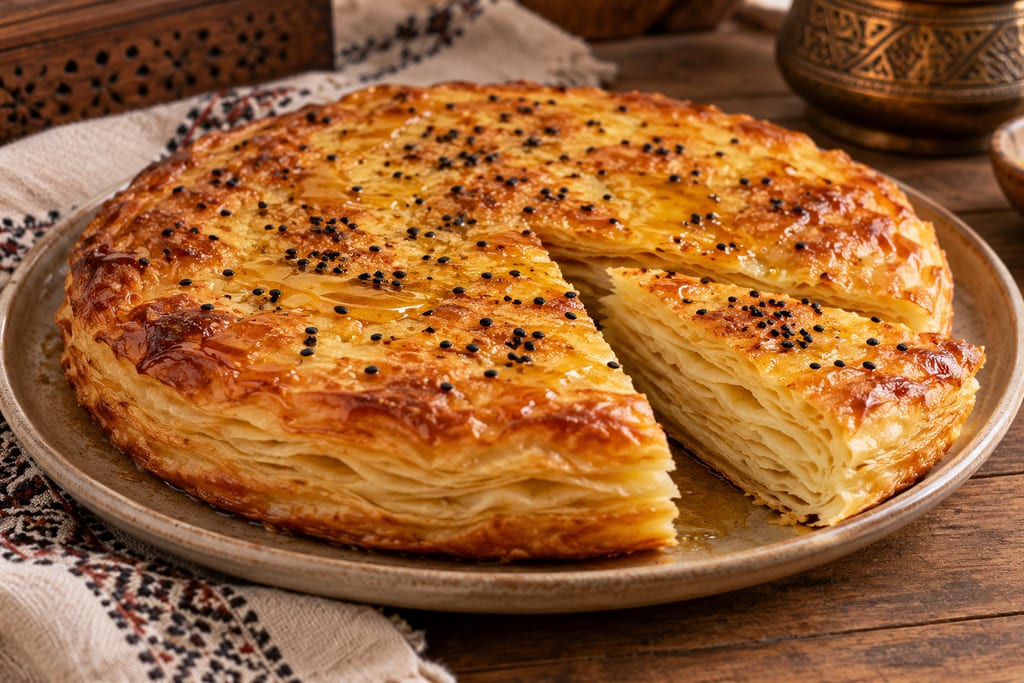
Bint al-sahn is a Yemeni celebration and home bread built from thin, egg-rich yeast dough layers brushed with ghee or butter. This source-specific version makes one round cake, baked until golden and served warm with honey.
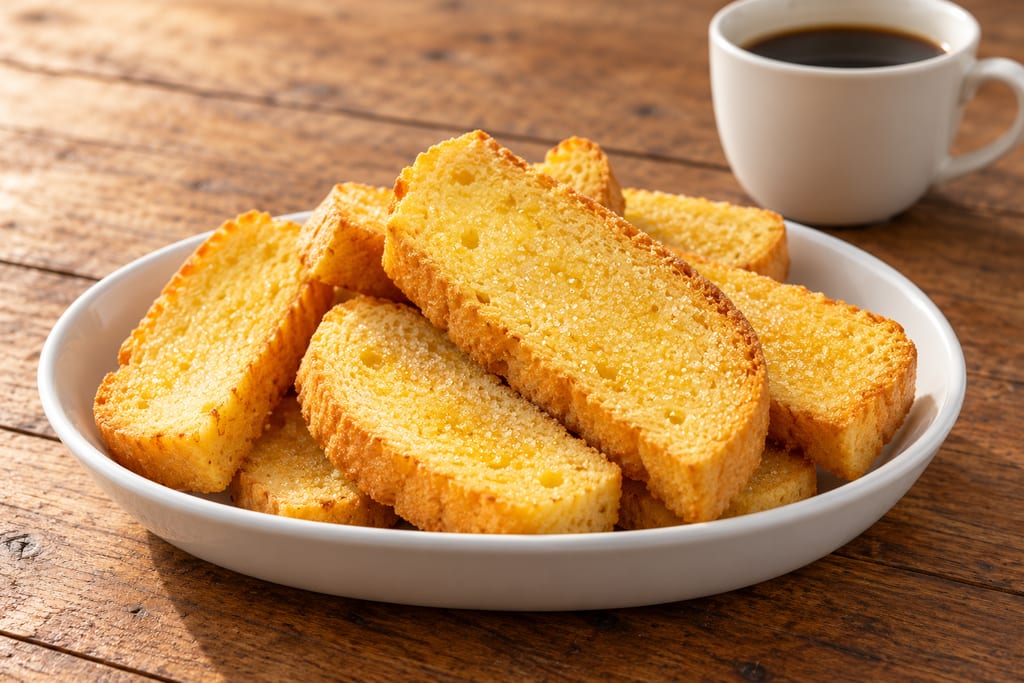
PagkainPinoy’s 24–30 piece version twice-bakes day-old soft bread with a thin butter-and-sugar coating.
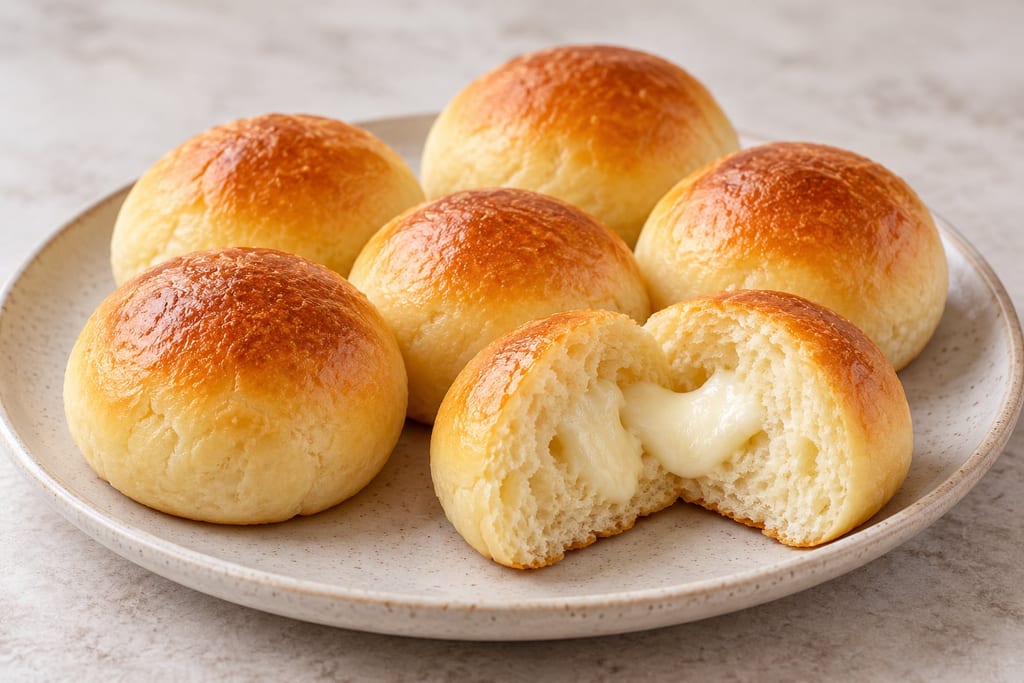
Soft Brazilian yeast rolls use cooked mashed potato in an enriched dough, with mozzarella cubes enclosed before baking.
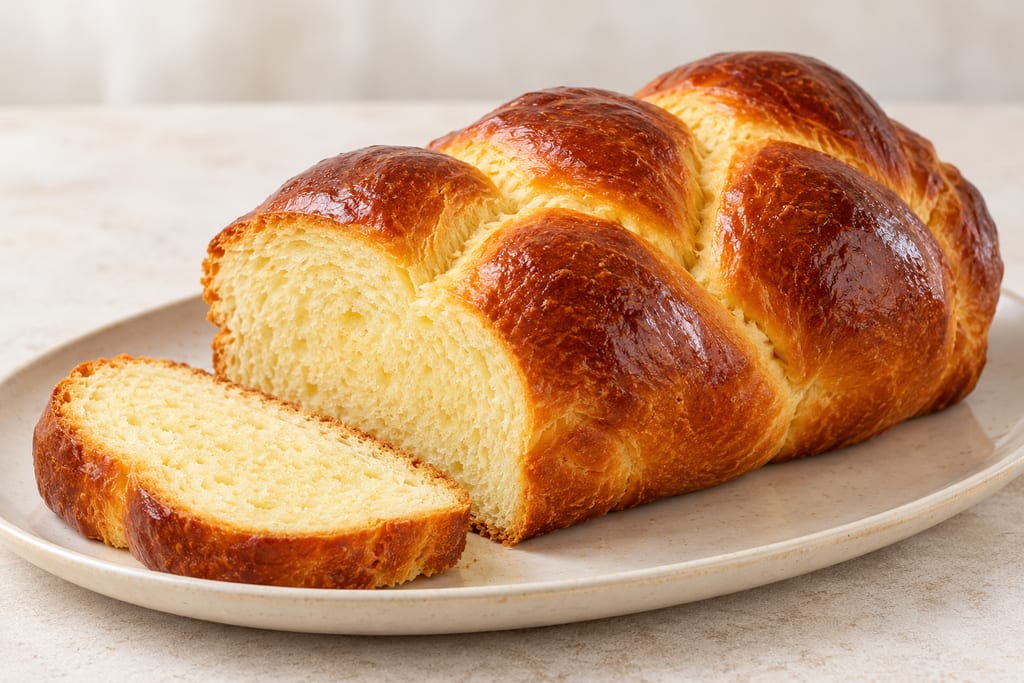
An egg-and-butter-rich yeast dough shaped as one round loaf, two loaves or twelve small brioches, with baking paths that vary by shape.
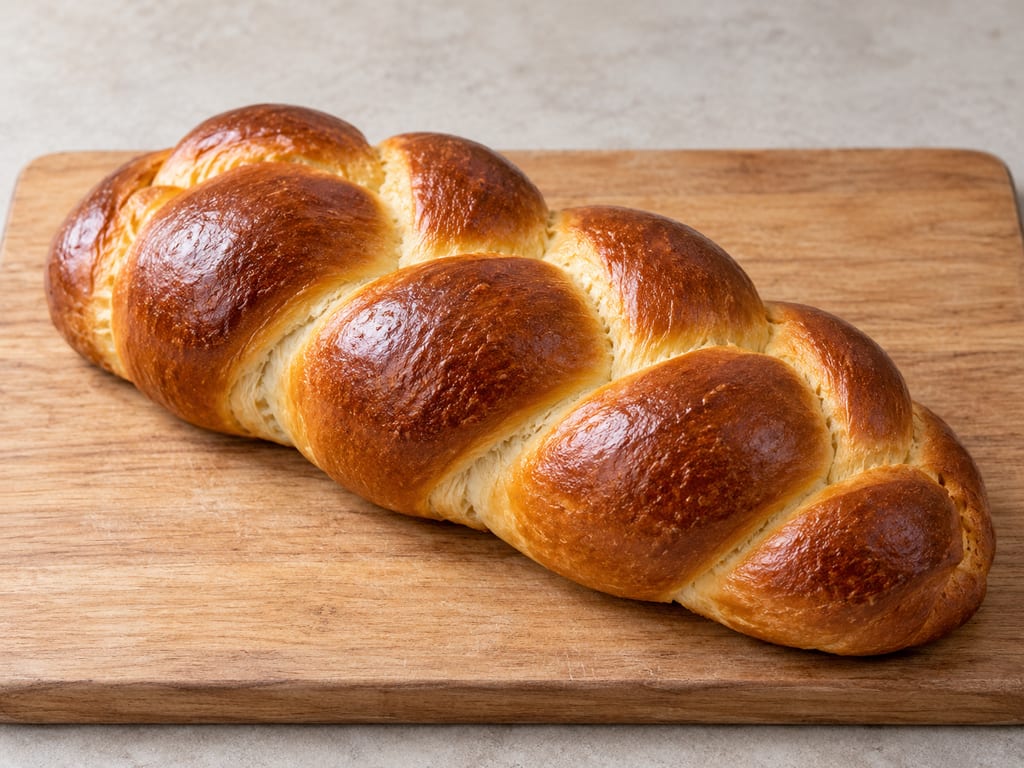
A three-strand yeast-raised challah with flour, salt, yeast, water, neutral oil, honey and egg, based on a Jewish Museum Vienna home recipe.
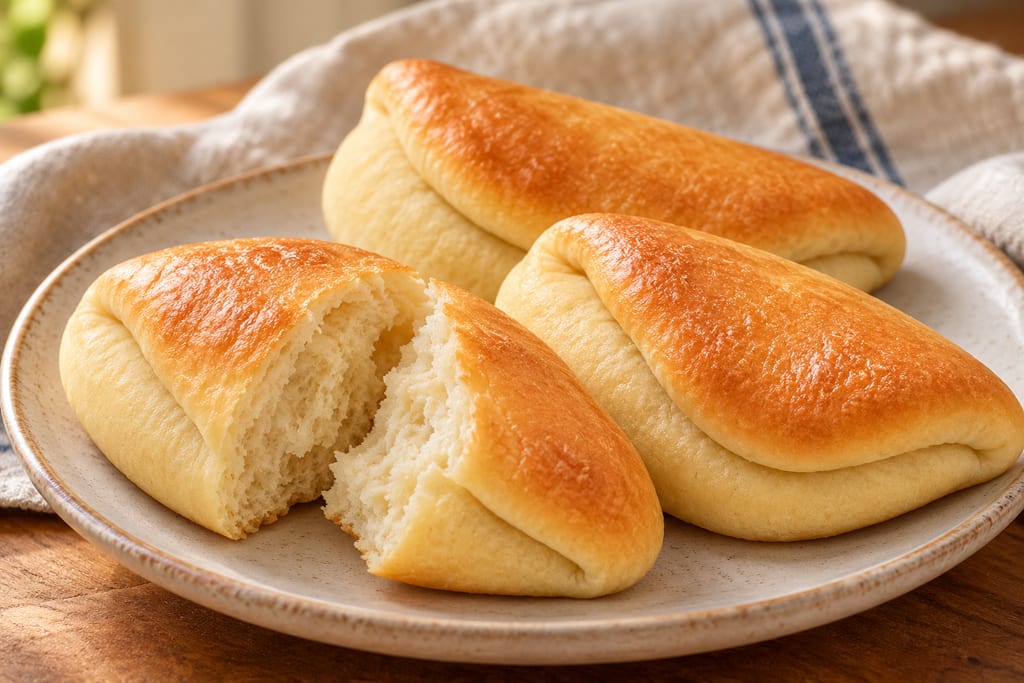
Jamaican-style folded rolls made from sweet coconut-milk yeast dough and brushed with butter.
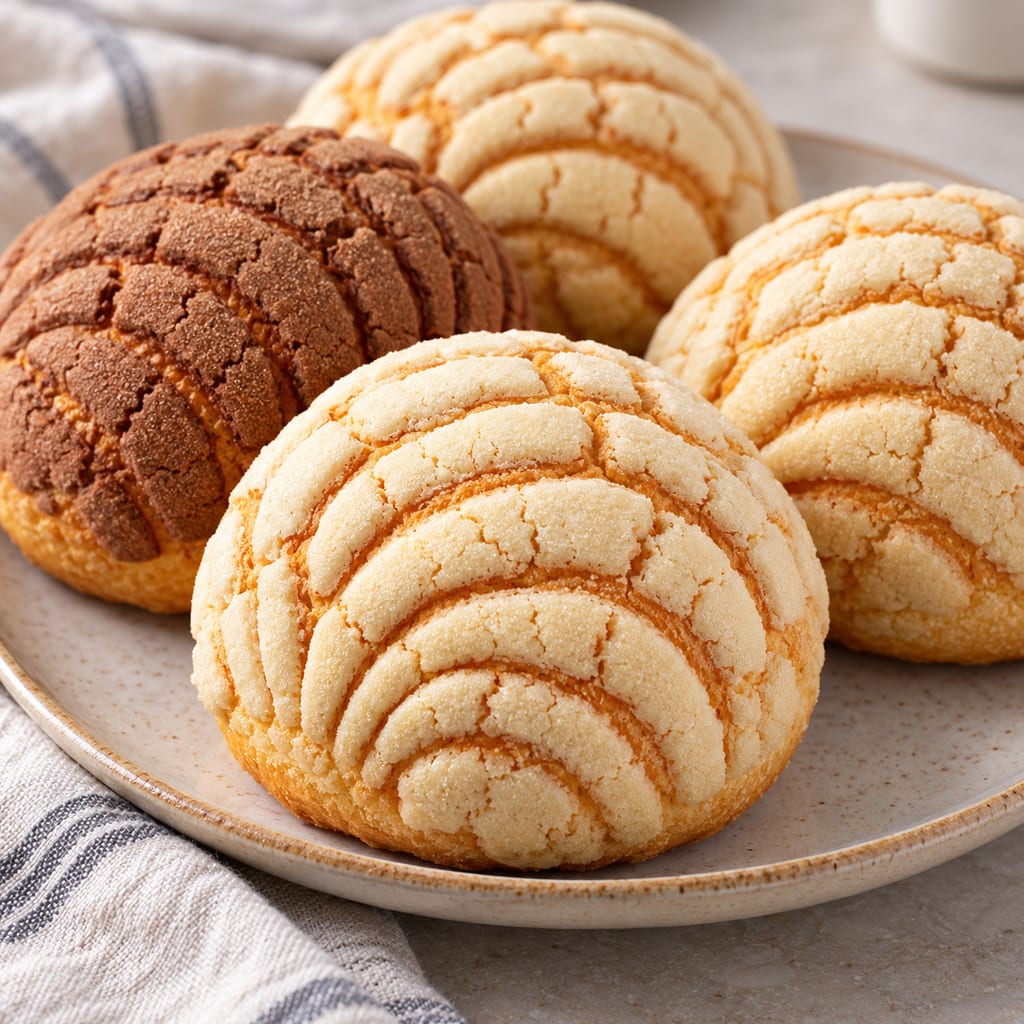
Mexican sweet rolls with a soft enriched yeast dough and a separate scored sugar-flour topping shaped like a shell. This version makes 15 rolls and uses a chilled dough rest before final proofing.
No community contributions have been published for this entry yet.
Sign in to contribute. Published comments and photos are free to read.
EpicuriousMethod · Geography
Honey BreadThe article identifies the bread as Ethiopian breakfast dabo, distinct from injera, and describes shiro as a common accompaniment; it notes the recipe was reprinted from The Soul of a New Cuisine (2006).
The two-loaf formula uses 1 tablespoon chopped rosemary, ¼ cup canola oil, 2 packets active dry yeast, 2½ cups warm water, 7 cups all-purpose flour, 1 tablespoon salt and ¾ cup honey.
Method: toast rosemary about 30 seconds, proof yeast mixture 5 minutes, first rise to 1½ times size about 1 hour, second rise 20 minutes in loaf pans, and bake at 400°F for about 25–30 minutes.
Cited in: Honey bread for the Ethiopian breakfast table
U.S. Food and Drug AdministrationSafety
Handling Flour Safely: What You Need to KnowRaw flour may contain harmful bacteria; never taste raw flour, dough or batter.
Keep raw flour separate from ready-to-eat food and wash hands, utensils, pans and work surfaces after handling it.
Centers for Disease Control and PreventionSafety
Botulism PreventionHoney can contain bacteria that cause infant botulism; do not give honey or products made with it to infants younger than one year.
UNESCO Intangible Cultural Heritage document repositoryCultural context · Distinct bread use
Timket documentation: Associated intangible aspects, section 3.2Repository-indexed page 6 describes preparing bread named defo dabo, along with other foods, before Timket/Epiphany celebrations.
This supports a documented ceremonial use of a separately named dabo form; it does not identify Samuelsson's rosemary-honey pan loaf as that festival bread or supply its recipe, origin or safety controls.
Access limitation: direct document retrieval returned a JavaScript/human-verification challenge. The narrow indexed passage was inspected; no full-document or author metadata verification claimed.