
Rice koji
Rice koji is steamed white rice through which koji mold has grown. It carries the enzymes that turn rice starch into sugar, and it is the starting point of sake, sweet miso, amazake and shio koji.
 FermenteaWhere food goes to change
Traditional method
酒粕甘酒(さけかすあまざけ) · Sakekasu amazake · Sake-kasu amazake · Sake kasu amazake · 酒かす甘酒 · 酒粕の甘酒 · 酒粕で作る甘酒 · 酒粕仕立ての甘酒 · Sake-lees sweet drink · Sake-lees amazaké · Amazake made with sake lees · Sweetened sake-lees drink
A Japanese sweet drink made by dissolving sake lees in hot water and adding sugar, often with ginger or salt; it carries flavours and alcohol from sake brewing but normally undergoes no new fermentation.
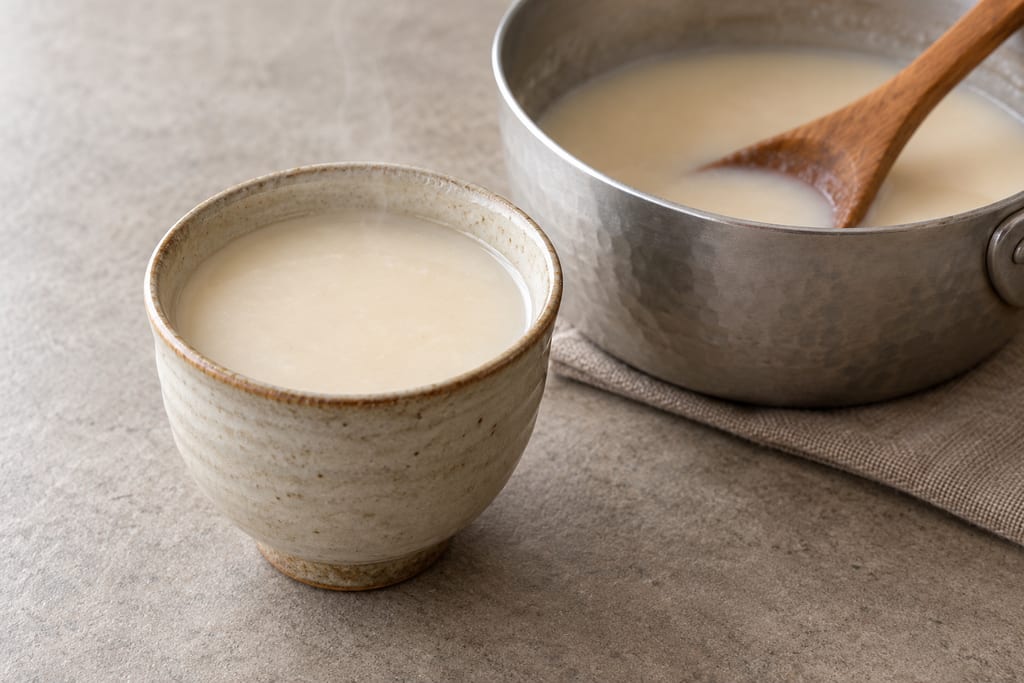
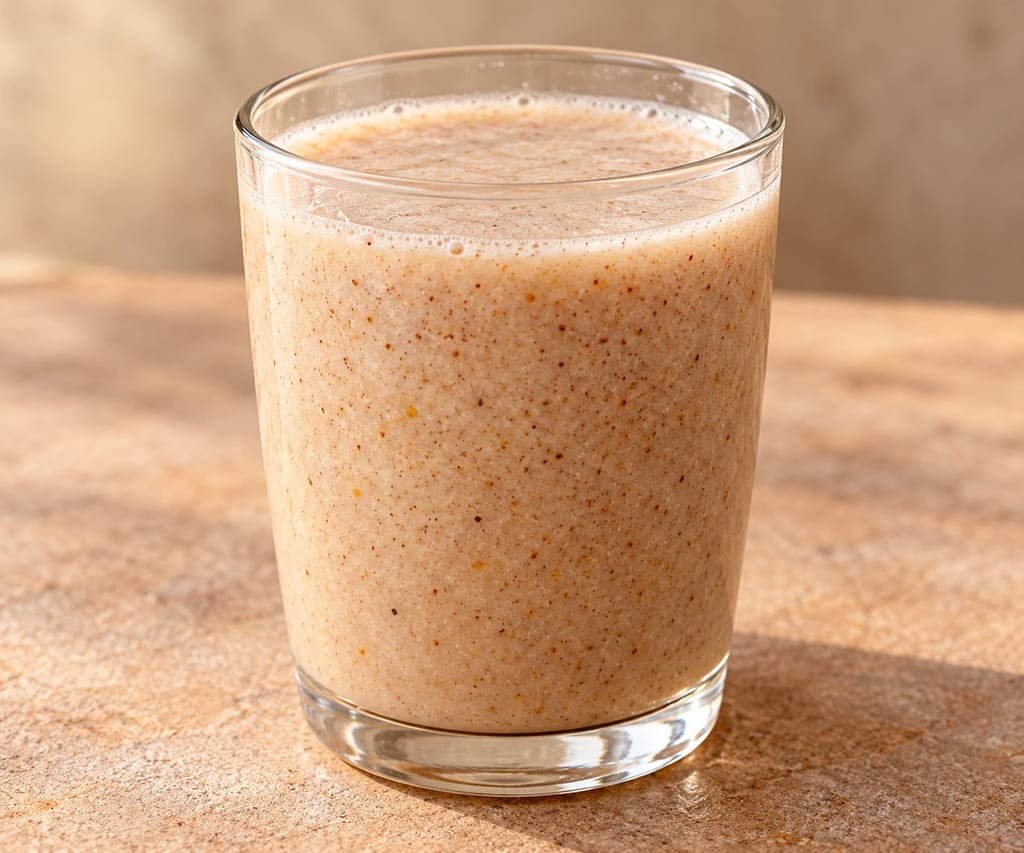
Sake-lees amazake is a Japanese sweet drink made by dissolving sake lees in water and adding sugar. It is usually heated in a saucepan and served warm, although it can also be chilled. Its appearance is milky white to pale cream, sometimes containing fine rice particles. Its flavour combines sweetness with the distinctive fermented-rice aroma of sake, a little savouriness and a faint alcoholic character. Ginger and a small quantity of salt are common additions. The name literally means sake-lees sweet sake, but the ordinary preparation is a drink rather than a newly fermented alcoholic beverage.
The essential ingredient is sake-kasu, 酒粕, the solid material left after sake moromi has been pressed to separate liquid sake from its fermentation residue. The lees contain rice material, rice-koji residues, yeast cells and compounds produced during brewing. They are related to fermented rice but are not the same ingredient as prepared rice koji. The distinction matters because sake lees have already passed through alcoholic fermentation, while rice koji has primarily undergone mould cultivation and is commonly used to convert starch into sugar.
Japanese authorities recognise two principal preparations under the name amazake. The first is kome-koji amazake, 米麹甘酒, in which rice-koji enzymes convert accessible rice starch into glucose during warm saccharification. The second is sakekasu amazake, 酒粕甘酒, in which sake lees are dispersed in water and sweetened, usually with sugar. Sake-lees amazake does not require fresh rice koji, additional yeast, a kombucha mother or a new fermentation period. Its classification as non-fermented describes the final drink-making stage, not the origin of its ingredients.
The major organisms associated with its production history are Aspergillus oryzae and Saccharomyces cerevisiae. Aspergillus oryzae supplies the enzymes used in sake brewing, while sake-brewing strains of Saccharomyces cerevisiae produce alcohol and other metabolites. The finished sake lees contain material from both processes, but their presence does not prove that living microorganisms are active in the heated drink. No deliberate lactic-acid fermentation or acetic-acid fermentation is required for the standard recipe.
Sake lees are sold in several physical forms. Ita-kasu is pressed into relatively firm sheets, bara-kasu consists of loose broken pieces, and neri-kasu is a softer, kneaded or matured paste. These forms differ in texture, moisture and handling. Firmer sheets often need to be broken apart or softened in water, while a smooth paste disperses more easily. Lees from ginjo or daiginjo sake may have a different aroma and residual rice structure from those produced during other brewing styles.
The drink can retain alcohol. Japan's National Research Institute of Brewing gives approximately 8% alcohol by weight as a general reference for sake lees and explicitly warns that sake-lees amazake can cause intoxication. Heating reduces alcohol, but it does not guarantee complete removal. The presence of the word amazake or a commercial soft-drink classification must not be taken as evidence that a homemade serving contains zero alcohol.
Sake-lees amazake is therefore best recorded as a prepared sweet drink made from a previously fermented ingredient. Its flavour and composition are inherited partly from sake brewing, while its immediate preparation mainly involves hydration, extraction, heating, dissolution and sweetening.
The history of sake-lees amazake must be separated from the much older history of rice-koji amazake. Sweet rice-based drinks were known in Japan before the modern period, and early Japanese literature contains words interpreted as referring to amazake or related sweet beverages. The Nihon Shoki, compiled in 720, is frequently cited in general histories of amazake, while later sources document sweet drinks prepared using rice koji. These references do not establish that the beverages contained pressed sake lees, added sugar or the same residual alcohol as modern sake-lees amazake.
By the Edo period, amazake sellers were familiar figures in Japanese urban life. The Wakan Sansai Zue describes an amazake preparation using rice, koji and water. The Morisada Mankō, begun in the nineteenth century, depicts vendors selling warm amazake and describes its popularity during summer. This evidence relates principally to saccharified rice-koji amazake. It does not date the modern sake-lees-and-sugar drink to the Edo period just because the name is the same.
An older related drink was kasu-yuzake, 粕湯酒, in which sake lees were dispersed in hot water and consumed as a substitute for sake. A 2021 review names this preparation as a predecessor or related tradition, but it is not shown to have the same sugar addition or formulation as modern sake-lees amazake. The existence of kasu-yuzake is important evidence that people consumed sake sediments and lees in liquid form. It does not eliminate the distinction between a hot sake-lees drink and the sweetened amazake preparation now commonly sold.
The history of the recognisable modern version becomes firmer during the twentieth century. A 2021 review by Atsushi Kurahashi proposes that sake-lees amazake began to be consumed around the end of the Taishō period, which ended in 1926. A Japanese brewing-science review published in 2019 states that sweetened sake-lees amazake appeared during the Shōwa period and spread through bottled and canned products, becoming widespread from the 1970s. These accounts support a modern commercial history but do not identify the first manufacturer or surviving original recipe.
One securely dated commercial example is Ōzeki's amazake, launched in 1974 by the Nada sake brewer based in Nishinomiya, Hyōgo. The company identifies the original product as a sake-lees drink sweetened with ingredients including sugar and honey, with ginger for flavour. It marked its fiftieth anniversary in 2024. In June 2026, Ōzeki announced that its long-running 190 g glass-bottle format would cease production, while other sake-lees amazake products would continue. These dates are evidence for a specific commercial product, not the invention of sake-lees amazake as a whole.
A 1977 article in the Journal of the Brewing Society of Japan also discusses the development of food products from sake lees, including commercial production of sake-lees amazake. Its author presents the drink as one way to make greater culinary use of a substantial sake-brewing byproduct. This evidence helps explain the modern economic setting: manufacturers could turn pressed lees into a convenient, ready-to-drink product rather than relying entirely on household preparation.
The older seasonal history of amazake is also easily misapplied. Amazake became associated with summer in Edo-period poetry and commerce, while today's sake-lees version is often served warm in winter or during seasonal events. Historical references to summer street vendors do not necessarily identify the lees-based preparation. Likewise, sake-lees amazake offered at a contemporary shrine cannot establish that the same recipe was used there centuries ago. Its documented identity is a modern development rooted in older brewing ingredients and beverage customs.
The immediate preparation of sake-lees amazake is primarily a physical and culinary process: sake lees are hydrated, dispersed in hot water, sweetened and served. The main fermentation reactions have already occurred during sake production. In sake brewing, polished rice is steamed and a portion is cultivated with Aspergillus oryzae to make rice koji. The koji produces enzymes that release sugars and amino acids from rice. Sake-brewing yeasts then metabolise available sugars, generating ethanol and other compounds. When the mature moromi is pressed, the separated solid material becomes sake lees.
The underlying sake fermentation uses simultaneous saccharification and alcoholic fermentation. Alpha-amylase breaks internal alpha-1,4 bonds in rice starch, producing smaller carbohydrates. Glucoamylase releases glucose from starch-derived chains. Proteases and peptidases break down rice proteins into smaller peptides and free amino acids. Saccharomyces cerevisiae metabolises fermentable sugars through glycolysis and alcoholic fermentation, producing ethanol and carbon dioxide while regenerating the cofactors required for continued sugar metabolism. Sake brewing is therefore a coupled enzyme-and-yeast process, even though the subsequent drink made from pressed lees requires no further fermentation.
Sake lees retain components of the original rice and the organisms involved in brewing. Gekkeikan describes residual starch, protein, fibre, peptides, amino acids, vitamins and sake yeast. The lees may also contain yeast-derived metabolites and enzymes that have survived earlier processing. The ordinary hot-drink method does not give the controlled conditions a new fermentation stage would need. Heating can inactivate microorganisms and enzymes, while the relatively short preparation time is intended to dissolve and flavour the mixture rather than increase its alcohol content.
The sweetness of sake-lees amazake comes mainly from added sugar. This differs from rice-koji amazake, whose characteristic sweetness comes from glucose released through enzymatic starch hydrolysis. A 2021 scientific review identifies sucrose as the principal added sugar in sake-lees amazake. Its example of analysed sake-lees amazake contained 13.8 g sucrose and 2.1 g glucose per 100 g, whereas the analysed koji amazake contained 23.2 g glucose and no detected sucrose. These are product-specific analytical values, not universal nutritional specifications.
Sake lees also contain compounds associated with the brewing process, including alpha-ethyl-D-glucoside. This compound can be formed through koji-derived alpha-glucosidase activity involving glucose and ethanol during sake fermentation. The review also identifies resistant proteins that withstand some enzymatic protein degradation. These help distinguish the composition of sake-lees amazake from rice-koji amazake. Their presence is not proof of clinical effects from ordinary servings of the drink.
When sake lees enter hot water, the material hydrates, softens and disperses. Some substances dissolve, while insoluble rice and yeast-derived particles remain suspended. This explains why the drink can be cloudy and slightly thick even after vigorous stirring. Larger pieces of pressed sheet lees need time to absorb liquid. Heating and stirring help produce a more uniform suspension, dissolve added sugar and reduce the risk of scorching. The drink does not require a new starch-to-sugar conversion stage to become sweet.
Ethanol is the principal safety-related compound inherited from fermentation. The National Research Institute of Brewing gives approximately 8% alcohol by weight in sake lees as a general reference. Heating causes some ethanol to evaporate, but evaporation depends on time, temperature, vessel geometry, stirring and liquid volume. Research on alcohol retained during cooking shows that measurable alcohol can remain after simmering. The alcohol concentration in the finished amazake must therefore be measured or verified, not assumed to be zero because the liquid was boiled.
The process is best classified as non-fermented at the drink-preparation stage. It uses an already fermented ingredient with a complex chemical composition, but neither further yeast fermentation nor lactic-acid fermentation is a required or desirable step in a conventional saucepan recipe.
A basic sake-lees amazake requires sake lees, water and sugar. A small quantity of salt is sometimes added to adjust the perceived sweetness, and ginger is a common flavouring. The National Research Institute of Brewing gives a general formulation of approximately five times the weight of the sake lees in water and half their weight in sugar. It explains that too much water weakens the taste, while too little makes scorching more likely. This is a guideline rather than a fixed formula followed by every producer.
Inaba Brewery in Tsukuba publishes a measured four-serving recipe using 100 g sake lees, 400 ml water, four tablespoons sugar and a small amount of salt. The ingredients are placed in a saucepan and heated while stirring. As the mixture approaches boiling, the lees are broken apart until they disperse, sugar is added and the drink is finished with salt. The brewer suggests ginger juice, honey, yuzu, cocoa or milk as variations. The recipe gives no heating temperature or exact heating time.
Another source-documented method comes from Shibata Brewery in Aichi. Its four-serving formulation uses 100 g sake lees, 800 g water, half a cup of sugar and a pinch of salt. The lees are dissolved into the heated water, sugar is added, the mixture is brought to a boil and the salt is added at the end. The brewer recommends serving it chilled, with optional cocoa powder or jam. The higher water quantity gives a weaker drink than Inaba's recipe, and its sugar quantity does not carry over.
Asahi Shuzo's Kubotaya publication provides another measured formulation: 100 g sake lees, 400 ml water and 30 g sugar, with ginger and salt according to taste. It directs the cook to soften small pieces of lees in hot water, return the mixture to the heat, crush and disperse the solids, continue heating and add sugar once the lees have dissolved. The method has no exact numerical heating duration. Its separate microwave version uses 30 g sake lees and 150 ml hot water, with one to two tablespoons sugar and brief heating. The microwave instructions are not evidence that residual alcohol is completely removed.
The physical form of the lees affects preparation. Flat ita-kasu may require breaking into small pieces and soaking before it disperses. Bara-kasu is already fragmented, while soft neri-kasu mixes more readily. Yamada Shuzo Shokuhin describes neri-kasu used in cooking as pressed lees matured at low temperature for one to three months. It separately describes longer-matured paste intended for pickling. These preparations may differ in aroma, colour and alcohol content. The maker's recommended use is worth checking, since not every brown, aged paste is meant for a pale drinking amazake.
Water controls concentration and mouthfeel. Sugar contributes most of the sweetness and needs to be fully dissolved. Salt is used in a small amount to alter flavour perception, not to preserve the drink. Ginger adds sharpness and aroma, while yuzu and other additions introduce their own acidity or fragrance. None is needed to establish fermentation. Some producers use milk or soy milk, which creates additional allergen and storage considerations.
Heating is used to soften and disperse the lees, reduce some alcohol and prepare the drink for service. It is not a validated method of making an arbitrary batch alcohol-free. Inaba advises a longer gentle simmer when serving people who may need to avoid alcohol, but this advice cannot guarantee zero residual ethanol. Asahi Shuzo likewise states that even thorough heating can leave alcohol behind. Where alcohol must be avoided completely, choose a verified alcohol-free drink.
Freshly prepared sake-lees amazake is best treated as a perishable beverage. Serve it promptly, or cool and refrigerate it as for any cooked food. A homemade saucepan batch has no automatically established unopened shelf life, pasteurisation specification or equivalent of a commercially processed ready-to-drink product.
Sake-lees amazake is prepared throughout Japan and is closely connected with the sake-brewing industry, but there is no verified single region of invention. Unlike a geographically restricted food such as goishicha, the drink can be made wherever suitable sake lees are available. Its flavour varies because brewers use different rice, polishing methods, yeast strains and fermentation conditions. The degree of pressing and subsequent maturation also changes the lees. These distinctions are more useful for describing the drink than assigning it one supposedly ancient regional formula.
The Nada sake-brewing district of Hyōgo provides an important commercial example. Ōzeki, based in Nishinomiya, launched a sake-lees amazake product in 1974. Its established formulation uses sake lees, sugar, ginger and honey, with modern products also containing starch, salt and acidity regulators. The company describes its ready-to-drink amazake as a soft drink with less than 1% alcohol. This is a manufacturer-specified product classification, not evidence that all household sake-lees amazake contains less than 1% alcohol.
In June 2026, Ōzeki discontinued its long-running 190 g glass-bottle presentation but continued other formats, including 125 ml cartons and one-litre packs. The company also introduced a blended drink combining sake-lees ingredients with rice-koji amazake and heat-treated lactic-acid bacteria. The latter is a modern formulated product, not proof that ordinary sake-lees amazake undergoes lactic-acid fermentation after mixing. Its added bacteria are expressly identified as heat-treated rather than presented as a live starter culture.
Ibaraki's Inaba Brewery documents a relatively concentrated four-serving household preparation using 100 g sake lees and 400 ml water. Shibata Brewery in Aichi uses the same weight of lees with 800 g water, creating a considerably more diluted starting mixture. The National Research Institute of Brewing gives five times the lees weight in water as a general guideline, while Asahi Shuzo in Niigata publishes a formula with measured sugar and optional ginger. These are contemporary producer recipes, and their differences are not inherited regional rules.
Sake-lees selection introduces further variation. Pressed sheet lees can give a different texture from soft paste, while aromatic ginjo or daiginjo lees may provide a more pronounced sake character. Gekkeikan in Kyoto describes how residual rice starch, proteins and yeast material contribute to the flavour of sake lees. Yamada Shuzo Shokuhin, a specialist lees processor in Hyōgo, documents both fresh pressed forms and matured paste. Darker lees developed primarily for pickling are not automatically identical to the fresher material commonly used for a pale drink.
Seasonal practice is also variable. Sake-lees amazake is often associated with hot winter drinks, shrine visits, sake-brewery events and the period when fresh sake lees become available. These uses are distinct from the historical summer amazake trade, which generally refers to rice-koji preparations. Nor should every modern shrine's amazake be identified as sake-lees-based: MAFF specifically documents an Aso Shrine New Year preparation using glutinous rice and rice koji rather than sake lees.
Contemporary adaptations include ginger, yuzu, honey, cocoa, milk, soy milk, apple and other flavourings. Some drinks combine prepared rice-koji amazake with sake lees to reduce the amount of added sugar or change the flavour balance. Others are sold ready to drink after industrial processing. These products belong to the broader sake-lees amazake family when sake lees remain an identifying ingredient, but their methods, ingredients, alcohol concentrations and shelf lives must be recorded separately.
Sake-lees amazake is commonly served as a warm drink in a cup or small bowl. The simplest version contains dissolved sake lees, sugar and water, with a little salt added at the end. Its flavour is sweet, mildly savoury and noticeably related to sake. Some versions are fairly thin, while others retain suspended particles and a fuller mouthfeel. Stirring before serving helps redistribute material that has settled. The drink is normally consumed shortly after preparation rather than fermented further in its serving vessel.
Ginger is a common addition because its sharp aroma contrasts with the sweetness and soft fermented-rice flavour. Inaba Brewery recommends adding ginger juice, replacing some sugar with honey, or using yuzu juice. Asahi Shuzo includes grated ginger in its published recipe and also suggests variations using chocolate, fruit, honey and soy milk. These are culinary adaptations, not distinct historic fermentation processes. A yuzu-flavoured drink remains sake-lees amazake if the essential base is unchanged.
The drink is also served cold. Shibata Brewery publishes a recipe that is brought to a boil, finished with salt and then chilled before drinking. It suggests cocoa powder or jam as optional additions. Cooling changes the drinking temperature and sensory balance without introducing a new fermentation stage. A cooled remainder is a perishable prepared drink, not a shelf-stable product simply because it contains sake lees.
Sake-lees amazake is associated with cold-weather hospitality and is sold in ready-to-drink form. Ōzeki's commercial products may be served hot or cold and include ginger and honey. Their convenience comes from controlled industrial manufacture and packaging. A sealed ready-to-drink carton is not equivalent to a saucepan mixture placed in a reused bottle at home, and the commercial shelf life must remain attached to the individual product.
Sake lees have wider food uses than this drink. Gekkeikan documents kasu-jiru, a savoury soup containing sake lees, and the use of lees in sauces, marinades and pickles. Sake-lees amazake is sweetened and prepared as a beverage. Kasu-jiru normally contains savoury stock, vegetables and sometimes fish or meat. Kasu-zuke uses lees as a pickling or marinating medium. The shared ingredient does not make the foods equivalent.
A modern dairy or soy-milk variation changes both flavour and allergen information. Adding milk introduces dairy allergens, while soy milk introduces soy and can alter protein content and texture. Honey adds a different sweetness profile but does not remove alcohol from the lees. Where complete alcohol avoidance matters, a tested alcohol-free alternative made from rice koji is more appropriate than a homemade sake-lees drink whose ethanol concentration has not been measured.
Sake-lees amazake is sometimes promoted as a highly nutritious drink, but the actual amount of protein, fibre, vitamins and brewing-derived compounds per serving depends on how much lees are used and how much sugar and water are added. It is not equivalent to an intravenous nutritional treatment, nor automatically suitable for people managing blood glucose. Its ordinary culinary role is a sweet prepared beverage carrying the characteristic taste of sake brewing.
Sake-lees amazake is distinct from rice-koji amazake. Its principal method is to disperse sake lees in water, heat and sweeten. The exact historical emergence of the sweetened drink, the variability of sake-lees composition, the alcohol remaining after preparation and the interpretation of nutritional research are not settled.
The historical distinction is especially important. References to amazake in ancient Japan and descriptions of Edo-period street vendors are frequently repeated in accounts of both drink types. A 2019 brewing-science review distinguishes the older rice-koji preparation from sweetened sake-lees amazake, associating the latter with the Shōwa period and widespread distribution from the 1970s. A 2021 review places possible earlier consumption at the end of the Taishō period. Both accounts are compatible with a gradual twentieth-century emergence, but neither identifies a verified first recipe. The documented 1974 Ōzeki launch is a specific commercial attestation, not an invention date.
Alcohol retention is the most immediate safety issue. Japan's National Research Institute of Brewing states that sake lees contain approximately 8% alcohol by weight and warns that the resulting drink can cause intoxication. Some manufacturer instructions recommend boiling or prolonged simmering to reduce alcohol. However, research summarised by Iowa State University Extension demonstrates that cooking can leave a substantial proportion of the starting alcohol, with retention changing according to the cooking method and duration. These results cannot be used to calculate the finished alcohol percentage of an individual amazake recipe without accounting for the actual starting ethanol, water, evaporation and serving mass.
Producer instructions also differ. Inaba Brewery recommends simmering for at least twenty minutes when the drink is intended for people who may need to avoid alcohol. Asahi Shuzo explicitly states that alcohol may remain even after thorough heating and advises children, pregnant people, people sensitive to alcohol and drivers to avoid the sake-lees version. The second position is the more appropriate precaution where alcohol avoidance must be complete. A numerical minimum cooking time cannot be offered as a guarantee of zero ethanol unless a specific process has been analytically validated.
The nutritional literature provides useful chemical information but limited grounds for broad health claims. A 2021 review identifies resistant protein, alpha-ethyl-D-glucoside and other compounds associated with sake-lees amazake. It discusses small human trials investigating bowel movements, skin-related outcomes and other measures. Some studies reported changes in intestinal bacteria or bowel habits, while others did not find comparable microbiome changes. The review states that additional research is needed to identify the substances responsible for the observed effects. Laboratory and animal findings are not proof that ordinary homemade amazake prevents disease.
Food composition tables need care here. Japan's Standard Tables of Food Composition contain an entry labelled amazake, but its English name explicitly identifies it as a sweet beverage made from rice koji. The figures in that entry, including its carbohydrate and vitamin values, do not describe sake-lees amazake. The same tables list sakekasu separately as a food ingredient. One representative sake-lees value is 14.9 g protein per 100 g, but the finished diluted and sweetened drink contains a different concentration. A measured recipe or analysed product is needed to establish finished nutrition.
Heat treatment and storage require separate interpretation. Heating changes the dispersion of the lees, reduces some ethanol and may decrease viable microorganisms, but it is not automatically a validated pasteurisation process. Nor is the drink necessarily probiotic merely because yeast cells were present in its source material. Commercial products containing added heat-treated lactic-acid bacteria are distinct modern formulations. Homemade leftovers are cooled promptly and refrigerated, not left warm for spontaneous fermentation. Food Standards Scotland recommends 0–5°C refrigeration and using ordinary cooked leftovers within two days, but those are general food-safety controls, not a product-specific commercial shelf-life specification.
Further investigation should compare identified sake-lees types using the same recipe and measure ethanol before and after heating, residual sugar composition, suspended solids, free amino acids, pH, microbial viability and sensory characteristics. A controlled comparison of saucepan and microwave preparation would clarify the effects of heating time and vessel shape. Historical work should seek a directly dated late-Taishō or early-Shōwa recipe that explicitly uses sake lees and added sugar. Until these questions are resolved, the drink is best classified as a non-fermented preparation from an alcoholic-fermentation byproduct, with possible residual ethanol and no guaranteed live-culture benefit.
A 2021 review places the start of sake-lees amazake towards the end of the Taishō period (1912 to 1926), and a brewing-science review says the sweetened drink appeared in the Shōwa period and spread through bottled and canned sales from the 1970s. Ōzeki launched its sake-lees amazake in 1974. Older amazake, including Edo street vendors, was made from rice koji, not pressed sake lees.
Yield 4 servings · Scaling: source batch only
Sake lees contain alcohol remaining from sake fermentation. Japan's National Research Institute of Brewing gives approximately 8% alcohol by weight as a general reference and explicitly states that drinking sake-lees amazake can cause intoxication. The actual finished concentration depends on the lees and preparation method.
Hazard sourceHeating and simmering can reduce the alcohol content, but do not guarantee complete removal. The amount retained depends on starting concentration, duration, temperature, liquid volume, vessel geometry and evaporation. Inaba Brewery recommends additional simmering without publishing a validated zero-alcohol measurement.
Hazard sourceA homemade sake-lees drink may contain ethanol despite being named amazake. It should not be assumed suitable for children, pregnant people, drivers, people taking medications incompatible with alcohol or anyone requiring complete alcohol avoidance.
Hazard sourceSake lees differ in pressing method, residual liquid, age and type of sake. A general reference of 8% alcohol cannot be assigned as an exact analytical value for every purchased batch.
Hazard sourceConcentrated sake-lees particles can settle against the hot saucepan and scorch. Inaba Brewery expressly instructs stirring while heating to prevent the mixture from burning.
Hazard sourceThe drink is heated towards boiling and may contain thick suspended material. Hot liquid can splash during vigorous stirring, pouring or reheating.
Hazard sourceThe finished sweetened beverage contains water and organic nutrients. It is not a validated shelf-stable product. If stored warm or left unrefrigerated for extended periods, unwanted microorganisms may grow.
Hazard sourceThe principal recipe does not specify a measured time-temperature pasteurisation process, microbial acceptance criterion or validated unopened shelf life. Heating the mixture until it disperses does not demonstrate commercial sterility.
Hazard sourceThe recipe includes four tablespoons of sugar in addition to carbohydrates inherited from sake lees. The finished sugar concentration is not analysed and differs between recipes. The drink should not be represented as sugar-free or nutritionally equivalent to unsweetened rice-koji amazake.
Hazard sourceOptional variations using milk, soy milk or other ingredients change allergen information. Allergens and cross-contact risks also depend on the actual purchased sake-lees product.
Hazard sourceThe drink originates from fermented ingredients, but ordinary preparation includes heating. Neither the presence of sake yeast in raw lees nor a marketing health claim establishes a clinically effective viable probiotic population or treatment benefit.
Hazard sourceUse food-grade sake lees intended for culinary preparation and follow the manufacturer's storage instructions.
Control sourceKeep the documented base formulation separate from other brewery recipes with different water and sugar concentrations.
Control sourceBreak up and stir the sake lees during heating to disperse the solids and prevent scorching.
Control sourceDo not claim the finished drink is alcohol-free unless the exact product or process has been analytically verified.
Control sourceWhere complete alcohol avoidance is required, use a commercially verified alcohol-free alternative instead of relying on simmering homemade sake-lees amazake.
Control sourceServe freshly prepared amazake promptly, or cool it and refrigerate it in a clean covered container.
Control sourceMaintain the refrigerator at the general recommended temperature for chilled food.
Control sourceFollow general cooked-leftover guidance rather than assuming the shelf life of a commercially packaged amazake product.
Control sourceUse clean utensils and food-contact equipment during preparation and avoid introducing contamination into the finished beverage.
Control sourceThis is a heated drink made from an already fermented ingredient, not a new fermentation recipe.
The correct primary classification for the final preparation is non-fermented. Its ingredients originate from mould-assisted and alcoholic sake fermentation.
The drink may contain residual alcohol even after reaching boiling temperature.
Inaba Brewery advises simmering for at least 20 minutes for alcohol reduction, but that instruction does not establish zero residual ethanol.
Do not classify a homemade sake-lees amazake drink as non-alcoholic solely because the name includes ama, meaning sweet.
A commercial product labelled with less than 1% alcohol does not establish the concentration of a homemade batch.
The approximately 8% alcohol figure applies to sake lees as a general reference, not to every finished amazake serving.
Do not add fermentation time, microbial inoculation or a sugar-fermentation stage that is absent from the recipe.
The recipe does not have a source-specified numerical cooking temperature, required heating duration or validated pasteurisation endpoint.
Four tablespoons of sugar must not be silently converted into an exact gram weight without identifying and measuring the sugar.
The drink contains added sugar and should not be described as naturally sweetened solely by rice-koji saccharification.
Commercially processed products may differ in sugar, alcohol, other ingredients and shelf life.
Optional milk or soy-milk versions require their own allergen information.
The presence of yeast-derived material does not establish that the heated finished drink contains viable beneficial microorganisms.
Homemade sake-lees amazake is not a validated shelf-stable bottled beverage.
Rice koji is steamed white rice through which koji mold has grown. It carries the enzymes that turn rice starch into sugar, and it is the starting point of sake, sweet miso, amazake and shio koji.
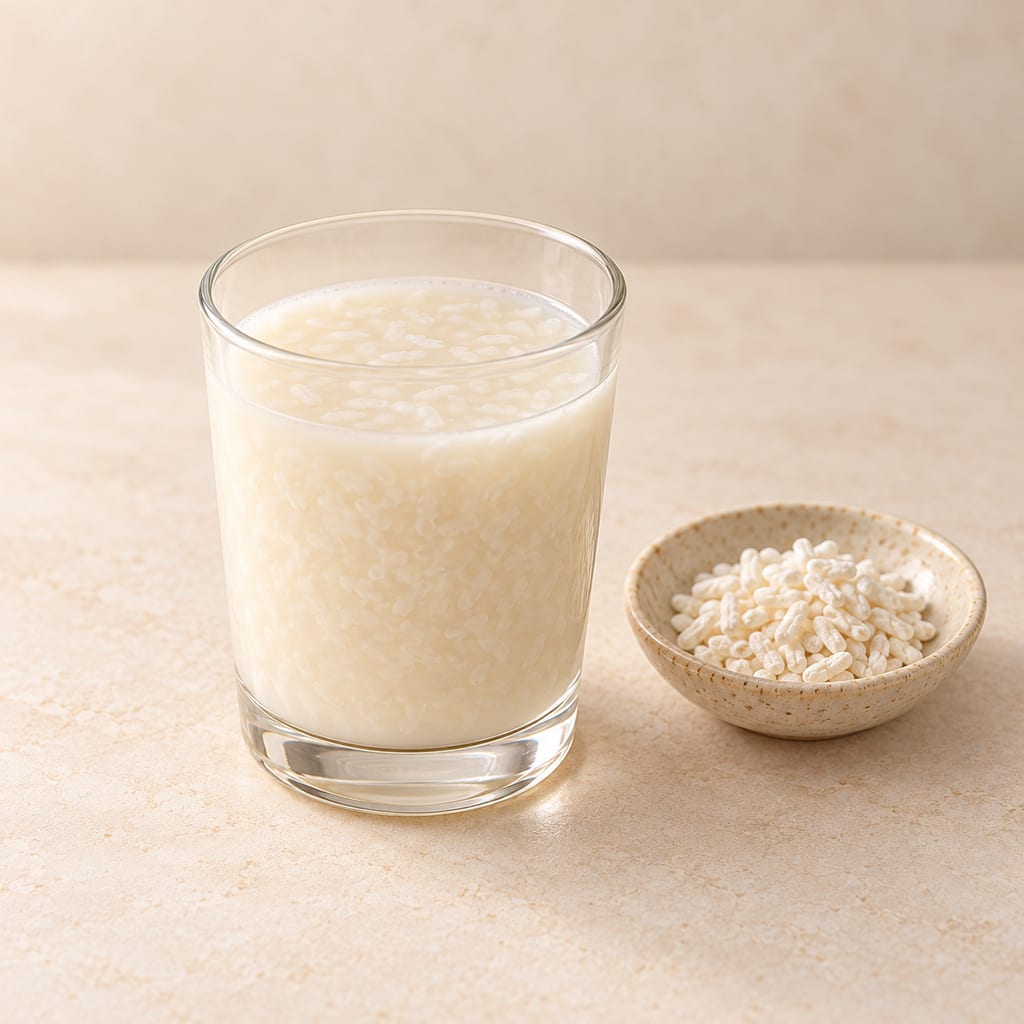
Cooked rice, rice koji and water are held warm for hours so koji enzymes turn the rice starch to sugars, giving a naturally sweet Japanese drink with no added sugar and no second fermentation.
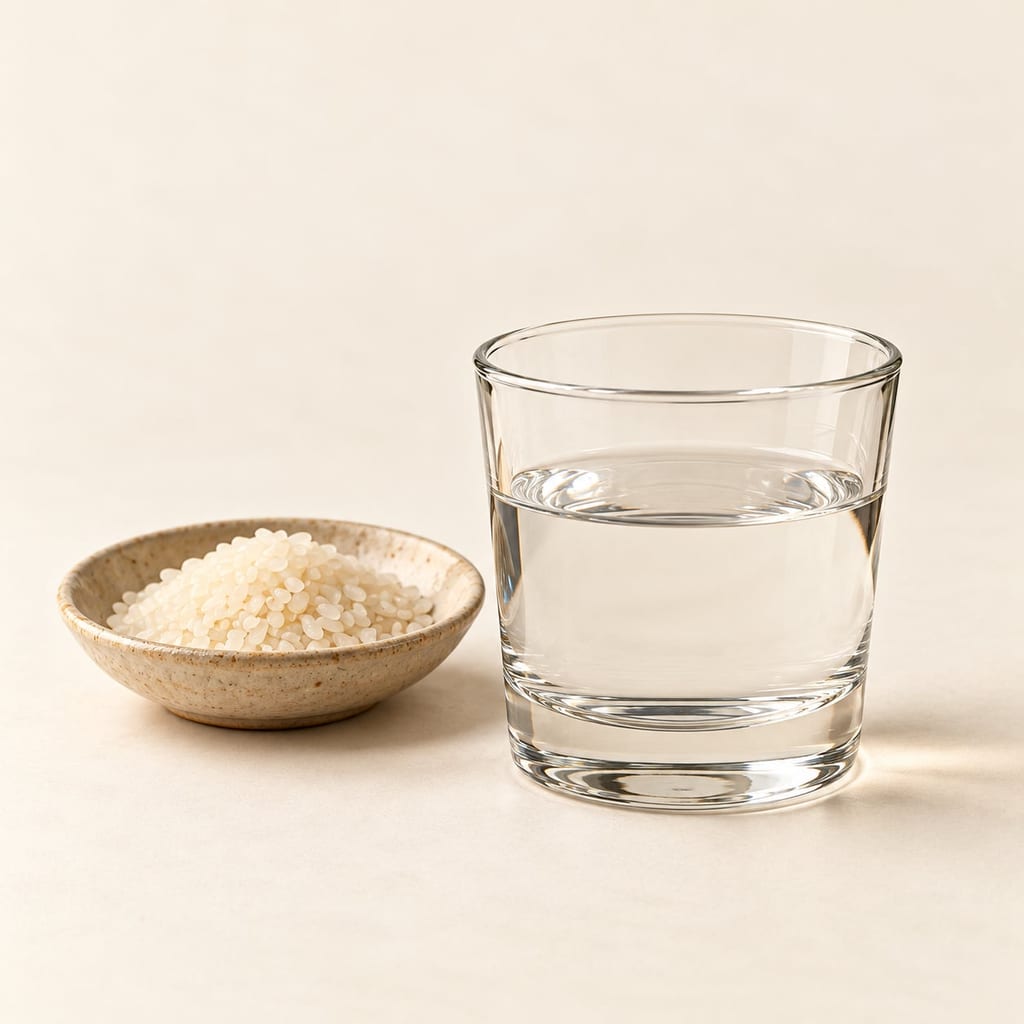
An Okinawan rice spirit made by turning all the rice into black koji, fermenting it with water and yeast, then pot-distilling and maturing the spirit.
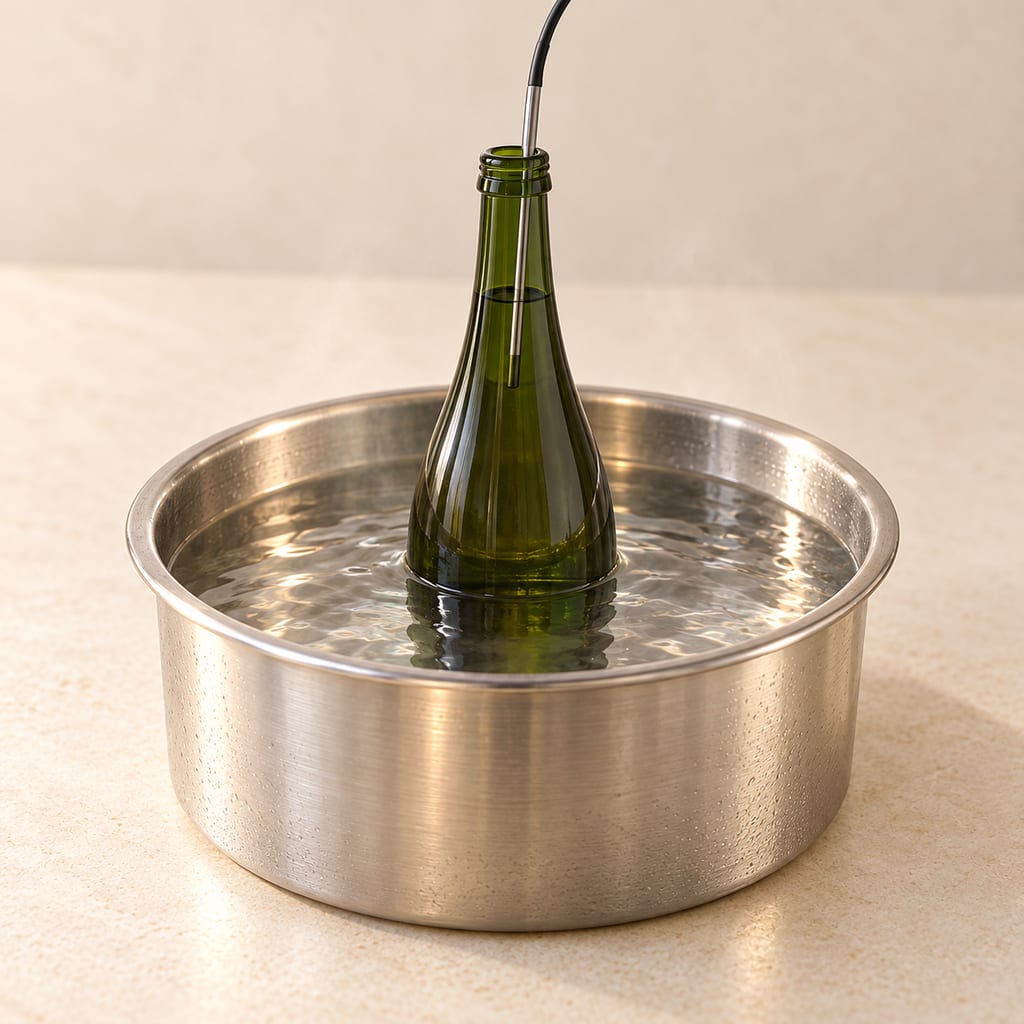
Hi-ire is the Japanese heat treatment of finished sake, about 65 °C, used to stop re-fermentation and souring. Brewers applied it from the Muromachi era.
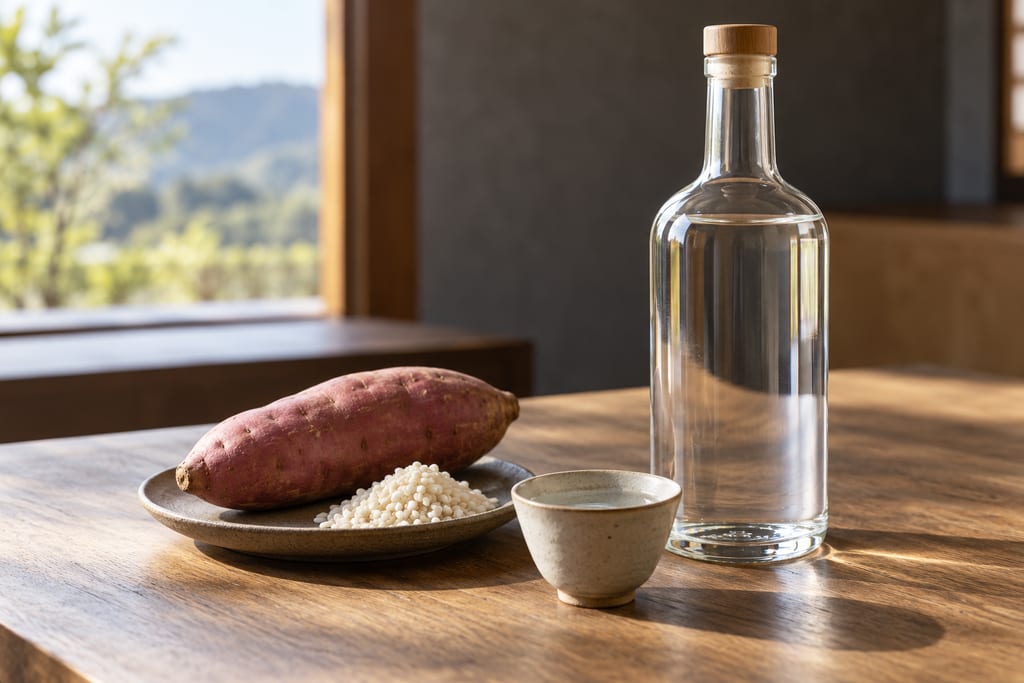
Japanese pot-distilled spirit made by fermenting sweet potatoes, rice or barley with koji and yeast in two stages, then distilling the mash once so the ingredients' aroma survives.

Traditional Japanese sake yeast starters made from steamed rice, rice koji and water, acidified by naturally growing lactic acid bacteria. Kimoto grinds the rice mash with paddles; yamahai omits that step.
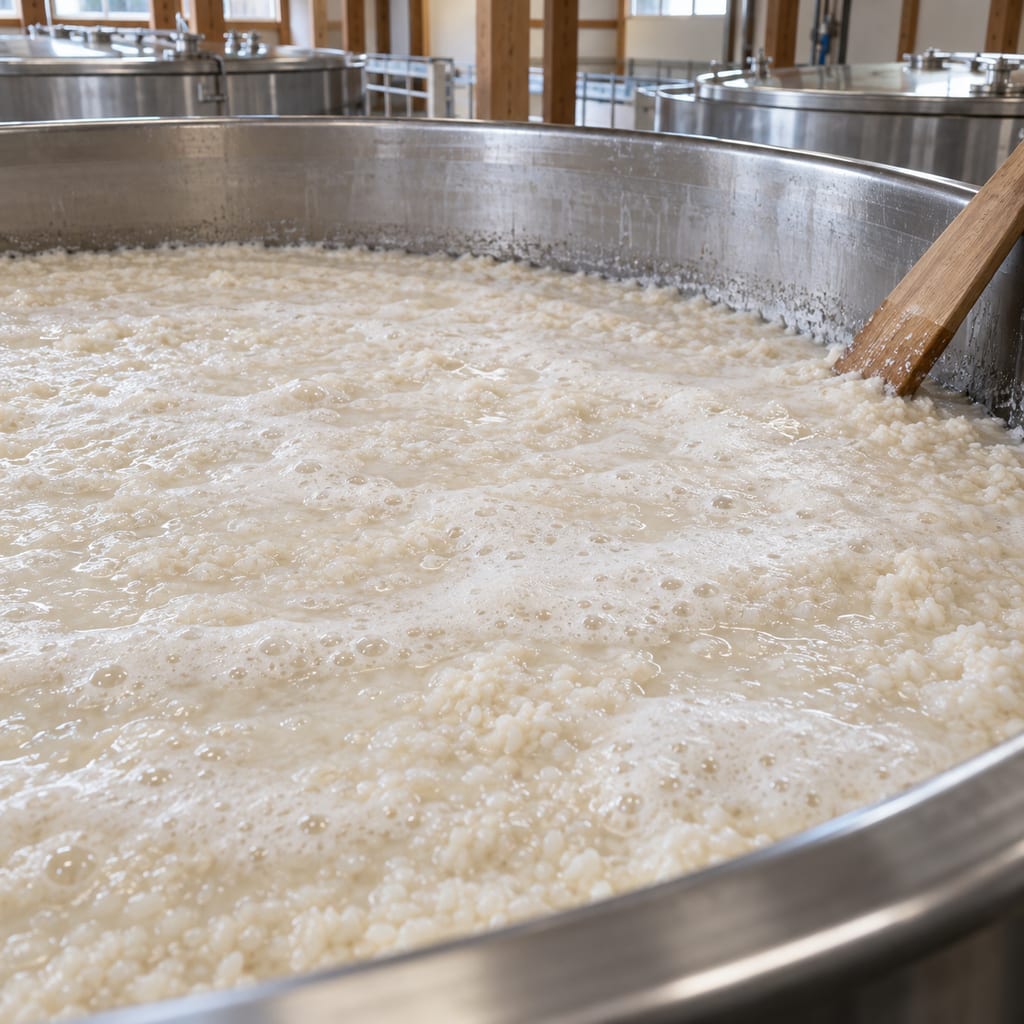
Nihonshu (日本酒), or seishu, is Japanese rice sake: steamed rice, rice koji, water and a yeast starter ferment together in one mash, which is then pressed and finished.
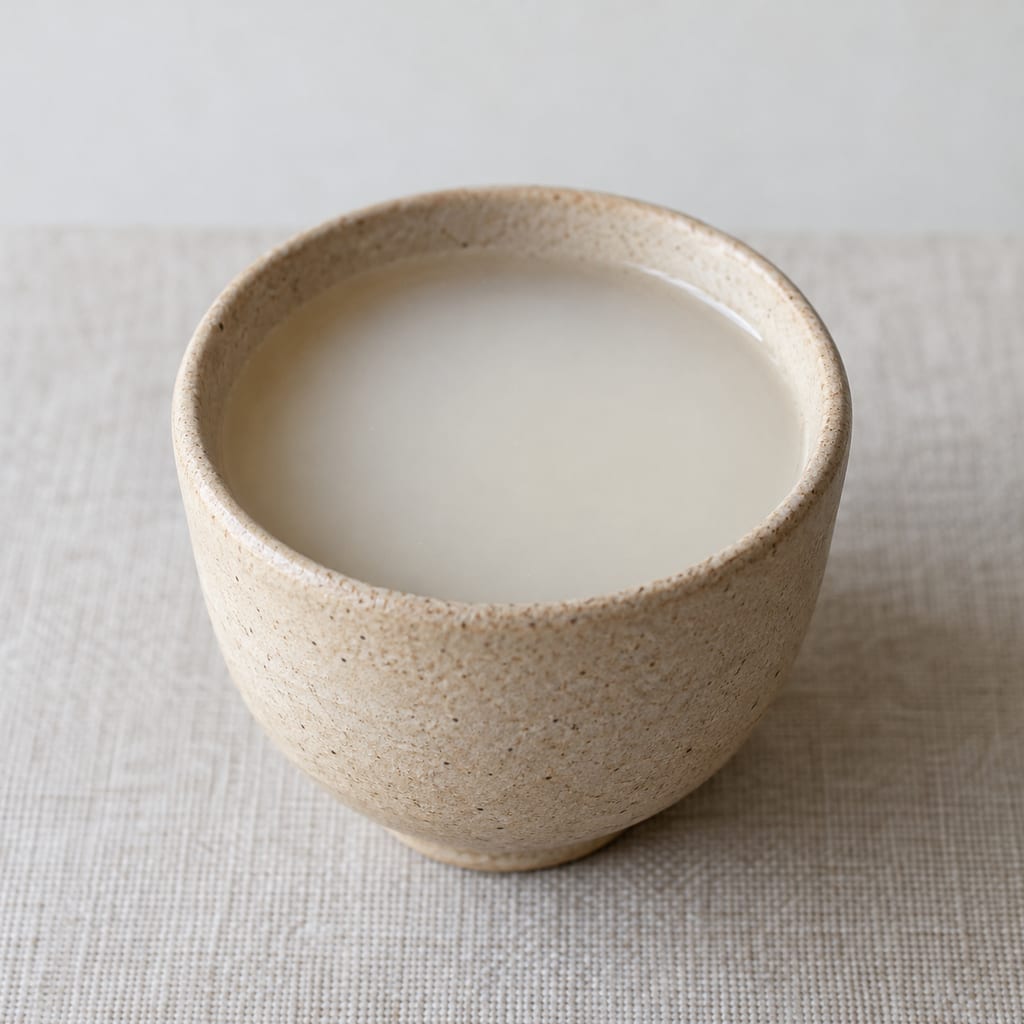
Tonoto is an Ainu ceremonial grain drink. This Saru River version ferments equal amounts of rice and egg millet with malted rice for about two to three days in summer or a week in winter.
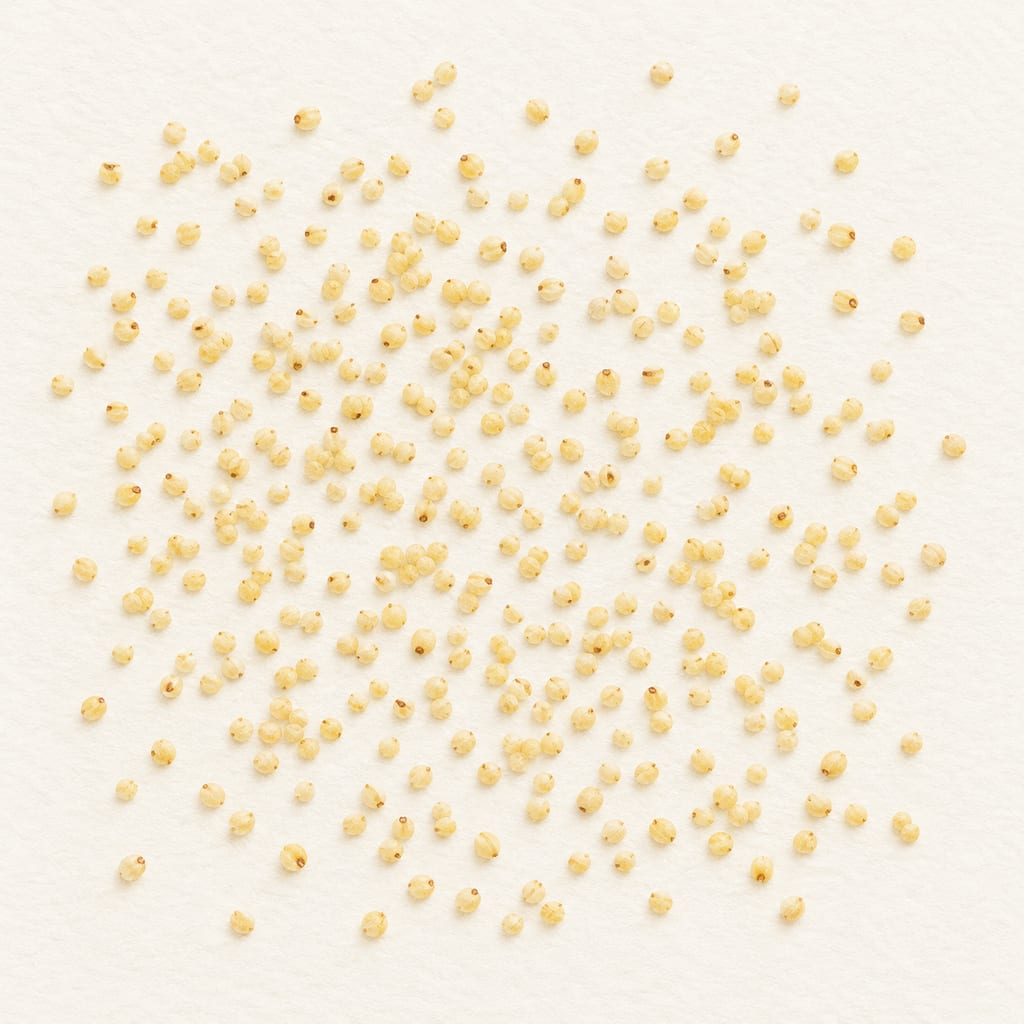
Tonoto from Shizunai in Hidaka is made of barnyard millet alone: a firm porridge kneaded with an equal amount of malted grain in a sake vessel, warmed by two embers, and left a week to ten days.
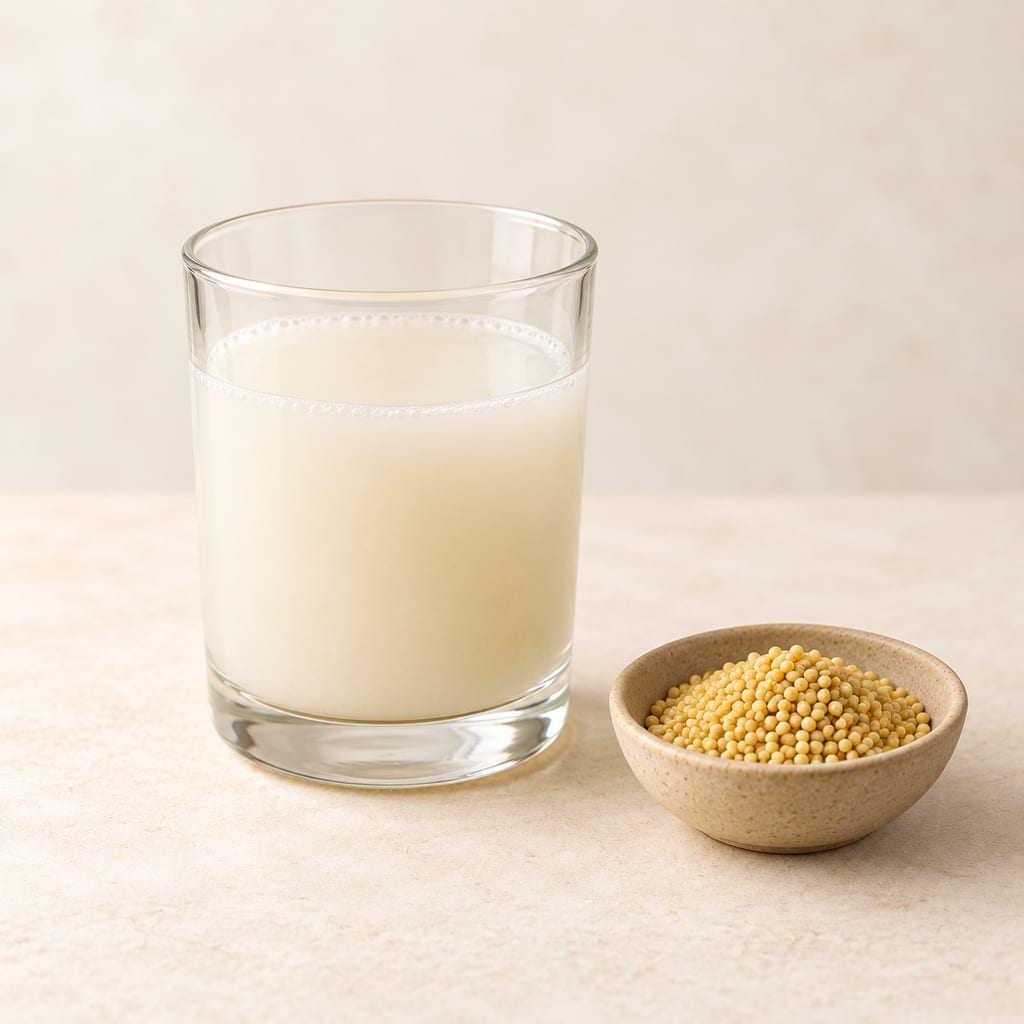
An Ainu grain drink for festivals and housewarmings, made by cooling cooked grain gruel, adding millet malt and holding it in a sake-making vessel.
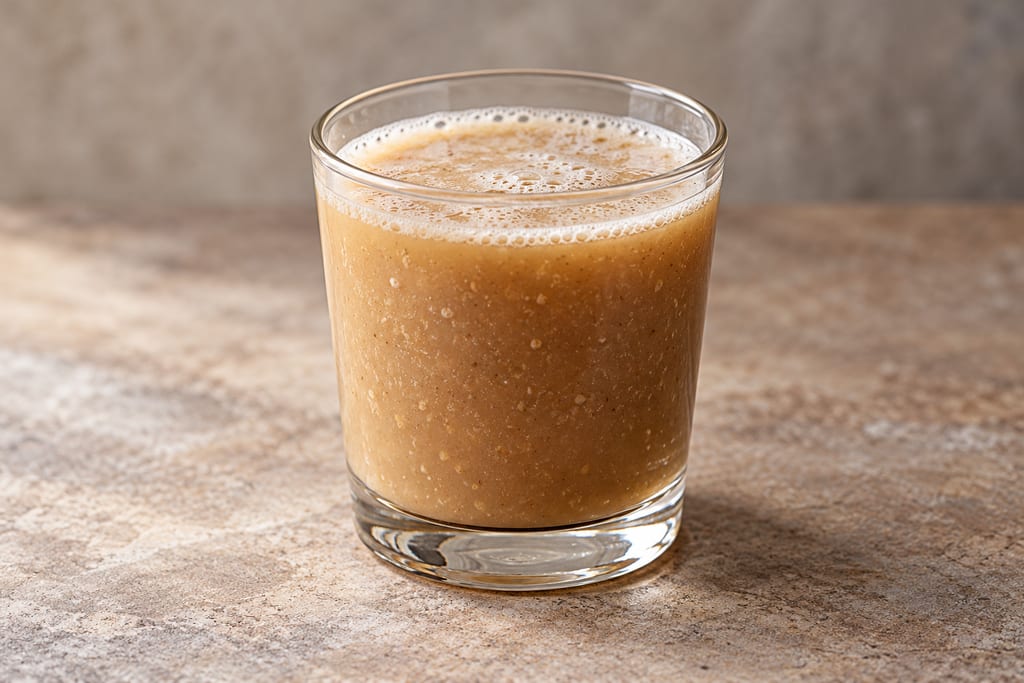
A thick, faintly fizzy Ethiopian cereal drink in which a wheat dough is fermented, roasted dark, then fermented a second time with barley malt into a drinkable slurry.
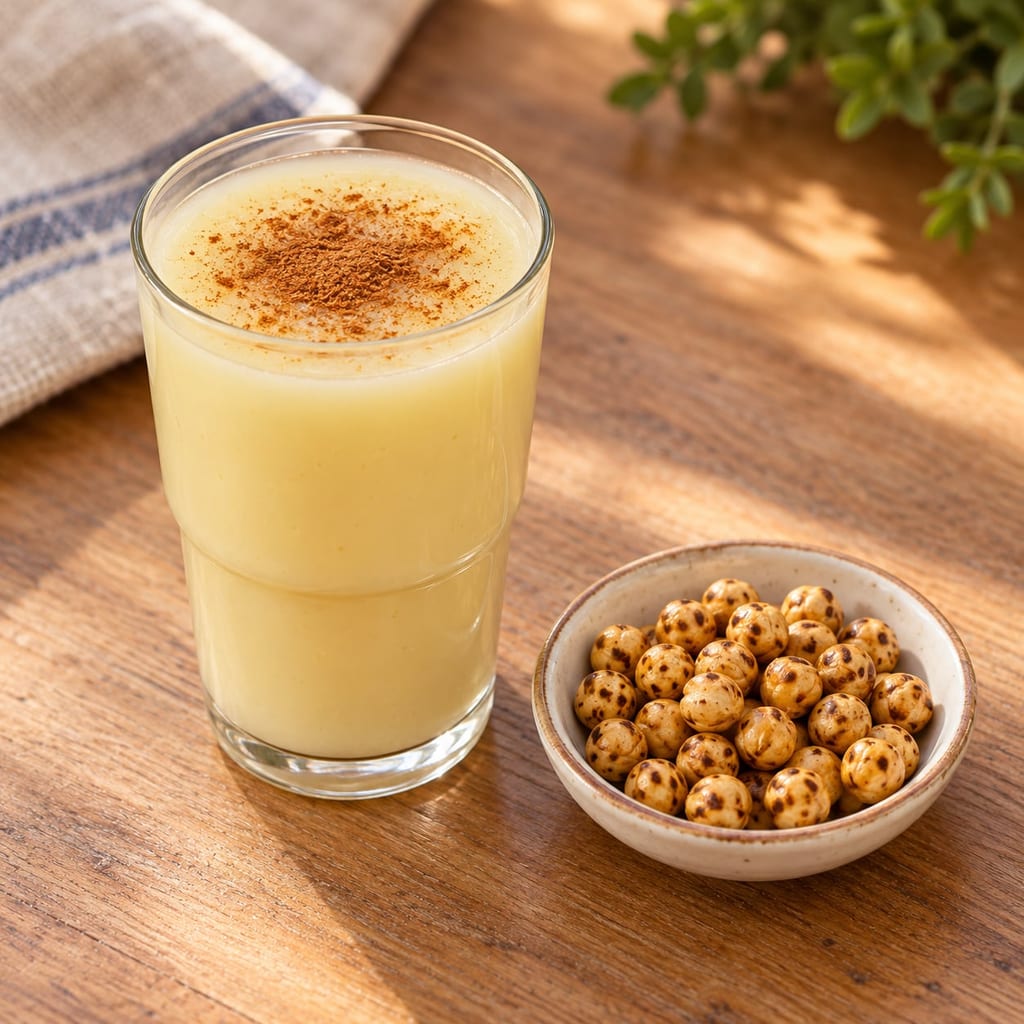
A thick, pale Turkish winter drink of bulgur and rice cooked to a soft cereal base, sweetened with grape molasses and fermented for two days.
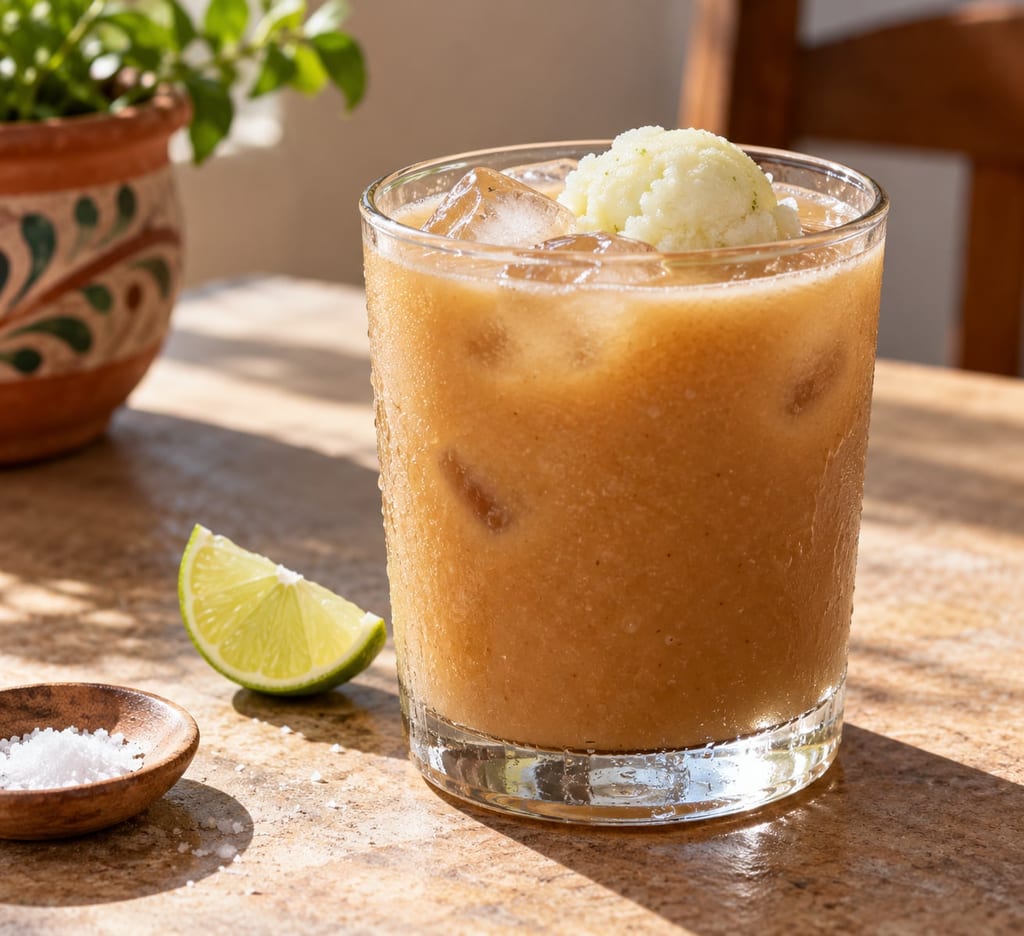
A tart, lightly fermented drink of Jalisco: nixtamalized maize masa cooked with piloncillo and limed, then diluted over ice and salted at serving.
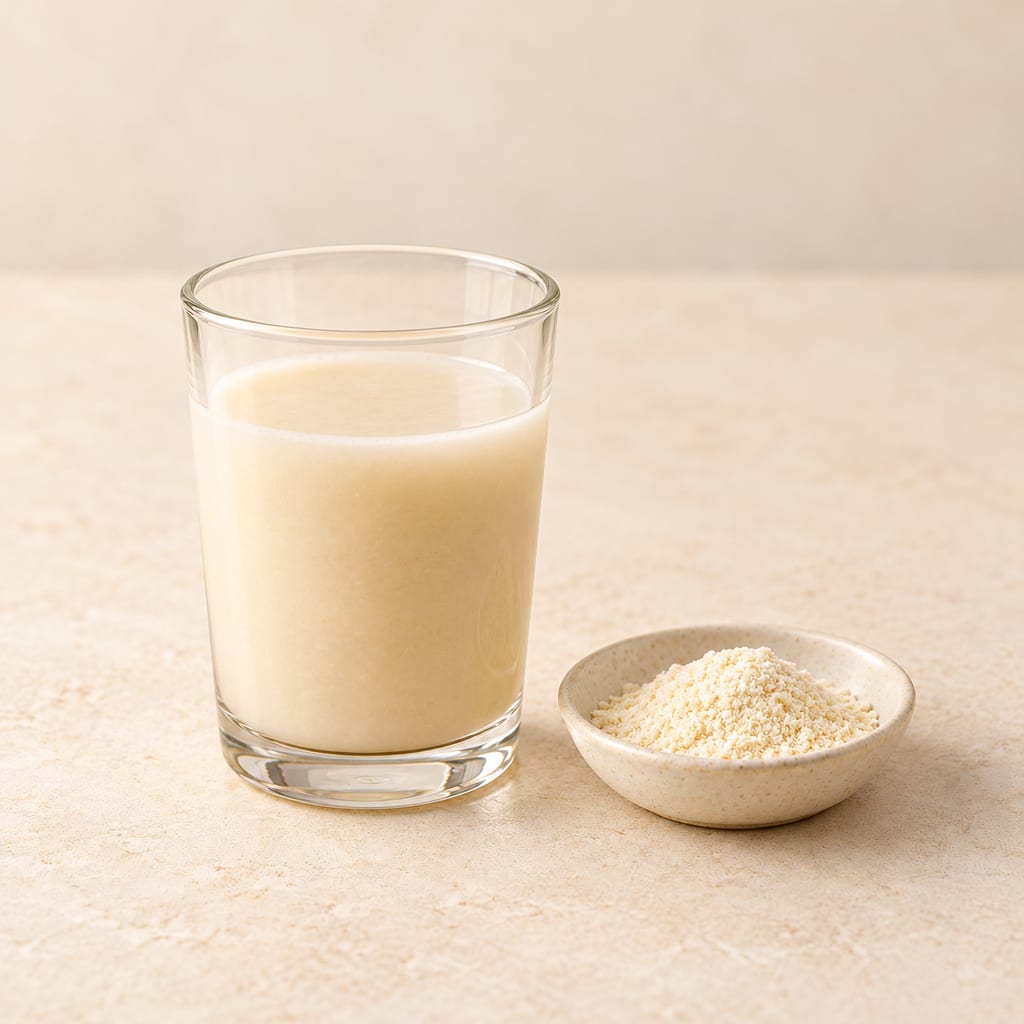
A Ugandan maize drink remade with a defined two-strain starter: roasted maize dough boiled to porridge, cooled and fermented under controlled conditions.
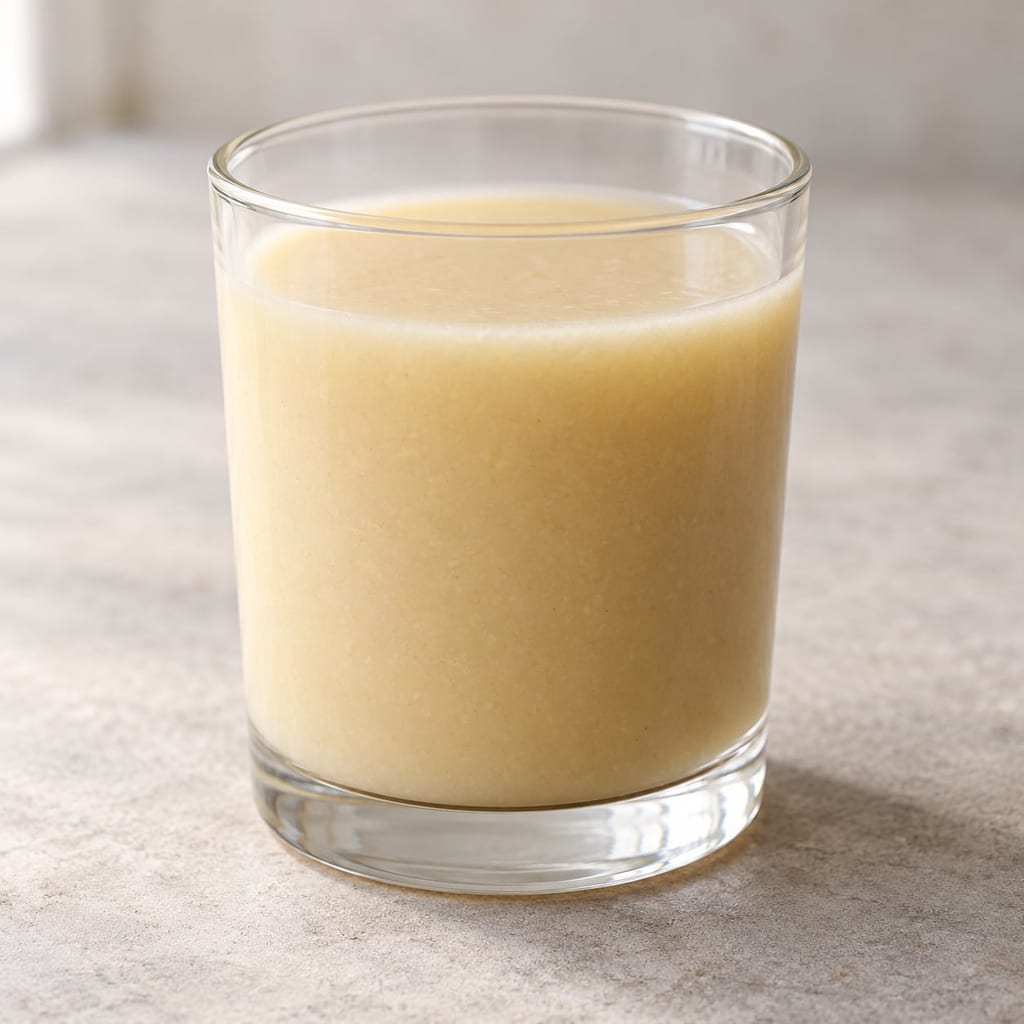
Kyrgyz Bozo is a mixed-fermented cereal drink made with ground grits, sprouted-wheat ugut and carried-over starter. This registry preparation leaves cereal selection, water and starter allocation unresolved.
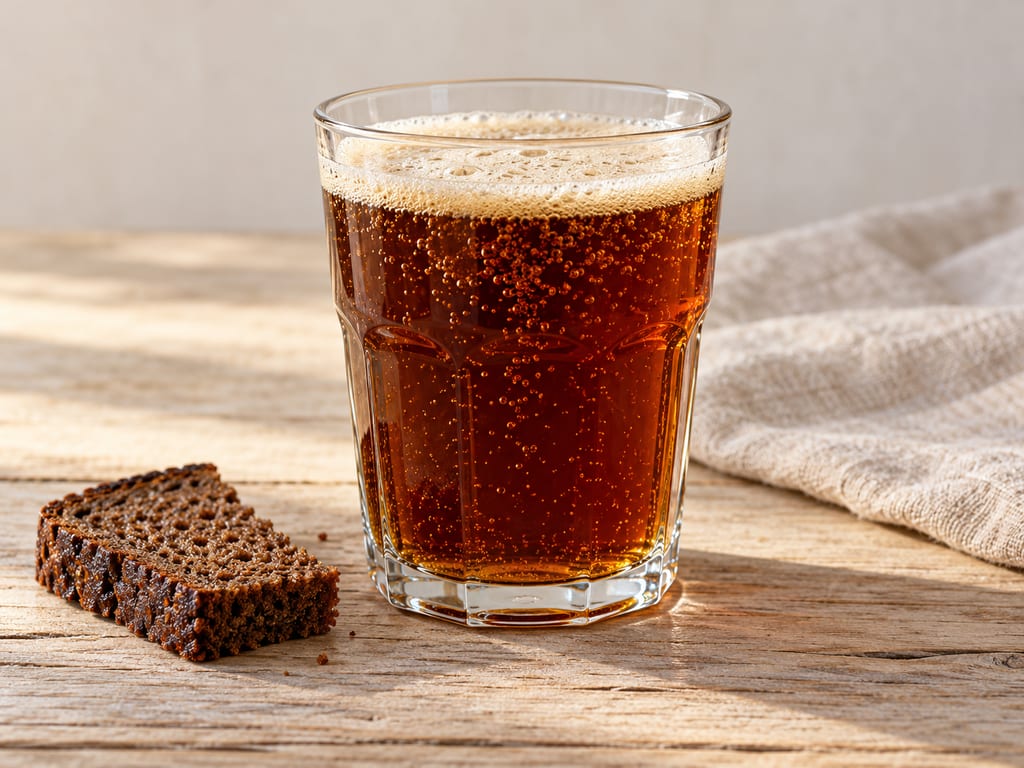
A documentary entry on Latvian rye-bread kvass, preserved from a modern Latvian rye collection. It records a food tradition, not a home-fermentation method.
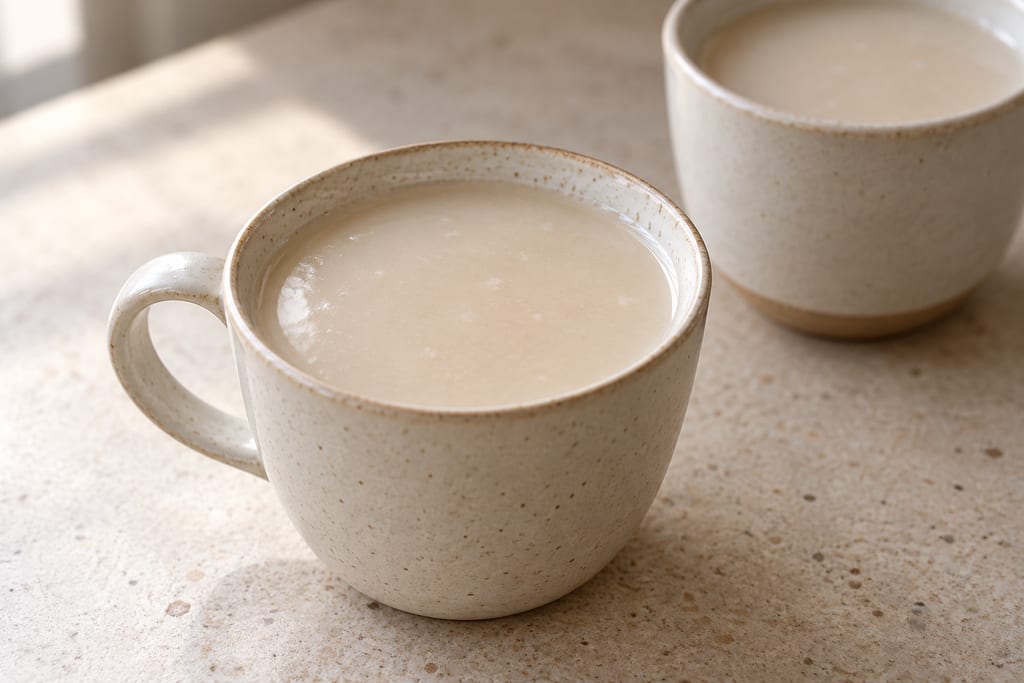
A documentary account of Zimbabwean mahewu and one producer's formula. Its quantities exceed the stated vessels, and research does not validate it as a safe home method.
A thick, sweet-sour Malawian drink of boiled maize flour into which sorghum flour is stirred before an overnight spontaneous fermentation.

A Cap-Pelé boucanière is an Acadian herring-smoking building. The documented Willie Niles example is a one-storey wood-frame structure with a ridge smoke vent and interior bays for hanging fish-bearing cannes.

Achcharu is a family of Sri Lankan vinegar pickles made with mixed vegetables or seasonal fruit and a piquant spice dressing. This version is a quick, refrigerated, non-fermented mixed-vegetable pickle.

The acocote is a long, hollowed and dried gourd used to draw aguamiel from a mature maguey. It is a harvesting tool: the sap is transferred to a separate vessel before it ferments into pulque.

Adrak murabba preserves young ginger in sugar syrup, a sweet South Asian preparation recorded in Indian cookery and food-processing sources.

Parkia biglobosa seeds are fermented into regional West African seasonings, including nététou, iru, dawadawa and soumbala. The yellow fruit pulp is a separate food, and names and methods vary by place.

Japanese reddish-brown vinegar from sake lees matured about three years, turned to vinegar by acetic bacteria; the vinegar of Handa and Edomae sushi rice.

A refined common-wheat flour blended for a broad range of baking; its protein and behavior vary with wheat, milling and market.

The almond mushroom, Agaricus subrufescens, was cultivated in eastern North America in the 1800s, lost its market, and returned as a cultivated mushroom from Brazil, where it is grown under several names.
No community contributions have been published for this entry yet.
Sign in to contribute. Published comments and photos are free to read.
Inaba Brewery, 稲葉酒造Method · Safety
酒粕の活用レシピ、保存方法、効能Primary measured sake-lees amazake recipe
100 g sake lees, 400 cc water, four tablespoons sugar and a small amount of salt
Four-serving recipe designation
Heating sake lees and water together in a saucepan
Stirring to prevent scorching as the mixture approaches boiling
Adding sugar after the sake lees disperse
Adding salt at the end
Optional ginger juice, honey, yuzu, cocoa and milk variations
Warning that sake lees contain alcohol
Producer recommendation to simmer for at least twenty minutes to reduce alcohol for people who may need to avoid it
No published analytical confirmation that the simmering method produces zero residual alcohol
Separate producer information on storage of its raw sake lees, not finished amazake
Cited in: How it is made and why each ingredient and step matters; Regional and historical variations; How it is eaten and used; Reading results and problems
National Research Institute of Brewing, JapanScience · Safety
お酒全般 — 甘酒の造り方を教えて下さいOfficial distinction between rice-koji amazake and sake-lees amazake
Sake-lees amazake prepared by warming sake lees with water and sugar
General preparation guideline using water approximately five times the weight of sake lees
General guideline using sugar approximately half the weight of sake lees
Importance of sufficient water to avoid scorching
Water quantity affecting the final concentration and flavour
General reference of approximately 8% alcohol by weight in sake lees
Explicit warning that sake-lees amazake can cause intoxication
Distinction between this preparation and warm enzymatic saccharification used in rice-koji amazake
Cited in: What it is; How it works; How it is made and why each ingredient and step matters; Reading results and problems
Ministry of Agriculture, Forestry and Fisheries of JapanHistory · Context
甘酒と白酒の違いについて教えてくださいOfficial Japanese distinction between amazake and shirozake
Recognition of rice-koji and sake-lees forms of amazake
Different raw materials and manufacturing mechanisms
Role of rice koji in enzymatic sugar production
Distinction between amazake preparation and production of an alcoholic rice beverage
Cited in: What it is; How it works; How it is made and why each ingredient and step matters; How it is eaten and used
Ministry of Agriculture, Forestry and Fisheries of JapanHistory · Context
飲料Classification of traditional Japanese drinks
Amazake as a recognised Japanese beverage
Distinction between rice-koji amazake and sake-lees amazake
General historical background of sweet rice-based beverages
Need to distinguish older amazake traditions from the modern sweetened sake-lees formulation
Cited in: What it is; How it works; Regional and historical variations; Reading results and problems
Asahi Shuzo Co., Ltd., KUBOTAYAHistory · Context
栄養豊富な酒粕の甘酒を自宅で作ろう!美味しいアレンジレシピも紹介Producer recipe article published on 4 February 2026
Alternative measured formula using 100 g sake lees, 400 ml water and 30 g sugar
Optional grated ginger and salt
Breaking sake lees into small pieces
Softening lees in hot water before further heating
Heating and stirring until dispersed
Microwave preparation using 30 g sake lees, 150 ml hot water and one to two tablespoons sugar
Distinction between firm ita-kasu, fragmented bara-kasu and soft neri-kasu
Variation in flavour and physical properties among types of sake lees
Warning that heating may leave residual alcohol
Alternative honey, chocolate, apple and soy-milk preparations
Producer photographs of sake lees and the prepared drink
Cited in: How it is made and why each ingredient and step matters; Regional and historical variations; How it is eaten and used; Reading results and problems
Shibata Brewery, 柴田酒造場History · Context
酒粕を使った簡単レシピIndependent brewery recipe published on 1 January 2017
Four-serving amazake preparation using 100 g sake lees, 800 g water and half a cup of sugar
Addition of a pinch of salt
Dispersing sake lees into heated water using a strainer
Adding sugar after the lees have dissolved
Bringing the mixture to a boil before final seasoning
Serving the drink chilled
Optional cocoa powder or jam
Evidence that brewery recipes differ substantially in water-to-lees ratio
Cited in: How it is made and why each ingredient and step matters; Regional and historical variations; How it is eaten and used
Gekkeikan Sake Co., Ltd.Context · Safety
酒粕について知る — 賞味期限、保存方法、酒粕の種類Sake lees obtained when fermented sake moromi is pressed
Presence of residual starch, protein, dietary fibre, peptides, amino acids and yeast material
General alcohol concentration around 8% in sake lees
Different types and physical forms of sake lees
Storage conditions affecting the character of sake lees
Sake lees as an ingredient in amazake, soup, marinades and other foods
Raw sake-lees shelf life distinguished from shelf life of the finished diluted drink
Cited in: What it is; How it works; How it is made and why each ingredient and step matters; Regional and historical variations
Gekkeikan Sake Co., Ltd.History · Context
[酒粕レシピ]酒粕を使った飲食品の定番 — 粕汁、甘酒Independent brewery recipe description for sake-lees amazake
Use of 200 g sake lees and 800 cc water for four servings
Heating the dispersed sake lees until boiling
Salt used to accentuate sweetness
Optional grated ginger
Clear separation of the sake-lees method from the rice-koji method
Source page was temporarily redirected to a maintenance notice during verification on 27 October 2026; its recipe content was also available in indexed search results
Cited in: History; How it works; How it is made and why each ingredient and step matters; How it is eaten and used
Journal of the Society for Biotechnology, JapanHistory
麴甘酒の成分・機能性・安全性2019 brewing-science review of amazake history and composition
Separation of rice-koji amazake and sake-lees amazake
Rice-koji amazake documented in early-modern Japanese brewing literature
Sweetened sake-lees amazake associated with the Shōwa period
Distribution of bottled and canned sake-lees amazake from the twentieth century
Growth in commercial popularity from the 1970s
Older Edo-period amazake sellers principally associated with rice-koji saccharification
Warning against transferring the historical age of rice-koji amazake to the modern sweetened sake-lees drink
Cited in: History; Reading results and problems
Foods, MDPIScience
Amazake: A Japanese Traditional Fermented Cereal Beverage and Its Compositional and Functional Characteristics2021 scientific review of amazake varieties and ingredients
Distinction between rice-koji and sake-lees preparations
Historical discussion of sweetened sake-lees amazake emerging around the late Taishō and early Shōwa periods
General composition of sake lees inherited from sake fermentation
Difference between glucose-rich rice-koji amazake and sucrose-sweetened sake-lees amazake
Discussion of amino acids, peptides and alpha-ethyl-D-glucoside
Small human and laboratory studies of proposed physiological effects
Limitations of generalising health findings to all products and preparations
Cited in: What it is; History; How it works; Reading results and problems
Ōzeki CorporationHistory · Context
「大関 甘酒190G瓶詰」製造・出荷終了のお知らせDated company announcement published on 18 June 2026
Ōzeki's sake-lees amazake glass-bottle product launched in 1974
End of production and shipment of the 190 g bottle format in 2026
Continuation of other commercial amazake formats
Firm product-specific commercial historical date
Evidence of modern sake-lees amazake manufacture and distribution rather than an invention date
Cited in: History; Regional and historical variations; How it is eaten and used; Reading results and problems
Ōzeki CorporationHistory · Context
大関 甘酒Contemporary commercial sake-lees amazake
Use of sake lees from the brewery
Sweetening with ingredients including honey
Ginger flavour
Serving hot or cold
Commercially declared alcohol content below 1%
Distinction between a manufactured and labelled product and an unanalysed homemade drink
Cited in: What it is; History; Regional and historical variations; How it is eaten and used
weeeat!, Tokyo Gas Communications Co., Ltd.History · Context
おうちで簡単!酒粕でつくる3種の甘酒Independent modern sake-lees amazake recipe
100 g sake lees and 400 ml water
Three tablespoons beet sugar and a small amount of salt
Softening broken pieces of sake lees in hot water before further heating
Stirring and crushing softened pieces
Adding sugar and salt after heating
Ginger, strawberry and cocoa flavour variations
Photographs documenting the preparation stages
Commercial copyright notice without an open image-reuse licence
Hakutsuru Sake Brewing Co., Ltd., Official Online ShopHistory · Context
白鶴 大吟醸酒粕 500gCommercial food-grade daiginjo sake-lees product
Brewery-provided sake-lees amazake recipe illustration
One-serving guide using approximately 50 g sake lees and 200 ml hot water
Sugar added according to taste
Optional ginger, honey or salt
Photograph of served sake-lees amazake
Illustration of variation among sake-lees preparation ratios
Commercial image without an open republication licence
Senjyo Brewery, 仙醸History · Context
夏は夏バテ解消、冬は温活ドリンク。ご存知ですか?甘酒には種類があるんです!Japanese brewery explanation of differences between amazake varieties
Visual comparison of sake lees and prepared sake-lees amazake
Photograph showing the drink beside its source ingredient
Brewery-specific discussion of sake-lees preparation
Distinction between an already-fermented ingredient and the finished heated beverage
Toko Online Store, Kojima SohontenHistory · Context
酒粕の甘酒Contemporary commercially bottled sake-lees amazake
Product explicitly identified on its label as 酒粕の甘酒
Photograph of a finished bottled product served in a glass
Evidence of contemporary ready-to-drink sake-lees amazake distinct from household saucepan preparation
Commercial image without verified open republication rights
Food Standards ScotlandSafety
Chilling foodGeneral refrigeration recommendation of 0–5°C
Cooling prepared foods before refrigerated storage
Avoiding extended room-temperature holding
Using a refrigerator thermometer
General two-day consumption guidance for ordinary cooked leftovers
Distinction between general domestic food-safety guidance and validated commercial amazake shelf life
Cited in: How it is made and why each ingredient and step matters; How it is eaten and used; Reading results and problems
Food Standards Agency, United KingdomSafety
Allergen guidance for food businessesAllergen declaration requirements for milk, soy and other ingredients
Need to assess actual ingredients rather than relying only on a traditional food name
Variation in allergen information when amazake is prepared with optional milk or soy milk
Importance of cross-contact information for commercial sake-lees ingredients
KUBOTAYA, Asahi ShuzoSafety · Method
ノンアルコール甘酒は子どもや妊婦も飲める?アレンジレシピや米麹甘酒の簡単な作り方も紹介Whether amazake is suitable for children and pregnant people, and heating that can leave alcohol behind
Yamada Shuzo ShokuhinContext
酒粕の種類Types of sake lees: ita-kasu, bara-kasu, neri-kasu and aged paste
Cited in: What it is; How it is made and why each ingredient and step matters; Regional and historical variations
Ministry of Agriculture, Forestry and Fisheries of Japan, aff magazine, December 2018History · Use
18年12月号 文字情報Amazake served at a shrine at New Year
Cited in: History; Regional and historical variations
Journal of the Society of Brewing, JapanHistory · Use
酒粕料理開発の一考察Development of dishes using sake lees
Cited in: History
Ishiyaku Publishers journalScience · History
Review of sake lees and sake-lees amazake (Kurahashi, 2021)Possible start of sake-lees amazake in the late Taishō period; resistant protein and alpha-ethyl-D-glucoside in sake lees
Cited in: History
GekkeikanUse
[酒粕レシピ]酒粕を使う料理―すぐに使えて便利、酒粕ペースト―Cooking with a sake-lees paste, including kasu-jiru
Cited in: How it works; How it is eaten and used
Iowa State University ExtensionSafety
How much alcohol is left in foods when cooking?Cooking does not remove all alcohol
Cited in: How it works; Reading results and problems
Ozeki CorporationVariation
大関 甘酒 酒粕米麹ブレンド乳酸菌入りCommercial amazake blending sake lees and rice koji with added lactic-acid bacteria
Cited in: Regional and historical variations; Reading results and problems
NHSSafety
Foods to avoid in pregnancyGuidance on alcohol in pregnancy
Cited in: How it is eaten and used; Reading results and problems
Standard Tables of Food Composition in Japan, MEXTScience
し好飲料類/甘酒Composition of rice-koji amazake, which does not describe sake-lees amazake
Cited in: Reading results and problems
Standard Tables of Food Composition in Japan, MEXTScience
調味料及び香辛料類/酒かすComposition of sake lees
Cited in: Reading results and problems
Ministry of Agriculture, Forestry and Fisheries of JapanSafety
これで解決!食中毒予防のポイントHome food-poisoning prevention