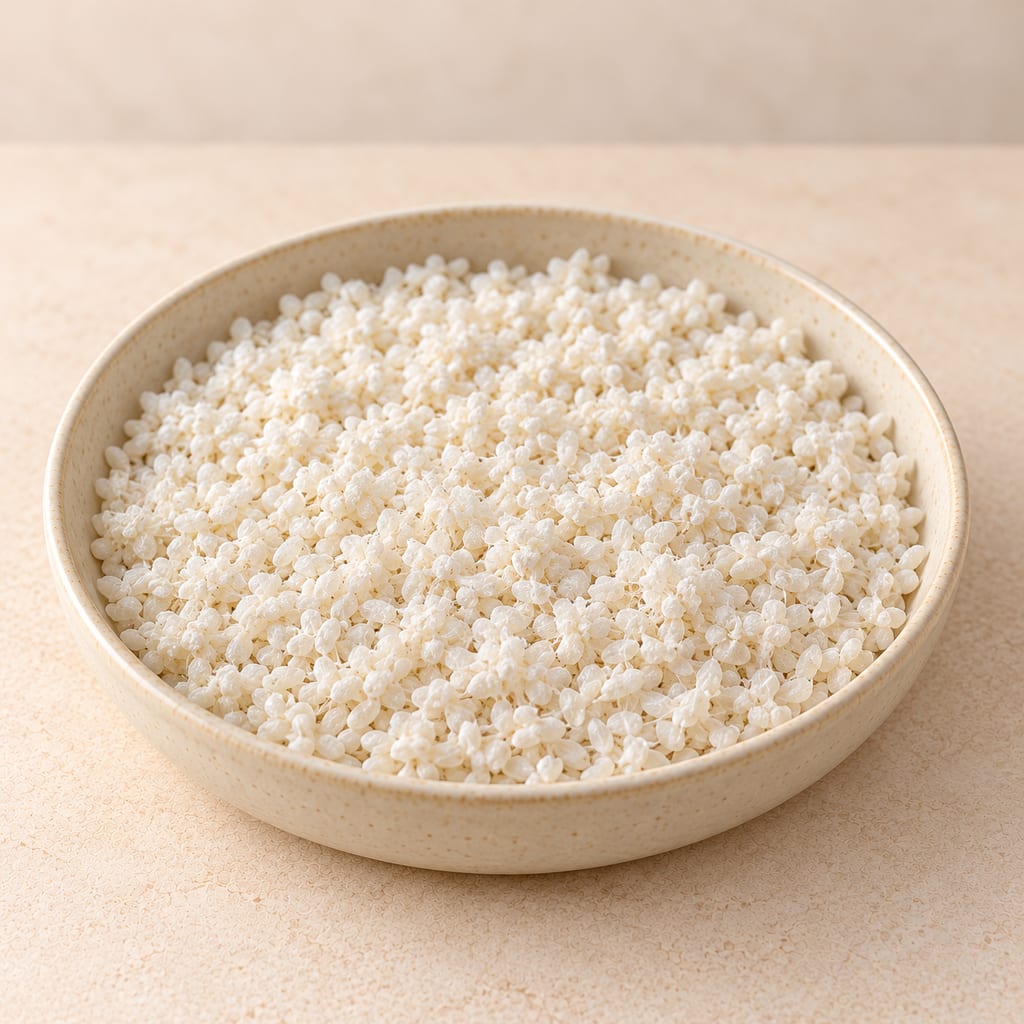
Rice koji
Rice koji is steamed white rice through which koji mold has grown. It carries the enzymes that turn rice starch into sugar, and it is the starting point of sake, sweet miso, amazake and shio koji.
 FermenteaWhere food goes to change
Traditional method
本格焼酎 · Honkaku shōchū · Honkaku-shochu · Authentic shochu · Traditional Japanese shochu · Japanese single-distilled shochu · Japanese pot-distilled shochu · 焼酎 · しょうちゅう · 単式蒸留焼酎 · Imo shochu · 芋焼酎 · Kome shochu · 米焼酎 · Mugi shochu · 麦焼酎 · Soba shochu · そば焼酎 · Kokuto shochu · 黒糖焼酎 · Satsuma shochu · 薩摩焼酎 · Kuma shochu · 球磨焼酎 · Iki shochu · 壱岐焼酎
Japanese pot-distilled spirit made by fermenting sweet potatoes, rice or barley with koji and yeast in two stages, then distilling the mash once so the ingredients' aroma survives.
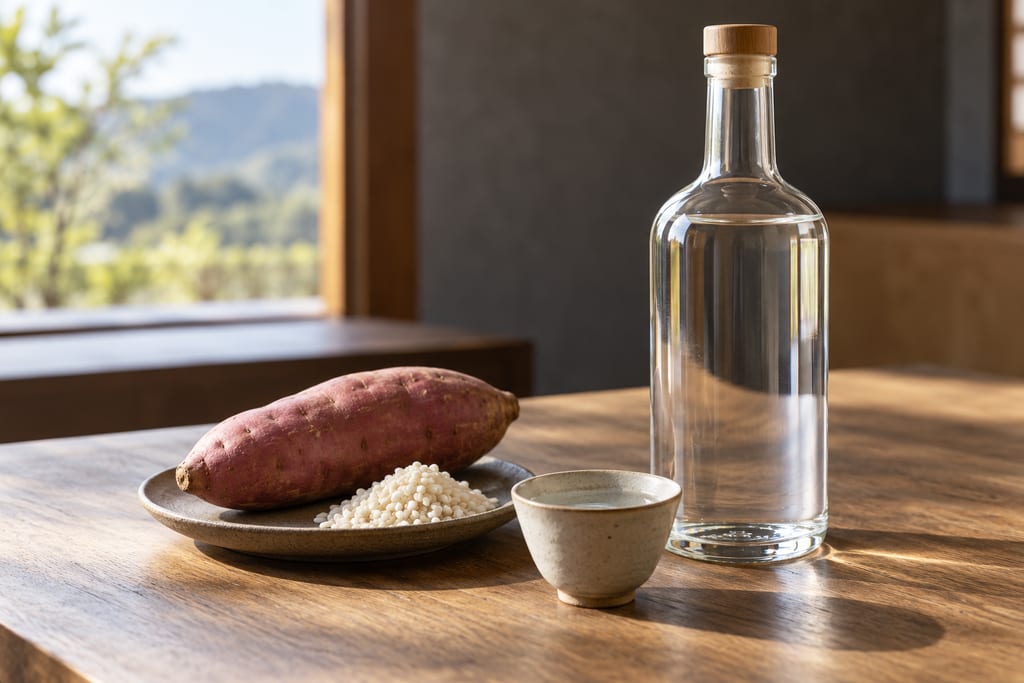
Honkaku shochu (本格焼酎) is a Japanese spirit made by fermenting a starchy ingredient with koji and yeast, then distilling the fermented mash once in a pot still. The main forms are rice shochu (kome shochu), barley shochu (mugi shochu) and sweet-potato shochu (imo shochu). Buckwheat is also used, and under particular legal and regional conditions so are brown sugar and sake lees. What defines it is a fermentation suited to the raw material, followed by a single pot distillation that keeps aroma compounds a heavily rectified spirit would lose.
Honkaku means authentic or genuine. The word matters because shochu is also the general name for Japanese distilled spirits. Japanese law separates single-distilled shochu (tan-shiki joryu shochu) from continuously distilled shochu (renzoku-shiki joryu shochu). The National Research Institute of Brewing describes the single-distilled category as spirits of 45% alcohol by volume or less; the continuously distilled category has a lower maximum. Honkaku shochu is a defined subset of the single-distilled category, not a synonym for everything sold as shochu.
The key ingredient is koji (麹), grain or another substrate colonised by selected Aspergillus fungi. The mould makes enzymes that break starch down into sugars, and it supplies other nutrients and, in black and white koji, citric acid. Yeast turns the sugars into ethanol. Distillation comes only after fermentation has produced a mash called moromi (醪). Mould, yeast and still do three different jobs, and distillation is not fermentation.
Sweet-potato shochu is often misunderstood. Imo shochu can contain rice even when sweet potato defines it. Rice is often used to make the koji for the first mash, while steamed sweet potatoes go into the main fermentation. The spirit is named for its main fermentation substrate, not for the only plant in it. Barley shochu can likewise use rice koji or barley koji, and some distilleries make koji on sweet potatoes.
Most honkaku shochu is clear and is bottled at about 20 to 25% alcohol, though individual products differ. The first distillate is stronger and is usually diluted with water before bottling. The flavour can be earthy, cereal-like, floral, fruity, roasted or gently savoury, depending on the raw material, koji, yeast, distillation and storage. A clear colour does not mean a neutral taste.
Honkaku shochu is not sake, which is fermented rice alcohol that is never distilled. Okinawan awamori shares the broad tradition of koji and pot distillation but has its own identity and an all-rice-koji fermentation, so it is better treated as a related drink than described with the two-stage honkaku method.
The earliest documents come from sixteenth-century Kagoshima. In 1546 the Portuguese merchant Jorge Álvares reported a rice-derived spirit drunk in the Yamagawa area. In 1559 carpenters working at Kōriyama Hachiman Shrine, now in Isa, left an inscription complaining that the priest had never offered them shochu. It is widely taken as the oldest surviving domestic record of the word. A Japanese-Portuguese dictionary published from 1603 also lists it. Together they show a distilled drink under that name, but not today's two-stage mash or its range of raw materials.
The raw materials were not fixed at first. Rice shochu became tied to the Kuma basin, where established rice growing supported a rice spirit. Barley shochu took on its own identity on Iki Island. Sweet potatoes spread from the Ryukyu Islands to southern Kyushu in the seventeenth and early eighteenth centuries, and sweet-potato shochu became especially important in Satsuma. The National Tax Agency credits Kagoshima's sweet-potato farming and the spread of brewing skills through specialist master brewers.
The technical form of modern honkaku shochu changed around the turn of the twentieth century. The Japan Sake and Shochu Makers Association dates the modern two-stage moromi to about 1900 to 1910. Black koji, already established in Okinawan awamori, came into Kagoshima shochu around 1912. In 1918 Genichiro Kawachi identified a white-spored variant of black koji, which opened the way to white-koji production. Both kinds acidify the mash more reliably in southern Japan's warm brewing climate.
Distillation changed too. Traditional atmospheric-pressure pot distillation continued, and reduced-pressure distillation was introduced commercially in the 1970s, giving lighter, more aromatic spirits. Better barley koji and fermentation control brought more variety. Shochu became very popular across Japan in the late 1970s and early 1980s, and interest in ingredient-specific, strongly aromatic shochu returned in the early 2000s.
Geographical-indication protection records the modern regional picture. Japan designated Iki, Kuma and Ryukyu on 30 June 1995 and Satsuma on 22 December 2005, and later designations include Tokyo Island Shochu. These dates give legal recognition to production areas; they do not date the drinks. The history shows centuries of regional practice, and modern honkaku shochu combines that with major technical changes from the Meiji period onward.
Honkaku shochu goes through three stages: enzymatic saccharification, alcoholic fermentation and distillation. The first two happen in the koji and the moromi. The third concentrates ethanol and selected volatile compounds after fermentation. Rice, barley and sweet potatoes are rich in starch, but brewing yeast cannot ferment starch directly. Cooking gelatinises the starch so the enzymes of the koji fungus can reach it. Alpha-amylase cuts long starch chains into shorter carbohydrates, and glucoamylase releases fermentable glucose. Proteases release peptides and amino acids that feed the yeast and add to flavour.
Black koji comes mainly from Aspergillus luchuensis, and white koji from its variant Aspergillus luchuensis mut. kawachii, also recorded historically as Aspergillus kawachii. These fungi make starch-degrading enzymes and a lot of citric acid. The acid holds back many unwanted microbes in the warm regions where the mash ferments, and acid-resistant amylases keep converting starch in the acidic mash. Yellow koji, from Aspergillus oryzae and common in sake, has also been used for shochu, especially in older and some modern preparations. It does not make citric acid to the same extent.
Yeast, usually Saccharomyces cerevisiae strains chosen for shochu, turns the released sugars into ethanol. Glucose passes through glycolysis to pyruvate. Pyruvate decarboxylase makes acetaldehyde and carbon dioxide, and alcohol dehydrogenase reduces the acetaldehyde to ethanol. The yeast also makes higher alcohols, esters and other aroma compounds. Saccharification carries on while the yeast eats the sugar, which is why the process is called parallel multiple fermentation.
Sweet-potato shochu shows how the raw material shapes the aroma. Sweet potatoes contain bound monoterpenes, including precursors of geraniol and nerol. Glycosidases from the koji can release them, and fermentation and heat turn them into compounds including linalool, citronellol and alpha-terpineol. A 1990 study showed these changes experimentally, and later work identified rose oxide and beta-damascenone as further aroma contributors. The cultivar, the share of skin and the harvest maturity of the potatoes can therefore change the flavour even with the same yeast and still.
Distillation is a physical separation, not another microbial step. Heating the moromi produces vapour rich in ethanol and volatile aroma compounds, which is condensed and collected. Atmospheric-pressure distillation exposes the mash to higher temperatures and can create extra heat-derived compounds. Reduced-pressure distillation lowers the boiling temperature and generally keeps a lighter aroma. Neither makes ethanol from unfermented starch. What comes out of the still reflects the fermentation, the still's operating conditions and which compounds are collected.
The main ingredients are a starchy crop, koji, water and yeast. Rice, barley or sweet potatoes supply the carbohydrate that becomes ethanol. Koji supplies enzymes and acidity, and yeast does the alcoholic fermentation. Water cooks the ingredients, forms the mash and adjusts the strength of the finished spirit. Quantities depend on the style and the distillery, and a rice-shochu formula cannot simply be turned into an imo-shochu one by swapping the grain for sweet potatoes.
Production usually begins by washing and soaking polished rice or barley and steaming it. Moisture and heat gelatinise the starch and give the fungus something to grow on. The steamed grain is cooled and inoculated with selected koji spores, and temperature and humidity are controlled while the fungus colonises it. The Japan Sake and Shochu Makers Association describes about 40 hours for koji, and Kagurashuzo about two days. The finished koji holds starch-degrading enzymes, acid and other metabolites. In sweet-potato shochu rice koji is still common, even though the potato supplies much of the main fermentation's carbohydrate.
The first mash, ichiji moromi (一次もろみ), is made from koji, water and yeast. Its purpose is to build a vigorous yeast population in an acidic mash before the bulk of the main raw material goes in. The Japan Sake and Shochu Makers Association gives three to eight days for this stage, a 2009 technical paper five to six, and Kagurashuzo six. They describe normal variation between producers. This starter mash is not the same as the longer kimoto and yamahai starters of sake.
For the second mash, niji moromi (二次もろみ), the main ingredient is prepared and added to the first mash with more water. For imo shochu the fresh sweet potatoes are washed, inspected, steamed and broken into smaller pieces, and damaged parts are removed because they can affect the aroma. Kagurashuzo steams them for one hour. Rice and barley shochu use prepared grain instead. The koji enzymes keep converting the new starch to sugar while the yeast makes alcohol. The National Research Institute of Brewing gives one to two weeks for this stage, with about 14 to 20% alcohol in the finished mash, and Kagurashuzo ferments for about ten days.
The finished mash goes to a batch still. The two established approaches are atmospheric-pressure and reduced-pressure distillation. The 2014 National Research Institute of Brewing guide gives mash temperatures of about 85 to 95 °C for atmospheric distillation and 45 to 55 °C for vacuum distillation. These are operating examples, not temperatures for the fermentation stages. The distillate holds much more alcohol than the mash and carries aroma compounds from the ingredients and the fermentation.
The new spirit may be rested, filtered, matured or blended before bottling. Stainless-steel tanks, earthenware vessels and wooden barrels each change its character differently. Filtration removes oils and haze-forming material, though too much filtering strips desirable aroma. Water is usually added to reach the strength for bottling. Kagurashuzo makes koji for about two days, ferments the first mash for six days and the second for about ten, then distils, matures, filters and bottles. That is one producer's method, not a universal recipe.
Rice shochu, kome shochu (米焼酎), belongs to the Hitoyoshi-Kuma basin in Kumamoto Prefecture. The protected Kuma designation requires rice and rice koji made from Japanese rice, locally collected water, and fermentation and pot distillation inside the area. Rice supplies both the koji grain and the main fermentable material. Atmospheric distillation can give a fuller rice aroma, and reduced-pressure distillation gives lighter, fruitier spirits. The designation dates from 1995 and protects a modern category rooted in older regional practice.
Barley shochu, mugi shochu (麦焼酎), is tied to Iki Island in Nagasaki Prefecture and to Oita. The Iki indication requires rice koji and barley in a weight ratio of about 1:2, local water, and fermentation and pot distillation on Iki. That mix of rice koji and barley contrasts with many barley-shochu makers elsewhere, who use barley koji. Oita is linked to modern barley-koji production. Barley variety, polishing, koji and distillation can give roasted, cereal-like or fairly light aromas.
Sweet-potato shochu, imo shochu (芋焼酎), belongs mainly to Kagoshima and Miyazaki. The protected Satsuma indication covers production in Kagoshima from locally harvested sweet potatoes, suitable local koji materials and water, with pot distillation and bottling in the region. It dates from 2005. The sweet potato most used in conventional imo shochu is the pale-fleshed Koganesengan, though purple- and orange-fleshed varieties are also recorded, and their pigments, starch and aroma precursors give different results.
The Amami Islands make a brown-sugar style, kokuto shochu (黒糖焼酎), from sugarcane brown sugar with rice koji. Brown sugar already supplies fermentable carbohydrate, and the rice koji adds yeast nutrients, acidity and flavour precursors. The style is allowed under a regional arrangement made when the islands returned to Japanese administration in 1953. It is not ordinary rum made without koji, and it is not a historical equivalent of sweet-potato shochu.
Tokyo's Izu Islands keep a separate island tradition. The Tokyo Shimazake indication requires Japanese sweet potatoes, barley koji and Izu Islands water, with the specified stages done locally. That sets it apart from Satsuma shochu, which can use rice or sweet-potato koji. Other styles include buckwheat shochu (soba shochu) and spirits made from sake lees (kasutori shochu). Their ingredients and methods differ from the rice, barley and sweet-potato pattern.
Okinawan awamori is closely related but technically distinct. Ryukyu awamori uses rice koji made with black Aspergillus luchuensis and generally one fermentation charge rather than the two-mash honkaku method. Its Ryukyu indication dates from 1995. Aged awamori, called kusu, has its own maturation tradition. Japanese official materials discuss honkaku shochu and awamori together, but the products and processes stay distinct.
Honkaku shochu is drunk neat or mixed with water. Its aroma suits drinking with food, and regions keep their own serving customs. It is not drunk from the fermenting mash: the spirit is distilled, usually rested or matured, and prepared for sale at a chosen strength. Commercial bottles are often about 20 to 25% alcohol, and stronger ones exist.
One established way to serve it is oyuwari (お湯割り), shochu diluted with hot water. The Japan Sake and Shochu Makers Association gives common shochu-to-water proportions of 4:6, 5:5 and 6:4. Its guide explains that warmth releases aroma and changes how alcohol and flavour are perceived, and it describes one customary order, hot water in the glass first and then the shochu. These are serving examples, not rules.
Mizuwari (水割り) uses cold water, often with ice, and the same guide discusses bringing the drink to about 10 to 15% alcohol in some examples. Shochu is also drunk on the rocks, rokku (ロック), and straight. The best way depends on the spirit's strength and aroma. A delicate vacuum-distilled barley or rice shochu may be served differently from a rich, atmospheric-distilled sweet-potato one, but these preferences are not production requirements.
In the Kuma region a traditional way to serve rice shochu is to warm the spirit in a vessel called a gara and drink it from small cups called choku, rather than mixing a measure of cold shochu with boiling water. The National Research Institute of Brewing records the practice as part of local rice-shochu culture. Other regions have their own vessels, settings and preferred dilutions.
The spirit also appears in modern mixed drinks. Amami brown-sugar shochu may be mixed with tropical fruit juices, and other types with soda or citrus. These are modern uses and say nothing about how shochu was first drunk in the sixteenth century. Highly rectified continuously distilled shochu is often used as a fairly neutral base, which is a different role from the aromatic honkaku category.
Defects in honkaku shochu have different causes before and after distillation, so each stage is judged separately. During koji making, producers look at fungal growth, enzyme activity, acidity and the state of the grain. During the moromi stages they measure temperature, sugar use, acidity, yeast activity and alcohol. At the still they watch pressure, temperature, condensation, alcohol concentration and the taste of what is collected. A good fermentation does not by itself guarantee a good spirit.
Shochu koji must supply enough starch-degrading enzyme and make an acidic mash that suits the yeast. The Japan Sake and Shochu Makers Association describes a first-mash acidity of about pH 3 as an illustration of normal production, not a safety limit. The wrong fungal strain, poor temperature control or weak cultivation changes enzyme and acid output. Visible mould growth alone shows neither activity nor safety.
Yeast is the next critical point. Weak yeast growth can leave sugar unused, and unwanted microbes can bring sourness or other faults. The Japan Sake and Shochu Makers Association reports about 14 to 19% alcohol in the second mash and the National Research Institute of Brewing about 14 to 20%. These overlapping ranges come from general descriptions and are not a guaranteed yield for any rice, barley or sweet-potato batch. End points need proper measurement.
Raw-material quality strongly affects aroma. Research on sweet-potato shochu showed that harvest maturity, skin proportion and cultivar change the monoterpene alcohol content. Damaged potatoes can add off aromas, and floral or citrus notes can become excessive or unbalanced when the raw material is handled badly. A 2016 experiment with Koganesengan found measurable differences in volatile compounds between potatoes harvested after different growing periods. Alcohol strength alone says little about the quality of a spirit.
Distillation brings hazards that ordinary fermentation does not. Concentrated ethanol vapour is flammable, and hot still parts cause severe burns. Leaks, blocked vapour paths, poor condensation, ignition sources and pressure build-up can cause fires or explosions. Atmospheric and vacuum distillation both need properly designed equipment and professional control, and the temperatures in industry descriptions are not a safe operating recipe for an improvised still.
Chemical quality also needs analysis. The National Research Institute of Brewing tested 110 commercial shochu samples for ethyl carbamate and found a mean of 14 micrograms per litre and a maximum of 66, against a 150-microgram limit applied in some countries. That is a survey of commercial products, not proof that every untested shochu is free of contaminants. Ethyl carbamate, methanol and other substances need product-specific assessment where they matter. The common belief that simply setting aside the early distillate removes every hazardous substance is not a validated safety method.
The identity of the koji culture needs care. Aspergillus luchuensis and its white-koji variant are established fermentation organisms, but unidentified environmental Aspergillus is no substitute. Related species can differ in metabolism, including possible mycotoxin production. Authenticated food-grade cultures and quality assurance are essential, because spore colour or the smell of a culture cannot show that it is safe.
Making spirits is also regulated. In the United Kingdom, HM Revenue and Customs requires alcoholic products producer approval for regulated production, including spirits, and its guidance updated in January 2026 says unauthorised production is an offence. Other countries have their own manufacturing, excise and licensing rules. A description of Japanese shochu production gives no permission to distil.
A 1546 report by the Portuguese merchant Jorge Álvares describes a rice-derived spirit in the Yamagawa area of present-day Kagoshima. The first known Japanese written use of the word shochu is a 1559 inscription by carpenters at Kōriyama Hachiman Shrine in present-day Isa. These show distilled shochu early on, not today's two-stage mash or koji cultures.
Distillation produces concentrated ethanol vapour and liquid alcohol. Leaks, ignition sources and loss of containment can cause fire or explosion. UK Health and Safety Executive enforcement records document serious flammable-alcohol hazards at distillery equipment.
Hazard sourcePot distillation uses heated vessels, vapour paths and condensers, and some shochu is distilled under reduced pressure. Poorly designed or blocked equipment creates thermal, pressure and mechanical hazards. A description of the process is not a still specification.
Hazard sourceKoji is a filamentous fungus grown on moist grain. An established shochu culture cannot safely be replaced with unidentified environmental Aspergillus, because related species differ in metabolism, including possible mycotoxin production. Strain and growing conditions govern enzyme and acid development.
Hazard sourceThe acidity that proper shochu koji produces holds back competing microbes. It does not make contamination impossible, and weak koji or yeast can stop the intended fermentation from establishing.
Hazard sourceSpirits can carry contaminants from fermentation and processing. The National Research Institute of Brewing measured ethyl carbamate in 110 commercial shochu samples: a mean of 14 micrograms per litre and a maximum of 66. That does not show an untested distillate is safe. Methanol and other substances also need product-specific testing, and simply setting aside the early part of the distillate is not a validated safety method.
Hazard sourceDamaged or unsuitable sweet potatoes can spoil the aroma of the mash and the spirit. Kagurashuzo inspects the potatoes and removes damaged parts before steaming.
Hazard sourceHonkaku shochu is a concentrated spirit. Fresh distillate is commonly about 37 to 45% alcohol before dilution, and finished products are often adjusted to 20 to 25%. These are typical figures, not guarantees for any batch.
Hazard sourceIn the United Kingdom, spirits production needs HMRC alcoholic products producer approval for the producer and premises. The domestic-use exemption does not cover spirits, and unapproved production can lead to enforcement and seizure.
Hazard sourceUse authenticated, food-grade koji mould and brewing yeast with proper quality specifications. No universal spore or yeast dose is established.
Control sourcePrepare the grain and sweet potatoes as the process describes, inspect the potatoes for damage and control cooling and handling before inoculation.
Control sourceControl koji growth, fermentation, acidity and yeast performance by measurement. The stated durations are not microbiological critical limits.
Control sourceDistil only in properly engineered, maintained and authorised equipment, with fire and explosion precautions, vapour containment, pressure management and condensation systems. The industrial description is not an equipment manual.
Control sourceCheck the spirit's composition, contaminant levels and alcohol strength by analysis. Do not treat appearance, aroma or an arbitrary split of the distillate into fractions as proof of safety.
Control sourceFor UK spirits production, obtain the producer and premises approval before production, unless a specific lawful exemption applies.
Control sourceRun maturation, filtration, dilution and bottling under controls that meet the product's technical and legal specification. No universal acceptance limits are established.
Control sourceThis is a documented commercial distillery process, not an operating recipe for domestic distillation.
Do not improvise a still, and never improvise sealed, pressurised or vacuum distillation equipment.
Distillation concentrates alcohol and aroma. It does not automatically remove every hazardous chemical, and collecting only part of the distillate is not a validated safety method.
Do not substitute unidentified mould for an established food-grade shochu koji.
The first mash uses koji, water and yeast; the sweet potatoes and extra water join at the second mash. Putting everything in at the start does not reproduce the method.
Sweet potato is the main raw material, but rice or barley may still be in the spirit because they are used to make the koji.
The six-day and ten-day fermentations do not guarantee a safe or adequate alcohol strength, and the typical alcohol figures in shochu guides are not guarantees for any batch.
The steaming times and the two-day koji period say nothing about safe process temperatures.
This follows a sweet-potato method only. Rice, barley, buckwheat, brown-sugar and sake-lees shochu are prepared differently.
Spirits production is licensed. UK domestic exemptions do not cover spirits, and other countries have their own licensing, excise and safety rules.
Shochu is an alcoholic drink and carries the usual health risks of alcohol. It is not a healthier alternative to other spirits.
Where the earliest written mentions of a rice-derived distilled drink and of the word shochu come from.
The heartland of sweet-potato shochu.
A second major sweet-potato region; the home of the distillery whose method this entry follows.
The home of Kuma rice shochu.
The home of Iki barley shochu.
Associated with barley shochu made with barley koji.
The home of brown-sugar (kokuto) shochu.
The home of Tokyo Island shochu (Tokyo Shimazake), made from sweet potato and barley koji.
Rice koji is steamed white rice through which koji mold has grown. It carries the enzymes that turn rice starch into sugar, and it is the starting point of sake, sweet miso, amazake and shio koji.
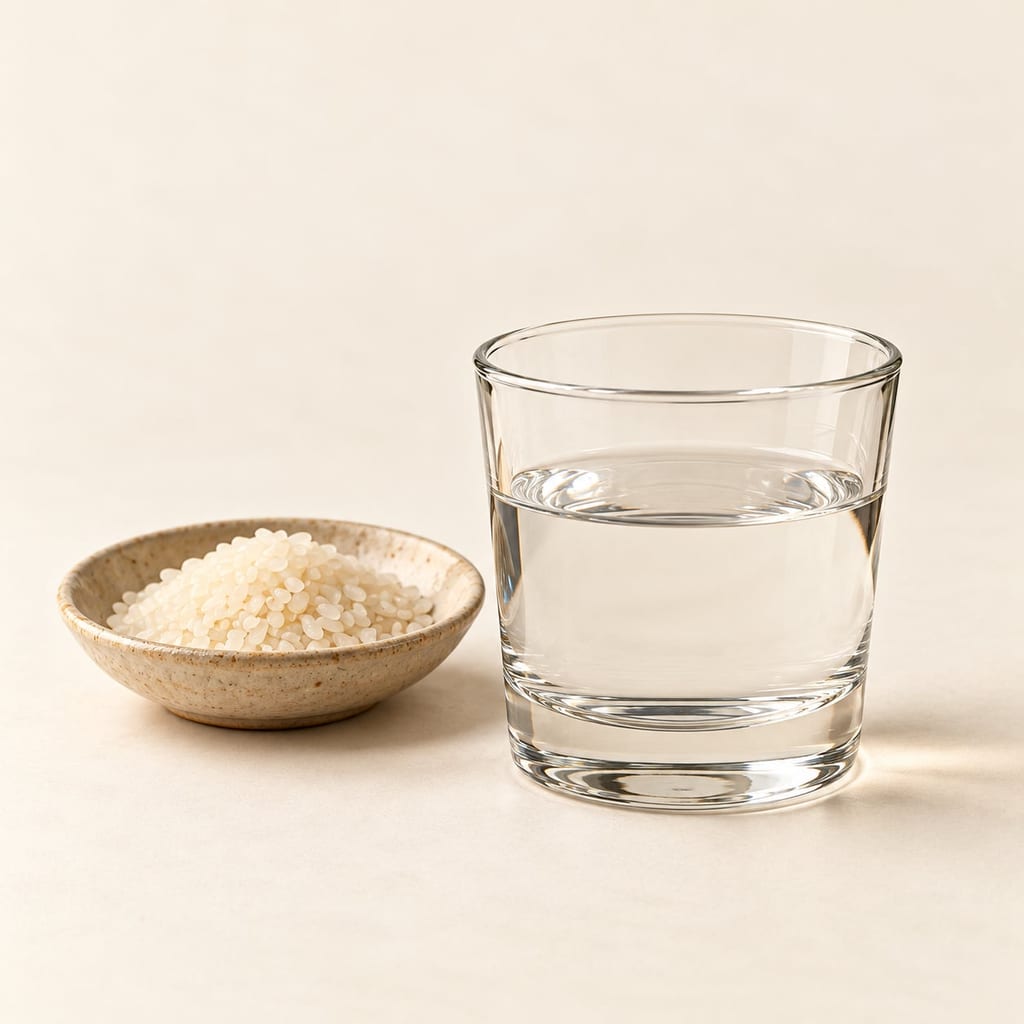
An Okinawan rice spirit made by turning all the rice into black koji, fermenting it with water and yeast, then pot-distilling and maturing the spirit.
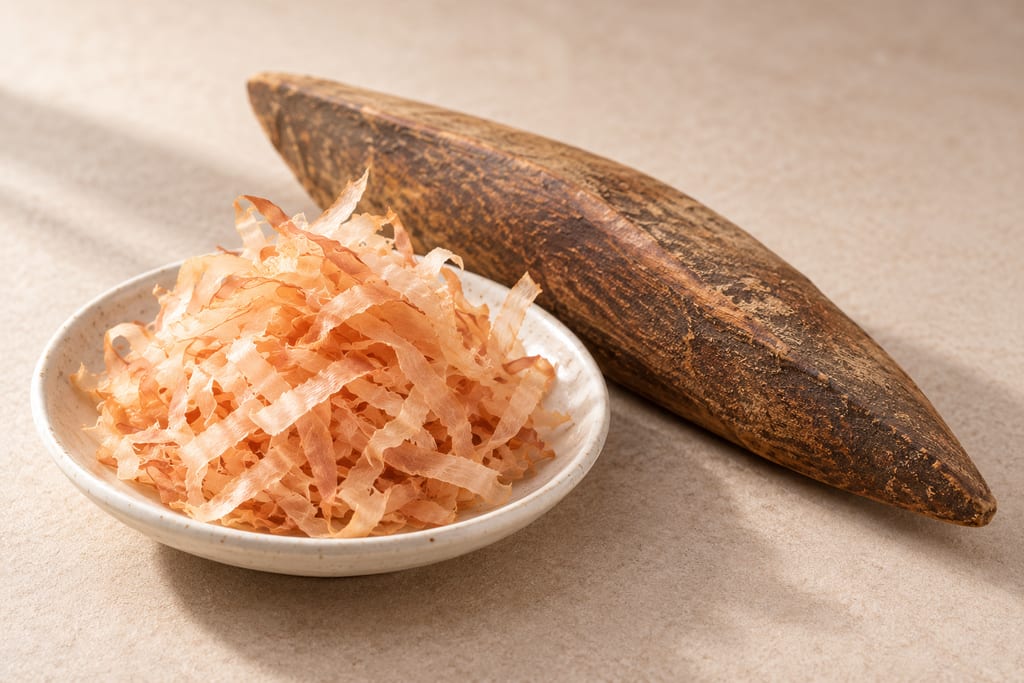
Katsuobushi is skipjack tuna cooked, smoked and dried into a hard block that is shaved into flakes for dashi and toppings. Some styles stop at the smoke-dried stage; others receive carefully managed mold maturation.
A Buryat milk spirit distilled from khurenge, the backslopped sour dairy ferment, in a cauldron still: a distillate that keeps milky and cheese-like aromas from the dairy it came from.
Mauritian molasses rum is a commercial distilled spirit made from fermented sugar-industry molasses. An official ruling describes one 40% ABV Lazy Dodo bottling; the sources do not define a single recipe for the wider product family.
A gelling polysaccharide extracted from red seaweeds, sold as kanten strips or powder; it sets firm at a low concentration and stays solid until about 85 °C.
A Dominican table and seasoning condiment of sour orange juice, mixed with lime and salt and bottled raw; garlic, oregano or a hot pepper may be added for meat or a spicier bottle.
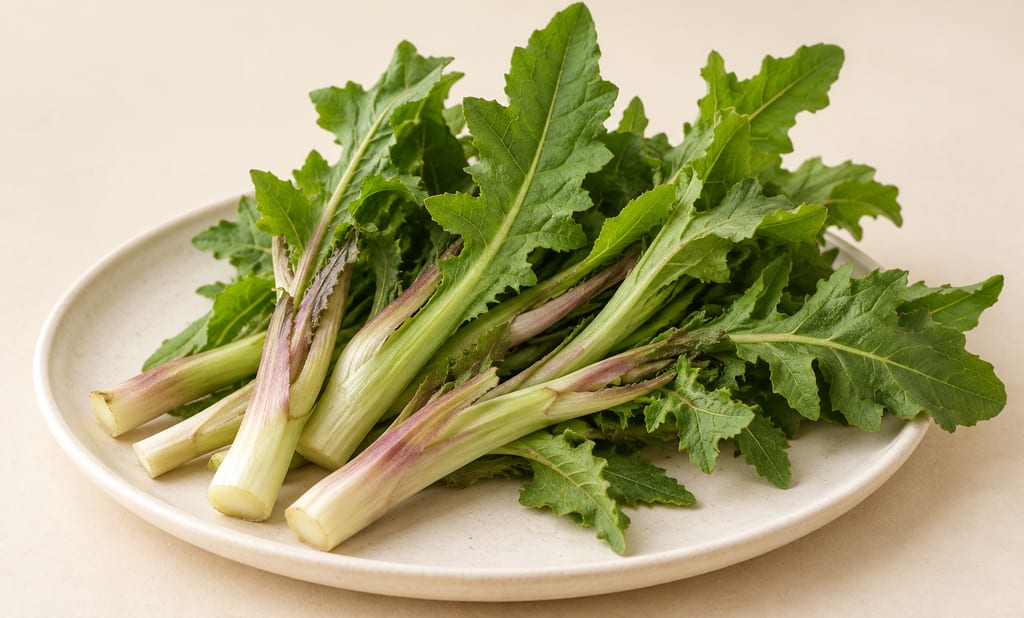
Cicerbita alpina is an alpine perennial whose tender shoots and leaves have been eaten raw or cooked. Sámi milk preparations and modern Carnian dishes are distinct uses, with serious identification and preservation limits.
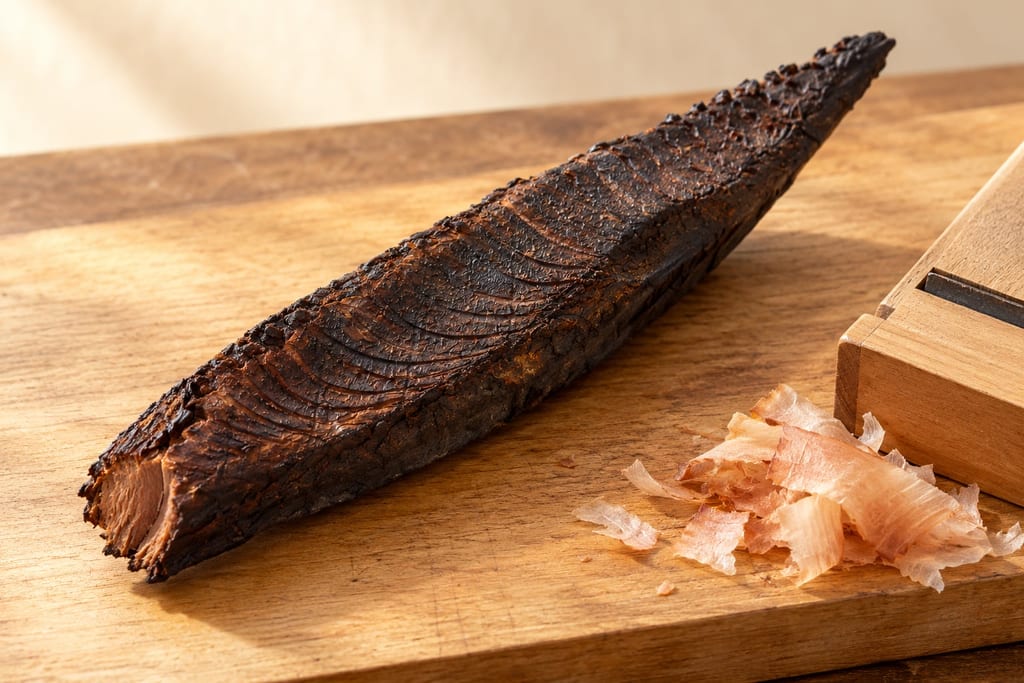
Japanese skipjack tuna cooked, then repeatedly smoked and dried over a wood fire by the hand-fired tebiyama method into a hard block for shaving into dashi: the first stage of katsuobushi.
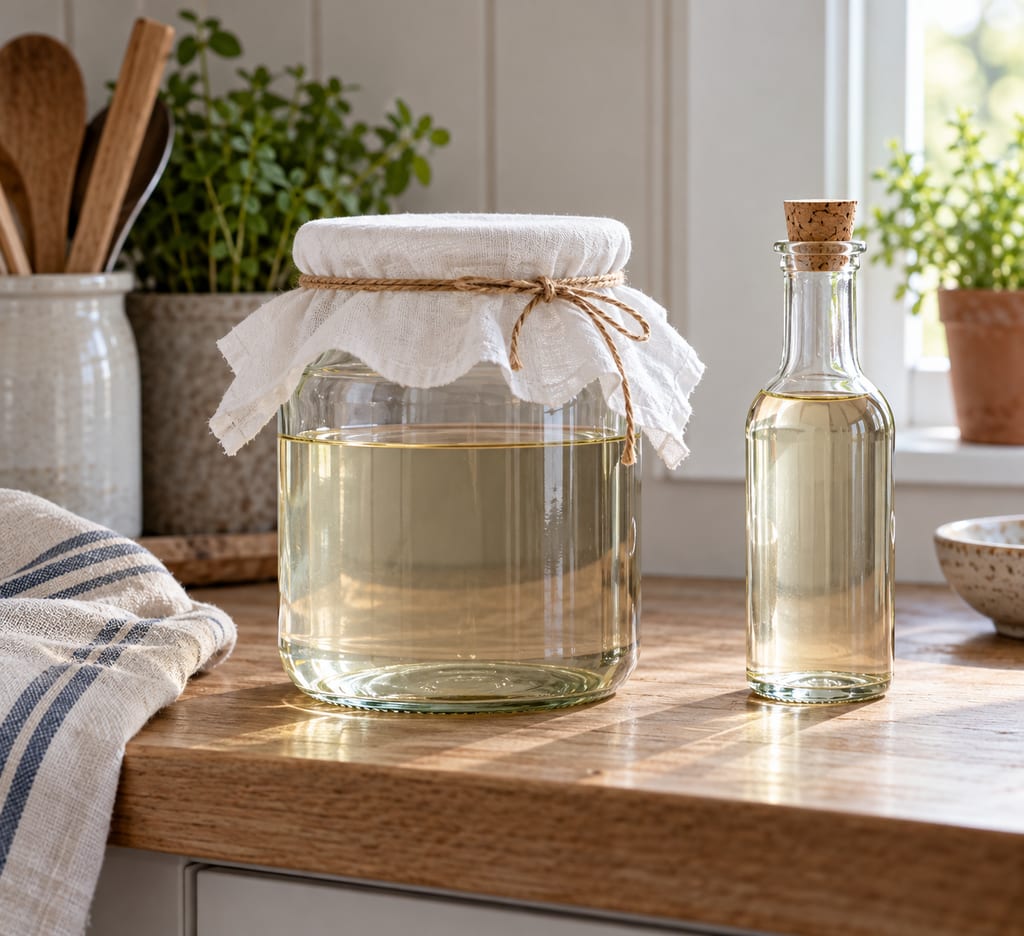
A Swedish-style spirit vinegar made by fermenting neutral alcohol with live vinegar bacteria, with a separate guide to commercial ättika strengths.
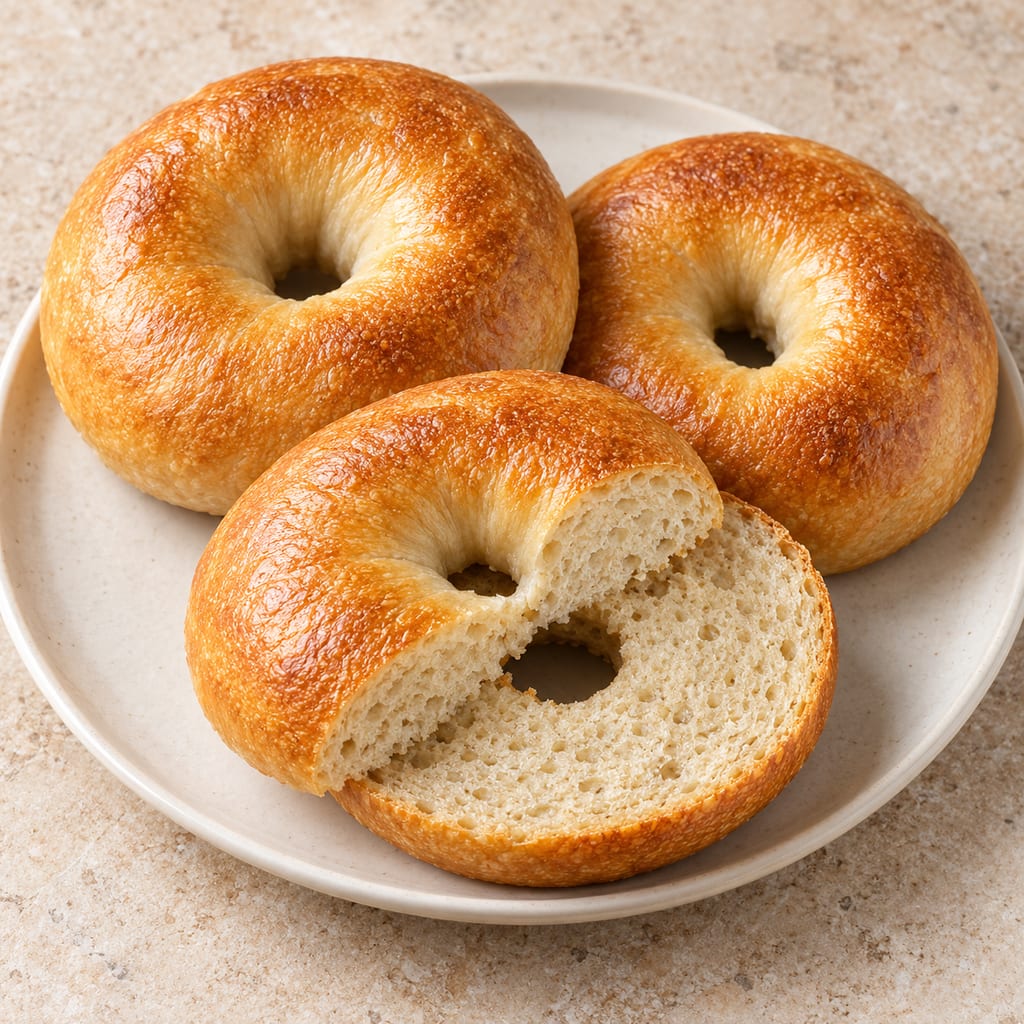
A yeast-raised wheat ring shaped from a firm dough, briefly boiled and baked. This source-batch formula gives a gently malted crust and a chewy crumb.
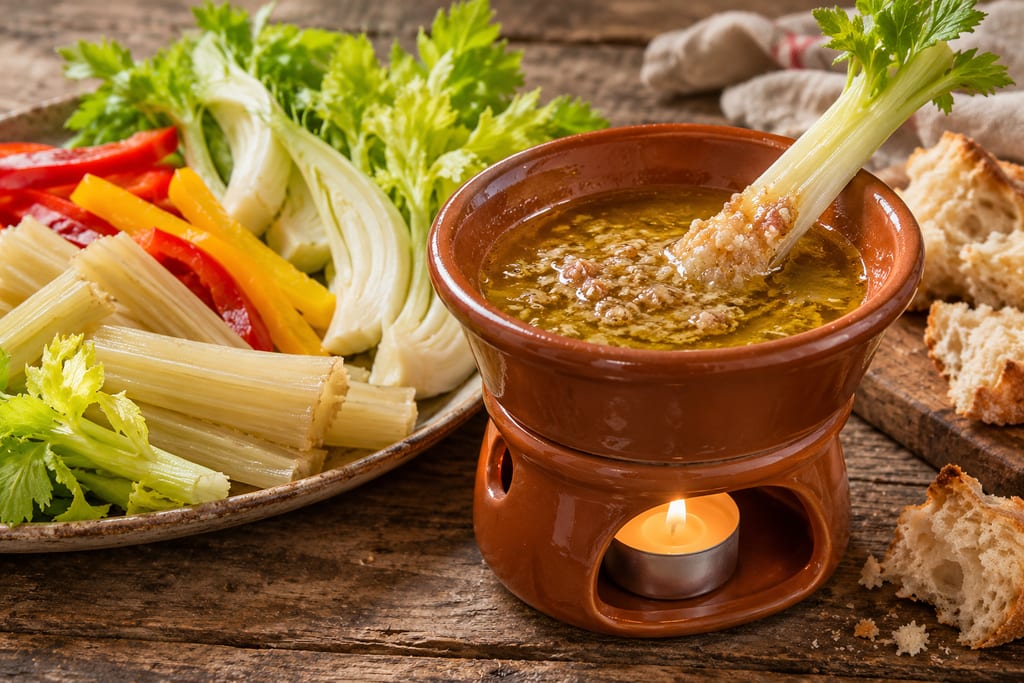
A warm dip of garlic, anchovy and olive oil, often enriched with butter, that Piedmont serves over a flame with raw and cooked vegetables and bread.
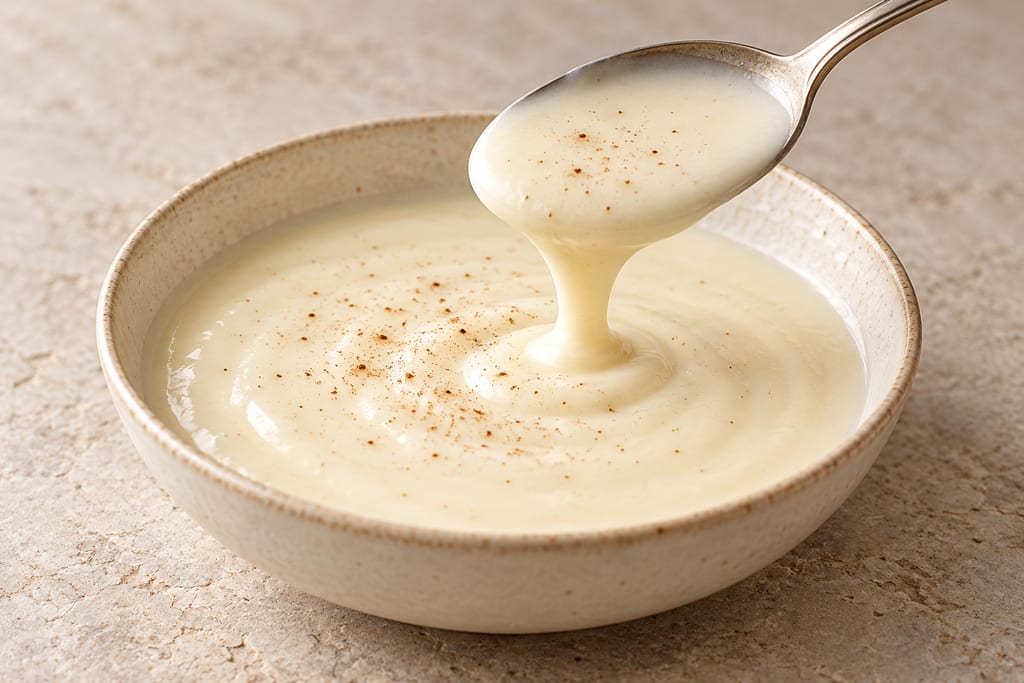
Bechamel is a white sauce of milk thickened with a butter and flour roux, one of the French mother sauces, and the base from which Mornay and other cheese and cream sauces are made.
No community contributions have been published for this entry yet.
Sign in to contribute. Published comments and photos are free to read.
Kagurashuzo Co., Ltd., Miyazaki Prefecture, JapanMethod · Safety
Shochu Making ProcessThe sweet-potato shochu sequence followed in the recipe.
Rice or barley as the koji grain.
Washing, soaking and steaming the grain for about one hour.
Koji inoculation and cultivation for about two days.
First mash from koji, water and yeast, fermented for six days.
Selecting, inspecting and washing fresh sweet potatoes and removing damaged material.
Steaming the potatoes for one hour, then crushing them and adding them with water to the first mash.
Second fermentation of about ten days.
Distillation, storage in tanks or purpose-built casks, filtration to remove excess oils, and hygienic bottling.
No weights, distillation parameters or yield are published.
Cited in: How it's made and why each ingredient and step matters
Japan Sake and Shochu Makers AssociationMethod · Science · Safety
The Basic Guide: How Is Shochu Made?General honkaku shochu production.
Koji grown on steamed rice and other substrates for about 40 hours.
Koji enzymes convert starch; citric acid acidifies the mash.
First mash from koji, water and yeast for about 3 to 8 days, at about pH 3.
Second mash adds the main ingredient and water, for about two weeks, reaching 14 to 19% alcohol.
Fresh distillate is typically 37 to 45% alcohol; bottling is commonly 20 to 25%.
Maturation and final strength adjustment.
Cited in: What it is; How it's made and why each ingredient and step matters; How it's eaten and used; Reading results and problems
Kagoshima Shochu Makers AssociationMethod · History
Making ShochuGeneral stages of honkaku shochu manufacture and rice koji.
First fermentation of about one week, second of about two weeks.
Second fermentation with sweet potato or, where permitted, brown sugar.
Atmospheric and reduced-pressure distillation.
Maturation in stainless-steel tanks, earthenware vessels and wooden barrels, then blending, filtration and bottling.
Cited in: History; How it's made and why each ingredient and step matters; How it's eaten and used
Food and Food Ingredients Journal of Japan, Volume 214, Issue 1, 2009Method · Science
Manufacturing Technology in the Honkaku-Shochu IndustryKoji grown at about 38 °C for 27 hours, then below 35 °C for 16 hours, about 43 hours in all.
First fermentation of 5 to 6 days from koji, water and yeast.
Second fermentation of about ten days after adding steamed raw material and water.
Atmospheric-pressure and reduced-pressure batch distillation and their effect on volatile compounds.
Cited in: How it works; How it's made and why each ingredient and step matters
Japan Sake and Shochu Makers AssociationMethod · Science · Safety
Shochu Distillation MethodsDistillation as physical separation of volatile components in a batch pot still.
Pot distillation compared with continuous column distillation.
Mash temperature of about 85 to 95 °C at atmospheric pressure and about 45 to 55 °C under reduced pressure.
Atmospheric distillation keeps and transforms aroma compounds; reduced-pressure distillation gives a lighter aroma.
Commercial reduced-pressure shochu distillation began in 1973.
These descriptions are not an equipment operating manual.
Cited in: How it works; How it's made and why each ingredient and step matters
National Research Institute of Brewing, JapanDefinition · Science · History
About Shochu (Japanese Distilled Liquor)Definitions and characteristics of Japanese shochu.
Tubers and cereals used.
Importance of Kagoshima and Miyazaki sweet-potato production.
Shift from yellow koji to black koji, and the later adoption of white koji.
Citric acid from black and white koji restricts unwanted microbes.
Flavour differences between black- and white-koji shochu.
Cited in: What it is; How it's made and why each ingredient and step matters; How it's eaten and used; Reading results and problems
National Tax Agency, Fukuoka Regional Taxation Bureau, JapanMethod · Definition
Shochu DistillingSteamed grain or sweet potatoes, shochu koji, water and yeast.
First moromi from koji, water and yeast; second moromi with more steamed raw material and water.
Saccharification and alcoholic fermentation happen together in the moromi.
Citric-acid-producing shochu koji.
Sweet-potato, barley and rice shochu distinguished.
Cited in: How it's made and why each ingredient and step matters
Japan External Trade Organization, Oita Office, with Oita Prefecture Sake Brewers AssociationMethod · Variation
Shochu Making ProcessPreparation, washing, soaking, steaming and cooling before koji inoculation.
First fermentation with yeast and water, second with the main raw material.
Distillation, maturation and bottling.
A separate production route for traditional sake-lees shochu.
Cited in: Regional and historical variations
National Tax Agency, JapanDefinition · Variation · History
Product Specification of Geographical Indication SatsumaSatsuma shochu uses sweet potatoes harvested in the defined Kagoshima area, rice or sweet-potato koji from specified local materials and Kagoshima water.
Fermentation, pot distillation, storage and bottling must take place in the area.
Sweet potatoes reached Satsuma from Ryukyu.
Black and white koji were important in modern production.
Broad imo shochu is distinct from the protected Satsuma indication.
Cited in: History; Regional and historical variations
National Tax Agency, JapanDefinition · Variation
Product Specification of Geographical Indication IkiIki barley shochu uses barley with rice koji in an approximate 1:2 weight ratio of rice koji to barley.
Locally collected water; fermentation and pot distillation within Iki City.
Barley shochu may contain rice-derived koji.
Cited in: History; Regional and historical variations
National Tax Agency, JapanDefinition · Variation
Product Specification of Geographical Indication KumaKuma rice shochu uses Japanese rice and rice koji.
Water from Kuma District or Hitoyoshi; fermentation and pot distillation within the area.
Atmospheric distillation gives a fuller rice aroma, reduced-pressure distillation a lighter one.
Cited in: Regional and historical variations
National Research Institute of Brewing, JapanSafety
2015 Research Results: Levels of Ethyl Carbamate in Shochu (Japanese Spirits)Ethyl carbamate in 110 commercial shochu samples: mean 14 micrograms per litre, maximum 66.
A limit of 150 micrograms per litre applies in some countries.
Measured commercial values do not assure the safety of untested spirits.
Cited in: Reading results and problems
HM Revenue & Customs, UK Government, updated August 2026Safety
Alcoholic Products Technical Guide — Section 4: ApprovalsProducer approval (APPA) is required before regulated alcohol manufacture in the United Kingdom.
Spirits are excluded from the domestic-use exemption.
The relevant activities and premises must be approved.
Cited in: Reading results and problems
HM Revenue & Customs, UK Government, updated January 2026Safety
Apply for an Alcoholic Products Producer Approval (APPA)How to apply for producer approval; spirits are among the regulated products.
Premises must be approved.
Unauthorised production is an offence.
Cited in: Reading results and problems
Health and Safety Executive, United Kingdom, enforcement notice issued October 2021Safety
Health and Safety Executive Enforcement Notice: Distillery Fire and Explosion HazardsFire and explosion risks in alcohol distillation from flammable ethanol vapour.
Ignition sources must be controlled in distillery buildings and loss of containment from stills avoided.
A general description of distillation does not replace a safe engineering and operating procedure.
Cited in: Reading results and problems
Japan Sake and Shochu Makers AssociationHistory
History of Shochu1546 report by Jorge Álvares of a rice-derived spirit in the Yamagawa area.
1559 inscription at Kōriyama Hachiman Shrine, the earliest known Japanese written use of the word shochu.
Dictionary record of the term from 1603.
Cited in: History
Japan Creative Centre, Embassy of Japan in SingaporeHistory
Shochu (E-Magazine, May 2023)Early documentary evidence for shochu in sixteenth-century Kagoshima.
Cited in: History
National Research Institute of Brewing, JapanDefinition · Method · History · Variation
Guide to shochu (National Research Institute of Brewing, 2014)Single-distilled shochu as a legal category of 45% alcohol by volume or less.
Second fermentation of one to two weeks reaching about 14 to 20% alcohol.
Mash temperatures of about 85 to 95 °C for atmospheric and 45 to 55 °C for vacuum distillation.
Serving dilutions and the Kuma practice of warming rice shochu in a gara and drinking from choku.
Regional styles and ingredients.
Cited in: What it is; History; How it works; How it's made and why each ingredient and step matters; Regional and historical variations; How it's eaten and used; Reading results and problems
PubMed Central, National Library of MedicineScience · Safety
Research article on shochu koji, fermentation and aroma (PubMed Central PMC8306306)Role of koji enzymes, citric acid and acid-resistant amylases in shochu.
Black koji from Aspergillus luchuensis and white koji from its variant kawachii.
Sweet-potato aroma precursors.
Why koji must be an authenticated culture.
Cited in: What it is; How it works; Reading results and problems
PubMed, National Library of MedicineScience
Shochu research article (PubMed 35238900)Koji and yeast biochemistry in shochu fermentation.
Cited in: How it works
J-STAGEScience
1990 study of terpene transformation in sweet-potato shochu (J-STAGE, volume 54, issue 6)Bound monoterpenes in sweet potato are released by koji glycosidases and transformed by yeast and heat into linalool, citronellol and alpha-terpineol.
Cited in: How it works
Wiley, Journal of the Institute of BrewingScience · Variation
Shochu research article (Journal of the Institute of Brewing, doi 10.1002/jib.305)Aroma contributors in sweet-potato shochu including rose oxide and beta-damascenone.
Effect of cultivar, skin proportion and harvest maturity on volatile compounds.
Cited in: How it works; Regional and historical variations; Reading results and problems
Brewing Society of Japan, via J-STAGEScience
Shochu article (Journal of the Brewing Society of Japan, volume 106, issue 1)Technical background on shochu fermentation and distillation.
Cited in: How it works
National Tax Agency, JapanDefinition · Variation
Product Specification of Geographical Indication RyukyuRyukyu awamori uses rice koji made with black Aspergillus luchuensis and, generally, a single fermentation charge.
Awamori is closely related to, but distinct from, honkaku shochu.
Cited in: What it is; Regional and historical variations
National Tax Agency, JapanDefinition · Variation
Product Specification of Geographical Indication Tokyo ShimazakeTokyo Shimazake uses Japanese sweet potatoes, barley koji and Izu Islands water, with production stages carried out locally.
Cited in: Regional and historical variations
National Tax Agency, JapanHistory · Definition
Geographical Indications for LiquorIki, Kuma and Ryukyu designated on 30 June 1995 and Satsuma on 22 December 2005.
Later designations include Tokyo Island Shochu.
Cited in: History; Regional and historical variations
Kuma Shochu Brewers' AssociationHistory · Variation
History of Kuma ShochuRice shochu in the Kuma basin.
Warming rice shochu in a gara and drinking it from choku.
Cited in: History; How it's eaten and used
Kuma Shochu Brewers' AssociationMethod · Variation
Production Process of Kuma ShochuProduction of Kuma rice shochu in Hitoyoshi and the Kuma district.
Cited in: How it's eaten and used
Japan Sake and Shochu Makers AssociationVariation · History
Amami Kokuto ShochuBrown-sugar shochu from the Amami Islands, made with rice koji.
Permitted under a regional arrangement from the islands' return to Japanese administration in 1953.
Served with tropical fruit juices.
Cited in: Regional and historical variations; How it's eaten and used
Japan Sake and Shochu Makers AssociationVariation
Shochu Flavor ProfileBarley shochu in Oita and the flavour effects of koji and distillation.
Cited in: Regional and historical variations