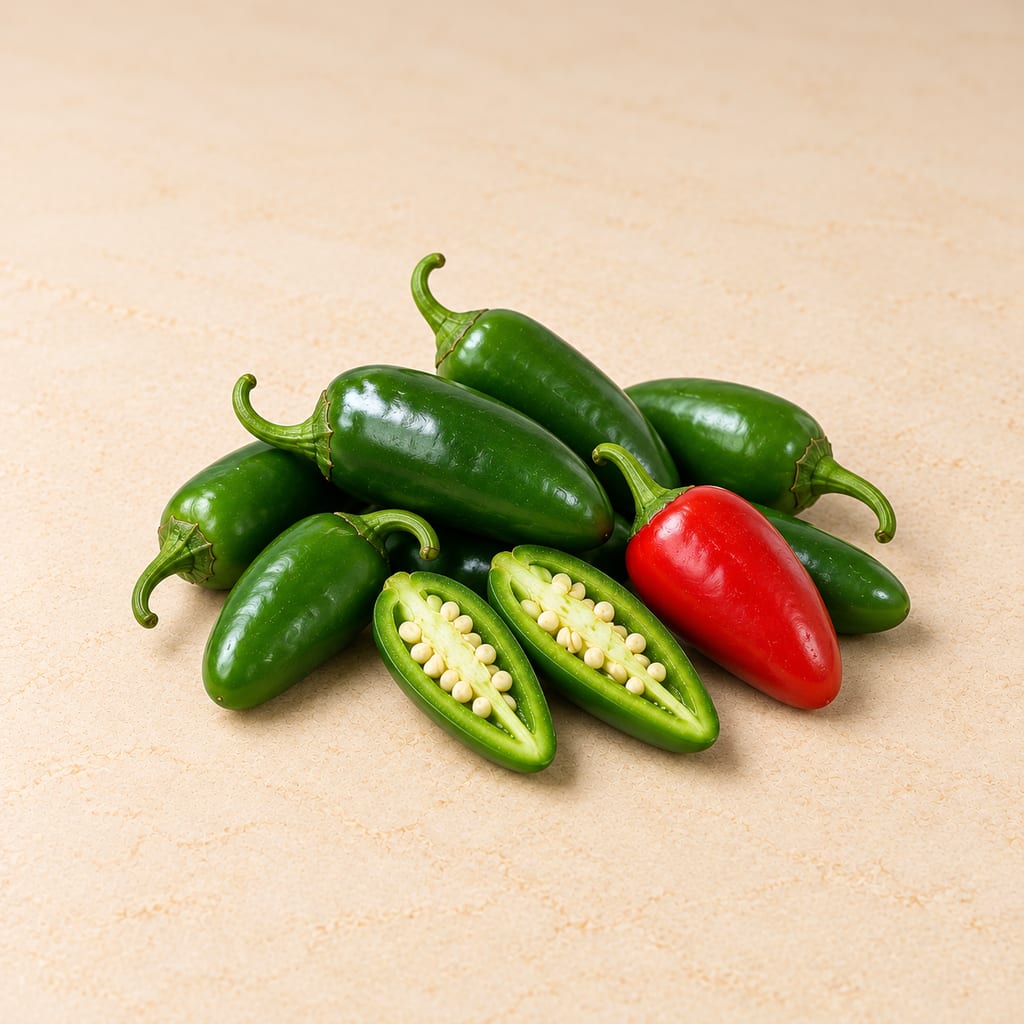
Jalapeño
Jalapeño is a named type of Capsicum annuum, usually sold green and also eaten red when ripe. It has a fresh green aroma and a reported heat range of about 2,000–8,000 Scoville units.
 FermenteaWhere food goes to change
Modern method
Tepache
An Oregon State food-science lab formula ferments pineapple skin and piloncillo with jalapeño and warm spices for three to five days, then strains and refrigerates it. The handout reports wide alcohol variability.
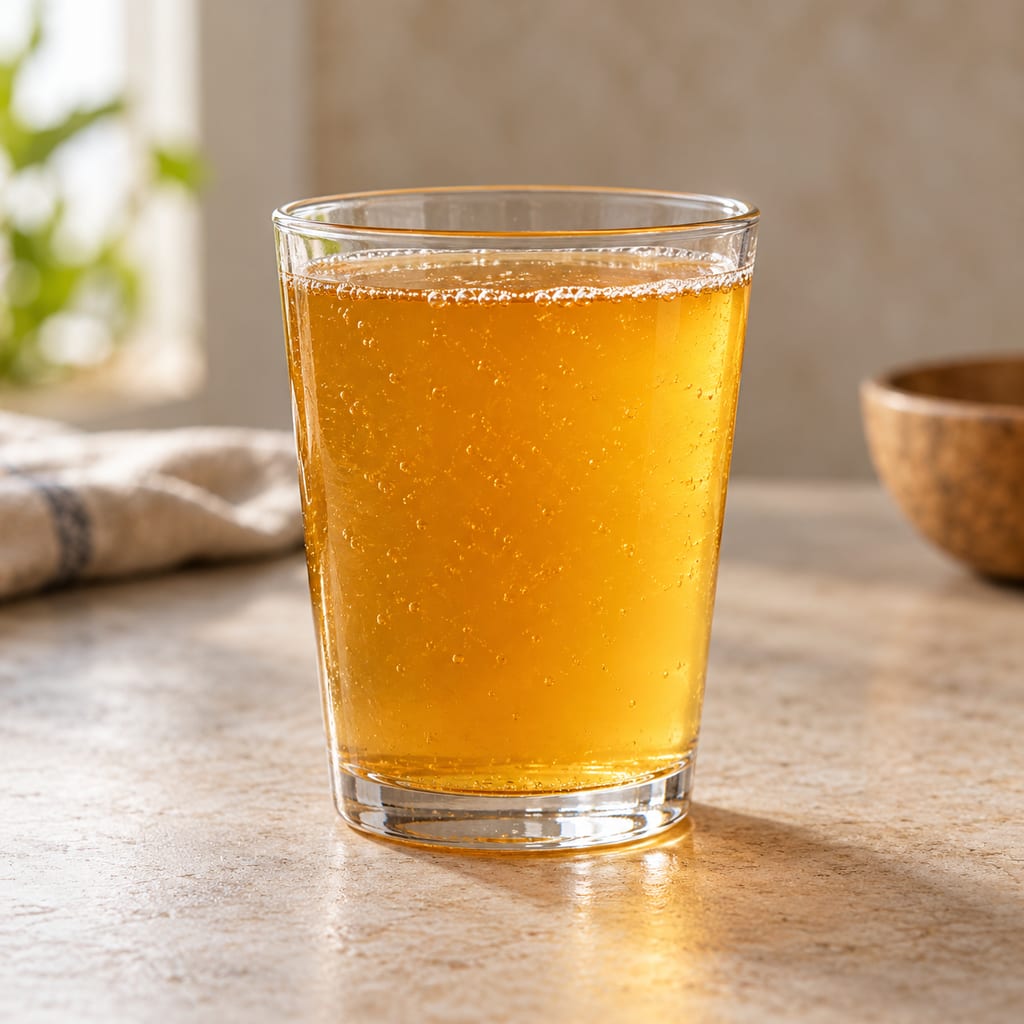
Tepache is a Mexican fermented beverage commonly prepared from pineapple peel, sugar and water. The modern pineapple version has a characteristic fruity, mildly acidic and sometimes sparkling quality.
The recipe documented here uses pineapple skin and core, piloncillo, jalapeño, cinnamon and cloves. It is a specific contemporary interpretation of a much wider Mexican beverage tradition.
The pineapple is Ananas comosus, a member of the Bromeliaceae family.
Piloncillo is an unrefined cane sugar, traditionally sold in solid cones. The name is particularly common in Mexico, while similar sugar products are known elsewhere by names including panela and rapadura. These are related categories of minimally refined sugar, not always identical products.
Jalapeño is a cultivar of Capsicum annuum. Cinnamon comes from species of Cinnamomum and cloves from Syzygium aromaticum.
The precise cinnamon species is not specified in this recipe.
Tepache is often described as a lightly fermented refreshment rather than a strong alcoholic drink. That description must not be interpreted as a guarantee that it contains negligible alcohol.
Fermentation conditions and sugar availability can produce very different results. The measured recipe retained here carries a reported alcohol range of approximately 0.3–4% ABV, depending on fermentation time.
Tepache is part of Mexico's extensive family of fermented drinks, alongside preparations made from maize, agave, fruit, cacao and other local plant materials.
The word has historical connections to Nahuatl-speaking communities. Older forms of the beverage are associated with maize, whereas modern central Mexican tepache commonly uses pineapple.
A useful documentary anchor comes from 1634, when the term appeared in Nahuatl-language material associated with Bartolomé de Alva. The historical references include the selling of tepache and other alcoholic beverages.
That evidence confirms use of the beverage name in the seventeenth century. It does not establish that the drink at that date had the exact pineapple, piloncillo and jalapeño formulation presented here.
This distinction is particularly important because many contemporary descriptions collapse the history of the word, the history of maize fermentation and the history of pineapple tepache into a single origin story.
Mexico has multiple regional fermented-fruit traditions, and the modern word tepache can encompass more than one substrate.
Ethnographic research identifies preparations using several plant species. Pineapple is now particularly prominent in central Mexico, but western Mexican versions may use other bromeliad fruits, including Bromelia karatas, known as tumbiriche or timbiriche.
Other regional versions can use fruits introduced to Mexico, such as apples and oranges.
The pineapple-rind method is closely associated with informal and household preparation. It also has a street-vendor tradition in which the drink is produced and sold as a cooling refreshment.
The modern combination of pineapple peel and unrefined cane sugar has practical advantages. It makes use of aromatic fruit material that would otherwise be discarded and supplies accessible sugars for fermentation.
The precise Oregon State formulation is not presented as an unchanged indigenous recipe. Its distinctive jalapeño addition and measured two-litre batch belong to a modern food-science teaching context.
Pineapple peel is not merely an inexpensive substitute for the fruit flesh.
The skin contains aromatic compounds and plant tissues that contribute flavour during extraction. It also carries naturally occurring microorganisms associated with the fruit surface.
Pineapple tissues contain sugars and organic acids. Some of these enter the water during steeping and fermentation.
The core can contribute additional juice and soluble compounds.
The fruit's natural acidity influences the starting conditions, but does not automatically establish a safe finished pH.
Surface-associated yeasts and bacteria are the basis of spontaneous pineapple tepache fermentation. Unlike a standard brewing process inoculated with a defined yeast strain, the culture is not fully specified in advance.
Microbiological research has found complex populations of fungi and bacteria in tepache.
One investigated fermentation showed an early stage involving yeasts and lactic acid bacteria, followed by greater involvement of acetic-acid-associated bacteria as the process progressed.
The microbial balance changes with time, oxygen availability, ingredients and preparation conditions.
This is why tepache can begin as a sweet fruity drink, develop acidity and carbonation, and eventually become excessively sour.
The process is not merely extraction of pineapple flavour into sugar water. Active microbes transform the ingredients.
Piloncillo provides a concentrated source of fermentable sugar, principally sucrose.
Yeasts can split sucrose into glucose and fructose, then metabolise those sugars to produce ethanol and carbon dioxide.
Carbon dioxide accounts for bubbles and some of the drink's effervescence.
Lactic acid bacteria can convert sugars into organic acids, especially lactic acid. Different organisms and pathways may also produce carbon dioxide and other flavour compounds.
Acetic acid bacteria can oxidise ethanol to acetic acid where oxygen and suitable conditions permit.
This creates a changing balance among sweetness, alcohol and acidity.
Pineapple also contains its own organic acids, so a sour taste is not proof that fermentation has progressed to a particular microbiological endpoint.
The mixture can become more acidic while still retaining substantial fermentable sugar.
Likewise, visible bubbling is not a reliable measurement of alcohol concentration.
The spices and chile influence the flavour profile. Cinnamon and cloves contain aromatic compounds that can produce warming, woody and pungent notes.
Jalapeño adds a green pepper aroma and variable heat. Capsaicinoids are not the main fermentation substrate, and adding pepper does not guarantee a particular microbial effect.
The combination therefore produces two simultaneous kinds of transformation: microbial conversion of sugars and extraction of flavour from fruit, spice and chile.
The measured two-litre formula contains:
Ingredient — Quantity — Purpose
Pineapple skin — 180 g — Fruit flavour and associated microorganisms
Piloncillo — 200 g — Main fermentable sugar addition
Jalapeño — 1 pepper — Chile flavour and heat
Cinnamon — 3 sticks — Warm aromatic character
Cloves — 5 buds — Concentrated spice aroma
Filtered water — To 2 L total — Fermentation and extraction medium
The recipe also incorporates the pineapple core during preparation, although the ingredient table identifies the measured pineapple-skin portion separately.
No core weight is given.
The pineapple flesh is reserved for another use.
The amount of water is expressed as a final batch volume rather than a separately weighed water addition. This matters because the pineapple and other ingredients occupy space in the vessel.
The formula's stated volume is two litres before straining. The finished liquid volume is not measured.
No commercial yeast or bacterial starter is added.
The recipe requires a fermentation container suitable for approximately two litres of ingredients and liquid.
A lid fitted with an airlock is specified. The airlock permits fermentation gases to leave without maintaining a fully open vessel.
The liquid should be mixed and handled using clean food-grade utensils.
A knife and cutting board are needed to prepare the pineapple and chile. A saucepan or other heating vessel is used to dissolve the piloncillo.
A strainer is required at the end of fermentation.
The source does not specify a mandatory vessel material, pressure rating or measured fermentation temperature.
1\. Prepare the piloncillo syrup. Dissolve 200 g piloncillo in hot water. Allow the liquid to cool to approximately room temperature before combining it with the fruit. The source does not specify a numeric syrup temperature.
2\. Prepare the flavouring ingredients. Slice one jalapeño. Place it in the fermentation container with three cinnamon sticks and five cloves.
3\. Wash the pineapple. Gently wash the whole fruit in cool water. Remove the crown and base. The washing stage reduces surface contamination but does not sterilise the peel.
4\. Separate the fruit. Remove the skin and core. Weigh the skin portion specified in the formula and add it to the fermentation vessel with the core. Reserve the flesh for eating or other recipes.
5\. Combine the ingredients. Pour the cooled piloncillo solution over the fruit and flavourings.
6\. Adjust the volume. Add filtered water until the mixture reaches the two-litre batch quantity. The recipe describes filling the jar to its shoulders rather than completely to the rim.
7\. Fit the airlock. Close the vessel using the specified airlock arrangement. Do not substitute a completely sealed non-vented bottle for the primary ferment.
8\. Ferment for three to five days. The documented fermentation duration is three to five days. No numerical ambient temperature is provided, so an exact fermentation temperature must not be invented.
9\. End the primary fermentation. Strain out pineapple material, pepper and spices within the documented time window.
10\. Refrigerate the liquid. Transfer the strained beverage to suitable clean containers and refrigerate.
The recipe does not prescribe a second sealed-bottle fermentation.
It also does not specify a target pH, final sugar concentration, validated alcohol endpoint or refrigerated shelf life.
The lab handout mentions that the pineapple material may be used again by adding another piloncillo cone and topping up with water.
This is an optional second-round suggestion, not an independently characterised second recipe.
The additional piloncillo quantity is described as one cone, without a defined weight.
No separate microbial safety validation, alcohol measurement or precise secondary-fermentation endpoint is provided.
For a repeatable database recipe, this should therefore remain an optional historical or experimental note rather than a complete standardised second batch.
The most familiar pineapple tepache commonly uses peel, unrefined sugar, water and warming spices. Cinnamon is frequent, but not universal.
Some recipes omit the chile entirely. Others add ginger, different peppers, citrus or other spices.
The sweetness and acidity of the finished drink vary with the amount of sugar and the duration of fermentation.
Other documented versions incorporate different fruits or different grain ingredients.
A particularly important variation appears in Mexican recipe collections in which pineapple is combined with barley. Some versions begin with pineapple and spices, then introduce cooked barley and piloncillo during a later fermentation stage.
That produces a different substrate composition from the direct pineapple-rind method.
Such a variation should be noted as part of the tepache family but not treated as identical to the two-litre Oregon State batch.
There are also Mexican preparations in which tepache is combined with beer or served as part of mixed alcoholic drinks.
Those are serving or formulation variants rather than evidence that every basic tepache is made with beer.
Fresh pineapple tepache combines fruit aroma, residual sweetness, acidity and a degree of effervescence.
The addition of jalapeño gives this version a spicy character. The amount of perceived heat depends on the individual pepper and how much capsaicin-bearing material enters the liquid.
Cinnamon and cloves add warm spice notes that balance the pineapple's fruitiness.
The drink is commonly served chilled, often over ice.
It can accompany spicy foods, grilled foods and everyday meals, although no single pairing is required.
Modern culinary applications include using tepache as a mixer or flavouring component in alcoholic drinks. It can also provide a fruity acidic element in non-alcoholic mixed beverages, provided its actual alcohol content is understood.
For a beverage reference website, it is important not to categorise all tepache as non-alcoholic simply because it is frequently served as a refreshment.
Early fermentation may produce light bubbles, changes in aroma and gradual reduction in sweetness.
The fruit and spice ingredients can float or shift inside the vessel as carbon dioxide develops.
The liquid may become cloudy because of suspended particles and microorganisms.
A shift from sweet pineapple aroma toward a pleasant fermented, lightly acidic character is consistent with the intended process.
However, the exact sensory endpoint is not numerically defined.
The source's specific instruction is to stop within three to five days to avoid excessive acidification.
Prolonging the process changes the beverage, potentially increasing sourness and changing its alcohol content.
A lack of fermentation activity may reflect insufficient viable organisms, unsuitable conditions or limitations in the ingredients.
It should not automatically be corrected by extending the fermentation indefinitely.
Visible mould, putrid odours or other obvious contamination require rejection. Normal appearance does not guarantee safety.
The reported possible alcohol range is approximately 0.3–4% ABV.
This is a broad source statement rather than a measurement from every batch made with the formula.
The exact alcohol content cannot be inferred from fermentation duration alone.
Tepache is a spontaneous fermentation with variable microbiology. Scientific observations of selected batches cannot be assumed to characterise every household preparation.
The recipe does not define a validated pH endpoint.
Fermentation time, taste and bubbling are insufficient to prove microbiological safety or suitability for particular consumers.
The beverage should not be described as alcohol-free, and it should not be presented as automatically safe for children or people avoiding alcohol.
The source requires refrigeration after straining. It does not establish a long-term storage procedure.
A tightly closed container may accumulate pressure if residual sugar and active yeast remain.
Claims about specific probiotic health effects also require care. The presence of live microbes does not establish clinically demonstrated health benefits.
Editorial conclusion: Retain the measured two-litre recipe as a modern adaptation of Mexican pineapple tepache. Distinguish the historical maize-associated name from this particular pineapple recipe, and prominently disclose its variable alcohol content.
Tepache is associated with Mexican pineapple-fermented drinks; this precise measured formula comes from an Oregon State University lab handout and is a modern adaptation.
Yield 2 L before straining · Scaling: source batch only
The lab handout reports about 0.3–4% ABV depending on fermentation time.
Hazard sourceThe source specifically says to stop after three to five days to avoid over-acidification; it gives no pH endpoint.
Hazard sourceFollow the source's three-to-five-day window and refrigerate the strained drink; do not infer alcohol or acidity from bubbles, taste or time alone.
Control sourceThe source reports 0.3–4% ABV depending on time; do not describe this drink as alcohol-free.
This lab handout gives no pH endpoint or storage duration.
The background source associates tepache with Mexican street-vendor practice; this is not a claim that the lab formula is traditional.
The measured formula is a university lab adaptation.
Jalapeño is a named type of Capsicum annuum, usually sold green and also eaten red when ripe. It has a fresh green aroma and a reported heat range of about 2,000–8,000 Scoville units.
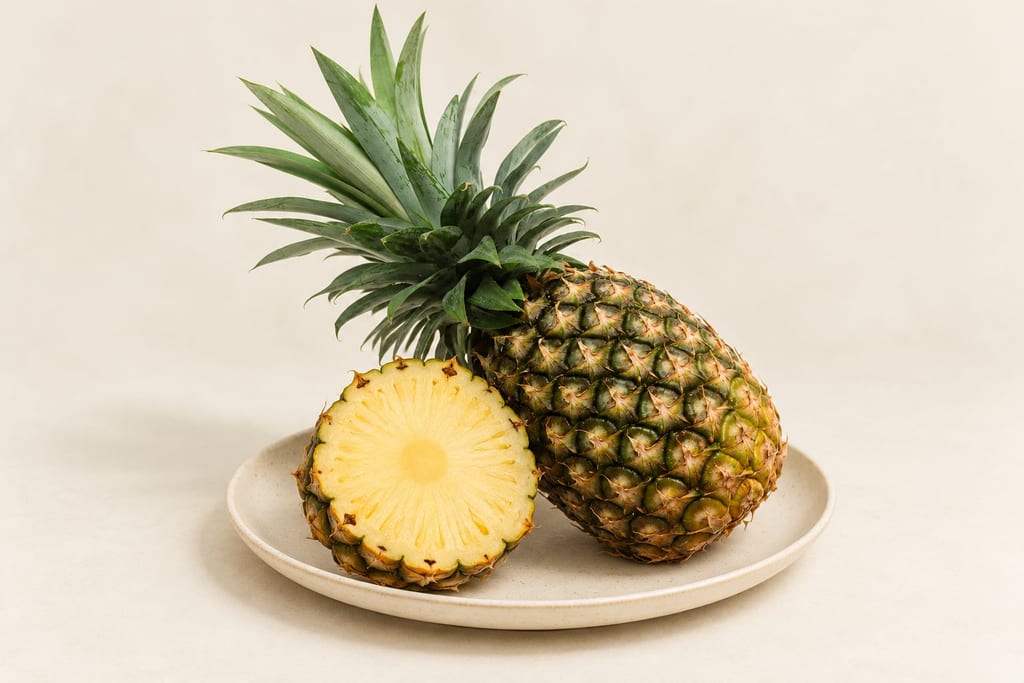
Pineapple is a sweet-tart tropical multiple fruit whose fresh flesh and peel supply sugars and acids to fruit ferments, while cultivar and maturity shape the balance.
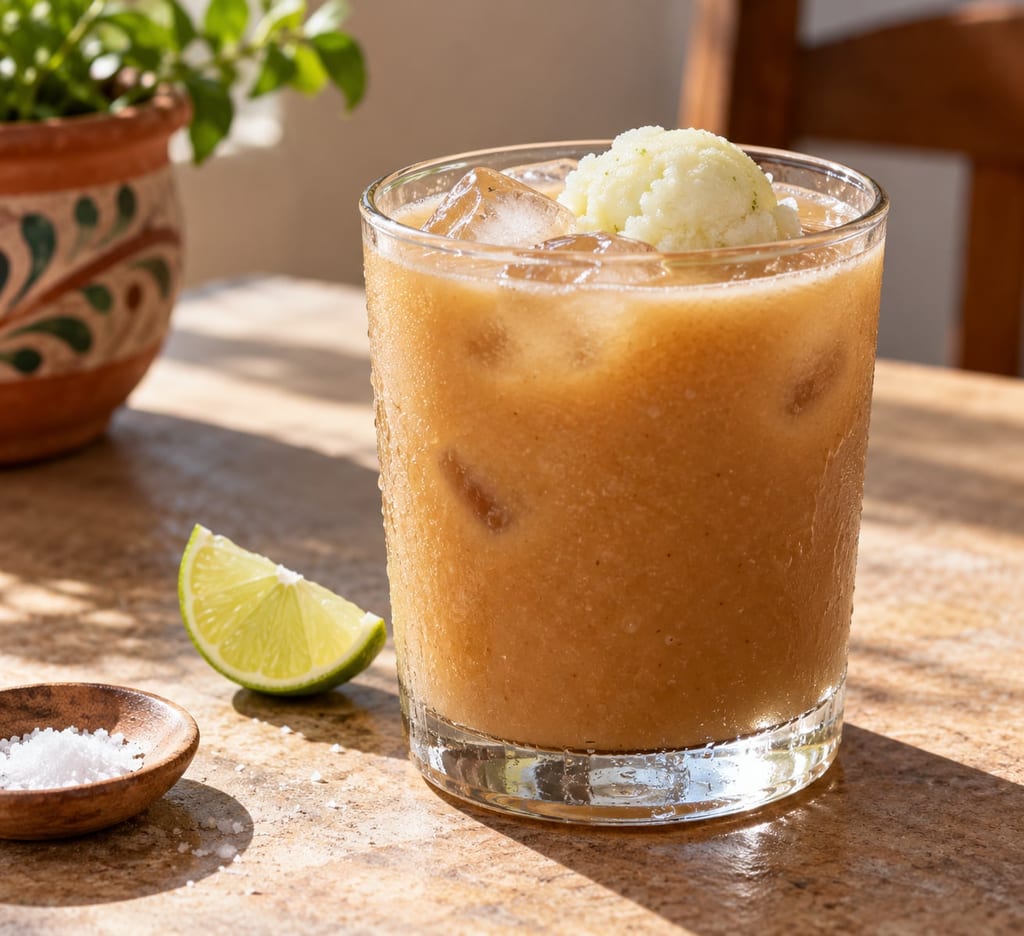
A tart, lightly fermented drink of Jalisco: nixtamalized maize masa cooked with piloncillo and limed, then diluted over ice and salted at serving.
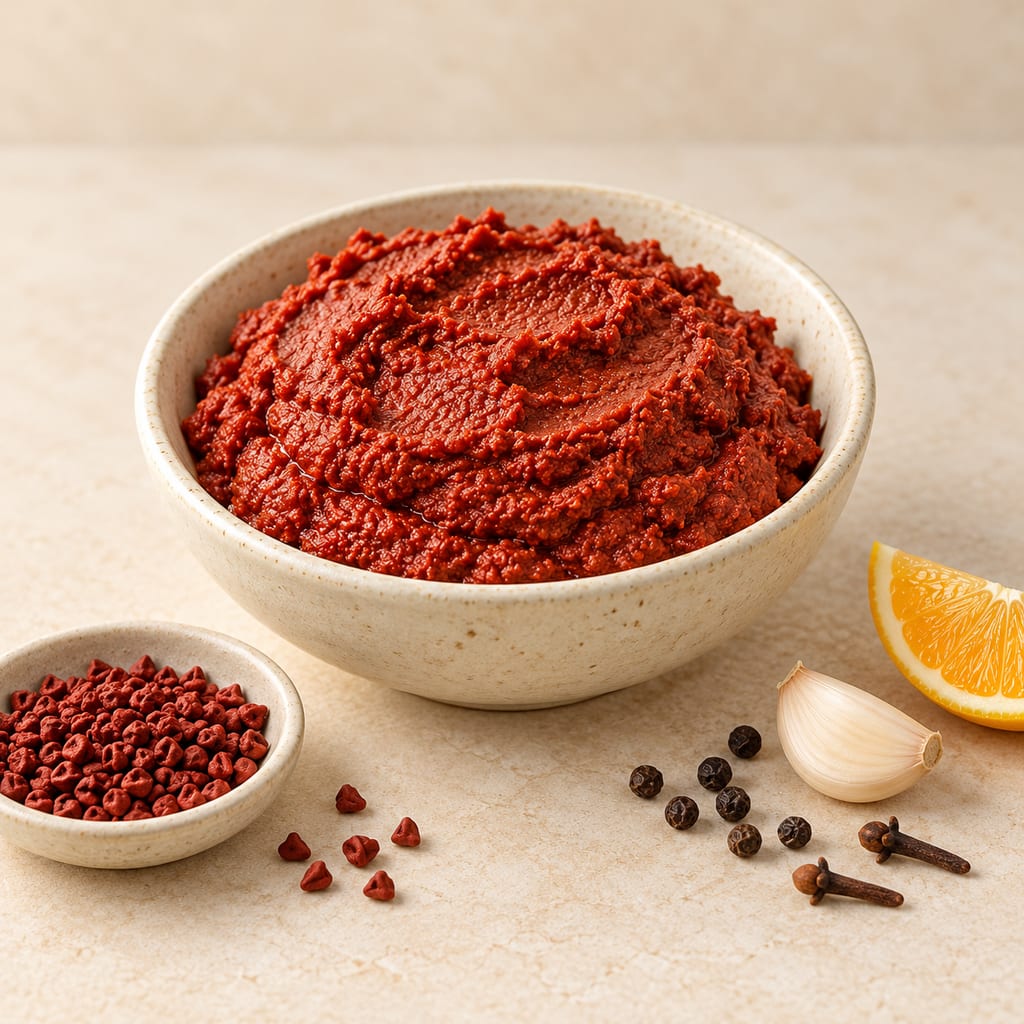
A Yucatecan recado rojo is a brick-red seasoning paste built on annatto seed, garlic and sour orange. This measured home version shows one route into a much wider family of market and household recados.
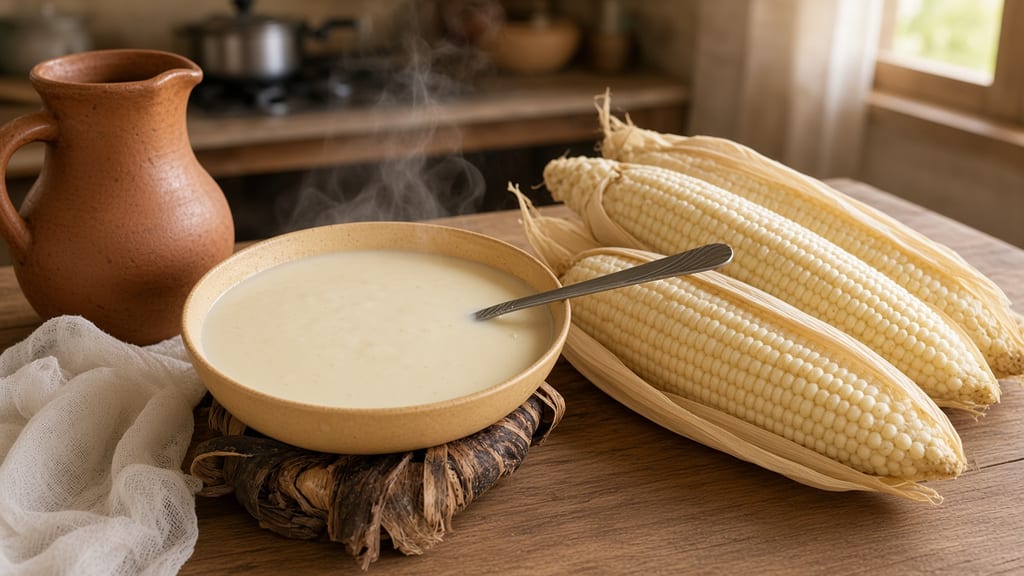
A hot, sour maize drink from Tabasco made from maize that is not lime-cooked. The ground grain sours for half a day, then makers strain it and boil it until thick.
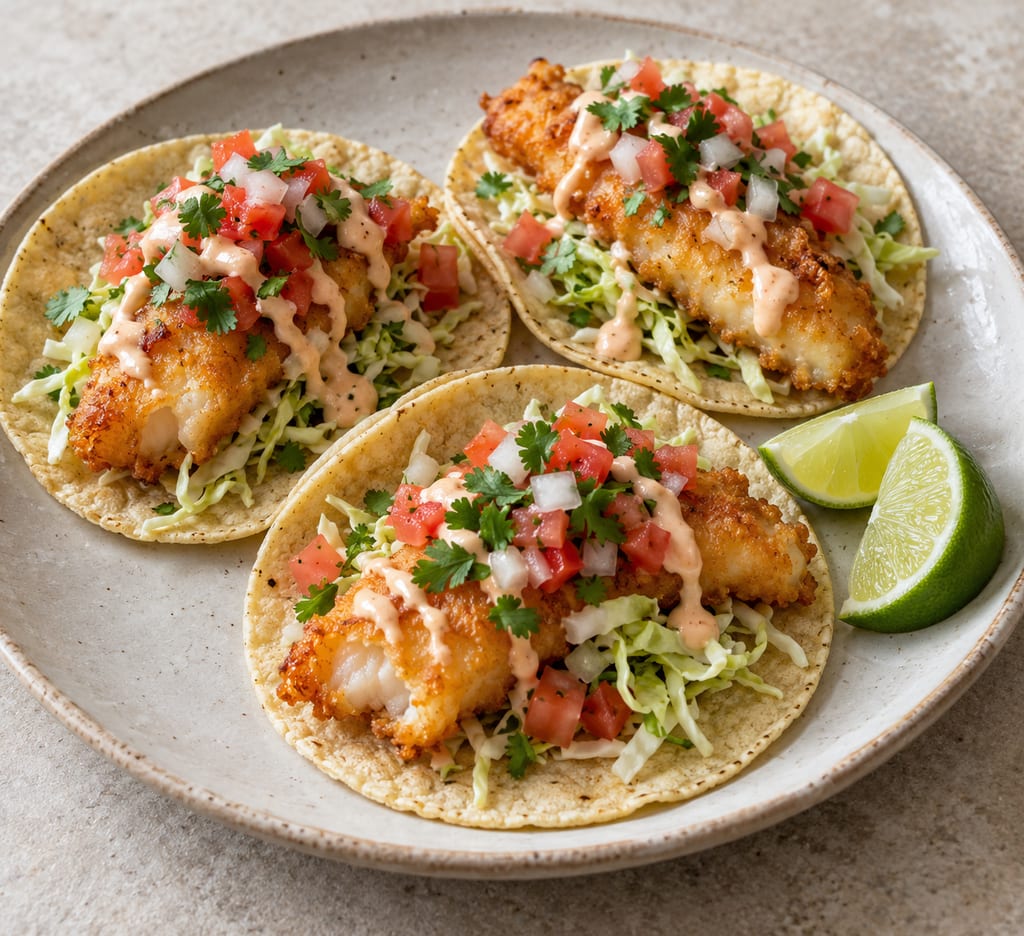
Crisp battered white fish in warm corn tortillas with shredded cabbage, lime and fresh salsa. This home version draws on the Ensenada style without claiming to be a definitive historic formula.
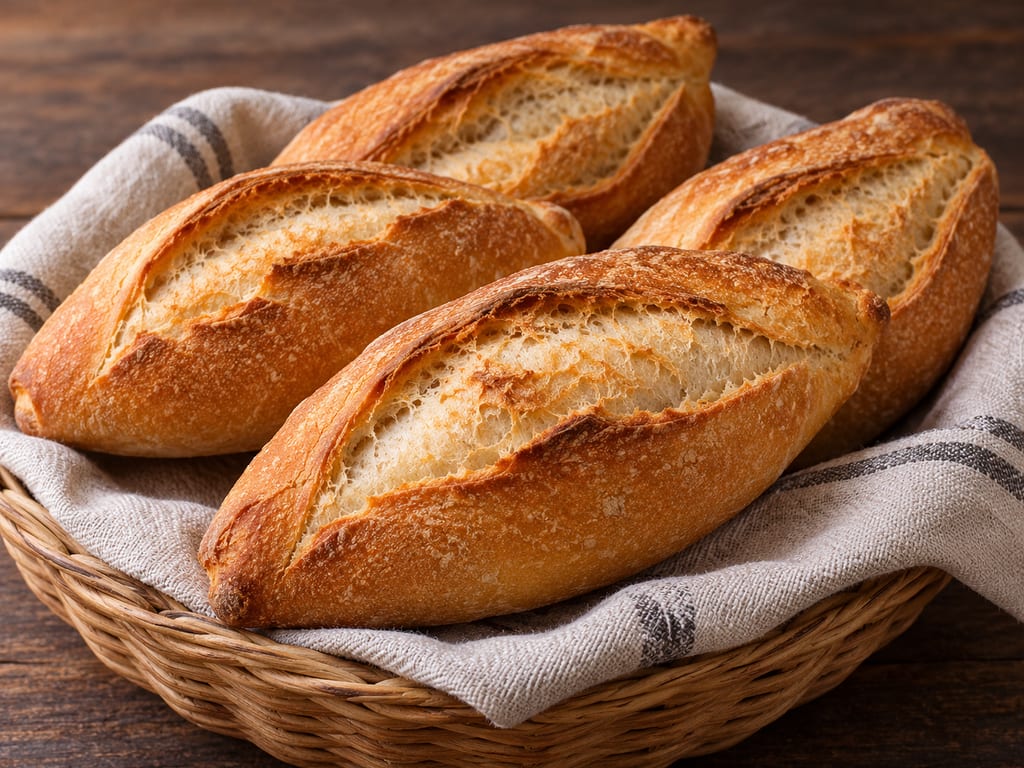
A measured, commercial-yeast home method for Guadalajara-style birote salado, with a six-hour preferment, shaped rolls and a two-temperature steam bake. This formula contains no egg.
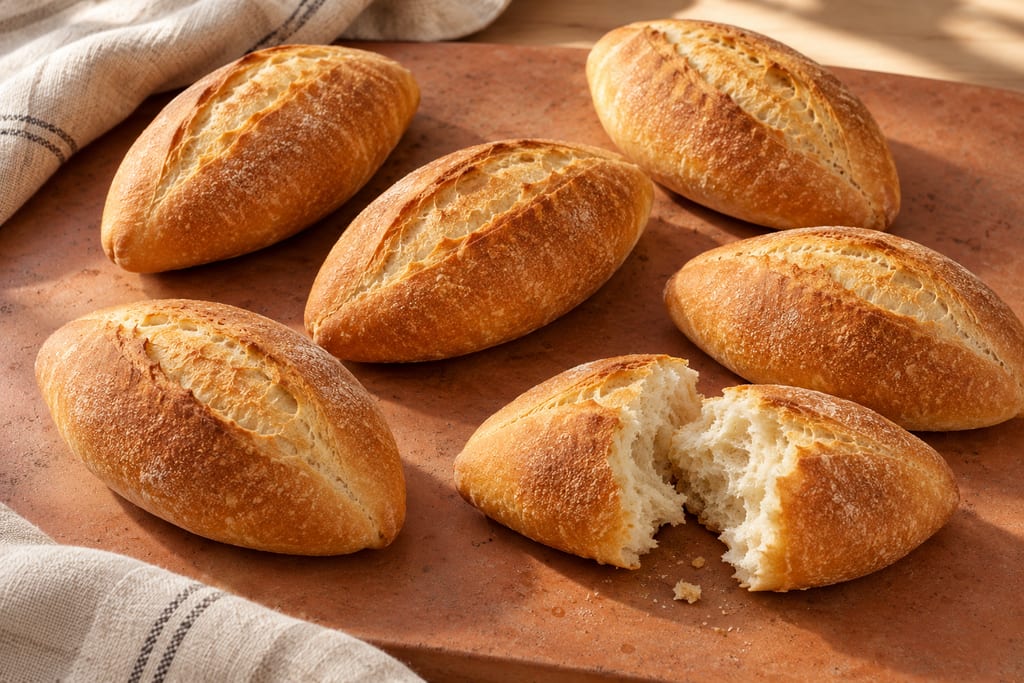
Small, lightly enriched rolls with tapered ends and a scored top; this six-roll formula bakes on a hot stone with steam for a thin, crisp crust.
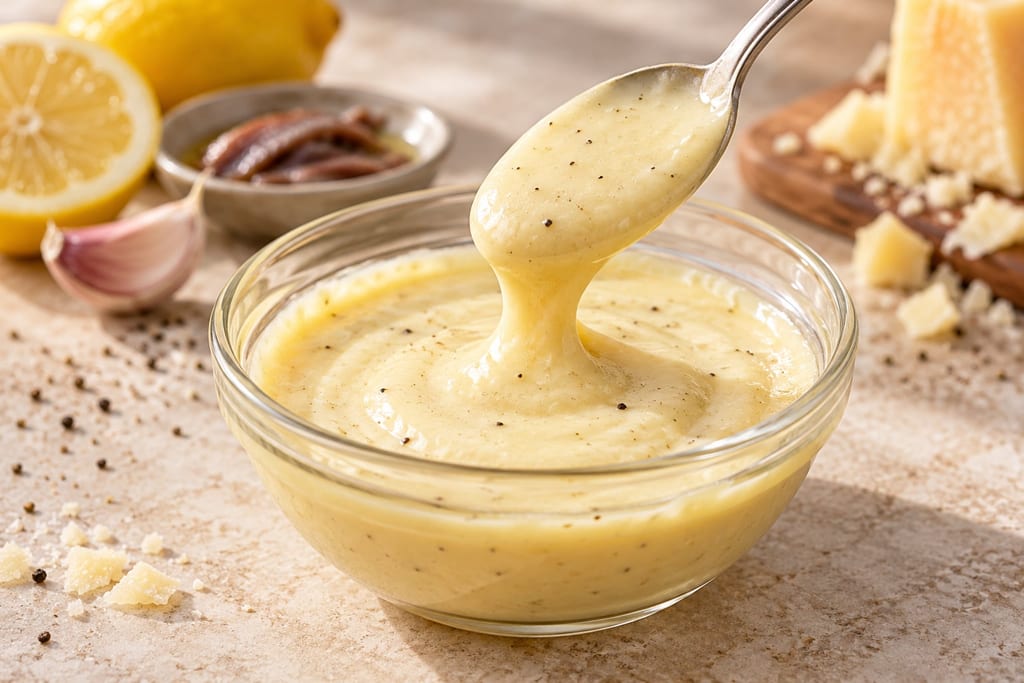
A source-specific Caesar dressing made with pasteurized egg yolks, Parmesan, lemon, anchovy, garlic, mustard and olive oil. This modern Vitamix formulation is distinct from the salad’s disputed 1924 origin accounts.
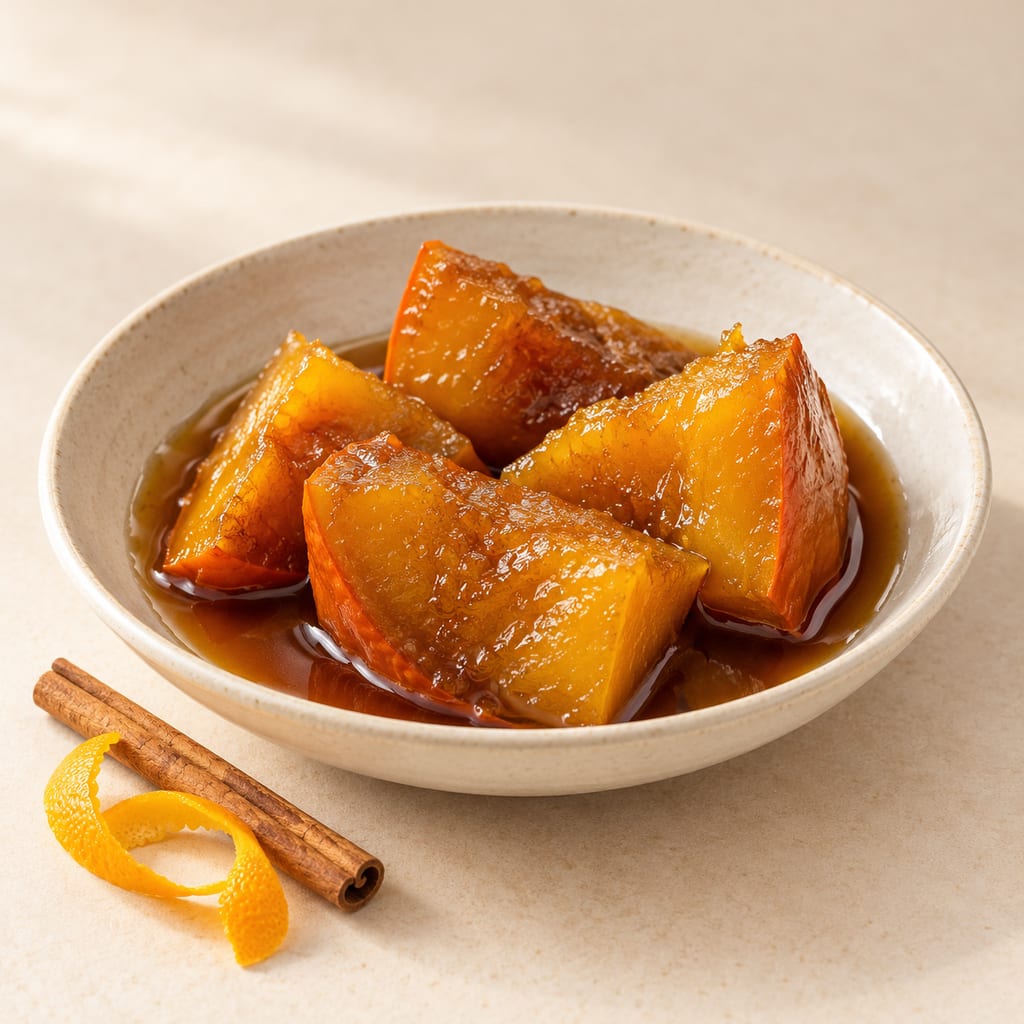
Rind-on pumpkin simmered with piloncillo, orange and cinnamon until glazed. This Mexican sweet keeps refrigerated for up to one week.
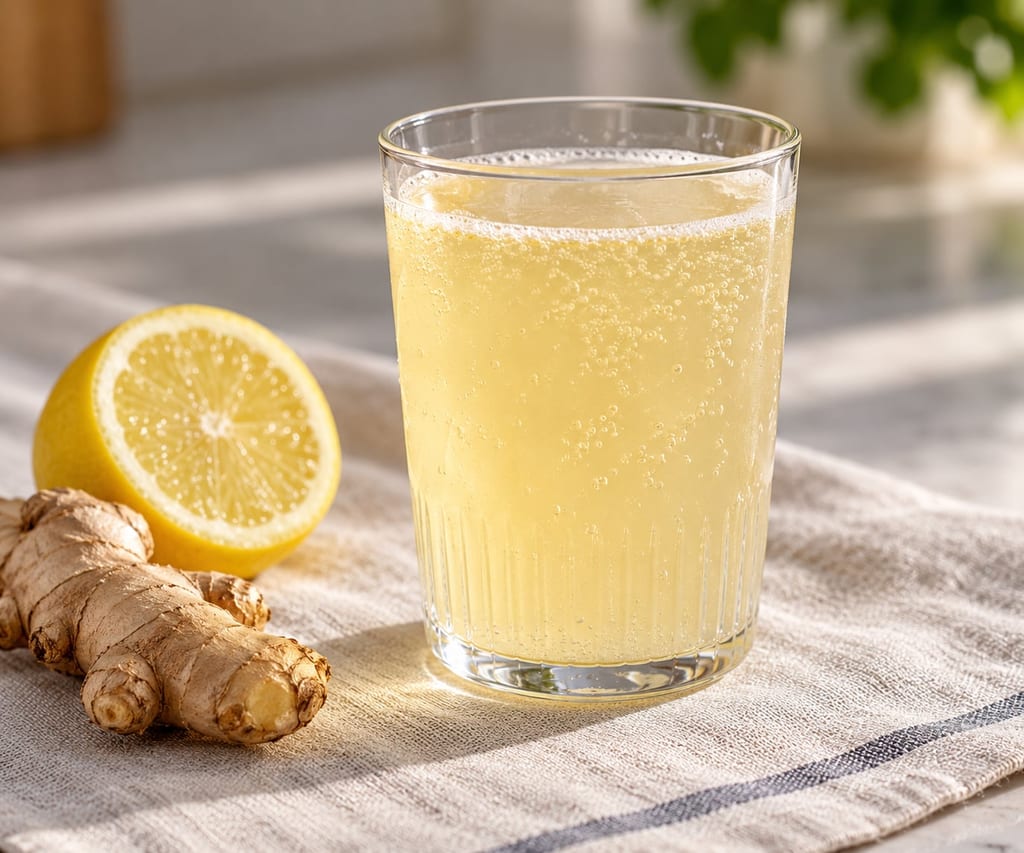
A one-liter teaching recipe ferments bruised ginger, lemon, sugar and cream of tartar with measured baker’s or ale yeast, then conditions the drink briefly in PET bottles before refrigeration.
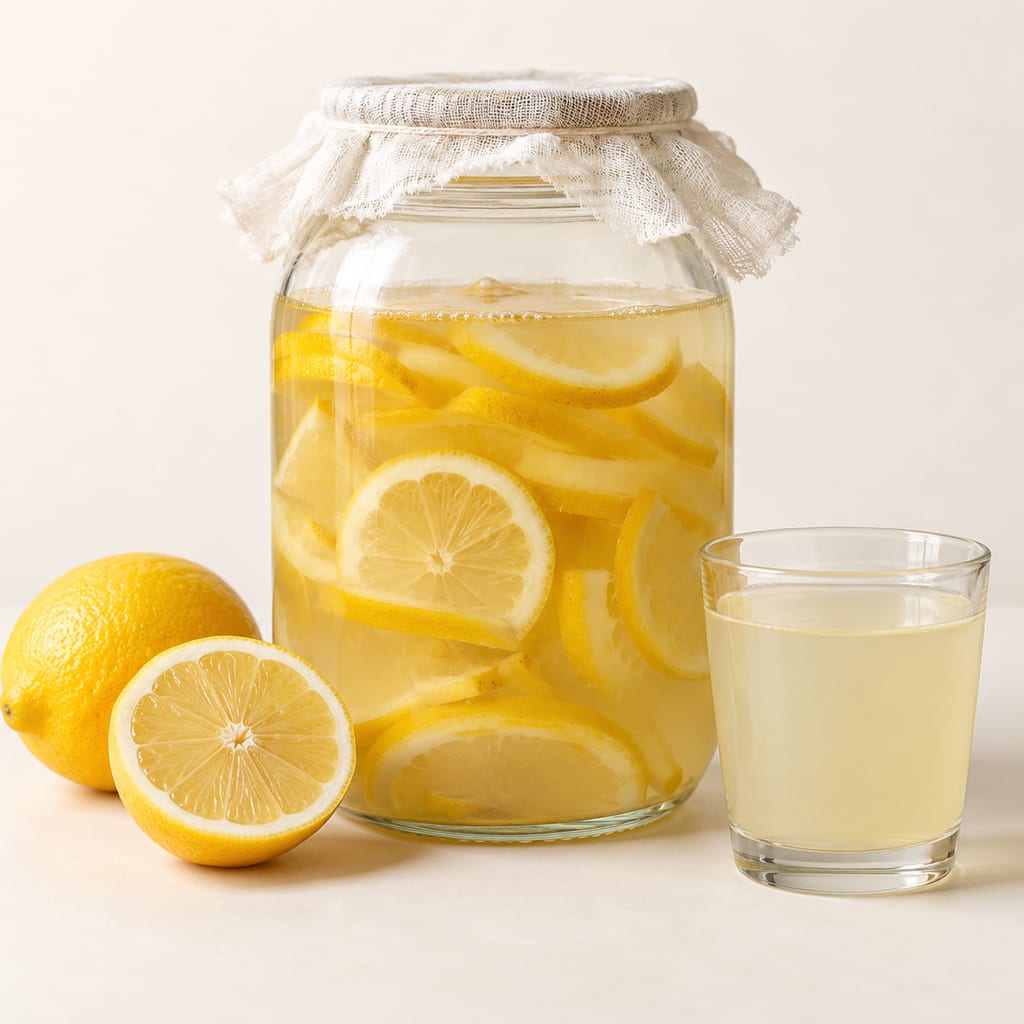
A lightly fizzy lemon drink made from peel-on lemons, water and sugar, held in a covered jar, bottled and kept going with small sugar and peel additions.
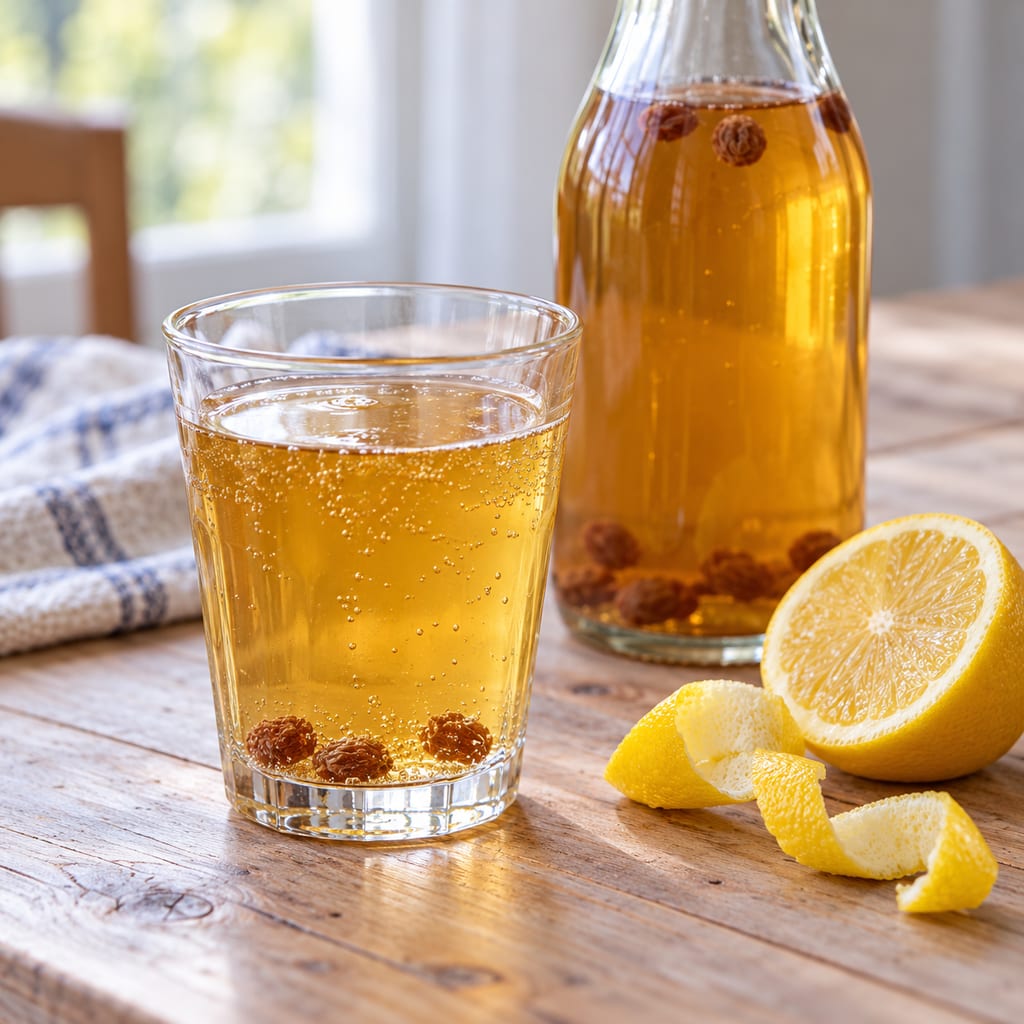
A lightly fermented Finnish May Day drink of lemon, white and brown sugar and a little yeast, bottled with raisins that rise as the carbonation builds.
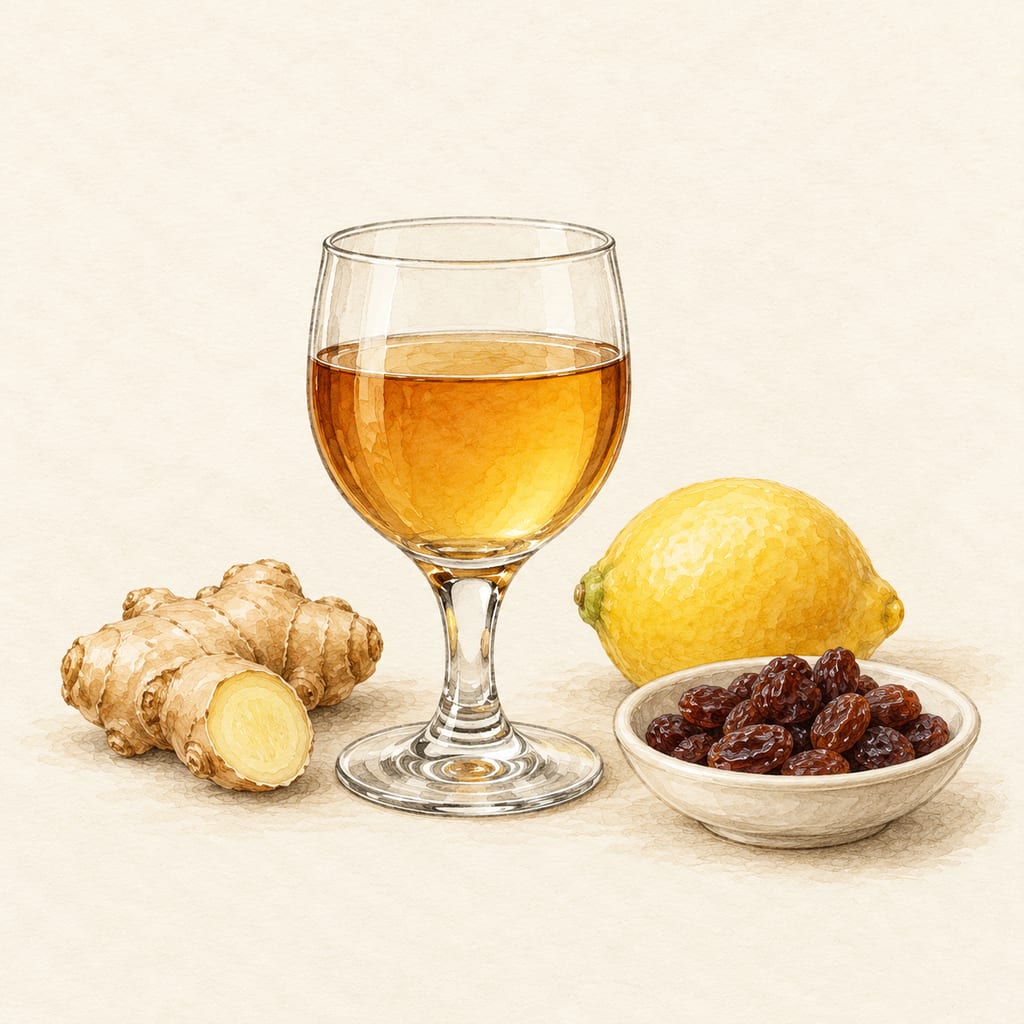
A Victorian household wine of boiled sugar, lemon and bruised ginger, worked on raisins in a cask for a fortnight and finished with brandy, made nine gallons at a time.

Jun is a fermented tea drink made with green tea and honey instead of the sweetened tea of kombucha. Its culture identity and origin are not established, and sealed bottles can build pressure and alcohol.
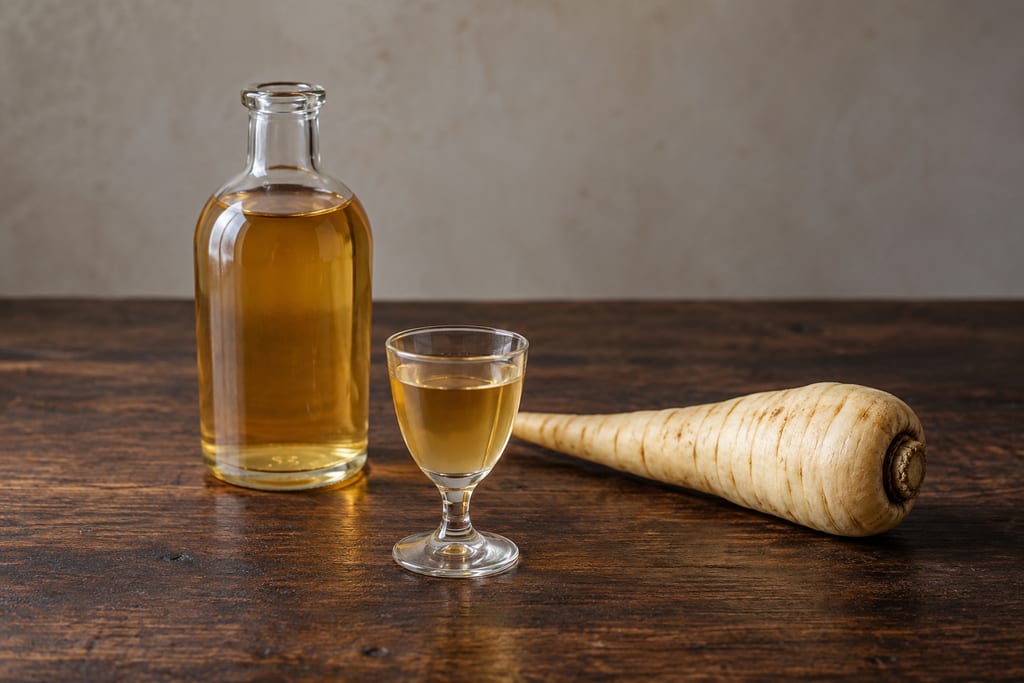
Wright's 1909 compilation records a parsnip wine made from boiled roots, sugar and a little yeast. The liquor spends ten days in a tub, then twelve months in a cask topped up daily only while the wine works over.
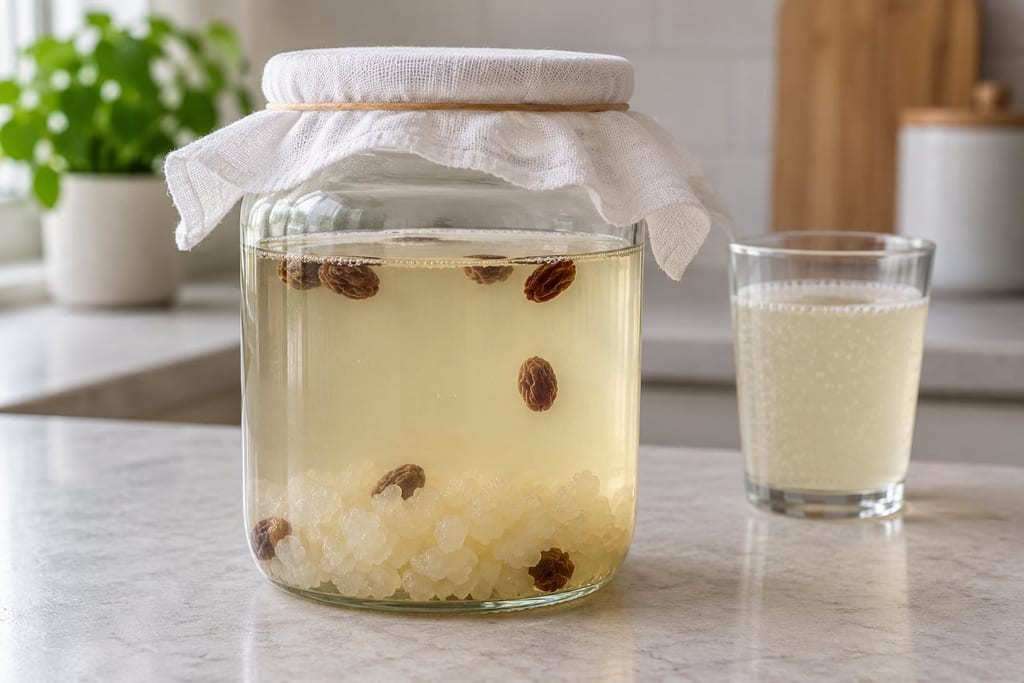
Water kefir grains culture lightly sweetened water into a tart, faintly fizzy drink, with raisins added as an optional dried-fruit nutrient. Alcohol, acidity and fermentation rate vary batch to batch.

A gelling polysaccharide extracted from red seaweeds, sold as kanten strips or powder; it sets firm at a low concentration and stays solid until about 85 °C.

A Dominican table and seasoning condiment of sour orange juice, mixed with lime and salt and bottled raw; garlic, oregano or a hot pepper may be added for meat or a spicier bottle.

Cicerbita alpina is an alpine perennial whose tender shoots and leaves have been eaten raw or cooked. Sámi milk preparations and modern Carnian dishes are distinct uses, with serious identification and preservation limits.

Japanese skipjack tuna cooked, then repeatedly smoked and dried over a wood fire by the hand-fired tebiyama method into a hard block for shaving into dashi: the first stage of katsuobushi.

A Swedish-style spirit vinegar made by fermenting neutral alcohol with live vinegar bacteria, with a separate guide to commercial ättika strengths.

A yeast-raised wheat ring shaped from a firm dough, briefly boiled and baked. This source-batch formula gives a gently malted crust and a chewy crumb.

A warm dip of garlic, anchovy and olive oil, often enriched with butter, that Piedmont serves over a flame with raw and cooked vegetables and bread.

Bechamel is a white sauce of milk thickened with a butter and flour roux, one of the French mother sauces, and the base from which Mornay and other cheese and cream sauces are made.
No community contributions have been published for this entry yet.
Sign in to contribute. Published comments and photos are free to read.
Oregon State University Food Science / Curtin LabInspiration · Process · Safety
Tepache180 g pineapple skin, 200 g piloncillo, jalapeño, cinnamon, cloves; 2 L total
10 minutes preparation, 3–5 days fermentation, airlock, strain and refrigerate
Source reports 0.3–4% ABV and warns about over-acidification
Cited in: What it is; Why the pineapple skin matters; Ingredients; Equipment; Preparation stages; The optional second extraction; Monitoring progress; Alcohol, microbiology and safety
Bon AppétitHistory
TepacheBackground associates tepache with Mexican street-vendor practice; not used for this formula
Inspiration
Traditional Fermented Beverages of Mexico: A Biocultural Unseen FoodscapeRegional substrates and ethnographic context
Cited in: What it is; The history of tepache; Regional variations
Nahuatl Dictionary, Wired Humanities ProjectsInspiration
TepacheHistorical linguistic attestations
Cited in: The history of tepache
Microbiological Research, 2022Inspiration
Microbial Community Structure of Mexican TepacheMicrobial succession and fermentation chemistry
Cited in: Why the pineapple skin matters; The fermentation chemistry; Monitoring progress; Alcohol, microbiology and safety
Mexican Secretariat of AgricultureInspiration
Tepache, bebida tradicionalmente mexicanaMexican cultural context
Cited in: The history of tepache; Flavour and serving
Liquor.comInspiration
Tepache RecipeContemporary shorter variation
Cited in: Regional variations; Flavour and serving
Institute of Culinary EducationInspiration
TepacheModern fruit and spice variations
Cited in: Regional variations; Flavour and serving